Stainless Steel Ergonomic Chef Knife Suppliers and Manufacturers
Explore 24 verified options for Stainless Steel Ergonomic Chef Knife from Guangdong factories. Compare lead times, MOQs, response rates, and product specs like blade material and handle type. Contact suppliers directly to request samples or custom orders; review the available evidence before requesting comparable quotations from suitable candidates.
Updated
Suppliers List

Yangjiang Selectedhardware Enterprise Co., Ltd.
- Trading Company
- China Guangdong
- Lead time30 days
- Avg. response≤ 1h
Main productsCommercial Knives, Industrial Knives, Kitchen Knives, Scissors
Main marketsSouth America,Africa,Southeast Asia/ Mideast,Europe,North America

Stainless Steel Kitchen Knife with Ergonomic Handle Multipurpose Use Knife
$2.20 - $2.60
MOQ: 2000 Pieces


Yangjiang Delan Industrial Co., Ltd.
- Verified by SGS Group
- Manufacturer, Trading Company
- Lead time35 days
- Avg. response≤ 5h
Main productsKitchen Knives/Nylon Kitchen Utensils/Silicone Kitchen Utensils/Kitchen Gadgets
Main marketsWestern Europe(20%), Eastern Europe(15%), North America(10%)
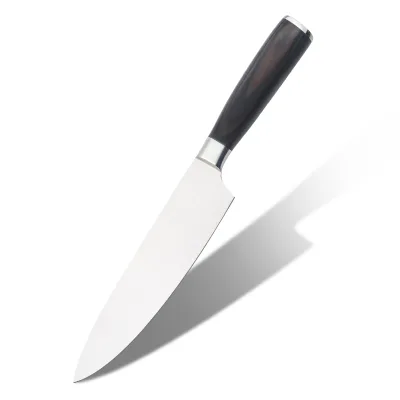
8 Inch Natural Pakka Wood Handle Stainless Steel Kitchen Chef Knife
MOQ: 3000 Minimum
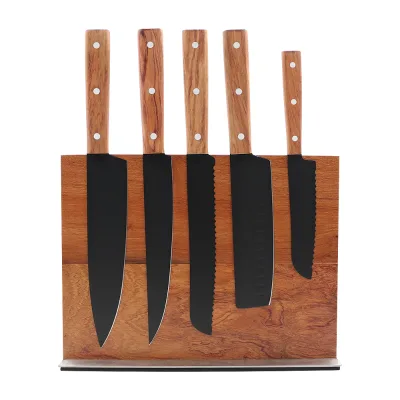
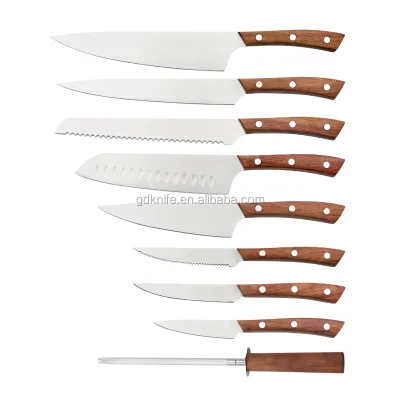
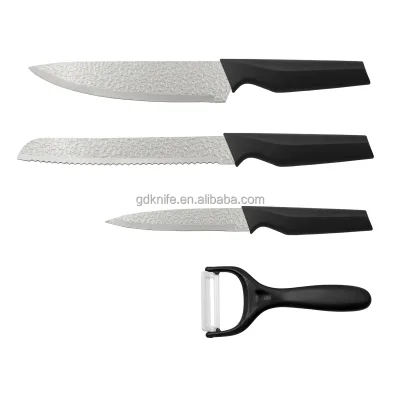
$3.70 - $3.90
MOQ: 2000 sets
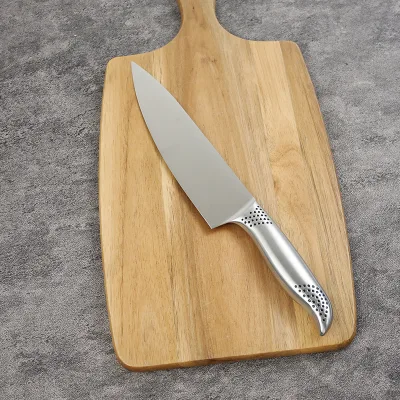
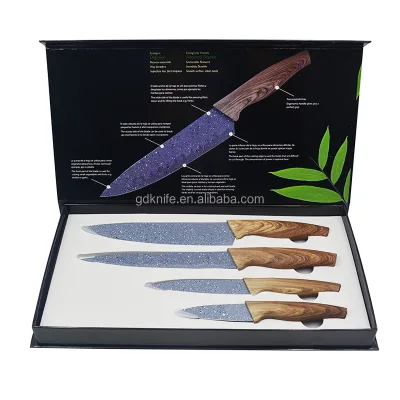
Guangdong Inwin Industrial Group Co.,ltd
- Verified by TüVRheinland
- Manufacturer, Trading Company
- Lead time45 days
- Avg. response≤ 4h
Main productsKitchen Knife, Cookware
Main marketsWestern Europe(30%), Eastern Europe(25%), Domestic Market(20%)

Yangjiang Bangchubao Industry and Trade Co.,Ltd
- Verified by BV
- Combined
- China Guangdong
- Lead time23 days
- Avg. response≤ 9h
Main productsKitchen Knife, Chef Knife, Fruit Knife, Carving Knife, Scissors, Utility Knife, Vegetable Knife, Vegetable Peeler, Meat Cleaver, Bread Knife
Main marketsDomestic

- Verified by SGS
- Trading Company
- China Zhejiang
- Lead time15 days
- Avg. response≤ 17h
Main productsMop, Kitchen Knife, Chopping Board, Blanket, Mosquito Net, Cushion, Slipper, Broom, Luggage, Educational Toy
Main marketsEurope,Australia

Premium Kitchen German Stainless Steel Chef Knife with Ergonomic Anti-Slip Handle
$3.55 - $3.64
MOQ: 280 Pieces

Utensils Cookware Kitchenware Tool Cutlery Chef Knife Stainless Steel Kitchen Knife
$2.00 - $2.50
MOQ: 400 Pieces

$4.10 - $4.20
MOQ: 240 Pieces

Chef Knife Professional High Carbon Stainless Steel Sharp Blades Ergonomic Wood Handle
$11.20 - $11.60
MOQ: 90 Pieces

$13.82 - $13.97
MOQ: 75 Pieces

Chef Knives Kitchen Bread Serrated Steak Knife Set High Carbon Stainless Steel
$8.40 - $8.47
MOQ: 120 Pieces
Guangdong Jinda Hardware Products Co., Ltd.
- Manufacturer, Trading Company
- Lead time旺季: "1 - 1000":35,"> 1000":"To be negotiated", 淡季: "1 - 1000":35,"> 1000":"To be negotiated"
- Avg. response≤ 5h
Main productsVegetable Chopper, Kitchen Utensil, Kitchen Knife & Scissors, Opener, Peelers
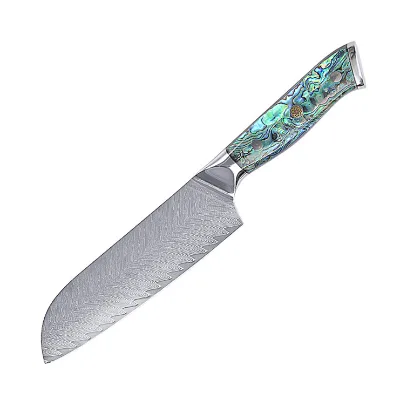
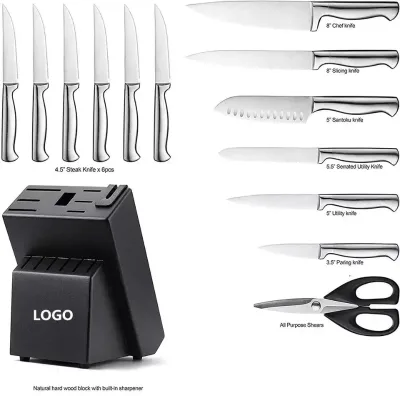
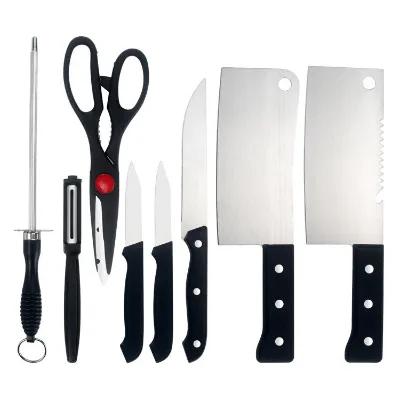
14PCS One Set Kitchen Stainless Steel Hollow Handle Self Sharpening Chef Kitchen Knife Set
$15.50 - $16.50
MOQ: 100 pieces
Yangjiang City Jin Niangzi Daily Products Co., Ltd.
- Manufacturer, Trading Company
- Guangdong, China
- Lead time0 days
- Avg. response≤ 1h
Main productsKitchen Knives, Kitchen Scissors, Kitchen Gadgets
Main marketsNorth America(30.00%), South America(20.00%), Western Europe(20.00%), Oceania(10.00%), Eastern Europe(10.00%), Southeast Asia(10.00%)

- Combined
- China Zhejiang
- Lead time30 days
- Avg. response≤ 12h
Main productsButcher Knife, Meat Grinder Knife, Commercial Kitchen Knives, Slaughtering Knives, Butchery Supply Knives Tools, Meat Mincer Knives Blades
Main marketsSouth America,Africa,Southeast Asia/ Mideast,East Asia(Japan/ South Korea),Domestic,Europe,Australia,North America
Zhangxiaoquan International Co., Ltd.
- Verified by TüVRheinland
- Manufacturer, Trading Company
- Lead time35 days
- Avg. response≤ 2h
Main productsKitchen Knives
Main marketsNorth America(30%), Western Europe(30%), Domestic Market(20%)
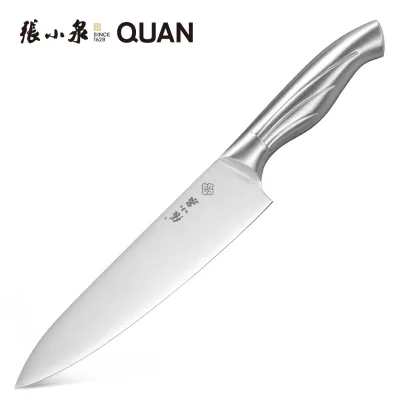
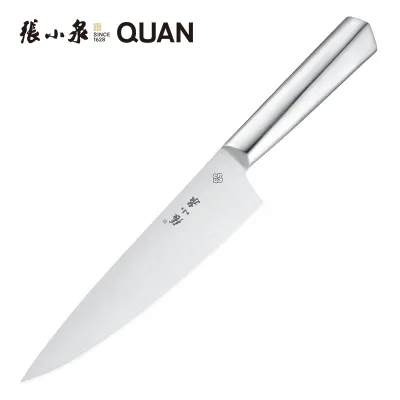
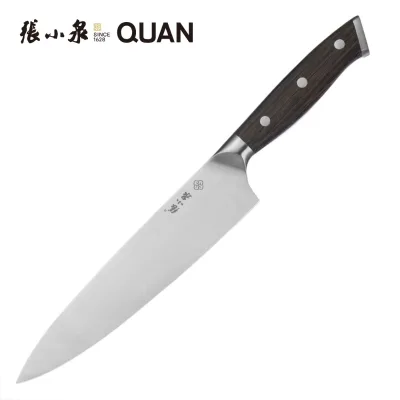
Chef Kitchen Knife Set Home Irregular Handle Kitchen 8 Inch Steel Chef Knife with logo
$2.20 - $2.60
MOQ: 2000
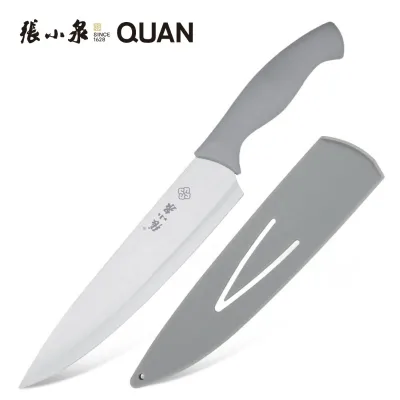
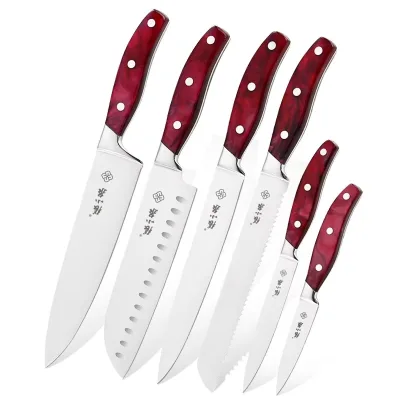
Custom Logo Kitchen Knife Set OEM Stainless Steel Knives with Red Acrylic Handle
$29.59 - $31.13
MOQ: 1000
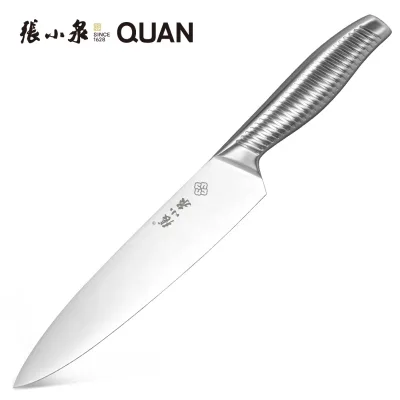
Home Kitchen Chef Kitchen Knife Inexpensive 8 Inch Chef's Knives with Hollow Handle
$1.70 - $1.93
MOQ: 2000
Eagle Catering Equipment Co., Ltd.
- Verified by SGS Group
- Trading Company
- Lead time45 days
- Avg. response≤ 2h
Main productsTrolley, GN Pan, Stock Pot, Utensils, Kitchen Tools
Main marketsWestern Europe(35%), Eastern Europe(20%), North America(10%)
Yangjiang King Power Knife&Scissors Factory
- Manufacturer
- Guangdong, China
- Lead time35 days
- Avg. response≤ 10h
Main productsKitchen Knife,Scissors,Kitchen Utensils,BBQ SET,Kitchen gadgets
Main marketsWestern Europe(20.00%), Mid East(20.00%), Southeast Asia(10.00%), North America(10.00%), Domestic Market(5.00%), South Asia(5.00%), Northern Europe(5.00%), Central America(5.00%), South America(5.00%), Eastern Asia(5.00%), Eastern Europe(5.00%), Africa(5.00%)

Yangjiang C&B Consumer Product Limited
- Verified by CTI
- Trading Company
- China Guangdong
- Lead time15 days
- Avg. response≤ 6h
Main productsBarbecue Tongs, Grilling Brushes, Outdoor Shovel, Grilling Tools, Kitchen Ware, Outdoor Products, Pizza Tools, Knife Set
Main marketsSouth America,Africa,Southeast Asia/ Mideast,Europe,Australia,North America


Stainless Kitchen Knives - Sharp Chef Knife, Meat Cleaver & Slicing Knife
$2.47 - $2.52
MOQ: 1000 Sets


Practical Stainless Kitchen Knife - Chef's/Cutter/Slicing Knife (Meat & Vegetable)
$2.47 - $2.52
MOQ: 1000 Sets
- Trading Company
- Zhejiang, China
- Lead time30 days
- Avg. response≤ 3h
Main productsChef kinfe,Butcher knife,Meat grinder plate,Professional Kitchen Knives,Bakery products
Main marketsNorth America(31.00%), Western Europe(24.00%), Eastern Europe(20.00%), South America(14.00%), Southeast Asia(6.00%), Northern Europe(5.00%)
Yangjiang Angele Kitchenware Co., Ltd.
- Verified by SGS Group
- Manufacturer, Trading Company
- Lead time50 days
- Avg. response≤ 4h
Main productsKitchen Knife, Scissor, Multi function Pliers, Kitchenware, Pocket Knife
Main marketsEastern Europe(51%), North America(21%), Domestic Market(7%)
Jiaxing Yinghai Intelligent Technology Co., Ltd.
- Trading Company
- Zhejiang, China
- Lead time60 days
- Avg. response≤ 2h
Main productsGarden Tools,pneumatic tools,Hydraulic tools,Food & Beverage Machinery,Welding equipment
Main marketsDomestic Market(55.00%), Southeast Asia(15.00%), South America(10.00%), North America(5.00%), Mid East(5.00%), South Asia(5.00%), Eastern Europe(3.00%), Western Europe(2.00%)
Yangjiang Yangdong District Berial Cutting Tools Co., Ltd.
- Verified by SGS Group
- Manufacturer, Trading Company
- Lead time30 days
- Avg. response≤ 10h
Main productsDamascus knife/ Knife Set/ Santoku knife/ Chef Knife/ Steak Knife
Longquan Craftsman Sword Factory
- Manufacturer, Trading Company
- Zhejing, China
- Lead time0 days
- Avg. response≤ 2h
Main productsKitchen knife,Craft Sword
Main marketsNorth America(30.00%), Africa(20.00%), Northern Europe(10.00%), Oceania(10.00%), Western Europe(10.00%), Eastern Europe(10.00%), Mid East(5.00%), South America(5.00%)
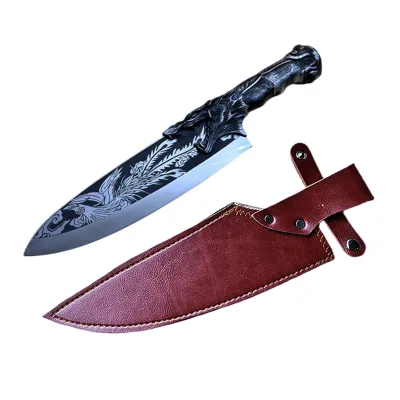
$10.71 - $11.42
MOQ: 10 Minimum
Yangjiang Yangdong Everrich Industry Co., Ltd.
- Manufacturer, Trading Company
- Guangdong, China
- Lead time25 days
- Avg. response≤ 3h
Main productsKitchen Knife Set,Single Knife,Damascus Knife,Kitchen Utensils,Magnetic Rack
Main marketsEastern Europe(20.00%), North America(18.00%), Domestic Market(10.00%), Mid East(10.00%), Southern Europe(9.00%), Northern Europe(8.00%), South America(5.00%), Central America(5.00%), Eastern Asia(5.00%), Southeast Asia(5.00%), Western Europe(5.00%)
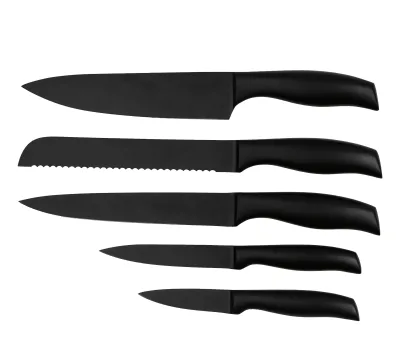
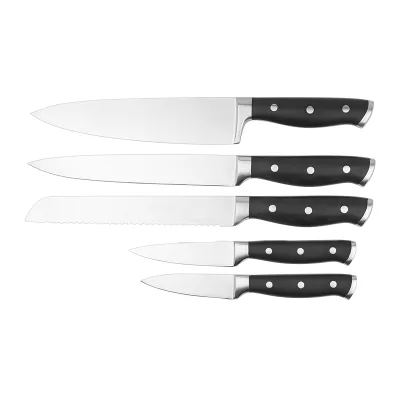
ABS 430 Stainless Steel Chef's Meat Cleaver Cutting Carving Bread Utility Paring Kitchen Knife Set
$3.6576 - $5.224
MOQ: 2000 sets
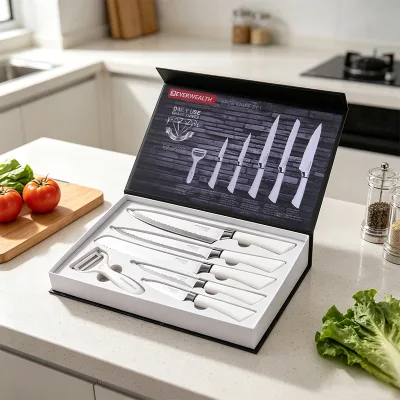
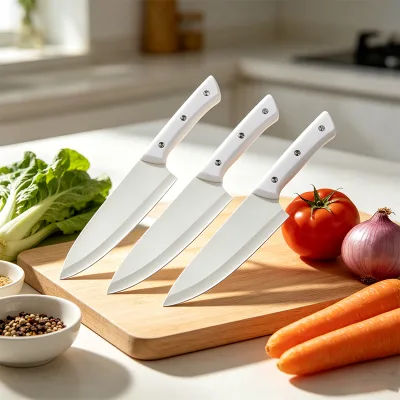

Eagle Catering Equipment Co., Ltd.
- Manufacturer/Factory
- China Guangdong
- Lead time30 days
- Avg. response≤ 12h
Main productsTrolleys, Gastronorm Containers, Table, Shelves, Sink, Barrier Post, Cookware, Buffetware, Barware, Kitchen Utensils
Main marketsSouth America,Eastern Europe,Mid East,North America,Southeast Asia,Eastern Asia,Oceania,Western Europe,Africa
Ningbo Max Hope Hardware Co., Ltd.
- Trading Company
- Zhejiang, China
- Lead time50 days
- Avg. response≤ 2h
Main productsHardware Tools,Kitchenware,Household Supplies,Bath & Toilet Supplies,General Merchandise
Main marketsCentral America(80.00%), North America(10.00%), South America(10.00%)
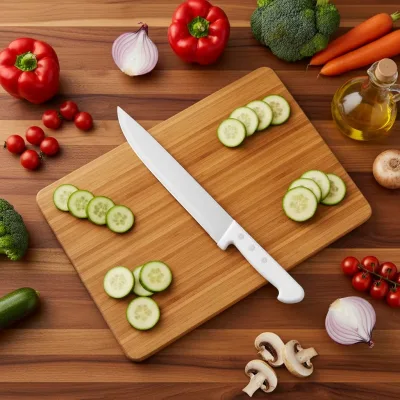
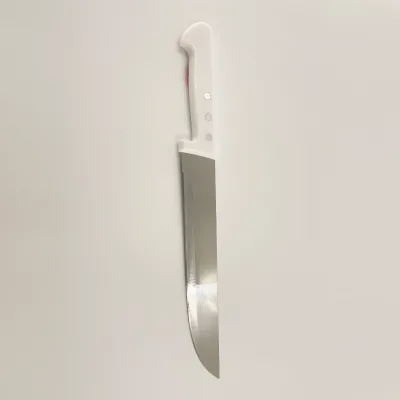
Professional 9-Inch Butcher Knife High Carbon Steel Chef Knife with PP Handle Kitchen Knife
$0.4227 - $0.4647
MOQ: 1500 units
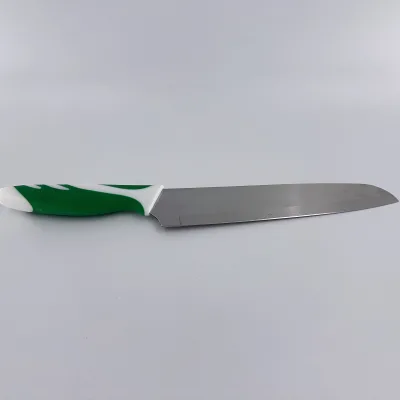
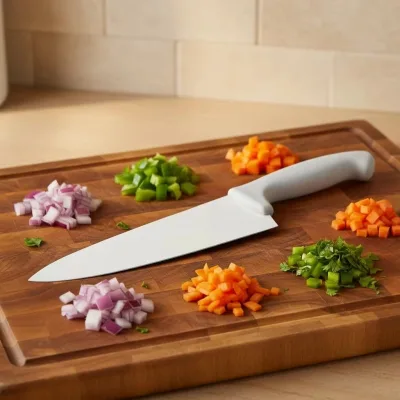
9 Inch Stainless Steel Utility Chef Knife With PP and TPR Double Colors Handle
$0.53 - $0.59
MOQ: 2000 pieces
Yangjiang Jiangcheng District Jinhongbang Trading Co., Ltd.
- Trading Company
- Duangdong, China
- Lead time35 days
- Avg. response≤ 1h
Main productspocket knife,can opener,Camping Tools,Outdoor Tools
Main marketsNorth America(80.00%), Eastern Europe(10.00%), Western Europe(5.00%), Mid East(5.00%)
Yangjiang Homedailys Houseware Co., Ltd.
- Trading Company
- Lead time旺季: "1 - 10":14,"11 - 50":15,"51 - 10000":35,"> 10000":"To be negotiated", 淡季: "1 - 10":14,"11 - 50":15,"51 - 10000":35,"> 10000":"To be negotiated"
- Avg. response≤ 4h
Main productsKnives, Kitchenware, BBQ, Wine Opener, Multitools
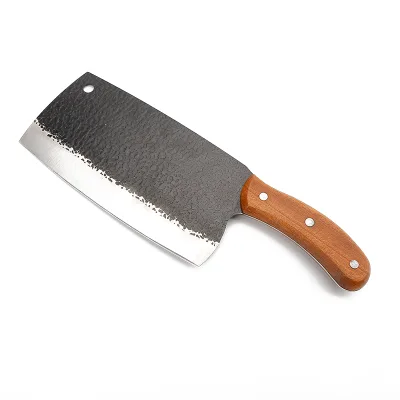
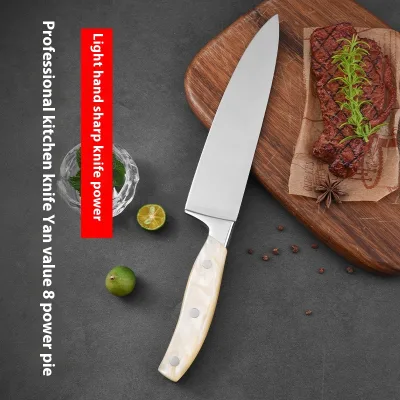
New Western Style Kitchen Knife Acrylic Handle Steel Head Fruit Slicing Chef Knife
$6.4457 - $7.0693
MOQ: 3 pieces
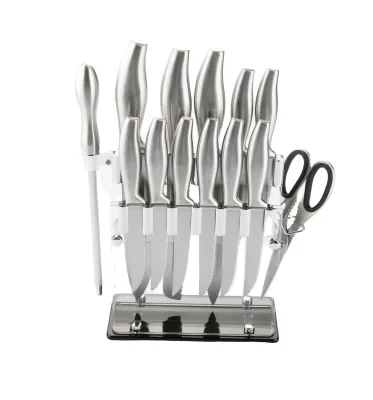

Yangjiang Zhiyuan Hardware&Plastic Products Co., Ltd.
- Verified by TUVRHEINLAND
- Manufacturer/Factory
- China Guangdong
- Lead time0 days
- Avg. response≤ 4h
Main productsKnife, Kitchen Tools, Pizza Peel Shovel, Kitchen Accessories, Wooden Bamboo Cutlery, Wood Bamboo Decoration

- Manufacturer, Trading Company
- Zhejiang, China
- Lead time30 days
- Avg. response≤ 3h
Main productsButcher Knife,Meat Mincer Parts,Boning Knife,Knife Sharpening Steel,Spatula
Main marketsDomestic Market(7.14%), South Asia(7.14%), Southern Europe(7.14%), Northern Europe(7.14%), Central America(7.14%), Western Europe(7.14%), Eastern Asia(7.14%), Mid East(7.14%), Oceania(7.14%), Africa(7.14%), Southeast Asia(7.14%), Eastern Europe(7.14%), South America(7.14%), North America(7.14%)
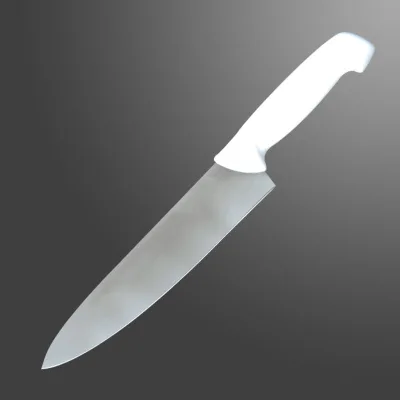
$0.5157 - $5.1446
MOQ: 500 Minimum
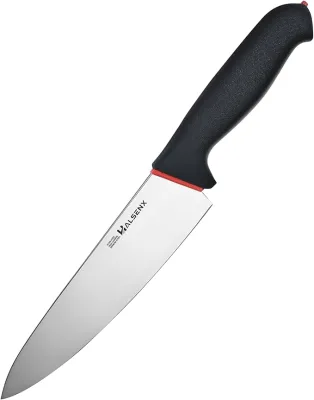
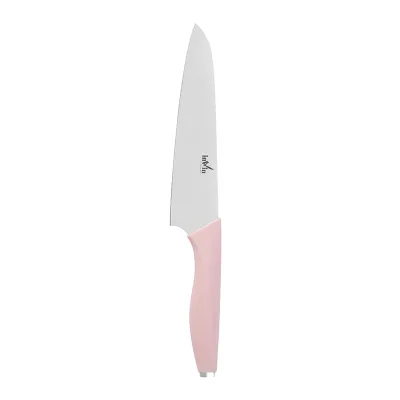
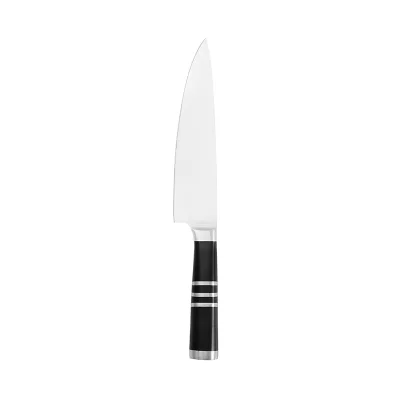
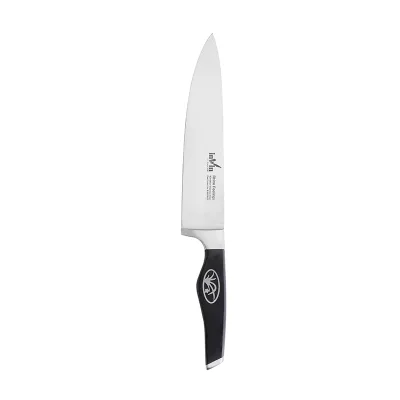


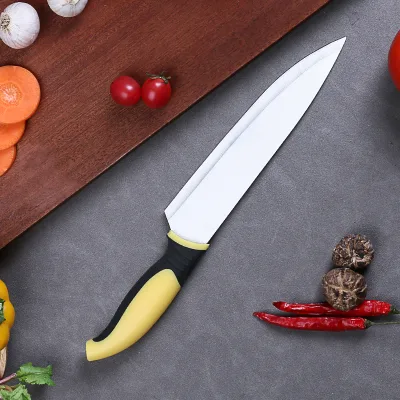


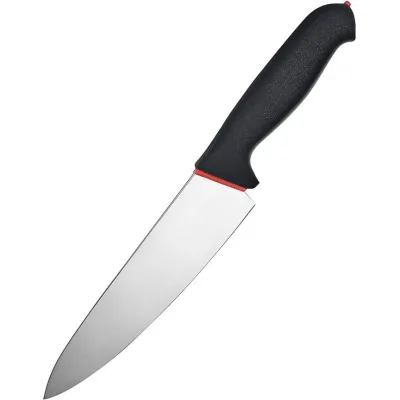
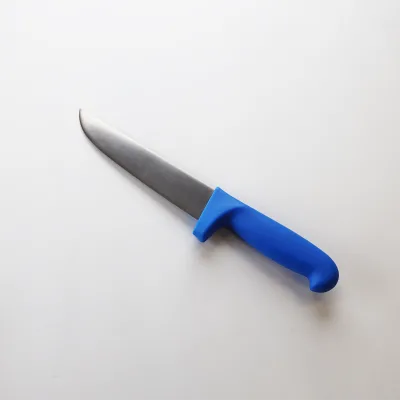
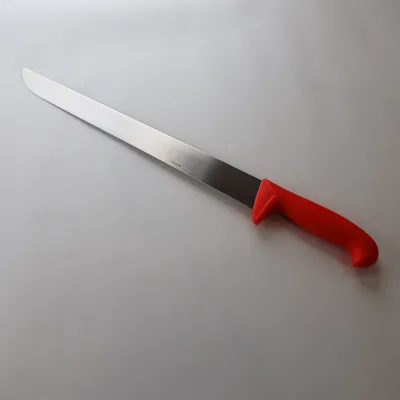
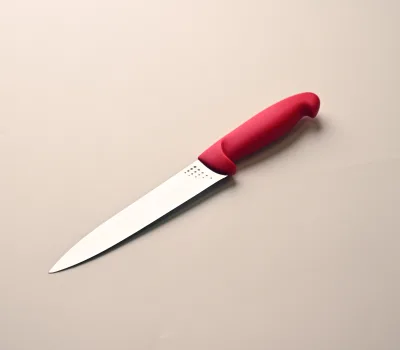




Comprehensive Sourcing Guide
Stainless Steel Ergonomic Chef Knife Supplier Concentration and Factory Types
The available data indicates a specific concentration of suppliers in China Guangdong, a region known for its extensive manufacturing ecosystem for kitchenware and cutlery. This location serves as a primary hub for the production of stainless steel ergonomic chef knives, where both trading companies and manufacturers operate side by side. Buyers observing results from this area should note that the supply chain is dense, offering a wide variety of product configurations ranging from forged blades to composite handle options. The presence of multiple entities in this single province suggests a mature cluster where raw material sourcing and finishing processes are highly specialized.
When evaluating the company types within this cluster, it is essential to distinguish between trading companies and manufacturers, as both appear in the current results. Trading companies often aggregate products from various factories, while manufacturers may offer direct production capabilities with specific customization capacities like graphic processing or sample development. Some suppliers list themselves as both, which can streamline communication but requires verification of actual production ownership. Buyers should not assume all entities in Guangdong are factories; the distinction impacts lead times, pricing structures, and the ability to implement deep customizations on blade materials or handle ergonomics.
How to Verify Stainless Steel Ergonomic Chef Knife Suppliers
Verification of supplier credentials is critical when sourcing stainless steel ergonomic chef knives, as the current data shows a mix of verified and unverified entities. One observed supplier holds an SGS Group verification status, which provides a baseline of trust regarding their business legitimacy and operational stability. However, other suppliers in the results list system certifications as NIL, meaning no third-party quality management system certifications are currently displayed. Buyers must treat the absence of displayed certifications as a signal to request documentation directly rather than assuming the product meets international safety or quality standards without proof.
Response time and communication speed are also key indicators of supplier reliability and should be factored into the verification process. The data reveals response times ranging from 0.94 to 5, suggesting significant variance in how quickly different suppliers engage with potential buyers. A faster response time often correlates with a more active sales team and better project management, which is vital for coordinating custom orders. Buyers should prioritize suppliers who demonstrate prompt engagement, as this often reflects their capacity to handle inquiries about blade materials, handle ergonomics, and packaging requirements efficiently. Always confirm that the contact person has the authority to discuss technical specifications and production timelines before proceeding.
What to Compare Across Stainless Steel Ergonomic Chef Knife Suppliers
Comparing suppliers requires a focus on tangible operational metrics such as lead time, minimum order quantity, and pricing structures found in the current results. Lead times vary from 30 to 35 days, indicating that production schedules differ based on order volume and customization complexity. Buyers should align their inventory planning with these specific timelines to avoid stockouts, noting that some suppliers may offer faster turnaround for standard items while others require longer periods for custom designs. The minimum order quantities also differ significantly, with some suppliers requiring 2000 units while others set the bar at 3000 or even 1000 units, directly impacting the initial capital required for a new product launch.
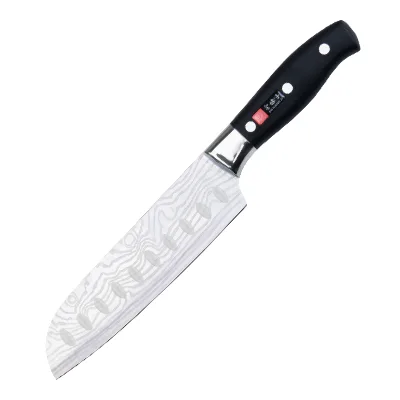
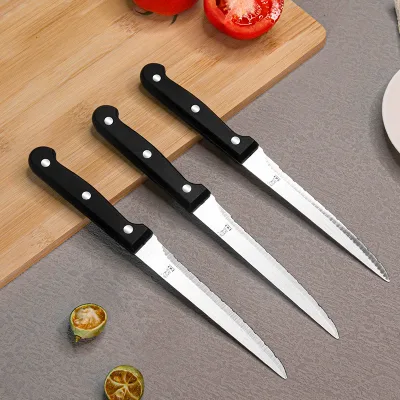
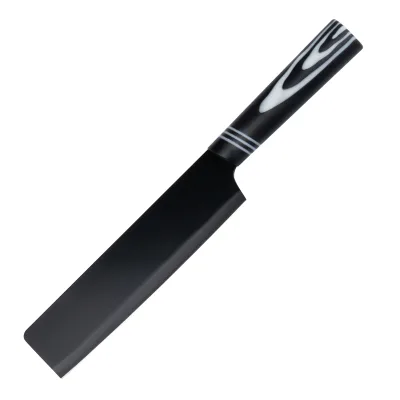
Pricing and product specifications provide another layer of comparison essential for budgeting and product selection. The observed price range for stainless steel chef knives spans from $0.50 to $3.46, reflecting differences in blade finish, handle material, and overall build quality. Some products feature composite or plastic handles, while others utilize wood or metal, which influences both the cost and the ergonomic profile of the knife. Buyers must compare these attributes alongside the unit price to ensure they are evaluating equivalent value. Additionally, customization availability is a key differentiator, with many suppliers offering options for branding and specific blade finishes, allowing for tailored product lines that meet distinct market demands.
Common Stainless Steel Ergonomic Chef Knife Sourcing Risks
One significant risk in sourcing stainless steel ergonomic chef knives is the potential mismatch between advertised specifications and actual product delivery. The data shows a variety of blade materials and handle compositions, yet without physical samples or third-party testing, buyers cannot guarantee that the stainless steel grade or handle durability matches their expectations. The absence of displayed certifications for many suppliers increases the risk of receiving products that do not meet specific safety or performance standards. Buyers should mitigate this by requesting detailed material certificates and conducting independent quality checks before accepting large shipments.
Another risk involves the variability in production capacity and the ability to meet custom requests. While some suppliers list capabilities for light customization and sample processing, others may have limited flexibility regarding design changes or branding. The minimum order quantities can also pose a financial risk if the market demand for a specific ergonomic design does not materialize as expected. Furthermore, the reliance on a single geographic cluster in China Guangdong introduces supply chain vulnerabilities, such as logistical delays or regional disruptions. Buyers should diversify their supplier base and maintain clear communication channels to manage these risks effectively throughout the procurement lifecycle.
Stainless Steel Ergonomic Chef Knife Regional Sourcing and Logistics
Sourcing from the identified region of China Guangdong offers logistical advantages due to the concentration of manufacturers and established export infrastructure. The proximity of factories to major ports facilitates efficient shipping, which is crucial for maintaining the 30 to 35-day lead times observed in the data. Buyers should leverage this regional density to negotiate better freight rates and reduce transit times, ensuring that products reach their destination markets promptly. However, the concentration also means that competition for shipping slots can be high during peak seasons, requiring early planning to secure container space and avoid delays.
Logistics planning must also account for the specific packaging requirements of stainless steel chef knives to prevent damage during transit. The data indicates that suppliers use single packaging or safe packages, but the exact specifications can vary. Buyers should verify that the packaging is robust enough to protect the blades and handles, especially for knives with wooden or composite components that may be sensitive to moisture or impact. Coordinating with the supplier to ensure that packaging standards align with destination market regulations is essential. Additionally, understanding the Incoterms and who bears the responsibility for insurance and customs clearance will help streamline the import process and reduce unexpected costs.
Stainless Steel Ergonomic Chef Knife Commercial Terms and Order Planning
Commercial terms for stainless steel ergonomic chef knives often include specific minimum order quantities and pricing tiers that must be carefully evaluated during order planning. The data shows MOQs ranging from 1000 to 3000 units, which dictates the scale of the initial investment required. Buyers should plan their orders to meet these thresholds while considering their sales forecasts to avoid overstocking or underutilizing production capacity. Pricing is also tiered, with variations based on order volume and customization levels, so negotiating based on projected annual volume can yield better long-term rates.
Order planning should also incorporate the customization capabilities and lead times provided by the supplier. With lead times of 30 to 35 days, buyers need to schedule production well in advance to align with marketing campaigns or seasonal demand. The availability of customization options, such as branding and specific blade finishes, allows for product differentiation but requires additional time for approval and sampling. Buyers should establish a clear timeline that includes sample approval, production, and shipping to ensure a smooth launch. Finally, verifying payment terms and escrow options is crucial to protect financial interests, especially when dealing with new suppliers or large order volumes.
FAQs
What is the price range for stainless steel ergonomic chef knives?
Prices for stainless steel chef knives typically range from $0.50 to $3.46 per unit. The final cost depends on specific features such as blade length, handle material, and customization options. Buyers should request quotes for their exact specifications to determine the precise unit price for their order volume.
What are the minimum order quantities for these knives?
Minimum order quantities vary by supplier and product model, generally ranging from 1,000 to 3,000 sets. Some suppliers require a minimum of 2,000 units, while others may accept orders starting at 1,000 pieces. Buyers should verify the specific MOQ for their chosen knife model before placing an order.
Where are these stainless steel knives manufactured?
These knives are primarily manufactured in Guangdong, China. Suppliers in this region specialize in producing commercial, industrial, and kitchen knives. Buyers can expect products to originate from this specific geographic area, which is a major hub for kitchenware manufacturing and export.
How long does production take for these knives?
Production lead times typically range from 30 to 35 days. This timeframe allows for manufacturing, quality control, and packaging preparation. Buyers should plan their inventory accordingly and confirm the exact lead time with the supplier at the time of order placement to avoid delays.
What materials are used for the knife handles?
Handle materials vary and include composite materials, plastic, metal, and natural wood such as Pakka or rosewood. Some models feature ergonomic designs with ABS or TPR handles. Buyers can choose based on aesthetic preference and functional requirements, with customization often available for specific handle materials.
Are these knives suitable for professional chefs?
Yes, many models are explicitly designed for use by professional chefs and housewives. Features include stainless steel blades, various sizes from 6 to 10 inches, and functions like slicing and chopping. The products are categorized under professional kitchen cutlery, indicating suitability for commercial and home kitchen environments.