Plastic Toddler Pushing Car Walker Suppliers and Manufacturers
Explore 26 verified options for Plastic Toddler Pushing Car Walker from Zhejiang and Hebei factories. Compare response times, lead times, certifications like CE and EN, and pricing to find the right partner. Contact suppliers directly to request samples and confirm MOQ requirements.
Updated
Suppliers List
Ningbo Jintong Baby Products Co., Ltd.
- Trading Company
- Zhejiang, China
- Lead time30 days
- Avg. response≤ 3h
Main productsBaby Products
Main marketsNorth America(21.00%), Western Europe(16.00%), South America(10.00%), Mid East(9.00%), Southeast Asia(9.00%), Eastern Europe(8.00%), Eastern Asia(7.00%), Southern Europe(6.00%), Northern Europe(5.00%), Africa(3.00%), South Asia(2.00%), Oceania(2.00%), Central America(2.00%)
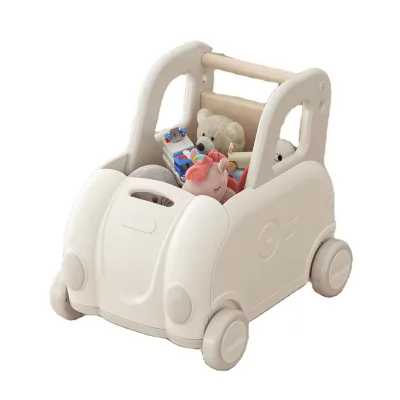
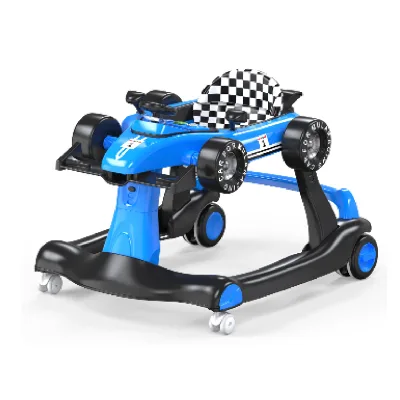
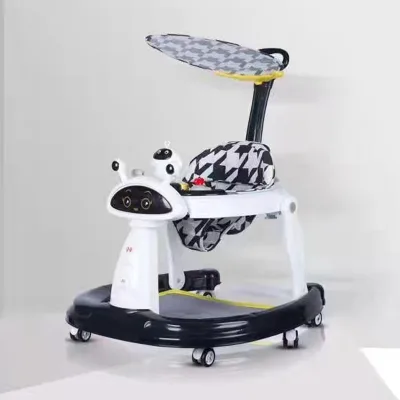
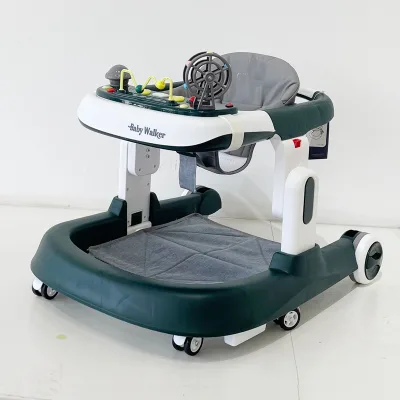
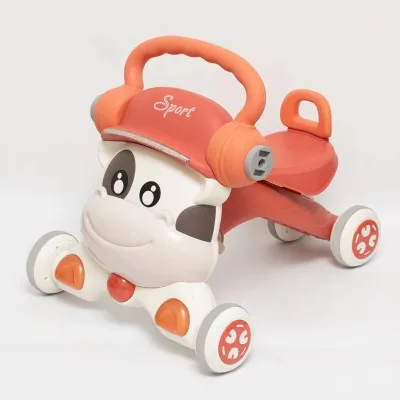
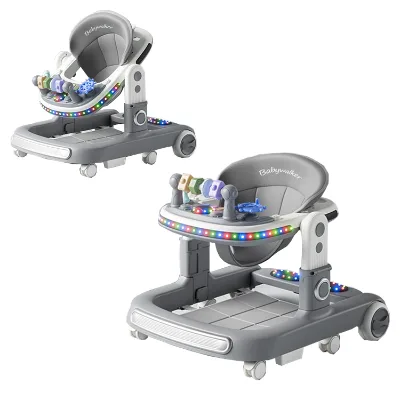
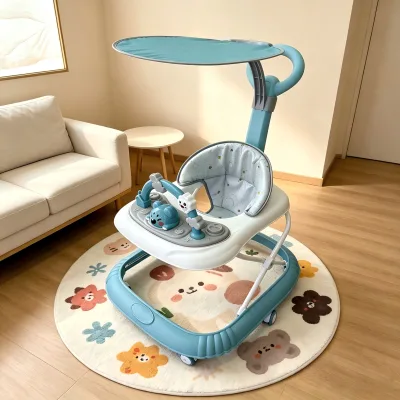
Educational Foldable Toddler Push Walker Training 2 in 1 Baby Walker with Canopy
$21.60
MOQ: 500 pieces

HEBEI XINGJIU VEHICLE INDUSTRY SCI-TECH CO., LTD.
- Combined
- China Hebei
- Lead time23 days
- Avg. response≤ 6h
Main productsBike, Bicycle, Mountain Bike, Children Scooter, Electric Toy Car, Children Bicycle, Kick Scooter, Balance Scooter
Main marketsSouth America,Africa,Southeast Asia/ Mideast,East Asia(Japan/ South Korea),Domestic,Europe,Australia,North America

Hebei Good Mother Childrens Products Co., Ltd.
- Verified by SGS
- Manufacturer/Factory
- China Hebei
- Lead time15 days
- Avg. response≤ 14h
Main productsBike, Ride on Car, Scooter, Bicycle, Baby Walker, Mold, Children Car, Children Motorbike, Children Bike
Main marketsSouth America,Eastern Europe,Mid East,North America,Southeast Asia,Eastern Asia,Oceania,Western Europe,Africa

Hebei Miaoou Trading Co., Ltd.
- Trading Company,Manufacturer/Factory
- China Hebei
- Lead time23 days
- Avg. response≤ 8h
Main productsRoad Bike, Mountain Bike, Children Bicycle, Kids Balance Bike, Children Tricycle, Baby Stroller, Children's Electric Cars, Children Scooter, Tyre and Saddle, Snow Bike
Main marketsSouth America,Eastern Europe,Mid East,North America,Southeast Asia,Eastern Asia,Oceania,Western Europe,Africa

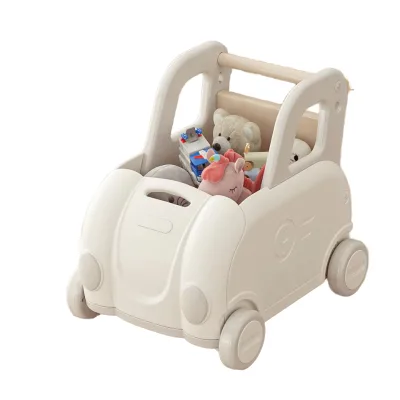
Colorful Quality Baby Stroller Walker Car Shape Cart Type Walker Baby Push Walker
$6.47 - $7.47
MOQ: 50 Pieces

Multi-Functional Baby Walker Push Pull Stroller Toy Storage Box Plastic Children Learning Walker
$9.00 - $11.00
MOQ: 20 Pieces


$11.30 - $11.60
MOQ: 50 Pieces


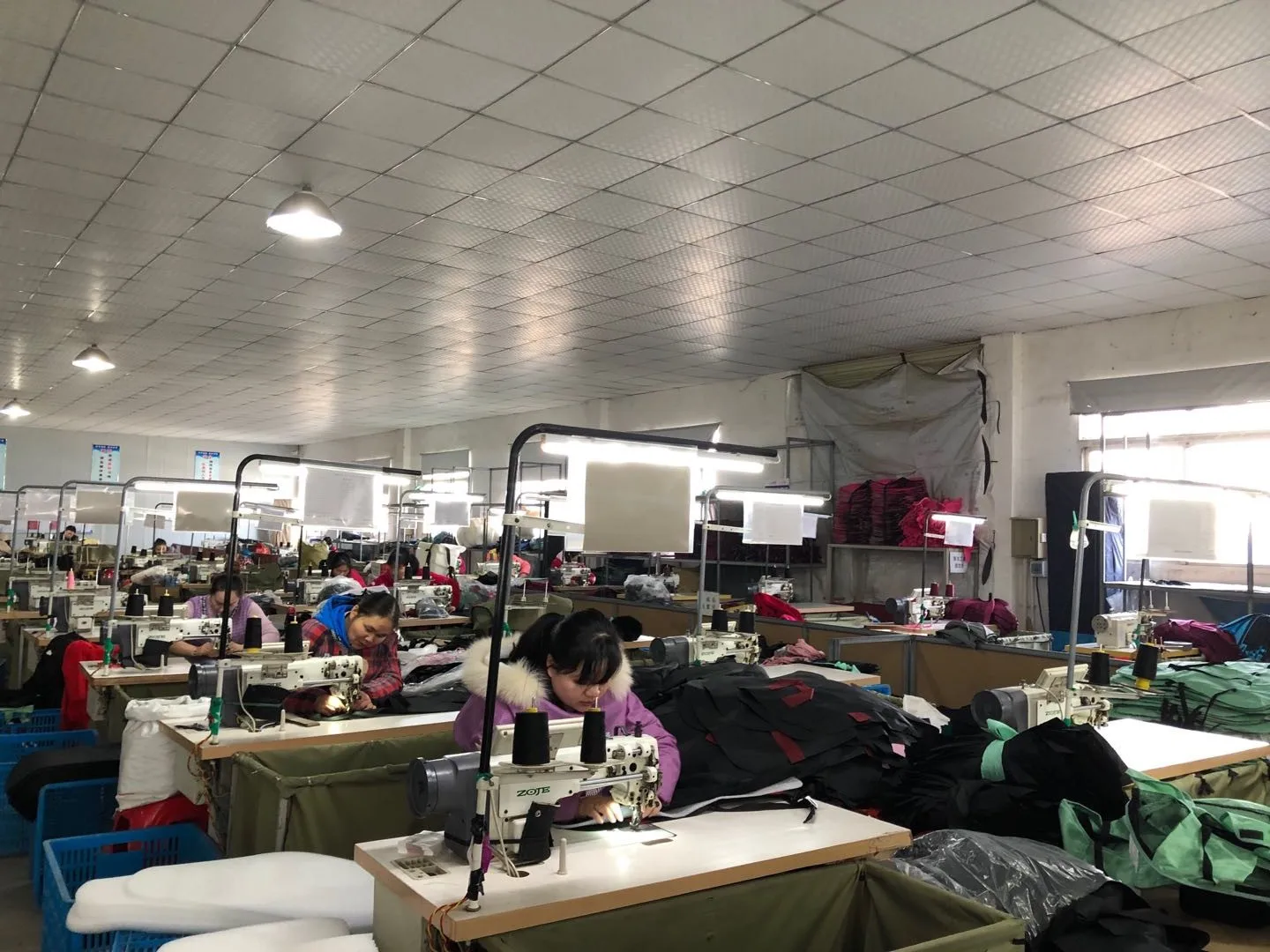
Shantou Chenghai Hua Nuo Intelligent Technology Co., Ltd.
- Verified by SGS Group
- Manufacturer, Trading Company
- Lead time20 days
- Avg. response≤ 4h
Main productsKid Makeup Toy, Educational Toy, Water Gun, RC Toy-RC Car, Bubble Toys
Main marketsNorth America(40%), Eastern Europe(20%), South America(10%)
Agape (Tianjin) Baby Products Co., Ltd.
- Trading Company
- Tianjin, China
- Lead time15 days
- Avg. response≤ 6h
Main productsBaby Stroller & Car Seat,Kids Bicycle,Toy car,Ride-on Car,Dining Chair
Main marketsEastern Asia(28.00%), Eastern Europe(28.00%), Western Europe(15.00%), Mid East(10.00%), Oceania(5.00%), North America(5.00%), Northern Europe(2.00%), Africa(2.00%), Domestic Market(1.00%), South Asia(1.00%), Southern Europe(1.00%), South America(1.00%), Southeast Asia(1.00%)
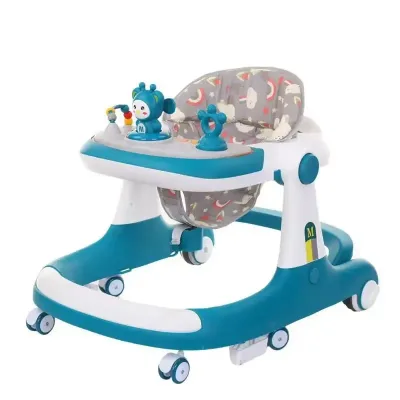
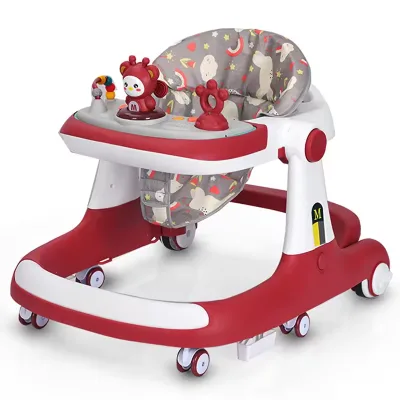
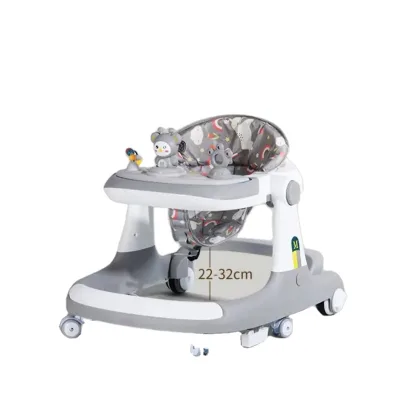
$12.2948 - $14.3454
MOQ: 50 pieces
Hebei Leishuo Technology Co., Ltd.
- Verified by TüVRheinland
- Trading Company
- Lead time7 days
- Avg. response≤ 10h
Main productsBicycles, Kids Balance Bikes, Baby Strollers, Baby Playpens, Toy Cars
Main marketsSouth America(60%), Eastern Europe(10%), Western Europe(10%)
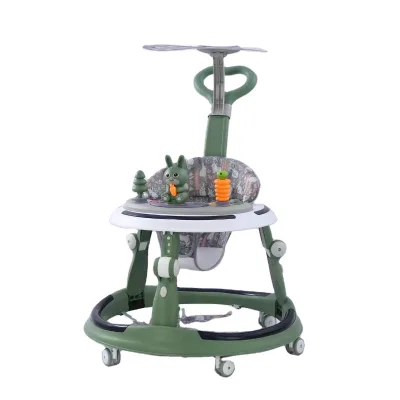
$11.60 - $12.50
MOQ: 500 pieces
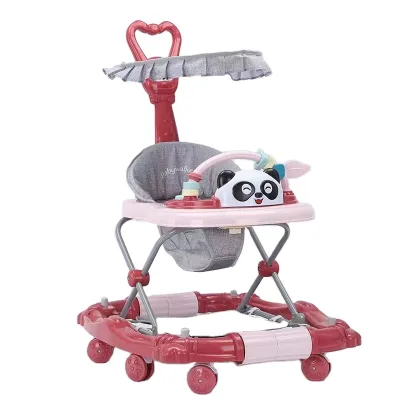
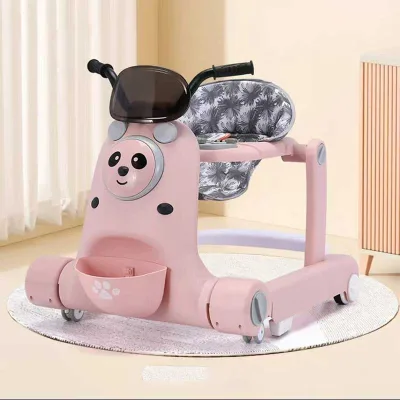
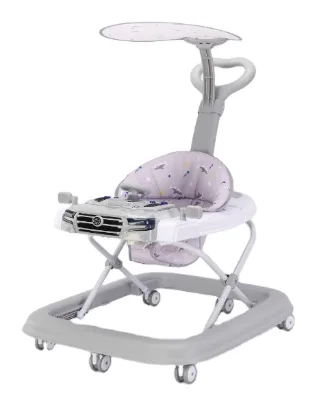
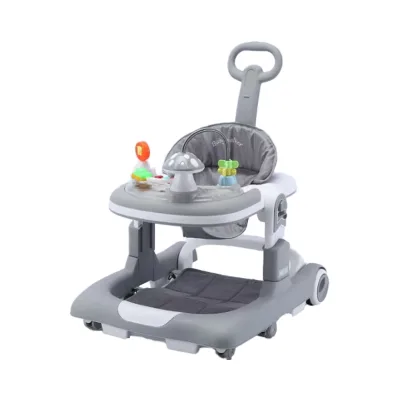
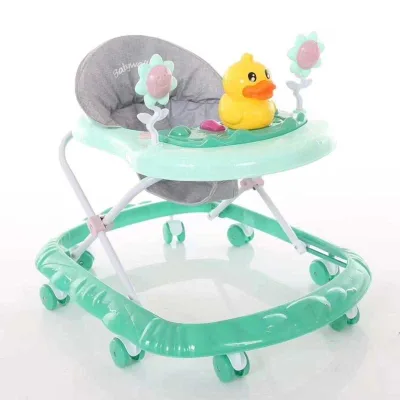
Shantou Chenghai Zhuochen Trading Firm
- Verified by SGS Group
- Manufacturer, Trading Company
- Lead time30 days
- Avg. response≤ 4h
Main productsPlay Mat, Baby & Toddler Toys, Educational Toys, Baby Suppliers & Products, Dolls & Doll clothes Accessories
Main marketsNorth America(50%), South America(20%), Western Europe(20%)
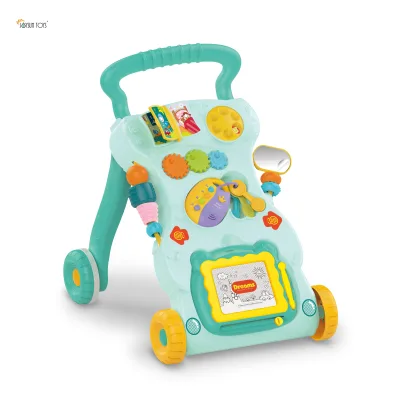
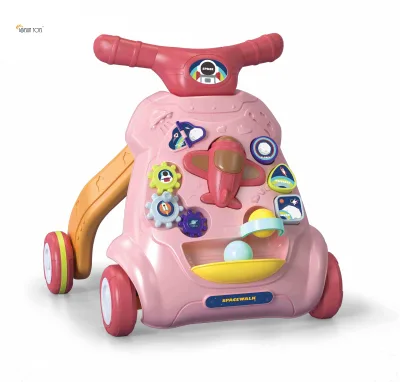
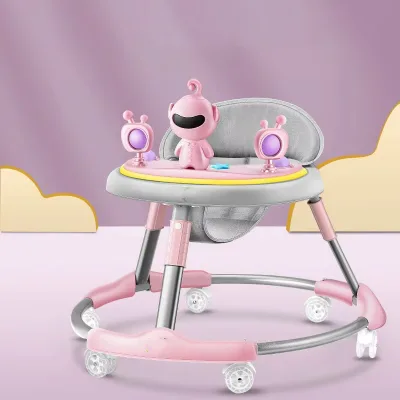
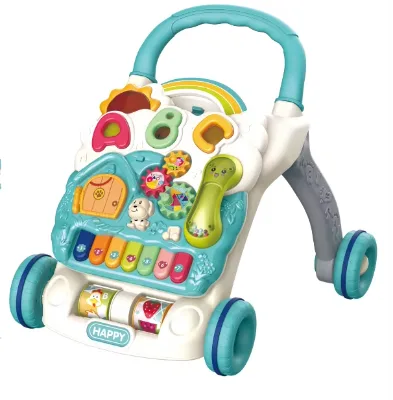
Multi-Coloured Baby Walker Trolley Sit-to-Stand Walker Kid Early Learning Education Science Toddler
$15.99 - $16.50
MOQ: 8 boxes

Pingxiang Songma Children's Toys Co., Ltd
- Verified by SGS
- Manufacturer/Factory
- China Hebei
- Lead time30 days
- Avg. response≤ 13h
Main productsChildren Bicycle, Bicycles, Children Tricycles, Mountain Bicycle, Bottles, Pumps, Sanitizers
Main marketsSouth America,Eastern Europe,Mid East,North America,Southeast Asia,Eastern Asia,Oceania,Africa

- Verified by SGS
- Trading Company
- China Hebei
- Lead time30 days
- Avg. response≤ 5h
Main productsBike, Kids Bike, Balance Bike, Bicycle, Mountain Bike, Bicycle Parts, Baby Tricycle, Baby Motorcycle, Baby Walker, Baby Car
Main marketsSouth America,Africa,Southeast Asia/ Mideast,Europe


Baby Push Walker Sit-to-Stand Learning Walker Kids Rocking Function Baby Walker with Wheels and Seat
$15.40 - $15.70
MOQ: 50 Pieces

Children Walker Factory Infant Trolley Walker Multi Function Educational Learning Baby Walker
$15.60 - $15.90
MOQ: 50 Pieces


Zhejiang Vsuch Maternal And Child Products Co., Ltd.
- Verified by Intertek
- Manufacturer, Trading Company
- Zhejiang, China
- Lead time7 days
- Avg. response≤ 3h
Main productsBaby Playpen, Toy Storage Shelf, Basketball Stand, Kid Drawing Board, Table and Chair
Main marketsNorth America(20%), Eastern Asia(20%), Southeast Asia(10%)
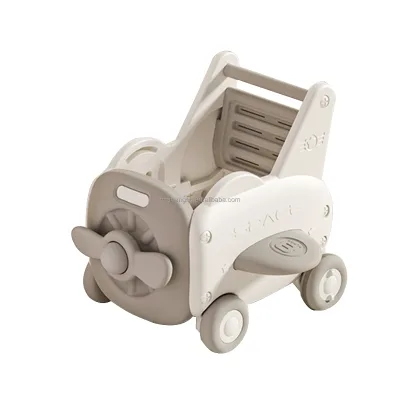
$12.0789 - $12.1404
MOQ: 2 cartons
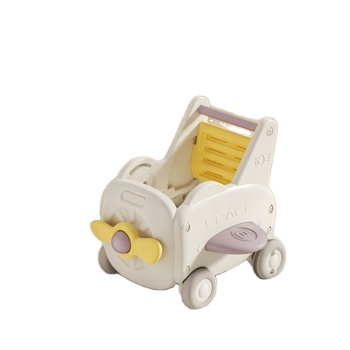
$11.58 - $11.78
MOQ: 2 cartons
Yiluo Baby Products (hubei) Co., Ltd.
- Trading Company
- Hubei, China
- Lead time15 days
- Avg. response≤ 2h
Main productsBaby Stroller, Baby Walker, Baby Carrier, Baby Car Seat, Baby Bed
Main marketsNorth America(40.00%), Africa(20.00%), South America(15.00%), Western Europe(15.00%), Oceania(10.00%)
- Manufacturer
- Guangdong, China
- Lead time50 days
- Avg. response≤ 10h
Main productsBaby Furniture/Swing/Bouncer/Rocker/Jumper/Activity Gym
Main marketsSoutheast Asia(30.00%), Northern Europe(10.00%), Mid East(10.00%), Eastern Europe(10.00%), South America(10.00%), Africa(5.00%), Central America(5.00%), Western Europe(5.00%), Eastern Asia(5.00%), Oceania(5.00%), North America(5.00%)
Quanzhou Lanjin Chuangze Trading Co., Ltd.
- Trading Company
- Fujian, China
- Lead time7 days
- Avg. response≤ 5h
Main productsSales of maternal and infant products,Hardware fittings,Toys,Clothing customization,Shoes and hats
Main marketsDomestic Market(1.00%), South Asia(1.00%), Southern Europe(1.00%), Northern Europe(1.00%), Central America(1.00%), Western Europe(1.00%), Eastern Asia(1.00%), Mid East(1.00%), Oceania(1.00%), Africa(1.00%), Southeast Asia(1.00%), Eastern Europe(1.00%), South America(1.00%), North America(1.00%)

- Verified by CTI
- Trading Company
- China Guangdong
- Lead time23 days
- Avg. response≤ 9h
Main marketsSouth America,Africa,Southeast Asia/ Mideast,East Asia(Japan/ South Korea),Domestic,Europe,Australia,North America

New Education Simple Music Push Walker Stroller Plastic Infant and Baby Walker
$6.59 - $7.19
MOQ: 60 pieces

Plastic Enfants Push Stroller Activity Kids Learning Walk Products Baby Walker with Music
$5.27 - $5.74
MOQ: 60 Sets
Hebei Luchen Bicycle Co., Ltd.
- Manufacturer, Trading Company
- Hebei, China
- Lead time30 days
- Avg. response≤ 9h
Main productskids bike,mountain bike,baby tricycle,Baby carriage,walker
Main marketsSouth America(35.00%), Mid East(30.00%), Southeast Asia(10.00%), North America(10.00%), Western Europe(5.00%), Eastern Asia(5.00%), Eastern Europe(5.00%)
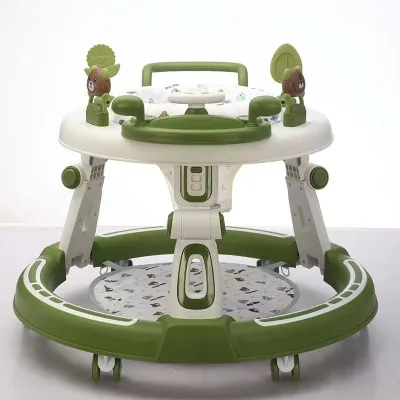
$5.5118 - $5.6242
MOQ: 20 pieces
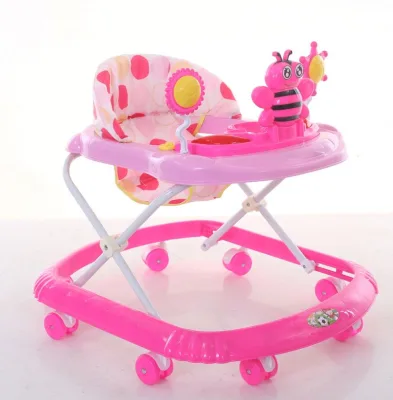
$9.00 - $12.00
MOQ: 20 pieces
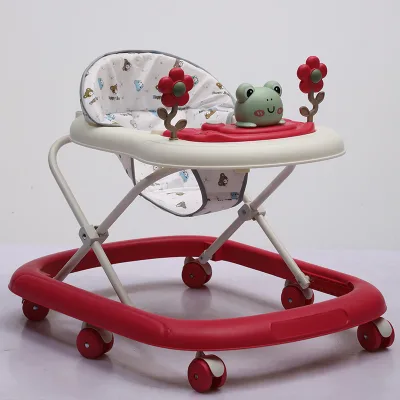
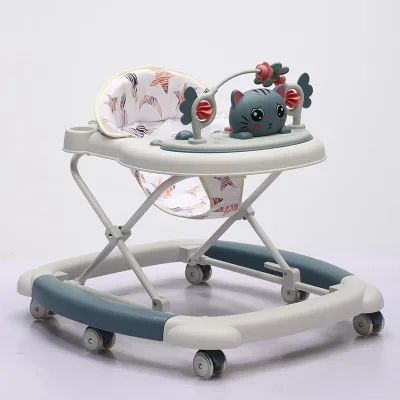
Direct Factory Baby Walker Wholesale Plastic / Train Baby Walker for Baby/ Walker Baby Parts
$5.5118 - $5.6242
MOQ: 20 pieces
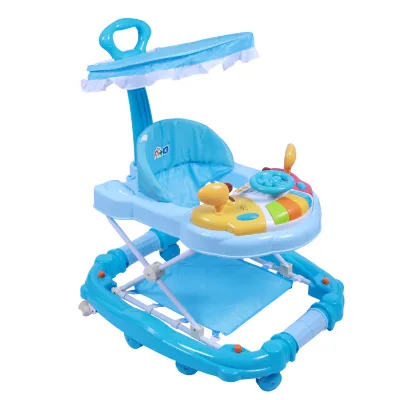
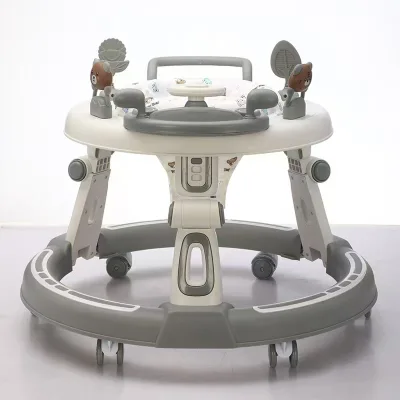
$5.5418 - $5.6557
MOQ: 20 pieces

Jinjiang Jiaxing Supply Management Co., Ltd.
- Verified by TUVRHEINLAND
- Trading Company
- China Fujian
- Lead time30 days
- Avg. response≤ 2h
Main productsEVA Clogs, Flip Flop, Shoe Charms, Shopping Bags, Wristbands, Gifts, Promotional Gifts, Slipper, Sport Cap, Ball
Main marketsNorth America
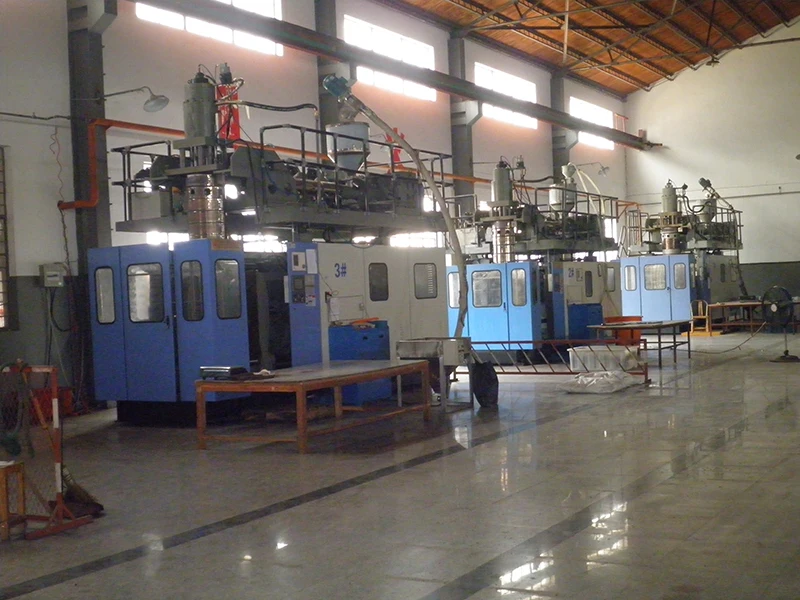
Ningbo Bachoo Children Products Co., Ltd.
- Trading Company
- Zhejiang, China
- Lead time0 days
- Avg. response≤ 2h
Main productsbaby high chair,baby bed,baby car seat,baby walker,baby stroller
Main marketsEastern Europe(20.00%), South America(20.00%), North America(20.00%), Western Europe(10.00%), Southern Europe(10.00%), Southeast Asia(10.00%), Domestic Market(5.00%), Mid East(5.00%)
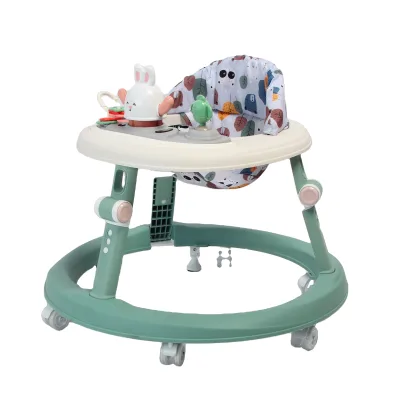
Multi-Functional Baby Walker for Boys and Girls Foldable Plastic Car Design Certified En
$9.7315 - $10.1467
MOQ: 200 pieces
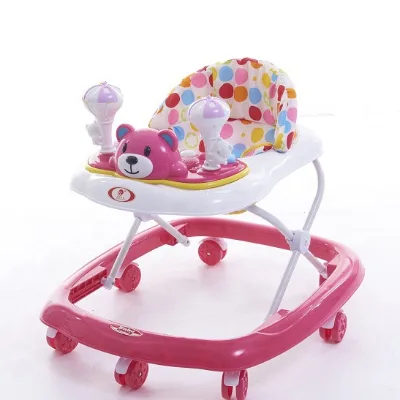
Safe PP Plastic Folding Metal Frame Interactive Baby Walkers Car for Children
$9.9594 - $51.3363
MOQ: 100 pieces
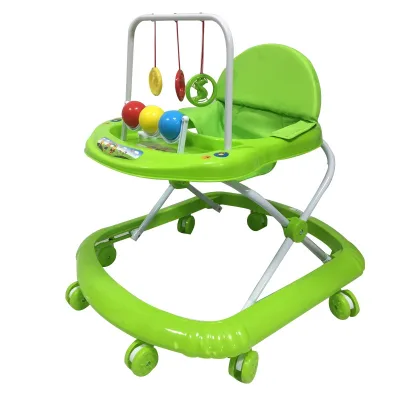
Baby Walker Factory Direct First Steps Push Along Bouncer Activity Music Ride on Car
$6.6885 - $30.8659
MOQ: 100 pieces

- Verified by SGS
- Trading Company,Manufacturer/Factory,Other
- China Zhejiang
- Lead time38 days
- Avg. response≤ 14h
Main productsBath Mat, Cushion, Wooden Toys, Fitness Equipment, Cosmetic Bag, Luggage, Festival Products, Gym Items, Face Mask, Paracord Bracelet
Main marketsSouth America,Eastern Europe,Mid East,North America,Southeast Asia,Eastern Asia,Oceania,Western Europe,Africa

Infant Baby Child Early Learning Walker Music Light Anti-Rollover Walker
$25.00 - $26.20
MOQ: 1000 Pieces

Multifunctional Baby Walker Anti-Rollover Can Gain Weight Stroller Baby Toddler Toy
$7.40 - $7.54
MOQ: 1000 Pieces

Multifunctional Baby Walker Musicl Wheels Adjustable Anti-O-Leg Baby Trolley
$12.00 - $13.87
MOQ: 300 Pieces

Guangzong Shuanglong Bicycle Industry Co., Ltd.
- Manufacturer
- China Hebei
- Lead time30 days
- Avg. response≤ 12h
Main productsMountain Bike, Children Bicycle, Bicycle, Bicycle Parts
Main marketsSouth America,Africa,Southeast Asia/ Mideast
Hebei Liangbei Bassinet Co., Ltd.
- Verified by TüVRheinland
- Manufacturer, Trading Company
- Lead time15 days
- Avg. response≤ 4h
Main productsKids Ride On Car, Electric Motorbike, Baby Swing Car, Baby Push Car, Children Car
Main marketsDomestic Market(50%), North America(30%), South Asia(10%)
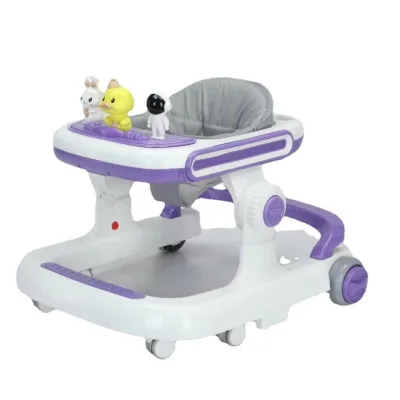
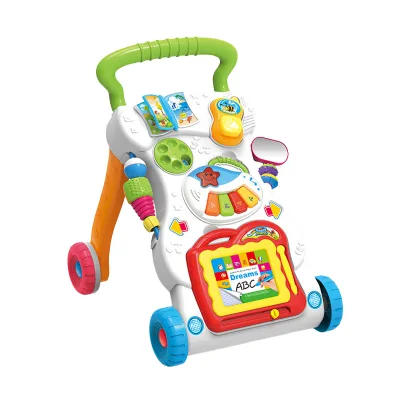
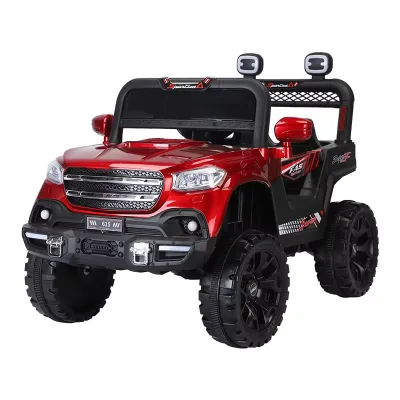
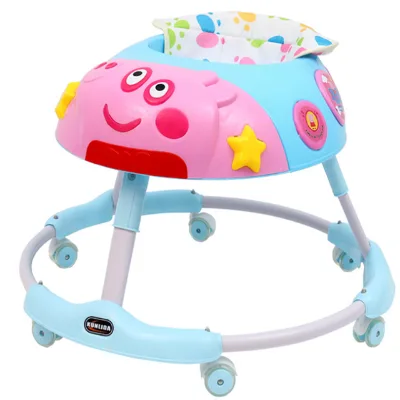
2019 Hot Sale Four-Wheel Plastic Baby Walker Kids Twist Car Stroller with Foldable & Light Feature
$34.3046 - $36.3837
MOQ: 200 pieces
SHIJIAZHUANG MUCHUAN TRADE CO., LTD.
- Trading Company
- Hebei, China
- Lead time7 days
- Avg. response≤ 5h
Main productskids electric car,kids motorbike,kids bicycle,kids tricycle,kids scooter
Main marketsSouth America(20.00%), South Asia(15.00%), Eastern Asia(15.00%), Southeast Asia(15.00%), North America(15.00%), Mid East(10.00%), Africa(10.00%)

Xingtai Pinda Vehicle Industry Co., Ltd.
- Verified by CTI
- Trading Company
- China Hebei
- Lead time15 days
- Avg. response≤ 25h
Main marketsSouth America,Africa,Europe
Hebei Greensky Bicycle Co., Ltd.
- Verified by SGS Group
- Trading Company
- Lead time20 days
- Avg. response≤ 5h
Main productsBaby Stroller, Baby Car Seat, Kids Bike, Kids Tricycle, Child Highchair
Main marketsSouth America(52%), Southern Europe(18%), Eastern Europe(11%)
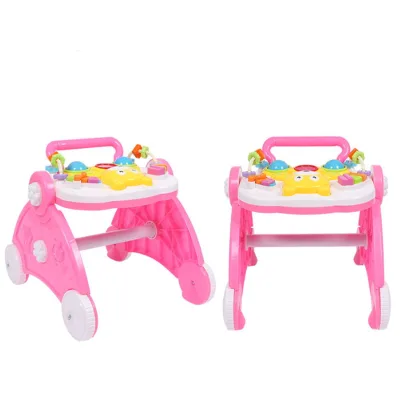
Best Selling Baby Push Walker / Baby Walker with Low Price / Baby Trolley Walker
$14.00 - $18.00
MOQ: 1000
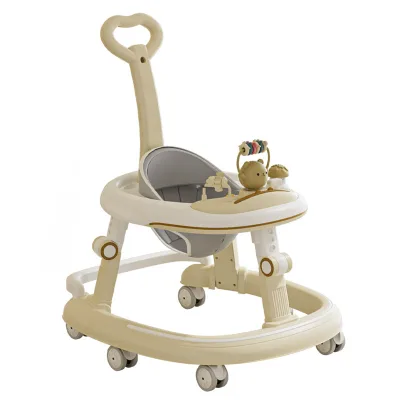
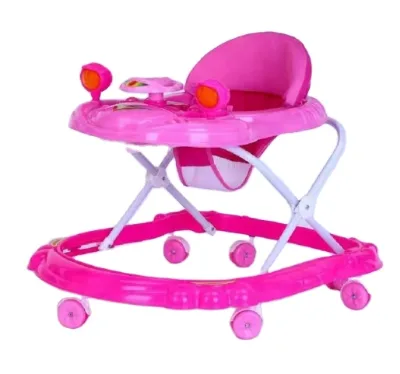
New Baby U - Shaped Walker Walking Learning Driving Anti-rollover Multifunctional Folding Car
$11.00 - $14.00
MOQ: 795 pieces
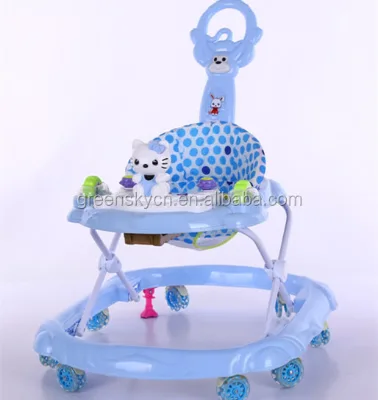
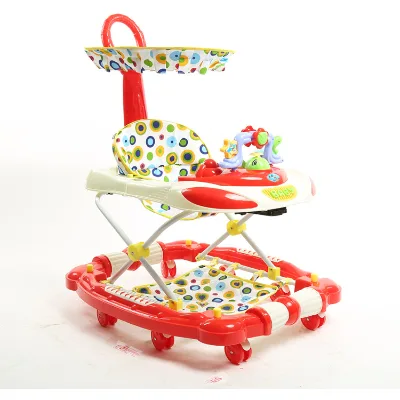
Wholesale Foldable Plastic and Polyester Simple Baby Walker With Music for 7-18 Months
$14.00 - $15.60
MOQ: 545

- Verified by SGS
- Trading Company
- China Zhejiang
- Lead time15 days
- Avg. response≤ 10h
Main productsFan, Heater Fan, Air Fryer, Toaster, Rice Cooker, Vacuum Cleaner, Coffee Machine, Hairdressing Appliance, Electric Toothbrush, Steam Iron
Main marketsEurope,Australia


Quality Guaranteed Multifunctional Portable Prevent O Legs 6-18 Months Baby Plastic Walker
$12.20 - $13.40
MOQ: 500 Pieces


Top Rated Baby Walker Stroller Multi-Functional Anti-Rollover O-Leg Walking Toy Newborn
$4.73 - $5.26
MOQ: 200 Pieces

New Arrival Baby Walker Anti-Scroll Stroller Newborn Remote Control Toys
$11.57 - $12.86
MOQ: 100 Pieces
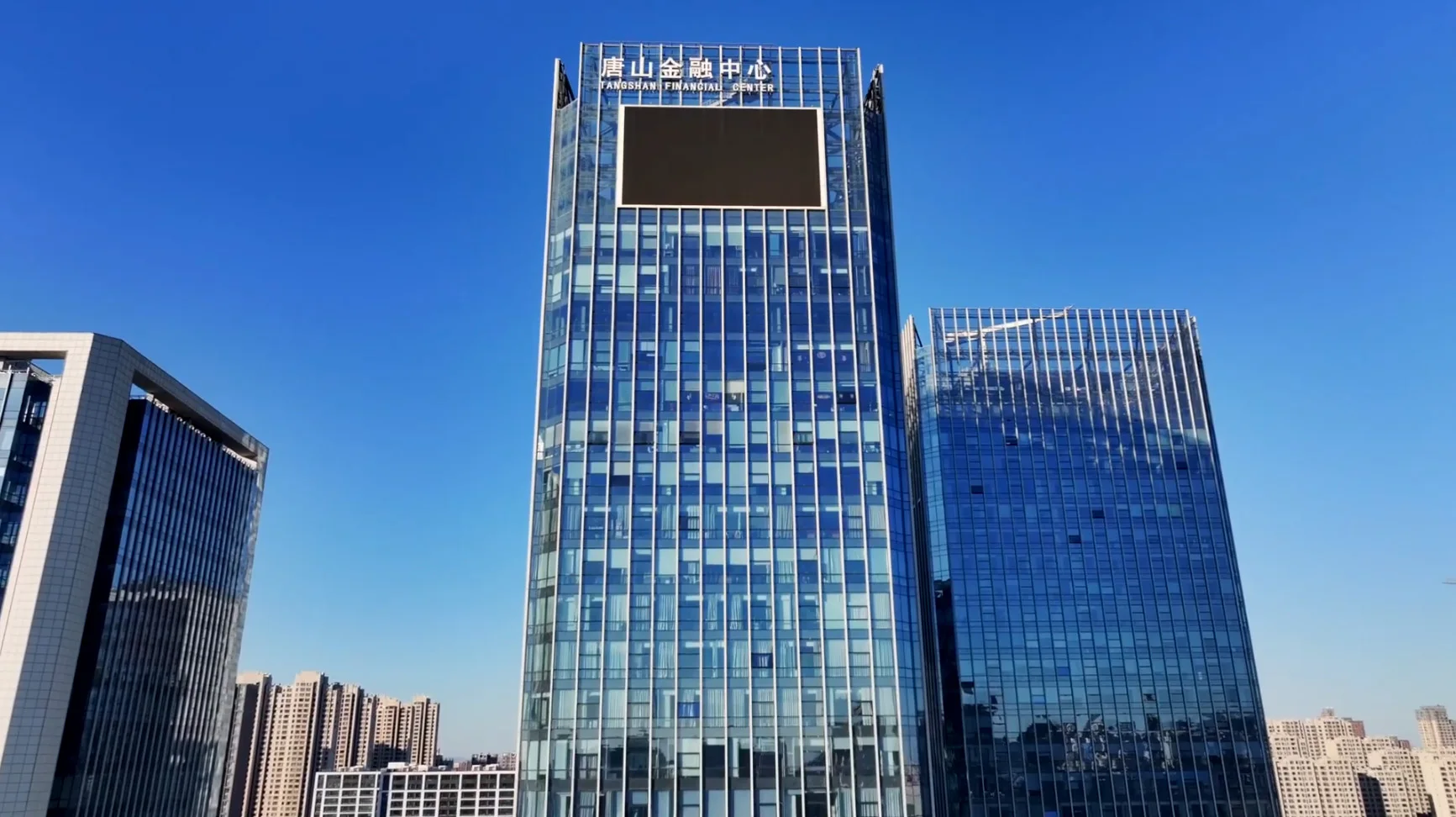
Tangshan Lemoon Children's Products Co., Ltd.
- Trading Company
- Hebei, China
- Lead time30 days
- Avg. response≤ 2h
Main productsBaby stroller,Baby walker,Baby rocking chair/bed,Baby play pen,Children's toy car
Main marketsNorth America(30.00%), Eastern Europe(15.00%), South America(15.00%), Domestic Market(5.00%), Oceania(5.00%), Central America(5.00%), Africa(5.00%), Southeast Asia(5.00%), South Asia(2.50%), Eastern Asia(2.50%), Mid East(2.50%), Southern Europe(2.50%), Northern Europe(2.50%), Western Europe(2.50%)




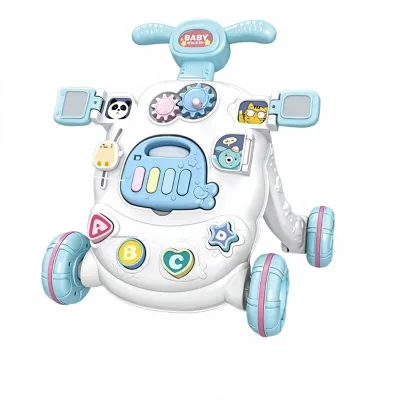
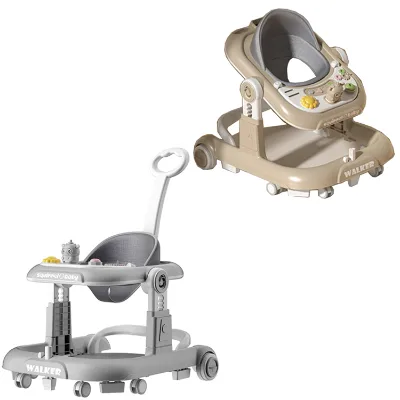
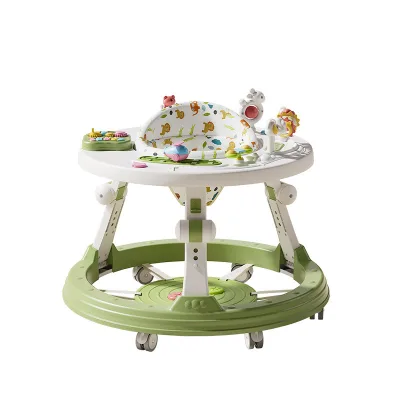
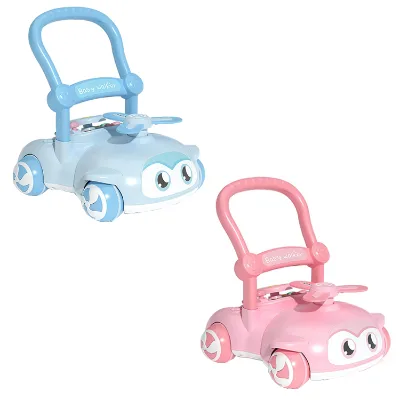




Comprehensive Sourcing Guide
Plastic Toddler Pushing Car Walker Supplier Concentration and Factory Types
The current supplier landscape for plastic toddler pushing car walkers reveals a distinct concentration of manufacturing activity within specific Chinese provinces, with Zhejiang emerging as a primary hub for this category. Factories and trading companies located in this region often specialize in baby products, leveraging established supply chains for raw materials like plastic and HDPE to produce durable, cost-effective walkers. The presence of trading companies alongside manufacturing entities indicates a mixed ecosystem where buyers can access both direct factory pricing and the logistical support of intermediaries. This concentration allows for efficient clustering of expertise, where suppliers are familiar with the specific engineering requirements of push walkers, such as load-bearing capacities and foldable mechanisms. Buyers evaluating suppliers in this region should note that the density of competitors can drive competitive pricing, but it also necessitates careful vetting to distinguish between genuine manufacturers and pure trading entities. The geographic proximity to major ports in Zhejiang facilitates smoother export processes, reducing potential delays in shipping finished goods to international markets. Understanding this regional dynamic helps buyers anticipate the types of product variations and customization options available, as local factories often have the flexibility to adjust designs based on global trends in toddler mobility aids.
Supplier types in this sector vary significantly, ranging from pure trading companies to combined entities that offer both OEM and ODM services. Some suppliers are identified as trading companies, which may simplify communication for international buyers but could add a layer of markup to the final unit price. In contrast, combined suppliers often possess their own brands and manufacturing capabilities, allowing for greater control over quality assurance and production timelines. The diversity in company types means that buyers must look beyond the surface-level description to understand the actual source of the product. For instance, some suppliers highlight their ability to handle both OEM and ODM requests, indicating a robust engineering team capable of adapting existing designs or creating new ones from scratch. This capability is particularly valuable for buyers seeking unique features, such as adjustable speeds or integrated music functions, which are common in modern toddler walkers. By recognizing the distinction between trading and manufacturing entities, buyers can better align their sourcing strategy with their specific needs, whether they prioritize cost efficiency through trading companies or product customization through combined suppliers with in-house production facilities.
How to Verify Plastic Toddler Pushing Car Walker Suppliers
Verifying the legitimacy and capability of suppliers requires a multi-layered approach that goes beyond simple profile reviews. Buyers should prioritize suppliers who display clear system certifications, such as CE or ISO9001:2015, which serve as foundational indicators of quality management and product safety compliance. These certifications are critical for plastic toddler pushing car walkers, as they ensure that the materials used, such as HDPE or standard plastic, meet international safety standards for children's products. Additionally, checking for specific product certifications like CPC, SNI, or GCC can provide further assurance, especially if the buyer intends to sell in regulated markets. It is essential to request copies of these certificates and verify their validity through the issuing bodies, as displayed badges alone do not guarantee current compliance. Suppliers who are transparent about their certification status and willing to provide documentation are generally more reliable partners for long-term sourcing relationships. This verification process helps mitigate the risk of sourcing non-compliant products that could lead to customs seizures or legal liabilities in the destination country.
Beyond certifications, buyers should assess the supplier's responsiveness and operational efficiency to gauge their reliability. A quick response time, such as within three to six hours, often indicates a well-organized sales team that is attentive to buyer inquiries and ready to provide detailed quotations. Lead times are another crucial metric; suppliers offering consistent lead times, such as thirty days for standard orders, demonstrate stable production capabilities. Buyers should also inquire about sample times, as a reasonable sample turnaround of five to seven days allows for timely product evaluation without delaying the overall sourcing timeline. Furthermore, verifying the supplier's main products and company type helps confirm their expertise; a supplier specializing in baby products is likely more knowledgeable about toddler safety features than a generalist trading company. By combining certification checks with operational assessments, buyers can build a comprehensive profile of each supplier, ensuring that they partner with entities that are not only compliant but also efficient and responsive to the demands of the global market.
What to Compare Across Plastic Toddler Pushing Car Walker Suppliers
When evaluating multiple suppliers, buyers must compare key operational metrics to identify the most suitable partner for their specific business needs. One of the primary factors is the minimum order quantity (MOQ), which can significantly impact inventory management and cash flow. Suppliers may set MOQs at levels such as five hundred units, which requires buyers to assess their sales volume and storage capacity before committing. Comparing MOQs across different suppliers helps buyers find a balance between cost efficiency and inventory risk, especially for new product launches or smaller market entries. Additionally, lead times vary among suppliers, with some offering faster turnaround times of around twenty-three days, while others may require thirty days or more. Understanding these variations allows buyers to plan their supply chain more effectively, ensuring that stock levels are maintained without excessive overstocking. By comparing these operational constraints, buyers can select suppliers that align with their logistical capabilities and market demand forecasts.
Price and product specifications are equally critical dimensions for comparison. Unit prices for plastic toddler pushing car walkers can range from approximately fourteen to twenty-five dollars, depending on features such as foldability, material quality, and additional functions like music or adjustable speeds. Buyers should compare not just the base price but also the total landed cost, including shipping and potential tariffs. Product attributes such as load-bearing capacity, age group suitability, and frame material (plastic vs. HDPE) also vary and should be matched against the target market's requirements. For instance, some walkers are designed for infants as young as zero to three years old, while others may have stricter age recommendations. Comparing these specifications ensures that the selected product meets safety and functional expectations. Additionally, buyers should evaluate the supplier's supply ability and customization options, such as accepting customized logos or OEM designs, which can add value to the final product. A holistic comparison of price, MOQ, lead time, and product features enables buyers to make informed decisions that optimize both cost and quality.
Common Plastic Toddler Pushing Car Walker Sourcing Risks
One of the primary risks in sourcing plastic toddler pushing car walkers is the potential discrepancy between product samples and bulk production. Buyers often receive high-quality samples that meet all specifications, but the mass-produced items may differ in material thickness, color consistency, or structural integrity. This risk is particularly prevalent when working with trading companies that may not have direct control over the manufacturing process. To mitigate this, buyers should include strict quality assurance clauses in their contracts and consider hiring third-party inspection services before shipment. Additionally, the risk of non-compliance with safety standards is significant, as plastic components must withstand rigorous testing for durability and toxicity. Suppliers who do not provide valid certifications or fail to adhere to international standards pose a substantial legal and reputational risk. Buyers must verify that all products meet the specific safety regulations of their target market, such as EN standards in Europe or CPC in the United States, to avoid costly recalls or bans.
Another common risk is the variability in supplier responsiveness and communication, which can lead to delays and misunderstandings. Suppliers with slower response times, such as those taking several hours or days to reply, may struggle to address urgent issues or provide timely updates on production status. This can disrupt the buyer's supply chain, especially if there are unexpected changes in demand or logistics. Furthermore, the risk of intellectual property infringement exists when working with suppliers who offer OEM services without proper legal agreements. Buyers must ensure that their designs and branding are protected through clear contracts and, if necessary, patents or trademarks in the manufacturing country. Additionally, the risk of logistical delays, such as port congestion or shipping disruptions, can impact delivery times. Buyers should work with suppliers who have experience in exporting to their region and who can provide reliable shipping solutions. By identifying and addressing these risks proactively, buyers can establish more resilient sourcing relationships and minimize potential disruptions in their supply chain.
Plastic Toddler Pushing Car Walker Regional Sourcing and Logistics
Sourcing plastic toddler pushing car walkers from China offers distinct logistical advantages, particularly when dealing with suppliers located in major manufacturing hubs like Zhejiang. The concentration of factories in this region facilitates efficient consolidation of goods, allowing buyers to combine multiple products into single shipments to reduce shipping costs. Suppliers in Zhejiang often have established relationships with freight forwarders and logistics providers, ensuring smoother export processes and faster customs clearance. Additionally, the proximity to major ports such as Ningbo and Shanghai provides convenient access to global shipping routes, reducing transit times to international destinations. Buyers should leverage these logistical benefits by coordinating closely with their suppliers to optimize packaging and container utilization. Efficient packaging, such as using standard carton sizes, can maximize space in shipping containers, further lowering per-unit shipping costs. Understanding the regional logistics landscape helps buyers plan their inventory replenishment cycles more accurately, ensuring timely delivery to their customers.
However, buyers must also consider the complexities of international shipping and customs regulations when sourcing from these regions. Different countries have varying import duties, taxes, and documentation requirements that can impact the final cost and delivery timeline. Buyers should work with suppliers who are experienced in exporting to their specific market and who can provide accurate documentation, such as commercial invoices, packing lists, and certificates of origin. Additionally, buyers should be aware of potential delays due to global supply chain disruptions, such as port congestion or carrier capacity issues. To mitigate these risks, buyers can consider using multiple suppliers or diversifying their sourcing locations, although the current data suggests a strong concentration in Zhejiang. By understanding the logistical nuances of regional sourcing, buyers can develop more robust supply chain strategies that account for potential delays and costs. This proactive approach ensures that the benefits of sourcing from manufacturing hubs are fully realized while minimizing the risks associated with international trade.
Plastic Toddler Pushing Car Walker Commercial Terms and Order Planning
Effective order planning for plastic toddler pushing car walkers requires careful consideration of commercial terms, including payment methods, pricing structures, and after-sales support. Buyers should negotiate clear payment terms, such as a deposit followed by balance payment upon shipment, to balance risk and cash flow. Understanding the pricing structure is also crucial, as unit prices may vary based on order volume, customization requirements, and material choices. Buyers should request detailed quotations that break down costs for production, packaging, and shipping to ensure transparency. Additionally, buyers should inquire about the supplier's policy on defects and returns, as this can impact the overall cost of sourcing. Suppliers who offer warranties or replacement parts for defective items provide an added layer of security for buyers. By establishing clear commercial terms upfront, buyers can avoid disputes and ensure a smooth transaction process. This clarity is essential for maintaining a positive relationship with suppliers and ensuring consistent product quality.
Furthermore, buyers should plan for long-term supply chain stability by considering factors such as lead time consistency and supply ability. Suppliers with a demonstrated ability to meet monthly supply targets, such as producing a specific number of units per month, offer greater reliability for ongoing orders. Buyers should also evaluate the supplier's capacity for handling peak seasons, as demand for toddler products can fluctuate throughout the year. By aligning order quantities with the supplier's production capacity, buyers can avoid delays and ensure timely delivery. Additionally, buyers should consider the potential for future product variations, such as new colors or features, and discuss these possibilities with their suppliers during the initial negotiation phase. This forward-thinking approach allows buyers to stay competitive in the market by offering updated products to their customers. By integrating commercial terms and order planning into their sourcing strategy, buyers can build a resilient and efficient supply chain that supports their business growth.
FAQs
What is the price range for plastic toddler push walkers?
Prices for plastic toddler push walkers typically range from 14.80 to 24.50 per unit. Specific models like the XBC-1 are priced at 14.80, while 3-in-1 adjustable versions cost 24.50. Buyers should verify exact costs based on selected features and order volume with suppliers.
What certifications are available for these baby walkers?
Manufacturers offer various certifications including CE, EN, CPC, SNI, GCC, and ISO9001. Some products specifically list EN certification for safety compliance. Buyers must confirm which specific certificates apply to their target market and request valid documentation directly from the supplier before placing orders.
What is the typical lead time for production?
Production lead times generally range from 23 to 30 days depending on the supplier and order complexity. Some suppliers indicate a 30-day standard, while others may offer faster turnaround. Buyers should confirm the exact timeline with the manufacturer to ensure timely delivery for their inventory needs.
What is the minimum order quantity for these products?
The minimum order quantity is typically set at 500 units for standard plastic toddler push walkers. Buyers should verify this threshold with specific suppliers as policies may vary. Meeting the MOQ is essential for securing the quoted unit price and ensuring efficient production scheduling with the manufacturer.
Where are these plastic walkers manufactured?
These products are primarily manufactured in Zhejiang, China, with some origins listed broadly as China. Hebei is also noted for related bicycle and scooter manufacturing. Buyers should verify the specific place of origin for each product to understand logistics, tariffs, and supply chain dynamics accurately.
Are foldable plastic walkers available?
Yes, foldable options are available, such as the 3-in-1 adjustable model which features easy folding for portability. Non-foldable plastic models are also common, offering sturdy construction for learning to walk. Buyers should check product attributes to confirm foldability based on their storage and shipping requirements.
What is the response time for supplier inquiries?
Supplier response times vary, with some indicating a 3-day turnaround and others showing an average of 5.71 days. Faster response times facilitate quicker negotiations and sample requests. Buyers should prioritize suppliers with quicker response metrics to streamline the sourcing process and maintain project momentum effectively.