Plastic Measuring Spoon Suppliers and Manufacturers in China
Compare 22 verified Plastic Measuring Spoon suppliers by location, lead time, and certifications. Review response times and MOQs to select a factory in Zhejiang or Guangdong that meets your customization needs; review the available evidence before requesting comparable quotations from suitable candidates.
Updated
Suppliers List

Ningbo Plestic Metal Product Co., Ltd.
- Verified by BV
- Combined
- China Zhejiang
- Lead time30 days
- Avg. response≤ 3h
Main productsCustom Plastic Part, Plastic Molding, Custom Plastic Mold, Injection Molding Service, Custom Plastic Product, Plastic Scoop, Plastic Funnel, Nasal Inhaler, Plastic Injection Molding
Main marketsSouth America,Africa,Southeast Asia/ Mideast,East Asia(Japan/ South Korea),Domestic,Europe,Australia,North America


Hot Food Grade Manufacture Plastic Measure Scoop 2ml 1g Measuring Spoon
$0.01 - $0.03
MOQ: 1000 pieces


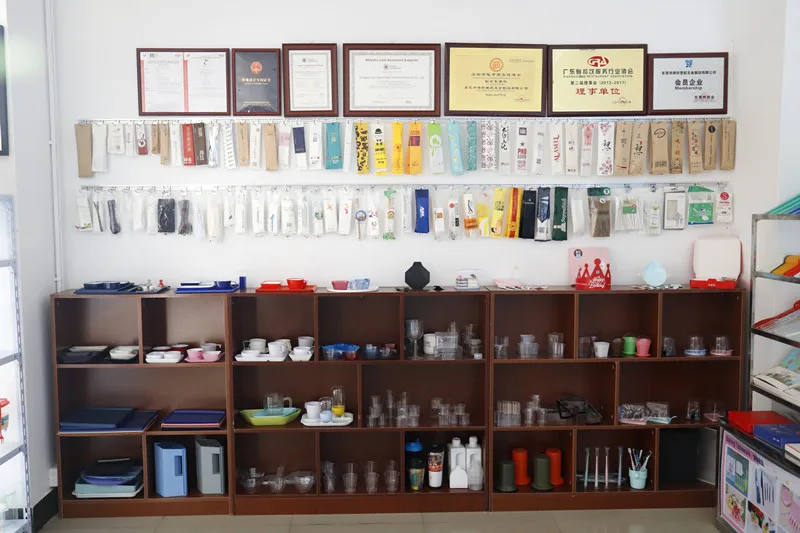
Dongguan De Xuan Plastic Hardware Products Co., Ltd.
- Manufacturer
- Guangdong, China
- Lead time25 days
- Avg. response≤ 5h
Main productsDisposable Cutlery,Compostable Cutlery,Biodegradable Cutlery,Measuring Scoop,Measuring Spoon
Main marketsEastern Asia(100.00%), Eastern Europe(100.00%), South Asia(100.00%), Mid East(100.00%), Central America(100.00%), North America(30.00%), Western Europe(20.00%), Domestic Market(15.00%), Oceania(10.00%), Africa(5.00%), Southeast Asia(5.00%), Southern Europe(5.00%), South America(5.00%), Northern Europe(5.00%)
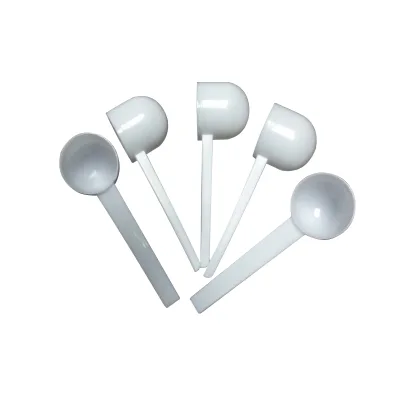
5g Measuring Spoon Small Measuring Spoon 10ml Plastic Measuring Spoon
$0.0308 - $0.0617
MOQ: 10 Minimum
Hebei Meibo Packaging Products Co., Ltd.
- Verified by SGS Group
- Trading Company
- Lead time20 days
- Avg. response≤ 2h
Main productsPlastic Bottle, Glass Bottle, Glass Jar, Candle Jar, Food Jar
Main marketsNorth America(50%), South America(10%), Eastern Europe(5%)

ZHUHAI KAMEDA TECHNOLOGY CO., LTD
- Verified by BV
- Trading Company,Manufacturer/Factory
- China Guangdong
- Lead time23 days
- Avg. response≤ 6h
Main productsMeasuring Tools, Plastic Clips, Housewares Packing, Daily Necessities, Customizing PCB
Main marketsSouth America,Eastern Europe,Mid East,North America,Southeast Asia,Eastern Asia,Oceania,Western Europe,Africa


Manufacturer 10ml Transparent Spoons 5 Gram Plastic Measuring Scoop Measure Spoon
$0.05
MOQ: 10000 Pieces

Ningbo Haishu Mango Import & Export Co., Ltd.
- Verified by BV
- Manufacturer/Factory
- China Zhejiang
- Lead time23 days
- Avg. response≤ 5h
Main productsCooler Bag, Folding Chairs, Beach Bag, Folding Tables, Backpack, Camping Tent, Hiking Stick, Sleeping Bag, Ski Pole, Hammock
Main marketsSouth America,Eastern Europe,Mid East,North America,Southeast Asia,Eastern Asia,Oceania,Western Europe,Africa
Shenzhen Mantimelong Electronic Co., Ltd.
- Manufacturer, Trading Company
- Guangdong, China
- Lead time3 days
- Avg. response≤ 10h
Main productsBALL PEN,STATIONERY,HOUSEHOLD SUNDRIES,PEN
Main marketsNorthern Europe(25.00%), South America(20.00%), Mid East(13.00%), Western Europe(10.00%), North America(10.00%), Eastern Europe(8.00%), Oceania(5.00%), Eastern Asia(5.00%), Southeast Asia(4.00%)
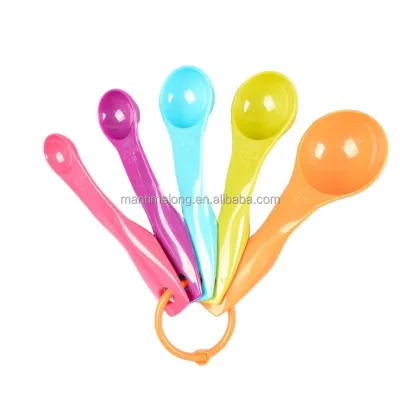
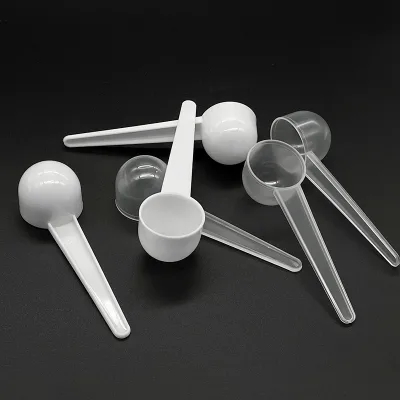
7.5g 15ml Clear White Round Plastic Measuring Spoon for Coffee Grains Protein Spices Milk Powder
$0.0623 - $0.1037
MOQ: 1000 pieces

Jinjiang Jiaxing Import and Export Co., Ltd.
- Verified by CTI
- Manufacturer/Factory
- China Fujian
- Lead time120 days
- Avg. response≤ 2h
Main productsShoes, Slipper, Clothes, Promotion Gifts, Silicone Products, Outdoor Sports Products, Bags, Fashion Accessories, Consumer Electronics
Main marketsSouth America,Eastern Europe,Mid East,North America,Southeast Asia,Eastern Asia,Oceania,Western Europe,Africa
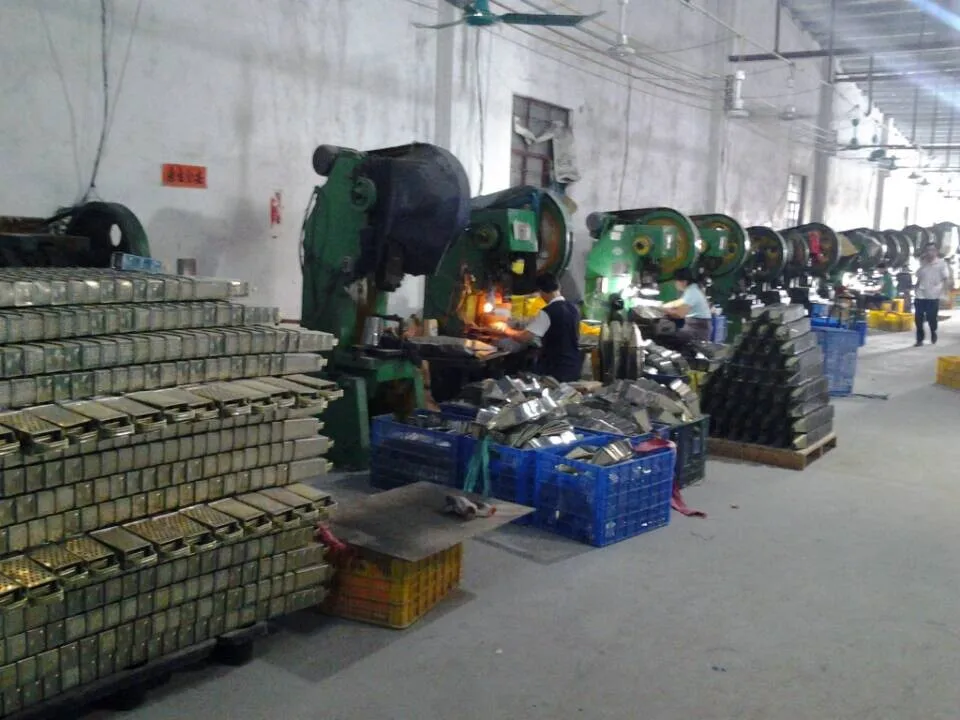
Huorun Import & Export Co., Ltd. (ASIA BEST BRANCH)
- Trading Company
- Guangdong, China
- Lead time30 days
- Avg. response≤ 11h
Main productsKitchen Knife & Scissor,Kitchen Tools,BBQ Tools,Wooden Cutting Boards,Manicure & Beauty Tools
Main marketsWestern Europe(45.00%), South America(20.00%), Eastern Asia(10.00%), Northern Europe(10.00%), Eastern Europe(5.00%), Central America(5.00%), North America(5.00%)
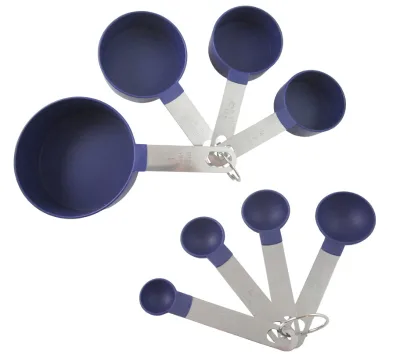
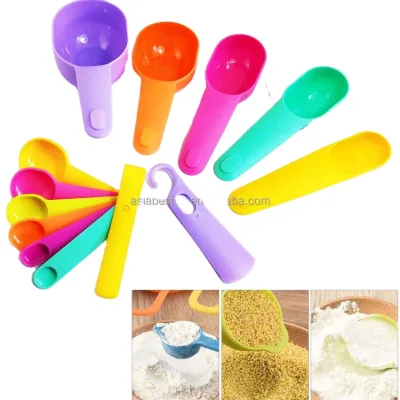
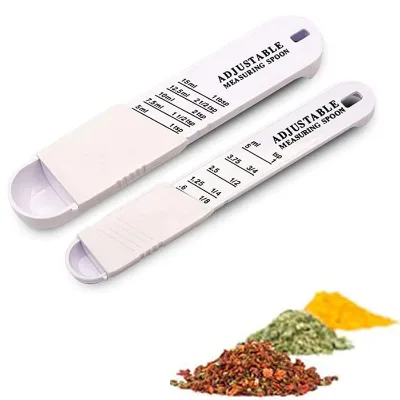
LFGB Plastic Measuring Spoon Measuring Tools
$0.26 - $0.32
YIWU STAR PEAK COMMODITY CO.,LTD.
- Manufacturer, Trading Company
- Zhejiang, China
- Lead time20 days
- Avg. response≤ 7h
Main productsgift plastic spoon,gift tape measure keychains,gift water bottle,promotional gift,promotional gifts
Main marketsNorth America(18.00%), Eastern Europe(12.00%), Southern Europe(7.69%), Mid East(7.69%), Northern Europe(7.69%), Central America(7.69%), Western Europe(7.69%), South America(7.69%), Eastern Asia(5.00%), Oceania(5.00%), South Asia(5.00%), Southeast Asia(5.00%), Africa(3.86%)
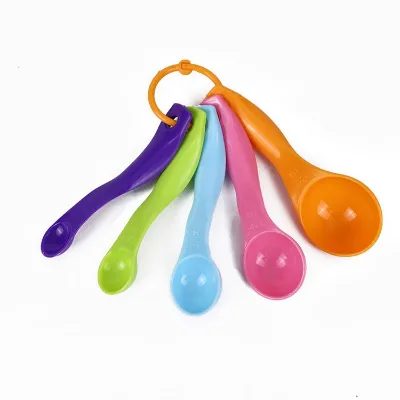
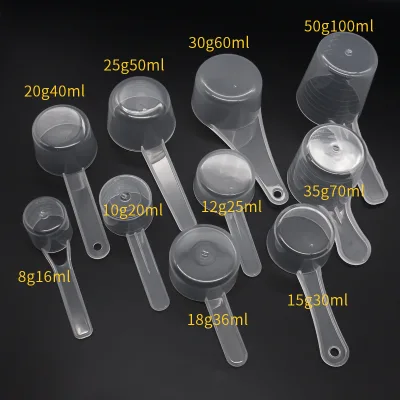
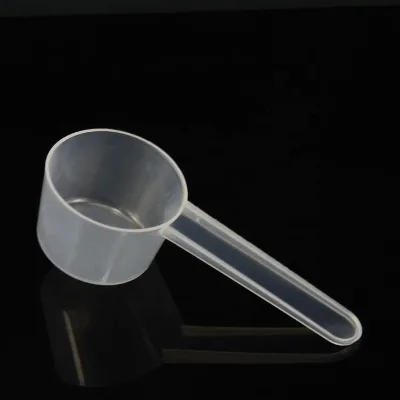
Plastic Measuring Spoon with Measuring Marking Flat Bottom, Good Quality PP Scoop with Scale
$0.06 - $0.10
MOQ: 1000 pieces

Hebei Shengjin Package Co., Ltd.
- Verified by TUVRHEINLAND
- Manufacturer/Factory
- China Hebei
- Lead time0 days
- Avg. response≤ 3h
Main productsGlass Bottle, Cosmetic Bottle, Perfume Bottle, Dropper Bottle, Pill Bottle
Main marketsSouth America,Eastern Europe,Mid East,North America,Southeast Asia,Eastern Asia,Oceania,Western Europe,Africa

Compostable Food Grade 20cc Measuring Spoon PP Measuring Scoop White Plastic Spoon
$0.15
MOQ: 10000 Pieces

0.025g 0.05g 0.15g 0.25g Mini Measuring Plastic Spoons Scoops Clear White
$0.04 - $0.06
MOQ: 10000 Pieces
Handa Zhichuang Technology (Shenzhen) Co., Ltd.
- Trading Company
- Guangdong, China
- Lead time60 days
- Avg. response≤ 3h
Main productsPVC Figure,Vinyl Figure,Resin Figure,TPR toy,Silicone toy
Main marketsNorth America(30.00%), Central America(25.00%), Northern Europe(10.00%), Southeast Asia(10.00%), Eastern Europe(10.00%), Domestic Market(5.00%), South Asia(5.00%), South America(5.00%)
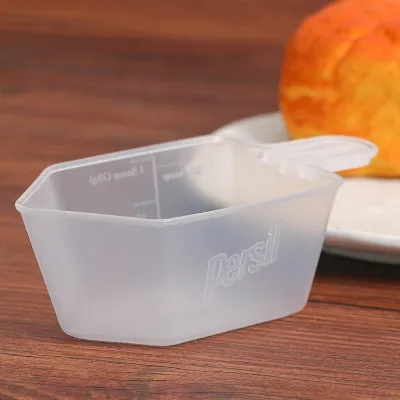
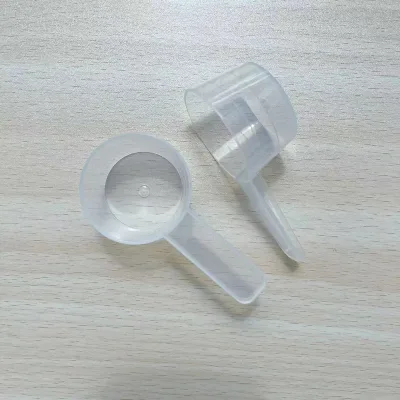
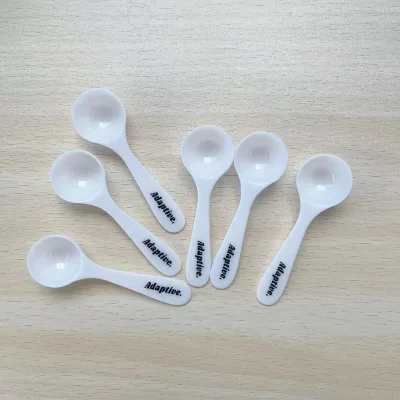
2g Plastic Measuring Spoon 4ml 4cc Plastic Seasoning Spoon Food Grade with Custom logo
$0.03 - $0.07
MOQ: 1000
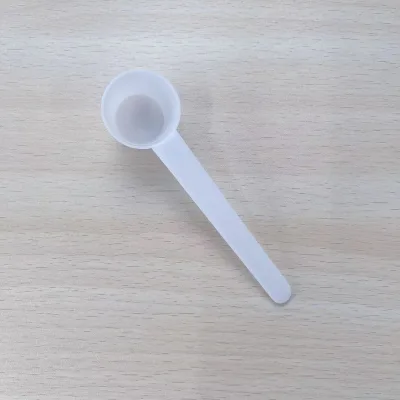
$0.0103 - $0.0411
MOQ: 1000 pieces
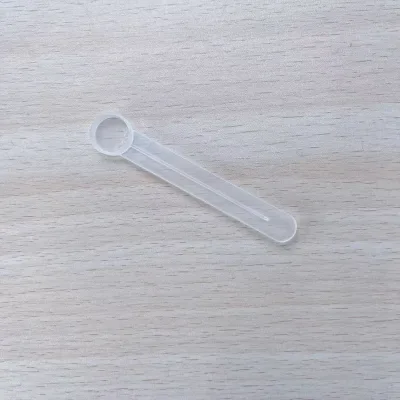
0.625ml Mini Small Food Grade PP White Clear Measuring Spoon 0.625cc Plastic Spoon
$0.01 - $0.04
MOQ: 1000
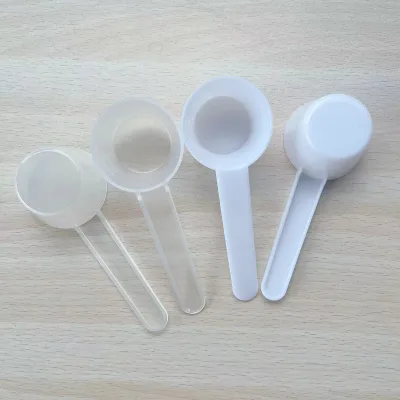
15g & 30ml Flat Bottom Round Plastic pp Spoon,Measuring Spoon,plastic Liquid Scoop
$0.01 - $0.04
MOQ: 1000

WuHan LanYuan Protective Co., Ltd.
- Verified by BV
- Trading Company
- China Hubei
- Lead time23 days
- Avg. response≤ 11h
Main productsElectric Tricycle, Motorized Tricycle Cargo, Shoe Cover, Isolation Gown, Mob Cap, PE Apron, Hospital Uniform, Blood Segment Device, Surgical Gown, Smear Making Safe Blood Dispenser
Main marketsSoutheast Asia/ Mideast,Europe,North America
Kunming Leying Flower Co., Ltd.
- Manufacturer, Trading Company
- Yunnan, China
- Lead time30 days
- Avg. response≤ 3h
Main productsdried flowers,preserved flowers,Aquarium accessories,Aquarium Decoration,Home Decoration
Main marketsEastern Europe(30.00%), Northern Europe(20.00%), Western Europe(20.00%), Southern Europe(10.00%), Mid East(10.00%), North America(10.00%)

Qingdao Protech Rubber&Plastic Co., Ltd.
- Verified by TUVRHEINLAND
- Trading Company
- China Shandong
- Lead time15 days
- Avg. response≤ 17h
Main productsRubber O Rings, Rubber Gaskets, Injection Molded Plastic Parts, Silicone Rubber Profile, Metal Products, ABS Plastic Bush, Rubber Products, Custom Injection Plastic Parts, Self-Fusing Silicone Tape, Plastic Cover
Main marketsSouth America,Southeast Asia/ Mideast,Europe,North America

Guangzhou Chenquan Technology Co., Ltd.
- Verified by SGS
- Trading Company
- China Guangdong
- Lead time15 days
- Avg. response≤ 6h
Main productsDailynecessities
Main marketsDomestic
Hangzhou Fuyang Baka Plastic Packaging Factory
- Verified by SGS Group
- Manufacturer, Trading Company
- Lead time30 days
- Avg. response≤ 10h
Main productsLip Gloss Tube, Ps Cream Jar, Brush Bottle, Plastic Spatula, Glass Cream Jar
Main marketsDomestic Market(50%), North America(15%), Western Europe(7%)
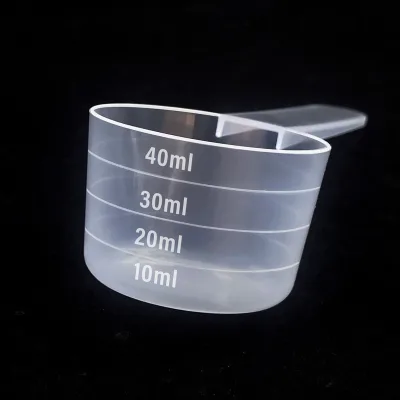
$0.0103 - $0.0308
MOQ: 1000 pieces
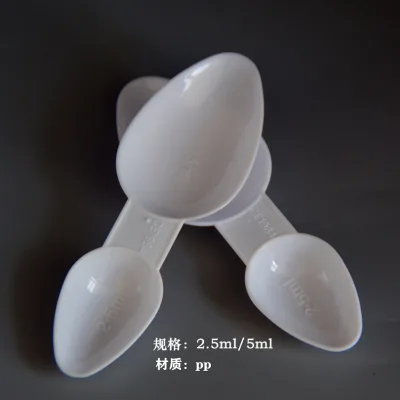
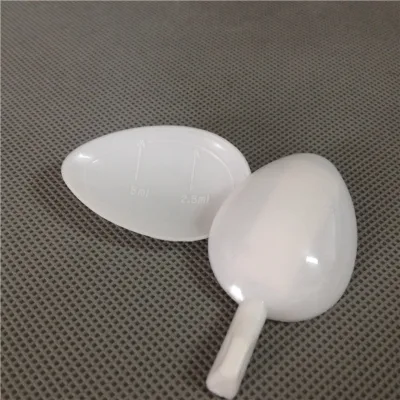
2.5ml 5ml Double Head Plastic White Measuring Spoon with Scale 5ml Leaf Shape Powder Scoop
$0.02 - $0.03
MOQ: 10000
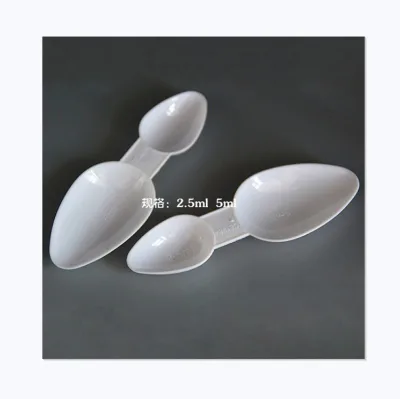
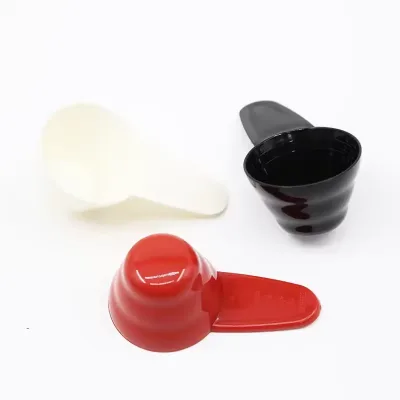
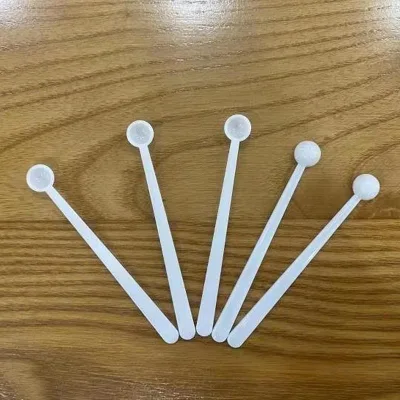
Mini 0.15ml 0.075g Plastic White Color Measuring Spoons with Long Handle
$0.0104 - $0.0313
MOQ: 1000 pieces
Shenzhen Merryfine Technology Co., Ltd.
- Manufacturer, Trading Company, Buying Office
- Guangdong, China
- Lead time20 days
- Avg. response≤ 3h
Main productsCake Decorations,icing tubes,Cake Icing Nozzles,Piping Nozzles,Chocolate Molds
Main marketsWestern Europe(30.00%), South America(20.00%), Southeast Asia(15.00%), North America(15.00%), Eastern Europe(10.00%), Africa(5.00%), Eastern Asia(5.00%)

Shenzhen Beadith Technology Co., Ltd.
- Manufacturer
- Guangdong, China
- Lead time0 days
- Avg. response≤ 7h
Main productsHome & Garden,Tools & Hardware,Silicone Product,Cake Tools,Hot Sell
Main marketsWestern Europe(20.00%), North America(20.00%), Domestic Market(5.00%), South Asia(5.00%), Southern Europe(5.00%), Northern Europe(5.00%), Central America(5.00%), South America(5.00%), Eastern Asia(5.00%), Mid East(5.00%), Oceania(5.00%), Africa(5.00%), Southeast Asia(5.00%), Eastern Europe(5.00%)
Xiamen Boshun Cutlery Co., Ltd.
- Verified by TüVRheinland
- Manufacturer, Trading Company
- Lead time30 days
- Avg. response≤ 2h
Main productsStainless Steel Cutlery
Main marketsNorth America(40%), Western Europe(30%), South America(10%)
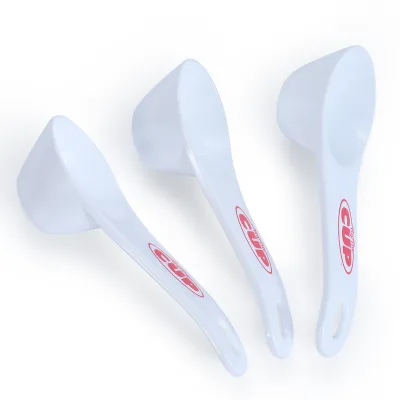
Custom-Printed 20ml Plastic Measuring Spoon for Milk Powder and Coffee with Pattern Logo
$0.35 - $0.50
MOQ: 5000 pieces
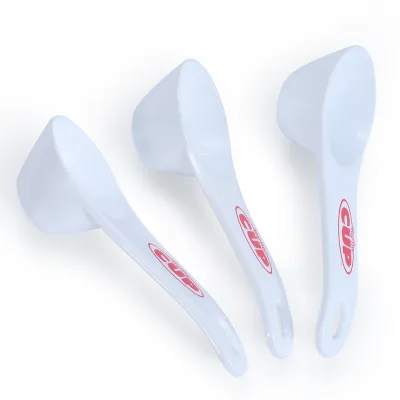
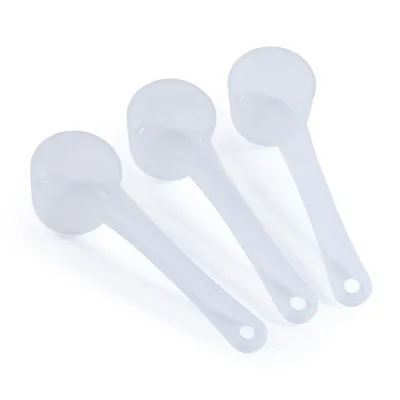
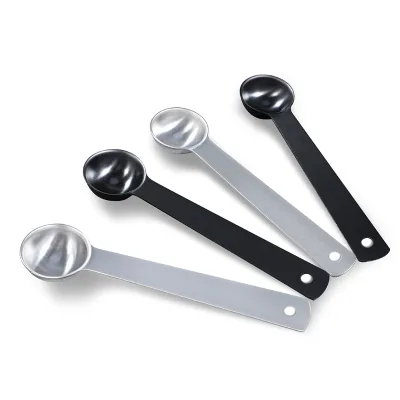
$0.63 - $0.80
MOQ: 5000 pieces
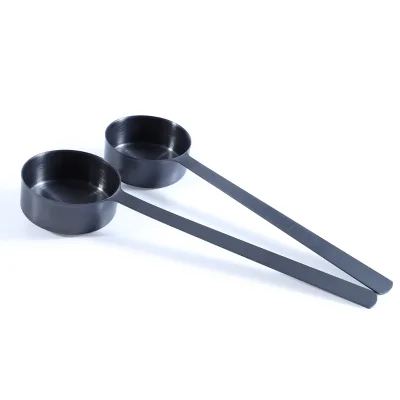
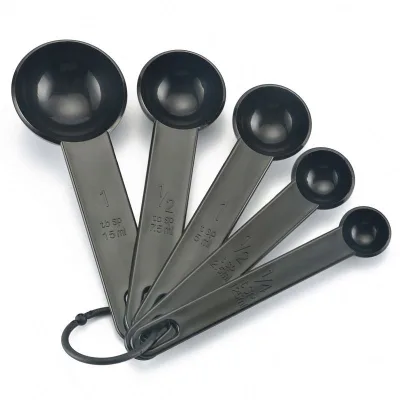
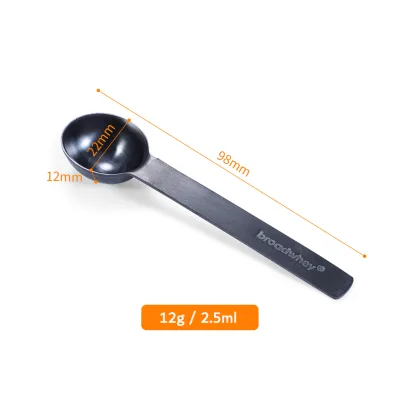
LFGB and FDA Customisable logo Matte Black Stainless Steel Measuring Spoon 100ml
$1.10 - $1.30
MOQ: 5000

Yangjiang C&B Consumer Product Limited
- Verified by CTI
- Trading Company
- China Guangdong
- Lead time15 days
- Avg. response≤ 6h
Main productsBarbecue Tongs, Grilling Brushes, Outdoor Shovel, Grilling Tools, Kitchen Ware, Outdoor Products, Pizza Tools, Knife Set
Main marketsSouth America,Africa,Southeast Asia/ Mideast,Europe,Australia,North America

High-Quality Plastic Measuring Spoon - for Coffee, Milk Powder (Hot Sale)
$0.08 - $0.13
MOQ: 1000 Pieces

High-Quality Plastic Measuring Spoon - Hot Sale for Coffee & Milk Powder
$0.04 - $0.09
MOQ: 1000 Pieces
Guangzhou Chenxuan Technology Co., Ltd.
- Trading Company, Distributor/Wholesaler, Other
- Guangdong, China
- Lead time10 days
- Avg. response≤ 2h
Main productssteel kitchenware,round dinner plate,retro cutlery set,gold dinner plate,korean gold dinner plate
Main marketsWestern Europe(30.00%), North America(30.00%), Mid East(15.00%), Oceania(15.00%), South America(10.00%)

$0.33 - $0.64
MOQ: 50 Minimum
Henan Chengbai Network Technology Co., Ltd.
- Trading Company
- Henan, China
- Lead time7 days
- Avg. response≤ 4h
Main productsKitchen supplies,Toy,Arts and Crafts,Home textiles,Consumer electronics
Main marketsNorth America(19.00%), South America(14.80%), Eastern Europe(12.10%), Northern Europe(8.30%), Southern Europe(7.30%), Western Europe(7.20%), Africa(6.00%), Central America(5.30%), Eastern Asia(5.30%), Southeast Asia(4.80%), Domestic Market(4.20%), Oceania(2.10%), South Asia(1.90%), Mid East(1.70%)




Comprehensive Sourcing Guide
Plastic Measuring Spoon Supplier Concentration and Factory Types
The current supplier landscape for plastic measuring spoons reveals a distinct geographic and operational split that buyers must navigate carefully. Evidence indicates that manufacturing capabilities are concentrated in specific Chinese provinces, with Zhejiang and Guangdong emerging as primary hubs for this category. Suppliers located in Zhejiang often present as combined entities, meaning they may operate as both manufacturers and trading companies, offering a broader range of services including ODM, OEM, and own-brand development. This structure allows for flexibility in design and production, catering to clients who need custom plastic molds or specific injection molding services. In contrast, suppliers based in Guangdong are frequently identified strictly as manufacturers, focusing on high-volume production of items like disposable cutlery and biodegradable alternatives alongside standard plastic measuring scoops. This distinction is critical because it influences the buyer’s ability to negotiate directly on production costs versus relying on a middleman for logistics and communication. Understanding whether a supplier is a pure factory or a combined entity helps in assessing their capacity for large-scale orders and their responsiveness to custom design requests.
Beyond geography, the type of company significantly impacts the sourcing strategy for plastic measuring spoons. Combined companies in Zhejiang may offer a wider array of main products, such as plastic funnels, nasal inhalers, and various kitchen utensils, suggesting a versatile production line capable of handling diverse plastic molding needs. This versatility can be advantageous for buyers seeking a single source for multiple plastic components. However, pure manufacturers in Guangdong might provide deeper expertise in specific materials like PP (polypropylene) and higher supply abilities, potentially reaching millions of pieces per month. For buyers requiring strict quality control on material composition or specific certifications like FDA or LFGB, identifying a dedicated manufacturer might be preferable. Conversely, for buyers needing rapid prototyping or a mix of standard and custom items, a combined supplier might offer more streamlined communication. The choice between these factory types should align with the buyer’s priority, whether it is cost efficiency through direct manufacturing or convenience through a one-stop-shop solution that handles both production and trade logistics.
How to Verify Plastic Measuring Spoon Suppliers
Verifying the legitimacy and capability of Plastic Measuring Spoon suppliers requires a multi-layered approach that goes beyond surface-level profile reviews. One of the most immediate indicators of supplier reliability is the presence of third-party verification badges, such as BV (Bureau Veritas) certification. When a supplier displays such verification, it suggests that an independent agency has audited their business operations, providing a baseline level of trust regarding their legal existence and operational stability. Buyers should prioritize suppliers who have undergone such rigorous checks, as this reduces the risk of engaging with fraudulent entities. Additionally, the response time metric serves as a practical indicator of operational efficiency. A supplier with a response time of approximately two hours demonstrates a high level of engagement and readiness to handle inquiries, which is crucial for resolving technical questions about mold designs or material specifications. Slow response times can signal potential bottlenecks in communication, which may delay project timelines and complicate issue resolution during production.
Beyond verification badges and response speeds, buyers must scrutinize the specific product evidence and certifications listed for each supplier. For plastic measuring spoons, which often come into contact with food, certifications such as ISO, RoHS, CE, FDA, and LFGB are paramount. Suppliers listing these certifications indicate compliance with international safety and quality standards, which is essential for selling in regulated markets like the European Union or North America. Buyers should request copies of these certificates to verify their validity and expiration dates. Furthermore, examining the product attributes closely can reveal the supplier’s attention to detail. For instance, specifications regarding material type (e.g., PP), customization options, and design styles (such as minimalist or cartoon) provide insight into their manufacturing capabilities. Buyers should also check for evidence of past performance, such as supply ability figures or model numbers, to ensure the supplier has a track record of producing the specific type of measuring spoon required. This thorough verification process helps mitigate risks associated with quality inconsistencies and regulatory non-compliance.
What to Compare Across Plastic Measuring Spoon Suppliers
When evaluating multiple suppliers for plastic measuring spoons, buyers must systematically compare key operational metrics to determine the best fit for their specific needs. Lead time is a critical factor, as it directly impacts inventory management and time-to-market. Suppliers may offer lead times ranging from twenty-five to thirty days, depending on the complexity of the order and the current production schedule. Buyers should align these lead times with their sales forecasts to avoid stockouts or excessive inventory holding costs. Similarly, the Minimum Order Quantity (MOQ) varies significantly across suppliers, with some requiring as few as one thousand units while others demand ten thousand or more. This disparity is particularly relevant for small to medium-sized businesses that may not have the capital to commit to large initial orders. Comparing MOQs allows buyers to identify suppliers who are flexible enough to accommodate smaller trial orders, which is essential for testing market response before scaling up production.
Another vital aspect of comparison is the pricing structure and customization capabilities. Prices for plastic measuring spoons can range from as low as $0.01 to $0.04 per unit, depending on factors such as material quality, design complexity, and order volume. Buyers should request detailed quotes that break down costs for tooling, molding, and per-unit pricing to understand the total cost of ownership. Additionally, the level of customization offered by each supplier should be assessed. Some suppliers provide fully customizable options, including logo printing, color variations, and size adjustments, while others may only offer standard products. The ability to customize according to drawings or specific design styles can be a significant competitive advantage for brands looking to differentiate their products. Furthermore, comparing the main products and additional services offered by each supplier can reveal their overall expertise. Suppliers with a broad range of plastic molding services may offer better synergy for buyers with multiple product needs, whereas those specializing in specific items might provide higher quality and more specialized support.
Common Plastic Measuring Spoon Sourcing Risks
Sourcing plastic measuring spoons from international suppliers introduces several risks that buyers must proactively manage to ensure a smooth procurement process. One of the most significant risks is quality inconsistency, particularly regarding material safety and durability. Since these products are often used for measuring food ingredients, any deviation in material composition, such as the use of non-food-grade plastics, can lead to serious health hazards and regulatory violations. Buyers must ensure that suppliers adhere to strict material standards, such as using pure PP (polypropylene) and providing valid certifications like FDA or LFGB. Failure to verify these standards can result in product recalls, legal liabilities, and damage to brand reputation. Additionally, the precision of the measuring spoons is crucial; inaccuracies in volume measurements can affect product quality in food manufacturing or consumer use. Buyers should request samples to test the accuracy and durability of the spoons before committing to large orders, ensuring that the product meets their specific performance requirements.
Another common risk is the discrepancy between the quoted lead times and actual delivery dates. Suppliers may underestimate production times or face unexpected delays due to material shortages or capacity constraints. This can disrupt the buyer’s supply chain, leading to missed deadlines and lost sales opportunities. To mitigate this risk, buyers should establish clear communication channels and request regular production updates. It is also advisable to include penalty clauses in the contract for late deliveries to incentivize timely performance. Furthermore, the risk of intellectual property theft is a concern when working with suppliers who offer custom design services. Buyers must ensure that their designs and logos are protected through proper legal agreements and non-disclosure contracts. Additionally, buyers should be cautious of suppliers who claim to offer extremely low prices, as this may indicate the use of inferior materials or substandard manufacturing processes. Conducting thorough due diligence and maintaining open communication with suppliers can help identify and address these risks early in the sourcing process.
Plastic Measuring Spoon Regional Sourcing and Logistics
The geographic location of suppliers plays a pivotal role in determining logistics costs, lead times, and overall supply chain efficiency for plastic measuring spoons. Suppliers located in Zhejiang and Guangdong, China, offer distinct logistical advantages depending on the buyer’s target market and shipping preferences. Zhejiang, being a major manufacturing hub, often provides access to a wide network of suppliers and trading companies, which can facilitate easier coordination for complex orders. However, buyers must consider the specific port proximity and shipping routes from these regions to their destination. Guangdong, on the other hand, is known for its robust manufacturing infrastructure and proximity to major international shipping ports, which can result in faster transit times and potentially lower freight costs for certain destinations. Understanding the logistical implications of sourcing from these regions allows buyers to optimize their supply chain and reduce overall procurement costs.
Logistics planning also involves managing packaging and handling requirements to ensure product integrity during transit. Plastic measuring spoons are lightweight but can be prone to damage if not packaged correctly. Buyers should verify that suppliers use appropriate packaging methods, such as bulk packing, OPP bags, or custom boxes, to protect the products from moisture, dust, and physical impact. Additionally, the supplier’s ability to handle export standard packaging is crucial for international shipments. Buyers should confirm that the packaging meets the requirements of their destination country, including labeling and documentation standards. Furthermore, considering the environmental impact of packaging materials is increasingly important, with many buyers seeking sustainable or biodegradable options. Suppliers who offer eco-friendly packaging solutions can help buyers align with global sustainability trends and meet consumer expectations. By carefully evaluating the logistical capabilities of suppliers in different regions, buyers can ensure that their plastic measuring spoons arrive in perfect condition and on time, supporting a seamless supply chain operation.
Plastic Measuring Spoon Commercial Terms and Order Planning
Effective order planning for plastic measuring spoons requires a thorough understanding of commercial terms, including payment structures, warranty policies, and after-sales support. Buyers should negotiate clear payment terms that balance risk and cash flow, such as using escrow services or letter of credit for large orders to ensure financial security. It is also essential to clarify the warranty and return policies in case of quality issues or defects. Suppliers who offer a warranty on their products demonstrate confidence in their manufacturing quality and provide buyers with an additional layer of protection. Additionally, buyers should inquire about the supplier’s after-sales support, including their responsiveness to complaints and their ability to provide replacements or refunds for defective items. This support is crucial for maintaining business continuity and customer satisfaction, especially when dealing with international suppliers where communication barriers may exist.
Furthermore, buyers must plan for the long-term scalability of their orders, considering factors such as price fluctuations, material availability, and production capacity. Suppliers with high supply abilities, such as those capable of producing millions of pieces per month, are better suited for large-scale orders and long-term partnerships. Buyers should also consider the potential for price increases due to raw material costs or currency fluctuations and negotiate fixed pricing agreements where possible. Additionally, planning for seasonal demand variations is important, as plastic measuring spoons may see increased demand during specific periods, such as holiday seasons or promotional events. By aligning order quantities with demand forecasts and maintaining open communication with suppliers, buyers can ensure a steady supply of products and avoid stockouts. Finally, buyers should regularly review and update their supplier evaluation criteria to adapt to changing market conditions and maintain a competitive edge in their respective industries.
FAQs
What is the typical lead time for plastic measuring spoons?
The typical lead time ranges from 25 to 30 days depending on the supplier location and order volume. Some manufacturers in Guangdong offer a 25-day turnaround, while those in Zhejiang may require 30 days. Buyers should confirm specific timelines based on their customization needs and current production capacity before placing an order.
What are the minimum order quantities for these products?
Minimum order quantities vary significantly between suppliers, starting as low as 1,000 pieces for some standard items. Other manufacturers require a higher threshold of 10,000 pieces for custom or bulk orders. Buyers must verify the specific MOQ with each supplier to ensure it aligns with their procurement volume and budget constraints.
Which certifications are available for food grade plastic spoons?
Available certifications include ISO, RoHS, CE, FDA, LFGB, and GB standards for food safety compliance. Some suppliers also hold EEC and CIQ certifications for international markets. Buyers should request specific certification documents to verify that the plastic materials meet the required safety standards for their intended use and target regions.
How fast do suppliers typically respond to inquiries?
Response times generally range from 2 to 5 hours for most active suppliers in the region. Some manufacturers in Zhejiang respond within approximately two hours, while others in Guangdong may take up to five hours. Buyers can expect relatively quick communication but should verify current response rates directly with the specific supplier they intend to contact.
What materials are commonly used for these measuring spoons?
Most plastic measuring spoons are manufactured using Polypropylene (PP) material due to its durability and food safety. The material is often described as disposable or sustainable depending on the specific product line. Buyers should confirm the exact plastic type and any custom material requirements with the supplier to ensure suitability for their specific application.
Can these spoons be customized with logos or designs?
Yes, customization is widely available for logos, designs, and specific dimensions according to buyer drawings. Suppliers offer options for custom colors, sizes, and minimalist or cartoon design styles. Buyers should provide detailed specifications or artwork files to ensure the final product matches their branding and functional requirements accurately.
Where are the main manufacturing locations for these products?
Manufacturing is primarily concentrated in Zhejiang and Guangdong provinces in China. Suppliers in these regions specialize in injection molding and custom plastic part production. Buyers should verify the specific factory location to assess shipping logistics and potential tariffs associated with importing goods from these specific Chinese manufacturing hubs.