Portable Birdwatching Binoculars with Tripod Suppliers and Manufacturers
Find 20 verified suppliers offering Portable Birdwatching Binoculars with Tripod from China Jiangxi and Henan. Compare ISO9001:2015 certifications, response times, lead times, and product specs like magnification and waterproof ratings before requesting quotes; review the available evidence before requesting comparable quotations from suitable candidates.
Updated
Suppliers List

YINGTAN CITY AOXIANG OPTICS CO., LTD.
- Verified by SGS
- Combined
- China Jiangxi
- Lead time15 days
- Avg. response≤ 5h
Main productsRiflescope, Binoculars, Astronomical Telescope, Range Finder, Magnifier, Compass, Night Vision, Gun Brush, DOT Sight, Spotting Scope
Main marketsSouth America,East Asia(Japan/ South Korea),Domestic,Europe,Australia,North America

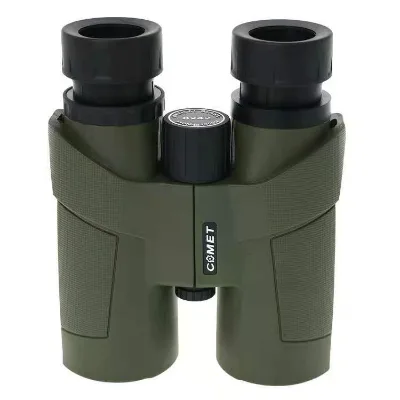
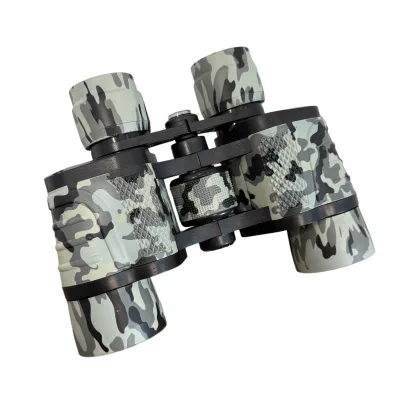
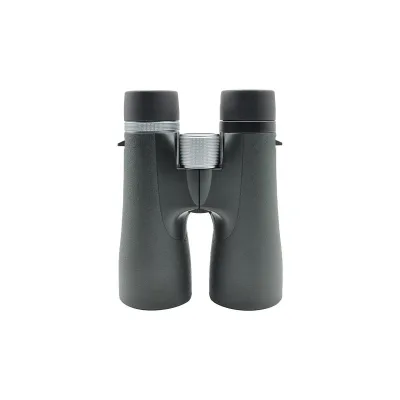
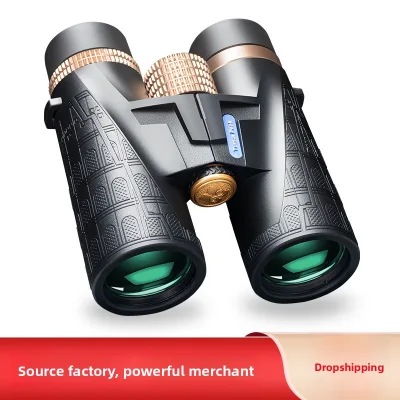
Comet Hot Sales 10X Binoculars Portable Binoculars for Bird Watching Hunting
$9.80 - $10.80
MOQ: 20 Pieces

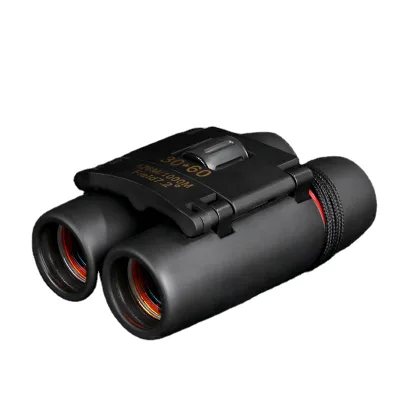
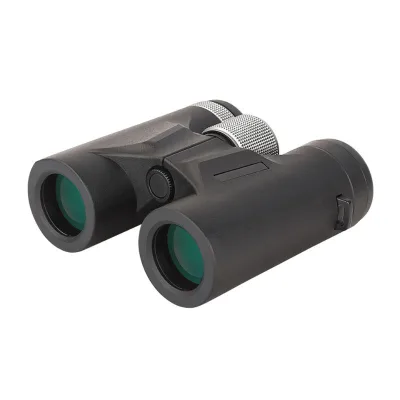
8X32 Portable HD Waterproof Binoculars for Bird Watching Outdoor Hunting Travel
$23.50 - $24.50
MOQ: 20 Pieces

Factory Price High Definition Wide Angle Binoculars Portable Outdoor Binoculars for Bird Watching
$7.50 - $10.70
MOQ: 20 Pieces

Hot Sale Hunting Portable Outdoor Binoculars High Definition Bird Watching Binoculars
$6.60 - $9.40
MOQ: 20 Pieces

Hot Sale Hunting Portable Outdoor Binoculars High Definition Bird Watching Binoculars
$6.60 - $9.40
MOQ: 20 Pieces

Hot Sale Hunting Portable Outdoor Binoculars High Definition Bird Watching Binoculars
$6.60 - $9.40
MOQ: 20 Pieces

Nanyang Huasen Optoelectronics Co., Ltd.
- Manufacturer, Trading Company
- Henan, China
- Lead time20 days
- Avg. response≤ 2h
Main productsBinoculars,Prism,Lens,Telescope,Rangefinder
Main marketsDomestic Market(60.00%), South Asia(40.00%)
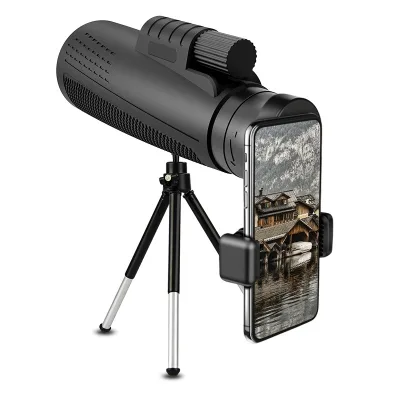
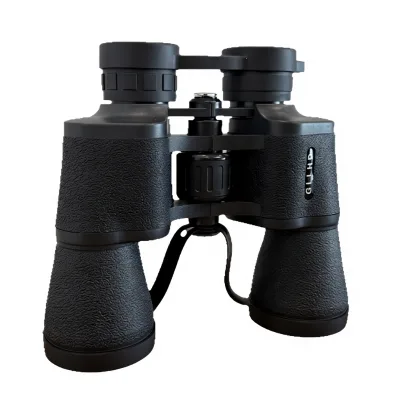
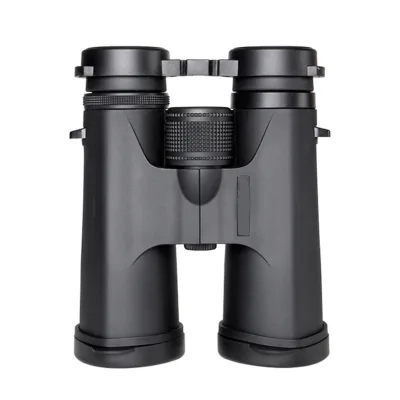
12x50 HD SLR Binoculars - Birdwatching Hiking Camping with Quick-Release Phone Holder & Tripod
$13.3906
MOQ: 100 Minimum
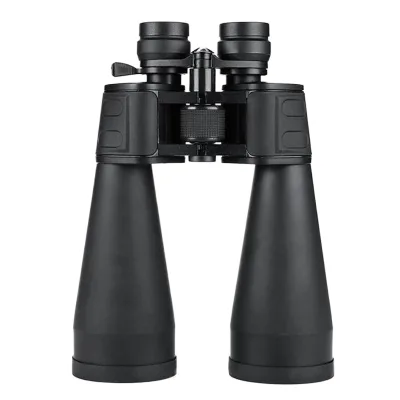
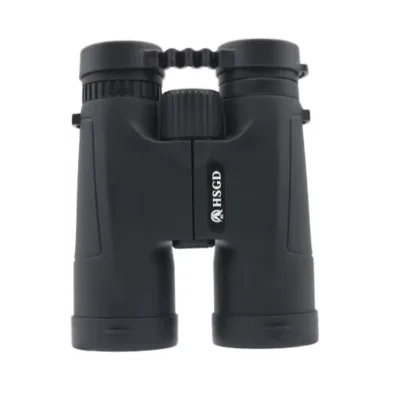
$21.50 - $24.90
MOQ: 2 pieces

Chongqing Dontop Optics Co., Ltd.
- Trading Company,Manufacturer/Factory
- China Chongqing
- Lead time38 days
- Avg. response≤ 5h
Main productsBinoculars, Rifle Scope, Range Finder, Spotting Scope, Telescope, Lenses, Red DOT, Night Vision, Monoculars, Mount
Main marketsSouth America,Eastern Europe,Mid East,North America,Southeast Asia,Eastern Asia,Oceania,Western Europe,Africa

Chongqing Minghao Optical Equipment Co., Ltd.
- Manufacturer, Trading Company
- Chongqing, China
- Lead time30 days
- Avg. response≤ 2h
Main productsMonocular,Binocular,Magnifier,Spotting Scope,Compass
Main marketsDomestic Market(60.00%), North America(30.00%), Northern Europe(10.00%)

Yiwu Goalfit Sports & Outdoors Co., Ltd
- Trading Company
- Zhejiang, China
- Lead time15 days
- Avg. response≤ 2h
Main productsCamping products,Outdoor products,Hiking Products,Fitness equipment,Sporting Gear and Accessories
Main marketsNorth America(30.00%), Southern Europe(25.00%), Northern Europe(10.00%), South Asia(5.00%), South America(5.00%), Eastern Europe(5.00%), Central America(5.00%), Western Europe(5.00%), Africa(5.00%), Southeast Asia(5.00%)
Changzhou Iron Donkey Sports Goods Co., Ltd.
- Trading Company
- Jiangsu, China
- Lead time0 days
- Avg. response≤ 7h
Main productsTent,Backpack,Trampoline,Barbecue grill,Trekking poles
Main marketsNorth America(50.00%), Southern Europe(10.00%), Northern Europe(10.00%), Central America(10.00%), Southeast Asia(10.00%), Eastern Europe(10.00%)
Nanyang Linhuida Optoelectronics Co., Ltd.
- Manufacturer, Trading Company
- Henan, China
- Lead time7 days
- Avg. response≤ 1h
Main productsOptical Instruments, Prisms
Main marketsEastern Asia(30.00%), Southeast Asia(20.00%), South Asia(20.00%), South America(10.00%), Central America(10.00%), North America(10.00%)

Ningbo Yaki Optical Instrument Co., Ltd.
- Combined
- China Zhejiang
- Lead time45 days
- Avg. response≤ 6h
Main productsMicroscope, Magnifier, Telescope, Binoculars, Student Microscope, LED Microscope, USB Microscope, Mini Microscope, Microscope Ring Light, Microscope Camera
Main marketsSouth America,Southeast Asia/ Mideast,East Asia(Japan/ South Korea),Europe,Australia,North America


10X42 Compact Binoculars Waterproof Long Range for Bird Watching Hunting Traveling
$41.50
MOQ: 100 Pieces
Jaxy Optical Instrument Co., Ltd.
- Manufacturer, Trading Company
- Lead time旺季: "1 - 100":35,"> 100":"To be negotiated", 淡季: "1 - 100":35,"> 100":"To be negotiated"
- Avg. response≤ 3h
Main productsbinoculars,telescope,magnifier,campig survival tool,3d glasses
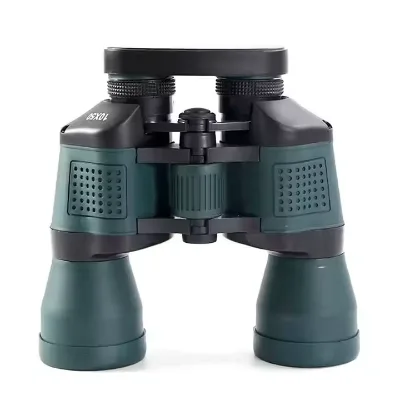
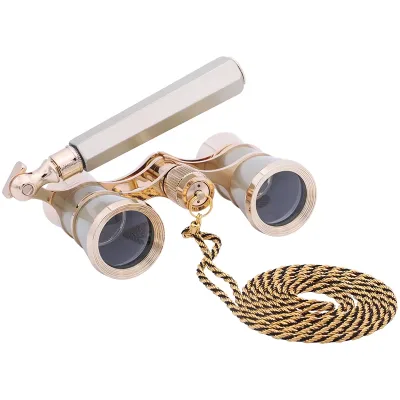
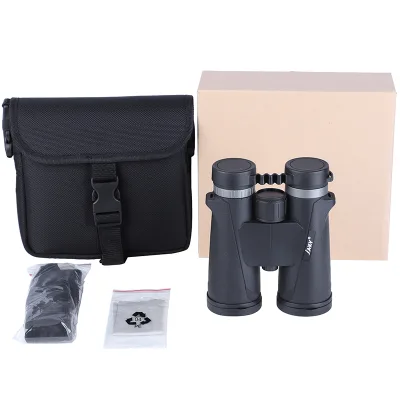
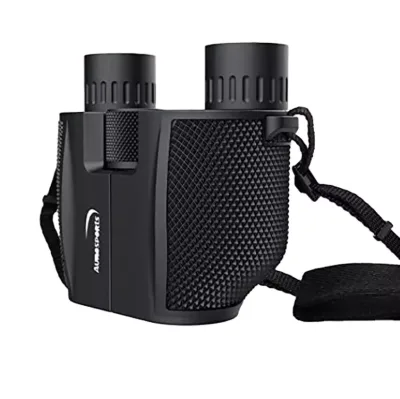
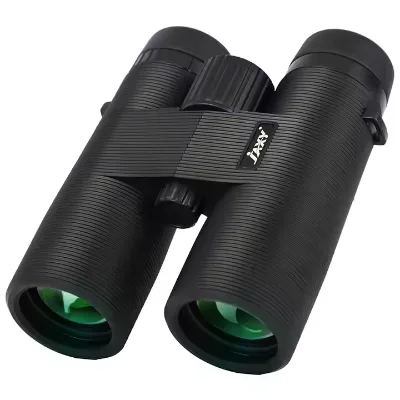
10X42 HD Compact Adult Binocular for Birdwatching for Outdoor Camping and Other Activities
$12.3218 - $15.4007
MOQ: 1 pieces
Jaxy Optical Instrument Co., Ltd.
- Verified by SGS Group
- Manufacturer, Trading Company
- Lead time20 days
- Avg. response≤ 4h
Main productsBinoculars and Telescope, Magnifier, Whistle, Compass, 3D glasses
Main marketsWestern Europe(35%), North America(25%), Domestic Market(15%)
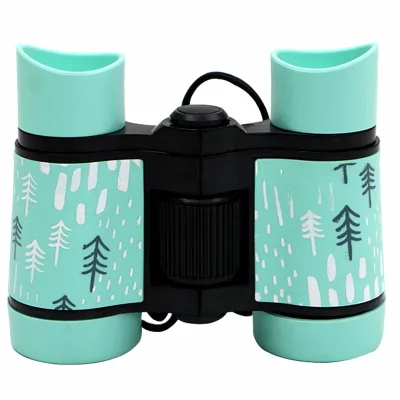
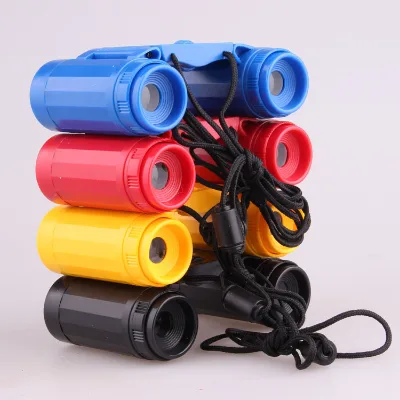
Bird Watching Hiking Camping Compact Foldable 4X30 Toys Binoculars with Neck Strap
$1.46 - $1.89
MOQ: 1000 sets
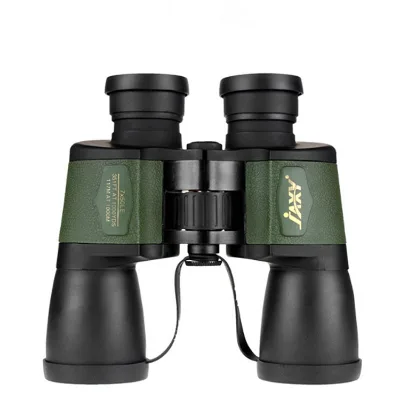
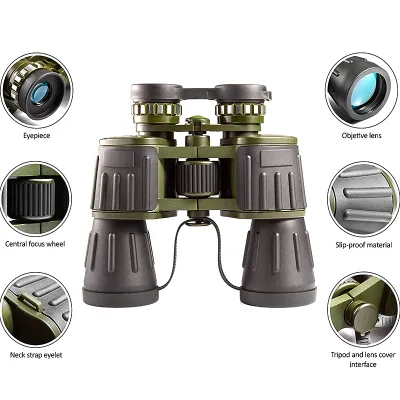
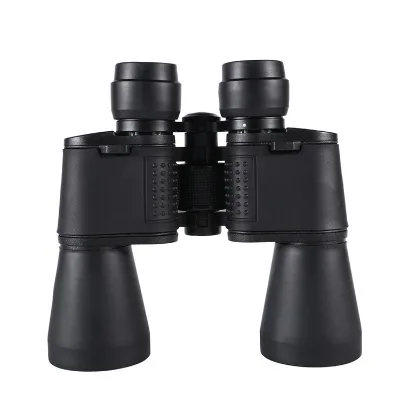
Camping Travel Stargazing Bird Watching Full Size 12X50 Binoculars for Adults
$12.1164 - $14.7037
MOQ: 100 sets
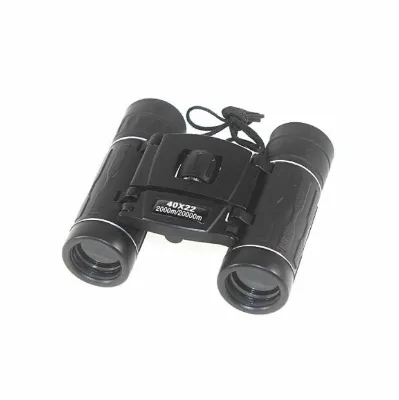
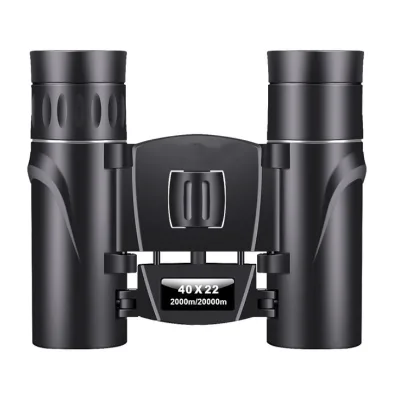
Custom Order 8X22 40x22 Outdoor Powerful Telescope Birding Best Zoom Compact Binoculars
$3.30 - $3.98
MOQ: 200 pieces
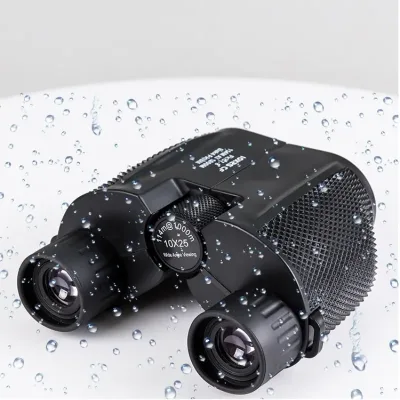
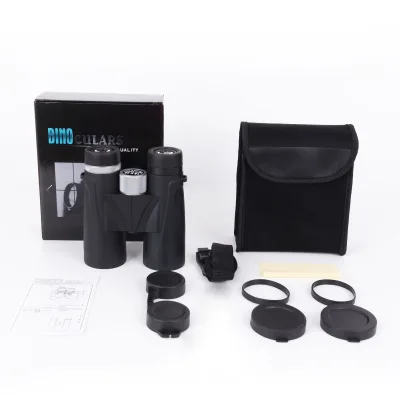
Binoculars 12X42 HD high power household appearance birdmirror adult telescope
$16.89 - $21.39
MOQ: 20
Jinhua Kaiyue Photoelectric Technology Co., Ltd.
- Verified by SGS Group
- Manufacturer, Trading Company
- Lead time20 days
- Avg. response≤ 4h
Main productsInsect View Toys/Magnifier/Telescope And Binoculars/VR Box, Optical PMMA Lenses
Main marketsNorth America(45%), Eastern Europe(20%), Southeast Asia(10%)
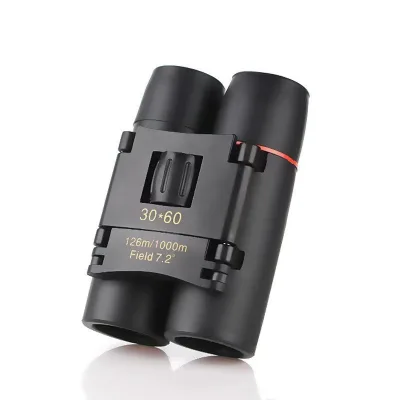
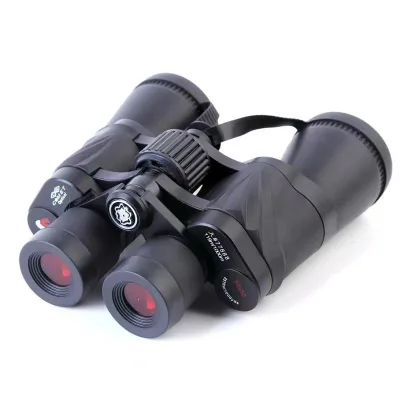
Factory Direct Sale New 8X42 Binoculars Outdoor Binoculars High Magnification HD Binoculars
$23.00 - $25.00
MOQ: 100
Zhejiang Guchen Technology Co., Ltd.
- Manufacturer, Trading Company
- Zhejiang, China
- Lead time7 days
- Avg. response≤ 8h
Main productsBinoculars; Night Vision; Spotting Scopes; Astronomical Telescope; Monocular
Main marketsNorth America(60.00%), Western Europe(20.00%), Southeast Asia(20.00%)

Kunyang Zhicheng Optics Co., Ltd.
- Manufacturer, Trading Company
- Yunnan, China
- Lead time30 days
- Avg. response≤ 1h
Main productsBinoculars,Telescope,Optical Parts,night vision binoculars,optical lens
Main marketsWestern Europe(25.00%), North America(20.00%), Domestic Market(15.00%), Southern Europe(14.30%), South America(9.60%), Northern Europe(4.80%), Eastern Asia(4.80%), Mid East(4.76%), Africa(1.74%)
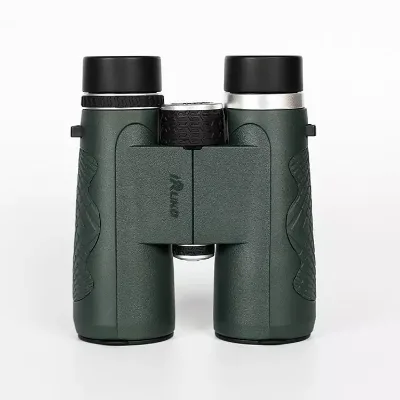
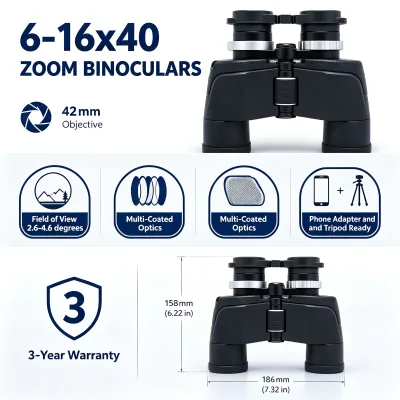
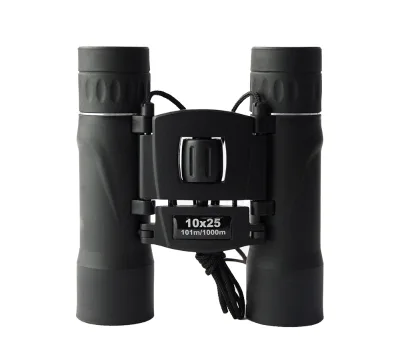
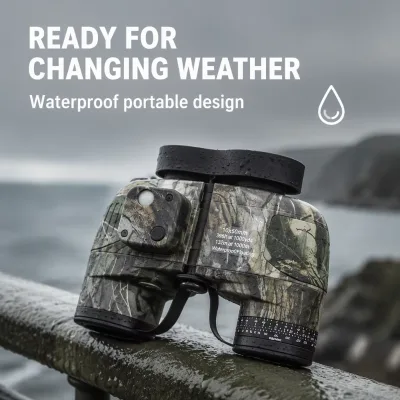
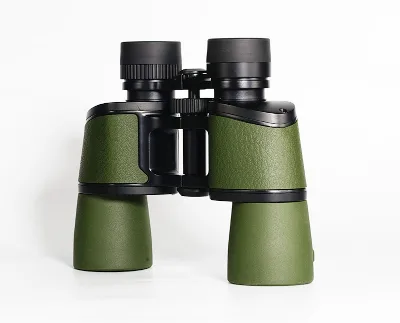
$39.9394 - $81.0075
MOQ: 10 pieces
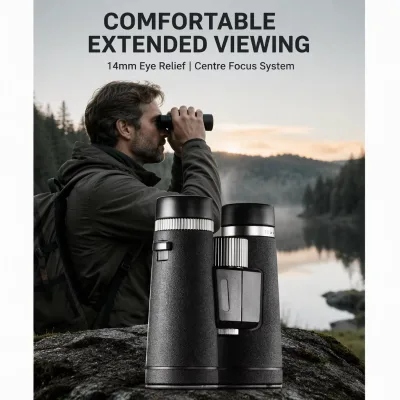
Shenzhen Apexel Technology Co., Ltd.
- Verified by SGS Group
- Manufacturer, Trading Company
- Lead time15 days
- Avg. response≤ 10h
Main productsCamera Lenses, Tripod, Photographic Lighting, Telescope & Binoculars
Main marketsNorth America(25%), Eastern Europe(10%), Eastern Asia(10%)
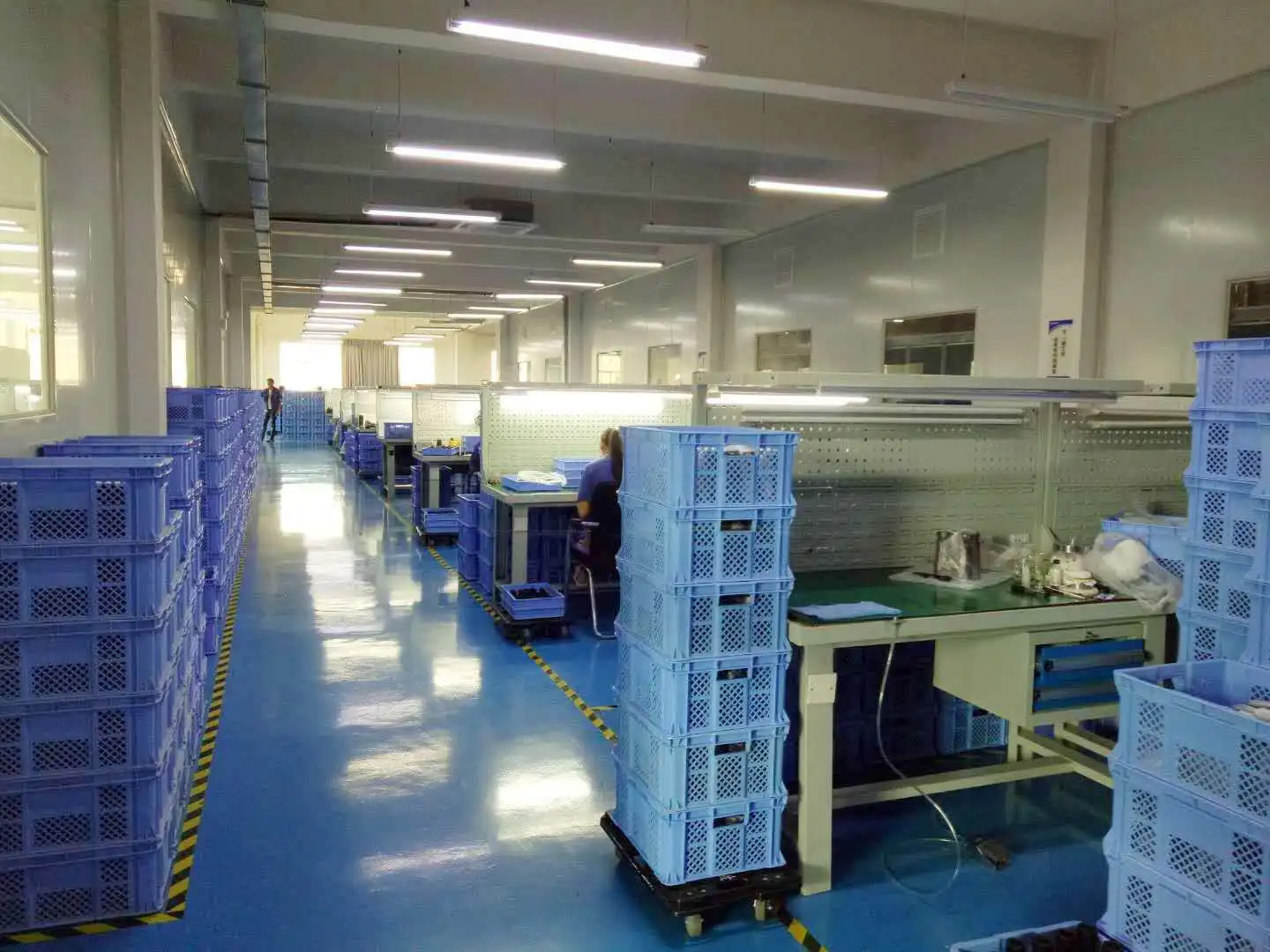
Kunming Kunguang Photoelectric Technology Co., Ltd.
- Manufacturer, Trading Company
- Yunnan, China
- Lead time6 days
- Avg. response≤ 6h
Main productsMilitary telescope,Roof Binoculars,Large magnification telescope,Spotting Scope,Monocular
Main marketsDomestic Market(20.00%), North America(20.00%), Eastern Asia(15.00%), Southeast Asia(12.00%), Western Europe(8.00%), Eastern Europe(5.00%), South America(5.00%), Southern Europe(5.00%), South Asia(3.00%), Africa(3.00%), Mid East(2.00%), Oceania(2.00%)
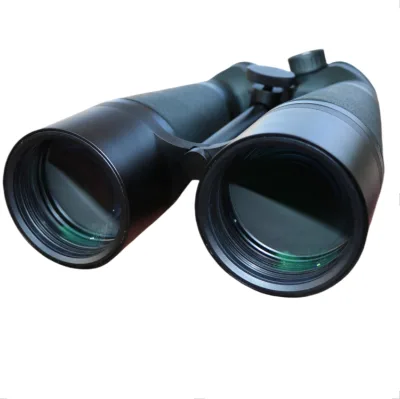
HD High Magnification 15X85 Compact Zoom Binoculars With BAK4 Prisms for Hunting and Birdwatching
$450.00 - $490.00
MOQ: 1 pieces

$47.229 - $48.2558
MOQ: 1 pieces
Xi 'an Maipeng Electronic Technology Co., Ltd.
- Trading Company
- Shaanxi, China
- Lead time5 days
- Avg. response≤ 2h
Main productsNight vision,Night Vision Sight,Thermal Infrared Imager,Laser Range Finder,Image Intensifier Tube
Main marketsWestern Europe(15.00%), North America(15.00%), South Asia(10.00%), South America(10.00%), Mid East(10.00%), Domestic Market(5.00%), Africa(5.00%), Southern Europe(5.00%), Northern Europe(5.00%), Southeast Asia(5.00%), Eastern Asia(5.00%), Eastern Europe(5.00%), Oceania(5.00%)

Onick Optics (Wuhan) Co., Ltd.
- Verified by SGS
- Combined
- China Hubei
- Lead time15 days
- Avg. response≤ 3h
Main productsRange Finder, Telescope, Night Vision, Thermal Imager, Trail Cameras, Speedometer, Photovoltaic Energy Storage
Main marketsDomestic
Yunnan Hanrui Optical Instrument Co., Ltd.
- Manufacturer, Trading Company
- Yunnan, China
- Lead time25 days
- Avg. response≤ 1h
Main productsbinoculars,telescope,monocular,magnifier,astro-telescope
Main marketsWestern Europe(27.00%), North America(21.00%), Domestic Market(10.00%), Eastern Europe(10.00%), Oceania(7.00%), South America(6.00%), Southern Europe(5.00%), Eastern Asia(5.00%), Northern Europe(4.00%), Africa(3.00%), Mid East(2.00%)

Chengdu Lucrehulk Optical Technology Co., Ltd.
- Manufacturer, Trading Company
- Sichuan, China
- Lead time0 days
- Avg. response≤ 2h
Main productsBinoculars,Night Vision,Spotting Scope,Range Finder,Astronomical Telescope
Main marketsDomestic Market(100.00%)

Ningbo Barride Optics Co., Ltd.
- Trading Company,Manufacturer/Factory
- China Zhejiang
- Lead time75 days
- Avg. response≤ 4h
Main productsMicroscope, Telescope, Binoculars, Riflescope, Magnifier, Spotting Scope, Range Finer, Astronomical Telescope, Night Vision, Biological Microscope
Main marketsSouth America,Eastern Europe,Mid East,North America,Southeast Asia,Eastern Asia,Oceania,Western Europe,Africa

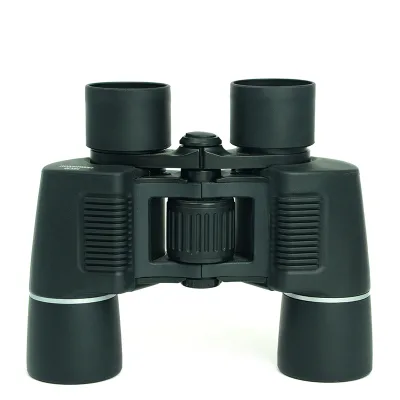
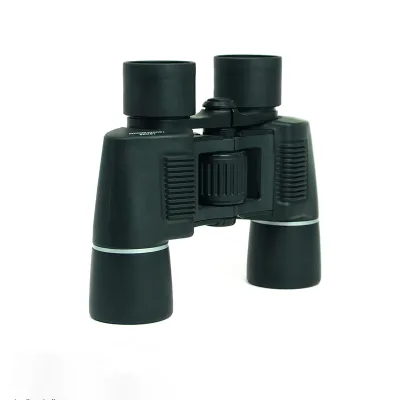
8X42 Hunting waterproof Binoculars for Bird Watching for Adults (BM-7245A)
$26.00 - $35.00
MOQ: 200 Pieces

10X42 Bird Watching waterproof Binoculars for Hunting for Adults (BM-7245B)
$26.00 - $35.00
MOQ: 200 Pieces

Powerful 11X70 Birdwatching Waterproof Big Telescope Porro Binoculars (BM-9012)
$44.00
MOQ: 200 Pieces

High Power 15X70 Professional Bird Watching Wide Angle Outdoor Giant Binoculars (BM-9042)
$30.00 - $35.00
MOQ: 100 Pieces




Comprehensive Sourcing Guide
Portable Birdwatching Binoculars with Tripod Supplier Concentration and Factory Types
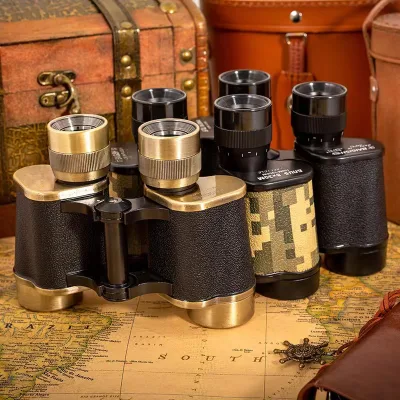
The current supplier landscape for Portable Birdwatching Binoculars with Tripod reveals a distinct geographic concentration in China, specifically within the Jiangxi and Henan provinces. These regions serve as primary manufacturing hubs for optical instruments, including riflescopes, binoculars, and telescopes. Suppliers in Jiangxi often operate as combined entities, blending manufacturing capabilities with trading functions, which allows for flexible production models. In contrast, suppliers located in Henan frequently identify as both manufacturers and trading companies, offering a dual advantage of direct factory pricing and broader logistical reach. This regional clustering suggests that buyers sourcing these specific optical devices will likely encounter vendors with established supply chains for glass lenses, prisms, and aluminum or plastic housing materials. The presence of these specialized clusters indicates a mature ecosystem for producing high-definition, wide-angle binoculars suitable for outdoor activities like bird watching and hunting.
Factory types in this sector vary significantly, ranging from pure trading companies to integrated manufacturers with original design manufacturing (ODM) and original equipment manufacturing (OEM) capabilities. Many suppliers offer customization options, allowing buyers to tailor products with specific magnifications, such as 8X, 10X, or 12X, and varying objective lens diameters. Some facilities hold ISO9001:2015 certification, indicating a standardized quality management system, while others undergo third-party verification processes like SGS. The availability of OEM and ODM services is a critical differentiator, enabling brands to create unique product identities rather than selling generic white-label goods. Buyers should assess whether a supplier’s primary focus is on high-volume standard production or flexible, low-moq customization, as this will impact lead times and unit costs. Understanding the specific factory type helps in aligning procurement strategies with brand goals, whether prioritizing speed to market or exclusive product features.
How to Verify Portable Birdwatching Binoculars with Tripod Suppliers
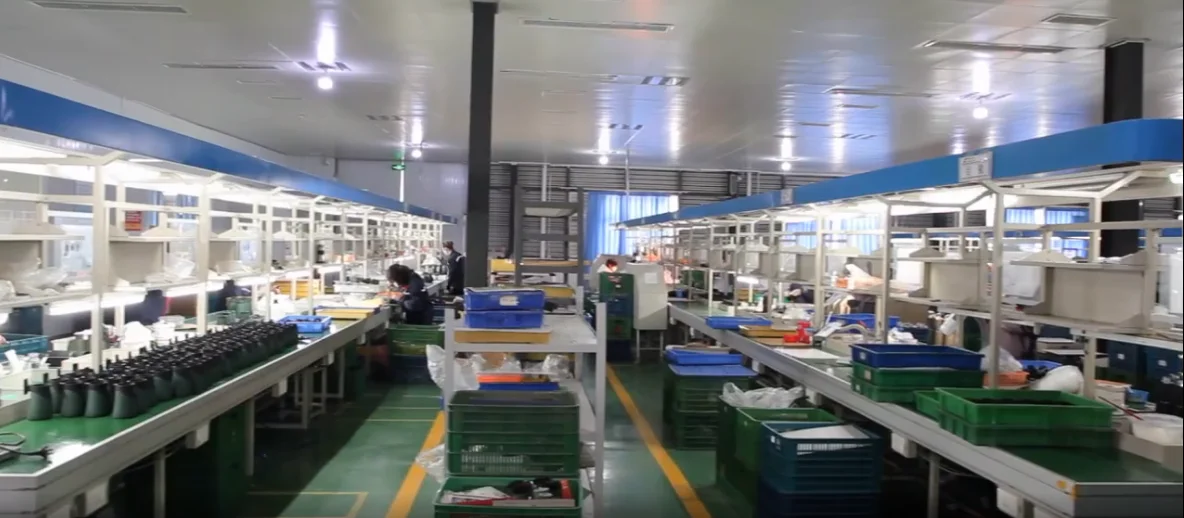
Verifying the legitimacy and capability of suppliers requires a multi-layered approach that goes beyond surface-level profile information. Buyers should prioritize suppliers who display third-party verification badges, such as SGS, which provides an additional layer of trust regarding the company’s operational integrity. It is essential to confirm the supplier’s business type, distinguishing between pure manufacturers, trading companies, and combined entities, as each has different implications for pricing and communication. For manufacturers, requesting proof of factory ownership or production line videos can validate their claims. For trading companies, verifying their relationship with actual factories ensures that they can control quality and delivery schedules effectively. Additionally, checking for relevant system certifications, such as ISO9001:2015, can indicate a supplier’s commitment to consistent quality standards, although this should be cross-referenced with actual product performance data.
Response time and communication efficiency are critical indicators of a supplier’s reliability and customer service quality. Suppliers with faster response times, such as those averaging under five hours, are often more responsive to urgent inquiries and complex customization requests. Buyers should test communication by asking specific technical questions about product attributes, such as prism type (e.g., Bk-7 vs. Bk4), lens coating (FMC), and waterproof standards. A supplier’s ability to provide detailed, accurate answers quickly suggests a knowledgeable technical team and efficient internal processes. Furthermore, verifying the supplier’s establishment year and track record can provide insights into their stability and experience in the optical industry. Buyers should also inquire about the supplier’s experience with international shipping and compliance with destination country regulations, ensuring that the verification process covers both product quality and logistical capability.
What to Compare Across Portable Birdwatching Binoculars with Tripod Suppliers
When evaluating multiple suppliers, buyers must compare key operational metrics such as lead time, minimum order quantity (MOQ), and pricing structures to determine the best fit for their business model. Lead times can vary significantly, with some suppliers offering production cycles of 15 days, while others may require 20 days or more. This difference can impact inventory planning and time-to-market, especially for seasonal products like birdwatching gear. MOQs also differ, ranging from low thresholds of 20 units for testing new markets to higher volumes of 100 units for standard production runs. Buyers should align these MOQs with their sales forecasts and storage capacity, considering whether the supplier offers flexibility for mixed models or colors within the order. Pricing should be analyzed in the context of these terms, as lower prices may be associated with higher MOQs or longer lead times.
Product specifications and customization options are another critical area for comparison. Buyers should examine details such as magnification power, objective lens diameter, prism material, and waterproof ratings to ensure the products meet specific market demands. For instance, some binoculars are designed for general travel and gift purposes, while others are built for rugged outdoor hunting with higher durability. The availability of accessories, such as phone holders and tripods, can also be a deciding factor, as these add value for end-users. Additionally, comparing packaging options, from simple color boxes to premium gift packaging, can help buyers assess the supplier’s ability to support different branding strategies. It is also important to verify the supplier’s capacity for original brand manufacturing, ensuring they can handle private labeling and custom packaging requirements without compromising quality or delivery schedules.
Common Portable Birdwatching Binoculars with Tripod Sourcing Risks
One of the primary risks in sourcing portable birdwatching binoculars is the discrepancy between advertised specifications and actual product performance. Buyers may encounter issues with optical clarity, magnification accuracy, or durability if the supplier uses lower-quality materials, such as inferior glass or plastic components instead of high-grade optics. For example, while some products claim to be waterproof, they may only be splash-resistant, leading to customer complaints and returns in wet conditions. Another risk is the inconsistency in product quality across different production batches, which can damage brand reputation if not managed properly. Suppliers who do not have robust quality control processes in place may deliver products with defects such as misaligned prisms, fogging lenses, or loose focusing mechanisms. Buyers must mitigate these risks by requesting pre-shipment samples and conducting thorough quality inspections before finalizing large orders.
Logistical and communication risks are also prevalent, particularly when dealing with suppliers in different time zones or with varying levels of English proficiency. Miscommunication regarding product specifications, packaging requirements, or shipping instructions can lead to costly errors, such as incorrect labeling or delayed shipments. Additionally, suppliers may face production delays due to raw material shortages or labor issues, which can disrupt supply chains. Buyers should establish clear communication channels and regular update schedules to monitor production progress. It is also important to verify the supplier’s ability to handle export documentation and customs clearance, as errors in these areas can result in additional fees or shipment holds. By identifying and addressing these potential risks early in the sourcing process, buyers can build a more resilient and reliable supply chain for their birdwatching binoculars.
Portable Birdwatching Binoculars with Tripod Regional Sourcing and Logistics
Sourcing from specific regions in China, such as Jiangxi and Henan, offers logistical advantages due to the concentration of optical manufacturing facilities. These regions often have well-developed infrastructure for exporting goods, including proximity to major ports and efficient domestic transportation networks. Buyers should consider the impact of regional logistics on shipping costs and delivery times, as suppliers in these areas may have established relationships with freight forwarders and carriers. Additionally, the local supply chain for raw materials, such as glass and aluminum, can reduce production lead times and costs. However, buyers must also account for potential regional disruptions, such as weather events or local policy changes, that could affect production and shipping. Understanding the logistical landscape of these regions helps buyers make informed decisions about supplier selection and inventory management.
International shipping and customs clearance are critical components of the sourcing process that require careful planning. Buyers should work with suppliers who have experience in exporting to their target markets, ensuring that products meet local safety and labeling regulations. This includes verifying that the binoculars comply with environmental standards for materials and packaging, as well as any specific requirements for optical instruments. Buyers should also consider the total landed cost, including shipping, insurance, and duties, when evaluating supplier quotes. Using reliable freight forwarders and tracking systems can help monitor shipments and address any issues that arise during transit. By prioritizing suppliers with strong logistical capabilities, buyers can ensure timely delivery and minimize the risk of supply chain disruptions, ultimately enhancing customer satisfaction and brand reliability.
Portable Birdwatching Binoculars with Tripod Commercial Terms and Order Planning
Commercial terms, including payment methods, warranty policies, and after-sales support, play a crucial role in the success of sourcing portable birdwatching binoculars. Buyers should negotiate favorable payment terms, such as partial upfront payments with the balance due upon shipment, to balance risk and cash flow. It is also important to clarify the supplier’s warranty policy for defective products, ensuring that there is a clear process for returns, replacements, or refunds. Additionally, buyers should inquire about the supplier’s after-sales support, including technical assistance and customer service responsiveness, to address any issues that may arise post-delivery. These commercial terms help protect the buyer’s investment and ensure a smooth transaction process, fostering a long-term partnership with the supplier.
Order planning and inventory management are essential for maintaining a steady supply of birdwatching binoculars while minimizing holding costs. Buyers should develop a forecasting model based on historical sales data and market trends to determine optimal order quantities and timing. Working with suppliers who offer flexible production schedules and quick turnaround times can help buyers respond to changes in demand more effectively. Additionally, buyers should consider the supplier’s capacity for handling rush orders or additional production runs, which can be valuable during peak seasons or unexpected spikes in demand. By integrating commercial terms with strategic order planning, buyers can optimize their supply chain, reduce costs, and ensure consistent product availability for their customers, ultimately driving business growth and profitability.
FAQs
Which portable binoculars for birdwatching work well with a tripod?
Compact 8x and 10x binoculars are the most common choices, as their magnification stays stable when mounted. Many suppliers list models with center focusing, glass lenses, and prism designs suited to birdwatching. Check whether the specific model offers a tripod adapter thread or a quick-release phone holder, since not every portable unit supports mounting.
What magnification is best for handheld birdwatching binoculars?
Most birdwatchers choose 8x or 10x magnification because higher zoom amplifies hand shake and narrows the field of view. Listings in this category range from 7x to 10x for portable models, with some high-power units reaching far higher magnification when tripod-mounted. For travel and gifts, a lighter 8x unit balances clarity with stability.
Are portable binoculars waterproof?
Waterproofing varies significantly by model, so you must verify the specification for each listing. Some suppliers advertise waterproof 8x32 models built for outdoor hunting and travel, while other compact binoculars explicitly list waterproof as no. If you sell in humid or coastal markets, request written confirmation of the waterproof standard before ordering samples.
What are typical prices and MOQs for these binoculars?
Portable models listed here range from roughly 6.60 to 24.50 US dollars per unit, depending on magnification, optics, and waterproofing. Minimum order quantities are generally low, with some products set at 20 units and others at 100. Entry-level compact units sit at the lower end of the price range, while waterproof higher-specification models cost more.
How fast can suppliers deliver a binoculars order?
Listed lead times in this category run 15 to 20 days after order confirmation, though actual timing depends on order size and customization. Some suppliers respond to inquiries within a few hours, which helps speed up quoting and sampling. Confirm production and shipping schedules in writing before placing a deposit, especially for customized orders.
Can I customize binoculars with my own brand and packaging?
Yes, customization is widely available. Listings explicitly offer OEM and ODM support, and several suppliers also operate their own brands, indicating in-house design capability. Typical options include custom packaging, color boxes, and logo printing. Ask suppliers which customization stages they handle themselves versus outsource, and request a sample with your branding before mass production.
What certifications and verification should I check for binoculars suppliers?
Some suppliers in this category hold an ISO9001:2015 quality management certificate and have SGS verification, which indicates audited systems and third-party screening. However, certifications differ across suppliers, so confirm the current validity of any certificate and ask for scope documents. For optics, also verify coating and prism specifications through sample testing before committing to volume.
Where are the main production bases for birdwatching binoculars in China?
The suppliers represented here are based in Jiangxi and Henan provinces, both recognized regions for optical instrument manufacturing. Jiangxi suppliers tend to offer broad product lines covering binoculars, telescopes, rangefinders, and related optics, while Henan suppliers focus on binoculars, prisms, and lenses. Location affects logistics costs, so compare quotes from both regions.