Pocket Ultrasonic Thickness Meter Suppliers and Manufacturers
Explore 26 verified options for Pocket Ultrasonic Thickness Meter from Guangdong and Jiangsu factories. Compare response times, lead times, warranty periods, and price ranges to find the right fit. Contact suppliers directly to request quotes and verify specifications; review the available evidence before requesting comparable quotations from suitable candidates.
Updated
Suppliers List

Guangzhou Amittari Instruments Co., Ltd.
- Trading Company
- Guangdong, China
- Lead time7 days
- Avg. response≤ 6h
Main productsCoating Thickness Gauge,Ultrasonic Thickness Gauge,Surface Roughness Tester,Shore Hardness Tester,Vibration Tester
Main marketsSouth Asia(7.69%), Southern Europe(7.69%), Northern Europe(7.69%), Central America(7.69%), Western Europe(7.69%), Eastern Asia(7.69%), Mid East(7.69%), Oceania(7.69%), Africa(7.69%), Southeast Asia(7.69%), Eastern Europe(7.69%), South America(7.69%), North America(7.69%)
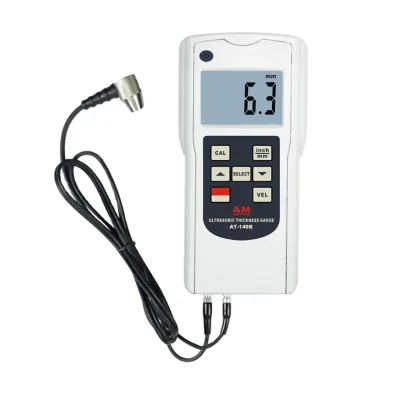
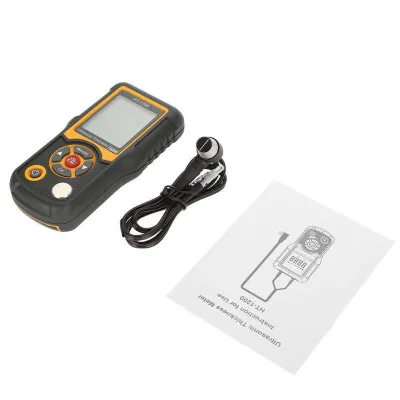
Digital High-precision Pocket Ultrasonic Thickness Meter
MOQ: 1 Minimum
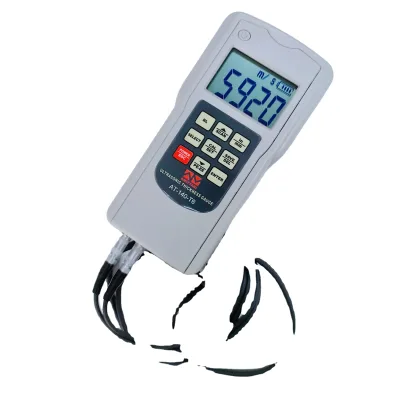
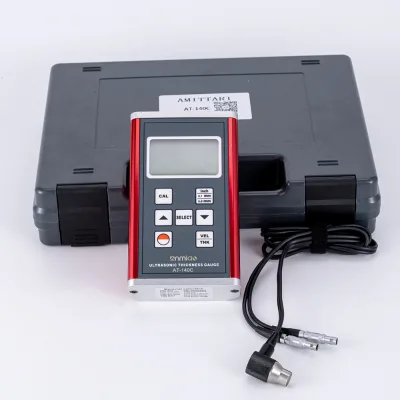

Jingjiang Acepom Instrument Manufacturing Co., Ltd.
- Manufacturer, Trading Company
- Jiangsu, China
- Lead time7 days
- Avg. response≤ 9h
Main productsbearing heater,induction heater,laser alignment,dynamic balancer,vibration meter
Main marketsSouthern Europe(10.00%), Northern Europe(10.00%), Western Europe(10.00%), Eastern Asia(10.00%), Oceania(10.00%), Africa(10.00%), Southeast Asia(10.00%), Eastern Europe(10.00%), South America(10.00%), North America(10.00%)
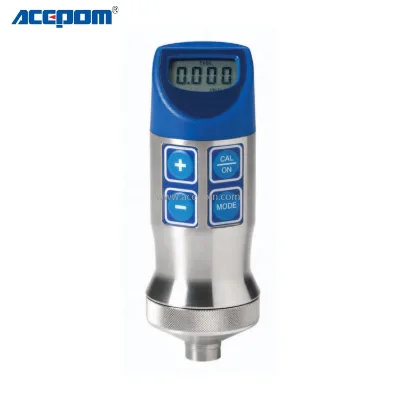
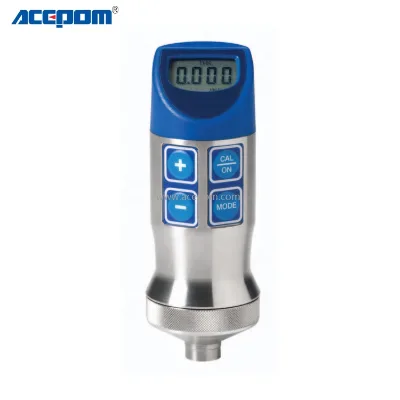
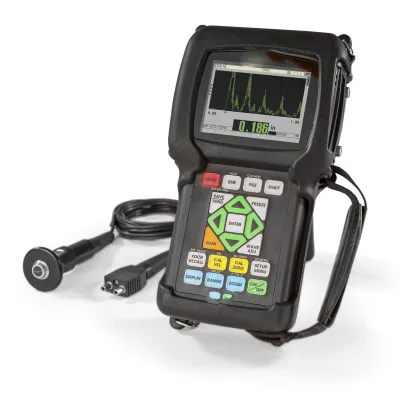
Ultrasonic Coating Digital Thickness Gauge PocketMIKE Pocket Thickness Gauge
$1417.5593 - $1933.0355
MOQ: 1 Minimum
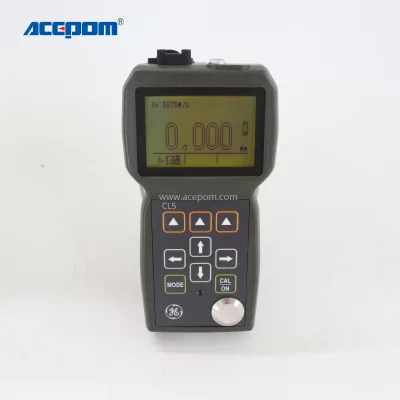
Ultrasonic Plastic Coating Thickness Gauge CL5 Handheld Thickness Gauge Meter
$4010.4051
MOQ: 1 Minimum
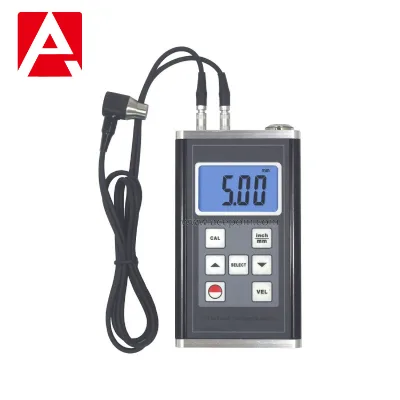
Thickness Gauge TM-8818 Multi-Mode Ultrasonic Thickness Meter Professionally Manufacture
$306.7539 - $613.5077
MOQ: 1 Minimum
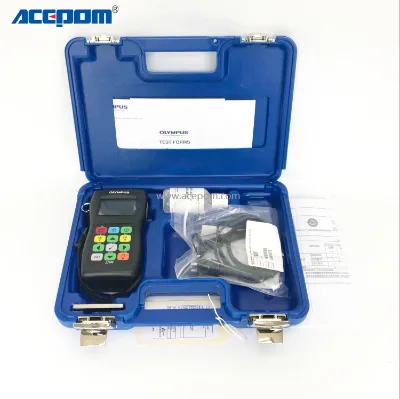
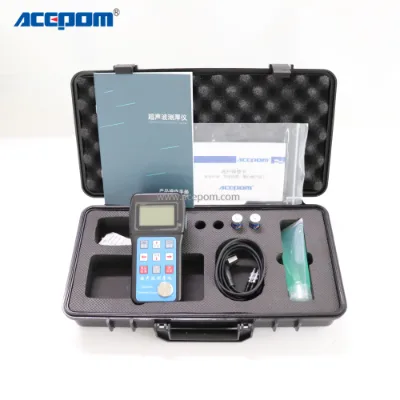
Ultrasonic Thickness Gauge ACEPOM901 Multi-mode Thickness Measurement Function Large Color Screen
$160.00 - $240.00
MOQ: 1 sets

Hebei Gaotiejian Testing Instrument Co., Ltd.
- Verified by TUVRHEINLAND
- Combined
- China Hebei
- Lead time15 days
- Avg. response≤ 3h
Main productsPile Test Equipment, Concrete Testing Machine, Universal Testing Machine, Soil Testing Equipment
Main marketsDomestic

Guangzhou Amittari Instruments Co., Ltd.
- Trading Company
- China Guangdong
- Lead time0 days
- Avg. response≤ 9h
Main productsPaint Thickness Meter, Coating Thickness Gauge, Roughness Tester, Hardness Tester, Moisture Meter, Vibration Meter, Tension Tester, Window Tint Meter, Glossmeter, Anemometer


Digital Steel Thickness Meter Portable Ultrasonic Thickness Measuring Instrument
$495.00
MOQ: 1 Pieces


Dongguan Xintai Instrument Co., Ltd.
- Verified by TüVRheinland
- Manufacturer, Trading Company
- Lead time15 days
- Avg. response≤ 2h
Main productsOutdoor Thermal Imaging Telescope, Handheld Thermal Imaging Camera, Mobile Phone Thermal Imager, Engineering Infrared Thermal Imager, Thermal Imaging Camera
Main marketsDomestic Market(66%), North America(10%), Western Europe(5%)
Shanghai Total Industrial Co., Ltd.
- Verified by SGS
- Manufacturer/Factory
- China Shanghai
- Lead time0 days
- Avg. response≤ 23h
Main productsFeeder Clamp, Weather Shield Enclosure, Rubber Grommet, Hoisting Grip, Cable Entry, Flexible Jumper Cable, Cablen Ties, Terminal Lugs, Conduit and Fittings, Hole Saw

Xiuyan Precision Instrument Factory
- Manufacturer
- China Liaoning
- Lead time0 days
- Avg. response≤ 15h
Main productsFlow Meter, Level Meter, Electromagnetic Flowmeter, Ultrasonic Flowmeter, Ultrasonic Level Meter, Vortex Flowmeter, Turbine Flowmeter, Target Flowmeter, Krohne Flow Meter, Flowmeter
Cangzhou Lovely Technology Co., Ltd.
- Verified by TüVRheinland
- Manufacturer, Trading Company
- Lead time15 days
- Avg. response≤ 2h
Main productsNDT Instrument, Compression Testing Machine, Soil Test Instrument, Asphalt Test Instrument
Main marketsDomestic Market(30%), North America(15%), South America(15%)
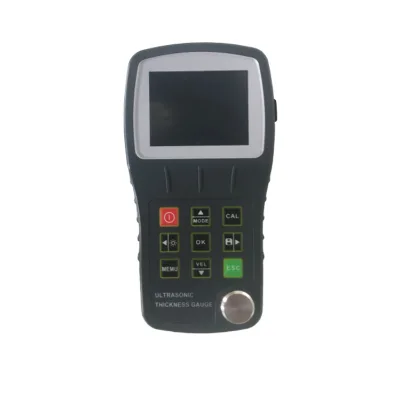
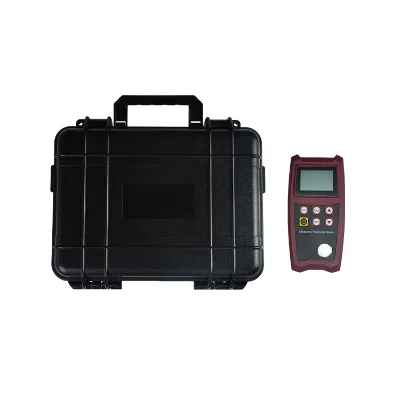
Digital Ultrasonic Thickness Gauge/Metal test
$365.00 - $520.00

Guangzhou Landtek Instruments Co., Ltd.
- Manufacturer
- Guanddong, China
- Lead time3 days
- Avg. response≤ 3h
Main productsgloss meter,surface roughness tester,vibration meter,shore/leeb hardness tester,tension meter
Main marketsNorthern Europe(30.00%), Africa(15.00%), South Asia(5.00%), Southern Europe(5.00%), North America(5.00%), Central America(5.00%), Western Europe(5.00%), Eastern Asia(5.00%), Mid East(5.00%), Oceania(5.00%), South America(5.00%), Southeast Asia(5.00%), Eastern Europe(5.00%)

Zhejiang Top Cloud-Agri Technology Co., Ltd.
- China Zhejiang
- Lead time0 days
- Avg. response≤ 8h
Main productsSoil Nutrient Analyzer, Seed Tester Meter, Chlorophyll Meter, Leaf Area Meter, Fat Analyzer, Fruit Hardness Tester, Incubator, Grain Testing Meter Tester, Plant Physical Tester, Flour and Oil Testing Instrument

Qingdao Tlead International Co., Ltd.
- Trading Company
- China Shandong
- Lead time23 days
- Avg. response≤ 25h
Main productspH Meters, Counter Meters, Arbor Press, Tools, Ddvp
Main marketsSouth America,Africa,Southeast Asia/ Mideast,East Asia(Japan/ South Korea),Europe,Australia,North America

Xiamen Idea Electronic Technology Co., Ltd.
- Manufacturer, Trading Company
- FuJian, China
- Lead time120 days
- Avg. response≤ 3h
Main productsEddy Current Flaw Detector, Ultrasonic Flaw Detector, Portable Endoscope, Ultrasonic Thickness Gauge, NDT System
Main marketsDomestic Market(60.00%), Domestic Market(60.00%), South America(9.00%), Southeast Asia(8.00%), Southeast Asia(8.00%), Mid East(6.00%), Mid East(6.00%), Eastern Europe(4.00%), South Asia(4.00%), Eastern Europe(4.00%), Eastern Asia(2.00%), Western Europe(1.00%), Southern Europe(1.00%), Central America(1.00%), Northern Europe(1.00%), Africa(1.00%), North America(1.00%), Oceania(1.00%), Western Europe(1.00%), Southern Europe(1.00%), Central America(1.00%), Northern Europe(1.00%), Africa(1.00%)
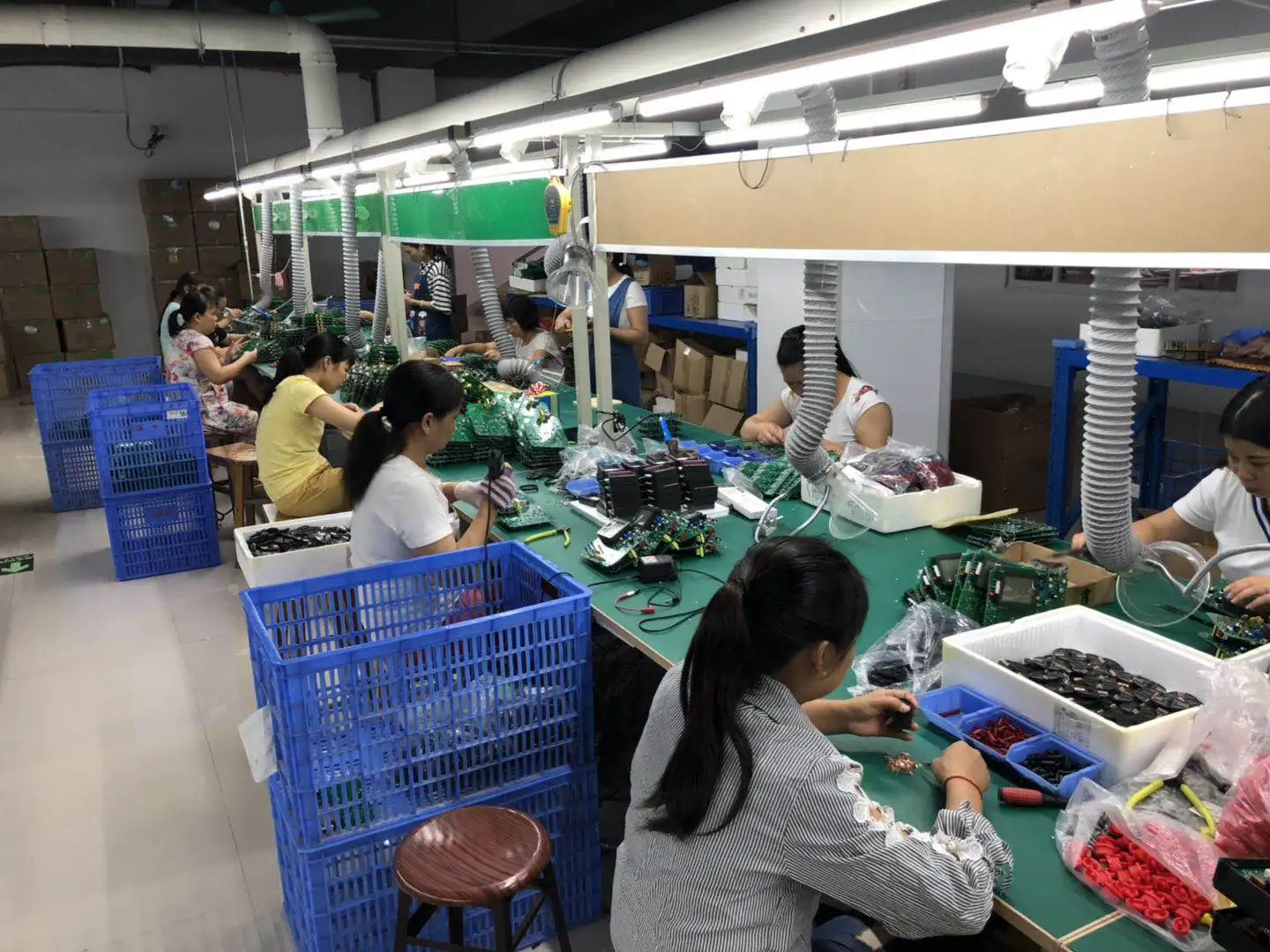
Hangzhou Guozheng Technology Co., Ltd.
- Trading Company
- Zhejiang, China
- Lead time10 days
- Avg. response≤ 5h
Main productsInstruments,Automotive Diagnostic Tools,Gas Detectors,Battery Testers,Surveying & Mapping Measurements
Main marketsSouth America(30.00%), Africa(22.00%), Southeast Asia(16.00%), Eastern Europe(13.00%), North America(11.00%), Mid East(6.00%), Northern Europe(2.00%)
Shenzhen Graigar Technology Co., Ltd.
- Manufacturer, Trading Company
- Guangdong, China
- Lead time3 days
- Avg. response≤ 2h
Main productsUltrasonic Flaw Detector,Ultrasonic Flow Meter,Thickness Gauge,Underground Metal Detector,Leeb Hardness Tester
Main marketsNorth America(20.00%), Western Europe(15.00%), South America(10.00%), Mid East(10.00%), Oceania(10.00%), Africa(10.00%), Southeast Asia(10.00%), Eastern Europe(10.00%), Domestic Market(5.00%)
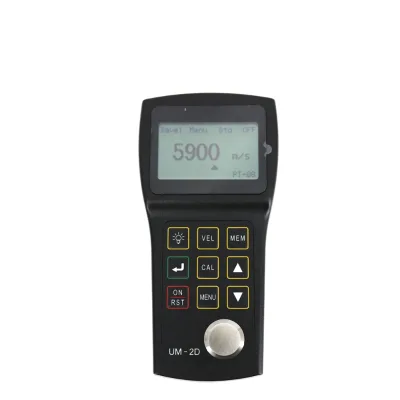
Graigar UM-2D Digital Ultrasonic Thickness Meter Dual Mode Ultrasonic Testing Equipment
$500.00 - $770.00
MOQ: 1 pieces
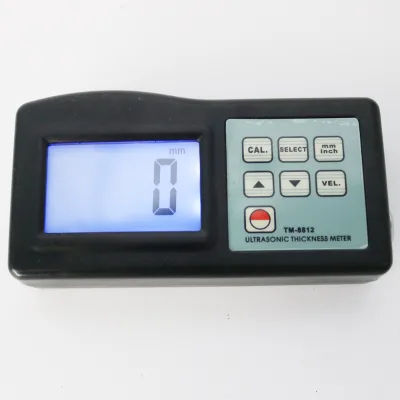
TM-8812 Ultrasonic Thickness Gauge Handheld Digital Thickness Meter Range 1.2-225mm Black
$185.1895 - $216.0539
MOQ: 1 sets
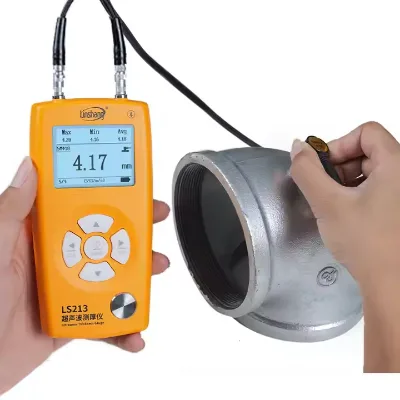
$77.215 - $87.5101
MOQ: 1 pieces
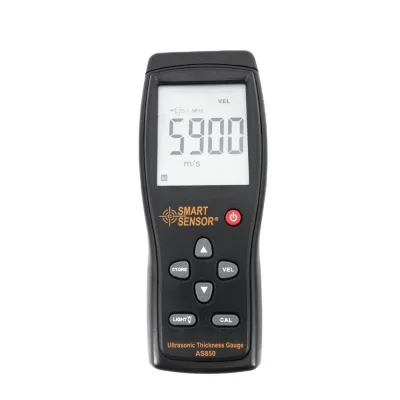
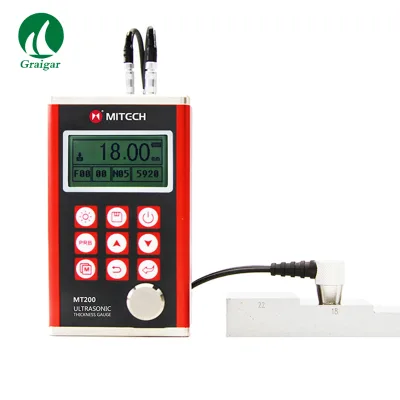
Mitech MT200 Digital Ultrasonic Thickness Gauges with 5MHz 10mm Probe N05/90°
$319.00 - $500.00
MOQ: 1 Minimum
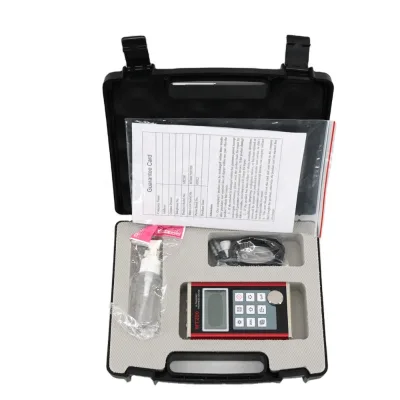
$319.00 - $379.00
MOQ: 1 Minimum
Huipu Opto-Electronic Instrument (Zhenjiang) Co., Ltd.
- Manufacturer, Trading Company
- Jiangsu, China
- Lead time0 days
- Avg. response≤ 8h
Main productsLaser Levels/Laser Distance Meters/Rotary Lasers/Total Station/Laser Rangefinder/Theodolite/Auto Level/Analyzers/Test Instrument,Total Station,Rotary laser level,Analyzers/Metal Detectors,Physical Measuring Instruments
Main marketsEastern Europe(30.00%), Western Europe(20.00%), Eastern Asia(14.00%), South America(10.00%), Southern Europe(5.00%), Southeast Asia(5.00%), North America(5.00%), Africa(3.00%), South Asia(2.00%), Mid East(2.00%), Northern Europe(2.00%), Oceania(2.00%)

Guiyang Xintian Oetech Co., Ltd.
- Combined
- China Guizhou
- Lead time30 days
- Avg. response≤ 22h
Main productsProfile Projector, Microscope, Universal Length Metroscope, Refractometer, Linear Scale
Main marketsSouth America,Africa,Southeast Asia/ Mideast,East Asia(Japan/ South Korea),Domestic,Europe,Australia,North America
- Trading Company
- Hong Kong S.A.R.
- Lead time5 days
- Avg. response≤ 5h
Main productsAir Quality Monitor,Thermometer,Water Quality Meter,Gem Tester,Measuring Instruments
Main marketsSouth Asia(10.00%), Northern Europe(10.00%), Central America(10.00%), Western Europe(10.00%), Eastern Asia(10.00%), Mid East(10.00%), Southeast Asia(10.00%), Eastern Europe(10.00%), South America(10.00%), North America(10.00%)
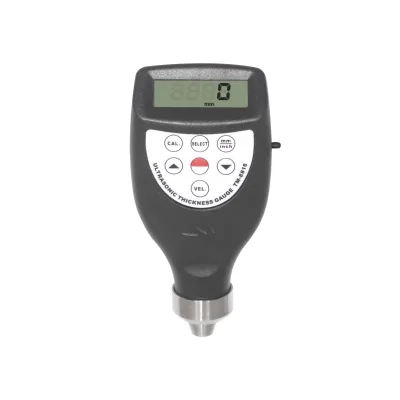
$126.51 - $136.36
MOQ: 1 pieces
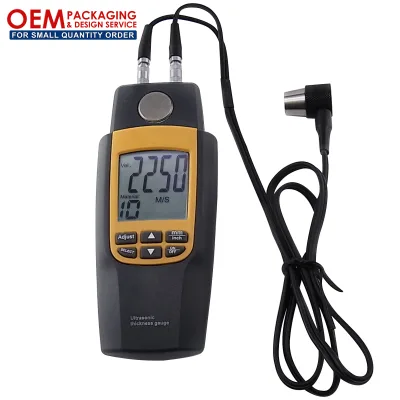
$94.6169 - $104.8476
MOQ: 1 sets

Yueqing Lifu Instrument Co., Ltd
- Trading Company
- Zhejiang, China
- Lead time7 days
- Avg. response≤ 4h
Main productsFlow meter,Transmitter,Valve positioner,Valve Part,Programmable Logic Controller
Main marketsDomestic Market(60.00%), Southeast Asia(20.00%), Mid East(8.00%), Eastern Asia(5.00%), South America(2.00%), Northern Europe(2.00%), Central America(2.00%), Southern Europe(1.00%)
- Trading Company
- Fujian, China
- Lead time0 days
- Avg. response≤ 2h
Main productsAgricultural instruments,industry instrument,medical equipment,Auto detection tools
Main marketsWestern Europe(30.00%), Eastern Europe(15.00%), North America(15.00%), Southern Europe(15.00%), South America(6.00%), Southeast Asia(5.00%), Northern Europe(5.00%), Mid East(3.00%), Central America(3.00%), South Asia(3.00%)
ShenZhen Kuaiqu Electronic Co., Ltd.
- Verified by TüVRheinland
- Trading Company
- Lead time0 days
- Avg. response≤ 2h
Main productsDC Power Supply, Microscope, DC Electronic Load, Instrument Equipment
Main marketsNorth America(15%), Mid East(15%), South Asia(13%)
- Verified by TüVRheinland
- Trading Company
- Lead time10 days
- Avg. response≤ 2h
Main productsPH Meter, Mosisture Meters, Temperature Meters, Refractometers, Measuring & Analysing Instrument Stock
Main marketsWestern Europe(45%), North America(35%), South America(3%)

Shenzhen Bestone Industrial Co. Ltd.
- Verified by SGS
- Trading Company
- China Guangdong
- Lead time15 days
- Avg. response≤ 11h
Main productsDigital Infrared Thermometer and Thermometer, Anemometer Sound Level Meter, Ultrasonic/Coating Thickness Gauge, Vibration Meter / Hardness Tester, Laser Distance Meter Roughness Meter, Moisture Meter Push-Pull Force Gauge, Lux/Luminance Meter Glossmeter Colorimeter, Tachometer Endoscope Stroboscope, Earth Resistance /Voltage Insulation Tester, Gas Detector / Refractometer
Main marketsSouth America,Africa,Southeast Asia/ Mideast,East Asia(Japan/ South Korea),Europe,North America
Shenzhen Handiier Technology Co.,Ltd
- Manufacturer, Trading Company
- Guangdong, China
- Lead time10 days
- Avg. response≤ 12h
Main productsshaver,shaving accessories,hair trimmer,Vacuum Cleaner Parts,Air Purifier Parts
Main marketsNorth America(50.00%), Eastern Europe(10.00%), South America(10.00%), Northern Europe(5.00%), Central America(4.00%), Western Europe(3.00%), South Asia(3.00%), Southern Europe(3.00%), Oceania(3.00%), Eastern Asia(2.00%), Mid East(2.00%), Southeast Asia(2.00%), Domestic Market(2.00%), Africa(1.00%)

Shenzhen Ever Good Electronic Co., Ltd.
- Manufacturer, Trading Company
- Guangdong, China
- Lead time3 days
- Avg. response≤ 18h
Main productsMetal Detector,Instrument Meter,Oscilloscopes,Temperature Instruments,Clamp Meters
Main marketsSoutheast Asia(15.00%), Mid East(15.00%), North America(15.00%), Western Europe(10.00%), Southern Europe(5.00%), Northern Europe(5.00%), Central America(5.00%), Eastern Europe(5.00%), South Asia(5.00%), South America(5.00%), Oceania(5.00%), Africa(5.00%), Eastern Asia(3.00%), Domestic Market(2.00%)

Shandong IPRE Inspection Technology Co., Ltd
- Verified by SGS
- Combined
- China Shandong
- Lead time15 days
- Avg. response≤ 6h
Main productsSurface Roughness Tester, Roughness Profilometer, Coating Thickness Gauge, Ultrasonic Thickness Gauge, Hardness Tester, Metallographic Sampling Equipment
Main marketsSoutheast Asia/ Mideast,Domestic,Europe

- Manufacturer, Trading Company
- Henan, China
- Lead time1 days
- Avg. response≤ 3h
Main productsGlass-Reactors,Rotary-Evaporator,Lab-Instruments,Life-Science-Instruments,Testing-equipments
Main marketsEastern Europe(15.00%), Southeast Asia(13.00%), Domestic Market(10.00%), South Asia(9.00%), Mid East(8.00%), Africa(8.00%), Western Europe(7.00%), North America(6.00%), Eastern Asia(5.00%), Southern Europe(5.00%), Oceania(4.00%), South America(4.00%), Central America(3.00%), Northern Europe(3.00%)
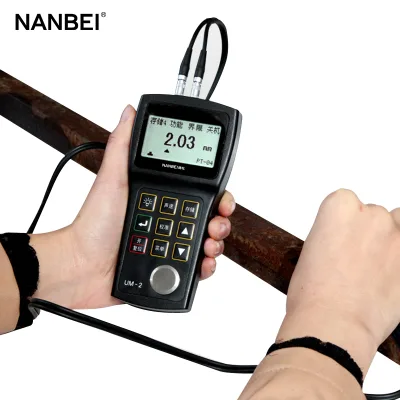
$543.00 - $930.00
MOQ: 1 sets




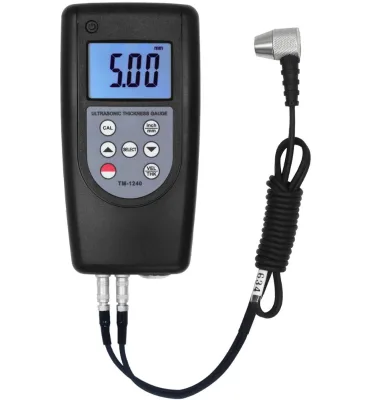
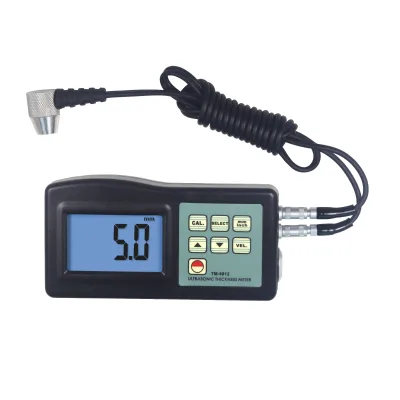
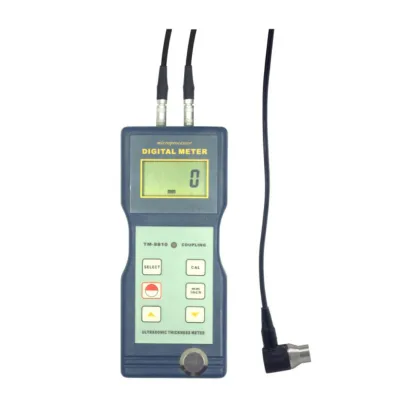


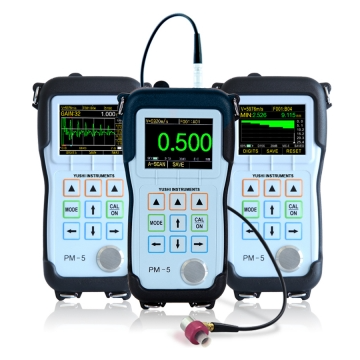
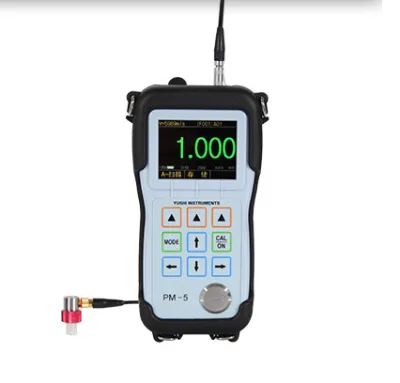
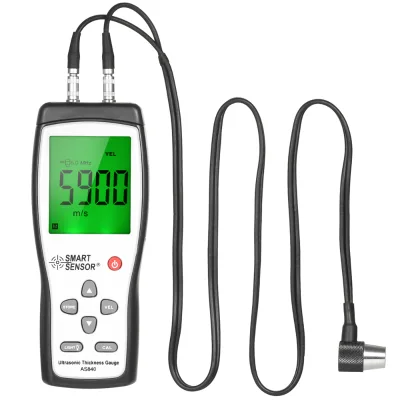
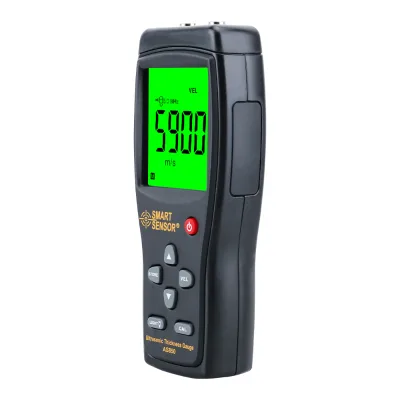
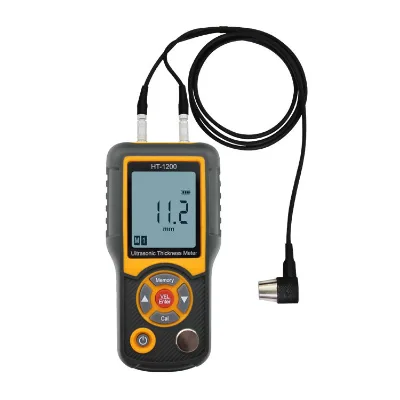


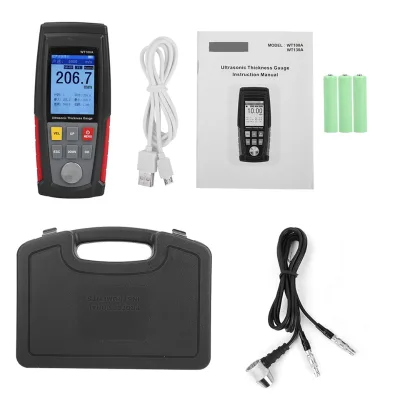
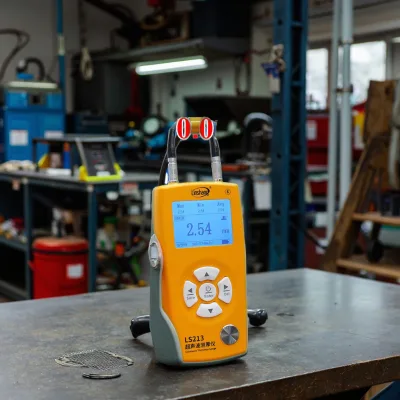
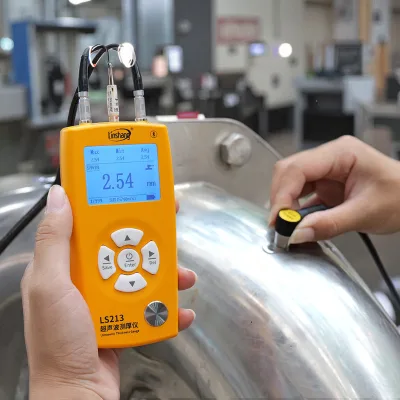
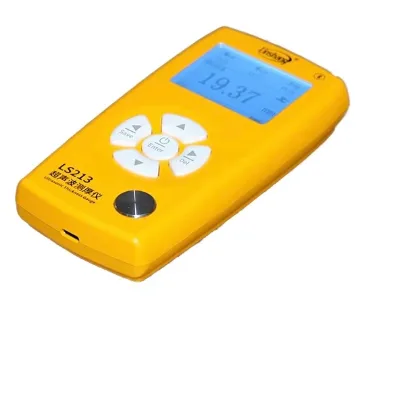


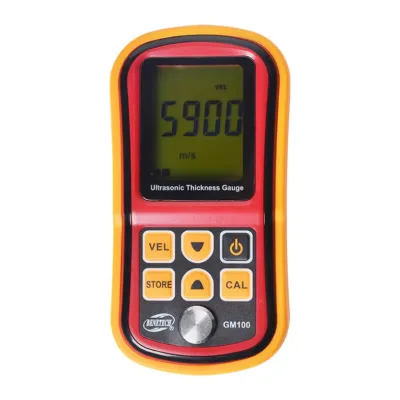
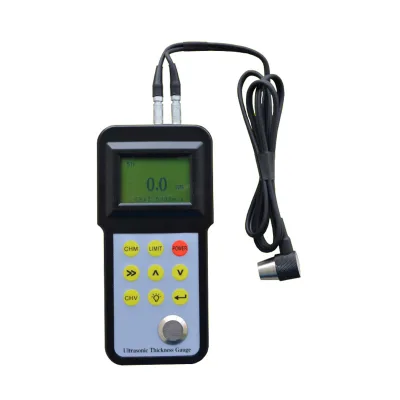


Comprehensive Sourcing Guide
Pocket Ultrasonic Thickness Meter Supplier Concentration and Factory Types
The current supplier landscape for pocket ultrasonic thickness meters reveals a distinct geographic and structural concentration that buyers must navigate carefully. Evidence indicates that a significant portion of available suppliers are located in Guangdong, China, with additional presence in Jiangsu, China. These regions serve as primary manufacturing hubs for testing instruments, including the specific digital and ultrasonic devices required for coating and material thickness measurement. The company types listed for these suppliers vary, with many identified as Trading Companies, while others operate as both Manufacturers and Trading Companies. This distinction is critical for procurement strategy, as trading companies may offer broader product ranges but potentially less direct control over production quality compared to pure manufacturers. Buyers should recognize that the presence of a trading company does not necessarily imply a lack of technical capability, but it does suggest a different supply chain dynamic where the supplier acts as an intermediary between the factory and the end buyer.
Understanding the factory type is essential for assessing reliability and communication efficiency. Suppliers in Guangdong often specialize in a wide array of testing equipment, including coating thickness gauges, ultrasonic thickness gauges, surface roughness testers, and vibration testers. This diversification suggests that these facilities have established production lines capable of handling various precision instruments. In contrast, suppliers in Jiangsu may focus on specific niches, such as bearing heaters or laser alignment tools, while also offering ultrasonic thickness gauges. The overlap in product offerings indicates that many suppliers are not exclusively dedicated to thickness measurement but treat it as part of a broader portfolio of industrial testing solutions. Buyers evaluating these suppliers should consider whether the supplier’s primary focus aligns with their specific needs for high-precision pocket meters or if they are seeking a generalist supplier for multiple testing instrument requirements. The concentration in these two provinces highlights the importance of regional sourcing strategies, as logistics and communication may be more streamlined when dealing with suppliers from these established industrial clusters.
How to Verify Pocket Ultrasonic Thickness Meter Suppliers
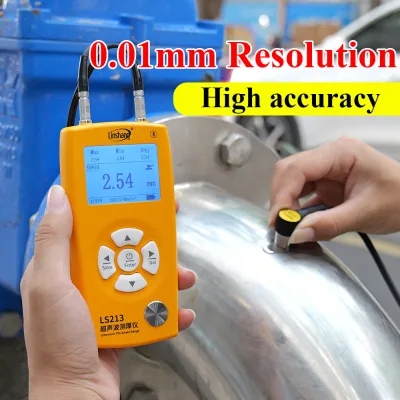
Verifying the legitimacy and capability of Pocket Ultrasonic Thickness Meter suppliers requires a rigorous examination of their product specifications and operational metrics. Buyers should start by scrutinizing the detailed product attributes provided in supplier listings, such as resolution, accuracy, and measurement range. For instance, specific models like the AT-140B offer a resolution of 0.01 mm and an accuracy of ±(0.5%n+0.1), while others like the AT140T6 provide an accuracy of 0.1mm. These technical details are not merely marketing points but are critical indicators of the supplier’s technical proficiency. Buyers must cross-reference these specifications with their own application requirements to ensure the device meets the necessary precision standards. Additionally, the presence of customization support, such as OEM and ODM options, can indicate a supplier’s flexibility and manufacturing capability, whereas a lack of customization support might suggest a more rigid, off-the-shelf product line.
Beyond technical specs, buyers should verify the supplier’s response time and warranty terms as proxies for their operational reliability and customer service commitment. The data shows response times ranging from 6 to 9 hours, which is a crucial metric for timely communication during the procurement process. A faster response time often correlates with a more responsive and organized sales team, which can be vital for resolving technical queries or negotiating terms. Furthermore, warranty periods vary, with some suppliers offering 1 year, 2 years, or 3 years of coverage. A longer warranty period can be a strong indicator of the supplier’s confidence in their product’s durability and quality. Buyers should also check for the availability of machinery test reports and video outgoing-inspections, as the absence of these documents, as seen in some listings, may signal a lack of rigorous quality control processes. Verifying these elements helps buyers distinguish between suppliers who are merely reselling products and those who are actively involved in the manufacturing and quality assurance processes.
What to Compare Across Pocket Ultrasonic Thickness Meter Suppliers
When comparing suppliers, buyers must evaluate a range of commercial and logistical factors to determine the best fit for their procurement needs. Key comparison points include lead time, minimum order quantity (MOQ), and pricing structures. The available data indicates an MOQ of 1 for some suppliers, which is advantageous for buyers seeking small batches or samples for testing purposes. Lead times are reported as 7 days for certain suppliers, providing a baseline for delivery expectations. However, buyers should be aware that these figures may vary significantly across different suppliers and product models. Pricing is another critical variable, with costs ranging from approximately 495.00 to over 4000.00 depending on the model and features. For example, the AT140C is listed at 495.00, while the PocketMIKE model ranges from 1417.56 to 1933.04. Buyers should compare these prices not just in absolute terms but relative to the features offered, such as resolution, accuracy, and additional functionalities like sound velocity adjustment.
In addition to price and logistics, buyers should compare the brand names and origin details associated with the products. Some suppliers offer products under their own brand names, such as AMITTARI or AM, while others provide OEM options where the buyer’s brand is applied. The place of origin, whether Guangdong, China, or Jiangsu, China, can also influence perceptions of quality and reliability. Buyers should also consider the supply ability, with some suppliers indicating a capacity of 20 sets per day. This information is crucial for buyers with larger volume requirements, as it helps assess whether the supplier can meet their demand without compromising quality or delivery schedules. Furthermore, comparing the packaging details and single package sizes can provide insights into the supplier’s attention to detail and logistical efficiency. By systematically comparing these attributes, buyers can create a weighted scoring system to objectively evaluate and select the most suitable supplier for their specific Pocket Ultrasonic Thickness Meter requirements.
Common Pocket Ultrasonic Thickness Meter Sourcing Risks
Sourcing pocket ultrasonic thickness meters from international suppliers introduces several risks that buyers must proactively manage to ensure a successful procurement outcome. One significant risk is the variability in product quality and accuracy, which can be exacerbated by the lack of standardized testing reports. As observed in some supplier listings, machinery test reports and video outgoing-inspections are marked as "Not Available," which raises concerns about the consistency and reliability of the devices. Without independent verification of the device’s accuracy, buyers risk receiving products that do not meet their specified tolerance levels, leading to potential errors in their own quality control processes. This risk is particularly acute for buyers who rely on high-precision measurements for critical applications, where even minor deviations can have significant consequences. Buyers should therefore prioritize suppliers who provide comprehensive documentation and third-party certifications to mitigate this risk.
Another common risk is the discrepancy between advertised specifications and actual product performance, often linked to the supplier’s type and location. Trading companies, while offering convenience, may not have direct oversight of the manufacturing process, potentially leading to gaps in quality control. Additionally, the variation in warranty terms, ranging from 1 to 3 years, suggests differences in the supplier’s confidence in their product’s longevity. Buyers must be cautious of suppliers offering unusually short warranties or vague warranty conditions, as these may indicate lower product durability. Furthermore, the reliance on single-item selling units and specific packaging details can pose logistical risks if the supplier’s packaging is not robust enough to protect the delicate instruments during transit. Buyers should also consider the risk of communication barriers, especially when dealing with suppliers in different time zones or with limited English proficiency. Establishing clear communication channels and verifying all technical details before placing an order can help mitigate these risks and ensure a smoother sourcing experience.
Pocket Ultrasonic Thickness Meter Regional Sourcing and Logistics
Regional sourcing plays a pivotal role in determining the efficiency and cost-effectiveness of procuring pocket ultrasonic thickness meters. The concentration of suppliers in Guangdong and Jiangsu, China, offers buyers access to established manufacturing clusters with well-developed supply chains and logistics infrastructure. Guangdong, in particular, is known for its robust electronics and instrumentation industry, providing buyers with a wide selection of suppliers and products. This region’s proximity to major ports and transportation hubs facilitates efficient export logistics, potentially reducing shipping times and costs. Buyers sourcing from Guangdong-based suppliers may benefit from faster turnaround times and more frequent shipping options, which are crucial for maintaining inventory levels and meeting tight project deadlines. Additionally, the presence of both manufacturers and trading companies in this region allows buyers to choose between direct factory pricing and the convenience of a trading company’s broader product range.
In contrast, suppliers in Jiangsu, China, offer a different set of logistical advantages, particularly for buyers seeking specialized or niche products. While the region may have a smaller concentration of thickness meter suppliers compared to Guangdong, it still provides access to high-quality manufacturing capabilities. Buyers sourcing from Jiangsu should consider the specific logistics requirements of their orders, such as packaging details and single package sizes, which can impact shipping costs and handling. The supply ability of 20 sets per day reported by some Jiangsu-based suppliers indicates a moderate production capacity that may be suitable for small to medium-sized orders. However, buyers should verify the supplier’s logistics capabilities and shipping partners to ensure that the products are delivered safely and on time. Understanding the regional strengths and logistical nuances of each sourcing location allows buyers to make informed decisions that align with their specific procurement goals and operational requirements.
Pocket Ultrasonic Thickness Meter Commercial Terms and Order Planning
Effective order planning for pocket ultrasonic thickness meters requires a thorough understanding of the commercial terms offered by suppliers, including pricing, payment terms, and delivery schedules. The pricing data reveals a wide range, from 495.00 to over 4000.00, reflecting the diversity in product features and quality levels. Buyers should carefully analyze these prices in the context of the product specifications, such as resolution, accuracy, and warranty coverage, to determine the true value proposition. For instance, a higher-priced model with superior accuracy and a longer warranty may offer better long-term value despite the initial cost difference. Additionally, buyers should consider the MOQ, which is listed as 1 for some suppliers, allowing for flexible ordering strategies. This low MOQ is particularly beneficial for buyers who need to test multiple models or suppliers before committing to larger volumes.
Beyond pricing and MOQ, buyers must plan for the logistical and administrative aspects of the order, including lead times and response speeds. The reported lead time of 7 days and response times of 6 to 9 hours provide a baseline for order processing and communication. Buyers should incorporate these timelines into their overall project schedules to avoid delays. Furthermore, the availability of customization support, such as OEM and ODM, can impact the order planning process, as custom orders may require additional time for design and production. Buyers should also consider the warranty terms, which range from 1 to 3 years, and factor these into their total cost of ownership calculations. By carefully evaluating these commercial terms and planning accordingly, buyers can optimize their procurement process, minimize risks, and ensure that they receive the pocket ultrasonic thickness meters that best meet their operational needs.
FAQs
What is the typical lead time for pocket ultrasonic thickness meters?
Suppliers generally offer a lead time of 7 days for standard orders. This timeframe allows for production and quality checks before shipment. Buyers should confirm specific delivery schedules with the supplier to ensure alignment with project deadlines and inventory requirements.
What is the minimum order quantity for these devices?
The minimum order quantity is typically 1 unit for many suppliers. This low MOQ allows buyers to test product quality before committing to larger volumes. It is ideal for small businesses or individual professionals needing a single reliable measurement tool.
How quickly do suppliers respond to inquiries?
Response times vary, with some suppliers replying within 6 hours and others taking up to 9 hours. Faster response times indicate active sales teams ready to assist with technical questions. Buyers should prioritize suppliers with quicker reply rates for efficient communication.
What accuracy levels are available for pocket models?
Accuracy specifications range from 0.01 mm to 0.1 mm depending on the model. Higher precision models often feature resolutions of 0.01 mm for detailed measurements. Buyers should select the accuracy level that matches their specific testing requirements and industry standards.
Where are these thickness meters manufactured?
Manufacturing locations include Guangdong and Jiangsu provinces in China. These regions are known for producing testing instruments and equipment. Buyers can verify the place of origin to assess supply chain logistics and potential shipping costs associated with the product origin.
What warranty periods are offered for these gauges?
Warranty periods typically range from 1 year to 3 years. Some models offer a 2-year warranty, while others provide up to 3 years of coverage. Buyers should review the specific warranty terms to understand the support and protection provided for the device.