Water Pressure Sensor Suppliers and Manufacturers in China
Explore 19 verified options for Water Pressure Sensor suppliers and manufacturers located in China. Compare response times, lead times, certifications like ISO 9001 and CE, and product specifications such as pressure ranges and IP ratings. Contact suppliers directly to request quotes for models like PCM300 or DP500.
Updated
Suppliers List

Shanghai GL Environmental Technology Co., Ltd.
- Trading Company,Manufacturer/Factory
- China Shanghai
- Lead time23 days
- Avg. response≤ 6h
Main productsDiaphragm Pump, Dosing Pump, pH Meter, Conductivity Meter, Flow Meter, Level Meter, Pressure Transmitter, Liquid Mixer, Chemical Pump, Dosing System
Main marketsMid East,Southeast Asia,Eastern Asia,Oceania,Africa

- Verified by SGS
- Manufacturer/Factory
- China Shaanxi
- Lead time0 days
- Avg. response≤ 9h
Main productsPressure Sensor, Pressure Transmitter, Level Measurement, Pressure Transducer, Water Level Sensor, Water Level Meter, Ultrasonic Level Sensor, Radar Level Sensor, Fuel Level Sensor, Flow Meter

Guangdong South China Sea Electronic Measuring Technology Co., Ltd.
- Verified by TUVRHEINLAND
- Manufacturer/Factory
- China Guangdong
- Lead time0 days
- Avg. response≤ 23h
Main productsStrain Gauges, Weigh Pads, Pressure Sensors, Wheel and Axle Weighing Scales, Load Cells, Force Sensors, Instruments, Bending Plates, Personal Scales, Pressure Indicator

Anhui Hechuang Intelligent Manufacturing Co. Ltd
- Verified by SGS
- Combined
- China Anhui
- Lead time15 days
- Avg. response≤ 2h
Main productsDifferential Pressure Transmitter, Pressure Transmitter, Temperature Transmitter, Electromagnetic Flowmeter, Magnetic Level Gauge, Bimetallic Thermometer, Differential Pressure Switch, Sensor, Float Level Gauge, Vortex Flowmeter
Main marketsDomestic
Henan Dongchuan Electrical Equipment Co., Ltd
- Trading Company
- Henan, China
- Lead time15 days
- Avg. response≤ 3h
Main productssolenoid valve,relay,generator set,switch power supply,Signal isolator
Main marketsAfrica(10.00%), Southeast Asia(10.00%), Mid East(5.00%), South America(4.00%), Eastern Asia(4.00%), Central America(3.00%), South Asia(3.00%), Oceania(3.00%), North America(2.00%), Western Europe(2.00%), Eastern Europe(1.00%), Southern Europe(1.00%), Northern Europe(1.00%)

Meokon Sensor Technology (Shanghai) Co., Ltd.
- Manufacturer
- China Shanghai
- Lead time15 days
- Avg. response≤ 3h
Main productsDigital Pressure Gauge, Digital Pressure Controller, Digital Pressure Switch, Digital Electric Contact Pressure Gauge, Temperature and Humidity Table, Pressure Transmitters, Pressure Sensor, Lever Sensor
Main marketsSouth America,Southeast Asia/ Mideast,East Asia(Japan/ South Korea),Domestic,Europe,Australia,North America
Shaanxi Qijia Automation Technology Co., Ltd.
- Verified by SGS Group
- Trading Company
- Lead time7 days
- Avg. response≤ 1h
Main productsPressure Sensor, Level Sensor, Level Meter, Radar Sensor, Weather Sensor
Main marketsWestern Europe(40%), North America(20%), South America(10%)

Jiangsu Aice Instrument Technology Co., Ltd.
- Verified by BV
- Trading Company
- China Jiangsu
- Lead time15 days
- Avg. response≤ 3h
Main productsindustrial temperature instruments
Main marketsSouth America,Others(foreignTradeCapacity.exportBusinessCapacityMarketOther),Southeast Asia/ Mideast,East Asia(Japan/ South Korea),North America
Jiangsu Aice Instrument Technology Co., Ltd.
- Verified by TüVRheinland
- Trading Company
- Lead time15 days
- Avg. response≤ 2h
Main productsFlowmeter, Level Transmitter, IR Sensors, Pressure Sensor, Water Quality Sensor
Main marketsSoutheast Asia(25%), North America(15%), South Asia(15%)

Hangzhou Supmea International Trading Co., Ltd.
- Verified by BV
- Trading Company
- China Zhejiang
- Lead time15 days
- Avg. response≤ 8h
Main productsPaperless Recorder, Chart Recorder, Pressure Transmitter, Level Transmitter, Electromagnetic Flowmeter, Temperature Transmitter, Signal Generator, Pressure Sensor, Paper Recorder, Level Recorder
Main marketsSouth America,Africa,Southeast Asia/ Mideast,East Asia(Japan/ South Korea),Europe,Australia,North America

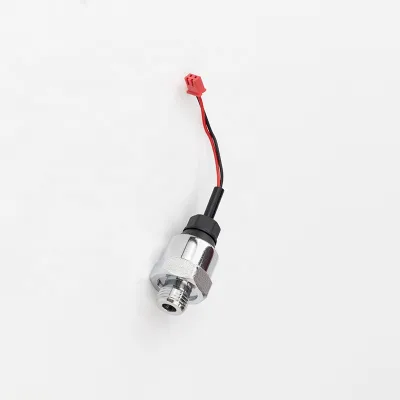
High Temperature Pressure Sensor Waterproof Pressure Sensor Pressure Sensor Has 300 Bar
$49.50 - $70.00
MOQ: 2 Pieces


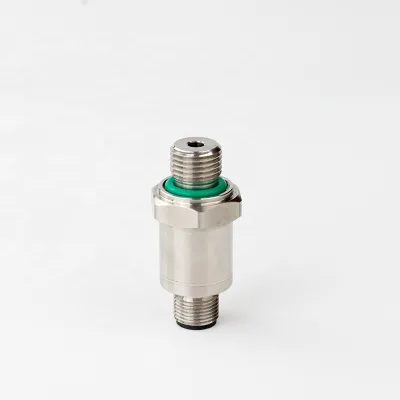
Sensor Pressure for Respirators High Accuracy Pressure Sensor Water High Pressure
$49.50 - $70.00
MOQ: 2 Pieces
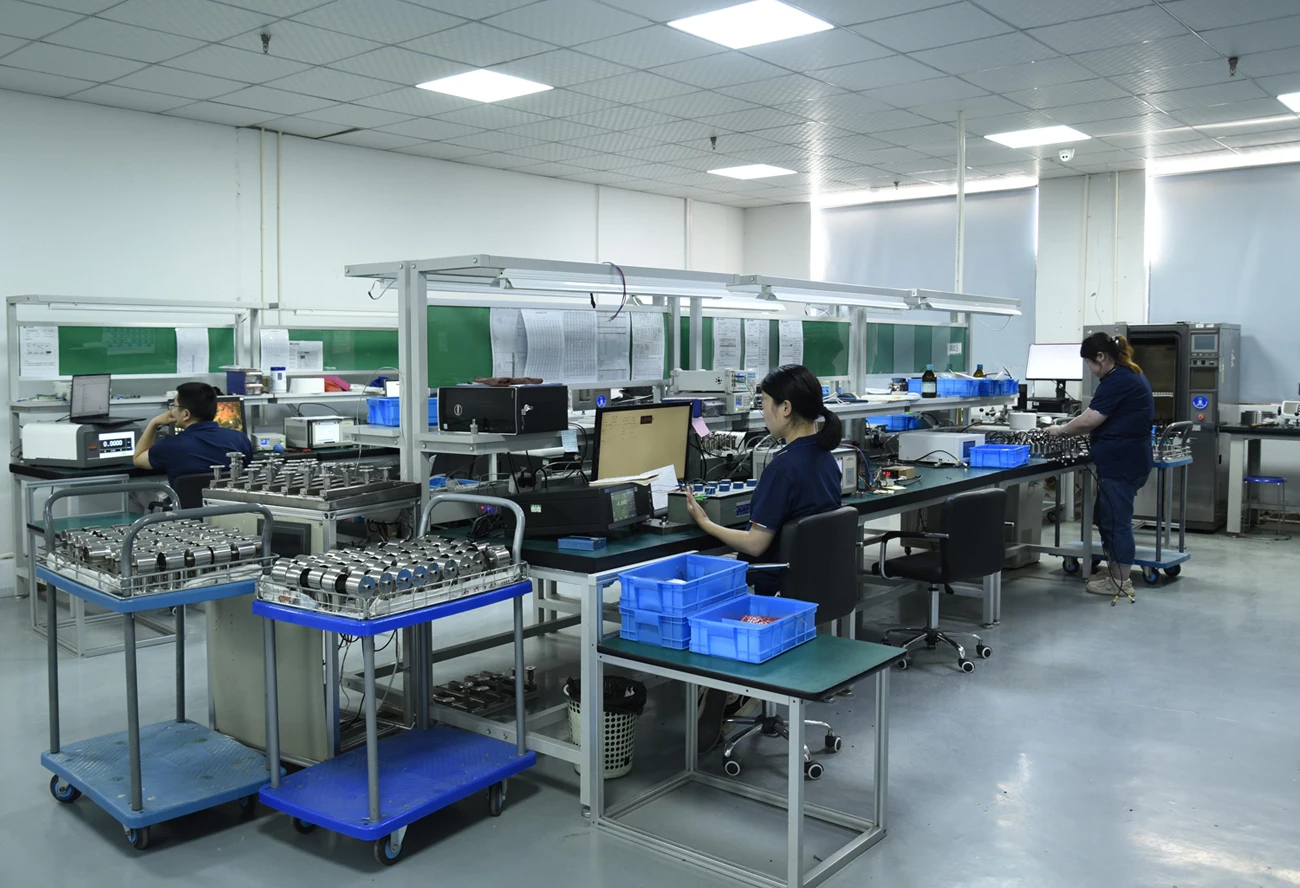
Shanghai Benxu Electronics Technology Co., Ltd.
- Manufacturer, Trading Company
- Shanghai, China
- Lead time15 days
- Avg. response≤ 2h
Main productsPressure Sensor,Pressure Transmitter,Pressure Transducer,Level Transmitter,Digital Pressure Switch
Main marketsWestern Europe(25.00%), Oceania(15.00%), North America(12.00%), Eastern Europe(10.00%), Domestic Market(10.00%), South America(6.00%), Mid East(5.00%), Southern Europe(4.00%), Northern Europe(4.00%), Africa(4.00%), Southeast Asia(3.00%), South Asia(2.00%)
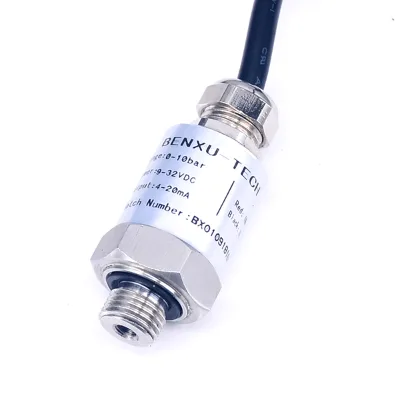
General Universal Water Pump Pressure Transmitter,pressure Sensor,transducer for Water,oil,gas
$8.9176 - $27.799
MOQ: 1 Minimum
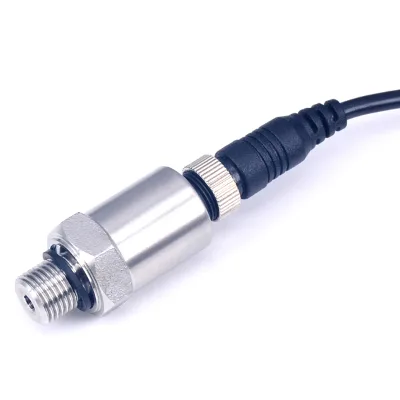
High Accuracy Pressure Sensor for Water Pump Compressors and Pumps -1~4bar...600bar 0.5%FS, 1.0%FS
$8.9176 - $27.799
MOQ: 1 Minimum
Xi'an Gavin Electronic Technology Co., Ltd.
- Manufacturer, Trading Company
- Lead time旺季: "1 - 50":16,"> 50":"To be negotiated", 淡季: "1 - 50":16,"> 50":"To be negotiated"
- Avg. response≤ 2h
Main productsPressure Sensor, Level Sensor, Fuel Level Sensor, Ultrasonic/radar Level Sensor, Water Level Meter
Hangzhou Meacon Automation Technology Co., Ltd.
- Manufacturer, Trading Company
- Zhejiang, China
- Lead time7 days
- Avg. response≤ 8h
Main productsFlow Meter, Level Transmitter, Liquid Analysis, Pressure Transmitter, Recorder
Main marketsSoutheast Asia(20.00%), Eastern Asia(15.00%), South America(15.00%), Oceania(10.00%), North America(5.00%), Western Europe(5.00%), Southern Europe(5.00%), Central America(5.00%), Africa(5.00%), Eastern Europe(5.00%), Mid East(5.00%), Northern Europe(3.00%), South Asia(2.00%), Domestic Market(0.00%)
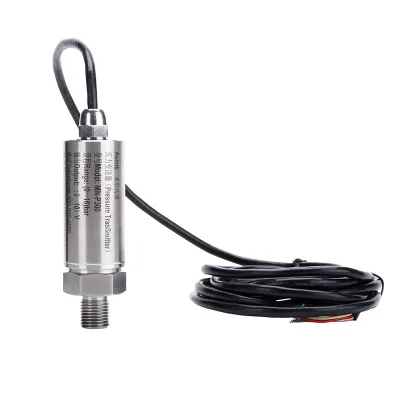
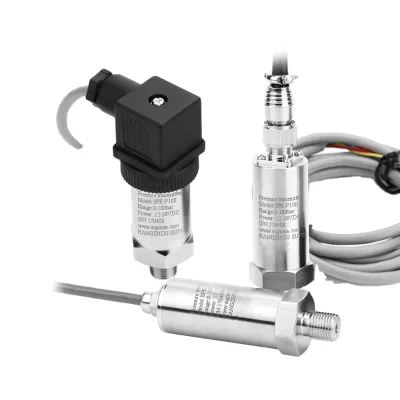
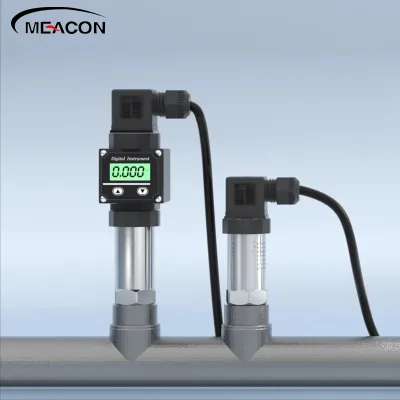
$31.1222 - $62.243
MOQ: 1 pieces

Huaibei Huadian Automation Technology Co., Ltd.
- Verified by TUVRHEINLAND
- Combined
- China Anhui
- Lead time15 days
- Avg. response≤ 6h
Main productsLevel Transmitter, Flow Meter, Pressure Transmitter, Temperature Transmitter, Signal Isolator, Current Transducer
Main marketsOthers(foreignTradeCapacity.exportBusinessCapacityMarketOther),Southeast Asia/ Mideast,North America

Sensor Level Water Water Tank Level Indicator Hydrostatic Sensor Submersible Water Pressure Sensor
$30.00 - $500.00
MOQ: 1 Pieces

$20.00 - $100.00
MOQ: 1 Pieces

Pressure Sensor Pressure Transducer Types High Pressure Sensor Tank Level Pressure Sensor
$20.00 - $100.00
MOQ: 1 Pieces
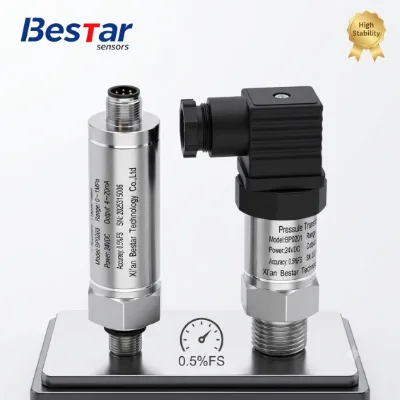
Xi'an Bestar Technology Co., Ltd.
- Verified by SGS Group
- Trading Company
- Lead time7 days
- Avg. response≤ 1h
Main productsPressure sensor , Water Level Sensor, Fuel Level Sensor , Flow measurement, Temperature Measurement
Jiangmen Ever-Smart Intelligent Control Instrument Co., Ltd.
- Manufacturer
- Guangdong, China
- Lead time0 days
- Avg. response≤ 4h
Main productsPressure Sensor, Pressure Control Equipment, High Precision Detection Equipment, Delicated Production System Equipment
Main marketsDomestic Market(35.00%), South Asia(10.00%), Oceania(10.00%), Mid East(10.00%), North America(5.00%), South America(5.00%), Western Europe(5.00%), Southern Europe(5.00%), Eastern Asia(5.00%), Eastern Europe(5.00%), Southeast Asia(5.00%)

Beijing Lide Automation Technology Co., Ltd.
- Verified by BV
- Trading Company
- China Beijing
- Lead time30 days
- Avg. response≤ 25h
Main productsInstrument
Main marketsDomestic

Changsha Taihe Electronic Equipment Co., Ltd.
- Manufacturer
- China Hunan
- Lead time15 days
- Avg. response≤ 7h
Main productsPressure Transmitter, Pressure Sensors, Pressure Transducer, Liquid Level Transmitter, Level Sensor, Water Level Sensor, Level Transmitter, Fuel Level Sensor, Temperature Transmitter, Load Cell
Main marketsSouth America,Africa,Southeast Asia/ Mideast,East Asia(Japan/ South Korea),Domestic,Europe,Australia,North America
Shenzhen Feng Chipsource Electronic Co., Ltd.
- Manufacturer, Trading Company, Distributor/Wholesaler
- Guangdong, China
- Lead time2 days
- Avg. response≤ 8h
Main productsIntegrated Circuit,Electronic Components,Development Board,Wifi module,Bluetooth module
Main marketsNorth America(20.00%), Northern Europe(16.00%), Southern Europe(10.00%), South America(10.00%), Western Europe(10.00%), Eastern Europe(10.00%), Domestic Market(3.00%), South Asia(3.00%), Oceania(3.00%), Africa(3.00%), Central America(3.00%), Southeast Asia(3.00%), Eastern Asia(3.00%), Mid East(3.00%)


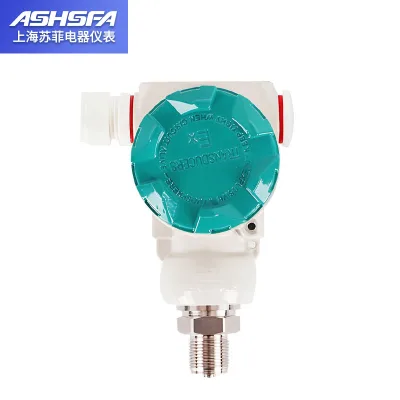


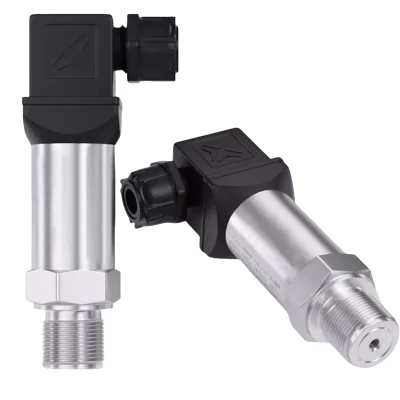
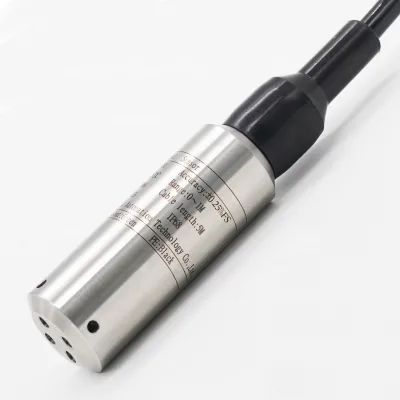
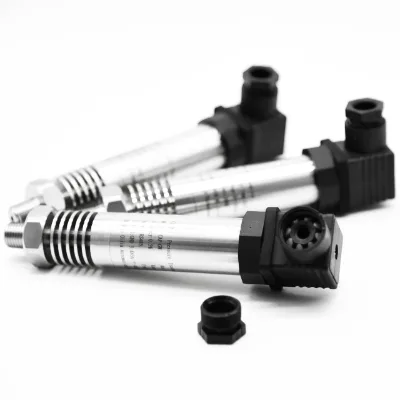




Comprehensive Sourcing Guide
Water Pressure Sensor Supplier Concentration and Factory Types
The current supplier landscape for water pressure sensors reveals a distinct geographic concentration in China, with specific hubs identified in Shanghai, Shaanxi, and Guangdong. These locations serve as primary manufacturing and trading centers for the industry, offering buyers access to established industrial clusters. Suppliers in Shanghai often operate as both trading companies and manufacturers, providing a hybrid model that can streamline communication while maintaining direct production control. This dual role allows for greater flexibility in order management, catering to both large-scale industrial procurement and smaller, customized requests. The presence of these entities in Shanghai suggests a mature supply chain ecosystem, where logistics and international trade services are readily available to support export activities.
In contrast, suppliers located in Shaanxi and Guangdong present different operational profiles. Shaanxi-based entities are primarily identified as manufacturers or factories, focusing heavily on production capabilities rather than trading services. This specialization often translates to direct control over quality assurance and production schedules, which can be critical for buyers requiring strict adherence to technical specifications. Meanwhile, Guangdong suppliers also operate as manufacturers, leveraging the region’s robust electronics and instrumentation infrastructure. The diversity in company types, ranging from pure manufacturers to hybrid trading-manufacturing entities, provides buyers with options based on their specific needs for direct factory engagement versus trading company convenience. Understanding these structural differences is essential for aligning supplier selection with procurement strategy.
How to Verify Water Pressure Sensor Suppliers
Verification of Water Pressure Sensor suppliers requires a multi-layered approach that goes beyond basic company registration checks. Buyers should prioritize suppliers who hold recognized third-party verifications, such as SGS or TÜV Rheinland certifications, which provide an independent assessment of manufacturing capabilities and quality management systems. These verifications serve as a critical baseline for trust, indicating that the supplier’s operations have been audited against international standards. Additionally, system certifications like ISO 9001 are prevalent among suppliers, signaling a commitment to standardized quality processes. However, buyers must verify that these certifications are current and applicable to the specific products being sourced, as general quality management certifications do not automatically guarantee product-specific compliance.
Beyond certifications, buyers should assess the supplier’s response time and communication efficiency as indicators of operational reliability. Response times vary significantly across the supplier base, with some entities responding within hours while others may take longer. A faster response time often correlates with a more agile and customer-centric organization, which can be beneficial for resolving technical queries or addressing order issues promptly. Furthermore, buyers should examine the supplier’s main product focus to ensure alignment with their specific requirements. Suppliers specializing in pressure sensors, transmitters, and related instrumentation are likely to possess deeper technical expertise and more robust product portfolios than generalist traders. This specialization can reduce the risk of miscommunication and ensure that the supplier understands the nuanced requirements of Water Pressure Sensor applications.
What to Compare Across Water Pressure Sensor Suppliers
When evaluating multiple suppliers, buyers must compare key operational metrics such as lead times, minimum order quantities (MOQs), and pricing structures to determine the best fit for their procurement needs. Lead times can vary widely, with some suppliers offering rapid turnaround times while others have longer production cycles. Understanding these variations is crucial for inventory planning and meeting project deadlines. Similarly, MOQs differ significantly, ranging from low quantities suitable for prototyping or small batches to higher volumes required for cost-effective mass production. Buyers should align their order volumes with supplier MOQs to avoid unnecessary costs or supply chain disruptions. Pricing is another critical factor, with costs influenced by product specifications, customization options, and order volume. Comparing price ranges across suppliers helps buyers identify competitive offers while ensuring that quality standards are maintained.
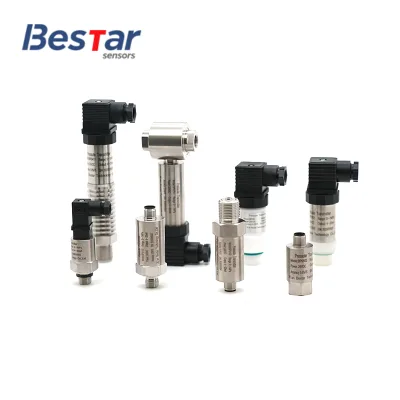
In addition to operational metrics, buyers should compare the technical specifications and customization capabilities offered by each supplier. Products such as pressure transmitters and sensors come with various attributes, including pressure ranges, accuracy grades, and material compositions. Suppliers may offer OEM and ODM services, allowing for tailored solutions that meet specific application requirements. Buyers should assess whether a supplier’s customization options align with their technical needs, such as specific thread types, IP ratings, or output signals. Furthermore, comparing the supplier’s product portfolio can reveal their breadth of expertise. Suppliers offering a wide range of related products, such as flow meters, level sensors, and pH meters, may provide more comprehensive solutions and better support for integrated systems. This holistic view helps buyers select suppliers who can serve as long-term partners rather than one-off vendors.
Common Water Pressure Sensor Sourcing Risks
Sourcing water pressure sensors involves several inherent risks that buyers must proactively manage to ensure successful procurement outcomes. One significant risk is the variability in product quality and performance, which can arise from differences in manufacturing processes and material standards. Suppliers may use various materials, such as stainless steel or ceramic, each with distinct durability and compatibility characteristics. Buyers must verify that the materials used in the sensors meet their specific application requirements, particularly for harsh environments or corrosive media. Additionally, the accuracy grade and precision of the sensors can vary, impacting the reliability of measurements. Buyers should request detailed technical specifications and test reports to validate the performance claims made by suppliers, ensuring that the products meet their required accuracy standards.
Another common risk is the potential for miscommunication regarding customization and technical specifications. Suppliers may offer customization options, but the extent and feasibility of these options can vary. Buyers must clearly define their requirements and ensure that the supplier understands and can deliver on these specifications. Misunderstandings can lead to products that do not fit the intended application, resulting in delays and additional costs. Furthermore, buyers should be cautious of suppliers who provide incomplete or ambiguous product information. Detailed product attributes, such as pressure ranges, IP ratings, and wiring types, should be explicitly stated to avoid discrepancies. Buyers should also verify the supplier’s ability to provide consistent quality across batches, as variations in production processes can lead to inconsistent performance. Establishing clear communication channels and requesting samples before large orders can mitigate these risks.
Water Pressure Sensor Regional Sourcing and Logistics
The geographic location of suppliers plays a crucial role in determining logistics costs, delivery times, and overall supply chain efficiency. Suppliers located in China, particularly in Shanghai, Shaanxi, and Guangdong, offer distinct logistical advantages based on their proximity to major ports and industrial infrastructure. Shanghai, as a global trading hub, provides excellent access to international shipping routes, facilitating efficient export processes. Buyers sourcing from Shanghai-based suppliers may benefit from streamlined customs clearance and a wide range of logistics service providers. This accessibility can reduce transit times and offer greater flexibility in shipping options, which is particularly beneficial for time-sensitive orders. Additionally, the mature logistics ecosystem in Shanghai can support complex supply chain requirements, including consolidated shipments and just-in-time delivery models.
In contrast, suppliers in Shaanxi and Guangdong may have different logistical profiles due to their inland or coastal locations. Shaanxi, being an inland province, may rely more on rail or road transport for domestic distribution, with international shipping requiring additional transit steps. Buyers should consider these factors when evaluating lead times and shipping costs. Guangdong, located on the coast, also benefits from proximity to major ports, offering efficient export capabilities similar to Shanghai. However, the specific port infrastructure and local logistics networks can vary, impacting overall delivery performance. Buyers should assess the supplier’s logistics capabilities and partnerships to ensure reliable and cost-effective shipping. Understanding the regional logistical landscape helps buyers make informed decisions about supplier selection and optimize their supply chain strategies for Water Pressure Sensor procurement.
Water Pressure Sensor Commercial Terms and Order Planning
Effective order planning for water pressure sensors requires careful consideration of commercial terms, including pricing, payment conditions, and after-sales support. Buyers should negotiate clear pricing structures that account for volume discounts, customization fees, and shipping costs. Transparent pricing helps avoid unexpected expenses and ensures that the total cost of ownership is accurately assessed. Additionally, buyers should clarify payment terms, such as deposit requirements and balance payments, to manage cash flow effectively. Suppliers may offer various payment options, including letters of credit or escrow services, which can provide security for both parties. Understanding these commercial terms is essential for establishing a fair and sustainable business relationship with suppliers.
Beyond pricing and payment, buyers should plan for after-sales support and warranty provisions to mitigate potential risks. Suppliers should provide clear warranty terms and support for technical issues, ensuring that buyers have recourse in case of product failures or performance discrepancies. Buyers should also consider the supplier’s capacity for handling returns, replacements, and repairs, as these factors can impact operational continuity. Furthermore, buyers should evaluate the supplier’s ability to scale production to meet increasing demand, ensuring that supply chain stability is maintained over time. By carefully planning commercial terms and order logistics, buyers can minimize risks and optimize the procurement process for water pressure sensors. This proactive approach helps build a resilient supply chain that supports long-term business success.
FAQs
What is the price range for water pressure sensors?
Water pressure sensors typically range from $2 to $230 per unit depending on specifications. Basic strain gauges start around $2, while specialized transmitters cost more. Prices vary based on accuracy, material, and output signal type, so buyers should compare specific models to find the best fit for their budget and technical requirements.
What is the minimum order quantity for these sensors?
Minimum order quantities vary significantly by supplier and product type. Some manufacturers accept orders as low as one unit for sampling, while others require a minimum of 10 or 50 pieces. Buyers should check the specific MOQ for each model to ensure it aligns with their procurement volume and testing needs.
How long does delivery take for pressure sensors?
Lead times for water pressure sensors generally range from zero to 23 days. Some suppliers offer immediate availability with zero lead time, while others require up to 23 days for production. Buyers should confirm the exact delivery schedule with the supplier before placing an order to avoid project delays.
Are these sensors certified for industrial use?
Many water pressure sensors come with CE and ISO certifications, ensuring compliance with international standards. Some products also feature IP ratings for protection against dust and water. Buyers should verify specific certification documents and IP ratings for their application environment to ensure safety and regulatory compliance in their region.
What materials are used in these sensors?
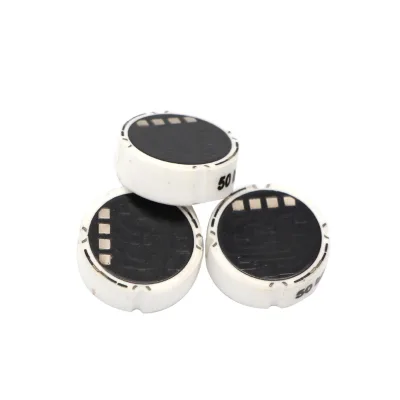
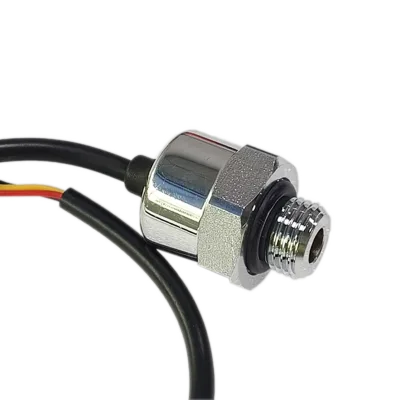
Water pressure sensors are commonly constructed from stainless steel or aluminum alloy for durability. The measuring medium is typically liquid, and the structure may be capacitive or strain gauge based. Buyers should select materials that resist corrosion and withstand the specific pressure ranges and environmental conditions of their intended application.
Can suppliers customize these pressure sensors?
Customization is available for many Water Pressure Sensor models, allowing for specific thread types, pressure ranges, and output signals. Some suppliers offer OEM and ODM services to tailor products to unique requirements. Buyers should discuss their specific needs with the supplier to determine the feasibility and cost of custom modifications.