Digital Pulse Output Turbine Flowmeter Suppliers and Manufacturers
Compare 30 verified suppliers offering digital pulse output turbine flowmeters with varying lead times, response speeds, and certifications. Review product specs like accuracy and pressure ratings, then request quotes to finalize your sourcing decision; review the available evidence before requesting comparable quotations from suitable candidates.
Updated
Suppliers List
Shanghai Jishen Instrument And Meter Co., Ltd.
- Manufacturer, Trading Company
- Shanghai, China
- Lead time5 days
- Avg. response≤ 3h
Main productsMicro Flow Meter, Metering Pump, Dosing Pump, Valveless Plunger Pump, Micro Magnetic Pump
Main marketsNorth America(35.00%), South America(20.00%), Southeast Asia(15.00%), Mid East(8.00%), Western Europe(5.00%), Eastern Asia(5.00%), Africa(5.00%), Eastern Europe(5.00%), Oceania(2.00%)
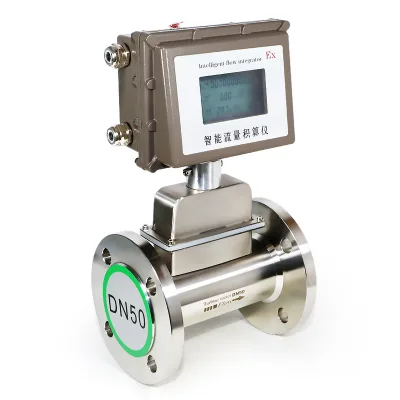
Digital Flow Meter Methane Gas Air Turbine Flowmeter
$299.00 - $369.00
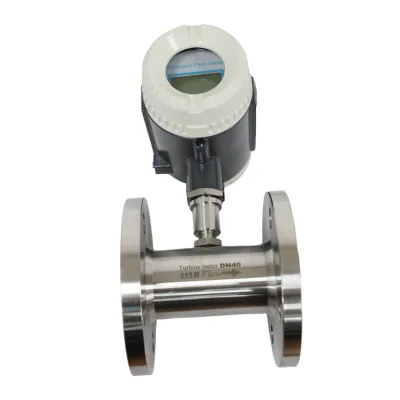
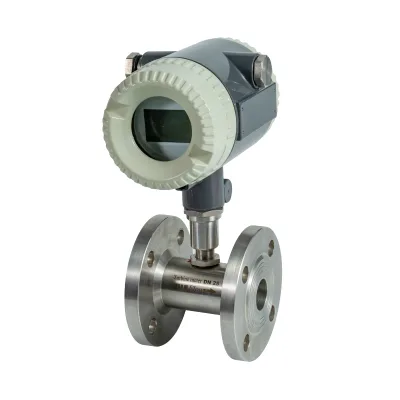
Reliable & Durable Precision Liquid Turbine Flow Meter for Water Oil Fuel Chemical Fluids
$119.00 - $539.75
MOQ: 1 Minimum

Huaibei Huadian Automation Technology Co., Ltd.
- Verified by TUVRHEINLAND
- Combined
- China Anhui
- Lead time15 days
- Avg. response≤ 6h
Main productsLevel Transmitter, Flow Meter, Pressure Transmitter, Temperature Transmitter, Signal Isolator, Current Transducer
Main marketsOthers(foreignTradeCapacity.exportBusinessCapacityMarketOther),Southeast Asia/ Mideast,North America

Digital Flow Meter Chemical Flow Meter Turbine Flow Sensor Turbine Flow Transmitter
$100.00 - $1000.00
MOQ: 1 Pieces

Turbine Flow Meter Water Flow Indicator Water Flow Meter Price Turbine Flow Transmitter
$100.00 - $1000.00
MOQ: 1 Pieces

Flow Meter Turbine Flowmeter Water Flow Rate Sensor Flow Rate Measurement
$100.00 - $1000.00
MOQ: 1 Pieces
All-Instruments International Trading (Shanghai) Co., Ltd.
- Manufacturer, Trading Company
- Shanghai, China
- Lead time7 days
- Avg. response≤ 3h
Main productsPressure Transmitter,Flow Meter,Hardware Tool,Other Instruments
Main marketsSoutheast Asia(34.00%), Eastern Europe(20.00%), North America(15.00%), South America(15.00%), Eastern Asia(10.00%), South Asia(6.00%)
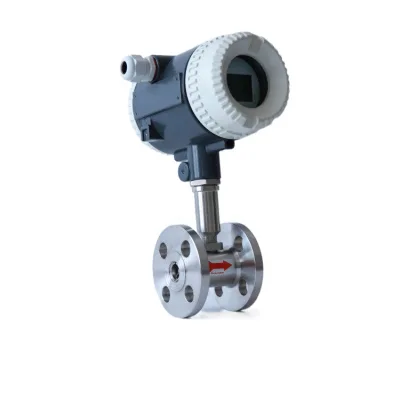
Digital Flanged Pulse Output Alcohol Flowmeter Water Turbine Flow Meter
$211.1866 - $298.1451
MOQ: 1 sets
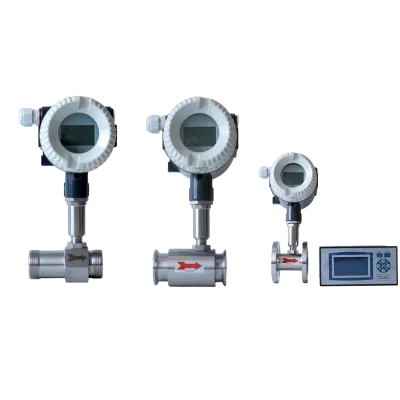

ACE METER TECHNOLOGY CO., LIMITED
- Verified by BV
- Trading Company
- China Liaoning
- Lead time15 days
- Avg. response≤ 2h
Main productsUltrasonic Flow Meter, Electromagnetic Flow Meter, Gas Turbine Flow Meter, Vortex Flow Meter, Thermal Gas Flow Meter, Liquid Turbine Flow Meter, Coriolis Mass Flow Meter, Vortex Precession Flow Meter, Waist Rotary Roots Flow Meter, Positive Displacement Flow Meter
Main marketsEast Asia(Japan/ South Korea),Europe,North America

Pulse Signal Output Gas Turbine Flowmeter Digital Turbine Flow Meter for Compressed Air
$450.00 - $7000.00
MOQ: 1 Pieces

Sensitive Measure Gas Turbine Flowmeter Digital Turbine Flow Meter for Compressed Air
$450.00 - $7000.00
MOQ: 1 Pieces

Fast Deliver Gas Turbine Flowmeter Digital Turbine Flow Meter for Compressed Air
$450.00 - $7000.00
MOQ: 1 Pieces

Pulse Signal Gas Turbine Flowmeter Digital Turbine Flow Meter for Methane
$450.00 - $7000.00
MOQ: 1 Pieces

Pulse Signal Output Gas Turbine Flowmeter Digital Turbine Flow Meter for Natural Gas
$450.00 - $7000.00
MOQ: 1 Pieces

Fast Deliver Gas Turbine Flowmeter Digital Turbine Flow Meter for Methane
$450.00 - $7000.00
MOQ: 1 Pieces

Xi'an Yunyi Instrument Co., Ltd.
- Verified by TUVRHEINLAND
- Combined
- China Shaanxi
- Lead time15 days
- Avg. response≤ 8h
Main productsPressure Transmitter, Pressure Gauge, Temperature Products, Level Meter, Flow Meter, Pressure Calibrator, Piston Dead Weight Teste, Density Meter, Analysis Instrument, Load Cell
Main marketsSouth America,Africa,Southeast Asia/ Mideast,Europe

Shanghai Mac-Beyond Machinery Co., Ltd.
- Verified by SGS
- Trading Company
- China Shanghai
- Lead time0 days
- Avg. response≤ 7h
Main productsFlow Meter, Vane Pump, Fuel Transfer Pump, Oil Nozzle, LPG Gas Pump, Oval Gear Flow Meter, Fuel Dispenser, Tank Truck Spare Parts, Fuel Dispenser Accessories, LPG Compressor

Electronic Diesel Flow Meter Flow Turbines Meter Turbine Water Flowmeter
$200.00 - $210.00
MOQ: 1 Pieces

Electronic Turbine Oil Discharge Diesel Fuel Unloading Digital Flow Meter
$1680.00 - $1780.00
MOQ: 1 Pieces
Chengdu Sentec Technology Co., Ltd.
- Trading Company
- Lead time旺季: "1 - 10":10,"> 10":"To be negotiated", 淡季: "1 - 10":10,"> 10":"To be negotiated"
- Avg. response≤ 6h
Main productssoil sensor,temperature&humidity sensor,PM gas sensor,light and solar radiation sensor,wind sensor
Huaibei Huadian Automation Technology Co., Ltd.
- Manufacturer, Trading Company
- Anhui, China
- Lead time3 days
- Avg. response≤ 1h
Main productsSignal Isolator,Pressure Transmitter,Liquid Level Transmitter,Flow Meter
Main marketsEastern Asia(100.00%), Mid East(100.00%), Oceania(100.00%), Africa(100.00%), Domestic Market(100.00%), South Asia(100.00%), Central America(100.00%), North America(100.00%), Southeast Asia(40.00%), South America(20.00%), Eastern Europe(10.00%), Western Europe(10.00%), Southern Europe(10.00%), Northern Europe(10.00%)
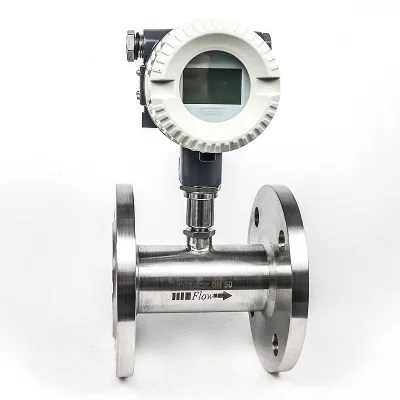
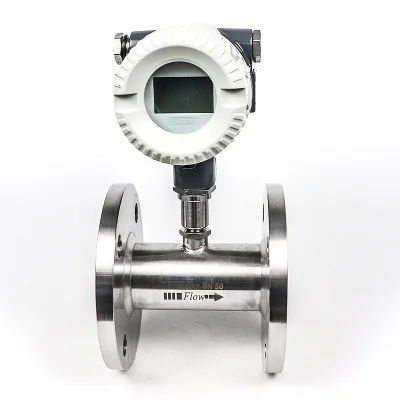
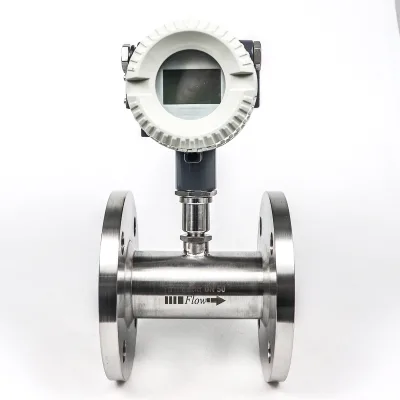
Hot-Selling Digital Milk Turbine Flowmeter With Pulse Output
$296.00 - $328.00
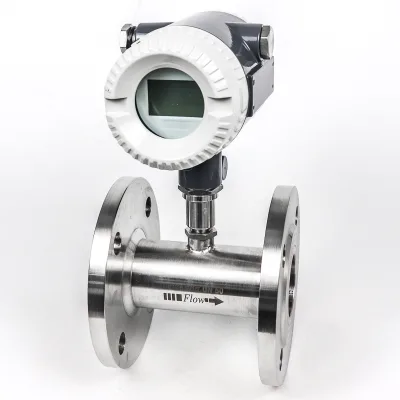
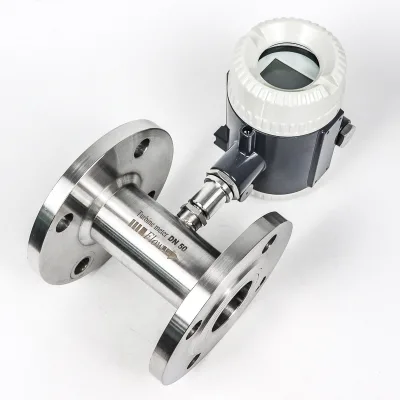
$300.00 - $320.00
MOQ: 1 Minimum
Henan Zhongan Electronic Detection Technology Co., Ltd.
- Verified by TüVRheinland
- Manufacturer, Trading Company
- Lead time5 days
- Avg. response≤ 1h
Main productsGas Detector, Gas Alarm Controller, Outdoor Air Quality Monitoring System, Laser Methane Detector, Flame Detector
Main marketsDomestic Market(41%), North America(9%), South America(9%)
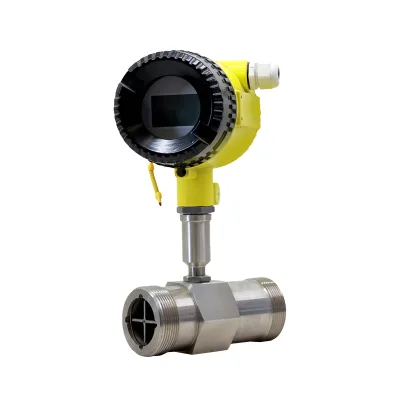
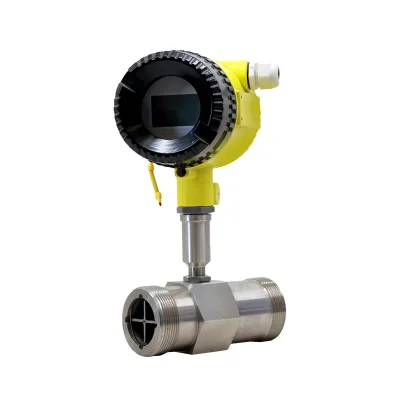
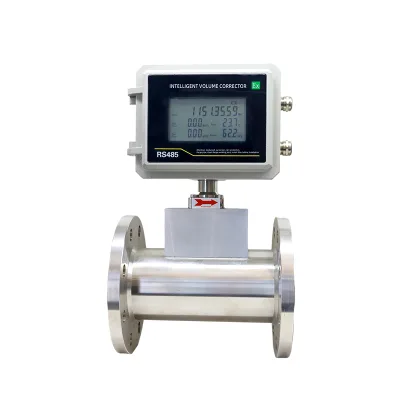
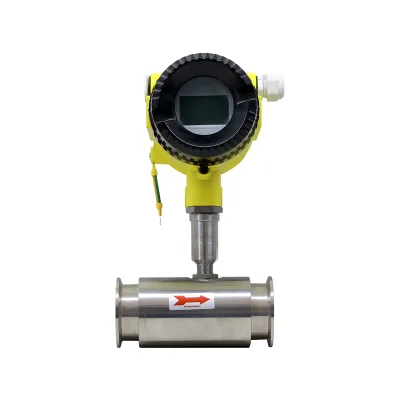
Thread Connection Turbine Flowmeter CE Approved Thread Type Turbine Flow Meter
$189.00 - $239.00
MOQ: 1 pieces

Aister Instrument (Shanghai) Co., Ltd.
- Verified by TUVRHEINLAND
- Manufacturer/Factory
- China Shanghai
- Lead time15 days
- Avg. response≤ 2h
Main productsFlow Meter, Thermal Mass Flow Meter, Turbine Flow Meter, Vortex Flow Meter, Electromagnetic Flow Meter, Gas Roots Flow Meter, Coriolis Flow Meter, Precession Flow Meter, Radar Level Meter, Ultrasonic Flow Meter
Main marketsSouth America,Eastern Europe,Mid East,North America,Southeast Asia,Eastern Asia,Oceania,Western Europe,Africa

Digital Turbine Flowmeter 4-20mA Output Signal Pulse Turbine Nature Gas Flow Meter
$199.00 - $1999.00
MOQ: 1 Pieces

Liquid Turbine Flowmeter Pulse Flow Control Turbine Flow Meter Flowmeter for Liquid
$100.00 - $300.00
MOQ: 1 Pieces

- Verified by SGS
- Manufacturer/Factory
- China Shaanxi
- Lead time0 days
- Avg. response≤ 9h
Main productsPressure Sensor, Pressure Transmitter, Level Measurement, Pressure Transducer, Water Level Sensor, Water Level Meter, Ultrasonic Level Sensor, Radar Level Sensor, Fuel Level Sensor, Flow Meter

Shanghai Cixi Instrument Co., Ltd.
- Verified by BV
- Combined
- China Shanghai
- Lead time15 days
- Avg. response≤ 4h
Main productsFlow Meter, Flow Switch, Pressure Sensor, Level Sensor, Level Meter, pH Meter, Pressure Gauge, Chroline Sensor, Thermocouple, Manometer
Main marketsSouth America,Domestic,Europe,Australia,North America


$220.00 - $999.00
MOQ: 1 Pieces
Kaifeng Aft Instrument Co., Ltd.
- Verified by SGS Group
- Manufacturer, Trading Company
- Lead time5 days
- Avg. response≤ 4h
Main productsFlow Meter, Electromagnetic Flow Meter, Vortex Flow Meter, Turbine Flow Meter, Ultrasonic Flow Meter
Main marketsNorth America(30%), South America(20%), Eastern Europe(10%)
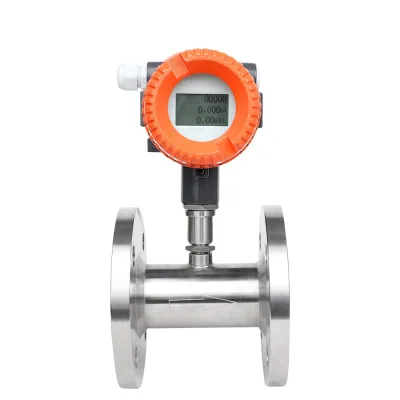
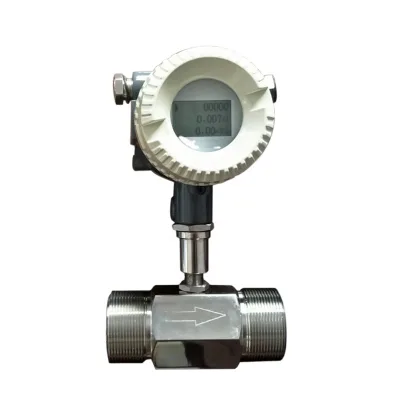
HFO Hot Oil Turbine Flow Meter Fuel Flow Sensor
$180.00 - $200.00
Kaifeng Baite Flow Instrument Co., Ltd.
- Verified by SGS Group
- Manufacturer, Trading Company
- Lead time5 days
- Avg. response≤ 2h
Main productsElectromagnetic Flow Meter, Vortex Flow Meter, Turbine Flow Meter, Thermal Mass Flow Meter, Gear Flow Meter
Main marketsSoutheast Asia(20%), Domestic Market(20%), North America(10%)
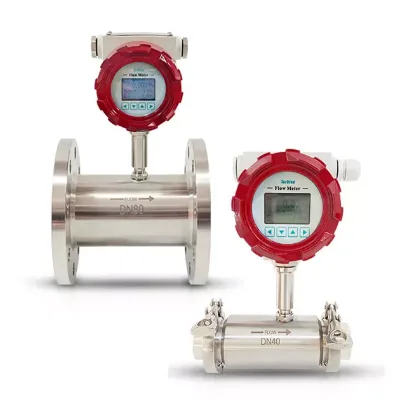
24vdc Power Pulse signal Output Flow Meter Ethanol Turbine Flowmeter
$155.7611 - $290.7535
MOQ: 1 sets
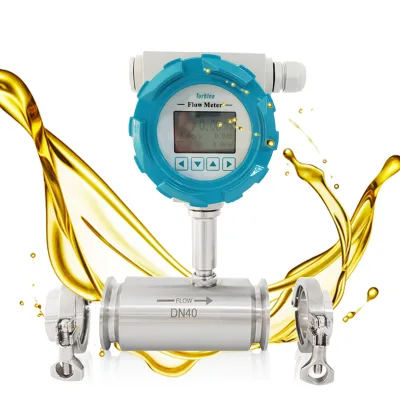
3 Inch High Temperature Clamp Type Liquid Digital Turbine Flow Meter
$291.75 - $325.41

Jiangsu Hualiu Instrument Co., Ltd.
- Verified by SGS
- Combined
- China Jiangsu
- Lead time15 days
- Avg. response≤ 18h
Main productsVortex Flowmeter, Flowmeter, Turbine Flow Meter, Electromagnetic Flow Meter, Gas Roots Flow Meter, Thermal Gas Mass Flow Meters
Main marketsDomestic


Digital Gas Turbine Flowmeter with 4-20mA Output and RS485 Communication
$150.00 - $6000.00
MOQ: 1 Pieces

Chengdu Becho Science And Technology Co., Ltd.
- Trading Company
- Sichuan, China
- Lead time10 days
- Avg. response≤ 4h
Main productsFlow meter,Level sensor,Pressure sensor,Water quality sensor,Temperature sensor
Main marketsEastern Asia(20.00%), South Asia(20.00%), Domestic Market(10.00%), Southeast Asia(10.00%), South America(10.00%), North America(10.00%), Africa(5.00%), Northern Europe(5.00%), Western Europe(5.00%), Eastern Europe(5.00%)
Kaifeng Philemon Instrument Co., Ltd.
- Verified by TüVRheinland
- Manufacturer, Trading Company
- Lead time15 days
- Avg. response≤ 1h
Main productsUltrasonic Flow Meter, Ultrasonic Level Meter, Radar Level Meter, Electromagnetic Flow Meter, Vortex Flow Meter
Main marketsNorth America(16%), South America(15%), Western Europe(15%)

WEIHAI KUNKE FLOW INSTRUMENT CO., LTD.
- Verified by BV
- Trading Company,Manufacturer/Factory
- China Shandong
- Lead time23 days
- Avg. response≤ 15h
Main productsVortex Flow Meter, Liquid Turbine Flow Meter, Thermal Gas Mass Flow Meter, Electromagnetic Flowmeter, Gas Turbine Flow Meter, Roots Flow Meter, Mass Flowmeter
Main marketsSouth America,Eastern Europe,Mid East,Southeast Asia,Eastern Asia,Oceania
Wuhu Jujie International Trade Co., Ltd.
- Verified by SGS Group
- Manufacturer, Trading Company
- Lead time10 days
- Avg. response≤ 2h
Main productsFlow Meter, Data Logger, Water Quality Environment Instrument, Liquid Level Meter, Batch Filling Control System
Main marketsNorth America(10%), South America(10%), Eastern Europe(10%)
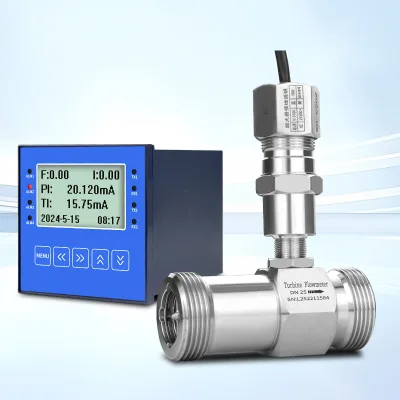
$67.7113 - $156.2558
MOQ: 1 cartons
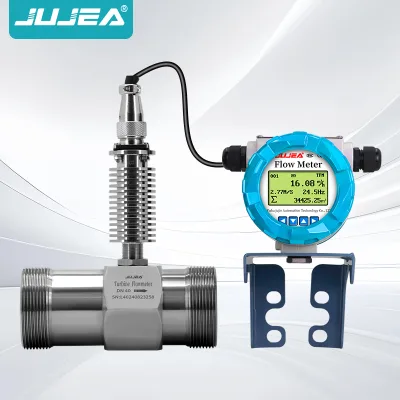
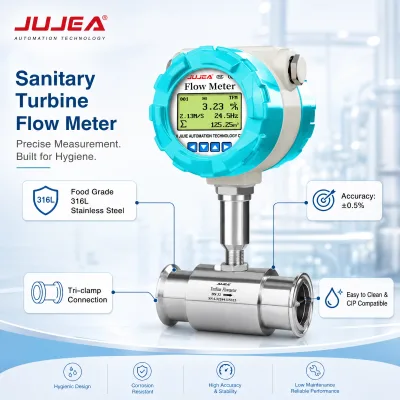
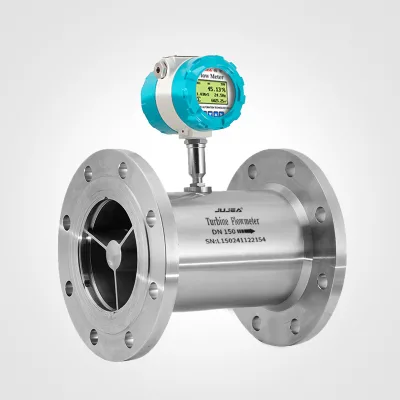
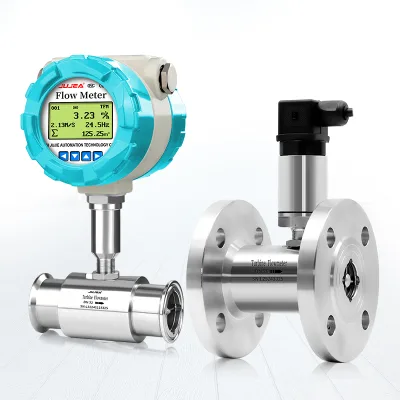

Wuhu Jujie International Trade Co., LTD
- Verified by TUVRHEINLAND
- Trading Company,Manufacturer/Factory
- China Anhui
- Lead time15 days
- Avg. response≤ 3h
Main productsLiquid Turbine Flow Meter, Electromagnetic Flow Meter, Vortex Flow Meter, Pression Vortex Flow Meter, Gas Turbine Flow Meter, Data Recorder, Ultrasonic Fow Meter, Ultrasonic Level Meter, Oval Gear Flow Meter, Batch Filling Controller
Main marketsSouth America,Eastern Europe,Mid East,North America,Southeast Asia,Eastern Asia,Oceania,Western Europe,Africa

Digital Turbine Flowmeter with Pulse 4-20mA RS485 Output Smart Flow Meter
$160.00 - $240.00
MOQ: 1 Pieces


Flow Meter Digital Display Air Turbine Flowmeter High Accuracy 304ss 4-20mA
$1100.00 - $1300.00
MOQ: 1 Pieces
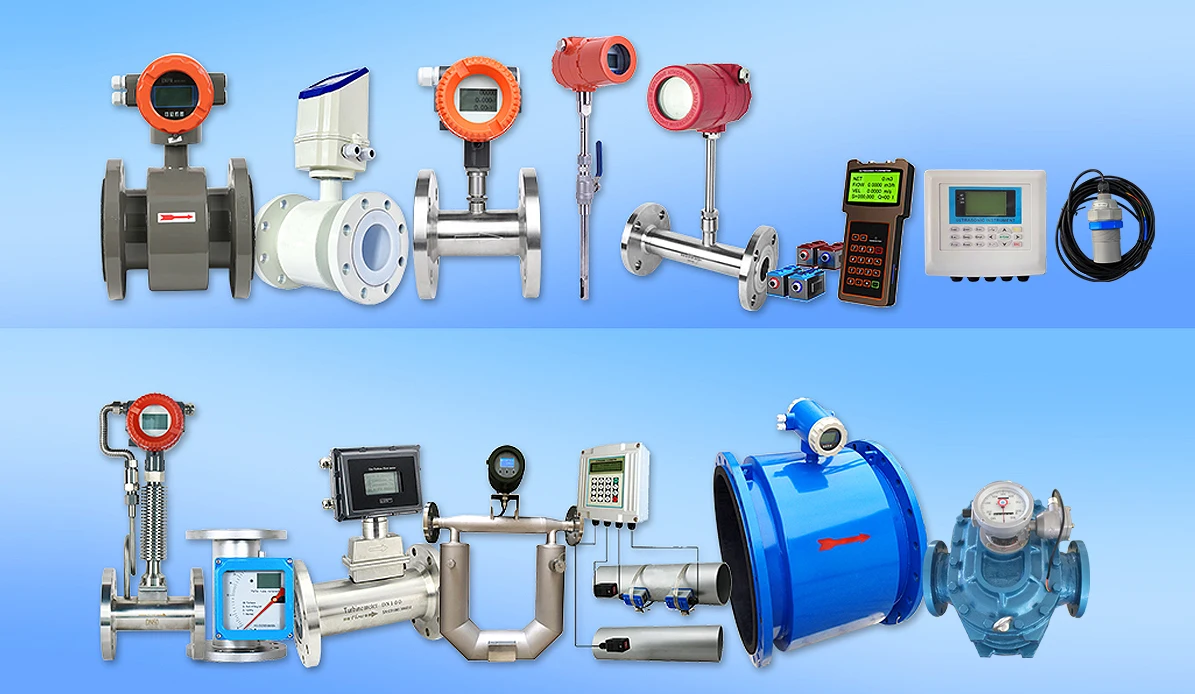
Kaifeng Huabang Instrument Co., Ltd.
- Manufacturer
- Henan, China
- Lead time7 days
- Avg. response≤ 2h
Main productsHBYB-flow instrument,Electromagnetic Flowmeter,Vortex flowmeter,Turbine flowmeter,Steam flowmeter
Main marketsCentral America(20.00%), Northern Europe(10.00%), Domestic Market(10.00%), Eastern Asia(10.00%), South Asia(10.00%), Southern Europe(10.00%), Western Europe(7.00%), Mid East(5.00%), Oceania(4.00%), Africa(4.00%), Southeast Asia(4.00%), North America(2.00%), Eastern Europe(2.00%), South America(2.00%)
Hangzhou Meacon Automation Technology Co., Ltd.
- Manufacturer, Trading Company
- Zhejiang, China
- Lead time7 days
- Avg. response≤ 8h
Main productsFlow Meter, Level Transmitter, Liquid Analysis, Pressure Transmitter, Recorder
Main marketsSoutheast Asia(20.00%), Eastern Asia(15.00%), South America(15.00%), Oceania(10.00%), North America(5.00%), Western Europe(5.00%), Southern Europe(5.00%), Central America(5.00%), Africa(5.00%), Eastern Europe(5.00%), Mid East(5.00%), Northern Europe(3.00%), South Asia(2.00%), Domestic Market(0.00%)
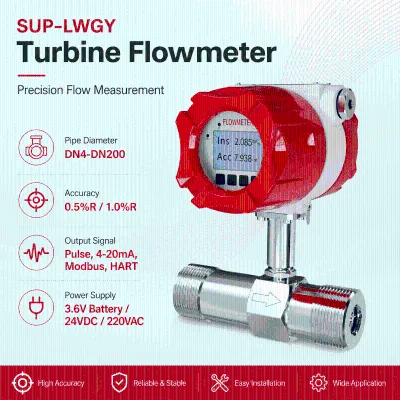
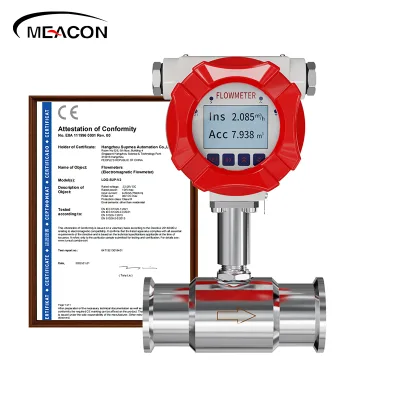
Refineries Tank Transfer Flowmeters RS485 Turbine Flow Meter for Oil & Gas Industry
$207.4736 - $414.9472
MOQ: 1 pieces

Ningbo KIO Flow Instruments Co.,Ltd.
- Verified by BV
- Combined
- China Zhejiang
- Lead time15 days
- Avg. response≤ 16h
Main productsFlow Meter, Rotameter, Instruments, Electromagnetic Flowmeter, Oriflice Plate Flowmeter, Acrylic Flowmeter, Turbine Transducer, Solenoid Valves, Liquid Flowmeter, Paddle Switch
Main marketsSouth America,Domestic
Shanghai Ang Ji Instrument Technology Co., Ltd.
- Manufacturer, Trading Company
- Shanghai, China
- Lead time10 days
- Avg. response≤ 6h
Main productsVortex Flow Meter Transmitter,Liquid Turbine Converter,PCB of Flow Meter,Thermal Gas Mass Flow Converter,Flow Totalizer
Main marketsDomestic Market(60.00%), Southeast Asia(25.00%), Eastern Asia(10.00%), North America(4.00%), Central America(1.00%)
Anhui Jujie Automation Technology Co., Ltd.
- Verified by SGS Group
- Manufacturer, Trading Company
- Lead time7 days
- Avg. response≤ 1h
Main productsTurbine Flow Meter, Electromagnetic Flow Meter, Vortex Flow Meter, Precession Vortex Flow Meter, Data Logger
Main marketsDomestic Market(50%), North America(10%), Southeast Asia(10%)
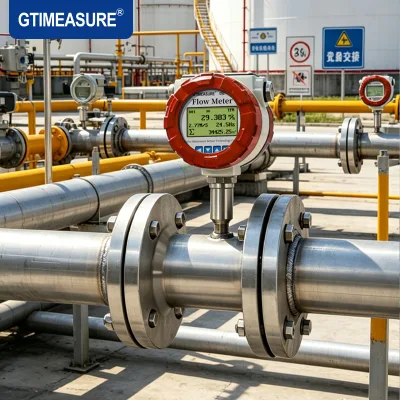
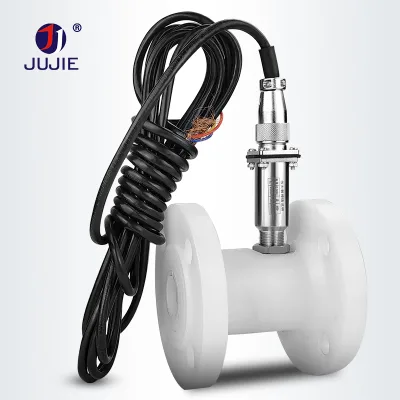
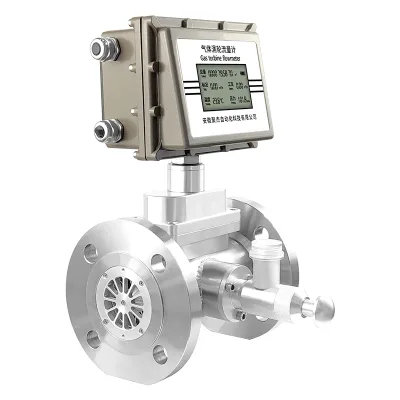
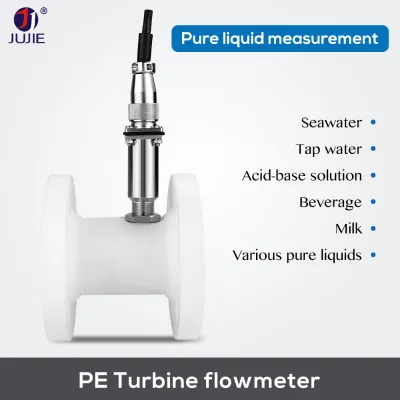
$92.3414 - $112.8612
MOQ: 1 units

Cold Valley Intelligent Technology (Shanghai) Co., Ltd.
- Verified by SGS
- Trading Company
- China Shanghai
- Lead time60 days
- Avg. response≤ 14h
Main productsTransmitter, Battery, Valve, Movicon, Pressure Transmitter, Temp Transmitter, Lever Transmitter, Radar Transmitter, Flow Transmitter, Wireless Transmitter
Main marketsSoutheast Asia/ Mideast
Hebei Yuhan Electronic Technology Co., Ltd.
- Trading Company
- Hebei, China
- Lead time15 days
- Avg. response≤ 4h
Main productsRadar level gauge,Ultrasonic heat meter,Water Meter,Flow Meter,Water quality tester
Main marketsAfrica(30.00%), North America(30.00%), South America(20.00%), Central America(10.00%), Southeast Asia(5.00%), Mid East(5.00%)
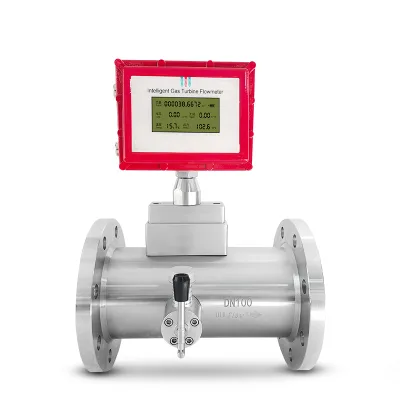
High Accuracy Gas Turbine Flow Meter Flowmeter for Natural Gas, Fuel Gas, LPG
$299.00 - $450.00
MOQ: 20 pieces
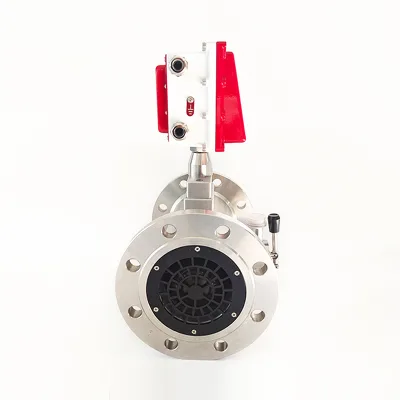
RS485 Output Diesel Fuel Oil Turbine Flow Meter Flowmeter for Gas Air Steam
$299.00 - $490.00
MOQ: 20 pieces
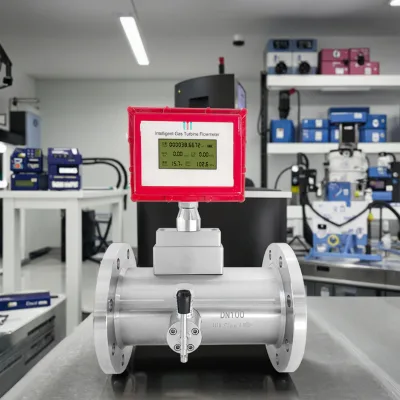
High-Exposure Gas Turbine Flow Meter with ±0.1 Accuracy for Wide Flow Range Measurement
$255.00 - $270.00
MOQ: 10 pieces
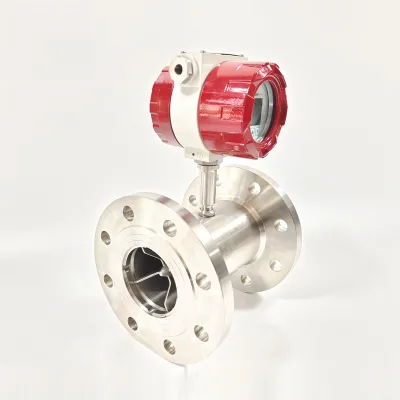

Mega-Tek Instrument (Chengdu) Co., Ltd.
- Verified by SGS
- Combined
- China Sichuan
- Lead time15 days
- Avg. response≤ 3h
Main productsPressure Transmitter, Temperature Transmitter, Level Gauge, Flowmeter, Analyzer, Level Switch, Pressure Gauge, Temperature Senser, Level Transmitter, Flow Switch
Main marketsSouth America,Southeast Asia/ Mideast,Domestic,Europe
Jiaxing Hongju Electronic Technology Co., Ltd.
- Manufacturer
- Zhejiang, China
- Lead time0 days
- Avg. response≤ 3h
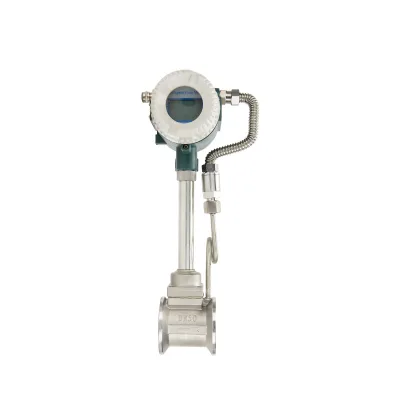
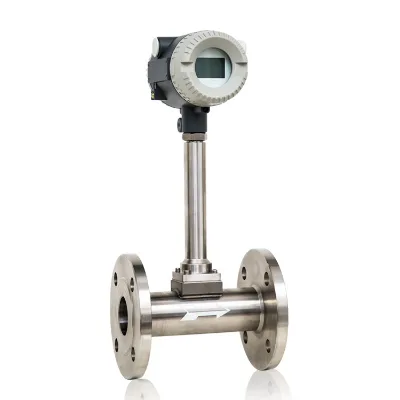
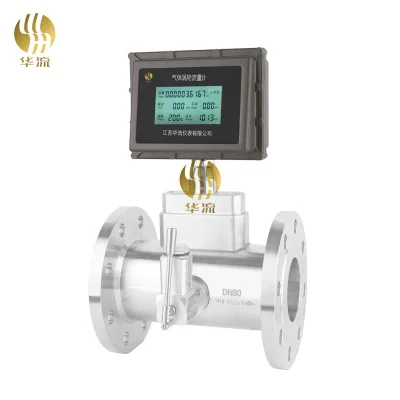
$55.24 - $1960.89
MOQ: 1 Minimum

Shanghai Kuosi Electronic Co., Ltd.
- Trading Company,Manufacturer/Factory
- China Shanghai
- Lead time15 days
- Avg. response≤ 17h
Main productsDosing Pump, Diaphragm Pump, Water Quality Analyzer, Dosing System, Flow Meter, Liquid Mixer, Water Pump, Chemical Pump, Filter Press, Solenoid Valve
Main marketsSouth America,Eastern Europe,Mid East,North America,Southeast Asia,Eastern Asia,Oceania,Western Europe,Africa


High Precision Electronic Digital Pulser Turbine Diesel Oil Fuel Flow Meter
$187.00 - $573.00
MOQ: 1 Pieces


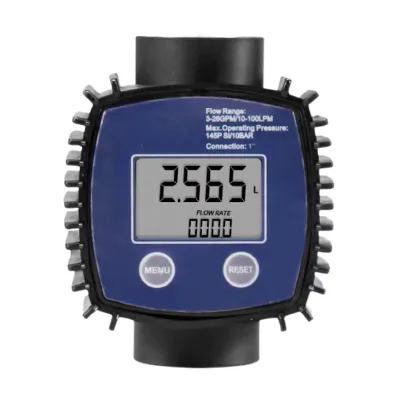
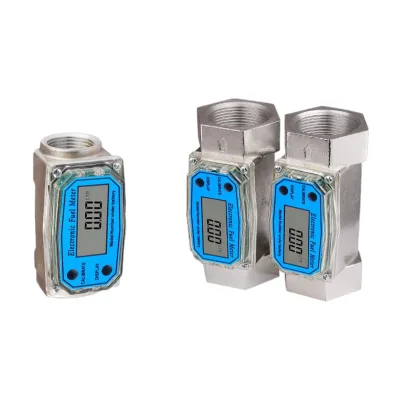
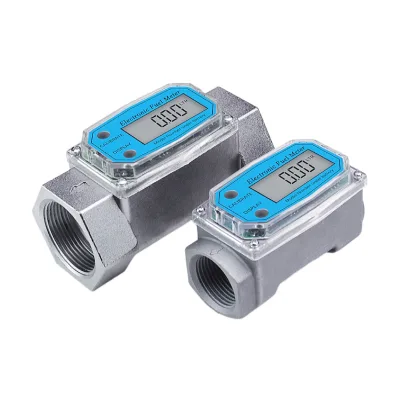


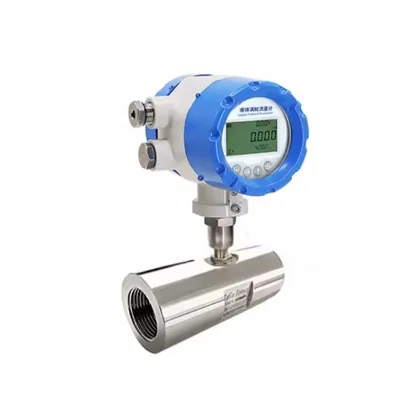
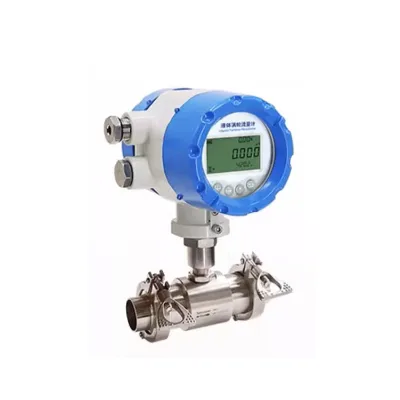
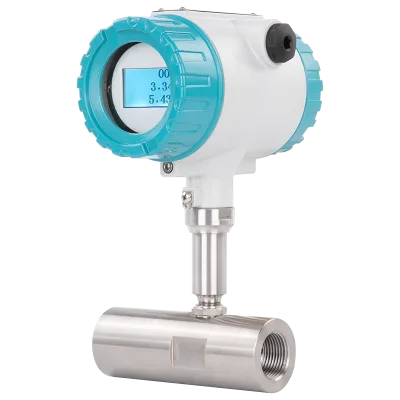


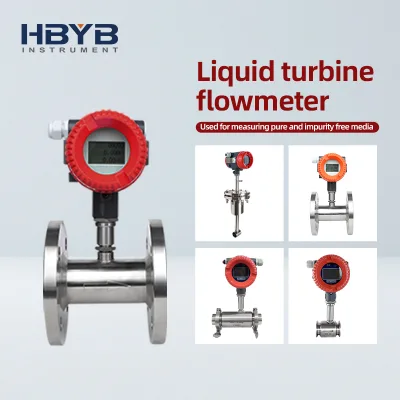


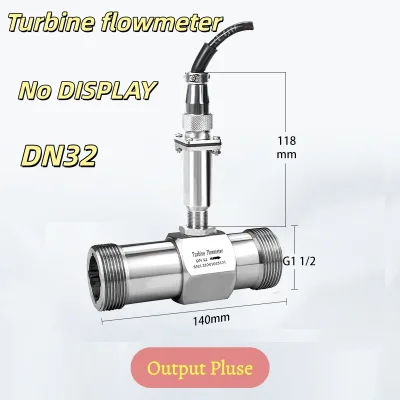
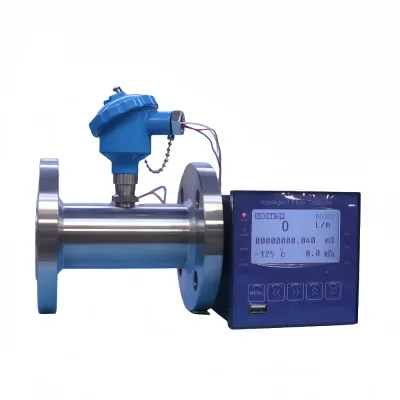
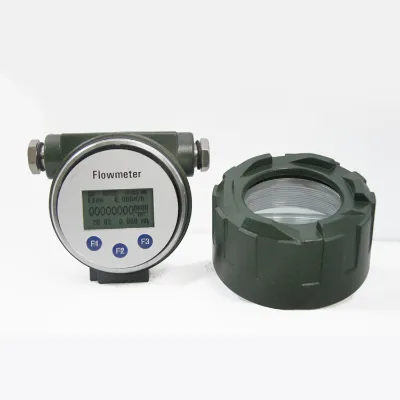


Comprehensive Sourcing Guide
Digital Pulse Output Turbine Flowmeter Supplier Concentration and Factory Types
The current supplier landscape for digital pulse output turbine flowmeters reveals a distinct concentration of manufacturing and trading entities within specific industrial hubs in China. Evidence indicates that a significant portion of these suppliers are located in Shanghai, a region known for its robust instrumentation manufacturing base. This geographic clustering suggests that buyers seeking these specific flow measurement devices will likely encounter a high density of potential partners in this area. The presence of manufacturers in Shanghai implies access to established supply chains for critical components such as stainless steel housings, LCD displays, and precision turbine rotors. For buyers evaluating these options, understanding that Shanghai is a verified location for these suppliers provides a concrete starting point for logistical planning and supplier vetting. It allows for a more targeted search strategy, focusing on entities that have already established a physical presence in a recognized industrial center. This concentration does not guarantee quality, but it does offer a verifiable geographic anchor for initial supplier identification. Buyers should note that while Shanghai is a confirmed location, other regions may also host capable producers, though specific data for those areas is not currently available in the provided results. The focus on Shanghai allows for a more precise assessment of local logistics and potential factory visits, should that be part of the procurement strategy.
In addition to geographic concentration, the types of companies offering these flowmeters vary, encompassing both pure manufacturers and trading companies. The data shows that suppliers are categorized as either Manufacturers or Trading Companies, with some entities identified as Combined types. This distinction is crucial for buyers because it directly impacts pricing structures, communication channels, and technical support capabilities. Manufacturers typically offer more direct access to engineering teams and potentially lower unit costs due to the absence of intermediary margins. Trading companies, on the other hand, may provide a broader portfolio of related instrumentation, such as level transmitters or pressure sensors, which can simplify sourcing for buyers with multiple needs. The presence of Combined entities suggests a hybrid model where a company may manufacture core components while trading complementary products. Buyers must carefully distinguish between these types to align their procurement goals with the supplier’s actual capabilities. For instance, if a buyer requires extensive OEM customization, a manufacturer or a Combined entity with strong OEM/ODM support is preferable. If the need is for quick procurement of standard items, a trading company might offer faster service. The evidence highlights that customized support options like OEM, ODM, and OBM are available, indicating that many suppliers are flexible in their production models. This flexibility allows buyers to tailor the Digital Pulse Output Turbine Flowmeter to their specific application requirements, whether for industrial slurries or food-grade liquids.
How to Verify Digital Pulse Output Turbine Flowmeter Suppliers
Verifying the legitimacy and capability of suppliers for digital pulse output turbine flowmeters requires a multi-layered approach that goes beyond simple profile reviews. One critical step is to check for third-party verification badges, such as those from TÜV Rheinland, which indicate that a supplier has undergone rigorous audits of their business operations and manufacturing capabilities. The presence of such verification provides a higher degree of confidence in the supplier’s stability and compliance with international business standards. Buyers should prioritize suppliers who display these verified badges, as they have been independently assessed for authenticity. Additionally, examining the supplier’s certification portfolio is essential. Evidence shows that some suppliers hold ISO9001:2015 certificates, which attest to their quality management systems. For flowmeters used in hazardous environments, certifications like ATEX for explosion-proof ratings are critical. Buyers must ensure that the certifications listed match the specific requirements of their application, such as RoHS, CE, or DIN standards. These certifications are not just paperwork; they represent adherence to strict manufacturing and safety protocols that ensure the reliability of the Digital Pulse Output Turbine Flowmeter in real-world conditions.
Beyond certifications, buyers should assess the supplier’s responsiveness and technical support infrastructure. The response time is a key indicator of how quickly a supplier can address inquiries, provide quotations, or resolve post-sales issues. Data indicates that response times can vary, with some suppliers responding within a few hours, while others may take longer. A faster response time often correlates with a more dedicated sales and technical team, which is vital for complex instrumentation purchases. Buyers should also look for suppliers that offer 24/7 technical support, as this ensures that any operational issues with the flowmeter can be addressed promptly. Furthermore, verifying the supplier’s ability to provide localization services and detailed technical documentation is important. The evidence suggests that some suppliers offer comprehensive technical support, including 7*24h assistance and door-to-door delivery options. These services reduce the risk of miscommunication and ensure that the Digital Pulse Output Turbine Flowmeter is installed and calibrated correctly. Buyers should request samples or detailed product datasheets to verify the accuracy and reliability of the pulse output signal before committing to large orders. This due diligence helps mitigate the risk of receiving substandard products that do not meet the specified accuracy or durability requirements.
What to Compare Across Digital Pulse Output Turbine Flowmeter Suppliers
When evaluating multiple suppliers for digital pulse output turbine flowmeters, buyers must compare a range of technical and commercial attributes to identify the best fit for their needs. One of the most critical technical specifications is the accuracy of the flowmeter. The evidence shows that accuracy ratings can vary, with options including ±0.5%, ±1%, and even ±0.2-0.5% for more precise models. Buyers should select a supplier whose accuracy rating aligns with their process control requirements. Additionally, the material of construction is a key differentiator, with options ranging from standard stainless steel to more specialized alloys. For applications involving corrosive liquids or high-temperature fluids, suppliers offering food-grade or high-pressure resistant materials are essential. The evidence indicates that some flowmeters are designed for industrial applications measuring slurries, with max pressures up to 1000bar. Buyers must ensure that the supplier’s product specifications match their operational environment, including temperature ranges up to 200C and compatibility with various media such as water, diesel, or chemical fluids. Comparing these technical details across suppliers helps in narrowing down the options to those that can reliably perform in the intended application.
Commercial terms and logistical capabilities are equally important in the comparison process. Lead times and minimum order quantities (MOQ) vary significantly among suppliers. Some suppliers offer an MOQ of just one unit, which is ideal for prototyping or small-scale testing, while others may have higher MOQs for bulk orders. Lead times can range from a few days to several weeks, depending on the supplier’s production capacity and current order backlog. Buyers should compare these timelines to ensure they align with their project schedules. Pricing is another critical factor, with price ranges varying based on the model, material, and customization options. Evidence shows price points ranging from approximately $119 to over $1000, depending on the complexity and features of the flowmeter. Buyers should request detailed quotations that break down costs for the unit, shipping, and any customization fees. Additionally, comparing the warranty periods offered by different suppliers is important, as some provide up to three years of coverage while others offer only one year. A longer warranty can indicate higher confidence in product durability and provide better protection for the buyer’s investment. By systematically comparing these technical and commercial attributes, buyers can make an informed decision that balances performance, cost, and risk.
Common Digital Pulse Output Turbine Flowmeter Sourcing Risks
Sourcing digital pulse output turbine flowmeters from international suppliers introduces several risks that buyers must proactively manage to ensure a successful procurement. One significant risk is the potential mismatch between the supplier’s advertised specifications and the actual product performance. While evidence shows that suppliers claim high accuracy and durability, buyers must verify these claims through independent testing or third-party inspections. There is a risk that the pulse output signal may not be stable or accurate under varying flow conditions, leading to measurement errors in the buyer’s process. This risk is particularly acute when dealing with suppliers who do not provide detailed technical documentation or who have limited experience with the specific application. Buyers should mitigate this risk by requesting detailed calibration certificates and performance data sheets from the supplier. Additionally, verifying the supplier’s ability to handle complex media, such as corrosive liquids or high-viscosity slurries, is crucial. If the supplier’s product is not designed for the specific medium, it could lead to premature failure or inaccurate readings. Buyers should ensure that the flowmeter’s material and design are compatible with their process conditions to avoid costly downtime and replacement costs.
Another common risk is the variability in after-sales support and warranty fulfillment. While some suppliers offer comprehensive technical support and long warranty periods, others may have limited resources for post-sales assistance. If a Digital Pulse Output Turbine Flowmeter fails or requires recalibration, the buyer may face delays in receiving support or replacement parts. This risk is heightened when dealing with trading companies that may not have direct control over the manufacturing process. Buyers should assess the supplier’s support infrastructure, including their technical support hours and localization services, before placing an order. Additionally, there is a risk related to shipping and logistics, especially for heavy or fragile instrumentation. Evidence shows that single package weights can vary, with some units weighing up to 12 kg. Buyers must ensure that the supplier uses appropriate packaging to prevent damage during transit. Verifying the shipping method and insurance coverage is also important to protect against loss or damage. By identifying and addressing these risks early in the sourcing process, buyers can minimize disruptions and ensure the reliable operation of their digital pulse output turbine flowmeters.
Digital Pulse Output Turbine Flowmeter Regional Sourcing and Logistics
Regional sourcing plays a pivotal role in determining the logistics and overall cost structure for digital pulse output turbine flowmeters. The evidence indicates that a significant number of suppliers are located in Shanghai, China, which serves as a major hub for instrumentation manufacturing. This geographic concentration offers logistical advantages, such as proximity to major ports and established shipping routes, which can reduce transit times and costs. Buyers sourcing from Shanghai-based suppliers can benefit from efficient supply chain networks that facilitate faster delivery and easier coordination of shipments. However, buyers should also consider the potential for sourcing from other regions, such as Anhui, where some suppliers are located. While specific logistical data for Anhui is less detailed, it is important to evaluate the local infrastructure and shipping options available in that region. Buyers should compare the shipping costs and lead times associated with different supplier locations to determine the most cost-effective option. Additionally, considering the single package dimensions and weights provided by suppliers can help in planning logistics and storage. For instance, packages measuring 57x28x22 cm or 40x30x30 cm require specific handling and storage considerations.
Logistics planning also involves understanding the shipping methods offered by suppliers. Evidence shows that some suppliers provide door-to-door delivery services, which can simplify the procurement process by handling customs clearance and final delivery. This service is particularly beneficial for buyers who lack experience with international shipping or who want to minimize administrative burdens. Buyers should verify whether the door-to-door service includes insurance and tracking, ensuring that the Digital Pulse Output Turbine Flowmeter arrives safely and on time. Additionally, considering the power supply requirements of the flowmeter, such as 220VAC or 24VDC, is important for ensuring compatibility with the buyer’s local electrical infrastructure. Buyers should confirm that the supplier’s products meet the voltage and frequency standards of their region to avoid the need for additional transformers or adapters. By carefully evaluating the regional sourcing options and logistical capabilities of suppliers, buyers can optimize their supply chain and ensure the timely and cost-effective delivery of their digital pulse output turbine flowmeters. This proactive approach to logistics planning helps mitigate potential delays and ensures that the procurement process runs smoothly from order
FAQs
What is the typical response time for suppliers in Shanghai?
Suppliers located in Shanghai, China typically respond within 3 hours. This rapid response ensures quick communication regarding product specifications and order status. Buyers should verify specific response times with individual vendors before placing orders to confirm service levels.
What are the standard lead times for turbine flow meters?
Standard lead times for these products range from 5 to 15 days depending on the supplier. Some manufacturers in Shanghai offer faster delivery, while others in Anhui may require up to 15 days. Buyers must confirm the exact delivery schedule with the specific vendor.
What accuracy levels are available for digital pulse output turbine flowmeters?
Available accuracy levels for these flowmeters include ±0.5%, ±1%, ±1.5%, and ±2%. Some high-precision models offer accuracy as tight as ±0.2% to ±0.5%. The specific accuracy depends on the model and application requirements, so verify the datasheet for your needs.
What materials are used to construct these flow meters?
These flow meters are commonly constructed from Stainless Steel, Aluminum Alloy, ABS, Plastic, and Metal alloys. Stainless Steel is frequently used for corrosive liquids and food-grade applications. Buyers should check the material specifications to ensure compatibility with their specific fluid media.
What is the minimum order quantity for these flow meters?
The minimum order quantity for these flow meters is 1 unit. This low MOQ allows buyers to test products or purchase small batches without significant inventory commitment. Suppliers generally accept single item orders, making it suitable for prototyping or small-scale industrial applications.
What certifications do these flow meters typically hold?
These flow meters often hold ISO9001:2015, RoHS, CE, GB, ANSI, DIN, and JIS certifications. Some suppliers also provide ATEX explosion-proof certification for hazardous environments. Buyers should request valid certificates to ensure compliance with local regulations and industry standards for their specific projects.
What is the price range for digital pulse output turbine flowmeters?
The price range for these flow meters typically spans from $100 to $1000 per unit. Specific models may cost between $119 and $539, while others range from $150 to $369. Prices vary based on accuracy, material, and connection size, so request a quote for the exact model.
What customization options are available for these flow meters?
Suppliers offer OEM, ODM, and OBM customization support for these flow meters. Buyers can request specific branding, custom packaging, or tailored technical specifications. The availability of customization depends on the supplier type, so confirm the specific support options with the manufacturer before finalizing the order.