Astronomical Observation Astromaster Telescope Suppliers and Manufacturers
Compare 25 suppliers of Astronomical Observation Astromaster Telescope products from Chongqing, China. Review lead times, certifications, and pricing for refractor and reflector models before requesting quotes to ensure specifications match your needs; review the available evidence before requesting comparable quotations from suitable candidates.
Updated
Suppliers List

Chongqing Dontop Optics Co., Ltd.
- Trading Company,Manufacturer/Factory
- China Chongqing
- Lead time38 days
- Avg. response≤ 5h
Main productsBinoculars, Rifle Scope, Range Finder, Spotting Scope, Telescope, Lenses, Red DOT, Night Vision, Monoculars, Mount
Main marketsSouth America,Eastern Europe,Mid East,North America,Southeast Asia,Eastern Asia,Oceania,Western Europe,Africa


Telescopio Astronomico Professional High Power Optical Refractor Astronomical Telescope
$300.00 - $390.00
MOQ: 1 PCS


Chengdu Xingkeda Optical Instrument Co., Ltd.
- Trading Company
- Sichuan, China
- Lead time15 days
- Avg. response≤ 15h
Main productsAstronomical Telescope,Binocular telescope,Monocular telescope,Spotting scope,Telescopic sight
Main marketsNorth America(20.00%), Mid East(15.00%), Domestic Market(12.00%), Central America(12.00%), Northern Europe(10.00%), South America(8.00%), Eastern Europe(6.00%), Oceania(5.00%), Eastern Asia(3.00%), Western Europe(3.00%), South Asia(2.00%), Africa(2.00%), Southeast Asia(1.00%), Southern Europe(1.00%)
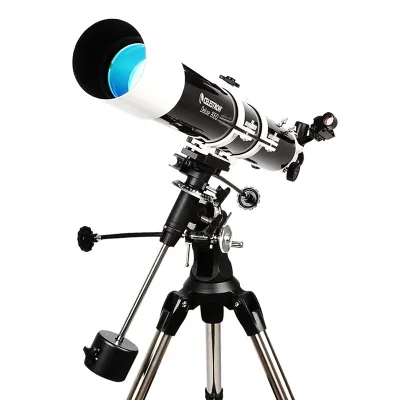
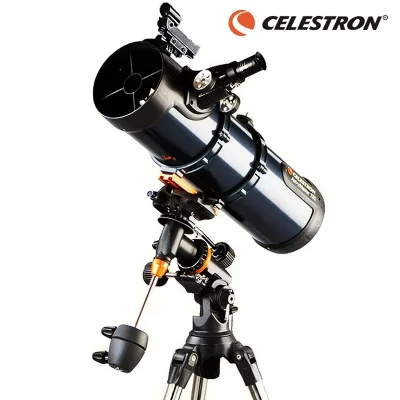
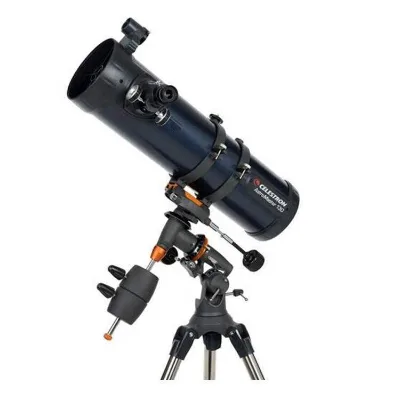
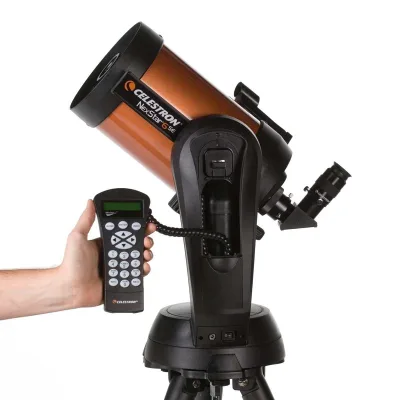
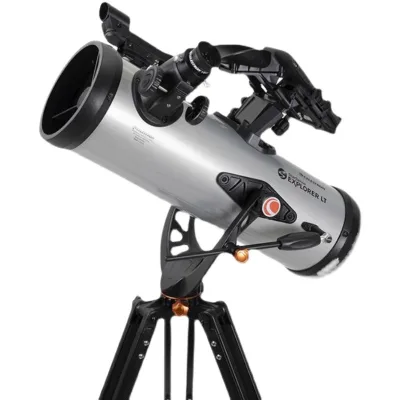
MOQ: 15 Minimum
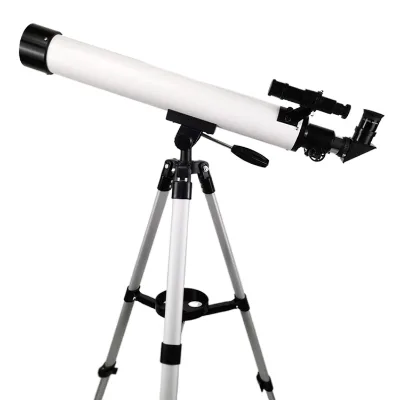

Chengdu Lucrehulk Optical Technology Co., Ltd.
- Manufacturer, Trading Company
- Sichuan, China
- Lead time0 days
- Avg. response≤ 2h
Main productsBinoculars,Night Vision,Spotting Scope,Range Finder,Astronomical Telescope
Main marketsDomestic Market(100.00%)
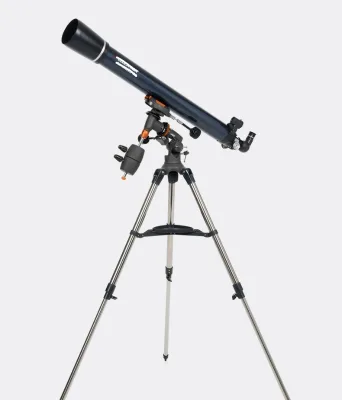
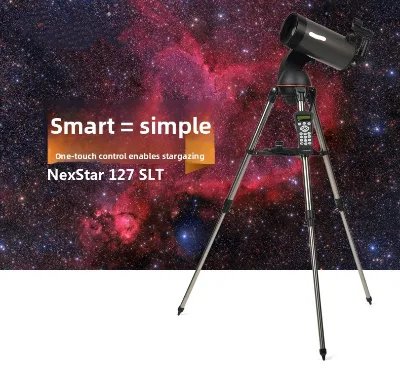
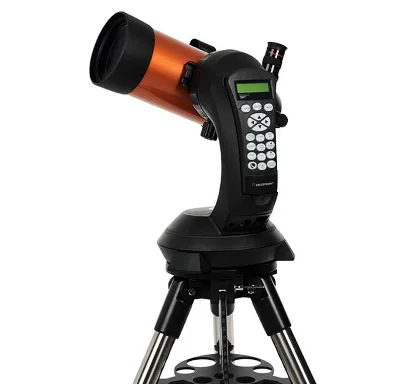
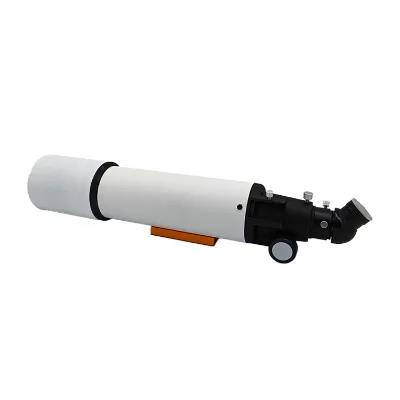
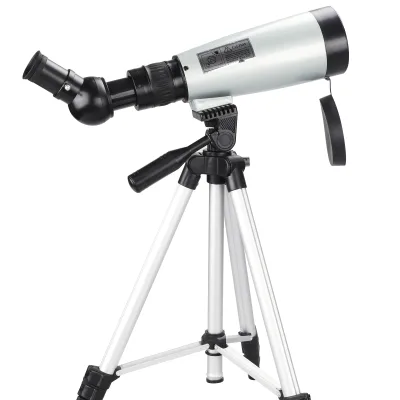
$32.7756 - $38.9395
MOQ: 50 pieces
Shaoxing Beant Import & Export Co., Ltd.
- Trading Company
- Zhejiang, China
- Lead time0 days
- Avg. response≤ 2h
Main productsLab equipments,Lab plastic ware,Lab glassware,Teaching aids,Medical consumables
Main marketsNorth America(13.00%), Eastern Asia(12.00%), Southeast Asia(11.00%), Western Europe(9.00%), Central America(9.00%), South Asia(9.00%), South America(8.00%), Eastern Europe(7.00%), Africa(6.00%), Domestic Market(5.00%), Southern Europe(3.00%), Northern Europe(3.00%), Mid East(3.00%), Oceania(2.00%)
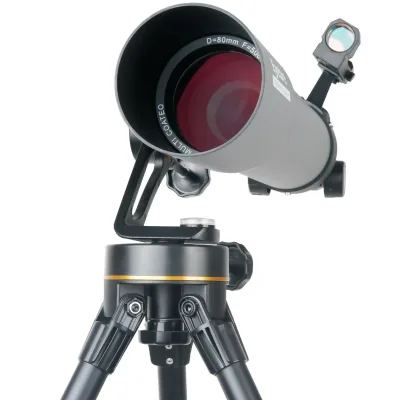
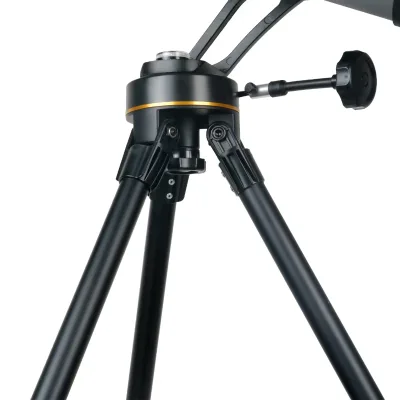
High Magnification HD 50080 Astronomical Telescope, Professional Outdoor Stargazing Telescope
$100.00 - $149.00
MOQ: 1 pieces
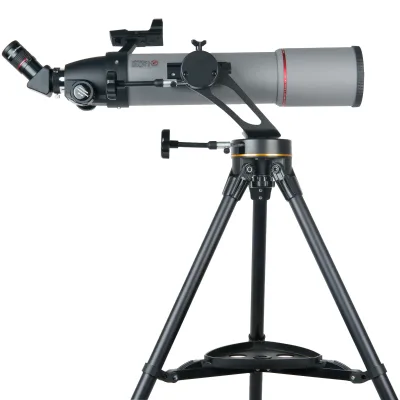
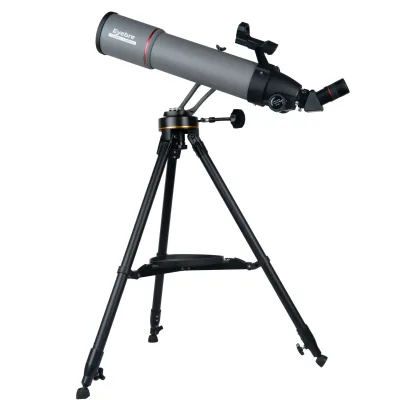
$102.9528 - $153.4002
MOQ: 1 pieces
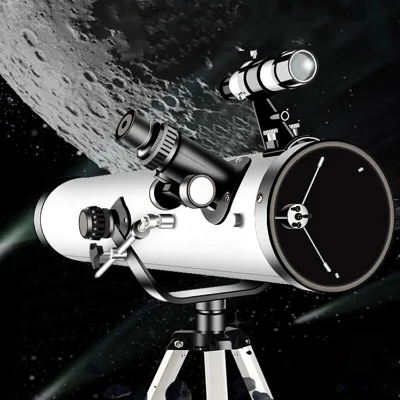
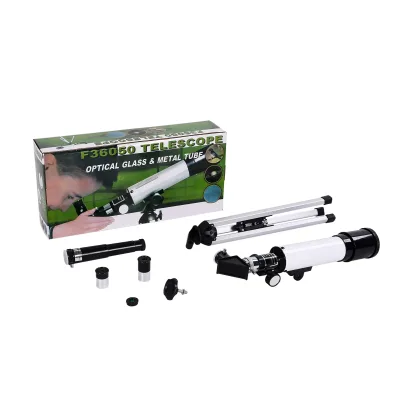
Nanyang Ldoptic Instrument Co., Ltd.
- Manufacturer, Trading Company
- Henan, China
- Lead time0 days
- Avg. response≤ 6h
Main productsMicroscope,Telescope,Lens,Magnifier
Main marketsNorth America(30.00%)
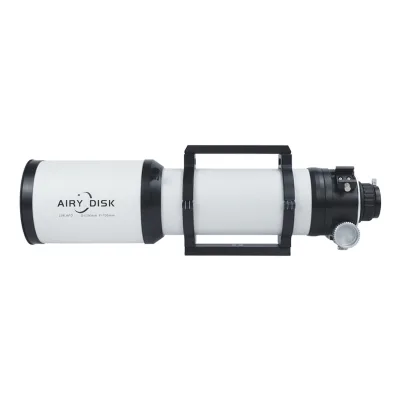
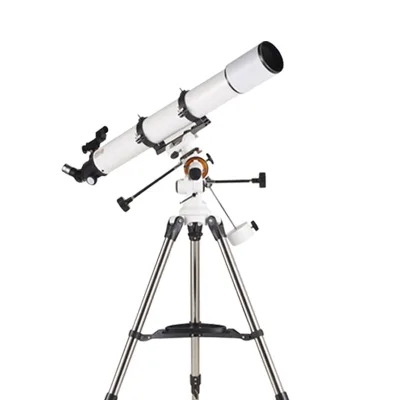
80900 Professional Astronomical Telescope High Resolution Reflector Telescope
$95.00 - $115.00
MOQ: 6 pieces

Ningbo Yaki Optical Instrument Co., Ltd.
- Combined
- China Zhejiang
- Lead time45 days
- Avg. response≤ 6h
Main productsMicroscope, Magnifier, Telescope, Binoculars, Student Microscope, LED Microscope, USB Microscope, Mini Microscope, Microscope Ring Light, Microscope Camera
Main marketsSouth America,Southeast Asia/ Mideast,East Asia(Japan/ South Korea),Europe,Australia,North America

YUGUANG INSTRUMENTS & EQUIPMENT (SHANDONG) CO., LTD.
- Manufacturer, Trading Company
- Shandong, China
- Lead time10 days
- Avg. response≤ 8h
Main productsAstronomical Telescope,Binocular And Monocular,Night Vision,Microscope,Magnifier
Main marketsOceania(74.00%), Southeast Asia(18.00%), South America(2.00%), North America(2.00%), Southern Europe(1.00%), Northern Europe(1.00%), Western Europe(1.00%), Eastern Europe(1.00%)
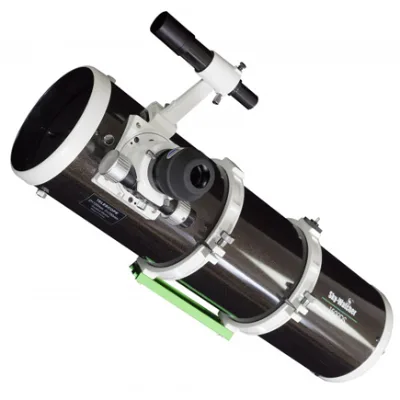
$149.00 - $185.00
MOQ: 1 pieces
Nanyang Srate Optical Instrument Co., Ltd.
- Verified by SGS Group
- Manufacturer, Trading Company
- Lead time20 days
- Avg. response≤ 3h
Main productsMagnifying Glass, Microscope, Telescope
Main marketsNorth America(40%), Western Europe(20%), South America(13%)
Shaoxing Kere Import & Export Co., Ltd.
- Trading Company
- Zhejiang, China
- Lead time0 days
- Avg. response≤ 8h
Main productsLab equipments,Lab plastic ware,Lab glassware,Teaching aids,Medical consumables
Main marketsNorth America(18.00%), Northern Europe(15.00%), Western Europe(12.00%), South America(12.00%), Eastern Europe(12.00%), South Asia(8.00%), Eastern Asia(8.00%), Africa(6.00%), Mid East(3.00%), Southeast Asia(2.00%), Central America(2.00%), Southern Europe(1.00%)

Ningbo Barride Optics Co., Ltd.
- Trading Company,Manufacturer/Factory
- China Zhejiang
- Lead time75 days
- Avg. response≤ 4h
Main productsMicroscope, Telescope, Binoculars, Riflescope, Magnifier, Spotting Scope, Range Finer, Astronomical Telescope, Night Vision, Biological Microscope
Main marketsSouth America,Eastern Europe,Mid East,North America,Southeast Asia,Eastern Asia,Oceania,Western Europe,Africa

$40.00 - $50.00
MOQ: 50 Pieces

Star Watcher Reflector with Tripod White Color Astronomy Telescope (BM-70060M)
$25.00 - $33.00
MOQ: 100 Pieces

60mm Refractor Astronomical Telescope Achromatic Telescope (BM-90060M)
$27.00 - $32.00
MOQ: 100 Pieces


Refractor Astronomical Telescope with 90 Degree Mirror Diagonal (BM-40070M)
$18.00 - $25.00
MOQ: 200 Pieces

Hefei Johold Outdoor Products Co., Ltd.
- Trading Company
- Anhui, China
- Lead time15 days
- Avg. response≤ 2h
Main productsSurvival Kits,Flashlight,Emergency Whistle,Camping Tent,Tactical backpack
Main marketsNorth America(30.00%), Western Europe(20.00%), Northern Europe(15.00%), Eastern Europe(15.00%), Southeast Asia(5.00%), South America(5.00%), Eastern Asia(5.00%), Africa(5.00%)
$22.50 - $24.50
MOQ: 50 pieces
$22.50 - $24.50
MOQ: 50 pieces

Kson Optics-Electronics. Co., Ltd.
- Manufacturer
- Guangdong, China
- Lead time25 days
- Avg. response≤ 6h
Main productsTelescopes,Binoculars,Bipods,Hunting Accessories,LED Lighting
Main marketsNorthern Europe(14.00%), Central America(14.00%), Western Europe(14.00%), Oceania(14.00%), Eastern Europe(14.00%), South America(14.00%), North America(14.00%)
Nanjing Vesta New Tech Materials Co., Ltd.
- Trading Company
- Lead time旺季: "1 - 100":7,"101 - 500":10,"501 - 1000":15,"> 1000":"To be negotiated", 淡季: "1 - 100":7,"101 - 500":10,"501 - 1000":15,"> 1000":"To be negotiated"
- Avg. response≤ 2h
Main productsBeauty Equipment, HIFU Machine, Collagen Film, Collagen Mist, Music Boxing
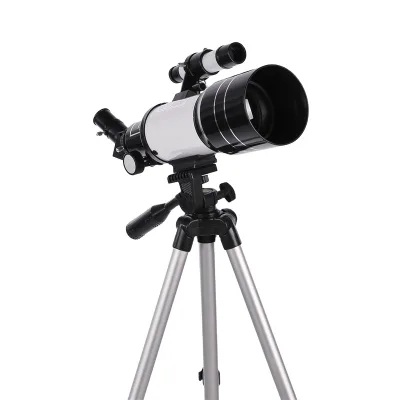
Astronomical Telescope LW3022 Bonus Astronomy Software Package Outdoor Moon Star Watching
$23.2255 - $26.5413
MOQ: 1 pieces
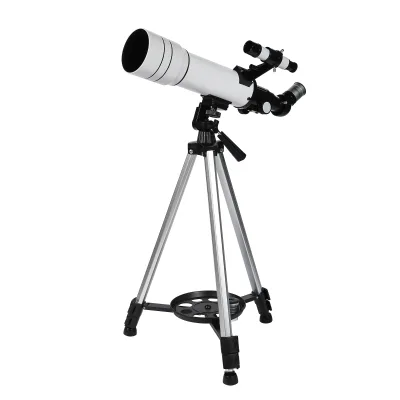
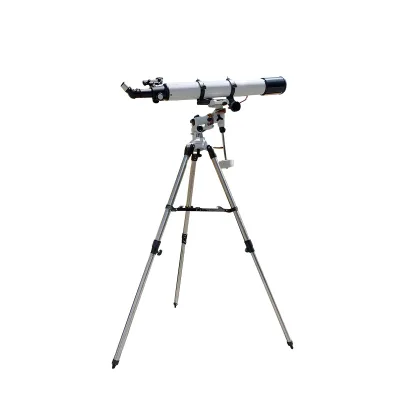
$222.0739 - $256.2391
MOQ: 1 pieces
- Manufacturer, Trading Company
- Guangdong, China
- Lead time15 days
- Avg. response≤ 3h
Main productsPickleball Paddle,Yoga and Pilates equipment,Golf clubs and bags,Bicycle,Outdoor camping products
Main marketsNorth America(50.00%), Eastern Europe(20.00%), Southern Europe(5.00%), Central America(5.00%), Western Europe(5.00%), South America(5.00%), Northern Europe(4.00%), South Asia(1.00%), Oceania(1.00%), Mid East(1.00%), Africa(1.00%), Southeast Asia(1.00%), Eastern Asia(1.00%)
Chongqing Dontop Optics Co., Ltd.
- Manufacturer
- Chongqing, China
- Lead time45 days
- Avg. response≤ 5h
Main productsscopes,Binoculars,rangefinders,lens,mounts
Main marketsNorth America(25.00%), Western Europe(22.00%), Eastern Asia(10.00%), Eastern Europe(10.00%), Northern Europe(9.39%), Southern Europe(8.00%), South America(4.60%), Oceania(4.00%), South Asia(3.00%), Southeast Asia(2.00%), Mid East(1.00%), Africa(1.00%), Domestic Market(0.01%)
Yiwu Runson Outdoor Products Co., Ltd.
- Trading Company
- Zhejiang, China
- Lead time15 days
- Avg. response≤ 10h
Main productsOutdoor survival kit,Outdoor whistle,Outdoor compass,Outdoor poncho,Outdoor sleeping bag
Main marketsNorth America(50.00%), Western Europe(10.00%), Eastern Europe(10.00%), South America(10.00%), Central America(5.00%), Southern Europe(5.00%), South Asia(2.00%), Africa(2.00%), Eastern Asia(2.00%), Mid East(2.00%), Oceania(1.00%), Southeast Asia(1.00%)

Yiwu Inre Optical Instrument Co., Ltd.
- Manufacturer, Trading Company
- Zhejiang, China
- Lead time15 days
- Avg. response≤ 2h
Main productsTelescope,Microscope,Binocular,Monocular,Scope
Main marketsNorth America(50.00%), Domestic Market(10.00%), Central America(10.00%), Mid East(10.00%), Southeast Asia(10.00%), South America(10.00%)

- Trading Company
- China Zhejiang
- Lead time30 days
- Avg. response≤ 4h
Main productsElectric Tools, Power Tools, Cordless Tools, Bench Tools, Garden Tools, Gand Tools, Auto Tools, Car Tools, Hydraulic Tools
Main marketsSouth America,Europe,North America
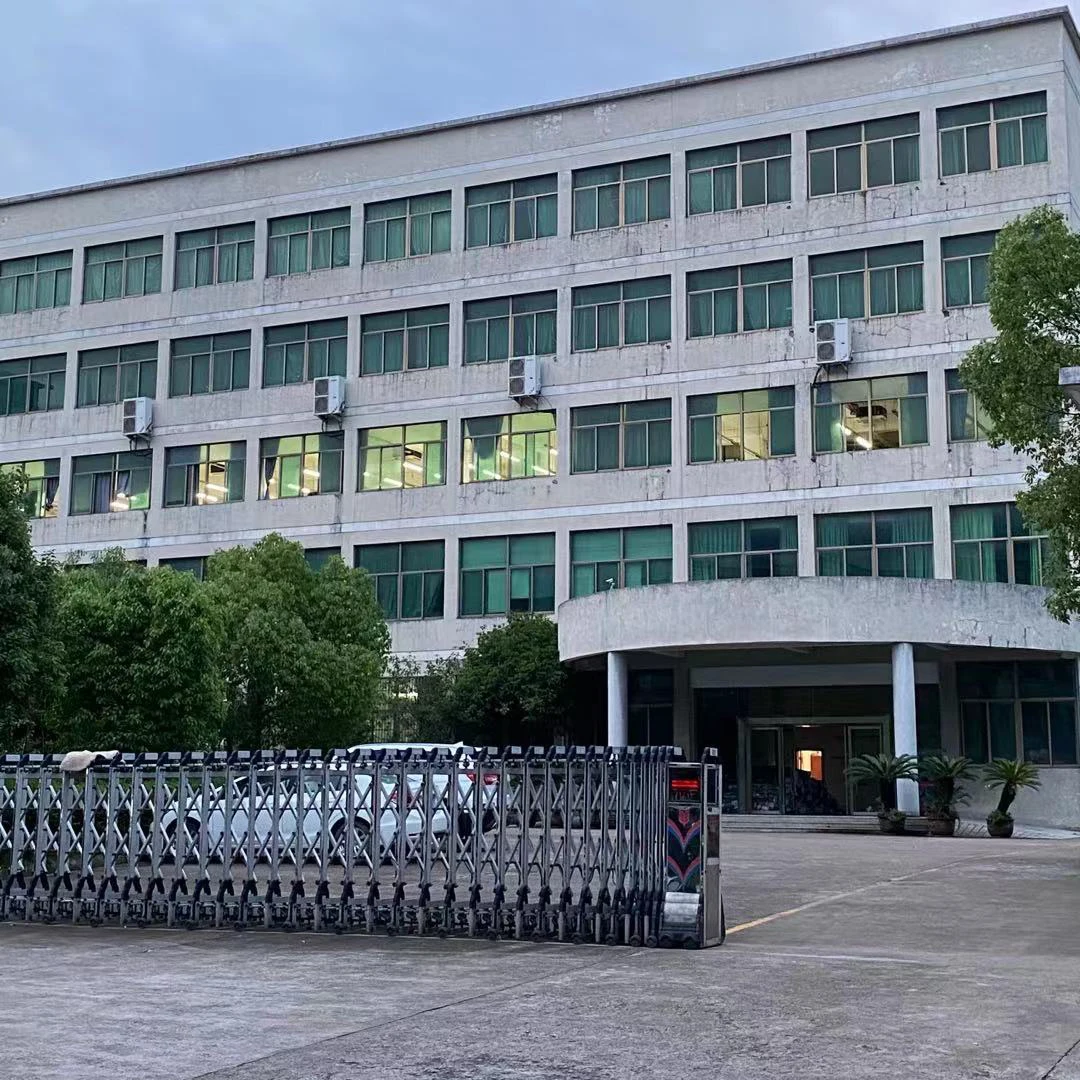
Betoyy (yiwu) Outdoor Supplies Co., Ltd.
- Trading Company
- Zhejiang, China
- Lead time20 days
- Avg. response≤ 2h
Main productsCamping accessories,survival kit,whistle,compass,travel bag
Main marketsNorth America(25.00%), Northern Europe(15.00%), South Asia(8.00%), Southeast Asia(8.00%), Oceania(8.00%), Eastern Europe(6.00%), Domestic Market(5.00%), Eastern Asia(5.00%), Mid East(5.00%), Southern Europe(4.00%), Central America(4.00%), South America(3.00%), Western Europe(2.00%), Africa(2.00%)

Nanyang Huasen Optoelectronics Co., Ltd.
- Manufacturer, Trading Company
- Henan, China
- Lead time20 days
- Avg. response≤ 2h
Main productsBinoculars,Prism,Lens,Telescope,Rangefinder
Main marketsDomestic Market(60.00%), South Asia(40.00%)
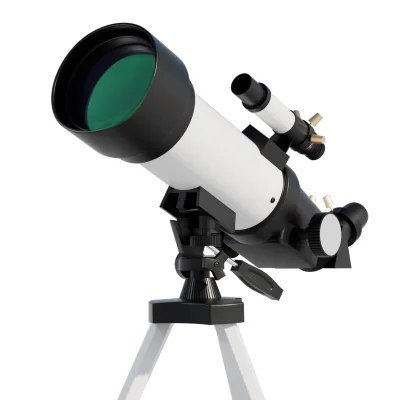
$31.6994 - $37.8333
MOQ: 5 Minimum
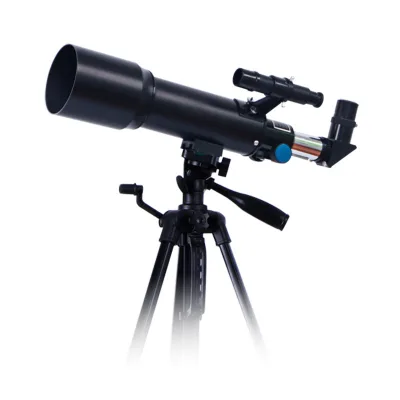
$30.8509 - $38.9245
MOQ: 1 Minimum
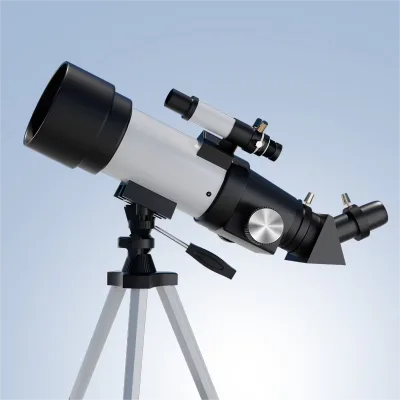
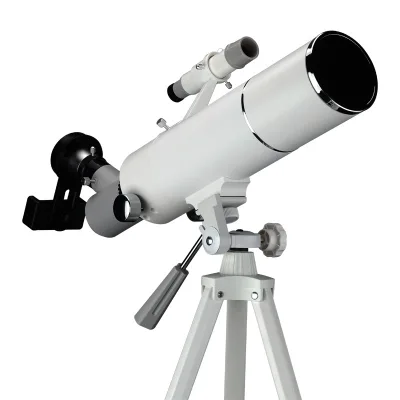
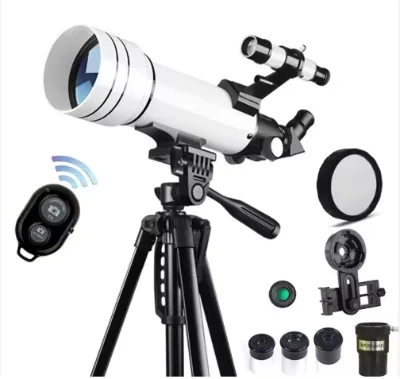
$29.6532 - $31.6994
MOQ: 1 pieces
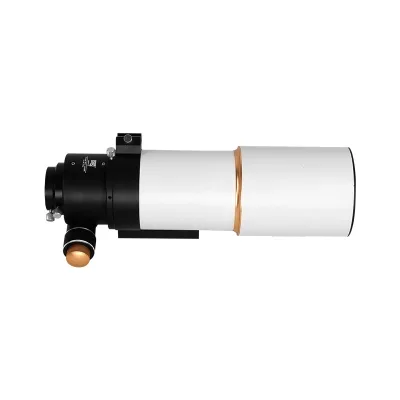
80BTS Astronomical Telescope - HD High-Power Dual-Use for Student Beginners Stargazing
$278.1245
MOQ: 5 Minimum
Jaxy Optical Instrument Co., Ltd.
- Verified by SGS Group
- Manufacturer, Trading Company
- Lead time20 days
- Avg. response≤ 4h
Main productsBinoculars and Telescope, Magnifier, Whistle, Compass, 3D glasses
Main marketsWestern Europe(35%), North America(25%), Domestic Market(15%)
Jaxy Optical Instrument Co., Ltd.
- Manufacturer, Trading Company
- Lead time旺季: "1 - 100":35,"> 100":"To be negotiated", 淡季: "1 - 100":35,"> 100":"To be negotiated"
- Avg. response≤ 3h
Main productsbinoculars,telescope,magnifier,campig survival tool,3d glasses
Nanyang Linhuida Optoelectronics Co., Ltd.
- Manufacturer, Trading Company
- Henan, China
- Lead time7 days
- Avg. response≤ 1h
Main productsOptical Instruments, Prisms
Main marketsEastern Asia(30.00%), Southeast Asia(20.00%), South Asia(20.00%), South America(10.00%), Central America(10.00%), North America(10.00%)
Ningbo Barride Optics Co., Ltd.
- Verified by Intertek
- Trading Company
- Lead time15 days
- Avg. response≤ 2h
Main productsTelescope, Microscope, Binoculars, Magnifier, Hunting Scope
Main marketsWestern Europe(45%), North America(24%), Eastern Europe(10%)
Chengdu Bingxin Technology Co., Ltd.
- Trading Company
- Sichuan, China
- Lead time7 days
- Avg. response≤ 4h
Main productsWireless Radios System Product, Radio Accessories, Body Camera, Wireless Radios, Satellite Communications
Main marketsNorth America(15.00%), Eastern Europe(15.00%), South America(10.00%), Southeast Asia(10.00%), Southern Europe(8.00%), Central America(8.00%), Northern Europe(8.00%), Mid East(7.00%), Africa(5.00%), Domestic Market(5.00%), Western Europe(3.00%), South Asia(2.00%), Eastern Asia(2.00%), Oceania(2.00%)


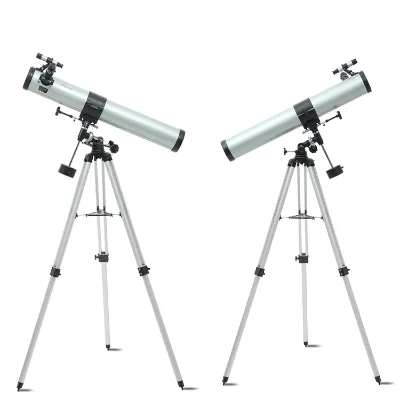
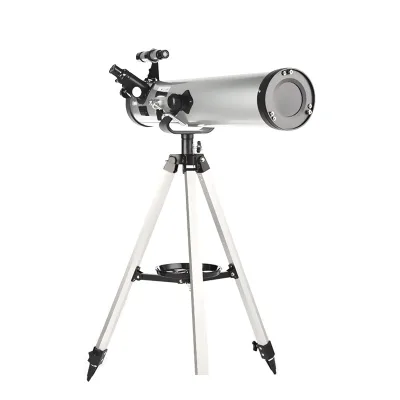
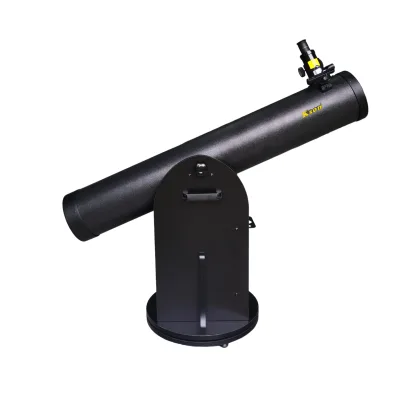
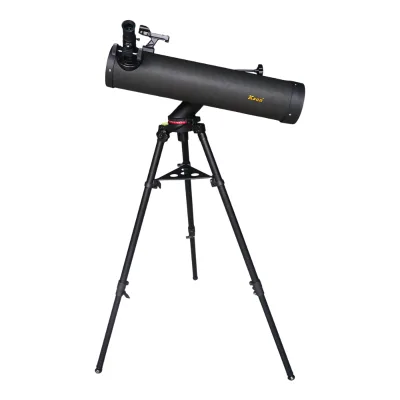
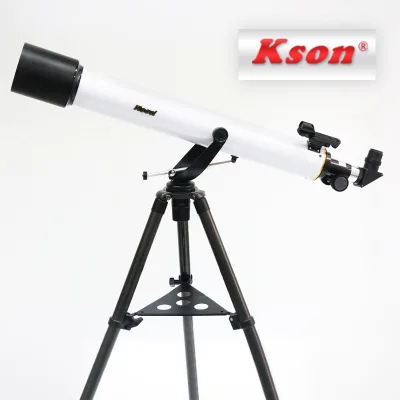
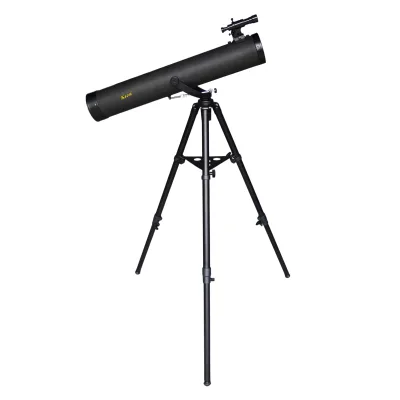
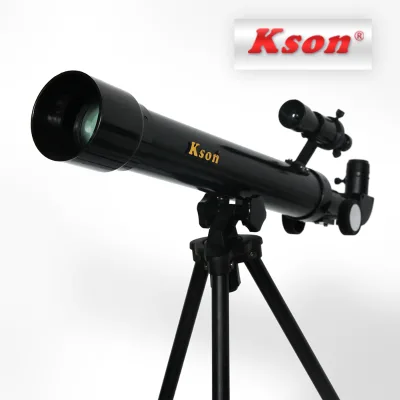


Comprehensive Sourcing Guide
Astronomical Observation Astromaster Telescope Supplier Concentration and Factory Types
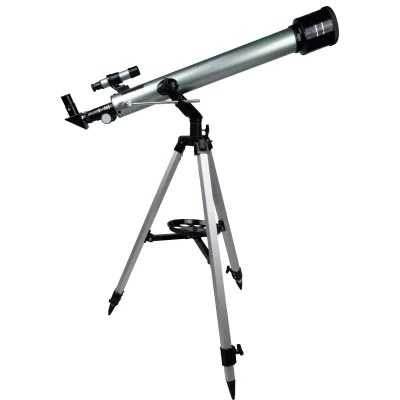
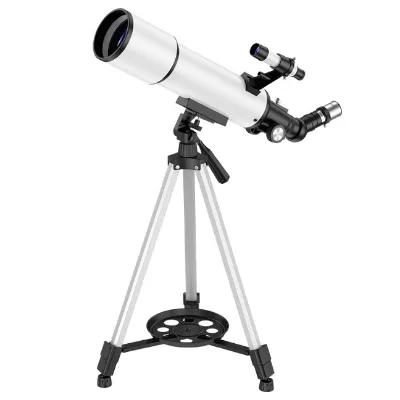
The current supplier landscape for astronomical observation astromaster telescopes reveals a distinct concentration in Chongqing, China, which serves as a primary manufacturing hub for this specific optical category. This geographic clustering suggests a mature industrial ecosystem where specialized components, such as glass lenses and precision mounting hardware, are readily available to local producers. Buyers evaluating suppliers should recognize that this regional focus often correlates with established supply chains for refractor and reflector telescope structures. The presence of multiple manufacturers in this area indicates that sourcing from Chongqing may offer logistical advantages due to the density of related optical factories. However, buyers must verify that the specific supplier they engage is indeed located in this cluster, as some trading companies may list headquarters elsewhere while sourcing from these factories. Understanding this geographic reality helps in assessing the authenticity of the manufacturing claims and the potential for factory visits or audits. The concentration also implies that competition among local factories may drive innovation in features like internal focusing mechanisms or specific eyepiece configurations, such as the 1.25-inch Pl6.5mm and Pl25mm options observed in recent product listings.
Within this concentrated market, suppliers generally fall into two primary company types: trading companies and manufacturer/factories. This distinction is critical for buyers because it directly impacts pricing structures, communication efficiency, and quality control capabilities. Manufacturer/factories typically offer more direct access to production lines, allowing for greater customization of optical instruments, such as adjusting the focal length or aperture size. For instance, the ability to produce refractor telescopes with specific focal lengths like 400mm or 1200mm is a capability often rooted in the factory’s technical expertise. Trading companies, on the other hand, may offer a broader portfolio of related products, including binoculars, range finders, and night vision devices, which can be advantageous for buyers seeking a one-stop shop for outdoor and astronomical equipment. However, trading companies might introduce additional layers in the supply chain, potentially affecting lead times and price transparency. Buyers should carefully review the supplier’s declared company type to align their sourcing strategy with their need for customization versus product variety. The presence of both types in the results indicates a diverse market where buyers can choose based on their specific operational requirements and budget constraints.
How to Verify Astronomical Observation Astromaster Telescope Suppliers
Verifying the legitimacy and capability of Astronomical Observation Astromaster Telescope suppliers requires a rigorous examination of their system certifications and operational metrics. Buyers should prioritize suppliers that display recognized quality management certifications, such as ISO 9000, ISO 9001, or ISO 20000, as these indicate a structured approach to manufacturing consistency and quality control. These certifications are particularly important for optical instruments where precision is paramount, ensuring that components like glass lenses and diagonal prisms meet strict tolerances. In addition to certifications, buyers should assess the supplier’s response time, which serves as an indicator of their operational efficiency and customer service readiness. A response time metric, such as the 4.41 hours observed in current results, can help buyers gauge how quickly they can expect to receive quotations or technical clarifications. This speed is crucial during the initial sourcing phase, where rapid iteration on product specifications, such as adjusting the finder scope or eyepiece types, is often necessary. Suppliers with faster response times are generally more reliable for projects with tight deadlines or complex customization needs.
Beyond certifications and response times, buyers must verify the supplier’s production capacity and customization capabilities through direct inquiry and product evidence analysis. The ability to offer OEM and ODM services, as indicated by the "Own Brand:DONTOP,OEM,ODM" capacity fact, suggests that the supplier can adapt to specific brand requirements or private labeling needs. Buyers should request detailed product specifications to confirm that the supplier can meet their technical demands, such as producing telescopes with specific focal lengths like 900mm or apertures under 50mm. It is also essential to verify the origin of the products, ensuring that items labeled as originating from China (Mainland) are indeed manufactured in the claimed facilities. Buyers should ask for photos or videos of the production line to confirm the existence of the manufacturing infrastructure. Additionally, checking for compliance with standards like CE and FCC, which are listed for certain reflector telescope models, is vital for market access in regulated regions. By combining these verification steps, buyers can build a robust profile of each supplier’s reliability and technical competence before committing to an order.
What to Compare Across Astronomical Observation Astromaster Telescope Suppliers
When comparing suppliers, buyers should focus on key operational dimensions such as lead time, minimum order quantity (MOQ), and price ranges to determine the best fit for their business model. Lead times vary significantly, with some suppliers indicating a lead time of 38 days, which buyers must factor into their inventory planning and sales forecasts. A longer lead time may be acceptable for large, planned orders, but it poses risks for urgent restocking needs. Similarly, MOQs differ widely, ranging from as low as 1 unit for certain high-end professional telescopes to 100 units for more basic models. This variation allows buyers to choose suppliers that align with their scale, whether they are testing the market with small batches or committing to large-volume purchases. Price ranges also show considerable diversity, with some entry-level refractor telescopes priced between $6.00 and $10.00, while professional models can range from $25.00 to $390.00. Buyers should compare these prices against the specified features, such as lens material, focal length, and included accessories, to ensure they are getting value for money.
In addition to quantitative metrics, buyers should compare the specific product attributes and customization options offered by each supplier. The availability of customization is a common feature, but the extent of this customization varies. Some suppliers offer OEM color options, while others provide more extensive structural changes, such as switching between refractor and reflector telescope designs. Buyers should evaluate the technical specifications of the products, including aperture sizes, focal lengths, and eyepiece configurations, to ensure they meet the needs of their target customers. For example, a supplier offering a telescope with a 1200mm focal length and a 9X50 finderscope may be better suited for serious astronomical enthusiasts, while a supplier with a 400mm focal length and a 5X18 finder scope might target educational or casual users. The type of packaging, such as carton, color box, or aluminum case, is another differentiator that can impact shipping costs and product protection. By systematically comparing these attributes, buyers can identify suppliers that offer the best combination of price, quality, and flexibility for their specific sourcing requirements.
Common Astronomical Observation Astromaster Telescope Sourcing Risks
One of the primary risks in sourcing astronomical observation astromaster telescopes is the potential mismatch between advertised specifications and actual product quality. Buyers must be vigilant about verifying the materials used in construction, particularly the lens material, which is often listed as glass. However, the quality of the glass and the precision of the optical coatings can vary significantly between suppliers. Without proper verification, buyers may receive products that do not meet the claimed focal lengths or aperture sizes, leading to customer dissatisfaction and returns. Additionally, the structural integrity of the telescope mount and tripod is crucial for stability during observation. Risks arise when suppliers use inferior materials for these components, which can result in wobbling or misalignment. Buyers should request detailed technical drawings or sample units to assess the build quality before placing large orders. This due diligence is essential to avoid the financial and reputational damage associated with delivering subpar optical instruments to the market.
Another significant risk is the variability in after-sales support and warranty terms, which can be difficult to enforce across international borders. Suppliers may offer different levels of support for defective products, and the process for handling claims can be complex and time-consuming. Buyers should clearly define warranty terms and return policies in their contracts to protect their interests. Furthermore, the risk of intellectual property infringement exists, especially when working with suppliers that offer OEM services. Buyers must ensure that their brand designs and specifications are protected and that the supplier does not sell identical products to competitors. This is particularly relevant given the presence of multiple suppliers offering similar models, such as the A4/400X40M or A4/1200X127EQ4. Buyers should conduct thorough background checks on suppliers to ensure they have a history of respecting intellectual property rights. By proactively addressing these risks through careful supplier selection and robust contractual agreements, buyers can mitigate potential losses and ensure a smoother sourcing experience.
Astronomical Observation Astromaster Telescope Regional Sourcing and Logistics
Sourcing astronomical observation astromaster telescopes from Chongqing, China, involves specific logistical considerations that buyers must plan for carefully. The region’s industrial infrastructure supports the production of heavy and bulky items, such as telescopes with maximum heights of up to 145cm, which can impact shipping costs and packaging requirements. Buyers should work with suppliers who use robust packaging solutions, such as aluminum cases or reinforced cartons, to protect the delicate optical components during transit. The gross weight of these products, which can exceed 1.6kg for certain models, also influences freight charges, particularly for air shipping. Buyers should compare different shipping methods, such as sea freight for bulk orders and air freight for urgent or smaller shipments, to optimize costs and delivery times. Additionally, understanding the export regulations and documentation requirements for optical instruments is crucial to avoid delays at customs. Buyers should ensure that their suppliers are experienced in international shipping and can provide all necessary certificates, such as CE and FCC, to facilitate smooth clearance.
Logistics planning also extends to the final mile delivery and storage of the telescopes. Given the precision nature of these products, buyers must ensure that their warehousing facilities can accommodate the specific dimensions and weight of the telescopes. The box sizes, such as 45.722.210.9cm for certain models, require adequate space and handling equipment to prevent damage. Buyers should also consider the lead times associated with different logistics providers, as delays in shipping can disrupt their sales cycles. Working with suppliers who have established relationships with reliable freight forwarders can help streamline the logistics process. Furthermore, buyers should monitor the supply chain for any potential disruptions, such as port congestion or weather-related delays, and have contingency plans in place. By integrating logistics planning into their sourcing strategy, buyers can ensure that their telescopes arrive in perfect condition and on time, maintaining customer satisfaction and operational efficiency.
Astronomical Observation Astromaster Telescope Commercial Terms and Order Planning
Effective order planning for astronomical observation astromaster telescopes requires a clear understanding of commercial terms, including payment methods, pricing structures, and delivery schedules. Buyers should negotiate favorable payment terms, such as partial upfront payments and balance upon shipment, to manage cash flow and mitigate risk. The price ranges observed, from $6.00 to $390.00, allow for flexible budgeting, but buyers must account for additional costs such as shipping, insurance, and tariffs. It is essential to clarify whether the quoted prices are FOB, CIF, or DDP, as this determines who is responsible for various logistics costs and risks. Buyers should also establish clear delivery schedules with suppliers, aligning them with their sales forecasts and inventory needs. For suppliers with a lead time of 38 days, buyers should place orders well in advance to avoid stockouts. Regular communication with suppliers regarding production progress can help identify and resolve potential delays early in the process.
FAQs
What is the price range for astronomical telescopes?
Prices for these telescopes range from $6 to $390 depending on specifications. Entry-level models start at $6 with a minimum order of 100 units. Professional refractor and reflector options are available between $50 and $390, with lower minimum order quantities of one to fifty pieces for specialized equipment.
What is the typical lead time for orders?
The standard lead time for manufacturing and shipping is 38 days. Buyers should account for this duration when planning inventory replenishment or event schedules. This timeframe applies to standard production runs and may vary slightly based on specific customization requirements or peak seasonal demand periods.
What certifications do the suppliers hold?
Suppliers maintain ISO 9000, ISO 9001, and ISO 20000 system certifications. These credentials verify adherence to international quality management standards. Additionally, specific products comply with CE and FCC standards, ensuring safety and regulatory compliance for markets requiring strict electronic and optical equipment validation.
Where are the telescopes manufactured?
All listed telescopes originate from Chongqing, China. The manufacturing facilities are located in this region, ensuring consistent quality control across the product line. Buyers can verify the place of origin as China Mainland for all astronomical observation instruments, including refractor and reflector models.
What is the minimum order quantity?
Minimum order quantities vary by product type, ranging from one to 100 units. High-end professional telescopes often have an MOQ of one piece, while entry-level or bulk items require orders of 50 or 100 units. This flexibility supports both small retailers and large distributors.
What response time can buyers expect?
Suppliers demonstrate an average response time of 4.41. This metric indicates prompt communication for inquiries regarding pricing, specifications, and shipping details. Buyers can expect timely replies to initial contact, facilitating efficient negotiation and order processing throughout the sourcing journey.
What customization options are available?
Customization is available for most telescope models, including OEM and ODM services. Buyers can request specific branding, color variations, and packaging adjustments. The suppliers support own brand development, allowing businesses to tailor products to their market needs while maintaining optical performance standards.