Portable Digital pH and TDS Meter Suppliers and Manufacturers
Find 31 verified suppliers offering Portable Digital pH and TDS Meter with varying lead times, response speeds, and certifications. Compare locations like China Hunan, Henan, and Shandong, then request quotes for models such as PHS-25 or BSK-TDS-M2; review the available evidence before requesting comparable quotations from suitable candidates.
Updated
Suppliers List

- Verified by TUVRHEINLAND
- Trading Company,Manufacturer/Factory
- China Hunan
- Lead time38 days
- Avg. response≤ 13h
Main productsMicrocope Centrifuge Water Bath Heating Mantel, Shaker Stirrer Incubator and Oven Freezer Aas, Autoclave &Sterilizer Water Distiller pH Meter, Spectrophotometer Viscometer Balance&Scale HPLC, Lab Glassware; Electrophoresis Suction Machine, ECG Thermometer Ultrasound Scanner, Operating Table Lamp Bed Wheel Chair, Infusion Oxygen Concentrator Cylinder, X-ray Machine Hematology Analyzer, Human Models Medical Disposable
Main marketsSouth America,Eastern Europe,Mid East,North America,Southeast Asia,Eastern Asia,Oceania,Western Europe,Africa

Henan Bingsheng Industrial Co., Ltd.
- Verified by SGS
- Combined
- China Henan
- Lead time15 days
- Avg. response≤ 2h
Main productsSensor
Main marketsSouth America,Southeast Asia/ Mideast,Domestic,Europe,North America

Qingdao Tlead International Co., Ltd.
- Trading Company
- China Shandong
- Lead time23 days
- Avg. response≤ 25h
Main productspH Meters, Counter Meters, Arbor Press, Tools, Ddvp
Main marketsSouth America,Africa,Southeast Asia/ Mideast,East Asia(Japan/ South Korea),Europe,Australia,North America
Lachoi Scientific Instrument (shaoxing) Co., Ltd.
- Verified by SGS Group
- Manufacturer, Trading Company
- Lead time15 days
- Avg. response≤ 2h
Main productsMagnetic Stirrer, Vortex Mixer, Centrifuge, Overhead Stirrer
Main marketsNorth America(20%), South Asia(20%), Eastern Europe(10%)
Shenzhen Oway Technology Co., Ltd.
- Verified by TüVRheinland
- Trading Company
- Lead time30 days
- Avg. response≤ 3h
Main productsThermometer, Digital Scale, Water Quality Tester, Timer
Main marketsWestern Europe(24%), South America(11%), Oceania(11%)
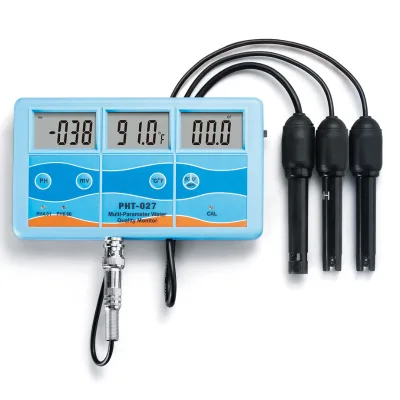
Portable ph Orp Tds Meter and Digital Ec Temp Measuring
$49.50 - $63.80
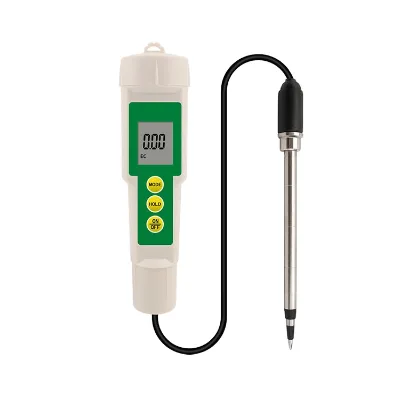
High Accuracy Portable Waterproof Digital LCD Screen EC/CF/TDS Meter for Soil
$25.9867 - $31.0593
MOQ: 100 pieces
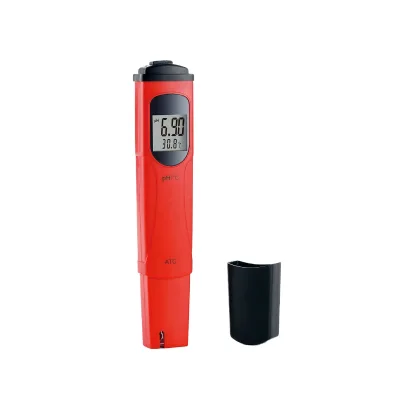
Good-precision Saliva ph Tester Portable ph Meter in Water
$12.69 - $14.28
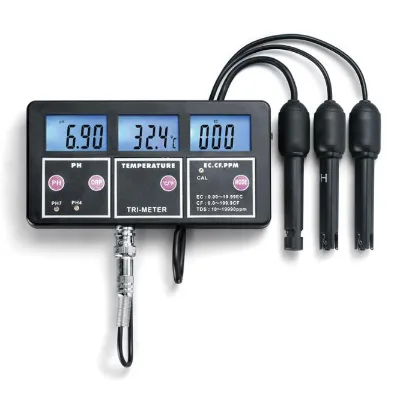
Ec Tds ph Meter Continuous ph Monitor
$37.90 - $50.80
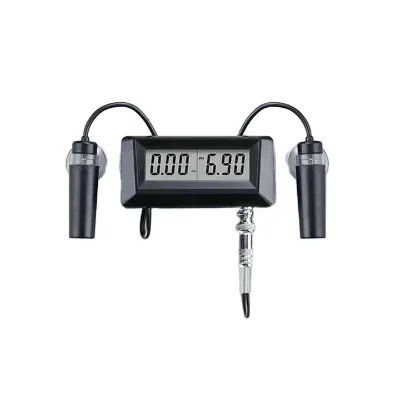
Ec ph Meter Reader ph Meter Remote Probe
$15.00 - $25.68
Shenzhen Graigar Technology Co., Ltd.
- Manufacturer, Trading Company
- Guangdong, China
- Lead time3 days
- Avg. response≤ 2h
Main productsUltrasonic Flaw Detector,Ultrasonic Flow Meter,Thickness Gauge,Underground Metal Detector,Leeb Hardness Tester
Main marketsNorth America(20.00%), Western Europe(15.00%), South America(10.00%), Mid East(10.00%), Oceania(10.00%), Africa(10.00%), Southeast Asia(10.00%), Eastern Europe(10.00%), Domestic Market(5.00%)
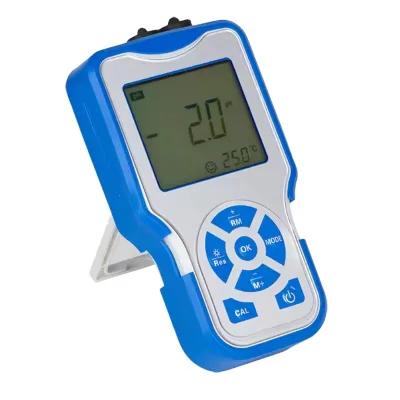
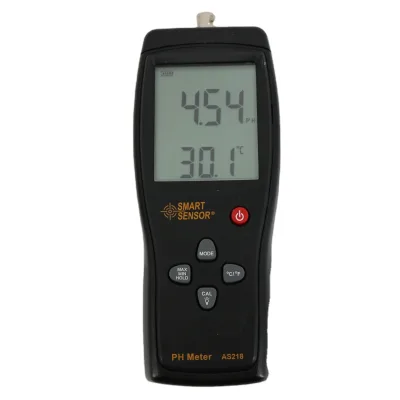
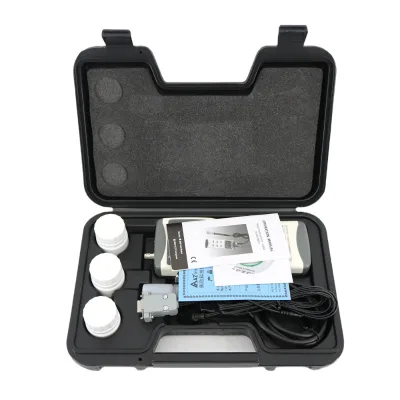
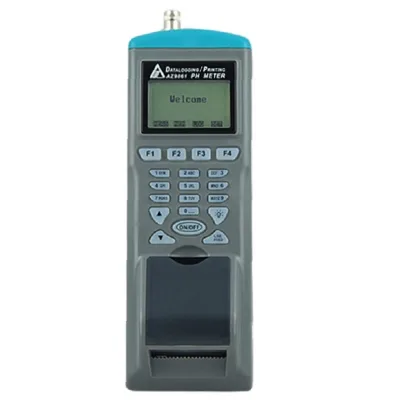
AS218 Digital PH Meter ph Meter PH Tester Range 18 0.00~14.00pH
$85.00 - $128.00

Shenzhen Yowexa Measurement Technology Co., Ltd.
- Verified by SGS
- Manufacturer/Factory
- China Guangdong
- Lead time23 days
- Avg. response≤ 17h
Main productsCoating Thickness Gauge, Data Logger, Temperature Humidity Monitor, Air Quality Monitor, Thermometer, Yw Meter
Main marketsSouth America,Eastern Europe,North America,Southeast Asia

- Verified by BV
- Trading Company
- China Liaoning
- Lead time30 days
- Avg. response≤ 5h
Main productsTablet Press, Pulverizer, Drying Equipment, Granulator, Packaging Machine, Capsule Filling Machine, Powder Blender, Laboratory Instrument, Powder and Liquid Filling Machine, Tablet / Capsule Counting Machine
Main marketsAustralia

Beijing Zetron Technology Co., Ltd
- Verified by SGS
- Trading Company
- China Beijing
- Lead time15 days
- Avg. response≤ 5h
Main productsGas Detector, Gas Analyzer, Gas Alarm, Air Monitor, Air Analyzer, Dust Monitor, Gas Leakage Detector, Particle Counter, Methane Detector, Aerosol Photometer
Main marketsOthers(foreignTradeCapacity.exportBusinessCapacityMarketOther),Southeast Asia/ Mideast

Portable pH/Conductivity Meter with TDS, Sal, Res, and Mv Measurement
$100.00 - $1000.00
MOQ: 1 Pieces


Zhengzhou Bioda Instrument Co., Ltd.
- Trading Company
- Henan, China
- Lead time20 days
- Avg. response≤ 1h
Main productsGlass Reactor,Rotary Evaporator,Water Analyzer,Agricultural Equipment,Centrifuge
Main marketsNorth America(30.00%), Southeast Asia(20.00%), Western Europe(15.00%), Africa(15.00%), South America(15.00%), Mid East(5.00%)
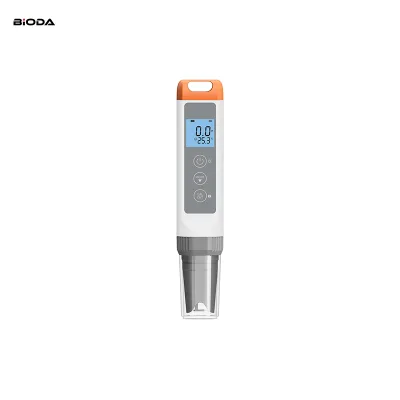
Field Water Quality Monitoring Bluetooth Portable Digital Pocket Conductivity TDS Tester
$94.00 - $143.00
MOQ: 1 sets
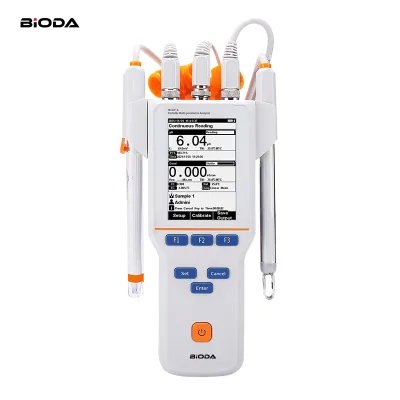
$500.6915 - $574.5637
MOQ: 1 sets
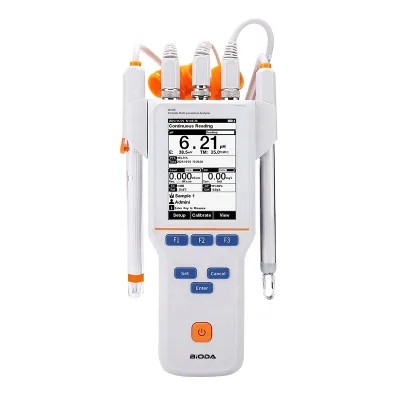
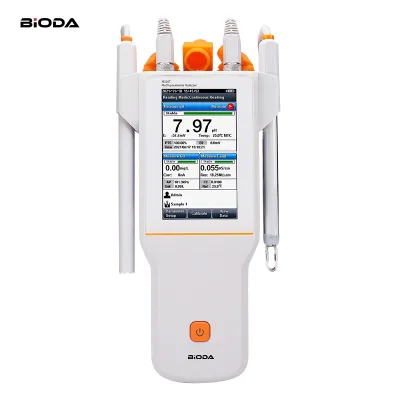
Portable pH DO Conductivity TDS Salinity Ion Temp 7 in 1 Multi Parameter Water Quality Analyzer
$658.00 - $760.00
MOQ: 1 sets
Qingdao Luminsens Marine Technology Co., Ltd.
- Manufacturer, Trading Company
- Shandong, China
- Lead time15 days
- Avg. response≤ 3h
Main productsDissolved oxygen sensor,COD sensor,pH sensor,TSS sensor,TUR sensor
Main marketsSoutheast Asia(45.00%), Domestic Market(30.00%), Northern Europe(5.00%), North America(5.00%), Mid East(5.00%), South America(5.00%), Eastern Europe(5.00%)
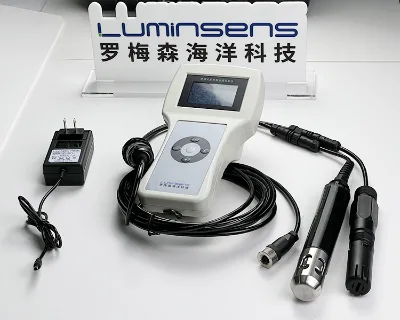
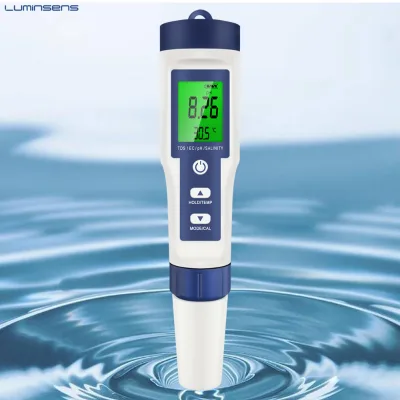
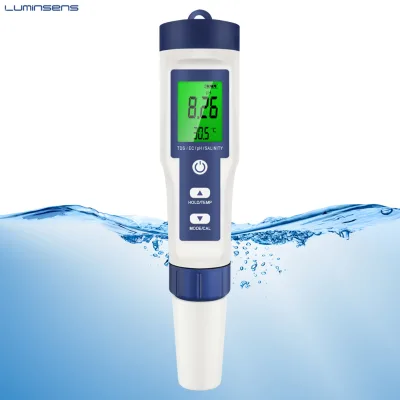
$15.00 - $15.87
MOQ: 5 pieces
Yancheng Consina Medical Instruments Co., Ltd.
- Trading Company
- Jiangshu, China
- Lead time0 days
- Avg. response≤ 5h
Main productsGlass slides,Cover glass,Microscope,Blood counting chamber,medical products
Main marketsSouth America(20.00%), Africa(20.00%), Northern Europe(10.00%), Western Europe(10.00%), Mid East(10.00%), North America(5.00%), Central America(5.00%), Southeast Asia(5.00%), Eastern Asia(5.00%), Eastern Europe(5.00%), Oceania(5.00%)
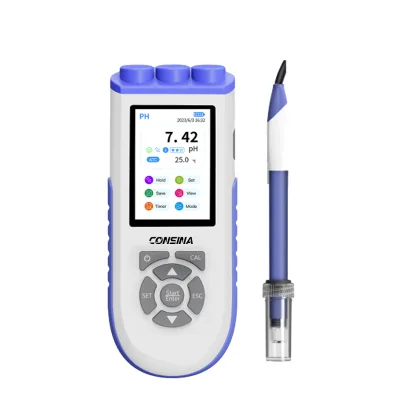
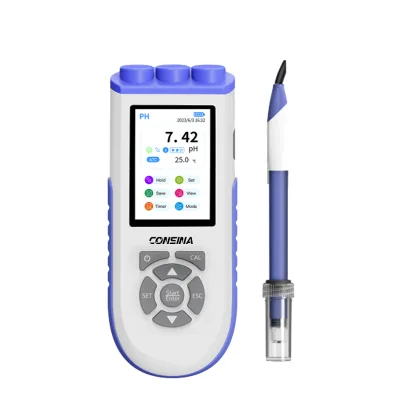
Color Display Portable PH Meters for Water Soil Test Handheld Laboratory Digital PH Meter
$328.5478
MOQ: 1 Minimum

Shanghai GL Environmental Technology Co., Ltd.
- Trading Company,Manufacturer/Factory
- China Shanghai
- Lead time23 days
- Avg. response≤ 6h
Main productsDiaphragm Pump, Dosing Pump, pH Meter, Conductivity Meter, Flow Meter, Level Meter, Pressure Transmitter, Liquid Mixer, Chemical Pump, Dosing System
Main marketsMid East,Southeast Asia,Eastern Asia,Oceania,Africa

Xi'an Yunyi Instrument Co., Ltd.
- Verified by TUVRHEINLAND
- Combined
- China Shaanxi
- Lead time15 days
- Avg. response≤ 8h
Main productsPressure Transmitter, Pressure Gauge, Temperature Products, Level Meter, Flow Meter, Pressure Calibrator, Piston Dead Weight Teste, Density Meter, Analysis Instrument, Load Cell
Main marketsSouth America,Africa,Southeast Asia/ Mideast,Europe

Qingdao Haitongda Special Instrument Co., Ltd.
- Manufacturer/Factory
- China Shandong
- Lead time0 days
- Avg. response≤ 12h
Main productsDrilling Fluid Analysis Instrumrnts, Cement Testing Equipment, 6-Speed Viscometer, Filter Press, Mixer, Consistometer

WANT Balance Instrument Co., Ltd.
- Verified by TUVRHEINLAND
- Combined
- China Jiangsu
- Lead time15 days
- Avg. response≤ 11h
Main productsElectronic Balance, Electronic Scale, Moisture Analyzer, Viscometer, pH Meter, Weighing Scale, Precision Balance, Analytical Balance, Industry Scale, Commercial Scale
Main marketsEast Asia(Japan/ South Korea),Domestic,Europe,North America
Jiangxi Aiyi Hi-Tech Co., Ltd.
- Verified by Intertek
- Trading Company
- Lead time15 days
- Avg. response≤ 2h
Main productsLaboratory Furniture, Chromatograph, Spectrometer
Main marketsEastern Europe(15%), Western Europe(15%), Mid East(10%)
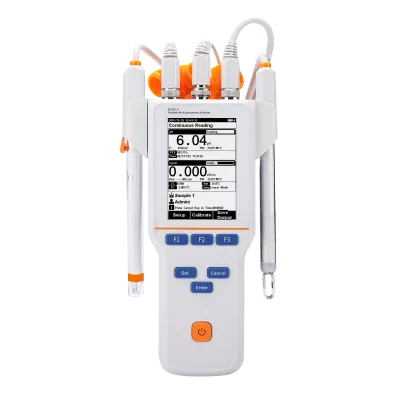
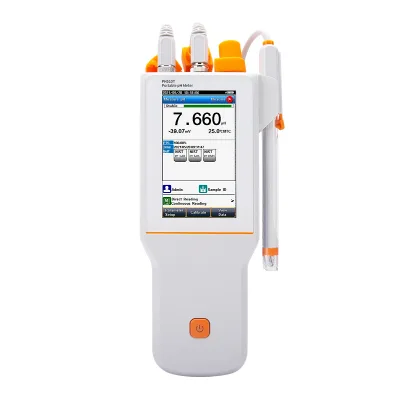
Juice Ph Meter Ph510T ± 0.002 Ph Water Digital Ph Meter for Sale
$430.00 - $580.00
Foshan Yingquan Energy Saving Equipment Company Limited
- Manufacturer
- Guangdong, China
- Lead time20 days
- Avg. response≤ 2h
Main productsCommercial Water Dispenser,Desktop Water Dispenser,Outtdoor Public Water Fountain,Hot Water Boiler,Freestanding Water Cooler
Main marketsWestern Europe(30.00%), Domestic Market(20.00%), Eastern Asia(10.00%), Northern Europe(10.00%), North America(10.00%), South America(5.00%), Southern Europe(5.00%), Oceania(5.00%), Eastern Europe(5.00%)
Henan Bingsheng Industrial Co., Ltd.
- Verified by TüVRheinland
- Manufacturer, Trading Company
- Lead time15 days
- Avg. response≤ 1h
Main productsSoil Sensors, Water Flow Sensors, Water Quality Sensors, Weather Station Sensors, PH Sensors
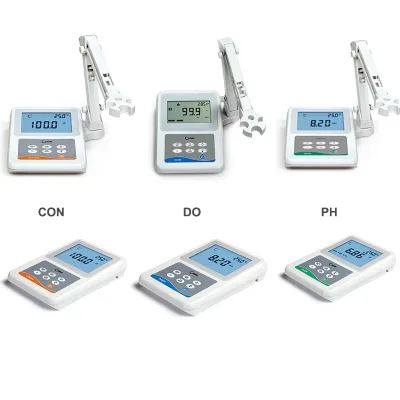
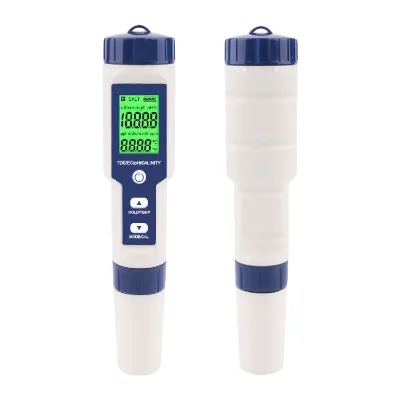
Low Price 5 in 1 Digital PH/TDS/Nutrient Conductivity Sensor Meter Easy Read Water Garden Supplies
$11.25 - $13.27
MOQ: 2 pieces
$84.15 - $109.65
MOQ: 1 pieces

Shanghai Hello Pure Water Treatment Technology Co., Ltd.
- Verified by BV
- Trading Company
- China Shanghai
- Lead time30 days
- Avg. response≤ 25h
Main productsWater Treatment Equipment, Water Treatment, Water Treatment System, RO Water System, Water Treatment Plant, Water Treatment Machine, Drinking Water Treatment, Industrial Water Equipment, Commercial Water System, Industrial Water System
Main marketsSoutheast Asia/ Mideast
Xi 'an Heb Biotechnology Co., Ltd.
- Manufacturer, Trading Company
- Shaanxi, China
- Lead time4 days
- Avg. response≤ 3h
Main productsJacketed glass reactor,Cooling pump,Vacuum pump,Rotary evaporator,molecular distillation
Main marketsEastern Europe(40.00%), Southeast Asia(40.00%), Mid East(10.00%), South America(5.00%), North America(5.00%)

Hangzhou Civit Instrument Equipment Co., Ltd.
- Trading Company
- China Zhejiang
- Lead time15 days
- Avg. response≤ 8h
Main productsSoil Aggregate Rock Testing Equipment, Cement Mortar Testing Equipment, Concrete Testing Equipment, Asphalt Testing Equipment, Scientific Lab Equipment, Survey Instrument
Main marketsSouth America,Africa,Southeast Asia/ Mideast
- Trading Company
- Fujian, China
- Lead time0 days
- Avg. response≤ 2h
Main productsAgricultural instruments,industry instrument,medical equipment,Auto detection tools
Main marketsWestern Europe(30.00%), Eastern Europe(15.00%), North America(15.00%), Southern Europe(15.00%), South America(6.00%), Southeast Asia(5.00%), Northern Europe(5.00%), Mid East(3.00%), Central America(3.00%), South Asia(3.00%)

Wenzhou Bingo Imp. & Exp. Co., Ltd.
- Verified by TUVRHEINLAND
- Trading Company,Manufacturer/Factory
- China Zhejiang
- Lead time23 days
- Avg. response≤ 9h
Main productsPressure Switch, Pressure Gauge, Pressure Sensor, Float Switch, Water Meter, Flow Sensor, Flow Switch, Flow Meter, Gas Boiler Accessories, Heat Exchanger
Main marketsSouth America,Eastern Europe,Mid East,North America,Southeast Asia,Eastern Asia,Oceania,Western Europe,Africa
Shenzhen Yago Technology Limited
- Manufacturer
- Guangdong, China
- Lead time10 days
- Avg. response≤ 8h
Main productsph meter,soil ph meter,refractometer,Patio Sprinkler Timer,moiture meter
Main marketsWestern Europe(60.00%), North America(10.00%), Africa(10.00%), Eastern Europe(10.00%), South America(10.00%)
Guangzhou Juanjuan Electronic Technology Co., Ltd.
- Verified by TüVRheinland
- Trading Company
- Lead time10 days
- Avg. response≤ 3h
Main productsRefractometer, Thermometer, Dog Training Collar, Laboratory Scale, Laboratory Centrifuge
Main marketsAfrica(18%), Mid East(12%), North America(10%)

Wuhu Jujie International Trade Co., LTD
- Verified by TUVRHEINLAND
- Trading Company,Manufacturer/Factory
- China Anhui
- Lead time15 days
- Avg. response≤ 3h
Main productsLiquid Turbine Flow Meter, Electromagnetic Flow Meter, Vortex Flow Meter, Pression Vortex Flow Meter, Gas Turbine Flow Meter, Data Recorder, Ultrasonic Fow Meter, Ultrasonic Level Meter, Oval Gear Flow Meter, Batch Filling Controller
Main marketsSouth America,Eastern Europe,Mid East,North America,Southeast Asia,Eastern Asia,Oceania,Western Europe,Africa

Digital pH Meter Portable Industrial Intelligent High-Precision pH Detector
$180.00 - $220.00
MOQ: 1 Pieces


Shenzhen Sconda Intelligent Technology Co., Ltd
- Verified by TUVRHEINLAND
- Manufacturer/Factory
- China Guangdong
- Lead time23 days
- Avg. response≤ 5h
Main productsFire Alarm Smoke Detector, Smart Wireless Smoke Co Gas Alarm, Gas Leak Detector, Carbon Monoxide Detector, Gas Analyzer Gas Monitors, Fire Detection & Fire Alarm Control, CO2 Detector, Pm2.5/10 Air Quality Monitors
Main marketsSouth America,Eastern Europe,Mid East,North America,Southeast Asia,Eastern Asia,Oceania,Western Europe,Africa

Hangzhou Supmea International Trading Co., Ltd.
- Verified by BV
- Trading Company
- China Zhejiang
- Lead time15 days
- Avg. response≤ 8h
Main productsPaperless Recorder, Chart Recorder, Pressure Transmitter, Level Transmitter, Electromagnetic Flowmeter, Temperature Transmitter, Signal Generator, Pressure Sensor, Paper Recorder, Level Recorder
Main marketsSouth America,Africa,Southeast Asia/ Mideast,East Asia(Japan/ South Korea),Europe,Australia,North America
Shaoxing Beant Import & Export Co., Ltd.
- Trading Company
- Zhejiang, China
- Lead time0 days
- Avg. response≤ 2h
Main productsLab equipments,Lab plastic ware,Lab glassware,Teaching aids,Medical consumables
Main marketsNorth America(13.00%), Eastern Asia(12.00%), Southeast Asia(11.00%), Western Europe(9.00%), Central America(9.00%), South Asia(9.00%), South America(8.00%), Eastern Europe(7.00%), Africa(6.00%), Domestic Market(5.00%), Southern Europe(3.00%), Northern Europe(3.00%), Mid East(3.00%), Oceania(2.00%)

Zhejiang Tugong Instrument Co., Ltd.
- Combined
- China Zhejiang
- Lead time30 days
- Avg. response≤ 2h
Main productsUniversal Testing Machine, Testing Machine, Soil Testing, Field Test, Aggregate, Asphale Asphalt Mixture, Curing Controller Cabinet, Concrete, Rock, Cement
Main marketsSouth America,Africa,Southeast Asia/ Mideast


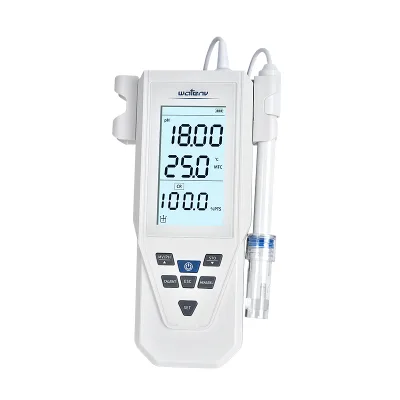
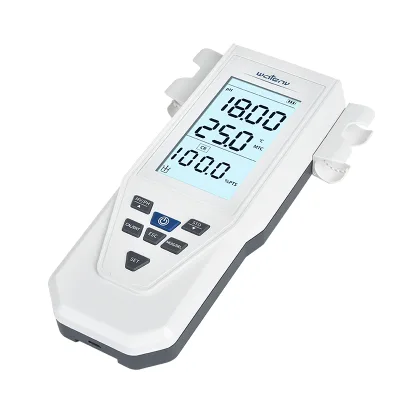
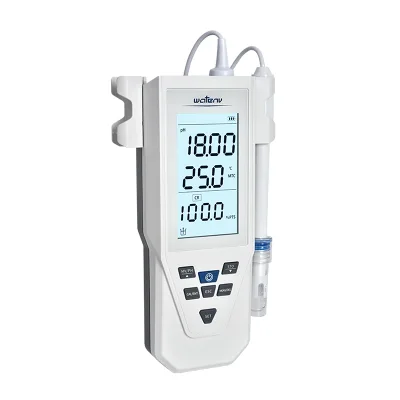






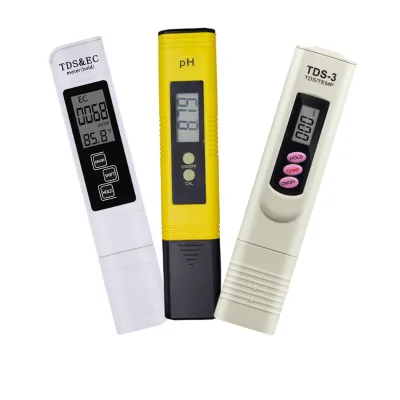
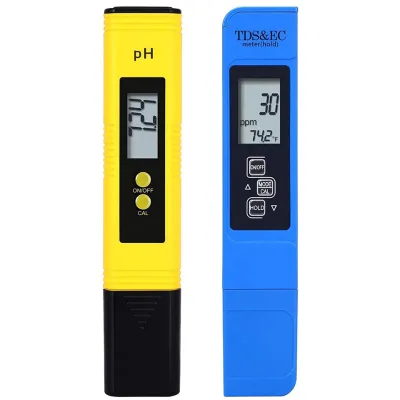
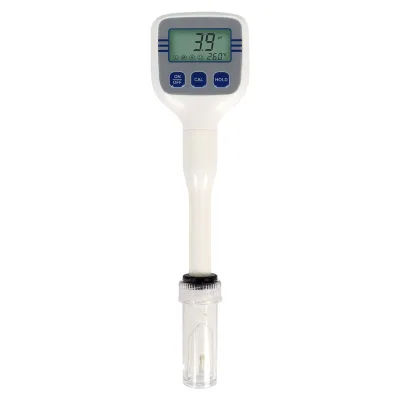
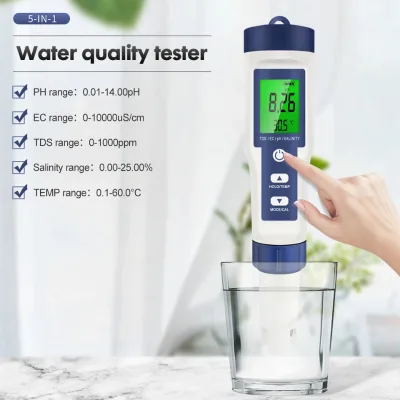


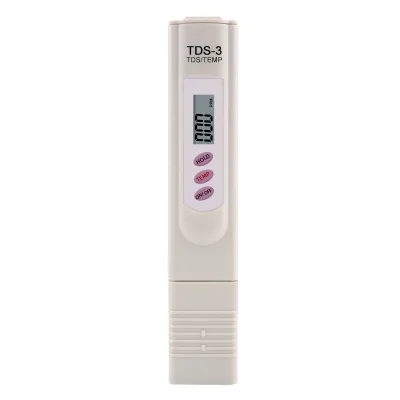
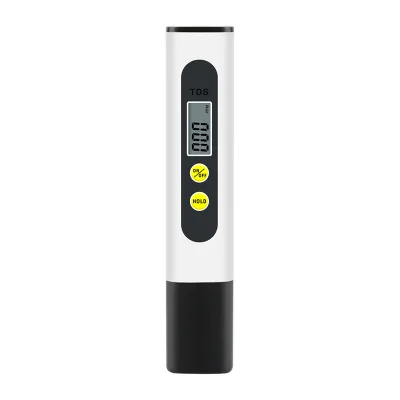
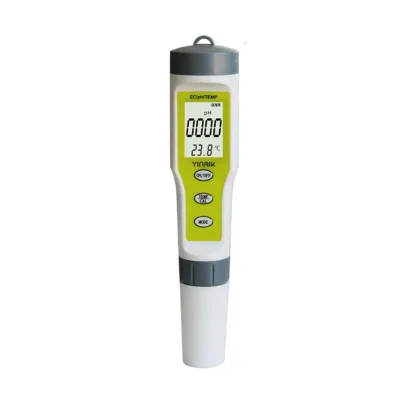
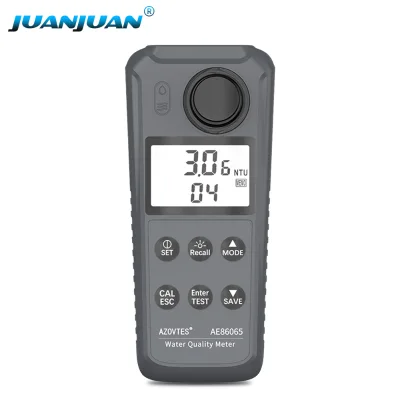
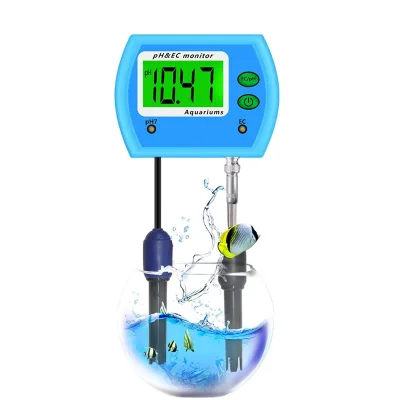
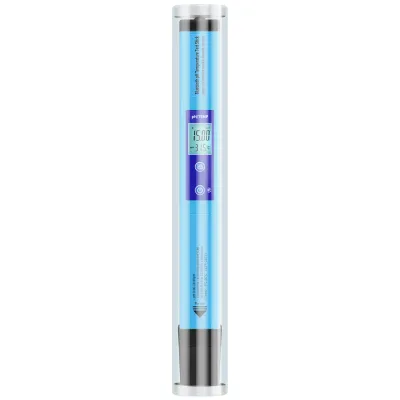


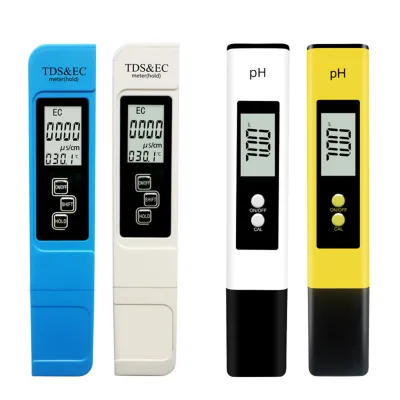
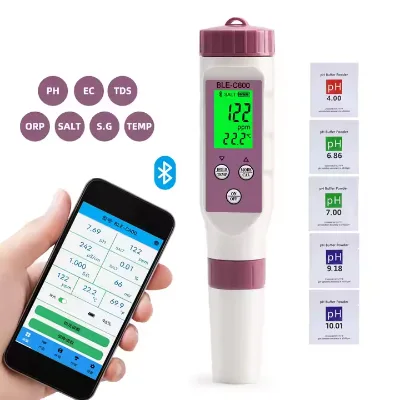


Comprehensive Sourcing Guide
Portable Digital pH and TDS Meter Supplier Concentration and Factory Types
Buyers searching for Portable Digital pH and TDS Meter suppliers will encounter listings concentrated in several Chinese provinces, and the current supplier results point to Hunan, Henan and Shandong as active sourcing bases. The Hunan-based company operates as both a trading company and a manufacturer/factory, listing pH meters among a broad laboratory instrument portfolio that also includes centrifuges, spectrophotometers and autoclaves. The Henan company is registered as a combined operation and lists sensors as its main product line, with handheld digital pH and TDS testers among its product evidence. The Shandong company is a trading company whose main products include pH meters alongside counters, tools and other hardware.
These profiles illustrate the three supplier types you will typically meet: manufacturers with their own factories, trading companies that aggregate from multiple factories, and combined entities that do both. A manufacturer listing a full lab-equipment range may outsource some items, while a trading company with pH meters as a named main product may still source from third-party workshops. Where your search shows no location data at all, do not assume a cluster; instead, filter or request the business license address and cross-check it against the factory address given in quotations, since registered and production addresses frequently differ in this category.
How to Verify Portable Digital pH and TDS Meter Suppliers
Verification starts with third-party credentials that are actually displayed in supplier results. In the current dataset, one Hunan supplier carries ISO 9001 system certification and is verified by TÜV Rheinland; a Henan supplier is SGS verified; and a Shandong trading company shows no system certification at all. That spread is normal, and the absence of a displayed certificate is a signal to ask rather than a disqualification. Request the ISO 9001 certificate number and scope, confirm the certification body, and check that product-level claims such as CE marking on individual pH meter listings are supported by documentation the supplier can produce on request.
Next, verify the company behind the listing. Ask for a business license showing the registered address and establishment year, then compare it with any factory address offered during quotation. For supplier types, distinguish manufacturers from trading companies by asking which products are made in-house and which are bought in; the Hunan company, for example, is both a trading company and a factory, so clarifying which meters are produced directly matters for quality control. Confirm the entity handling export: the licensee on the contract, the name on the bank account and the name on the shipping documents should all match. Finally, verify claimed capabilities such as OEM and ODM by requesting evidence of past customization work, such as branded packaging samples or modified product specifications, rather than accepting the label at face value.
What to Compare Across Portable Digital pH and TDS Meter Suppliers
Build a comparison table using the attributes actually displayed in supplier results, without assuming every supplier shows the same fields. Useful dimensions include lead time, MOQ, average response time, supplier type, location, system certification, verification status and main products. In the current results, response times range from roughly one hour to twenty-five hours, and lead times range from fifteen to thirty-eight days, which is a meaningful operational spread for repeat ordering. MOQs on representative listings run from one to five units, so even small buyers can sample from multiple suppliers before committing.
Compare product-level evidence alongside company-level attributes. Representative listings include a bench-style PHS-25 portable pH meter priced from 60 to 70 dollars with a one-unit MOQ, a PH-981 digital pH meter for biochemistry and medical research use priced from 15 to 20 dollars, and a compact Henan TDS meter with a price ceiling around 1.52 dollars and an MOQ of two. Note resolution claims such as 0.01 pH across a 0.00 to 14.00 pH range, and TDS resolution of 1 ppm below 1000 ppm. Also compare customization support: two suppliers explicitly list OEM and ODM capacity, one adds its own brand. Where a field is blank, record it as unverified rather than assuming a favorable value, and request the missing data directly before shortlisting.
Common Portable Digital pH and TDS Meter Sourcing Risks
The most common risk in this category is over-reading product listings. Suppliers combine multiple model variants under similar keywords, so a listing described as a portable digital pH meter may share images with a different model, packaging or range. One supplier in the current results lists several keyword variations of essentially the same portable meter, which makes it easy to order the wrong configuration. Always reference exact model numbers, such as those shown in product attributes, and confirm range, resolution, display type and packing in writing before placing a deposit.
Second, quality and calibration risks are significant for pH and TDS measurement. Meters can drift, electrodes can be unstable, and a CE or ISO label on a listing does not prove batch accuracy. Plan incoming inspection with standard buffer solutions and reference TDS solutions, and agree acceptable drift limits in the specification sheet. Third, supplier-type risk: a trading company may not control the factory's process, so clarify who is responsible for defects and rework. Fourth, verification gaps: at least one current supplier shows no system certification, so rely on your own audits or third-party inspection for those. Finally, price-to-specification mismatch is common at the low end of this market; treat sub-five-dollar quotes as requiring stricter sample validation than higher-priced laboratory-grade models.
Portable Digital pH and TDS Meter Regional Sourcing and Logistics
When your search results include concrete locations, use them to plan logistics. The current supplier set spans Hunan, Henan and Shandong provinces, so consolidate shipments by checking whether your shortlisted suppliers can deliver to a single consolidation point, or whether you will ship separately. Lead times in the results vary from fifteen days for the Henan supplier to twenty-three days for Shandong and thirty-eight days for Hunan, so align your order calendar with the slowest supplier in a mixed order rather than assuming one schedule fits all. Packing is generally carton-based per the product attributes, which suits both air and sea freight for compact meters.
Where your results do not show a location, do not guess a cluster. Instead, ask each supplier for the registered and factory addresses, then map them yourself; proximity to electronics component markets and express hubs often explains faster stated lead times. Request shipping options in writing: small MOQs of one or two units make courier shipment practical for samples and first orders, while volume repeat orders usually justify consolidated sea freight. Confirm the Incoterms a supplier quotes, who arranges export clearance, and whether the supplier has experience shipping precision instruments with protective carton packing. Also ask each supplier how lead time changes with customization, since OEM or ODM versions of pH and TDS meters typically extend the quoted production window.
Portable Digital pH and TDS Meter Commercial Terms and Order Planning
Order planning in this category benefits from the low MOQs visible in current results, where representative listings show one, two and five unit minimums. Use this to run a sampling round across at least two or three suppliers before committing volume, paying for samples at list price to get genuine treatment. Price ranges in the evidence span roughly 1.52 dollars for a compact TDS meter, 15 to 20 dollars for a research-oriented digital pH meter, and 60 to 70 dollars for a PHS-25 portable meter, so benchmark quotes against these published figures and ask suppliers to explain any large deviation in terms of range, resolution or accessories.
Structure commercial terms deliberately. Confirm payment method and whether escrow-backed payment is offered, since escrow reduces counterparty risk when a supplier shows no displayed certification or verification badge. Put the agreed specification, packing, Incoterms, lead time and defect remedy into the purchase contract, and reference the exact model numbers and product attributes from the listing. For customization, confirm who owns tooling or branding elements. Plan reorders against each supplier's stated lead time, adding buffer for the slower suppliers in your mix, and reconfirm prices each cycle since component costs in this category move. Finally, schedule incoming quality checks with buffers and TDS reference solutions so that measured performance, not the listing, governs acceptance.
FAQs
What is the price range for portable digital pH meters?
Portable digital pH meters are available at various price points depending on specifications. Models like the PHS-25 range from $60 to $70, while the PH-981 is priced between $15 and $20. Some listings show variable pricing structures. Buyers should check specific product pages for exact costs and bulk discounts.
What is the minimum order quantity for these meters?
Minimum order quantities vary by supplier and product model. Some suppliers accept orders as low as one unit, while others require a minimum of five pieces. The PH-981 model has a minimum order of one, whereas other portable testers may require five units. Always verify the MOQ on the specific product listing before placing an order.
How long does delivery take for these instruments?
Lead times for portable digital pH and TDS meters typically range from 15 to 38 days. Suppliers in Henan offer faster turnaround times around 15 days, while those in Hunan may take up to 38 days. Shandong suppliers generally have a lead time of 23 days. Delivery speed depends on the manufacturer's current production schedule.
Are these meters certified for international standards?
Many portable digital meters carry CE and ISO certifications. The PHS-25 model is explicitly listed with CE and ISO standards. Other models may have CE or RoHS certifications. Some suppliers hold ISO 9001 system certification. Buyers should verify specific product certificates to ensure compliance with their local regulatory requirements before purchasing.
What is the response time for supplier inquiries?
Supplier response times vary significantly across different manufacturers. Some suppliers respond within approximately 1.14 hours, while others may take up to 25 hours. Faster response times are often associated with suppliers in Henan. Buyers seeking quick communication should prioritize suppliers with lower response time metrics when evaluating potential partners for their orders.
Can these meters be customized for specific needs?
Customization options are widely available for portable digital pH and TDS meters. Many suppliers offer OEM and ODM services to tailor products to specific requirements. Customization support includes branding and design modifications. Buyers looking for unique specifications should confirm customization availability and associated costs directly with the supplier to ensure their specific needs are met.