Roofing Cold Rolled Iron Coil Suppliers and Manufacturers
Find 27 verified suppliers offering Roofing Cold Rolled Iron Coil with varying lead times, certifications, and response speeds. Compare dimensions, standards, and pricing to select the right factory for your project needs today; review the available evidence before requesting comparable quotations from suitable candidates.
Updated
Suppliers List

Shandong Hontai Steel Co., Ltd
- Manufacturer/Factory
- China Shandong
- Lead time23 days
- Avg. response≤ 7h
Main productsGalvanized Steel Coils, Galvalume Steel Coils, Prepainted Steel Coils, Prepainted Alunimum Coils, Roofing Sheets, Zn-Al-Mg Coated Steel Coils, Tinplate, Nails, Nails and Screws
Main marketsSouth America,Eastern Europe,Mid East,Southeast Asia,Eastern Asia,Oceania,Africa


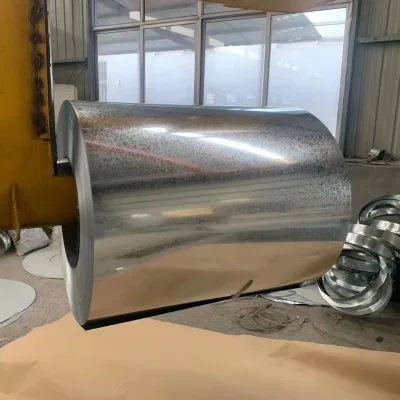
High Quality ASTM/Cold Rolled Galvanized Steel Coil for Metal Iron Roofing Sheet Price
$400.00 - $850.00
MOQ: 25 Tons


Hangzhou Sukalp Trading Co., Ltd.
- Verified by TUVRHEINLAND
- Trading Company,Manufacturer/Factory
- China Zhejiang
- Lead time0 days
- Avg. response≤ 11h
Main productsPrepainted Steel Coil, Galvanized Steel Coil, Galvalume Steel Coil, Corrugated Steel Sheet, Metal Roofing/Wall Sheet, Sandwich Panel, Steel Strips, C & Z Purlin, Steel Pipes, Galvanized Steel Pipes

Shandong Dingcheng Liye Materials Co., Ltd.
- Verified by TUVRHEINLAND
- Trading Company
- China Shandong
- Lead time15 days
- Avg. response≤ 3h
Main productsSteel Plate, Steel Coil, Carbon Steel, Stainless Steel, Galvanized Steel, Steel Sheet, Steel Wire, Steel Rebar
Main marketsSouth America,Eastern Europe,Mid East,North America,Southeast Asia,Eastern Asia,Oceania,Western Europe,Africa


Hot Rolled Carbon Steel Sheet Coils Supplier Sheet Iron Carbon Steel Coil
$490.00 - $600.00
MOQ: 1 Tons


Factory Supply Prepainted Cold Rolled Steel Coil/Color Coated Steel Coil for Building Material
$580.00 - $750.00
MOQ: 1 tons


- Verified by TUVRHEINLAND
- Trading Company
- China Tianjin
- Lead time15 days
- Avg. response≤ 4h
Main productsNails Wires
Main marketsSouth America,Others(foreignTradeCapacity.exportBusinessCapacityMarketOther),Europe


$1150.00 - $1200.00
MOQ: 25 Tons


Guangzhou New Zhonglian Building Materials Co., Ltd.
- Verified by SGS
- Trading Company,Manufacturer/Factory,Group Corporation
- China Guangdong
- Lead time23 days
- Avg. response≤ 20h
Main productsSteel Structure Building, Steel & Iron Products, Building Materials, Prefab House, Capsule House, Container House
Main marketsSouth America,Eastern Europe,Mid East,North America,Southeast Asia,Eastern Asia,Oceania,Western Europe,Africa
Tianjin Kunyu Juyixiang Technology Co., Ltd.
- Verified by Intertek
- Manufacturer, Trading Company
- Lead time7 days
- Avg. response≤ 1h
Main productsColor Coated Roll , Galvanized Coil, Galvanized Pipe, Galvanized Sheet, H-Section Steel
Main marketsSoutheast Asia(40%), Mid East(30%), Africa(10%)

Baixinxin Metal Materials (Jinan) Co., Ltd.
- Verified by BV
- Manufacturer/Factory
- China Shandong
- Lead time15 days
- Avg. response≤ 6h
Main productsSteel Products, Steel Structures, Steel Sections, Steel Plates, H-Shaped Steel, Channel Steel, Angle Steel
Main marketsSouth America,Eastern Europe,Mid East,Southeast Asia,Eastern Asia,Western Europe


CE Certificate Cold Rolled Grade Cold Rolled Steel Rolls Cr Steel Coils
$534.00 - $646.00
MOQ: 28 Tons

Jiangsu Renzhong Metal Products Co., Ltd.
- Verified by SGS
- Trading Company
- China Jiangsu
- Lead time30 days
- Avg. response≤ 6h
Main productsStainless Steel Tube, Stainless Steel Sheet, Scaffolding, Stainless Steel Coil, Scaffolding Pipe, Stainless Steel Pipe, Stainless Steel Plate, Scaffolding Coupler, 304 Stainless Steel Sheet, 304 Stainless Steel Plate
Main marketsSouth America

Qingdao Hangshuntong Metal Products Co., Ltd.
- Trading Company
- Shandong, China
- Lead time3 days
- Avg. response≤ 2h
Main productsStainless Steel, Lead Glass, Coil Stainless,, Steel Pipe Lead Sheet
Main marketsSouth America(20.00%), Africa(20.00%), Mid East(20.00%)

Dezhou Hualude Hardware Products Co., Ltd.
- Verified by BV
- Trading Company
- China Shandong
- Lead time15 days
- Avg. response≤ 7h
Main productsIron Nail, Iron Wire, Fence Post, Fence Gate, Wire Mesh, Galvanized Corrugated Sheet, Galvanized Coil, Roll Forming Machine, Concrete Accessory, PPGI Coils
Main marketsSoutheast Asia/ Mideast,Europe,Australia,North America
Xi'an Junlin Chicheng Metal Products Co., Ltd.
- Verified by TüVRheinland
- Manufacturer, Trading Company
- Lead time30 days
- Avg. response≤ 2h
Main productsCarbon Steel, Stainless Steel, Aluminum
Main marketsSouth America(30%), Mid East(30%), Southeast Asia(20%)
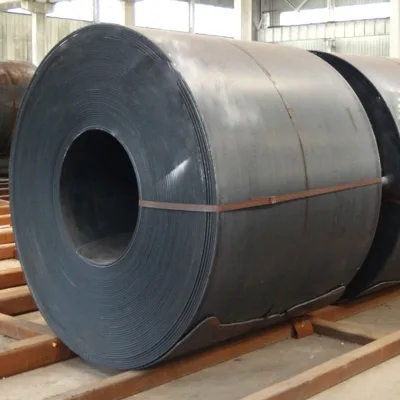
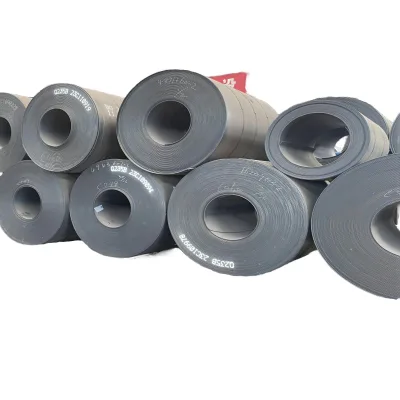
Q235 Black Hot Rolled Carbon Iron Steel Coil
$490.00 - $650.00


Shandong Xingtongda Steel Co., Ltd
- Verified by SGS
- Trading Company
- China Shandong
- Lead time15 days
- Avg. response≤ 2h
Main productsSteel Coil, Steel Pipe, Steel Plate/Sheet, Stainless, Aluminum, Color Coated Steel Coil, Section Steel, Copper, Steel Wire Rpoe, Steel Wire
Main marketsEurope


Premium Cold-Rolled Color Steel Roofing Sheet Coil for Global Distribution
$500.00 - $600.00
MOQ: 1 Tons
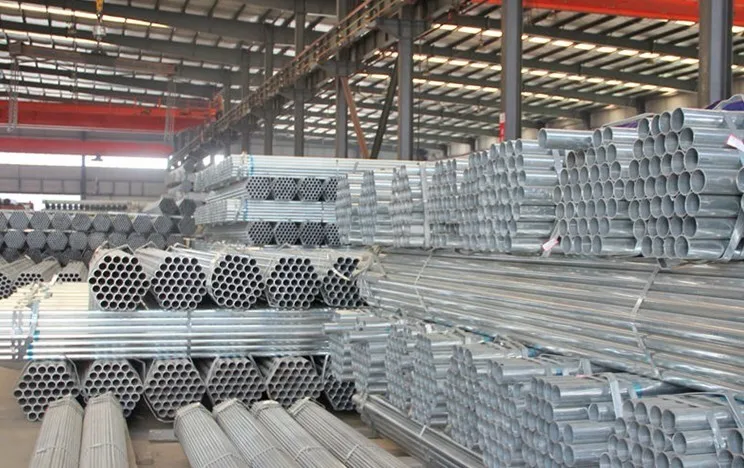
Tianjin Boyida Import And Export Co., Ltd.
- Trading Company
- Tianjin, China
- Lead time30 days
- Avg. response≤ 8h
Main productsROOFING SHEETS,STEEL PIPE,GALVANIZED PIPE,Steel wire,Steel tubes
Main marketsAfrica(60.00%), Southeast Asia(20.00%), South Asia(6.00%), Northern Europe(5.00%), Mid East(3.00%), Domestic Market(2.00%), Western Europe(2.00%), North America(1.00%), South America(1.00%)
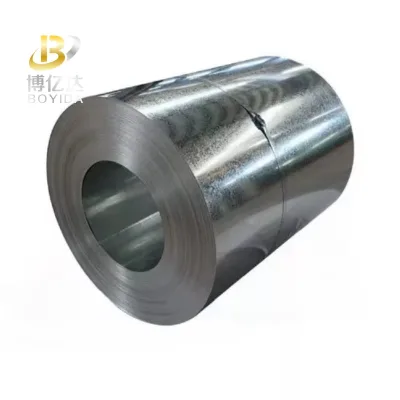
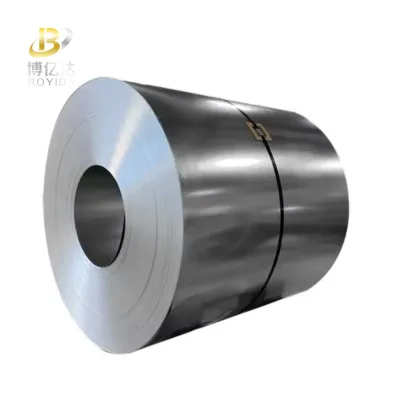
Cold Rolled Galvanized Steel Coils, Packaging Type: Standard, Thickness: 0.12MM- 3.00 MM
$650.00 - $680.00
MOQ: 10

Shandong Ruida Steel Co., Ltd.
- Verified by SGS
- Trading Company
- China Shandong
- Lead time30 days
- Avg. response≤ 1h
Main productsSteel Coil
Main marketsAfrica

Tianjin Kuifang International Trade Co., Ltd.
- Trading Company
- Tianjin, China
- Lead time20 days
- Avg. response≤ 3h
Main productsSteel Pipe,Carbon Steel Pipe,Galvanized Steel Pipe,Welded Steel Pipe,GI pipe
Main marketsMid East(34.60%), South America(27.70%), Southeast Asia(25.30%), Africa(12.40%)

QINGDAO QINYUAN STEEL CO., LTD.
- Trading Company
- China Shandong
- Lead time15 days
- Avg. response≤ 5h
Main productsGalvanized Steel Coil, Color Coated Steel Coil, PPGI, Gi, Roofing Sheet, Stone Coated Roof Tile
Main marketsSouth America,Southeast Asia/ Mideast
- Verified by TüVRheinland
- Trading Company
- Lead time21 days
- Avg. response≤ 2h
Main productsCarbon Steel Coil, Steel Plate, Galvanized Steel Coil, Stainless Steel Coil, Aluminium Sheet
Main marketsNorth America(50%), Mid East(16%), South America(10%)
Haihong (jiangsu) Steel International Trade Co., Ltd.
- Trading Company
- Jiangsu, China
- Lead time10 days
- Avg. response≤ 3h
Main productsRoofing Sheet Color Coated,Color Steel Plates,Galvanized Steel Coil,Prepainted Galvanized Steel Coil,Steel Plates
Main marketsSoutheast Asia(30.00%), Eastern Europe(20.00%), North America(10.00%), Central America(10.00%), Eastern Asia(9.00%), South America(5.00%), Western Europe(4.00%), South Asia(3.00%), Mid East(3.00%), Northern Europe(3.00%), Oceania(1.00%), Southern Europe(1.00%), Africa(1.00%)
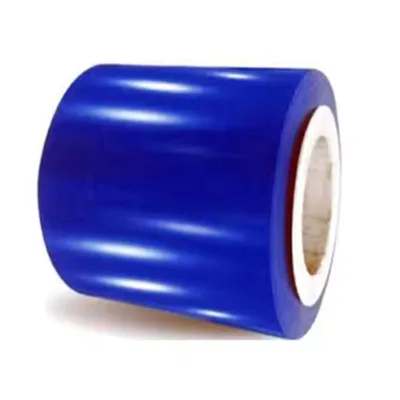
$564.303 - $923.405
MOQ: 1 tons
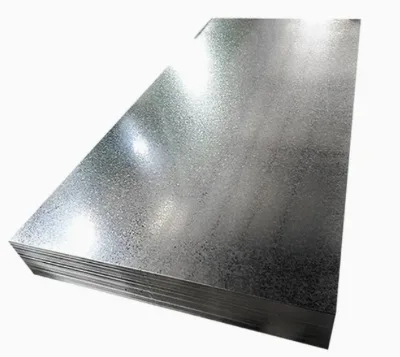
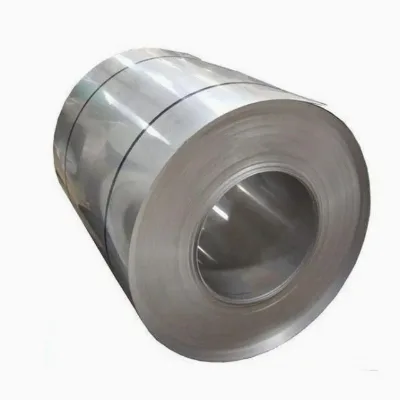
$666.9036 - $707.9447
MOQ: 1 tons
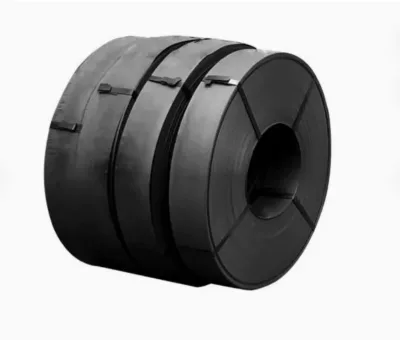
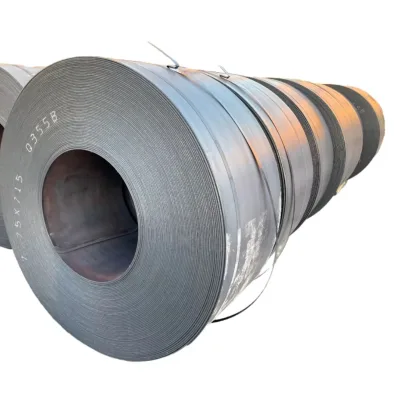
High Quality Carbon Steel Coil Carbon Steel Strip Carbon Steel Slitting Coil Hot Rolled Steel Coil
$569.3742 - $621.1346
MOQ: 1 Minimum
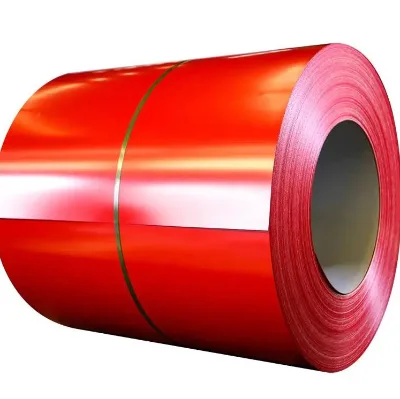
$800.2846 - $1026.0055
MOQ: 1 tons

$629.7509 - $650.3981
MOQ: 5 tons

Henan Steel Guang International Trade Co., Ltd.
- Verified by BV
- Trading Company,Manufacturer/Factory
- China Henan
- Lead time23 days
- Avg. response≤ 11h
Main productsSteel Plate, Steel Tube, Angle Steel Bar, Round Bar, CNC Cutting Service, Steel Plate Cutting, Flame Cutting Service, Cutting Steel Plate, Seamless Steel Tube, Wear Resistant Steel Plate
Main marketsSouth America,Mid East,North America,Southeast Asia,Eastern Asia,Western Europe,Africa

QINGDAO ASIA SINO STEEL CO., LTD
- Verified by SGS
- Trading Company
- China Shandong
- Lead time45 days
- Avg. response≤ 2h
Main productsSteel Coil, Steel Sheet, Roofing Sheet, Steel, Galvanized Steel Coil, Galvalume Steel Coil, PPGI, PPGL, Aluminum Coil, Building Material
Main marketsSouth America


China Roofing Material Prime 0.3mm Hot Rolled Galvanized Steel Roll Coil
$400.00 - $600.00
MOQ: 25 Tons
Liangang International Trade (shandong) Co., Ltd.
- Verified by SGS Group
- Trading Company
- Lead time30 days
- Avg. response≤ 3h
Main productsCarbon Steel, Galvanized Steel, Color Coated Steel, hot rolled steel, cold rolled steel
Main marketsMid East(40%), Southeast Asia(35%), Eastern Europe(20%)
- Verified by TüVRheinland
- Trading Company
- Jiangsu, China
- Lead time0 days
- Avg. response≤ 14h
Main productsSquare Pipe,Steel Pipe,Steel Coil,Steel Plate
Main marketsSoutheast Asia(37%), Mid East(20%), South America(14%)
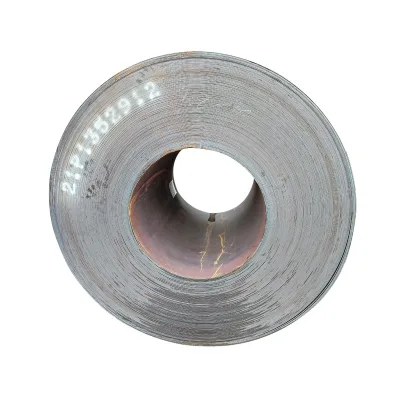
Factory Hot-selling Mild Steel Coil Cold Rolled Steel Coils Carbon Steel Coil
$566.2413 - $628.0135
MOQ: 10 Minimum
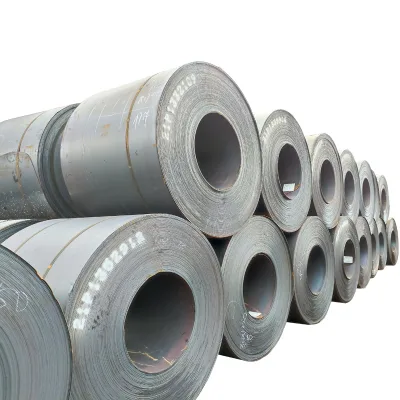
Shandong Baotai Steel Co., Ltd.
- Verified by SGS Group
- Trading Company
- Lead time7 days
- Avg. response≤ 1h
Main productsCoating Products, Stainless Steel, Carbon Steel, Ductile Iron Pipes, Steel Sheet Pile
Main marketsSouth America(20%), Southeast Asia(20%), South Asia(15%)
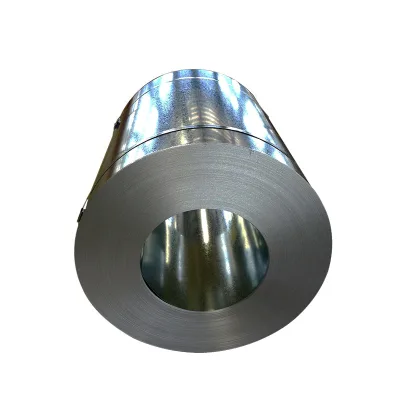
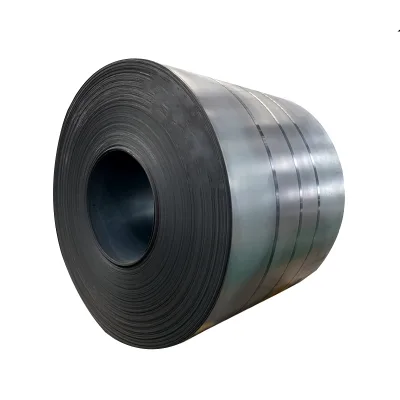
Galvanized Steel Coil Roof Sheet Cold Rolled Carbon Floor Tile Roll Steel Structure Mild Steel Coil
$300.00 - $516.00
MOQ: 10 tons

Tianjin Jinnuo Steel Pipe Co., Ltd.
- Combined
- China Tianjin
- Lead time30 days
- Avg. response≤ 9h
Main productsSteel Pipe, Carbon Steel Pipe, Galvanized Steel Pipe, Welded Steel Pipe, Gi Pipe, Seamless Steel Pipe, Steel Plate, Steel Coil, Steel Strip, Steel Profile
Main marketsSouth America,Africa,Southeast Asia/ Mideast,East Asia(Japan/ South Korea),Domestic,Europe,Australia,North America


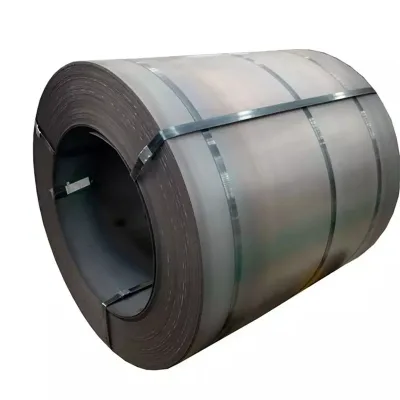
Carbon Steel Coil Cold Rolled for Roofing Sheet Price China Manufacture
$500.00 - $580.00
MOQ: 25 Tons

Galvanized Steel Coil for Roof Sheet /Galvanized Iron Steel Sheet in Coil
$620.00 - $650.00
MOQ: 25 Tons

Zincoated 40g Galvanized Steel Coils for Roofing Sheet and Protective Fence
$620.00 - $650.00
MOQ: 25 Tons

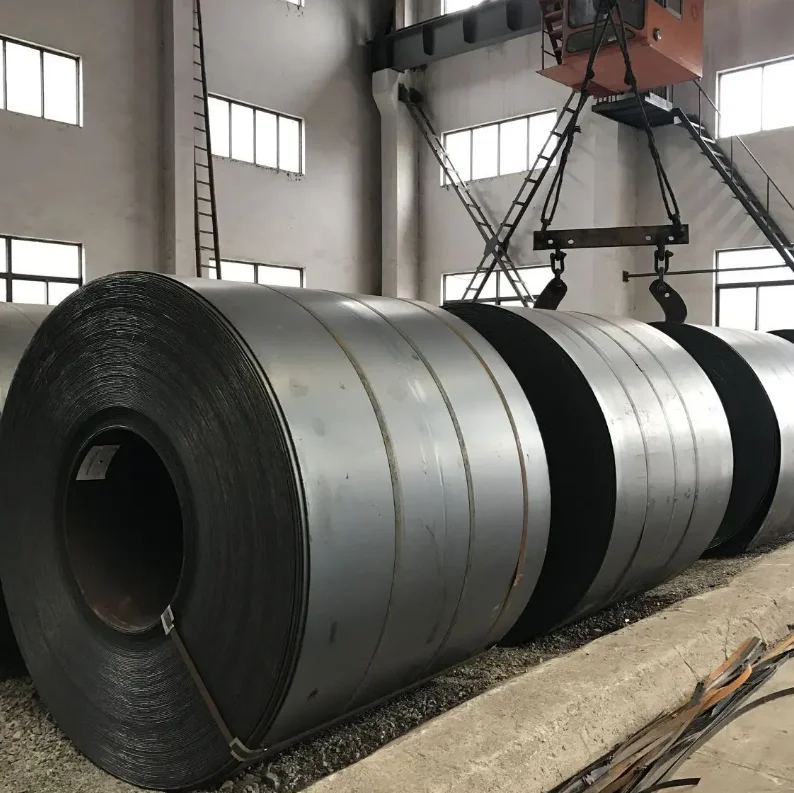
Shandong Longshun Pipe Industry Co., Ltd.
- Trading Company
- Shandong, China
- Lead time15 days
- Avg. response≤ 5h
Main productsHot rolled steel coils,Cold rolled steel coils,Galvanized coils,Color coated sheet roll,Duplex stainless steel pipe
Main marketsDomestic Market(70.00%), North America(10.00%), Africa(10.00%), Southeast Asia(10.00%)
Shandong Liaocheng Jinzheng Steel Pipe Co., Ltd.
- Verified by SGS Group
- Manufacturer, Trading Company
- Lead time15 days
- Avg. response≤ 2h
Main productsSteel Pipe
Main marketsDomestic Market(80%), Southeast Asia(3%), Africa(3%)
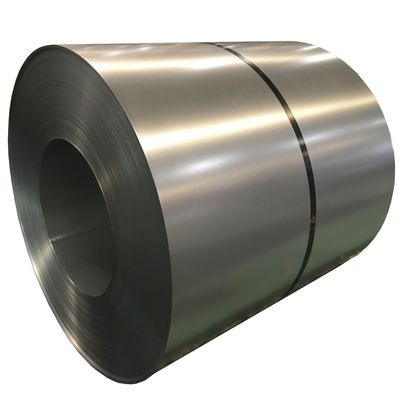
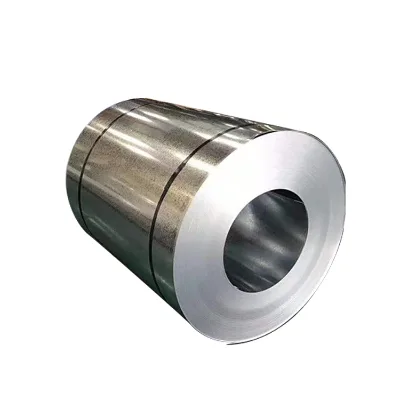
High quality good Price Dx51d Cold Rolled Gi Roofing Sheet Hot Dipped Galvanized Steel Coil
$550.00 - $599.00
MOQ: 5
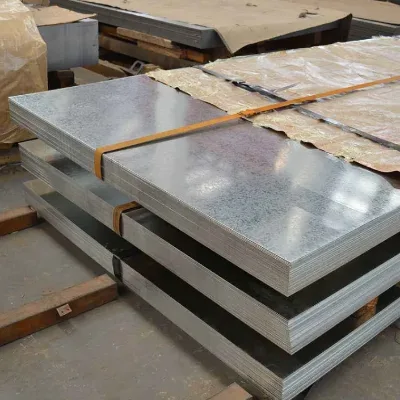
Customized Size Cold Rolled Galvanized Sheets 0.1mm-10mm Thickness Galvanized Steel Sheet Coil
$428.2838 - $459.6219
MOQ: 10 tons
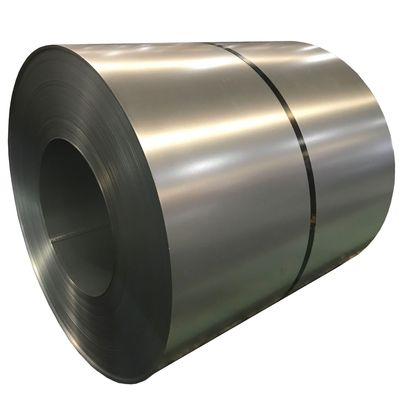
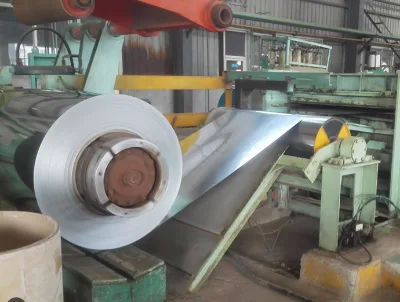
$420.9522 - $451.7536
MOQ: 10 tons

- Verified by BV
- Trading Company
- China Shandong
- Lead time15 days
- Avg. response≤ 10h
Main productsGalvanized Steel, Galvalume Steel, PPGI Steel, PPGL Steel, Stainless Steel, Roofing Sheet, Steel Sections, Steel Pipes
Main marketsSouth America,Africa,Others(foreignTradeCapacity.exportBusinessCapacityMarketOther),Southeast Asia/ Mideast,Europe,North America












Comprehensive Sourcing Guide
Roofing Cold Rolled Iron Coil Supplier Concentration and Factory Types
The current supplier landscape for Roofing Cold Rolled Iron Coil reveals a distinct geographic concentration in China, with specific operational hubs identified in Shandong and Zhejiang provinces. These regions serve as primary manufacturing centers for steel products, offering buyers access to established industrial clusters that specialize in metal processing and coating technologies. Suppliers located in these areas often benefit from proximity to raw material sources and established logistics networks, which can influence both production efficiency and shipping options. When evaluating potential partners, it is crucial to distinguish between different company types, as this significantly impacts the nature of the service and product availability. The data indicates a mix of Manufacturer/Factory entities and Trading Companies, each offering distinct advantages depending on the buyer’s specific procurement strategy and volume requirements.
Manufacturer/Factory suppliers typically provide direct access to production lines, allowing for greater control over customization and quality assurance processes. These entities often list OEM capabilities, indicating their ability to produce goods according to specific buyer specifications rather than relying solely on existing stock. In contrast, Trading Companies may offer a broader range of products, including steel plates, carbon steel, stainless steel, and various coated products, acting as intermediaries that consolidate supply from multiple factories. Some suppliers operate as hybrid entities, functioning as both Trading Companies and Manufacturer/Factory, which can provide the flexibility of a trader with the production assurance of a factory. Understanding this distinction is vital for buyers seeking either specialized manufacturing services or a diversified portfolio of steel products for their construction and roofing projects.
How to Verify Roofing Cold Rolled Iron Coil Suppliers
Verifying the legitimacy and capability of suppliers requires a multi-layered approach that goes beyond simple profile reviews. Buyers should prioritize suppliers who hold recognized system certifications, such as ISO 9001, ISO 14001, and BS 25999-2, which demonstrate a commitment to quality management and environmental standards. Additionally, third-party verification badges, such as those from TÜV Rheinland, provide an external layer of trust regarding the supplier’s business operations and financial stability. It is also important to check for product-specific certifications like SGS or ISO, which validate that the actual steel coils meet international standards for thickness, coating weight, and mechanical properties. These credentials are not merely decorative; they serve as critical indicators of a supplier’s ability to consistently deliver products that meet rigorous engineering and safety requirements for roofing applications.
Beyond certifications, buyers must assess the supplier’s responsiveness and operational transparency. Response times vary significantly across the market, with some suppliers replying within hours while others may take longer, impacting the speed of quotation and negotiation processes. A quick response time often correlates with a more organized sales team and better customer service infrastructure. Furthermore, buyers should request detailed product specifications that include base panel types, such as Dx51d or SGCC, and surface treatment details like chromated or oiled finishes. Verifying that the supplier can provide samples, which are often available for free, allows for physical inspection of the material’s quality before committing to a large order. This due diligence helps mitigate the risk of receiving substandard materials that could compromise the integrity of the final roofing structure.
What to Compare Across Roofing Cold Rolled Iron Coil Suppliers
When comparing suppliers, lead time and minimum order quantity (MOQ) are two of the most critical operational metrics to evaluate. Lead times can range from immediate stock availability to longer production periods, with some suppliers listing lead times as low as zero days for in-stock items, while others may require up to twenty-three days for manufacturing. This variance directly impacts project scheduling and inventory management, making it essential for buyers to align supplier capabilities with their project timelines. Similarly, MOQs vary widely, with some suppliers requiring as little as twenty-five tons, while others may demand orders of three thousand tons or more. Understanding these thresholds helps buyers determine which suppliers are suitable for small-scale repairs versus large-scale construction projects, ensuring that the procurement volume matches the supplier’s operational model.
Product specifications and pricing structures also require careful comparison to ensure value and compatibility. Prices for roofing cold rolled iron coils can fluctuate based on market conditions, with ranges observed between four hundred and eight hundred fifty dollars per ton, depending on the grade, coating, and thickness. Buyers should compare not just the base price but also the included services, such as customization options and packaging standards. Technical attributes like zinc coating weight, ranging from forty to two hundred seventy-five grams per square meter, and thickness variations from zero point one two to four millimeters, must be matched against specific project requirements. Additionally, comparing the range of main products offered, such as prepainted coils, galvalume sheets, or structural steel, can help identify suppliers who can serve as a single source for multiple material needs, potentially simplifying logistics and reducing administrative overhead.
Common Roofing Cold Rolled Iron Coil Sourcing Risks
One of the primary risks in sourcing Roofing Cold Rolled Iron Coil is the discrepancy between advertised specifications and actual delivered goods. Suppliers may list a wide range of standards, including AISI, ASTM, BS, DIN, GB, and JIS, but failing to verify which specific standard applies to a given order can lead to material incompatibility. For instance, a coil specified for cold rolling might be delivered as hot rolled if not explicitly confirmed, affecting its formability and strength. Another significant risk involves the variability in surface treatments and coatings. While suppliers may claim to offer galvanized or prepainted finishes, the actual coating weight and adhesion quality can vary, potentially leading to premature corrosion or paint failure in harsh environmental conditions. Buyers must insist on detailed test reports and clear contractual definitions of these technical parameters to avoid such discrepancies.
Logistical and financial risks also pose challenges in international steel procurement. Shipping heavy steel coils requires specialized handling and secure packaging to prevent damage during transit. Suppliers who do not adhere to mill-standard export seaworthy packaging may result in damaged goods upon arrival, leading to delays and additional costs. Furthermore, payment terms and escrow services are critical for mitigating financial risk. Buyers should verify whether suppliers offer secure payment options that protect their funds until the goods are confirmed to meet specifications. The absence of clear escrow mechanisms or transparent pricing structures can expose buyers to fraud or unexpected cost overruns. Additionally, relying on suppliers with inconsistent response times or unclear communication channels can lead to misunderstandings regarding order status, shipping dates, and documentation requirements, further complicating the procurement process.
Roofing Cold Rolled Iron Coil Regional Sourcing and Logistics
Sourcing from specific regions in China, such as Shandong and Zhejiang, offers distinct logistical advantages and challenges that buyers must consider. Suppliers in these areas are often integrated into larger industrial ecosystems, which can streamline the production and export process. However, the distance from major ports and the specific infrastructure of each province can impact shipping costs and transit times. Buyers should evaluate the supplier’s location relative to their primary shipping ports to estimate freight expenses accurately. Additionally, regional differences in labor costs and raw material availability can influence the final price of the steel coils. Understanding these regional dynamics helps buyers make informed decisions about where to source their materials, balancing cost efficiency with reliability and speed of delivery.
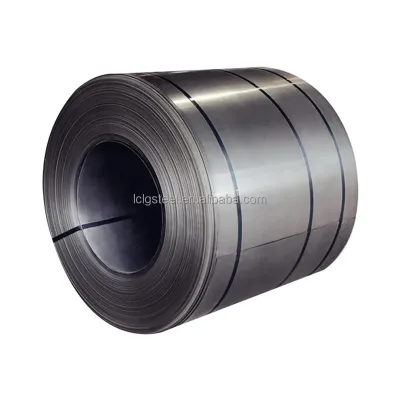
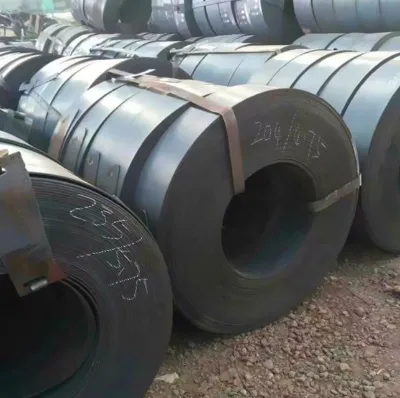
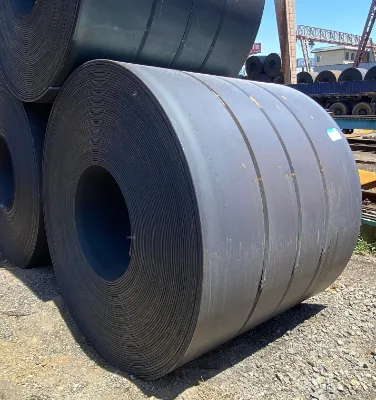
Logistics planning must also account for the physical characteristics of the product, such as coil weight and dimensions. Steel coils typically weigh between two and ten tons, with inner diameters ranging from five hundred eight to six hundred ten millimeters. These specifications dictate the type of packaging and handling equipment required for safe transport. Buyers should ensure that their suppliers use robust packaging methods, such as export standard packing or convention packing, to protect the coils from moisture and physical damage during transit. Furthermore, coordinating with freight forwarders who specialize in heavy industrial goods can help optimize shipping routes and reduce the risk of delays. By carefully planning the logistics chain from the supplier’s facility to the final destination, buyers can minimize disruptions and ensure that the roofing materials arrive in optimal condition for installation.
Roofing Cold Rolled Iron Coil Commercial Terms and Order Planning
Effective order planning for Roofing Cold Rolled Iron Coil requires a clear understanding of commercial terms, including payment structures, delivery schedules, and after-sales support. Buyers should negotiate terms that align with their cash flow needs, such as partial payments upfront and the balance upon shipment or delivery. It is also important to clarify the responsibilities for customs clearance, insurance, and import duties, especially when dealing with international suppliers. Suppliers who offer flexible payment options and transparent invoicing processes can help reduce financial uncertainty and streamline the procurement workflow. Additionally, buyers should establish clear communication channels for addressing any issues that may arise during production or shipping, ensuring that problems are resolved quickly and efficiently.
Long-term relationship building with suppliers can lead to better pricing, priority production slots, and improved service quality. Buyers who consistently place orders with reliable suppliers may benefit from volume discounts or preferential treatment during peak demand periods. It is also advisable to review the supplier’s capacity for handling large orders, as some suppliers may have limitations on their production output or inventory levels. By maintaining open communication and providing feedback on product quality and service, buyers can foster a collaborative partnership that enhances the overall sourcing experience. Furthermore, staying informed about market trends and price fluctuations can help buyers time their purchases strategically, securing the best possible value for their roofing projects while ensuring a steady supply of high-quality materials.
FAQs
What is the price range for roofing cold rolled iron coils?
Prices typically range from $400 to $850 per ton. This variation depends on specific thickness, zinc coating weight, and surface treatment requirements. Buyers should request quotes for exact specifications to determine the final cost for their project needs.
What are the standard thickness and width options available?
Standard thickness ranges from 0.12mm to 4.00mm, with widths available from 30mm to 1500mm. These dimensions accommodate various roofing and wall cladding applications. Custom sizes may be available depending on the manufacturer's production capabilities and order volume.
What certifications are commonly provided for these steel coils?
Common certifications include ISO 9001, ISO 14001, and SGS. Standards such as ASTM, AISI, BS, DIN, GB, and JIS are frequently referenced. Buyers should verify specific certification documents with suppliers to ensure compliance with local building codes and project requirements.
What is the typical lead time for manufacturing orders?
Lead times generally range from 15 to 23 days for production. Some suppliers offer stock items for faster delivery, while others may have zero lead time for specific pre-painted options. Confirming availability and production schedules with the supplier is essential for project planning.
What is the minimum order quantity for these products?
Minimum order quantities vary, with some suppliers requiring as few as 25 tons. Others may set higher thresholds, such as 3000 tons, for certain grades or custom specifications. Buyers should check specific MOQ requirements when requesting quotes to ensure order feasibility.
Where are these steel coils typically manufactured?
Manufacturing facilities are primarily located in China, specifically in Shandong and Zhejiang provinces. These regions are known for producing galvanized, prepainted, and cold rolled steel coils. Buyers can verify supplier locations and factory audits to ensure quality control and logistical efficiency.