Solar PV String Combiner Box with Fuse Protection Suppliers and Manufacturers
Explore 29 verified options for Solar PV String Combiner Box with Fuse Protection from Jiangsu and Anhui factories. Compare ISO certifications, lead times, response rates, and pricing to source reliable components for your solar system projects today; review the available evidence before requesting comparable quotations from suitable candidates.
Updated
Suppliers List

Nantong Gamko New Energy Co., Ltd.
- Verified by SGS
- Trading Company,Manufacturer/Factory
- China Jiangsu
- Lead time15 days
- Avg. response≤ 5h
Main productsSolar Panel, Solar System, Solar Inverter, Cable, Solar Bracket, Solar Air Condition, Solar Controller, PV Connector, Solar Refrigerator, Solar Battery
Main marketsEastern Europe,Mid East,Eastern Asia,Western Europe,Africa

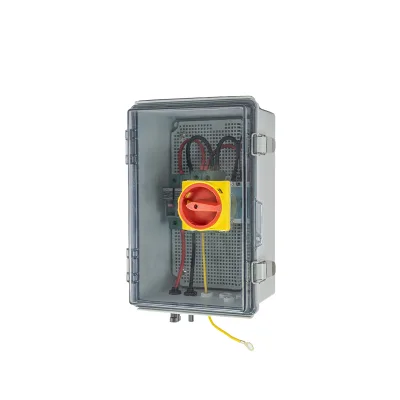
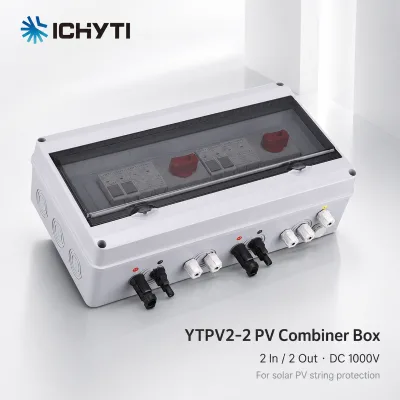
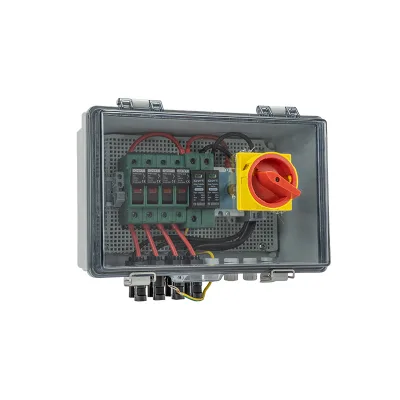
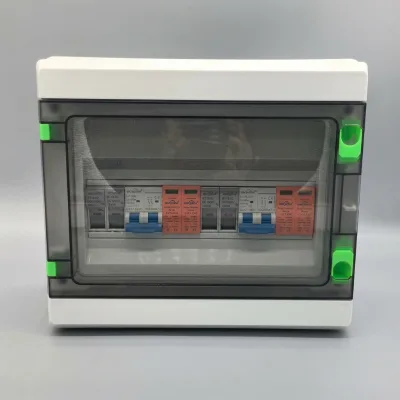
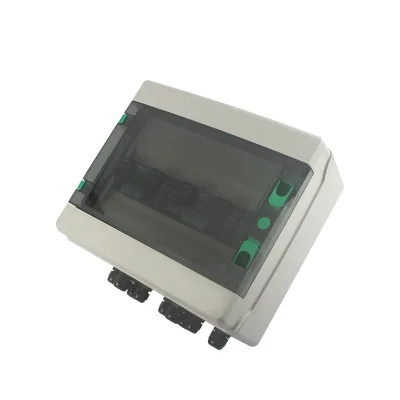
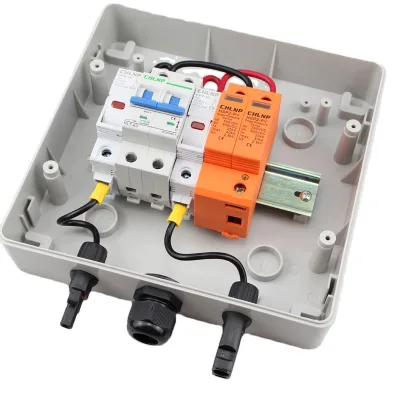
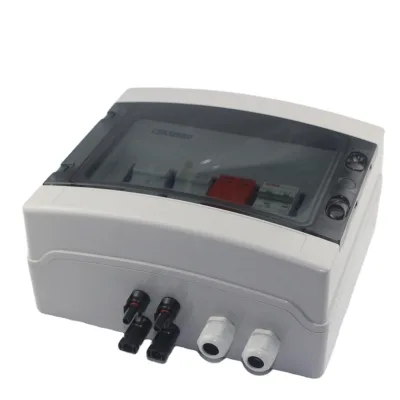
Solar Junction Box String Box for PV System with Fuse Wall Mounted PV Combiner Box
$211.00 - $253.00
MOQ: 1 Pieces

New Design Water Proof Solar Combiner Box String Box for PV System with Fuse Wall Mounted
$263.00 - $316.00
MOQ: 1 Pieces

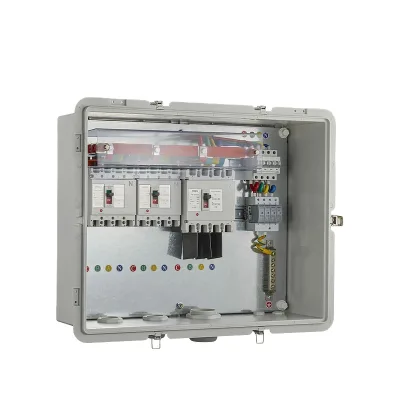
6 String in 2 Strings out Solar Combiner Box for DC Strings Protection
$177.00 - $212.00
MOQ: 1 Pieces

Hot Selling Junction Boxes Wholesale 8 Strings PV Solar Combiner Box with Low Price
$231.00 - $277.00
MOQ: 1 Pieces


Anhui Kingwooh Energy Technology Co., Ltd.
- Verified by TUVRHEINLAND
- Trading Company,Manufacturer/Factory
- China Anhui
- Lead time15 days
- Avg. response≤ 21h
Main productsSolar Products, on Grid off Grid Hybrid Inverter, Battery, PV Combiner, Solar Cable, PV Connector, Flexible Solar Panel, Balcony Solar Panel, Intergrated Solar Power System, Home Storage Solution
Main marketsSouth America,Eastern Europe,Mid East,North America,Southeast Asia,Eastern Asia,Oceania,Western Europe,Africa

Solar Junction Box String Box for PV System with Fuse Wall Mounted PV Combiner Box
$60.00 - $75.00
MOQ: 100 piece

Factory Direct Solar Junction Box String Box for PV System with Fuse Wall Mounted PV Combiner Box
$60.00 - $75.00
MOQ: 100 piece

$60.00 - $75.00
MOQ: 100 piece


YUEQING MEANRAY ELECTRIC CO., LTD.
- Manufacturer
- China Zhejiang
- Lead time15 days
- Avg. response≤ 25h
Main productsDC SPD, Combiner Box, DC MCB, Mc4 Connector, Copper Busbarm, Distribution Box, Wind Turbine
Main marketsSoutheast Asia/ Mideast,Europe,Australia


SPD Fuse Breaker PV Solar Combiner Box 4/2 Strings Plastic Combiner Box
$67.05 - $72.38
MOQ: 10 Pieces


Combiner Box for Solar Array 6 Strings Junction Box with SPD Waterproof PV Combiner Box
$158.73 - $171.42
MOQ: 10 Pieces

Solar System DC PV Combiner Box 6 Strings Input 1 Output IP65 Ccombiner Box with SPD and Fuse
$158.73 - $171.42
MOQ: 10 Pieces

6 Strings Solar PV Combiner Box 2-16ways with 600V SPD and 1000V 16A Fuse
$158.73 - $171.42
MOQ: 10 Pieces

Jinan Xinyuhua Energy Technology Co., Ltd.
- Verified by SGS
- Trading Company,Manufacturer/Factory
- China Shandong
- Lead time15 days
- Avg. response≤ 2h
Main productsStatic Frequency Converter, Solar off Grid Inverter, Voltage and Frequency Stabilizer, AC Power Source, Wind off Grid Inverter, Wind on Grid Inverter, Storage Bi-Directional Inverter, 400Hz Frequency Converter, Test Power Supply, AC to DC Charger
Main marketsSouth America,Eastern Europe,Mid East,North America,Southeast Asia,Eastern Asia,Oceania,Africa

Outdoor Solar DC 550V 1000V 1500V with Breaker Fuse and Surge Protector String PV Solar Combiner Box
$39.90 - $2685.00
MOQ: 2 Pieces

PV Combiner Box with 4 String AC DC PV Combiner Box Solar 500V 4-1 PV Combiner Box 4 String
$39.90 - $2685.00
MOQ: 2 Pieces


Solar PV DC Waterproof and Dustproof Combiner Box for Solar System 2 4 Strings
$39.90 - $2685.00
MOQ: 2 Pieces
Zhejiang Zhongheng Electric Co., Ltd.
- Manufacturer
- Zhejiang, China
- Lead time5 days
- Avg. response≤ 1h
Main productsMiniature circuit breaker,Molded case circuit breaker,Vacuum circuit breaker,Universal circuit breaker,Microcomputer protection device
Main marketsMid East(20.00%)

Zhejiang Shiju Electric Technology Co., Ltd
- Verified by SGS
- Combined
- China Zhejiang
- Lead time30 days
- Avg. response≤ 3h
Main productsCombiner Box, PV Connector, Voltage Protector
Main marketsDomestic


Weather Resistant Solar PV Combiner Box with Reliable Circuit Protection Features
$13.00 - $15.00
MOQ: 1 Pieces


Zhejiang Dabai Electric Co.,Ltd.
- Verified by TüVRheinland
- Manufacturer, Trading Company
- Lead time0 days
- Avg. response≤ 3h
Main productsDC Circuit Breaker, DC Surge Protector, PV Combiner Box, DC Fuse, DC Isolator Switch
Main marketsWestern Europe(40%), Southern Europe(15%), Eastern Europe(10%)
Zhejiang Pengpai Environmental Protection Technology Co., Ltd.
- Verified by Intertek
- Manufacturer, Trading Company
- Lead time0 days
- Avg. response≤ 2h
Main productsLightning Protection Equipment, High and Low Voltage Electrical Components, Fire Protection Electrical Equipment, Power Distribution Auxiliary Materials and Cables, Photovoltaic Equipment Components
Main marketsMid East(25%), Southeast Asia(14%), North America(10%)

Yueqing Feeo Electric Co., Ltd.
- Manufacturer
- Zhejiang, China
- Lead time15 days
- Avg. response≤ 5h
Main productsDc Spd, Dc Mcb, Combiner Box, Dc Fuse, Dc Isolator
Main marketsMid East(20.00%), Southeast Asia(18.00%), South Asia(10.00%), Western Europe(10.00%), Southern Europe(6.00%), Africa(6.00%), North America(5.00%), South America(5.00%), Eastern Europe(5.00%), Domestic Market(5.00%), Eastern Asia(3.00%), Central America(3.00%), Northern Europe(3.00%), Oceania(1.00%)

Shenheng Power Equipment Co., Ltd.
- Verified by BV
- Combined
- China Zhejiang
- Lead time23 days
- Avg. response≤ 6h
Main productsSwitchgear, Ring Main Unit, Substation, Vacuum Circuit Breaker, Oil Immersed Transformer, Dry Type Transformer, Current Transformer, Potential Transformer, Load Break Switch, Cable Branch Box
Main marketsSouth America,Africa,Southeast Asia/ Mideast,Europe,North America
Yueqing Lanpu Electrical Co., Ltd.
- Trading Company
- Zhejiang, China
- Lead time0 days
- Avg. response≤ 3h
Main productsCircuit Breaker,Isolation Switch,Transfer Switch,Contactor
Main marketsEastern Europe(80.00%), Mid East(10.00%), Domestic Market(7.00%), Oceania(3.00%)

Zhejiang Mingguan Electric Co., Ltd.
- Verified by TUVRHEINLAND
- Combined
- China Zhejiang
- Lead time15 days
- Avg. response≤ 4h
Main productsNylon Cable Gland, Brass Cable Gland, Stainless Steel Cable Gland, Corrugated Pipe, Quick Connector, Strain Relief Cable Gland
Main marketsSouth America,Africa,Southeast Asia/ Mideast,East Asia(Japan/ South Korea),Domestic,Europe,Australia,North America

Gandian Lightning Protection Electric Co., Ltd.
- Combined
- China Zhejiang
- Lead time15 days
- Avg. response≤ 4h
Main productsSurge Protective Device, Circuit Breaker, Fuse, Solar Connectors, Transfer Switch, PV Isolation Switch, Va Protector, Combiner Box, Distribution Box
Main marketsSouth America,Southeast Asia/ Mideast,East Asia(Japan/ South Korea),Domestic,Europe,North America


14 Strings Combiner Box Customized with SPD MCB Fuse Protection for Solar System
$67.00
MOQ: 10 Pieces


WENZHOU JUNKE ELECTRIC CO., LTD.
- Trading Company,Manufacturer/Factory
- China Zhejiang
- Lead time23 days
- Avg. response≤ 12h
Main productsAutomatic Transfer Swtich, Power Capacitor, Air Circuit Breaker, Single Meter Socket, Online Soft Starter, Power Factor Correction Device, Energy Meter, Distribution Panel, AC Contactor, Moulded Case Circuit Breaker
Main marketsSouth America,Mid East,Southeast Asia,Eastern Asia,Oceania,Africa


Compact 12-String Combiner Box for Hybrid Solar Systems with Inverter Connection
$180.00
MOQ: 10 Pieces
Jiangsu Gso New Energy Technology Co., Ltd.
- Verified by TüVRheinland
- Manufacturer, Trading Company
- Lead time15 days
- Avg. response≤ 1h
Main productsLithium Battery Pack, Energy Storage System, Solar Inverter, Solar System, Industrial & Commercial Energy Storage
Main marketsWestern Europe(33%), Southeast Asia(20%), Mid East(17%)
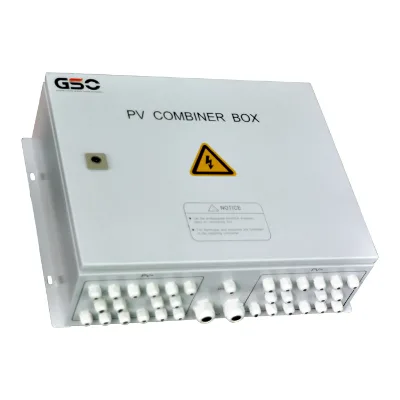
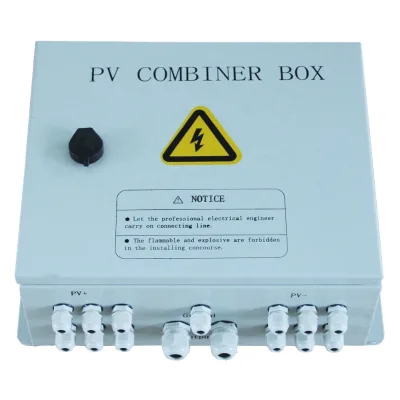
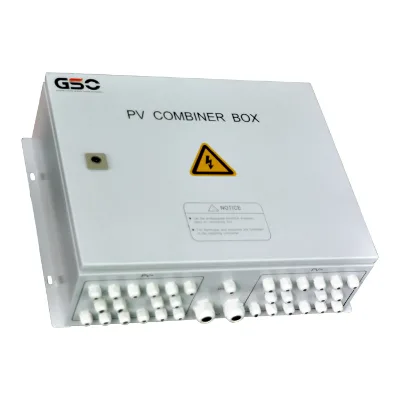
Pv Solar System String Input Combiner Box with Customizable
$130.00 - $140.00

Zhejiang Kangge Electric Co., Ltd.
- Verified by SGS
- Trading Company,Manufacturer/Factory
- China Zhejiang
- Lead time23 days
- Avg. response≤ 11h
Main productsDistribution Box, Meter Box, Waterproof Distribution Box, Industrial Plug&Socket, Enclosure, Ready Boards, Circuit Breaker, Junction Box, Portable Socket Box, AC Contactor
Main marketsSouth America,Eastern Europe,Mid East,North America,Southeast Asia,Eastern Asia,Oceania,Western Europe,Africa
Wenzhou Weilan Electric Co., Ltd.
- Verified by TUVRHEINLAND
- Trading Company
- China Zhejiang
- Lead time15 days
- Avg. response≤ 7h
Main productsWindow Cover, Distribution Box, Circuit Breaker, Automatic Transfer Switch, Timer, Display Indicator, Surge Protector, Mc4 Connector, Push Button Switch, Terminal
Main marketsSoutheast Asia/ Mideast

PV Combiner Box Waterproof String Solar Cell Combiner Box 500V Solar DC Junction Box
$27.00 - $35.00
MOQ: 5 Pieces


- Verified by SGS Group
- Manufacturer, Trading Company
- Lead time30 days
- Avg. response≤ 3h
Main productsPV Combiner Box, Circuit Breakers, Surge Protective Device, Distribution Boxes, Switchgear
Main marketsSoutheast Asia(30%), Africa(20%), Mid East(20%)
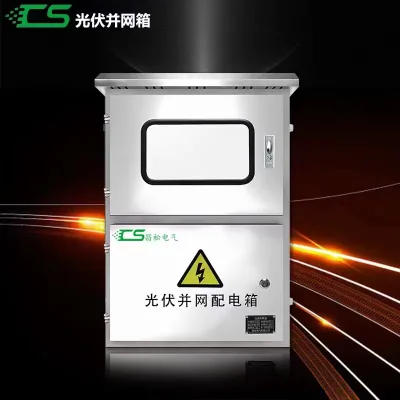
CNCSGK Solar Energy System Negative Bus Breaker Fuse Solar PV Combiner Box
$77.9645 - $93.5586
MOQ: 1 pieces
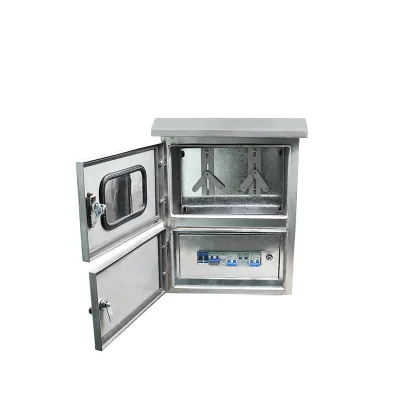
Wenzhou Lierwei Electrical Co., Ltd.
- Verified by Intertek
- Manufacturer, Trading Company
- Lead time7 days
- Avg. response≤ 3h
Main productsMiniature Circuit Breaker, Surge Protection Device
Main marketsSouth Asia(30%), South America(20%), Mid East(20%)
Shanghai Ebasee Electric Co., Ltd.
- Verified by Intertek
- Manufacturer, Trading Company
- Lead time30 days
- Avg. response≤ 4h
Main productsCircuit Breakers, Contactor, Distribution Box, Surge Protector, Control Switch
Main marketsSouth America(17%), Eastern Europe(15%), Mid East(12%)
Zhejiang Kangge Electric Co., Ltd.
- Manufacturer, Trading Company
- Zhejiang, China
- Lead time15 days
- Avg. response≤ 12h
Main productsMeter box,Distribution box,Junction box,Control box,water-proof box
Main marketsDomestic Market(70.00%), Mid East(5.00%), Africa(5.00%), Western Europe(5.00%), South Asia(5.00%), Southeast Asia(3.00%), Eastern Asia(2.00%), South America(1.00%), Eastern Europe(1.00%), Southern Europe(1.00%), Northern Europe(1.00%), Central America(1.00%)
Wenzhou Anfu Electrical Co., Ltd.
- Verified by SGS Group
- Manufacturer, Trading Company
- Lead time30 days
- Avg. response≤ 2h
Main productsEV Charger, PV Combiner Box, Circuit Breaker, Contactor, SPD
Main marketsNorth America(25%), Western Europe(20%), Eastern Europe(18%)
Zhejiang Ouyou Electronics Co., Ltd.
- Verified by SGS Group
- Manufacturer, Trading Company
- Lead time7 days
- Avg. response≤ 5h
Main productsCircuit breaker, Energy meter, SPD, ATS, PV combiner box
Jinan Deming Power Equipment Co., Ltd.
- Verified by Intertek
- Manufacturer, Trading Company
- Lead time7 days
- Avg. response≤ 3h
Main productsWind Generator Controller, Wind Charge Controller, Inverter, Solar Hybrid Inverter, DCDC Converter
Main marketsDomestic Market(50%), North America(10%), Southeast Asia(10%)
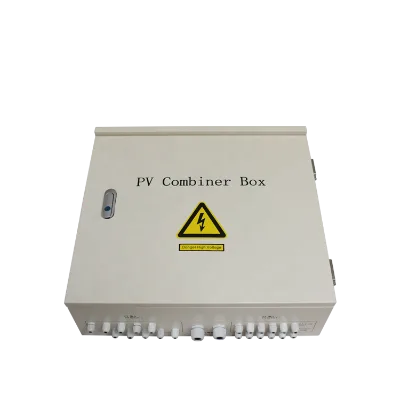
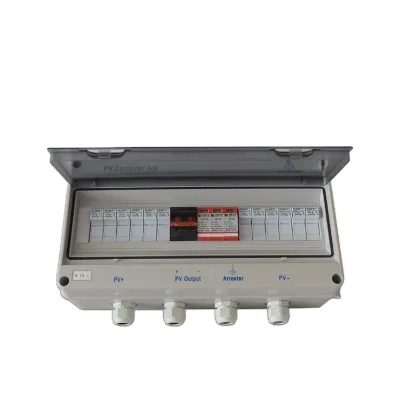
Solar PV Combiner AC DC Solar Junction Box 6 Strings in 1
$220.00 - $300.00

Foshan Snat Energy Electrical Technology Co., Ltd.
- Verified by TUVRHEINLAND
- Combined
- China Guangdong
- Lead time23 days
- Avg. response≤ 4h
Main productsInverter, Solar Controller, UPS, Solar Inverter with Controller Built-in, Portable Solar Power System, Solar Panel, Sealed Lead Acid Battery, Gel Battery, off Grid Solar Inverter, Pure Sine Wave Solar Inverter
Main marketsDomestic


IP65 Solar System DC PV Combiner Box 6 Strings Input 1 Output Combiner Box with SPD and Fuse
$104.00 - $108.00
MOQ: 1 Pieces


Waterproof IP65 PV Solar Array Combiner Box Power 3 Phases Distribution Box
$132.00 - $138.00
MOQ: 1 Pieces

- Verified by TUVRHEINLAND
- Combined
- China Zhejiang
- Lead time30 days
- Avg. response≤ 6h
Main productsCombiner Box, Grid-Connected Box, Photovoltaic Grid Connected Cabinet, Switchgear, Distribution Box, Photovoltaic Dedicated Circuit Breaker, Substation, Prefabricated Cabin, Integrated Energy, Surge Protector
Main marketsDomestic


14 String PV DC Combiner Box 1500V Outdoor Waterproof with Fuse SPD for Solar Plant
$59.00 - $109.00
MOQ: 1 Pieces
Linyi Yangao Electrical Limited Company
- Verified by Intertek
- Manufacturer, Trading Company
- Lead time15 days
- Avg. response≤ 1h
Main productsDistribution Box, Metal Enclosure, Stainless Steel Enclosure, Electric Cabinet, EV Charger Protection Box
Main marketsDomestic Market(65%), South America(7%), Western Europe(7%)
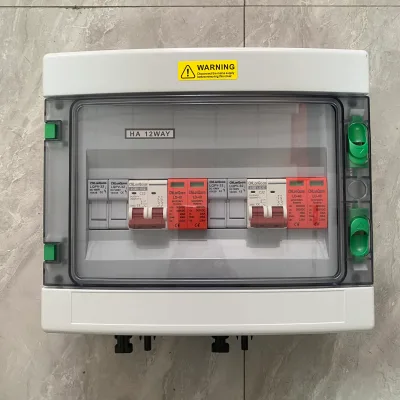
$20.84 - $405.00
MOQ: 1 Minimum
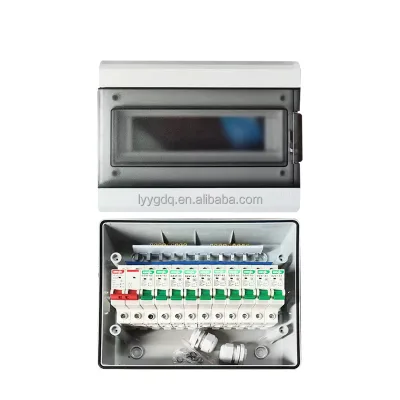
$0.9983 - $7.3481
MOQ: 5 Minimum
Grandglow New Energy Technology Co., Ltd.
- Manufacturer, Trading Company
- Hubei, China
- Lead time7 days
- Avg. response≤ 9h
Main productssolar Inverter,PV Combiner Box,Solar Charge Controller,Wind Turbine Inverter,UPS
Main marketsDomestic Market(33.00%), South Asia(25.00%), Africa(8.00%), Mid East(8.00%), South America(6.00%), Southeast Asia(6.00%), Oceania(4.00%), Western Europe(4.00%), Eastern Europe(4.00%), North America(2.00%)

Shenzhen Topband Automation Technology Co., Ltd.
- Manufacturer, Trading Company
- Guangdong, China
- Lead time30 days
- Avg. response≤ 6h
Main productsEnergy Storage Syste,Combiner Box,Distribution Box,HV & LV Switchgear,Smart Energy Meter
Main marketsSouth Asia(100.00%), Southern Europe(100.00%), Northern Europe(100.00%), Central America(100.00%), Eastern Asia(100.00%), Mid East(100.00%), Oceania(100.00%), Africa(100.00%), Southeast Asia(100.00%), Eastern Europe(100.00%), South America(100.00%), North America(100.00%), Domestic Market(98.00%), Western Europe(2.00%)
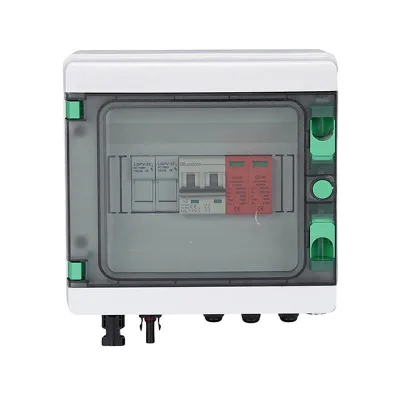
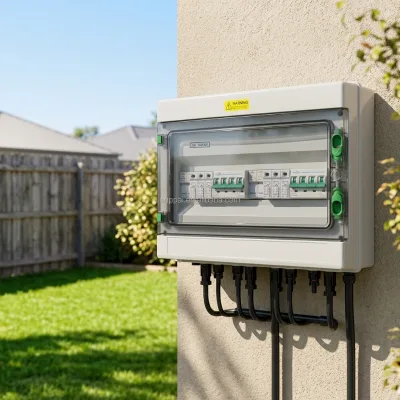
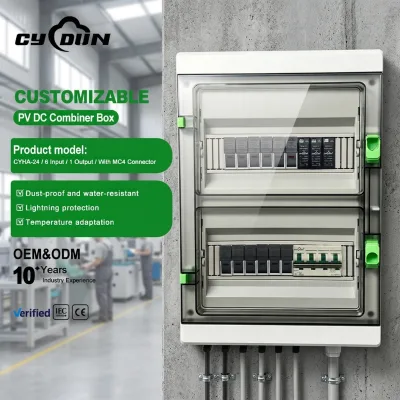
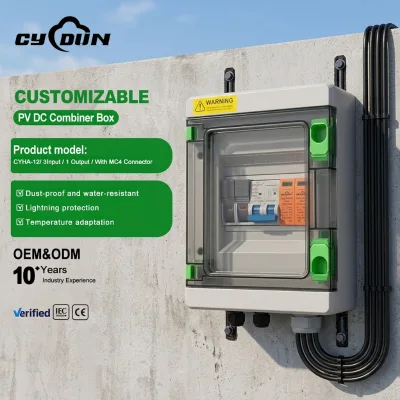
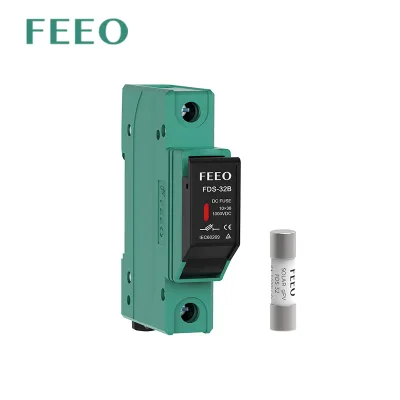


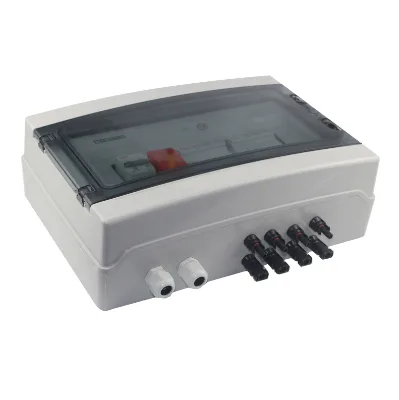


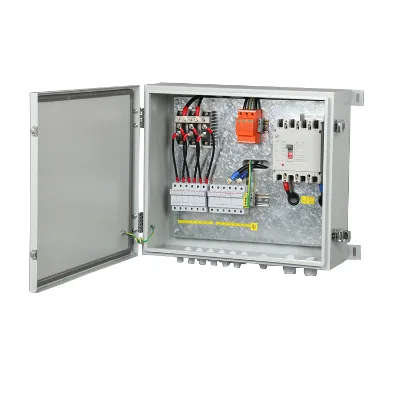
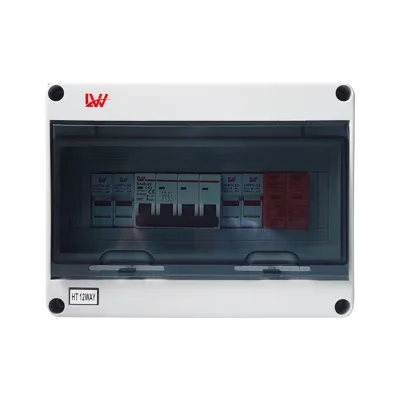
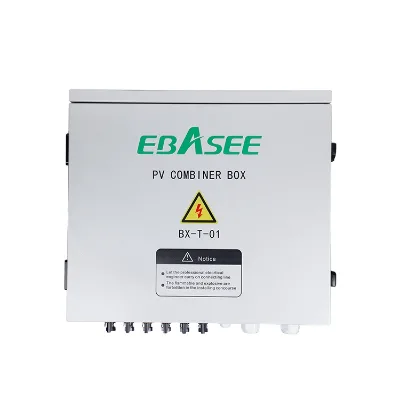
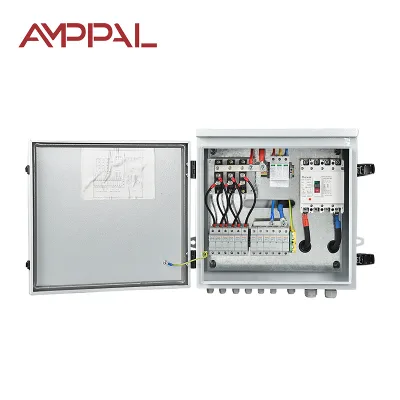
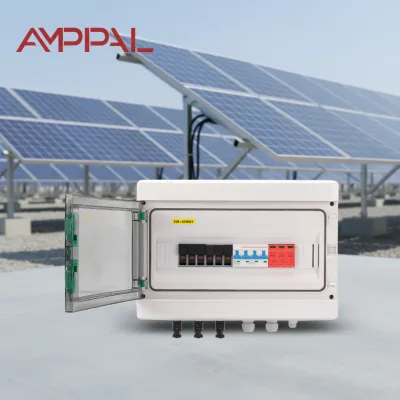
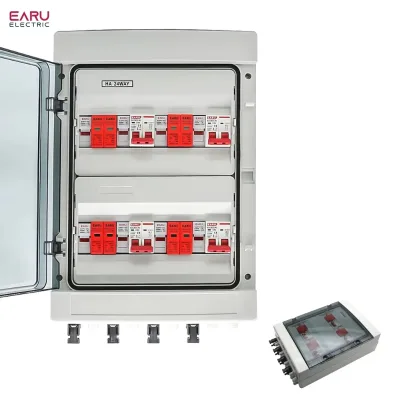
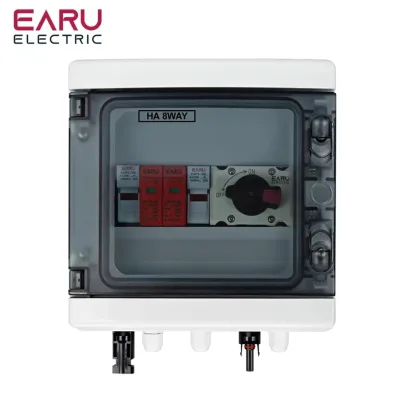
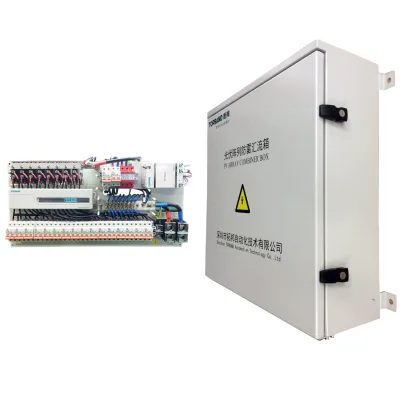
Comprehensive Sourcing Guide
Solar PV String Combiner Box with Fuse Protection Supplier Concentration and Factory Types
The current supplier landscape for Solar PV String Combiner Box with Fuse Protection reveals a distinct geographic concentration in China, specifically within the Jiangsu and Anhui provinces. These regions serve as primary manufacturing hubs where industrial clusters have developed around renewable energy components. Suppliers located in Jiangsu often operate as both trading companies and manufacturers, offering a blend of direct factory access and broader product portfolios. This dual capability allows them to provide comprehensive solutions that include solar panels, inverters, and mounting structures alongside the core combiner boxes. The presence of established industrial zones in these areas facilitates efficient supply chain logistics, ensuring that raw materials like polycarbonate and copper are readily available for production. Buyers should recognize that this geographic clustering is not random but reflects decades of specialized development in photovoltaic infrastructure. Understanding this concentration helps in assessing the maturity of the local ecosystem and the potential for finding suppliers with deep technical expertise in DC protection systems.
In contrast, suppliers based in Anhui province demonstrate a different operational profile, often emphasizing their role as specialized manufacturers with strong brand identities. These entities frequently highlight their capacity for OEM and ODM services, indicating a flexibility to customize combiner boxes according to specific project requirements. The main products listed by these suppliers extend beyond simple junction boxes to include integrated solar power systems, hybrid inverters, and battery storage solutions. This broader product range suggests that these factories have evolved to meet the complex needs of modern solar installations, where integration and compatibility are critical. The distinction between trading companies and pure manufacturers is significant for buyers evaluating quality control and direct communication channels. While trading companies may offer convenience and variety, manufacturers often provide greater transparency regarding production processes and material sourcing. Recognizing these factory types allows buyers to align their procurement strategy with their specific needs for customization, volume, and technical support.
How to Verify Solar PV String Combiner Box with Fuse Protection Suppliers
Verification is a critical step in ensuring the reliability of suppliers offering Solar PV String Combiner Box with Fuse Protection. Buyers should prioritize suppliers who have undergone third-party verification processes, such as those conducted by SGS or TÜV Rheinland. These verifications provide an additional layer of confidence regarding the supplier’s business legitimacy and operational capabilities. For instance, some suppliers display SGS verification, which confirms their status as a legitimate entity capable of fulfilling international orders. Similarly, TÜV Rheinland verification indicates a rigorous assessment of the supplier’s quality management systems and production facilities. These credentials are not merely badges but represent independent audits that validate the supplier’s claims about their manufacturing capacity and compliance standards. Buyers should actively seek out these verification marks when evaluating potential partners, as they significantly reduce the risk of engaging with fraudulent or unreliable entities. The presence of such verification is a strong indicator that the supplier is committed to maintaining high standards of business integrity.
Beyond basic verification, buyers must scrutinize the specific certifications held by the suppliers and their products. The current market data shows a wide array of system certifications, including ISO 9001, ISO 14001, and various industry-specific standards like TUV, CE, and CB. These certifications are essential for ensuring that the combiner boxes meet international safety and environmental requirements. For example, TUV certification is frequently mentioned in product specifications, indicating compliance with rigorous European safety standards. Additionally, some suppliers hold certifications for quality management (ISO 9000) and environmental management (ISO 14000), which reflect their commitment to sustainable and efficient production practices. Buyers should request copies of these certificates and verify their validity through the issuing bodies. It is also important to check if the certifications cover the specific models of combiner boxes being purchased, as standards can vary between product lines. This detailed verification process ensures that the selected suppliers are not only legitimate but also technically competent and compliant with global regulatory frameworks.
What to Compare Across Solar PV String Combiner Box with Fuse Protection Suppliers
When evaluating suppliers, buyers should compare key operational metrics such as lead times, minimum order quantities (MOQs), and response speeds. The data indicates that lead times can vary, with some suppliers offering a standard lead time of 15 days, which is crucial for project planning. MOQs also differ significantly, ranging from as low as one unit for certain models to 100 units for others, depending on the supplier’s production scale and business model. Understanding these variations helps buyers align their orders with their inventory needs and budget constraints. Response time is another critical factor, with some suppliers demonstrating rapid response capabilities, indicated by lower numerical values in response time metrics. A faster response time often correlates with better customer service and more efficient communication throughout the procurement process. Buyers should prioritize suppliers who can provide quick and accurate responses to inquiries, as this facilitates smoother negotiations and problem resolution.
Product specifications and customization options are equally important dimensions for comparison. Suppliers offer a range of models, such as the DCL16T, DCH12T, and DCH6T, each with specific input/output configurations and current ratings. For example, some combiner boxes support up to 16 input strings with a maximum current of 200A, while others are designed for smaller arrays. Buyers should carefully review these technical details to ensure compatibility with their solar systems. Additionally, customization availability is a key differentiator, with many suppliers offering OEM and ODM services to tailor products to specific requirements. Pricing is another variable, with costs ranging from approximately $60 to over $300 per unit, depending on the model and features. Buyers should compare these prices in the context of the included features, such as IP65 protection ratings or specific fuse configurations. By systematically comparing these attributes, buyers can identify suppliers that offer the best balance of cost, quality, and service for their specific needs.
Common Solar PV String Combiner Box with Fuse Protection Sourcing Risks
One of the primary risks in sourcing Solar PV String Combiner Box with Fuse Protection is the potential mismatch between product specifications and actual delivery. Suppliers may list generic keywords or broad product categories that do not accurately reflect the specific technical requirements of the buyer’s project. For instance, a supplier might advertise a combiner box with IP65 protection, but the actual product delivered may have a lower ingress protection rating. This discrepancy can lead to system failures, especially in outdoor environments where exposure to dust and water is a concern. Buyers must verify the exact specifications of the products they order, including material types, electrical ratings, and protection degrees. It is advisable to request detailed product datasheets and, if possible, samples before placing large orders. This due diligence helps mitigate the risk of receiving substandard or incompatible components that could compromise the entire solar installation.
Another significant risk is the variability in quality control and certification validity across different suppliers. While many suppliers claim to hold certifications like TUV, CE, or ISO, the actual implementation of these standards can vary. Some suppliers may have outdated certificates or may not adhere to the rigorous testing protocols required for genuine compliance. This is particularly relevant for electrical components like combiner boxes, where safety is paramount. Buyers should be cautious of suppliers who offer prices that seem unusually low, as this may indicate compromised quality or fake certifications. Additionally, the risk of supply chain disruptions cannot be ignored, especially if suppliers rely on imported raw materials or face production bottlenecks. Buyers should assess the supplier’s production capacity and supply chain resilience to ensure timely delivery. Engaging with suppliers who have transparent quality control processes and verified certifications helps minimize these risks and ensures a more secure sourcing experience.
Solar PV String Combiner Box with Fuse Protection Regional Sourcing and Logistics
Sourcing from China, particularly from the Jiangsu and Anhui provinces, offers logistical advantages due to the region’s advanced manufacturing infrastructure and proximity to major ports. Suppliers in these areas are well-integrated into global supply chains, facilitating efficient export processes. The concentration of suppliers in these regions also means that buyers can often consolidate orders from multiple vendors, reducing shipping costs and simplifying logistics management. However, buyers must consider the implications of international shipping, including transit times, customs clearance, and potential tariffs. The lead time of 15 days mentioned by some suppliers typically refers to production time and does not include shipping duration. Buyers should plan for additional time to account for ocean freight or air cargo, depending on the urgency of their project. Understanding these logistical factors is essential for accurate project scheduling and budgeting.
Packaging and handling are also critical aspects of regional sourcing. Suppliers often use specific packaging methods, such as safety packages or wooden crates, to protect the combiner boxes during transit. The choice of packaging can impact the condition of the goods upon arrival, especially for fragile components or those with sensitive electronic parts. Buyers should inquire about the packaging standards used by their chosen suppliers and ensure that they meet the requirements for international shipping. Additionally, buyers should consider the environmental impact of packaging materials, as some suppliers may offer eco-friendly options. The location of the supplier also influences the availability of local logistics partners who can handle customs documentation and freight forwarding. By selecting suppliers with established logistics networks, buyers can streamline the import process and reduce the risk of delays or damage. This regional focus on logistics efficiency enhances the overall reliability of the sourcing process.
Solar PV String Combiner Box with Fuse Protection Commercial Terms and Order Planning
Commercial terms and order planning are vital for successful procurement of Solar PV String Combiner Box with Fuse Protection. Buyers should negotiate clear payment terms, such as using escrow services or letters of credit, to protect their financial interests. Escrow provides a secure mechanism for transactions, ensuring that funds are only released upon satisfactory delivery of the goods. This is particularly important when dealing with international suppliers, where trust and verification are key. Buyers should also clarify the Incoterms, such as FOB or CIF, to determine who is responsible for shipping and insurance costs. Understanding these terms helps in calculating the total landed cost of the products and avoids unexpected expenses. Additionally, buyers should establish clear communication channels for order tracking and issue resolution, ensuring that any problems are addressed promptly.
Order planning should also consider the scalability of the supplier’s production capacity. Suppliers with OEM and ODM capabilities can often accommodate larger orders or custom specifications, but this may require longer lead times. Buyers should align their order volumes with the supplier’s production schedule to avoid delays. It is also advisable to discuss volume discounts or long-term partnership agreements, which can provide cost savings and priority service. The MOQs vary widely, so buyers should assess whether their initial order size meets the supplier’s requirements or if they need to adjust their procurement strategy. Furthermore, buyers should plan for after-sales support, including warranty terms and technical assistance, to ensure the long-term performance of the combiner boxes. By carefully planning these commercial aspects, buyers can build a robust and sustainable supply chain for their solar projects.
FAQs
What is the price range for solar PV string combiner boxes?
Prices for solar PV string combiner boxes typically range from $60 to $341 per unit depending on specifications. Lower-cost options around $60 to $75 are available for basic models, while higher-capacity units with features like TUV certification can cost up to $341. Buyers should check specific model details for exact pricing.
What is the minimum order quantity for these combiner boxes?
The minimum order quantity varies by supplier and product model. Some suppliers offer an MOQ of just one unit for certain combiner boxes, while others require a minimum of 100 units. Buyers should verify the specific MOQ for their desired model and customization requirements before placing an order.
What certifications are available for solar combiner boxes?
Solar combiner boxes may carry various certifications including ISO 9001, ISO 14001, TUV, CE, CB, and API. System certifications like ISO 9000 and ISO 14000 are also common among manufacturers. Buyers should request specific certification documents to ensure compliance with their local regulations and project requirements.
What is the typical lead time for manufacturing?
The typical lead time for manufacturing solar combiner boxes is approximately 15 days. This timeframe allows for production and quality control processes. Buyers should confirm the exact lead time with the supplier, as it may vary based on order volume, customization needs, and current production schedules.
Are customization options available for solar combiner boxes?
Yes, customization is available for many solar combiner box models. Suppliers offer OEM and ODM services, allowing buyers to specify input/output configurations, voltage ratings, and protection degrees. Customization options include different string configurations and mounting styles to meet specific project requirements.
What is the protection degree of these combiner boxes?
Many solar combiner boxes feature an IP65 protection degree, ensuring dust tightness and protection against water jets. Some models also have an impact resistance rating of Ik08. Buyers should verify the specific protection rating for their intended installation environment, whether indoor or outdoor.