Steel Nickel Plated Hand Sewing Needles with Dispenser Suppliers and Manufacturers
Compare 22 verified suppliers offering Steel Nickel Plated Hand Sewing Needles with Dispenser from Zhejiang, China. Review response times, lead times, and certifications like Intertek and TUVRHEINLAND before requesting samples or custom orders; review the available evidence before requesting comparable quotations from suitable candidates.
Updated
Suppliers List
Ningbo New Swell Import&Export Co., Ltd.
- Verified by Intertek
- Trading Company
- Lead time7 days
- Avg. response≤ 4h
Main productsLace Trim, Ribbon, Sewing Accessories, Sewing Thread, Zipper
Main marketsMid East(50%), South America(20%), Southeast Asia(20%)
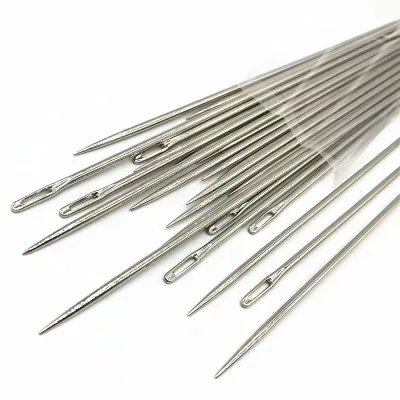
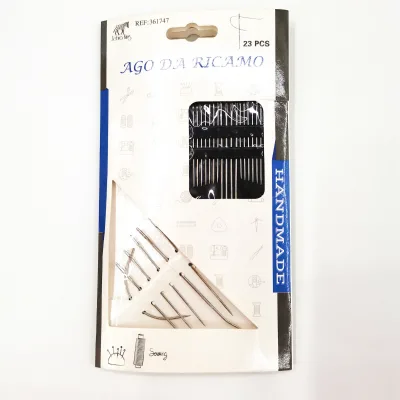
23 Count Sewing Needles, Hand Needles for Sewing, Needle Threader for Hand Sewing
$0.2159 - $0.2263
MOQ: 1 sets
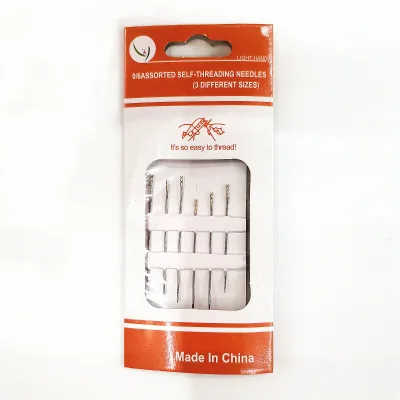
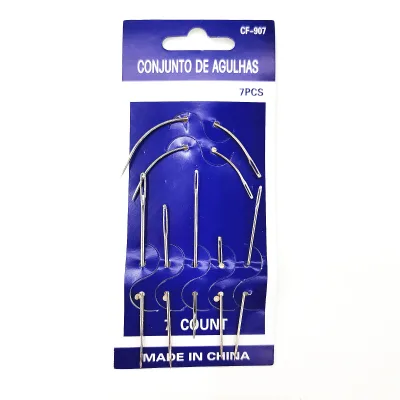

Ningbo DH Textile Industry&Trade Co., Ltd.
- Verified by TUVRHEINLAND
- Trading Company
- China Zhejiang
- Lead time15 days
- Avg. response≤ 8h
Main productsLace, Interlining, Embroidery Thread, Poplin, Hook and Loop, Satin Ribbon, Sewing Thread, Button, Zipper, Lace Fabric
Main marketsAfrica,Southeast Asia/ Mideast,North America


Wholesale High Quality Hand Sewing Needle for Tailor From China Factory
$0.0001 - $0.01
MOQ: 10000 Pieces

Ningbo Yue Na Import & Export Co., Ltd.
- Verified by TUVRHEINLAND
- Trading Company
- China Zhejiang
- Lead time23 days
- Avg. response≤ 3h
Main productsLace, Thread, Button, Ribbon, Zipper, Tailors Materials, Fabric, Reflective Materials, Sewing Machine Part, Bra Parts
Main marketsSouth America,Africa,Southeast Asia/ Mideast,Europe,North America


Hand Sewing Needles Steel Self Threading Sewing Needle Thread Household DIY Tools Suppliers
$0.50 - $0.70
MOQ: 100 Bags

Hot Selling Household Hand Sewing Needles with Different Sizes for Housework
$0.50 - $0.70
MOQ: 100 Bags


China Supplier Stainless Steel Sewing Machine Hand Needles Best Price for Home Uses
$0.40 - $0.56
MOQ: 100 Bags


- Verified by TUVRHEINLAND
- Combined
- China Zhejiang
- Lead time30 days
- Avg. response≤ 8h
Main productsThread, Zipper, Lace, Button, Webbing & Tape, Ribbon, Interlining, Fabric, Tailoring Materials, Hook & Loop
Main marketsSouth America,Africa,Europe,Australia


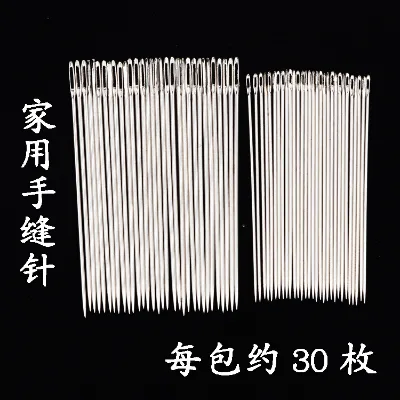
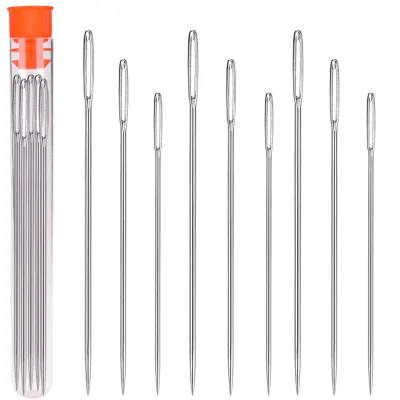
Wholesale Large Eye Hand Stitch Handmade Knitting Sewing Embroidery Needles Collective Packing
$0.40 - $0.80
MOQ: 4000 box
Yiwu Lumiao Electronic Commerce Co., Ltd.
- Trading Company
- Zhejiang, China
- Lead time0 days
- Avg. response≤ 7h
Main productsYarn,Yarn winder,Crochet Hook,Safety Eyes,Flower Stem Sticks
Main marketsNorth America(32.00%), Southeast Asia(30.00%), Western Europe(10.00%), Northern Europe(5.00%), Eastern Europe(5.00%), Domestic Market(2.00%), Africa(2.00%), South America(2.00%), South Asia(2.00%), Southern Europe(2.00%), Central America(2.00%), Eastern Asia(2.00%), Mid East(2.00%), Oceania(2.00%)
$0.10 - $0.30
MOQ: 1000 pieces
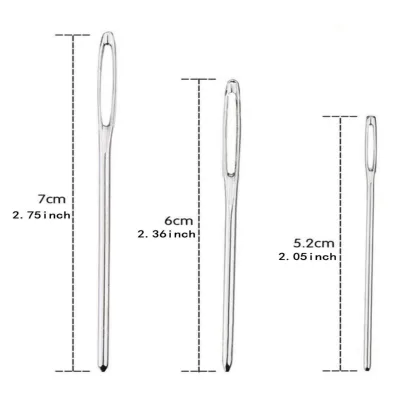
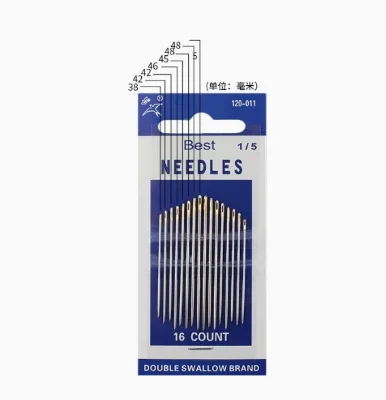
MOQ: 100
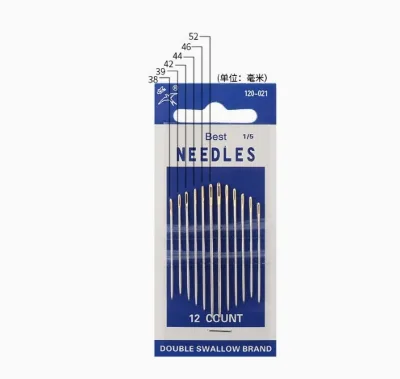
Chaozhou Bailiful Trading Company Limited
- Trading Company
- Guangdong, China
- Lead time15 days
- Avg. response≤ 4h
Main productsLeather tools,hand tools,hardware tools,Crafts
Main marketsEastern Europe(20.00%), South America(20.00%), North America(20.00%), Central America(10.00%), Africa(10.00%), Southeast Asia(10.00%), South Asia(5.00%), Mid East(5.00%)
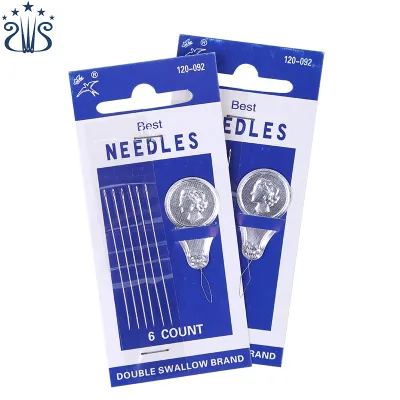
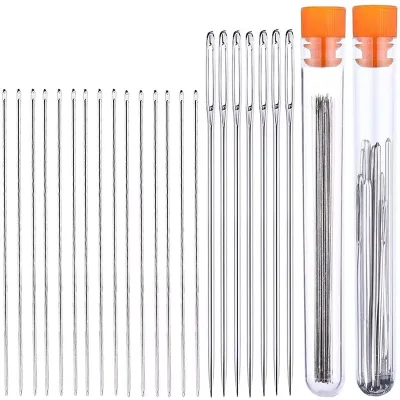
Wholesale Sewing Needles Manufacture Supplier Stainless Steel Hand Sewing Needle
$0.29 - $0.41
MOQ: 50
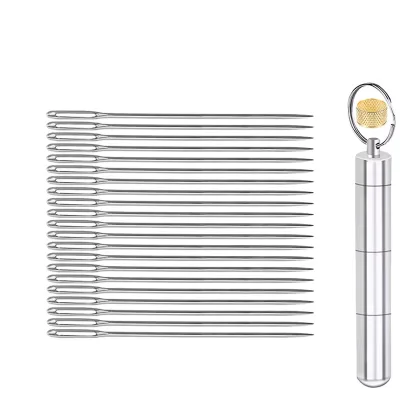
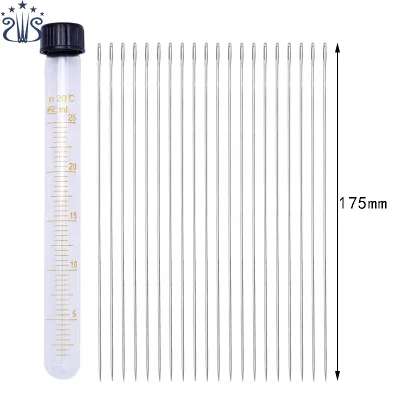
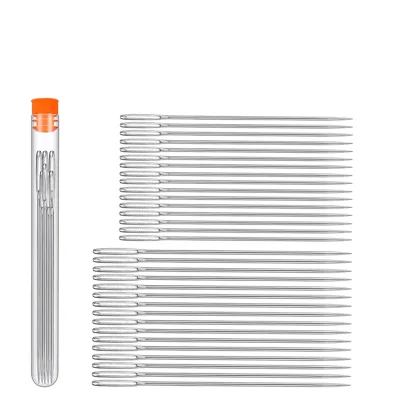
China Wholesale Sewing Needles Self Threading Needles for Hand Sewing Thick Sewing Needles
$0.4872 - $0.5396
MOQ: 50 sets
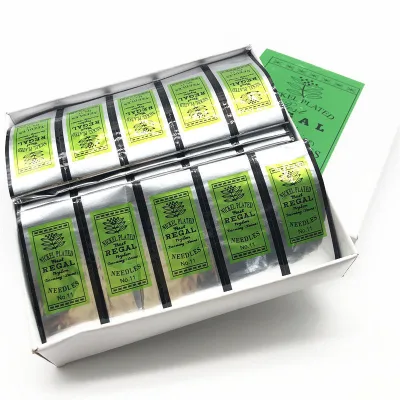
Yiwu Bingqiang Trading Co., Ltd.
- Verified by SGS Group
- Manufacturer, Trading Company
- Lead time15 days
- Avg. response≤ 4h
Main productssewing needle, , safety pin, , scissor, awl, crochet hook, Tailor's chalk
Main marketsDomestic Market(40%), North America(30%), Eastern Europe(10%)
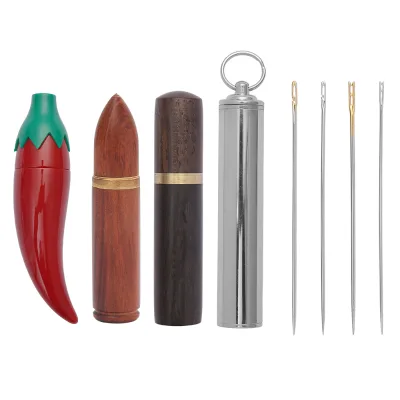
$0.124 - $0.1559
MOQ: 1000 Minimum
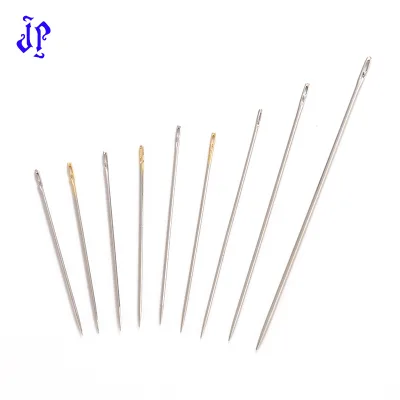
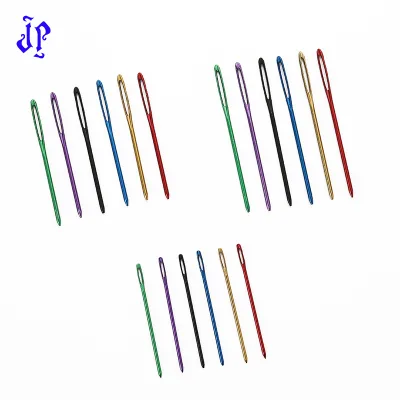

Ningbo Yinzhou Xindew Textile Co., Ltd.
- Trading Company
- China Zhejiang
- Lead time15 days
- Avg. response≤ 10h
Main productsKnitting Needles, Knitting Looms, Knitting Crochet Hook Set, Acrylic Yarn, Elastic Tape, Zipper, Thread, Hook and Loop, Baby Blankets, Baby Bibs
Main marketsSouth America,Africa,Southeast Asia/ Mideast,East Asia(Japan/ South Korea),Domestic,Europe,Australia,North America
Hangzhou Daya Textile Co., Ltd.
- Trading Company
- Zhejiang, China
- Lead time20 days
- Avg. response≤ 5h
Main productsZipper&slider,Tape&Webbing,Thread&yarn,Garment accessory,Tailoring Material
Main marketsSouth America(60.00%), Domestic Market(10.00%), South Asia(10.00%), Mid East(10.00%), North America(10.00%)

- Verified by BV
- Trading Company
- China Zhejiang
- Lead time30 days
- Avg. response≤ 7h
Main productsTextile, Zipper, Lace, Elastic, Ribbon, Thread, Tape, Fabric, Interlining, Button
Main marketsSouth America,Africa,Europe

WENZHOU BAOCHUN MEDICAL INSTRUMENT CO., LTD.
- Verified by TUVRHEINLAND
- Combined
- China Zhejiang
- Lead time15 days
- Avg. response≤ 11h
Main productsDisposable Stainless Steel Need
Main marketsDomestic

Stainless Steel Embroidery Needles Multi Size Hand Sewing Needles for Garment Embroidery
$0.50
MOQ: 100000 Pieces

Stainless Steel Embroidery Needle Multi Size Hand Sewing Needles for DIY Craft Cross Stitch
$0.50
MOQ: 100000 Pieces

Stainless Steel Embroidery Needles, Hand Sewing Embroidery Stainless Steel Needle
$0.50
MOQ: 100000 Pieces

316 Stainless Steel Embroidery Needles, Burr-Free High Strength Hand Sewing Needles
$0.50
MOQ: 100000 Pieces
Yiwu Greefun Import & Export Co., Ltd.
- Trading Company
- Zhejiang, China
- Lead time5 days
- Avg. response≤ 11h
Main productsSports & Exercise,Yoga & Fitness,Training Kit,Toys,Camping & Hiking
Main marketsNorth America(39.00%), Western Europe(20.00%), Oceania(10.00%), South America(8.00%), Eastern Asia(5.00%), Mid East(5.00%), Southeast Asia(3.00%), Eastern Europe(3.00%), Domestic Market(3.00%), South Asia(2.00%), Africa(1.00%), Central America(1.00%)
Shanghai Yuhan Industrial Co., Ltd.
- Trading Company
- Shanghai, China
- Lead time0 days
- Avg. response≤ 4h
Main productsWood Craft products,Embroidery craft,Knitting Tools,Sewing Tools,Crochet Tools
Main marketsEastern Europe(60.00%), Western Europe(20.00%), Domestic Market(10.00%), Southeast Asia(10.00%)
MOQ: 10 Minimum
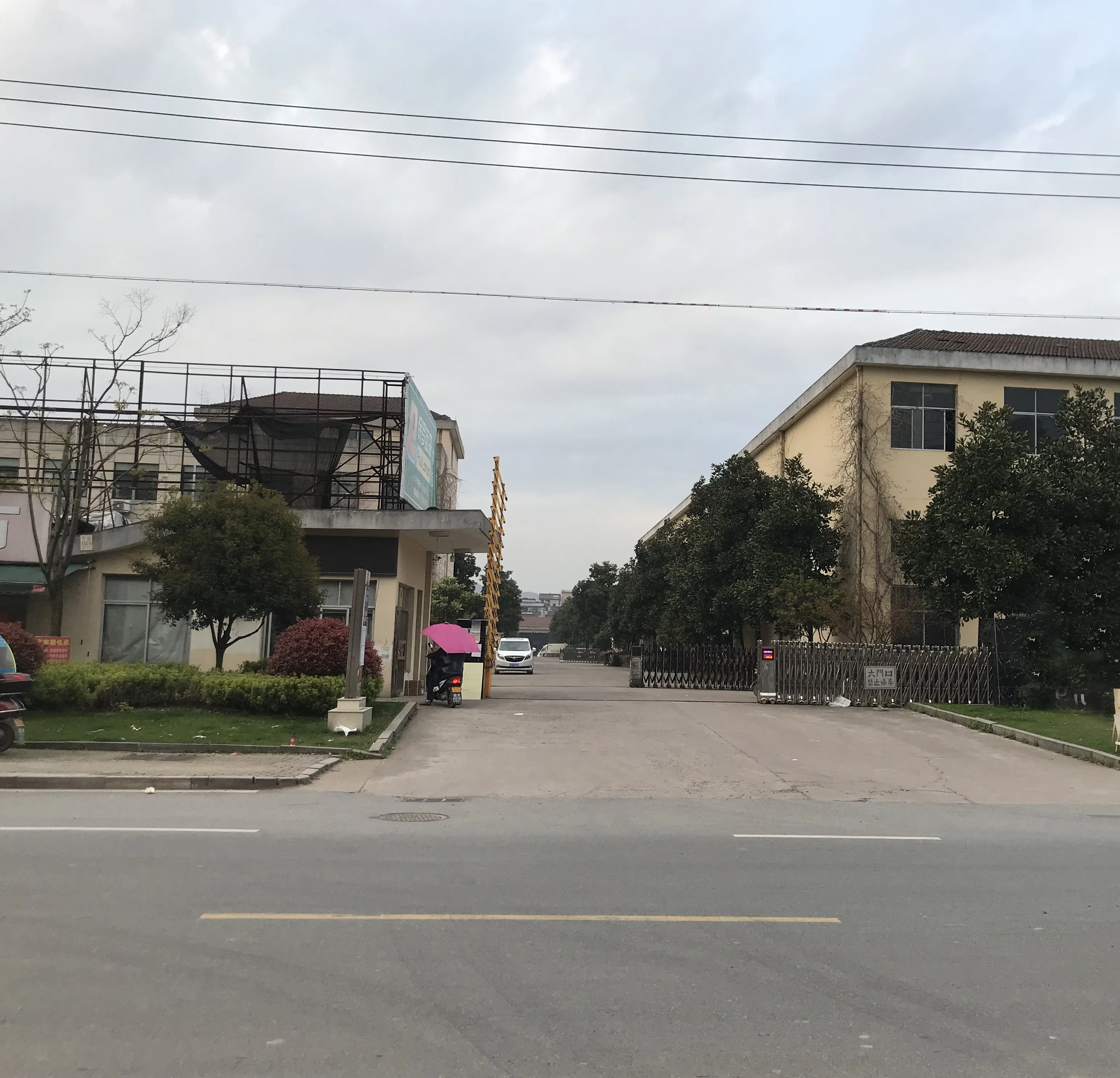
Wuyi Dingdi Industry & Trade Co., Ltd.
- Manufacturer, Trading Company
- Zhejiang, China
- Lead time30 days
- Avg. response≤ 8h
Main productsdrawing pins,paper clips,office pin,promotional gifts,stationery sets
Main marketsSouth America(15.00%), Southeast Asia(15.00%), Western Europe(12.00%), Mid East(10.00%), Southern Europe(10.00%), Eastern Europe(10.00%), Domestic Market(8.00%), North America(5.00%), Northern Europe(5.00%), Oceania(2.00%), South Asia(2.00%), Africa(2.00%), Eastern Asia(2.00%), Central America(2.00%)
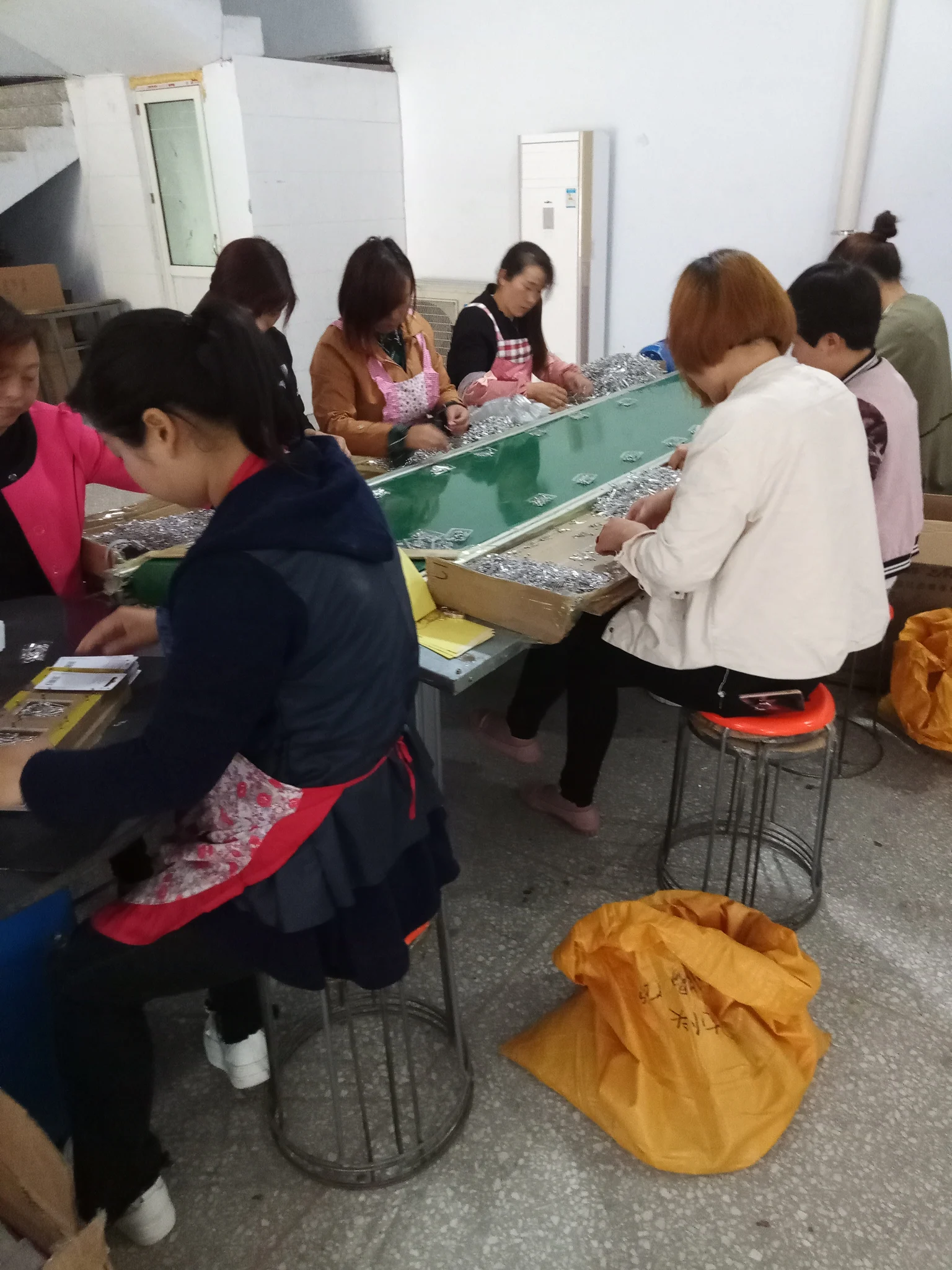
ZheCheng Lida Essential Co., Ltd.
- Trading Company
- Henan, China
- Lead time20 days
- Avg. response≤ 3h
Main productsdiy bag,ribbon,shirt stays,crochet hook,cross stitch thread
Main marketsWestern Europe(55.00%), Eastern Europe(20.00%), South America(10.00%), Southern Europe(5.00%), North America(5.00%), Northern Europe(3.00%), Domestic Market(2.00%)

Shanghai Charmkey Textile Co., Ltd.
- Verified by BV
- Trading Company
- China Shanghai
- Lead time23 days
- Avg. response≤ 9h
Main productsYarn, Blended Yarn, Fancy Yarn, Acrylic Yarn, Cotton Yarn, Wool Yarn, Chenille Yarn, Chunky Yarn, T Shirt Yarn, Polyester Yarn
Main marketsEurope
Jinhua Jinxiang Trading Co., Ltd.
- Verified by TüVRheinland
- Trading Company
- Lead time15 days
- Avg. response≤ 2h
Main productsHome Handmade Sewing Accessories
Main marketsNorth America(50%), Western Europe(30%), South America(20%)
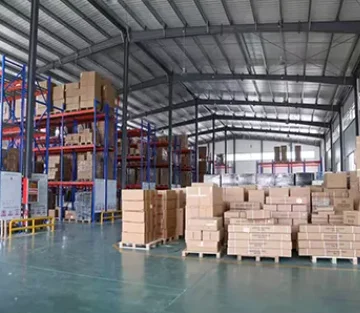
Yangzhou Lionye Technology Co., Ltd.
- Trading Company
- Jiangsu, China
- Lead time30 days
- Avg. response≤ 3h
Main productsTape,Rope,Film,Paper Mill Accessary,Hardware
Main marketsSouth America(30.00%), Eastern Europe(30.00%), North America(15.00%), Northern Europe(10.00%), Southeast Asia(10.00%), Domestic Market(5.00%)

Ningbo Liberty Port Textile Co., Ltd.
- Combined
- China Zhejiang
- Lead time15 days
- Avg. response≤ 13h
Main productsSnap Button, Snap Fastener Set, Sewing Notions, Rotary Cutter, Cutting Mat, DIY Crafts, Storage Series, Knitting Needles, Crochet Hook, Zipper
Main marketsSouth America,Southeast Asia/ Mideast,East Asia(Japan/ South Korea),Europe,North America
Shanghai Charmkey Textile Co., Ltd.
- Verified by TüVRheinland
- Trading Company
- Lead time20 days
- Avg. response≤ 3h
Main productsCake Yarn, Velvet Yarn, Acrylic Knitting Yarn, Chenille Yarn, Wool Yarn
Main marketsNorth America(17%), Western Europe(16%), Oceania(12%)
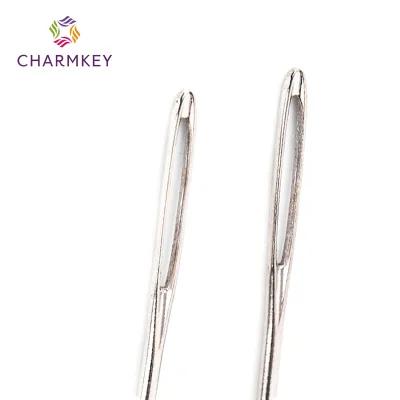
6CM Old Steel Sewing Needle Handheld with Large Eye for Quilting and Needlework
$0.07 - $0.09
MOQ: 1 sets
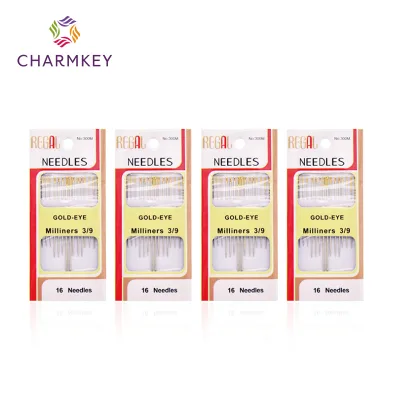
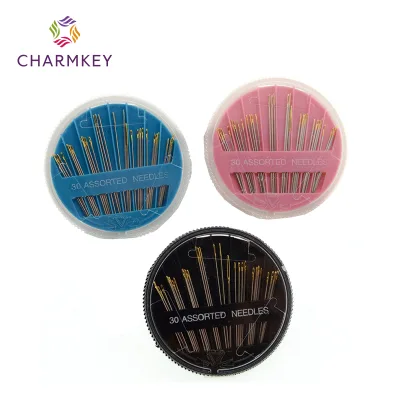
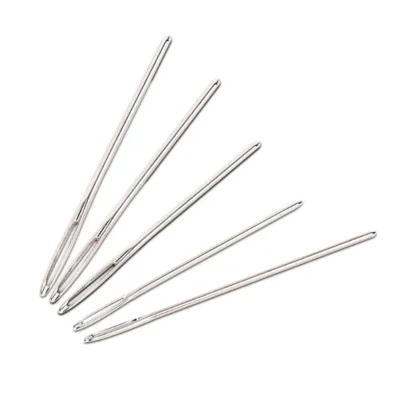
$0.1329 - $0.1649
MOQ: 40 sets
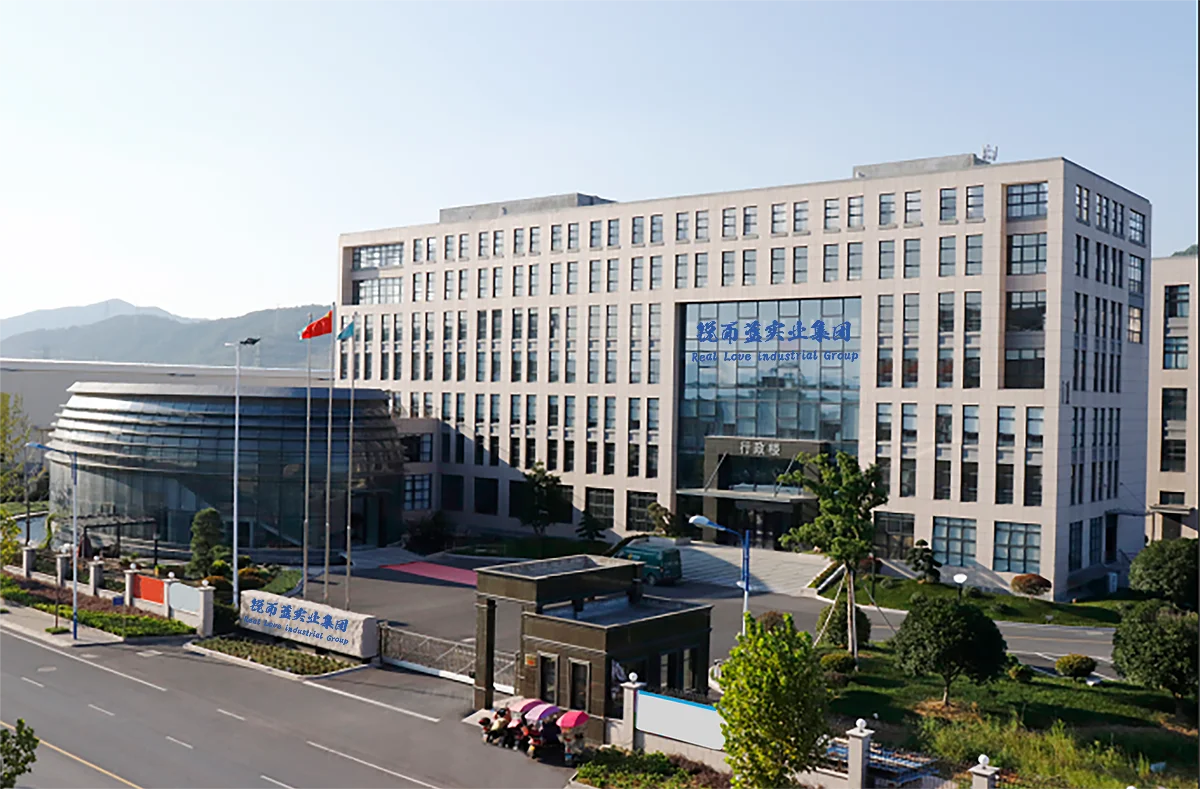
Real Love Industrial Factory Groups
- Manufacturer, Trading Company
- Zhejiang, China
- Lead time0 days
- Avg. response≤ 1h
Main productsHardware,Fabrics,Bags,Toys,Materials
Main marketsSouth America(20.00%), North America(20.00%), Eastern Europe(10.00%), Northern Europe(8.00%), Central America(5.00%), Domestic Market(5.00%), Eastern Asia(5.00%), Mid East(5.00%), Oceania(5.00%), Southeast Asia(5.00%), Southern Europe(4.00%), Western Europe(3.00%), Africa(3.00%), South Asia(2.00%)
Wuxi Honco Import And Export Co., Ltd.
- Trading Company
- Jiangsu, China
- Lead time30 days
- Avg. response≤ 11h
Main productsFlag,glasses,hat,Cleaning cloth,pins
Main marketsWestern Europe(35.00%), Eastern Europe(16.00%), South America(12.00%), Mid East(9.00%), Southern Europe(8.00%), Oceania(5.00%), Africa(4.00%), Northern Europe(3.00%), South Asia(2.00%), Eastern Asia(2.00%), Domestic Market(1.00%), Central America(1.00%), Southeast Asia(1.00%), North America(1.00%)




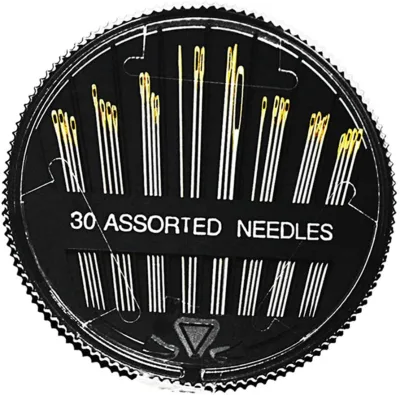
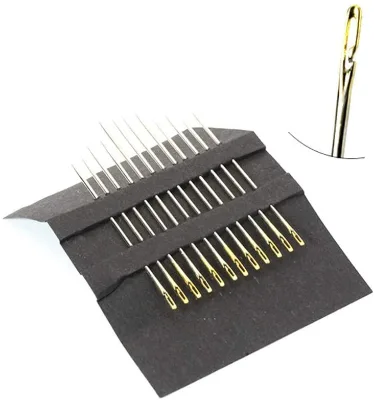
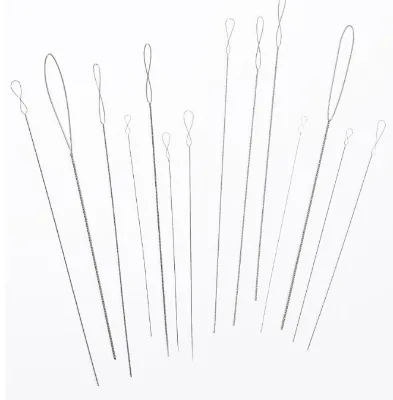


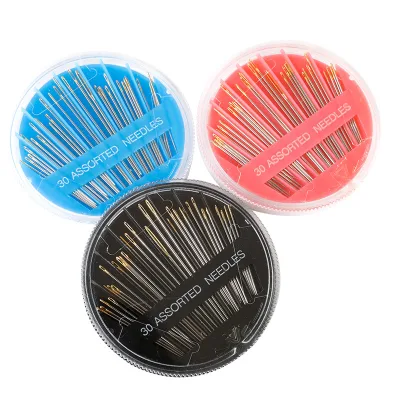


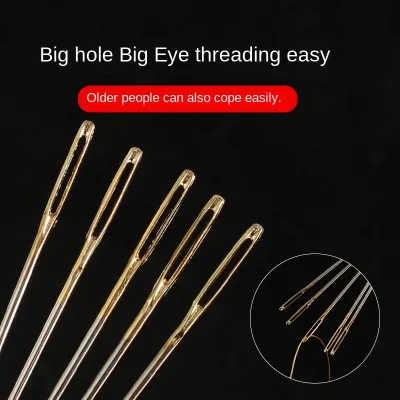
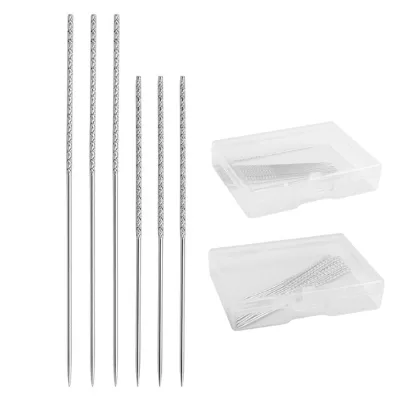
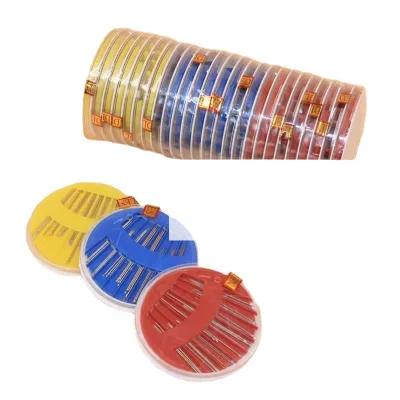
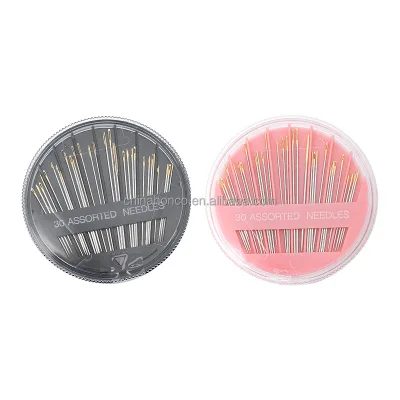
Comprehensive Sourcing Guide
Steel Nickel Plated Hand Sewing Needles with Dispenser Supplier Concentration and Factory Types
The current supplier landscape for Steel Nickel Plated Hand Sewing Needles with Dispenser reveals a distinct concentration of trading companies rather than direct manufacturing entities. Analysis of the available results indicates that the majority of listed vendors operate as trading companies, which suggests that buyers are engaging with intermediaries who aggregate products from various factories. This structural reality is critical for procurement teams to understand, as it influences pricing structures, communication channels, and the ability to request specific customizations. The presence of these trading entities does not necessarily diminish quality, but it does shift the dynamic from a direct factory-to-buyer relationship to one mediated by a commercial partner. Buyers must recognize that while they may be interacting with a trading company, the actual production often occurs in specialized industrial clusters. In this specific case, the supply chain is heavily anchored in Zhejiang, China, a region known for its robust textile and garment accessory manufacturing infrastructure. This geographic concentration means that many suppliers, regardless of their company type, are likely sourcing from the same or similar local factories. Understanding this cluster dynamic allows buyers to assess the depth of the local supply chain and anticipate potential bottlenecks or opportunities for consolidation. The trading company model often provides benefits such as consolidated shipping, diversified product ranges, and streamlined customer service, which can be advantageous for smaller orders or buyers seeking a single point of contact for multiple sewing accessories. However, it also requires buyers to verify the authenticity of the manufacturing capabilities and the directness of the supply chain to ensure they are not paying unnecessary markups or facing delays due to intermediary layers.
Furthermore, the product evidence highlights a variety of main products offered by these suppliers, including lace trim, ribbon, sewing thread, and zippers, indicating that many vendors are generalist accessory providers rather than specialized needle manufacturers. This diversification suggests that buyers can potentially consolidate their sourcing for multiple garment processing accessories with a single trading partner, simplifying logistics and administrative overhead. The availability of light customization, sample processing, and graphic processing capabilities among these suppliers points to a flexible manufacturing ecosystem that can accommodate specific branding or packaging requirements. For buyers seeking Steel Nickel Plated Hand Sewing Needles with Dispenser, this flexibility is a significant advantage, as it allows for tailored solutions without the high minimum order quantities typically associated with dedicated factory lines. The emphasis on sample processing also indicates that these suppliers are equipped to handle the initial stages of product validation, which is crucial for ensuring that the final product meets specific quality and functional standards. Buyers should leverage this capability to request samples early in the sourcing process to evaluate the quality of the nickel plating, the durability of the steel, and the functionality of any included dispensers. By understanding the factory types and their operational models, buyers can make more informed decisions about which suppliers to engage with, balancing the benefits of trading company convenience against the potential advantages of direct factory relationships. This strategic understanding is essential for optimizing the sourcing process and ensuring that the final products meet the required specifications for hand sewing applications.
How to Verify Steel Nickel Plated Hand Sewing Needles with Dispenser Suppliers
Verifying the credibility and capabilities of suppliers for Steel Nickel Plated Hand Sewing Needles with Dispenser requires a multi-layered approach that goes beyond surface-level profile reviews. One of the primary indicators of supplier reliability is the presence of third-party verification badges, such as those provided by Intertek or TÜV Rheinland. These certifications serve as independent validations of a supplier’s business legitimacy and operational standards, providing buyers with a higher degree of confidence in the transaction. When evaluating potential partners, buyers should prioritize suppliers who have undergone rigorous verification processes, as this reduces the risk of engaging with fraudulent or unreliable entities. The verification status is a critical first step in the due diligence process, as it confirms that the supplier has met certain baseline requirements for business operations and product quality. However, verification alone is not sufficient; buyers must also assess the supplier’s response time and lead times to gauge their operational efficiency and reliability. A supplier with a fast response time, such as four hours, demonstrates a commitment to customer service and active engagement, which is essential for resolving issues quickly and maintaining smooth communication throughout the sourcing process. Similarly, lead times provide insight into the supplier’s production capacity and inventory management. Shorter lead times, such as seven days for sample orders, indicate a streamlined production process and the ability to meet urgent deadlines, which is particularly important for buyers with tight project schedules.
In addition to verification and operational metrics, buyers should scrutinize the specific product attributes and certifications listed by the supplier. For steel nickel plated hand sewing needles, it is crucial to verify the material composition, such as stainless steel or carbon steel, and the quality of the nickel plating, which affects durability and resistance to corrosion. Buyers should request detailed product specifications and test reports to ensure that the needles meet the required standards for strength, flexibility, and finish. The presence of specific model numbers, such as SW-JS-011 or SW-JS-017, allows for precise identification and comparison of products across different suppliers. Buyers should also check for any industry-specific certifications or standards that may apply to sewing needles, such as safety regulations or quality management systems. Furthermore, the supplier’s main products and category focus can provide clues about their expertise and specialization. A supplier that lists sewing needles as a core product is likely to have more experience and better quality control measures than one that offers needles as a peripheral item. Buyers should also consider the supplier’s location, as Zhejiang, China, is a known hub for sewing accessory manufacturing, which may indicate access to a mature supply chain and skilled labor. By combining these verification methods, buyers can build a comprehensive profile of each supplier, enabling them to make informed decisions and mitigate risks associated with sourcing Steel Nickel Plated Hand Sewing Needles with Dispenser. This thorough approach ensures that the selected suppliers are not only credible but also capable of delivering high-quality products that meet the buyer’s specific requirements.
What to Compare Across Steel Nickel Plated Hand Sewing Needles with Dispenser Suppliers
When comparing suppliers for Steel Nickel Plated Hand Sewing Needles with Dispenser, buyers must evaluate a range of commercial and operational dimensions to identify the most suitable partner. One of the most critical factors is the minimum order quantity (MOQ), which can vary significantly across different suppliers. For instance, some suppliers may require an MOQ of 1000 pieces, while others may offer lower thresholds, such as 100 bags or even single-unit orders for specific items. Understanding these MOQ requirements is essential for aligning the supplier’s capabilities with the buyer’s order volume and inventory strategy. Buyers with smaller order volumes may need to seek out suppliers with flexible MOQs, while those with larger volumes can leverage economies of scale by negotiating better terms with suppliers who have higher production capacities. In addition to MOQ, buyers should compare the pricing structures offered by different suppliers. Prices for steel nickel plated hand sewing needles can range from as low as $0.05 to over $0.40 per unit, depending on factors such as material quality, packaging, and order quantity. Buyers should request detailed quotes that break down the costs associated with the product, including any additional fees for customization, packaging, or shipping. This transparency allows for accurate cost comparisons and helps buyers identify any hidden charges that may impact the total cost of ownership.
Another important dimension for comparison is the supplier’s response time and lead times for both samples and bulk orders. A supplier with a rapid response time, such as four hours, is more likely to provide timely support and resolve issues quickly, which is crucial for maintaining project momentum. Similarly, lead times for sample orders, such as seven days, and bulk production, such as fifteen days, provide insight into the supplier’s production efficiency and reliability. Buyers should also consider the supplier’s customization capabilities, as some may offer light customization, sample processing, or graphic processing services that can enhance the final product. The availability of these services can be a significant differentiator, especially for buyers seeking branded or specialized products. Additionally, buyers should compare the packaging details and shipping options provided by each supplier. Proper packaging is essential for protecting the needles during transit and ensuring they arrive in good condition. Suppliers who offer well-packed solutions, such as rolling by cards, bags, or cartons, demonstrate a commitment to product quality and customer satisfaction. Finally, buyers should evaluate the supplier’s main products and overall product range to assess their breadth of expertise. A supplier with a diverse range of sewing accessories may offer better value through consolidated shipping and simplified procurement processes. By systematically comparing these dimensions, buyers can identify the supplier that best aligns with their specific needs, balancing cost, quality, and service to achieve optimal sourcing outcomes.
Common Steel Nickel Plated Hand Sewing Needles with Dispenser Sourcing Risks
Sourcing Steel Nickel Plated Hand Sewing Needles with Dispenser from international suppliers, particularly those located in manufacturing hubs like Zhejiang, China, exposes buyers to several inherent risks that must be carefully managed. One of the primary risks is the potential for quality inconsistencies, especially when dealing with trading companies that may source from multiple factories with varying standards. Without direct oversight of the manufacturing process, buyers may receive products that do not meet the specified material or finish requirements, such as inferior nickel plating or substandard steel quality. This risk is exacerbated by the lack of standardized testing protocols across different suppliers, making it difficult to ensure consistent product performance. To mitigate this risk, buyers must implement rigorous quality control measures, including requesting detailed product specifications, conducting pre-shipment inspections, and establishing clear quality benchmarks in their contracts. Additionally, buyers should prioritize suppliers who provide third-party verification and quality certifications, as these indicators suggest a higher level of commitment to product standards. Another significant risk is the potential for communication breakdowns, particularly when dealing with suppliers who have slower response times or limited English proficiency. Miscommunication can lead to errors in product specifications, packaging requirements, or shipping instructions, resulting in delays or incorrect deliveries. Buyers should establish clear communication channels and provide detailed written instructions to minimize the risk of misunderstandings. Regular follow-ups and proactive engagement can also help maintain alignment and address issues promptly.
Furthermore, buyers face the risk of supply chain disruptions, which can be caused by factors such as raw material shortages, production bottlenecks, or logistical challenges. The reliance on trading companies adds an additional layer of complexity, as any disruption at the factory level can impact the supplier’s ability to fulfill orders on time. Buyers should assess the supplier’s production capacity and inventory management practices to gauge their resilience to potential disruptions. Establishing backup suppliers and maintaining safety stock can also help mitigate the impact of supply chain interruptions. Another risk is the potential for intellectual property infringement, particularly when dealing with customized products or branded packaging. Buyers must ensure that their designs and trademarks are protected and that the supplier has the necessary agreements in place to prevent unauthorized use. Finally, buyers should be aware of the financial risks associated with international transactions, such as currency fluctuations or payment fraud. Using secure payment methods, such as escrow services, and conducting thorough due diligence on suppliers can help mitigate these risks. By identifying and addressing these common sourcing risks, buyers can develop a more robust sourcing strategy that minimizes potential disruptions and ensures the successful procurement of Steel Nickel Plated Hand Sewing Needles with Dispenser. This proactive approach to risk management is essential for maintaining supply chain stability and achieving long-term sourcing success.
Steel Nickel Plated Hand Sewing Needles with Dispenser Regional Sourcing and Logistics
The regional sourcing of Steel Nickel Plated Hand Sewing Needles with Dispenser is heavily influenced by the geographic concentration of manufacturing clusters, particularly in Zhejiang, China. This region is a well-established hub for textile and garment accessory production, offering buyers access to a mature supply chain with skilled labor and advanced manufacturing capabilities. Sourcing from this region provides several logistical advantages, including proximity to
FAQs
What is the minimum order quantity for steel sewing needles?
The minimum order quantity is typically 1000 pieces for standard nickel-plated sack needles. Some suppliers offer lower MOQs of 1 unit for sample sets or small packs. Buyers should verify specific MOQ requirements with the trading company before placing bulk orders to ensure alignment with production capacity.
How long does sample processing take for these needles?
Sample order lead time is generally supported within 7 days. This timeframe allows for quick evaluation of needle quality and packaging. Buyers can request samples to test durability and stitching performance before committing to larger volumes. Confirm exact sample availability and shipping costs with the supplier directly.
What materials are used for these hand sewing needles?
Most listed needles are made from stainless steel or carbon steel. Stainless steel options provide rust resistance and durability for heavy-duty sack sewing. Some products specify nickel plating for enhanced corrosion protection. Buyers should check product attributes to confirm the exact material composition suitable for their specific sewing applications.
Where are these sewing needles manufactured?
The products originate from Zhejiang, China. This region is known for its robust manufacturing capabilities in sewing accessories and hardware. Buyers sourcing from this location can expect established supply chains for sewing threads, zippers, and other garment processing accessories. Verify specific factory details if required for compliance or auditing purposes.
What is the typical response time for suppliers?
Supplier response times vary, with some reporting around 4 hours and others taking up to 7.30 hours. Faster response times indicate active trading companies ready to assist with inquiries. Buyers should prioritize suppliers with quicker response metrics to ensure efficient communication during the sourcing and negotiation process for bulk needle orders.
Are these needles suitable for industrial use?
Some listings specify industrial use for carbon steel or stainless steel needles. Others are designed for hand sewing applications in household or craft contexts. Buyers requiring industrial-grade durability should verify the product type and usage attributes. Ensure the selected needle model meets the specific mechanical demands of your sewing equipment or workflow.
What certifications do these suppliers hold?
Suppliers are verified by Intertek or TÜV Rheinland. These verifications indicate that the trading companies have undergone third-party assessments for business legitimacy and operational standards. Buyers can rely on these certifications as a baseline for supplier reliability. Always request specific product test reports or compliance documents if required for your market regulations.