Tiger Eye Beads Suppliers and Manufacturers in China
Compare 25 verified suppliers of Tiger Eye Beads based on location, lead times, certifications, and response times. Review product specifications like material and customization options before contacting factories in Guangdong or Hubei for quotes; review the available evidence before requesting comparable quotations from suitable candidates.
Updated
Suppliers List

East Sunrise Jewelry Co., Limited
- Verified by SGS
- Manufacturer/Factory
- China Guangdong
- Lead time23 days
- Avg. response≤ 9h
Main productsPendant, Necklace, Bracelet, Ring, Earring, Carving, Ornament, Loose Bead, Jewelry, Semi-Precious Stones
Main marketsSouth America,Eastern Europe,Mid East,North America,Southeast Asia,Eastern Asia,Oceania,Western Europe,Africa

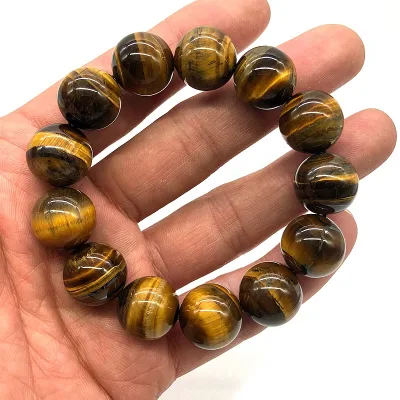
Natural Crystal Beaded Agate Tiger Eye Bracelet Jewelry Sets 6mm Beads Smiling Face Bracelet
$1.30 - $2.10
MOQ: 10 Pieces


Qichun Jinshiyuan Gemstone Jewelry Factory
- Verified by SGS
- Combined
- China Hubei
- Lead time15 days
- Avg. response≤ 1h
Main marketsSouth America,Africa,Southeast Asia/ Mideast,East Asia(Japan/ South Korea),Domestic,Europe,Australia,North America

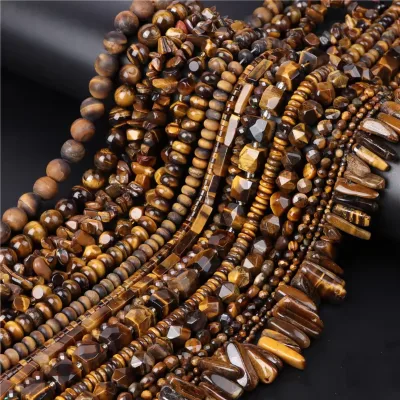
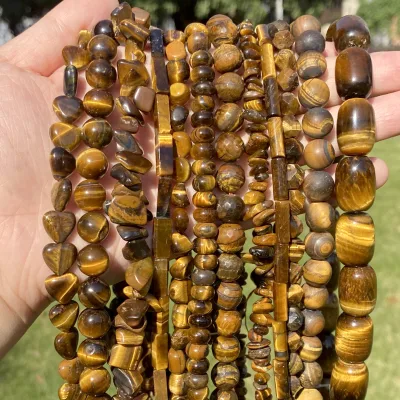
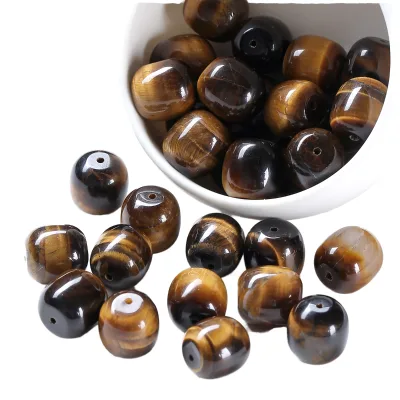
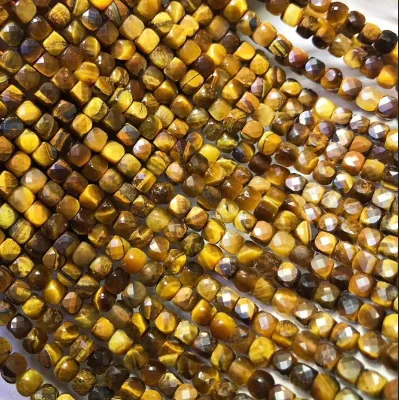
Natural Stone Beads Tiger Eye Tumbled Chip Irregular Gemstone Bead Jewelry Making
$1.08 - $1.48
MOQ: 5 strand


Guangzhou Bangmingwei Jewelry Co., Ltd.
- Trading Company
- Guangdong, China
- Lead time5 days
- Avg. response≤ 3h
Main productsBracelet/ Necklace/ Ring/ Earring/ Jewelry accessories
Main marketsNorth America(50.00%), South America(20.00%), Mid East(15.00%), Eastern Europe(10.00%), Africa(5.00%)
Yiwu Chanfar Jewelry Co., Ltd.
- Manufacturer, Trading Company
- Zhejiang, China
- Lead time7 days
- Avg. response≤ 6h
Main productsFashion Jewelry,Jewelry Packaging
Main marketsNorth America(45.00%), Western Europe(35.00%), Eastern Europe(10.00%), Southeast Asia(10.00%)
Yiwu Shanmei Arts And Gifts Co., Ltd.
- Manufacturer, Trading Company
- Lead time旺季: "1 - 100":9,"> 100":"To be negotiated", 淡季: "1 - 100":9,"> 100":"To be negotiated"
- Avg. response≤ 4h
Main productsJewelry

Dongguan Hongsheng Craft Gifts Co., Ltd.
- Verified by TUVRHEINLAND
- Trading Company
- China Guangdong
- Lead time30 days
- Avg. response≤ 5h
Main productsStainless Steel Ring, Stainless Steel Pendant Charm, Stainless Steel Leather Bracelet, Stainless Steel Bracelet Bangle, Stainless Steel Earring, Stainless Steel Chain, Leather Cord, Clothing Accessories, Key Chains, Rubber Products
Main marketsSouth America,Europe

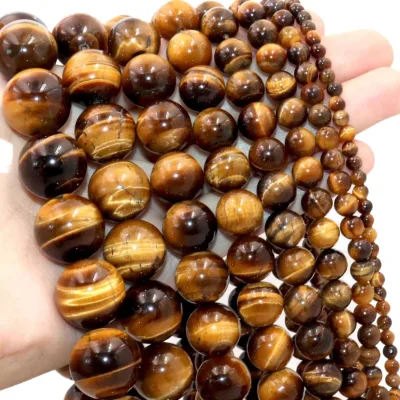
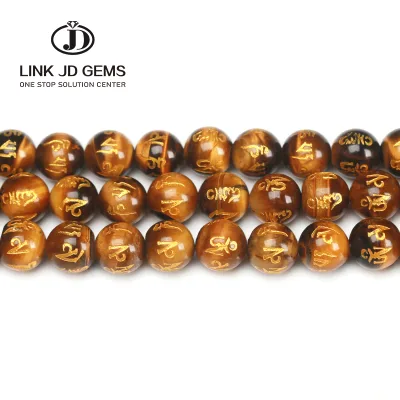
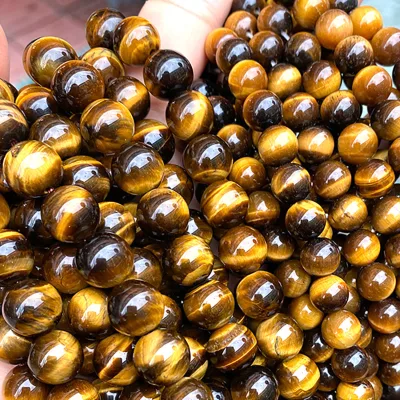
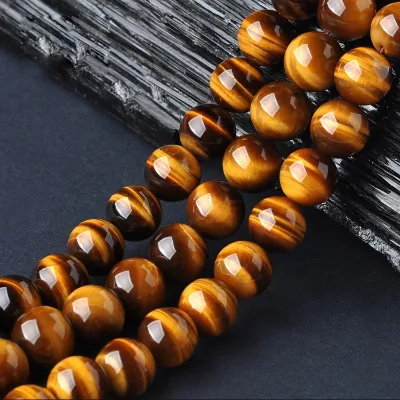
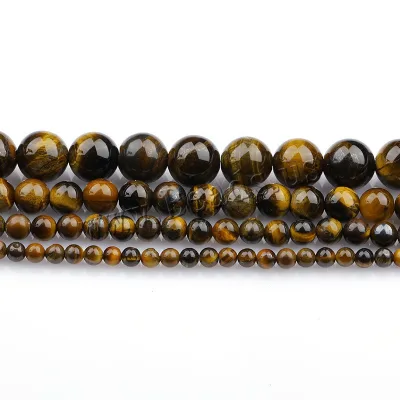
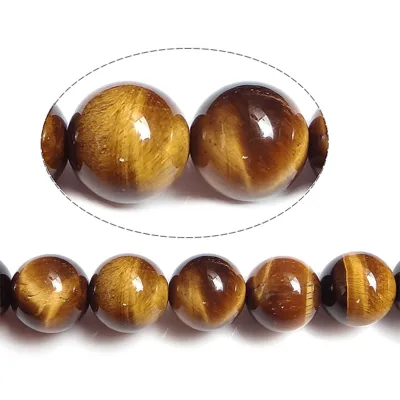
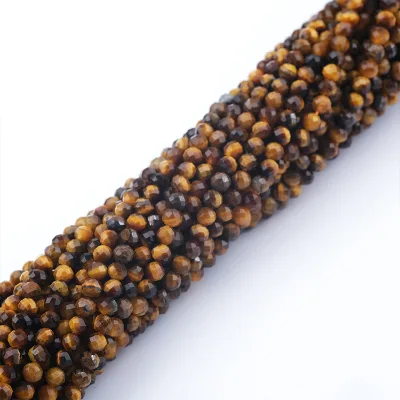
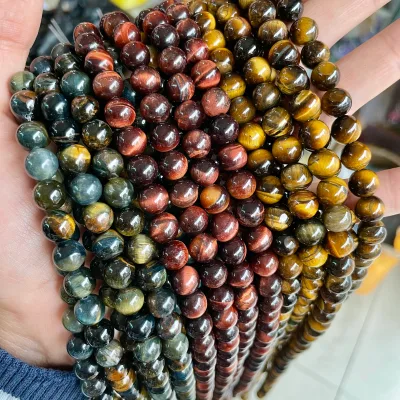
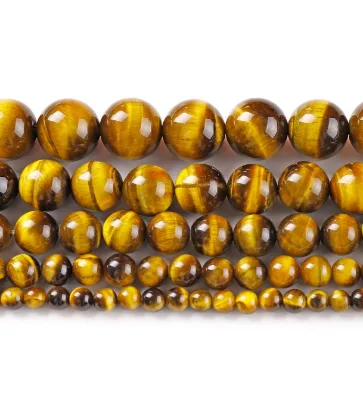
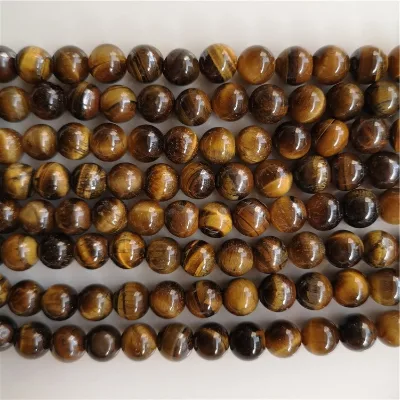
Popular Natural 8mm Yellow Tiger Eye Round Smooth Gemstone Loose Beads Strand Wholesale
$0.30 - $0.50
MOQ: 50 Pieces

$3.10 - $3.50
MOQ: 3 Strands
- Verified by SGS Group
- Manufacturer, Trading Company
- Lead time10 days
- Avg. response≤ 5h
Main productsSimi-Finished Stone Beads, Jewelry, Gemstone Decoration
Main marketsDomestic Market(15%), North America(10%), Eastern Europe(10%)
Lianyungang Duanshu Trading Co., Ltd.
- Trading Company
- Jiangsu, China
- Lead time3 days
- Avg. response≤ 2h
Main productsCrystal Bracelets,Crystal Raw Stone,Crystal Bangles,Crystal Healing Stone,Gravels/Chips
Main marketsNorth America(40.00%), Southeast Asia(20.00%), South America(10.00%), Oceania(10.00%), Western Europe(5.00%), Eastern Europe(5.00%), South Asia(5.00%), Northern Europe(3.00%), Africa(2.00%)
Yiwu Zhenxin Trading Co., Ltd.
- Trading Company
- Zhejiang, China
- Lead time15 days
- Avg. response≤ 3h
Main productsfashion jewelry,gemstone,stone beads,jewelry finding,packing bags
Main marketsNorth America(70.00%), Western Europe(10.00%), Southern Europe(5.00%), Northern Europe(5.00%), South America(5.00%), Eastern Europe(5.00%)
Yiwu Chenhan Jewelry Co., Ltd.
- Manufacturer, Trading Company
- Zhejiang, China
- Lead time7 days
- Avg. response≤ 20h
Main productsNecklace,Bracelet,Earring,Islamic Tasbih Beads
Main marketsWestern Europe(32.00%), Mid East(21.00%), North America(19.00%), South America(17.00%), Oceania(11.00%)
Yiwu Zhuofang Jewelry Co., Ltd.
- Manufacturer, Trading Company
- Lead time旺季: "1 - 50":7,"51 - 400":14,"401 - 1200":20,"> 1200":"To be negotiated", 淡季: "1 - 50":7,"51 - 400":14,"401 - 1200":20,"> 1200":"To be negotiated"
- Avg. response≤ 2h
Main productsNecklace , Earring, Rings, Bracelet , Brooch
- Verified by Intertek
- Trading Company
- Lead time10 days
- Avg. response≤ 2h
Main productsBracelets, Necklace, Earring, Ring, Anklets
Main marketsNorth America(50%), Northern Europe(20%), Southern Europe(14%)
- Verified by Intertek
- Manufacturer, Trading Company
- Lead time7 days
- Avg. response≤ 2h
Main productsBeaded Jewelry, Natural Stone Bracelet, Fashion Necklace, Crystal Bracelets, Pearl Necklace
Main marketsNorth America(40%), Western Europe(35%), Oceania(10%)

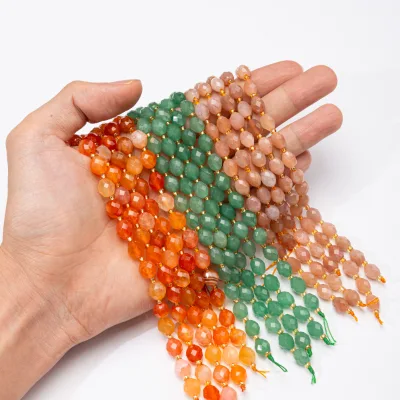
$2.5993 - $4.2946
MOQ: 10 Minimum

Guangzhou Milky Way Jewelry Limited
- Trading Company
- Guangdong, China
- Lead time10 days
- Avg. response≤ 3h
Main productsfashion jewelry,jewelry supplies,jewelry findings,jewelry material,art and gift
Main marketsNorth America(40.00%), Eastern Europe(12.00%), South America(12.00%), Africa(10.00%), Western Europe(10.00%), Northern Europe(8.00%), Eastern Asia(3.00%), Southern Europe(2.00%), Mid East(1.00%), Oceania(1.00%), Southeast Asia(1.00%)
Zhangzhou Hongxin Artware Co., Ltd.
- Verified by TüVRheinland
- Manufacturer, Trading Company
- Lead time30 days
- Avg. response≤ 2h
Main productsGlass Pearl Beads, Baking Beads, Inside Beads, Jewelry
Main marketsNorth America(60%), Western Europe(15%), South America(5%)
SENHUA TRADING (HONG KONG) LIMITED
- Trading Company
- Hong Kong S.A.R.
- Lead time7 days
- Avg. response≤ 2h
Main productsFine Jewelry,Fashion Jewelry,Jewelry findings & accessories,Jewelry packaging,Jewelry tool
Main marketsNorth America(25.00%), Mid East(10.00%), Eastern Europe(8.00%), Western Europe(8.00%), Northern Europe(8.00%), Southern Europe(8.00%), South America(7.00%), Oceania(5.00%), Central America(5.00%), South Asia(5.00%), Southeast Asia(3.00%), Africa(3.00%), Eastern Asia(3.00%), Domestic Market(2.00%)
Yiwu Lanmo E-Commerce Co., Ltd.
- Trading Company
- Zhejiang, China
- Lead time15 days
- Avg. response≤ 5h
Main productsFashion Beaded Bracelets,Fashion Pendant Necklaces,Fashion Rings,Stone Beads,Crowns Wreaths Tiaras
Main marketsNorth America(50.00%), South America(20.00%), Western Europe(10.00%), Southeast Asia(10.00%), Eastern Europe(10.00%)
Yiwu Shanmei Arts And Gifts Co., Ltd.
- Manufacturer, Trading Company
- Lead time旺季: "10 - 20":15,"30 - 1000":25,"1010 - 3000":45,"> 3000":"To be negotiated", 淡季: "10 - 20":15,"30 - 1000":25,"1010 - 3000":45,"> 3000":"To be negotiated"
- Avg. response≤ 8h
Main productsGemstone Jewelry, Metal Jewelry, Jewelry Accessories, Sterling Sliver Jewelry, Gemstone Decorations
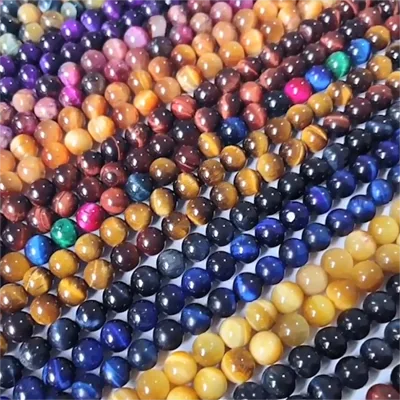
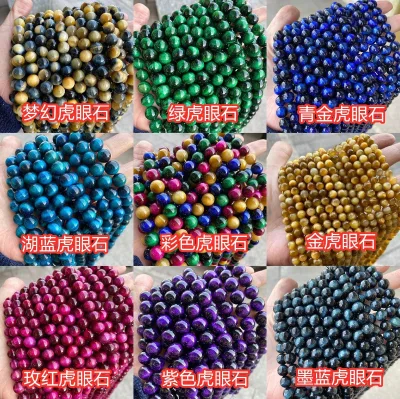
$1.7523 - $6.6975
MOQ: 5 Minimum
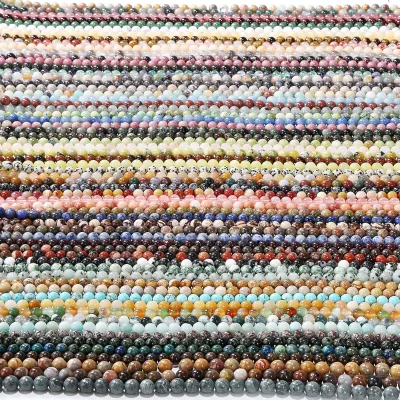
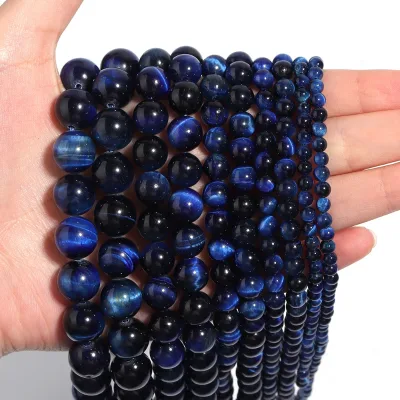
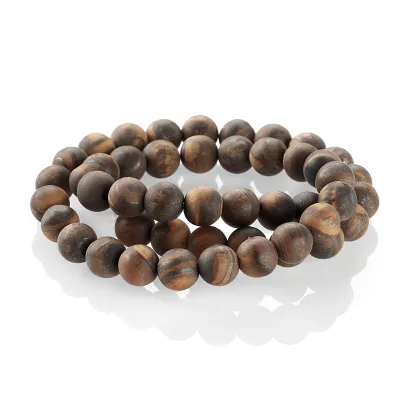
8mm Natural Stone Yellow Tiger Eye Frosted Matte Unpolished Round Spacer Beads for Jewelry Making
$1.8483 - $2.1601
MOQ: 5 strands

Yiwu Zenghao E Commerce Corporation
- Trading Company
- Zhejiang, China
- Lead time30 days
- Avg. response≤ 5h
Main productsnecklace,earring,bracelet,ring,keychain
Main marketsCentral America(40.00%), Eastern Europe(10.00%), Western Europe(10.00%), North America(5.00%), Domestic Market(5.00%), Mid East(5.00%), Oceania(5.00%), Southern Europe(5.00%), Northern Europe(5.00%), South Asia(3.00%), South America(2.00%), Africa(2.00%), Southeast Asia(2.00%), Eastern Asia(1.00%)

- Trading Company
- Zhejiang, China
- Lead time7 days
- Avg. response≤ 4h
Main productsGemstone Jewelry,Stainless Steel Jewelry,CZ Jewelry,Pearl Jewelry,Alloy Jewelry
Main marketsWestern Europe(25.00%), Northern Europe(15.00%), North America(5.00%), Eastern Europe(5.00%), South America(5.00%), Southeast Asia(5.00%), Africa(5.00%), Oceania(5.00%), Mid East(5.00%), Eastern Asia(5.00%), Central America(5.00%), Southern Europe(5.00%), South Asia(5.00%), Domestic Market(5.00%)
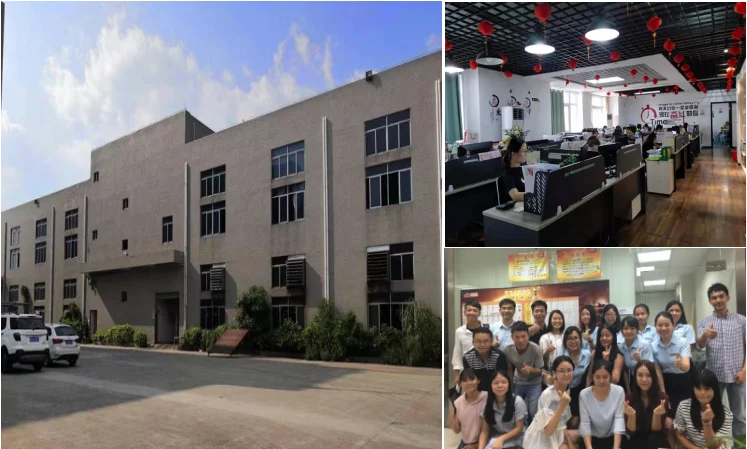
Guangzhou Linked International Trade Co., Ltd.
- Trading Company, Buying Office, Agent, Distributor/Wholesaler, Business Service (Transportation, finance, travel, Ads, etc)
- Guangdong, China
- Lead time15 days
- Avg. response≤ 4h
Main productsGemstone natural stone beads,semi-precious beads for DIY jewelry,Jewelry accessories,Jewelry set,pearls beads
Main marketsCentral America(30.00%), Eastern Europe(25.00%), Southeast Asia(10.00%), Northern Europe(5.00%), Mid East(5.00%), South Asia(5.00%), South America(5.00%), North America(5.00%), Southern Europe(3.00%), Western Europe(3.00%), Eastern Asia(2.00%), Oceania(1.00%), Africa(1.00%)
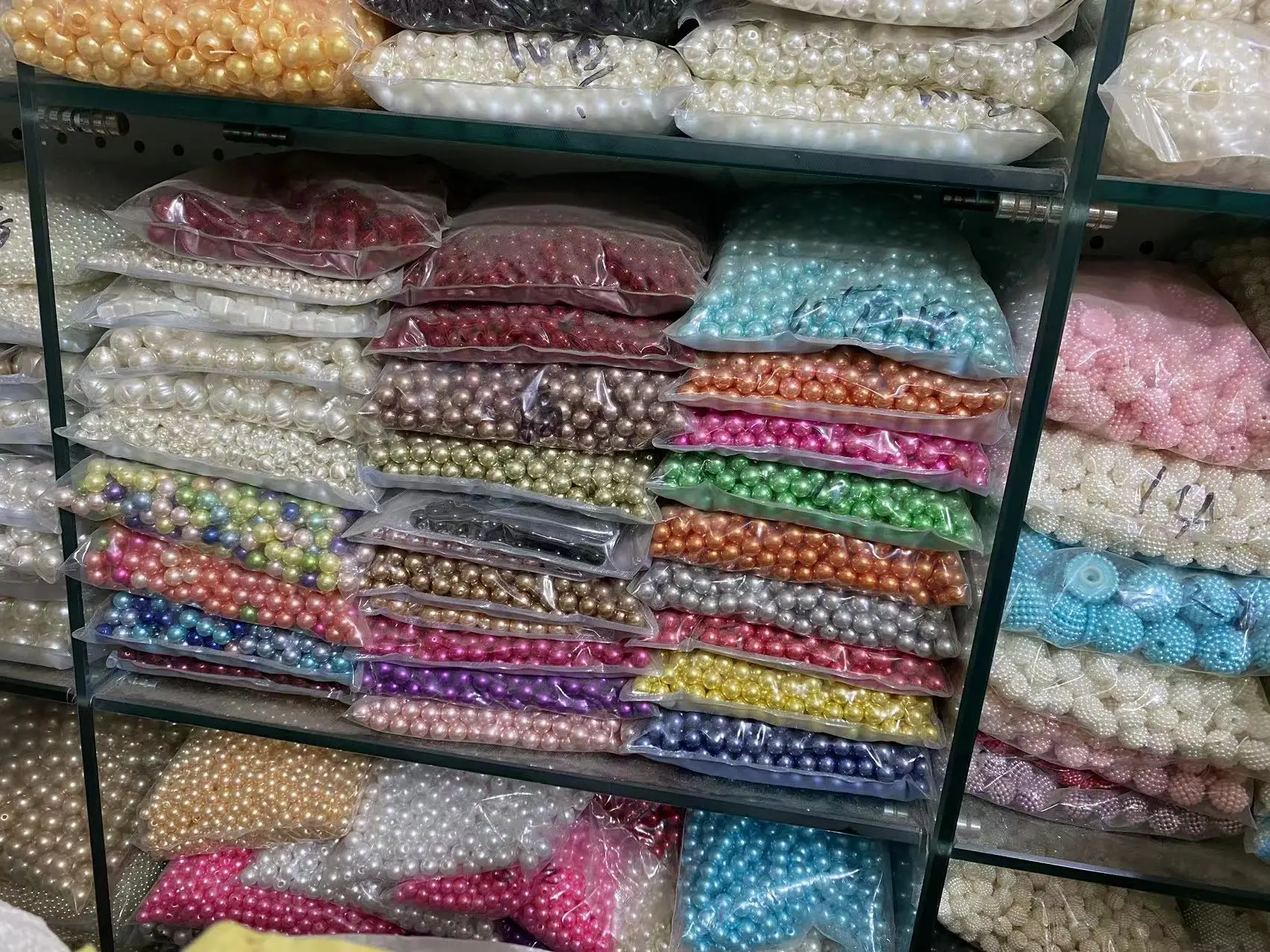
Yiwu Jieshang Trading Co., Ltd.
- Trading Company
- Zhejiang, China
- Lead time0 days
- Avg. response≤ 2h
Main productscharms,beads,necklace,Baby Teethers,Kids' Luggage & Bags
Main marketsSouth America(30.00%), North America(30.00%), Southern Europe(5.00%), Oceania(5.00%), Central America(5.00%), Western Europe(5.00%), Eastern Europe(5.00%), South Asia(4.00%), Mid East(3.00%), Africa(3.00%), Southeast Asia(3.00%), Eastern Asia(1.00%), Northern Europe(1.00%)
Guangzhou Fuguang Jewelry Co., Ltd.
- Manufacturer
- Guangdong, China
- Lead time3 days
- Avg. response≤ 4h
Main productsgemstone beads,Bracelets,Bangles,Pendant,carvings
Main marketsWestern Europe(30.00%), North America(30.00%), Southeast Asia(10.00%), South America(5.00%), Northern Europe(5.00%), Eastern Asia(5.00%), Eastern Europe(5.00%), South Asia(3.00%), Southern Europe(3.00%), Africa(2.00%), Oceania(1.00%), Mid East(0.50%), Central America(0.50%)

Yiwu Xiaoya Import And Export Co., Ltd.
- Trading Company
- Zhejiang, China
- Lead time15 days
- Avg. response≤ 11h
Main productsGlass beads,Stone beads,Jewelry accessories,Water sports,Pool & accessory
Main marketsDomestic Market(20.00%), North America(20.00%), South America(12.00%), Mid East(8.00%), Southeast Asia(8.00%), Western Europe(6.00%), Eastern Asia(5.00%), Northern Europe(4.00%), Central America(4.00%), Southern Europe(3.00%), Oceania(3.00%), Eastern Europe(3.00%), Africa(2.00%), South Asia(2.00%)

Guangzhou Clio Beads Co., Ltd.
- Trading Company
- Guangdong, China
- Lead time5 days
- Avg. response≤ 13h
Main productsBracelet,Necklace,Earring,Pendant,Beads
Main marketsNorth America(30.00%), Western Europe(25.00%), Mid East(6.00%), South America(5.00%), Oceania(5.00%), Eastern Asia(5.00%), Central America(5.00%), Northern Europe(5.00%), Eastern Europe(5.00%), Southeast Asia(5.00%), Southern Europe(2.00%), Africa(2.00%)






Comprehensive Sourcing Guide
Tiger Eye Beads Supplier Concentration and Factory Types
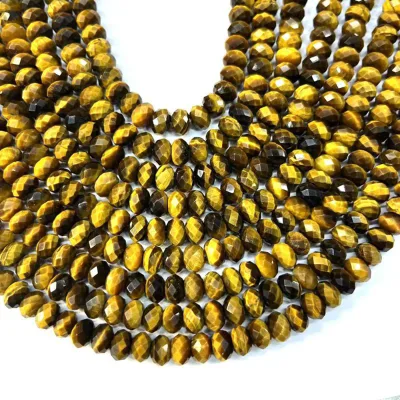
The current supplier landscape for Tiger Eye Beads reveals distinct manufacturing clusters, primarily concentrated in China’s Guangdong province. This region hosts a significant number of manufacturers and factories that specialize in fashion jewelry and semi-precious stone accessories. These entities often operate with robust OEM and ODM capabilities, allowing them to produce customized tiger eye bead products ranging from loose beads to finished bracelets and necklaces. The presence of these factories indicates a mature supply chain where raw material processing and final assembly are integrated, facilitating efficient production cycles for bulk orders. Buyers looking for high-volume production should prioritize suppliers in this geographic area, as the concentration of specialized factories suggests a competitive environment that can drive down costs and improve product variety.
In contrast to the Guangdong manufacturing hubs, other suppliers may operate as combined entities or trading companies located in different regions such as Hubei. These combined suppliers often focus on specific niches, such as irregular gemstone chips or tumbled beads for jewelry making, rather than mass-produced fashion items. They may also emphasize their own brand development or ODM services, offering unique designs that differ from standard factory outputs. Understanding the distinction between pure manufacturers and combined suppliers is crucial for buyers, as the latter might offer more flexibility in small batch orders or specialized finishing techniques. However, they may lack the extensive production capacity of large factories, making them suitable for niche or prototype orders rather than large-scale commercial distribution.
How to Verify Tiger Eye Beads Suppliers
Verification is a critical step in ensuring the reliability of tiger eye bead suppliers, particularly when dealing with semi-precious stones that vary in quality. Buyers should prioritize suppliers who have undergone third-party verification processes, such as SGS certification, which provides an objective assessment of the supplier’s business legitimacy and operational capabilities. This verification status serves as a foundational trust signal, indicating that the supplier has met specific standards for business operations. Additionally, checking for system certifications like ISO 9001 and OHSAS/OHSMS 18001 can provide further assurance of the supplier’s commitment to quality management and occupational health and safety. These certifications are particularly relevant for manufacturers, as they reflect a structured approach to production consistency and workplace safety, which can indirectly impact product quality and delivery reliability.
Beyond certifications, buyers should assess the supplier’s response time and communication efficiency, as these factors are indicative of their operational responsiveness. A supplier with a rapid response time, such as under one hour, is likely more attentive to buyer inquiries and potential issues during the order process. This responsiveness can be a key differentiator when comparing multiple suppliers, especially for time-sensitive projects. Furthermore, verifying the supplier’s ability to provide third-party appraisal certificates for their gemstone products adds a layer of quality assurance. This is particularly important for Tiger Eye Beads, where natural variations in color and clarity can affect the final product’s value. Buyers should request sample reports or certification details to ensure that the stones meet their specific quality expectations before committing to larger orders.
What to Compare Across Tiger Eye Beads Suppliers
When evaluating potential suppliers, buyers must compare key operational metrics such as lead times, minimum order quantities (MOQs), and response speeds to determine the best fit for their business needs. Lead times can vary significantly, with some suppliers offering production cycles of around 15 to 23 days, depending on the complexity of the order and the supplier’s current capacity. Understanding these timelines is essential for inventory planning and ensuring timely delivery to end customers. Similarly, MOQs can range from small quantities of 10 pieces for certain fashion accessories to larger batches of 100 or more for loose beads or specialized items. Buyers should align their order volumes with the supplier’s MOQ requirements to avoid unnecessary costs or production delays, while also considering whether the supplier offers flexibility for smaller trial orders.
In addition to operational metrics, buyers should compare the range of main products and customization options offered by each supplier. Some suppliers specialize in a broad array of jewelry items, including pendants, necklaces, bracelets, and rings, while others may focus exclusively on loose beads or specific types of tiger eye products. The availability of customization services, such as OEM and ODM capabilities, allows buyers to tailor products to their brand’s unique requirements. Buyers should also consider the supplier’s ability to handle specific product attributes, such as bead size, shape, and color variations, as these details can impact the final product’s aesthetic and market appeal. By comparing these factors, buyers can identify suppliers that not only meet their quantitative needs but also align with their qualitative product standards.
Common Tiger Eye Beads Sourcing Risks
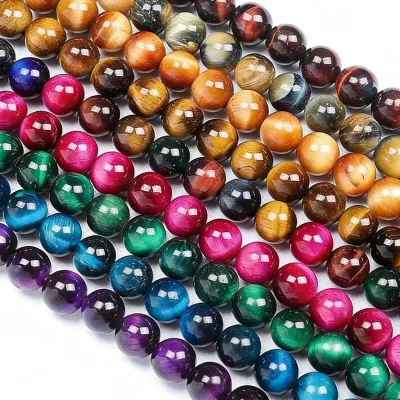
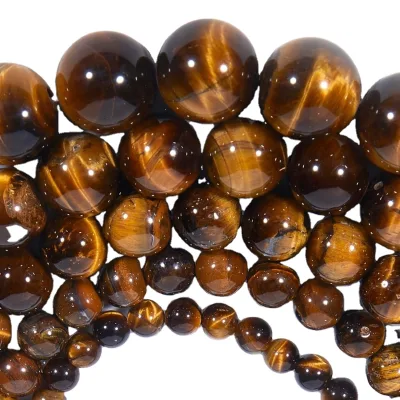
One of the primary risks in sourcing Tiger Eye Beads is the inconsistency in product quality and natural stone variations. Since tiger eye is a natural gemstone, each bead may exhibit unique patterns, colors, and clarity levels, which can lead to discrepancies between samples and bulk orders. Buyers must be aware that visual representations online may not accurately reflect the actual product, especially for items like irregular chips or tumbled beads where natural variations are more pronounced. To mitigate this risk, buyers should request detailed product specifications and high-resolution images of the actual beads, including close-ups of the stone’s texture and color distribution. Additionally, verifying the supplier’s ability to provide consistent quality control measures is crucial, as this can help ensure that the bulk order meets the agreed-upon standards.
Another significant risk is the potential for delays in production or delivery, which can disrupt supply chains and impact customer satisfaction. Suppliers with longer lead times or those operating in regions with logistical challenges may face difficulties in meeting tight deadlines. Buyers should carefully review the supplier’s stated lead times and assess their historical performance in delivering orders on schedule. It is also important to consider the supplier’s capacity to handle rush orders or expedited shipping, as this can provide a buffer against unexpected delays. Furthermore, buyers should be cautious of suppliers who do not offer clear communication channels or responsive customer service, as this can hinder issue resolution and lead to misunderstandings regarding order status or product specifications.
Tiger Eye Beads Regional Sourcing and Logistics
Sourcing Tiger Eye Beads from China, particularly from the Guangdong province, offers logistical advantages due to the region’s well-established manufacturing infrastructure and export capabilities. Suppliers in this area are often equipped to handle international shipping requirements, including proper packaging and documentation, which can streamline the import process for buyers. The concentration of factories in Guangdong also facilitates easier coordination for quality inspections and factory audits, allowing buyers to visit or send third-party inspectors to verify production standards. This geographic proximity to major shipping hubs can reduce transit times and costs, making it an attractive option for buyers seeking efficient supply chain solutions. However, buyers should still verify the supplier’s specific shipping arrangements and ensure that they have experience in exporting to their target markets.
For buyers sourcing from other regions, such as Hubei, logistical considerations may differ based on the supplier’s location and infrastructure. Suppliers in these areas may have different shipping partners or packaging standards, which can impact the overall cost and reliability of delivery. Buyers should assess the supplier’s ability to handle international logistics, including customs clearance and documentation, to avoid potential delays or additional fees. Additionally, considering the supplier’s response time and communication efficiency can help mitigate logistical risks, as clear and timely communication is essential for coordinating shipping details and resolving any issues that may arise during transit. By carefully evaluating these regional factors, buyers can make informed decisions about their sourcing strategy and ensure a smooth supply chain process.
Tiger Eye Beads Commercial Terms and Order Planning
Commercial terms, including pricing and payment conditions, play a vital role in the overall cost structure of tiger eye bead orders. Buyers should compare the price ranges offered by different suppliers, noting that costs can vary based on factors such as bead size, material quality, and customization requirements. Some suppliers may offer competitive pricing for bulk orders, while others might charge premium rates for specialized or customized products. Understanding these pricing dynamics is essential for budgeting and ensuring that the final product remains profitable. Additionally, buyers should inquire about any additional costs, such as sampling fees, tooling charges, or shipping expenses, to avoid unexpected expenses that can impact the overall project cost. Clear communication regarding pricing terms can help establish a transparent and fair business relationship.
Order planning should also consider the supplier’s production capacity and flexibility to accommodate changes in order volume or specifications. Buyers should assess whether the supplier can handle fluctuations in demand, particularly for seasonal or promotional items, and whether they offer flexible MOQs for trial orders. This flexibility can be crucial for managing inventory levels and reducing the risk of overstocking or stockouts. Furthermore, buyers should establish clear communication channels for order updates and quality control checks, ensuring that any issues are addressed promptly. By carefully planning orders and establishing robust commercial terms, buyers can minimize risks and ensure a successful sourcing experience for Tiger Eye Beads, ultimately supporting their business goals and customer satisfaction.
FAQs
What is the typical lead time for tiger eye bead orders?
Manufacturers in China Guangdong generally require 23 days to fulfill orders, while suppliers in China Hubei offer a faster turnaround of 15 days. Buyers should confirm specific production schedules with the supplier before placing bulk orders to ensure timely delivery for their projects.
What are the minimum order quantities for Tiger Eye Beads?
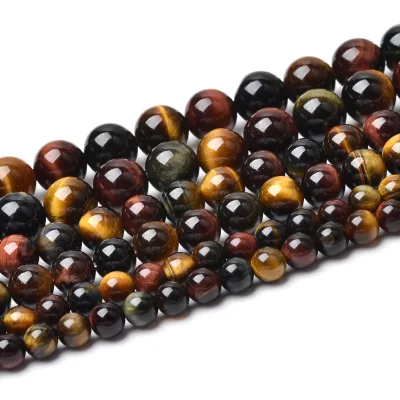
Minimum order quantities vary significantly by product type. Some fashion bracelets require a minimum of 10 pieces, while loose beads may require 50 pieces. Other items, such as specific red tiger eye bracelets, have a higher minimum order quantity of 100 pieces. Always check the specific product listing for accurate MOQ details.
Do suppliers offer customization for tiger eye bead jewelry?
Yes, customization is widely available across many tiger eye bead products. Suppliers support OEM and ODM services, allowing buyers to request specific packing, shapes, and colors. This flexibility ensures that the final jewelry pieces align with your brand requirements and target market preferences effectively.
What certifications do tiger eye bead suppliers hold?
Some manufacturers hold ISO 9001 and OHSAS 18001 system certifications, indicating adherence to quality and safety standards. Additionally, certain suppliers undergo SGS verification. Buyers should verify specific certification documents directly with the supplier to ensure compliance with their regional import regulations and quality expectations.
What is the price range for tiger eye bead bracelets?
Prices for tiger eye bead bracelets typically range from 1.30 to 2.10 per unit. However, some product listings may not display clear pricing data. Buyers should request detailed quotations based on their specific quantity and customization needs to get accurate cost estimates for their sourcing budget.
How quickly do suppliers respond to inquiries about Tiger Eye Beads?
Response times vary among suppliers. Some manufacturers in China Guangdong have an average response time of 8.02 hours. In contrast, suppliers in China Hubei demonstrate much faster response speeds, averaging 0.34 hours. Faster response times often indicate better communication channels and operational efficiency.