Vacuum Insulated Ice Bucket with Tongs Suppliers and Manufacturers
Compare 30 verified suppliers offering Vacuum Insulated Ice Bucket with Tongs based on location, response time, lead time, and pricing. Review product specifications like capacity and material before contacting vendors for quotes; review the available evidence before requesting comparable quotations from suitable candidates.
Updated
Suppliers List
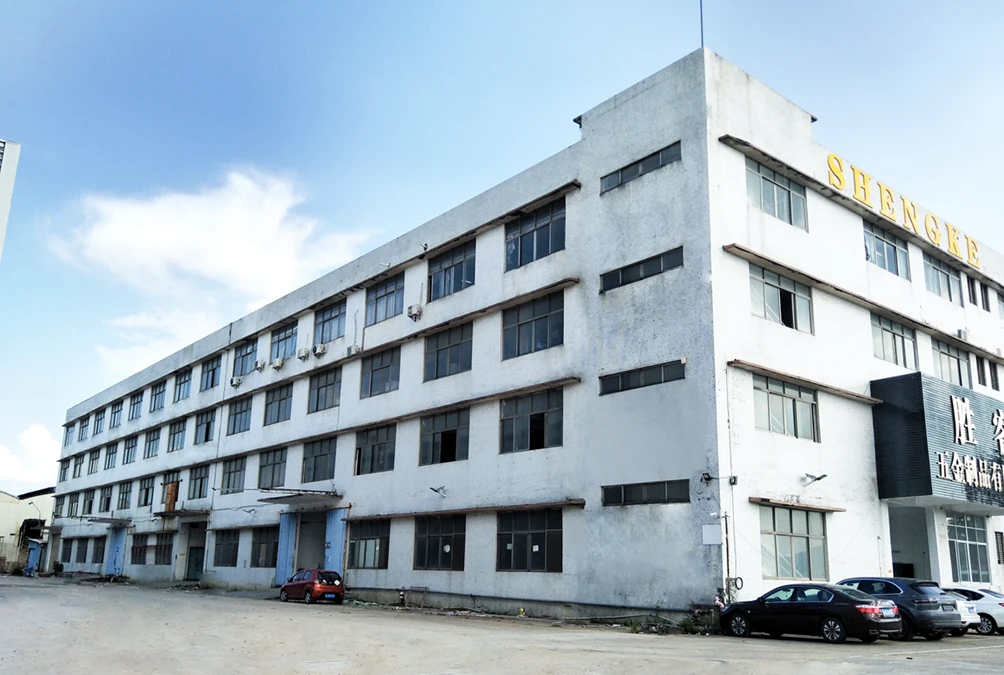
Jiangmen Haoke Household Products Co., Ltd.
- Trading Company
- Guangdong, China
- Lead time30 days
- Avg. response≤ 6h
Main productsMassage roller ball,Stainless Steel Ice Cube/ Ball,Stainless Steel Straw,Cryo Stick,Ice Globes
Main marketsDomestic Market(20.00%), Central America(20.00%), Western Europe(15.00%), North America(15.00%), Northern Europe(10.00%), South America(5.00%), Southern Europe(5.00%), Oceania(5.00%), Eastern Europe(5.00%)

Easton Hotel Supplies Co., Ltd.
- Verified by TUVRHEINLAND
- Trading Company
- China Guangdong
- Lead time15 days
- Avg. response≤ 3h
Main productsHotel Accessories, Hotel Amenity, Hotel Supplies, Wall Mounted Hair Dryer, Magnifying Mirror, Ironing Board, Welcome Tray, Wooden Hanger, Digital Safe, Luggage Rack
Main marketsSoutheast Asia/ Mideast

Jiangmen Xinxin Houseware Co., Ltd.
- Verified by BV
- Trading Company,Manufacturer/Factory
- China Guangdong
- Lead time30 days
- Avg. response≤ 5h
Main productsLunch Box, Coffeeware, Kitchenware, Chafing Dishes, Gn Pan, Juice Dispenser, Trolley, Stock Pot, Bar Sets, Storages Box
Main marketsEastern Europe,Mid East,North America,Southeast Asia,Eastern Asia,Oceania,Western Europe


$8.75 - $10.80
MOQ: 2000 pieces


Shanghai David International Trade Co., Ltd.
- Verified by TUVRHEINLAND
- Combined
- China Shanghai
- Lead time15 days
- Avg. response≤ 10h
Main productsPromotional Gifts, Gift Sets, Tshirts, Hats, Hot Packs, Hot Cold Packs, Ice Packs, Bags, Umbrellas, Water Bottles
Main marketsSouth America,Africa,Southeast Asia/ Mideast,East Asia(Japan/ South Korea),Domestic,Europe,Australia,North America

Yongkang Xingyang Hardware Products Factory
- Verified by TUVRHEINLAND
- Trading Company
- China Zhejiang
- Lead time15 days
- Avg. response≤ 19h
Main productsstainless steel bottle
Main marketsDomestic
- Verified by SGS Group
- Trading Company
- Lead time20 days
- Avg. response≤ 10h
Main productsKitchenware, Coffee French Maker, Plastic Bento Box, Bamboo Wooden Kitchen Items, Ceramic & Glass Products
Main marketsNorthern Europe(20%), South Asia(20%), North America(10%)
Chaozhou Chaoan Caitang Guangcheng Stainless Steel Product Factory
- Verified by SGS Group
- Manufacturer, Trading Company
- Lead time20 days
- Avg. response≤ 4h
Main productsSteam Pot, Storage Boxes & Bins; Food Container, Kettle, Soup Pot, Food Container
Main marketsEastern Asia(30%), Southeast Asia(15%), North America(10%)
Zhejiang Kuer Ruimao Import And Export Co., Ltd.
- Manufacturer, Trading Company
- Lead time旺季: "1 - 100":20,"101 - 500":30,"> 500":"To be negotiated", 淡季: "1 - 100":20,"101 - 500":30,"> 500":"To be negotiated"
- Avg. response≤ 2h
Main productsCooler Box, Pet Cages, Kayak

- Verified by TUVRHEINLAND
- Trading Company,Manufacturer/Factory
- China Guangdong
- Lead time45 days
- Avg. response≤ 4h
Main productsStainless Steel Cookware, Stainless Steel Untensil, Stainless Steel Kitchenware, Stainless Steel Colander Bowl, Stainless Steel G. N Pan, Stainless Steel Pressure Cooker, Stainless Steel Buckets, Stainless Steel Dishes Rack, Stainless Steel Chafing Dishes, Stainless Steel Fittings
Main marketsSouth America,Eastern Europe,Mid East,North America,Southeast Asia,Eastern Asia,Oceania,Western Europe,Africa

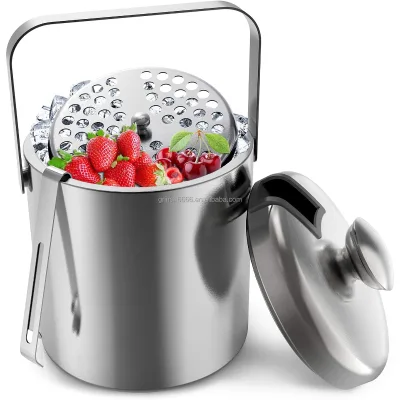
Stainless Steel Ice Bucket Thermal Bucket Silver Quality Insulated Ice Bucket
$5.00 - $7.00
MOQ: 100 Pieces


LIANYUNGANG KAESHING INTERNATIONAL TRADING CO., LTD.
- Verified by TUVRHEINLAND
- Trading Company
- China Jiangsu
- Lead time15 days
- Avg. response≤ 4h
Main productsGlass Bottle, Glass Jar, Glass Cup, Glassware, High Borosilicate Glass Jar Bottle Mug, Glass Perfume Bottle, Glass Mug, Glass Decanter, Storage Jar, Fused Silica
Main marketsNorth America


7 L Outdoor Stainless Steel Double Walled Ice Bucket with Lid Coolers & Holders Ice Cooling
$18.6325 - $20.6325
MOQ: 1000 Pieces
- Trading Company
- Lead time旺季: "1 - 100":31,"> 100":"To be negotiated", 淡季: "1 - 100":31,"> 100":"To be negotiated"
- Avg. response≤ 4h
Main productsStainless Steel Cups/Stainless Steel Wine Glasses/Stainless Steel Ice Bucket
Wuyi Hongtai Stainless Steel Drinkware Co., Ltd.
- Manufacturer, Trading Company
- Lead time旺季: "1 - 10000":45,"> 10000":"To be negotiated", 淡季: "1 - 10000":45,"> 10000":"To be negotiated"
- Avg. response≤ 3h
Main productsStainless Steel Vacuum Flask,Stainless Steel Water Bottle
Everich Commerce Group Limited
- Manufacturer, Trading Company
- Lead time旺季: "1 - 2":25,"> 2":"To be negotiated", 淡季: "1 - 2":25,"> 2":"To be negotiated"
- Avg. response≤ 3h
Main productsWater Bottle, Tumblers, Mugs, Lunch Boxes, Cooler & Jugs

- Trading Company,Manufacturer/Factory
- China Guangdong
- Lead time23 days
- Avg. response≤ 11h
Main productsHotel Amenity, Hotel Supplies, Hair Dryer, Ironing Board, Safe Box, Ice Bucket, Magnifying Mirror, Luggage Rack, Waste Bin, Electric Kettle
Main marketsSouth America,Eastern Europe,Mid East,North America,Southeast Asia,Eastern Asia,Oceania,Western Europe,Africa
Everich Commerce Group Limited
- Verified by SGS Group
- Manufacturer, Trading Company
- Lead time25 days
- Avg. response≤ 7h
Main productsWater Bottles, Tumblers, Mugs, Lunch Boxes, Coolers & Jugs
Main marketsNorth America(53%), Eastern Asia(20%), Southeast Asia(15%)
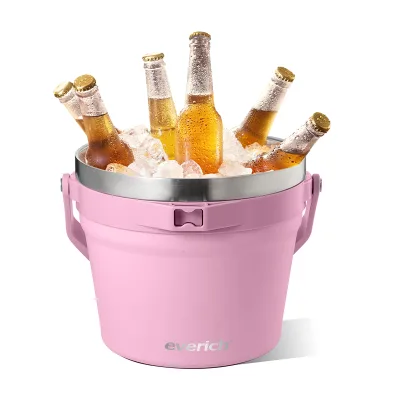
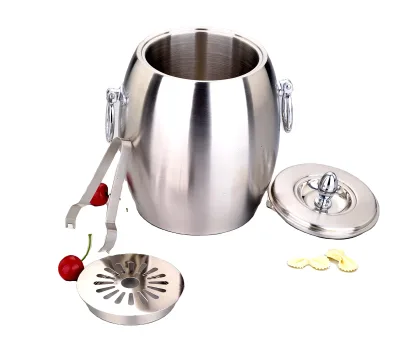
7.3 Quart / 7 L Round Double Wall Vacuum Insulated 304 Stainless Steel Ice Bucket
$9.7615 - $10.2652
MOQ: 500 pieces
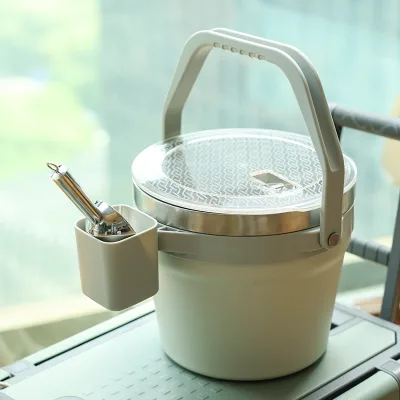
$9.7615 - $10.2652
MOQ: 500 pieces
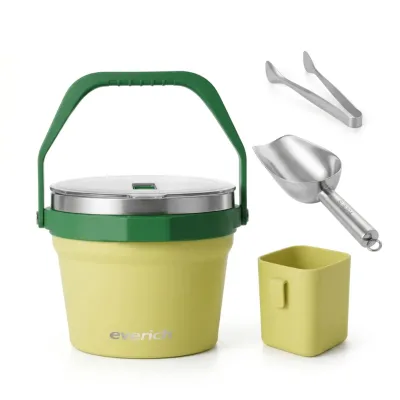

- Verified by TUVRHEINLAND
- Manufacturer/Factory
- China Zhejiang
- Lead time45 days
- Avg. response≤ 4h
Main productsIce Bucket, Toys, Kitchen Products, Hip Flask, Shaker, Bar Caddy, Menu Board, Bottle Opener, Barwares, Wine Glasses
Main marketsSouth America,Eastern Europe,Mid East,North America,Southeast Asia,Eastern Asia,Oceania,Western Europe,Africa
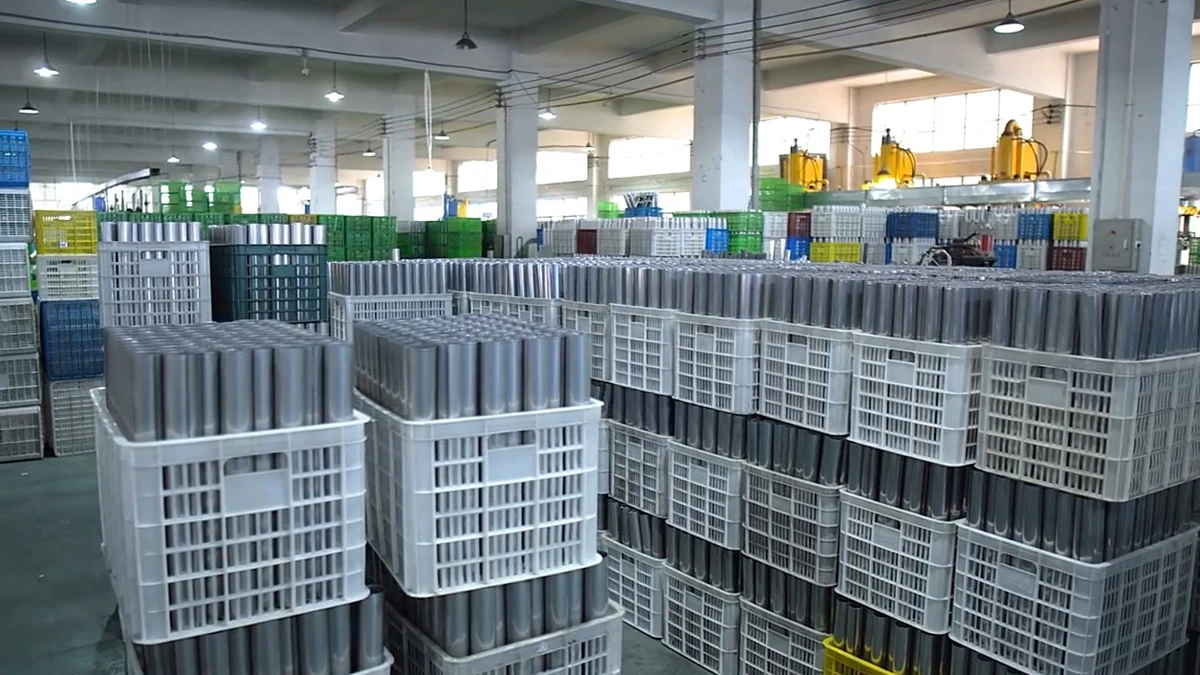
Yongkang Ea-Source Household Products Co., Ltd.
- Trading Company
- Zhejiang, China
- Lead time45 days
- Avg. response≤ 4h
Main productsWater Bottle,Cookware Handles,Cookware Side Handles,Pan knobs,vacuum bottles
Main marketsEastern Europe(20.00%), North America(20.00%), Southern Europe(10.00%), Southeast Asia(10.00%), Mid East(10.00%), South Asia(5.00%), Oceania(5.00%), Northern Europe(5.00%), Central America(5.00%), Western Europe(5.00%), South America(5.00%)

Xiamen Polaris Innovate Co., Ltd.
- Trading Company
- China Fujian
- Lead time23 days
- Avg. response≤ 4h
Main productsBar Tools, Brewery Point of Sale Materials, LED Bar Decoration, Packaging Materials, Promotional Gifts
Main marketsAfrica,East Asia(Japan/ South Korea),Europe,Australia,North America
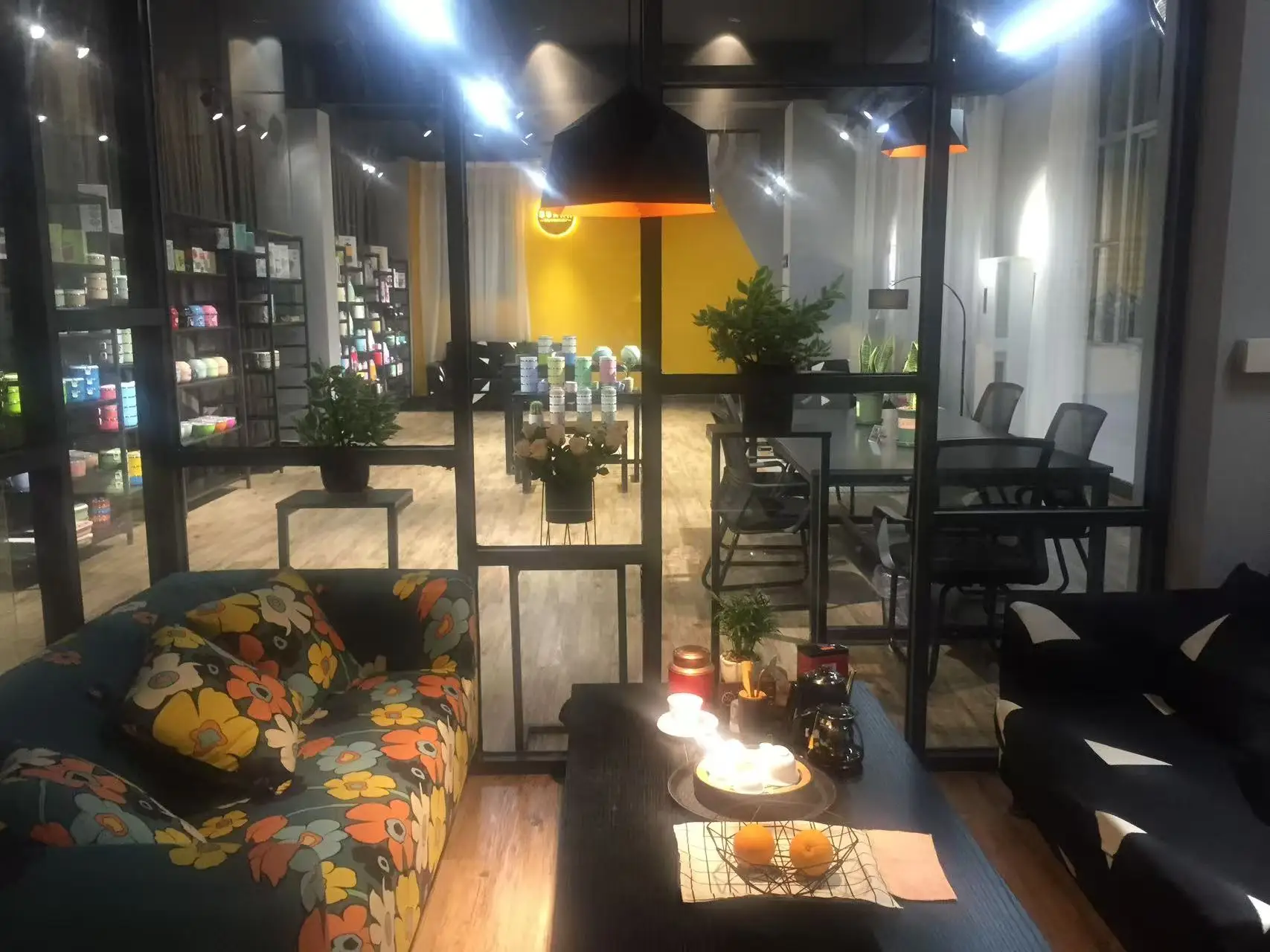
Chaozhou Zhongzhi Hardware Products Co., Ltd.
- Manufacturer, Trading Company
- Guangdong, China
- Lead time20 days
- Avg. response≤ 3h
Main productstableware,Hotel supplies
Main marketsDomestic Market(50.00%), Southeast Asia(25.00%), North America(10.00%), Eastern Europe(10.00%), Eastern Asia(5.00%)
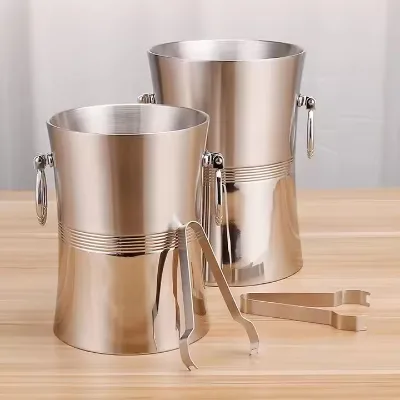
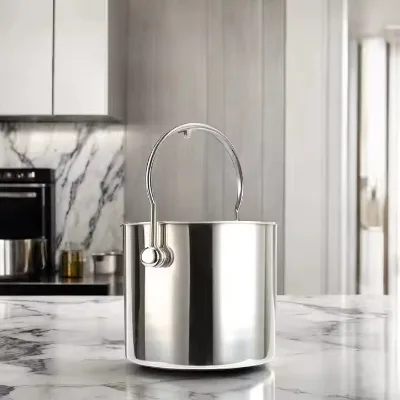
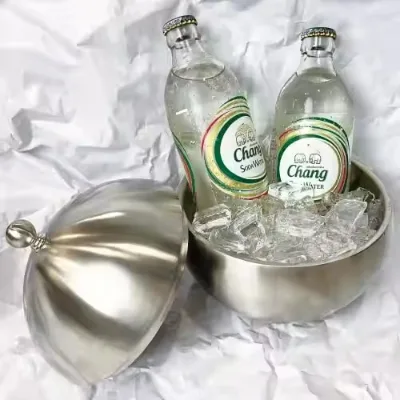
$3.3982 - $4.1193
MOQ: 100 pieces

Eagle Catering Equipment Co., Ltd.
- Manufacturer/Factory
- China Guangdong
- Lead time30 days
- Avg. response≤ 12h
Main productsTrolleys, Gastronorm Containers, Table, Shelves, Sink, Barrier Post, Cookware, Buffetware, Barware, Kitchen Utensils
Main marketsSouth America,Eastern Europe,Mid East,North America,Southeast Asia,Eastern Asia,Oceania,Western Europe,Africa
Guangzhou Stormall Technology Limited
- Verified by SGS Group
- Manufacturer, Trading Company
- Lead time7 days
- Avg. response≤ 2h
Main productsLed Ice Bucket, Led Letter Sign, Led Neon Sign, Marquee Letters
Main marketsNorth America(20%), Oceania(15%), South America(10%)
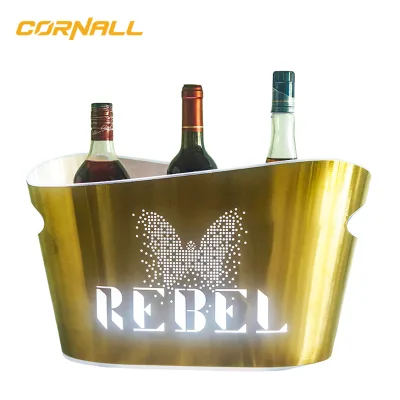
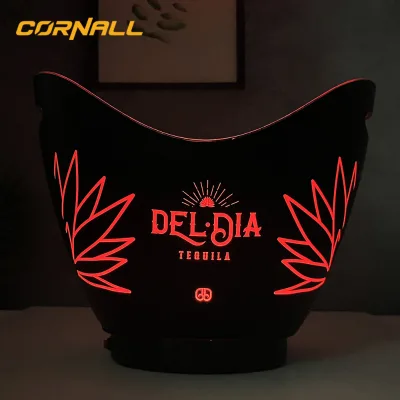
Hot Sale Outdoor Black Color Ice Bucket With Tong Beer Ice Bucket With logo Lid
$16.462 - $29.8361
MOQ: 2 pieces
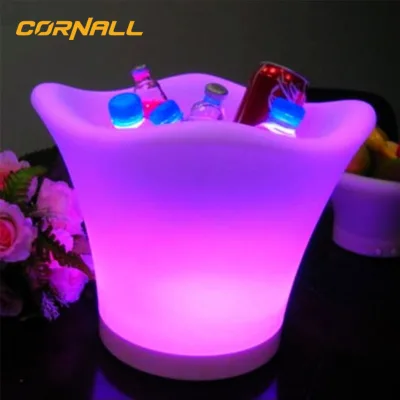
Hot Selling Bright Ice Bucket Ice Bucket Plastic Ice Bucket
$16.00 - $26.00

Shanghai Touch Industrial Development Co., Ltd.
- Verified by TUVRHEINLAND
- Combined
- China Shanghai
- Lead time15 days
- Avg. response≤ 5h
Main productsInstant Hot Pack, Hot Cold Pack, Gel Eye Mask, Gel Ice Pack, Gel Bottle Cooler, Instant Ice Pack, Hand Warmer, Heat Pack, Cooling Scarf, Gel Beads
Main marketsSouth America,Others(foreignTradeCapacity.exportBusinessCapacityMarketOther),Southeast Asia/ Mideast,East Asia(Japan/ South Korea),Domestic,Europe,Australia,North America


Portable Home Use Nice Quality Double Wall Stainless Steel Ice Bucket with Ice Shovel
$4.35 - $5.50
MOQ: 500 Pieces

High Quality Double Wall Portable Metal Stainless Steel Ice Bucket with Sealed Lid and Carry Handle
$4.35 - $5.50
MOQ: 500 Pieces

Suzhou Innovation Packaging Materials Co., Ltd.
- Verified by BV
- Trading Company
- China Jiangsu
- Lead time0 days
- Avg. response≤ 14h
Main productsPlastic Bucket Hollow Plate Plastic Pail Cart, Metal Bucket, Tin Can, Ice Bucket, Packaging Accessories, Drums & Barrels, Jars & Bottles, Steel Drums
Main marketsSouth America,Eastern Europe,Mid East,North America,Southeast Asia,Eastern Asia,Oceania,Western Europe,Africa


Hot Sale Factory Direct Plastic 5L Double Handle Ice Bucket with Factory Price
$3.76 - $4.06
MOQ: 1000 Pieces


Jiangmen Weilong Hardware Co., Ltd.
- Verified by TüVRheinland
- Manufacturer, Trading Company
- Lead time30 days
- Avg. response≤ 7h
Main productsBread Box, Canister, Trash Can
Main marketsWestern Europe(40%), North America(25%), Oceania(20%)
Foshan Kylin Trading Company Limited.
- Trading Company
- Guangdong, China
- Lead time30 days
- Avg. response≤ 2h
Main productsnapkin dispenser,bottle opener,ice bucket,tray,can carrier
Main marketsWestern Europe(30.00%), Southern Europe(10.00%), Mid East(10.00%), Eastern Europe(8.00%), Africa(7.00%), North America(5.00%), Northern Europe(5.00%), South America(5.00%), Central America(5.00%), Eastern Asia(4.00%), South Asia(4.00%), Southeast Asia(3.00%), Domestic Market(2.00%), Oceania(2.00%)
- Manufacturer
- Zhejiang, China
- Lead time20 days
- Avg. response≤ 2h
Main productsInflatable Swim Ring, Inflatable Beach Ball, Inflatable Pool, Inflatable Sofa, Inflatable Mattress
Main marketsNorth America(60.00%), Western Europe(10.00%), Southern Europe(10.00%), Northern Europe(10.00%), Southeast Asia(10.00%), Western Europe(10.00%), Southern Europe(10.00%), Northern Europe(10.00%), Southeast Asia(10.00%)
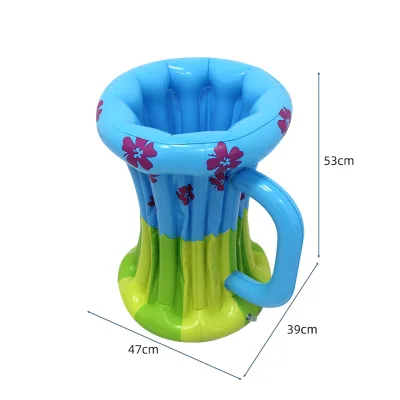
Joyee Plastic Ice Wine Bucket Ice Storage Folding Bucket Ice Bucket for Wine
$3.00 - $4.00
MOQ: 100 pieces
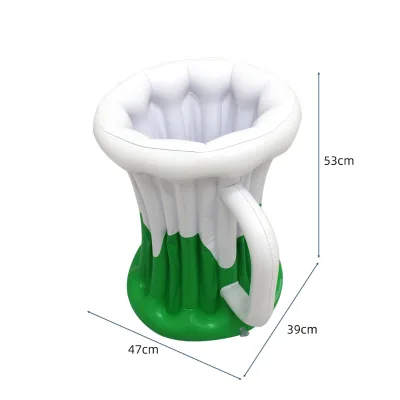
Joyee Foldable Ice Bucket Multifunctional Ice Bucket Custom Pattern Ice Bucket
$3.00 - $4.00
MOQ: 100 pieces
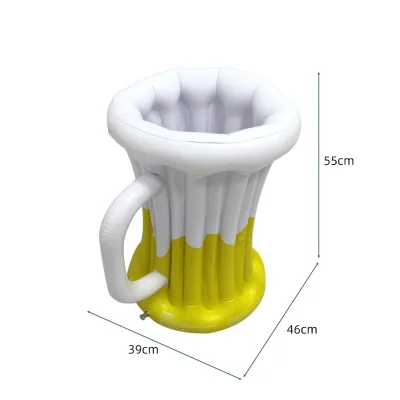
Joyee Hot Sale PVC Ice Bucket Customise Ice Bucket Custom logo Customized Plastic Ice Bucket for Ktv
$3.00 - $4.00
MOQ: 100 pieces
Yuyao Qinyuan Crafts Product Co., Ltd.
- Manufacturer
- Zhe Jiang, China
- Lead time30 days
- Avg. response≤ 23h
Main productsCommercial Kitchenware Product,Storage Container,Napkin Holder,Vegetable Slicer,Bar Product
Main marketsSouthern Europe(12.50%), Northern Europe(12.50%), Central America(12.50%), Western Europe(12.50%), Oceania(12.50%), Southeast Asia(12.50%), Eastern Europe(12.50%), North America(12.50%)

Dongguan City Weimei Can(Manufactory) Co., Ltd.
- Manufacturer
- China Guangdong
- Lead time30 days
- Avg. response≤ 15h
Main productsTin Container, Tin Box, Tin Bucket, Tin Coaster, Tin Badge, Tin Tray, Tin Sign, Tin Pencil Case, Tin Clock, Tin Photo Frame
Main marketsEast Asia(Japan/ South Korea),Europe,North America

$0.31 - $0.36
MOQ: 5000 Pieces

$0.31 - $0.36
MOQ: 5000 Pieces

$0.21 - $0.26
MOQ: 5000 Pieces

$0.31 - $0.36
MOQ: 5000 Pieces
Everich Commerce Group Limited
- Manufacturer, Trading Company
- Lead time旺季: "1 - 1000":45,"1001 - 3000":55,"3001 - 10000":65,"> 10000":"To be negotiated", 淡季: "1 - 1000":45,"1001 - 3000":55,"3001 - 10000":65,"> 10000":"To be negotiated"
- Avg. response≤ 4h
Main productsWater Bottle, Tumbler, Mug, Lunch Box, Cooler Bag

Guangzhou Nantian Sources Co., Ltd.
- Manufacturer/Factory
- China Guangdong
- Lead time15 days
- Avg. response≤ 6h
Main productsKitchen Equipment, Kitchenware, Food Machine, Kitchen Appliance, Glassware, Food Machinery, Bakery Equipment, Dinnerware, Kitchen Utensils, Food Processor
Main marketsSouth America,Mid East,Southeast Asia,Eastern Asia,Oceania,Africa
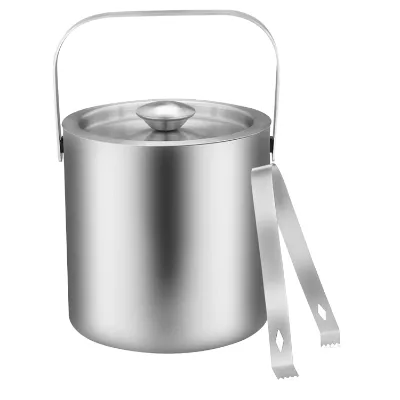
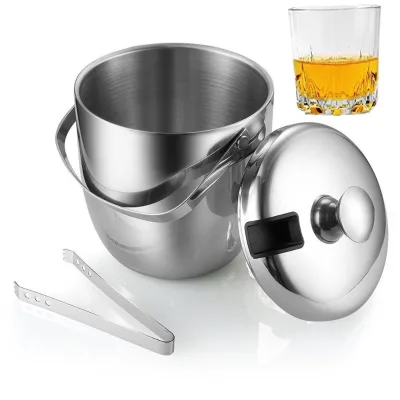
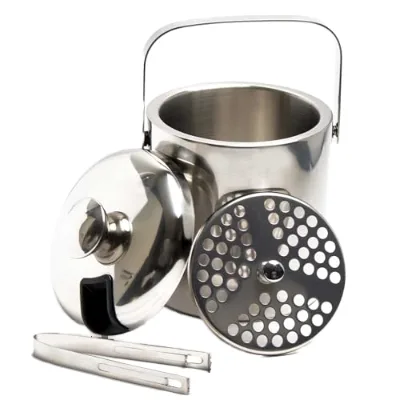


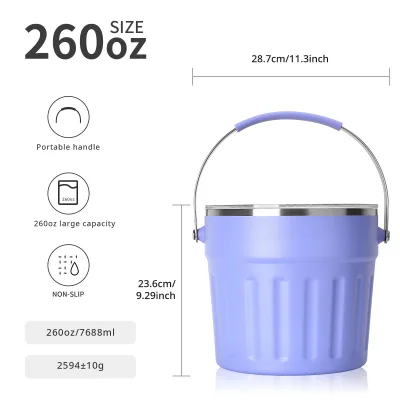
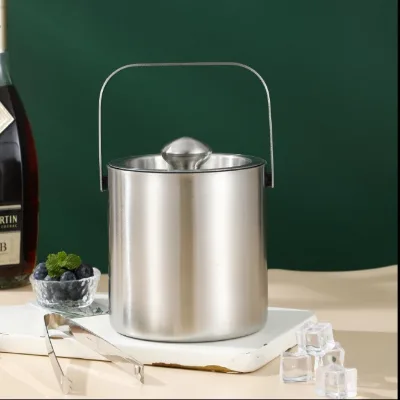
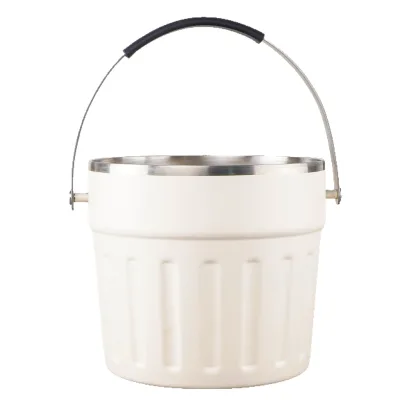
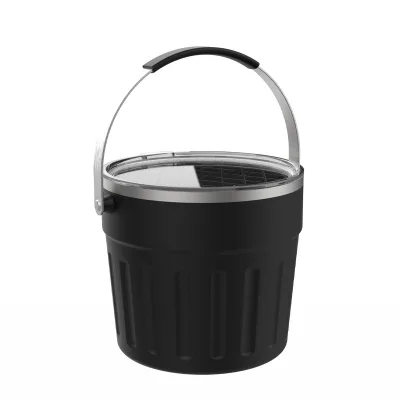
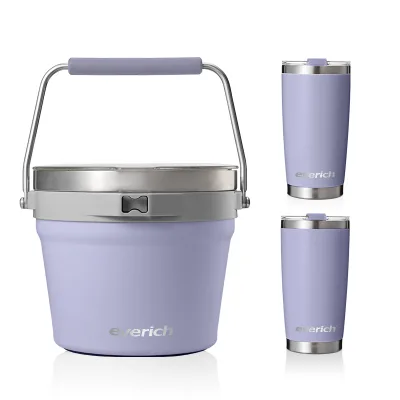
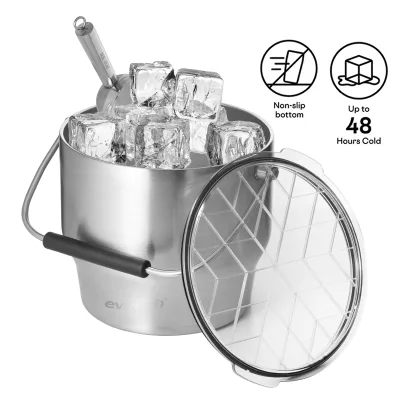
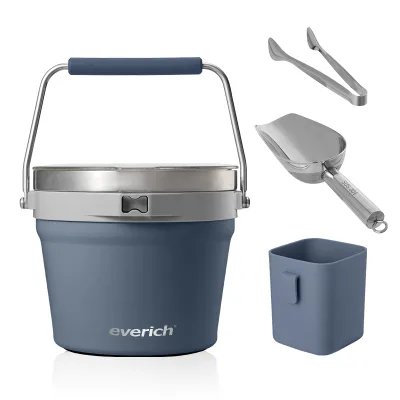


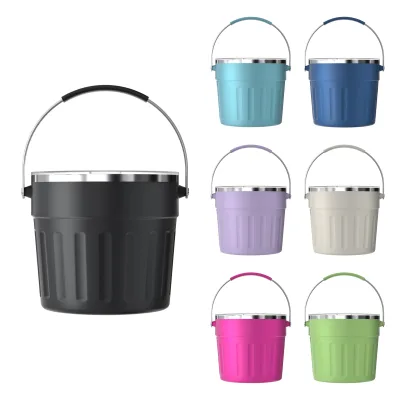
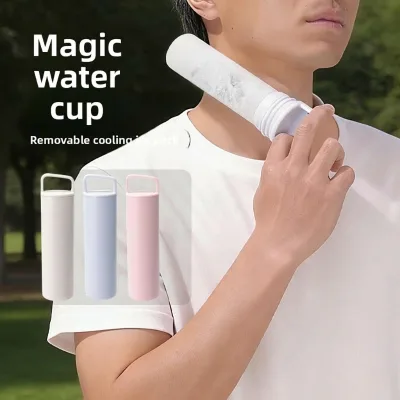


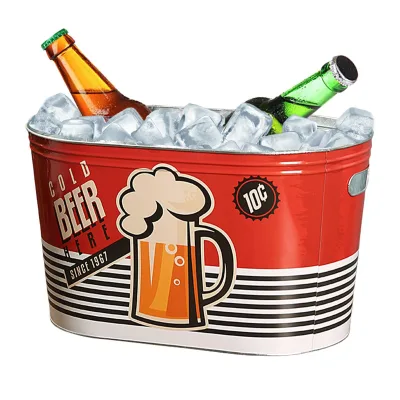
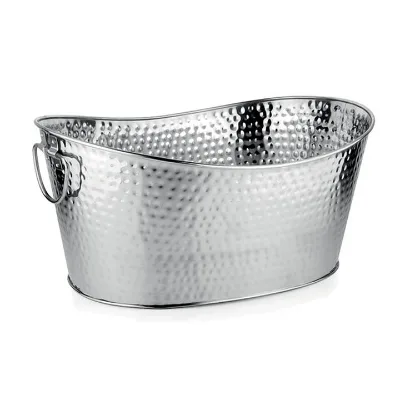


Comprehensive Sourcing Guide
Vacuum Insulated Ice Bucket with Tongs Supplier Concentration and Factory Types
The current supplier landscape for vacuum insulated ice buckets with tongs reveals a distinct concentration of manufacturing and trading entities within Guangdong, China. This region serves as a primary hub for stainless steel fabrication, leveraging established supply chains for raw materials and precision engineering. Buyers evaluating these suppliers will often encounter two distinct company types: trading companies and direct manufacturers. Trading companies, which appear frequently in the results, act as intermediaries that aggregate products from various factories. They often specialize in specific niches, such as hotel amenities or bar accessories, offering a curated selection of items like massage roller balls, stainless steel straws, and cryo sticks alongside ice buckets. This model allows buyers to source multiple product lines from a single point of contact, simplifying logistics for mixed orders. However, it is crucial to understand that trading companies may not control the production process directly, which can impact customization flexibility and quality control transparency.
In contrast, direct manufacturers or factories with original design manufacturing (ODM) capabilities offer deeper integration into the product development cycle. Some suppliers in this category demonstrate ODM capacity, indicating they can modify existing designs or create new ones based on buyer specifications. These entities often focus on high-volume production of standardized items, such as double-wall stainless steel ice buckets with tongs, ensuring consistent quality and competitive pricing through economies of scale. The presence of verified suppliers, such as those certified by TÜV Rheinland, suggests a higher level of operational rigor and adherence to international standards. Buyers should carefully distinguish between these factory types to align their sourcing strategy with their specific needs for customization, volume, and direct communication. Understanding the structural composition of the supplier base helps in predicting lead times, negotiation leverage, and the overall reliability of the supply chain for vacuum insulated ice buckets with tongs.
How to Verify Vacuum Insulated Ice Bucket with Tongs Suppliers
Verifying the legitimacy and capability of suppliers requires a multi-layered approach that goes beyond surface-level profile information. One of the most critical steps is to check for third-party verification badges, such as TÜV Rheinland certification, which indicates that an independent body has audited the supplier’s business operations and product quality systems. This verification provides a layer of trust that is essential when sourcing from international markets, particularly when dealing with stainless steel products that require specific material standards. Buyers should also scrutinize the supplier’s response time, as a quick and professional reply often correlates with better customer service and operational efficiency. For instance, some suppliers demonstrate response times under three hours, which is a positive indicator of their readiness to engage in detailed negotiations and address technical queries promptly. This responsiveness is particularly valuable when discussing customizations, such as logo printing or specific finish requirements for brushed or polished stainless steel.
Beyond verification badges and response metrics, buyers must examine the detailed product attributes and specifications provided by the supplier. Authentic suppliers will offer comprehensive data on their vacuum insulated ice buckets with tongs, including material composition, capacity, dimensions, and packaging details. For example, accurate listings will specify whether the bucket is double-walled, the exact volume in liters, and the inclusion of accessories like ice tongs and lids. Buyers should also look for consistency in product keywords and descriptions, which can reveal the supplier’s expertise and focus. Additionally, checking the supplier’s main products can provide insight into their specialization; a supplier focusing on hotel amenities and bar tools is likely more knowledgeable about ice bucket specifications than a generalist trader. By cross-referencing these details with the supplier’s verification status and communication speed, buyers can build a robust profile of each potential partner, ensuring they select a supplier who is not only legitimate but also capable of meeting their specific quality and service expectations.
What to Compare Across Vacuum Insulated Ice Bucket with Tongs Suppliers
When evaluating multiple suppliers for vacuum insulated ice buckets with tongs, buyers must systematically compare key operational and commercial metrics to identify the best fit for their business. Lead time is a critical factor, as it directly impacts inventory management and customer satisfaction. Suppliers may offer varying lead times, ranging from fifteen days to thirty days, depending on their production capacity and current order backlog. Buyers should prioritize suppliers with shorter, more reliable lead times if they have urgent delivery requirements or operate with lean inventory models. Similarly, the minimum order quantity (MOQ) is a significant consideration, especially for smaller buyers or those testing new markets. Some suppliers may have MOQs as low as twelve units, while others might require higher volumes, such as eighteen units or more. Comparing these thresholds helps buyers determine which suppliers align with their initial order size and budget constraints.
Price and customization options are also essential dimensions for comparison. The unit price for vacuum insulated ice buckets with tongs can vary significantly based on material quality, design complexity, and order volume. Buyers should request detailed quotes that break down costs for different specifications, such as brushed versus polished finishes or custom logo printing. Additionally, the availability of customization services, including OEM and ODM options, should be assessed. Suppliers that offer flexible customization allow buyers to differentiate their products in the market, adding value through unique branding or design features. Response time is another comparative metric, as faster communication can facilitate quicker decision-making and problem resolution. By creating a comparison matrix that includes lead time, MOQ, price, customization capabilities, and response speed, buyers can objectively evaluate suppliers and select the one that offers the best balance of cost, quality, and service for their specific sourcing needs.
Common Vacuum Insulated Ice Bucket with Tongs Sourcing Risks
Sourcing vacuum insulated ice buckets with tongs from international suppliers involves several inherent risks that buyers must proactively manage to ensure a successful procurement process. One significant risk is the potential discrepancy between the product samples and the final bulk production. While suppliers may provide high-quality samples that meet all specifications, there is a possibility that mass production could deviate in terms of material thickness, weld quality, or finish consistency. This risk is particularly relevant for stainless steel products, where minor variations can affect durability and aesthetic appeal. Buyers should mitigate this risk by conducting thorough quality inspections during production and before shipment, ensuring that the final products match the approved samples in every detail. Additionally, clear communication of technical specifications and quality standards in the purchase contract is essential to hold suppliers accountable for any deviations.
Another common risk is the reliability of shipping and logistics, which can be affected by various factors such as port congestion, customs delays, or carrier issues. Vacuum insulated ice buckets with tongs are often bulky and require careful packaging to prevent damage during transit. Buyers should verify that suppliers use robust packaging methods, such as carton packages with adequate cushioning, to protect the products. Furthermore, buyers should be aware of potential hidden costs, such as import duties, taxes, and handling fees, which can impact the total landed cost of the products. It is crucial to obtain a comprehensive quote that includes all relevant charges and to understand the Incoterms agreed upon with the supplier. By anticipating these risks and implementing appropriate mitigation strategies, such as third-party inspections and clear contractual terms, buyers can minimize disruptions and ensure a smooth sourcing experience for vacuum insulated ice buckets with tongs.
Vacuum Insulated Ice Bucket with Tongs Regional Sourcing and Logistics
The geographic concentration of suppliers in Guangdong, China, offers distinct advantages and challenges for sourcing vacuum insulated ice buckets with tongs. This region is well-established in the manufacturing of stainless steel products, providing access to a mature supply chain and skilled labor force. Buyers sourcing from this region can benefit from the efficiency of local logistics networks, which are optimized for exporting goods to global markets. However, the distance between Guangdong and international destinations can lead to longer transit times and higher shipping costs, particularly for air freight. Buyers should carefully evaluate shipping options, considering both cost and speed, to determine the most suitable logistics strategy for their needs. For large orders, sea freight is often the most cost-effective option, although it requires longer lead times and careful planning to avoid stockouts.
In addition to shipping costs, buyers must consider the regulatory and compliance requirements of their destination markets. Different countries have specific standards for food-contact materials, including stainless steel, which must be met to ensure product safety and legality. Buyers should verify that their suppliers comply with these regulations and can provide necessary documentation, such as material test reports or certification copies. Furthermore, buyers should be aware of potential tariffs and trade policies that may affect the cost of importing goods from China. Understanding these regional logistics and regulatory factors is crucial for accurate cost estimation and risk management. By leveraging the strengths of the Guangdong manufacturing cluster while addressing logistical and compliance challenges, buyers can establish a reliable and efficient supply chain for vacuum insulated ice buckets with tongs, ensuring timely delivery and product quality in their target markets.
Vacuum Insulated Ice Bucket with Tongs Commercial Terms and Order Planning
Effective order planning and negotiation of commercial terms are vital for securing the best value when sourcing vacuum insulated ice buckets with tongs. Buyers should begin by clearly defining their order requirements, including quantity, specifications, and delivery deadlines, to facilitate accurate quoting and production scheduling. It is advisable to request detailed quotations that include unit prices, tooling costs (if applicable), and shipping estimates, allowing for a comprehensive cost analysis. Buyers should also negotiate payment terms that balance risk and cash flow, such as using secure payment methods like escrow or letters of credit for initial orders. These methods provide protection against non-delivery or quality issues, ensuring that funds are only released upon satisfactory completion of the order. Additionally, buyers should clarify the warranty and return policies with the supplier, understanding the procedures for handling defective products or discrepancies.
Beyond payment terms, buyers must plan for post-order activities, such as quality control inspections and logistics coordination. Scheduling third-party inspections before shipment can help identify and rectify any quality issues before the products leave the factory, reducing the risk of receiving non-conforming goods. Buyers should also coordinate with freight forwarders to arrange transportation, ensuring that shipping documents are accurate and complete to facilitate smooth customs clearance. Furthermore, buyers should maintain open communication with the supplier throughout the production process, requesting regular updates on production progress and addressing any concerns promptly. By meticulously planning commercial terms and order logistics, buyers can minimize risks, optimize costs, and ensure a seamless procurement experience for vacuum insulated ice buckets with tongs, ultimately supporting their business goals and customer satisfaction.
FAQs
What is the price range for stainless steel ice buckets?
Prices for stainless steel ice buckets vary significantly based on capacity and finish. Basic models start around 5.95 USD, while premium double-wall options with tongs can reach up to 27.53 USD. Buyers should verify specific unit costs against minimum order quantities to determine accurate total procurement expenses for their inventory needs.
What are the typical lead times for these orders?
Manufacturing lead times generally range from 15 to 30 days depending on the supplier and order volume. Some suppliers offer faster turnaround times of 15 days, while others require a full month for production. Buyers should confirm exact delivery schedules with their chosen vendor before finalizing purchase agreements to ensure timely stock replenishment.
What is the minimum order quantity for these products?
Minimum order quantities typically start at 12 units for certain hotel-grade models, while other variants may require 18 units. These thresholds ensure efficient production runs for suppliers. Buyers should check specific product listings for exact MOQ requirements, as quantities can vary based on customization options and specific design features requested.
Are these suppliers verified for quality assurance?
Several suppliers hold verification credentials such as TÜV Rheinland certification, indicating adherence to specific quality and safety standards. This verification helps buyers assess supplier reliability and product consistency. Buyers should review individual supplier profiles to confirm current certification status and ensure the products meet their specific quality requirements before placing large orders.
What is the typical response time from suppliers?
Supplier response times vary, with some vendors replying within approximately 2.79 hours and others taking up to 6 hours. Faster response times often indicate higher operational efficiency and better customer service capabilities. Buyers should prioritize suppliers with quicker response rates to facilitate smoother communication and faster resolution of any pre-order inquiries or concerns.
Can these ice buckets be customized for branding?
Many suppliers offer customization options, including logo printing and specific design modifications. Customization is often available for hotel-grade models, allowing buyers to brand products for their specific market. Buyers should confirm customization capabilities, associated costs, and minimum order requirements directly with suppliers to ensure the final product meets their branding and aesthetic standards.