eco-friendly non-slip mixing bowl Suppliers and Manufacturers
Find 32 verified suppliers offering eco-friendly non-slip mixing bowls with FDA and LFGB certifications. Compare response times, lead times, and MOQs to source stainless steel or plastic options from Guangdong and Hebei factories. Request samples to verify product quality before placing orders.
Updated
Suppliers List

JIEYANG CITY JIESHI HARDWARE PLASTIC CO., LTD.
- Verified by TUVRHEINLAND
- Trading Company,Manufacturer/Factory
- China Guangdong
- Lead time30 days
- Avg. response≤ 2h
Main productsCutlery, Kitchenware, Flatware, Bar Accessories, Children Tableware, Kitchen Utensils, Bakeware, Dinnerware, Dinner Sets, Kitchen Tools
Main marketsSouth America,Eastern Europe,Mid East,North America,Southeast Asia,Eastern Asia,Oceania,Western Europe,Africa

Ancheng Hardware Manufacturing Co., Ltd.
- Verified by SGS
- Trading Company
- China Guangdong
- Lead time30 days
- Avg. response≤ 5h
Main productsKitchenware, Restaurant Equipment, Catering Equipment
Main marketsAfrica,Southeast Asia/ Mideast,Europe,Australia,North America

- Verified by TUVRHEINLAND
- Combined
- China Hebei
- Lead time15 days
- Avg. response≤ 7h
Main productsEndodontic Instruments, Orthodontic, Dental Photography, Denture Box, Dental Micro Applicator, Dental Instrument Container, Hygiene and Protection, Cheek Retractor Mouth Prop, Dental Impressions, Acrylic
Main marketsNorth America
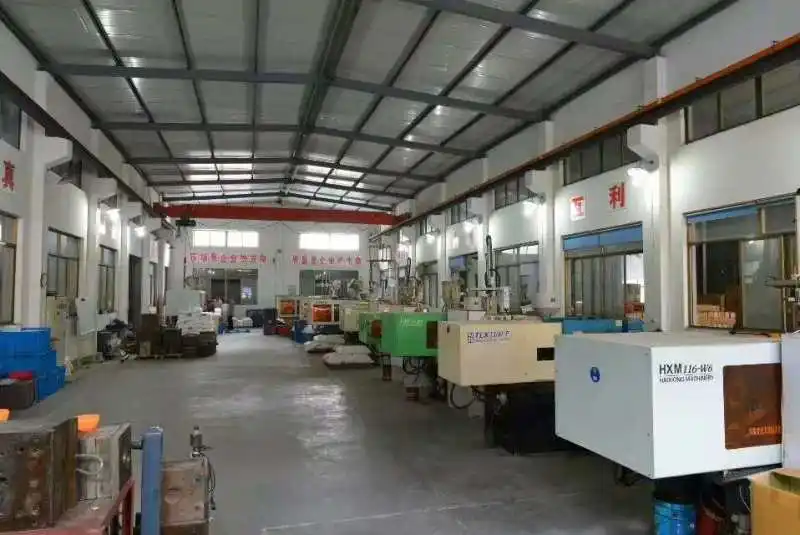
Guangzhou Kingpeak Household Product Co., Ltd.
- Manufacturer, Trading Company
- Guangdong, China
- Lead time25 days
- Avg. response≤ 3h
Main productsFood Container,tumbler,Vacuum Flasks & Thermoses,baby products,camping shovel
Main marketsNorth America(30.00%), Western Europe(27.00%), Oceania(10.00%), Central America(5.00%), South America(5.00%), Northern Europe(5.00%), Eastern Europe(5.00%), Southern Europe(5.00%), Southeast Asia(5.00%), Mid East(2.00%), Africa(1.00%)
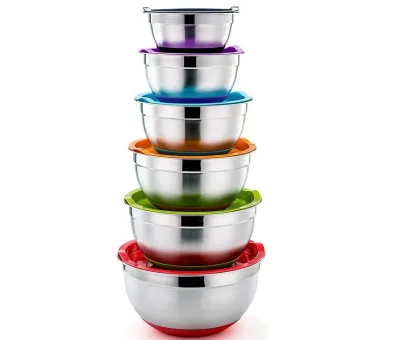
$2.0791 - $4.1582
MOQ: 1000 pieces
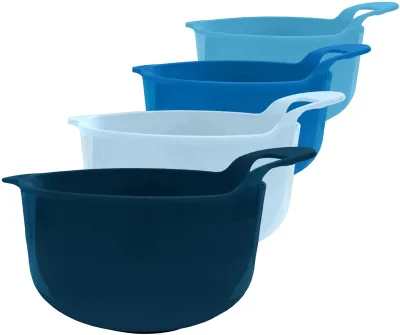
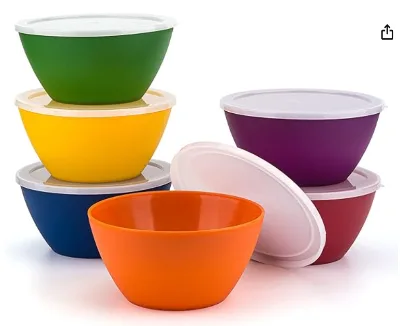
$1.0268 - $2.0536
MOQ: 1 pieces

ZHOUKOU BEST KITCHENWARE CO., LTD.
- Verified by TUVRHEINLAND
- Trading Company
- China Henan
- Lead time15 days
- Avg. response≤ 10h
Main productsEnamelware, Enamel Mug, Enamel Casserole, Enamel Storage Bowl, Enamel Kettle, Enamel Basin, Round Tray, Cup, Enamel Pot, Enamel Plate
Main marketsAfrica,Europe

- Verified by CTI
- Combined
- China Guangdong
- Lead time45 days
- Avg. response≤ 4h
Main productsCasserole, Dish, Bowl, Mug
Main marketsEast Asia(Japan/ South Korea),Domestic,Europe,North America

Linyi Feifan Imp. & Exp. Co., Ltd.
- Verified by TUVRHEINLAND
- Trading Company
- China Shandong
- Lead time30 days
- Avg. response≤ 12h
Main productsEnamel Mug/Cup, Enamel Bowl, Enamel Basin, Enamel Plate/Tray/Kettle, Enamel Casserole/Pot, Enamel Bucket, Safety Shoe/Boot, Safety Gloves
Main marketsSoutheast Asia/ Mideast,Domestic
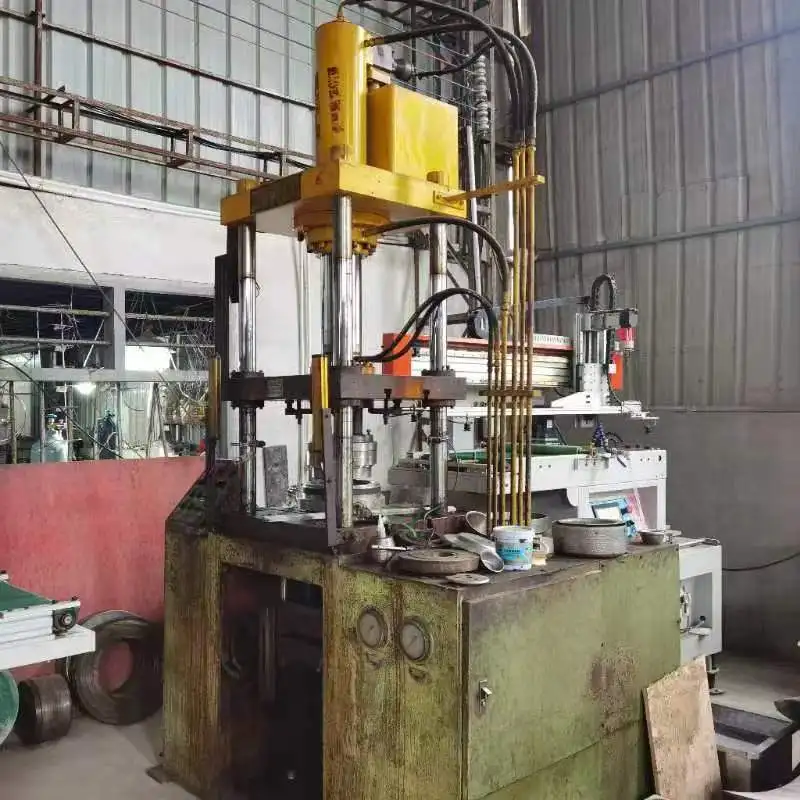
Chaozhou Youqu Hardware Co., Ltd.
- Trading Company
- Guangdong, China
- Lead time60 days
- Avg. response≤ 3h
Main productsStainless steel plate,Stainless steel bowl,Stainless steel mug,Stainless steel lunch box,Stainless steel Flatware
Main marketsEastern Asia(20.00%), Southeast Asia(20.00%), Northern Europe(20.00%), North America(20.00%), Eastern Europe(10.00%), Southern Europe(5.00%), Western Europe(5.00%)
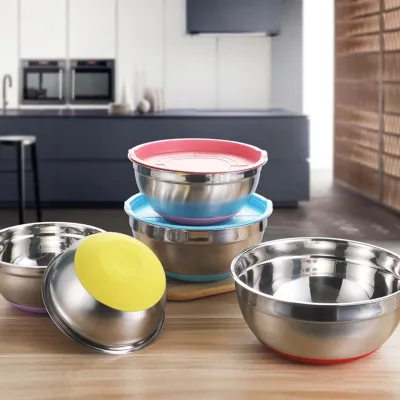
$0.6161 - $3.3683
MOQ: 50 Minimum
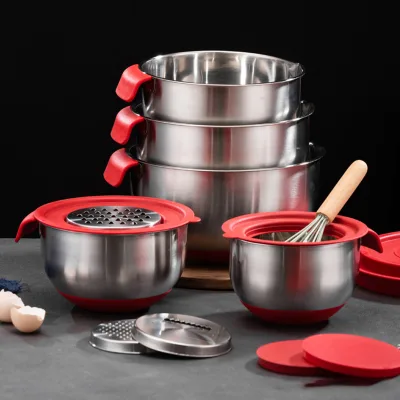
$1.8138 - $3.9933
MOQ: 20 Minimum

Guangdong Youyuan Trading Co., Ltd.
- Verified by BV
- Trading Company
- China Guangdong
- Lead time23 days
- Avg. response≤ 6h
Main marketsSoutheast Asia/ Mideast,Domestic

$0.32 - $0.99
MOQ: 500 Pieces


Minimalist Food Grade 201 Stainless Steel Mixing Bowl Reusable Durable Kitchen Serving Food Bowl
$0.32 - $0.99
MOQ: 500 Pieces

Durable Food Grade Stainless Steel Food Bowl High Quality Reusable Kitchen Serving Mixing Bowl
$0.32 - $0.99
MOQ: 1000 Pieces

$0.32 - $0.99
MOQ: 1000 Pieces
Chaozhou Chaoan District Fenghui Stainless Steel Industry Co., Ltd.
- Manufacturer, Trading Company
- Guangdong, China
- Lead time0 days
- Avg. response≤ 13h
Main productsStainless Steel Kitchenware,Stainless Steel Dinnerware
Main marketsDomestic Market(76.00%), Southeast Asia(16.00%), Eastern Asia(4.00%), Mid East(2.00%), Africa(2.00%)
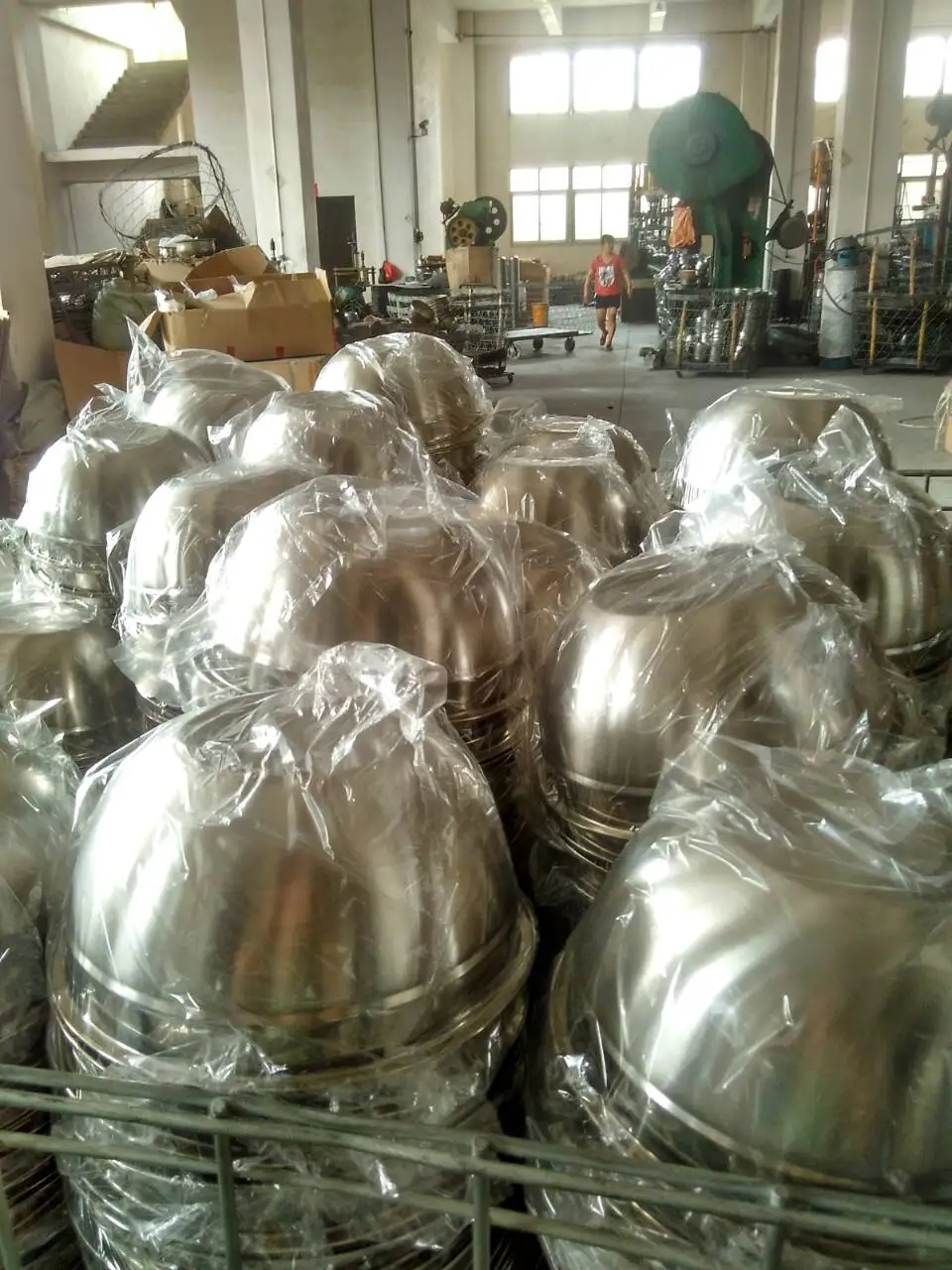
Chaozhou Chaoan Caitang Happy Cooking Hardware Factory
- Manufacturer, Trading Company
- Guangdong Province, China
- Lead time45 days
- Avg. response≤ 6h
Main productsCookware Set,Lunch Box,Kettle,Hotel Supplies,Bowl
Main marketsDomestic Market(100.00%), South Asia(100.00%), Eastern Europe(100.00%), Southern Europe(100.00%), Northern Europe(100.00%), Central America(100.00%), Eastern Asia(100.00%), Mid East(100.00%), Oceania(100.00%), Western Europe(30.00%), Southeast Asia(20.00%), North America(20.00%), South America(20.00%), Africa(10.00%)
- Verified by SGS Group
- Trading Company
- Lead time20 days
- Avg. response≤ 10h
Main productsKitchenware, Coffee French Maker, Plastic Bento Box, Bamboo Wooden Kitchen Items, Ceramic & Glass Products
Main marketsNorthern Europe(20%), South Asia(20%), North America(10%)
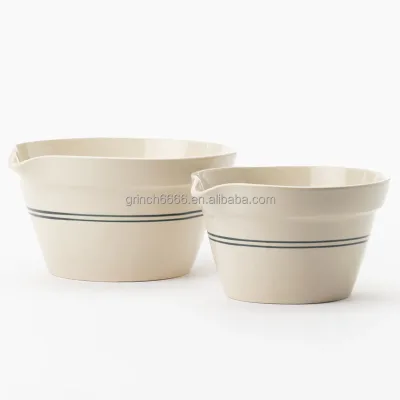
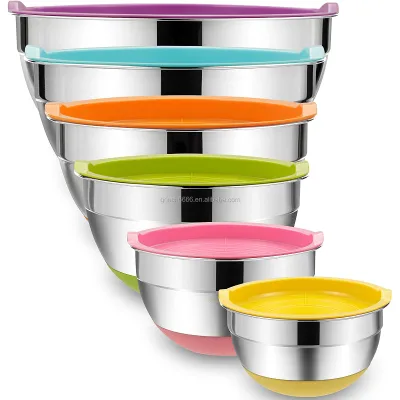
$1.0268 - $9.2413
MOQ: 2000 Minimum
Chaozhou Chaoan Yunfan Stainless Steel Product Co., Ltd.
- Trading Company
- Guangdong, China
- Lead time30 days
- Avg. response≤ 5h
Main productsStainless Steel Cookware Sets, Stainless Steel Stock Pot, Stainless Steel Lunch Box, Stainless Steel Chafing Dishes, Stainless Steel Tray
Main marketsMid East(36.00%), Eastern Asia(20.00%), Southeast Asia(20.00%), North America(15.00%), Africa(5.00%), South America(4.00%)

Guangzhou Suihui Metal Manufacture Company Limited
- Manufacturer, Trading Company
- Guangdong, China
- Lead time30 days
- Avg. response≤ 4h
Main productsStainless Steel Cup & Mugs,Stainless Steel Ice Bucket,Aluminum cups,tableware,barware
Main marketsNorth America(40.00%), Western Europe(20.00%), Southern Europe(15.00%), Northern Europe(10.00%), Eastern Europe(5.00%), Oceania(5.00%), South America(5.00%)

TAIZHOU HARSOUL IMP. & EXP. CO., LTD.
- Trading Company
- China Zhejiang
- Lead time30 days
- Avg. response≤ 15h
Main productsPromotion Gifts, Promotional Bag, Promotional Jewelry, Promotional Toys, Promotional Stationery, Promotional Plastic Goods
Main marketsOthers(foreignTradeCapacity.exportBusinessCapacityMarketOther),Europe,North America

- Trading Company
- China Zhejiang
- Lead time30 days
- Avg. response≤ 14h
Main productsHome Appliance, Cookware Set, Thermos, Home Storage, Furniture, Pet Supplies, Garden Tools, Outdoor Supplies, Baby Supplies, Houesehold Items
Main marketsSouth America,Africa,Southeast Asia/ Mideast,East Asia(Japan/ South Korea),Domestic,Europe,Australia,North America
Jiangmen Everwin Home Product Co., Ltd.
- Manufacturer
- Guangdong, China
- Lead time45 days
- Avg. response≤ 4h
Main productskitchen utensil,coffee & tea accessories,bar ware,bathroom ware,cook ware
Main marketsWestern Europe(18.00%), North America(18.00%), Oceania(15.00%), Eastern Europe(15.00%), Eastern Asia(9.00%), South America(8.00%), Southeast Asia(5.00%), Domestic Market(3.00%), Northern Europe(3.00%), Mid East(2.00%), South Asia(2.00%), Africa(2.00%)
Jiangmen Banyan Metal Co., Ltd.
- Verified by SGS Group
- Manufacturer, Trading Company
- Lead time30 days
- Avg. response≤ 2h
Main productsKitchen Tools & Storage, Coffee accessories, Bathroom Accessory, Storage Rack & Hooks, Grills and Tools
Main marketsNorth America(25%), Eastern Europe(25%), Western Europe(25%)
Eagle Catering Equipment Co., Ltd.
- Verified by SGS Group
- Trading Company
- Lead time45 days
- Avg. response≤ 2h
Main productsTrolley, GN Pan, Stock Pot, Utensils, Kitchen Tools
Main marketsWestern Europe(35%), Eastern Europe(20%), North America(10%)
Chaozhou Chaoan Jiatejia Stainless Steel Industrial Co., Ltd.
- Manufacturer, Trading Company
- Guangdong, China
- Lead time25 days
- Avg. response≤ 12h
Main productsCookware,lunch box,tray,stockpot,kettle
Main marketsDomestic Market(35.00%), Africa(22.00%), Mid East(15.00%), Southeast Asia(12.00%), South Asia(11.00%), South America(3.00%), Oceania(2.00%)

Chengdu Olai E-commerce Co., LTD
- Verified by SGS
- Trading Company
- China Sichuan
- Lead time23 days
- Avg. response≤ 14h
Main productsBread Proofing Basket, Banneton, Baking Tool, Storage Basket, Rattan Basket, Fermentation Baking Set, Silicone Mold, Bread Bag
Main marketsOthers(foreignTradeCapacity.exportBusinessCapacityMarketOther),East Asia(Japan/ South Korea)
Dongguan Dongshang Hardware Co., Ltd.
- Manufacturer, Trading Company
- Guangdong, China
- Lead time7 days
- Avg. response≤ 1h
Main productsMixing Bowl,Coffee Filter,Tea Filter,Vegetable Blade,Blender Blade
Main marketsWestern Europe(100.00%), Eastern Asia(100.00%), Southern Europe(100.00%), Oceania(100.00%), Africa(100.00%), Southeast Asia(100.00%), South America(100.00%), Northern Europe(100.00%), Central America(100.00%), North America(30.00%), Mid East(20.00%), Domestic Market(20.00%), Eastern Europe(15.00%), South Asia(15.00%)

- Verified by SGS
- Trading Company
- China Yunnan
- Lead time15 days
- Avg. response≤ 2h
Main marketsSoutheast Asia/ Mideast

Eagle Catering Equipment Co., Ltd.
- Manufacturer/Factory
- China Guangdong
- Lead time30 days
- Avg. response≤ 12h
Main productsTrolleys, Gastronorm Containers, Table, Shelves, Sink, Barrier Post, Cookware, Buffetware, Barware, Kitchen Utensils
Main marketsSouth America,Eastern Europe,Mid East,North America,Southeast Asia,Eastern Asia,Oceania,Western Europe,Africa

Shenzhen CHY Technology Co., Ltd.
- Trading Company
- Guangdong, China
- Lead time15 days
- Avg. response≤ 6h
Main productsBathroom Towel Hook,Bathroom Shelves,Paper Holder,Towel Bar,Toilet Brush
Main marketsWestern Europe(60.00%), North America(20.00%), Southern Europe(10.00%), Eastern Europe(5.00%), Northern Europe(5.00%)
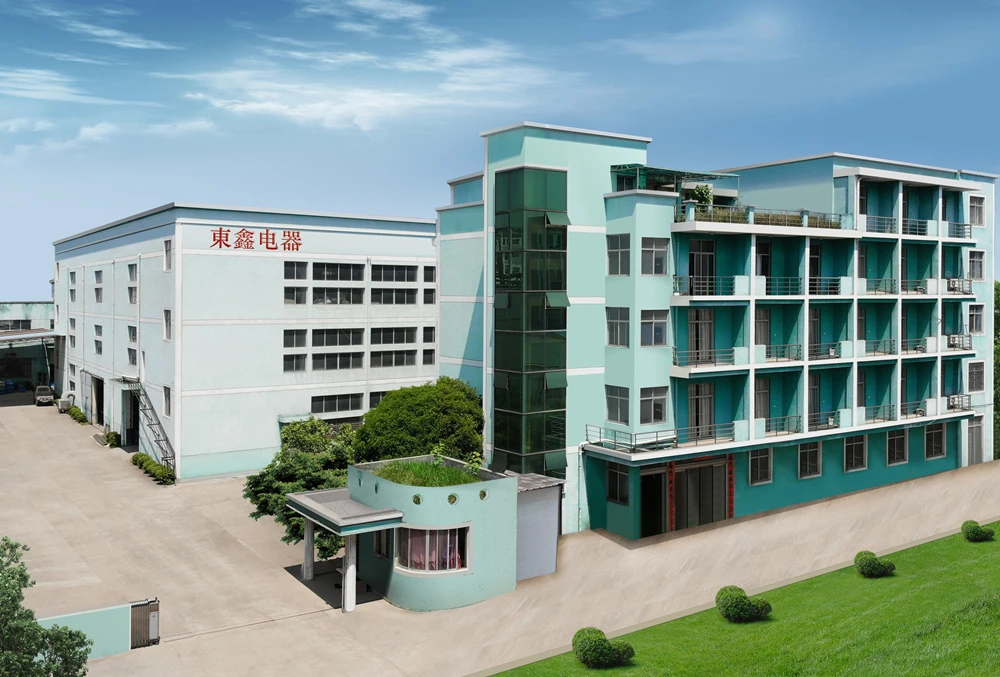
Yongkang Dongxin Electrical Appliance Co., Ltd.
- Manufacturer, Trading Company
- Zhejiang, China
- Lead time0 days
- Avg. response≤ 3h
Main productsStainless Steel Mesh Basket, Stainless Steel Colander
Main marketsEastern Asia(60.00%), Western Europe(30.00%), North America(10.00%)

- Verified by TUVRHEINLAND
- Trading Company
- China Hunan
- Lead time45 days
- Avg. response≤ 1h
Main productsCeramic Mug, Vacuum Flask, Dinner Set, Cup, Mug, Thermal Bottle, Ceramic Dinner Set, Glass Jar, Glass Cup, Wine Cup
Main marketsSoutheast Asia/ Mideast
Ekephy Industrial Co., Limited
- Trading Company
- Hong Kong S.A.R.
- Lead time40 days
- Avg. response≤ 13h
Main productsCookware, Coffeeware, Kitchenware, Bakeware, Houseware
Main marketsNorth America(40.00%), Eastern Europe(20.00%), Southern Europe(10.00%), Western Europe(10.00%), Northern Europe(5.00%), South America(5.00%), Eastern Asia(5.00%), Central America(4.00%), Africa(1.00%)
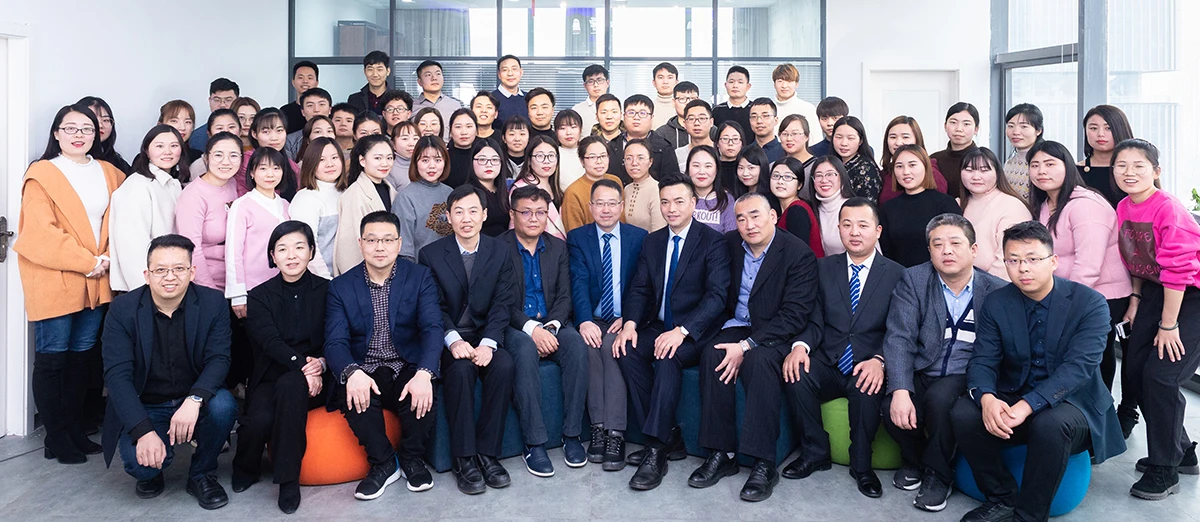
Henan Zlovy Enterprise Co., Ltd.
- Trading Company
- Henan, China
- Lead time1 days
- Avg. response≤ 8h
Main productsCoffee Pot,Coffee Tools,Water Bottle,Home Appliances,Baking Tools
Main marketsNorth America(35.00%), Western Europe(20.00%), Mid East(20.00%), Southeast Asia(15.00%), South America(10.00%)

Ningbo General Union Co., Ltd.
- Verified by BV
- Trading Company
- China Zhejiang
- Lead time30 days
- Avg. response≤ 9h
Main productsCleaning Brush, Bottle, Kitchenware, Storage Box, Outdoor, Pet, Fitness Equipment, Digital Devices, Camping, Pet Bottle
Main marketsSouth America,Africa,Southeast Asia/ Mideast,East Asia(Japan/ South Korea),Europe,Australia,North America

- Verified by BV
- Trading Company,Manufacturer/Factory
- China Zhejiang
- Lead time23 days
- Avg. response≤ 5h
Main productsYoga Wear, Sports, Outdoor, Travel Gear, Kitchenwares, Homewares
Main marketsSouth America,Eastern Europe,Mid East,North America,Southeast Asia,Eastern Asia,Oceania,Western Europe,Africa


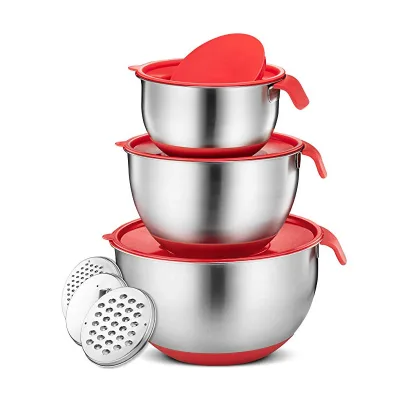
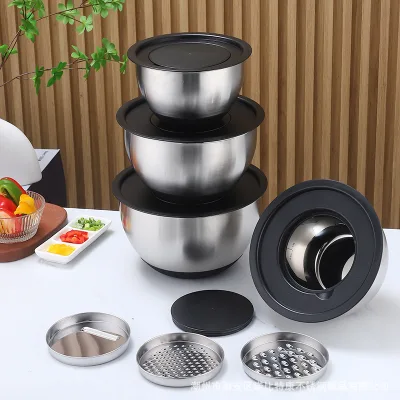
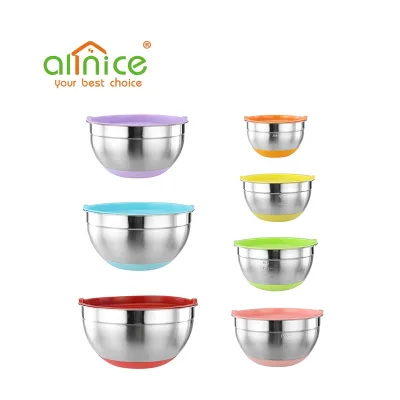
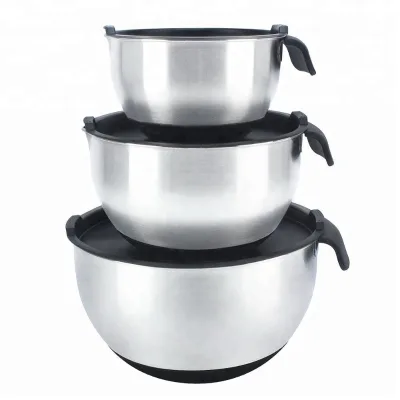
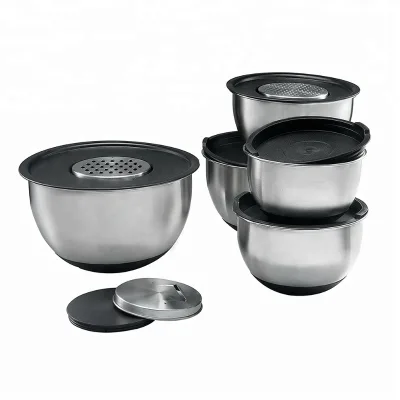
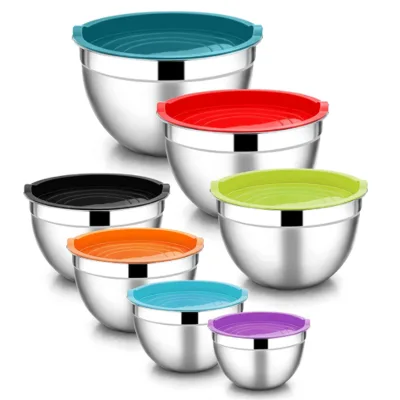
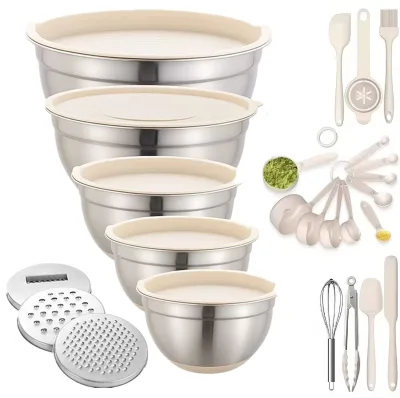
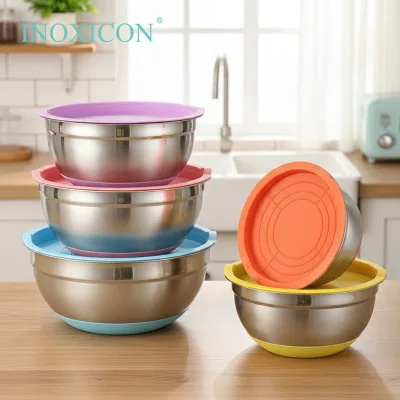
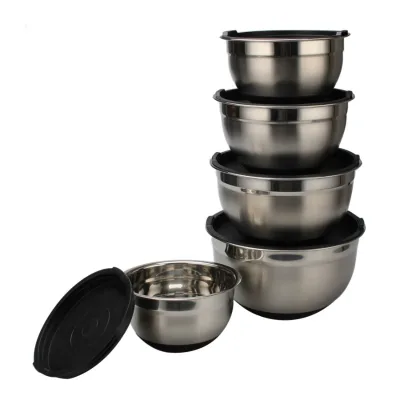
Mixing Bowl with Lid Set of 5, Stainless Steel Nesting Salad Bowl Set Bl27345
$24.00 - $28.80
MOQ: 100 Sets
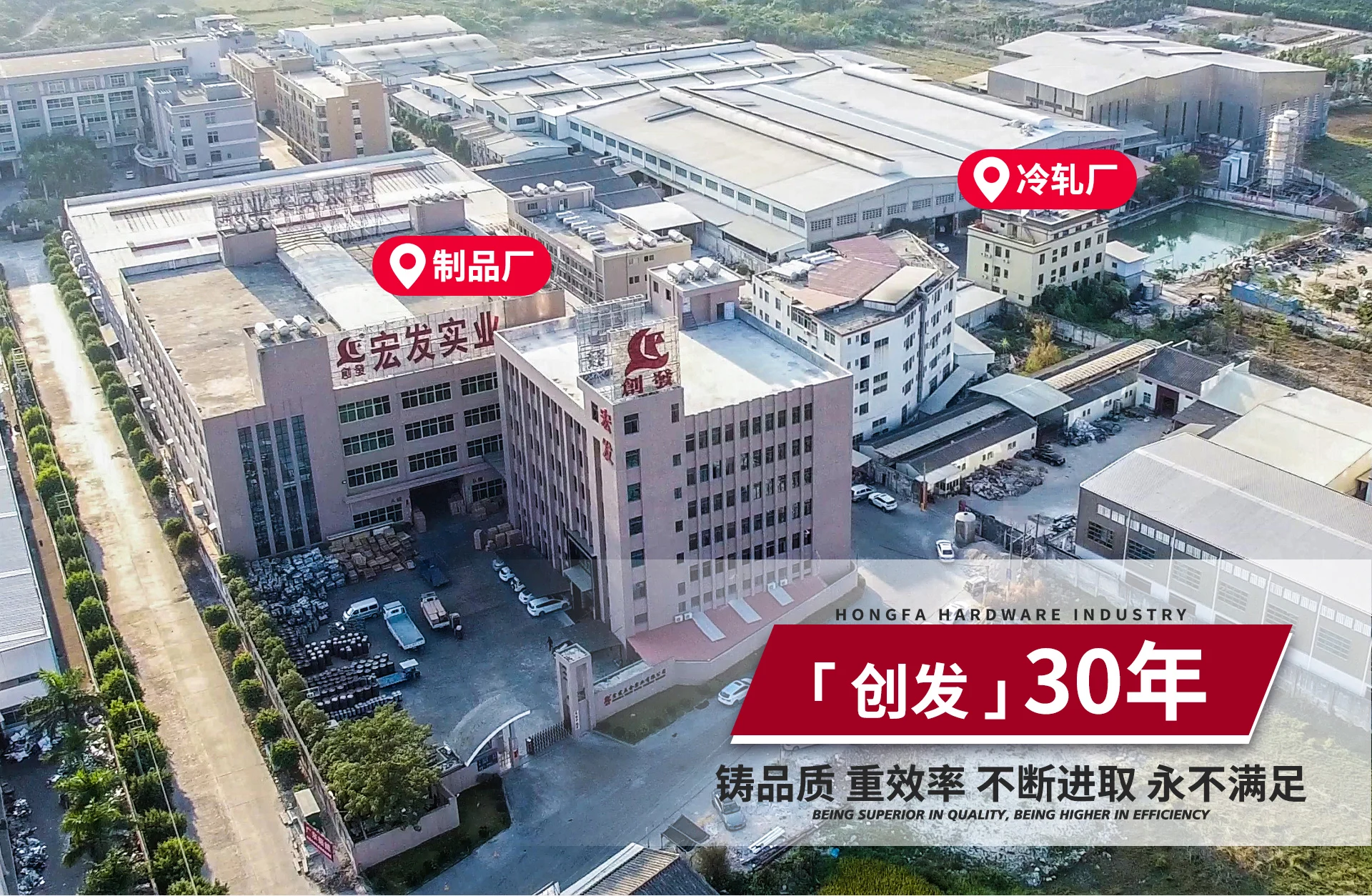
Chaozhou Chao'an Caitang Hongfa Hardware Factory
- Manufacturer, Trading Company
- Guangdong, China
- Lead time0 days
- Avg. response≤ 7h
Main productsstainless steel coil,Basin of stainless steel,Stainless steel pot
Main marketsSouth Asia(7.69%), Southern Europe(7.69%), Northern Europe(7.69%), Central America(7.69%), Western Europe(7.69%), Eastern Asia(7.69%), Mid East(7.69%), Oceania(7.69%), Africa(7.69%), Southeast Asia(7.69%), Eastern Europe(7.69%), South America(7.69%), North America(7.69%)




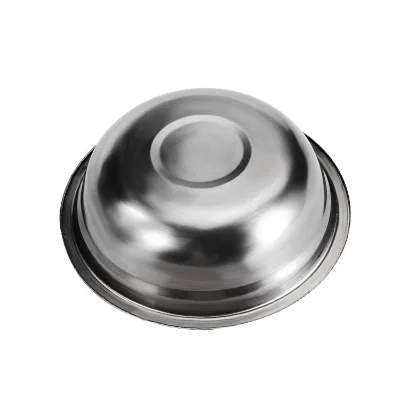
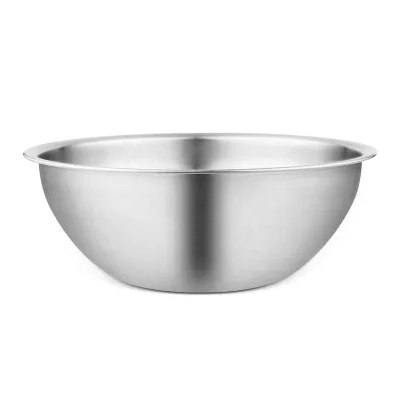
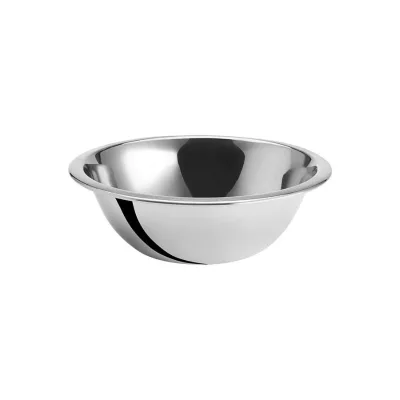
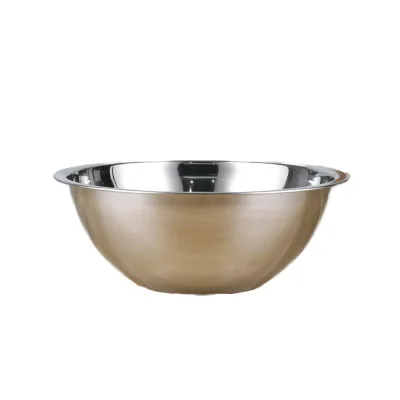






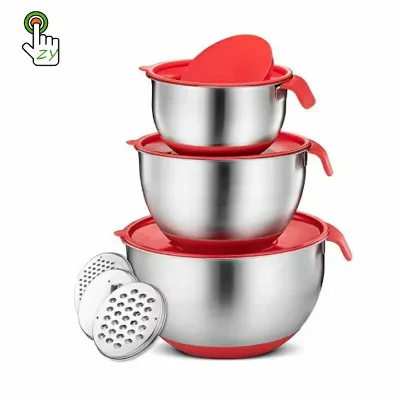
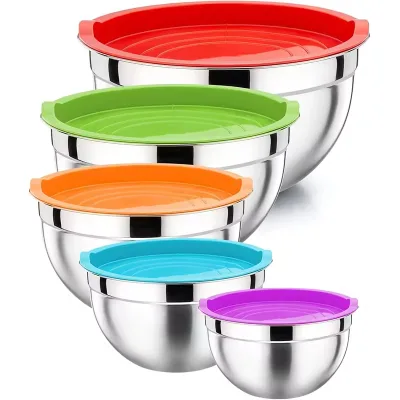


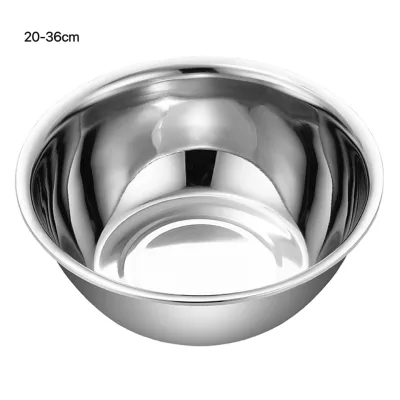
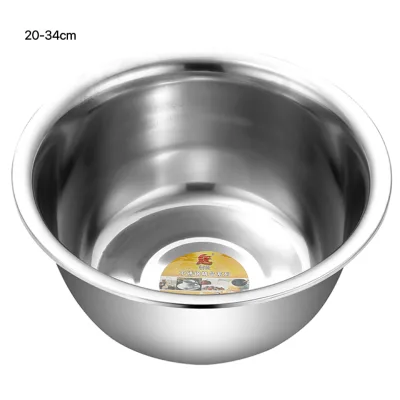
Comprehensive Sourcing Guide
Eco-Friendly Non-Slip Mixing Bowl Supplier Concentration and Factory Types
The current supplier landscape for eco-friendly non-slip mixing bowls reveals a distinct geographic and structural concentration that buyers must navigate carefully. Evidence indicates that a significant portion of available suppliers are located in China, with specific clusters identified in Guangdong and Hebei provinces. Guangdong, particularly areas like Jiangmen, appears to be a primary hub for manufacturers producing stainless steel and aluminum mixing bowls, often leveraging established industrial ecosystems for metalworking and kitchenware assembly. In contrast, suppliers in Hebei are observed to focus on different material compositions, such as plastic or specialized dental-grade mixing bowls, which may not align with general kitchen use. This geographic split suggests that buyers seeking traditional kitchenware should prioritize suppliers from Guangdong, while those with specific industrial or medical requirements might find relevant options in Hebei. Understanding this regional distribution is critical for initial supplier filtering, as it directly impacts logistics costs, communication ease, and the availability of specialized manufacturing capabilities.
Regarding company types, the market presents a mix of Trading Companies and Manufacturer/Factories, each offering distinct advantages and trade-offs. Many suppliers in the Guangdong cluster identify as both Trading Companies and Manufacturers, suggesting they may have in-house production capabilities while also managing external supply chains for certain components. This hybrid model can offer flexibility in customization and order sizes but requires careful verification to ensure quality control standards are maintained throughout the production process. Conversely, pure Trading Companies may offer a broader range of products from multiple factories, potentially simplifying sourcing for buyers who need diverse SKUs. However, they may lack direct oversight of the manufacturing process, which can lead to inconsistencies in product quality or lead times. Buyers must assess whether their priority lies in direct factory pricing and control or in the convenience and variety offered by trading entities. The presence of OEM and ODM capabilities among these suppliers indicates a market that is responsive to custom branding and design requirements, allowing buyers to differentiate their offerings in competitive markets.
How to Verify Eco-Friendly Non-Slip Mixing Bowl Suppliers
Verifying the legitimacy and capability of suppliers requires a multi-layered approach that goes beyond basic profile reviews. One of the most critical steps is to check for third-party verification badges, such as those from TÜV Rheinland or SGS, which indicate that an independent body has assessed the supplier’s business operations and facility. These verifications provide a baseline level of trust, confirming that the company exists and operates as claimed. However, verification alone does not guarantee product quality or ethical compliance. Buyers should also scrutinize system certifications, looking for standards like ISO 9001 for quality management, BSCI for social compliance, and SEDEX for ethical trading practices. These certifications are particularly important for eco-friendly products, as they often reflect a supplier’s commitment to sustainable and responsible manufacturing processes. The absence of such certifications does not necessarily disqualify a supplier, but it requires additional due diligence to ensure that their internal quality control measures are robust and reliable.
In addition to certifications, buyers should evaluate the supplier’s response time and communication efficiency as indicators of their operational maturity. A quick and professional response to initial inquiries often correlates with a well-organized internal team that can handle complex orders and address issues promptly. Suppliers with response times under two hours, as observed in some results, demonstrate a high level of customer service readiness, which is crucial for maintaining smooth supply chain operations. Furthermore, buyers should request detailed product specifications and test reports, particularly for food-contact materials. Certifications like FDA and LFGB are essential for mixing bowls that will come into contact with food, ensuring that the materials used are safe and compliant with international standards. Buyers should verify that these certifications are current and specific to the products they intend to purchase, rather than generic claims. By combining verification badges, system certifications, response time analysis, and product-specific compliance checks, buyers can build a comprehensive profile of a supplier’s reliability and capability.
What to Compare Across Eco-Friendly Non-Slip Mixing Bowl Suppliers
When evaluating multiple suppliers, buyers must compare key operational metrics to determine the best fit for their specific needs. Lead time is a critical factor, as it directly impacts inventory management and customer satisfaction. Some suppliers offer lead times as short as fifteen days, while others may require thirty days or more. Buyers should align their order planning with these lead times to avoid stockouts or excess inventory. Additionally, the Minimum Order Quantity (MOQ) is a significant consideration, especially for smaller buyers or those testing new markets. MOQs can vary widely, with some suppliers requiring as few as one thousand pieces, while others may demand three thousand or more. Understanding these thresholds helps buyers assess the financial risk and scalability of their orders. Suppliers with lower MOQs may be more suitable for initial market entry, while those with higher MOQs might offer better unit economics for established brands.
Another crucial aspect to compare is the customization options and product variety offered by each supplier. Some suppliers support OEM and ODM services, allowing buyers to create unique products with custom branding, colors, and designs. This flexibility is valuable for buyers looking to differentiate their products in a crowded market. Buyers should also compare the range of materials and finishes available, such as stainless steel, aluminum, or plastic, and the specific features like non-slip bases or lids. Price is, of course, a major factor, but it should be evaluated in conjunction with quality and service. Unit prices can range from approximately one dollar to over five dollars, depending on the material, size, and customization level. Buyers should request detailed quotes that include all costs, such as packaging and shipping, to make accurate comparisons. By systematically comparing lead times, MOQs, customization capabilities, and total costs, buyers can make informed decisions that balance cost-efficiency with quality and service requirements.
Common Eco-Friendly Non-Slip Mixing Bowl Sourcing Risks
Sourcing eco-friendly non-slip mixing bowls involves several potential risks that buyers must proactively manage to ensure a successful procurement process. One significant risk is the discrepancy between claimed eco-friendly attributes and actual product composition. While suppliers may market their products as eco-friendly, buyers must verify the specific materials and manufacturing processes used. For instance, stainless steel is generally recyclable, but the presence of non-recyclable components or harmful coatings can undermine these claims. Buyers should request detailed material safety data sheets and third-party test reports to confirm that the products meet genuine environmental standards. Another risk is the variability in product quality, particularly when dealing with suppliers who have multiple production lines or outsource certain processes. Inconsistent quality can lead to customer complaints and brand damage, so buyers should implement strict quality control measures, including pre-shipment inspections and sample approvals.
Communication and cultural barriers can also pose risks, especially when working with suppliers in different regions. Misunderstandings regarding product specifications, packaging requirements, or delivery schedules can lead to costly errors and delays. Buyers should establish clear and detailed communication channels, using written confirmations for all critical agreements. Additionally, there is a risk of intellectual property infringement if buyers share proprietary designs or branding information with unverified suppliers. To mitigate this, buyers should use non-disclosure agreements and work with suppliers who have a proven track record of respecting intellectual property rights. Finally, logistical risks, such as shipping delays or damage during transit, can disrupt supply chains. Buyers should choose reliable shipping partners and consider insurance for high-value orders. By identifying and addressing these risks through thorough due diligence and clear contractual terms, buyers can protect their interests and ensure a smooth sourcing experience.
Eco-Friendly Non-Slip Mixing Bowl Regional Sourcing and Logistics
Regional sourcing decisions significantly impact the logistics and overall cost structure of procuring eco-friendly non-slip mixing bowls. Suppliers located in Guangdong, China, benefit from a mature industrial ecosystem with easy access to ports and transportation networks, which can facilitate faster and more cost-effective shipping. This region’s concentration of manufacturers and trading companies allows for efficient consolidation of orders, reducing per-unit shipping costs. Buyers should consider the proximity of suppliers to major shipping hubs when planning their logistics strategy, as this can influence transit times and freight rates. Additionally, suppliers in Guangdong may have more experience with international shipping standards and documentation, reducing the likelihood of customs delays or compliance issues.
In contrast, suppliers in other regions, such as Hebei, may have different logistical advantages or challenges. Buyers should evaluate the specific shipping routes and carrier options available from each supplier’s location to determine the most efficient and cost-effective solution. It is also important to consider the packaging methods used by suppliers, as improper packaging can lead to product damage during transit. Some suppliers offer customized packaging options, such as color boxes or branded cartons, which can enhance product presentation but may increase shipping volume and costs. Buyers should work with suppliers to optimize packaging for both protection and efficiency, ensuring that products arrive in perfect condition while minimizing environmental impact. By carefully analyzing regional logistics capabilities and packaging options, buyers can streamline their supply chain and reduce overall procurement costs.
Eco-Friendly Non-Slip Mixing Bowl Commercial Terms and Order Planning
Effective order planning and clear commercial terms are essential for managing the procurement of eco-friendly non-slip mixing bowls successfully. Buyers should establish clear payment terms that align with their cash flow and risk tolerance, such as using escrow services or letters of credit for larger orders. These financial instruments provide security for both parties, ensuring that payment is released only upon satisfactory delivery of goods. Additionally, buyers should negotiate flexible order quantities and delivery schedules to accommodate market fluctuations and inventory needs. Suppliers who offer OEM and ODM services may have longer lead times for custom orders, so buyers should plan accordingly and place orders well in advance. Clear communication regarding product specifications, packaging requirements, and labeling instructions is crucial to avoid misunderstandings and ensure that the final product meets all expectations.
Buyers should also consider the long-term relationship with their suppliers, as consistent ordering can lead to better pricing and priority service. Establishing a partnership based on mutual trust and clear communication can result in more favorable commercial terms, such as extended payment periods or volume discounts. It is important to document all agreements in writing, including any changes to product specifications or delivery schedules, to prevent disputes. Regular performance reviews and feedback sessions can help identify areas for improvement and strengthen the supplier relationship. By focusing on clear commercial terms, flexible order planning, and long-term partnership building, buyers can create a resilient and efficient supply chain for eco-friendly non-slip mixing bowls, ensuring consistent quality and competitive pricing.
FAQs
What certifications do stainless steel mixing bowls have?
Most stainless steel mixing bowls listed carry FDA and LFGB certifications, ensuring they meet strict food safety standards for direct contact with food. Some suppliers also hold BSCI, ISO 9001, or SEDEX system certifications, which verify ethical manufacturing and quality management processes. Always verify specific product certificates before ordering to ensure compliance with your local regulations.
What is the typical MOQ for these bowls?
The minimum order quantity for stainless steel mixing bowls typically starts at 1000 pieces for standard models. Some suppliers may require higher volumes, such as 3000 pieces, for specific designs or pricing tiers. Customization options are generally available, but they often adhere to these baseline MOQs. Buyers should confirm the exact quantity requirements with the supplier before finalizing orders.
How long does production take?
Production lead times for these mixing bowls are generally around 30 days for standard orders. Some specialized or dental-grade suppliers may offer faster turnaround times, such as 15 days. Actual delivery schedules depend on order volume and customization needs. Buyers should confirm the exact lead time with the supplier to ensure it aligns with their inventory requirements.
What is the price range for these bowls?
Prices for stainless steel mixing bowls range from approximately $1.22 to $5.58 per piece, depending on size, material quality, and customization. Basic models start around $1.22, while premium or larger bowls can cost up to $5.58. Prices are subject to change based on order volume and specific product features. Buyers should request detailed quotes for accurate pricing.
Where are these suppliers located?
Most suppliers for these mixing bowls are located in Guangdong, China, with some operations in Hebei. Guangdong is a major hub for kitchenware manufacturing, offering efficient supply chains. Buyers can verify specific supplier locations to assess logistics costs and shipping times. Proximity to ports in Guangdong often facilitates faster international shipping.
Can I customize the logo or design?
Yes, most suppliers offer customization options, including logo printing and design modifications. Customization is available for stainless steel bowls, allowing buyers to brand products for their market. However, customization may affect the minimum order quantity and lead time. Buyers should discuss specific design requirements and associated costs with the supplier before placing orders.