Source Basketball Rack for Indoor, Storage, and Entertainment
Compare 30 Basketball Rack options from verified suppliers. Buyers can evaluate specifications like backboard size, arm length, and material for indoor courts, storage needs, and entertainment venues. These units feature steel construction, custom logos, and OEM capabilities with origins in Taiwan and China.
Updated
Key considerations
Products List

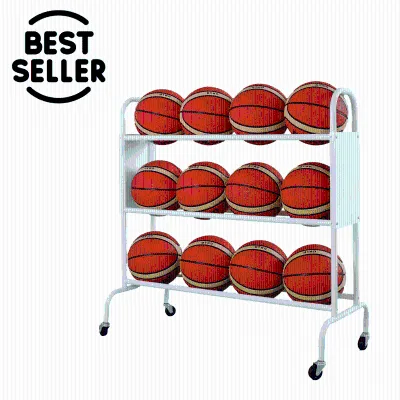
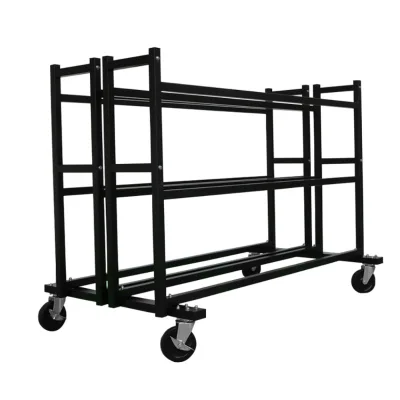
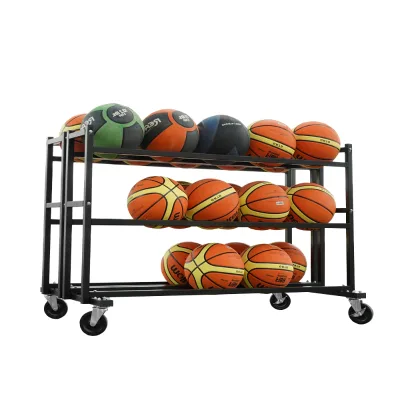
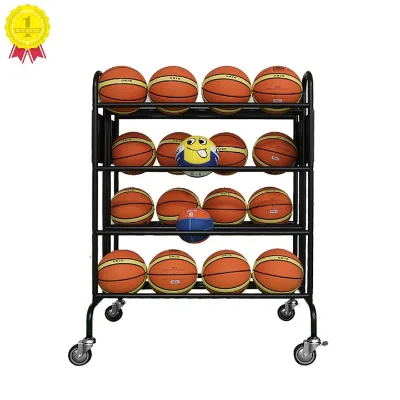
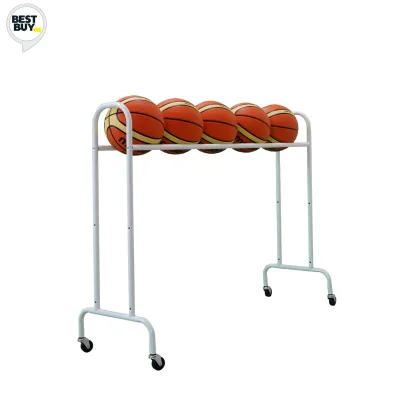
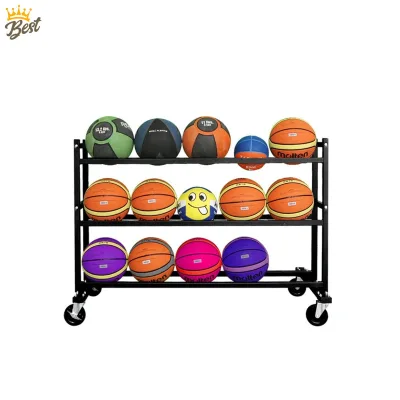
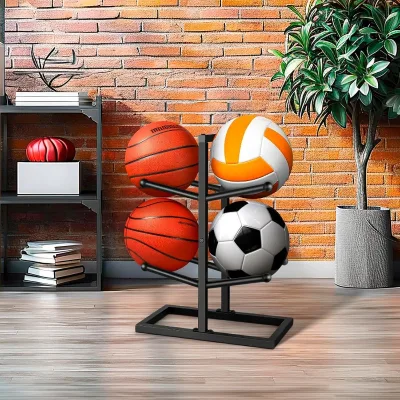


Customized Basketball Courts Require High-Quality Basketball Stands and Durable Backboards
$599.00 - $999.00
MOQ: 10 Pieces
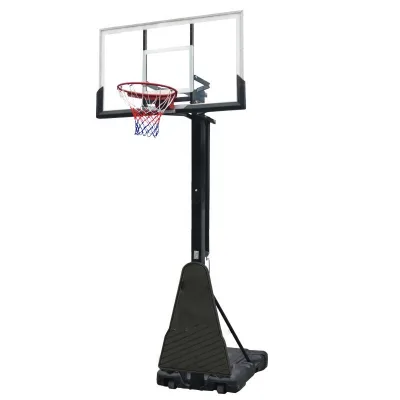


Underground Basketball Rack Professional Basketball Stand Manufacturer
$1200.00 - $1800.00
MOQ: 1 Pieces

Basketball Hoop Basketball Stand Basketball for and Teenagers Height Adjustable
$7200.00 - $7500.00
MOQ: 1 Pieces

Basketball Stand with Height Adjustable Basketball Hoop System Basketball Goal
$20000.00 - $30000.00
MOQ: 1 Pieces




Comprehensive Sourcing Guide
Basketball Rack Sourcing Guide
Procuring basketball racks requires a clear distinction between permanent installation systems and portable storage solutions, as the market offers divergent product categories under similar terminology. Buyers must first determine whether the requirement is for a functional playing surface or a logistical storage unit. The observed market signals indicate a split between heavy-duty steel structures designed for indoor entertainment and specialized racks intended for organizing multiple ball types. Understanding this fundamental difference is critical before engaging with suppliers, as the technical specifications, material requirements, and compliance standards vary significantly between these two distinct use cases.
The sourcing landscape includes products ranging from complete hoop assemblies with backboards to simple ball storage units. Listings reveal that some suppliers offer customizable OEM solutions for full basketball systems, while others specialize in heavy-duty steel racks for storing basketballs, volleyballs, and soccer balls. This duality means that a buyer seeking a playing court component must look for specific structural dimensions and height adjustments, whereas a buyer needing storage infrastructure should focus on load capacity, material durability, and footprint dimensions. Clarifying the end-use early in the inquiry process prevents miscommunication and ensures that the supplier provides relevant technical data sheets and accurate quotations.
Product Scope and Observed Listing Signals
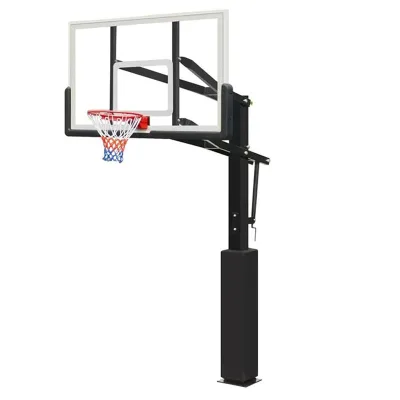
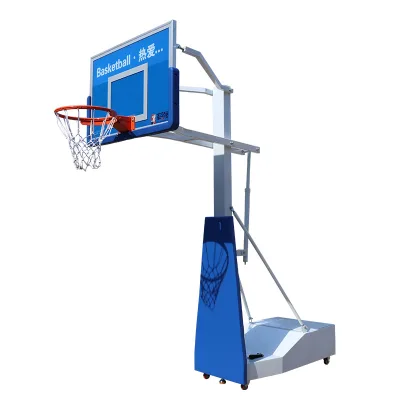
The current market listings for basketball-related equipment demonstrate a wide variance in product definitions and intended applications. Some entries describe complete basketball systems featuring backboards with specific dimensions, such as 1800x1050x13mm, and adjustable ring heights ranging from 2438mm to 3050mm. These products are explicitly categorized for indoor entertainment and adult usage, often featuring logo printing and OEM customization options. Buyers reviewing these listings should note that these are complex assemblies requiring precise installation and potentially significant shipping volumes due to the size of the backboard and support arms.
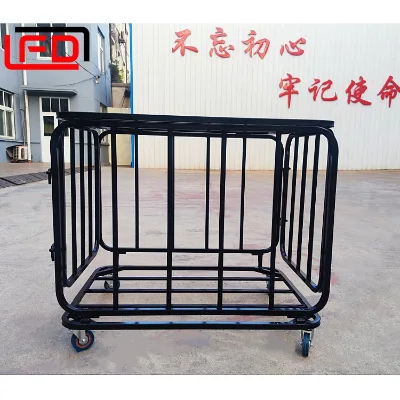
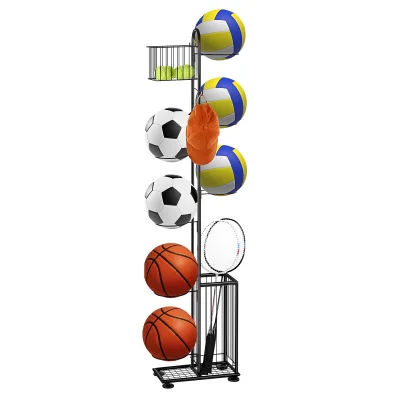
Conversely, other listings focus on ball storage racks constructed from steel and iron, designed for heavy-duty use in black, white, or silver finishes. These products are marketed for storage purposes and can accommodate various ball types, including basketballs, volleyballs, and soccer balls. The specifications for these storage units often include single package sizes around 105x88x140 cm and gross weights near 15 kg. This segment of the market emphasizes durability and organizational efficiency rather than athletic performance, appealing to schools, gyms, and sports facilities looking to manage inventory effectively.
Technical Specifications to Verify
When evaluating basketball hoop systems, buyers must verify critical dimensional data to ensure compatibility with their facility. Key specifications include the backboard size, arm length, and the height of the ring, which may offer multiple adjustment levels such as 3050mm, 2743mm, and 2438mm. The model numbers, such as BS-BE03 or S010110, serve as unique identifiers for these configurations. It is essential to confirm the standard dimensions of the entire assembly, which may be listed as 6410mm by 1340mm by 3950mm, to ensure it fits within the designated indoor space without obstructing other activities or safety zones.
For ball storage racks, the focus shifts to physical footprint and material composition. Buyers should verify the single package size, which can vary from compact units around 99x50x5 cm to larger structures measuring 127.5x77.5x13.5 cm. The material composition is typically steel or iron, contributing to a heavy-duty classification. It is crucial to check the single gross weight, which may range from 5.5 kg to 27.7 kg depending on the model, to determine handling requirements and floor load capacity. Additionally, confirming the carton size and packing details, such as woven bags or polybags, helps in planning logistics and warehouse storage efficiently.
Compliance and Safety Documentation
Safety and regulatory compliance are paramount when sourcing basketball equipment, particularly for installations in public or educational facilities. Buyers should request documentation that verifies the structural integrity of the hoop systems, ensuring they meet relevant safety standards for impact resistance and stability. While specific certification statuses may vary by supplier, it is advisable to ask for test reports that confirm the backboard and rim can withstand standard play forces without failure. This due diligence helps mitigate liability risks and ensures that the equipment provides a safe environment for adult users.
For storage racks, compliance often relates to manufacturing quality and material safety. Some suppliers may hold ISO9001 certification, indicating adherence to international quality management standards. Buyers should verify if such certifications are applicable to the specific product line being purchased. Additionally, checking for any regional safety marks or material safety data sheets is recommended, especially if the racks are used in environments with strict occupational health regulations. Ensuring that the supplier provides clear compliance documentation protects the buyer from potential legal issues and ensures the longevity and reliability of the purchased equipment.
Cost Drivers and Commercial Terms
The cost of basketball racks is influenced by several factors, including material quality, customization options, and packaging requirements. For hoop systems, the inclusion of logo printing and OEM services can increase the unit price, as these processes add labor and material costs. The size and weight of the product also impact shipping costs, with larger assemblies like those with 1800x1050x13mm backboards incurring higher freight charges. Buyers should request detailed quotations that break down these costs to understand the total landed cost, including packaging materials such as woven bags or cartons.
For storage racks, the cost is driven by the amount of steel or iron used and the complexity of the design. The supply ability, often listed as 1000 cartons or carats per month, can affect pricing through economies of scale. Buyers should inquire about minimum order quantities, which may start at 100 units for certain models, and negotiate volume discounts for larger orders. Additionally, the port of dispatch, such as Taichung Port, and the selling unit structure should be considered when calculating logistics expenses. Clear communication about these commercial terms helps in budgeting accurately and avoiding unexpected charges during the procurement process.
Supplier Qualification and Quality Control
Selecting a reliable supplier requires thorough vetting of their manufacturing capabilities and quality control processes. Buyers should verify the place of origin, which may be listed as China or Taiwan, and assess the supplier’s reputation in the market. Requesting samples or visiting the factory can provide insights into the build quality of both hoop systems and storage racks. It is important to confirm that the supplier has the capacity to meet the required supply ability, such as 1000 cartons per month, without compromising on quality or delivery timelines.
Quality control measures should include inspections of material thickness, weld quality, and finish durability. For steel and iron racks, checking for corrosion resistance and structural stability is essential. Buyers should ask for quality assurance protocols, including pre-shipment inspections and testing procedures. Additionally, verifying the supplier’s ability to handle customization requests, such as logo printing or specific color options, ensures that the final product meets brand requirements. Establishing a clear communication channel for addressing any quality issues post-delivery is also a critical step in mitigating procurement risks.
Long-Term Procurement Checks
Long-term procurement success depends on establishing strong relationships with suppliers who can provide consistent quality and support. Buyers should monitor supplier performance over multiple orders, tracking metrics such as on-time delivery, product consistency, and responsiveness to issues. Regular audits or follow-up inspections can help maintain high standards and identify any potential declines in quality. Building a partnership with a reliable supplier ensures that future orders can be placed with confidence, reducing the time and effort required for sourcing new vendors.
Additionally, buyers should stay informed about market trends and technological advancements in basketball equipment. This includes updates on new materials, design improvements, and regulatory changes that may affect product specifications. Engaging with suppliers to discuss potential upgrades or new product lines can provide competitive advantages and enhance the value of the procurement strategy. By maintaining a proactive approach to supplier management and market awareness, buyers can ensure that their Basketball Rack investments continue to meet operational needs and safety standards over time.
FAQs
What are the standard backboard and arm dimensions for this Basketball Rack?
The standard backboard size is 1800 by 1050 by 13 millimeters, and the arm length measures 3250 millimeters. These specifications ensure proper regulation for indoor entertainment use. The ring height is adjustable to 3050, 2743, or 2438 millimeters to accommodate different skill levels. This configuration supports professional training environments while maintaining structural stability for heavy-duty play.
Can I customize the logo and branding on the Basketball Rack?
Yes, customization is available for this Basketball Rack, including logo printing services. The product supports OEM requirements, allowing buyers to apply specific branding elements. This feature is ideal for corporate events or institutional procurement. Buyers should contact suppliers directly to discuss design files and production timelines for custom branding applications.
What is the minimum order quantity for purchasing this Basketball Rack?
The minimum order quantity is typically 100 units for this Basketball Rack. Some listings indicate a range from 1 to 500 units depending on the specific model. Buyers should verify the exact MOQ with the supplier before placing an order. This threshold ensures efficient production and shipping logistics for bulk procurement orders.
What certifications and materials are used in the Basketball Rack construction?
The Basketball Rack is constructed from steel and iron materials for durability. It holds ISO9001 certification, indicating adherence to quality management standards. The product is designed for heavy-duty usage and indoor entertainment purposes. Buyers can rely on these material specifications and certifications for safety and longevity in commercial or institutional settings.
Where is the Basketball Rack manufactured and where does it ship from?
The Basketball Rack originates from Taiwan, China, and ships from Taichung Port. The product standard dimensions are 6410 by 1340 by 3950 millimeters. Buyers should confirm the exact place of origin and dispatch port with the supplier. This information helps in calculating shipping costs and lead times for international procurement orders.
What is the supply ability and packaging method for this Basketball Rack?
The supply ability is 1000 cartons per month for this Basketball Rack. The product is packed in woven bags or cartons, depending on the specific model. Single package sizes vary, with some measuring 99 by 50 by 5 centimeters. Buyers should verify the packaging details and supply capacity with the supplier to ensure timely delivery for large orders.