Source Multifunctional Meat and Vegetable Bowl Cutter for Sausage, Meatballs, Mixing
Compare 30 Multifunctional Meat and Vegetable Bowl Cutter options from verified Chinese manufacturers. These automatic machines feature 304 stainless steel construction and support customized capacities for efficient food processing applications; compare the available evidence and request quotations based on your requirements.
Updated
Key considerations
Products List

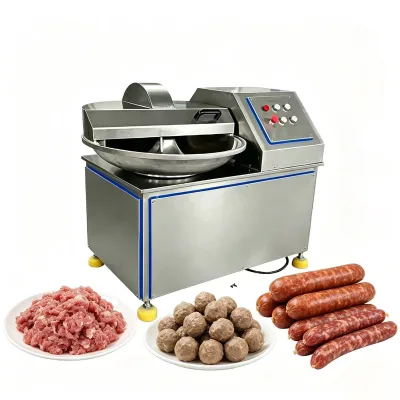
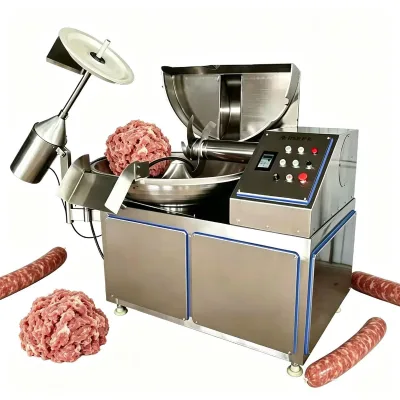


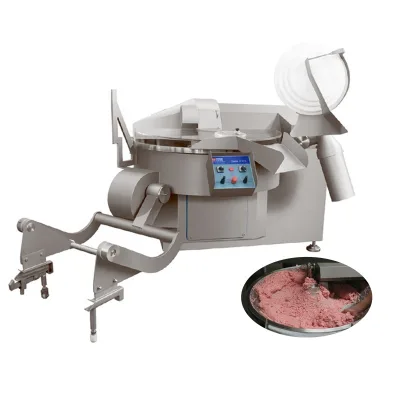
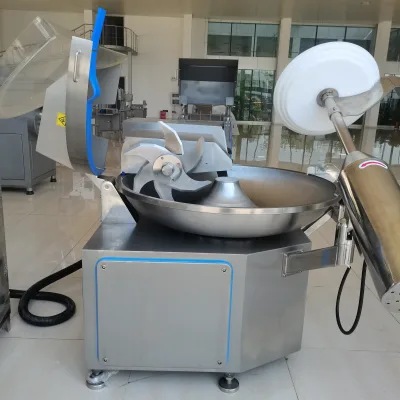


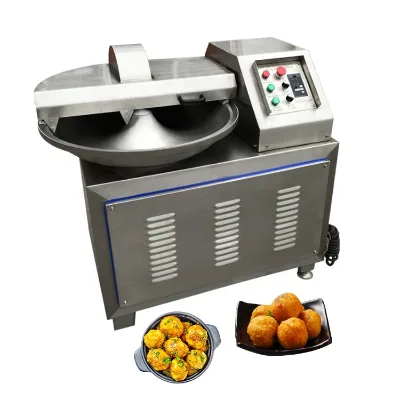


Heavy Duty Meat Chopper Bowl Cutter Big Capacity Bowl Cutter for Meat
$45000.00 - $48000.00
MOQ: 1 Pieces


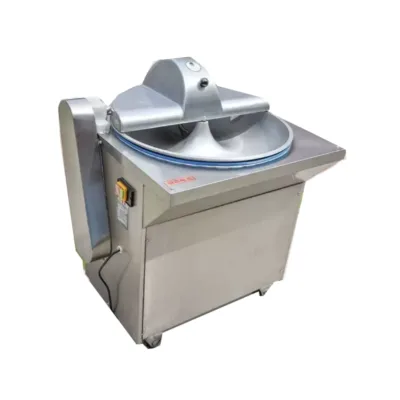


$10000.00 - $80000.00
MOQ: 1 set
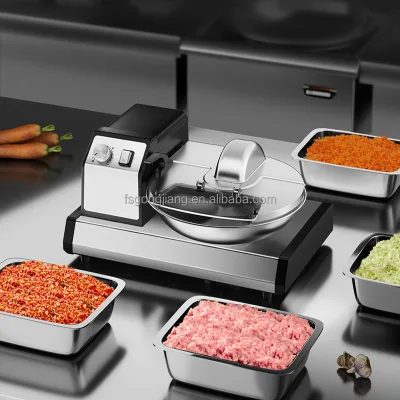

Multi-Functional Meat Sausage Chopper Bowl Cutter Vegetable Cutting Machine
$2500.00 - $9500.00
MOQ: 1 Set


Stainless Steel Bowl Cutter for Meat Processing / Meat Vegetable Bowl Chopper
$3500.00 - $11500.00
MOQ: 1 Sets


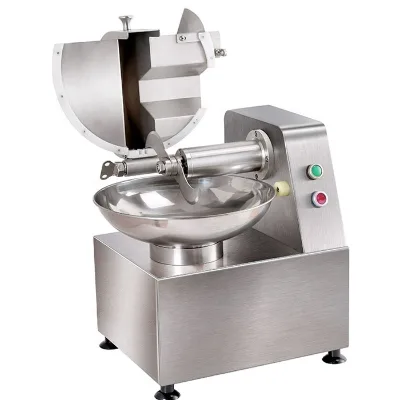
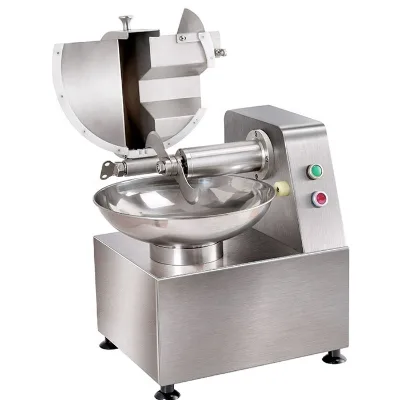
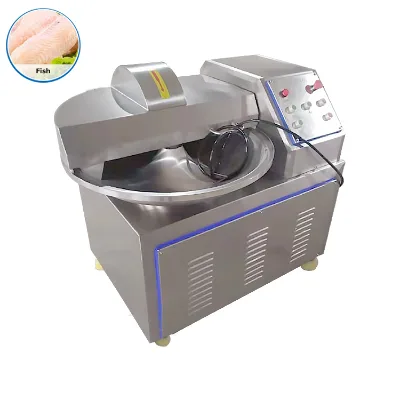
Meat Bowl Cutter Chopper Machine Bowl Meat Cutter Meat Bowl Chopper Cutter
$1569.0932 - $2039.8212
MOQ: 1 sets

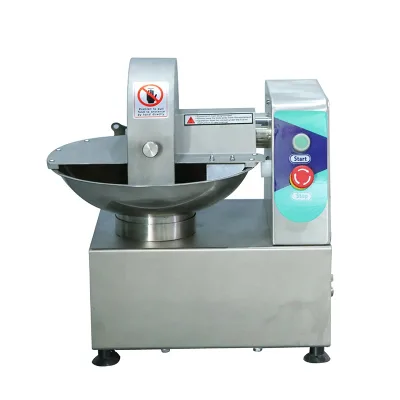
Comprehensive Sourcing Guide
Multifunctional Meat and Vegetable Bowl Cutter Sourcing Guide
Buyers evaluating this equipment must first recognize that the core keyword describes a specialized industrial unit designed for high-volume processing of both meat and vegetables. The observed product listings indicate a clear focus on automatic operation, with specific models like the JOHTANK-ZBJ-125 and zb-40 serving as primary reference points for capacity and function. These machines are engineered to handle tasks such as sausage stuffing, mixing, and cutting, making them essential for food processing facilities that require consistent texture and efficiency.
When scanning supplier catalogs, procurement teams should note that customization is a standard feature rather than an exception, allowing for tailored bowl capacities and power configurations. The market data reveals a wide price spectrum ranging from 299 to 80,000 USD, which suggests significant variation in build quality, motor power, and included accessories. Buyers must align their specific production needs with these observed ranges, understanding that lower-cost units may offer single-phase power while larger industrial models often require three-phase electricity to operate effectively.
Product Scope and Observed Listing Signals
The product scope for these bowl cutters is defined by their ability to perform multiple functions including chopping, mixing, and cutting within a single automated cycle. Listings consistently highlight the use of 304 stainless steel for the bowl and blades, ensuring durability and compliance with food safety hygiene standards. The observed models feature curved blades, with some units including three blades while others offer six, directly impacting the fineness of the chop and the overall throughput of the production line.
Buyers should verify that the listed advantages, such as easy operation and high efficiency, are backed by the specific automatic grade and operating mode of the machine. The observed data confirms that these units are suitable for food and meat industrial applications, with bowl capacities ranging from 40 liters to 125 liters depending on the model. This variation allows facilities to select a unit that matches their daily volume requirements without over-investing in oversized machinery or underestimating the capacity needed for peak production times.
Technical Specifications to Verify
Technical verification must begin with the power source and voltage requirements, as the market shows a split between single-phase and three-phase options. Specific listings indicate voltages of 220V and 380V, with power ratings varying significantly from 4.75 kW to 22 kW. Procurement teams must confirm that their facility's electrical infrastructure can support the specific phase and wattage of the selected model to prevent operational failures or the need for costly electrical upgrades.
The physical specifications, including weight and blade configuration, are critical for installation planning and maintenance scheduling. Observed units weigh approximately 120 kg and are packed in wooden cases or wooden crates for safe transport. Buyers should cross-reference the number of blades included, which ranges from three to six, against their desired output texture. Additionally, the material of the blades is confirmed as stainless steel, but the specific alloy grade and hardness should be verified to ensure longevity under heavy industrial use.
Compliance and Safety Documentation
While the supplied facts do not list specific certification bodies, buyers must demand proof of compliance with local food safety and electrical safety standards before finalizing any purchase. The product origin is listed as China, specifically from Shandong and Henan provinces, which necessitates a rigorous review of the manufacturer's quality management systems. Procurement teams should request documentation that validates the 304 stainless steel material claims and ensures the machine meets the hygiene requirements of the target export market.
Safety features are implied through the automatic grade and the design of the bowl cutter, yet explicit safety certifications are not detailed in the provided context. Buyers should verify that the machine includes necessary safety interlocks and emergency stop mechanisms, particularly given the high-speed operation of the curved blades. It is essential to confirm that the warranty period, observed as one year, covers critical components like the motor and blade assembly, ensuring that any safety-related defects are addressed promptly by the supplier.
Cost Drivers and Commercial Terms
The cost of these machines is driven primarily by the bowl capacity, motor power, and the level of customization required for the specific production line. The observed price range of 299 to 80,000 USD reflects the difference between smaller, single-phase units and large, high-power industrial models with advanced automation. Buyers must analyze whether the higher price point correlates with tangible benefits such as increased throughput, better material quality, or extended warranty coverage before committing to a larger investment.
Commercial terms regarding the minimum order quantity (MOQ) and lead time are variable, with observed MOQs ranging from one to fifty units. The selling units are typically listed as single items, but bulk purchasing may offer different pricing structures or shipping terms. Procurement teams should clarify the packing details, as wooden cases are standard, and ensure that the shipping logistics account for the significant weight of the machinery. Understanding these commercial variables is crucial for accurate budgeting and supply chain planning.
Supplier Qualification and Quality Control
Supplier qualification should focus on verifying the place of origin and the manufacturing capabilities of the company, as the data points to specific regions in China like Shandong and Henan. Buyers must assess the supplier's ability to provide the observed customization options, including tailored bowl capacities and power configurations. It is advisable to request samples or detailed technical drawings to confirm that the supplier can meet the specific material and performance expectations outlined in the product listings.
Quality control processes must be established to ensure that the delivered units match the described specifications, such as the 304 stainless steel construction and the correct number of blades. Since the condition is listed as new, buyers should insist on pre-shipment inspections to verify the absence of defects and the proper functioning of the automatic operating mode. Establishing a clear communication channel for post-delivery support is also vital, given the one-year warranty period and the complex nature of the machinery.
Long-Term Procurement Checks
Long-term procurement success depends on the availability of spare parts and the supplier's commitment to after-sales service beyond the initial warranty period. Buyers should verify the lead times for critical components like blades and motors, as these are high-wear items that will require replacement over the machine's lifespan. Ensuring a steady supply of compatible parts is essential to minimize downtime and maintain the high efficiency that is a key selling point of these bowl cutters.
Finally, buyers must monitor the performance of the machine over time to ensure it continues to meet the original efficiency and operational standards. Regular maintenance checks should be scheduled to inspect the blade sharpness and the integrity of the stainless steel bowl. By maintaining a proactive approach to equipment management, procurement teams can extend the useful life of the investment and ensure consistent product quality in their food processing operations.
FAQs
What is the power source for these meat bowl cutters?
These machines operate using an electric power source, typically requiring a three-phase or single-phase connection. The standard voltage is 380V, though 220V options exist. This ensures reliable performance for industrial food processing tasks, allowing for continuous operation in busy production environments without manual effort.
Can the bowl capacity be customized for specific needs?
Yes, the bowl capacity is fully customizable to suit different production volumes. Available options include 40L and 125L models, with other sizes possible upon request. This flexibility allows buyers to select the exact capacity required for their specific meat processing workflow, ensuring optimal efficiency and space utilization.
Which materials are used for the blades and body?
The machine body is constructed from 304 stainless steel, ensuring durability and hygiene. The blades are also made of stainless steel with a curved shape, typically including three or six blades per unit. This material choice prevents corrosion and meets food safety standards for direct contact with meat and vegetables.
How many blades are included in the standard model?
The number of blades varies by model, with options including three or six blades included. These curved stainless steel blades are designed for high-efficiency chopping and mixing. The specific count depends on the chosen model, such as the JOHTANK-ZBJ-125 or zb-40, allowing for tailored processing speeds.
What is the warranty period for this equipment?
The equipment comes with a one-year warranty covering manufacturing defects and operational issues. This standard warranty provides buyers with confidence in the product's reliability. It applies to new condition machines, ensuring that any initial faults are addressed promptly by the supplier or manufacturer within the specified timeframe.
Where are these meat bowl cutters manufactured?
These machines are manufactured in China, specifically in regions like Shandong and Henan. The origin is clearly stated as China for all listed models. This location is a major hub for food processing machinery, offering competitive pricing and established supply chains for international buyers seeking reliable industrial equipment.