Source Quick Connect Car Tire Inflator for Cars, Trucks, Bikes
Find 30 quick connect car tire inflators with varying pressure ratings and power sources. Compare models like NI308 and HW-1000 for cars, trucks, and motorcycles to find the best fit for your needs; compare the available evidence and request quotations based on your requirements.
Updated
Key considerations
Products List




Best Selling High Purity Nitrogen Tyre Inflator
$460.00 - $500.00
MOQ: 1 Pieces
Guangzhou Huawei Automobile Electronic Testing Equipment Co., Ltd.

Gray Color Digital Tyre Inflator Tyre Inflation
$150.00 - $169.00
MOQ: 1 Pieces
Guangzhou Huawei Automobile Electronic Testing Equipment Co., Ltd.


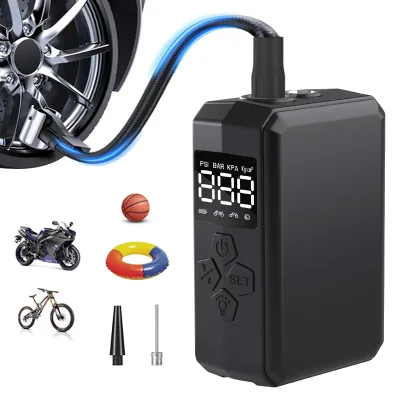
hand pressure tyre hand pressure car design air pump inflator mini tire inflator
$8.2145 - $9.2413
MOQ: 500 pieces
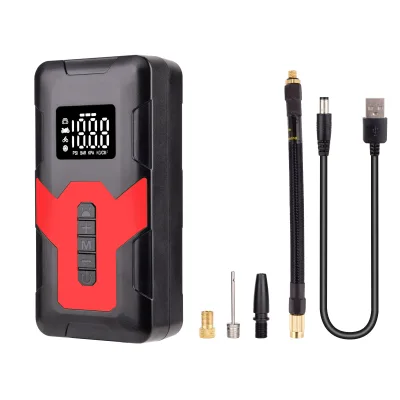


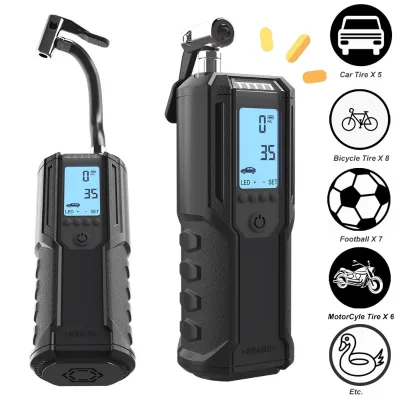
Car Air Compressor, Tire Inflator, Portable Air Pump, Car Pressure Pump
$10.00 - $100.00
MOQ: 100 Pieces



Comprehensive Sourcing Guide
Quick Connect Car Tire Inflator Sourcing Guide
Procuring quick connect car tire inflators requires a clear understanding of the diverse product landscape available from manufacturers in Guangdong, China. The market offers a wide spectrum of devices, ranging from compact, battery-powered units designed for personal vehicle maintenance to larger, industrial-grade systems capable of handling heavy-duty commercial fleets. Buyers must distinguish between these categories early in the sourcing process, as the operational requirements, power sources, and expected lifecycles differ significantly. A portable unit suitable for a single pickup truck owner will have entirely different specifications than a high-flow nitrogen generator intended for a tire service center.
The observed listing signals indicate a broad price range from $8 to $650 USD, reflecting this diversity in capability and build quality. Minimum order quantities (MOQs) vary from just one unit for sample testing up to 1,000 units for bulk distribution, allowing buyers of all sizes to enter the market. Key attributes observed include LED displays, large battery capacities, and fast inflation speeds, which are critical selling points for consumer-facing products. Understanding these signals helps buyers align their procurement strategy with their specific target market, whether that is retail e-commerce, automotive aftermarket distribution, or industrial supply chains.
Product Scope and Observed Listing Signals
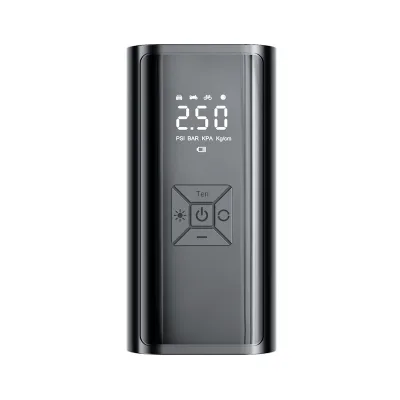
The product scope encompasses various models identified by codes such as NI308, AI03, SP-AP-112, HW-1000, and HW-3000, each serving distinct operational niches. For instance, the SP-AP-112 is a mini air pump featuring a digital pressure gauge and a single cylinder, designed for applications like pickup trucks, motorcycles, and bicycles. It boasts a power source of DC 11V and includes features like a power bank function, making it highly versatile for on-the-go use. In contrast, models like the HW-1000 are corded electric units with higher power inputs, suitable for stationary or workshop environments where continuous operation is required without battery constraints.
Packaging and physical dimensions also vary widely, impacting logistics and storage decisions. Some units are packed in paper boxes with specific gross weights, such as 0.400 kg for the mini pump, while others use sea-worthy packages or cartons with larger dimensions like 282986cm for industrial models. The standard dimensions for some products are listed as 68cm54cm140cm, suggesting bulky packaging for larger equipment. Buyers must evaluate these physical attributes carefully to calculate landed costs accurately, including freight and warehousing expenses, especially when importing from Guangzhou or other regions in Guangdong, China.
Technical Specifications to Verify
When evaluating technical specifications, buyers should prioritize inflation performance metrics such as air flow rate and pressure capacity. The SP-AP-112 model, for example, offers an air flow of 15L/min and can inflate a 700*23c road bike tire to 100psi in approximately 80 seconds. It supports multiple pressure units including Psi, bar, kpa, and kg/cm², which is essential for international markets. The maximum pressure for some observed products ranges from 101-150Psi, which is sufficient for standard car tires but may be inadequate for heavy-duty truck applications. Verifying these limits ensures the selected inflator matches the intended vehicle types and usage scenarios.
Power and battery specifications are equally critical for determining usability and reliability. The mini pump features a battery capacity of 800mAh*3pcs and charges via a Type-C cable in 1.5 hours, highlighting the importance of modern charging standards. Other models operate on AC/220V/50-60Hz power supplies, indicating a need for stable electrical infrastructure. Buyers should also check the inlet pressure range, which for some industrial units is 4-10bar, and the nitrogen rate, which can reach 60-70L/Min for specialized gas inflation systems. Confirming these details prevents mismatches between the product’s capabilities and the buyer’s operational environment.
Compliance and Safety Documentation
Compliance with regional safety standards is non-negotiable for importing electronic tire inflators. The CE certification is a common requirement for products sold in the European market, ensuring that the devices meet essential health, safety, and environmental protection requirements. Some products also carry RoHS certification, which restricts the use of specific hazardous materials in electrical and electronic equipment. Buyers must request valid certificates from suppliers and verify their authenticity through recognized testing bodies. Relying on self-declared compliance without third-party validation can lead to customs delays, product recalls, or legal liabilities in strict regulatory environments.
Beyond certifications, documentation should include detailed user manuals, warranty terms, and technical datasheets that align with the observed product attributes. For instance, the SP-AP-112 lists its material as ABS, which should be reflected in safety data sheets regarding flammability and durability. Buyers should also inquire about the condition of the products, as most listed items are marked as "New," but verifying this status prevents the receipt of refurbished or damaged goods. Clear documentation ensures that end-users can operate the devices safely and that the buyer can provide adequate support to their customers.
Cost Drivers and Commercial Terms
Cost drivers for quick connect car tire inflators include the complexity of the internal components, such as the motor type, battery chemistry, and digital display technology. Models with LED displays, fast inflation capabilities, and power bank functions typically command higher prices due to the added value and component costs. The observed price range of $8 to $650 USD reflects these variations, with basic corded units at the lower end and advanced battery-powered or high-flow nitrogen systems at the higher end. Buyers should analyze the cost per unit against the expected retail price to ensure healthy margins, considering that higher-specification products may have lower volume sales but higher individual profits.
Commercial terms such as MOQ and lead times significantly impact procurement planning. With MOQs ranging from 1 to 1,000 units, small businesses can start with minimal risk, while larger distributors can negotiate better pricing for bulk orders. The origin of the products, primarily Guangzhou and Guangdong, China, suggests established supply chains, but buyers should confirm lead times to avoid stockouts. Additionally, packaging options like sea-worthy packages or standard cartons affect shipping efficiency and cost. Negotiating clear terms regarding payment methods, shipping responsibilities, and return policies is essential to mitigate financial risks and ensure smooth transaction execution.
Supplier Qualification and Quality Control
Supplier qualification begins with verifying the manufacturer’s location and production capabilities. Most observed products originate from Guangzhou or Guangdong, China, regions known for their manufacturing expertise in electronics and automotive accessories. Buyers should conduct due diligence to confirm that the supplier is a legitimate manufacturer or an authorized distributor, rather than a trading company with limited control over quality. Requesting factory audits or video tours can provide insights into production lines, quality control processes, and inventory management. This step is crucial for ensuring that the supplier can consistently meet the required specifications and delivery schedules.
Quality control measures should be integrated into the procurement process to maintain product integrity. Buyers should specify acceptance criteria based on the observed attributes, such as inflation time, noise level, and display accuracy. For example, the SP-AP-112 is noted for its normal noise level and specific inflation times, which should be tested upon receipt. Implementing pre-shipment inspections or third-party quality checks can identify defects early, reducing the risk of customer complaints and returns. Establishing a clear communication channel with the supplier for addressing quality issues ensures that any discrepancies are resolved promptly and effectively.
Long-Term Procurement Checks
Long-term procurement success depends on continuous monitoring of product performance and market feedback. Buyers should track customer reviews and return rates to identify any recurring issues with specific models or suppliers. For instance, if a particular inflator model consistently fails to meet its advertised inflation time or battery life, it may indicate a quality control lapse or a design flaw. Regularly reviewing these metrics allows buyers to make informed decisions about continuing or discontinuing relationships with specific suppliers. This proactive approach helps maintain a high standard of product quality and customer satisfaction over time.
Additionally, staying updated on regulatory changes and technological advancements is essential for long-term competitiveness. As safety standards evolve, buyers must ensure that their products remain compliant with the latest requirements. Similarly, advancements in battery technology or inflation mechanisms may offer new opportunities for product differentiation. By maintaining a flexible and responsive procurement strategy, buyers can adapt to market changes and continue to offer relevant, high-quality quick connect car tire inflators to their customers. This ongoing diligence ensures sustained growth and profitability in the dynamic automotive accessories market.
FAQs
What certifications do these tire inflators have?
The available models hold CE and RoHS certifications, ensuring compliance with safety and environmental standards for international trade. These credentials are essential for B2B buyers importing from China, as they facilitate smoother customs clearance and meet regulatory requirements in many global markets without additional testing.
Can the product be customized for bulk orders?
Yes, customization is available for bulk procurement needs. Buyers can request specific modifications to meet unique operational requirements or branding preferences. This flexibility supports diverse B2B applications, allowing companies to tailor the inflators to their specific fleet or retail distribution strategies effectively.
What is the typical packaging method for shipping?
Products are shipped using sea-worthy packages, paper boxes, or cartons depending on the specific model selected. This ensures safe transit during international logistics. The packaging is designed to protect the units from damage, maintaining product integrity upon arrival at the buyer's designated warehouse or distribution center.
How fast can the inflator fill a car tire?
The device can inflate a standard car tire from 0 to 100 PSI in approximately 8.5 minutes. This performance is based on specific tire dimensions like 195/65R15. The consistent air flow supports efficient operations for fleet maintenance or roadside assistance services requiring rapid tire pressure restoration.
What is the power source for the mini pump?
The mini air pump operates on DC 11V power and features a large battery capacity of 800mAh per cell. It supports Type-C charging, taking about 1.5 hours to fully recharge. This portable design allows for cordless operation, making it ideal for mobile tire inflation tasks.
Where are these tire inflators manufactured?
These products originate from Guangzhou and Guangdong, China. Sourcing from this region provides access to established manufacturing hubs with robust supply chains. Buyers can leverage this location for efficient logistics and competitive pricing while ensuring consistent quality control throughout the production process for their procurement needs.