Source RoHS Approved EPDM Rubber Gasket for Faucets, Pipes, Showers
Compare 30 listings for RoHS Approved EPDM Rubber Gasket options suitable for faucets, pipes, and showers. Buyers can review specifications like hardness, temperature range, and certifications including ISO 9001 and RoHS to find the right seal for industrial or household applications.
Updated
Key considerations
Products List


$0.01 - $1.00
MOQ: 100 Pieces


$0.10 - $10.00
MOQ: 1000 Pieces

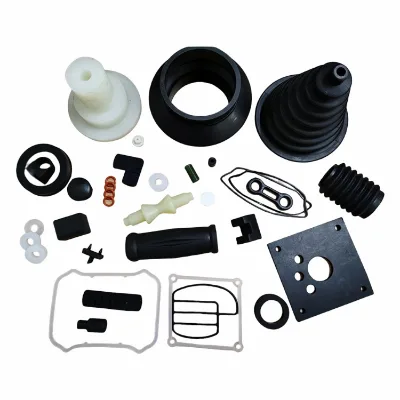
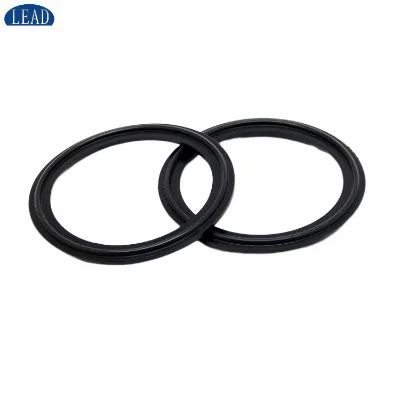
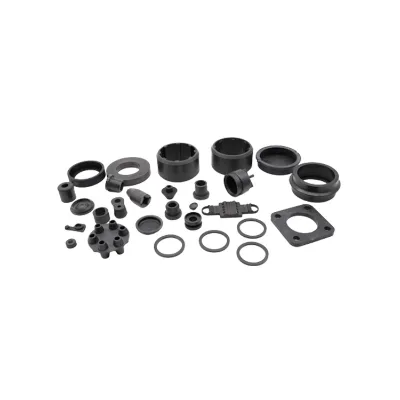

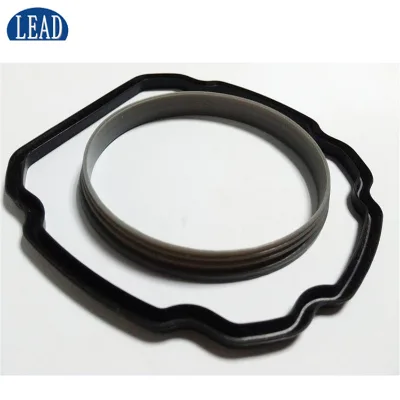


Comprehensive Sourcing Guide
RoHS Approved EPDM Rubber Gasket Sourcing Guide
Sourcing ROHS approved EPDM rubber gaskets requires a disciplined approach to material verification and compliance documentation. Buyers must prioritize suppliers who explicitly confirm RoHS certification alongside ISO 9001 standards, as these credentials provide the baseline assurance of manufacturing consistency and environmental safety. The core keyword highlights a specific intersection of regulatory compliance and material performance, demanding that procurement teams verify that the EPDM compound itself meets the restricted substance limits defined by RoHS directives. This verification is not optional for electronics and medical applications where chemical migration can cause product failure or regulatory penalties.
Beyond compliance, the physical properties of EPDM make it a preferred choice for sealing applications involving water, steam, and atmospheric exposure. The material’s inherent resistance to ozone and weathering ensures longevity in outdoor or humid environments, which is critical for infrastructure and plumbing projects. Procurement specialists should evaluate the hardness and tensile strength specifications against their operational requirements, noting that these attributes can be customized according to specific drawing requests. Understanding the balance between standard off-the-shelf options and custom-engineered solutions is essential for optimizing both lead times and total cost of ownership.
Product Scope and Observed Listing Signals
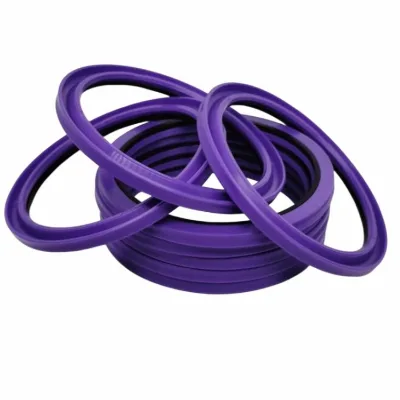
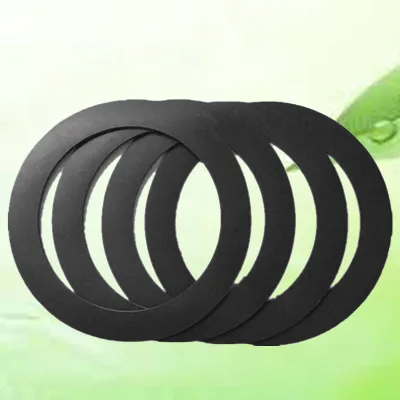
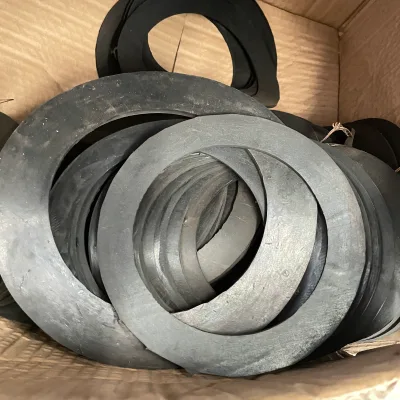
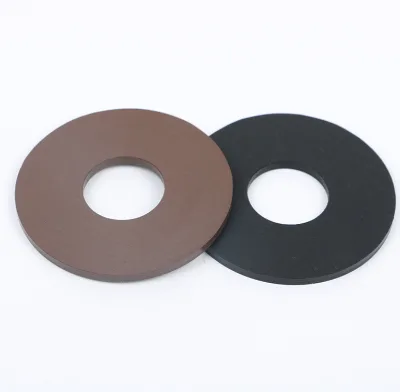
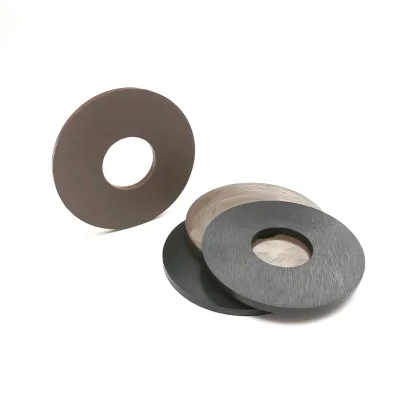
The observed market signals indicate a diverse range of gasket types, including flat gaskets, ring gaskets, and O-rings, all potentially available in EPDM. Listings frequently highlight customization capabilities, allowing buyers to specify dimensions, hardness, and color to match precise assembly needs. The price range observed spans from minimal unit costs to higher tiers, reflecting variations in material grade, tooling complexity, and order volume. Buyers should interpret these price points as indicative of the broader market rather than fixed quotes, recognizing that custom tooling or specialized certifications may significantly influence the final commercial terms.
Packaging and origin data suggest that many suppliers are located in industrial hubs such as Jiangsu, Jiangyin, and broader China regions. Products are typically packed in PE bags and carton boxes, with options for customized packaging to meet specific logistics or branding requirements. The presence of models labeled as "All Size" or "Custom" signals a high degree of flexibility in production, enabling rapid prototyping and large-scale deployment. However, buyers must verify that the "standard" or "nonstandard" classification aligns with their engineering drawings to avoid dimensional mismatches during installation.
Technical Specifications to Verify
Technical verification begins with confirming the operational temperature range, which for EPDM typically spans from -20°C to +220°C, ensuring suitability for moderate thermal environments. Buyers must also validate the working medium compatibility, as EPDM performs well with water, oil, and atmosphere but may degrade when exposed to certain hydrocarbons or polar solvents. The hardness specification is often listed as "according to requirement," meaning procurement teams must explicitly define the durometer value in their purchase orders to ensure the gasket provides adequate sealing force without excessive compression set.
Pressure ratings and structural integrity are critical for high-pressure applications, with some listings citing fixed pressure capabilities up to 1500 kg/cm². While this figure suggests robust performance, buyers should request specific test data or engineering calculations to confirm that the gasket can withstand the dynamic pressure cycles of their system. Additionally, the shape and type, whether rotary seal, flat gasket, or O-ring, must be matched to the mating surface geometry. Misalignment between the gasket profile and the housing design is a common source of leakage, making precise dimensional verification a non-negotiable step in the sourcing process.
Compliance and Safety Documentation
Compliance documentation is the cornerstone of sourcing ROHS approved components, requiring suppliers to provide valid certificates from recognized bodies such as SGS or independent labs. Buyers should insist on seeing the actual RoHS test reports, which detail the concentration levels of restricted substances like lead, mercury, and cadmium, rather than accepting a generic statement of compliance. The presence of ISO 9001:2015 or ISO 9001:2008 certification indicates a mature quality management system, but buyers must verify that the scope of certification covers the specific manufacturing processes used for the gaskets.
Additional certifications such as CE, REACH, and FDA may be relevant depending on the end-use industry, particularly for medical, food-grade, or European market applications. Procurement teams should maintain a compliance matrix that maps each required regulation to the corresponding supplier document, ensuring no gaps exist in the audit trail. It is also prudent to request material safety data sheets (MSDS) to understand handling precautions and disposal requirements. Regular re-verification of these documents is necessary, as regulatory standards and supplier manufacturing practices can evolve over time.
Cost Drivers and Commercial Terms
Cost drivers for EPDM gaskets include raw material fluctuations, tooling expenses for custom shapes, and the complexity of the molding process. Buyers should analyze the minimum order quantity (MOQ) requirements, which can range from single units to thousands, to determine the most economical order size for their production schedule. Higher MOQs often yield better unit prices but increase inventory holding costs, so a total cost of ownership analysis is recommended to find the optimal balance. Customization requests, such as specific colors or non-standard dimensions, may incur additional setup fees that should be factored into the initial budget.
Commercial terms such as payment methods, lead times, and shipping responsibilities significantly impact the overall procurement cost. Suppliers may offer flexible packaging options, such as carton boxes or custom requests, which can affect shipping efficiency and damage risk. Buyers should negotiate clear terms for quality disputes and returns, ensuring that non-conforming gaskets can be replaced without excessive delay. Understanding the supplier’s production capacity and current order backlog is also essential for planning lead times, especially during peak demand periods when material shortages may occur.
Supplier Qualification and Quality Control
Supplier qualification involves a thorough assessment of their manufacturing capabilities, quality control processes, and financial stability. Buyers should request factory audits or third-party inspection reports to verify that the production environment meets the required standards for cleanliness and precision. The presence of advanced molding equipment and skilled technicians is a strong indicator of consistent product quality. Additionally, suppliers should demonstrate a robust traceability system, allowing buyers to track each batch of gaskets back to its raw material source and production date.
Quality control checks should include dimensional verification, visual inspection for defects, and performance testing under simulated operating conditions. Buyers may implement incoming quality control (IQC) procedures to sample and test received gaskets before they enter the production line. Establishing a clear communication channel with the supplier’s quality assurance team facilitates rapid resolution of any issues that arise during assembly or field use. Regular performance reviews of suppliers based on defect rates and delivery reliability help maintain a high standard of supply chain integrity.
Long-Term Procurement Checks
Long-term procurement success depends on continuous monitoring of supplier performance and market trends. Buyers should conduct periodic reviews of supplier certifications to ensure they remain valid and up-to-date, particularly for RoHS and ISO standards. Tracking changes in raw material prices and regulatory requirements allows for proactive adjustments to sourcing strategies and contract terms. Building a diversified supplier base reduces dependency on single sources and mitigates the risk of supply disruptions due to geopolitical or logistical issues.
Feedback loops between engineering, quality, and procurement teams are essential for identifying areas for improvement in gasket design and supplier selection. Regularly updating the approved supplier list based on performance metrics ensures that only the most reliable partners are retained. Additionally, staying informed about advancements in EPDM formulations and sealing technologies can lead to cost savings and performance enhancements. By maintaining a disciplined approach to long-term relationship management, buyers can secure a stable supply of high-quality ROHS approved EPDM rubber gaskets.
FAQs
What certifications are available for these rubber gaskets?
These gaskets are certified under ISO 9001:2015, RoHS, and SGS standards. Some listings also reference ISO 9001:2008 or CE marks. These certifications ensure compliance with quality and environmental regulations for industrial applications.
Can the gaskets be customized to specific drawings?
Yes, customization is available for these products. Manufacturers accept custom drawings and requests for specifications, packaging, and materials. This allows buyers to obtain tailored solutions that meet precise engineering requirements for their specific projects.
What is the operational temperature range for the seal?
The operational temperature range is -20 to +220 degrees Celsius. This wide range ensures reliable performance in various environments, making the gasket suitable for applications involving extreme heat or cold conditions in industrial settings.
Which materials are used to manufacture these gaskets?
The primary material is EPDM rubber. Some listings also mention natural rubber pads or pure gum rubber sheets. These materials provide excellent resistance to oil, water, and atmospheric conditions, ensuring durability and long service life.
What is the minimum order quantity for these products?
The observed minimum order quantity ranges from 1 to 1000 units. This flexibility allows buyers to order small samples or larger batches depending on their immediate needs and inventory requirements without facing excessive minimum purchase barriers.
Where are these rubber gaskets manufactured?
These products originate from Jiangsu, Jiangyin, China. Sourcing from this region provides access to established manufacturing capabilities. Buyers can verify specific factory locations and production capacities during the supplier evaluation process to ensure quality control.