Source Custom Shape Silicone and Rubber Part for Medical, Industrial, and Vehicle
Compare 30 listings for Custom Shape Silicone and Rubber Part options tailored for medical, industrial, and vehicle applications. Buyers can evaluate suppliers offering OEM services, various certifications, and flexible customization for seals and components; compare the available evidence and request quotations based on your requirements.
Updated
Key considerations
Products List


$0.10 - $0.50
MOQ: 100 Pieces


$0.10
MOQ: 100000 Pieces

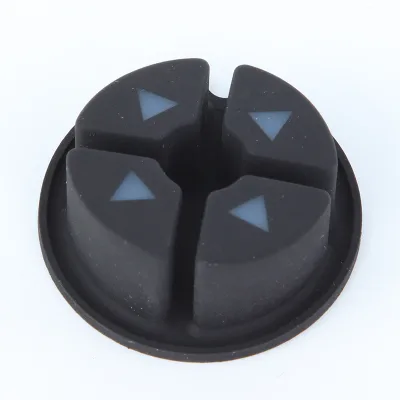
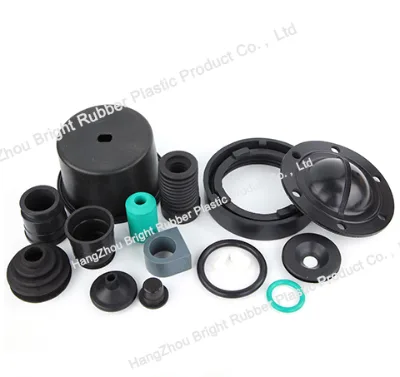
Rubber Products Manufacturing Machinery Silicone Custom Rubber Machine Parts Gaskets
$0.0513 - $0.5142
MOQ: 500 Minimum
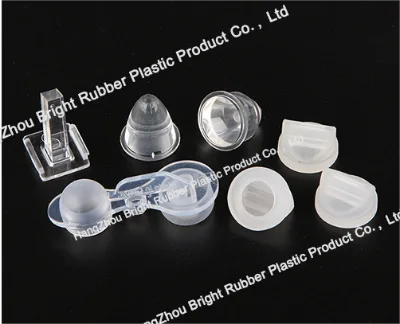
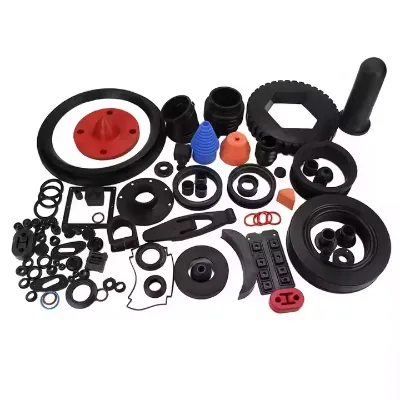
$0.0103 - $1.0253
MOQ: 1 Minimum


Comprehensive Sourcing Guide
Custom Shape Silicone and Rubber Part Sourcing Guide
Sourcing custom shape silicone and rubber parts requires a strategic approach that balances technical precision with commercial flexibility. Buyers must recognize that these components serve diverse industries, including medical, household, electronic, vehicle, agricultural, and industrial applications. The versatility of materials like organic silicone and silicone rubber allows for tailored solutions, but it also demands rigorous verification of supplier capabilities. Understanding the specific usage requirements, such as shock absorption or stationary sealing, is the first step in defining a successful procurement strategy.
The manufacturing landscape for these parts is characterized by high customization potential and varied production methods. Suppliers often offer OEM, ODM, and OBM services, allowing for custom logos, packaging, and 3D design-driven development. Processes such as SLA, vacuum forming, CNC, and injection molding are commonly utilized to achieve the desired geometry. Buyers should evaluate whether the supplier’s equipment aligns with their volume needs and complexity requirements, ensuring that the chosen manufacturing process can consistently deliver the specified tolerances and surface finishes.
Product Scope and Observed Listing Signals
The observed market signals indicate a broad range of product attributes available for custom shape silicone and rubber parts. Listings frequently highlight features such as reusability, environmental friendliness, durability, and non-spill properties. Colors are often customizable, with common options including clear, black, white, and red, though other colors are available upon request. The cross-section shape is typically identified as O-rings, but the overall geometry can be based on buyer drawings, allowing for highly specialized stationary seals or gaskets that meet exact operational needs.
Packaging and shipping methods are also flexible, reflecting the diverse nature of the supply chain. Products may be packed in bulk, in poly bags with carton boxes, or in OPP bags with cartons, depending on the supplier’s standard practices or buyer requirements. The place of origin is predominantly China, with specific mentions of Jiangsu and Zhejiang provinces, indicating a concentrated manufacturing hub. Buyers should verify the single volume and gross weight details, as these can impact logistics planning and cost calculations, especially for large-volume orders or heavy industrial components.
Technical Specifications to Verify
Technical verification begins with confirming the material composition and hardness requirements. Suppliers often specify materials such as organic silicone or silicone rubber, with hardness levels around Shore A 50 to 60, though customized hardness may be available. Buyers must ensure that the material grade meets the specific environmental and mechanical demands of their application, such as temperature resistance or chemical compatibility. The drawing format is typically supported in .stp, .step, .stl, or .dwg, facilitating accurate digital communication of design intent and reducing the risk of manufacturing errors.
Size and model specifications are highly customizable, with options ranging from standard to nonstandard configurations. The model number may be provided by the supplier, such as GF-0897, or it can be defined by the buyer’s drawing. It is crucial to verify the tolerance levels and dimensional accuracy, as these directly affect the part’s performance in its intended application. Buyers should also confirm the availability of samples, with sample times typically ranging from 3 to 7 days, allowing for early validation of the product before committing to full-scale production.
Compliance and Safety Documentation
Compliance with international standards is essential for ensuring the safety and quality of custom shape silicone and rubber parts. Suppliers often claim certifications such as RoHS, REACH, FDA, and ISO, which indicate adherence to environmental, health, and safety regulations. Buyers must verify the validity and scope of these certifications, ensuring they cover the specific materials and processes used in production. This is particularly important for applications in medical, household, and food-contact industries, where regulatory compliance is non-negotiable.
In addition to product-specific certifications, buyers should inquire about the supplier’s quality management systems. While ISO 9001 is mentioned as a background standard, its actual implementation and relevance to the production process should be confirmed. Documentation such as material safety data sheets (MSDS) and test reports can provide further assurance of product integrity. Buyers should request these documents during the sampling phase to ensure that the supplier can provide comprehensive evidence of compliance and quality control throughout the manufacturing process.
Cost Drivers and Commercial Terms
Cost drivers for custom shape silicone and rubber parts include material selection, complexity of the design, and order volume. The observed price range is quite broad, from $0.01 to $2 per unit, reflecting the variability in part size, material grade, and manufacturing complexity. Minimum order quantities (MOQ) can range from 1 to 100,000 units, offering flexibility for both prototyping and large-scale production. Buyers should negotiate terms that align with their volume requirements, considering the trade-offs between unit price and setup costs.
Lead times and shipping methods are also significant commercial factors. Typical lead times range from 10 to 15 days, but this can vary based on order complexity and supplier capacity. Shipping options include sea and air freight, with the choice depending on urgency and cost considerations. Buyers should clarify the Incoterms and packaging requirements to avoid hidden costs. Clear communication regarding payment terms, warranty policies, and after-sales support is essential to establish a transparent and mutually beneficial commercial relationship.
Supplier Qualification and Quality Control
Supplier qualification involves assessing their technical capabilities, production capacity, and quality assurance processes. Buyers should verify the supplier’s experience in producing custom shape silicone and rubber parts, particularly for their specific industry applications. Requesting references or case studies can provide insight into the supplier’s reliability and consistency. It is also important to evaluate their ability to handle customizations, such as logo printing, marking, and specific packaging requirements, which may add complexity to the production process.
Quality control measures should be clearly defined and agreed upon before production begins. Buyers should inquire about the supplier’s inspection protocols, including in-process checks and final product testing. The ability to provide detailed inspection reports and certificates of conformity is a strong indicator of a supplier’s commitment to quality. Additionally, buyers should consider implementing their own quality control measures, such as third-party inspections or periodic audits, to ensure that the delivered parts meet the specified standards and performance criteria.
Long-Term Procurement Checks
Long-term procurement success depends on establishing a robust supplier relationship and implementing continuous improvement processes. Buyers should regularly review supplier performance metrics, such as on-time delivery, defect rates, and responsiveness to issues. Maintaining open communication channels and conducting periodic business reviews can help identify areas for improvement and strengthen the partnership. It is also important to stay updated on any changes in the supplier’s capabilities, certifications, or market conditions that may impact the supply chain.
As technology and regulations evolve, buyers must ensure that their suppliers remain compliant and competitive. This may involve re-evaluating material specifications, updating design requirements, or exploring new manufacturing technologies. Buyers should also consider diversifying their supplier base to mitigate risks associated with single-source dependencies. By proactively managing these long-term factors, buyers can ensure a stable, cost-effective, and high-quality supply of custom shape silicone and rubber parts for their ongoing needs.
FAQs
Can I customize the shape and logo of silicone parts?
Yes, shape, logo, size, and color can all be customized for your specific needs. The supplier offers OEM services including 3D design and accepts drawings in .stp or .dwg formats to ensure the final product matches your exact requirements.
What materials are used for these custom rubber parts?
The parts are primarily made from organic silicone and silicone rubber materials. These materials are selected for their durability and environmental safety, meeting standards such as RoHS, REACH, and FDA for use in medical, industrial, and household applications.
What is the minimum order quantity for custom orders?
The minimum order quantity starts at 100 pieces for standard custom orders. However, the observed range indicates that some suppliers may accept orders as low as one unit, while others require up to 100,000 units depending on the specific product configuration.
How long does it take to receive samples?
Sample time typically ranges from 3 to 7 days for production. For full orders, the lead time is generally 10 to 15 days, allowing for efficient prototyping and manufacturing processes like injection molding or CNC machining to be completed quickly.
Which certifications do these silicone products hold?
These products hold certifications including RoHS, REACH, FDA, and ISO standards. This ensures the materials are safe for use in medical, agricultural, and electronic applications while meeting international quality and environmental compliance requirements for global distribution.
What packaging options are available for bulk orders?
Packaging options include bulk packing, poly bags with carton boxes, or OPP bags with cartons. Customized packaging is also available to meet specific buyer requirements, ensuring the products are protected during shipping by sea or air from the origin in China.