Source Solvent Inkjet Printer Ink Filter for Chambers, Tanks, and Scraping
Compare 30 Solvent Inkjet Printer Ink Filter options from verified suppliers. These stainless steel and plastic filters support closed ink scraping chambers, ink tanks, and general solvent ink applications with delivery times ranging from 1 to 5 days; compare the available evidence and request quotations based on your requirements.
Updated
Key considerations
Products List






Comprehensive Sourcing Guide
Solvent Inkjet Printer Ink Filter Sourcing Guide
Sourcing solvent inkjet printer ink filters requires a disciplined approach to identifying components that maintain print head integrity and ensure consistent ink flow. These filters are critical for removing particulate contaminants from solvent-based inks, which are commonly used in industrial and commercial printing applications. Buyers must understand that the filter’s material composition and pore size directly impact the longevity of expensive printer hardware. The observed market data indicates a diverse range of products, including stainless steel variants and specialized disc filters, each serving distinct roles within the ink delivery system.
Procurement teams should focus on verifying the specific compatibility of the filter with their existing printer models and ink types. The available listings highlight products designed for closed ink scraping chambers and general ink tank applications, suggesting that not all filters are interchangeable. It is essential to match the filter’s physical dimensions and connection types to the printer’s internal architecture. Misalignment can lead to leaks, pressure drops, or complete system failure, resulting in costly downtime and wasted materials. Therefore, initial sourcing efforts must prioritize precise technical matching over generic availability.
Product Scope and Observed Listing Signals
The current market landscape for solvent inkjet filters reveals a wide variety of product names and specifications, reflecting the fragmented nature of the supply chain. Listings frequently use terms such as "inkjet cartridge printer ink filter," "solvent ink filter 5um," and "disc air filter" to describe similar or related components. This terminology variance requires buyers to look beyond product titles and examine the detailed specifications provided by suppliers. The presence of multiple brand names, including gakei and bozu, indicates that many suppliers offer private-label or compatible parts rather than original equipment manufacturer (OEM) components.
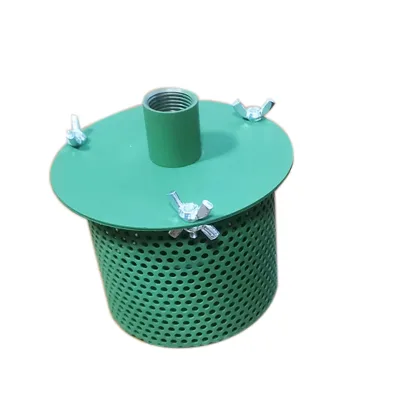
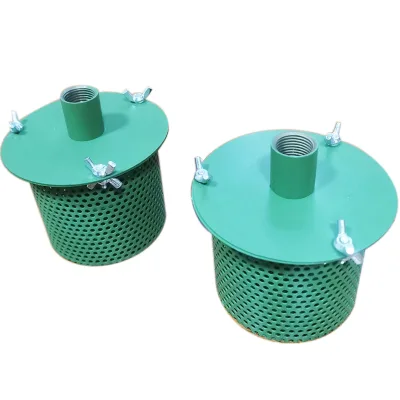
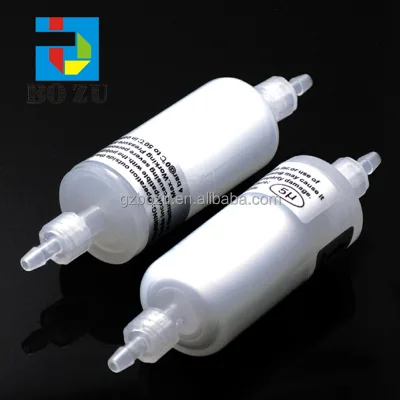
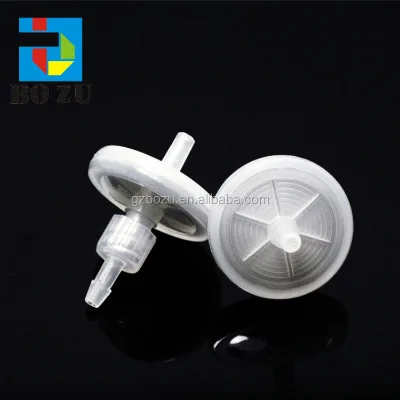
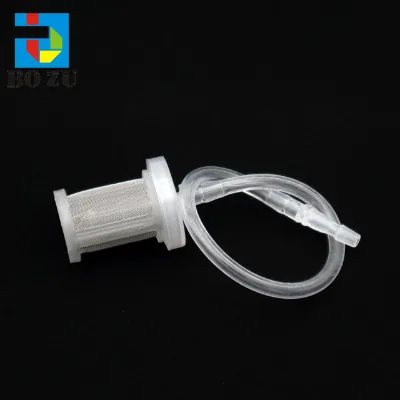
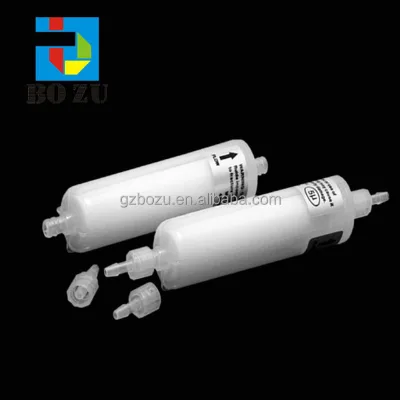
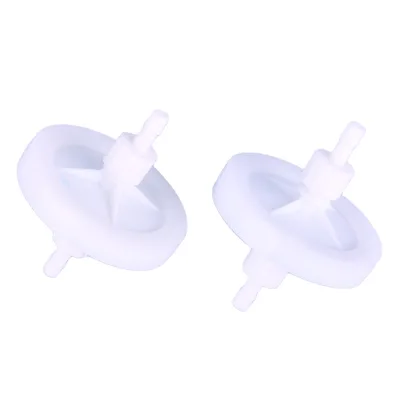
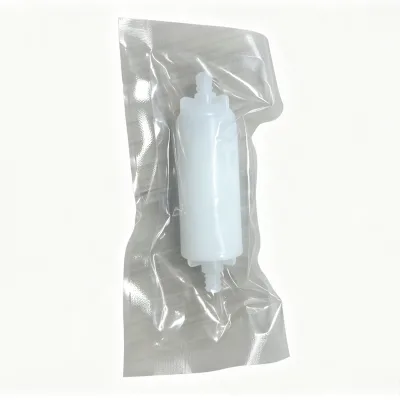
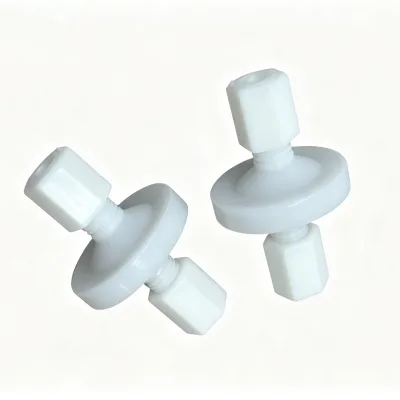
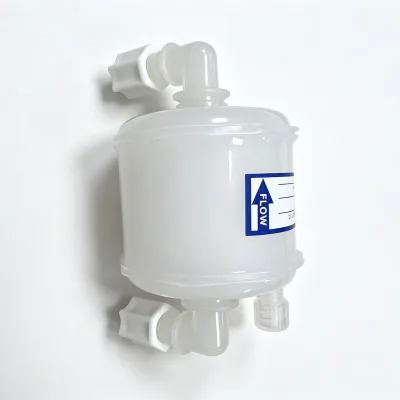
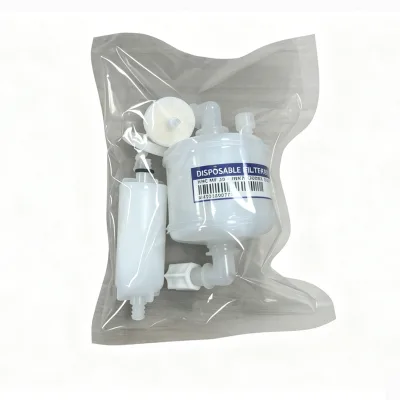
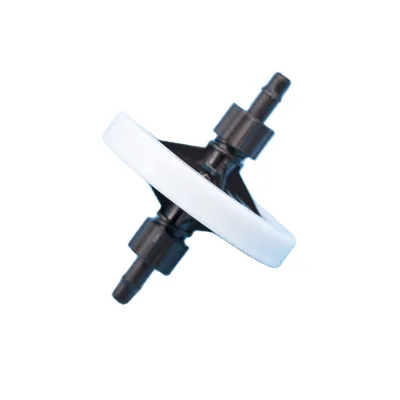
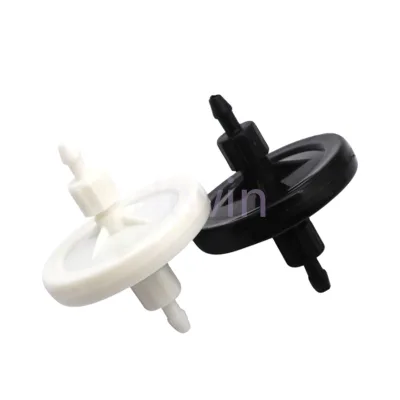
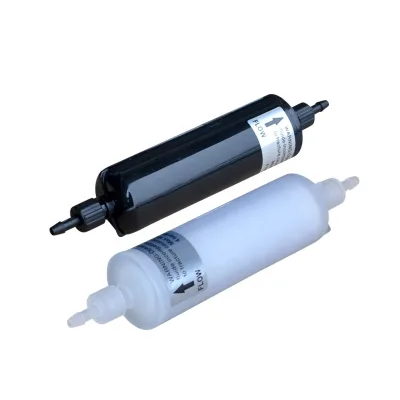
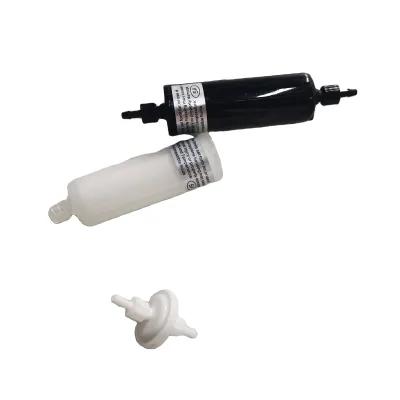
Observed listing signals show significant variation in physical attributes and packaging details. For instance, some filters are described as green stainless steel units with dimensions of 100mm*100mm, while others are white, compact items with single package sizes of 5X5X5 cm. These differences suggest that the product scope encompasses both large-scale industrial filters and smaller, precision components for specific printer models. Buyers must carefully correlate these physical descriptions with their technical requirements to avoid ordering incorrect parts. The diversity in color and size also highlights the importance of visual verification and sample testing before committing to bulk purchases.
Technical Specifications to Verify
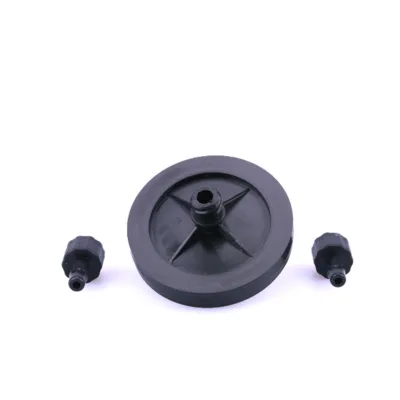
Verifying technical specifications is the most critical step in ensuring filter compatibility and performance. Buyers must confirm the filter’s micron rating, such as the 5um specification observed in some listings, to ensure it effectively captures contaminants without restricting ink flow excessively. The material composition, often stainless steel for durability and chemical resistance, must be compatible with the specific solvent ink being used. Incompatible materials can degrade over time, leading to filter failure and potential contamination of the ink supply. Additionally, the filter’s structural design, whether it is a disc, cartridge, or tank filter, must align with the printer’s internal filtration system.
Dimensional accuracy and connection interfaces are equally important technical factors to verify. The observed size of 100mm*100mm for certain filters indicates that precise measurements are necessary to ensure a proper fit within the printer’s housing. Buyers should request detailed technical drawings or dimensional charts from suppliers to confirm compatibility. Furthermore, the filter’s flow rate and pressure drop characteristics should be evaluated to maintain optimal printing performance. Ensuring that the filter does not create excessive backpressure is crucial for preventing damage to the printer’s pump and ink delivery mechanisms.
Compliance and Safety Documentation
While specific certification standards are not explicitly detailed in the observed listings, buyers must ensure that all filters meet relevant safety and environmental regulations. The "Eco Friendly" feature noted in some products suggests a growing market demand for sustainable manufacturing practices, but buyers should verify the actual environmental impact of the filter materials. This includes assessing the recyclability of stainless steel components and the absence of harmful substances in the filter media. Compliance with local waste disposal regulations is also essential, particularly for filters that may become contaminated with hazardous solvent inks.
Documentation regarding material safety data sheets (MSDS) and supplier declarations of conformity should be requested to ensure regulatory compliance. Buyers must confirm that the filters do not introduce new contaminants into the ink system, which could violate industry standards for print quality and safety. Additionally, verifying the supplier’s adherence to quality management systems can provide assurance that the filters are manufactured under controlled conditions. This documentation is crucial for maintaining audit trails and ensuring that all procurement activities align with corporate sustainability and safety policies.
Cost Drivers and Commercial Terms
Cost drivers for solvent inkjet filters include material quality, manufacturing complexity, and order volume. The observed minimum order quantity (MOQ) ranges from 1 to 108 pieces, indicating flexibility for both small-scale and bulk procurement. Buyers should consider the total cost of ownership, which includes not only the unit price but also shipping costs and potential downtime due to filter failure. The delivery time of 1-3 days after payment receipt suggests a responsive supply chain, which can reduce inventory holding costs for buyers who require quick turnaround times.
Commercial terms such as payment methods and shipping options also influence the overall procurement cost. The availability of payment via VISA, credit card, TT, and Alipay provides flexibility for international transactions, while shipping methods like DHL, FedEx, and UPS ensure reliable delivery. Buyers should negotiate bulk pricing discounts if their order volume exceeds the standard MOQ. Additionally, considering the warranty status, which is listed as unavailable for some products, buyers may need to factor in the risk of replacement costs when evaluating the true cost of these filters.
Supplier Qualification and Quality Control
Supplier qualification is essential to ensure the reliability and consistency of solvent inkjet filters. Buyers should assess the supplier’s production capabilities, quality control processes, and track record in the industry. The observed place of origin, Guangdong, China, is a major manufacturing hub, but buyers must verify the specific factory’s credentials and certifications. Requesting samples for testing is a critical step in evaluating the filter’s performance and compatibility with the buyer’s specific printer models. This hands-on verification helps identify potential issues before committing to large orders.
Quality control measures should include rigorous testing for filtration efficiency, material durability, and dimensional accuracy. Buyers should establish clear acceptance criteria for incoming inspections, including visual checks for defects and functional tests for flow rate and pressure drop. Implementing a supplier audit program can provide deeper insights into the manufacturing process and ensure ongoing compliance with quality standards. Building a strong relationship with qualified suppliers can lead to better pricing, priority service, and continuous improvement in product quality.
Long-Term Procurement Checks
Long-term procurement checks involve monitoring supplier performance and adapting to market changes. Buyers should regularly review supplier delivery times, product quality, and customer service responsiveness to ensure continued satisfaction. Tracking the performance of filters in actual printing operations can provide valuable feedback for future sourcing decisions. This data-driven approach helps identify trends in filter failure rates and informs adjustments to inventory levels and supplier selection. Maintaining a diversified supplier base can mitigate risks associated with supply chain disruptions.
Additionally, buyers should stay informed about technological advancements in filter design and materials. The evolving nature of solvent inkjet technology may require updates to filtration systems to maintain optimal performance. Engaging with industry forums and attending trade shows can provide insights into new products and best practices. Regularly updating procurement strategies based on these insights ensures that the organization remains competitive and efficient in its operations. Continuous improvement in sourcing practices is key to achieving long-term cost savings and operational excellence.
FAQs
What is the MOQ for solvent inkjet printer ink filters?
The minimum order quantity is 1 piece for most available listings. This low threshold allows buyers to test product compatibility and quality before committing to larger bulk orders. It supports flexible procurement strategies for small workshops or initial project requirements without high inventory risk.
How long is the delivery time for these filters?
Delivery typically occurs within 1 to 3 days after payment is received. Some suppliers may require 3 to 5 days for processing. This rapid turnaround ensures minimal downtime for printing operations. Buyers should confirm specific lead times with the vendor before finalizing the purchase order.
Which materials are used for these ink filters?
Filters are commonly manufactured from stainless steel for durability and chemical resistance. Some variants are designed specifically for solvent ink applications. The material choice ensures effective filtration while maintaining compatibility with closed ink scraping chambers and various inkjet printer systems used in industrial settings.
Can I pay with credit cards for these filters?
Yes, many suppliers accept VISA and credit card payments. Additional options often include TT, Alipay, Western Union, and PayPal. These flexible payment terms facilitate secure transactions for international buyers. Buyers should verify accepted methods with the specific supplier to ensure smooth order processing and fund transfer.
What shipping methods are available for international orders?
Standard shipping methods include DHL, FedEx, TNT, EMS, and UPS. These carriers provide reliable global delivery for small filter packages. The single gross weight is typically under 0.5 kg, keeping shipping costs manageable. Buyers can select the most suitable courier based on speed requirements and destination location.
What is the origin of these ink filters?
The products originate from Guangdong, China, a major manufacturing hub. This location supports efficient production and export logistics for industrial components. Buyers sourcing from this region benefit from established supply chains and competitive pricing structures. The geographic origin is a key factor in evaluating lead times and shipping routes.