105C PVC Insulated Electrical Cable Suppliers and Manufacturers
Find 25 verified suppliers offering 105C PVC Insulated Electrical Cable with options for ISO9001:2015 certification and copper conductors. Compare lead times, response rates, and MOQs to source the right electrical wire for your project needs today; review the available evidence before requesting comparable quotations from suitable candidates.
Updated
Suppliers List

Nantong Hwatek Wires and Cable Co., Ltd.
- Verified by TUVRHEINLAND
- Combined
- China Jiangsu
- Lead time30 days
- Avg. response≤ 6h
Main productsElectric Wire, Electrical Wire, Electric Cable, Multi-Core Cable, Flexible Cable, Flexible Wire
Main marketsSoutheast Asia/ Mideast,Domestic,Europe,North America


Multicore PVC Insulated Flexible Cable, Copper Flexible Electrical Wire Cable
$0.50 - $1.00
MOQ: 3000 Meters


UL PVC Insulated Wear Resistance Multi Core Electrical Power Cable Wire
$0.50 - $1.00
MOQ: 3000 Meters

LUOYANG SANWU CABLE GROUP CO., LTD
- Verified by SGS
- Combined
- China Henan
- Lead time30 days
- Avg. response≤ 16h
Main productsABC Cable, ACSR Conductor, AAC Conductor, AAAC Conductor, Solar Cable, Electric Wires, Power Cable, Cable, Wire, Control Cable
Main marketsAustralia,North America

- Verified by BV
- Trading Company
- China Henan
- Lead time15 days
- Avg. response≤ 9h
Main productsBare Conductors - AAC AAAC ACSR Acar. ., ABC Cables / Overhead Aerial Bundle Cable, PVC/XLPE Insulated Power Cables, Electrical Wire, Concentric Cable, Control Cable, Galvanized Steel Wire/Strand, Aluminum Clad Steel Wire/Strand, Copper Clad Steel Wire/Strand, Welding Cable
Main marketsSouth America,Africa,Southeast Asia/ Mideast,East Asia(Japan/ South Korea),Europe,North America

Ningbo A-Line Cable & Wire Co., Ltd.
- Verified by TUVRHEINLAND
- Combined
- China Zhejiang
- Lead time23 days
- Avg. response≤ 3h
Main productsPower Cord, Power Plug, Work Light, Wire Harness, Plug Insert, Electric Wire, Extension Cord, Wiring Harness, Power Cable
Main marketsEast Asia(Japan/ South Korea),Domestic,Europe,North America

Henan Jinshui Wire & Cable Co., Ltd.
- Manufacturer
- China Henan
- Lead time30 days
- Avg. response≤ 10h
Main productsPVC Cable, Cable, ABC Cable, XLPE Cable, Wire, Electric Cable, Control Cable, Electric Wire, ACSR, Power Cable
Main marketsSouth America,Africa,Southeast Asia/ Mideast,Domestic,Australia,North America

- Verified by CTI
- Combined
- China Henan
- Lead time30 days
- Avg. response≤ 12h
Main productsABC Cable, Power Cable, Armoured Cable, Bare Conductors, Swa Cable, AAAC / AAC / ACSR Conductor, Electrical Wire, Thw / Tw Cable, Low Voltage Power Cable, Medium Voltage Power Cable
Main marketsSoutheast Asia/ Mideast


Multi-Core 2.5mm 5mm 7.5mm Electrical Cable PVC/XLPE Insulated Control Cable.
$0.50 - $15.20
MOQ: 1000 Meters

16 Cores 1mm2 2.5mm2 4mm2 PVC Control Electrical Wire Power Cores Insulated Electric Cable
$0.50 - $15.20
MOQ: 1000 Meters


Shenzhen Brother Young Development Co., Ltd.
- Manufacturer, Trading Company
- Guangdong, China
- Lead time20 days
- Avg. response≤ 7h
Main productsNetwork Cable,Coaxial Cable,Electrical Wire,Patch Cord Cable,Fiber Optic Cable
Main marketsSouth America(18.00%), Eastern Europe(15.00%), Southeast Asia(10.00%), Mid East(10.00%), Africa(8.00%), North America(7.00%), South Asia(7.00%), Central America(5.00%), Western Europe(5.00%), Southern Europe(5.00%), Eastern Asia(3.00%), Northern Europe(3.00%), Domestic Market(2.00%), Oceania(2.00%)

Guangzhou Shenmao Hardware Electrical Appliance Co., Ltd
- Verified by BV
- Trading Company
- China Guangdong
- Lead time15 days
- Avg. response≤ 5h
Main productsSmart Switch, WiFi Switch, Smart Socket, WiFi Socket, Wall Switch, Wall Socket, Electrical Switch, Electrical Scoket, Cable Wire, Switch and Socket
Main marketsSouth America,Africa,Southeast Asia/ Mideast,East Asia(Japan/ South Korea),Europe,Australia,North America


Electrical Cable PVC Insulated Flexible Copper Cable Customized Cable Electric Wire
$0.50 - $2.50
MOQ: 100 Meters


$0.50 - $2.50
MOQ: 100 Meters

High Quality 0.6/1kv 1.5mm 2.5mm 4mm 6mm 10mm Copper Insulated Electrical Wire Cable
$0.50 - $2.50
MOQ: 100 Meters

Zhengzhou Jinshui Industry and Commerce Co., Ltd.
- Verified by CTI
- Trading Company
- China Henan
- Lead time30 days
- Avg. response≤ 2h
Main productsElectric Wire, Power Cable, AAC Conductor, XLPE Insulated Cable, Low/Medium/High Voltage Cable, Control Cables, Aerial Bundled Cable, PVC Insulated Wire, Rubber&Welding Cable, Building Wire
Main marketsSouth America,Africa,Southeast Asia/ Mideast
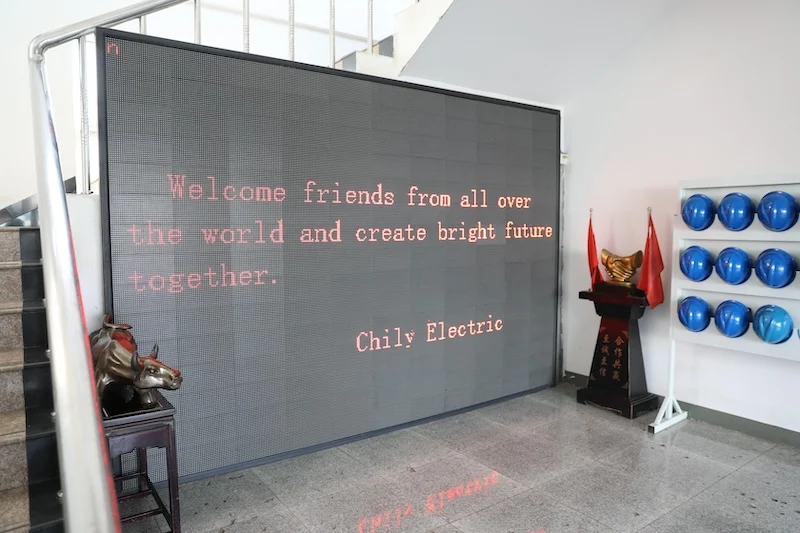
Shanghai Chily Electric Technology Co., Ltd.
- Trading Company
- Shanghai, China
- Lead time0 days
- Avg. response≤ 9h
Main productsWires, Power Cable, Control Cable, Fire Resistance Cable, Solar Cable
Main marketsDomestic Market(30.00%), Western Europe(20.00%), Southeast Asia(20.00%), Eastern Europe(10.00%), Mid East(10.00%), Eastern Asia(10.00%)
Guangdong LX Wire And Cable Co., Ltd.
- Verified by SGS Group
- Trading Company
- Lead time0 days
- Avg. response≤ 5h
Main productsPower Cable, Electric Cabl, Overhead Cable, Communication Cable, Cable and Power Accessories
Main marketsAfrica(30%), Western Europe(25%), Mid East(20%)
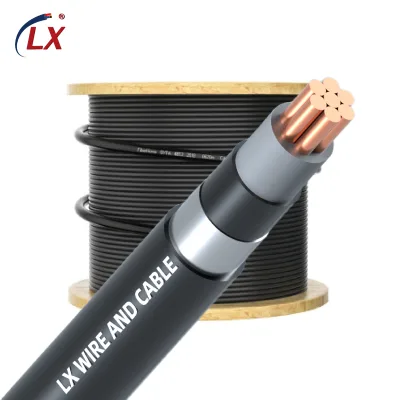
$0.10 - $5.00
MOQ: 100 Minimum
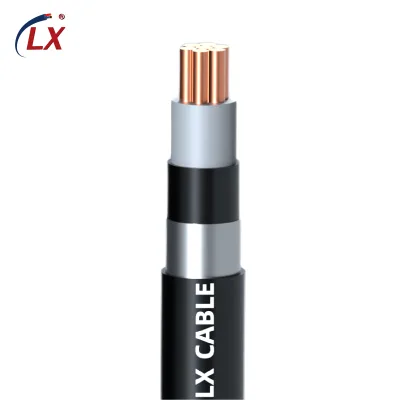
$0.105 - $5.2495
MOQ: 100 Minimum
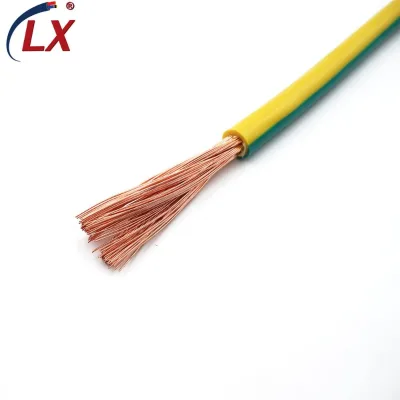
$0.26 - $0.43
MOQ: 3000 Minimum

- Trading Company,Manufacturer/Factory
- China Henan
- Lead time23 days
- Avg. response≤ 11h
Main productsControl Cable, XLPE Cable, Flexible Cable, PVC Cable, Siliicone Cable, Rubber Cable, Building Wire, Thhn, Teflon Wire, ACSR AAAC
Main marketsSouth America,Eastern Europe,Mid East,North America,Southeast Asia,Eastern Asia,Oceania,Western Europe,Africa


5core 0.75mm 1.5mm 2.5mm 4mm2 PVC Insulated Cables Flexible Electrical Cable
$0.10 - $1.50
MOQ: 500 Meters

Flexible Rubber PVC Insulated Electrical Wire 13 Core Copper Control Cable
$1.50 - $3.00
MOQ: 500 Meters


Zhengzhou Sanhe Cable Co., Ltd.
- Trading Company
- Henan, China
- Lead time18 days
- Avg. response≤ 2h
Main productsConcentric Cable Overhead Power Cable,Aerial Bundled Cable Overhead insulated cables,Bare conductor AAC AAAC ACSR GSW Enameled copper wire Aluminum or copper wire,Control cable Tree wire,Welding cablesRubber sheath flexible cable electrical wire and other special cables etc.
Main marketsCentral America(22.23%), Africa(22.22%), Southeast Asia(22.22%), South America(22.22%), North America(11.11%)
Shengzheng Hongguansheng Science And Technology Co., Ltd.
- Manufacturer, Trading Company
- Guangdong, China
- Lead time0 days
- Avg. response≤ 4h
Main productsSoft Silicone Wires, Electrical Wires, Shielded Wires, RGB Wires, Teflon Wires
Main marketsDomestic Market(65.00%), North America(15.00%), Western Europe(10.00%), South Asia(5.00%), Southern Europe(3.00%), Eastern Europe(2.00%)
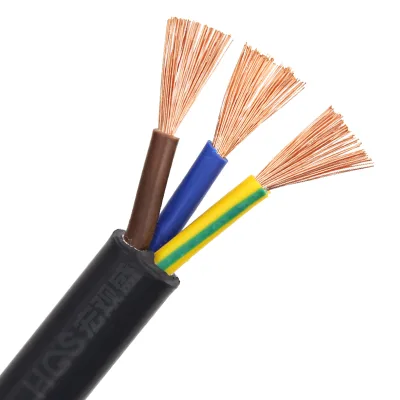
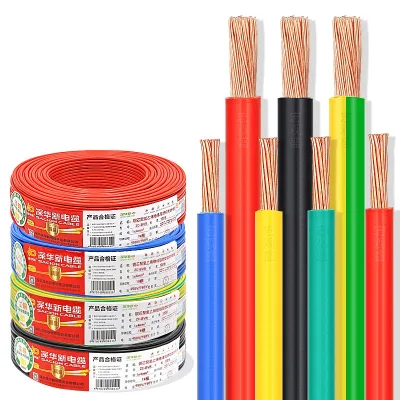
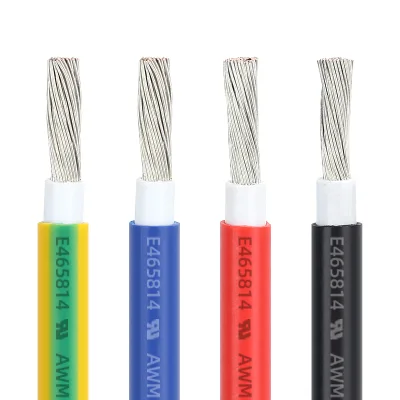
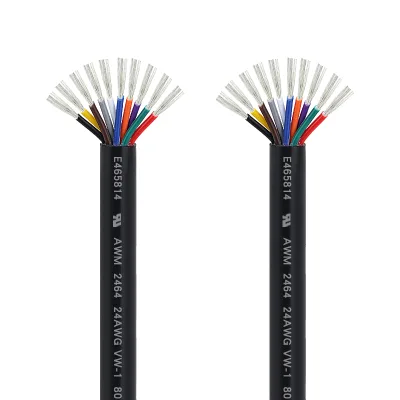
Multi Core Cable UL2464 24awg 10c Cable Top Quality signal Cable Low Voltage
$0.0103 - $1.0313
MOQ: 2000 Minimum

Guangxi Lifetime Cable Co., Ltd.
- Manufacturer
- Guangxi, China
- Lead time20 days
- Avg. response≤ 11h
Main productsBuilding Wire/ Solar Cable/ Power Cable/ Rubber Cable/ Aluminum Cable,welding cable,heating cable,silicone cable,Lan cable
Main marketsDomestic Market(60.00%), Africa(9.00%), Southeast Asia(8.00%), South America(8.00%), North America(5.00%), Mid East(2.00%), Eastern Europe(1.00%), South Asia(1.00%), Southern Europe(1.00%), Northern Europe(1.00%), Central America(1.00%), Western Europe(1.00%), Eastern Asia(1.00%), Oceania(1.00%)
Shenzhen Jzd Wire & Cable Co., Ltd.
- Verified by SGS Group
- Manufacturer, Trading Company
- Lead time7 days
- Avg. response≤ 3h
Main productsPlastic Insulated Cable, THHN Wire, Cross Linked PE Power Cable, Low Smoke Halogen Free Power Cable, Solar Cable
Main marketsDomestic Market(16%), Southeast Asia(15%), South America(10%)
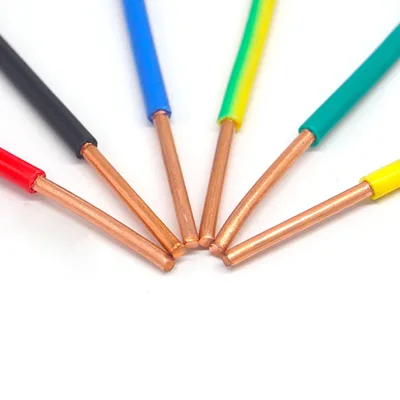
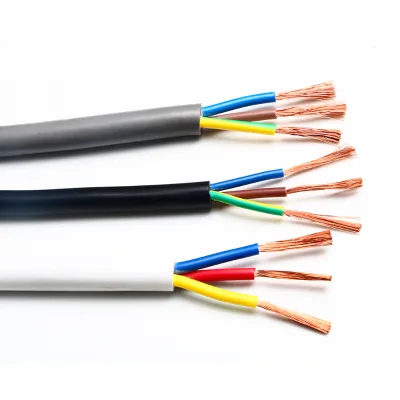
$0.1027 - $4.1103
MOQ: 100 Minimum
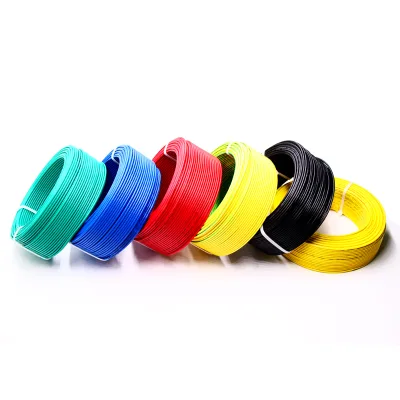
- Manufacturer, Trading Company
- Guangdong, China
- Lead time3 days
- Avg. response≤ 3h
Main productsElectrical Wire and Cable,silicone wire cable,Fluorine wire cable,Solar cable,hook up wire
Main marketsNorth America(35.00%), Southeast Asia(30.00%), Central America(6.00%), Western Europe(5.00%), Eastern Asia(5.00%), South America(5.00%), Northern Europe(4.00%), Africa(3.00%), South Asia(2.00%), Mid East(2.00%), Eastern Europe(1.00%), Southern Europe(1.00%), Oceania(1.00%)
Harbin Jiaolian Power Cable Manufacturing Co., Ltd.
- Manufacturer, Trading Company
- Heilongjiang, China
- Lead time15 days
- Avg. response≤ 8h
Main productsCable,Electric Wire,Cable Accessories,Electric Power Equipment,Materials For Cables
Main marketsDomestic Market(100.00%)

Shanghai Shenghua Cable Co., Ltd.
- Verified by BV
- Manufacturer/Factory
- China Shanghai
- Lead time15 days
- Avg. response≤ 6h
Main productsXLPE Insulation Power Cable, Electrical Cable, PVC Insulation Cable, Armored Power Cable, Rubber Sheath Cable, Mineral Insulation Cable, Solar Cable, Sepecial Cables, Silicon Rubber Sheath Cable, Medium Voltage Power Cable

Foshan POWENEX Technology Co., Ltd
- Verified by SGS
- Combined
- China Guangdong
- Lead time23 days
- Avg. response≤ 3h
Main productsElectrical Cables, Transformers, Switch Gears, LV/Mv Power Cables, Electrical Power Transmission & Distribution, Building Wires, Solar Cables, Switchgear Cabinets, Oil Immersed Distribution Transformers, Dry Type Transformers
Main marketsDomestic

Single-Core PVC Insulated Electrical Cable for Building Wiring Solutions
$3.00 - $150.00
MOQ: 500 Meters


SHENZHEN BENDAKANG CABLES HOLDING CO., LTD.
- Manufacturer
- Guangdong, China
- Lead time15 days
- Avg. response≤ 9h
Main productsElectrical Cable,Power Cable,Industrial Cable,Solar cable,Communication Cable
Main marketsDomestic Market(70.00%), Oceania(13.30%), Africa(3.00%), Southeast Asia(3.00%), South America(3.00%), Eastern Europe(1.20%), North America(1.00%), Central America(1.00%), Western Europe(1.00%), South Asia(1.00%), Southern Europe(1.00%), Northern Europe(0.50%), Eastern Asia(0.50%), Mid East(0.50%)
Haiyan County Sheng An Electric Co., Ltd.
- Verified by TüVRheinland
- Manufacturer, Trading Company
- Lead time30 days
- Avg. response≤ 4h
Main productsPower Cable, Power Cord, Extension Cord, Power Strip, PV Cable
Main marketsNorth America(20%), Southeast Asia(20%), Eastern Asia(20%)
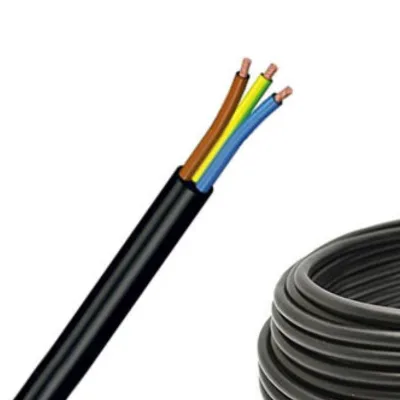
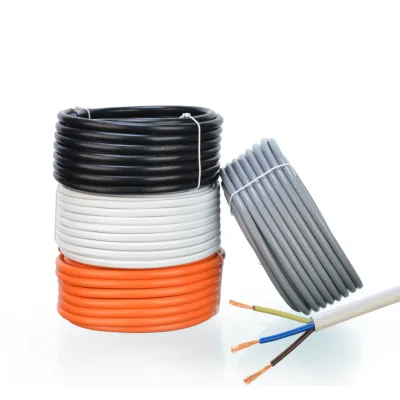
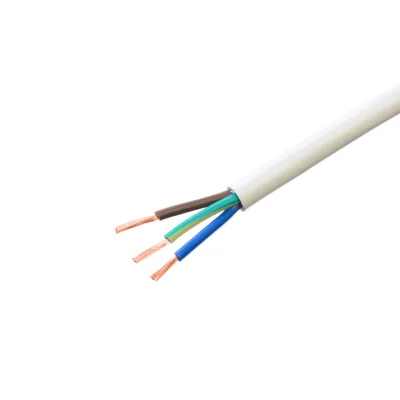
$0.3927 - $0.4332
MOQ: 1 meters

- Verified by SGS
- Combined
- China Shandong
- Lead time15 days
- Avg. response≤ 4h
Main productsXLPE Cable, PVC Cable, Power Cable, Electric Cable, Wire, Electric Wire, Medium Voltage Cable, Flexible Wire, Rubber Cable, Overhead Conductor
Main marketsEurope

Henan Jinshui Cable Group Co., Ltd.
- Verified by TUVRHEINLAND
- Combined
- China Henan
- Lead time15 days
- Avg. response≤ 13h
Main productsCable, Power Cable, Electric Wire, ACSR, XLPE Cable, ABC, AAAC, PVC Cable, AAC, Wire
Main marketsSouth America
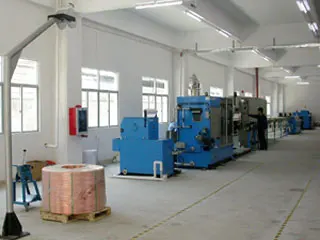
Shenzhen AMPXL Technology Co.,Ltd
- Manufacturer, Trading Company
- Guangdong, China
- Lead time15 days
- Avg. response≤ 8h
Main productsWire and Cable (LAN Cable,Coaxial Cable,Speaker Cable,Alarm Cable,Flexible Installation Cable)
Main marketsDomestic Market(50.00%), Southeast Asia(20.00%), Eastern Europe(15.00%), South America(5.00%), Africa(5.00%), Mid East(4.00%), Oceania(1.00%)


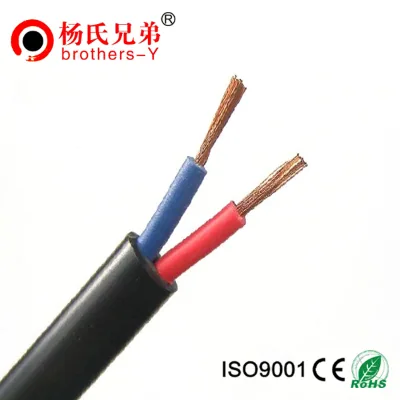
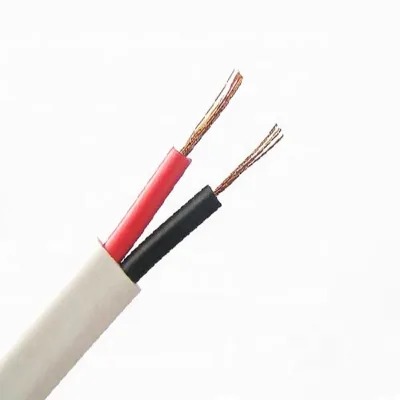


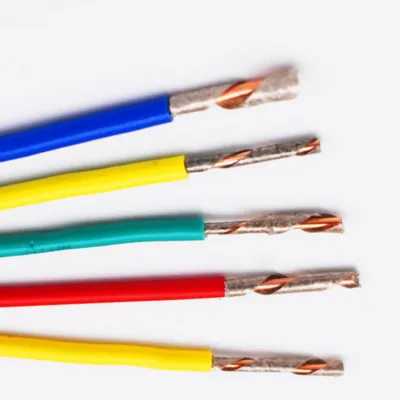
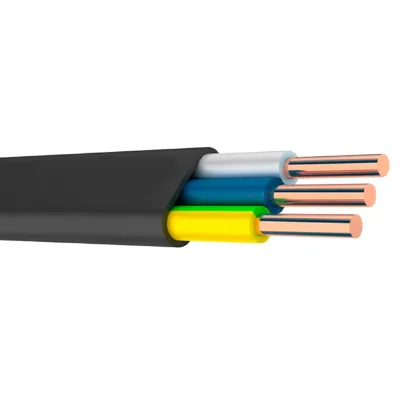
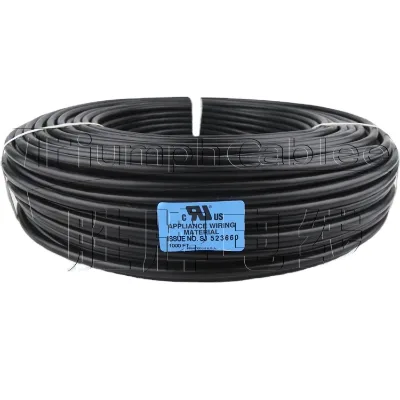
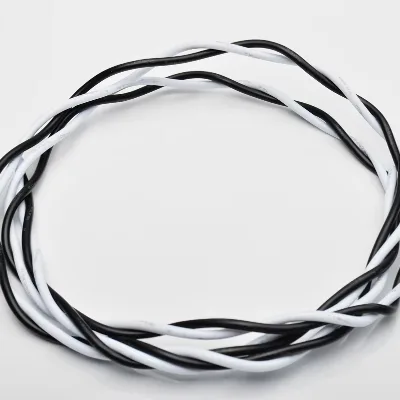
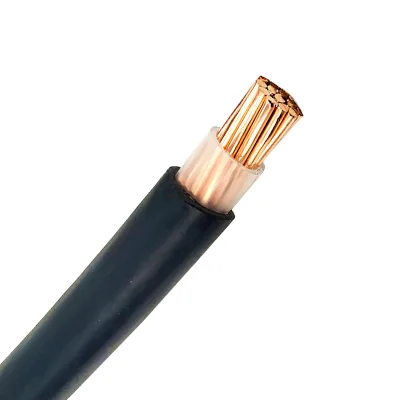




Comprehensive Sourcing Guide
105C PVC Insulated Electrical Cable Supplier Concentration and Factory Types
The current supplier landscape for 105C PVC insulated electrical cables reveals a concentration of manufacturing and trading entities primarily located in China, with specific clusters identified in Jiangsu, Henan, and Zhejiang provinces. These regions represent distinct operational models that influence sourcing strategies. In Jiangsu, suppliers are categorized as combined entities, indicating a hybrid capability that may blend manufacturing with direct sales or comprehensive trading services. This structure often supports a diverse product range, including single-core PVC insulated wires, multi-core flexible cables, and medium voltage options. The presence of ODM, OEM, and own brand capabilities in this region suggests that buyers seeking customized specifications or private labeling may find suitable partners here. The focus in Jiangsu appears to be on versatile electrical wiring solutions, ranging from standard house wiring to specialized flexible cables, catering to a broad spectrum of electrical equipment and supply needs.
In contrast, suppliers in Henan and Zhejiang present different operational profiles that affect procurement decisions. Henan-based suppliers are often associated with a wider array of conductor types, including ACSR, AAC, and AAAC conductors, alongside standard PVC insulated wires and power cables. This diversity suggests a strong industrial base capable of handling both low-voltage building wires and higher-capacity power transmission solutions. Meanwhile, Zhejiang suppliers are identified as trading companies, which may offer streamlined procurement processes for power cords, plugs, and wiring harnesses alongside electrical wires. The distinction between combined manufacturers and pure trading companies is critical for buyers evaluating supply chain transparency. Trading companies might offer greater flexibility in order sizes and product mixing, while combined entities or manufacturers in Jiangsu and Henan may provide deeper technical support and production control. Understanding these regional and structural differences allows buyers to align their sourcing strategy with their specific volume, customization, and logistical requirements.
How to Verify 105C PVC Insulated Electrical Cable Suppliers
Verification of suppliers for 105C PVC insulated electrical cables requires a rigorous examination of third-party credentials and system certifications to ensure product reliability and operational integrity. Buyers should prioritize suppliers who hold recognized international quality and environmental management certifications, such as ISO9001:2015 and ISO14001:2015. These certifications indicate a standardized approach to quality control and environmental responsibility, which are crucial for consistent cable performance. Additionally, product-specific certifications like RoHS, CCC, CE, and UL are essential for ensuring compliance with safety and environmental regulations in target markets. The presence of these certifications on product listings serves as a primary indicator of a supplier’s commitment to meeting industry standards. Buyers must verify that these certifications are current and applicable to the specific cable models being sourced, as non-compliance can lead to significant regulatory hurdles and product rejections in international trade.
Beyond certifications, the verification status provided by independent inspection agencies is a critical factor in assessing supplier credibility. Suppliers in the current results are verified by reputable organizations such as TÜV Rheinland, SGS, and BV. These verifications provide an additional layer of trust by confirming the supplier’s business legitimacy and operational capabilities. For instance, a supplier verified by TÜV Rheinland or SGS suggests a higher level of scrutiny regarding their manufacturing processes and business practices. Buyers should also look for evidence of third-party inspection acceptance, which indicates a willingness to undergo independent quality checks before shipment. This transparency is particularly important for high-volume orders or critical infrastructure projects where cable failure is not an option. By cross-referencing certification claims with verification badges and inspection policies, buyers can significantly reduce the risk of engaging with unreliable suppliers and ensure that the 105C PVC insulated electrical cables meet the required technical and safety specifications.
What to Compare Across 105C PVC Insulated Electrical Cable Suppliers
When evaluating suppliers for 105C PVC insulated electrical cables, buyers must compare key operational metrics such as lead times, minimum order quantities (MOQs), and response speeds to determine supply chain efficiency. Lead times vary significantly among suppliers, with some offering a 15-day turnaround while others may require up to 30 days. This difference can impact project timelines and inventory management strategies, making it essential to align supplier capabilities with production schedules. Similarly, MOQs range from as low as 1 unit for flexible trading options to 3000 units for standard manufacturing runs. Buyers with smaller volume requirements may need to seek trading companies or suppliers with flexible MOQ policies, whereas large-scale projects can leverage manufacturers offering lower per-unit costs through bulk orders. Response time is another critical metric, with some suppliers responding within hours, while others may take over a day. Faster response times often correlate with better customer service and quicker resolution of technical queries, which is vital for complex sourcing scenarios.
Product specifications and customization options also play a pivotal role in supplier comparison. Buyers should assess the availability of specific cable types, such as single-core, multi-core, or flexible cables, and verify if the supplier offers customization services. Some suppliers explicitly state that customization is available, allowing for tailored insulation materials, conductor types, and packaging options. Additionally, the range of main products offered by a supplier can indicate their specialization and capacity. Suppliers focusing on a narrow range of electrical wires may offer deeper expertise in those specific products, while those with a broader portfolio, including power cables and conductors, may provide more comprehensive sourcing solutions. Price ranges also vary, with some suppliers offering competitive rates for standard products while others may have higher price points for specialized or certified cables. By systematically comparing these dimensions, buyers can identify suppliers that best match their technical requirements, volume needs, and logistical constraints, ensuring a balanced approach to cost, quality, and service.
Common 105C PVC Insulated Electrical Cable Sourcing Risks
Sourcing 105C PVC insulated electrical cables involves several risks that buyers must proactively manage to ensure product quality and supply chain stability. One significant risk is the variability in product certifications and compliance standards. While many suppliers list certifications such as RoHS, CCC, CE, and UL, buyers must verify that these certifications are valid and applicable to the specific cable models. Inconsistent or expired certifications can lead to regulatory non-compliance in the destination market, resulting in product seizures or legal penalties. Additionally, the risk of substandard materials is prevalent in the electrical cable industry. Buyers should be cautious of suppliers who do not provide detailed product attributes, such as conductor material and insulation thickness. Without clear specifications, there is a risk of receiving cables that do not meet the required temperature ratings or electrical performance standards, which can compromise the safety and reliability of the final electrical installation.
Another critical risk is the inconsistency in lead times and order fulfillment capabilities. Suppliers may advertise short lead times, but actual production delays can occur due to raw material shortages or capacity constraints. This discrepancy can disrupt project timelines and increase inventory holding costs. Furthermore, the risk of communication barriers and service gaps is heightened when dealing with trading companies or suppliers with slower response times. Miscommunication regarding technical specifications, packaging requirements, or shipping instructions can lead to errors in order fulfillment. Buyers should also be aware of the risk associated with varying MOQs. Suppliers with high MOQs may not be suitable for small-scale projects, while those with low MOQs may charge premium prices. To mitigate these risks, buyers should conduct thorough due diligence, request samples for quality testing, and establish clear communication channels with suppliers. Implementing strict quality control measures and third-party inspections can also help ensure that the 105C PVC insulated electrical cables meet the required standards before shipment.
105C PVC Insulated Electrical Cable Regional Sourcing and Logistics
Regional sourcing of 105C PVC insulated electrical cables from China offers distinct logistical advantages and challenges depending on the supplier’s location. Suppliers in Jiangsu, Henan, and Zhejiang provinces are strategically positioned to facilitate efficient export operations. Jiangsu, known for its robust manufacturing infrastructure, provides access to a wide range of electrical wire and cable products, including single-core and multi-core options. The region’s proximity to major ports like Shanghai and Ningbo allows for streamlined shipping processes, reducing transit times and logistics costs. Buyers sourcing from Jiangsu can benefit from the region’s established supply chain networks, which support both OEM and ODM production models. This makes Jiangsu an ideal location for buyers seeking customized cable solutions with reliable production capabilities and efficient export logistics.
Henan and Zhejiang offer alternative sourcing options with their own logistical profiles. Henan, located in central China, provides access to a diverse range of conductors and power cables, catering to both domestic and international markets. The region’s industrial base supports large-scale production, making it suitable for high-volume orders. However, buyers should consider the inland location when planning logistics, as it may require additional transportation steps to reach coastal ports. Zhejiang, on the other hand, is home to trading companies that specialize in power cords, plugs, and wiring harnesses. These trading companies often leverage the region’s proximity to Ningbo-Zhoushan Port, one of the busiest ports in the world, to offer fast and cost-effective shipping solutions. Buyers sourcing from Zhejiang may benefit from the flexibility and speed of trading companies, which can consolidate orders from multiple suppliers to optimize logistics. Understanding these regional differences allows buyers to make informed decisions about sourcing locations, balancing cost, speed, and product availability to meet their specific project requirements.
105C PVC Insulated Electrical Cable Commercial Terms and Order Planning
Commercial terms and order planning for 105C PVC insulated electrical cables require careful attention to pricing structures, payment terms, and packaging specifications to ensure cost-effective and secure transactions. Pricing for these cables varies based on factors such as conductor material, insulation thickness, and certification requirements. Buyers should request detailed quotes that break down costs per unit, considering the MOQ and volume discounts. Some suppliers offer competitive pricing for standard products, while others may charge premiums for specialized or certified cables. It is essential to compare prices across multiple suppliers to identify the best value proposition, while also considering the total cost of ownership, including shipping, insurance, and potential tariffs. Payment terms should be negotiated to balance risk and cash flow, with options such as escrow services providing security for both buyers and suppliers.
Packaging and shipping terms are also critical components of order planning. Suppliers typically offer various packaging options, such as rolled reels or palletized shipments, to protect the cables during transit. Buyers should specify their preferred packaging method to ensure the cables arrive in optimal condition. Additionally, lead times and delivery schedules must be aligned with project requirements to avoid delays. Some suppliers offer flexible lead times, while others may have fixed production schedules. Buyers should confirm these details before placing orders to ensure timely delivery. Furthermore, buyers should inquire about sample availability and third-party inspection services, which can provide additional assurance of product quality. By carefully planning commercial terms and order logistics, buyers can mitigate risks, optimize costs, and ensure a smooth procurement process for 105C PVC insulated electrical cables, ultimately supporting the success of their electrical projects.
FAQs
What certifications are available for PVC insulated electrical cables?
Suppliers offer RoHS, CCC, CE, and ISO certifications for their PVC insulated electrical cables. These standards ensure the copper conductors and PVC insulation meet international safety and environmental requirements. Buyers should verify specific certificates like ISO9001:2015 or ISO14001:2015 directly with the manufacturer to confirm compliance for their project needs.
What is the typical lead time for PVC insulated cables?
Lead times for PVC insulated cables vary by supplier, ranging from 15 to 30 days. Some manufacturers in China offer faster turnaround times of 15 days, while others may require up to 30 days for production. Buyers should confirm the exact delivery schedule with the supplier before placing an order to ensure timely project completion.
What is the minimum order quantity for these cables?
Minimum order quantities for PVC insulated electrical cables typically range from 1 to 3000 units. Some suppliers accept orders as low as one unit, while others require a minimum of 1000 or 3000 units. Buyers should check the specific MOQ requirements with each supplier to determine the best fit for their purchasing volume.
What is the price range for PVC insulated electrical cables?
Prices for PVC insulated electrical cables generally range from $0.10 to $999.00 per unit. The cost depends on factors such as conductor material, insulation thickness, and certification requirements. Buyers should request detailed quotes from multiple suppliers to compare pricing and ensure they receive competitive rates for their specific cable specifications.
How quickly do suppliers respond to inquiries?
Supplier response times for PVC insulated cable inquiries vary, with some responding within 2.63 hours and others taking up to 15.84 hours. Faster response times indicate more responsive customer service teams. Buyers should prioritize suppliers with quicker response times to ensure efficient communication and timely resolution of any questions or concerns during the sourcing process.
Are OEM and ODM services available for these cables?
Yes, many suppliers offer OEM and ODM services for PVC insulated electrical cables. Buyers can customize cable specifications, including conductor material, insulation type, and packaging. Some suppliers also support own brand development. Buyers should discuss their specific customization requirements with the supplier to ensure the final product meets their exact needs and quality standards.