20 Ton Hydraulic Used Excavator Suppliers and Manufacturers
Explore 27 verified listings for the 20 Ton Hydraulic Used Excavator to compare lead times, response times, and certifications like SGS or TUVRHEINLAND. Review product attributes such as year of manufacture and warranty before contacting suppliers directly; review the available evidence before requesting comparable quotations from suitable candidates.
Updated
Suppliers List

Shanghai Lingtai Construction Machinery Co., Ltd.
- Verified by SGS
- Trading Company
- China Anhui
- Lead time30 days
- Avg. response≤ 1h
Main productsUsed Constrution Machinery, Used Excavator, Used Forklift, Used Bulldozer, Used Grader, Used Asphalt Paver, Used Road Roller, Used Crane Truck
Main marketsSouth America,Domestic

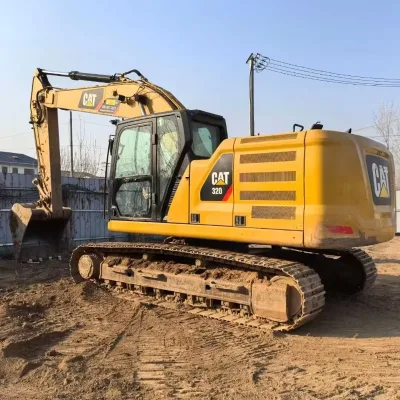
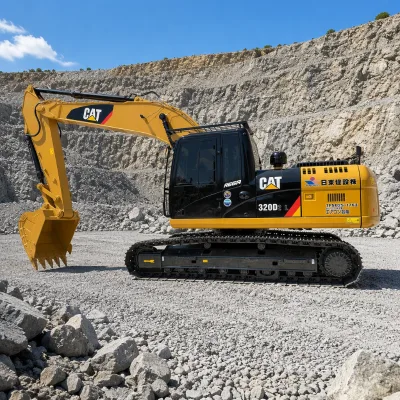
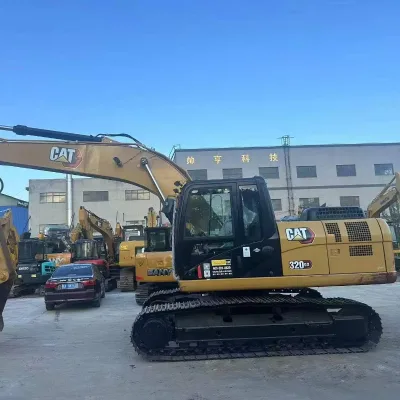
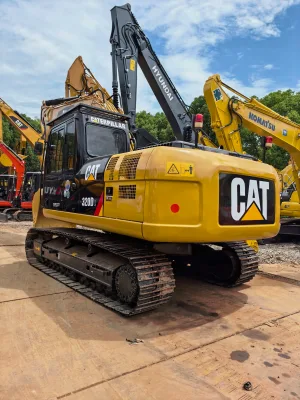
Used Excavators 320d Excavator 20 Ton Hydraulic Secondhand Crawler Excavator
$20000.00 - $25000.00
MOQ: 1 Pieces

Used 320gc Excavator Big Digger 20 Ton Excavator 320gc with High Quality Is for Sale
$46000.00
MOQ: 1 Pieces

Hunan Sanjingzhongbang Import and Export Trade Co., Ltd
- Verified by TUVRHEINLAND
- Trading Company
- China Hunan
- Lead time60 days
- Avg. response≤ 3h
Main productsConstruction Machinery Sales
Main marketsDomestic


Brand New 20 Ton Heavy Duty Excavator with Good Performance Best Price
$57000.00 - $65000.00
MOQ: 1 Pieces


Jinan Tui Wa Import and Export Trading Company
- Verified by TUVRHEINLAND
- Trading Company
- China Shandong
- Lead time15 days
- Avg. response≤ 11h
Main productsExcavator
Main marketsSoutheast Asia/ Mideast

Shandong Ant Heavy Industry Technology Co., Ltd.
- Trading Company
- China Shandong
- Lead time0 days
- Avg. response≤ 9h
Main productsUsed Excavators, Used Bulldozers, Concrete Pump Truck, Used Motor Grader, Used Loader


2021 Client Selection Digger Wheel for Sale Used Machine Hydraulic 20 Ton Excavator
$10000.00 - $15000.00
MOQ: 1 Pieces


High-Quality Used 22 Ton Hydraulic Excavator Low Working Hours Premium Condition
$28000.00
MOQ: 1 Pieces

Shanghai Huaiyun Machenical Equipment Co., Ltd.
- Verified by SGS
- Trading Company
- China Shanghai
- Lead time15 days
- Avg. response≤ 1h
Main productsExcavator, Loader, Bulldozer, Backhoe, Motor Grader, Spare Parts, Bucket, Quick Hitch, Hammer, Rubber Track
Main marketsSouth America,Africa,Southeast Asia/ Mideast,Europe,Australia,North America


Heavy Equipment 20ton Hydraulic Excavators Used Original Cat 320gc
$33000.00 - $35000.00
MOQ: 1 Pieces


Construction Equipment 20ton Used Excavators Cat 320c 320d 320gc for Sell
$36000.00 - $39500.00
MOQ: 1 Pieces

Zhonglei Truck Trading Co., Ltd.
- Verified by BV
- Trading Company
- China Shandong
- Lead time15 days
- Avg. response≤ 3h
Main productsTruck, Dumptruck, Semitrailer, Traction Truck
Main marketsSouth America,Africa,Others(foreignTradeCapacity.exportBusinessCapacityMarketOther)

Original Used 20 Ton Digger Crawler Hydraulic Excavator with High Quality
$5000.00 - $7000.00
MOQ: 1 Pieces


QINGDAO XINJIANGHUI INTERNATIONAL TRADING CO., LTD
- Verified by CTI
- Trading Company,Manufacturer/Factory
- China Shandong
- Lead time38 days
- Avg. response≤ 3h
Main productsBrand New Sinotruk Trucks, Brand New Shacman Trucks, Brand New FAW Trucks, Engineering Machinery, Used Trucks, Trailers, Cars, Truck Spare Parts, Bus Spare Parts, Machinery Spare Parts
Main marketsSouth America,Mid East,North America,Southeast Asia,Eastern Asia,Oceania,Africa


Hot Selling 20 Tons Used Excavator 320d in Good Condition for Zambia
$29000.00 - $35000.00
MOQ: 1 UNIT

Hainan Huanyu Hongtu International Trade Co., Ltd.
- Trading Company
- Hainan, China
- Lead time20 days
- Avg. response≤ 1h
Main productsSales of newcars and heavy trucks,Second hand heavy truck sales,Freight forwarder,information service
Main marketsDomestic Market(10.00%), South Asia(10.00%), Southern Europe(10.00%), Northern Europe(10.00%), Central America(10.00%), Western Europe(10.00%), Eastern Asia(10.00%), Mid East(10.00%), Oceania(10.00%), Africa(10.00%), Southeast Asia(10.00%), Eastern Europe(10.00%), South America(10.00%), North America(10.00%)
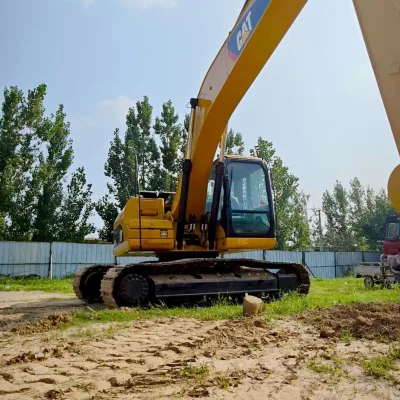
2019 Hydraulic Excavator 22 Ton Original Equipment Used Earth-moving Machinery
$16800.00 - $23800.00
MOQ: 1 units
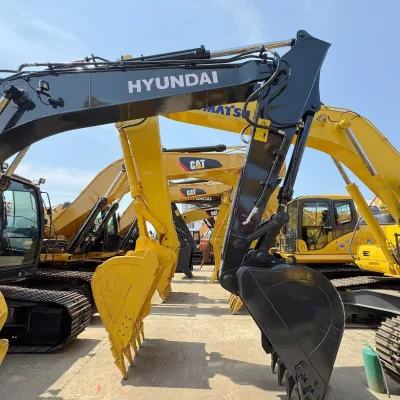
Original Hydraulic Excavator 220 Second Hand Imported Excavator for Engineering
$16800.00 - $23800.00

Shanghai Yinqie Machine Trade Co., Limited.
- Manufacturer/Factory
- China Shanghai
- Lead time15 days
- Avg. response≤ 9h
Main productsUsed Construction Machine, Used Excavator, Used Road Roller, Used Wheel Loader, Used Bulldozer, Used Motor Grader, Used Construction Machinery, Used Construction Equipment, Used Heavy Equipment, Used Heavy Machine
Main marketsSouth America,Eastern Europe,Mid East,Southeast Asia,Eastern Asia,Oceania,Africa

Second Hand Excavator Machine Used Cat 320d Excavator 20 Tons Excavator
$23000.00 - $28000.00
MOQ: 1 Sets


High Performance 20 Tons Medium Excavator Used Caterpillar 320 Excavator for Sale
$43000.00 - $50000.00
MOQ: 1 Sets

High Performance Used Excavators Caterpillar 320cl 20 Tons Cat Excavator for Sale
$18000.00 - $20000.00
MOQ: 1 Sets

Taian Hiosen Machinery Co., Ltd.
- Verified by SGS
- Trading Company
- China Shandong
- Lead time15 days
- Avg. response≤ 4h
Main productsUsed Excavator, Used Loader, Mini Excavator, Wheel Loader, Backhoe, Motor Grader, Bulldozer, Forklift
Main marketsEurope


Crawler Excavator 20 Tons Used Excavator for Sale Original Parts Good Condition
$23000.00 - $28000.00
MOQ: 1 Sets

Used Excavator Caterpillar 320 Hydraulic Crawler Digger 20ton Caterpillar Excavator
$22000.00 - $28000.00
MOQ: 1 Sets


Henan Tarzan Heavy Industry Group Co., Ltd.
- Verified by SGS Group
- Manufacturer, Trading Company
- Lead time35 days
- Avg. response≤ 4h
Main productsExcavator, Loader, Bulldozer, Road Roller, Truck Crane
Main marketsAfrica(50%), South America(15%), Mid East(10%)
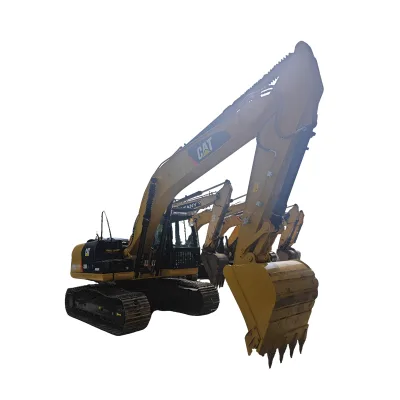
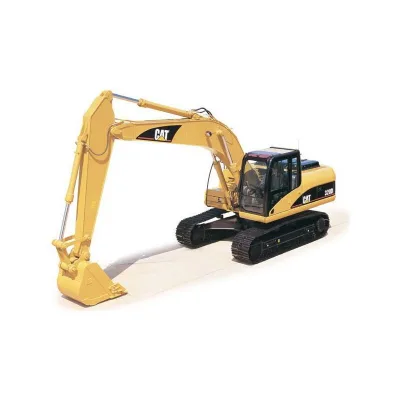
In Good Condition 20 Tonne Excavator Excavator 20ton Second Used Excavator Cat 320
$18500.00 - $21800.00
MOQ: 1
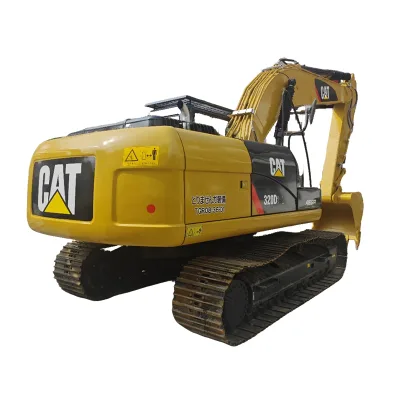
High Quality Low Price Cheap Excavators for Sale Caterpillar Excavator Used 20 Ton Excavator
$18500.00 - $21800.00
MOQ: 1
Suzhou Dingfei Trading Co., Ltd.
- Trading Company
- Jiangsu, China
- Lead time15 days
- Avg. response≤ 2h
Main productsused excavator,road roller,track,loader,crane
Main marketsAfrica(20.00%), North America(10.00%), Western Europe(10.00%), Eastern Europe(10.00%), South America(10.00%), Domestic Market(5.00%), South Asia(5.00%), Southern Europe(5.00%), Northern Europe(5.00%), Central America(5.00%), Southeast Asia(5.00%), Eastern Asia(5.00%), Mid East(5.00%), Oceania(5.00%)
$16780.00 - $17280.00
MOQ: 1 carats

- Trading Company
- Zhejiang, China
- Lead time45 days
- Avg. response≤ 7h
Main productsexcavator,forklift,loader,earthmover,land leveller
Main marketsOceania(10.00%), Africa(10.00%), Southeast Asia(10.00%), Eastern Europe(10.00%), South America(10.00%), North America(10.00%), Domestic Market(5.00%), South Asia(5.00%), Southern Europe(5.00%), Northern Europe(5.00%), Central America(5.00%), Western Europe(5.00%), Eastern Asia(5.00%), Mid East(5.00%)
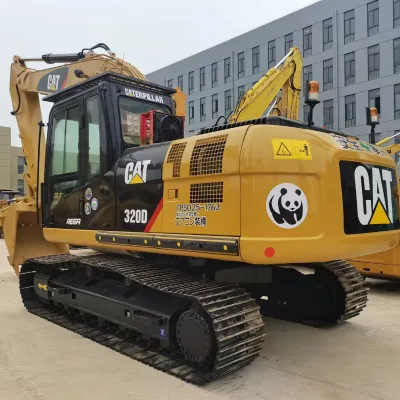
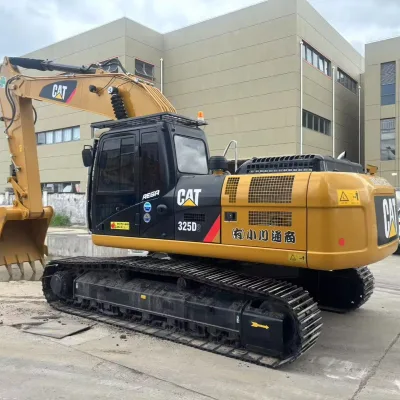
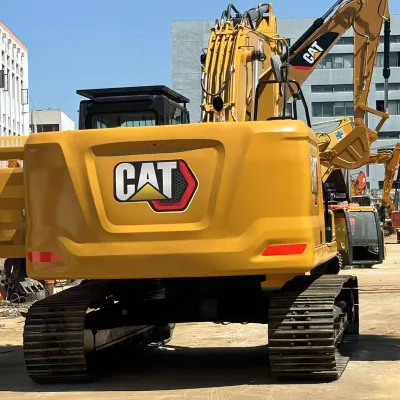
Used Caterpillar 20-ton excavators 320D 320D2 320GC 320D2GC excavators
$21600.00 - $23600.00
Xinxiang Dongfeng Xinda Heavy Industry Co., Ltd.
- Verified by TüVRheinland
- Manufacturer, Trading Company
- Lead time30 days
Main productsCement Conveyer, Pump Truck, Aerial Work Vehicle, Carriage Detachable Truck, Mobile Detachable Mixing Station
Main marketsDomestic Market(75%), Mid East(8%), Southeast Asia(7%)
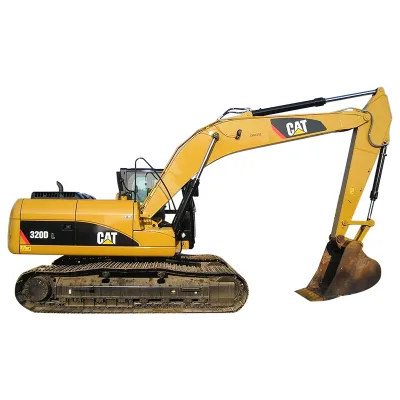
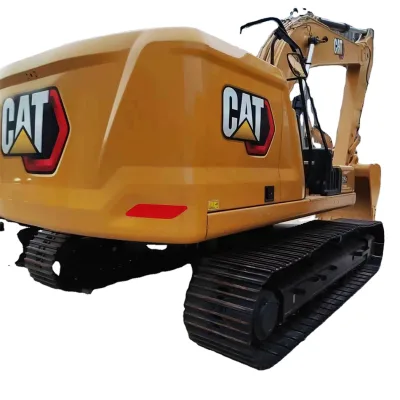
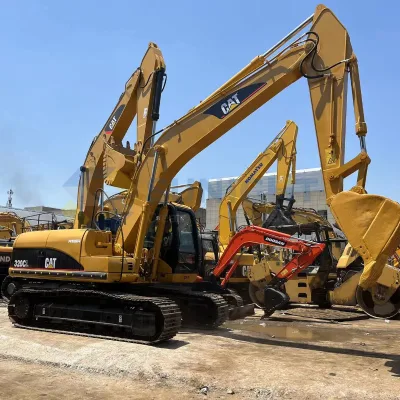
Used and New 20ton CAT 320GC Excavator Mining Quarry Rock Excavators
$18000.00 - $19000.00
Shanghai Kaiyi Trading Co., Ltd.
- Trading Company
- Shanghai, China
- Lead time0 days
- Avg. response≤ 5h
Main productsTruck crane, Excavator, Wheel loader, Bulldozer, Forklift
Main marketsSouth America(30.00%), Mid East(30.00%), Africa(20.00%), South Asia(10.00%), Southeast Asia(10.00%)
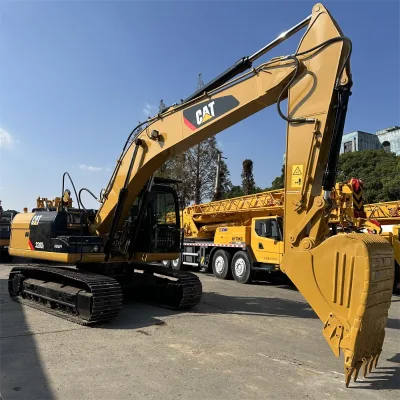
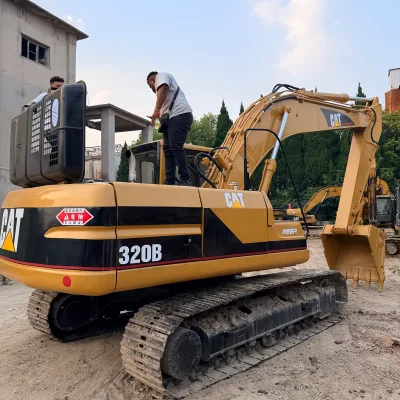
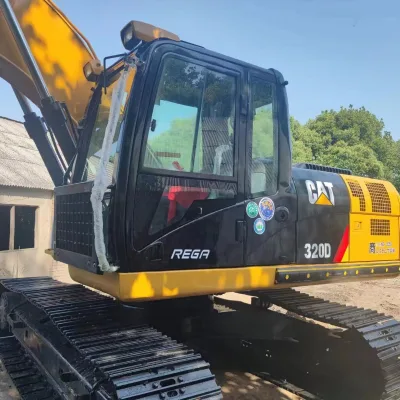
Used Excavator CAT 320D 20 Ton Fast - Acting Hydraulic Cylinders for Quick Cycles
$3930.1067 - $7016.5777
MOQ: 1 units
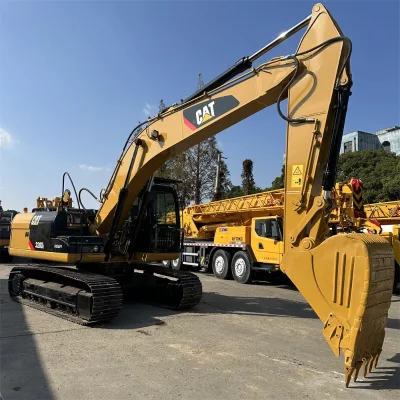
Used Excavator CAT 320D 20 Ton Compact Counterweight Design for Maneuverability
$3927.416 - $7011.7734
MOQ: 1 units
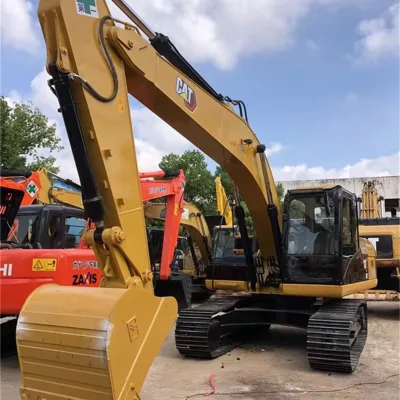
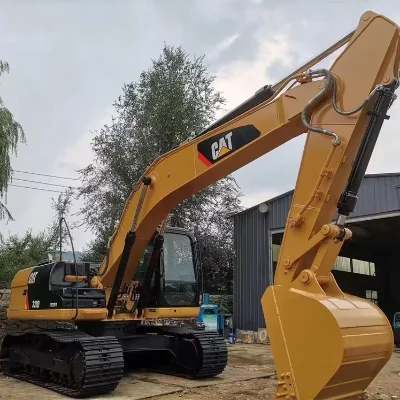
$3935.5466 - $7026.2897
MOQ: 1 units
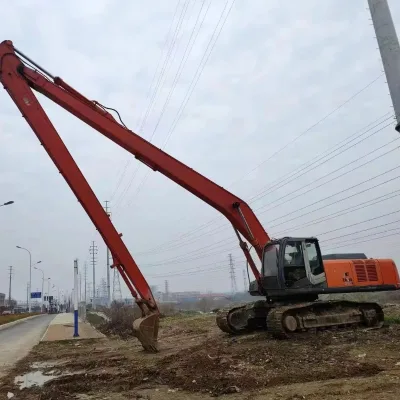
Extended Reach Excavator PC320C ZX350 Used Excavators Secondhand Digger for Sale
$5000.00 - $8820.00
MOQ: 1 units
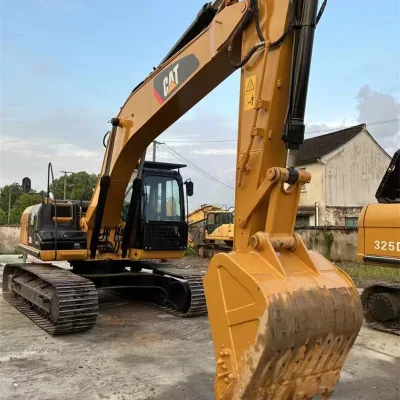

Hefei Huake Import and Export Co., Ltd.
- Trading Company,Manufacturer/Factory
- China Anhui
- Lead time30 days
- Avg. response≤ 4h
Main productsExcavator, Dump Truck, Tractor Truck, Wheel Loader, Carne, Bulldozer, Forklift
Main marketsSouth America,Mid East,Africa

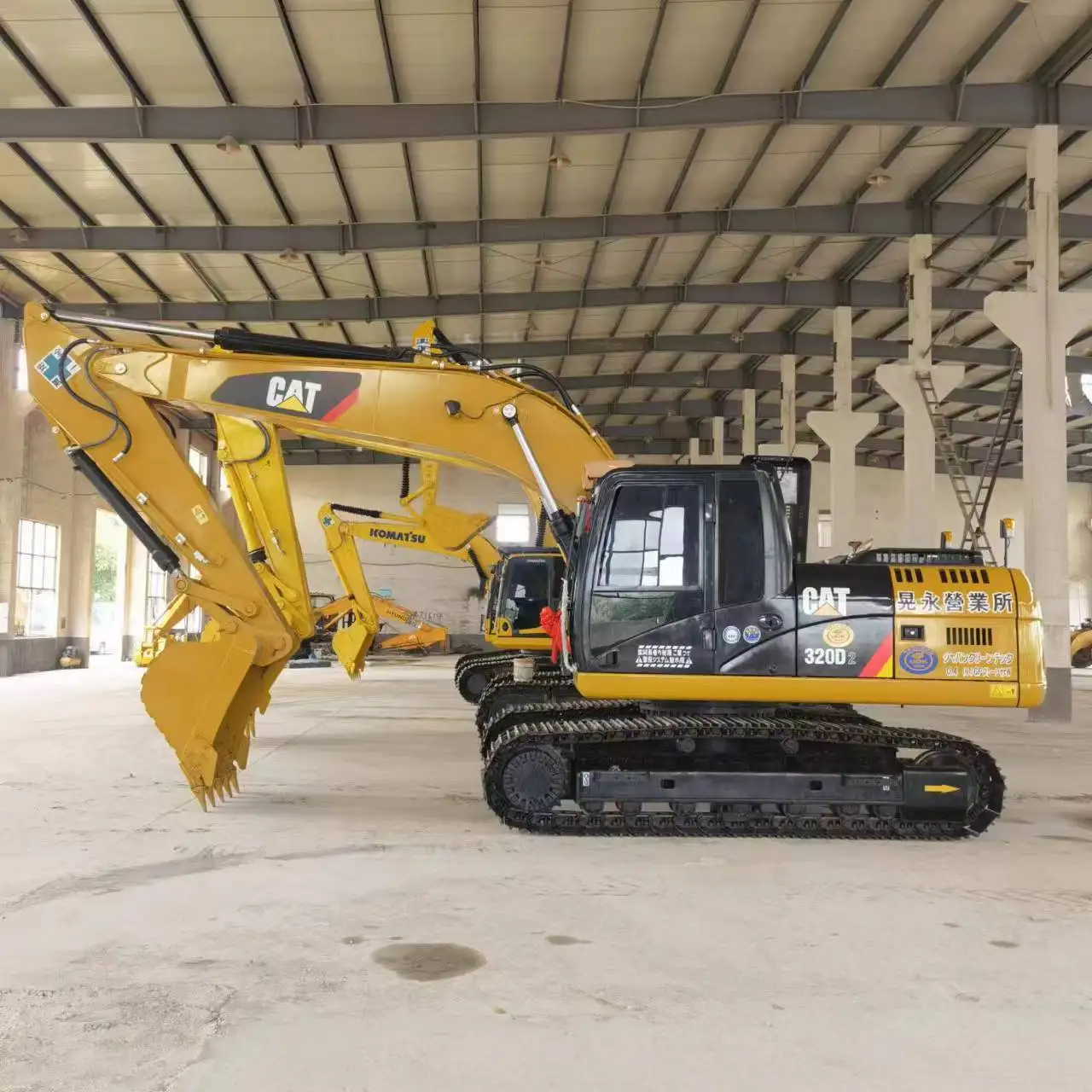
Premium Used Cat 320cl Excavator - Reliable 20 Ton Heavy Equipment
$12000.00 - $25000.00
MOQ: 1 Pieces

Anhui Haikuo Huajian Constuction Engineering Equipment Co., Ltd.
- Trading Company
- Anhui, China
- Lead time5 days
- Avg. response≤ 5h
Main productsExcavator; Loader ; Road Roller; Motor grader ; Truck and Crane ; Forklift ; Crawler Bulldozer
Main marketsDomestic Market(90.00%), North America(10.00%)
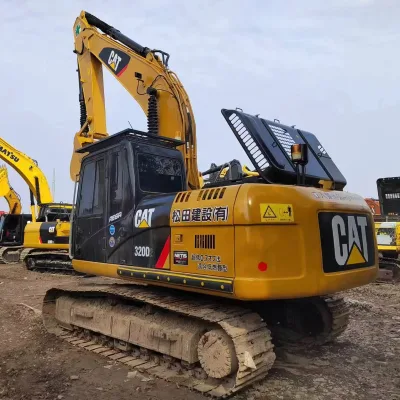
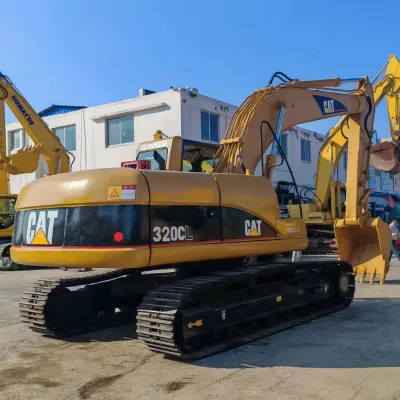
$20515.9496 - $26784.1395
MOQ: 1 units
Shanghai Huaiyun Machenical Equipment Co., Ltd.
- Verified by Intertek
- Trading Company
- Lead time0 days
- Avg. response≤ 1h
Main productsUsed Excavators, Used Loaders, Used Backhoe Loaders, Used Bulldozers, Spare Parts
Main marketsAfrica(30%), South America(15%), Southeast Asia(10%)
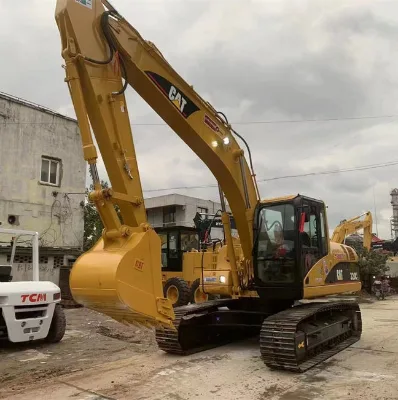
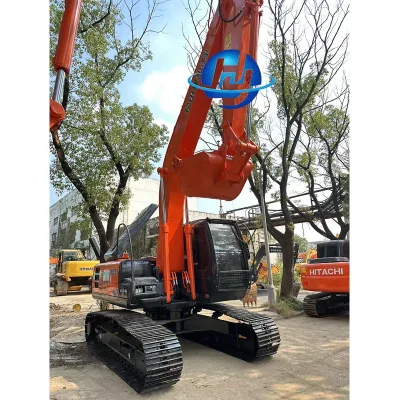
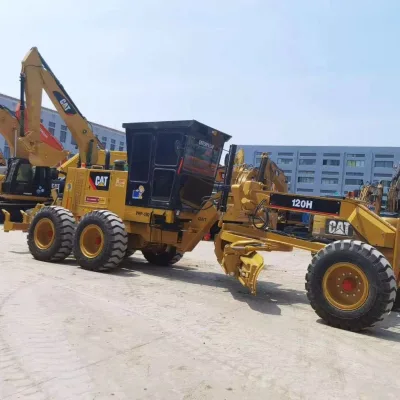
$8080.00
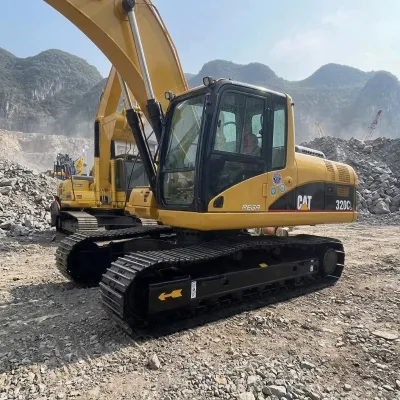

China Machinery Trading Limited
- Verified by CTI
- Trading Company
- China Shanghai
- Lead time15 days
- Avg. response≤ 7h
Main productsUsed Excavator, Used Wheel Loader, Used Bullzoder, Used Roller, Used Grader, Used Skid Steer Loader, Used Backhoe, Used Forklift, Used Crane, Used Construction Machinery
Main marketsSouth America,Africa,Southeast Asia/ Mideast

20 Ton Cat 320bl Heavy Duty Excavators 320gc 320b 320bl 320cl 320dl 320d2 Used Excavator
$8000.00 - $16000.00
MOQ: 1 Pieces

Low Price Used 320gc 320d 320c 320b 320 20 Tons Excavator for Sale
$18000.00 - $19500.00
MOQ: 1 Pieces


Shandong Hixen Machinery Co., Ltd.
- Verified by BV
- Trading Company
- China Shandong
- Lead time30 days
- Avg. response≤ 3h
Main productsMini Excavator, Wheel Excavator, Telehandler, Skid Steer Loader, Backhoe Loader, Used Excavator, Forklift, Used Wheel Loader, Wheel Loader, Tractor
Main marketsSouth America,Africa,Southeast Asia/ Mideast,East Asia(Japan/ South Korea),Domestic,Europe,Australia,North America
Hefei Keyue Construction Machinery Co., Ltd.
- Verified by TüVRheinland
- Trading Company
- Lead time0 days
Main productsUsed Excavators, Loaders, Rollers, Bulldozer
Main marketsSoutheast Asia(20%), Eastern Europe(10%), Western Europe(10%)

Shanghai Leshanhui Machinery Equipment Co.,Ltd
- Trading Company
- China Shanghai
- Lead time0 days
- Avg. response≤ 4h
Main productsUsed Excavator, Wheel Loader, Forklift, Compactor, Grader, Breaker Hammer


Hot Sale 320 320gc 320gx New Excavator 20 Ton Heavy Duty Excavator
$28000.00 - $46000.00
MOQ: 1 Pieces


20 Ton Cat320c Excavator used Reliable Quality and Easy Operation for Sale
$15000.00 - $25000.00
MOQ: 1 Pieces

20ton Original Paint Used Excavator 320gx in Good Condition 320gc 320gx
$40000.00 - $60000.00
MOQ: 1 Pieces
Shanghai All Win Construction Machinery Co., Ltd.
- Trading Company
- Shanghai, China
- Lead time5 days
- Avg. response≤ 1h
Main productsUsed Excavator,Used Loader,Used Grader,Used Bulldozer,Used Backhoe
Main marketsNorth America(60.00%), Mid East(10.00%), Africa(10.00%), Southeast Asia(10.00%), South America(10.00%)

Anhui Weihu Construction Machinery Co., Ltd.
- Trading Company
- China Anhui
- Lead time0 days
- Avg. response≤ 3h
Main productsConstruction Machinery and Equipment, Car, Excavator, Engine, Loader, Engine Part, Truck, Crane, Skid Steer Loader, Roller

Hot Sale 320 320gc 320gx New Excavator 20 Ton Heavy Duty Excavator
$71000.00 - $85000.00
MOQ: 1 Pieces


Hefei Hengsheng Engineering Machinery Co., Ltd.
- Trading Company
- Anhui, China
- Lead time15 days
- Avg. response≤ 10h
Main productsConstruction and building materials machinery,Construction machinery parts,Used construction machinery,Excavator accessories
Main marketsAfrica(20.00%), South America(10.00%), Southeast Asia(9.00%), North America(8.00%), Eastern Asia(8.00%), South Asia(8.00%), Mid East(7.00%), Central America(6.00%), Oceania(5.00%), Domestic Market(5.00%), Western Europe(4.00%), Northern Europe(4.00%), Eastern Europe(3.00%), Southern Europe(3.00%)
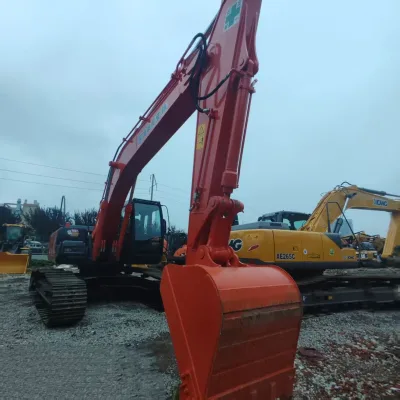
$16871.4624 - $18916.4881
MOQ: 1 sets
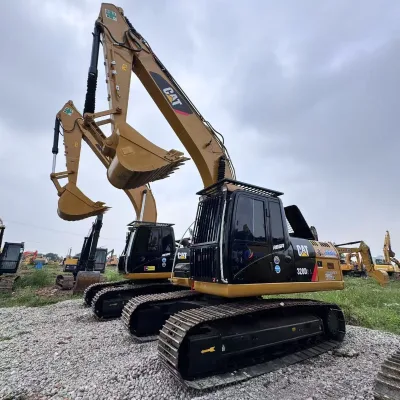
$30000.00 - $32300.00
MOQ: 1 sets

Hefei Wuqiang Construction Machinery Co., Ltd.
- Verified by TUVRHEINLAND
- Trading Company
- China Anhui
- Lead time30 days
- Avg. response≤ 3h
Main productsUsed Excavator, Second Hand Excavator, Used Loader
Main marketsDomestic

Hot Sale 320 320gc 320gx New Excavator 20 Ton Heavy Duty Excavator
$33000.00 - $51000.00
MOQ: 1 Pieces

High Quality Second-Hand Excavator Cat320d2 20ton Used Excavator with Good Price
$22000.00 - $33000.00
MOQ: 1 Pieces
- Trading Company
- Zhejiang, China
- Lead time15 days
- Avg. response≤ 1h
Main productsCaterpillar,Hitachi,Kobelco,Komastu,HYUNDAI
Main marketsNorthern Europe(10.00%), Central America(10.00%), Southeast Asia(10.00%), Mid East(10.00%), South Asia(10.00%), North America(10.00%), Eastern Asia(9.00%), Southern Europe(5.00%), Domestic Market(5.00%), Oceania(5.00%), Western Europe(5.00%), Eastern Europe(5.00%), Africa(3.00%), South America(3.00%)
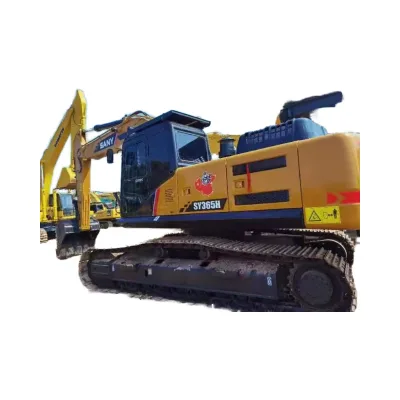
SY365H High Operating Weight 35 Ton Heavy Equipment Excavator Digger
$34000.00 - $36000.00
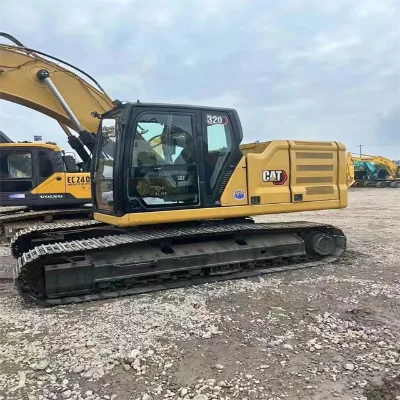
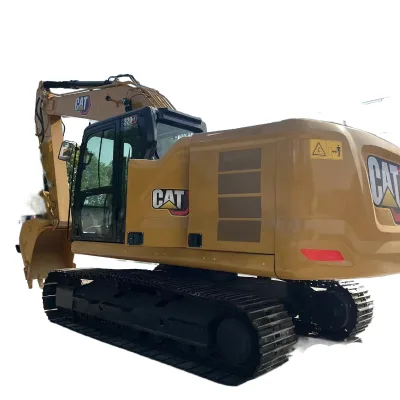
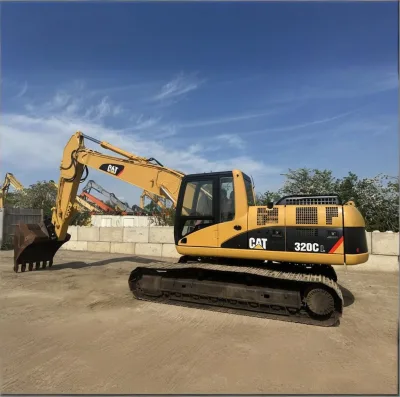
$20661.6164 - $26860.1013
MOQ: 1 units
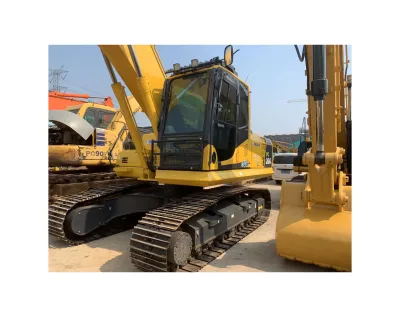
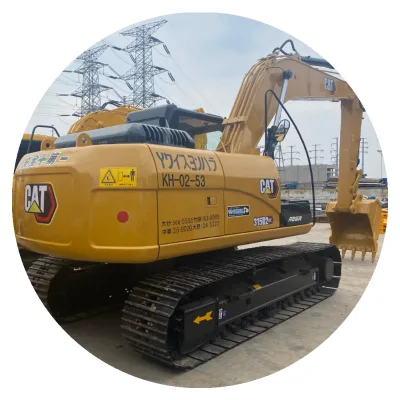
$10330.8082 - $20661.6164
MOQ: 1 units


Comprehensive Sourcing Guide
20 Ton Hydraulic Used Excavator Supplier Concentration and Factory Types
The current supplier landscape for used construction machinery reveals a distinct concentration of trading companies operating from specific industrial hubs within China. Data indicates that suppliers are located in regions such as Anhui and Hunan, suggesting that these areas serve as key aggregation points for second-hand heavy equipment. These entities are primarily classified as trading companies rather than manufacturing factories, which fundamentally alters the sourcing dynamic for buyers seeking used excavators. A trading company model implies that the supplier acts as an intermediary, sourcing inventory from various dealers, auctions, or refurbishment centers rather than producing the machinery themselves. This structure is common in the used equipment sector, where inventory is fluid and varies significantly from day to day. Buyers must understand that they are engaging with distributors who manage logistics and quality control rather than original equipment manufacturers. The presence of suppliers in multiple provinces like Anhui and Hunan suggests a decentralized network of inventory sources, allowing for a broader selection of models and conditions. However, this also means that the consistency of supply depends heavily on the trading company’s ability to secure stock from upstream sources. The concentration in these specific locations may offer logistical advantages for domestic consolidation before export, but it requires buyers to verify the actual storage and inspection facilities of the supplier. Understanding this factory type is crucial for setting expectations regarding customization, warranty, and direct communication with the original service centers. The trading company structure often allows for greater flexibility in bundling different types of used machinery, such as excavators, bulldozers, and cranes, into a single shipment. This versatility can be beneficial for buyers looking to equip a construction site with a mixed fleet. However, it also necessitates rigorous due diligence to ensure that the trading company has direct access to the equipment and can provide accurate condition reports. The geographic spread of these suppliers indicates that buyers are not limited to a single regional market but can access a national pool of used machinery. This diversity can lead to competitive pricing but requires careful evaluation of each supplier’s specific inventory capabilities and operational history.
How to Verify 20 Ton Hydraulic Used Excavator Suppliers
Verification is a critical step when sourcing used heavy machinery, as the condition and history of the equipment are paramount. Buyers should prioritize suppliers who hold third-party verification badges, such as SGS or TÜV Rheinland, as these indicate a level of professional scrutiny and adherence to international trade standards. These verifications often involve checks on the company’s legal status, business scope, and sometimes physical inspections of their facilities. In the current results, some suppliers are verified by SGS, while others hold TÜV Rheinland certifications, providing a baseline of trustworthiness. Beyond these badges, buyers must scrutinize the specific product evidence provided for each excavator listing. Detailed product attributes, such as the year of manufacture, operating weight, and hydraulic system specifications, serve as indicators of the supplier’s transparency and technical knowledge. For instance, listings that specify the hydraulic pump and valve brands as original suggest a higher level of quality control and authenticity. Buyers should look for suppliers who provide comprehensive data on the machine’s condition, including whether it is in great or excellent condition, and if after-sales service is available. The presence of specific model numbers, such as 320D or XE200DA, allows for independent verification of the machine’s specifications against manufacturer databases. Additionally, buyers should assess the supplier’s response time, as a quick and detailed reply often correlates with a more professional and responsive service team. A response time of less than one hour, as seen in some results, suggests a dedicated sales operation capable of handling urgent inquiries. It is also advisable to check if the supplier offers customization options, which can indicate a more flexible and customer-centric approach. Buyers should request detailed photos and videos of the actual machinery, rather than stock images, to verify the physical state of the excavator. The availability of warranty information, such as a one-year warranty on certain models, is another strong indicator of supplier confidence in their inventory. Finally, buyers should verify the supplier’s main products to ensure they specialize in construction machinery rather than being a generalist trader with limited expertise in this niche.
What to Compare Across 20 Ton Hydraulic Used Excavator Suppliers
When evaluating multiple suppliers, buyers must compare key operational metrics to determine the best fit for their project requirements. Lead time is a significant factor, with some suppliers offering a thirty-day turnaround while others may require up to sixty days for preparation and shipping. This variance can impact project schedules, so buyers should align their procurement timeline with the supplier’s stated lead time. Minimum Order Quantity (MOQ) is another critical comparison point; many suppliers offer an MOQ of just one unit, which is ideal for buyers needing a single machine. However, buyers should also consider the price range, which varies significantly based on the model, condition, and year of manufacture. For example, prices for used 20-ton excavators can range from approximately twenty thousand dollars to over forty-six thousand dollars, depending on the specific model and features. Buyers should compare the technical specifications, such as operating weight, bucket digging force, and maximum digging depth, to ensure the machine meets their operational needs. The origin of the machinery is also a key differentiator, with some units originating from Japan and others from China, which can affect parts availability and resale value. Suppliers offering OEM or ODM capabilities may provide additional value for buyers seeking specific modifications or branding. The condition of the machine, described as great, excellent, or standard, should be weighed against the price to assess value for money. Buyers should also compare the after-sales service offerings, as some suppliers explicitly state that they provide support, which can be crucial for maintaining used equipment. The packing method, whether ship, container, or naked, affects shipping costs and protection during transit, so buyers should compare these logistical details. Additionally, the supplier’s location, such as Shanghai or other inland cities, can influence shipping routes and costs. Buyers should also look for suppliers who provide detailed product keywords and descriptions, as this indicates a higher level of professionalism and attention to detail. Comparing these factors holistically allows buyers to make an informed decision based on their specific budget, timeline, and technical requirements.
Common 20 Ton Hydraulic Used Excavator Sourcing Risks
Sourcing used heavy machinery carries inherent risks that buyers must actively manage to avoid costly mistakes. One major risk is the discrepancy between the advertised condition and the actual state of the equipment. Listings may describe a machine as being in "great" or "excellent" condition, but without a physical inspection, these claims are difficult to verify. Buyers should be wary of suppliers who do not provide detailed, recent photos or videos of the specific unit they are selling. Another significant risk is the authenticity of the hydraulic components, which are critical to the machine’s performance. Some listings specify that the hydraulic pump and valve brands are original, but buyers must verify this claim to avoid machines with refurbished or counterfeit parts that may fail prematurely. The year of manufacture is another area where risks exist; while some suppliers state the machine is within the last five years, buyers should confirm this with service records or hour meter readings. There is also the risk of logistical complications, particularly regarding the packing method. Machines packed naked may be more susceptible to damage during transit, especially if shipped via container. Buyers should ensure that the supplier uses appropriate protective wrapping for critical components. Warranty claims can also be challenging to enforce, especially if the supplier is located in a different country. Buyers should clarify the terms of any warranty, such as the one-year warranty offered on some models, and understand the process for claiming repairs or replacements. The risk of hidden defects is high in used machinery, so buyers should consider hiring a third-party inspection service to verify the machine’s condition before payment. Additionally, there is a risk of currency fluctuation and payment fraud, so buyers should use secure payment methods and escrow services if available. The variability in lead times can also disrupt project schedules, so buyers should build buffer time into their planning. Finally, buyers should be cautious of suppliers who do not provide clear contact information or who are slow to respond, as this may indicate a lack of professionalism or reliability.
20 Ton Hydraulic Used Excavator Regional Sourcing and Logistics
Regional sourcing strategies can significantly impact the cost and efficiency of acquiring used excavators. Suppliers located in China, such as those in Anhui and Hunan, offer access to a large pool of second-hand machinery, often at competitive prices. The geographic location of the supplier can influence shipping costs and transit times, with coastal cities like Shanghai offering easier access to international shipping routes. Buyers should consider the origin of the machinery, as units originating from Japan may have different maintenance histories and parts availability compared to those from China. The packing method, whether ship, container, or naked, also plays a crucial role in logistics. Container shipping provides better protection for the machinery but may be more expensive, while naked packing is cheaper but requires careful handling. Buyers should work with suppliers who have experience in international logistics to ensure that the machinery is packed and shipped correctly. The lead time for shipping can vary based on the supplier’s location and the destination port, so buyers should plan accordingly. Additionally, buyers should be aware of import regulations and duties in their home country, which can affect the total cost of ownership. Some suppliers may offer assistance with documentation and customs clearance, which can simplify the import process. The availability of after-sales service in the buyer’s region is also a key logistical consideration, as remote maintenance can be challenging. Buyers should verify if the supplier has local partners or service centers that can provide support. The size and weight of the excavator, such as the 20-ton operating weight, will determine the type of shipping container or flat rack required. Buyers should also consider the fuel tank and hydraulic oil levels, as these may need to be drained or adjusted for international shipping. Finally, buyers should compare the total landed cost, including shipping, insurance, and duties, to determine the true value of the supplier’s offer.
20 Ton Hydraulic Used Excavator Commercial Terms and Order Planning
Commercial terms and order planning are essential for a successful procurement of used excavators. Buyers should negotiate clear payment terms, such as using escrow services to protect their funds until the machinery is verified. The price range for used 20-ton excavators can vary widely, so buyers should request detailed quotes that include all costs, such as shipping and insurance. The MOQ of one unit allows for flexible ordering, but buyers should consider the cost-effectiveness of shipping a single large machine versus consolidating with other equipment. Lead times of thirty to sixty days require careful scheduling to avoid project delays. Buyers should also clarify the warranty terms, such as the one-year warranty offered on some models, and understand what is covered. The availability of customization options, such as specific colors or attachments, should be discussed early in the process. Buyers should ensure that the supplier provides all necessary documentation, including certificates of origin and inspection reports. The condition of the machine, whether great, excellent, or standard, should be explicitly stated in the contract to avoid disputes. Buyers should also plan for maintenance and spare parts, considering the age and origin of the machinery. The response time of the supplier, which can be as fast as 0.21 hours, indicates their ability to handle urgent requests. Buyers should establish a clear communication channel with the supplier to address any issues that arise during the order process. Finally, buyers should review the supplier’s main products to ensure they have the expertise to handle their specific needs. By carefully planning these commercial terms, buyers can mitigate risks and ensure a smooth procurement experience.
FAQs
What is the price range for a 20 Ton Hydraulic Used Excavator?
Prices for 20 ton hydraulic used excavators typically range from $20,000 to $46,000. Specific models like the 320D start around $20,000, while the 320GC is listed near $46,000. Buyers should verify exact pricing based on the machine's year of manufacture, condition, and included warranty terms before placing an order.
What is the minimum order quantity for used excavators?
The minimum order quantity is generally one unit. Suppliers list an MOQ of 1 for various models, allowing buyers to purchase single machines. This flexibility supports small-scale construction projects or immediate replacement needs without requiring bulk commitments or large capital expenditure upfront.
How long does delivery take for used excavators?
Lead times vary by supplier, ranging from 30 to 60 days. Some trading companies offer a 30-day turnaround, while others may require up to 60 days. Buyers should confirm specific shipping schedules and packing methods, such as container or naked shipping, to ensure timely project completion.
Are used excavators available with after-sales service and warranty?
Yes, many suppliers provide after-sales service and warranty coverage. Some models include a one-year warranty and original hydraulic components. Buyers should verify the specific warranty duration and service availability for their chosen model to ensure long-term operational support and maintenance assistance.
Where are these used excavators located or shipped from?
Suppliers are located in regions like Anhui and Hunan, with some products originating from Shanghai. While some excavators are manufactured in Japan, the trading entities operate within China. Buyers should check the specific product location to understand logistics, import duties, and local support availability.