8 Person Fiberglass Fishing Boat Suppliers and Manufacturers
Find 19 verified suppliers offering 8 person fiberglass fishing boats with varying lead times, response speeds, and certifications. Compare OEM capabilities, hull materials, and pricing to select a factory that meets your specific fishing vessel requirements; review the available evidence before requesting comparable quotations from suitable candidates.
Updated
Suppliers List

Qingdao Lian Ya Boat Co., Ltd.
- Verified by TUVRHEINLAND
- Combined
- China Shandong
- Lead time30 days
- Avg. response≤ 23h
Main productsInflatable Boat, Rib Boat, Fiberglass Fishing Boat, Panga Boat, Rescue Boat, Banana Boat, Fishing Boat, Hypalon Boat, PVC Boat, Rubber Boat
Main marketsSouth America,Africa,Southeast Asia/ Mideast,East Asia(Japan/ South Korea),Domestic,Europe,Australia,North America
- Verified by Intertek
- Manufacturer, Trading Company
- Lead time0 days
- Avg. response≤ 4h
Main productsInflatable Boats, Rib Boats, Fiberglass Fishing Boats, Rescue Inflatable Boats , Aluminium Rib Boats
Main marketsWestern Europe(16%), Oceania(12%), Northern Europe(12%)

Qingdao Colton Yacht Co., Ltd.
- Trading Company
- China Shandong
- Lead time30 days
- Avg. response≤ 20h
Main productsAluminum Rib, Fiberglass Rib, Inflatable Boat, Fiberglass Boat, Aluminum Boat, Boat Accessories
Main marketsEurope,Australia,North America
Qingdao Lanzhou Boat Co., Ltd.
- Trading Company
- Shandong, China
- Lead time40 days
- Avg. response≤ 3h
Main productsrib boat,boat fenders,inflatable boat,inflatable jet ski bumper,yokohama
Main marketsNorth America(50.00%), Eastern Europe(20.00%), Northern Europe(20.00%), South America(10.00%)
Guangzhou Baiyun Meierya Water Sports Equipment Factory
- Manufacturer, Trading Company
- Guangdong, China
- Lead time7 days
- Avg. response≤ 4h
Main productsWater Sports Equipment, Electric Boat, Pedal Boat, Bumper Boat, Assault Boat
Main marketsMid East(25.00%), Southeast Asia(23.00%), North America(16.00%), South America(10.00%), Africa(10.00%), South Asia(9.00%), Eastern Asia(4.00%), Oceania(1.00%), Western Europe(1.00%), Central America(1.00%)
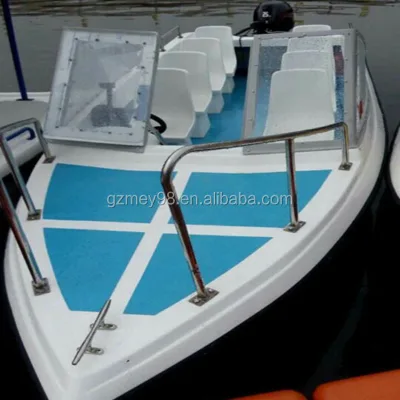
$1900.00 - $2032.00
MOQ: 1 sets
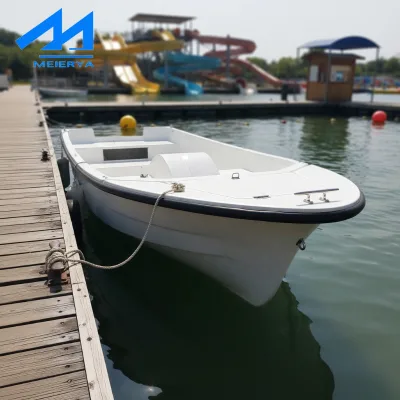
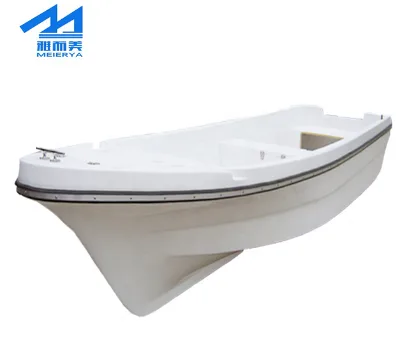
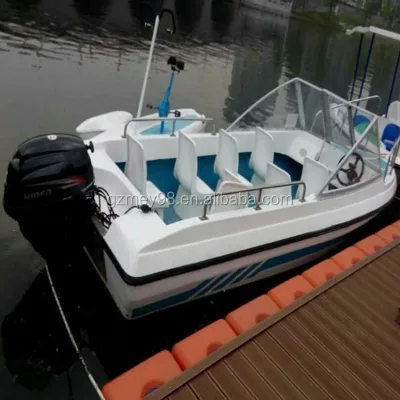
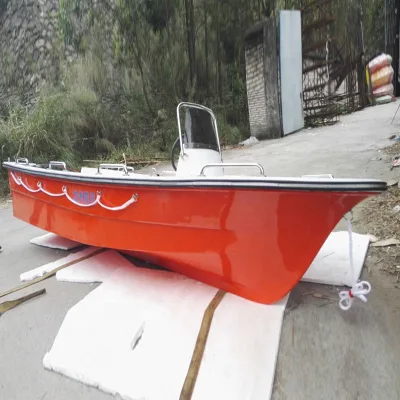
5m Fiberglass Fishing Boat Five Meter Big Fishing Boat 8 Person M-001 FRP Fast Boat Factory Price
$1200.00 - $1532.00
MOQ: 1 units
$1500.00 - $1532.00
MOQ: 1 sets
Zhengzhou Buyee Trading Co., Ltd.
- Verified by TüVRheinland
- Trading Company
- Lead time30 days
- Avg. response≤ 2h
Main productsSpeed Boat With Cabin, Speed Boat, Passenger Boat, Park Boat, Yacht
Main marketsSouth America(20%), North America(15%), Southeast Asia(10%)
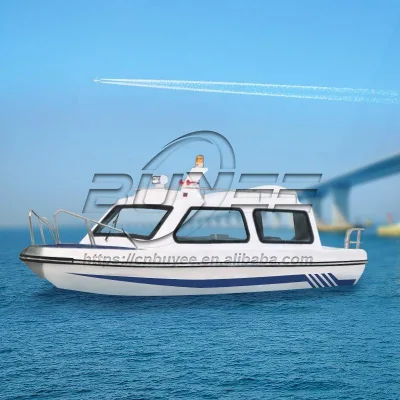
New Fiberglass Cabin Boat With Center Console Bass Boat 8 Passenger River Fishing Boats
$3520.1377 - $3830.9208
MOQ: 1 units
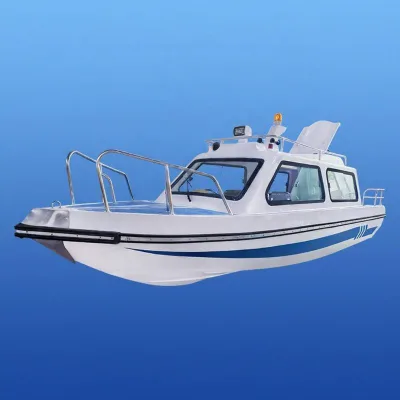
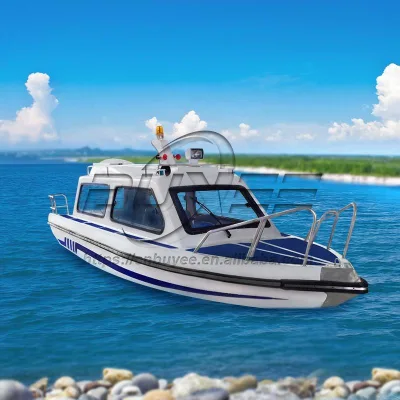
Hot Sale 600 Cabin Boat 8 Person Fishing Boat 19.6 FT Customized Fiberglass Fully Enclosed Boat
$3491.156 - $3799.3804
MOQ: 1 units
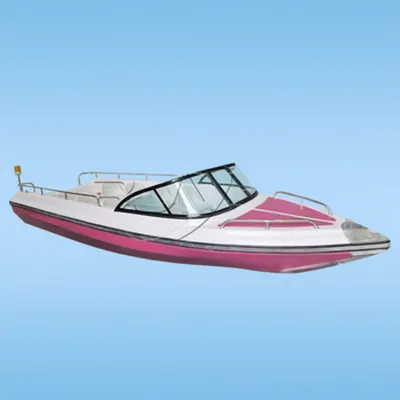
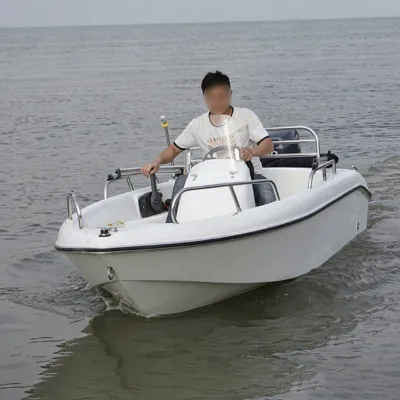
Economical Good Fiberglass Boat for Sport Practical 8 Person 19.6Ft Fishing Cabin Boat
$3488.7621 - $3796.7751
MOQ: 1 units
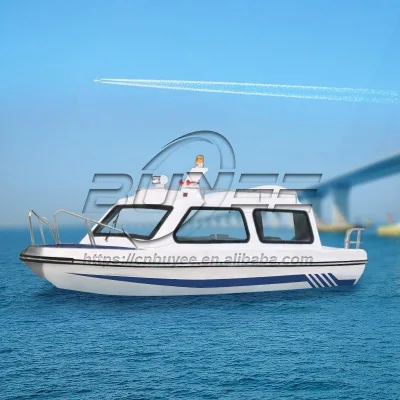
$3698.00 - $4098.00
MOQ: 1 units

- Verified by BV
- Manufacturer/Factory
- China Shandong
- Lead time15 days
- Avg. response≤ 2h
Main productsJet Car, Luxury Yacht, Fishing Boat, Motor Boat, Speed Boat, Boat, Yacht, Fiberglass Boat, Aluminum Boat, Sightseeing Boat
Main marketsSouth America,Eastern Europe,Mid East,North America,Southeast Asia,Eastern Asia,Oceania,Western Europe,Africa


7.2m/24FT Sport Speed Fiberglass Fishing Boat for Fisherman with 8 Person Capacity
$24160.00 - $26500.00
MOQ: 1 Pieces


5.5m Fishing Boat for 6 Person 3-Year Warranty Assurance Fiberglass Motor Boat
$12560.00 - $13550.00
MOQ: 1 Pieces

Zhengzhou Great Amusement Rides Co., Ltd.
- Verified by Intertek
- Trading Company
- Lead time30 days
- Avg. response≤ 2h
Main productsLeisure Boat, Speed Boat, Fishing Boat, Houseboat, Passenger boat
Main marketsDomestic Market(50%), North America(15%), Southeast Asia(15%)
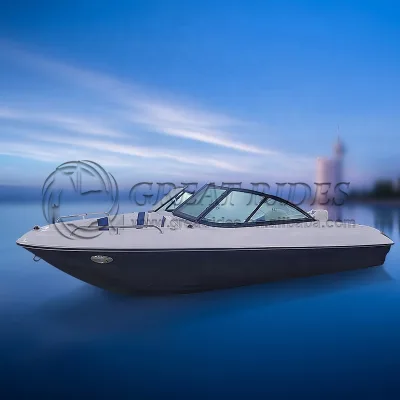
Factory Price 8 Persons Fishing Fiberglass High Speed Boat Classic Outdoor Leisure Boat on Hot Sale
$5542.1822 - $6671.5633
MOQ: 1 units
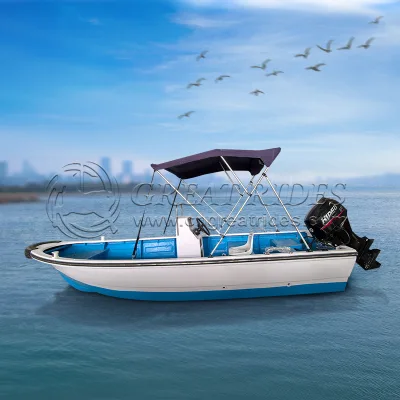
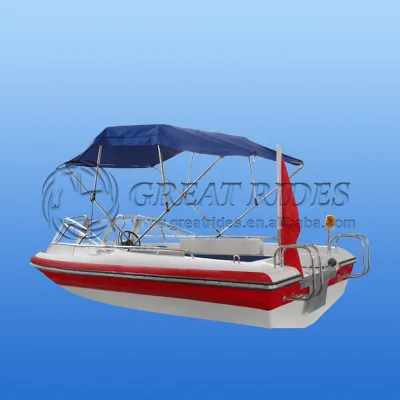
$1668.0812 - $2255.7237
MOQ: 1 sets
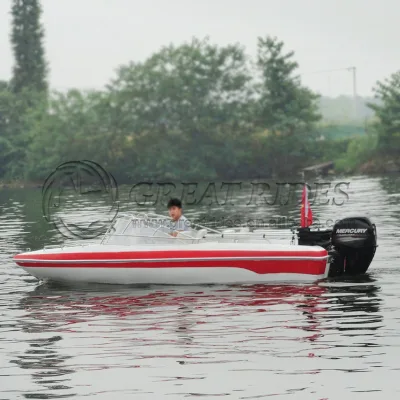
5.18M Customize Color Center Console Boat Fiberglass Fishing Boat Fiberglass Boat With Windshield
$2318.3114 - $3047.2766
MOQ: 1 sets
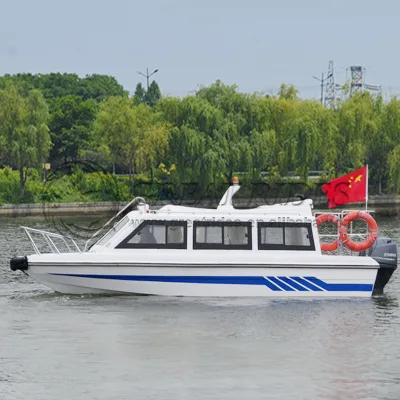
New Design 6.5 Meter Fiberglass Cabin Boat for Fishing and Water Adventures
$5999.00 - $7999.00
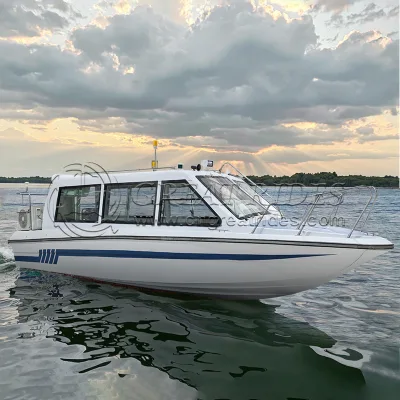
Qingdao Grandsea Boat Co., Ltd.
- Verified by SGS Group
- Manufacturer, Trading Company
- Shandong, China
- Lead time100 days
- Avg. response≤ 6h
Main productsYachts, Passenger Boats, Patrol Boats, Work Boats, Outboard Engine
Main marketsAfrica(35%), Southeast Asia(20%), South America(18%)
Qingdao Gather Yacht Co., Ltd.
- Manufacturer, Trading Company
- Shandong, China
- Lead time10 days
- Avg. response≤ 3h
Main productsFishing Boat,fiberglass boat,inflatable boat,BBQ donut boat,aluminum boat
Main marketsOceania(15.00%), Western Europe(15.00%), Mid East(10.00%), Southern Europe(10.00%), Southeast Asia(10.00%), Eastern Europe(10.00%), Northern Europe(8.00%), Central America(6.00%), Eastern Asia(5.00%), South Asia(4.00%), South America(3.00%), Domestic Market(2.00%), Africa(1.00%), North America(1.00%)
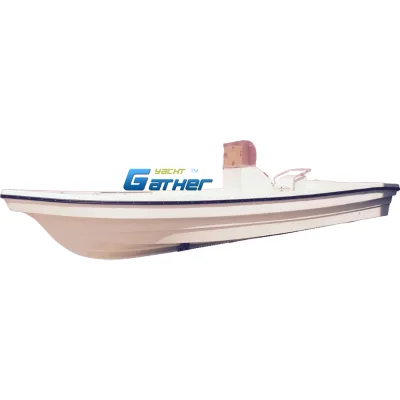
NEW MODEL FIBERGLASS FISHING BOAT PRO 22A (FISHING BOAT FIBERGLASS BOAT)
$8000.00 - $8500.00
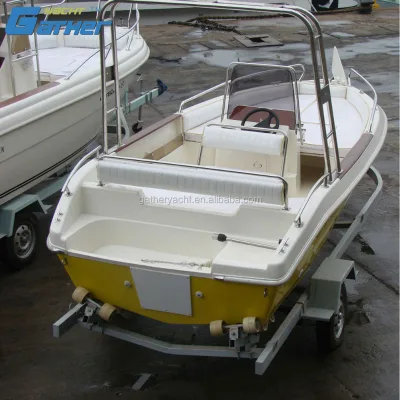
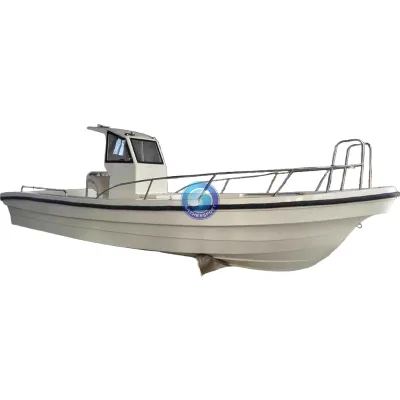
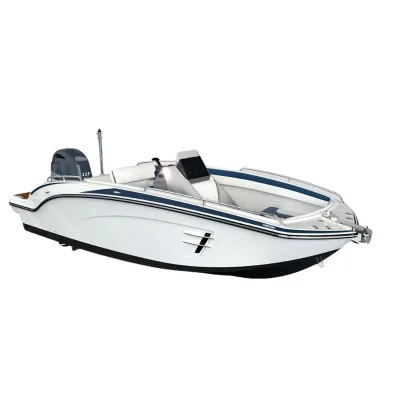
Budget-friendly 19ft Fiberglass Boat-5.8m Fishing & Sport Combo, Ce Certificated
$7201.7656 - $9259.4129
MOQ: 1 sets
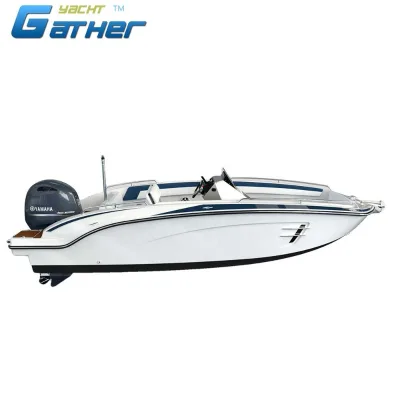
Factory supply agent wanted hot sale 6 persons 19ft fiberglass speed boat frp 580
$7054.1021 - $7780.2597
MOQ: 1 pieces
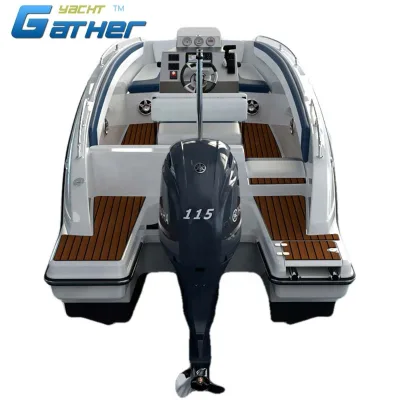
Factory Supply Agent Wanted Hot Sale 6 Persons 19ft/5.8m Small Fishing Boat
$6800.00 - $7500.00
Shenzhen Carride Industrial Co., Ltd.
- Manufacturer
- Guangdong, China
- Lead time50 days
- Avg. response≤ 2h
Main productsBoats & Ships,boat trailer,yacht,fishing boat,Boat accessories
Main marketsSouth America(30.00%), Western Europe(20.00%), North America(10.00%), Southeast Asia(10.00%), Mid East(1.00%)
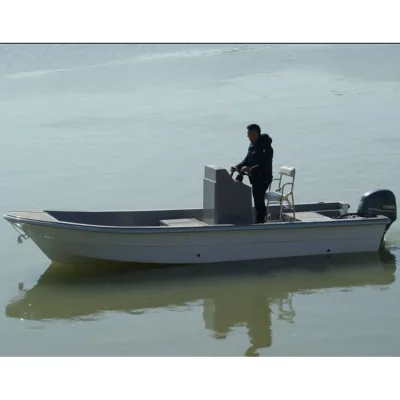
Versatile 4-Person Fiberglass Fishing Boat Ideal for Lakes, Rivers & Coastal Waters
$4222.674
MOQ: 1 Minimum
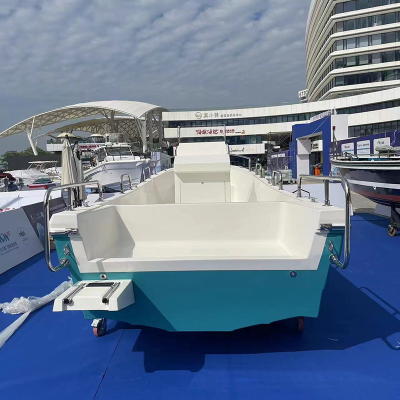
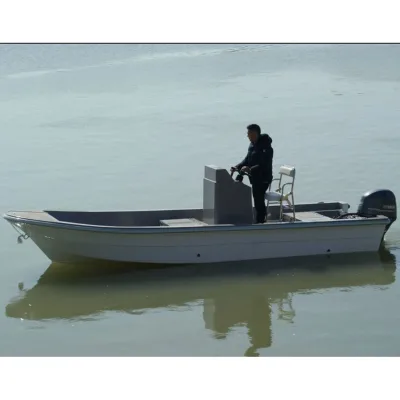
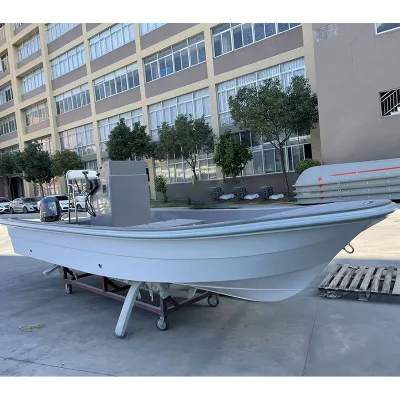
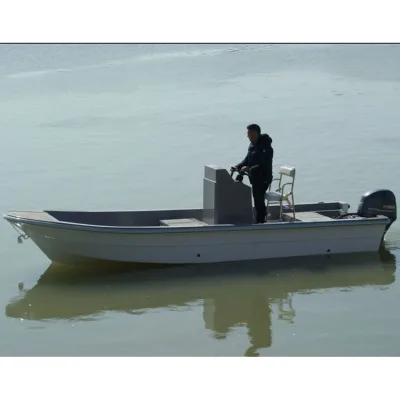
Premium Fiberglass Fishing Boat Stable 4-Person Capacity with All-Weather Performance
$4222.674
MOQ: 1 Minimum

Qingdao Grandsea Boat Co., Ltd.
- Verified by CTI
- Trading Company,Manufacturer/Factory
- China Shandong
- Lead time45 days
- Avg. response≤ 3h
Main productsCatamaran Boat, Passenger Boat, Work Boat, Pilot Boat, Pleasure Boat, Fishing Boat, Patrol Boat, Panga Boat, Aluminum/Fiberglass/Steel Boat, Outboard Engine
Main marketsSouth America,Eastern Europe,Southeast Asia,Eastern Asia,Western Europe,Africa


China 8.3m/27FT Fiberglass/FRP Cabin Fishing Sport Boat for Hot Sale
$50000.00 - $60000.00
MOQ: 1 Pieces

Huaian Kaip International Trade Co., Ltd.
- Verified by SGS
- Trading Company
- China Jiangsu
- Lead time15 days
- Avg. response≤ 6h
Main productsFishing Boat, BBQ Boat, Electric Boat, Pedal Boat, Water Bike, Pontoon Boat, Kayak
Main marketsSouth America,Africa,Southeast Asia/ Mideast,East Asia(Japan/ South Korea),Europe,Australia,North America

- Manufacturer
- China Shandong
- Lead time30 days
- Avg. response≤ 3h
Main productsRib Boat, Inflatable Boat, PVC Boat, Hypalon Boat, Fiberglass Boat, Sport Boat, Banana Boat, Rafting Boat, Aluminum Boat
Main marketsSoutheast Asia/ Mideast,Europe,Australia
- Verified by TüVRheinland
- Manufacturer, Trading Company
- Lead time15 days
- Avg. response≤ 1h
Main productsRib Boat, Aluminum Rib Boats, Rigid Hull Inflatable Boats, Fiberglass Rib Boats, Inflatable Boats
Main marketsNorth America(60%), South America(10%), Domestic Market(10%)

- Trading Company,Manufacturer/Factory
- China Chongqing
- Lead time15 days
- Avg. response≤ 24h
Main productsLifeboat and Davits, Free Fall Life Boat, Enclosed Lifeboat, Fast Rescue Boat, Rescue Boat, Disposable Bamboo Cutlery Set, Paper Pulp Tablewares, Disposable Tableware, Biodegradable Bamboo Tableware, Sugarcane Food Container
Main marketsSouth America,Eastern Europe,Mid East,North America,Southeast Asia,Eastern Asia,Oceania,Western Europe,Africa


Good Quality Factory Professional 4.3m Waterproof Fiberglass of The Fishing Boat
$1300.00 - $1450.00
MOQ: 1 Pieces


Qingdao Galaxy Modern Boat Technology Co., Ltd.
- Manufacturer, Trading Company
- Shandong, China
- Lead time30 days
- Avg. response≤ 18h
Main productsFiberglass boat,Fiberglass yacht,boat engines
Main marketsOceania(30.00%), South Asia(20.00%), Domestic Market(20.00%), Southeast Asia(20.00%), Africa(10.00%)
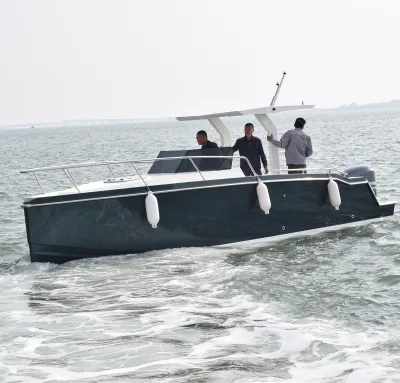
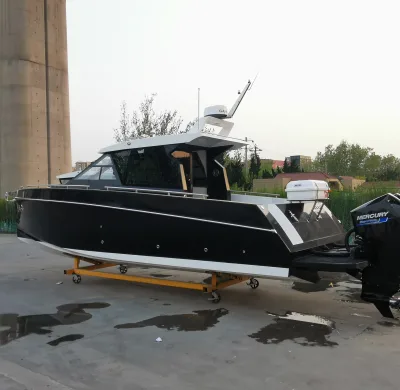
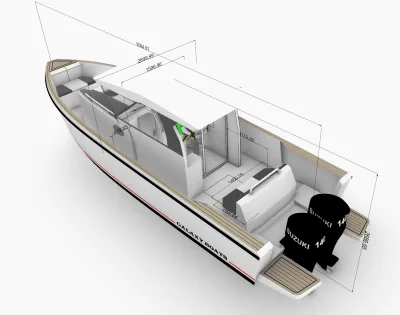
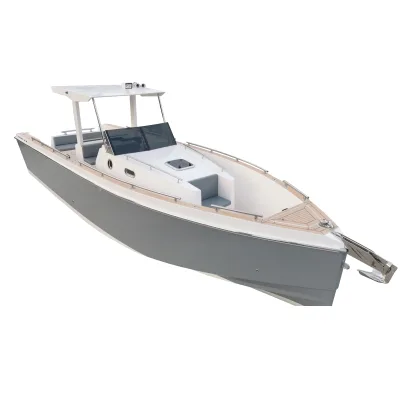
28ft Customize Color Center Console Fiberglass Work Fishing Boat 10 People
$30000.00 - $31000.00
Zhengzhou Beiyueyi Import And Export Trading Co., Ltd.
- Trading Company
- Henan, China
- Lead time3 days
- Avg. response≤ 3h
Main productsTransparent kayak,Kayaking
Main marketsEastern Europe(15.00%), North America(15.00%), Northern Europe(10.00%), Central America(10.00%), South America(10.00%), Mid East(6.00%), Southern Europe(5.00%), Africa(5.00%), Southeast Asia(5.00%), Western Europe(5.00%), South Asia(5.00%), Oceania(5.00%), Domestic Market(2.00%), Eastern Asia(2.00%)

Qingdao Osic International Co., Ltd.
- Trading Company
- China Shandong
- Lead time60 days
- Avg. response≤ 5h
Main productsYacht, Boat, Rib, Vessel, Ship, Fishing Boat
Main marketsSouth America,Africa,Southeast Asia/ Mideast,East Asia(Japan/ South Korea),Domestic,Europe,Australia,North America


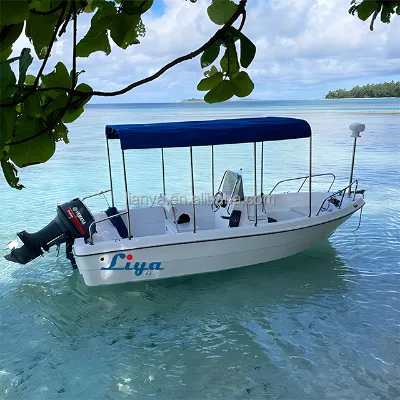
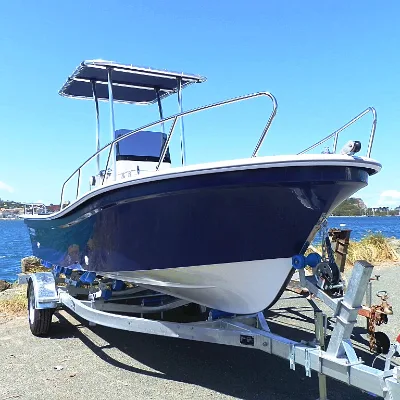


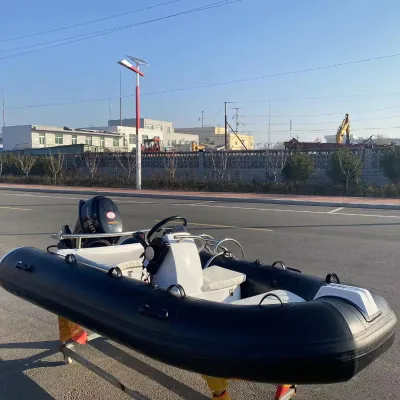
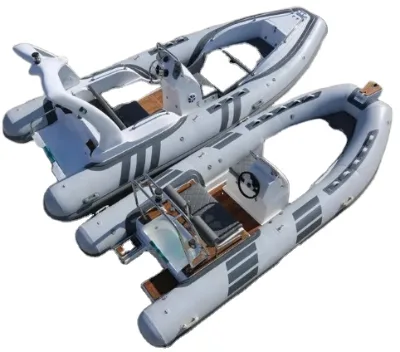




Comprehensive Sourcing Guide
8 Person Fiberglass Fishing Boat Supplier Concentration and Factory Types
The sourcing landscape for 8 person fiberglass fishing boats reveals a distinct concentration of manufacturing activity within specific industrial regions, with China Shandong emerging as a primary hub for this specialized vessel category. Buyers evaluating potential partners will find that suppliers in this region often operate as combined entities, blending the capabilities of direct manufacturers with the logistical flexibility of trading companies. This hybrid model allows for a broader range of service offerings, including original design manufacturing (ODM), original equipment manufacturing (OEM), and the development of own brands, which caters to diverse commercial and recreational needs. The presence of such combined company types suggests a mature supply chain where production expertise is paired with efficient export processes, reducing the friction typically associated with international procurement of heavy, bulky goods like fiberglass vessels.
Understanding the factory types is crucial for aligning procurement strategies with business goals. Suppliers identified as manufacturers typically possess the technical infrastructure for vacuum absorption technology, a key manufacturing process for creating durable, lightweight hulls that are essential for high-performance fishing boats. This technology ensures structural integrity while minimizing weight, a critical factor for fuel efficiency and handling. Conversely, trading companies may offer a wider variety of main products, ranging from inflatable and rib boats to panga and rescue boats, providing buyers with a one-stop solution for fleet diversification. However, the core competency for fiberglass vessels often remains rooted in the manufacturing capabilities of the supplier, making it vital to distinguish between pure trading intermediaries and those with genuine production assets when assessing long-term partnership potential.
How to Verify 8 Person Fiberglass Fishing Boat Suppliers
Verification of suppliers requires a multi-layered approach that goes beyond basic company registration checks, focusing heavily on third-party audit results and technical certifications. Buyers should prioritize suppliers who have undergone rigorous verification processes by recognized international bodies, such as TÜV Rheinland or Intertek, as these audits provide an independent assessment of the supplier’s operational legitimacy and financial stability. The presence of such verification badges serves as a foundational trust signal, indicating that the supplier has met specific standards for business practices and product quality. Additionally, system certifications like ISO 9001 and product-specific standards such as CE marking are critical indicators of compliance with international quality management and safety regulations. These certifications are not merely decorative; they reflect a supplier’s commitment to standardized production processes and adherence to regulatory requirements in target markets, reducing the risk of non-compliant shipments.
Beyond certifications, buyers must scrutinize the technical specifications and warranty terms provided in product listings to gauge the supplier’s confidence in their manufacturing capabilities. For instance, a guarantee covering the fiberglass hull for five years, alongside a one-year warranty for accessories, demonstrates a supplier’s assurance in the durability of their vacuum absorption technology and material selection. Buyers should also verify the origin of key components, such as gel-coat materials sourced from reputable suppliers like Ashland, which can impact the longevity and aesthetic quality of the boat. Furthermore, checking the response time of the supplier, which can vary significantly from a few hours to several days, offers insight into their operational efficiency and customer service readiness. A rapid response time often correlates with a well-organized internal team capable of handling complex inquiries and custom orders efficiently, which is essential for maintaining project timelines in international trade.
What to Compare Across 8 Person Fiberglass Fishing Boat Suppliers
When evaluating multiple suppliers, buyers must compare key operational metrics such as lead times, minimum order quantities (MOQ), and pricing structures to determine the best fit for their procurement strategy. Lead times can vary significantly, with some suppliers offering rapid turnaround times of zero days for stock items, while others may require thirty days for custom orders. Understanding these variations is essential for inventory planning and meeting customer demand without overstocking. Similarly, MOQs can range from a single unit, allowing for small-scale testing or niche market entry, to larger quantities that offer economies of scale. Buyers should also compare the customization options available, such as the ability to choose hull colors, engine types, and fuel tank capacities, as these features can significantly impact the final product’s suitability for specific fishing environments or commercial applications.
Pricing and technical specifications are equally critical dimensions for comparison. Prices for 8 person fiberglass fishing boats can range from approximately $8,400 to $12,600, depending on the level of customization, material quality, and included accessories. Buyers should analyze whether the price includes essential components like outboard motors, fuel tanks, and specialized packaging for export, or if these are additional costs. Technical attributes such as the boat’s length, typically around 5.8 meters, and its capacity for eight persons, should be cross-referenced with the recommended horsepower, often around 50HP, to ensure optimal performance. Additionally, comparing the manufacturing technology, such as vacuum absorption versus traditional hand lay-up, can reveal differences in weight, strength, and production consistency. Buyers should also consider the supplier’s capacity for sample processing and graphic customization, which can be vital for branding and product differentiation in competitive markets.
Common 8 Person Fiberglass Fishing Boat Sourcing Risks
One of the primary risks in sourcing fiberglass fishing boats is the potential discrepancy between advertised specifications and the actual delivered product, particularly regarding material quality and construction techniques. Buyers must be vigilant about verifying the hull material, ensuring it is genuine fiberglass or FRP, and confirming the use of advanced manufacturing technologies like vacuum absorption, which enhances durability and reduces weight. There is also a risk associated with the quality of ancillary components, such as outboard motors and fuel tanks, which may vary in origin and performance. Suppliers may offer different engine types or fuel capacities, and failing to specify these details clearly can lead to mismatches in performance expectations. Additionally, the guarantee terms for the hull and accessories must be clearly defined, as vague warranty policies can leave buyers vulnerable to unexpected repair costs and operational downtime.
Another significant risk involves logistical challenges and packaging inefficiencies, which can inflate shipping costs and increase the likelihood of damage during transit. Fiberglass boats are bulky and require specialized packaging, such as standard export packages or containerized solutions, to ensure safe delivery. Buyers should verify the packing details, such as whether a 20-foot container can fit two boats, to optimize freight costs. There is also a risk related to compliance with international standards and certifications, as non-compliant vessels may face customs delays or rejection in target markets. Buyers must ensure that suppliers provide valid CE or ISO certifications and that the boats meet the specific regulatory requirements of the destination country. Furthermore, the risk of communication barriers and delayed responses can hinder the resolution of issues during the production and shipping process, making it essential to select suppliers with proven track records of effective communication and problem-solving.
8 Person Fiberglass Fishing Boat Regional Sourcing and Logistics
Sourcing from regions like China Shandong offers distinct logistical advantages due to the concentration of manufacturing facilities near major ports, which facilitates efficient export operations. Buyers should leverage this geographic proximity to reduce inland transportation costs and streamline the shipping process. The region’s established supply chain infrastructure supports the production of various boat types, including inflatable, rib, and fiberglass vessels, allowing for consolidated shipping opportunities if buyers are sourcing multiple product lines. However, buyers must carefully plan the logistics of transporting large, heavy items, as fiberglass boats require robust packaging to withstand maritime conditions. Understanding the single package size and gross weight, such as dimensions of 580x198x100 cm and a weight of 745 kg, is crucial for calculating freight costs and selecting appropriate shipping methods.
Logistical planning also involves coordinating with suppliers to ensure that the boats are packed in a manner that maximizes container space and minimizes the risk of damage. Buyers should inquire about the supplier’s experience with export packaging and their ability to provide specialized packing solutions that comply with international shipping standards. Additionally, buyers must consider the lead time for production and shipping, as delays in manufacturing can impact the overall delivery schedule. It is advisable to establish clear communication channels with the supplier to monitor production progress and address any potential issues promptly. Furthermore, buyers should verify the supplier’s ability to handle customs documentation and provide necessary certificates, such as CE or ISO, to ensure smooth clearance at the destination port. By understanding these logistical nuances, buyers can optimize their supply chain and reduce the total cost of ownership.
8 Person Fiberglass Fishing Boat Commercial Terms and Order Planning
Commercial terms and order planning are critical components of a successful procurement strategy, requiring careful attention to payment terms, delivery schedules, and after-sales support. Buyers should negotiate clear payment terms that align with their cash flow needs, such as partial payments upfront and the balance upon shipment or delivery. It is also essential to define the delivery terms, such as FOB or CIF, to determine who bears the responsibility for shipping costs and insurance. Buyers must also plan for the long-term maintenance and support of the vessels, ensuring that the supplier provides adequate after-sales service, including spare parts availability and technical support. The guarantee terms for the hull and accessories should be clearly documented, specifying the duration and scope of coverage to protect the buyer’s investment.
Order planning should also consider the scalability of the procurement, allowing for future expansions or modifications to the fleet. Buyers should assess the supplier’s capacity for handling larger orders and their ability to maintain consistent quality across multiple batches. Customization options, such as branding and specific technical configurations, should be integrated into the order plan to ensure that the boats meet the specific needs of the end-users. Additionally, buyers should establish a timeline for production and delivery, accounting for potential delays due to material shortages or logistical issues. By developing a comprehensive order plan that addresses these commercial and logistical factors, buyers can mitigate risks and ensure a smooth procurement process. Regular communication with the supplier and periodic reviews of the order status will help maintain alignment and address any emerging challenges proactively.
FAQs
What is the price range for an 8 Person Fiberglass Fishing Boat?
Prices for these vessels typically range from $8,400 to $12,600 per unit. This cost covers a 5.8-meter fiberglass hull with an outboard engine. Buyers should note that the minimum order quantity is just one unit, allowing for single purchases without bulk requirements.
How long does manufacturing take for these fiberglass boats?
Standard lead times are approximately 30 days for production. Some suppliers indicate zero days for specific sample processing or customized on-demand services. Buyers should confirm exact delivery schedules with the manufacturer, as production capacity and order volume may affect the final timeline.
What certifications do these fiberglass fishing boats carry?
These boats often carry CE and ISO certifications for quality and safety standards. The hulls are manufactured using vacuum absorption technology for durability. Buyers should verify specific system certifications with the supplier, as some listings may not display full system certification details on the main page.
What is the warranty coverage for the fiberglass hull?
The fiberglass hull typically comes with a five-year guarantee. Accessories and other components usually have a one-year warranty. This coverage ensures protection against manufacturing defects. Buyers should review the specific terms provided by the supplier to understand the full scope of the warranty.
Where are these fiberglass fishing boats manufactured?
These vessels are primarily manufactured in China, specifically in the Shandong region. The origin is often listed as Qingdao or the broader Shandong mainland. Buyers should verify the exact factory location to assess shipping logistics and potential import duties for their specific destination country.
Can I customize the design of an 8 person fiberglass boat?
Customization is available for hull colors, deck materials, and other features. Suppliers offer OEM services and can adjust specifications to meet specific needs. Buyers should discuss their requirements directly with the manufacturer to ensure the customized design aligns with their operational goals and budget constraints.