Auto Repair Bearing Puller Suppliers and Manufacturers
Compare 28 verified suppliers of Auto Repair Bearing Puller tools based on location, lead time, and certifications. Review product specifications like crimping range and material standards before requesting quotes; review the available evidence before requesting comparable quotations from suitable candidates.
Updated
Suppliers List

Anhui Huafeng Import & Export Co., Ltd.
- Verified by SGS
- Trading Company,Manufacturer/Factory
- China Anhui
- Lead time60 days
- Avg. response≤ 3h
Main productsHydraulic Jack, Floor Jack, Bottle Jack, Trolley Jack, Hydraulic Bottle Jack, Hydraulic Floor Jack, Scissor Jack, Hydraulic Trolley Jack, Screw Jack, Jack Stand
Main marketsSouth America,Eastern Europe,Mid East,North America,Southeast Asia,Eastern Asia,Oceania,Western Europe,Africa

Jinhua Cowin Import & Export Co., Ltd.
- Verified by TUVRHEINLAND
- Trading Company
- China Zhejiang
- Lead time30 days
- Avg. response≤ 5h
Main productsHand Tool, LED Lighting, Car Tool, Hardware, Trailer Light, Trailer Hitch Mount, Power Tool, Garden Tools, Air Tools, Tie Down
Main marketsEurope


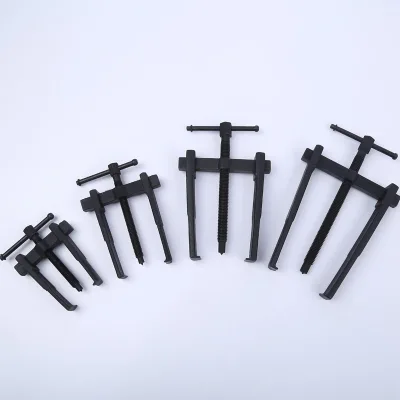
Thin 2 Jaw Bearing Gear Pulley Puller Remover for Alternators and Power Steering
$1.00 - $30.00
MOQ: 200 Pieces

Ningbo Dicong Machinery Co., Ltd.
- Verified by SGS
- Combined
- China Zhejiang
- Lead time30 days
- Avg. response≤ 4h
Main productsAuto Tool, Airbrush, Auto Repair Tools, Socket Sets, Car Tool Set, Ratchet Handle, Under Car Tool, Brake Tools, Radiator Tool, Airbrush Compressor
Main marketsSouth America,Africa,East Asia(Japan/ South Korea),Europe,Australia,North America

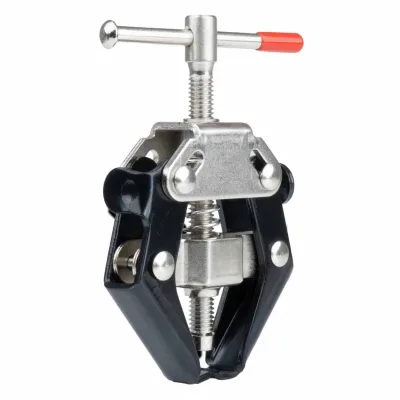
Auto Repair Puller Tool for Battery Terminal and Alternator Bearing Puller
$4.00 - $6.00
MOQ: 100 Sets


Hefei Leyi Energy Technology Co., Ltd.
- Trading Company
- Anhui, China
- Lead time30 days
- Avg. response≤ 2h
Main productsTool Kit,jack,Auto Repair Tools,Agricultural machinery,new energy
Main marketsSouth America(20.00%), North America(20.00%), Eastern Europe(10.00%), Domestic Market(5.00%), South Asia(5.00%), Southern Europe(5.00%), Northern Europe(5.00%), Central America(5.00%), Western Europe(5.00%), Mid East(5.00%), Oceania(5.00%), Africa(5.00%), Southeast Asia(5.00%)
Ningbo Shiji Bosi Tools Co., Ltd.
- Manufacturer
- Zhejiang, China
- Lead time10 days
- Avg. response≤ 9h
Main productsHand Tools,Power Tools
Main marketsDomestic Market(80.00%), Southeast Asia(10.00%), Mid East(10.00%)
Jiaxing Merare Machinery Co., Ltd.
- Verified by Intertek
- Trading Company
- Lead time0 days
- Avg. response≤ 3h
Main productsHydraulic Jack, Engine Stand, Shop Crane, Transmission Jack, Shop Press
Main marketsSouth America(35%), South America(30%), North America(10%)
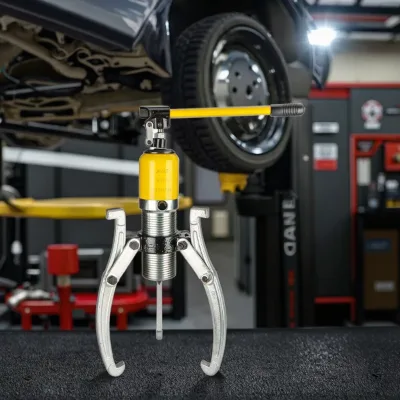
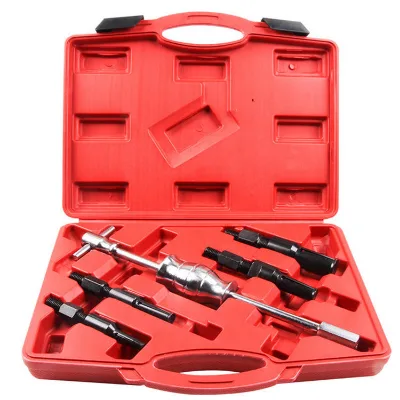
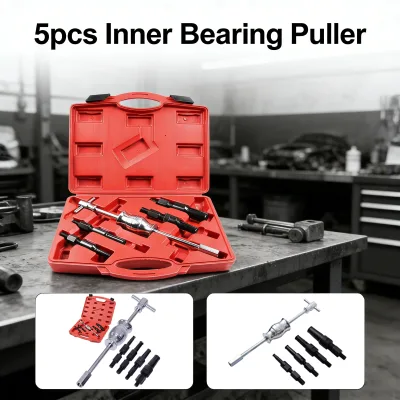
$13.449 - $16.1907
MOQ: 50 pieces

SOV Hydraulic Technology (Shanghai) Co., Ltd.
- Trading Company
- China Shanghai
- Lead time15 days
- Avg. response≤ 5h
Main productsHydraulic Cylinder, Hydraulic Jack, Hydraulic Torque Wrench, Flange Spreader, Hydraulic Puller, Hydraulic Pump, Hydraulic Synchronous Lifting System, Hydraulic Bolt Tensioner, Hydraulic Pipe Bender, Induction Bearing Heater
Main marketsSouth America,Africa,Southeast Asia/ Mideast,East Asia(Japan/ South Korea),Europe,Australia,North America
Ningbo Dicong Machinery Co., Ltd.
- Verified by SGS Group
- Manufacturer, Trading Company
- Lead time45 days
- Avg. response≤ 2h
Main productsAutomotive Tools , Automotive Hand Tools, Engine Timing Tools, Brake Bleeding Kit, Mechanic Tools
Main marketsNorth America(22%), Western Europe(16%), Eastern Europe(13%)

SHANGHAI JUST BETTER TOOLS CO., LTD.
- Trading Company,Manufacturer/Factory
- China Shanghai
- Lead time0 days
- Avg. response≤ 14h
Main productsPdr Tools, Auto Tools, Paintless Dent Repair Tools, Car Dent Repair Tools, Dent Tool Kit, Dent Puller Kit, Pdr Car Body Repair Tool, Pdr Kit

Pingyuan Jinhong Precision Machinery Co., Ltd
- Verified by BV
- Combined
- China Shandong
- Lead time15 days
- Avg. response≤ 2h
Main productsClamp, Rotating Center, Handle, Flat Mouthed Pliers, CNC Machining, Machine Tool, Tool Holder Device, CNC Tool Holder
Main marketsSoutheast Asia/ Mideast


Easy Operation Fully Automatic Vehicle Mounted Hydraulic Bearing Puller
$3000.00 - $6000.00
MOQ: 1 Pieces

Linyi Youli Hardware Tools Co., Ltd.
- Trading Company
- Shandong, China
- Lead time0 days
- Avg. response≤ 1h
Main productshand puller,hand winch,lifting jack,Greenhouse tightener,Trailer rope tie
Main marketsAfrica(30.00%), Eastern Europe(20.00%), Eastern Asia(10.00%), South America(10.00%), South Asia(5.00%), Southeast Asia(5.00%), Central America(5.00%), Mid East(3.00%), Oceania(3.00%), Western Europe(2.00%), Southern Europe(2.00%), Northern Europe(2.00%), North America(2.00%), Domestic Market(1.00%)
- Trading Company
- Taiwan, China
- Lead time0 days
- Avg. response≤ 13h
Main productsAuto Repair Tool,Hand Tool,Engine Repair Tool,Under Car Repair Tool,Body Service Tool
Main marketsNorthern Europe(20.00%), Eastern Europe(20.00%), Southern Europe(10.00%), Western Europe(10.00%), North America(10.00%), South Asia(5.00%), South America(5.00%), Africa(5.00%), Central America(5.00%), Southeast Asia(5.00%), Oceania(5.00%)

Taizhou Shangzheng Hydraulic Tools Co., Ltd.
- Verified by BV
- Combined
- China Zhejiang
- Lead time30 days
- Avg. response≤ 13h
Main productshydraulic crimping tool
Main marketsSouth America,Africa,Southeast Asia/ Mideast,East Asia(Japan/ South Korea),Europe,Australia,North America
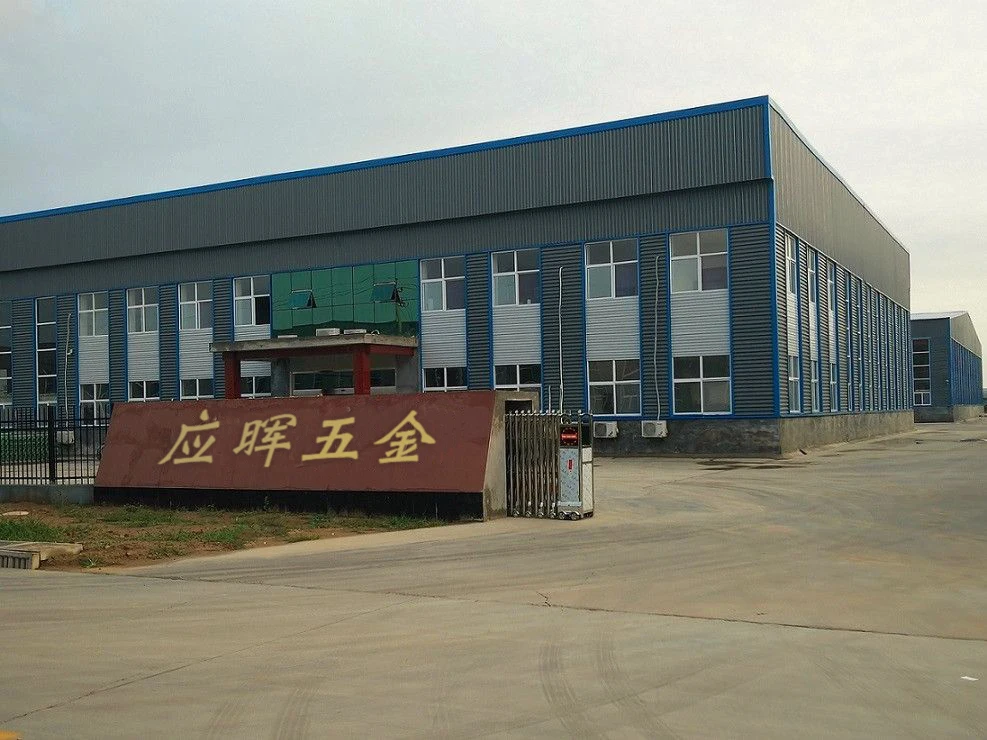
Linyi City Yinghui Hardware Tools Co., Ltd.
- Trading Company
- Shandong, China
- Lead time31 days
- Avg. response≤ 4h
Main productsHardware tools,Agricultural use Tools,Cleaning Tools
Main marketsSouth Asia(30.00%), Central America(30.00%), Mid East(30.00%), Southeast Asia(30.00%), North America(30.00%)
Shandong Sikeda Hardware Tools Co., Ltd.
- Trading Company
- Shandong, China
- Lead time0 days
- Avg. response≤ 2h
Main productsWire Stripper, Pruning Shears, Measuring Tape, Hammer, Glue Gun
Main marketsDomestic Market(20.00%), North America(20.00%), South America(10.00%), Western Europe(10.00%), Southeast Asia(5.00%), South Asia(5.00%), Southern Europe(5.00%), Central America(5.00%), Eastern Europe(5.00%), Eastern Asia(5.00%), Mid East(5.00%), Africa(5.00%)
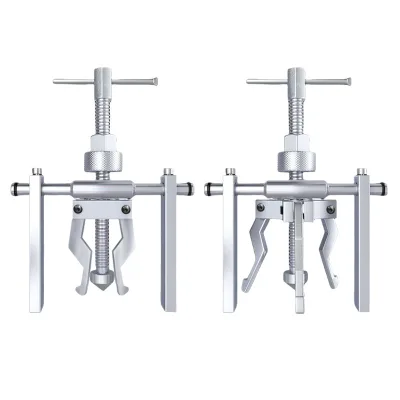
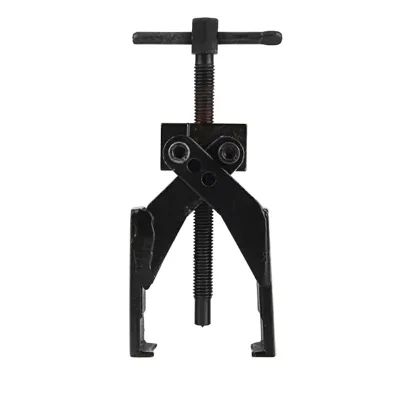
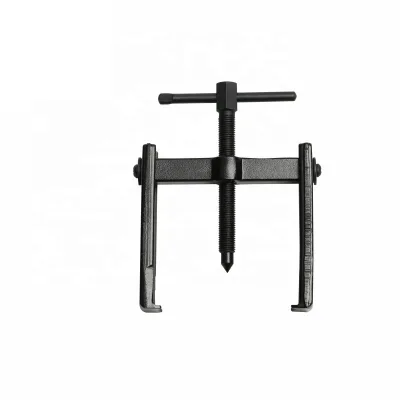
Special Two-Claw Spiral Cross Puller Auto Repair Gear Bearing Disassembly Tool
$5.30 - $5.90
MOQ: 100 pieces
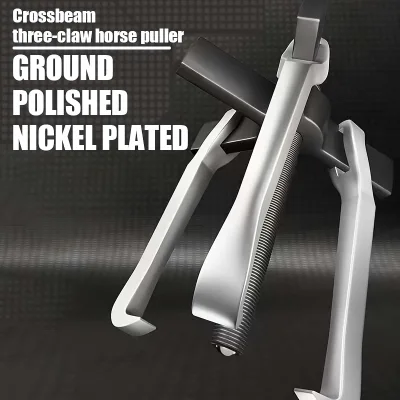
Wholesale 8in Auto Repair Workshop Tool Multifunctional Bearing and Gear Puller Detachable
$10.60 - $13.00
MOQ: 100
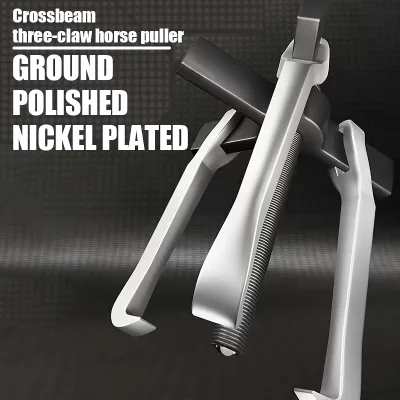
Wholesale 8in Auto Repair Workshop Tool Multifunctional Bearing and Gear Puller Detachable
$10.60 - $13.00
MOQ: 100 pieces
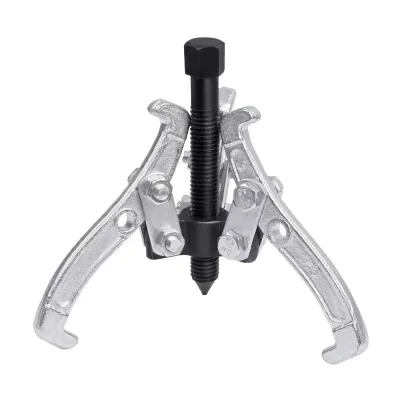
$2.66 - $3.46
MOQ: 100 Minimum
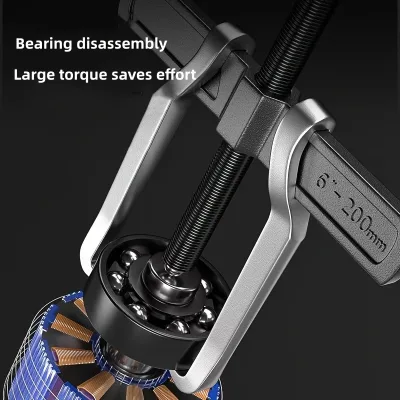

Baier Hydraulic Power (Wuhan) Co., Ltd.
- Verified by BV
- Trading Company,Manufacturer/Factory
- China Hubei
- Lead time15 days
- Avg. response≤ 4h
Main productsElectric Torque Wrench, Battery Torque Wrench, Hydraulic Torque Wrench, Hydraulic Pullers, Bolt Tensioner, Pneumatic Torque Wrench, Hydraulic Pump, Hydraulic Jack, Nut Splitter, Flange Separator
Main marketsSouth America,Eastern Europe,Mid East,North America,Southeast Asia,Eastern Asia,Oceania,Western Europe,Africa

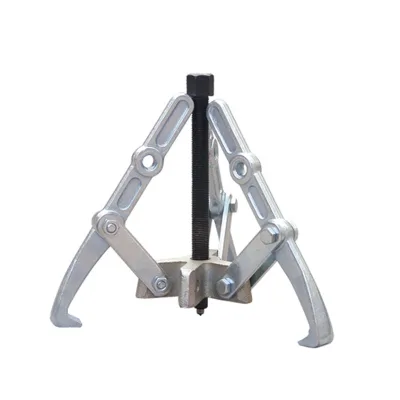
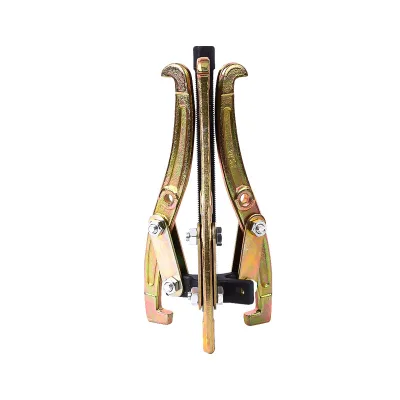
Mechanical Three Jaws Universal Gear Puller Tool 3 Jaw Center Bearing Puller
$347.00 - $453.00
MOQ: 1 Pieces

- Trading Company
- Taiwan, China
- Lead time60 days
- Avg. response≤ 2h
Main productsAutomotive tools,Hand tools,Workshop assortment,Air tools,Safety equipment
Main marketsMid East(80.00%), Western Europe(10.00%), Oceania(10.00%)
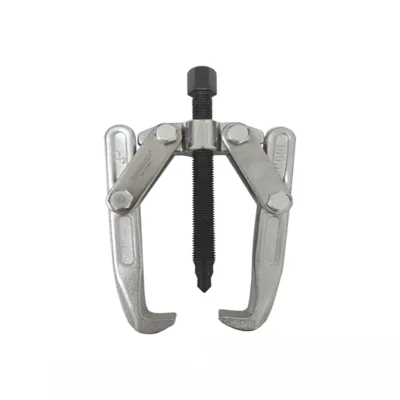
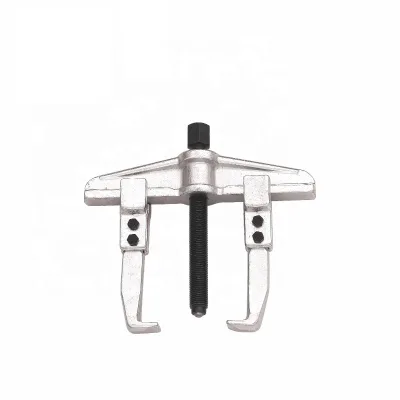
European Type Two Jaws Gear Puller Multi-functional Gear Puller for Car Repair
$3.6726 - $35.9805
MOQ: 300 Minimum
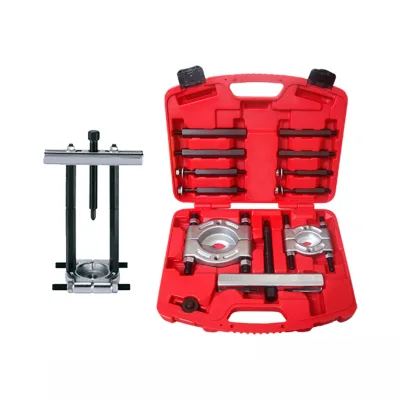
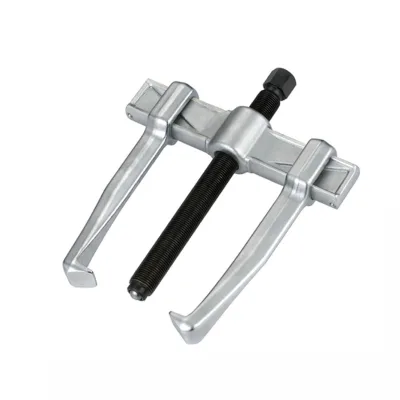
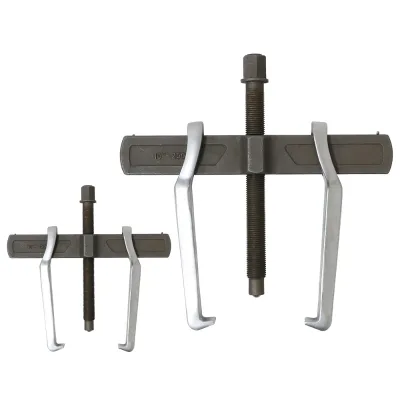
Multi-functional Puller Tools Two Jaws Standard Pullers With the Double Profile Beam
$36.709 - $39.776
MOQ: 24 Minimum

Xuzhou Perfect Tools Co., Ltd.
- Trading Company
- China Jiangsu
- Lead time23 days
- Avg. response≤ 21h
Main productsHSS Drill Bit, Saw Blade, Hole Saw, Screw Taps, End Mill, Drill Bits, Screwdriver, Wrench, Air Tools, Plier
Main marketsSouth America,Africa,Southeast Asia/ Mideast,East Asia(Japan/ South Korea),Europe,Australia,North America


$52.00 - $58.00
MOQ: 20 Sets


15PCS Universal Front Drive Wheel Bearing Puller Removal Installation Tool Kit
$38.00 - $42.00
MOQ: 20 Sets

Hebei Sinotools Industrial Co., Ltd.
- Verified by CTI
- Trading Company
- China Hebei
- Lead time30 days
- Avg. response≤ 2h
Main productsScrewdriver, Plier, Wrench, Hammer, Tape Measure, Pruning Shear, Knife, Tool Set
Main marketsEurope

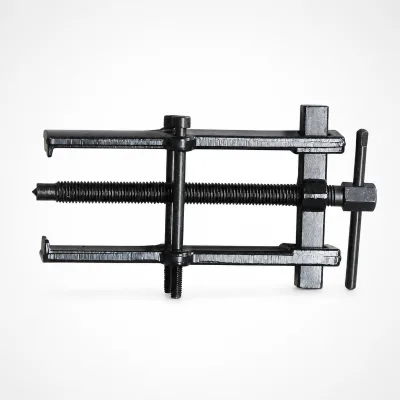
2 Jaws Bearing Puller Tool Adjustable Steel Bearing Gear Puller Kit Hand Remover Tool Pump Pulley
$2.98 - $3.05
MOQ: 1000 pieces


- Verified by TUVRHEINLAND
- Manufacturer/Factory
- China Zhejiang
- Lead time15 days
- Avg. response≤ 11h
Main productsHydraulic Cylinder, Hydraulic Pipe Bender, Hydraulic Crimping Tool, Hydraulic Hole Diggers, Cutting Tools, Tube Bender, Hydraulic Jack, Hydraulic Pump, Hydraulic Gear Puller, Busbar Processor
Main marketsSouth America,Eastern Europe,Mid East,North America,Southeast Asia,Eastern Asia,Oceania,Western Europe,Africa
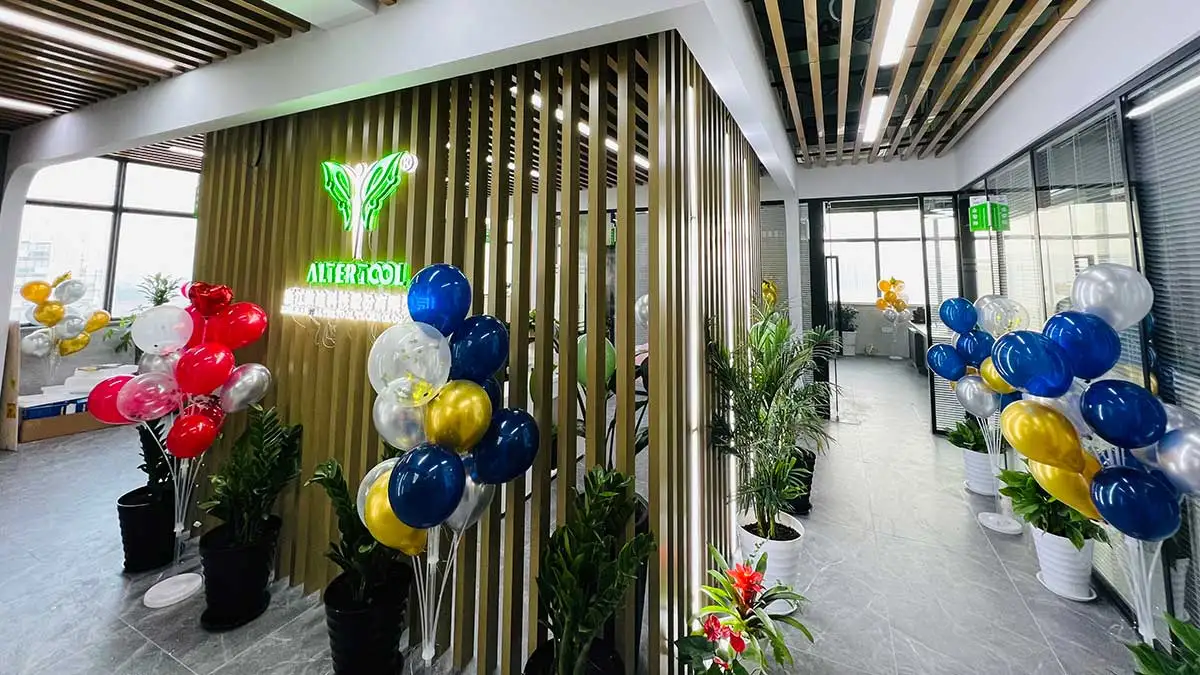
Zhejiang Altertool Technology Inc.
- Manufacturer, Trading Company
- Zhejiang, China
- Lead time30 days
- Avg. response≤ 2h
Main productsCar Jack, Car Lift, Shop Press, Motorcycle Tools, Tyre Repair Tools
Main marketsWestern Europe(32.00%), Eastern Europe(32.00%), South America(21.00%), North America(8.00%), Southeast Asia(4.00%), Africa(2.00%), Oceania(1.00%)

Ningbo Magma Tooling Co., Ltd.
- Trading Company,Manufacturer/Factory,Other
- China Zhejiang
- Lead time45 days
- Avg. response≤ 13h
Main productsAutomotive Tools, Socket Sets, Auto Repair Tools, Ratchet Handle, Garage Equipment, Car Repair Tools, Car Tools Set, Car Maintenance, Injection Moulding, Plastic Injection Mould
Main marketsSouth America,Eastern Europe,North America,Western Europe
Nanjing Gaojin Machinery Co., Ltd.
- Trading Company
- Jiangsu, China
- Lead time0 days
- Avg. response≤ 6h
Main productswrench,plier,gloves,hand tools,welding consumables
Main marketsSouth America(30.00%), North America(30.00%), Western Europe(20.00%), Northern Europe(10.00%), Africa(10.00%)
Cangzhou Xuanhe Tools Co., Ltd.
- Manufacturer, Trading Company
- Hebei, China
- Lead time0 days
- Avg. response≤ 4h
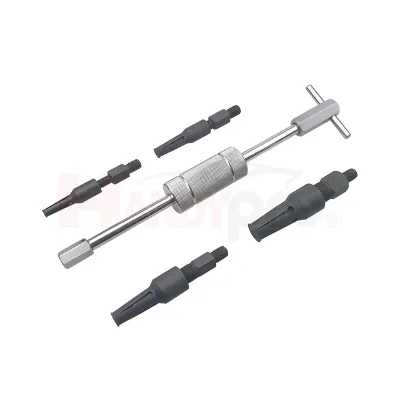
Main productsSheet metal repair tool,Automobile repair tools,Slide hammer tool,Tow rope,Engine oil filter wrench
Main marketsEastern Europe(100.00%), Southeast Asia(100.00%), Africa(100.00%), Oceania(100.00%), Mid East(100.00%), Eastern Asia(100.00%), Western Europe(100.00%), Central America(100.00%), Northern Europe(100.00%), Southern Europe(100.00%), South Asia(100.00%), Domestic Market(100.00%), North America(100.00%), South America(100.00%)

- Combined
- China Zhejiang
- Lead time15 days
- Avg. response≤ 22h
Main productsHydraulic Cylinder, Hydraulic Punch Tool, Busbar Processor Machine, Hydraulic Crimping Tool, Hydraulic Hand Pump, Hydraulic Electric Pump, Hydraulic Pipe Bender, Hydraulic Bearing Puller, Hydraulic Cable Cutter, Hydraulic Rescue Tools
Main marketsSouth America,Africa,Others(foreignTradeCapacity.exportBusinessCapacityMarketOther),Southeast Asia/ Mideast,Europe
Taian Boroadto Auto Testing Equipment Co., Ltd.
- Verified by Intertek
- Trading Company
- Shandong, China
- Lead time10 days
- Avg. response≤ 3h
Main productsInjector Pump Tester and Tools, Fuel Injection Pump Test Bench, Injector and Pump Repair Kits, Balancing Machine, Diesel Injector Pump and Parts
Main marketsSouth America(40%), Eastern Europe(20%), Western Europe(20%)
Ningbo Yinzhou Fengjie Tools Co., Ltd.
- Verified by TüVRheinland
- Manufacturer, Trading Company
- Lead time30 days
- Avg. response≤ 7h
Main productsAuto Tools, Telescoping Products
Main marketsDomestic Market(33%), North America(25%), Western Europe(10%)
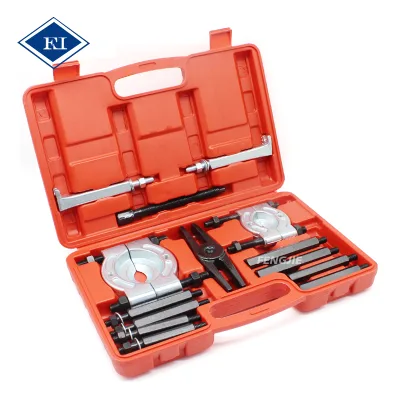
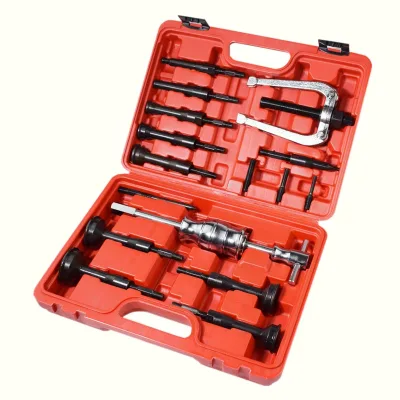
14-Piece Carbon Steel Hydraulic Bearing Puller & Gear Separator Tool Kit for Car Repair
$14.302 - $21.1944
MOQ: 50 sets
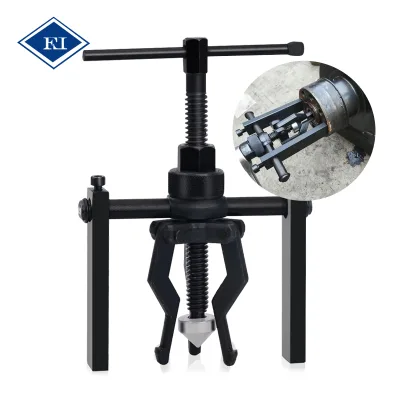
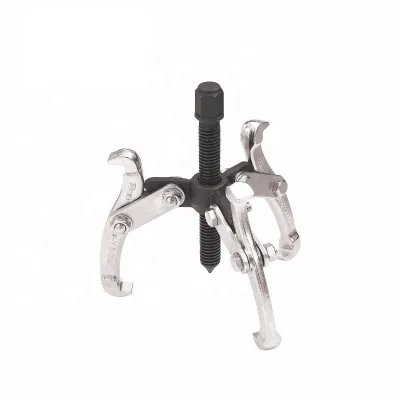
3-Jaw Carbon Steel Heavy Duty Inner Bearing Manual Puller Gear Bearing Extractor Tool for Car
$3.0879 - $7.1922
MOQ: 200 pieces

- Verified by BV
- Trading Company
- China Zhejiang
- Lead time30 days
- Avg. response≤ 3h
Main productsCable Cutter, Hydraulic Crimping Tool, Hydraulic Punching Tool, Wire Stripping Tool, Hydraulic Pump, Hydraulic Bending Tool, Hydraulic Cylinder, Rebar Cutter, Hydraulic Torque Wrench, Electric Construction Cool
Main marketsDomestic






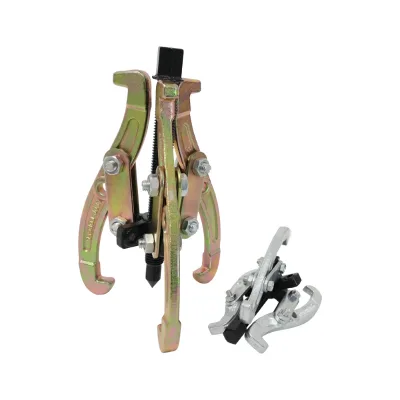
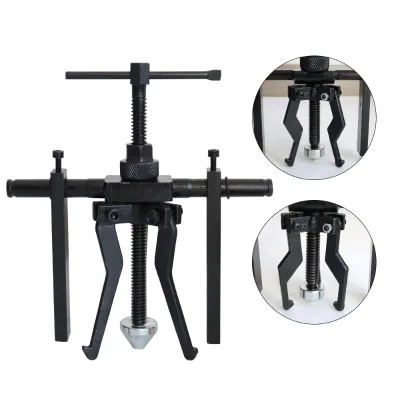
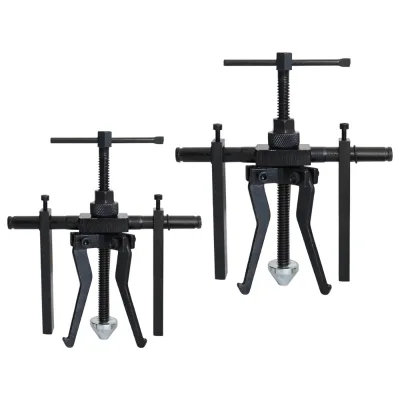
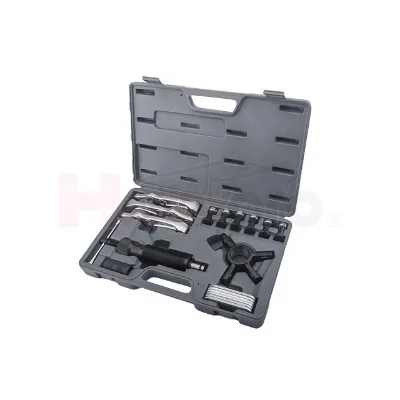






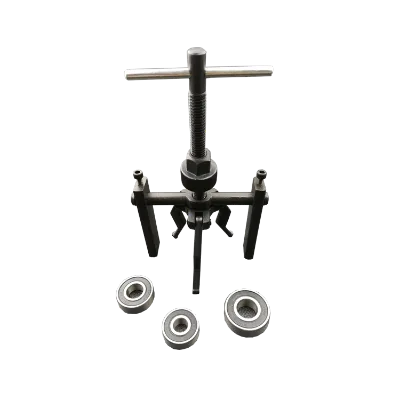
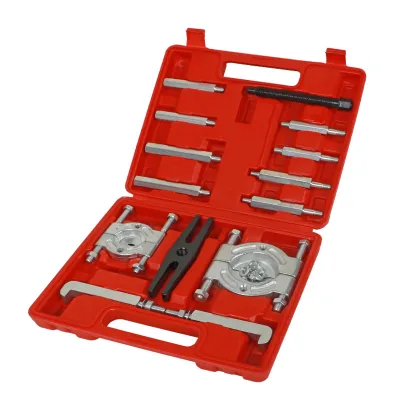
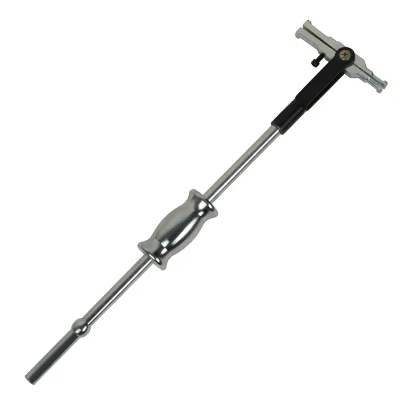


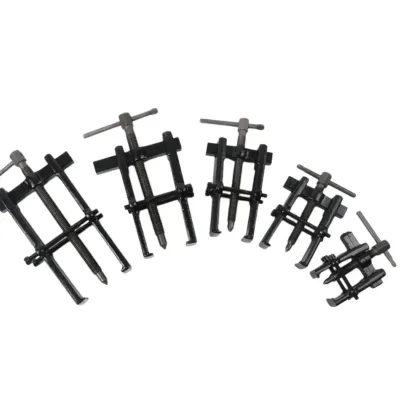
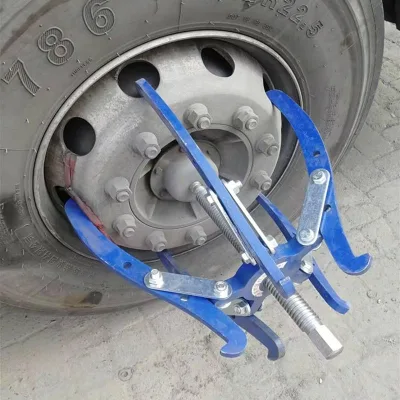


Comprehensive Sourcing Guide
Auto Repair Bearing Puller Supplier Concentration and Factory Types
The current supplier landscape for auto repair bearing pullers reveals a distinct geographic concentration in China, with specific manufacturing hubs identified in Anhui and Zhejiang provinces. This clustering suggests established industrial ecosystems where specialized tool production has scaled over time. Suppliers in these regions often operate as either trading companies or manufacturer/factory entities, offering buyers a choice between direct factory pricing and the logistical flexibility of trading intermediaries. The presence of both types indicates a mature supply chain where some entities focus on production capabilities while others manage international sales and distribution. Buyers should recognize that location data provides a baseline for understanding supply chain resilience, as regional clusters often share common infrastructure, skilled labor pools, and raw material access. This concentration does not guarantee uniform quality but rather indicates a competitive market where suppliers must differentiate themselves through service, certification, or product variety. The geographic focus on China highlights the region's dominance in hardware tool manufacturing, allowing for economies of scale that can benefit bulk purchasers. However, buyers must verify that the specific supplier they engage with is indeed located in these claimed regions, as some trading companies may list headquarters in one area while sourcing from different factories. Understanding this concentration helps in assessing shipping logistics and potential lead times, as proximity to ports in these provinces can influence export efficiency. The diversity of company types also means that buyers can choose partners based on their specific needs, whether they require custom OEM work from a factory or ready-to-ship inventory from a trader. This structural insight is crucial for long-term sourcing strategies, as it allows for the identification of reliable regional partners who can scale with business growth.
In terms of production capabilities, many suppliers in this sector offer extensive customization options, including OEM and ODM services. This flexibility is particularly valuable for buyers looking to brand their own tools or modify existing designs for specific automotive applications. The ability to customize packaging, such as neutral packing or branded color boxes, allows for better market positioning and brand recognition. Furthermore, the range of main products offered by these suppliers often extends beyond bearing pullers to include other hand tools, hydraulic jacks, and automotive repair equipment. This breadth of product lines suggests that many suppliers are comprehensive tool manufacturers rather than niche specialists, which can simplify the sourcing process for buyers needing multiple tool categories. The presence of own brands alongside generic offerings indicates a competitive market where suppliers are building their reputations. Buyers should leverage this by requesting samples to assess the quality of both branded and unbranded items. The customization availability also extends to product specifications, such as material choices and jaw configurations, allowing for tailored solutions for different bearing types. This adaptability is a key advantage in the auto repair sector, where tools must meet diverse mechanical requirements. By understanding the factory types and their capabilities, buyers can make more informed decisions about which suppliers align with their operational needs and quality standards.
How to Verify Auto Repair Bearing Puller Suppliers
Verifying the authenticity and reliability of Auto Repair Bearing Puller suppliers requires a multi-layered approach that goes beyond simple profile reviews. One critical step is to check for third-party verification badges, such as SGS or TÜV Rheinland, which indicate that an independent agency has audited the supplier's business operations. These verifications provide a layer of trust by confirming that the company exists and operates as claimed. However, buyers should not rely solely on these badges; they must also examine the specific scope of the verification to ensure it covers the relevant manufacturing or trading activities. Additionally, system certifications like ISO 9001 are strong indicators of a supplier's commitment to quality management systems. While the presence of such certifications is positive, buyers should request copies of the certificates and verify their validity through the issuing body. This due diligence helps ensure that the supplier maintains consistent quality standards across their production lines. It is also important to look for product-specific certifications, such as CE, RoHS, or GS, which may be required for certain markets or applications. These certifications demonstrate compliance with safety and environmental regulations, reducing liability risks for the buyer. By cross-referencing these credentials with the supplier's claims, buyers can build a more accurate picture of their operational integrity. This process of verification is essential for mitigating the risk of engaging with fraudulent or substandard suppliers.
Beyond certifications, buyers should actively engage with suppliers to assess their responsiveness and professionalism. The response time metric, often displayed on supplier profiles, offers a quantitative measure of how quickly a supplier communicates. A faster response time, such as under three hours, can indicate a well-staffed sales team and efficient internal processes. Buyers should test this by sending detailed inquiries about product specifications, customization options, and shipping terms. The quality of the response, including the accuracy of information and the willingness to provide additional documentation, is just as important as the speed. Furthermore, buyers should inquire about the supplier's main products to ensure they have expertise in bearing pullers rather than just listing them as part of a broad catalog. Suppliers with a focused product line often have deeper technical knowledge and better quality control measures. It is also advisable to ask for references or case studies from previous clients, particularly those in the automotive industry. This direct engagement helps buyers gauge the supplier's customer service quality and their ability to handle complex orders. By combining credential checks with active communication testing, buyers can significantly reduce the risk of supplier failure. This proactive verification strategy is crucial for building a reliable and sustainable supply chain for auto repair tools.
What to Compare Across Auto Repair Bearing Puller Suppliers
When evaluating multiple suppliers for auto repair bearing pullers, buyers must compare several key operational metrics to determine the best fit for their business. One of the most critical factors is the minimum order quantity (MOQ), which varies significantly across suppliers. Some suppliers may offer low MOQs, such as five units, which is ideal for small businesses or initial trial orders. Others may require higher MOQs, such as 200 units, which can be more cost-effective for large-scale procurement but poses a higher financial risk for new buyers. Understanding these MOQ differences allows buyers to align their purchasing strategy with their inventory management capabilities. Additionally, the price range for similar products can vary, with some suppliers offering competitive rates for basic models while charging premiums for specialized or heavy-duty tools. Buyers should compare not just the unit price but also the total cost, including shipping and customization fees. Another important metric is the lead time, which indicates how long it takes for an order to be processed and shipped. Suppliers with shorter lead times, such as 30 days, can help buyers maintain lean inventory levels and respond quickly to market demand. In contrast, longer lead times of 60 days or more may require more advanced planning and larger safety stocks. By comparing these operational metrics, buyers can identify suppliers that offer the best balance of cost, speed, and flexibility. This comparative analysis is essential for optimizing the procurement process and ensuring timely delivery of critical tools.
Product specifications and customization options are also vital areas for comparison. Buyers should examine the materials used in the construction of the bearing pullers, such as carbon steel or chrome vanadium steel, as these affect durability and performance. The jaw configuration, whether two-jaw or three-jaw, and the size range of the pullers should match the specific needs of the buyer's automotive repair operations. Some suppliers offer a wide range of models, from basic hand tools to heavy-duty hydraulic versions, allowing buyers to source a complete toolkit from a single partner. Customization capabilities, such as logo printing or custom packaging, can add value for buyers looking to brand their products. Buyers should also compare the packaging quality, as proper packaging is essential for protecting tools during transit. Additionally, the availability of after-sales support and warranty terms should be considered, as these factors can impact the long-term cost of ownership. By systematically comparing these product and service attributes, buyers can make informed decisions that align with their quality standards and business goals. This detailed comparison ensures that the selected supplier can meet the specific technical and commercial requirements of the buyer's operations.
Common Auto Repair Bearing Puller Sourcing Risks
Sourcing auto repair bearing pullers from international suppliers involves several inherent risks that buyers must proactively manage to ensure a smooth procurement process. One significant risk is the potential for quality inconsistencies, especially when dealing with suppliers who offer a wide range of products. While a supplier may claim to specialize in bearing pullers, their primary focus might be on other tool categories, leading to less rigorous quality control for pullers. Buyers should mitigate this risk by requesting detailed product specifications and material certifications before placing an order. Another common risk is the discrepancy between the sample quality and the bulk production quality. Suppliers may provide high-quality samples to secure an order but deliver inferior products in bulk. To avoid this, buyers should insist on pre-shipment inspections or hire third-party inspection services to verify that the bulk order meets the agreed-upon standards. Additionally, communication barriers can lead to misunderstandings regarding product specifications, packaging requirements, or shipping instructions. Buyers should maintain clear and documented communication channels, confirming all details in writing to prevent errors. This documentation serves as a reference in case of disputes or quality issues.
Logistical risks are also prevalent in international sourcing, particularly regarding shipping delays and customs clearance issues. Suppliers may underestimate lead times or face production bottlenecks, resulting in delayed shipments. Buyers should establish clear delivery schedules and include penalty clauses for late deliveries in their contracts. Furthermore, changes in import regulations or tariffs can impact the total cost of goods. Buyers should stay informed about trade policies and factor these potential costs into their pricing strategies. Another risk is the lack of after-sales support, which can be problematic if tools fail or require replacement parts. Buyers should verify the supplier's warranty policy and their ability to provide technical support or spare parts. By identifying and addressing these common risks early in the sourcing process, buyers can protect their business interests and ensure a reliable supply of auto repair bearing pullers. Proactive risk management is essential for maintaining operational continuity and customer satisfaction in the automotive repair industry.
Auto Repair Bearing Puller Regional Sourcing and Logistics
The geographic concentration of Auto Repair Bearing Puller suppliers in China, particularly in Anhui and Zhejiang provinces, offers distinct logistical advantages for international buyers. These regions are well-connected to major shipping ports, facilitating efficient export operations and reducing transit times to global markets. Buyers sourcing from these areas can benefit from established logistics networks and competitive freight rates. However, the specific location of the supplier can impact shipping costs and delivery schedules. Buyers should verify the exact port of loading and negotiate shipping terms that align with their distribution needs. Additionally, the proximity to manufacturing clusters can reduce lead times, as suppliers have easier access to raw materials and component suppliers. This regional efficiency can be a significant competitive advantage for buyers requiring fast turnaround times. Buyers should also consider the local infrastructure, such as road and rail connectivity, which can affect the reliability of inland transportation to ports. By understanding the logistical landscape of these regions, buyers can optimize their supply chain and reduce overall procurement costs. This regional insight is crucial for planning inventory levels and managing customer expectations regarding delivery times.
Logistics planning should also account for potential disruptions, such as seasonal peaks or global shipping constraints. Buyers should work with suppliers who have experience in international shipping and can navigate customs procedures efficiently. Clear communication regarding Incoterms is essential to define responsibilities for shipping, insurance, and customs clearance. Buyers should also consider the packaging requirements, as proper packaging is vital for protecting tools during long-distance transit. Suppliers in these regions often offer various packaging options, from neutral cartons to branded boxes, which can impact shipping volume and cost. Buyers should evaluate the trade-off between packaging quality and shipping efficiency to find the optimal solution. Furthermore, buyers should monitor shipping rates and fuel surcharges, as these can fluctuate and impact the total landed cost. By developing a robust logistics
FAQs
What is the price range for auto repair bearing pullers?
Prices for these tools typically range from $1.00 to $32.00 per unit. The final cost depends on the specific model, material quality, and order quantity. Buyers should check the minimum order quantity to determine the exact per-unit price for their specific procurement needs.
What certifications are available for these tools?
Suppliers offer various certifications including ISO 9001, ISO, GS, RoHS, and CE. These certifications ensure that the manufacturing processes and product safety meet international standards. Buyers should verify specific certification requirements with the supplier to ensure compliance with local regulations.
What is the typical lead time for orders?
Lead times generally range from 30 to 60 days depending on the supplier and order volume. Some manufacturers offer faster turnaround times for standard items. Buyers should confirm the exact production schedule with the supplier before placing an order to ensure timely delivery.
What is the minimum order quantity for these tools?
Minimum order quantities vary significantly, ranging from 5 units to 200 sets. Lower MOQs are often available for standard models, while higher volumes may be required for custom OEM orders. Buyers should check the specific MOQ for the product model they intend to purchase.
Where are these suppliers located?
Manufacturers are primarily located in China, specifically in Anhui and Zhejiang provinces. These regions are known for their robust manufacturing capabilities for hand tools and automotive repair equipment. Buyers can filter suppliers by location to reduce shipping costs and improve logistics efficiency.
Do suppliers offer customization services?
Yes, many suppliers accept OEM and ODM customization requests. Buyers can often customize packaging, branding, and specific product features to meet their requirements. It is advisable to discuss customization details and potential additional costs directly with the supplier during the inquiry process.