Biodegradable Eco-Friendly Kitchen Sponge Suppliers and Manufacturers
Compare 26 verified suppliers offering biodegradable eco-friendly kitchen sponges with details on location, lead times, and MOQs. Review response times and certifications to select the right partner for your sourcing needs; review the available evidence before requesting comparable quotations from suitable candidates.
Updated
Suppliers List
Shenzhen Mantimelong Electronic Co., Ltd.
- Manufacturer, Trading Company
- Guangdong, China
- Lead time3 days
- Avg. response≤ 10h
Main productsBALL PEN,STATIONERY,HOUSEHOLD SUNDRIES,PEN
Main marketsNorthern Europe(25.00%), South America(20.00%), Mid East(13.00%), Western Europe(10.00%), North America(10.00%), Eastern Europe(8.00%), Oceania(5.00%), Eastern Asia(5.00%), Southeast Asia(4.00%)

Jiangsu Miaohong Environmental Protection New Material Co., Ltd.
- Verified by BV
- Combined
- China Jiangsu
- Lead time15 days
- Avg. response≤ 7h
Main productsSponge, Cleaning Sponge, Kitchen Sponge, Dishcloth, Magic Sponge
Main marketsSouth America,Southeast Asia/ Mideast,Domestic,Europe,North America

Eco-Friendly Cellulose Sponge Biodegradable Kitchen Compressed Cellulose Face Sponge
$0.80
MOQ: 3000 Pieces


Eco-Friendly Non-Scratch Scrub Reusable Wash Dishes Cleaning Kitchen Sponge
$0.20 - $0.37
MOQ: 1000 Pieces


Printed Eco Friendly Compressed Cellulose Biodegradable Kitchen Dish Cleaning Sponge
$0.25
MOQ: 3000 Pieces


Yancheng Hengfeng Sponge Co., Ltd.
- Verified by TUVRHEINLAND
- Combined
- China Jiangsu
- Lead time15 days
- Avg. response≤ 6h
Main productsSponge, Cleaning Cloths, Cellulose Sponge, Melamine Sponge, Kitchen Sponge, Memory Foam Pillow, Plastic Brush, Cellulose Sponge Cloth, Car Wash Sponge, Sponge Scourer
Main marketsSouth America,Southeast Asia/ Mideast,East Asia(Japan/ South Korea),Domestic,Europe,Australia,North America

Biodegradable Natural Kitchen Eco-Friendly Compostable Coconut Cellulose Sponge
$0.15 - $0.23
MOQ: 1000 Pieces

Eco Friendly Odor Resistant Biodegradable Reusable Natural Kitchen Cleaning Sponge for Cookware
$0.15 - $0.23
MOQ: 1000 Pieces
Shandong Bunker Commodity Co., Ltd.
- Verified by Intertek
- Manufacturer, Trading Company
- Lead time30 days
- Avg. response≤ 3h
Main productsStainless Steel Scourer, Cleaning Sponge, Scouring Pad, Mesh Scourer, Cleaning Cloth
Main marketsDomestic Market(23%), South America(15%), South Asia(15%)
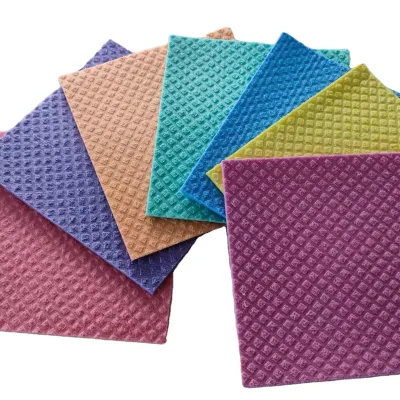
Eco Friendly Dish Cleaning Sponge Biodegradable Sponges Non-Scratch Natural Dish Sponge
$0.10
MOQ: 10000 Minimum
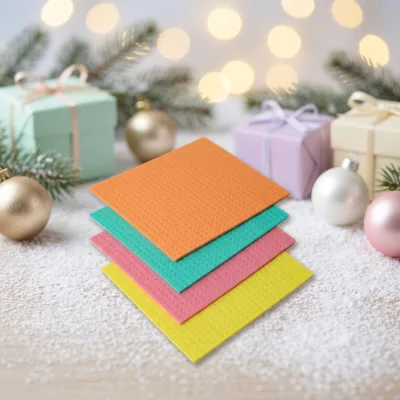
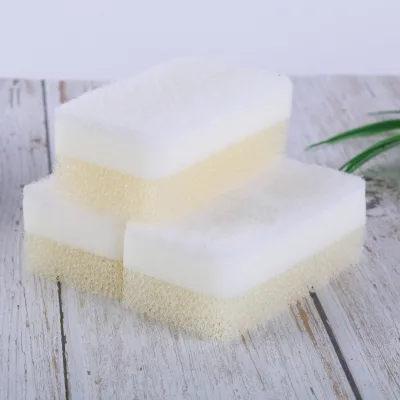
Eco Fiendly Sponge Drains Water Quickly Multi Function Cleaning Kitchen Kitchen Cleaning Sponge
$0.06 - $0.10
MOQ: 10000 pieces
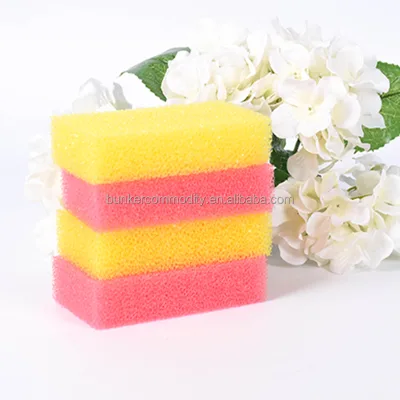
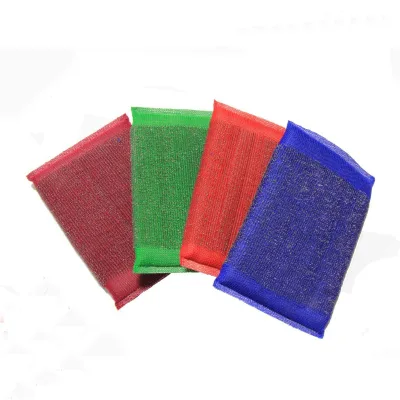
Hand Protect High Absorption Abrasive Non Scratch Kitchen Sponge for Dish Washing
$0.09 - $0.11
MOQ: 100
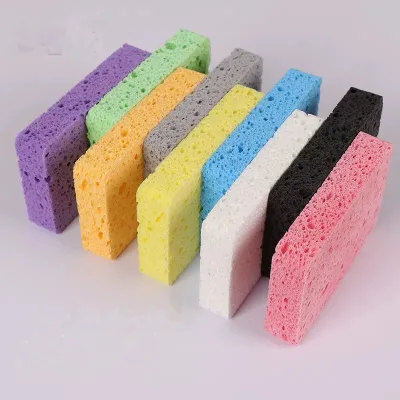
$0.09 - $0.11
MOQ: 10000 pieces

Ningbo Fantasticar International Trade Co., Ltd.
- Verified by SGS
- Combined
- China Zhejiang
- Lead time30 days
- Avg. response≤ 7h
Main productsMicrofiber Cloth, Microfiber Towels, Car Cleaning, Tear-Away Microfiber Cloth Roll, Tear Away Towels Roll, Wiper Blade, Car Cleaning Brush, Microfiber Cloth Glove, Snow Brush, Car Wash Bucket
Main marketsSouth America,Europe,North America

Fantasticlean Lemon Printed Sponge Eco Friendly Biodegradable Kitchen Dish Washing Cleaning Sponge
$0.50 - $1.50
MOQ: 1000 pieces

Fantasticlean Eco Friendly Biodegradable Kitchen Dish Washing Cleaning Microfiber Net Sponges
$0.50 - $1.50
MOQ: 1000 pieces
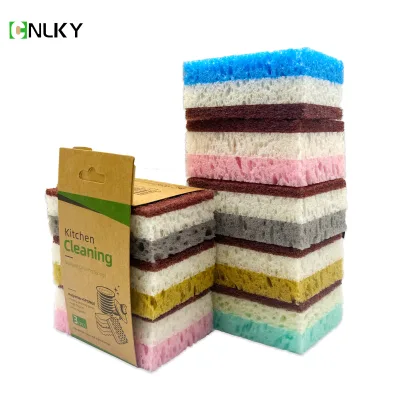
Ningbo Lky Commodity Co., Ltd.
- Verified by SGS Group
- Manufacturer, Trading Company
- Lead time30 days
- Avg. response≤ 3h
Main productsBath Brush, Bath Product; African Net, Wood Pulp Sponge, Hair Brush, Kitchen Cleaning Sponge
Main marketsWestern Europe(28%), North America(20%), South America(8%)
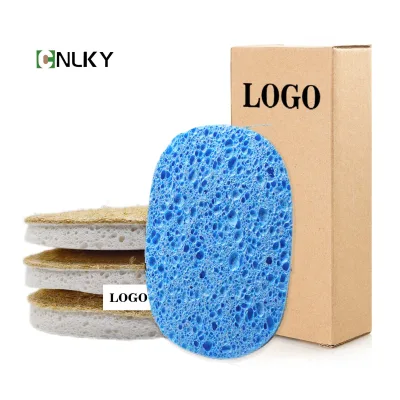
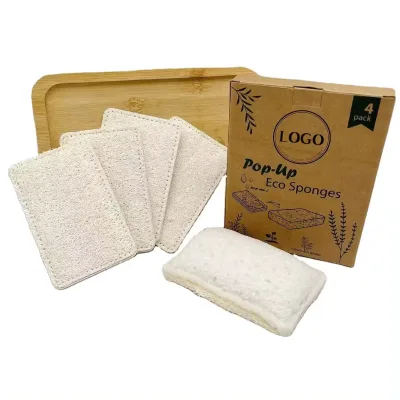
Natural Loofah Kitchen Sponges Eco Friendly Sponges for Dishes Reusable Scrubbers Sponges
$0.50 - $0.68
MOQ: 1000 pieces
SEQ Industrial (Changzhou ) Co., Ltd.
- Manufacturer, Trading Company
- Jiangsu, China
- Lead time0 days
- Avg. response≤ 11h
Main productsmicrofiber cloth,wash mitt,cleaning sponge,household towel,kitchen towel
Main marketsNorth America(20.00%), Western Europe(10.00%), Domestic Market(10.00%), Mid East(10.00%), Southern Europe(10.00%), Eastern Europe(10.00%), South America(10.00%), Eastern Asia(5.00%), Oceania(5.00%), Northern Europe(5.00%), Central America(5.00%)
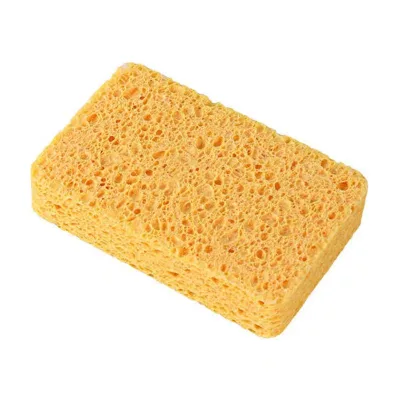
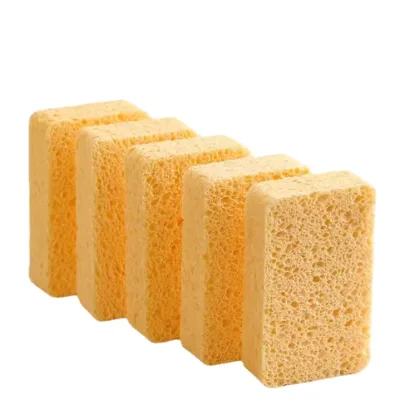
Eco-Friendly Biodegradable Compressed Cellulose Kitchen Cleaning Sponge Free for Scouring Pads
$0.3613 - $0.4122
MOQ: 3 pieces
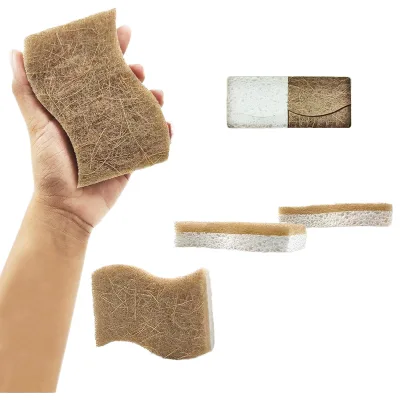
SEQ 2025 biodegradable Compostable Natural kitchen sponge for pot and pan cleaning
$0.18 - $0.25
MOQ: 10 pieces
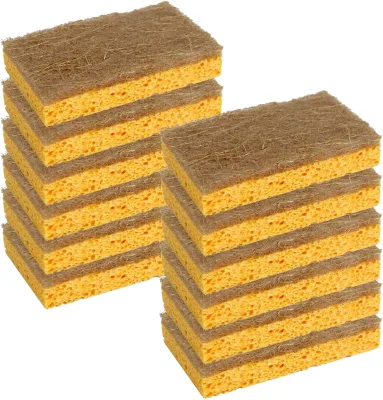
New Arrival Biodegradable Natural Kitchen Sponge Compostable Coconut Fiber Eco Friendly Scrubber
$0.1859 - $0.2263
MOQ: 10 pieces
Henan Dibangni Industrial Development Co., Ltd.
- Manufacturer, Trading Company
- Henan, China
- Lead time3 days
- Avg. response≤ 6h
Main productsHome Storage & Organization,Kitchen & Tabletop
Main marketsNorth America(30.00%), Southeast Asia(10.00%), Northern Europe(10.00%), Western Europe(10.00%), Eastern Europe(5.00%), Central America(5.00%), South America(5.00%), South Asia(5.00%), Southern Europe(5.00%), Oceania(5.00%), Domestic Market(5.00%), Eastern Asia(2.00%), Mid East(2.00%), Africa(1.00%)
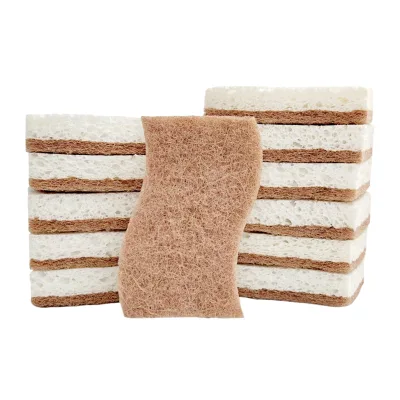
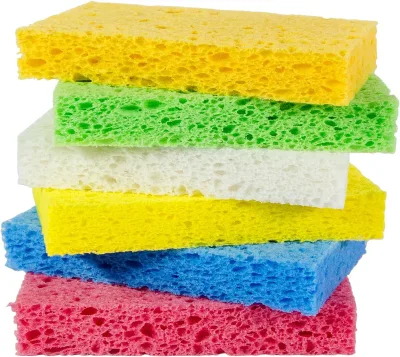
$0.1859 - $0.2893
MOQ: 1 pieces
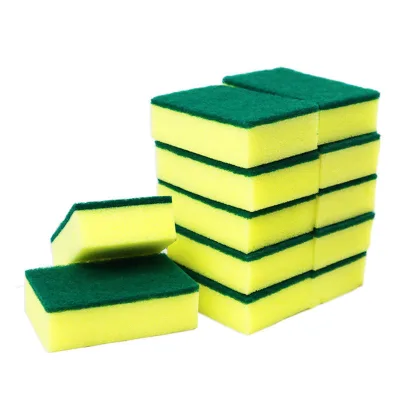
High Quality Eco Friendly Customized Durable Cleaning Cellulose Nylon Pad Kitchen Sponge
$0.03 - $0.04
MOQ: 3000

Zhangjiagang Fengyuan Import & Export Co., Ltd.
- Trading Company
- China Jiangsu
- Lead time38 days
- Avg. response≤ 16h
Main productsMicrofiber and Cotton Mops, Microfiber Cleaning Cloth, Non-Woven Wipes, Cleaning Sponges and Scouring Pads, Cleaning Dusters, Brushes and Brooms
Main marketsSouth America,Africa,Southeast Asia/ Mideast,Domestic,Europe,Australia,North America
Shandong Inso Bio-Tech Co., Ltd.
- Manufacturer, Trading Company
- Shandong, China
- Lead time3 days
- Avg. response≤ 1h
Main productsIndustrial Cleaning Product,Commericial Cleaning Product,Microfiber Manufacture,Towels Manufacture,Commercial Product Supply Chain
Main marketsSoutheast Asia(35.00%), Eastern Europe(20.00%), Eastern Asia(15.00%), South America(15.00%), North America(10.00%), South Asia(5.00%)

- Verified by BV
- Trading Company
- China Zhejiang
- Lead time30 days
- Avg. response≤ 13h
Main productsLunch Box
Main marketsSouth America,Africa,Southeast Asia/ Mideast,East Asia(Japan/ South Korea),Europe,Australia,North America

Multi-Purpose Sponges Kitchen Non-Scratch Microfiber Sponges Reusable Dish Sponge
$0.25
MOQ: 3000 Pieces


Kitchen Cleaning Sponges Non-Scratch for Dish Scrub Sponges Multi-Purpose Sponges
$1.30
MOQ: 3000 Pieces

Ningbo Partner Leisure Products Co., Ltd.
- Trading Company
- Zhejiang, China
- Lead time0 days
- Avg. response≤ 8h
Main productspet supplies,cooker,kitchen accessories,egg incubator,storage box
Main marketsNorth America(80.00%), South America(15.00%), Eastern Europe(5.00%)

Jiangyin Moonstar Clean Products Co., Ltd.
- Verified by SGS
- Trading Company,Manufacturer/Factory
- China Jiangsu
- Lead time15 days
- Avg. response≤ 12h
Main productsMicrofiber Cloth, Microfiber Fabric, Nonwoven Fabric
Main marketsSouth America,Eastern Europe,Mid East,North America,Southeast Asia,Eastern Asia,Oceania,Western Europe,Africa

Compressed Cellulose Sponge Magic Biodegradable Kitchen Dish Washing Cleaning Sponge
$0.10
MOQ: 10000 Pieces


Shenzhen Hongchengxing Industry (Group) Co., Ltd.
- Manufacturer, Trading Company, Buying Office
- Guangdong, China
- Lead time20 days
- Avg. response≤ 11h
Main productsBath sponge,Car wash sponge,Dishwashing sponge,Wood pulp cotton,Pva sponge
Main marketsNorth America(50.00%), South America(15.00%), Eastern Europe(10.00%), Eastern Asia(5.00%), Oceania(5.00%), Africa(5.00%), Southeast Asia(5.00%), Mid East(3.00%), Western Europe(2.00%)

- Verified by SGS
- Combined
- China Guangdong
- Lead time30 days
- Avg. response≤ 23h
Main productsScouring Pad, Sponge Scrubber, Floor Pad, Sponge Scouring Pad, Brush, Nylon Scouring Pad, Polishing Pad, Car Sponge, Sponge Washing Pad, Cleaning Tool
Main marketsAfrica,Domestic,Europe
Xinxiang Hongqi District Huafeiwu Import And Export Trade Co., Ltd.
- Trading Company
- Henan, China
- Lead time0 days
- Avg. response≤ 4h
Main productsHome decor,Kitchenware,Garden Supplies
Main marketsSoutheast Asia(20.00%), Mid East(20.00%), South Asia(20.00%), Africa(10.00%), Eastern Asia(10.00%), Northern Europe(10.00%), Domestic Market(10.00%)
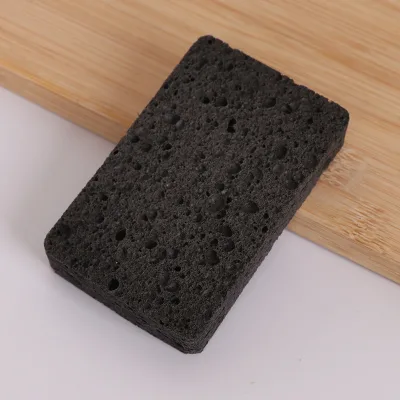
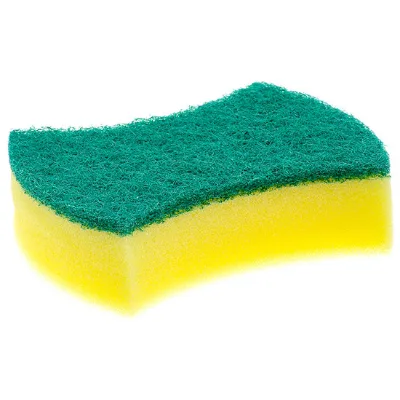
$0.0525 - $0.0734
MOQ: 100 pieces

Hubei Zhongtai Abrasive Tools Co., Ltd.
- Verified by SGS
- Combined
- China Hubei
- Lead time30 days
- Avg. response≤ 8h
Main productsSand Paper, Sanding Sponge Block, Abrasive Cloth Roll
Main marketsSouth America,Southeast Asia/ Mideast,East Asia(Japan/ South Korea),Europe
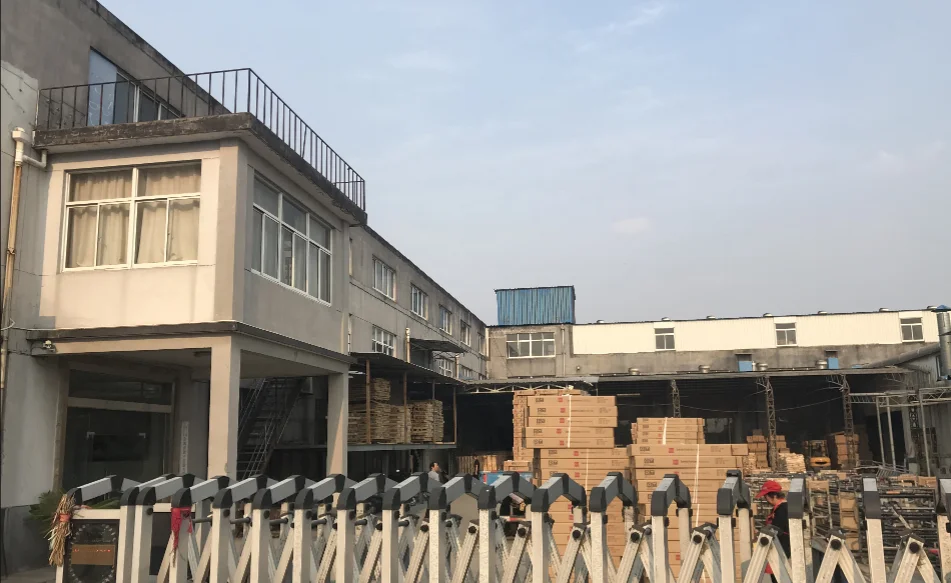
Jinhua Mairuibao Musical Instruments Co., Ltd.
- Trading Company
- Zhejiang, China
- Lead time15 days
- Avg. response≤ 2h
Main productsGuitar Parts and accessories,Electric and Acoustic Guitar,Car cleaning Products,Car Repair Tools,Car decoration
Main marketsNorth America(35.00%), Eastern Europe(20.00%), South America(12.00%), Western Europe(10.00%), Central America(5.00%), Southern Europe(5.00%), Southeast Asia(5.00%), Northern Europe(2.00%), Domestic Market(2.00%), Mid East(2.00%), Eastern Asia(1.00%), Africa(1.00%)
Jiashan Donghui Sponge Co., Ltd.
- Manufacturer
- Zhejiang, China
- Lead time23 days
- Avg. response≤ 4h
Main productsScouring Pad,Kitchen sponge,Cellulose sponge,magic sponge,toilet sponge refills
Main marketsDomestic Market(90.00%), North America(8.00%), Eastern Europe(2.00%)
Shaoxing Long Shinne Living Technology Co., Ltd.
- Manufacturer, Trading Company
- Zhejiang, China
- Lead time45 days
- Avg. response≤ 2h
Main productsSponge Cleaner,Bottle Brush,Car Brush,Cleaning Cloth,Kitchen Brush
Main marketsEastern Asia(85.00%), North America(5.00%)
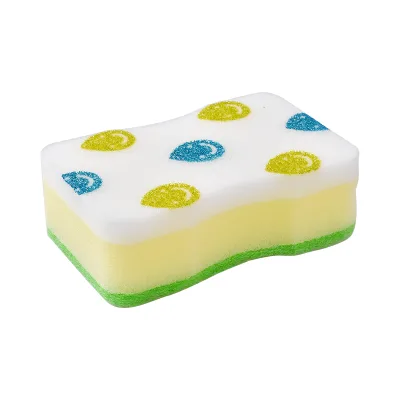
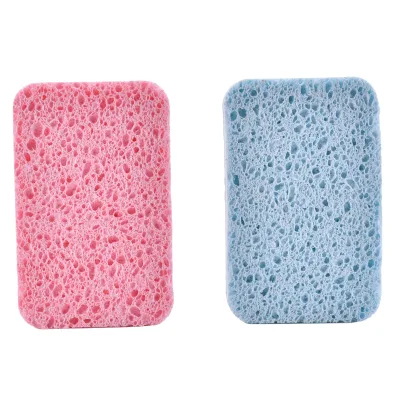
Daily Necessities Eco-friendly Soft Cellulose Sponges Kitchen Cleaning Scrubber
$0.32 - $0.37
MOQ: 1000
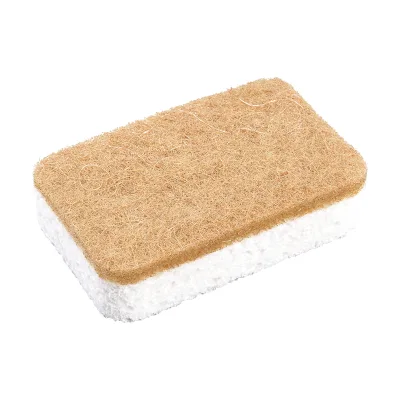
$0.20 - $0.25
MOQ: 1000 pieces
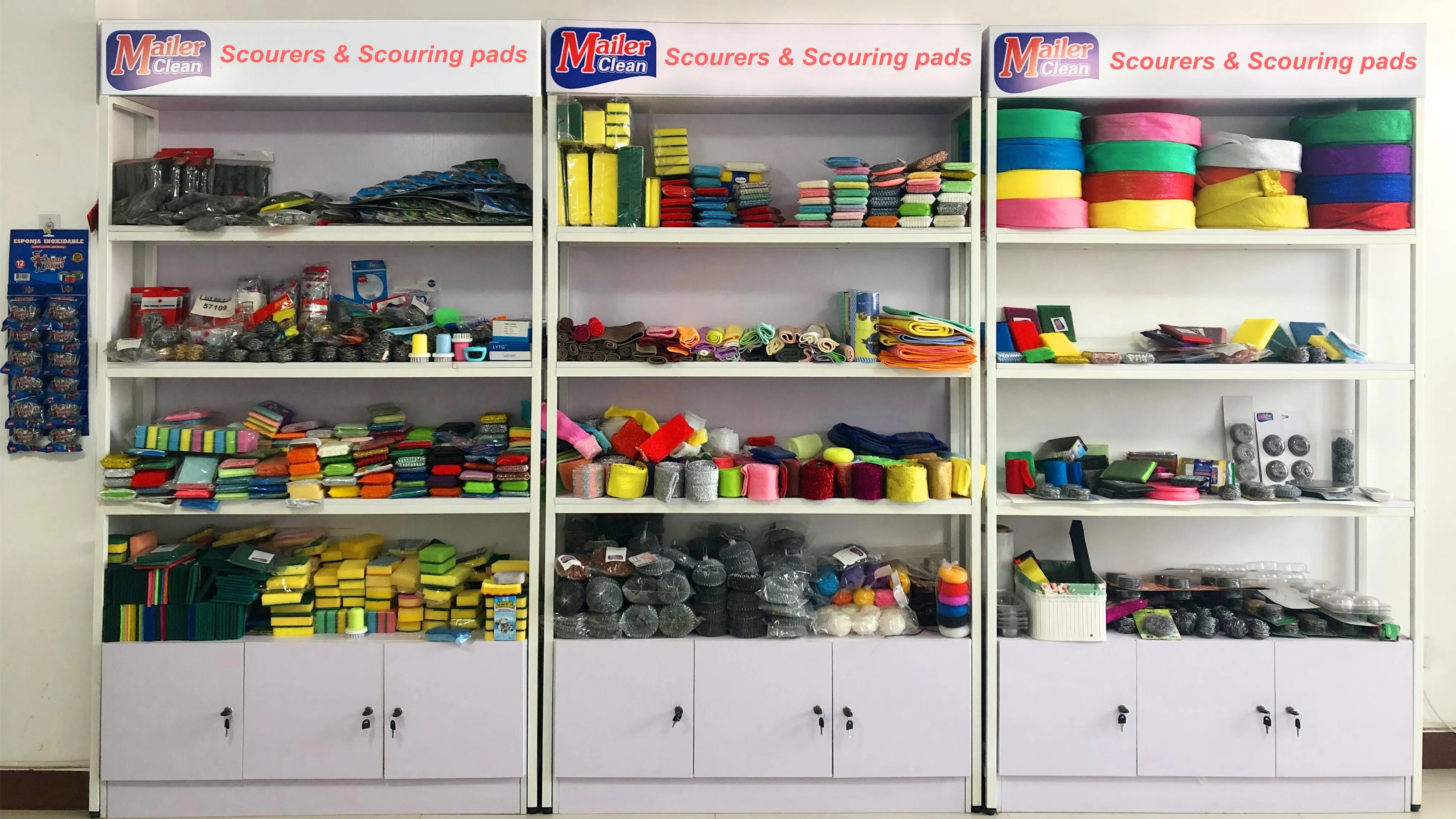
Linyi Mailer International Trade Co., Ltd.
- Trading Company
- Shandong, China
- Lead time30 days
- Avg. response≤ 8h
Main productsScourers,Cleaning Sponge,Scouring Pads,Cleaning Clothes
Main marketsWestern Europe(40.00%), Eastern Europe(20.00%), North America(10.00%), Mid East(10.00%), Africa(10.00%), South America(10.00%)
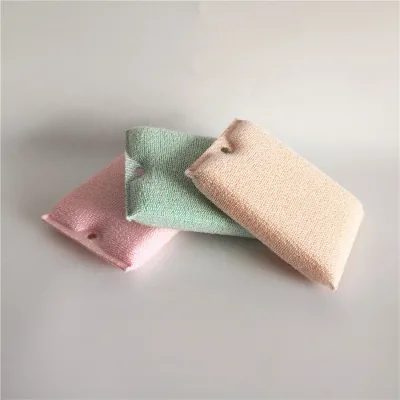
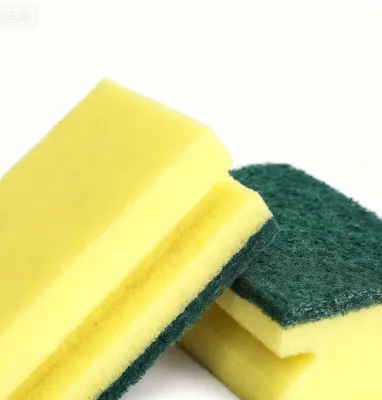
$0.30
Yancheng Baijie Household Products Co., Ltd.
- Verified by TüVRheinland
- Trading Company
- Lead time30 days
- Avg. response≤ 2h
Main productsCellulose Cloth, Cellulose Sponge, Microfiber Cloth, Scrub Sponge
Main marketsNorth America(25%), South America(20%), Western Europe(15%)

PEIDA MACHINERY GROUP CO., LTD.
- Verified by BV
- Manufacturer/Factory
- China Anhui
- Lead time90 days
- Avg. response≤ 9h
Main productsBarge, Tugboat, Oil Tanker Ship, Cargo Ship, Tug Boat, Floating Crane Barge, Passenger Ship, Passenger Boat, Deck Barge, Oil Barge
Main marketsSouth America,North America,Southeast Asia,Western Europe,Africa

Wholesale New Custom Eco Friendly Kitchen Biodegradable Dishwashing Loofah Sponge
$0.20 - $0.80
MOQ: 1000 Pieces

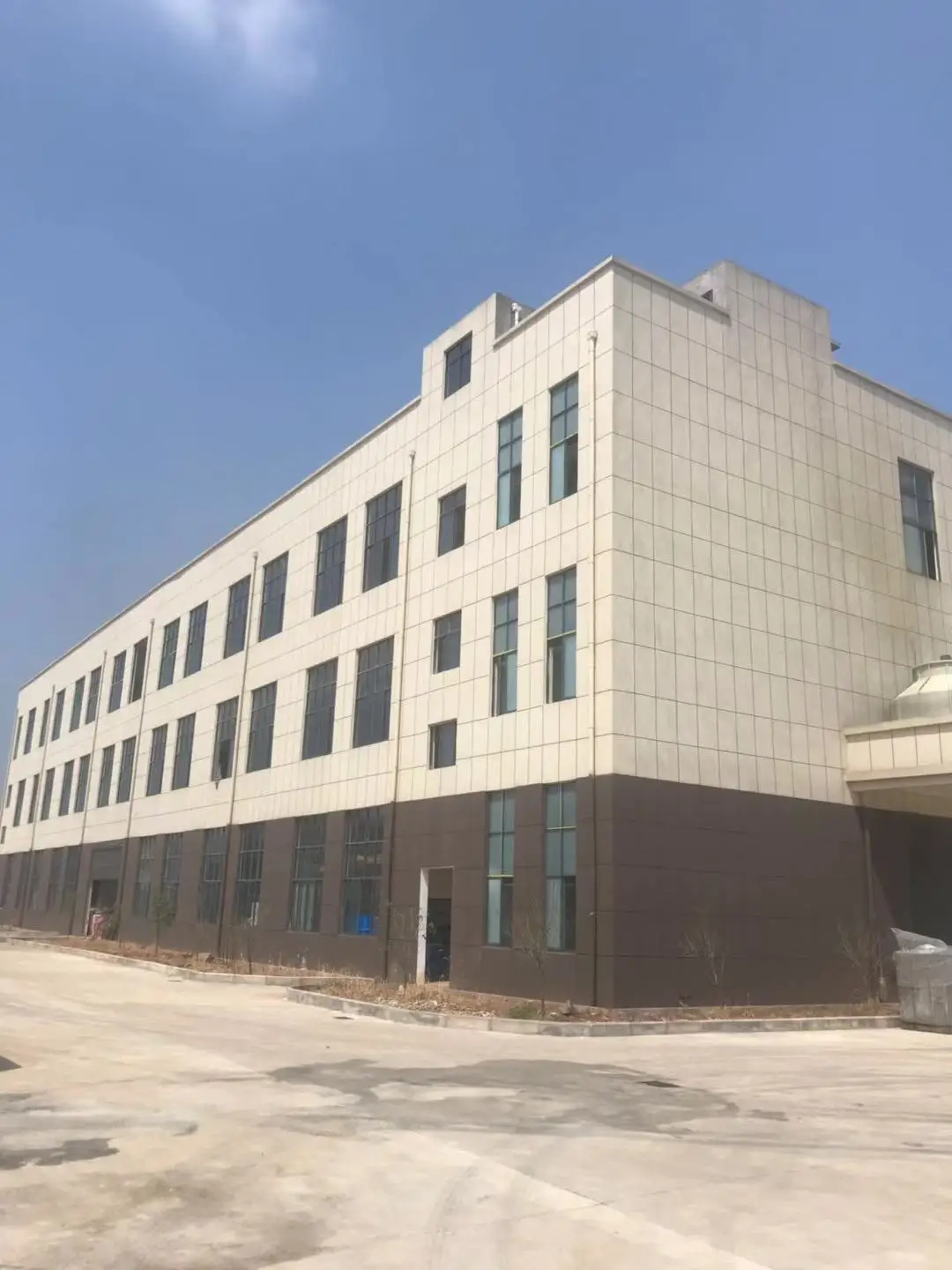
Dongguan Guoshun New Materials Co., Ltd.
- Manufacturer, Trading Company
- Guangdong, China
- Lead time30 days
- Avg. response≤ 4h
Main productsCellulose Sponge,Cellulose Sponge/EVA/PVA/PU/Beauty Blender
Main marketsNorth America(70.00%), Eastern Asia(10.00%), Eastern Europe(10.00%), South America(10.00%)
Henan Enda New Material Co., Ltd.
- Trading Company
- Henan, China
- Lead time3 days
- Avg. response≤ 7h
Main productsCleaning sponge,Melamine foam panel,PP hollow board,Yard Signs,Bamboo fiber cloth
Main marketsEastern Europe(20.00%), Western Europe(20.00%), North America(20.00%), Northern Europe(10.00%), South America(10.00%), Eastern Asia(10.00%), Oceania(10.00%)
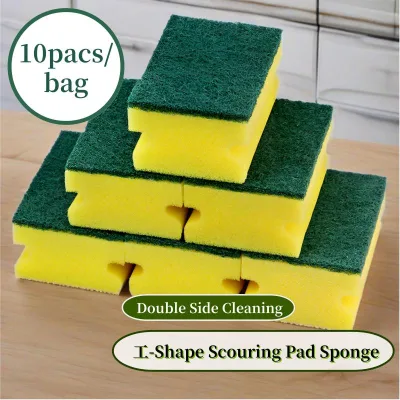
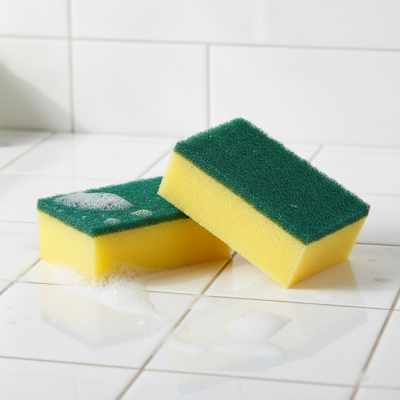
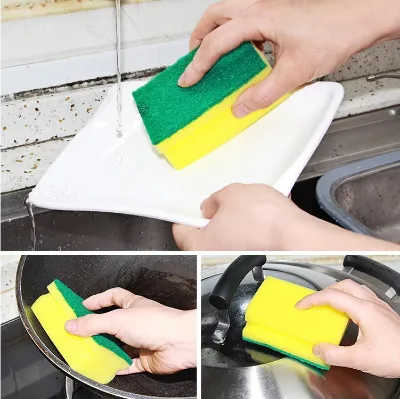
Eco-friendly Multi-Use Scouring Pad Household and Commercial Cleaning Sponges Factory Price
$0.0418 - $0.0835
MOQ: 420 pieces
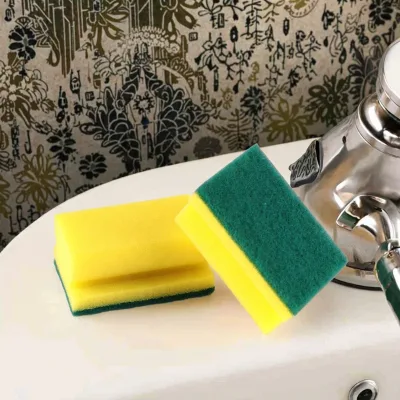
$0.0617 - $0.0823
MOQ: 1 pieces
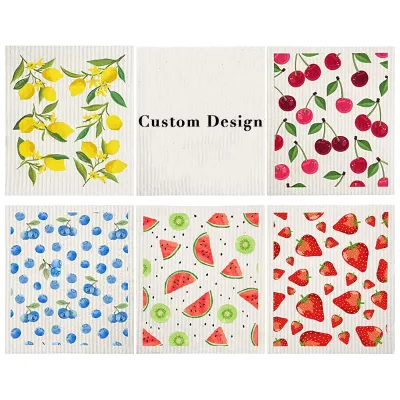
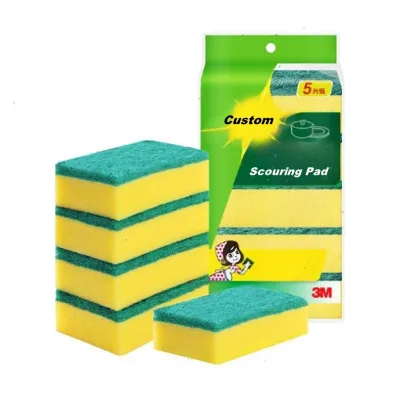

Dongguan Dihui Foam Sponge Co., Ltd.
- Verified by TUVRHEINLAND
- Combined
- China Guangdong
- Lead time15 days
- Avg. response≤ 9h
Main productsScouring Pad, PU Foam
Main marketsDomestic


High Quality Customized Kitchen Dish Scouring Pad Scrubber Cleaning Sponge
$0.05 - $0.08
MOQ: 1000 Pieces



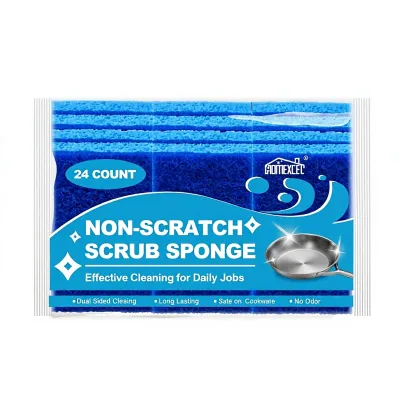
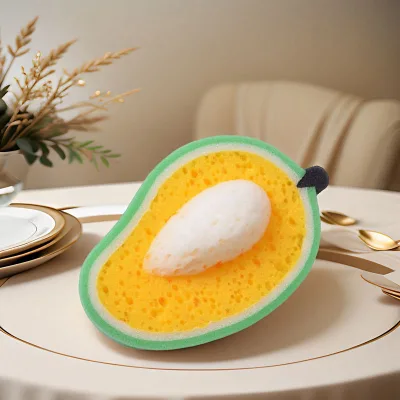
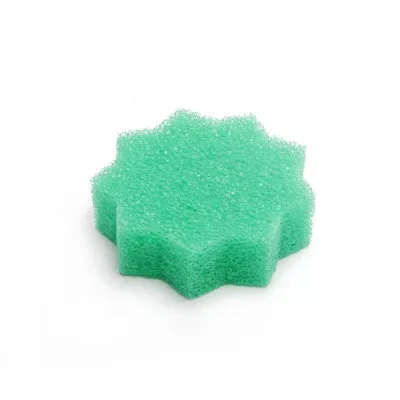
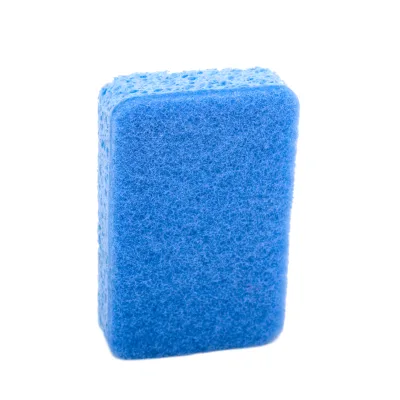


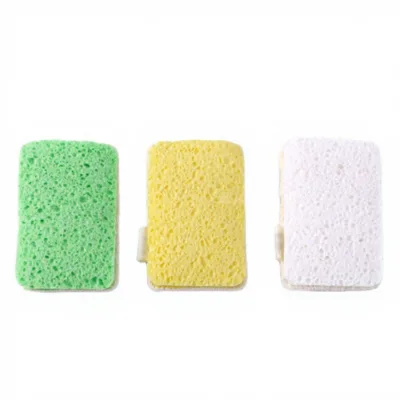
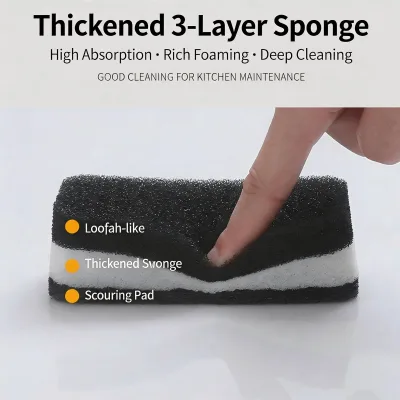
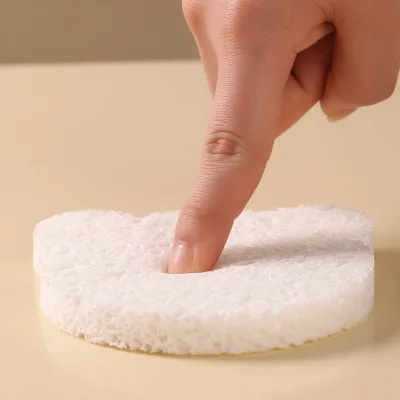
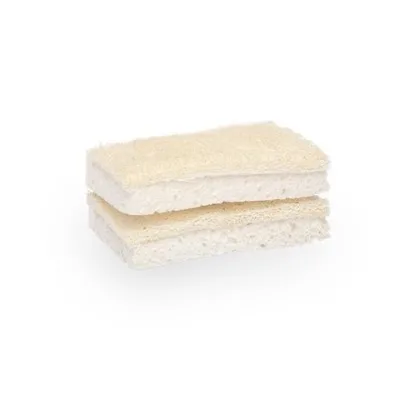
Comprehensive Sourcing Guide
Biodegradable Eco-Friendly Kitchen Sponge Supplier Concentration and Factory Types
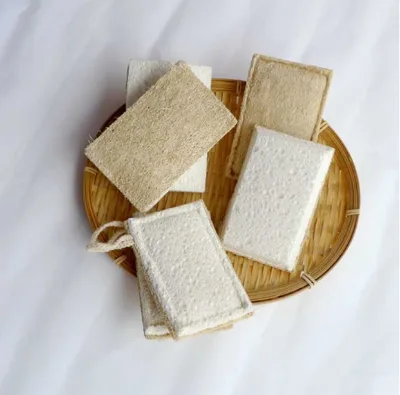
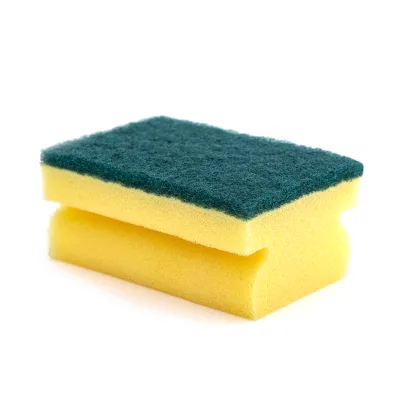
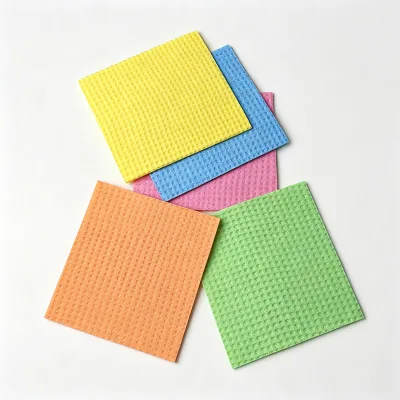
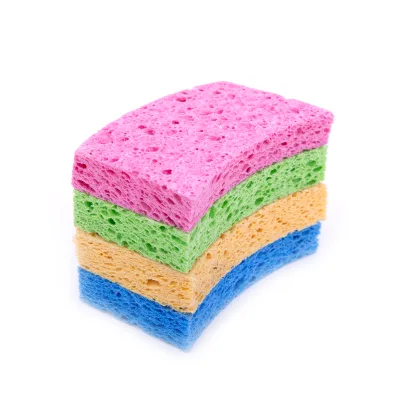
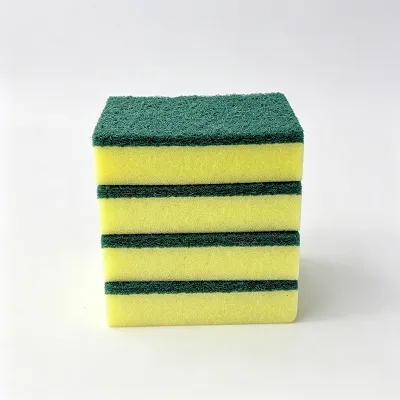
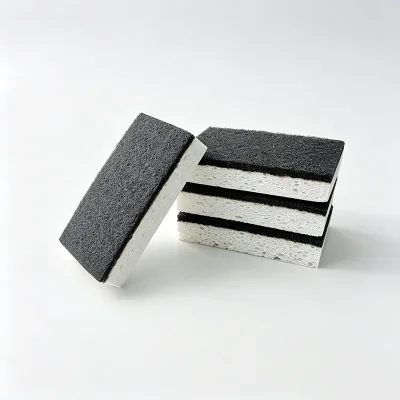
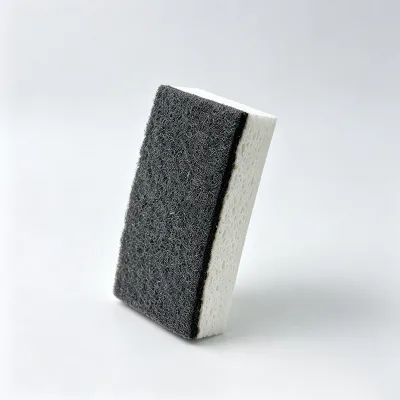
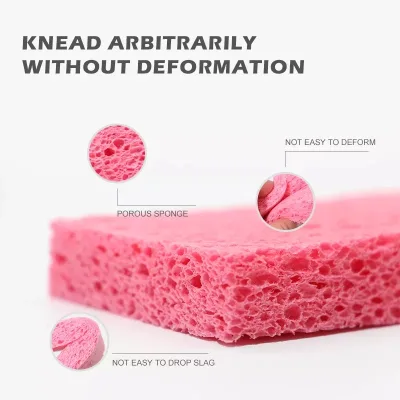
The current supplier landscape for biodegradable eco-friendly kitchen sponges reveals a distinct geographic concentration in Guangdong, China, which serves as a primary manufacturing hub for these household cleaning tools. This region hosts a mix of manufacturers and trading companies that specialize in producing items such as cellulose sponges, sisal blends, and compressed cleaning pads. The presence of Guangdong-based suppliers indicates a mature supply chain ecosystem where raw materials like wood pulp cotton and synthetic sponges are readily accessible, allowing for efficient production cycles. Buyers evaluating this market should note that while Guangdong is a confirmed location for many suppliers, other regions like Jiangsu also host verified entities, suggesting a broader national distribution of manufacturing capabilities. Understanding this geographic spread helps buyers assess logistics costs and lead times, as proximity to ports in Guangdong often facilitates faster export processes for international orders.
Factory types in this sector vary significantly, ranging from pure manufacturers to combined entities that handle both production and trading. Some suppliers are identified as manufacturers with specific capabilities in OEM and ODM services, indicating they can customize product designs, packaging, and materials to meet specific buyer requirements. Others operate as trading companies or combined firms, which may offer a wider variety of products but might outsource the actual manufacturing. It is crucial for buyers to distinguish between these types because manufacturers typically offer more control over production quality and cost structures, while trading companies might provide better flexibility in order sizes and product diversity. The verification status of suppliers, such as BV verification, adds a layer of confidence regarding their operational legitimacy, though it does not guarantee the quality of every individual product batch. Buyers should carefully review the company type and verification badges to align their sourcing strategy with their specific needs for customization, volume, and quality assurance.
How to Verify Biodegradable Eco-Friendly Kitchen Sponge Suppliers
Verifying suppliers requires a multi-layered approach that goes beyond simple profile reviews, focusing on tangible evidence of capability and reliability. Buyers should prioritize suppliers who display clear verification badges, such as BV verification, which indicates that a third-party inspection has confirmed certain aspects of the business. However, verification is not a substitute for direct communication and due diligence. It is essential to assess the supplier's response time, as a quick and professional reply often correlates with better customer service and operational efficiency. For instance, some suppliers demonstrate response times within a few hours, which is a positive indicator for timely negotiations and issue resolution. Buyers should also examine the supplier's main products to ensure they specialize in biodegradable sponges rather than offering a generic, unfocused catalog, which might suggest a lack of deep expertise in this specific niche.
In addition to response times and verification badges, buyers must scrutinize the detailed product attributes and specifications provided by the supplier. Look for clear information on materials, such as cellulose, sisal, or wood pulp cotton, and confirm that these align with the "biodegradable" and "eco-friendly" claims. Suppliers should provide specific model numbers, dimensions, and packaging details, which demonstrate a level of professionalism and organization. It is also important to check if the supplier offers customization options, such as OEM services or custom packaging, as this can be a sign of a more flexible and capable manufacturing partner. Buyers should request samples to physically verify the quality, texture, and biodegradability of the sponges, as online descriptions alone are insufficient. Furthermore, verifying the supplier's production capacity and lead times through direct inquiry can help ensure they can meet your volume requirements and delivery schedules without compromising on quality.
What to Compare Across Biodegradable Eco-Friendly Kitchen Sponge Suppliers
When comparing suppliers, buyers should focus on key operational metrics such as minimum order quantities (MOQ), lead times, and pricing structures to determine the best fit for their business model. MOQs can vary significantly, with some suppliers requiring as low as 1,000 pieces while others may demand 3,000 or more, which impacts inventory management and cash flow. Lead times are another critical factor, ranging from a few days to several weeks, depending on the supplier's current workload and production capacity. Buyers should also compare response speeds, as faster responses can indicate a more responsive and customer-centric approach. Additionally, it is important to evaluate the supplier's main products and specialization, as those focusing primarily on sponges and cleaning tools may offer better quality and innovation compared to general trading companies.
Pricing is a decisive factor, but it should be analyzed in conjunction with other variables such as MOQ and customization options. Some suppliers offer competitive prices for standard products, while others may charge premiums for eco-friendly materials or custom branding. Buyers should request detailed quotes that include all costs, such as packaging and shipping, to avoid hidden fees. It is also beneficial to compare the supplier's supply ability, as some may have higher production capacities, ensuring consistent supply during peak seasons. Additionally, buyers should look for suppliers who provide comprehensive product information, including material composition, dimensions, and features, to ensure the product meets their specific requirements. By systematically comparing these factors, buyers can make informed decisions that balance cost, quality, and operational efficiency, ultimately selecting a supplier that aligns with their strategic goals.
Common Biodegradable Eco-Friendly Kitchen Sponge Sourcing Risks
One of the primary risks in sourcing biodegradable kitchen sponges is the potential discrepancy between claimed eco-friendly attributes and actual product composition. Buyers must be vigilant about verifying the materials used, as some products may contain synthetic components that do not biodegrade, undermining the eco-friendly claim. It is essential to request detailed material specifications and, if possible, third-party test results to confirm biodegradability. Another risk is the inconsistency in product quality, which can arise from variations in manufacturing processes or raw material sources. Buyers should establish clear quality standards and conduct regular inspections to ensure that the sponges meet these standards consistently. Additionally, the risk of supply chain disruptions cannot be ignored, as factors such as raw material shortages or production delays can impact delivery schedules.
Communication and cultural barriers can also pose significant risks, leading to misunderstandings regarding product specifications, packaging requirements, or delivery terms. Buyers should maintain clear and documented communication channels to minimize the risk of errors. Another common risk is the lack of transparency in pricing, where suppliers may quote low initial prices but add hidden costs later. To mitigate this, buyers should request comprehensive quotes that include all potential charges and verify the supplier's pricing structure. Furthermore, buyers should be cautious of suppliers who do not provide adequate after-sales support or have poor response times, as this can lead to unresolved issues and dissatisfaction. By identifying and addressing these risks proactively, buyers can build a more resilient and reliable supply chain for biodegradable kitchen sponges.
Biodegradable Eco-Friendly Kitchen Sponge Regional Sourcing and Logistics
Sourcing from regions like Guangdong, China, offers logistical advantages due to the area's well-developed infrastructure and proximity to major shipping ports. This geographic concentration allows for efficient consolidation of goods and faster transit times to international destinations. Buyers should consider the impact of regional logistics on lead times and shipping costs, as suppliers in Guangdong may offer more competitive freight rates due to higher volume and established shipping routes. Additionally, the presence of multiple suppliers in the same region can facilitate easier comparison and negotiation, as buyers can visit factories or arrange local inspections more conveniently. However, buyers should also be aware of potential regional risks, such as local regulatory changes or environmental policies, which could affect production or export processes.
For suppliers located in other regions, such as Jiangsu, buyers should assess the logistical implications of sourcing from these areas. While these regions may offer different advantages, such as specialized manufacturing capabilities or lower labor costs, they may have different logistical profiles that impact shipping times and costs. Buyers should work closely with their suppliers to determine the most efficient shipping methods and routes, considering factors such as customs clearance, port congestion, and carrier availability. It is also important to factor in the time zone differences and communication windows when coordinating logistics with suppliers in different regions. By understanding the logistical landscape of each sourcing region, buyers can optimize their supply chain for cost, speed, and reliability, ensuring that their biodegradable kitchen sponge orders are delivered efficiently and on time.
Biodegradable Eco-Friendly Kitchen Sponge Commercial Terms and Order Planning
Commercial terms such as payment methods, warranty policies, and return procedures are critical components of any sourcing agreement. Buyers should negotiate clear terms that protect their interests, such as using secure payment platforms like escrow to ensure funds are only released upon satisfactory delivery. It is also important to establish clear quality assurance protocols, including acceptance criteria and procedures for handling defective products. Buyers should plan their orders carefully, considering factors such as lead times, MOQs, and seasonal demand fluctuations to avoid stockouts or excess inventory. By aligning their order planning with the supplier's production capacity and delivery schedules, buyers can maintain a smooth and efficient supply chain.
Additionally, buyers should consider the long-term relationship with their suppliers, as a stable partnership can lead to better pricing, priority production, and improved service. Regular communication and feedback can help strengthen this relationship, ensuring that both parties are aligned on expectations and goals. Buyers should also stay informed about market trends and regulatory changes that may impact the biodegradable sponge industry, such as new environmental standards or consumer preferences. By proactively managing commercial terms and order planning, buyers can mitigate risks and maximize the value of their sourcing activities. This strategic approach ensures that the supply of biodegradable eco-friendly kitchen sponges remains reliable, cost-effective, and aligned with the buyer's business objectives.
FAQs
What are the typical lead times for biodegradable kitchen sponges?
Lead times vary by supplier, with some offering 3 days and others requiring up to 15 days. Buyers should verify specific timelines based on order volume and customization needs before confirming production schedules.
What is the minimum order quantity for these sponges?
Minimum order quantities range from 1000 pieces to 3000 pieces depending on the supplier and product model. Some options allow for smaller custom orders, but bulk purchasing is often required for standard pricing tiers.
Where are these biodegradable sponges manufactured?
Most suppliers are located in Guangdong, China, while some operations are based in Jiangsu, China. All listed products originate from China, ensuring consistent supply chains for international buyers seeking eco-friendly cleaning tools.
How quickly do suppliers typically respond to inquiries?
Response times generally fall between 6.58 hours and 10 hours for most suppliers. Faster response rates indicate higher availability, allowing buyers to negotiate terms and clarify product specifications more efficiently during the sourcing process.
What materials are used to make these eco-friendly sponges?
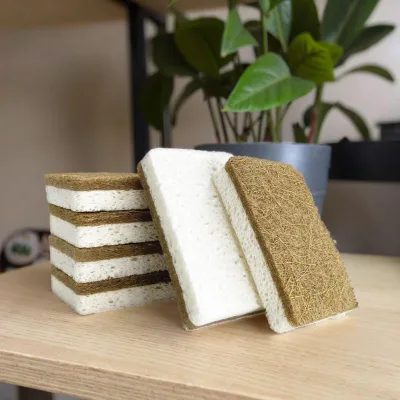
Common materials include sisal, wood pulp cotton, and cellulose sponge. These natural components ensure the products are biodegradable and suitable for kitchen use without damaging surfaces or harming the environment during disposal.
Are these sponges available with custom branding options?
Yes, customization is available for many models, including custom colors and printed designs. Buyers can request specific branding details, though minimum order quantities may apply to support the additional production setup costs.
What is the price range for bulk orders of these sponges?
Unit prices typically range from 0.16 to 0.80 USD per piece depending on material and order size. Lower prices are often associated with higher volumes, while specialized features like custom printing may increase the cost.