Household Cleaning Spunlace Nonwoven Fabric Suppliers and Manufacturers
Explore 25 verified options for Household Cleaning Spunlace Nonwoven Fabric from China Shandong and Zhejiang. Compare response times, lead times, certifications, and pricing ranges to find suitable factories. Contact suppliers directly to request samples and confirm customization details; review the available evidence before requesting comparable quotations from suitable candidates.
Updated
Suppliers List

Qingdao Greenway Industrial Limited
- Trading Company,Manufacturer/Factory
- China Shandong
- Lead time23 days
- Avg. response≤ 21h
Main productsNonwoven Fabric, Net Mesh for Abrasive Net, Loop /Fastening Fabric, Tricot Fabric, Abrasive Back Cloth
Main marketsSouth America,Eastern Europe,Mid East,North America,Southeast Asia,Eastern Asia,Western Europe,Africa

Hangzhou Cleanperfect Commodity Co., Ltd.
- Verified by CTI
- Manufacturer/Factory
- China Zhejiang
- Lead time0 days
- Avg. response≤ 14h
Main productsDry Wipes Wet Wipes Woven Fabric, Gym Wipes, Baby Wipes, Antibacterial Wipes, Pet Wipes, Adult Wipes, Dry Wipes


Multi-Purpose Cleaning Tissue Spunlace Nonwoven Roll Clean Wiper Household Jumbo Cleaning Wipe
$0.20 - $0.39
MOQ: 10000 Bags

Hangzhou Kangjie Nonwoven Products Co., Ltd.
- Manufacturer, Trading Company
- Zhejiang, China
- Lead time25 days
- Avg. response≤ 15h
Main productsKitchen Towel,Cleaning cloths,Disposable floor wipes,Disposable face towel,dinner napkin
Main marketsEastern Asia(35.00%), North America(20.00%), Eastern Europe(15.00%), Western Europe(10.00%), Oceania(7.00%), Northern Europe(5.00%), Southeast Asia(3.00%), Mid East(3.00%), South Asia(2.00%)

ZHEJIANG GUAN SHENG NEW MATERIALS TECHNOLOGY CO., LTD.
- Verified by CTI
- Trading Company
- China Zhejiang
- Lead time15 days
- Avg. response≤ 7h
Main productsNonwoven, Interlining, Meltblown
Main marketsAfrica,Southeast Asia/ Mideast,Domestic
Chizhou Lihua Environment Technology Co., Ltd.
- Verified by SGS Group
- Manufacturer, Trading Company
- Lead time25 days
- Avg. response≤ 5h
Main productsSpunlace Cleaning Wipes, Needle-Punched Cleaning Wipes, Nonwoven Beauty Towels, Industrial Cleaning Wipes, Multipurpose Wet Wipes
Main marketsDomestic Market(51%), North America(20%), South America(8%)
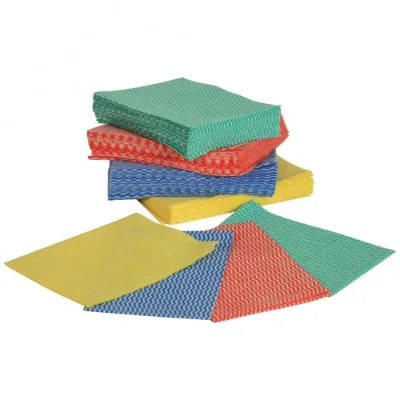
Spunlace Household Goods,spunlace Easy Clean Wipe,spunlace Cloth Anti-fog Wipe
$0.5127 - $0.8185
MOQ: 10 packs
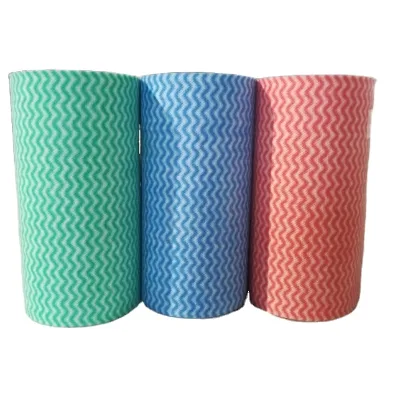
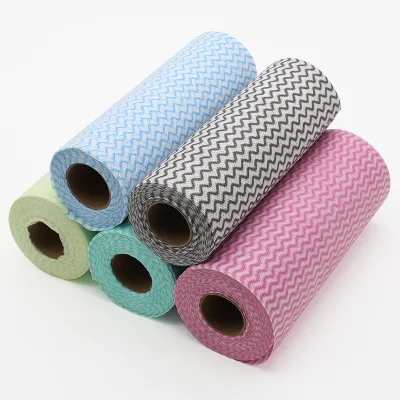
Super Absorbent Spunlace Nonwoven Fabric Cloth - Quick Dry, Streak-Free for Kitchen, Bathroom
$0.6236 - $0.727
MOQ: 10000 rolls
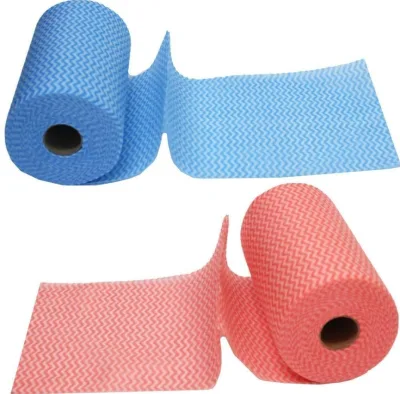
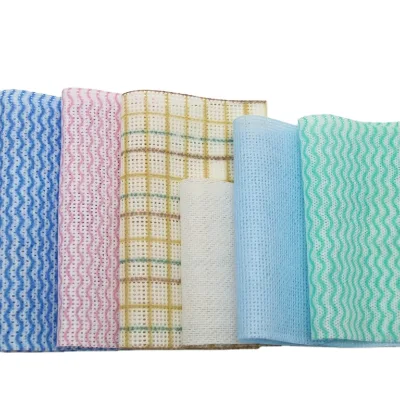
2025 Spunlace Non-woven Fabric Disposable Non-woven Fabric Eco Non-woven Fabric
$0.50
MOQ: 10000 packs
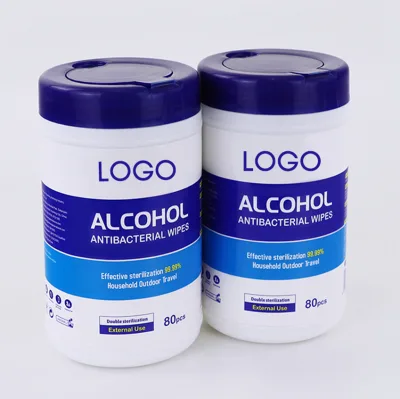
Home/kitchen/restaurant/bathroom for Dish, Towel or Car Cleaning Cloth and Wipes
$0.5261 - $1.5769
MOQ: 1000 barrels

Hangzhou Linan Huasheng Daily Necessities Co., Ltd.
- Manufacturer/Factory
- China Zhejiang
- Lead time23 days
- Avg. response≤ 10h
Main productsCompressed Towels, Face Mask, Dry Wipes, Cleaning Wipes, Disposable Compressed Towel, Nonwoven Dry Wipes, Roll Towels, Bamboo Product, Canister Wipes, Makeup Remover
Main marketsSouth America,Eastern Europe,Mid East,North America,Southeast Asia,Eastern Asia,Oceania,Western Europe,Africa


Disposable Dry Wash Cloth Spunlace Non-Woven Cloth Household Cleaning Wipe
$1.30 - $2.50
MOQ: 20000 Bags

Disposable Spunlace Nonwoven Fabrics Oil Absorbent Kitchen Cleaning Wipes Cloth
$0.30 - $2.00
MOQ: 5000 Rolls
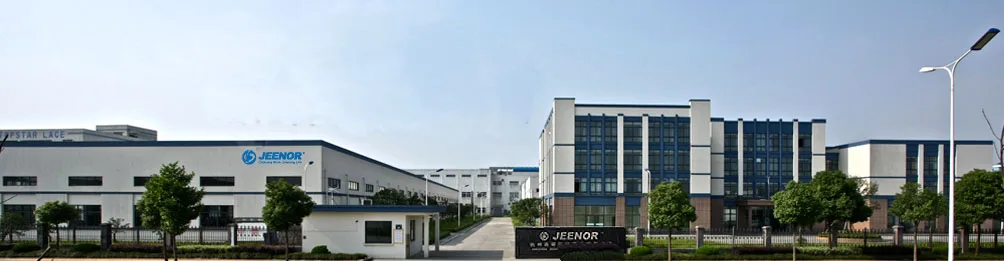
Hangzhou Jeenor Industrial Co., Ltd.
- Manufacturer
- Zhejiang, China
- Lead time40 days
- Avg. response≤ 7h
Main productsnonwoven fabrics,Cleaning Cloth,Cleaning Wipes,paper products,Absorbents
Main marketsNorth America(30.00%), South America(15.90%), Domestic Market(15.00%), Oceania(10.00%), Southeast Asia(10.00%), South Asia(5.00%), Eastern Europe(5.00%), Eastern Asia(3.00%), Northern Europe(2.00%), Western Europe(1.50%), Southern Europe(1.50%), Mid East(0.50%), Africa(0.50%), Central America(0.10%)
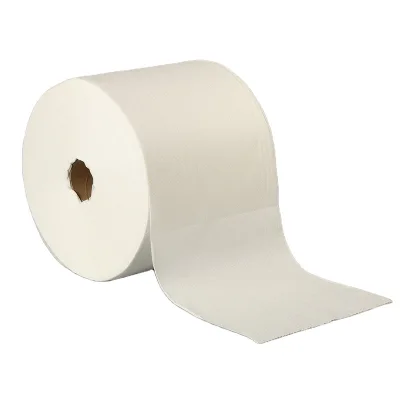
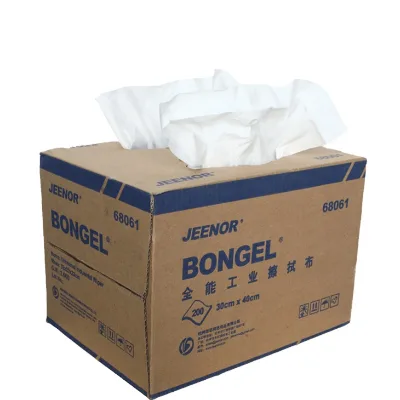
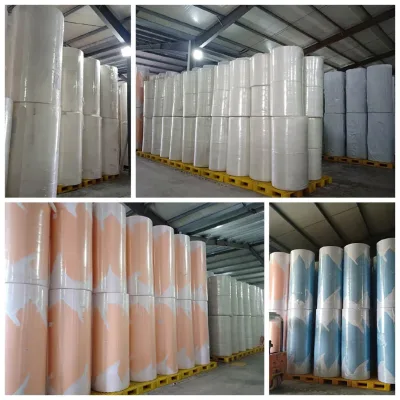
Cellulose Nonwoven Cleaning Cloths Durable Spunlace Nonwoven Fabric for Industry Cleaning
$16.3421 - $16.4455
MOQ: 2000 rolls
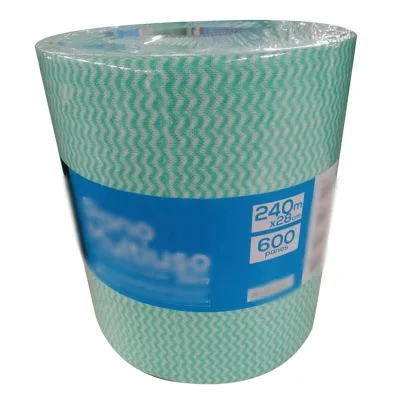
Economic Spun Lace Disposable Household/Industrial Non Woven Cleaning Cloth
$2.4434 - $2.7237
MOQ: 1000 kilograms
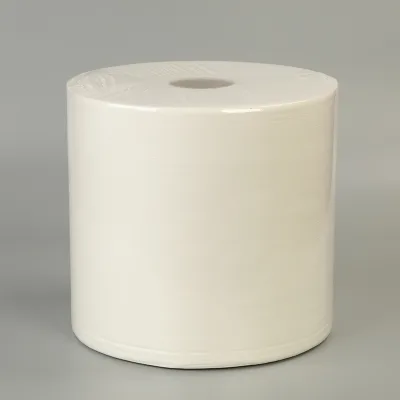
Industrial Durable Reusable Wipers Woodpulp Spunlace Nonwoven Fabric Multipleuse
$1.12 - $1.33
MOQ: 500 bags
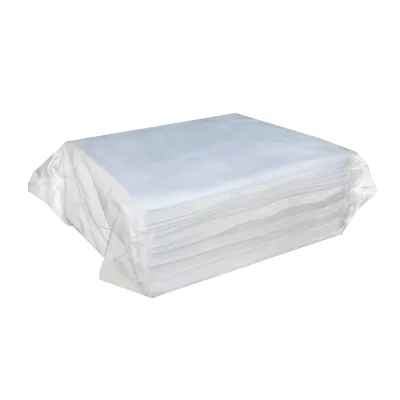
Huzhou Yaojin Nonwoven Technology Co., Ltd.
- Verified by TüVRheinland
- Manufacturer, Trading Company
- Lead time20 days
- Avg. response≤ 8h
Main productsWaxing Strip, Cleaning Wipe, Microfiber Fabric
Main marketsNorth America(30%), Eastern Asia(30%), Domestic Market(20%)
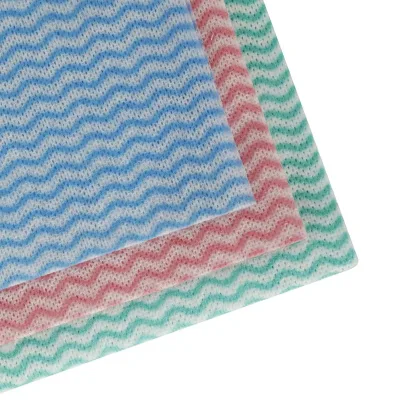
China Disposable Non Woven Fabric Spunlace Non Woven Viscose Household Cleaning Cloth
$0.48 - $0.55
MOQ: 20000 bags
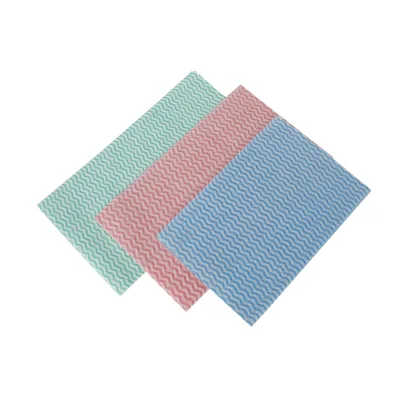
Hot Sale High Quality Wavy Pattern Spunlace Nonwoven Household Disposable Kitchen Cleaning Cloths
$0.48 - $0.55
MOQ: 20000 bags
Huzhou Auline Sanitary Material Co., Ltd.
- Manufacturer
- Zhejiang, China
- Lead time20 days
- Avg. response≤ 16h
Main productsSpunlace Nonwoven Fabric, Disposable Cleaning Wipes Cloth
Main marketsDomestic Market(40.00%), North America(30.00%), South America(20.00%), Eastern Asia(10.00%)
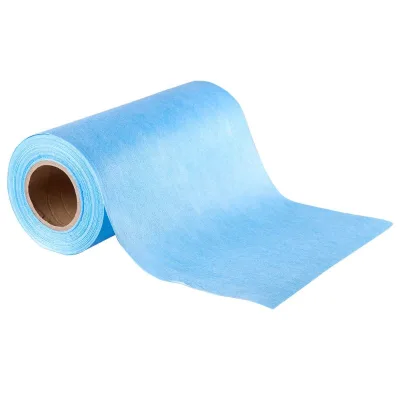
Cheap Spunlace Nonwoven Fabric Plain Nonwoven Fabric Washable Dyed Spunlace Nonwoven Fabric
$1.9517
MOQ: 500 Minimum
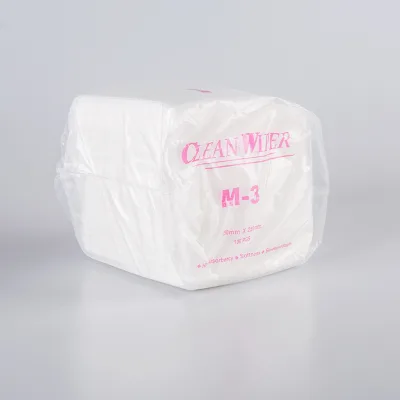
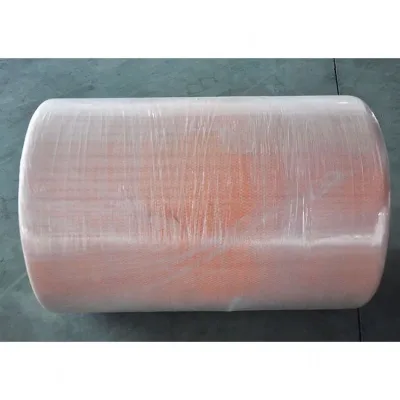
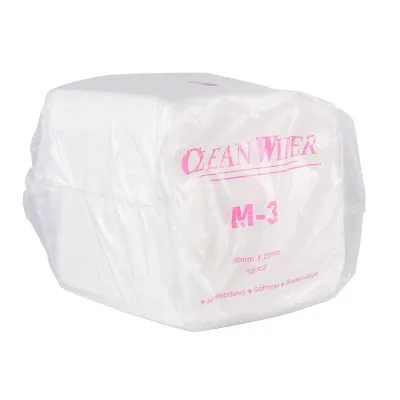
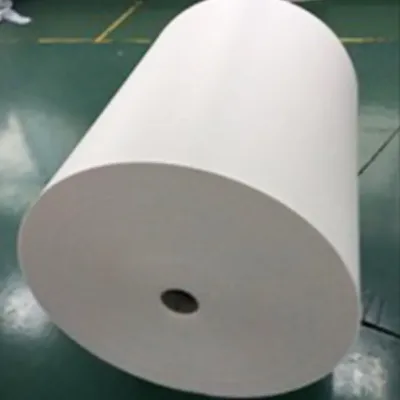
Wholesale Custom Mesh Series Spunlace Nonwoven Industrial Car Spunlace Nonwoven Fabric for Wet Wipes
$1.7598 - $1.9667
MOQ: 500 kilograms
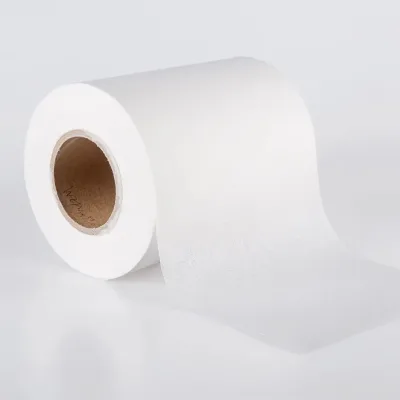
High Quality Custom Price Washable Wet Wipes Raw Material Spunlace Nonwoven Fabric for Baby Diapers
$3.1044 - $3.5182
MOQ: 2000 kilograms
Huzhou Luke New Material Co., Ltd.
- Manufacturer, Trading Company
- Zhejiang, China
- Lead time10 days
- Avg. response≤ 3h
Main productsHCS fiber,Recycled polyester fiber,Virgin polyester fiber,PLA fiber,Function & Specialty polyester fiber
Main marketsSoutheast Asia(30.00%), Domestic Market(20.00%), South America(10.00%), Northern Europe(10.00%), Mid East(10.00%), North America(10.00%), Eastern Europe(10.00%)

Weifang Lancel Hygiene Products Limited
- Combined
- China Shandong
- Lead time30 days
- Avg. response≤ 9h
Main productsToilet Paper, Towel Tissue, Carrier Tissue, Napkin Tissue, 100% Wood Pulp Tissue, Tissue Paper
Main marketsSouth America,Africa,Southeast Asia/ Mideast,East Asia(Japan/ South Korea),Domestic,Europe,Australia,North America

SUNSHINE NONWOVEN FABRIC CO.,LTD QUANZHOU
- Combined
- China Fujian
- Lead time15 days
- Avg. response≤ 5h
Main productsNonwoven Fabric, Materials for Mask, TNT Table Cloth, Disposable Bed Sheet, S/Ss/SSS/SMS/SMMS, Spunlace Nonwoven, Needle Punched Fabric, Nonwoven Bag, Agriculture Nonwoven, Medical Nonwoven
Main marketsSouth America,Africa,Southeast Asia/ Mideast,East Asia(Japan/ South Korea),Europe,Australia,North America


Sunshine High Strength Fold Spunlace Nonwoven Household Cleaning Multipurpose Wiping Dishcloth
$1.29 - $1.99
MOQ: 1000 kg

Sunshine Super Cheap Spunlace Nonwoven Fabric Recycled Non-Woven Fabric for Cleaning Wipe
$1.29 - $2.29
MOQ: 1000 kg

China Good Performance Spunlace Non-Woven Household Cleaning Wipes Cloth Supplier
$1.29 - $2.29
MOQ: 1000 kg

Qingdao SG Global Packaging Co., Ltd.
- Verified by TUVRHEINLAND
- Combined
- China Shandong
- Lead time30 days
- Avg. response≤ 5h
Main productsPP Woven Bag, Mesh Bag, BOPP Woven Bag, Raffia Fabric, Big Bag, Weed Mat, Tarpaulin, Silt Fence, Bulk Bag, Nonwoven Fabric
Main marketsSouth America,Europe,North America
Hunan Mingyu Industrial Investment Co., LTD
- Manufacturer, Trading Company
- Hunan, China
- Lead time15 days
- Avg. response≤ 4h
Main productsNonwoven Fabric,Nonwoven Bag,Disposable Protective Clothing/Disposable Isolation Clothing
Main marketsNorth America(40.00%), Domestic Market(20.00%), Southeast Asia(20.00%), Western Europe(10.00%), Oceania(5.00%), South America(5.00%)
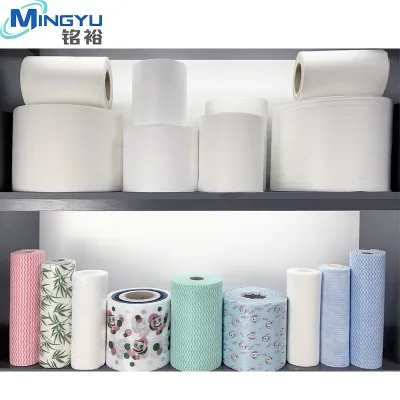
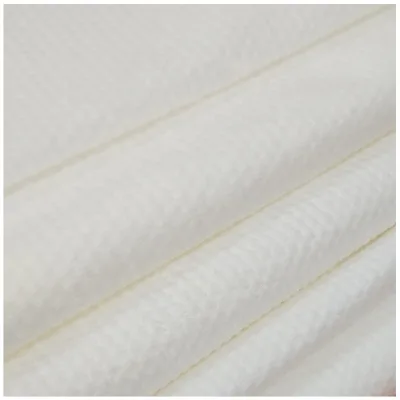
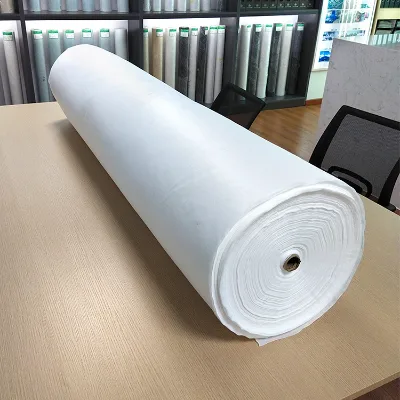
$3.00 - $3.90
MOQ: 1000 kilograms

Quanzhou Xingyuan Supply Chain Management Co., Ltd.
- Verified by TUVRHEINLAND
- Trading Company
- China Fujian
- Lead time30 days
- Avg. response≤ 8h
Main productsBaby Diaper Raw Materials, Adult Diaper Raw Materials, Sanitary Napkin Raw Materials, All Raw Materials for Diaper and Sanitary Napkin, Nonwovens, Sap Absorbent Paper, Airlaid Paper, PE Film
Main marketsOthers(foreignTradeCapacity.exportBusinessCapacityMarketOther),Southeast Asia/ Mideast,East Asia(Japan/ South Korea)

Quanzhou Newbusi Import & Export Co., Ltd.
- Verified by TUVRHEINLAND
- Trading Company,Manufacturer/Factory
- China Fujian
- Lead time98 days
- Avg. response≤ 10h
Main productsSpunbond Nonwoven, Hot Air Nonwoven, Embossed Nonwoven, Perforated Nonwoven, Breathable PE Film/Casting Film/Composite Film, Sap Paper/Release Paper/Airlaid Paper, Peforated PE Film, Spunalce Nonwoven, Hook/Side Tape/ Loop/Elastic Fabric, Agent Sap/ Hot Melt Adhesive/Spandex/Fluff Pulp
Main marketsSouth America,Eastern Europe,Mid East,North America,Southeast Asia,Eastern Asia,Oceania,Western Europe,Africa

Quanzhou Jiewei Nonwoven Products Co., Ltd
- Verified by SGS
- Manufacturer/Factory
- China Fujian
- Lead time15 days
- Avg. response≤ 6h
Main productsNonwoven Fabric, PP Spunbond Nonwoven Fabric, Interlining, Spunlace Nonwoven Fabric, Needle Punch Nonwoven Fabric, Disposable Bedsheets, Mask Material, Disposable Table Cloth, Nonwoven Bags
Main marketsSouth America,Eastern Europe,Mid East,North America,Southeast Asia,Eastern Asia,Oceania,Western Europe,Africa


Wholesale Disposable Dry Household Spunlace Nonwoven Cleaning Kitchen Towel Cloth
$1.10 - $1.30
MOQ: 1000 kg

Disposable Household Polyester Cleaning Cloths Absorbent Cleaning Cloth Non Woven Fabric
$1.10 - $1.30
MOQ: 1000 kg

Disposable Non-Woven Fabric Spunlace Non-Woven Viscose Cleaning Cloth From China
$1.10 - $1.30
MOQ: 1000 kg

Zhejiang Wipex New Material Technology Co., Ltd.
- Verified by SGS
- Combined
- China Zhejiang
- Lead time30 days
- Avg. response≤ 10h
Main productsIndustrial Wipes, Household Wipes, Beauty Care Products, Disposable Towels, Depilatory Products
Main marketsSouth America,Africa,Southeast Asia/ Mideast,East Asia(Japan/ South Korea),Domestic,Europe,Australia,North America

Spunlace Nonwoven Kitchen Cleaning J Cloth Disposable Viscose Polyester Household Reusable Towel
$0.29 - $0.35
MOQ: 2000 rolls


$0.64 - $0.75
MOQ: 2000 rolls

$0.40 - $0.62
MOQ: 3000 rolls

Nonwoven Cloth Cleaning Heavy Duty Wipes Multipurpose Nonwoven Cleaning Cloths
$0.25 - $0.40
MOQ: 2000 rolls

High Quality Disposable Lint Free Multi-Purpose Wipes Spunlace Nonwoven Fabric Clean Cloth
$0.35 - $0.50
MOQ: 3000 rolls

Fujian Angel Nonwoven Fabric Tech Co., Ltd.
- Verified by SGS
- Manufacturer
- China Fujian
- Lead time15 days
- Avg. response≤ 7h
Main productsNonwoven Fabric, Disposable Bed Sheet, Meltblown, Nonwoven Bag, Mattress Cover, Earloop/Nose Wire for Mask, PLA/Pet Nonwoven Fabric, Landscape Cover, Weed Control, TNT Table Cloth
Main marketsSoutheast Asia/ Mideast,Europe
Shandong Jinteng Hongda Spunlace Nonwoven Co., Ltd.
- Manufacturer, Trading Company
- Shandong, China
- Lead time30 days
- Avg. response≤ 18h
Main productsSpunlace Nonwoven,Soft Wipe Roll,Industrial Wipes,Medical Products,Synthetic Leather Substrates
Main marketsSouthern Europe(20.00%), Mid East(20.00%), South America(20.00%), North America(20.00%)
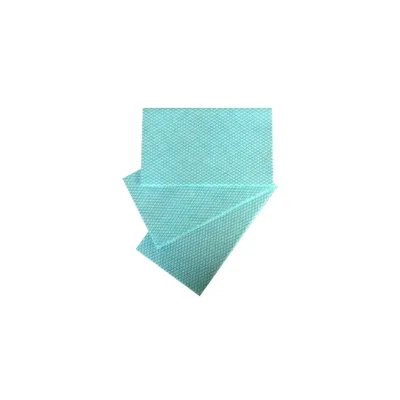
High Quality Nonwoven Fabric Disposable Cleaning Cloths for Household Cleaning
$1.20 - $1.25
MOQ: 2000 bags
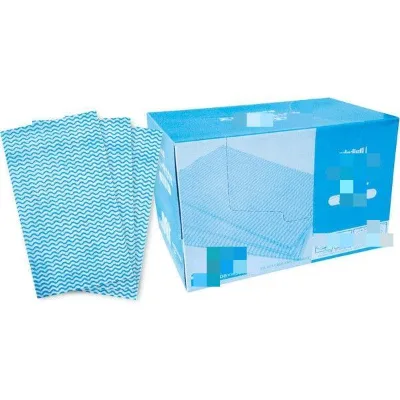
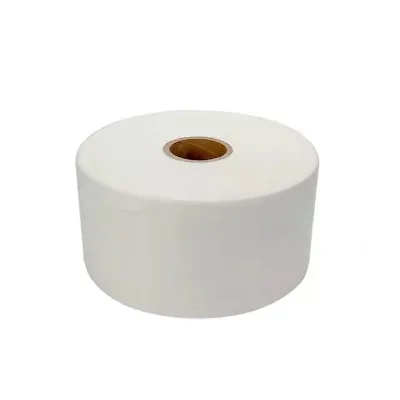
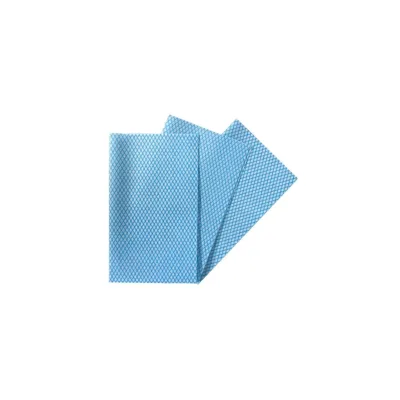
Sanitary biodegradable Efficient cleaning towel cleaning cloths for household cleaning
$1.6924 - $1.7433
MOQ: 2 bags
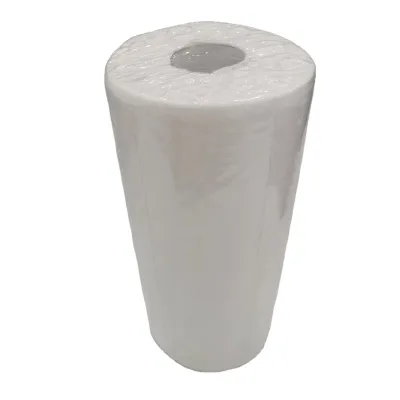
Chinese High Quality Lint-Free Spunlace NonWoven Fabric Wipes Gentle yet Effective Surface Cleaning
$2.9231 - $3.4042
MOQ: 1 kilograms
Ningbo Cozihome Houseware Co., Ltd.
- Verified by SGS Group
- Trading Company
- Lead time35 days
- Avg. response≤ 3h
Main productsMicrofiber Cloth, Mop, Brush, Mat, Lint Roller
Main marketsNorth America(30%), Africa(20%), South America(15%)
Hangzhou Dengddy Hygienic Products Co., Ltd.
- Manufacturer, Trading Company
- Zhejiang, China
- Lead time0 days
- Avg. response≤ 10h
Main productsCleaning Cloth,Nonwoven cleaning cloth,Nonwoven wipes,Cleaning Wipes,Industrial dry wipes
Main marketsOceania(20.00%), Eastern Europe(15.00%), Western Europe(15.00%), Domestic Market(10.00%), South America(10.00%), North America(5.00%), South Asia(5.00%), Northern Europe(5.00%), Southeast Asia(5.00%), Eastern Asia(5.00%), Mid East(5.00%)

Jiaxing Patsons Electronics & Machinery Co., Ltd.
- Combined
- China Zhejiang
- Lead time30 days
- Avg. response≤ 5h
Main productsStretch Film Rewinder, Stretching Film Rewinding Machine, Stretch Film Slitter Rewinder, Thermal Paper Slitting Machine, Paper Roll Slitter Rewinder, Cling Film Slitting Rewinding Machine, Small Paper Roll Slitter Rewinder, Kitchen Foil Roll Rewinding Machine, Aluminium Foil Roll Production Machine, 3G Antennas
Main marketsSouth America,Africa,Southeast Asia/ Mideast,Domestic,Europe,Australia,North America
Anqing Jiaxin Medical Technology Co., Ltd.
- Verified by SGS Group
- Manufacturer, Trading Company
- Lead time10 days
- Avg. response≤ 2h
Main productsAlcohol wipes, Cotton swab, Cotton ball, cotton pad, Medical gauze
Main marketsDomestic Market(45%), Southeast Asia(25%), North America(5%)
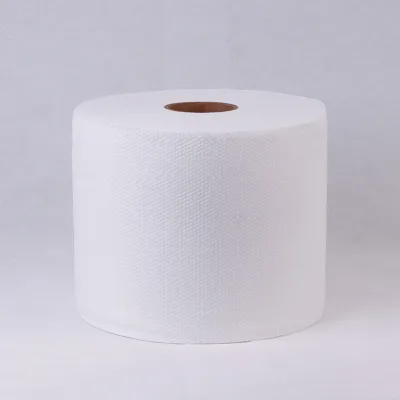
Spunlace 80* Polyester Spunlace Non Woven for Cleaning Baby Tissue Wipes
$3.1494 - $4.2002
MOQ: 1000 kilograms
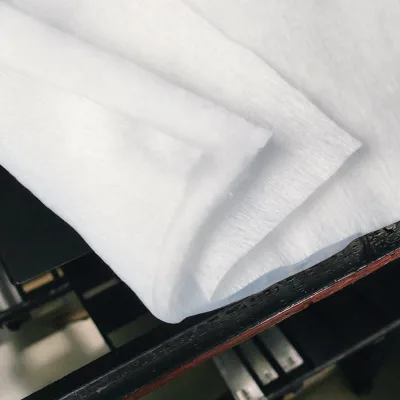
$2.20 - $2.40
MOQ: 200 kilograms
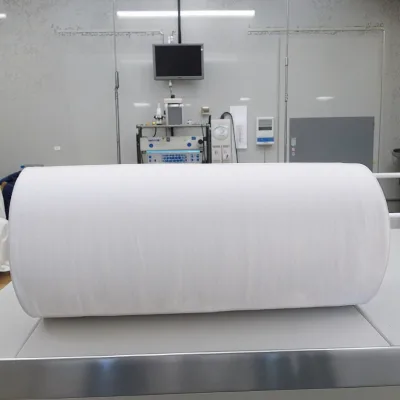
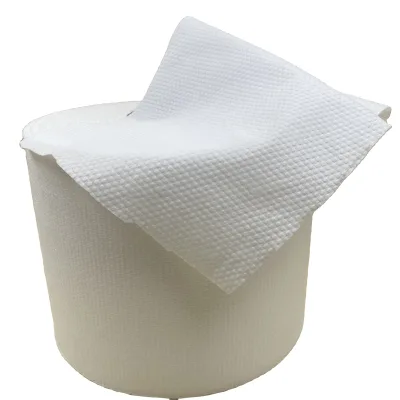
$2.31 - $2.5198
MOQ: 200 kilograms
Zhengzhou Suny Industrial Co., Ltd.
- Verified by TüVRheinland
- Manufacturer, Trading Company
- Lead time15 days
- Avg. response≤ 3h
Main productsWet Wipes Machine, Facial Tissue Machine, OEM Wet Wipes, Case Packer And Palletizer, Wet Wipes Raw Materials
Main marketsSoutheast Asia(15%), Mid East(15%), South America(12%)
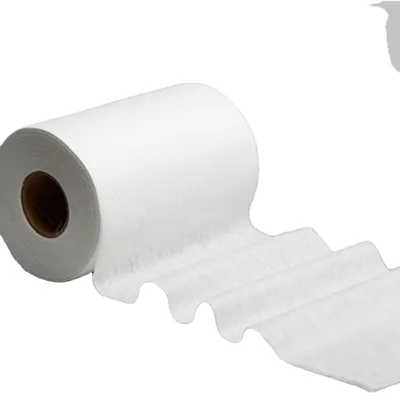
High Absorption 55% Wood Pulp 45% Polyester Spunlace Nonwoven Fabric for Cleaning Wipe
$1.8633 - $2.3175
MOQ: 1000 Minimum
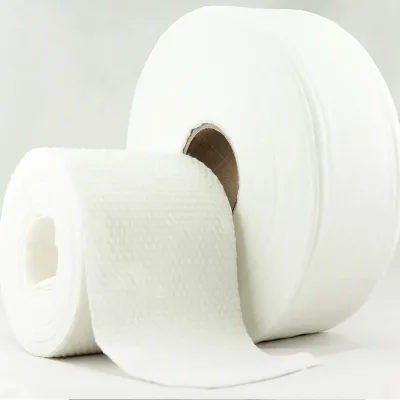
Spunlace Nonwoven Fabric Cotton Nonwoven Fabric Free Sample Offered
$1.8633 - $2.3175
MOQ: 1000 Minimum







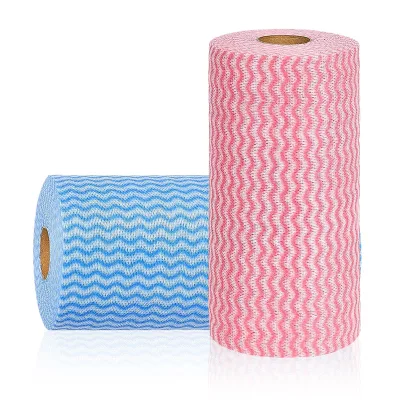
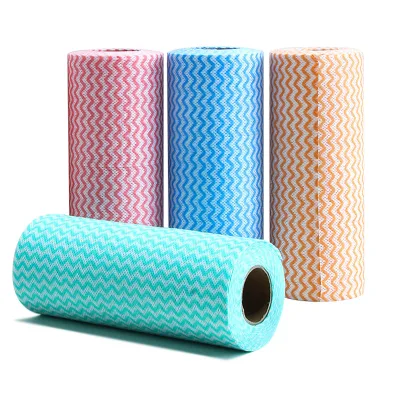
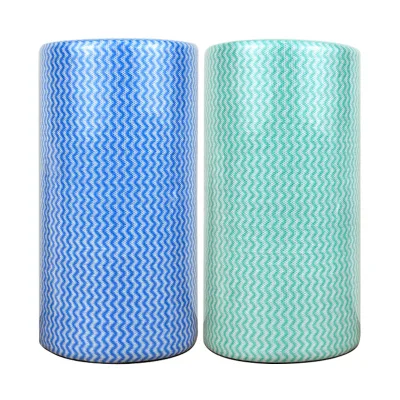
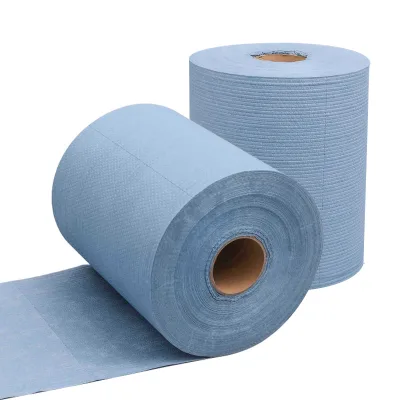


Comprehensive Sourcing Guide
Household Cleaning Spunlace Nonwoven Fabric Supplier Concentration and Factory Types
The current supplier landscape for Household Cleaning Spunlace Nonwoven Fabric reveals a distinct concentration of manufacturing and trading entities within specific Chinese provinces, notably Shandong and Zhejiang. These regions serve as primary hubs for producers offering a diverse array of nonwoven products, including spunlace fabric, net mesh, and abrasive back cloth. Suppliers in these areas often operate as either trading companies or direct manufacturers, providing buyers with varied access points to raw materials and finished goods. The presence of both factory types indicates a mature supply chain where some entities focus on production capabilities while others emphasize market reach and logistical coordination. This dual structure allows buyers to choose between direct factory engagement for potentially lower costs or trading company services for streamlined procurement processes.
Within these clusters, the main products frequently include spunlace nonwoven fabric tailored for industrial, hospital, home textile, and garment applications. The material composition often involves polyester, viscose, or woodpulp blends, catering to different performance requirements such as breathability, anti-tear strength, and antibacterial properties. Suppliers in Shandong and Zhejiang are equipped to handle various customization requests, including specific weight ranges from 20 to 150 GSM and embossed patterns. The concentration of these specific product types in these geographic locations suggests a specialized ecosystem where raw material sourcing, production technology, and finished product distribution are closely integrated. Buyers evaluating suppliers should consider how the supplier’s location influences their ability to deliver consistent quality and timely shipments for household cleaning applications.
How to Verify Household Cleaning Spunlace Nonwoven Fabric Suppliers
Verifying the credibility of suppliers requires a careful examination of their system certifications and verification status, which serve as critical indicators of operational reliability. Many suppliers in the current results display certifications such as ISO 9001, ISO 14001, ISO 9000, and ISO 14000, signaling adherence to international quality and environmental management standards. Additionally, some manufacturers hold GMP certification, which is particularly relevant for products intended for hygiene and cleaning purposes. Buyers should prioritize suppliers who have undergone third-party verification processes, such as CTI verification, to ensure that the company’s legal status, production capacity, and quality control measures have been independently assessed. This verification step reduces the risk of engaging with entities that may not meet the required standards for consistent production.
Beyond certifications, buyers must assess the supplier’s response time and lead time capabilities to gauge their operational efficiency. Response times observed in the current data range from approximately 13 to 20 hours, indicating varying levels of customer service responsiveness. Lead times also differ, with some suppliers reporting zero days for specific items while others indicate lead times of 23 to 25 days. These metrics are crucial for planning inventory and meeting delivery deadlines. Buyers should request detailed information on how these times are calculated and whether they include production, packaging, and shipping durations. Understanding these operational metrics helps in selecting suppliers who can align with the buyer’s supply chain requirements and maintain consistent communication throughout the procurement process.
What to Compare Across Household Cleaning Spunlace Nonwoven Fabric Suppliers
When comparing suppliers, buyers should focus on key dimensions such as price ranges, minimum order quantities (MOQ), and product customization options. The current market data shows significant variation in pricing, with some products listed between $1.30 and $10.00 per unit, while others are priced between $0.20 and $0.39. MOQs also vary widely, ranging from as low as 2 units to as high as 10,000 units. This disparity allows buyers to select suppliers based on their volume needs, whether they are testing new products or placing large-scale orders. Additionally, customization availability is a common feature, with suppliers offering options for specific materials, patterns, and packaging. Buyers should evaluate how these variables impact their total cost of ownership and operational flexibility.
Another critical aspect of comparison is the supplier’s main product focus and technical specifications. Some suppliers specialize in spunlace nonwoven fabric for household cleaning wipes, while others offer a broader range of nonwoven products including abrasive back cloth and tricot fabric. Technical attributes such as weight range, material composition, and fabric width are essential for ensuring the product meets specific application requirements. For instance, fabrics with a width of 58/60 inches and weights between 20-150 GSM are commonly available. Buyers should compare these technical details across suppliers to identify those that best match their product specifications. Furthermore, assessing the supplier’s ability to provide samples and their packaging methods, such as loose loading or carton packing, can provide insights into their attention to detail and logistical capabilities.
Common Household Cleaning Spunlace Nonwoven Fabric Sourcing Risks
One significant risk in sourcing Household Cleaning Spunlace Nonwoven Fabric is the potential inconsistency in product quality and material composition. Suppliers may offer fabrics made from different blends of polyester, viscose, or woodpulp, which can affect the fabric’s absorbency, durability, and eco-friendliness. Without clear specifications and rigorous quality control, buyers may receive products that do not meet their performance expectations. Additionally, the claim of eco-friendly attributes requires verification, as not all suppliers may adhere to strict environmental standards. Buyers should request detailed material certificates and test reports to ensure that the fabric meets their specific quality and sustainability requirements. This due diligence is essential to avoid receiving substandard products that could impact the end-user experience.
Another risk involves the reliability of lead times and shipping logistics, which can be affected by various factors including production capacity and supply chain disruptions. Some suppliers report lead times of zero days, which may indicate stock availability, while others have lead times of 25 days or more. Inconsistent lead times can disrupt inventory planning and delay product launches. Furthermore, the variability in response times, ranging from 13 to 20 hours, suggests that communication efficiency may vary among suppliers. Delays in communication can lead to misunderstandings regarding order specifications and delivery schedules. Buyers should establish clear communication protocols and request regular updates to mitigate these risks. Understanding the supplier’s logistical capabilities and contingency plans is crucial for maintaining a stable supply chain.
Household Cleaning Spunlace Nonwoven Fabric Regional Sourcing and Logistics
Sourcing from specific regions in China, such as Shandong and Zhejiang, offers distinct logistical advantages and challenges for buyers. These provinces are known for their robust manufacturing infrastructure and proximity to major ports, facilitating efficient export operations. Suppliers in these areas often have established relationships with logistics providers, which can streamline the shipping process and reduce transit times. However, buyers must also consider the potential for regional supply chain bottlenecks, such as port congestion or transportation delays, which can impact delivery schedules. Understanding the logistical landscape of these regions helps buyers plan their inventory and manage potential disruptions more effectively.
The choice of supplier location also influences the cost structure and product availability. Suppliers in Shandong and Zhejiang may offer competitive pricing due to economies of scale and localized raw material sourcing. However, buyers should also evaluate the supplier’s packaging and shipping methods, as these can affect the condition of the goods upon arrival. Some suppliers use PE film packaging, while others opt for carton packing or loose loading. The choice of packaging can impact the protection of the fabric during transit and the ease of storage at the buyer’s facility. Buyers should discuss packaging options with suppliers to ensure that the products are adequately protected and that the shipping method aligns with their logistical requirements. This attention to detail can help minimize damage and ensure product integrity.
Household Cleaning Spunlace Nonwoven Fabric Commercial Terms and Order Planning
Commercial terms and order planning are critical components of successful procurement for Household Cleaning Spunlace Nonwoven Fabric. Buyers should carefully review the supplier’s pricing structure, including any volume discounts or additional fees for customization. The current data shows a wide range of prices, from $0.20 to $10.00, which reflects the diversity of products and specifications available. Buyers should negotiate terms that align with their budget and volume commitments. Additionally, understanding the supplier’s payment terms and escrow options can provide financial security and ensure that transactions are conducted safely. Clear commercial terms help prevent disputes and ensure that both parties have a mutual understanding of the transaction details.
Order planning should also consider the supplier’s production capacity and customization capabilities. Suppliers offering OEM and ODM services can provide tailored solutions that meet specific brand requirements. Buyers should assess the supplier’s ability to handle make-to-order production and their flexibility in accommodating changes in order specifications. Furthermore, evaluating the supplier’s sample availability and turnaround time can help buyers validate product quality before committing to large orders. By integrating these commercial and operational factors into their order planning, buyers can optimize their procurement strategy and build a reliable supply chain for Household Cleaning Spunlace Nonwoven Fabric. This comprehensive approach ensures that buyers can meet their market demands efficiently and effectively.
FAQs
What is the price range for spunlace nonwoven fabric?
Prices for spunlace nonwoven fabric typically range from $0.20 to $10.00 per unit depending on specifications. Lower-cost options around $0.20 to $0.39 are available for disposable wipes, while industrial-grade materials cost between $1.30 and $10.00. Buyers should verify exact pricing based on weight, material composition, and order volume with suppliers.
What materials are used in spunlace nonwoven fabric?
Spunlace nonwoven fabric is primarily made from polyester, viscose, or woodpulp blends. These materials provide eco-friendly, breathable, and anti-bacterial properties suitable for various applications. The fabric can be customized for specific uses, including industrial cleaning, hospital supplies, and home textiles, ensuring versatility and performance across different sectors.
What is the minimum order quantity for spunlace fabric?
Minimum order quantities vary significantly by supplier and product type. Some suppliers accept orders as low as two units, while others require a minimum of 10 or 1000 units. For bulk disposable wipes, MOQs can reach 10,000 units. Buyers should confirm specific MOQ requirements directly with manufacturers to ensure alignment with their procurement needs.
What certifications do spunlace nonwoven fabric suppliers hold?
Suppliers often hold ISO 9001, ISO 14001, ISO 9000, and ISO 14000 certifications for quality and environmental management. Some manufacturers also possess GMP certification, particularly those producing hygiene products like wet wipes. Buyers should verify these credentials to ensure compliance with international standards and quality expectations for their specific industry requirements.
Where are spunlace nonwoven fabric suppliers located?
Major suppliers are located in China, specifically in Shandong and Zhejiang provinces. These regions host both trading companies and manufacturing factories specializing in nonwoven fabrics. Buyers can source from these verified locations to access a wide range of products, including cleaning cloths, wipes, and industrial fabrics, with varying lead times and response speeds.
What is the lead time for spunlace nonwoven fabric orders?
Lead times for spunlace nonwoven fabric orders typically range from 0 to 25 days, depending on the supplier and order complexity. Some manufacturers offer immediate availability, while others require up to 23 or 25 days for production and shipping. Buyers should confirm lead times with suppliers to plan their inventory and delivery schedules effectively.
What features do spunlace nonwoven cleaning cloths offer?
Spunlace nonwoven cleaning cloths are eco-friendly, breathable, anti-tear, anti-pull, and anti-bacterial. They are available in various weights, from 20 to 150 GSM, and can be customized for specific applications. These features make them ideal for household cleaning, industrial use, and hospital settings, providing durability and hygiene in disposable or reusable formats.