Heavy Duty Outdoor Plastic Trash Bin with Wheels Suppliers and Manufacturers
Compare 27 verified suppliers offering Heavy Duty Outdoor Plastic Trash Bin with Wheels from China Shandong and Hebei. Review lead times, MOQs, and certifications like CE and ISO before requesting quotes for customized capacities; review the available evidence before requesting comparable quotations from suitable candidates.
Updated
Suppliers List

Shandong BONHUE Machinery Equipment Co., Ltd.
- Verified by CTI
- Combined
- China Shandong
- Lead time30 days
- Avg. response≤ 8h
Main productsLoader, Tractor, Sanitation Vehicle, Forklift, Truck, Sanitation Tricycle, Trash Can, Silage Film, Construction Machinery, Road Sweeper
Main marketsDomestic
Shandong Huigor International Trading Co., Ltd.
- Verified by TüVRheinland
- Trading Company
- Lead time20 days
- Avg. response≤ 2h
Main productsMesh Bag, Woven Bag, Shopping Bag
Main marketsAfrica(60%), Mid East(12%), South America(10%)
Langfang Herwin Rich International Trade Co., Ltd.
- Trading Company
- Hebei, China
- Lead time0 days
- Avg. response≤ 2h
Main productsLandscape & Garden Facilities,Waste Collection Amenities,Clean Environmental Equipment,Public Movable Facilities,Outdoor Leisure Facilities
Main marketsNorth America(4.00%)
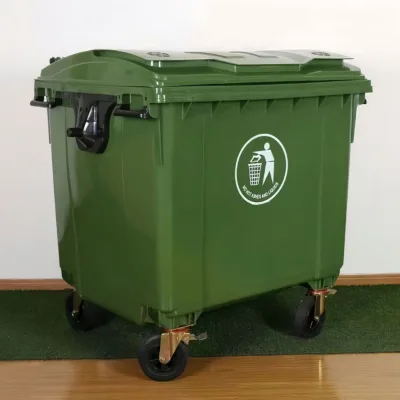
Customized Material Shape Big Size 1200 L Plastic Outdoor Garbage Trash Bin Dustbin with Wheels
$68.00 - $70.00
MOQ: 1 pieces

Enlightening Pallet Industry Co., Ltd.
- Verified by SGS
- Combined
- China Shandong
- Lead time15 days
- Avg. response≤ 3h
Main productsPlastic Pallet, Plastic Pallet Box, Plastic Dustbin, Waste Bin, Shelf Bin, Storage Bin, Collapsible Pallet Box, Plastic Pallet Container, Slip Sheet, Spill Pallet
Main marketsSoutheast Asia/ Mideast,Europe,North America

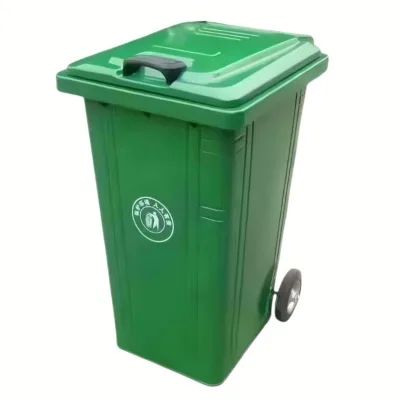
Outdoor 100 Liter Waste Bin Large Plastic Dustbin with Lid Plastic Dustbin with Wheels
$7.00 - $90.00
MOQ: 10 Pieces


Heavy Duty Cheap Customize Plastic Trash Container Garbage Dustbin Waste Bin with Wheel for Sale
$7.00 - $90.00
MOQ: 10 Pieces
Beijing Yiyingde Environmental Protection Equipment Co., Ltd.
- Manufacturer, Trading Company
- Beijing, China
- Lead time20 days
- Avg. response≤ 1h
Main productsGarbage can, Mobile home, Garden chair
Main marketsDomestic Market(100.00%)
Henan Zhenghe Environmental Protection Technology Co., Ltd.
- Trading Company
- Henan, China
- Lead time15 days
- Avg. response≤ 4h
Main productsTrash Can,Tray,Storage Supplies,Furniture Supplies,Pet Supplies
Main marketsDomestic Market(45.00%), North America(12.00%), Southeast Asia(8.00%), Mid East(6.00%), Western Europe(5.00%), South America(5.00%), Eastern Asia(5.00%), South Asia(2.00%), Southern Europe(2.00%), Northern Europe(2.00%), Central America(2.00%), Oceania(2.00%), Africa(2.00%), Eastern Europe(2.00%)
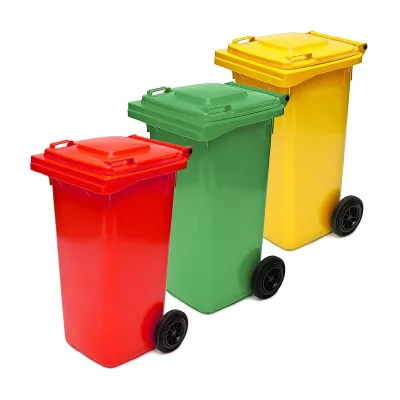
96 Gallon Outdoor Large Plastic Bids Plastic Standing Garbage Bin with Wheels
$8.99 - $9.99
MOQ: 10 pieces
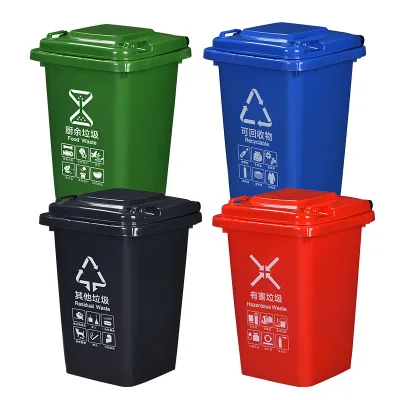
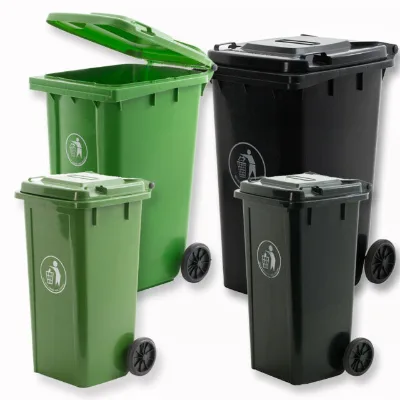
Bin Hand Push Dustbin Recycle Outdoor Garbage Bin Trash Bin Garbage Cans with Pedal Lid
$16.99 - $20.99
MOQ: 2 pieces
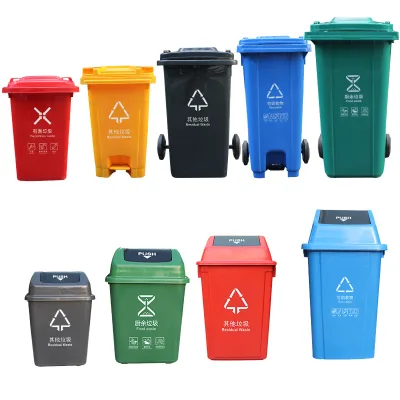
$10.2157 - $24.5311
MOQ: 2 pieces
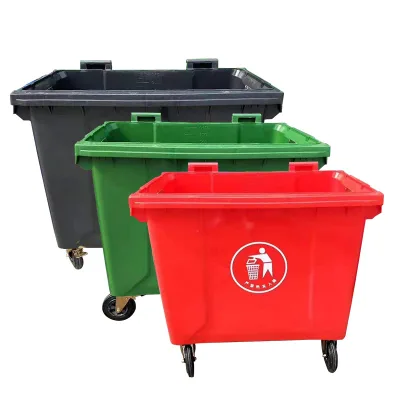
660l 4 Wheels Plastic Indsutrial Dustbin Waste Bin Industrial Heavy Duty Plastic Dustbin
$69.99 - $79.99
MOQ: 2 liters
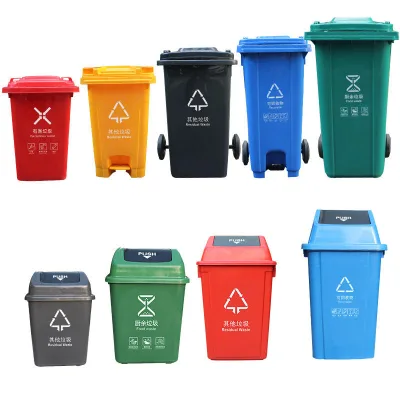

Zhejiang Huanqun Plastic Co., Ltd.
- Verified by TUVRHEINLAND
- Combined
- China Zhejiang
- Lead time15 days
- Avg. response≤ 12h
Main productsTrash Can
Main marketsDomestic


120L/240L/360L Outdoor Trash Can HDPE Plastic Waste Garbage Bin with Wheels
$10.00 - $16.00
MOQ: 100 Pieces


Factory Direct Price 240 Liter Durable Plastic Waste Bin Outdoor Garbage Bin
$22.00 - $26.60
MOQ: 200 Pieces

- Verified by SGS
- Manufacturer/Factory
- China Shandong
- Lead time105 days
- Avg. response≤ 4h
Main productsPlastic Pallet, Plastic Pallet Box, Collapsbile Plastic Pallet Box, Plastic Dustbin, Pallet Plastic, Racking Use Plastic Pallet, Bread Crate, Fishing Plastic Pallet Box, 5 Gallon Water Rack, Spill Containment Pallet
Main marketsSouth America,Eastern Europe,Mid East,North America,Southeast Asia,Eastern Asia,Oceania,Africa

Manufacturer Plastic Outdoor Trash Garbage Bins Customized High Durability with Wheel Trash Bin
$65.00 - $78.00
MOQ: 100 Pieces

Outdoor Trash Bin Outdoor Plastic Storage Medical Garbage Bin Heavy Duty Garbage Bin
$65.00 - $78.00
MOQ: 100 Pieces

660L*1100lmm Plastic Garbage Bin Recycling Outdoor Garbage Large Pedal Garbage Bin with Wheels
$65.00 - $78.00
MOQ: 100 Pieces

$65.00 - $78.00
MOQ: 100 Pieces

Hot Sale Recycling Garbage Sorting Large Size Plastic Outdoor with Wheel Dustbin Trash Bin
$65.00 - $78.00
MOQ: 100 Pieces

$65.00 - $78.00
MOQ: 100 Pieces

Qingdao Preface Plast Co., Ltd.
- Verified by SGS
- Combined
- China Shandong
- Lead time15 days
- Avg. response≤ 8h
Main productsPlastic Pallet, Plastic Pallet Box, Plastic Dustbin, Spill Prevention & Containment, Spill Pallet, Storage Boxes & Bins, Industrial Plastic Storage Bins, Collapsible Pallet Box, Sharp Container
Main marketsSoutheast Asia/ Mideast,Europe,North America

Public Heavy Duty Plastic Trash Bin 240L Dustbin Storage Outdoor 120L Garbage Cans with Wheels
$7.00 - $90.00
MOQ: 10 Pieces

Large 120L/240L/360L Outdoor Recycle Wholesale Plastic Trash Cans Waste Garbage Bins with Wheels
$10.00 - $90.00
MOQ: 10 Pieces

$10.00 - $90.00
MOQ: 10 Pieces

120L Outdoor Recycle Wholesale Plastic Trash Cans Waste Garbage Bins with Wheels Dustbin
$10.00 - $90.00
MOQ: 10 Pieces


$10.00 - $90.00
MOQ: 10 Pieces
Jiangsu Senteng Plastics Co., Ltd.
- Verified by SGS Group
- Manufacturer, Trading Company
- Lead time0 days
- Avg. response≤ 3h
Main productsPlastic Pallet, Waste Bin, Logistics Box, Turnover Box, Plastic Bucket
Main marketsDomestic Market(100%)
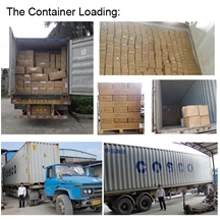
Shenzhen Love Heart Product Co., Ltd.
- Manufacturer
- Guangdong, China
- Lead time18 days
- Avg. response≤ 4h
Main productsbarrier,stanchion,bin,trolley,sign stand
Main marketsDomestic Market(40.00%), Northern Europe(6.00%), Eastern Asia(6.00%), Central America(6.00%), Eastern Europe(6.00%), South America(6.00%), North America(5.00%), Mid East(5.00%), South Asia(4.00%), Southern Europe(4.00%), Western Europe(4.00%), Oceania(3.00%), Southeast Asia(3.00%), Africa(2.00%)
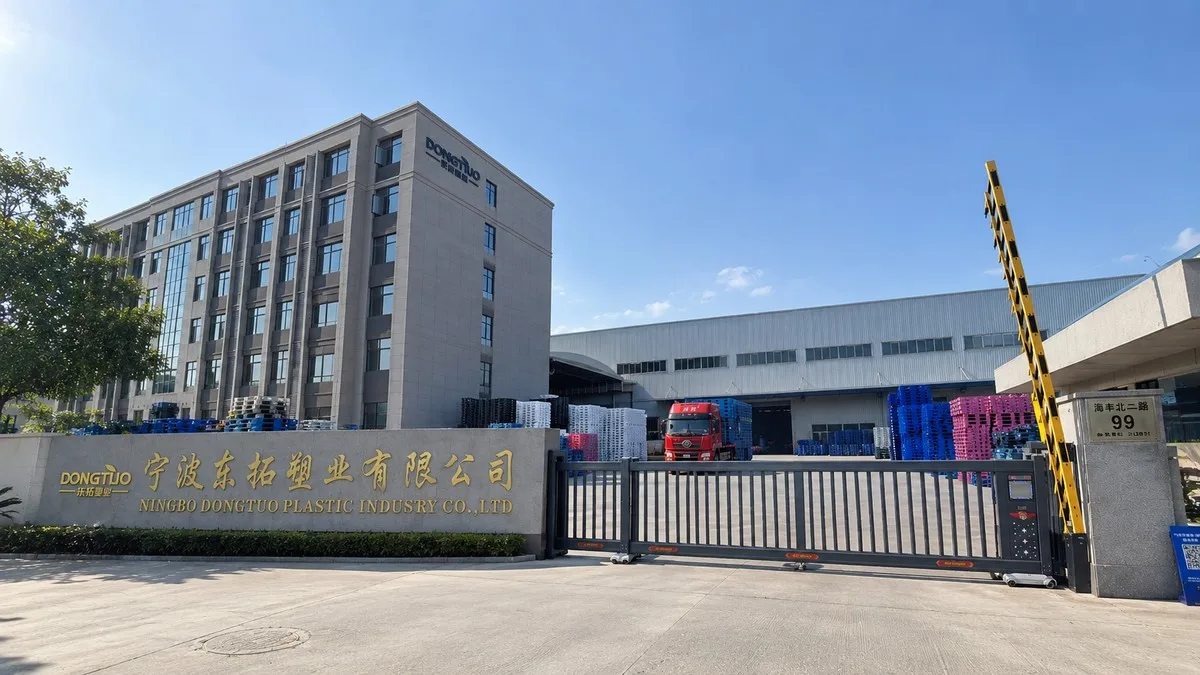
Ningbo Dongtuo Plastic Co., Ltd.
- Manufacturer, Trading Company
- Zhejiang, China
- Lead time20 days
- Avg. response≤ 4h
Main productsPlastic pallet,plastic box,plastic dustbin,plastic crate,plastic container
Main marketsWestern Europe(30.00%), Domestic Market(20.00%), North America(20.00%), Northern Europe(10.00%), Eastern Europe(10.00%), Southeast Asia(5.00%), Central America(5.00%)
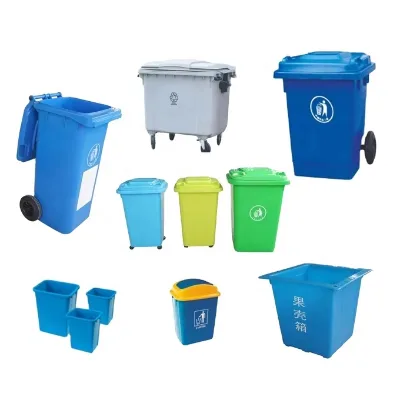
$2.00 - $100.00
MOQ: 2 Minimum
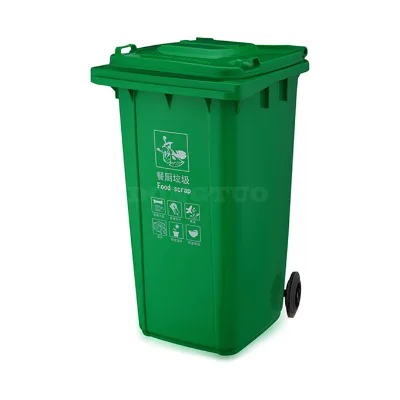
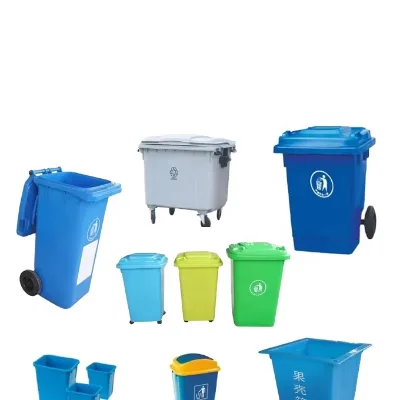
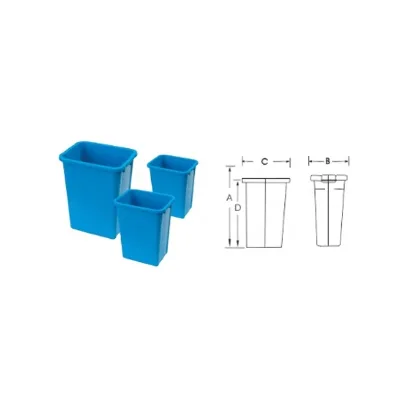
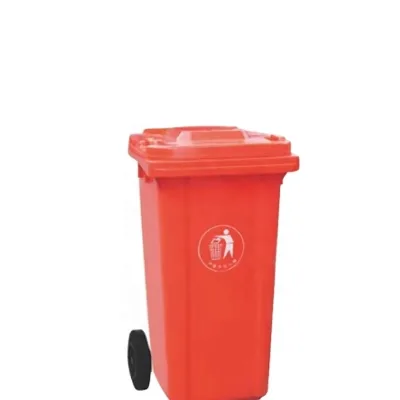
Hot Sell Wheelie Waste Container Plastic Trash Bin Waste Bin Rubber Wheel Trash Can for Outdoor
$2.8736 - $6.9778
MOQ: 2 Minimum

Jiangmen Goodman Cleaning Supplies Co., Ltd.
- Verified by TUVRHEINLAND
- Combined
- China Guangdong
- Lead time15 days
- Avg. response≤ 9h
Main productsFood Pan, Food Basket Tray, Storage Box, Cleaning Bucket, Trash Can
Main marketsEurope,North America

240 Liter Plastic Dustbin Wheelie Waste Bin Recycle Garbage Bins with Wheels Outdoor Trash Bin
$39.39 - $50.32
MOQ: 300 pieces

Anhui Solvion Intelligent Manufacturing Co., Ltd.
- Verified by TüVRheinland
- Trading Company
- Lead time3 days
- Avg. response≤ 20h
Main productsFloor Scrubber, Floor Sweeper, Vacuum Cleaner, Sanitation Truck, Washing Machine
Main marketsSoutheast Asia(25%), Western Europe(15%), North America(10%)
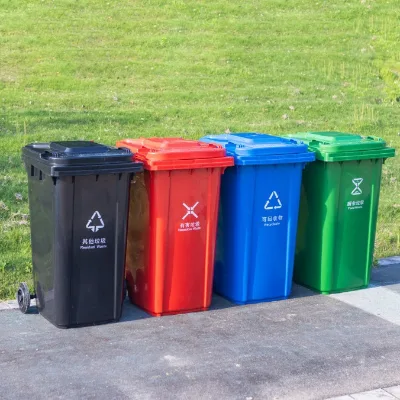
Outdoor Recycle Wholesale Plastic Trash Cans Waste Garbage Bins With Wheels Dustbin
$17.0241 - $18.4812
MOQ: 1 units
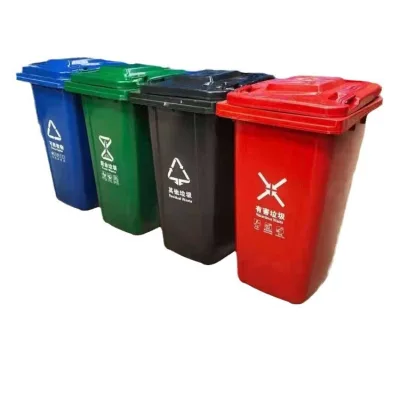
Wholesale Garbage Container Industrial Mobile Garbage Bins Plastic Waste Bins Outdoor Trash Bins
$16.58 - $18.00
MOQ: 1 units
Guangzhou Shunyilong Trading Co., Ltd.
- Verified by SGS Group
- Trading Company
- Lead time10 days
- Avg. response≤ 1h
Main productsGlass Rack, Service Trolley, Chaffing Dish, Storage Box, Trash Can
Main marketsNorth America(30%), Domestic Market(30%), Southeast Asia(20%)

Changchun Jida Logistics Equipment Co., Ltd.
- Manufacturer, Trading Company
- Jilin, China
- Lead time20 days
- Avg. response≤ 5h
Main productsCage,Pallet,Container,Bins,Plastic Box
Main marketsMid East(15.00%), North America(12.00%), Eastern Europe(11.00%), Western Europe(10.00%), Northern Europe(10.00%), South America(10.00%), Southeast Asia(10.00%), South Asia(8.00%), Central America(5.00%), Eastern Asia(5.00%), Southern Europe(4.00%)
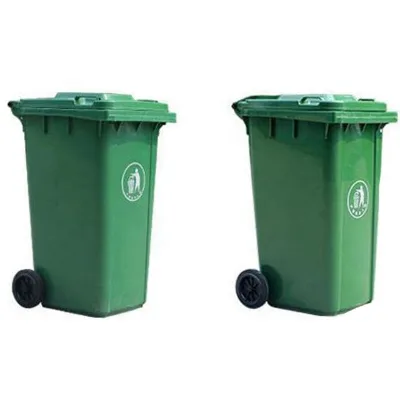
Factory Supply Plastic Waste Bins 240L Outdoor Garbage Can Trash Bins Containers with 2 Wheels
$9.2413 - $25.6689
MOQ: 10 pieces
Jiangmen Huazhimei Kitchenware Co., Ltd.
- Verified by Intertek
- Manufacturer, Trading Company
- Lead time30 days
- Avg. response≤ 3h
Main productsFood Storage Box, Insulated Food Carrier, Drink Dispensers, Cleaning Bucket, Serving Trolley
Main marketsNorth America(30%), Northern Europe(20%), South America(10%)
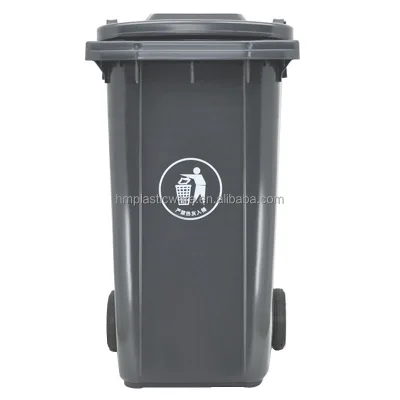
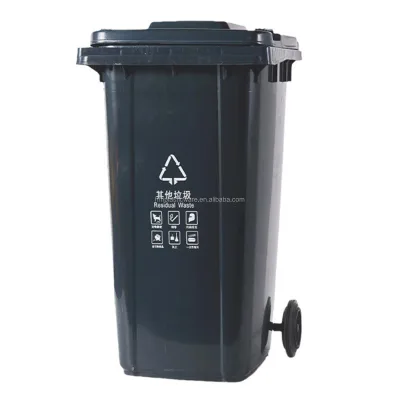
Customized Logo Color Street 120L 240L Hdpe Plastic Rectangle Trash Bins Waste Bin Wheel
$10.2262 - $20.4509
MOQ: 30 pieces
Qingdao Land Industrial Products Manufacturing Co., Ltd.
- Verified by Intertek
- Manufacturer, Trading Company
- Lead time20 days
- Avg. response≤ 3h
Main productsPlastic Ramp, Plastic Trash Bin, Plastic Pallet, Reusable Basket
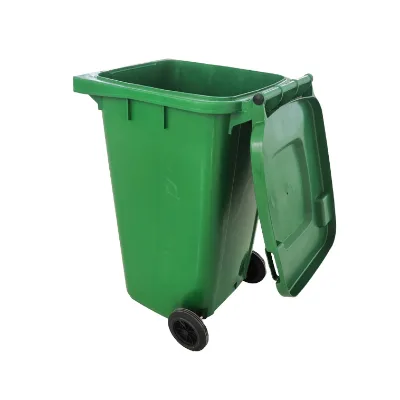
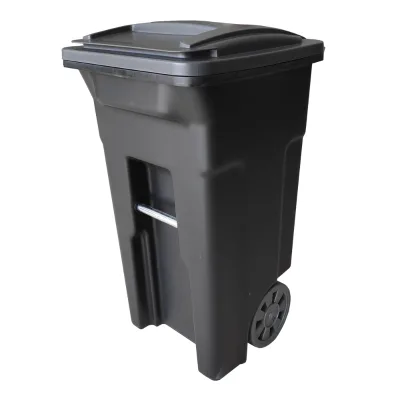
96 Gallon European Style Trash Bin Outdoor/Indoor Waste Bin with Lid Dustbin for Home/Office/Hotel
$50.6242 - $51.6615
MOQ: 500 sets
Qingdao Enlightening Plast Co., Ltd.
- Manufacturer, Trading Company
- Lead time旺季: "1 - 1000":10,"> 1000":"To be negotiated", 淡季: "1 - 1000":10,"> 1000":"To be negotiated"
- Avg. response≤ 3h
Main productsPlastic Foldable Crate, Attached Lid Container, Collapsible Bulk Container, Plastic Waste Bin, Drying Tray

Jiangsu Xuansheng Plastic Technology Co., Ltd.
- Verified by TUVRHEINLAND
- Combined
- China Jiangsu
- Lead time30 days
- Avg. response≤ 11h
Main productsPlastic Pallets, Foldable Crates, Foldable Baskets, Plastic Bins, Turnover Crates, Turnover Baskets, Fruits Box, Vegetable Box, Nestable & Stackable Crates, Backing Hanging Bin
Main marketsOthers(foreignTradeCapacity.exportBusinessCapacityMarketOther),Southeast Asia/ Mideast,Domestic

Factory Supplier Plastic Dustbin Outdoor Garbage Container with 2 Wheels
$10.00 - $12.00
MOQ: 1 Pieces

Zhejiang Lihao Plastic Industry Co., Ltd.
- Verified by TüVRheinland
- Manufacturer, Trading Company
- Lead time15 days
- Avg. response≤ 4h
Main productsPlastic Pallet, Plastic Waste Bin, Plastic Turnover Box, Plastic Storage Box, Folding Basket
Main marketsDomestic Market(60%), North America(10%), Mid East(9%)
Dongying Hanyu Trading Co., Ltd.
- Verified by TüVRheinland
- Manufacturer, Trading Company
- Lead time10 days
- Avg. response≤ 4h
Main productsTrash Can, Clothing Recycling Bin
Main marketsNorth America(30%), Mid East(30%), South America(20%)
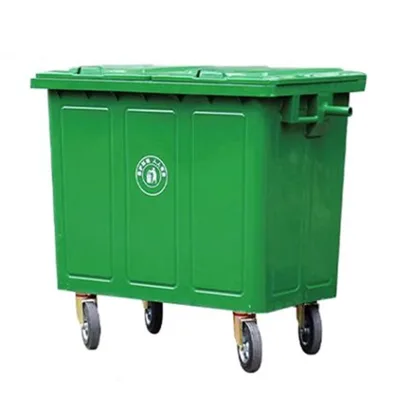
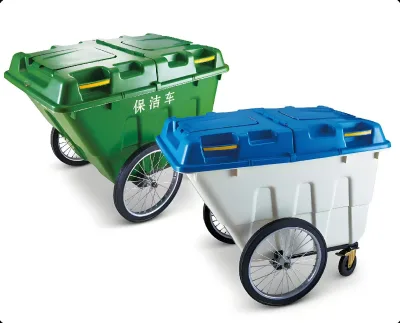
$78.56 - $82.36
MOQ: 100 pieces
Taizhou Hengming Plastics & Mould Technology Co., Ltd.
- Trading Company
- Lead time旺季: "1 - 56":25,"> 56":"To be negotiated", 淡季: "1 - 56":25,"> 56":"To be negotiated"
- Avg. response≤ 2h
Main productsPlastic Waste Bin, Plastic Compost Bin, Plastic Bucket, Plastic Crate, Mould
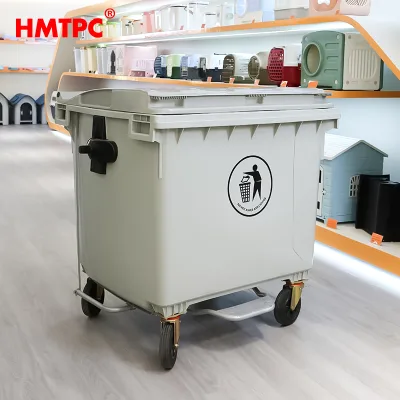
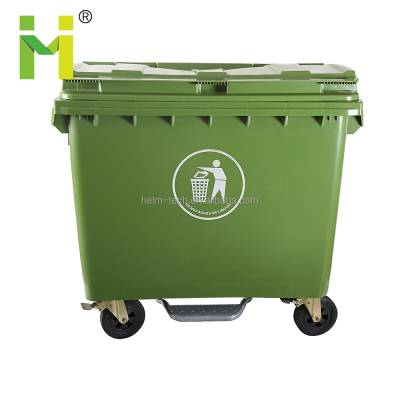
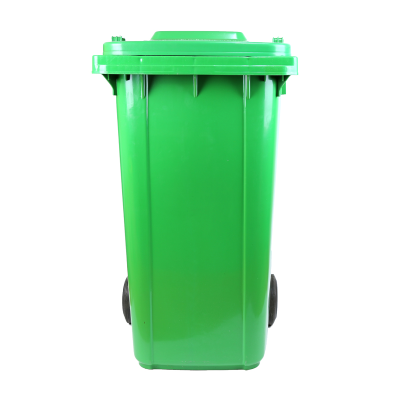
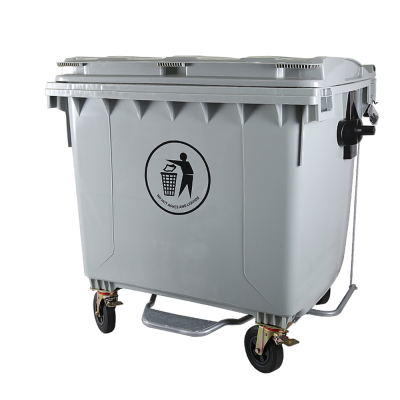
660l Bin Garbage 1100l Rear Loading Trash Can Trash Bin
$115.00 - $120.00
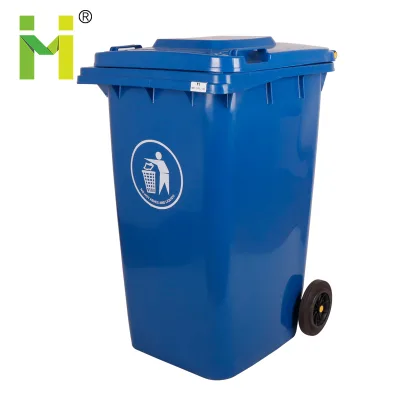
240L Outdoor Public Plastic Waste Bins
$35.00 - $37.00
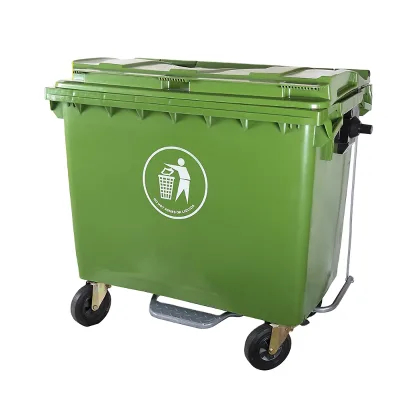
600l Wast Bin 4 Wheel Black Big Advertise Plastic Waste Paper Bin
$115.00 - $130.00
Chongqing Huangding Garden Facilities Co., Ltd.
- Verified by Intertek
- Manufacturer, Trading Company
- Lead time7 days
- Avg. response≤ 2h
Main productsPublic Smart Garbage Bins, Clothing Recycling Bins, Wheeled Trash Can Shells, Metal Trash Bins, Plastic Waste Bins
Main marketsDomestic Market(70%), North America(10%), Oceania(5%)
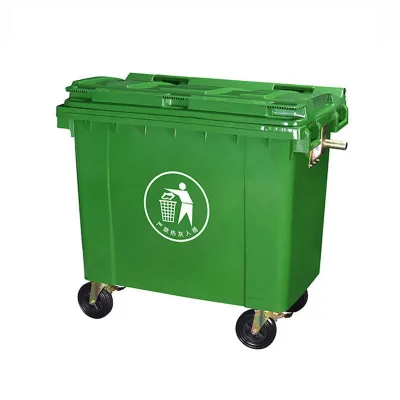
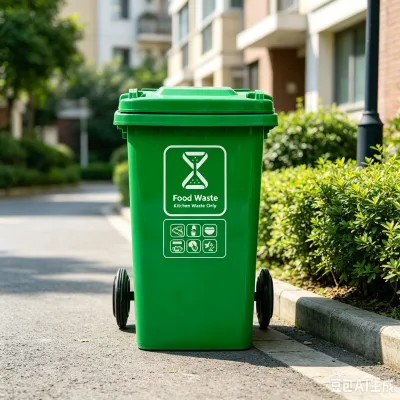
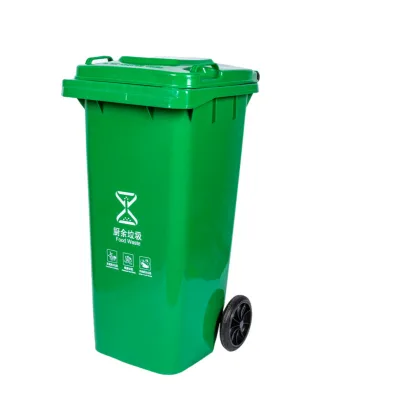
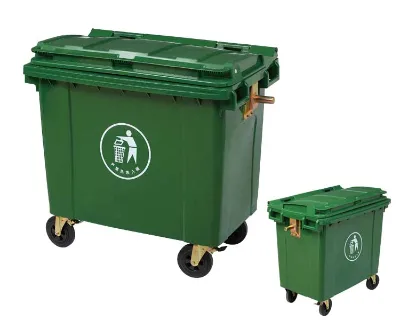
$73.3775 - $78.6196
MOQ: 5 pieces
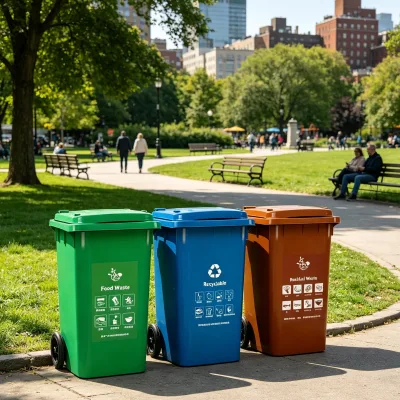
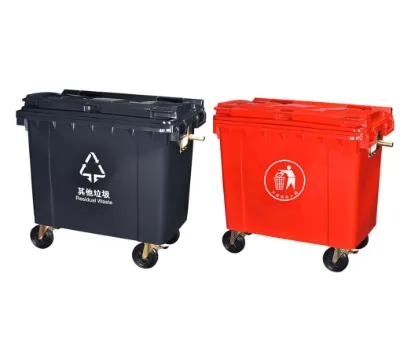
Jingli Pack Technology Jiangyin Co., Ltd.
- Trading Company
- jiangsu, China
- Lead time10 days
- Avg. response≤ 3h
Main productsPlastic Pallet Box,Paper Box,al Pa Metal Pallet Box;Metllet,Plastic Pallet,Plastic Crates
Main marketsOceania(40.00%), North America(30.00%), Southeast Asia(15.00%), South America(5.00%), Central America(5.00%), Mid East(3.00%), Eastern Asia(2.00%)
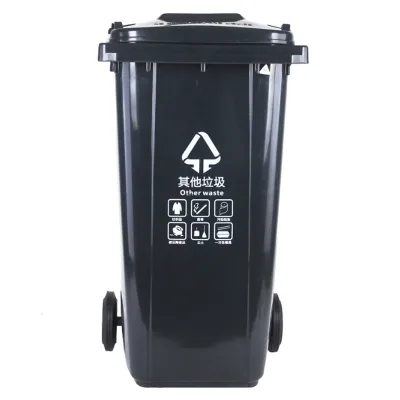
Factory Directly Supply 240 L Wheelie Bin With Lid Outdoor Plastic Dustbins Garbage Waste Bin
$4.6079 - $26.3149
MOQ: 3 Minimum
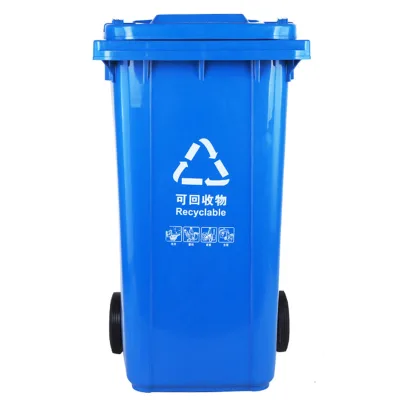
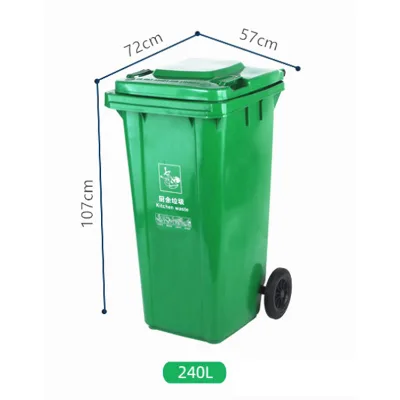
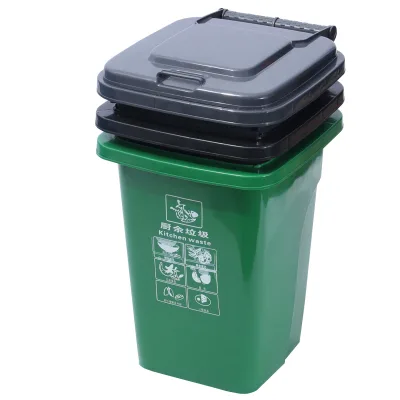
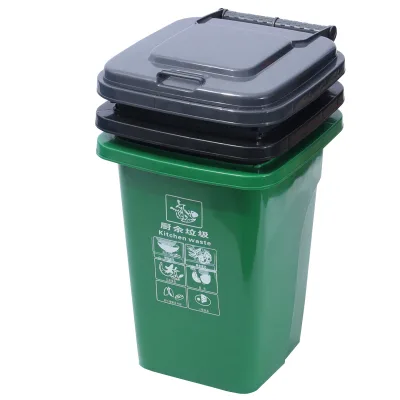
Qingdao Enlightening Pallet Industry Co., Ltd.
- Verified by SGS Group
- Manufacturer, Trading Company
- Lead time5 days
- Avg. response≤ 1h
Main productsPlastic Pallet
Main marketsSouth America(31%), Southeast Asia(20%), Oceania(13%)
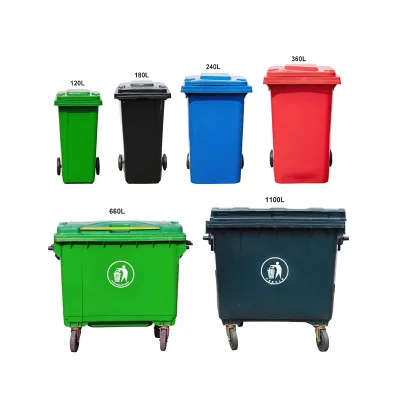
660 Liter Trash Garbage Bin Cans 1100 Liter Waste Garbage Bin With Wheels Pedal
$60.00 - $67.00
MOQ: 10
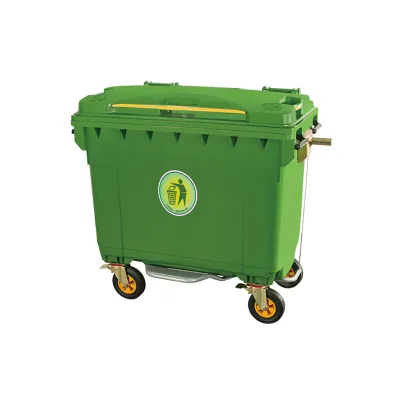
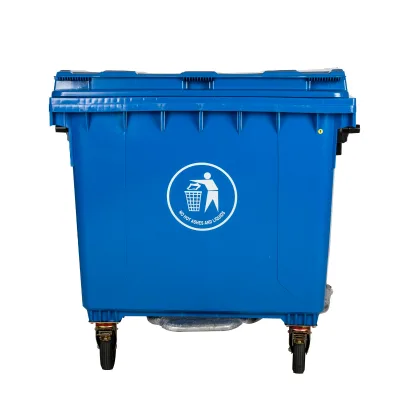
660L High Density Polyethylene Waste Bins Garbage Bins Outdoor Street Trash Cans with Lid
$60.00 - $67.00
MOQ: 10 pieces
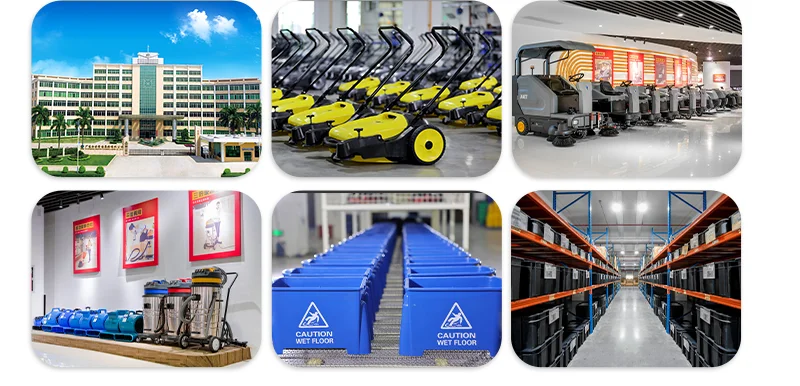
Guangzhou Yuegao Import & Export Co., Ltd.
- Manufacturer, Trading Company
- Guangdong, China
- Lead time25 days
- Avg. response≤ 15h
Main productsvacuum cleaner,trash bins,janitor carts,mop wringer buckets,caution boards
Main marketsMid East(25.00%), Eastern Europe(20.00%), North America(20.00%), South America(15.00%), Southeast Asia(6.00%), Eastern Asia(6.00%), Africa(5.00%), Western Europe(3.00%)


Comprehensive Sourcing Guide
Heavy Duty Outdoor Plastic Trash Bin with Wheels Supplier Concentration and Factory Types
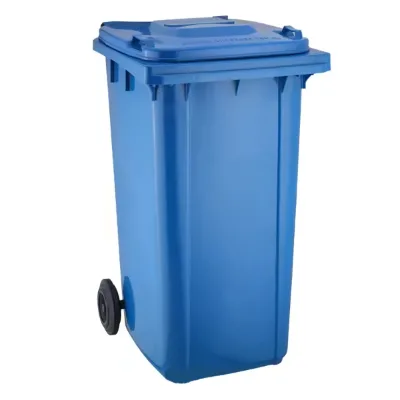
The current supplier landscape for heavy duty outdoor plastic trash bins with wheels reveals a distinct concentration of manufacturing activity within specific industrial regions of China. Evidence indicates that a significant portion of these suppliers are located in Shandong province, which serves as a notable hub for this type of plastic waste management equipment. This geographic clustering suggests a mature supply chain ecosystem where raw materials, such as high-density polyethylene, and specialized molding capabilities are readily available. Buyers evaluating these suppliers will often encounter a mix of company types, including combined entities that handle both manufacturing and trading, as well as pure trading companies that act as intermediaries. Understanding this distinction is crucial because combined companies may offer more direct control over production quality and customization, while trading companies might provide broader product ranges from multiple factories. The presence of suppliers in Hebei province further diversifies the sourcing options, indicating that while Shandong is a primary cluster, other regions also contribute to the national output of these durable outdoor containers. This regional distribution allows buyers to compare logistics costs and lead times based on the proximity of the factory to major shipping ports.
In addition to geographic location, the structural composition of these suppliers varies significantly in terms of their operational focus and service offerings. Many suppliers in this category are verified by third-party inspection agencies such as CTI or TÜV Rheinland, which adds a layer of credibility to their claims about production capacity and quality control. The main products listed by these suppliers often extend beyond simple trash bins to include related sanitation vehicles, forklifts, and other construction machinery, suggesting that many of these factories have diversified their manufacturing lines. This diversification can be advantageous for buyers seeking a single source for multiple municipal or commercial waste management needs. However, it also requires careful vetting to ensure that the specific expertise in plastic molding for heavy-duty bins is not diluted by other product lines. Some suppliers specialize in sample processing and graphic processing, indicating a strong capability for custom branding and design modifications. Buyers should look for suppliers that explicitly state their ability to handle OEM and ODM requests, as this confirms their flexibility in adapting standard designs to specific brand requirements. The verification status and company type are key indicators of reliability, helping buyers distinguish between established manufacturers and smaller trading operations.
How to Verify Heavy Duty Outdoor Plastic Trash Bin with Wheels Suppliers
Verifying the legitimacy and capability of suppliers for heavy duty outdoor plastic trash bins with wheels requires a multi-layered approach that goes beyond simple profile reviews. The first step is to examine the verification badges and certifications displayed on supplier profiles. For instance, some suppliers hold CTI verification, while others may have TÜV Rheinland certification, each indicating a different level of third-party assessment. Buyers should prioritize suppliers who have undergone rigorous on-site inspections, as these verify the actual existence of the factory and its production capabilities. Additionally, system certifications such as CE or ISO standards are critical indicators of compliance with international quality and safety regulations. These certifications ensure that the manufacturing processes meet specific environmental and operational standards, which is particularly important for products intended for public use. Buyers should request copies of these certificates and verify their validity through the issuing bodies. The presence of these credentials reduces the risk of engaging with fraudulent entities or unqualified manufacturers who may not adhere to consistent quality control measures.
Beyond certifications, buyers must assess the supplier's responsiveness and transparency in communication. Response time is a significant metric for evaluating supplier reliability, with some suppliers demonstrating response times as low as two hours, while others may take longer. A quick response often indicates a well-organized sales team and efficient internal processes. Buyers should also look for detailed product attributes and specifications, such as material composition, capacity options, and customization availability. Suppliers that provide comprehensive data on their products, including base materials like HDPE and specific features like eco-friendly properties, are more likely to be professional and knowledgeable. Furthermore, buyers should inquire about the supplier's ability to provide samples before placing large orders. This allows for a physical inspection of the product's durability, wheel mechanism, and overall build quality. By combining verification of credentials with an assessment of communication speed and product detail, buyers can build a more accurate picture of a supplier's reliability and suitability for their specific sourcing needs.
What to Compare Across Heavy Duty Outdoor Plastic Trash Bin with Wheels Suppliers
When comparing suppliers for heavy duty outdoor plastic trash bins with wheels, buyers should focus on key operational metrics that directly impact cost, quality, and delivery. One of the most critical factors is the minimum order quantity, or MOQ, which varies significantly across different suppliers. Some suppliers may require a minimum order of fifty units, while others might set the bar at one hundred units or higher. This distinction is vital for buyers with limited storage space or those testing the market with smaller initial orders. Alongside MOQ, lead time is another essential comparison point. Suppliers may offer lead times ranging from twenty to thirty days, depending on their current production load and inventory levels. Understanding these timelines helps buyers plan their inventory replenishment and avoid stockouts. Additionally, buyers should compare the price ranges for similar products, noting that prices can fluctuate based on material costs, order volume, and customization requirements. Some suppliers may offer competitive pricing for standard models, while others might charge premiums for custom colors or logos.
Another important aspect of comparison is the range of customization options and product specifications offered by each supplier. Buyers should evaluate whether suppliers provide various capacity options, such as sixty, one hundred twenty, or two hundred forty liters, to meet different waste management needs. The type of wheels, lid mechanisms, and base materials are also key differentiators. Suppliers that offer customizable features, such as specific colors or branded logos, provide greater flexibility for buyers looking to align products with their brand identity. Furthermore, buyers should compare the packaging methods and shipping dimensions, as these affect logistics costs and storage efficiency. Some suppliers may use palletized packaging with stretch film, while others might use containerized shipping. By systematically comparing these operational and product-specific details, buyers can identify suppliers that best align with their budget, timeline, and quality requirements. This comparative analysis ensures that buyers make informed decisions based on concrete data rather than assumptions, leading to more successful sourcing outcomes.
Common Heavy Duty Outdoor Plastic Trash Bin with Wheels Sourcing Risks
Sourcing heavy duty outdoor plastic trash bins with wheels from international suppliers involves several inherent risks that buyers must proactively manage. One significant risk is the potential discrepancy between the product samples and the bulk production quality. Suppliers may provide high-quality samples that do not reflect the standards of the final mass-produced items. This risk is particularly relevant when dealing with plastic molding, where variations in material thickness or wheel durability can occur. Buyers should mitigate this by conducting thorough quality inspections during production and before shipment. Another risk is the reliability of the supplier's lead times. Delays in production can disrupt supply chains, especially for buyers with tight inventory schedules. Suppliers may cite various reasons for delays, such as raw material shortages or production bottlenecks. Buyers should establish clear communication channels and regular updates to monitor production progress. Additionally, there is a risk associated with customization errors, such as incorrect colors or logos. Miscommunication in design specifications can lead to costly rework or rejected shipments.
Furthermore, buyers face risks related to compliance and certification validity. Some suppliers may claim to have certain certifications without providing valid documentation or may use outdated certificates. This can lead to issues with customs clearance or regulatory compliance in the buyer's home market. Buyers must verify all certifications independently and ensure they meet the specific requirements of their target markets. Another risk is the financial security of the transaction. Engaging with unverified suppliers increases the risk of fraud or non-delivery. Buyers should use secure payment methods and escrow services whenever possible to protect their funds. Additionally, there is a risk of intellectual property infringement if suppliers share proprietary designs with other clients. Buyers should include confidentiality clauses in their contracts to safeguard their brand identity. By identifying and addressing these common risks through due diligence and contractual safeguards, buyers can minimize potential losses and ensure a smoother sourcing experience. Proactive risk management is essential for maintaining supply chain integrity and protecting business interests.
Heavy Duty Outdoor Plastic Trash Bin with Wheels Regional Sourcing and Logistics
Regional sourcing plays a crucial role in determining the overall cost and efficiency of procuring heavy duty outdoor plastic trash bins with wheels. Suppliers located in Shandong province, for example, benefit from established industrial clusters that facilitate efficient production and logistics. This concentration of manufacturers allows for easier access to raw materials and specialized labor, which can translate into competitive pricing and faster production cycles. Buyers sourcing from this region should consider the proximity to major ports, as this can significantly reduce shipping costs and transit times. Additionally, the local infrastructure for packaging and container loading is often well-developed, ensuring that products are securely packed for international transport. Buyers should also evaluate the logistics capabilities of suppliers in other regions, such as Hebei, to compare shipping options and costs. Understanding the regional advantages helps buyers make informed decisions about where to source their products based on their specific logistical needs.
Logistics planning extends beyond just shipping costs to include packaging efficiency and storage requirements. Suppliers often provide detailed information on single package sizes and gross weights, which are critical for calculating container loading quantities and freight charges. For instance, some suppliers may offer products that are palletized with stretch film, optimizing space utilization within shipping containers. Buyers should work closely with their suppliers to determine the most cost-effective packaging solutions that protect the products during transit while maximizing container capacity. Additionally, buyers should consider the impact of seasonal variations on logistics, such as peak shipping seasons that may lead to capacity constraints and higher freight rates. Planning orders well in advance can help mitigate these risks. Furthermore, buyers should be aware of any regional trade regulations or tariffs that may affect the import of plastic waste bins. Understanding these logistical and regulatory factors ensures that buyers can accurately forecast total landed costs and avoid unexpected delays or expenses. Effective logistics management is key to maintaining a competitive edge in the market.
Heavy Duty Outdoor Plastic Trash Bin with Wheels Commercial Terms and Order Planning
Commercial terms and order planning are fundamental to establishing a successful and sustainable relationship with suppliers of heavy duty outdoor plastic trash bins with wheels. Buyers must clearly define the terms of payment, delivery, and warranty to avoid misunderstandings and disputes. Common payment terms may include a deposit followed by the balance before shipment, or the use of secure payment platforms that offer buyer protection. It is essential to negotiate favorable terms that align with the buyer's cash flow and risk tolerance. Delivery terms, such as FOB or CIF, should be agreed upon based on the buyer's ability to handle logistics and insurance. Clear delivery terms ensure that responsibilities for shipping and risk transfer are well-defined. Additionally, buyers should establish a comprehensive order planning strategy that accounts for lead times, production schedules, and inventory turnover rates. This planning helps prevent stockouts and overstocking, optimizing working capital.
Order planning also involves forecasting demand and adjusting order quantities accordingly. Buyers should consider the MOQs set by suppliers and plan their orders to meet these requirements while minimizing excess inventory. For example, if a supplier has an MOQ of fifty units, buyers might consolidate orders from multiple projects to achieve this threshold efficiently. Furthermore, buyers should plan for potential variations in demand by maintaining a buffer stock or establishing flexible ordering agreements with suppliers. Communication is key to effective order planning, with regular updates on production status and shipping schedules helping to keep the supply chain on track. Buyers should also consider the long-term implications of their sourcing decisions, such as the potential for price fluctuations in raw materials. By building strong relationships with suppliers and maintaining open communication, buyers can secure better terms and more reliable service. Effective commercial terms and strategic order planning are essential for achieving cost efficiency and supply chain resilience in the long run.
FAQs
What is the typical lead time for heavy duty outdoor plastic trash bins?
Manufacturers in China typically require 20 to 30 days to produce and ship heavy duty outdoor plastic trash bins with wheels. This timeframe allows for material sourcing, molding, and quality checks. Buyers should confirm specific delivery schedules with suppliers before placing orders to ensure timely arrival.
What is the minimum order quantity for these bins?
The minimum order quantity varies by supplier, ranging from 50 to 100 units. Some trading companies offer lower MOQs of 50 pieces, while others require 100 units. Buyers should verify the specific MOQ with their chosen supplier to align with their inventory needs and budget constraints.
Are customization options available for these waste bins?
Yes, customization is widely available for heavy duty outdoor plastic trash bins with wheels. Suppliers offer options for custom colors, logos, and capacities such as 60L, 120L, or 240L. Buyers can request specific designs to match their branding or municipal requirements through OEM or ODM services.
What materials are used to make these durable bins?
These bins are primarily made from high-density polyethylene, known as HDPE or Hpde. This material provides excellent durability, resistance to impact, and eco-friendly properties. The sturdy construction ensures the bins can withstand outdoor conditions and heavy usage in public spaces, streets, and recycling centers.
What is the price range for these plastic waste bins?
Prices for heavy duty outdoor plastic trash bins with wheels typically range from approximately $14 to $20 per unit. The cost depends on the capacity, customization options, and order volume. Buyers should request detailed quotes to understand the final pricing based on their specific requirements and shipping terms.
How quickly do suppliers respond to inquiries?
Supplier response times vary, with some responding within two days and others taking up to eight days. Faster response times indicate active sales teams ready to assist with quotes and specifications. Buyers should prioritize suppliers with quicker response rates to ensure efficient communication throughout the sourcing and ordering process.