Disposable Wiper Cloth Suppliers and Manufacturers in China
Compare 24 verified suppliers of Disposable Wiper Cloth based on location, lead times, and pricing. Review product specifications like GSM and material composition before requesting samples to finalize your sourcing decision; review the available evidence before requesting comparable quotations from suitable candidates.
Updated
Suppliers List

Hangzhou Kangjie Nonwoven Products Co., Ltd.
- Manufacturer, Trading Company
- Zhejiang, China
- Lead time25 days
- Avg. response≤ 15h
Main productsKitchen Towel,Cleaning cloths,Disposable floor wipes,Disposable face towel,dinner napkin
Main marketsEastern Asia(35.00%), North America(20.00%), Eastern Europe(15.00%), Western Europe(10.00%), Oceania(7.00%), Northern Europe(5.00%), Southeast Asia(3.00%), Mid East(3.00%), South Asia(2.00%)

Zhejiang Wipex New Material Technology Co., Ltd.
- Verified by SGS
- Combined
- China Zhejiang
- Lead time30 days
- Avg. response≤ 10h
Main productsIndustrial Wipes, Household Wipes, Beauty Care Products, Disposable Towels, Depilatory Products
Main marketsSouth America,Africa,Southeast Asia/ Mideast,East Asia(Japan/ South Korea),Domestic,Europe,Australia,North America

Cleaning Cloths Disposable Nonwoven kitchen Wipes Cleaning Cloth Wipe Clean Table Cloth
$0.46 - $0.50
MOQ: 3000 bags

Disposable Handy Reusable Cloth Sheets Non-Woven Fabric Nonstick Wiping Rags Cleaning Wipes
$0.50 - $1.50
MOQ: 2000 rolls


Disposable Food Industry Wipes Food Contact Cleaning Cloth Washable Dish Cloth
$0.30 - $0.50
MOQ: 5000 bags

Directly Factory Disposable Nonwoven Multipurpose Absorbent Industrial Wipe Cloth
$2.00 - $2.50
MOQ: 2000 Rolls

Disposable Multi-Purpose Durable Surface Cleaning Wipes Food Service Cloth
$0.80 - $1.02
MOQ: 1000 rolls

Shanghai Leenol Industrial Co., Ltd.
- Verified by SGS
- Trading Company,Manufacturer/Factory
- China Shanghai
- Lead time15 days
- Avg. response≤ 10h
Main productsSMT PCB Magazine Rack, ESD Workbench, ESD Box/Tray/Trolley, ESD Packing Bags, Cleanroom Products, ESD Testers, ESD PCB Trolley, Sticky Mat, ESD PVC Flooring/Tile, ESD Chairs
Main marketsSouth America,Eastern Europe,Mid East,North America,Southeast Asia,Eastern Asia,Oceania,Western Europe,Africa

Hangzhou Linan Huasheng Daily Necessities Co., Ltd.
- Manufacturer/Factory
- China Zhejiang
- Lead time23 days
- Avg. response≤ 10h
Main productsCompressed Towels, Face Mask, Dry Wipes, Cleaning Wipes, Disposable Compressed Towel, Nonwoven Dry Wipes, Roll Towels, Bamboo Product, Canister Wipes, Makeup Remover
Main marketsSouth America,Eastern Europe,Mid East,North America,Southeast Asia,Eastern Asia,Oceania,Western Europe,Africa


Disposable Dry Wash Cloth Spunlace Non-Woven Cloth Household Cleaning Wipe
$1.30 - $2.50
MOQ: 20000 Bags


Zhejiang Chenyang Nonwoven Co., Ltd.
- Manufacturer, Trading Company
- Lead time旺季: "1 - 100000":35,"> 100000":"To be negotiated", 淡季: "1 - 100000":35,"> 100000":"To be negotiated"
- Avg. response≤ 8h
Main productsNonwoven fabric,Nonwoven Products,spunlace wipe,nonwoven wipe
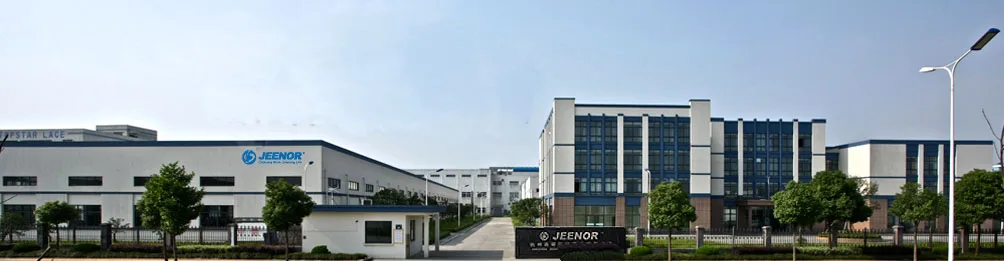
Hangzhou Jeenor Industrial Co., Ltd.
- Manufacturer
- Zhejiang, China
- Lead time40 days
- Avg. response≤ 7h
Main productsnonwoven fabrics,Cleaning Cloth,Cleaning Wipes,paper products,Absorbents
Main marketsNorth America(30.00%), South America(15.90%), Domestic Market(15.00%), Oceania(10.00%), Southeast Asia(10.00%), South Asia(5.00%), Eastern Europe(5.00%), Eastern Asia(3.00%), Northern Europe(2.00%), Western Europe(1.50%), Southern Europe(1.50%), Mid East(0.50%), Africa(0.50%), Central America(0.10%)
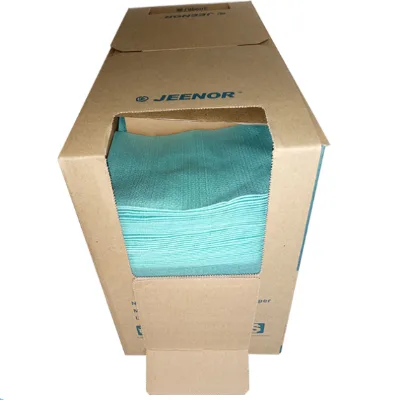
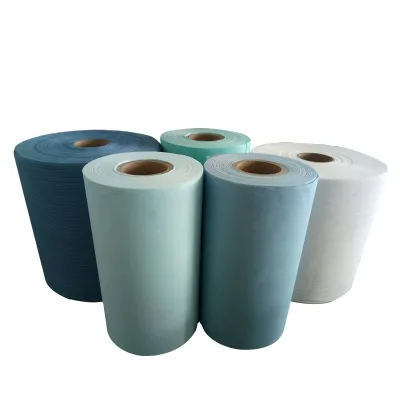
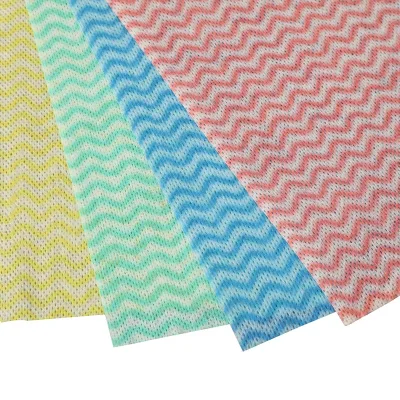
$21.2663 - $23.4459
MOQ: 100 cartons
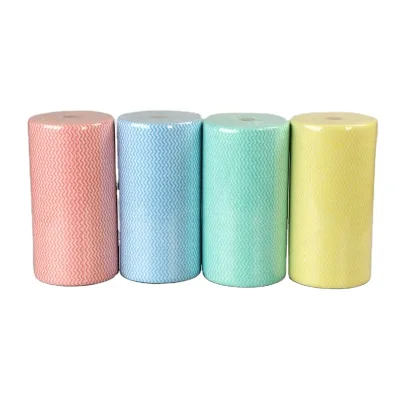
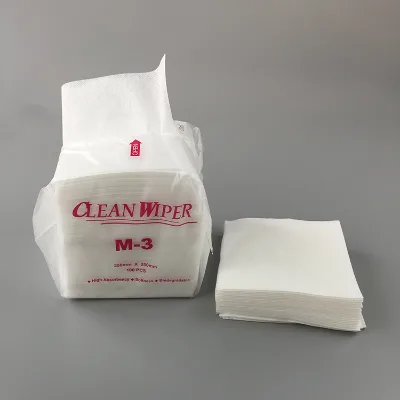
Chizhou Lihua Environment Technology Co., Ltd.
- Verified by SGS Group
- Manufacturer, Trading Company
- Lead time25 days
- Avg. response≤ 5h
Main productsSpunlace Cleaning Wipes, Needle-Punched Cleaning Wipes, Nonwoven Beauty Towels, Industrial Cleaning Wipes, Multipurpose Wet Wipes
Main marketsDomestic Market(51%), North America(20%), South America(8%)
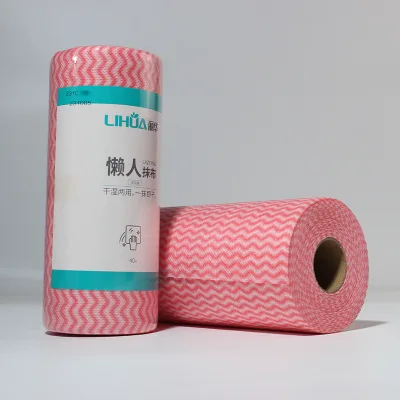
Disposable Eco-Friendly Microfiber Cleaning Cloths Stocked Kitchen Wipes
$0.5202 - $0.6131
MOQ: 5000 rolls
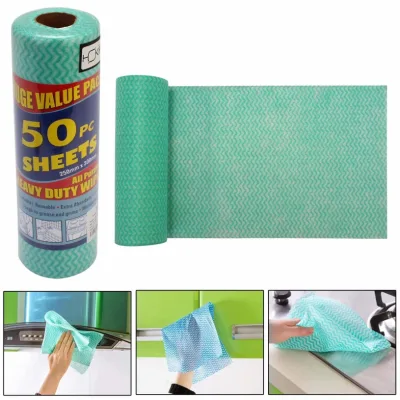
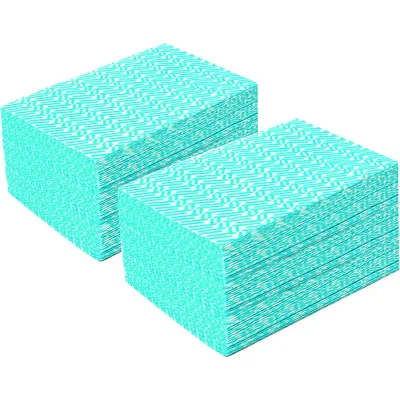
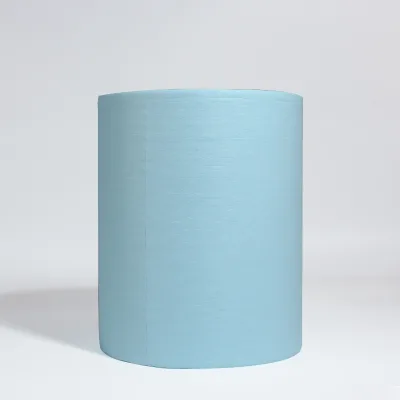
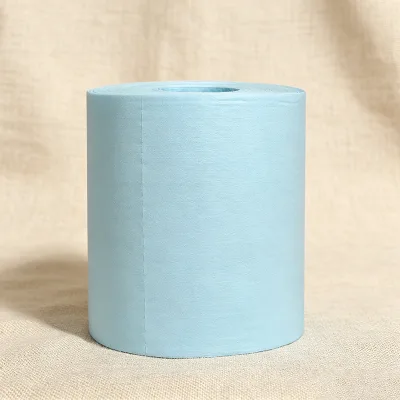
Daily Household Cleaning Wipes Daily Use Nonwoven Cheese Cloth Absorbent Cloths Cleaning Cloth
$0.2638 - $0.3163
MOQ: 10000 bags
Blueseth Technology (Dalian) Co., Ltd.
- Verified by SGS Group
- Trading Company
- Lead time35 days
- Avg. response≤ 6h
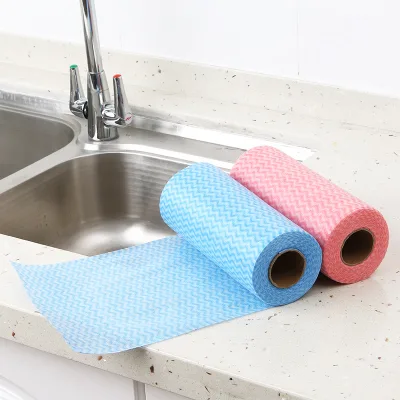
Main productsWave Pattern Non-woven Multi-use Cleaning Cloths/White Embossed Cleaning Cloths/Oil-absorbing Industrial Cleaning Wipes/Industrial Multifunctional Cleaning Cloth/100% Cotton Facial Cleansing Towel
Main marketsEastern Europe(50%), North America(20%), Mid East(10%)
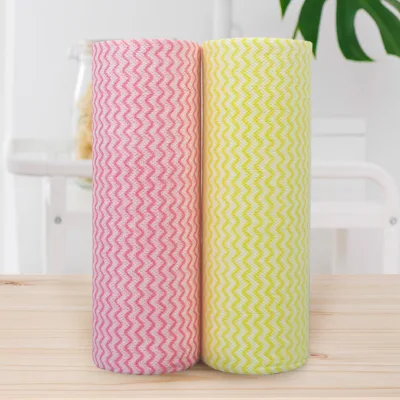
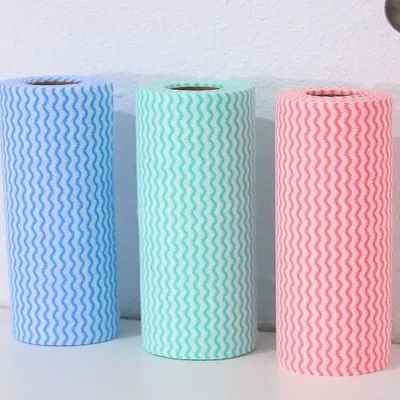
$0.39 - $0.49
MOQ: 100 rolls
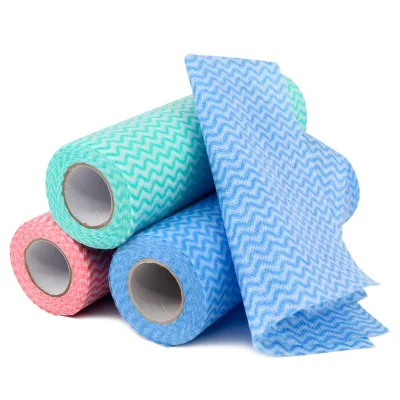
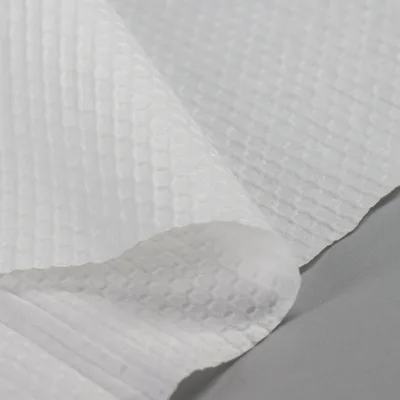
$0.65 - $0.79
MOQ: 100 rolls
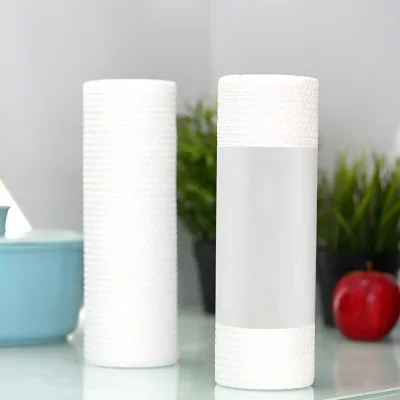
Rechargeable Wet-Dry All-Purpose Disposable Household Cleaning Wipes Free Sample Wave Pattern
$0.65 - $0.79
MOQ: 100 rolls

Xiamen Qianyu Technology Co., Ltd.
- Trading Company
- China Fujian
- Lead time15 days
- Avg. response≤ 5h
Main productsCleanroom Wipes, 100% Polyester Wipes, Cleanroom Double-Knit Polyester Wipes, SMT Roll Wipes, Microfiber Cloth, 2ply Cleanroom Wipes, SMT Stencil Wipes, Nonwoven Cleaning Paper, Industrial Cleaning Cloth, Cleanroom Swabs
Main marketsAfrica,Southeast Asia/ Mideast,Europe
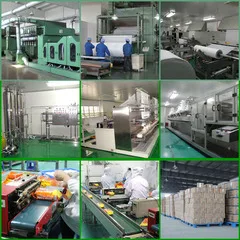
Huzhou Auline Sanitary Material Co., Ltd.
- Manufacturer
- Zhejiang, China
- Lead time20 days
- Avg. response≤ 16h
Main productsSpunlace Nonwoven Fabric, Disposable Cleaning Wipes Cloth
Main marketsDomestic Market(40.00%), North America(30.00%), South America(20.00%), Eastern Asia(10.00%)
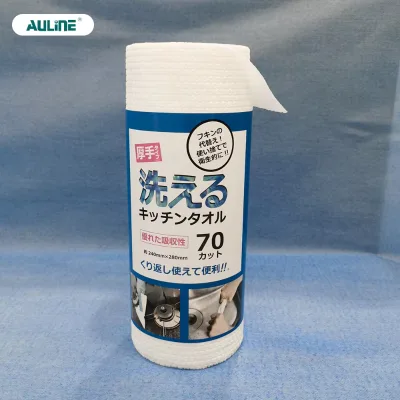
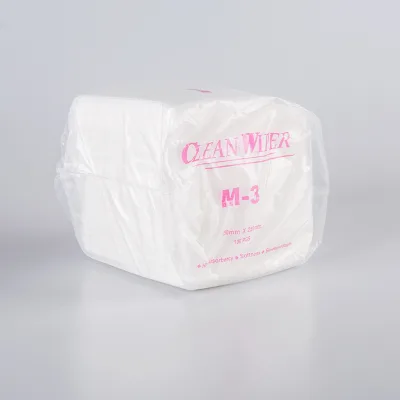
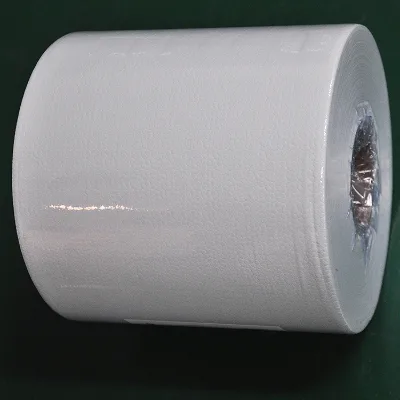
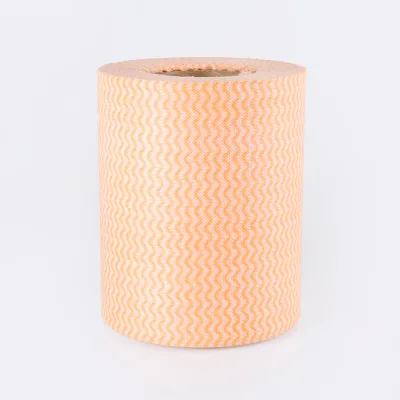
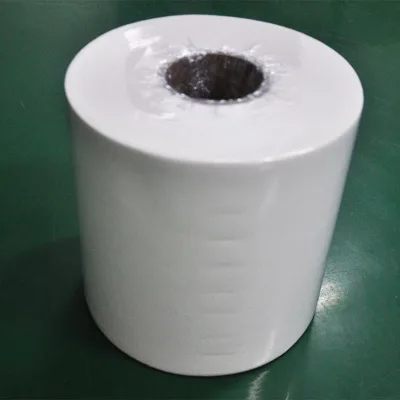
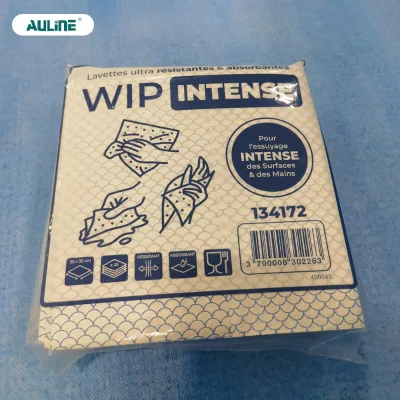
High Quality Custom Eoc-Friendly Biodegradable Disposable Cleaning Wipes Car Cleaning Cloth
$2.4838 - $2.9485
MOQ: 1000 kilograms

Xiantao Tongda Non-Woven Products Co., Ltd.
- Verified by CTI
- Combined
- China Hubei
- Lead time23 days
- Avg. response≤ 3h
Main productsNon Woven Fabric, Medical Face Mask, Disposable Face Mask, Mob Cap, Bouffant Cap, Isolation Gown, Surgical Gown, Coverall, Disposable Bed Sheet/Cover, Disposable Shoe Cover
Main marketsSouth America,Africa,Southeast Asia/ Mideast,East Asia(Japan/ South Korea),Domestic,Europe,North America


Oil Absorbent Cleaning Cloth Industrial Multipurpose Wiping Cloth Multifunction Wipes
$0.47 - $0.49
MOQ: 20000 Rolls

Hangzhou Cleanperfect Commodity Co., Ltd.
- Verified by CTI
- Manufacturer/Factory
- China Zhejiang
- Lead time0 days
- Avg. response≤ 14h
Main productsDry Wipes Wet Wipes Woven Fabric, Gym Wipes, Baby Wipes, Antibacterial Wipes, Pet Wipes, Adult Wipes, Dry Wipes
Hangzhou Linan Huasheng Daily Necessities Co., Ltd.
- Manufacturer
- Zhejiang, China
- Lead time10 days
- Avg. response≤ 4h
Main productsDry Towel,Nonwoven Cleaning Wipes,Compressed Towels,Bath Towel,Disposable Towel
Main marketsNorth America(30.00%), South America(20.00%), Eastern Asia(10.00%), Southeast Asia(9.00%), Domestic Market(5.00%), Eastern Europe(5.00%), Western Europe(5.00%), Mid East(5.00%), Africa(5.00%), South Asia(3.00%), Oceania(3.00%)
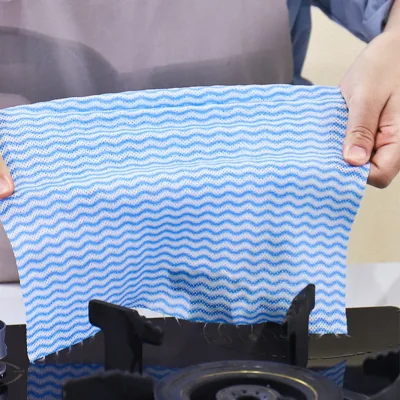
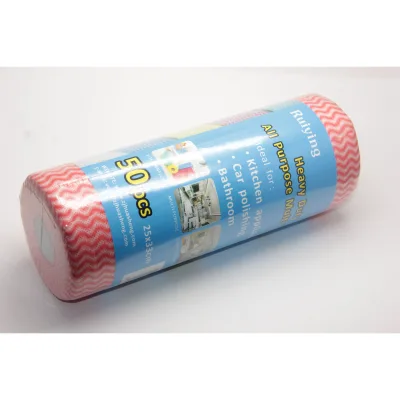
$0.36 - $0.42
MOQ: 5000 rolls
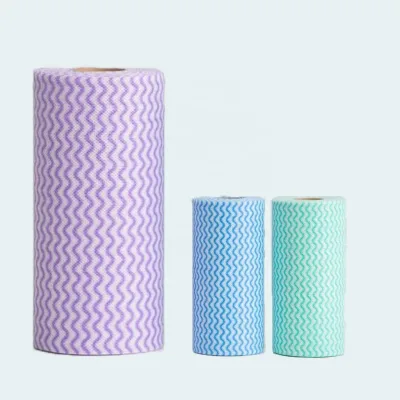

Hubei Qianjiang Kingphar Medical Material Co., Ltd.
- Combined
- China Hubei
- Lead time30 days
- Avg. response≤ 11h
Main productsGauze Swabs, Laparotomy Sponge, Sterile Gauze Ball, Gauze Roll, Non Woven Swabs, Mask, Bandage, Sterile Cotton Ball, Cotton Dental Wool, Disposable Facial Towel
Main marketsEurope


Reusable Cleaning Cloths Washable Heavy Duty Nonwoven Wipes Table Application Nonwoven Cleaning Pads
$0.01 - $0.30
MOQ: 10000 Pieces


Suzhou ForestBurg Medical Technology Co., Ltd.
- Verified by SGS
- Combined
- China Jiangsu
- Lead time23 days
- Avg. response≤ 4h
Main productsWet Wipes, Baby Wipes, Dry Wipes, Cleaning Wipes, Body Face Wipes, Laundry Detergent Pods, Fragrance Beads, Fragrance Booster, Pet Cleaning Wipes, Laundry Washing Pods
Main marketsDomestic
- Verified by TüVRheinland
- Manufacturer, Trading Company
- Lead time0 days
- Avg. response≤ 9h
Main productsMeltblown Nonwoven, Aluminium Foil Bag
Main marketsDomestic Market(50%), Southeast Asia(20%), North America(10%)
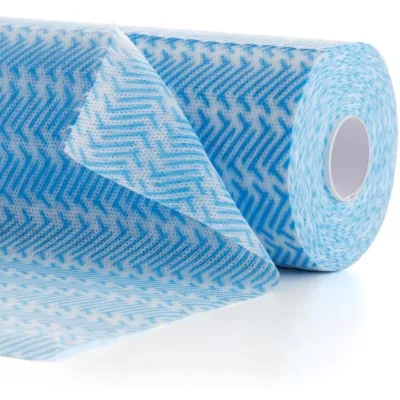
$1.50 - $1.75
MOQ: 1000 kilograms
Eco Friendly Flushable Wipes Raw Material Flushable Spunlace Nonwoven
$2.25 - $2.75
MOQ: 1000 kilograms

Suzhou Quanjuda Purification Technology Co., Ltd
- Trading Company,Manufacturer/Factory
- China Jiangsu
- Lead time0 days
- Avg. response≤ 9h
Main productsESD Fabric, ESD Garment, ESD Uniform, Sticky Mat, ESD Shoes, ESD Wrist Strap, ESD Glove, Disposable Facemask, Cleanroom Wipers, ESD Finger Cots

Dalian HLB New Material Technology Co., Ltd
- Verified by BV
- Combined
- China Liaoning
- Lead time30 days
- Avg. response≤ 3h
Main productsNonwoven Fabric, Bi-Component Es Nonwoven Fabric, Cooling Es Nonwoven Fabric, Thermal Bonding Nonwoven Fabric, Heat Sealing Nonwoven Fabric, Pet Nonwoven Fabric, Bio Degradable Nonwoven Fabric, PLA Nonwoven Fabric, Composite Material, Composite Nonwoven Fabric
Main marketsSoutheast Asia/ Mideast,East Asia(Japan/ South Korea),Europe

- Manufacturer, Trading Company
- Jiangxi, China
- Lead time30 days
- Avg. response≤ 11h
Main productsMeltblown Nonwoven Fabric, Composite Nonwoven Fabric, PP Spunbond Nonwoven Fabric, Spunlace Nonwoven Fabric, Needle Punched Nonwoven Fabric
Main marketsDomestic Market(50.00%), Eastern Asia(20.00%), Southeast Asia(20.00%), North America(5.00%), Eastern Europe(3.00%), South America(1.00%), Oceania(1.00%)
$2.90 - $3.50
MOQ: 1000 kilograms
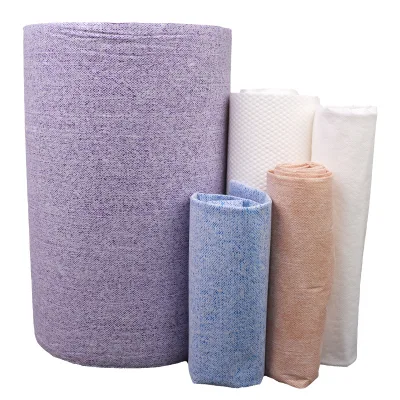
Suzhou Always Cleaning Supplies Co., Ltd.
- Manufacturer, Trading Company
- Jiangsu, China
- Lead time15 days
- Avg. response≤ 10h
Main productscleanroom wiper,clean wiper,cleaning wipes,industrial wipes,polyester wiper
Main marketsDomestic Market(30.00%), North America(20.00%), Southeast Asia(20.00%), Oceania(10.00%), Western Europe(10.00%), Eastern Europe(5.00%), South America(5.00%)

Ningbo Riway Nonwovens Tech Co., Ltd.
- Verified by SGS
- Combined
- China Zhejiang
- Lead time30 days
- Avg. response≤ 7h
Main productsWet Wipes
Main marketsSoutheast Asia/ Mideast,Europe,North America
Ningbo Cozihome Houseware Co., Ltd.
- Verified by SGS Group
- Trading Company
- Lead time35 days
- Avg. response≤ 3h
Main productsMicrofiber Cloth, Mop, Brush, Mat, Lint Roller
Main marketsNorth America(30%), Africa(20%), South America(15%)

Nanan Jiedao Electronic Material Co., Ltd.
- Verified by BV
- Combined
- China Fujian
- Lead time30 days
- Avg. response≤ 4h
Main marketsSoutheast Asia/ Mideast,East Asia(Japan/ South Korea),Domestic,Europe,North America

Huzhou Raylane New Materials Co., Ltd
- Verified by BV
- Manufacturer/Factory
- China Zhejiang
- Lead time15 days
- Avg. response≤ 6h
Main productsInterlining, Nonwoven Fabric, Filtration, Woven Fabric, Textile Machine, Stable Fiber, Filament Yarn, Linings, Interlining Fabric, Additive
Main marketsSouth America,Eastern Europe,Mid East,North America,Southeast Asia,Eastern Asia,Western Europe,Africa









Comprehensive Sourcing Guide
Disposable Wiper Cloth Supplier Concentration and Factory Types
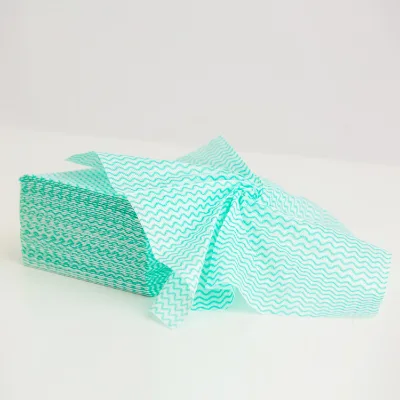
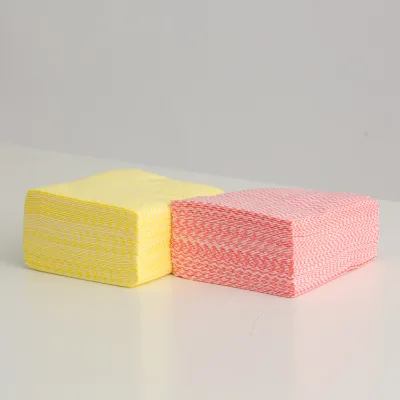
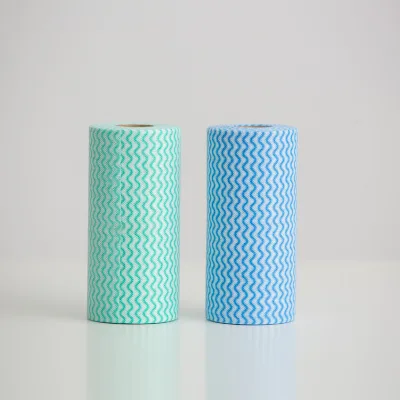
The current supplier landscape for disposable wiper cloths reveals a distinct concentration of manufacturing and trading entities within Zhejiang, China. This regional clustering is significant because it indicates a mature industrial ecosystem where raw material sourcing, production infrastructure, and logistics networks are highly optimized for textile-based cleaning products. When evaluating potential partners, buyers should recognize that suppliers located in this specific province often benefit from established supply chains for non-woven fabrics and spunlace materials. The presence of both manufacturers and trading companies in this region suggests a diverse market structure. Manufacturers typically control the production line, offering direct oversight over quality control and material composition, such as the specific GSM weights or fiber blends used in their non-woven cloths. Trading companies, on the other hand, may aggregate products from multiple factories, providing a broader catalog of styles, colors, and packaging options. Understanding this distinction is crucial for determining whether a buyer prioritizes direct factory pricing and customization capabilities or the flexibility and variety offered by a trading intermediary. The geographic concentration also implies that shipping routes from this hub are well-established, potentially influencing lead times and freight costs for international orders. Buyers should verify the actual operational nature of the supplier, whether they are a direct producer or a reseller, as this impacts communication efficiency and problem-solving during the production process.
Identifying the correct factory type requires careful examination of the supplier’s profile and product evidence. Suppliers listing themselves as manufacturers often provide detailed technical specifications, such as GSM, material composition like woodpulp and polyester blends, and specific machine capabilities for spunlace or non-woven production. These details are critical for assessing whether the factory can meet specific performance requirements, such as absorbency, lint-free characteristics, or biodegradability. Conversely, trading companies might emphasize their ability to offer OEM branding, custom packaging, and mixed product orders. The evidence shows that many suppliers offer OEM services, allowing buyers to brand the wiper cloths with their own logos or packaging designs. This is particularly relevant for private label buyers who need consistent branding across their cleaning product lines. However, buyers must be cautious not to assume that all suppliers in this region are direct manufacturers. Some may be trading companies that source from smaller workshops. To verify this, buyers should request factory audit reports, production video tours, or specific details about their manufacturing capacity and equipment. The presence of a "18 Years Experience" advantage in some profiles suggests established operational history, which can be a proxy for reliability, but it does not automatically confirm manufacturing status. Therefore, due diligence is essential to align the supplier type with the buyer’s specific needs for quality control, customization, and supply chain transparency.
How to Verify Disposable Wiper Cloth Suppliers
Verifying the legitimacy and capability of Disposable Wiper Cloth suppliers requires a multi-layered approach that goes beyond surface-level profile information. One of the most effective methods is to request and review third-party audit reports or factory inspection certificates. These documents provide objective evidence of the supplier’s physical existence, production capacity, and compliance with labor and safety standards. Buyers should look for audits conducted by reputable agencies that detail the factory’s machinery, workforce size, and quality control processes. Additionally, verifying the supplier’s business license and registration details can help confirm their legal status and operational scope. It is important to cross-reference the information provided in the supplier’s profile with these official documents to ensure consistency. For instance, if a supplier claims to be a manufacturer, the audit report should reflect manufacturing activities rather than just trading or warehousing. Furthermore, buyers should assess the supplier’s response time and communication quality. A response time of 15 hours, as observed in some results, indicates a reasonable level of responsiveness, but buyers should also evaluate the depth and accuracy of the responses. Prompt and detailed answers to technical questions about material composition, GSM, or packaging options can signal a professional and knowledgeable team. This initial interaction can reveal whether the supplier has the technical expertise to support the buyer’s specific requirements.
Another critical aspect of verification is checking for established credentials and historical performance indicators. While specific certification details may not always be explicitly listed in the initial product data, buyers should inquire about relevant industry certifications such as ISO standards, environmental management certifications, or product-specific safety tests. Suppliers with a long-standing presence in the market, indicated by phrases like "18 Years Experience," may have a track record of reliable service, but this should be corroborated with customer reviews or references if available. Buyers should also verify the supplier’s ability to provide samples, as this is a tangible way to assess product quality before committing to a large order. The evidence shows that sample times can range from 2-3 days, which is a positive indicator of operational efficiency. However, buyers should ensure that the samples provided are representative of the mass production quality. This can be achieved by requesting samples from the actual production line rather than pre-made stock. Additionally, verifying the supplier’s use of secure payment methods, such as escrow services, can protect the buyer’s financial interests. Escrow ensures that funds are only released upon satisfactory delivery and inspection of the goods. By combining document verification, communication assessment, and sample evaluation, buyers can build a comprehensive picture of the supplier’s reliability and capability, reducing the risk of partnering with unverified or underperforming entities.
What to Compare Across Disposable Wiper Cloth Suppliers
When comparing Disposable Wiper Cloth suppliers, buyers should focus on key operational metrics that directly impact cost, quality, and delivery reliability. One of the most critical factors is the minimum order quantity (MOQ). The evidence indicates an MOQ of 2000 pieces for certain products, which is a common threshold for non-woven cleaning cloths. Buyers with smaller volume requirements may need to negotiate lower MOQs or seek suppliers who are more flexible, although this might come at a higher unit price. Comparing MOQs across suppliers helps buyers determine which partners align with their inventory management strategies and cash flow capabilities. Another essential metric is the lead time, which was observed to be around 25 days in some cases, with specific product attributes noting a delivery time of 20 days. Lead times can vary based on order size, customization requirements, and production scheduling. Buyers should compare these timelines to ensure they can meet their own downstream delivery commitments. Additionally, response time is a valuable indicator of supplier professionalism and efficiency. A response time of 15 hours suggests a structured customer service process, but buyers should also consider the quality of the communication. Suppliers who provide detailed and accurate information quickly are likely to be more reliable throughout the order lifecycle.
Price and packaging details are also crucial comparison points. The price range for disposable wiper cloths varies significantly, with some products priced between $0.20 and $0.40 per unit, while others, such as bulk rolls or specialized wipes, may cost between $1.04 and $1.13, or even higher for specific configurations like $47.04 for a pack of 10. These price differences reflect variations in material quality, GSM, packaging, and order volume. Buyers should compare unit prices in the context of the total order value and shipping costs to determine the true landed cost. Packaging details, such as 100pcs/pack or 36bags/box, affect storage efficiency and handling ease. Suppliers offering standardized packaging may reduce the buyer’s logistical burden, while those offering custom packaging options provide branding flexibility. Material composition is another key differentiator. Products made from 50% woodpulp and 50% polyester offer different performance characteristics compared to 100% non-woven fabric or spunlace materials. Buyers should compare these material specifications against their end-use requirements, such as absorbency, durability, or eco-friendliness. Additionally, features like "lint-free," "super absorbent," or "biodegradable" can command premium prices but may be necessary for specific applications. By systematically comparing MOQ, lead time, response speed, price, packaging, and material attributes, buyers can identify the supplier that offers the best balance of cost, quality, and service for their specific needs.
Common Disposable Wiper Cloth Sourcing Risks
Sourcing disposable wiper cloths involves several inherent risks that buyers must proactively manage to ensure a successful procurement process. One significant risk is the inconsistency in product quality, particularly regarding material composition and performance characteristics. Non-woven fabrics can vary widely in GSM, fiber blend, and manufacturing technique, which directly affects absorbency, strength, and lint generation. Buyers who do not specify precise technical requirements may receive products that do not meet their expectations, leading to customer dissatisfaction or product failure in the field. For example, a cloth labeled as "super absorbent" might perform poorly if the GSM is too low or the material is not properly treated. Another risk is the discrepancy between sample quality and mass production quality. Suppliers may provide high-quality samples to secure an order but then cut corners during bulk production to reduce costs. This risk is heightened when dealing with trading companies that may source from multiple factories with varying quality standards. Buyers must implement strict quality control measures, such as third-party inspections before shipment, to mitigate this risk. Additionally, the risk of delayed delivery is prevalent, especially if the supplier faces production bottlenecks or logistical issues. Lead times can extend beyond the quoted 20-25 days due to unforeseen circumstances, impacting the buyer’s supply chain. Buyers should include penalty clauses for late delivery in their contracts to incentivize timely performance.
Intellectual property and branding risks are also critical, particularly for buyers seeking OEM services. When suppliers produce custom-branded wiper cloths, there is a risk of unauthorized production or leakage of designs to competitors. Buyers must ensure that their intellectual property is protected through clear contractual agreements and, if necessary, non-disclosure agreements. Furthermore, the risk of non-compliance with international standards or regulations cannot be overlooked. Different markets have varying requirements for cleaning products, including safety, environmental, and labeling standards. Suppliers who are not familiar with these regulations may produce non-compliant goods, leading to customs delays or legal issues. Buyers should verify that their suppliers have the necessary certifications and knowledge to meet the target market’s requirements. Another risk is the financial instability of the supplier, which can lead to order cancellation or poor service. Buyers should assess the supplier’s financial health and reputation before committing to large orders. Finally, the risk of communication breakdowns can lead to misunderstandings about product specifications, packaging, or delivery terms. Clear and documented communication is essential to avoid errors. By identifying and addressing these risks through thorough due diligence, robust contracts, and active quality management, buyers can protect their interests and ensure a smooth sourcing experience for disposable wiper cloths.
Disposable Wiper Cloth Regional Sourcing and Logistics
Sourcing disposable wiper cloths from specific regions, such as Zhejiang, China, offers distinct logistical advantages and challenges that buyers must consider. The concentration of suppliers in this region creates a hub for efficient production and shipping, but it also requires buyers to navigate the complexities of international freight and customs clearance. One of the primary logistical benefits is the availability of established shipping routes and port infrastructure, which can reduce transit times and costs. Buyers should leverage this by consolidating orders from multiple suppliers in the same region to achieve better freight rates. However, the distance between the manufacturing hub and the buyer’s destination will inevitably impact lead times and shipping expenses. For buyers in North America or Europe, sea freight is the most common mode of transport, which typically takes several weeks. Buyers must plan their inventory accordingly to avoid stockouts. Additionally, the weight and volume of the products, such as the single gross weight of 0.260 kg for a pack or 9.3 kg for a larger
FAQs
What is the typical lead time for Disposable Wiper Cloth orders?
The standard delivery time for these orders is 20 to 25 days. This timeframe allows manufacturers to process production and arrange shipping logistics efficiently. Buyers should confirm specific schedules with suppliers to ensure timely arrival for their inventory needs.
What is the minimum order quantity for nonwoven cleaning cloths?
The minimum order quantity is typically 2000 pieces. This threshold ensures cost-effective production runs for manufacturers. Buyers seeking smaller quantities may need to negotiate directly or look for suppliers offering stock items, though standard MOQs remain consistent across most listings.
How quickly do suppliers respond to inquiries about cleaning cloths?
Suppliers generally respond to inquiries within 15 hours. This rapid response time helps buyers secure quotes and clarify product specifications promptly. Quick communication is essential for maintaining efficient sourcing workflows and finalizing orders without unnecessary delays in the procurement process.
What materials are used in disposable nonwoven cleaning cloths?
These cloths are primarily made from non-woven fabric, with some compositions including 50% woodpulp and 50% polyester. The material choice ensures absorbency and durability for both household and automotive cleaning tasks. Buyers can select options based on specific functional requirements.
Where are these cleaning cloth manufacturers located?
Manufacturers are predominantly located in Zhejiang, China. This region is a major hub for textile and cleaning product production. Sourcing from this area often provides access to established supply chains and competitive pricing for bulk orders of nonwoven cleaning supplies.
What is the price range for disposable nonwoven wipes?
Prices typically range from $0.20 to $1.13 per unit depending on specifications. Factors like GSM, packaging, and material composition influence the final cost. Buyers should request detailed quotes to understand pricing variations for different product grades and bulk volume discounts.