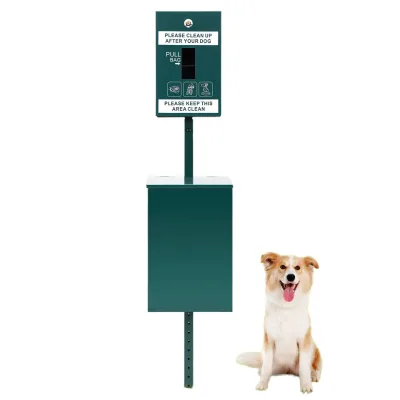
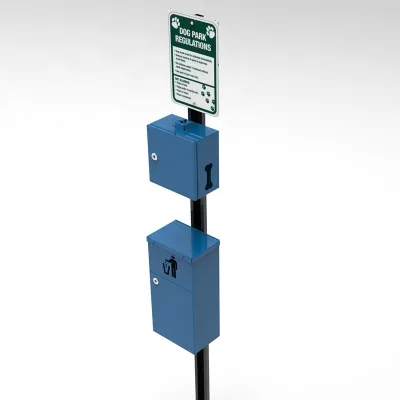
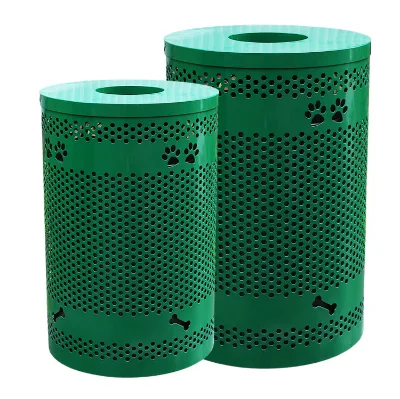
Green Steel Dog Waste Station with Rolling Cover Suppliers and Manufacturers
Compare 16 verified suppliers offering Green Steel Dog Waste Station with Rolling Cover solutions from China. Review response times, lead times, and customization options to source reliable factories for your outdoor pet waste needs today; review the available evidence before requesting comparable quotations from suitable candidates.
Updated
Suppliers List

Yantai Deshibo Precision Machinery Co., Ltd.
- Verified by BV
- Combined
- China Shandong
- Lead time15 days
- Avg. response≤ 7h
Main productsSheet Metal Fabrication, Electronic Box, Aluminium Enclosure, Stainless Steel Control Box, Powder Coating Metal Parts, Laser Cutting Parts, Outdoor Metal Electric Meter Box, Welding Parts, Aluminium Parts, CNC Machining Parts
Main marketsSoutheast Asia/ Mideast,East Asia(Japan/ South Korea),Europe,Australia,North America

Outdoor Pet Waste Station Trash Can with Bag Dispenser Dog Poop Station Dog Trash Can
$20.00 - $50.00
MOQ: 10 pieces

Dog Waste Station for Dog Poop Pet Waste Trash Can Outdoor Dog Waste Bin
$1.00 - $50.00
MOQ: 10 Pieces


Quanzhou Anxi Jiangou Home Furnishing Co., Ltd
- Verified by SGS
- Trading Company
- China Fujian
- Lead time0 days
- Avg. response≤ 5h
Main productsStorage Rack, Dog Crate, Wine Rack, Table Leg, Wall-Mounted Shelf, Clothing Rack, Plant Stand
Hangzhou Hylander Technology Co., Ltd.
- Manufacturer, Trading Company
- Lead time旺季: "1 - 500":45,"> 500":"To be negotiated", 淡季: "1 - 500":45,"> 500":"To be negotiated"
- Avg. response≤ 6h
Main productsBike Rack,Wire Mesh Storage Locker,Trash Receptacles,Picnic Tables and Benches,Bollard
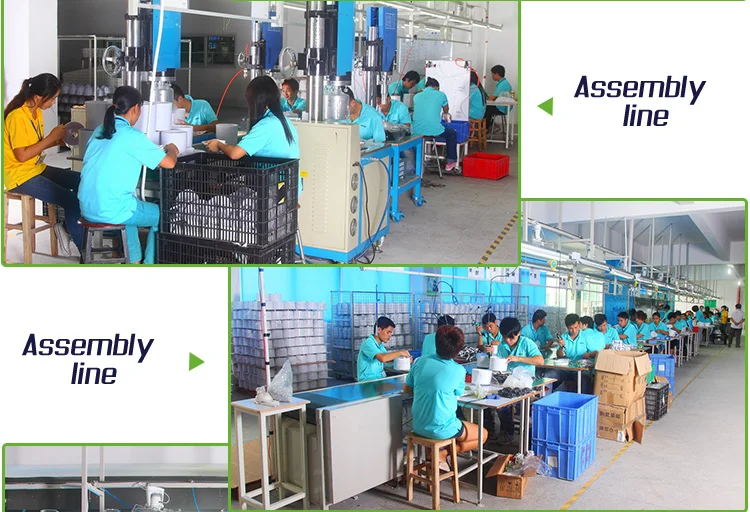
Guangdong Qixiang Technology Co., Ltd.
- Manufacturer
- Guangdong, China
- Lead time30 days
- Avg. response≤ 12h
Main productsCup Turner,DIY Set,Aroma diffuser,Humidifier,Aroma diffuser holder
Main marketsNorth America(50.00%), Central America(30.00%), Southeast Asia(8.00%), Mid East(8.00%), South Asia(4.00%)
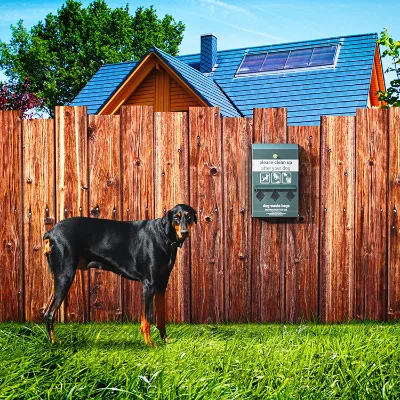
$30.3907 - $36.9623
MOQ: 500 pieces
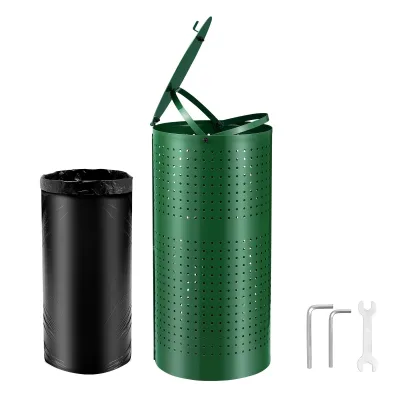
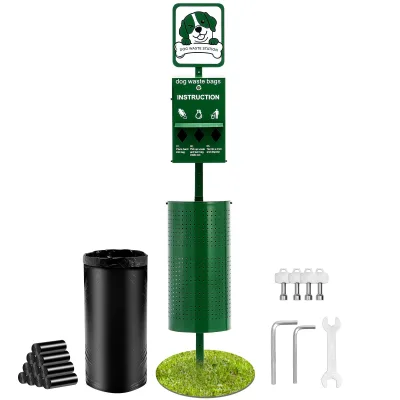
$93.1059 - $96.2103
MOQ: 500 pieces

- Manufacturer, Trading Company
- fujian, China
- Lead time30 days
- Avg. response≤ 5h
Main productsAluminum Waste Bin,Wrought Iron Gate,Wrought Iron Door,Wrought Iron Railing,Cast Aluminum Railing
Main marketsMid East(30.00%), North America(30.00%), Central America(20.00%), Northern Europe(10.00%), South America(10.00%)
Shantou Zhangwu Metal Products Co., Ltd.
- Manufacturer, Trading Company
- Guangdong, China
- Lead time20 days
- Avg. response≤ 4h
Main productsashtray,stainless steel dustbin,Trash Can,Stainless Steel Bucket,smoking ashtray
Main marketsNorth America(70.00%), Domestic Market(10.00%), Western Europe(10.00%), Northern Europe(5.00%), Eastern Europe(3.00%), Southeast Asia(2.00%)

GUANGDONG DONGJI INTELLIGENT DEVICE CO.,LTD.
- Verified by BV
- Combined
- China Guangdong
- Lead time15 days
- Avg. response≤ 5h
Main productsFresh Orange Juice Vending Mach, OEM ODM Jdm Smart Machine, Sheet Metal Fabrication, Metal Fabrication, Sheet Metal Machine Housing Assembly Fabrication, Stainless Steel Laser Cutting Service, Metal Display; Stand; Rack; Shelf, Sheet Metal Bending and Welding, Metal Enclosure, Vending Machine
Main marketsSoutheast Asia/ Mideast,East Asia(Japan/ South Korea),Europe,Australia,North America


$21.40 - $60.42
MOQ: 100 Pieces

Sheet Metal Fabrication Outdoor Trash Can with Lid Public Pet Waste Station Doggy Poop Bin
$21.40 - $60.42
MOQ: 100 Pieces
Chongqing Haoyida Outdoor Facility Co., Ltd.
- Verified by SGS Group
- Trading Company
- Lead time30 days
- Avg. response≤ 2h
Main productsTrash Can, Clothing Donation Bin, Park Bench, Outdoor Table and Chair, Planter Pot
Main marketsDomestic Market(60%), North America(13%), Mid East(12%)
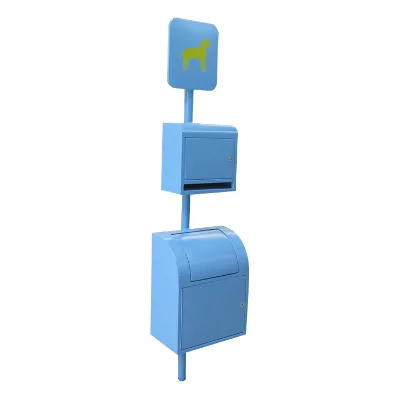
HAOYIDA Outdoor Pet Dog Waste Station Park Steel Pet Poop Waste Station
$75.00 - $105.00
MOQ: 5 pieces
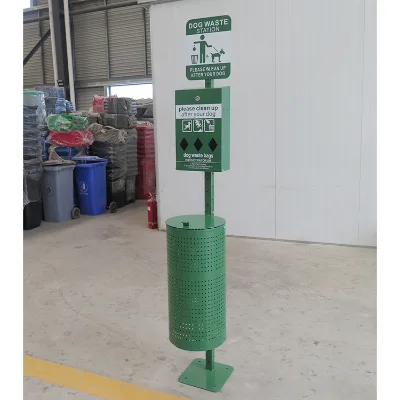
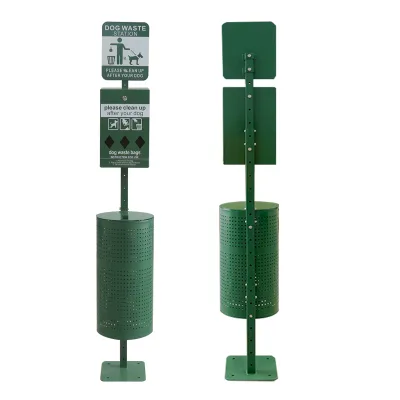
Outdoor Pet Trash Can with Flip Lid Custom Street Waste Dog Station Bins
$51.69 - $113.7186
MOQ: 5 pieces
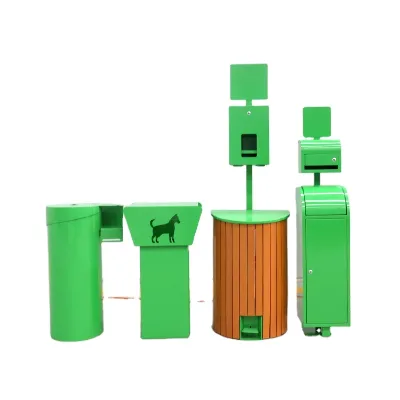
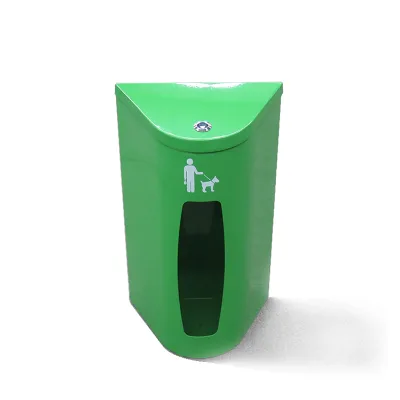
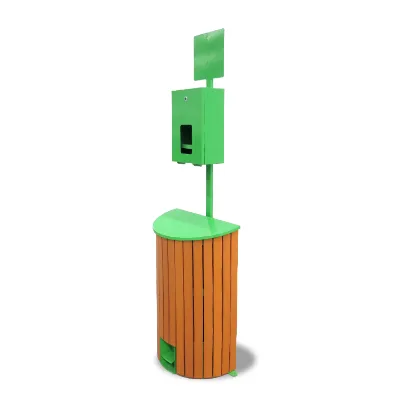
Outdoor Public Wall Mounted Waste Bin Pet Dog Poop Station
$89.00 - $95.00
Yantai Deshibo Precision Machinery Co., Ltd.
- Manufacturer, Trading Company
- Shandong, China
- Lead time20 days
- Avg. response≤ 5h
Main productssheet metal fabrication,electronic box,metal box,battery cabinet,dog waste station
Main marketsDomestic Market(40.00%), North America(10.00%), Central America(10.00%), Eastern Asia(10.00%), Mid East(10.00%), Southeast Asia(10.00%), South America(10.00%)
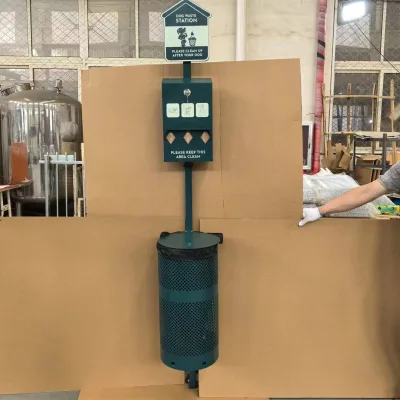
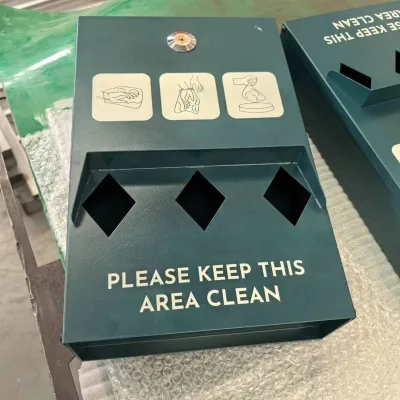
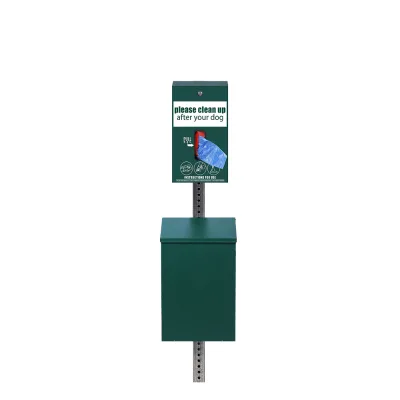
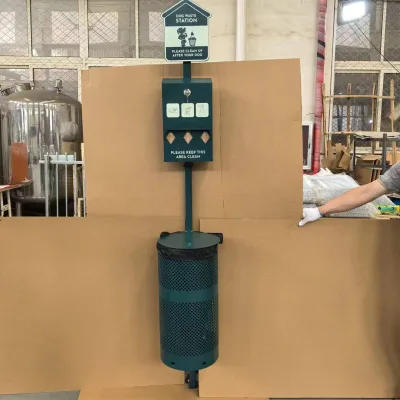
Commercial Dog Poop Waste Station Bag Dispenser Whole Set Station with Good Price
$41.4384
MOQ: 10 Minimum
Shanghai Weway International Trading Co., Ltd.
- Trading Company
- Shanghai, China
- Lead time35 days
- Avg. response≤ 4h
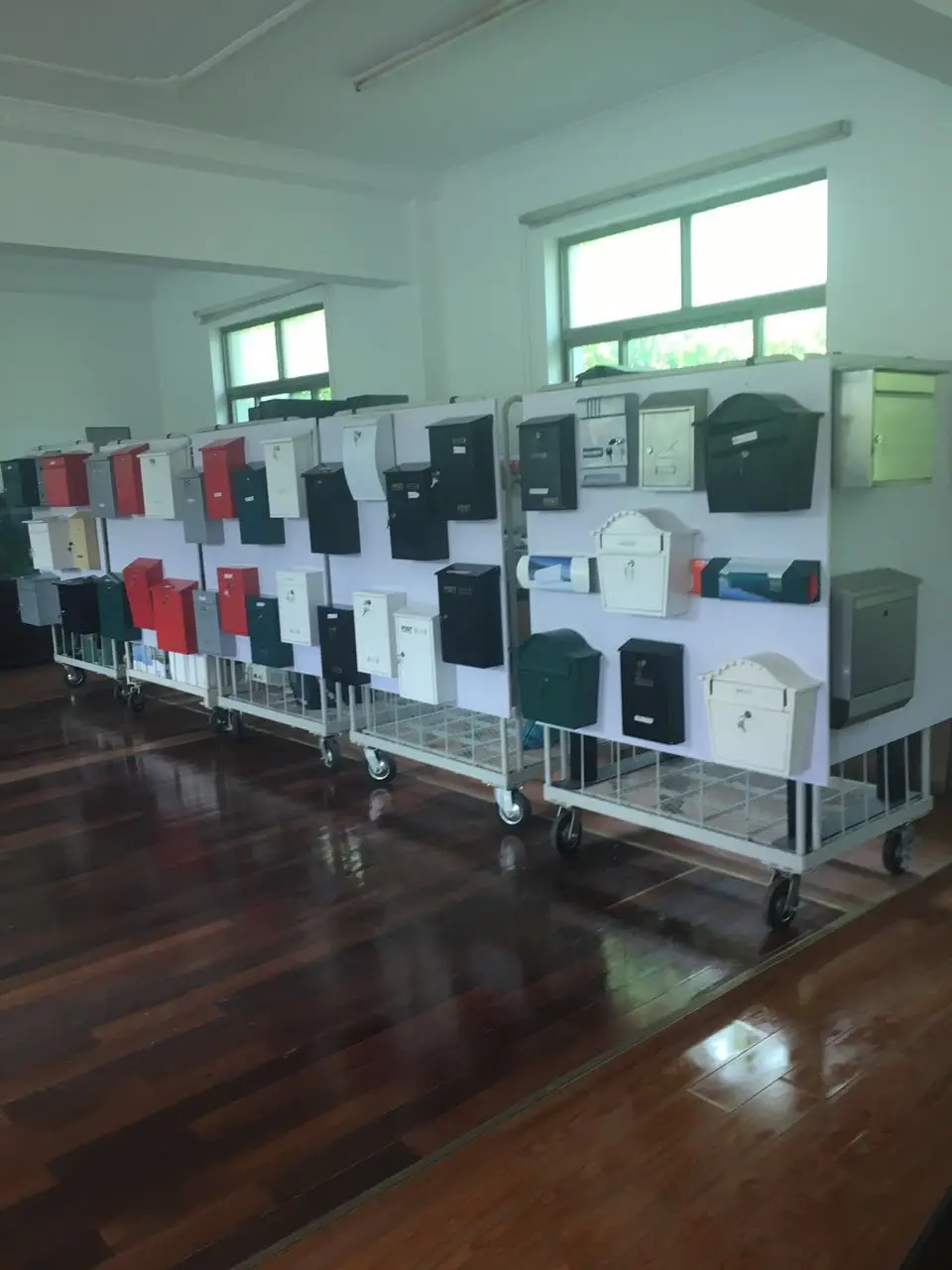
Main productsmailbox,pet waste station,safe box,money box,lock safe
Main marketsNorth America(50.00%), Western Europe(40.00%), Northern Europe(10.00%)
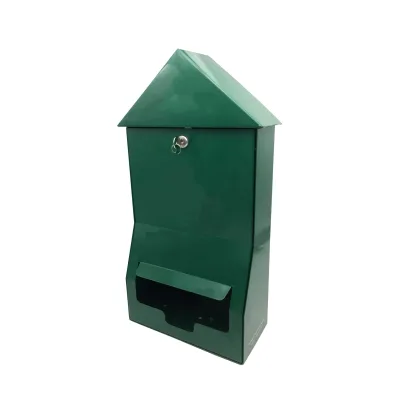
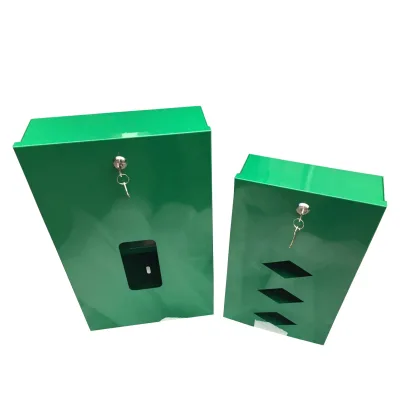
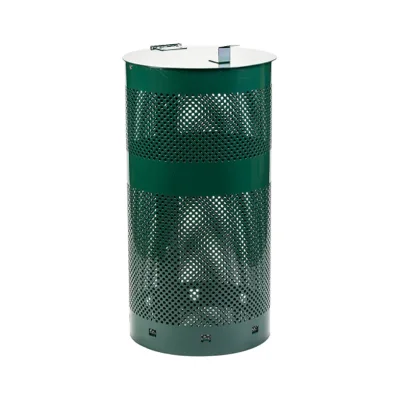
Pet Waste Trash Can Outdoor Dog Park Equipment Outdoor Dog Waste Composter Dog Poop Bin
$35.62 - $37.74
MOQ: 100
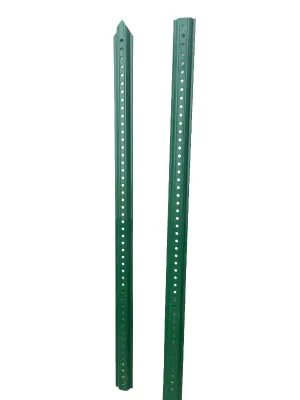
Hangzhou Depai Intelligent Technology Co., Ltd.
- Manufacturer, Trading Company
- Zhejiang, China
- Lead time30 days
- Avg. response≤ 4h
Main productsPicnic Table,Trash Bin,Fire Pit,Grill,Bike Rack
Main marketsNorth America(40.00%), Western Europe(25.00%), Northern Europe(20.00%), Southern Europe(10.00%), Eastern Asia(5.00%)
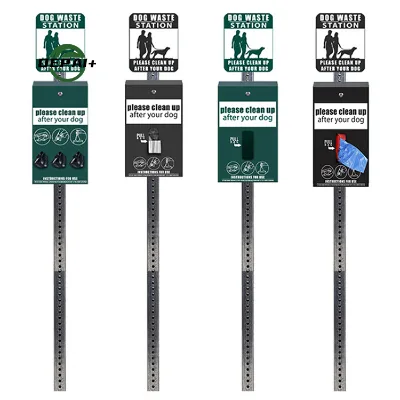
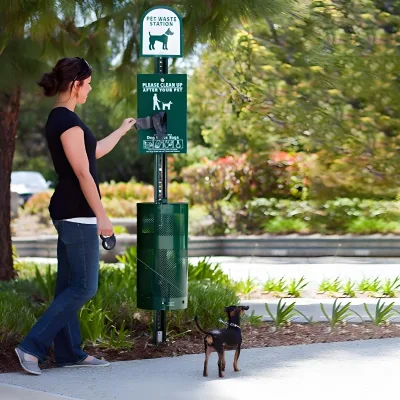
Metal Fabrication Pet Product Dog Waste Stations with Clean up After Your Dog Signs
$28.61 - $61.13
MOQ: 10
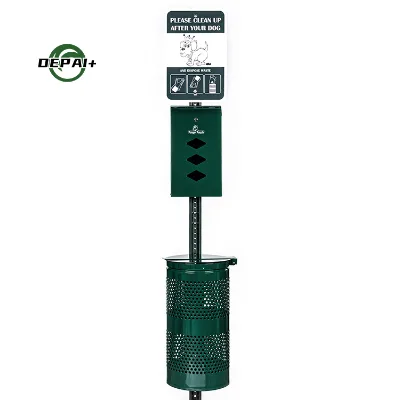
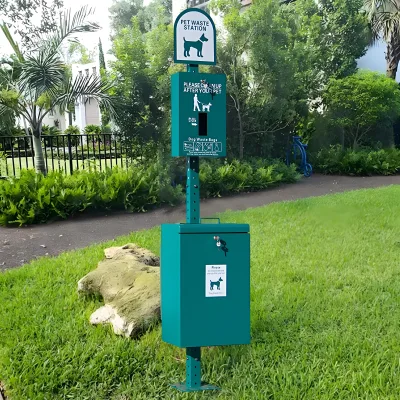
Top Popular Green Color Commercial Budget 11.5 Gallons Dog Waste Stations for Selling
$29.3744 - $62.7631
MOQ: 10 pieces
Qing Dao Giantfortune Industry Co., Ltd.
- Trading Company
- Shandong, China
- Lead time30 days
- Avg. response≤ 2h
Main productsPet Supply,Garden Tool,Sport Goods,Camping goods
Main marketsNorth America(50.00%), Western Europe(26.00%), Southeast Asia(5.00%), South America(5.00%), South Asia(3.00%), Northern Europe(3.00%), Domestic Market(2.00%), Eastern Europe(2.00%), Southern Europe(2.00%), Oceania(2.00%)
Chongqing Haoyida International Trading Co., Ltd.
- Verified by TüVRheinland
- Trading Company
- Lead time30 days
- Avg. response≤ 2h
Main productsOutdoor Benches, Outdoor Picnic Tables, Outdoor Trash Cans, Clothes Donation Bin, Bike Racks
Main marketsNorth America(30%), South America(10%), Oceania(10%)
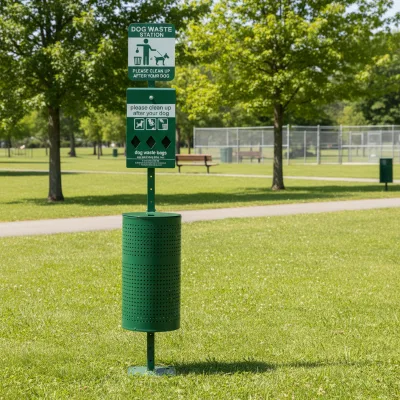
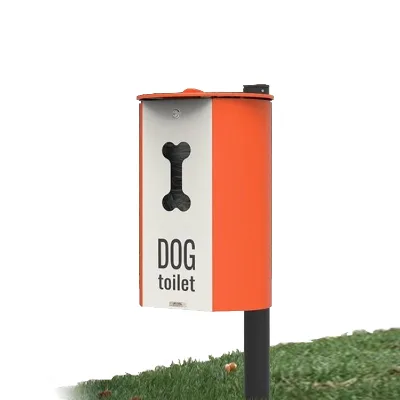
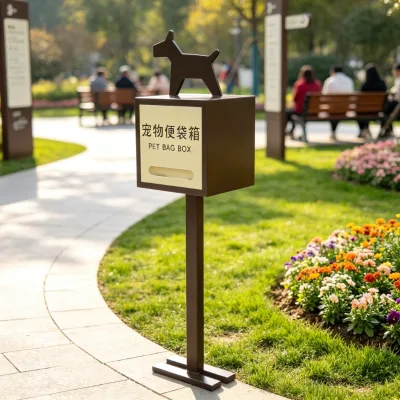
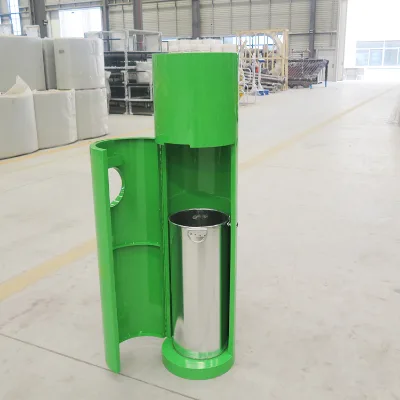
Factory Sales Deodorizing Customized Pet Waste Station Outdoor Dogs Waste Bin Pet Trash Can
$62.0706 - $124.1412
MOQ: 5 pieces
Dongguan Maitejinqi Electromechanical Technology Co., Ltd.
- Verified by TüVRheinland
- Manufacturer, Trading Company
- Lead time20 days
- Avg. response≤ 2h
Main productsHigh Precision Sheet Metal Parts, CNC Machining Parts, LED Cabinet, Charging Piles Case, LCD Enclosure
Main marketsDomestic Market(35%), North America(15%), South America(10%)

Chongqing Arlau Civic Equipment Manufacturing Co., Ltd.
- Verified by BV
- Combined
- China Chongqing
- Lead time23 days
- Avg. response≤ 2h
Main productsPicnic Table, Park Bench, Trash Bin, Dog Park Equipment, Bollard, Bike Rack, Tree Grate, Planters, Parasol, School Desk and Chair
Main marketsSoutheast Asia/ Mideast,Europe,North America

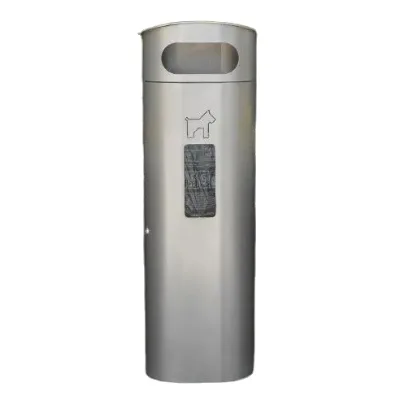
Outdoor Dog Park Products Equipment Metal Pet Waste Station Steel Recycle Dustbin
$79.00 - $179.00
MOQ: 5 pieces

Dog Park Equipment Dog Poop Trash Receptacle Outside Playground Product Recycling Dustbin
$59.00 - $89.00
MOQ: 10 pieces

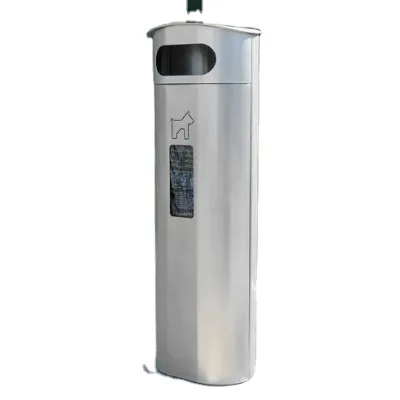
Outdoor Dog Park Products Equipment Metal Pet Waste Station Garbage Trash Bin
$79.00 - $179.00
MOQ: 5 pieces

Dog Park Products Equipment Dog Poop Garbage Trash Can Recycle Waste Bin
$59.00 - $89.00
MOQ: 10 pieces

Chongqing Arlau Civic Equipment Manufacturing Co., Ltd.
- Verified by SGS Group
- Manufacturer, Trading Company
- Lead time25 days
- Avg. response≤ 2h
Main productsPicnic table, Outdoor Bench, Trash Can, Donation bin, School furniture
Main marketsNorth America(35%), Mid East(20%), Oceania(10%)


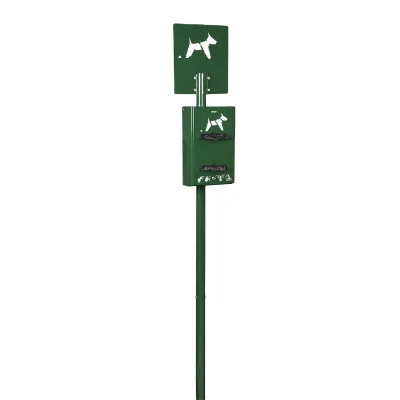
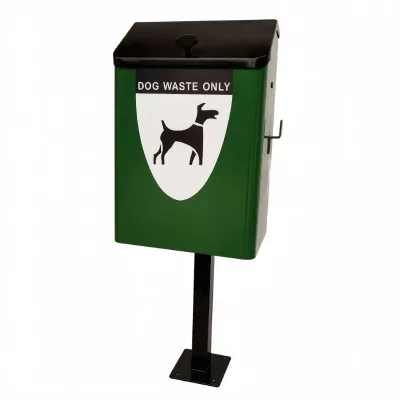
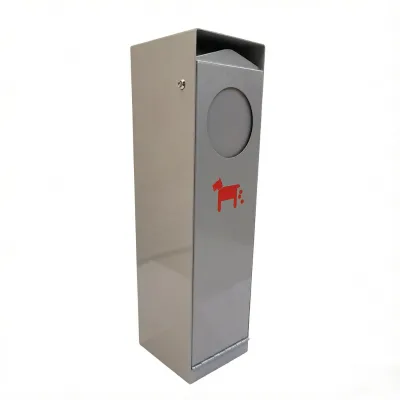
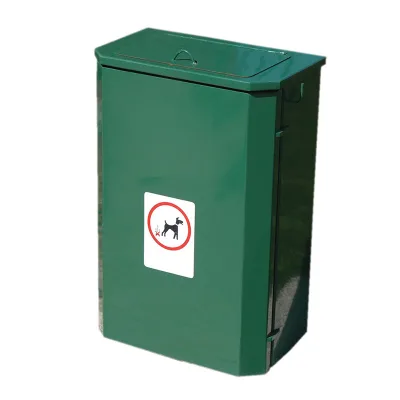
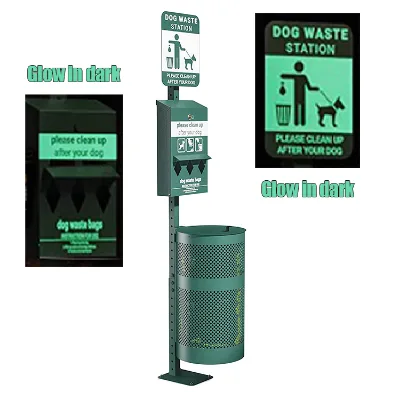
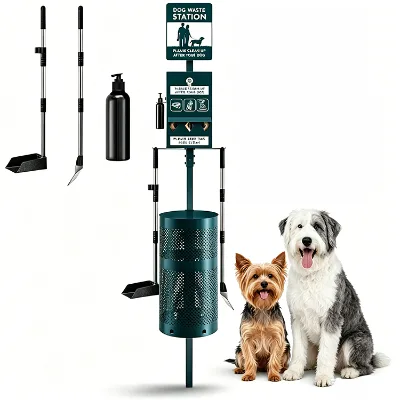
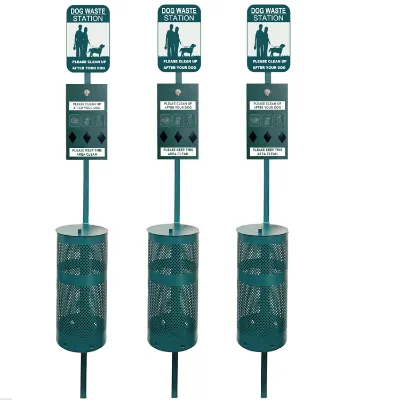
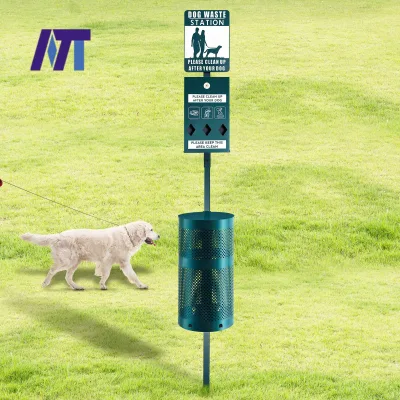
Comprehensive Sourcing Guide
Green Steel Dog Waste Station with Rolling Cover Supplier Concentration and Factory Types
The current supplier landscape for green steel dog waste stations with rolling covers reveals a distinct split between manufacturing capabilities and trading operations, primarily concentrated in specific Chinese provinces. Factories located in Shandong, China, are heavily focused on sheet metal fabrication, offering services that include laser cutting, bending, stamping, and welding. These manufacturers typically list main products such as stainless steel control boxes, aluminum enclosures, and powder-coated metal parts, indicating a strong technical foundation for producing durable outdoor pet waste stations. The presence of ODM and OEM capabilities suggests that these facilities can handle custom designs, allowing buyers to specify unique features like rolling covers or specific green steel finishes. In contrast, suppliers based in Fujian, China, often operate as trading companies, focusing on storage racks, dog crates, and other household items. While these trading entities may offer lower minimum order quantities and stocked items, they rely on external manufacturing partners, which can introduce variability in quality control and production timelines. Understanding this distinction is crucial for buyers seeking either direct factory pricing or the flexibility of a trading partner.
Factory types also vary in their specialization, with some suppliers emphasizing high-precision CNC machining and others focusing on general metal stamping and welding. The Shandong-based manufacturers often highlight their ability to work with various materials, including stainless steel, aluminum, and galvanized steel, which are essential for outdoor durability. They provide detailed technical specifications, such as tolerance levels of plus or minus 0.01mm for CNC parts and plus or minus 0.10mm for welded structures, ensuring that the rolling cover mechanism functions smoothly over time. These factories often support custom design services, accepting 2D, 3D, CAD, and STEP files to create bespoke solutions. On the other hand, trading companies in Fujian may offer a broader range of generic products, including pet waste bins and public litter bins, but with less emphasis on deep technical customization. Buyers must evaluate whether their project requires the engineering support of a dedicated sheet metal fabricator or the logistical convenience of a trading company that aggregates products from multiple sources. This structural difference in the supplier base directly impacts the ability to innovate and scale production for specialized green steel dog waste stations with rolling covers.
How to Verify Green Steel Dog Waste Station with Rolling Cover Suppliers
Verifying the legitimacy and capability of suppliers requires a multi-layered approach that goes beyond simple profile reviews. Buyers should prioritize suppliers who hold third-party verification badges, such as BV or SGS, which indicate that an independent agency has audited their business operations. For instance, some Shandong-based manufacturers display BV verification, providing a baseline level of trust regarding their legal existence and operational stability. However, verification badges alone do not guarantee product quality or manufacturing consistency. Buyers must dig deeper into the supplier’s technical documentation and past performance records. Requesting detailed product specifications, including material grades, surface treatment processes, and tolerance levels, is essential. Suppliers who can provide precise data on their CNC machining capabilities or welding standards demonstrate a higher level of technical competence. Additionally, asking for recent client references or case studies can reveal how the supplier handles complex orders and resolves issues. This due diligence helps distinguish between genuine manufacturers and mere intermediaries who may lack direct control over the production process.
Another critical aspect of verification is assessing the supplier’s response time and communication efficiency. Fast response times, such as those under five hours, often correlate with better project management and customer service. Buyers should test the supplier’s responsiveness by sending detailed inquiries about custom green steel dog waste stations with rolling covers. The quality of the response, including the depth of technical answers and the willingness to provide samples or factory videos, is a strong indicator of reliability. Furthermore, buyers should verify the supplier’s main product focus to ensure alignment with their needs. A supplier listing sheet metal fabrication as a core competency is more likely to deliver high-quality metal waste stations than one focused on plastic goods or general merchandise. Checking for certifications related to quality management systems is also important, although many suppliers in this category may not display specific system certifications. In such cases, relying on the supplier’s internal quality control processes and their experience with OEM/ODM projects becomes the primary verification method. This comprehensive verification strategy minimizes the risk of partnering with unreliable suppliers and ensures a smoother sourcing experience.
What to Compare Across Green Steel Dog Waste Station with Rolling Cover Suppliers
When evaluating multiple suppliers, buyers must compare key operational metrics to determine the best fit for their specific requirements. Lead time is a critical factor, with some suppliers offering production times of around 15 days, while others may have different schedules based on order volume and complexity. Comparing lead times helps buyers plan their inventory and meet market demand effectively. Minimum order quantity (MOQ) is another vital comparison point, as it varies significantly across suppliers. Some manufacturers may require MOQs of 10 units for custom orders, while others might have higher thresholds or offer lower MOQs for stocked items. This flexibility can be crucial for startups or businesses testing new markets. Response time is also a key differentiator, with some suppliers responding within hours, indicating a high level of engagement and readiness to support the buyer. By comparing these metrics, buyers can identify suppliers that align with their operational pace and volume needs.
Price and customization options are equally important factors in the comparison process. Suppliers may offer price ranges from as low as $1.00 for basic metal parts to over $50.00 for complete, assembled dog waste stations with rolling covers. Buyers should request detailed quotes that break down costs for materials, labor, and surface treatments like powder coating or anodizing. Customization capabilities vary, with some suppliers offering full design and custom services, including logo printing and packaging customization. Comparing the extent of customization allowed, such as material choices between stainless steel, aluminum, or galvanized steel, helps buyers assess the value proposition. Additionally, buyers should compare the supplier’s main product offerings to ensure they have the necessary expertise. A supplier specializing in sheet metal fabrication is likely to provide better quality for metal waste stations than a general trading company. By systematically comparing lead times, MOQs, response speeds, prices, and customization options, buyers can make informed decisions that balance cost, quality, and service.
Common Green Steel Dog Waste Station with Rolling Cover Sourcing Risks
Sourcing green steel dog waste stations with rolling covers involves several potential risks that buyers must actively manage. One significant risk is the discrepancy between quoted specifications and actual product quality. Suppliers may advertise high-precision CNC machining with tight tolerances, but the final product might not meet these standards if quality control processes are inadequate. Buyers should be wary of suppliers who cannot provide detailed technical drawings or material certificates. Another risk is the variability in surface treatments, such as powder coating or zinc plating, which are essential for outdoor durability. Inconsistent application can lead to premature rusting or peeling, especially in harsh weather conditions. Buyers must verify the supplier’s experience with outdoor applications and request samples to test the finish quality. Additionally, the risk of communication breakdowns is higher with trading companies, which may not have direct oversight of the manufacturing process. This can lead to delays or misunderstandings regarding custom requirements.
Intellectual property and design security are also critical concerns, especially for buyers seeking unique rolling cover mechanisms or custom designs. Suppliers with strong OEM/ODM experience are generally more reliable in protecting buyer designs, but buyers should still take precautions. Using non-disclosure agreements and working with suppliers who have established track records can mitigate this risk. Another common risk is the inconsistency in packaging and shipping, which can lead to damage during transit. Buyers should compare the supplier’s packing methods, such as plastic bags, cartons, and pallets, to ensure adequate protection. Furthermore, relying on suppliers with zero lead times for custom products can be misleading, as it may indicate a lack of production capacity or reliance on stock items that do not meet specific requirements. Buyers must verify the supplier’s actual production capabilities and avoid those who make unrealistic promises. By identifying and addressing these risks early in the sourcing process, buyers can protect their investments and ensure the successful delivery of high-quality green steel dog waste stations with rolling covers.
Green Steel Dog Waste Station with Rolling Cover Regional Sourcing and Logistics
Regional sourcing plays a pivotal role in determining the logistics and cost structure for green steel dog waste stations with rolling covers. Suppliers located in Shandong, China, are often integrated into robust manufacturing clusters that specialize in sheet metal fabrication and metal processing. This concentration of expertise allows for efficient sourcing of raw materials and specialized labor, potentially reducing production costs and lead times. Buyers sourcing from this region can benefit from the supplier’s proximity to ports and logistics hubs, facilitating smoother export processes. In contrast, suppliers in Fujian, China, may offer different logistical advantages, particularly for trading companies that aggregate products from various sources. While these suppliers might not have the same depth of manufacturing expertise, they can offer flexible shipping options and lower MOQs, which can be advantageous for smaller orders. Buyers must evaluate the logistical implications of each region, considering factors such as shipping costs, transit times, and customs procedures.
Logistics planning should also account for the weight and dimensions of the dog waste stations, which can impact shipping costs significantly. Suppliers who offer optimized packing solutions, such as using pallets and sturdy cartons, can help minimize damage and reduce freight costs. Buyers should compare the packing methods of different suppliers to ensure that the products are adequately protected during transit. Additionally, considering the supplier’s experience with international shipping is crucial, as they should be familiar with export documentation and compliance requirements. Buyers may also need to consider the environmental impact of their sourcing decisions, opting for suppliers who use sustainable practices or eco-friendly materials. By carefully evaluating the regional advantages and logistical capabilities of suppliers, buyers can optimize their supply chain and ensure timely delivery of green steel dog waste stations with rolling covers. This strategic approach to regional sourcing helps mitigate logistical risks and enhances overall supply chain efficiency.
Green Steel Dog Waste Station with Rolling Cover Commercial Terms and Order Planning
Commercial terms and order planning are essential components of a successful sourcing strategy for green steel dog waste stations with rolling covers. Buyers must clearly define their order quantities, delivery schedules, and payment terms to avoid misunderstandings with suppliers. Establishing a clear communication channel for order updates and quality checks is vital, especially for custom orders that require specific design modifications. Buyers should negotiate favorable payment terms, such as using escrow services or partial payments, to mitigate financial risks. Additionally, planning for potential delays and having contingency plans in place can help manage disruptions in the supply chain. Buyers must also consider the long-term relationship with their suppliers, as consistent orders can lead to better pricing and priority service. By carefully planning their orders and establishing clear commercial terms, buyers can ensure a smooth and efficient sourcing process.
Order planning should also include a detailed analysis of the total cost of ownership, including not only the product price but also shipping, customs duties, and potential return costs. Buyers should compare the total costs from different suppliers to identify the most cost-effective option. Furthermore, buyers should plan for future scalability, ensuring that their chosen supplier can handle increased order volumes without compromising quality or lead times. Establishing a regular review process for supplier performance can help identify areas for improvement and strengthen the business relationship. By integrating commercial terms and order planning into their sourcing strategy, buyers can optimize their procurement process and achieve better business outcomes. This comprehensive approach ensures that buyers are well-prepared to handle the complexities of sourcing green steel dog waste stations with rolling covers and can adapt to changing market conditions.
FAQs
What materials are used for green steel dog waste stations?
Suppliers offer stations made from stainless steel, aluminum, galvanized steel, and iron. These materials are selected for outdoor durability and resistance to weathering. Buyers can choose specific finishes like powder coating or anodizing to match aesthetic preferences while ensuring long-term structural integrity for public or private use.
What is the typical lead time for manufacturing these stations?
The standard lead time for production is approximately 15 days. This timeframe allows for the fabrication of sheet metal components, welding, and surface treatment processes. Buyers should confirm specific delivery schedules with suppliers, as custom designs or high-volume orders may require additional time for tooling and quality assurance checks.
What is the minimum order quantity for custom stations?
Minimum order quantities vary by supplier, with some accepting orders as low as 10 units. Other suppliers may require a minimum of 100 pieces for standard stocked items. Buyers seeking custom branding or specific dimensions should verify the MOQ directly, as lower quantities might incur higher per-unit costs or require specific production runs.
Are these stations available for immediate shipment from stock?
Some suppliers list specific models as stocked items available for immediate dispatch. These typically include standard designs like open-top bins or basic rolling cover stations. Buyers should check the feature tags for stock availability, as custom manufacturing orders will follow the standard production lead time rather than offering instant delivery from warehouse inventory.
What surface treatments are applied to the metal stations?
Common surface treatments include powder coating, anodizing, zinc plating, and polishing. These processes protect the metal from corrosion and enhance visual appeal. Buyers can select from multicolor options or standard finishes. The treatment ensures the station withstands outdoor elements, making it suitable for parks, commercial areas, and residential gardens with high foot traffic.
Can suppliers provide OEM and ODM services for these products?
Yes, many suppliers offer both OEM and ODM services. They can manufacture products based on buyer drawings or develop custom designs from scratch. Services include design, tooling, and production. Buyers can request specific tolerances, such as plus or minus 0.01mm, and provide 2D or 3D CAD files for precise manufacturing requirements.