Magic Brush for Window Cleaning Suppliers and Manufacturers
Compare 27 verified suppliers offering Magic Brush for Window Cleaning tools with varying lead times, MOQs, and certifications. Review response times and supply capabilities to select a partner that fits your sourcing needs; review the available evidence before requesting comparable quotations from suitable candidates.
Updated
Suppliers List
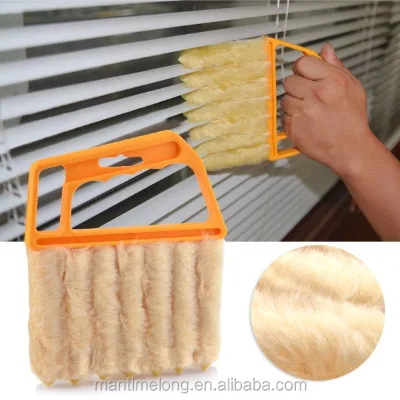
Shenzhen Mantimelong Electronic Co., Ltd.
- Manufacturer, Trading Company
- Guangdong, China
- Lead time3 days
- Avg. response≤ 10h
Main productsBALL PEN,STATIONERY,HOUSEHOLD SUNDRIES,PEN
Main marketsNorthern Europe(25.00%), South America(20.00%), Mid East(13.00%), Western Europe(10.00%), North America(10.00%), Eastern Europe(8.00%), Oceania(5.00%), Eastern Asia(5.00%), Southeast Asia(4.00%)

Guangzhou Newmade Cleaning Products Co., Ltd
- Verified by TUVRHEINLAND
- Combined
- China Guangdong
- Lead time15 days
- Avg. response≤ 7h
Main productsVacuum Cleaner, Wringer Trolley, Janitor Cart, Warning Sign, Gabage Can, Floor Dryer, Window Squeegee, Dust Mop, Paper Dispenser, Floor Squeegee
Main marketsSouth America,Domestic,Australia,North America
- Verified by SGS Group
- Trading Company
- Lead time20 days
- Avg. response≤ 4h
Main productsHome Storage & Organization, Hooks & Wall Organization, Storage Racks & Shelving Units, Festive & Party Supplies
Main marketsConfidential(40%), Confidential(15%), Confidential(15%)
Shenzhen Dexin Cleaning Products Co., LTD
- Verified by TüVRheinland
- Trading Company
- Lead time0 days
- Avg. response≤ 3h
Main productsDiaper Pail Refill Bag, Bottle Brush Set, Broom, Mop, Pet Products
Main marketsNorth America(31%), Western Europe(16%), Southern Europe(15%)
Ningbo East Cleaning Tool Co., Ltd.
- Verified by TüVRheinland
- Manufacturer, Trading Company
- Lead time30 days
- Avg. response≤ 2h
Main productsCleaning Tools
Main marketsNorth America(37%), Western Europe(19%), Domestic Market(10%)

Hunan Teamants Technology Co., Ltd.
- Verified by SGS
- Manufacturer/Factory
- China Hunan
- Lead time23 days
- Avg. response≤ 1h
Main productsSolar Panel Cleaning Robot, Solar Panel Cleaning Brush, Solar Panel Cleaner
Main marketsSouth America,Eastern Europe,Mid East,North America,Southeast Asia,Western Europe,Africa

Ningbo Peaceport Imp. & Exp. Co., Ltd.
- Trading Company,Manufacturer/Factory
- China Zhejiang
- Lead time45 days
- Avg. response≤ 22h
Main productsWater Through Car Brush, Mop, Window Squeegee, Snow Brush, Push Broom, Telescopic Pole, Car Brush, Dustpan, Broom, Floor Squeegee
Main marketsSouth America,Eastern Europe,North America,Southeast Asia,Eastern Asia,Oceania,Western Europe,Africa


Window Squeegee Window Brush Window Cleaner Window Wiper Water Cleaning
$0.70 - $1.00
MOQ: 3000 Pieces

Window Squeegee Window Brush Car Wiper Car Brush Window Cleaner Plastic Handle
$0.60 - $1.00
MOQ: 3000 Pieces


Window Squeegee Window Brush Car Wiper Car Brush Window Cleaner Plastic Handles
$0.60 - $1.00
MOQ: 3000 Pieces

Dongyang Mingpin Commodity Co., Ltd.
- Manufacturer, Trading Company
- Zhejiang, China
- Lead time30 days
- Avg. response≤ 6h
Main productsmop,rag,microfiber cloth,towel,brusher
Main marketsNorthern Europe(80.00%), Domestic Market(5.00%), North America(5.00%), Africa(2.00%), South America(2.00%), Western Europe(1.00%), Mid East(1.00%)

- Verified by TUVRHEINLAND
- Trading Company
- China Anhui
- Lead time15 days
- Avg. response≤ 6h
Main productsIndustrial Brush, Roller Brush Sweeper Brush, Polishing Brush, Electric Scrubber Brush, Cleaning Brush, Strip Brush, Tube Brush, Paint Brush, Steel Brush, Wheel Brush
Main marketsSouth America,Africa,Southeast Asia/ Mideast,East Asia(Japan/ South Korea),Europe,Australia,North America

Hebei Chicheng Commerce Co., Ltd.
- Verified by BV
- Trading Company,Manufacturer/Factory
- China Hebei
- Lead time23 days
- Avg. response≤ 3h
Main productsCleaning Towel, Bath Towel, Microfiber Towel, Car Towel, Pet Towel, Sport Towel, Beach Towel, Household Series Towel, Face Towel, Hand Towel
Main marketsSouth America,Eastern Europe,Mid East,North America,Southeast Asia,Eastern Asia,Oceania,Western Europe,Africa
Yiwu Changde Trading Co., Ltd.
- Verified by SGS Group
- Trading Company
- Lead time3 days
- Avg. response≤ 10h
Main productsHousehold Cleaning Products
Main marketsNorth America(50%), Eastern Europe(10%), Western Europe(10%)
Wenzhou Fante Commodity Co., Ltd.
- Verified by TüVRheinland
- Manufacturer, Trading Company
- Lead time30 days
- Avg. response≤ 3h
Main productsKitchenware, Bathroom Sets, Food Container, Cleaning Brush, Storage Racks
Main marketsEastern Asia(80%), North America(10%), South America(1%)
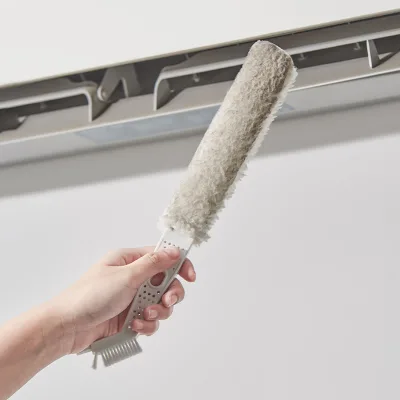
$0.736 - $1.2412
MOQ: 160 Minimum

$0.3433 - $0.3733
MOQ: 160 pieces
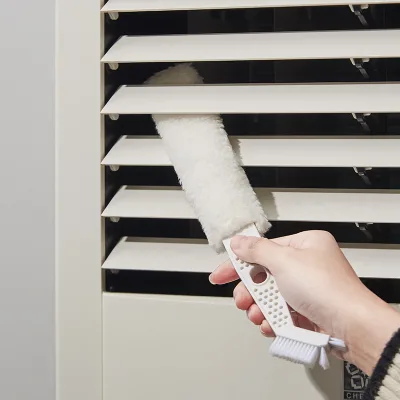

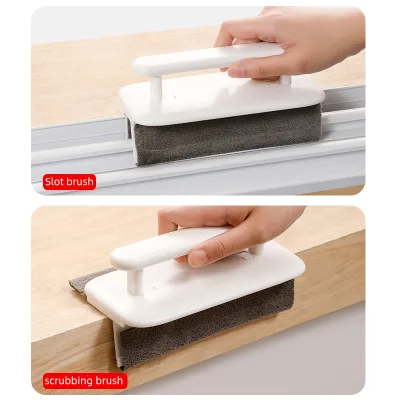

Jiangyin Moonstar Clean Products Co., Ltd.
- Verified by SGS
- Trading Company,Manufacturer/Factory
- China Jiangsu
- Lead time15 days
- Avg. response≤ 12h
Main productsMicrofiber Cloth, Microfiber Fabric, Nonwoven Fabric
Main marketsSouth America,Eastern Europe,Mid East,North America,Southeast Asia,Eastern Asia,Oceania,Western Europe,Africa
Zhongan Tiktech (anhui) Co., Ltd.
- Trading Company
- Anhui, China
- Lead time7 days
- Avg. response≤ 2h
Main productsNew Energy Vehicles,Fuel Vehicles,Commercial Vehicles - Pickups & MPVs,Used Cars & Certified Pre-Owned Vehicles
Main marketsCentral America(20.00%), North America(20.00%), Mid East(15.00%), Eastern Europe(10.00%), Northern Europe(10.00%), South America(10.00%), Southern Europe(5.00%), Oceania(5.00%), Africa(5.00%)
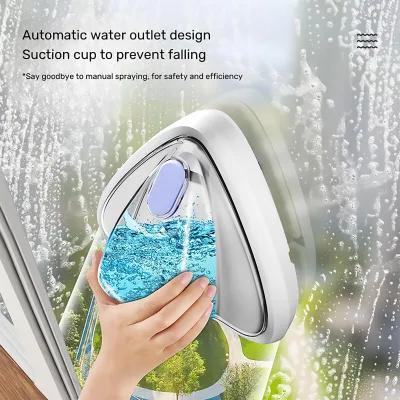
$3.8509 - $16.5085
MOQ: 24 Minimum
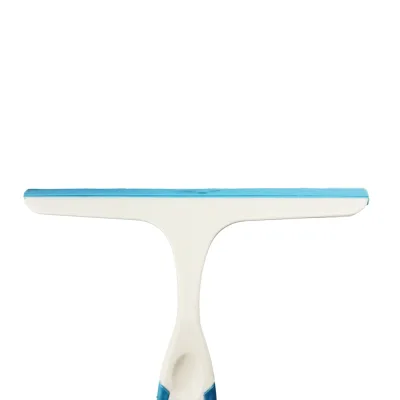
Hot Sell Window Glass Cleaning Brush Wiper Airbrush Scraper Multifunctional Cleaner Home
$0.29 - $0.32
MOQ: 100 pieces
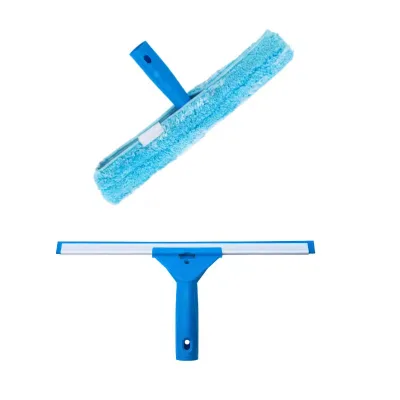
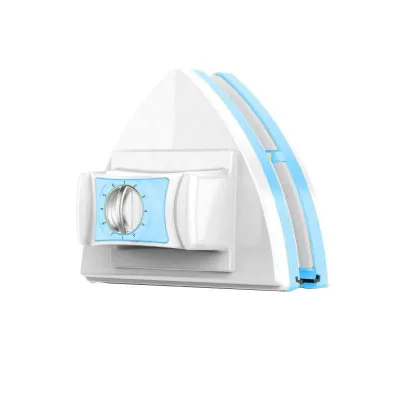
$8.9056 - $27.9938
MOQ: 2 Minimum
- Verified by TüVRheinland
- Manufacturer, Trading Company
- Lead time35 days
- Avg. response≤ 5h
Main productsMop, Broom And Dustpan Set, Brush, Storage Item, Kitchen Item
Main marketsEastern Europe(15%), Western Europe(12%), North America(11%)

- Trading Company,Manufacturer/Factory
- China Liaoning
- Lead time15 days
- Avg. response≤ 2h
Main productsSoya Lecithin, Calcium Propionate, Propylene Glycol, Propylene Carbonate, Maltitol, Citric Acid, Gel Wax, Sapp/SHMP/Tspp/STPP/Tkpp, Vitamins
Main marketsSouth America,Eastern Europe,Mid East,North America,Southeast Asia,Eastern Asia,Oceania,Western Europe,Africa

Adjustable Double-Sided Magnetic Window Cleaner Household Cleaning Tools Glass Cleaning Brush
$7.50 - $9.00
MOQ: 50 Pieces

Double-Sided Magnetic Glass Cleaner Cleaning Tool Double-Sided Magnetic Window Cleaner
$7.50 - $9.00
MOQ: 50 Pieces

Ningbo Le Prosperity Import & Export Co., Ltd.
- Trading Company
- zhengjiang, China
- Lead time30 days
- Avg. response≤ 3h
Main productsCleaning Brush,Chimney Brush,Electric Cleaning Brush,Mops,Window Cleaner
Main marketsEastern Europe(30.00%), Western Europe(30.00%), North America(15.00%), Eastern Asia(5.00%), Northern Europe(5.00%), Mid East(4.00%), Southeast Asia(3.00%), South Asia(3.00%), Oceania(2.00%), Central America(1.00%), Southern Europe(1.00%), Africa(1.00%)
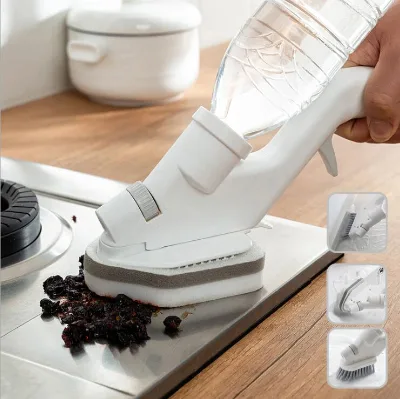
$3.1044 - $3.6216
MOQ: 50 pieces
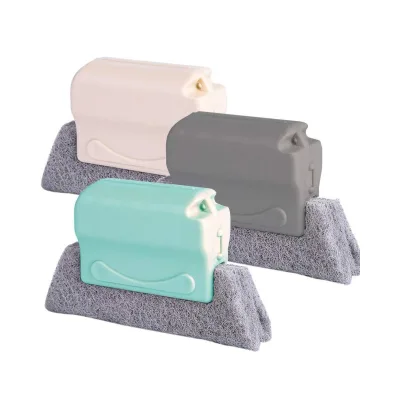
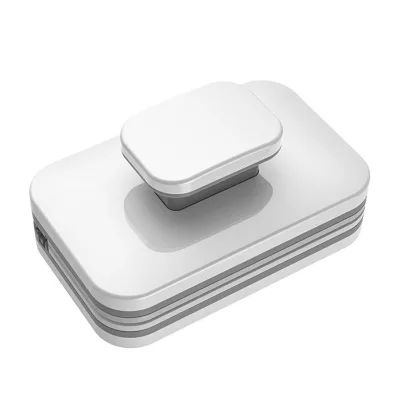
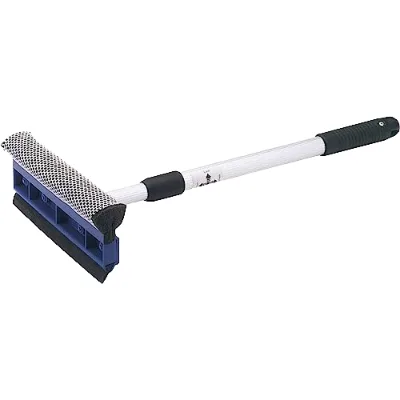
$2.5798 - $5.0142
MOQ: 3 pieces
Chongqing Luo Bu Luo Technology Co., Ltd.
- Trading Company
- Chongqing, China
- Lead time30 days
- Avg. response≤ 2h
Main productskids toys,stuffed toys,outdoor toys,Custom toys,brain game
Main marketsNorth America(50.00%), Eastern Europe(30.00%), Western Europe(20.00%)

NINGBO THREESOTR OUTDOOR GEAR CO., LTD.
- Verified by TUVRHEINLAND
- Trading Company
- China Zhejiang
- Lead time30 days
- Avg. response≤ 8h
Main productsBlanket&Tarp, Tool Bags, Camping Table&Chair, Survival Kit&First Aid Kit, Emergency Kits, Car Washing Kit, Bicycle&Motorcycle Bags, Travling Bags, Pet Carriers, Storage Organizer
Main marketsSouth America

Ningbo Jiangbei Ringlong Import & Export Co., Ltd.
- Verified by BV
- Combined
- China Zhejiang
- Lead time23 days
- Avg. response≤ 2h
Main productsKitchenware, Textile, Memory Foam Series, Household Items, Outdoor Products, Packing Box, Air Conditioning System, TV Products, Fitness, Baby Products
Main marketsEurope
Guangzhou Feixun Plastic Products Co., Ltd.
- Manufacturer, Trading Company, Distributor/Wholesaler
- Guangdong, China
- Lead time0 days
- Avg. response≤ 5h
Main productsArt Supplies,Cake Tools,Plastic Accessory,Household Products,Hair Accessories
Main marketsSouth America(20.00%), Central America(15.00%), Western Europe(15.00%), South Asia(5.00%), Southern Europe(5.00%), Northern Europe(5.00%), Eastern Europe(5.00%), North America(5.00%), Eastern Asia(5.00%), Mid East(5.00%), Oceania(5.00%), Africa(5.00%), Southeast Asia(5.00%)
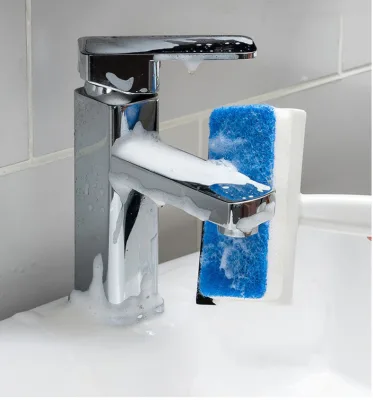
High Quality Dual Purpose Glass Window Cleaning Brush Bathroom Cleaning Brushes
$0.21 - $0.35
MOQ: 250 pieces
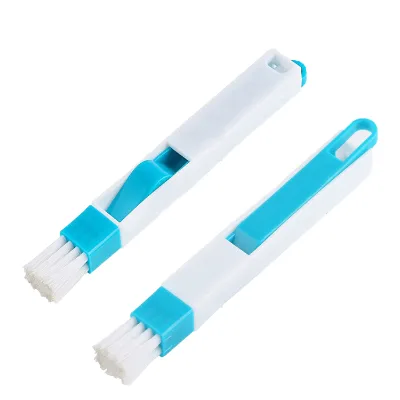
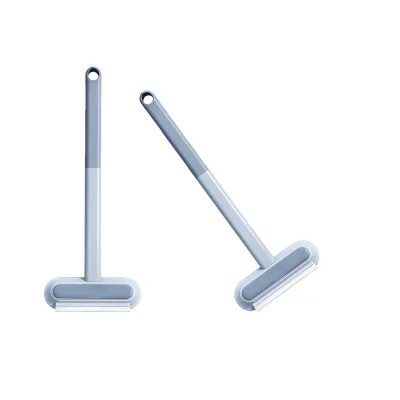
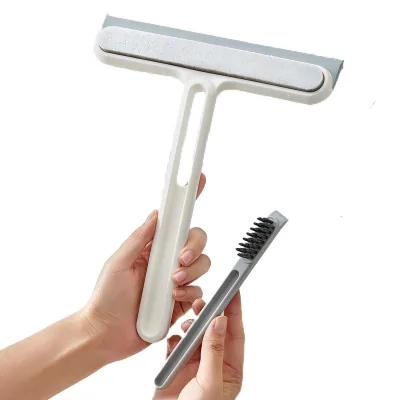
Multifunctional Hanging High-rise Window Special Cleaning Tool Screen Window Cleaning Brush
$1.15 - $1.20
MOQ: 200 pieces

NINGBO HAISHU XINYI CLEANING TOOLS CO., LTD
- Manufacturer
- Zhejiang, China
- Lead time40 days
- Avg. response≤ 2h
Main productsClean Mop, Toilet Brush, Trash Can
Main marketsDomestic Market(60.00%), Western Europe(18.00%), Eastern Europe(11.00%), North America(7.00%), Southeast Asia(4.00%)

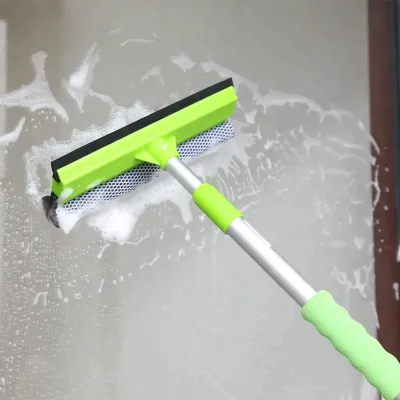
2024 High Quality Multi-purpose Brush Window Cleaning Brush and Glass Cleaning Brush
$0.87 - $0.95
MOQ: 3000 sets
Jilin Lewei Homewares Manufacturer Co., Ltd.
- Trading Company
- Jilin, China
- Lead time15 days
- Avg. response≤ 2h
Main productswater bottle,ceramic product,flowerpot,candle warmer,coffee cups
Main marketsNorth America(40.00%), Oceania(10.00%), Southeast Asia(10.00%), Northern Europe(10.00%), Western Europe(10.00%), Southern Europe(5.00%), Eastern Europe(5.00%), South America(5.00%), Eastern Asia(5.00%)

$8.9205 - $10.7658
MOQ: 100 pieces


NINGHAI XINMING CLEANING EQUIPMENT CO., LTD.
- Verified by SGS
- Combined
- China Zhejiang
- Lead time30 days
- Avg. response≤ 10h
Main productsMassage Tool
Main marketsSouth America,Europe,Australia,North America

Telescopic Internal Water Fed Pole Car Cleaning Brush Household Window Cleaning Brush
$29.50 - $35.50
MOQ: 100 Pieces

Telescopic Aluminum Pole Water Fed Pole Brush Set Long Handle Window Cleaning Brush
$29.00 - $39.00
MOQ: 100 Sets


Guangzhou Lucky Electronic Trade Co., Ltd.
- Manufacturer, Trading Company, Distributor/Wholesaler
- Guangdong, China
- Lead time10 days
- Avg. response≤ 5h
Main productsHydrogen water generator,Heating kettle,small kitchen electrical appliances,household appliances,home and office tools
Main marketsNorth America(20.00%), South Asia(10.00%), Southern Europe(10.00%), Northern Europe(10.00%), Central America(10.00%), Western Europe(10.00%), Eastern Europe(10.00%), South America(10.00%), Eastern Asia(2.00%), Mid East(2.00%), Oceania(2.00%), Africa(2.00%), Southeast Asia(2.00%)
Anhui Lijie Brush Industry Co., Ltd.
- Verified by SGS Group
- Manufacturer, Trading Company
- Lead time0 days
- Avg. response≤ 2h
Main productsCrevice Cleaning Brush, Drill Brush, Household Cleaning Brush, Car Cleaning Brush, Industrial Brush
Hangzhou Orientjohn Industry Co., Ltd.
- Verified by TüVRheinland
- Manufacturer, Trading Company
- Lead time35 days
- Avg. response≤ 3h
Main productsTelescopic Pole, Water Fed Pole Brush, Telescopic Cleaning Set, Fruit Picker, Telescopic Pole Saw
Main marketsNorth America(43%), Domestic Market(30%), Southern Europe(15%)
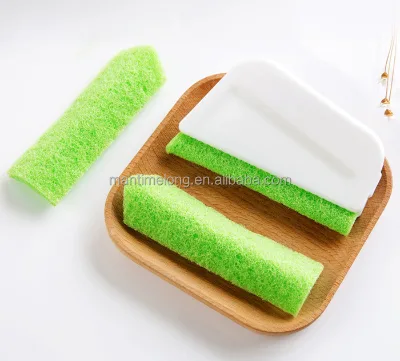


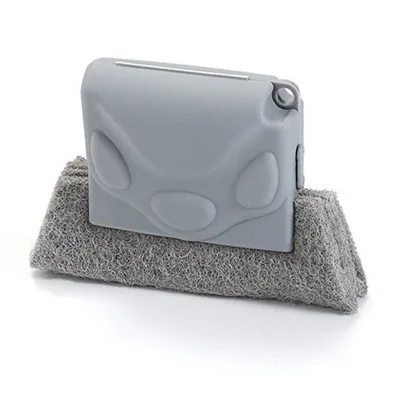

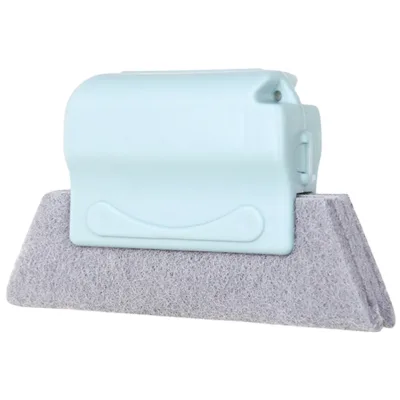
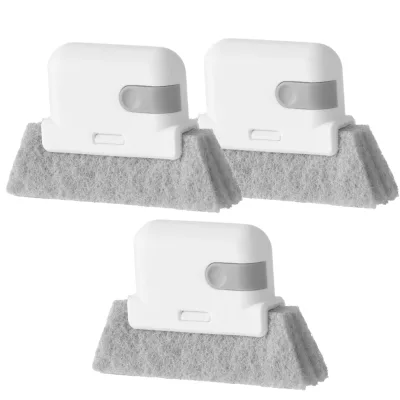
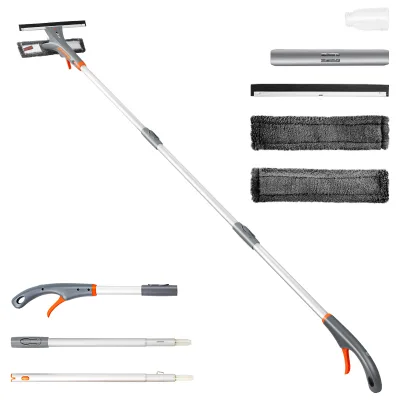



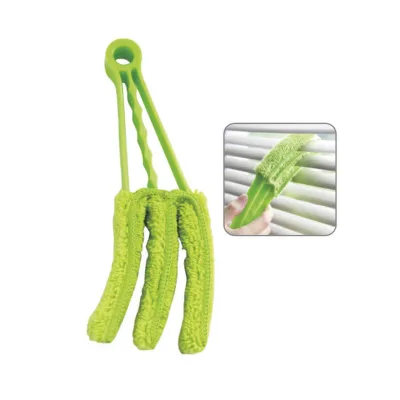


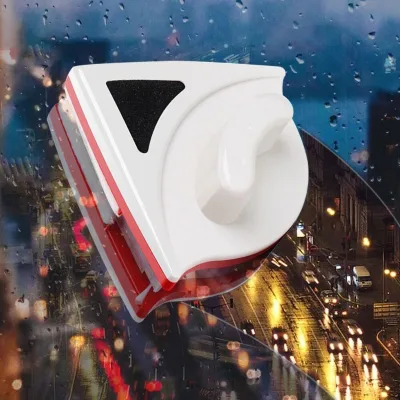
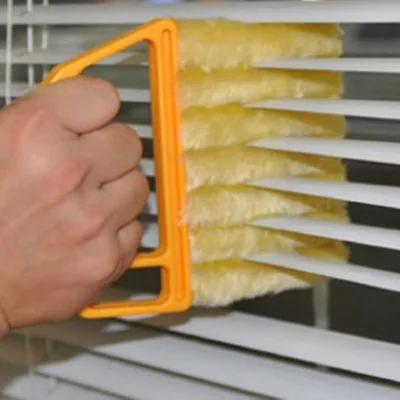






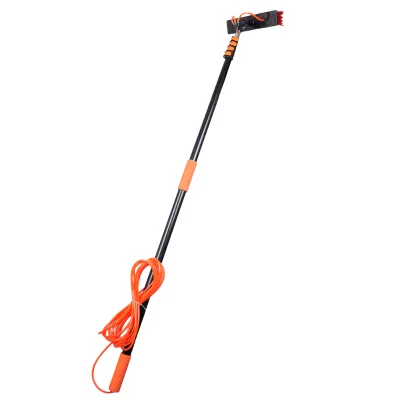
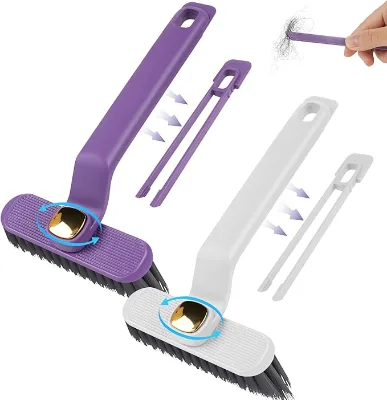
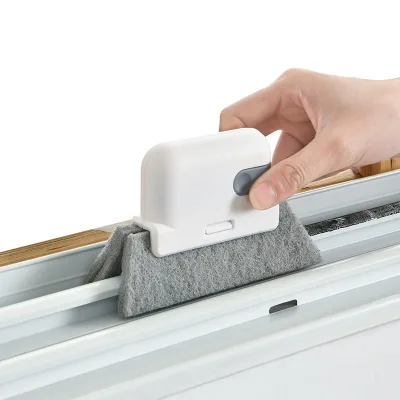
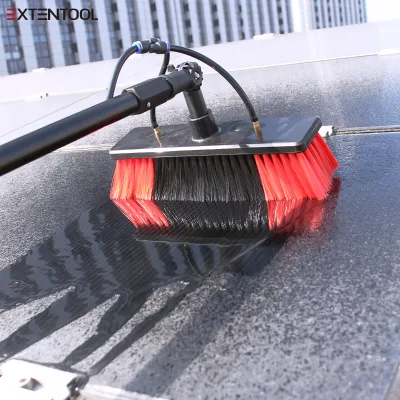
Comprehensive Sourcing Guide
Magic Brush for Window Cleaning Supplier Concentration and Factory Types
The current supplier landscape for Magic Brush for Window Cleaning products reveals a distinct concentration of manufacturing and trading entities within Guangdong, China. This regional clustering is significant because it indicates a mature supply chain ecosystem where raw materials, such as ABS plastic and microfiber, are readily accessible. Suppliers located in this province often benefit from established logistics networks, including proximity to major ports like Shenzhen, which facilitates efficient export operations. When evaluating potential partners, buyers should note that the majority of results originate from this specific geographic area, suggesting that sourcing from Guangdong may offer advantages in terms of production speed and logistical coordination. However, it is crucial to verify the exact location of each supplier, as some listings may indicate other regions like Zhejiang, China, which could imply different supply chain dynamics or material sourcing strategies. Understanding this geographic distribution helps buyers assess the reliability of shipping routes and the potential for local factory audits.
In terms of company structure, the market features a mix of manufacturers, trading companies, and combined entities. Manufacturers typically offer greater control over production quality and customization options, often supporting OEM and ODM services. Trading companies, on the other hand, may provide a broader range of product selections and handle export documentation, though they might have less direct oversight of the manufacturing process. Some suppliers are listed as combined types, indicating they may engage in both direct manufacturing and trading activities. This diversity allows buyers to choose partners based on their specific needs, whether they require strict quality control through direct factory engagement or flexibility through a trading partner. It is important to distinguish between these types when assessing capabilities, as a trading company might not have the same in-house R&D capacity as a dedicated manufacturer. Buyers should inquire about the specific role each supplier plays in the supply chain to ensure alignment with their procurement goals.
How to Verify Magic Brush for Window Cleaning Suppliers
Verification is a critical step in ensuring the legitimacy and capability of suppliers offering Magic Brush for Window Cleaning products. Buyers should prioritize suppliers who have undergone third-party verification processes, such as those conducted by TÜV Rheinland or SGS Group. These verifications provide an additional layer of confidence regarding the supplier’s business operations and compliance with international standards. For instance, some suppliers in the current results are verified by TÜV Rheinland, indicating a level of scrutiny in their business practices. Others may hold certifications like ISO 9001, REACH, or AZO, which are essential for ensuring product safety and environmental compliance, particularly for items that come into contact with household surfaces. Buyers should request copies of these certificates and verify their validity through the issuing bodies. This due diligence helps mitigate the risk of engaging with fraudulent or non-compliant entities, ensuring that the products meet the required quality and safety standards for the target market.
Beyond certifications, buyers should assess the supplier’s response time and communication efficiency. A quick response time, such as within four to ten hours, often indicates a well-organized sales team that is attentive to buyer inquiries. This responsiveness can be a strong indicator of the supplier’s overall operational efficiency and customer service quality. Additionally, buyers should look for evidence of the supplier’s main products to ensure they specialize in the relevant category. Suppliers listing window cleaning tools, household sundries, or stationery as their main products are more likely to have the necessary expertise and inventory depth. It is also advisable to check for any specific product attributes, such as eco-friendly features or specific material compositions like ABS plastic and microfiber, to ensure they align with the buyer’s requirements. By combining verification checks with an assessment of communication and product focus, buyers can build a more robust supplier evaluation framework.
What to Compare Across Magic Brush for Window Cleaning Suppliers
When comparing suppliers, several key dimensions should be evaluated to determine the best fit for specific procurement needs. One of the most critical factors is the minimum order quantity (MOQ), which can significantly impact inventory management and cash flow. In the current results, some suppliers list an MOQ of 500 pieces, which may be suitable for smaller orders or testing new markets. Buyers should compare these thresholds across different suppliers to find one that aligns with their order volume capabilities. Additionally, the supply ability, such as 10,000 pieces per week or 2,000 pieces per week, provides insight into the supplier’s production capacity. This information is vital for buyers planning large-scale orders or needing consistent supply during peak seasons. Understanding these quantitative metrics helps buyers assess whether a supplier can meet their demand without causing delays or stockouts.
Another important aspect to compare is the lead time and pricing structure. Lead times can vary, with some suppliers offering as little as three days for production, while others may require up to fifteen or twenty days. This variation can influence the buyer’s ability to respond to market demands and manage inventory levels. Pricing is also a key differentiator, with some products listed in ranges such as $0.76 to $0.98 or $1.40 to $2.00 per unit. Buyers should analyze these price points in conjunction with the product features, such as customization options, material quality, and packaging details. For example, a higher price might be justified by the inclusion of replacement brush heads or eco-friendly materials. By systematically comparing MOQ, supply ability, lead time, and price, buyers can make informed decisions that balance cost efficiency with operational reliability. This comparative approach ensures that the selected supplier offers the best overall value proposition.
Common Magic Brush for Window Cleaning Sourcing Risks
Sourcing Magic Brush for Window Cleaning products involves several potential risks that buyers must actively manage. One significant risk is the variability in product quality, which can arise from differences in manufacturing standards and material sourcing. For instance, while some products are described as eco-friendly and durable, others may lack these attributes, leading to customer dissatisfaction and returns. Buyers should be cautious of suppliers who do not provide detailed product specifications or who use vague descriptions. It is essential to request samples to physically inspect the product’s build quality, such as the sturdiness of the ABS handle or the effectiveness of the scouring brush head. Without proper quality control measures, buyers risk receiving substandard products that fail to meet market expectations, damaging their brand reputation.
Another common risk is the discrepancy between stated and actual lead times or supply capabilities. Suppliers may quote attractive lead times, such as three days, but fail to deliver on time due to production bottlenecks or resource constraints. This can disrupt the buyer’s supply chain and lead to missed sales opportunities. Additionally, there is a risk of intellectual property infringement if suppliers use unauthorized designs or branding. Buyers should ensure that their products are original or properly licensed to avoid legal issues. Furthermore, the lack of standardized packaging or labeling can cause logistical challenges, especially when exporting to different markets with specific regulatory requirements. Buyers should verify that suppliers adhere to standard export carton practices and provide clear labeling. By identifying and mitigating these risks through thorough due diligence and clear contractual agreements, buyers can protect their interests and ensure a smoother sourcing process.
Magic Brush for Window Cleaning Regional Sourcing and Logistics
The regional concentration of suppliers in Guangdong, China, offers distinct logistical advantages for sourcing Magic Brush for Window Cleaning products. Proximity to major ports like Shenzhen facilitates efficient export operations, reducing transit times and shipping costs. Buyers should leverage this geographic advantage by coordinating with suppliers who have established relationships with reliable freight forwarders. This can streamline the shipping process and ensure that goods are dispatched promptly. Additionally, the presence of a mature supply chain in Guangdong means that raw materials and components are readily available, which can help mitigate supply chain disruptions. Buyers should inquire about the supplier’s port of dispatch and preferred shipping methods to optimize their logistics strategy. Understanding the local logistics infrastructure can also help buyers anticipate potential delays or bottlenecks, allowing for better planning and inventory management.
However, buyers should also consider the implications of sourcing from other regions, such as Zhejiang, China, which may appear in some supplier listings. While these regions may offer competitive pricing, they might have different logistical profiles and supply chain dynamics. Buyers should assess the total landed cost, including shipping, duties, and handling fees, to determine the true cost advantage of sourcing from different locations. It is also important to verify the supplier’s ability to handle export documentation and comply with international shipping regulations. For example, some products may require specific certifications or labeling for entry into certain markets. By carefully evaluating the logistical aspects of each supplier’s location, buyers can make informed decisions that balance cost, speed, and reliability. This holistic approach to regional sourcing ensures that the supply chain is robust and resilient.
Magic Brush for Window Cleaning Commercial Terms and Order Planning
Effective order planning for Magic Brush for Window Cleaning products requires a clear understanding of commercial terms and supplier capabilities. Buyers should negotiate terms that align with their cash flow and inventory management strategies, such as payment terms and delivery schedules. Some suppliers may offer flexible payment options, while others may require upfront payments. It is crucial to clarify these terms early in the negotiation process to avoid misunderstandings. Additionally, buyers should consider the supplier’s customization capabilities, such as OEM and ODM services, if they require branded or specialized products. Suppliers with strong R&D capacity can help buyers develop unique products that stand out in the market. By understanding the commercial terms and customization options, buyers can structure their orders to maximize value and minimize risk.
Furthermore, buyers should plan for potential variations in product specifications and packaging. For instance, some products may come in blister cards, while others use standard export cartons. Buyers should ensure that the packaging meets their requirements for protection and branding. It is also important to consider the product’s features, such as eco-friendly materials or specific cleaning functions, when planning marketing and sales strategies. Buyers should communicate their expectations clearly to suppliers to ensure that the final product meets their standards. By integrating commercial terms, customization options, and product features into their order planning, buyers can create a cohesive procurement strategy that supports their business goals. This proactive approach helps ensure that the sourcing process is efficient, cost-effective, and aligned with market demands.
FAQs
What is the minimum order quantity for window cleaning brushes?
The minimum order quantity is 500 pieces. This threshold applies to specific models like the long handled window cleaning brush. Buyers should confirm the exact MOQ with the supplier before placing an order to ensure compliance with production requirements.
How long does production take for window cleaning tools?
Production lead times vary between 3 and 20 days depending on the supplier. Some manufacturers offer a quick turnaround of 3 days, while others may require up to 20 days. Buyers should verify the specific lead time with their chosen supplier.
What is the typical response time for suppliers?
Supplier response times range from 4 to 10 hours. Faster responses, such as 4 hours, are available from some trading companies. Other suppliers may take up to 10 hours. Buyers should expect replies within this window when inquiring about product details.
Are window cleaning brushes eco-friendly?
Yes, many window cleaning brushes are labeled as eco-friendly. This feature is highlighted for products like the long handled window cleaning brush and scouring cloth gap cleaning brush. Buyers can look for this attribute when selecting sustainable cleaning tools for their inventory.
Where are these cleaning brushes manufactured?
These cleaning brushes are manufactured in Guangdong, China. Some products also list Zhejiang, China as the place of origin. Buyers should check the specific product details to confirm the exact manufacturing location for their sourcing needs.
What certifications do the suppliers hold?
Some suppliers hold ISO 9001, REACH, and AZO certifications. Verification services include SGS Group and TÜV Rheinland. Buyers should request current certification documents to ensure compliance with international standards and safety requirements for their specific market.
What is the price range for window washers?
Prices for window washers range from $0.76 to $2.00 per unit. Specific models may cost between $0.76 and $0.98, while others range from $1.40 to $2.00. Buyers should request quotes for exact pricing based on quantity and customization.