CE Transparent Dental Implant Model Suppliers and Manufacturers
Explore 28 verified suppliers offering ce transparent dental implant models with ISO and CE certifications. Compare response times, lead times, and pricing to source high-quality dental models for education and clinical use. Contact suppliers directly to request samples; review the available evidence before requesting comparable quotations from suitable candidates.
Updated
Suppliers List

HENAN BAISTRA INDUSTRIES CORP.
- Verified by TUVRHEINLAND
- Trading Company
- China Henan
- Lead time15 days
- Avg. response≤ 4h
Main productsDental Equipment, Medical Equipment, Dental Uinit, Water Distiller, Dental Materials, Orthodontic Bracket, Dental Handpiece, LED Curing Light, Dental Resin, Dental Instrument
Main marketsSouth America,Eastern Europe,North America,Eastern Asia,Africa


Dental Demonstration Removable Teeth Implant Model Dentisty Study Training Teaching Model
$8.50 - $9.90
MOQ: 5 Pieces

Dental Model Implant Analysis Crown Bridge Demonstration Teeth Model for Education
$22.50 - $25.80
MOQ: 10 Pieces


Tangshan UMG Medical Instrument Co., Ltd.
- Verified by BV
- Combined
- China Hebei
- Lead time23 days
- Avg. response≤ 3h
Main productsDental Handpiece, Dental Material, Dental Equipment, Dental Disposable Instrument, Dental Orthodontic, Dental Teach Simulation, Dental Prophy Angles, Latex Free Disposable Prophy Cups, Disposable Prophy Brush, Dental Unit
Main marketsSouth America,Africa,Southeast Asia/ Mideast,East Asia(Japan/ South Korea),Domestic,Europe,Australia,North America


Dental Implant Model Transpartnet Dental Implant Model Implant Dental Model
$440.00 - $460.00
MOQ: 1 Pieces


- Combined
- China Guangdong
- Lead time30 days
- Avg. response≤ 8h
Main productsPharmaceutical Gifts Item, Anatomical Models, First Aid Kits, Medical Plastic Rulers, Medical Disposable Tourniquets, Customized Tissue Boxes, Plastic Pill Boxes Series, Medical Clipboards, Tongue Depressors Series, Medical Penlight
Main marketsSoutheast Asia/ Mideast,Europe,North America
Foshan Asin Dental Equipment Co., Limited
- Verified by TüVRheinland
- Trading Company
- Lead time7 days
- Avg. response≤ 3h
Main productsHigh Speed & Low Speed Handpiece, Endo Motor & Apex Locator, Dental Loupes & Headlight, Air Prophy, Micromotor
Main marketsSouth America(20%), Western Europe(20%), Mid East(15%)
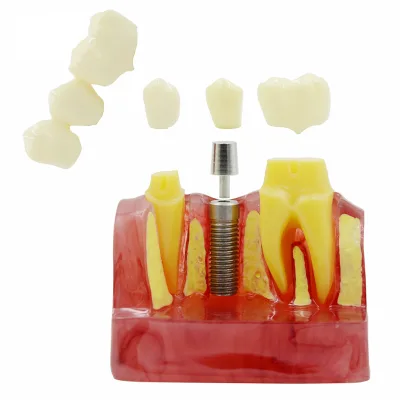
Dental Implant Analysis Crown Bridge Demonstration Teeth Model Dental Implant Teeth Model
$15.3378 - $22.4955
MOQ: 1 pieces
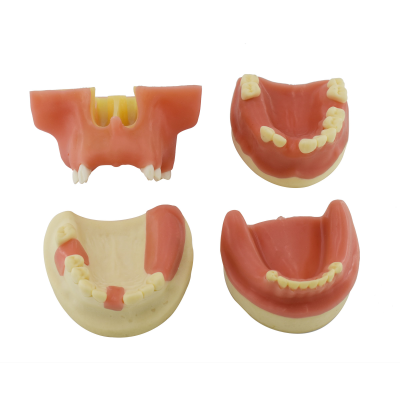
Dental Teaching Implant Practice Model Dentist Practice Replacement Model
$12.2708 - $18.4062
MOQ: 2 sets
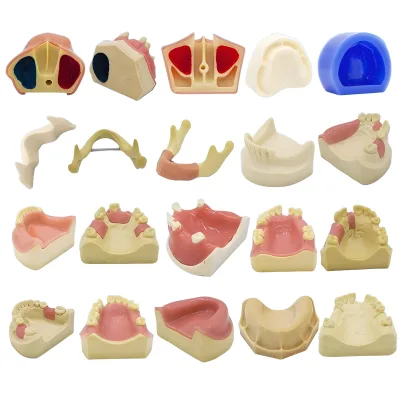
Foshan Limir Precision Instrument Co., Ltd.
- Manufacturer, Trading Company
- Guangdong, China
- Lead time0 days
- Avg. response≤ 3h
Main productsAIR SCALER,DENTAL HANDPIECE,IMPLANT MOTOR,DIAMOND BURS,DENTAL FILES
Main marketsSouthern Europe(45.00%), Western Europe(20.00%), Mid East(10.00%), Eastern Europe(10.00%), Domestic Market(5.00%), North America(5.00%), Southeast Asia(5.00%)

Henan Yinyang Dental Materials Co., Ltd.
- Manufacturer, Trading Company
- Henan, China
- Lead time2 days
- Avg. response≤ 10h
Main productsGutta Percha Points,Absorbent Paper Points,dental bur,orthodontic supplies,Dental Endo Files
Main marketsWestern Europe(20.00%), North America(11.00%), South America(10.00%), South Asia(10.00%), Mid East(8.00%), Eastern Europe(6.00%), Northern Europe(5.00%), Southeast Asia(5.00%), Eastern Asia(5.00%), Southern Europe(5.00%), Oceania(3.00%), Africa(3.00%)
Dongguan Yaojian Medical Technology Co., Ltd.
- Manufacturer, Trading Company
- Guangdong, China
- Lead time0 days
- Avg. response≤ 12h
Main productsTooth Model,Tooth Accessory,Skull Model,skeleton model,dental model
Main marketsNorth America(30.00%), Eastern Europe(15.00%), Western Europe(15.00%), Southern Europe(10.00%), South America(10.00%), Mid East(10.00%), Southeast Asia(10.00%)

Henan Green Education Equipment Co., Ltd.
- Trading Company
- Henan, China
- Lead time5 days
- Avg. response≤ 2h
Main productsAnatomical models,Nursing models,Dental models,Specimens,Silicone suture model
Main marketsSouth America(18.00%), Africa(18.00%), North America(10.00%), Southeast Asia(10.00%), Mid East(10.00%), Northern Europe(5.00%), South Asia(5.00%), Western Europe(5.00%), Eastern Asia(5.00%), Eastern Europe(5.00%), Southern Europe(5.00%), Central America(2.00%), Oceania(2.00%)

- Trading Company
- China Zhejiang
- Lead time0 days
- Avg. response≤ 8h
Main productsAdditive Manufacturing/3D Printing, Dental Models, Hydration Bladder, Nursing and First Aid Models, Anatomical Model

Stardent Equipment Co., Limited
- Verified by SGS
- Trading Company
- China Guangdong
- Lead time15 days
- Avg. response≤ 9h
Main productsDental Equipment/Medical Equipment, Dental Instrument/Lab Equipment, Hospital Equipment/Surgical Instrument, Dental Unit/Medical Supply/Diagnostic Equipment, Dental Handpiece/Dental Supply, Dental Chair/Dental Chair Unit/Medical Supply, Dental Material/Medical Products, Dental Product/Ultrasonic Cleaner, Dental Burs/Diamond Burs/Lab Equipment, Teeth Whitening Machine/Surgical Equipment
Main marketsSoutheast Asia/ Mideast,Europe,North America


Dental Resin Teeth Model Teaching 4 X Implant Screw Displaying Model for Dentist Used
$7.00 - $9.00
MOQ: 10 Pieces


Dental Solid Transparent Adult Pathology Model with Implant and Edentulous Space
$13.00 - $15.00
MOQ: 10 Pieces
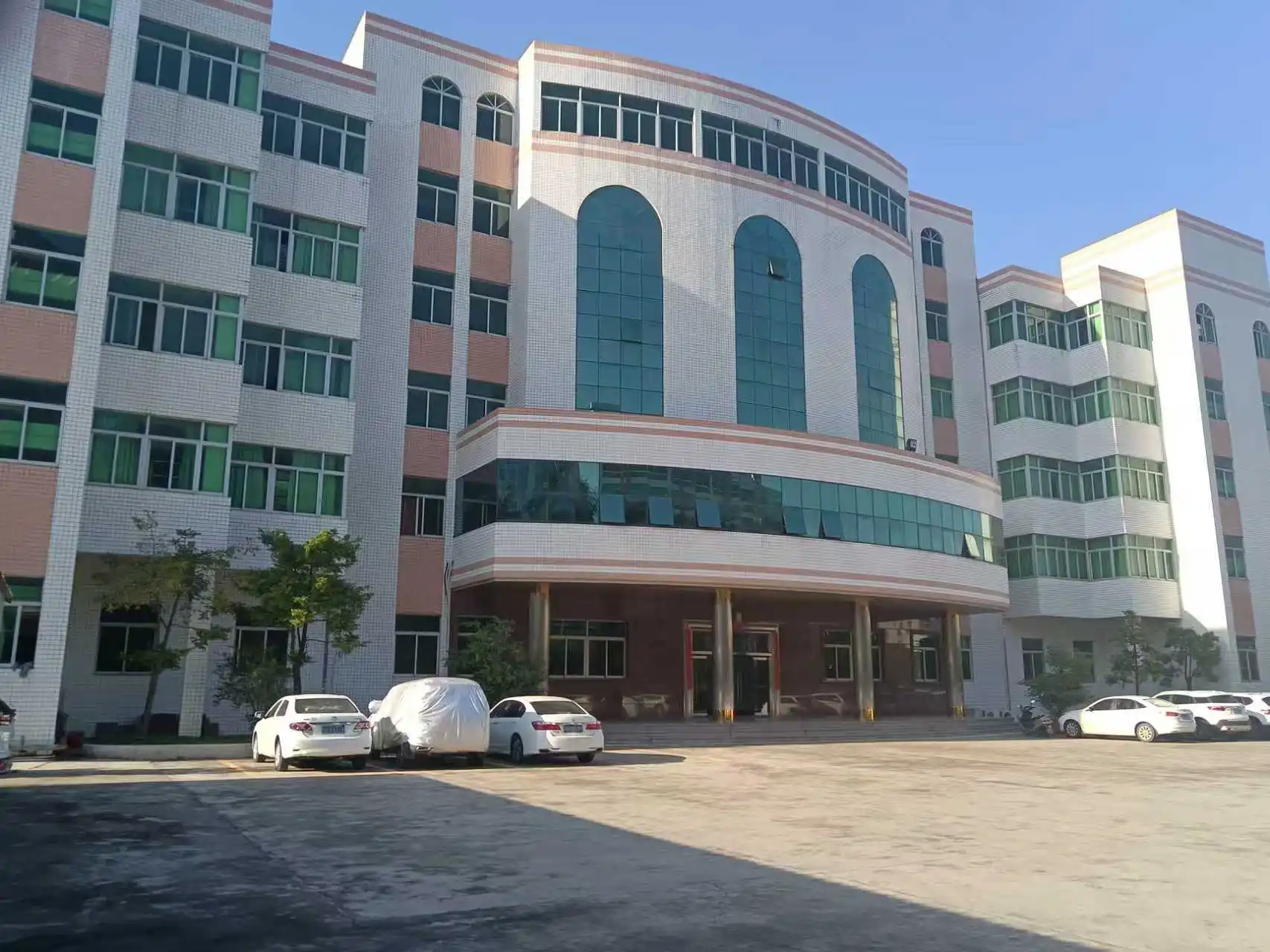
Shenzhen Haochuang Ming Technology Co., Ltd.
- Trading Company
- Guangdong, China
- Lead time30 days
- Avg. response≤ 3h
Main productsdentaI impIant,Vertical milling machine,Dental Zirconia,Dental surgical kit,Dental Milling Burs
Main marketsNorth America(20.00%), Western Europe(10.00%), Eastern Asia(10.00%), Mid East(10.00%), Oceania(10.00%), Africa(10.00%), Southeast Asia(10.00%), Eastern Europe(10.00%), South America(10.00%)
Shaoxing Beant Import & Export Co., Ltd.
- Trading Company
- Zhejiang, China
- Lead time0 days
- Avg. response≤ 2h
Main productsLab equipments,Lab plastic ware,Lab glassware,Teaching aids,Medical consumables
Main marketsNorth America(13.00%), Eastern Asia(12.00%), Southeast Asia(11.00%), Western Europe(9.00%), Central America(9.00%), South Asia(9.00%), South America(8.00%), Eastern Europe(7.00%), Africa(6.00%), Domestic Market(5.00%), Southern Europe(3.00%), Northern Europe(3.00%), Mid East(3.00%), Oceania(2.00%)
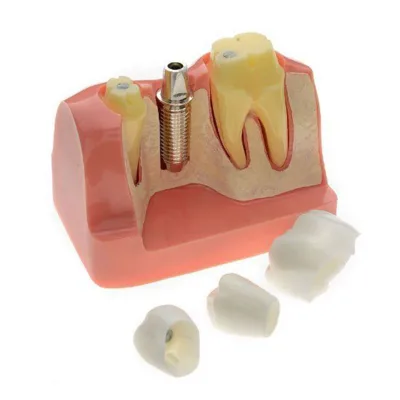
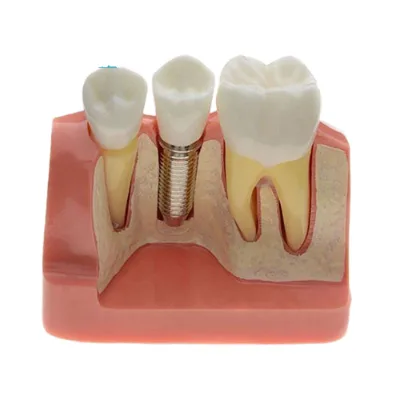
$10.2966 - $21.6216
MOQ: 1 pieces
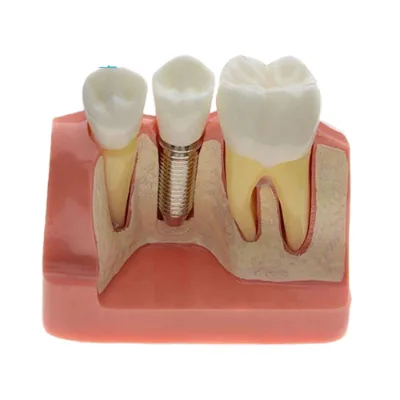
Teeth Model / Implant Analysis Portable Removable Resin Human Teeth Model for Sale
$9.3433 - $10.3821
MOQ: 1 pieces
- Manufacturer, Trading Company
- Guangdong, China
- Lead time10 days
- Avg. response≤ 4h
Main productsdental model,dental simulation equipment,clinic decoration and gift
Main marketsSoutheast Asia(20.00%), Mid East(10.00%), Domestic Market(10.00%), South America(10.00%), North America(8.00%), Western Europe(8.00%), Central America(8.00%), Eastern Europe(5.00%), Northern Europe(5.00%), Southern Europe(4.00%), Oceania(3.00%), South Asia(3.00%), Africa(3.00%), Eastern Asia(3.00%)
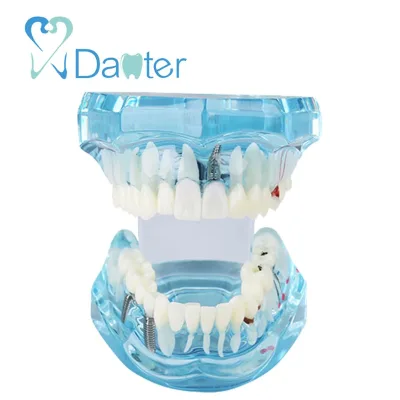
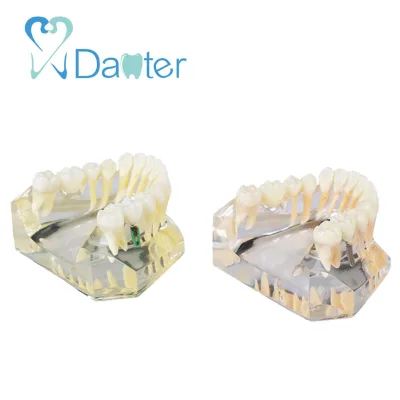
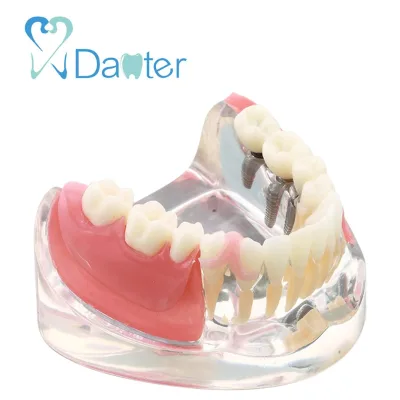
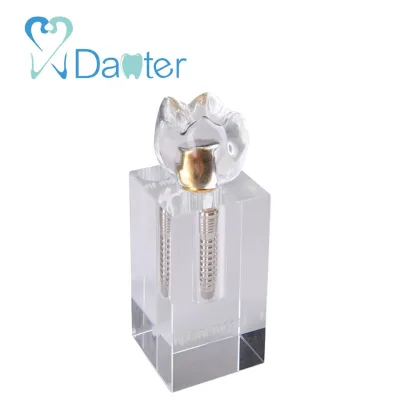
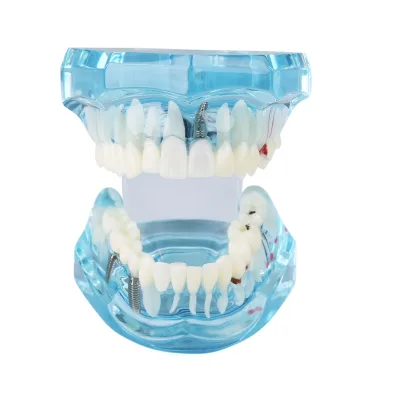
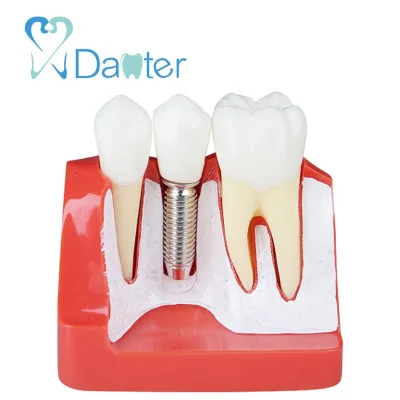
Top Seller Crystal Implant Removable Teeth Model Dental Implant Model for Demonstration
$10.2682 - $17.4544
MOQ: 1 Minimum
Henan Yuenai Trading Co., Ltd.
- Trading Company
- Henan, China
- Lead time5 days
- Avg. response≤ 2h
Main productsMedical consumables,safety butterfly needle,Vacuum blood collection,wheelchair,Medical equipment
Main marketsEastern Asia(30.00%), Southeast Asia(20.00%), Western Europe(20.00%), Africa(20.00%), Mid East(10.00%)
Foshan Jingle Medical Equipment Co., Ltd.
- Manufacturer
- Guangdong, China
- Lead time10 days
- Avg. response≤ 4h
Main productsDental Phantom Head,Dental Simulator,Dental Handpiece,Dental Model,Dental Training Simulator
Main marketsDomestic Market(30.00%), Mid East(30.00%), Eastern Asia(10.00%), South America(5.00%), Southeast Asia(5.00%), South Asia(5.00%), Oceania(5.00%), Africa(5.00%), North America(3.00%), Western Europe(2.00%)
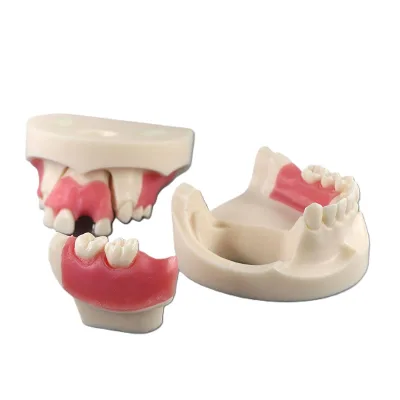
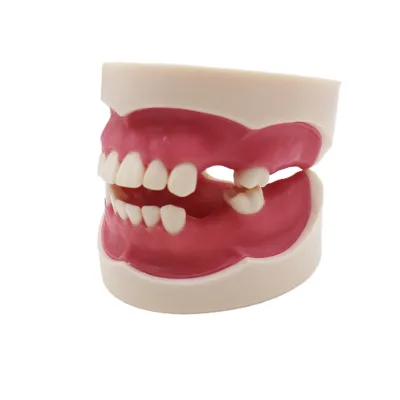
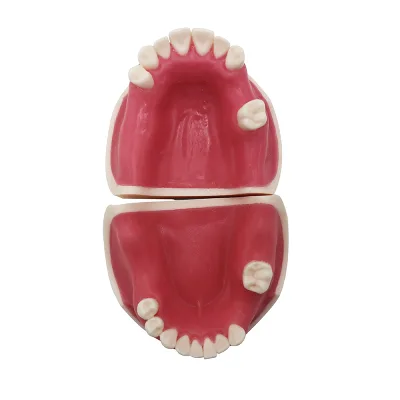
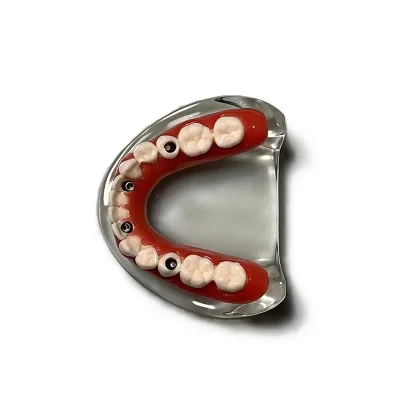
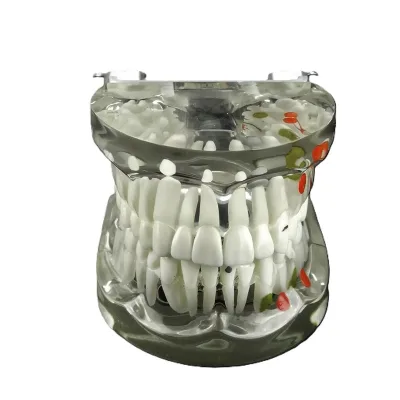
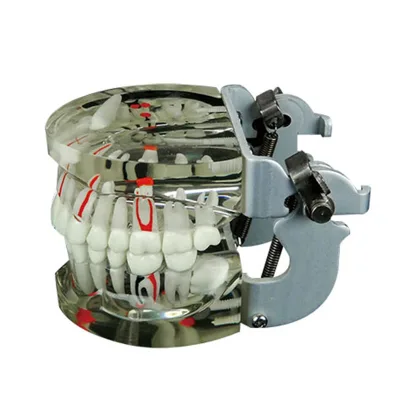
Transparent Dental Demonstration Model Tooth Dentist for Dental Disease Teaching
$28.8078 - $34.9807
MOQ: 1 sets

Zhengzhou Ulike Dental Equipment Co., Ltd.
- Verified by BV
- Manufacturer/Factory
- China Henan
- Lead time15 days
- Avg. response≤ 2h
Main productsDental Bracket, Acrylic Resin Teeth, Dental Chair, Dental Lab Materials, Dental X Ray Machine, Dental Sterilization, Teeth Whitening Machine, Dental Restorative Materials, Dental Teaching Models, Dental Handpiece
Main marketsSouth America,Eastern Europe,Mid East,North America,Southeast Asia,Western Europe,Africa


Dental Implant Teeth Model Implant Dental Teaching Teeth Model for Practice
$28.00 - $30.00
MOQ: 1 Pieces

Henan Yuyue Biotechnology Co., Ltd.
- Trading Company
- Henan, China
- Lead time10 days
- Avg. response≤ 2h
Main productsAnatomic Model,Human Skeleton model,Medical Simulator,Tooch Model,Acupuncture Model
Main marketsDomestic Market(30.00%), Southeast Asia(15.00%), South America(15.00%), North America(10.00%)

Suzhou Thriving Medical Equipment Corp.
- Verified by SGS
- Trading Company,Manufacturer/Factory
- China Jiangsu
- Lead time23 days
- Avg. response≤ 10h
Main productsHospital Bed, Medical Equipment, Autoclave, Stretcher, Bed Head Unit, Electric Bed, Funeral Products, Ultrasound Scanner, Nurse Call System, Operating Light
Main marketsSouth America,Eastern Europe,Mid East,North America,Southeast Asia,Eastern Asia,Oceania,Western Europe,Africa

Medical Oral Tooth Model 28PCS Removable Teeth Model Transparent Disease Teeth Model
$10.00 - $15.00
MOQ: 10 Pieces

Hot Selling Teeth Model for Teaching Pathology Teeth Model with Implant Dental Study
$10.00 - $15.00
MOQ: 10 Pieces

Anyang Yingpai Dental Materials Co., Ltd.
- Verified by CTI
- Combined
- China Henan
- Lead time15 days
- Avg. response≤ 8h
Main productsAcrylic Resin Teeth, Dental Zirconia Block, Dental Milling Machine, Dental X Ray Unit, Intraoral Scanner, Dental Lab Equipment, Dental Base Powder, Dental Equipment, Dental Lab Materials, Dental Materials
Main marketsSouth America,Others(foreignTradeCapacity.exportBusinessCapacityMarketOther),Southeast Asia/ Mideast
Henan Zhizao Teaching Instrument Co., Ltd.
- Trading Company
- Henan, China
- Lead time10 days
- Avg. response≤ 7h
Main productsteaching models,OMR machine,heating mantle,pigment,lab equipment
Main marketsCentral America(15.00%), North America(15.00%), Mid East(10.00%), Eastern Asia(9.00%), Southeast Asia(8.00%), South Asia(8.00%), South America(8.00%), Western Europe(8.00%), Africa(7.00%), Northern Europe(5.00%), Oceania(3.00%), Eastern Europe(2.00%), Southern Europe(2.00%)
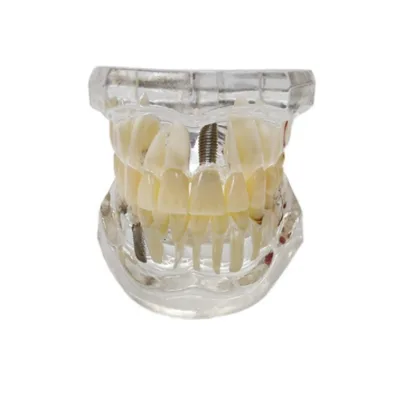
$8.20 - $9.50
MOQ: 1 pieces
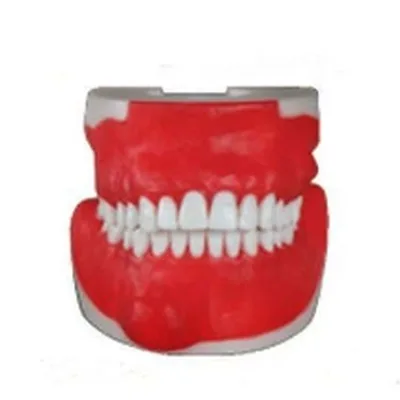
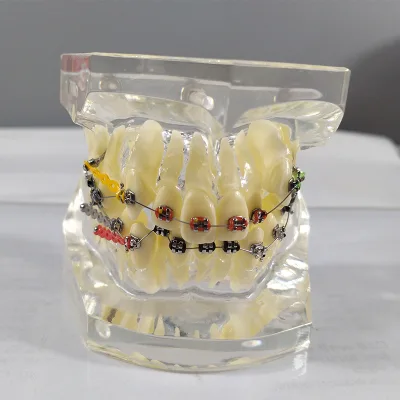
Dentistry Surgical Synthetic Training Model for Oral Surgery
$112.00 - $123.00
Hubei Honghe Ming Medical Equipment Co., Ltd.
- Trading Company
- Hubei, China
- Lead time15 days
- Avg. response≤ 5h
Main productsDental Equipment,Dental Instruments,Dental Laboratory,Dental Consumables,Dental Materials
Main marketsDomestic Market(30.00%), North America(20.00%), South America(10.00%), South Asia(5.00%), Southern Europe(5.00%), Oceania(5.00%), Northern Europe(5.00%), Central America(5.00%), Southeast Asia(5.00%), Western Europe(2.00%), Eastern Asia(2.00%), Mid East(2.00%), Africa(2.00%), Eastern Europe(2.00%)
Changsha Easyinsmile Intelliegence Technolegy Co., Ltd.
- Manufacturer, Trading Company
- Hunan, China
- Lead time45 days
- Avg. response≤ 5h
Main productsDental Orthodontic Bracket,Ultrasonic Scaler,Dental Handpiece,Portable X-ray,Dental disposable product
Main marketsNorth America(35.00%), South America(30.00%), South Asia(12.00%), Eastern Europe(10.00%), Southern Europe(9.00%), Southeast Asia(4.00%)
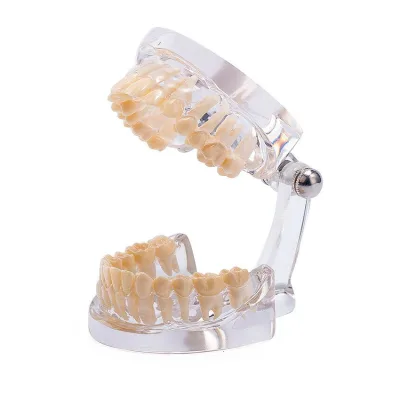
$12.00 - $15.00
MOQ: 50 pieces
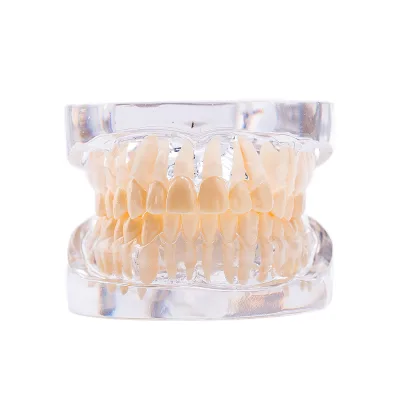
High Quality Transparent Teeth Model Dental Simulation Models for Dental Education
$12.3473 - $15.2268
MOQ: 50 pieces
Zhengzhou Aifan Import&Export Co., Ltd.
- Trading Company
- Henan, China
- Lead time2 days
- Avg. response≤ 2h
Main productsDental Handpiece,Dental LED Curing Light,Orthodontic Bracket,Dental Burs and Files,Water Distiller
Main marketsNorth America(30.00%), South America(20.00%), Oceania(10.00%), Western Europe(10.00%), Eastern Europe(10.00%), Southern Europe(5.00%), Northern Europe(5.00%), Africa(5.00%), Mid East(5.00%)

- Verified by SGS
- Trading Company
- China Guangdong
- Lead time15 days
- Avg. response≤ 7h
Main productsDental Equipment, Dental Materials, Dental Intrument, Dental Files/Burs, Dental Unit, Dental Camera, Dental Disposable Products, Auticlace System
Main marketsOthers(foreignTradeCapacity.exportBusinessCapacityMarketOther),Southeast Asia/ Mideast,North America

Dental Resin Teeth Model Teaching 4 X Implant Screw Displaying Model for Dentist Used
$7.00 - $9.00
MOQ: 10 Pieces

Hot Sale Dental Resin Teeth Implant Practice Model Dental Training Teeth Model
$13.00 - $15.00
MOQ: 10 Pieces

Dental Teeth Implant Practice Model Dental Resin Teeth Teaching Model Training Model
$10.00 - $12.00
MOQ: 10 Pieces

Dental Model Teeth Implant Practice Tooth Model for Oral Implant Training Practice Studying
$10.00 - $12.00
MOQ: 10 Pieces

Hot Sale Adult Teeth Implant Practice Model Dental Teeth Model for Student Training
$10.00 - $12.00
MOQ: 10 Pieces
Henan Baistra Industries Corp.
- Verified by TüVRheinland
- Trading Company
- Lead time7 days
- Avg. response≤ 2h
Main productsOrthodontic Bracket, Dental Bur, Dental Handpiece, Dental Chair, X Ray Machine
Main marketsSouth America(37%), North America(13%), Southeast Asia(13%)
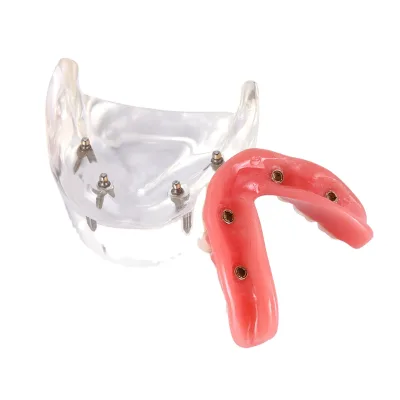
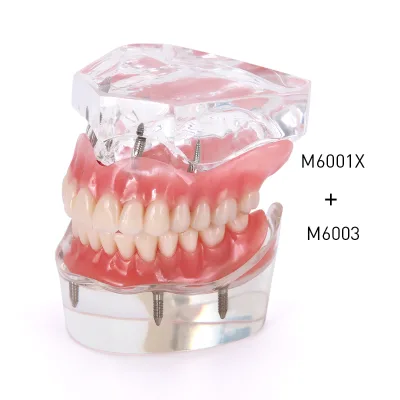
Top Quality Demo Overdenture Restoration Dental Implant Model with Lower Implants
$23.0141 - $28.2442
MOQ: 1 Minimum
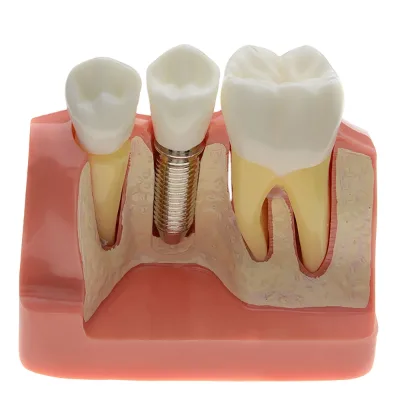
Implant Teeth Model / Implant Analysis Portable Removable Resin Human Teeth Model for Sale
$20.00 - $30.00
MOQ: 1 Minimum
Jiangmen Duote Medical Equipment Co., Ltd.
- Trading Company
- Guangdong, China
- Lead time15 days
- Avg. response≤ 3h
Main productsdental handpiece,endomotor,Teeth whitening lamp,LED curing light,air scaler
Main marketsNorth America(27.00%), Western Europe(15.00%), Southern Europe(12.00%), Mid East(10.30%), Southeast Asia(10.00%), Eastern Europe(10.00%), Northern Europe(5.00%), South Asia(5.00%), Eastern Asia(3.00%), South America(1.00%), Africa(1.00%), Central America(0.50%), Domestic Market(0.10%), Oceania(0.10%)

Shenzhen Jingmeixin Techonology Co., Ltd.
- Manufacturer
- Guangdong, China
- Lead time3 days
- Avg. response≤ 2h
Main productsholographic led display,led display receiving card,led modules,transparent led display,led receiving card
Main marketsNorth America(60.00%), Western Europe(10.00%), Domestic Market(5.00%), Southern Europe(5.00%), Northern Europe(5.00%), South America(5.00%), Mid East(5.00%), Eastern Europe(5.00%)

Sainty International Group Jiangsu Yangzhou Sumex Imp. & Exp. Co., Ltd.
- Trading Company
- China Jiangsu
- Lead time30 days
- Avg. response≤ 12h
Main productsSyringe, Suction Catheter, Endotracheal Tube, Drainage Bag, Bandage, Dental Instrument, Surgical Gown, Vaginal Speculum, Vacutainer, Suture
Main marketsSouth America,Africa,Southeast Asia/ Mideast,East Asia(Japan/ South Korea),Europe,Australia,North America


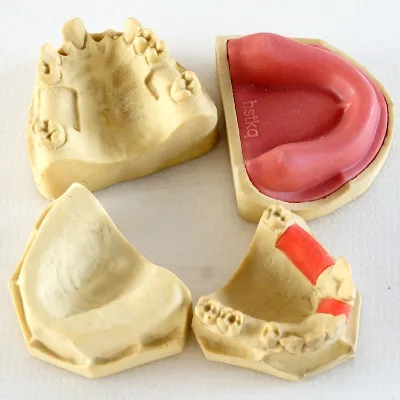
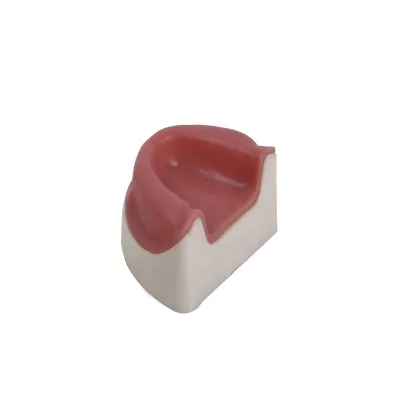
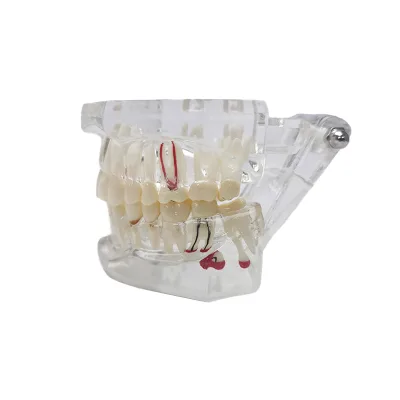
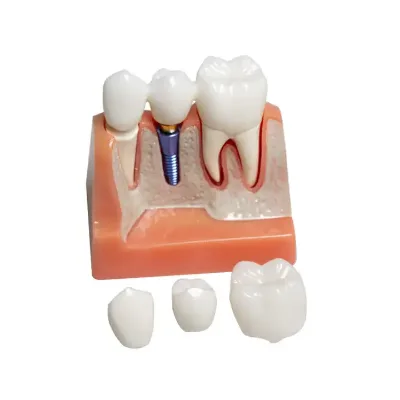


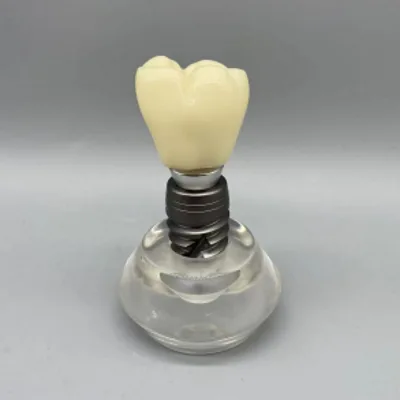
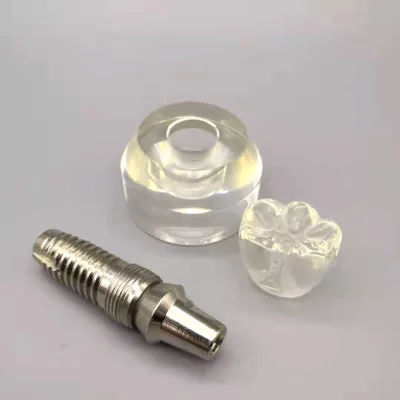
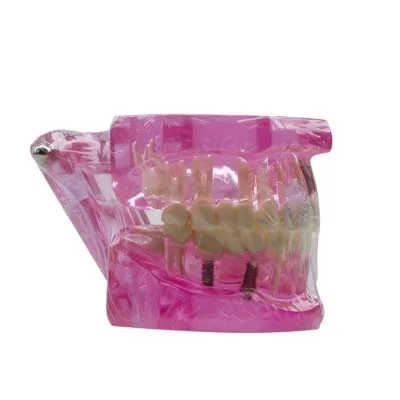
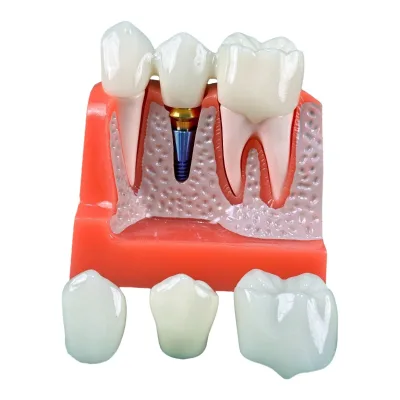
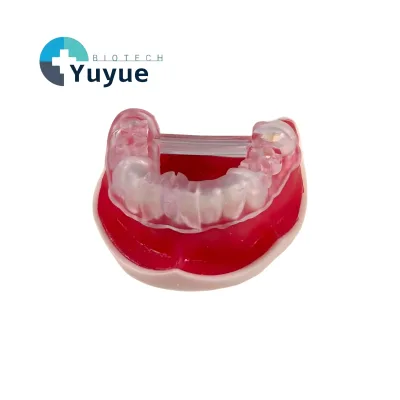
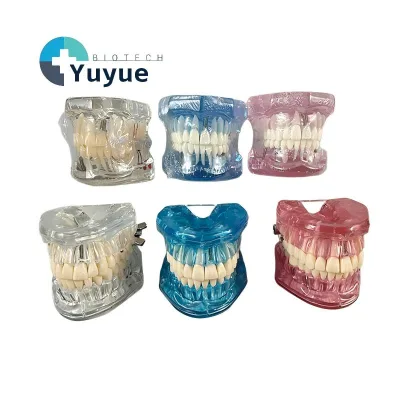


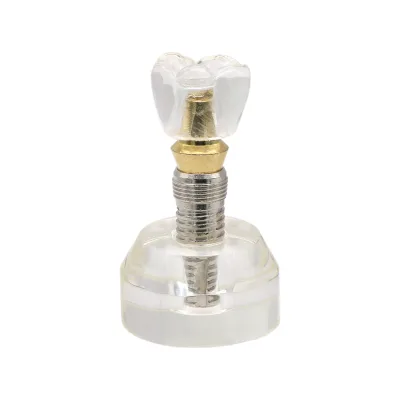
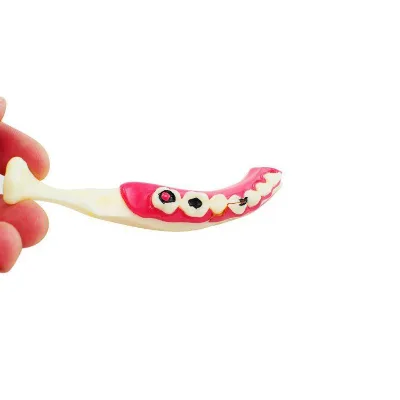
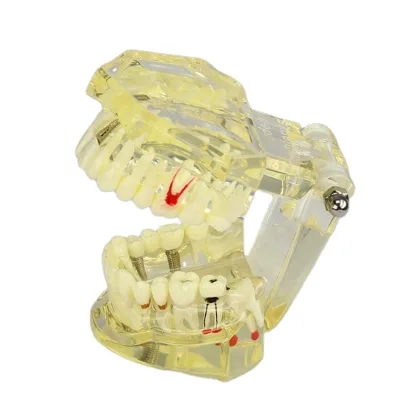
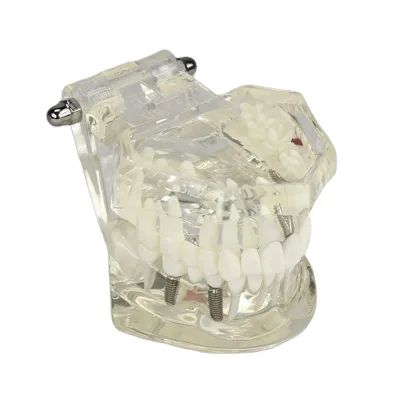
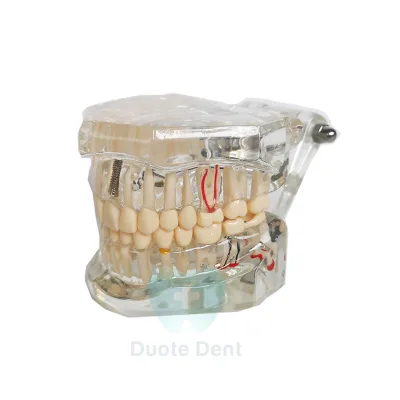
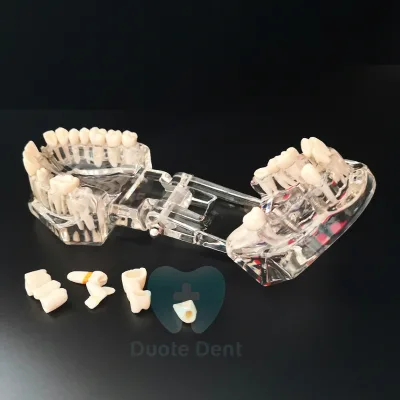


Comprehensive Sourcing Guide
CE Transparent Dental Implant Model Supplier Concentration and Factory Types
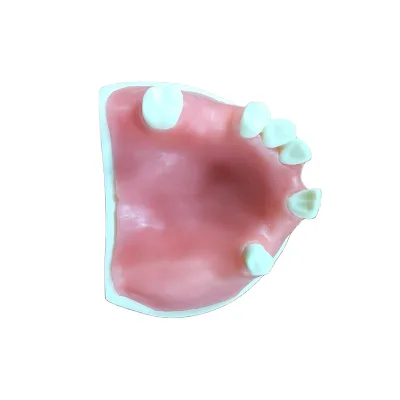
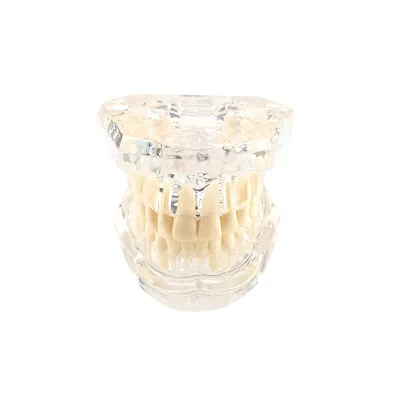
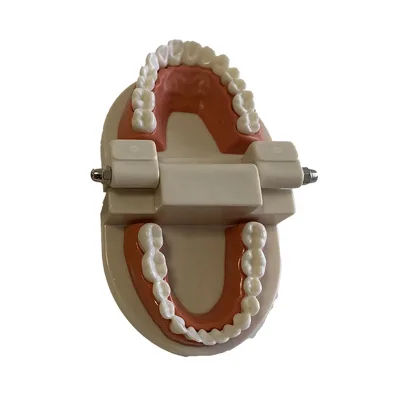
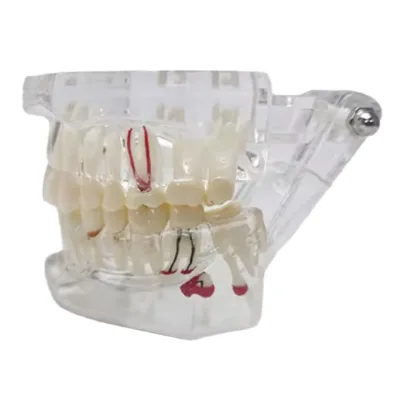
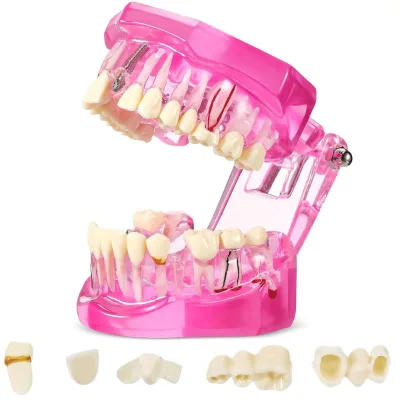
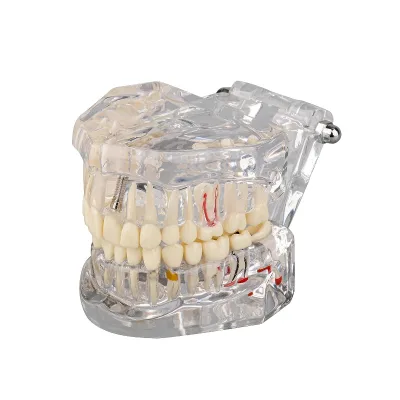
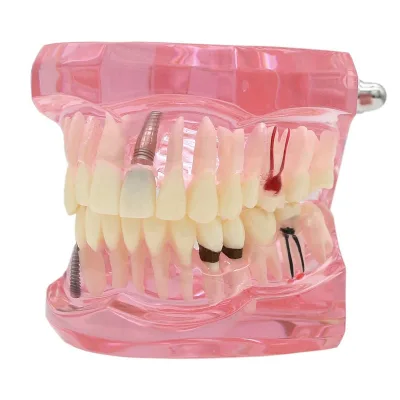
The current supplier landscape for CE Transparent Dental Implant Model products reveals a distinct concentration of manufacturing and trading entities within specific Chinese provinces. Data indicates that suppliers are primarily located in China Henan and China Hebei, suggesting these regions serve as key industrial clusters for dental teaching aids and implant models. In Henan, the available results highlight a company type identified as a Trading Company, which suggests that buyers may often interact with intermediaries rather than direct factories for certain product lines. These trading entities typically aggregate products from various local manufacturers, offering a broader catalog that includes dental equipment, materials, and specific items like transparent dental implant teeth models. The presence of such trading companies implies that buyers should be prepared to navigate supply chains that involve multiple layers of sourcing, potentially affecting lead times and communication efficiency. Understanding this concentration helps buyers target their search efforts more effectively, focusing on regions known for producing these specialized educational and clinical tools.
In contrast, suppliers located in China Hebei present a different operational profile, with company types listed as Combined entities. This classification often indicates a hybrid business model that may include both manufacturing capabilities and trading operations, or a diversified portfolio of related medical and dental products. The main products for these Hebei-based suppliers include dental handpieces, materials, and teaching simulations, which aligns closely with the demand for transparent dental implant models used in education and training. The distinction between pure trading companies in Henan and combined entities in Hebei is crucial for buyers assessing the directness of their supply chain. A combined entity might offer more integrated services, such as original design manufacturing (ODM) or original equipment manufacturing (OEM), as evidenced by the rd_capacity attributes observed in the results. Buyers evaluating these suppliers should consider whether they require a direct factory relationship for custom branding or if a trading partner’s aggregated inventory suffices for their immediate needs, keeping in mind the regional strengths of each location.
How to Verify CE Transparent Dental Implant Model Suppliers
Verifying the legitimacy and capability of suppliers offering CE Transparent Dental Implant Model products requires a careful examination of their verification badges and certification claims. The observed results show that suppliers are verified by recognized third-party inspection and certification bodies, such as TÜV Rheinland and Bureau Veritas (BV). These verification statuses provide a baseline level of trust regarding the company’s legal existence and operational stability. However, buyers must distinguish between company verification and product-specific certifications. For instance, while a supplier may hold a TÜV or BV verification, the individual dental models they sell might carry separate certifications like CE or ISO. It is essential to confirm that the specific transparent dental implant models meet the regulatory standards required in the buyer’s target market. The product attributes observed include certifications such as CE and ISO, which are critical for medical and dental devices. Buyers should request copies of these certificates and verify their validity with the issuing bodies to ensure compliance, rather than relying solely on the supplier’s self-reported claims or the general company verification badge.
Beyond verification badges, assessing the supplier’s responsiveness and transparency is a key part of the due diligence process. The data indicates varying response times among suppliers, with some showing a response time of approximately 3.02 hours and others around 2.30 hours. While these metrics provide a snapshot of operational efficiency, buyers should also evaluate the quality and detail of the responses received. A fast response time is beneficial, but it must be accompanied by accurate information regarding product specifications, such as the material composition of the transparent model, the accuracy of the tooth anatomy, and the durability of the implant fixtures. Additionally, buyers should inquire about the supplier’s ability to provide samples before committing to bulk orders. The presence of customization options, as noted in some product attributes, suggests that suppliers may be willing to tailor products to specific educational or clinical requirements. Verifying this capability through direct communication helps ensure that the supplier can meet the buyer’s specific needs for transparency, anatomical accuracy, and educational utility in their dental implant models.
What to Compare Across CE Transparent Dental Implant Model Suppliers
When evaluating multiple suppliers for CE Transparent Dental Implant Model products, buyers should systematically compare key operational metrics such as lead time, minimum order quantity (MOQ), and pricing structures. The observed data reveals a range of lead times, with some suppliers indicating a lead time of 15 days and others showing 23 days. This variation can significantly impact inventory planning and project timelines, especially for educational institutions or clinics with strict scheduling needs. Similarly, MOQs vary considerably, with some suppliers offering an MOQ of just one unit, while others require minimum orders of five, ten, or more units. This flexibility is crucial for buyers who may need to test product quality with small orders before scaling up. Pricing also differs across the product range, with some transparent dental implant models priced between $22.50 and $25.80, while others are available for as low as $8.50 to $9.90. Buyers must align these cost factors with their budget constraints and volume requirements, ensuring that the price per unit justifies the quality and features offered, such as the inclusion of implant fixtures or detailed anatomical accuracy.
In addition to logistical and financial metrics, buyers should compare the specific product attributes and customization capabilities offered by each supplier. The product evidence shows variations in features such as certification types (CE vs. ISO), material properties, and intended application departments (e.g., Orthodontic Department vs. Dental Department). Some models are described as having high-quality standards and are suitable for study, training, education, and demonstration purposes. Buyers should assess whether the supplier offers OEM or ODM services, as indicated by the rd_capacity attributes, which can be valuable for creating branded educational materials. Furthermore, the availability of cargo tracking and specific packing details, such as carton or paper box packaging, should be compared to ensure safe delivery and proper handling of the delicate transparent models. By creating a comparison matrix that includes these detailed product specifications alongside lead times and MOQs, buyers can make more informed decisions that balance cost, speed, and product suitability for their specific dental education or clinical training needs.
Common CE Transparent Dental Implant Model Sourcing Risks
Sourcing CE Transparent Dental Implant Model products from international suppliers introduces several risks that buyers must proactively manage to ensure a smooth procurement process. One significant risk is the potential discrepancy between the product samples received and the bulk order delivered. Transparent dental models are delicate, and variations in material quality, such as the clarity of the resin or the stability of the implant fixtures, can affect their educational value. Buyers should be aware that while some suppliers offer customization, the consistency of these custom features across large orders may vary. Additionally, the risk of miscommunication regarding product specifications is heightened when dealing with trading companies or combined entities that may not have direct control over manufacturing details. It is crucial to obtain detailed technical drawings or specifications for the transparent models, including dimensions, weight, and material composition, to minimize the chance of receiving products that do not meet the required anatomical or functional standards.
Another common risk involves compliance and certification validity, particularly when importing medical or dental educational devices. While suppliers may claim CE or ISO certifications, buyers must verify that these certifications are current and applicable to the specific product type. There is a risk that a supplier might use outdated or generic certificates that do not cover the specific transparent dental implant model being purchased. Furthermore, the risk of logistical delays cannot be overlooked, especially given the varying lead times observed among suppliers. A supplier with a short lead time might face unexpected production bottlenecks, while a supplier with a longer lead time might have more stable production schedules. Buyers should also consider the risk of damage during shipping, as dental models are often made of brittle materials. Ensuring that the supplier uses appropriate packaging, such as sturdy cartons or paper boxes with adequate cushioning, is essential to prevent breakage. Mitigating these risks requires thorough due diligence, clear communication, and potentially the use of escrow services or third-party inspections to protect the buyer’s investment.
CE Transparent Dental Implant Model Regional Sourcing and Logistics
The regional concentration of suppliers in China Henan and China Hebei offers buyers distinct logistical advantages and considerations when sourcing CE Transparent Dental Implant Model products. Suppliers in Henan, often operating as trading companies, may benefit from established logistics networks that facilitate efficient export processes. This can result in streamlined shipping arrangements and potentially faster transit times to international destinations. However, buyers should verify the specific shipping terms and costs associated with these suppliers, as trading companies may add margins that affect the overall landed cost. On the other hand, suppliers in Hebei, identified as combined entities, might have closer ties to manufacturing facilities, which could offer more control over production schedules and quality assurance. The proximity to major ports or industrial hubs in these regions can influence shipping options and costs. Buyers should assess the supplier’s experience in international shipping, including their familiarity with export documentation and customs clearance procedures, to ensure that the transparent dental models arrive without unnecessary delays or complications.
Logistical planning for CE Transparent Dental Implant Model orders should also account for the specific packaging requirements and handling instructions provided by the suppliers. The observed product attributes indicate that models are packed in cartons or paper boxes, which are standard for protecting delicate items during transit. Buyers should confirm that the packaging is robust enough to withstand long-distance shipping and potential handling by multiple carriers. Additionally, the availability of cargo tracking services, as noted in some product attributes, is a valuable feature that allows buyers to monitor the shipment’s progress in real-time. This transparency can help mitigate the risk of lost or delayed shipments. Buyers should also consider the impact of regional holidays and production cycles on lead times, particularly in China, where manufacturing schedules can be affected by seasonal factors. By understanding the logistical landscape of Henan and Hebei suppliers, buyers can better plan their inventory replenishment strategies and ensure a steady supply of high-quality transparent dental implant models for their educational or clinical needs.
CE Transparent Dental Implant Model Commercial Terms and Order Planning
Effective order planning for CE Transparent Dental Implant Model products requires a clear understanding of the commercial terms offered by suppliers, including payment methods, warranty policies, and after-sales support. The observed data shows a range of MOQs, from single units to larger bulk orders, which allows buyers to start with small test orders to evaluate product quality before committing to larger purchases. This flexibility is particularly useful for new buyers who want to assess the supplier’s reliability and the product’s suitability for their specific needs. Buyers should also inquire about the supplier’s return and refund policies in case the received models do not meet the agreed-upon specifications. Additionally, understanding the payment terms, such as the availability of escrow services or letter of credit options, can provide an extra layer of security for the transaction. These commercial terms are crucial for managing financial risk and ensuring that the buyer has recourse in the event of non-delivery or product defects.
Furthermore, buyers should consider the long-term relationship potential with suppliers when planning their orders. Suppliers that offer OEM or ODM services, as indicated by their rd_capacity, may be better suited for buyers looking to create branded educational materials or customize models for specific clinical training programs. Establishing a strong relationship with a reliable supplier can lead to better pricing, priority production slots, and improved customer support. Buyers should also evaluate the supplier’s responsiveness to inquiries and their ability to provide timely updates on order status. The observed response times, ranging from approximately 2.30 to 3.02 hours, suggest that most suppliers are reasonably accessible, but buyers should still establish clear communication channels and expectations. By carefully reviewing and negotiating commercial terms, including payment security, return policies, and customization options, buyers can create a robust sourcing strategy that minimizes risk and ensures a consistent supply of high-quality transparent
FAQs
What certifications do transparent dental implant models have?
Transparent dental implant models typically carry CE or ISO certifications to ensure compliance with international safety and quality standards. These credentials verify that the materials and manufacturing processes meet rigorous regulatory requirements for educational and clinical use in orthodontic and dental departments.
What is the minimum order quantity for these models?
The minimum order quantity varies by supplier, ranging from one set to ten units depending on the specific model type. Some suppliers offer low MOQs of one set for teaching models, while others require higher volumes for standard demonstration units, allowing flexible purchasing options.
How long does delivery take for these items?
Lead times generally range from fifteen to twenty-three days after order confirmation. This timeframe allows for production and quality checks, ensuring that each transparent dental implant model is ready for shipment. Buyers should confirm specific delivery schedules with suppliers before finalizing orders.
Where are these dental models manufactured?
These models are primarily manufactured in China, with specific production hubs located in Henan and Hebei provinces. This regional concentration supports efficient supply chains and consistent quality control for transparent dental implant models used in education, training, and clinical demonstrations worldwide.
What is the price range for these models?
Prices typically range from approximately eight dollars to over four hundred dollars per unit, depending on complexity and features. Basic study models start at lower price points, while detailed implant models with attachments or specific resin compositions command higher prices due to specialized manufacturing requirements.
Can these models be customized for specific needs?
Customization is available for many transparent dental implant models, allowing buyers to specify certain features or packaging. Suppliers often offer OEM and ODM services to tailor products for specific educational institutions or clinical requirements, ensuring the models meet precise functional and aesthetic needs.