Commercial Cold Press Juice Extractor Suppliers and Manufacturers
Compare 27 verified suppliers offering Commercial Cold Press Juice Extractor units with ISO 9001 and CE certifications. Review response times, lead times, and pricing to select a partner for your production needs; review the available evidence before requesting comparable quotations from suitable candidates.
Updated
Suppliers List
Zhengzhou Taizy Trading Co., Ltd.
- Verified by TüVRheinland
- Trading Company
- Lead time7 days
- Avg. response≤ 3h
Main productsSnack Frying Machine, Fruit Vegetable Washing Line, Nuts Roasting Seasoning Line, Grain Product Making Machine, Multifunction Packing Machine
Main marketsSoutheast Asia(17%), Domestic Market(14%), North America(11%)
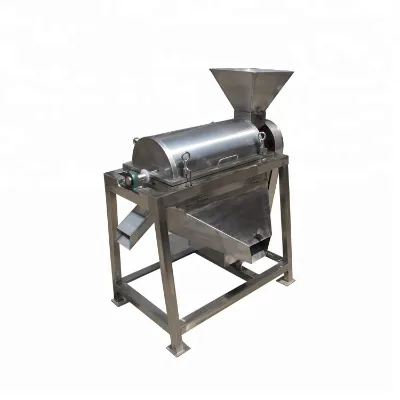
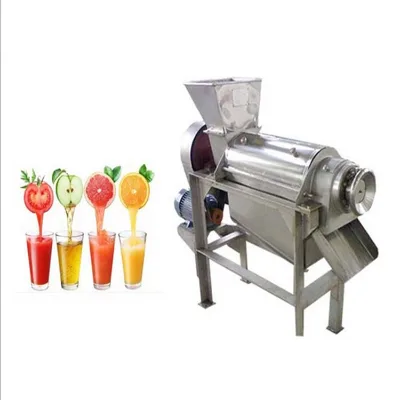
Commercial Fruit Juice Extractor/fruit Pulp Extractor
$2400.00 - $2500.00

Zhengzhou Sunshine Machinery Co., Ltd.
- Trading Company,Manufacturer/Factory
- China Henan
- Lead time15 days
- Avg. response≤ 2h
Main productsOil Processing Machine, Grain Processing Machine, Nut Processing Machine, Fruit/Vegetable Processing Machine, Food Machine, Briquette Making Machine, Moisture Meter, Dewatering Machine, Food Machinery, Food Processor
Main marketsSouth America,Eastern Europe,Mid East,North America,Southeast Asia,Eastern Asia,Oceania,Western Europe,Africa


Commercial Cold Press Juicer Juice Extractor Ginger Extraction Machine
$3000.00 - $4500.00
MOQ: 1 Pieces

Commercial Orange Juice Machine Juicer Extractor Coconut Cold Press Juicer
$2500.00 - $10000.00
MOQ: 1 Sets

Ginger Juicer Machine Cold Pressed Juicer Machine Fruit Juicer Extractor
$2500.00 - $10000.00
MOQ: 1 Pieces


Luohe Quality Mechanical Equipment Co., Ltd.
- Verified by SGS
- Manufacturer/Factory
- China Henan
- Lead time23 days
- Avg. response≤ 5h
Main productsJuice Extractor, Sausage Making Machine, Pita Bread Machine, Biscuit Making Machine
Main marketsSouth America,Eastern Europe,North America,Eastern Asia,Western Europe


High Quality Commercial Fruit Juice Making Machine Industrial Cold Press Juicer Extractor Machine
$1410.00 - $1510.00
MOQ: 1 Pieces


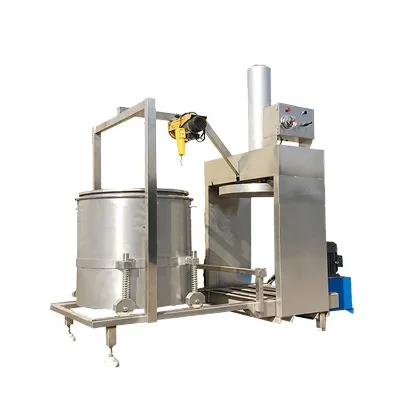
Hydraulic Press for Juice Extraction Cold Press Juicer Extractor Machine
$2200.00 - $2420.00
MOQ: 1 Pieces


Henan Methena Intelligent Technology Co., Ltd
- Verified by SGS
- Manufacturer/Factory
- China Henan
- Lead time15 days
- Avg. response≤ 3h
Main productsCandy Machinery, Biscuit Machinery, Meat Processing Machinery, Pasta Processing Machinery, Mixing Machinery, Drying Machinery, Freeze Drying Machinery, Fruit and Vegetable Processing Machinery, Egg Processing Machinery, Packaging Machinery
Main marketsSouth America,Eastern Europe,Mid East,North America,Southeast Asia,Eastern Asia,Oceania,Western Europe,Africa

Industrial Cold Press Fruit Juicer Extractor Commercial Automatic Juicer Machine
$1500.00 - $2500.00
MOQ: 1 Pieces

Industrial Mango Pulper Extractor Juicer Commercial Cold Press Juicer Extractor Machine
$1500.00 - $2500.00
MOQ: 1 Pieces

Commercial Cold Press Banana Juice Make Machine Electric Juicer Extractor Machine
$1500.00 - $2500.00
MOQ: 1 Pieces

Guangzhou Nantian Sources Co., Ltd.
- Manufacturer/Factory
- China Guangdong
- Lead time15 days
- Avg. response≤ 6h
Main productsKitchen Equipment, Kitchenware, Food Machine, Kitchen Appliance, Glassware, Food Machinery, Bakery Equipment, Dinnerware, Kitchen Utensils, Food Processor
Main marketsSouth America,Mid East,Southeast Asia,Eastern Asia,Oceania,Africa

Jinan Chenji International Trade Co., Ltd.
- Verified by BV
- Trading Company,Manufacturer/Factory
- China Shandong
- Lead time23 days
- Avg. response≤ 3h
Main productsTensile Testing Machine, Hardness Tester, Plastic PVC Tester, Mining Machine Springs, Ethanol Distilling Equipment, Railway Spring, Metallographic Cutting Equipment, Pipes Pressure Testing Machines
Main marketsSouth America,Eastern Europe,Mid East,North America,Southeast Asia,Eastern Asia,Oceania,Western Europe,Africa

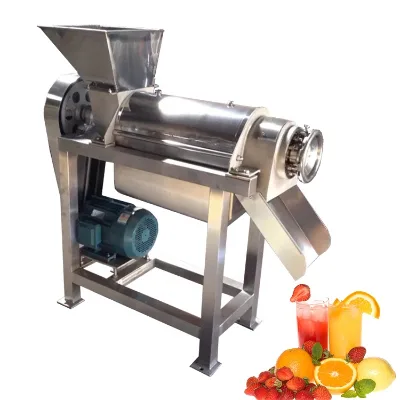
Commercial Fruit Juice Making Machine Industrial Juice Extractor Cold Press Juice by Screw Type
$1560.00 - $2400.00
MOQ: 1 Sets

Stainless Electric Juice Extractor Machine Commercial Juicer Machine Juice Extractor
$199.00 - $299.00
MOQ: 1 Sets


HE NAN PENG HUI MACHINERY AND EQUIPMENT CO., LTD.
- Verified by CTI
- Manufacturer/Factory
- China Henan
- Lead time15 days
- Avg. response≤ 3h
Main productsMeat Processing Machine, Fruit Processing Machine, Vegetable Processing Machine, Seafood Processing Machine, Grain Product Processing Machine, Snack Machine, Nuts Processing Machine, Quilting Machine, Textile Machine, Paper Product Processing Machine
Main marketsSouth America,Eastern Europe,Mid East,North America,Southeast Asia,Eastern Asia,Oceania,Western Europe,Africa

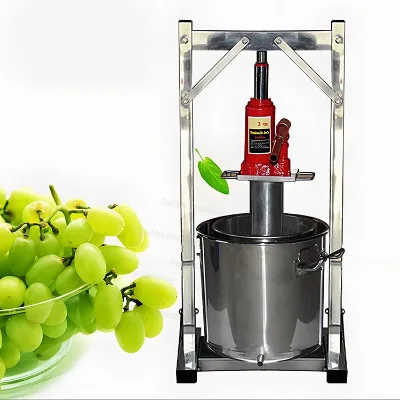
Commercial Cold Press Juicer Extractor Grape Crushing Machine Apple Juice Extraction Machine
$5500.00 - $6500.00
MOQ: 1 Pieces

Industrial Cold Press Juicer Machine Stainless Steel Vegetable Fruit Juice Extractor Machine
$1000.00 - $2000.00
MOQ: 1 Pieces
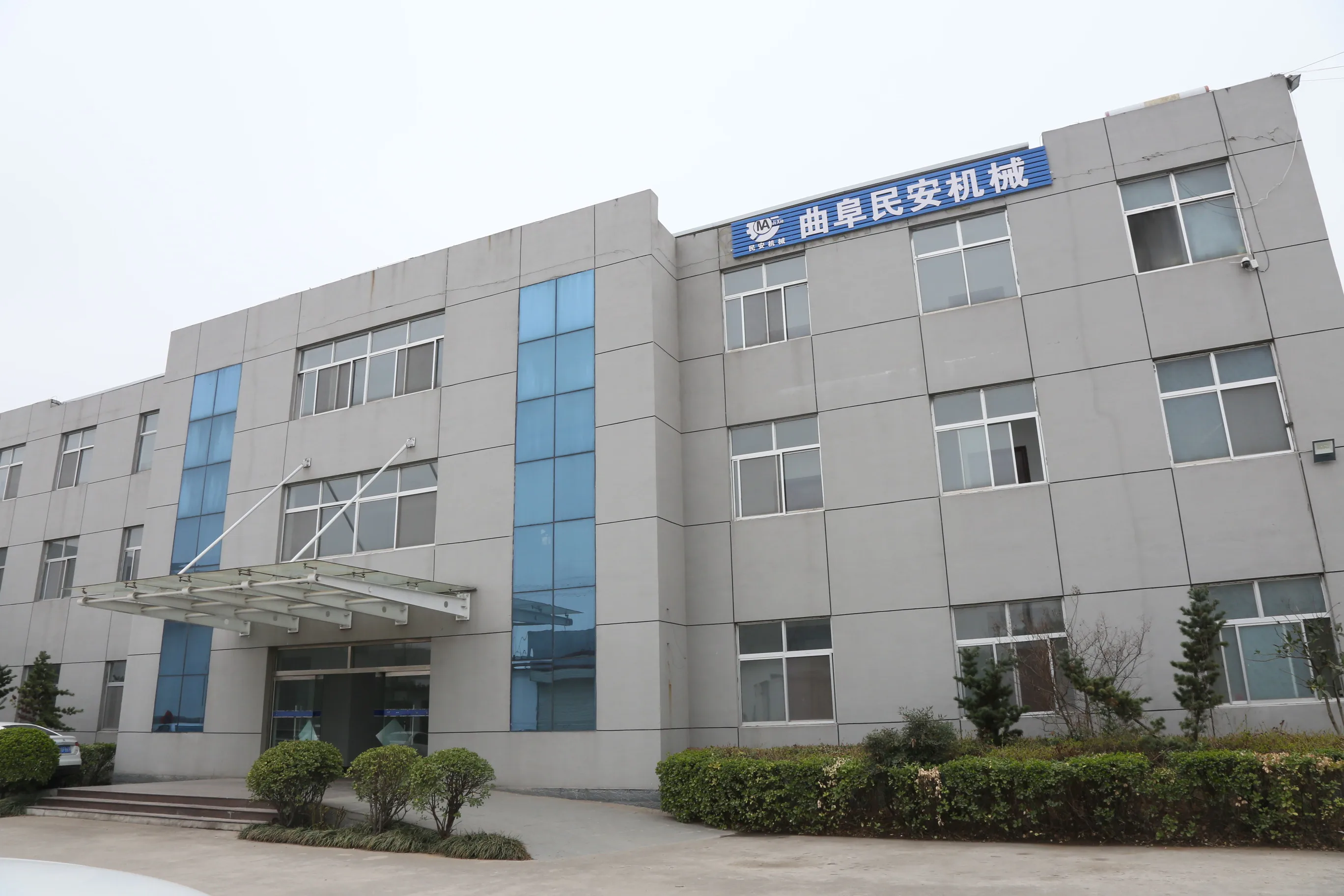
Shandong Minan Machinery Equipment Co., Ltd.
- Manufacturer
- Shandong, China
- Lead time7 days
- Avg. response≤ 9h
Main productsFood and beverage machinery,Industrial Juicer,Screw Juicer,Commercial Juicer
Main marketsSoutheast Asia(40.00%), Africa(30.00%), Eastern Asia(10.00%), South America(10.00%), Mid East(10.00%)
Zhengzhou Hongle Machinery Equipment Co., Ltd.
- Verified by SGS Group
- Manufacturer, Trading Company
- Lead time15 days
- Avg. response≤ 4h
Main productsFruit and Vegetables Production Line, Chicken Feet Production Line, Packing Machine Production Line, Nut Processing Line, Frying Production Line
Main marketsCentral America(20%), Africa(15%), Southern Europe(10%)
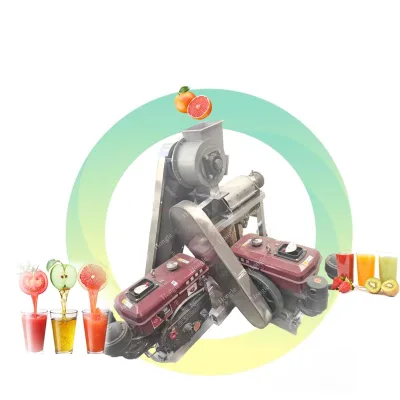
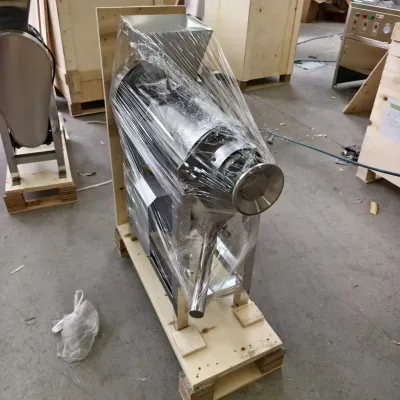
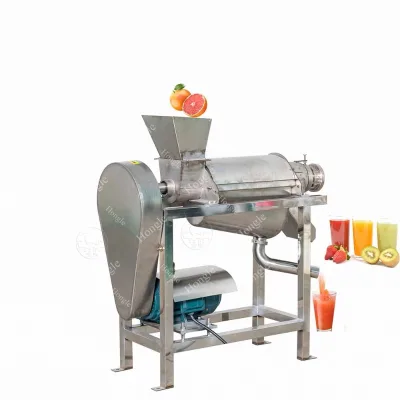
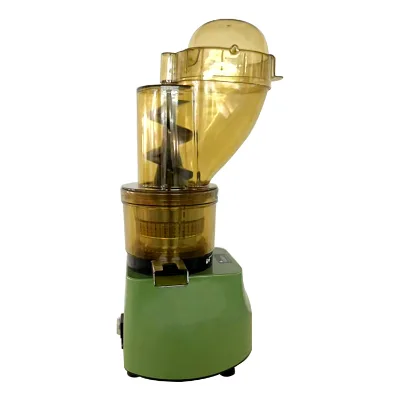
Commercial Cold Press Fresh Onion Juice Lime Squeeze Orange Juice Extracting
$980.00 - $1200.00
MOQ: 1 pieces

Wenzhou Cathylin International Trade Co., Ltd.
- Verified by TUVRHEINLAND
- Trading Company
- China Zhejiang
- Lead time15 days
- Avg. response≤ 5h
Main productsFlatware, Cutlery, Kitchen Tools, Tableware, Cookware, Bakeware, Drinkware
Main marketsNorth America


Wholesale Custom Logo 200W Portable Automatic Cold Press Juice Extractor
$18.00 - $20.00
MOQ: 500 Pieces

Xingtai Xiangwei Commercial Co., Ltd.
- Trading Company
- Hebei, China
- Lead time7 days
- Avg. response≤ 2h
Main productsDumpling Making Machine,Vegetable Cutting Machine,Meat Cutting Machine,Baozi Making machine,Vegetable Washing Machine
Main marketsNorthern Europe(12.00%), Oceania(11.00%), Eastern Asia(10.00%), North America(10.00%), South Asia(8.00%), Southern Europe(8.00%), Central America(8.00%), Western Europe(8.00%), Mid East(5.00%), Eastern Europe(5.00%), South America(5.00%), Domestic Market(5.00%), Southeast Asia(4.00%), Africa(1.00%)
Dongguan Youhaodi Electronic Technology Co., Ltd.
- Manufacturer
- Guangdong, China
- Lead time45 days
- Avg. response≤ 3h
Main productsrotary die machine,Radio,Speaker,Hand crank radio,protable radio
Main marketsAfrica(20.00%), Western Europe(10.00%), Eastern Asia(10.00%), Mid East(10.00%), Domestic Market(5.00%), South Asia(5.00%), Southern Europe(5.00%), Northern Europe(5.00%), Central America(5.00%), Southeast Asia(5.00%), Eastern Europe(5.00%), South America(5.00%), Oceania(5.00%), North America(5.00%)
Henan Yanneng Intelligent Technology Co., Ltd.
- Trading Company
- Henan, China
- Lead time10 days
- Avg. response≤ 3h
Main productsFood processing machinery,Packaging machinery
Main marketsNorthern Europe(30.00%), North America(20.00%), Mid East(20.00%), Southeast Asia(20.00%), Domestic Market(10.00%)

Guangzhou Xinjiate Machinery Equipment Co., Ltd.
- Verified by BV
- Trading Company,Manufacturer/Factory
- China Guangdong
- Lead time15 days
- Avg. response≤ 7h
Main productsMeat Cutter, Meat Grinder, Sausage Machine, Bone Sawing Machine, Vegetable Dehydrator, Vegetable-Cutter, Shredder, Flour-Mixing Machine, Juicer, Meatball Machine
Main marketsSouth America,Eastern Europe,Mid East,North America,Southeast Asia,Eastern Asia,Oceania,Western Europe,Africa
LUOHE NINE LEMON IMPORT & EXPORT CO., LTD.
- Verified by SGS Group
- Trading Company
- Lead time15 days
- Avg. response≤ 8h
Main productsBread Production Line, Vegetable and Fruit Processing Equipment, Meat Processing Equipment, Bakery Equipment, Packing Solution
Main marketsMid East(30%), North America(20%), South America(10%)

Henan Wealth Machinery Co., Ltd
- Verified by SGS
- Trading Company
- China Henan
- Lead time15 days
- Avg. response≤ 3h
Main productsGrain Product Making Machine, Meat Processing Machine, Fruit & Vegetable Processing Machine, Biscuit/ Cookies Machine, Frying Machine, Candy Making Machine, Tortilla Machine, Sausage Production Line, Egg Roll/ Ice Cream Cone Making Machine
Main marketsSouth America,Southeast Asia/ Mideast,Europe

$900.00 - $1200.00
MOQ: 1 Sets

Industry Juicer Processing Machine Orange Juice Extraction Machine Power Juicer Express Machine
$900.00 - $1200.00
MOQ: 1 Sets

Henan Topp Machinery Co., Ltd.
- Verified by BV
- Trading Company,Manufacturer/Factory
- China Henan
- Lead time23 days
- Avg. response≤ 2h
Main productsFruit Juicing Machine, Fruit Stone Extractor, Fruit and Vegetable Peeling Machine, Fruit Sorting Machine, Snack Machinery, Soft Ice Cream Machine, Peanut Brittle Machine, Donut Making Machine, Candy Cane Production Line, Cookies Making Machine
Main marketsSouth America,Eastern Europe,Mid East,North America,Southeast Asia,Eastern Asia,Oceania,Western Europe,Africa


Industrial Juice Extractor Fruit Machine Cold Press Juicer Machine Juice Making Machine
$1380.00 - $1522.00
MOQ: 1 set

Zhangjiagang Genyond Machinery Co., Ltd.
- Verified by CTI
- Combined
- China Jiangsu
- Lead time30 days
- Avg. response≤ 12h
Main productsEssential Oil Distiller, Solvent Extraction Machine, Milk Processing Machine, Fruit Vegetable Processing Machine, Nuts Processing Machine, Filling Machine, Packing Machine, Fish Meat Processing Machine, Snack Food Making Machine
Main marketsSouth America,Africa,Others(foreignTradeCapacity.exportBusinessCapacityMarketOther),Southeast Asia/ Mideast,East Asia(Japan/ South Korea),Domestic,Europe,Australia,North America

Antler Automation Equipment (Suzhou) Co., Ltd.
- Verified by SGS
- Combined
- China Jiangsu
- Lead time30 days
- Avg. response≤ 4h
Main productsFruit and Vegetable Processing Machine, Dairy Food Processing Machine, Herb Extraction and Concentration Machine, Sterilization Machine, Filling and Packing Machine
Main marketsAfrica,Domestic,Europe


Professional Custom Industrial Cold Press Juicer Apple Juice Belt Type Extractor
$12900.00 - $16900.00
MOQ: 1 Sets


High Efficient Belt Press Machine Belt Type Cold Press Fruit Juice Extractor Equipment
$12900.00 - $18900.00
MOQ: 1 Sets


Henan Baixin Machinery Equipment Co., Ltd.
- Verified by SGS
- Combined
- China Henan
- Lead time15 days
- Avg. response≤ 2h
Main productsMesh Belt Continuous Dryer, Heat Pump Dryer, Microwave Dryer, French Fries Production Line
Main marketsSouth America,Africa,Southeast Asia/ Mideast,Europe

Commercial Juice Press Machine Screw Extractor for Fruit Vegetable Juice Processing
$1620.00
MOQ: 1 Pieces

Henan Deshine Machinery Co., Ltd.
- Trading Company
- Henan, China
- Lead time7 days
- Avg. response≤ 2h
Main productsMeat Processing Equipment,Vegetable and fruit Processing Equipment,Food processing machine,Slaughtering Equipment,Chocolate Processing Equipment
Main marketsAfrica(19.00%), North America(15.00%), Southeast Asia(12.00%), Oceania(10.00%), Eastern Asia(7.00%), Mid East(6.00%), Northern Europe(6.00%), Eastern Europe(5.00%), South Asia(3.00%), South America(3.00%), Central America(3.00%), Western Europe(3.00%), Domestic Market(2.00%)
Henan Daheng Machinery CO., LTD.
- Trading Company
- Henan, China
- Lead time3 days
- Avg. response≤ 5h
Main productsFood Machine,Farm Machine,Packaging Machine,Coal and Charcoal Briquette Machine,Plastic Recycling Machine
Main marketsAfrica(30.00%), South America(25.00%), Domestic Market(15.00%), Mid East(8.00%), Eastern Asia(5.00%), Southeast Asia(3.00%), Eastern Europe(2.00%), South Asia(2.00%), Southern Europe(2.00%), Northern Europe(2.00%), Western Europe(2.00%), North America(2.00%), Oceania(2.00%)
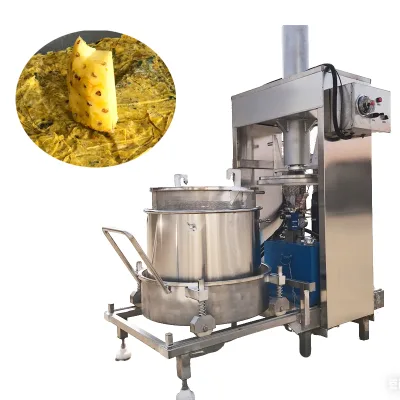
Commercial Hydraulic Cold Press Juicer for Juice Bar Smoothie Shop
$3300.00 - $3900.00
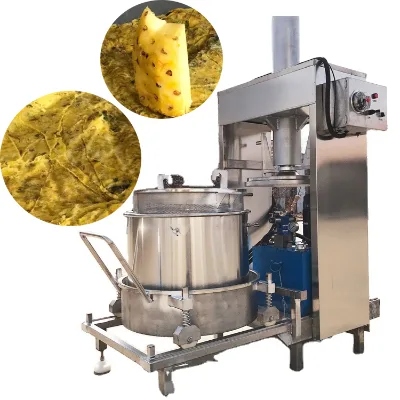
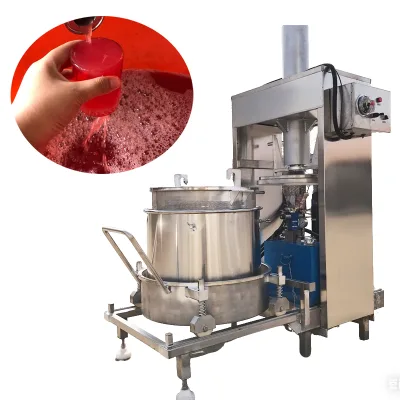
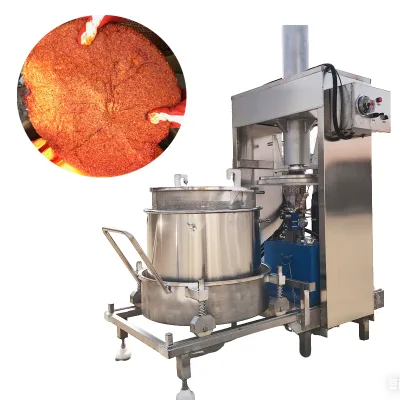
Stainless Steel Hydraulic Fruit Juice Press for Commercial Kitchen
$3300.00 - $3900.00
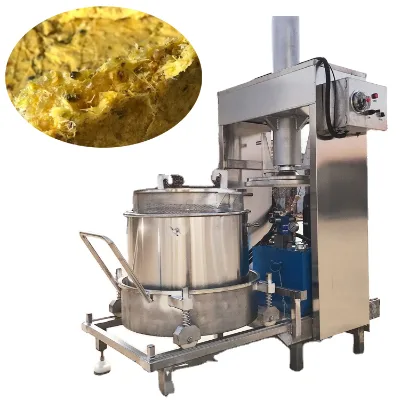
Stainless Steel Hydraulic Cold Press for Vegetable Juice Production
$3300.00 - $3900.00
Luohe Bard Machinery Equipment Co., Ltd.
- Manufacturer, Trading Company
- Henan, China
- Lead time7 days
- Avg. response≤ 2h
Main productsGeneral Machinery,Fruit Vegetables Processing Machines,Meat Processing Machines,Snack food machinery,Packaging Machinery
Main marketsNorth America(30.00%), Mid East(15.00%), Western Europe(13.00%)
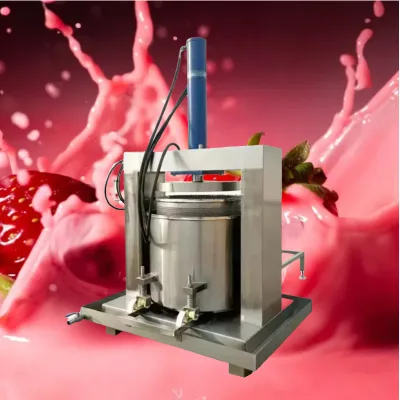
New Vertical Cold Press Juicer Vegetable Juice Extracting Machine Hydraulic Press Machine 220V
$2010.00 - $2190.00
MOQ: 1
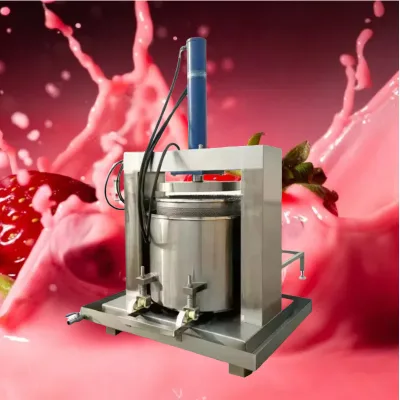
New Commercial Horizontal Hydraulic Press Juicer Cold Juice Press for Fruit & Coconut Milk 220V
$2010.00 - $2190.00
MOQ: 1
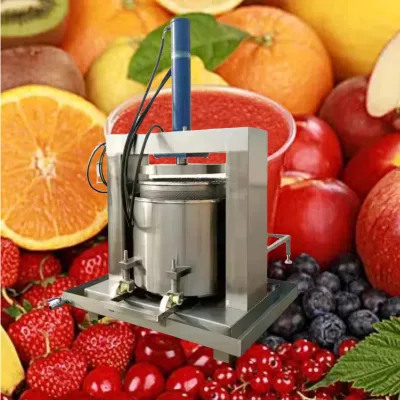
$2010.00 - $2190.00
MOQ: 1 sets
Chongqing Fuchuanggui Trade Co., Ltd.
- Trading Company
- Chongqing, China
- Lead time20 days
- Avg. response≤ 1h
Main productsFood Dryer,Popcorn Machine,Ercial Meat Slicing Machine,Dumpling Machine
Main marketsAfrica(15.00%), South Asia(15.00%), South America(10.00%), Central America(10.00%), North America(10.00%), Northern Europe(8.00%), Eastern Asia(8.00%), Southern Europe(5.00%), Oceania(5.00%), Mid East(5.00%), Domestic Market(5.00%), Western Europe(2.00%), Southeast Asia(2.00%)
Zhengzhou Furui Machinery Co., Ltd.
- Verified by TüVRheinland
- Manufacturer, Trading Company
- Lead time7 days
- Avg. response≤ 6h
Main productsSolid Liquid Separator, Dewatering Machine, Double Shaft Shredding Machine, Fruit & Vegetable Juicing Machine
Main marketsSoutheast Asia(30%), Western Europe(20%), North America(10%)
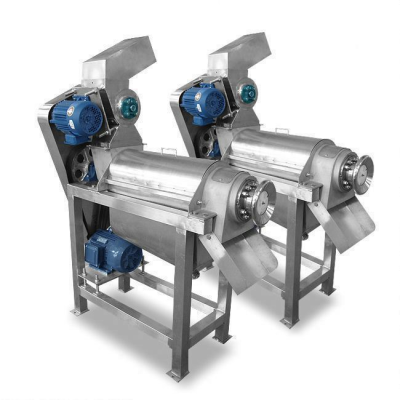
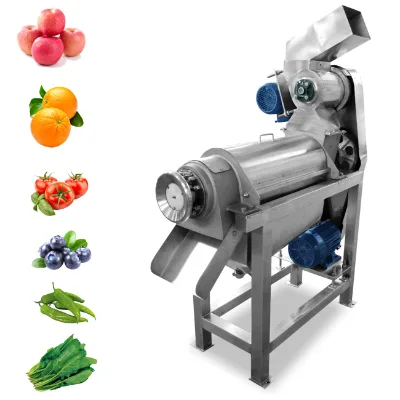
Whole Fruit and Vegetable Electric Pineapple Horizontal Cold Press Juicer Extractor Machine
$2065.00 - $4600.00
MOQ: 1 sets
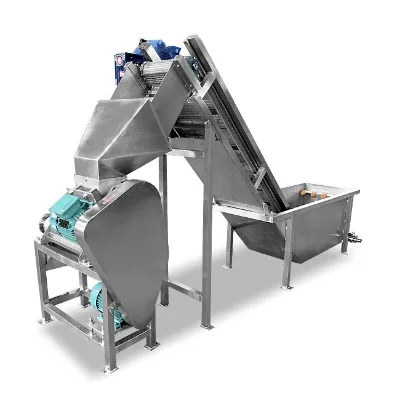
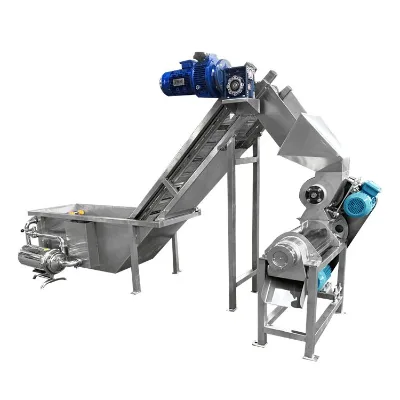
Manual Juice Extractor Pineapple Juice Line Spiral Juice Extractor Industrial Fruit Crusher
$2065.00 - $5600.00
MOQ: 1 sets
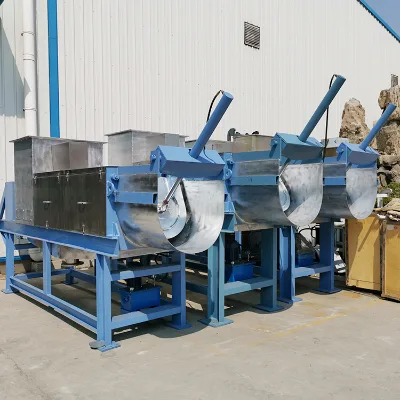
Multifunctional Juice Extractor Machine/orange Juicer Juice Extractor Machine/juice Press Machine
$3410.00 - $3688.00
MOQ: 1 sets
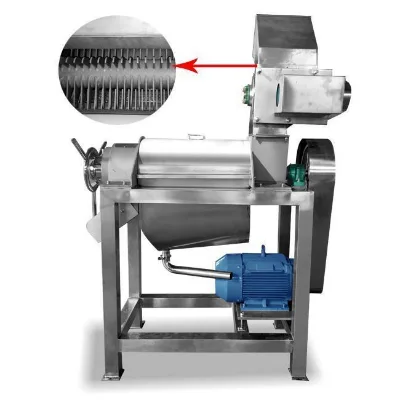
Celery and Wheat Grass Juice Extractor Fresh Juice Extractor Industrial Fruit Crusher Machine
$2299.00 - $2499.00
MOQ: 1
Laizhou Licheng Machinery Co., Ltd.
- Manufacturer, Trading Company
- Shandong, China
- Lead time0 days
- Avg. response≤ 19h
Main productsfruit press,fruit crusher,grape crusher,gain mill,wine filter
Main marketsEastern Europe(30.00%), Northern Europe(30.00%), Western Europe(30.00%), South America(4.00%), North America(4.00%), Oceania(2.00%)

Shandong Shenglang Kitchen Co., Ltd.
- Verified by TUVRHEINLAND
- Combined
- China Shandong
- Lead time15 days
- Avg. response≤ 3h
Main marketsSoutheast Asia/ Mideast








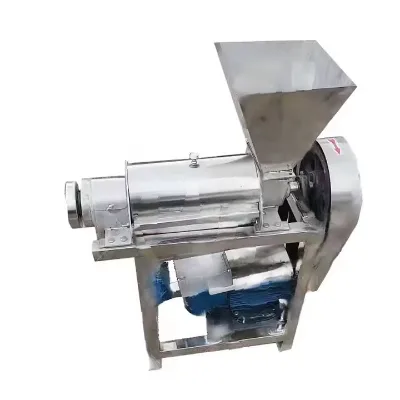
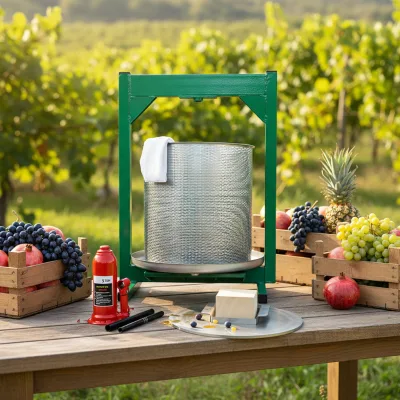
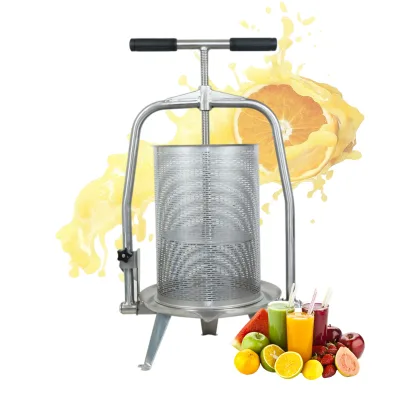


Comprehensive Sourcing Guide
Commercial Cold Press Juice Extractor Supplier Concentration and Factory Types
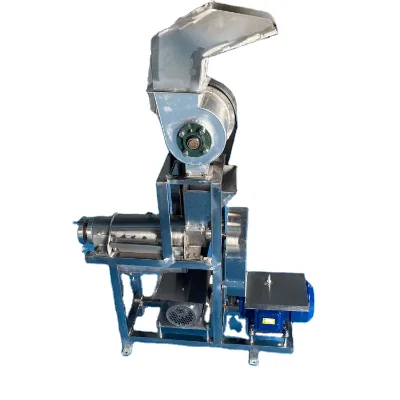
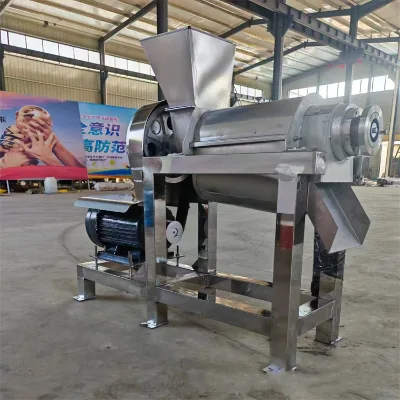
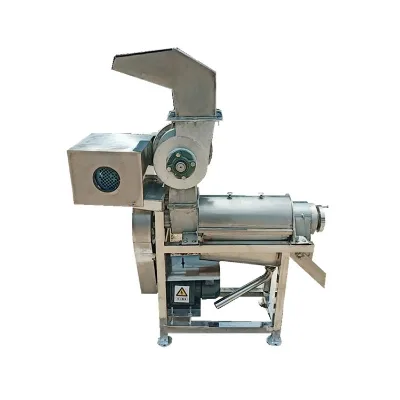
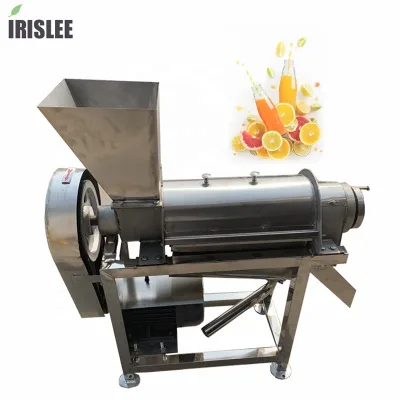
The current supplier landscape for commercial cold press juice extractors reveals a distinct mix of company types, primarily dominated by trading companies alongside a smaller segment of manufacturer/factory entities. This structural diversity significantly impacts how buyers approach sourcing, as trading companies often aggregate products from various workshops, while manufacturers control the entire production chain. In the observed results, the majority of suppliers are identified as trading companies, which suggests that many buyers may be interacting with intermediaries rather than the original production facilities. This distinction is crucial because it influences pricing structures, communication channels, and the level of technical support available during the procurement process. Buyers must recognize that a trading company might offer a broader catalog of related machinery, such as snack frying machines or grain processing equipment, but may lack the deep engineering expertise associated with a dedicated factory.
Geographic concentration plays a vital role in this sourcing category, with specific regions emerging as key hubs for production. The available data indicates that suppliers are located in China, with Henan province being a notable origin point for these machines. This regional clustering allows for efficient supply chain logistics and specialized labor pools focused on food processing equipment. When evaluating suppliers, buyers should consider the implications of this geographic concentration, as it can affect shipping costs, lead times, and the ease of conducting factory audits. Understanding that a significant portion of the market is concentrated in specific industrial zones helps buyers narrow their search and focus on suppliers who are physically close to the manufacturing clusters. This proximity can facilitate better quality control and faster resolution of any production-related issues, providing a tangible advantage in the sourcing process.
How to Verify Commercial Cold Press Juice Extractor Suppliers
Verification is the cornerstone of mitigating risk when sourcing commercial cold press juice extractors, especially given the prevalence of trading companies in the current market. Buyers should prioritize suppliers who have undergone third-party verification processes, such as those conducted by TüVRheinland, which adds a layer of credibility to the supplier’s business operations. This verification status serves as an initial filter, indicating that the supplier has met certain baseline requirements for legitimacy and operational stability. However, verification alone is not sufficient; buyers must also scrutinize the specific certifications attached to the machinery itself. The presence of ISO 9001 and CE certifications is common among the observed suppliers, signaling compliance with international quality management standards and European safety directives. These certifications are critical for ensuring that the equipment meets regulatory requirements in the buyer’s target market, particularly for food contact applications.
Beyond certifications, buyers should assess the supplier’s response time and after-sales service capabilities as indicators of their reliability and commitment. The data shows varying response times, with some suppliers demonstrating rapid engagement, which is essential for resolving technical queries and negotiating terms efficiently. Additionally, the availability of online support or overseas engineering services for machinery maintenance is a key differentiator. Buyers should inquire about the specific nature of these support services, including whether engineers are available for on-site installation or troubleshooting. This level of detail helps determine the long-term viability of the supplier relationship, as commercial juice extractors require regular maintenance and potential repairs. By combining verification status, certification checks, and service capability assessments, buyers can build a comprehensive profile of each supplier’s reliability and technical competence.
What to Compare Across Commercial Cold Press Juice Extractor Suppliers
When comparing suppliers, buyers must evaluate a range of technical and commercial attributes to identify the best fit for their specific operational needs. Key product specifications include power consumption, voltage requirements, and processing capacity, which vary significantly across different models. For instance, some units operate at 750W with a 220V/380V voltage range, while others require 3kW power and 380V industrial electricity. Capacity is another critical factor, with some machines processing up to 1 ton per hour, while others have lower throughput rates. Buyers should also consider the physical dimensions and weight of the equipment, as these factors impact installation requirements and factory floor space. The material construction, typically stainless steel, ensures durability and hygiene, but the specific grade and thickness can vary, affecting long-term performance and resistance to corrosion.
Pricing and order terms are equally important in the comparison process, as they directly impact the total cost of ownership. The observed price ranges for commercial cold press juice extractors vary, with some models starting at lower price points and others commanding higher premiums due to advanced features or higher capacity. Buyers should also examine the minimum order quantity (MOQ) requirements, which can range from single units to larger batches, depending on the supplier’s production model. Lead times are another variable, with some suppliers offering faster turnaround times than others, which can be crucial for meeting tight production schedules. Additionally, the availability of customization options, such as OEM services or specific branding, should be considered if the buyer requires unique product configurations. By systematically comparing these technical and commercial factors, buyers can make informed decisions that align with their budget and operational requirements.
Common Commercial Cold Press Juice Extractor Sourcing Risks
One of the primary risks in sourcing commercial cold press juice extractors is the potential mismatch between supplier claims and actual product capabilities. Trading companies, which dominate the current supplier base, may not have direct control over the manufacturing process, leading to inconsistencies in quality and performance. Buyers must be vigilant about verifying the core components and machinery test reports provided by suppliers, as these documents are essential for confirming the machine’s reliability. The absence of detailed test reports or video outgoing inspections can be a red flag, indicating that the supplier may not have rigorous quality control measures in place. Additionally, the warranty terms and after-sales service provisions vary widely, and buyers must ensure that the support offered is adequate for their specific needs, particularly for complex machinery that requires specialized maintenance.
Another significant risk is the variability in lead times and production capabilities, which can disrupt supply chain planning. Some suppliers may promise short lead times but fail to deliver due to capacity constraints or logistical issues. Buyers should carefully review the supplier’s production time estimates and cross-reference them with their own operational timelines to avoid delays. Furthermore, the risk of receiving equipment that does not meet the specified voltage or power requirements is real, especially when dealing with international suppliers. Buyers must confirm that the electrical specifications of the machine are compatible with their local infrastructure to prevent installation failures or safety hazards. By proactively identifying and addressing these risks through thorough due diligence and clear contractual agreements, buyers can minimize the potential for costly disruptions and ensure a smoother sourcing experience.
Commercial Cold Press Juice Extractor Regional Sourcing and Logistics
Regional sourcing strategies can significantly influence the efficiency and cost-effectiveness of procuring commercial cold press juice extractors. The concentration of suppliers in specific regions, such as Henan in China, offers buyers access to established industrial clusters with specialized expertise in food processing machinery. This geographic proximity can facilitate easier communication and more frequent site visits, which are valuable for building trust and verifying production capabilities. However, buyers must also consider the logistical implications of sourcing from these regions, including shipping costs, transit times, and customs procedures. The port of departure, such as Qingdao or Shanghai, can impact the overall logistics chain, affecting both the speed and cost of delivery. Understanding these regional dynamics helps buyers optimize their sourcing strategy and select suppliers who can offer the most favorable logistical terms.
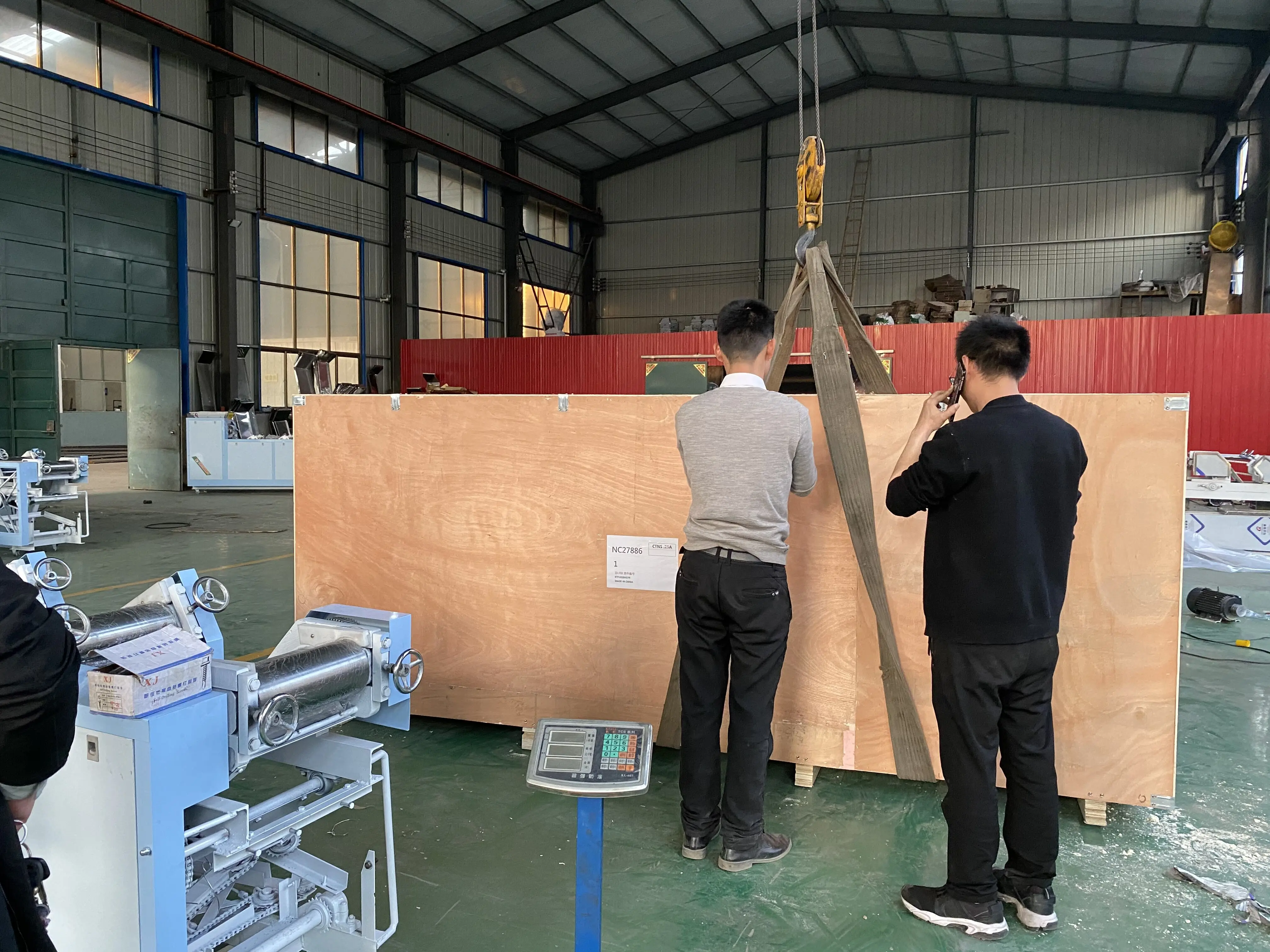
Logistics planning is a critical component of the sourcing process, requiring careful coordination between the buyer and the supplier. Buyers should inquire about the packaging methods used by suppliers, as proper packaging is essential for protecting the machinery during transit. Wooden cases are commonly used for shipping, but buyers should verify that the packaging meets international standards for durability and safety. Additionally, the weight and dimensions of the packaged equipment must be considered when arranging freight, as these factors determine the type of shipping container and transportation mode required. Buyers should also assess the supplier’s experience with international shipping and their ability to handle documentation and compliance requirements. By integrating regional sourcing insights with robust logistics planning, buyers can ensure that their commercial cold press juice extractors are delivered safely and on time, minimizing disruptions to their operations.
Commercial Cold Press Juice Extractor Commercial Terms and Order Planning
Effective order planning requires a thorough understanding of the commercial terms offered by suppliers, including pricing structures, payment terms, and delivery conditions. The price ranges observed for commercial cold press juice extractors vary, reflecting differences in capacity, features, and supplier positioning. Buyers should negotiate for competitive pricing while ensuring that the quoted price includes all necessary components, such as installation manuals and spare parts. Payment terms are another critical aspect, with suppliers offering various options such as letters of credit or escrow services to mitigate financial risk. Buyers should evaluate these payment options based on their risk tolerance and the supplier’s reputation, choosing the method that provides the best balance of security and flexibility. Additionally, buyers should clarify any additional costs, such as shipping, insurance, and customs duties, to avoid unexpected expenses during the procurement process.
Delivery conditions and lead times must be explicitly defined in the purchase agreement to ensure alignment with the buyer’s production schedule. Suppliers may offer different lead times depending on the order volume and customization requirements, so buyers should confirm these timelines before placing the order. It is also important to establish clear procedures for handling delays or defects, including remedies such as replacements or refunds. Buyers should also consider the long-term implications of their order, such as the availability of spare parts and the supplier’s commitment to ongoing support. By carefully negotiating commercial terms and planning orders with precision, buyers can secure favorable conditions and ensure a smooth transaction process. This proactive approach helps mitigate risks and builds a strong foundation for a successful supplier relationship, ultimately supporting the buyer’s operational efficiency and profitability.
FAQs
What certifications do commercial cold press juice extractors have?
Many units carry CE and ISO 9001 certifications to ensure safety and quality standards. Some models also include SGS or BV verification reports. Buyers should confirm specific certification documents before finalizing orders to meet local regulatory requirements.
How long does it take to receive these machines after ordering?
Typical lead times range from seven to fifteen days depending on the supplier and customization needs. Some manufacturers offer faster production within three days for standard models. Verify the exact delivery schedule with the seller before payment.
What is the minimum order quantity for these juice extractors?
The minimum order quantity is often one unit, allowing buyers to test the equipment without bulk commitments. This flexibility supports small businesses or startups entering the market. Always check the specific listing for any volume-based pricing tiers.
Where are these commercial machines typically manufactured?
Most units originate from Henan, China, a major hub for food processing machinery. The location influences shipping costs and logistics planning. Buyers should verify the specific factory address to ensure accurate freight calculations and delivery timelines.
What power specifications are common for these cold press machines?
Common power ratings include 750 watts for smaller units and up to 3 kilowatts for industrial models. Voltage options typically cover 220 volts or 380 volts to match local electrical infrastructure. Select the correct specification to ensure safe and efficient operation.
Do suppliers offer after-sales support for these extractors?
Support services often include online assistance and overseas engineer availability for complex repairs. Some sellers provide machinery test reports and video outgoing inspections before shipment. Confirm the scope of warranty and service terms to avoid unexpected maintenance costs.
What is the price range for a commercial cold press juicer?
Prices generally fall between 1600 and 9800 dollars depending on capacity and features. Smaller units start around 1600 dollars while high-capacity models reach nearly 9800 dollars. Request a detailed quote to understand the final cost including shipping and taxes.