Corrosion Resistance Concrete Conveyor Belt Suppliers and Manufacturers
Explore 26 verified options for Corrosion Resistance Concrete Conveyor Belt from factories in China Shandong and Hebei. Compare ISO 9001 certifications, lead times up to 23 days, and response times under 6 hours to select the right partner for your project.
Updated
Suppliers List

SHANDONG RESPOWER INDUSTRIAL CO., LTD.
- Manufacturer/Factory
- China Shandong
- Lead time23 days
- Avg. response≤ 6h
Main productsConveyor Belt, Rubber & PVC Hose, Conveyor Components, Crusher Spare Parts, Electric Motor & Gear Box, Related Industrial Products, Hardware Tools
Main marketsSouth America,Eastern Europe,Mid East,North America,Southeast Asia,Eastern Asia,Oceania,Western Europe,Africa
Anshan Anza Electronic Power Co., Ltd.
- Trading Company
- Lead time旺季: "1 - 1":10,"> 1":"To be negotiated", 淡季: "1 - 1":10,"> 1":"To be negotiated"
- Avg. response≤ 6h
Main productstractor parts,tires,walking tractors,farm machines,MTZ parts
Hebei Roule Mechanical Technology Co., Ltd.
- Manufacturer, Trading Company
- Hebei, China
- Lead time15 days
- Avg. response≤ 4h
Main productsrollers,belt Conveyor,Conveyor belt,transmission drum,idlers
Main marketsDomestic Market(30.00%), Southeast Asia(15.00%), Mid East(10.00%), Africa(10.00%), Western Europe(5.00%), North America(5.00%), South America(5.00%), South Asia(5.00%), Southern Europe(5.00%), Eastern Asia(2.00%), Oceania(2.00%), Eastern Europe(2.00%), Northern Europe(2.00%), Central America(2.00%)
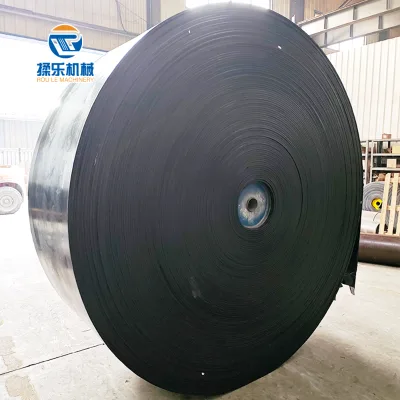
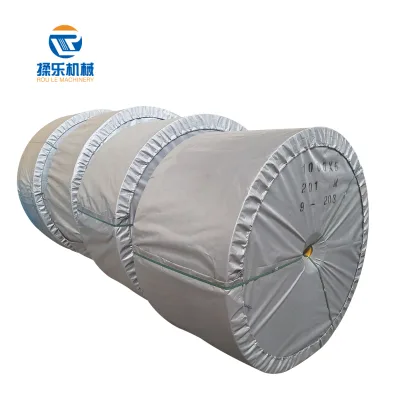
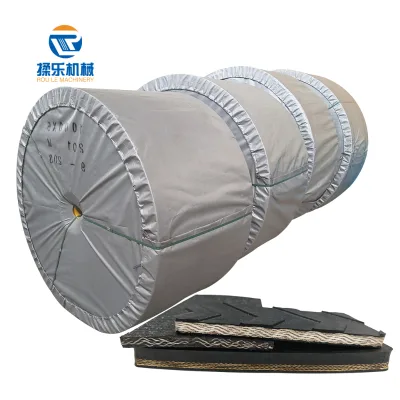
Strong Conveyor Belts for Mining Cement and Grain Industry Construction Conveyor Use Belt Conveyor
$2.7417 - $6.0485
MOQ: 10 pieces
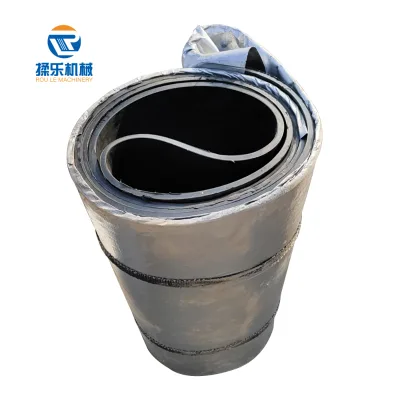
$4.2542 - $8.922
MOQ: 50 meters
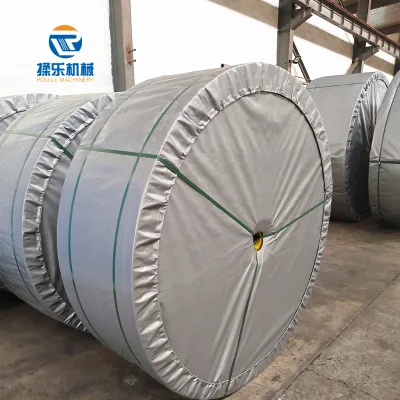
$2.0986 - $5.8431
MOQ: 10 pieces
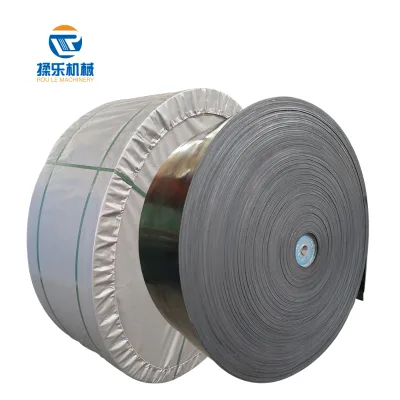
Cement Industry Abrasion Resistant Conveyor Belt Conveyor Belt Rubber Belts Transmission Belts
$2.0836 - $5.4279
MOQ: 10 pieces
Hangzhou Hengtuo Machinery Technology Co., Ltd.
- Verified by SGS Group
- Manufacturer, Trading Company
- Lead time15 days
- Avg. response≤ 3h
Main productsConveyor Roller, Rubber Conveyor Belt, Conveyor Drum, Belt Conveyor, Conveyor Bracket
Main marketsMid East(30%), Southeast Asia(30%), South America(15%)
Changying Rubber (chongqing) Co., Ltd.
- Verified by Intertek
- Trading Company
- Lead time0 days
- Avg. response≤ 9h
Main productsConveyor Belts, Rubber Belts
Hebei Hengguang Conveyor Machinery Manufacturing Co., Ltd.
- Verified by Intertek
- Manufacturer, Trading Company
- Lead time7 days
- Avg. response≤ 3h
Main productsRoller, Conveyor Belt, Mining Conveyor, Pulley, Large Angle Conveyor
Main marketsDomestic Market(70%), Southeast Asia(10%), Mid East(10%)
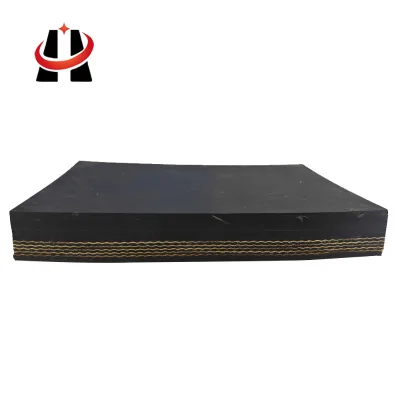

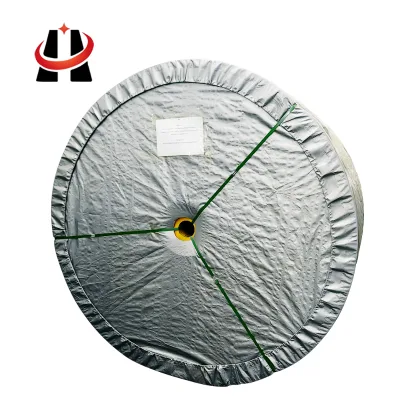
$2.259 - $4.6214
MOQ: 50 meters
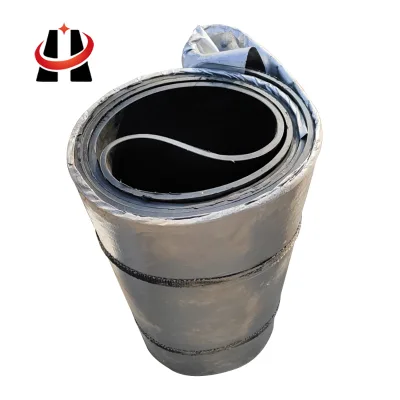
$3.6621 - $6.068
MOQ: 50 meters
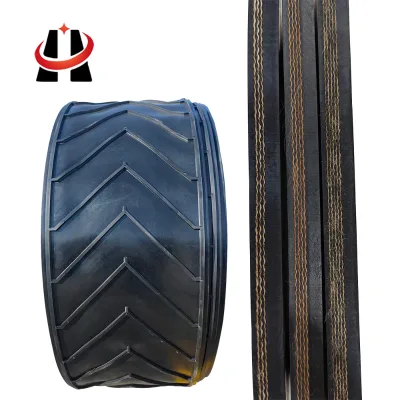
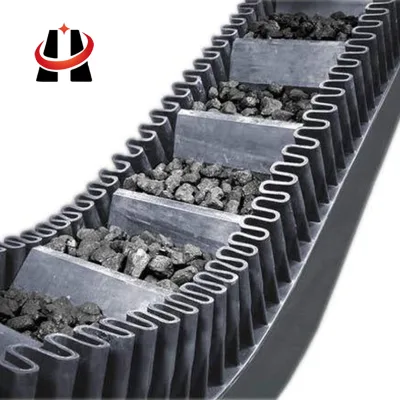
$4.9482 - $9.2368
MOQ: 50 meters

Ningbo Beilun Xinre Machinery Manufacturing Co., Ltd.
- Verified by SGS
- Combined
- China Zhejiang
- Lead time23 days
- Avg. response≤ 20h
Main productsPlastic Crusher, Industrial Chiller, Plastic Hopper Dryer, Vacuum Autoloader, Plastic Color Mixer, Granulator, Dehumidifying System, Mold Temperature Controller, Fitting for Injection Machine
Main marketsAfrica,Southeast Asia/ Mideast

Baoding Huayue Rubber Belts Co., Ltd.
- Verified by TUVRHEINLAND
- Combined
- China Hebei
- Lead time23 days
- Avg. response≤ 8h
Main productsConveyor Belt, Rubber Conveyor Belt, Ep Conveyor Belt, Nylon Conveyor Belt, PVC Pvg Conveyor Belt, Steel Cord Conveyor Belt, Sidewall Conveyor Belt, Heat Resistant Conveyor Belt, Conveyor Idler Roller Pulley, Cotton Conveyor Belt
Main marketsSouth America,Africa,Southeast Asia/ Mideast,East Asia(Japan/ South Korea)
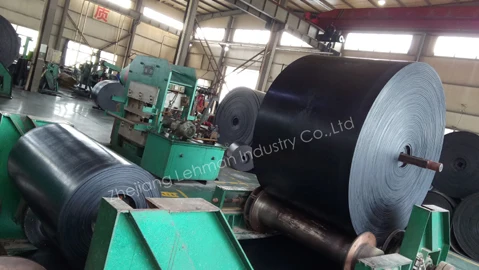
Zhejiang Lehman Industry Co., Ltd.
- Manufacturer, Trading Company
- Zhejiang, China
- Lead time30 days
- Avg. response≤ 4h
Main productsConveyor Roller,mobile crusher,Pulley,Transmission belt,Conveyor belt
Main marketsDomestic Market(19.00%), Eastern Europe(17.00%), Africa(15.00%), Mid East(13.00%), South America(12.00%), North America(6.00%)
Yijun New Materials Technology (suzhou) Co., Ltd.
- Verified by Intertek
- Manufacturer, Trading Company
- Lead time35 days
- Avg. response≤ 3h
Main productsRubber Conveyor Belt, PVC Conveyor Belt, PU Conveyor Belt, Felt Conveyor, Timing Belt
Luoyang Nairy Machinery Equipment Co., Ltd.
- Verified by TüVRheinland
- Manufacturer, Trading Company
- Lead time0 days
- Avg. response≤ 1h
Main productsStone Crusher Machine, Stone Vibrating Machine, Sand Making Machine, Sand Washing Plant, Mining Belt Conveyor
Main marketsSoutheast Asia(35%), Domestic Market(30%), Africa(9%)

DEZHOU YILUN CONVEYING MACHINERY CO., LTD.
- Verified by SGS
- Combined
- China Shandong
- Lead time15 days
- Avg. response≤ 2h
Main productsConveyor Roller, Conveyor Pulley, Conveyor Roller Brackets, Belt Conveyor, Conveyor Belt, Conveyor Spare Parts, Conveyor Roller Making Machine, Mobile Conveyor, Large Angle Conveyor, Stacking Conveyor
Main marketsSouth America,Southeast Asia/ Mideast,Europe
Xinxiang Hongda Vibration Equipment Co., Ltd.
- Verified by Intertek
- Manufacturer, Trading Company
- Lead time3 days
- Avg. response≤ 2h
Main productsSieving Machines, Mixing Machines, Conveying Machines, Vibration Motors
Shanghai IVZ manufacturing Co., Ltd.
- Trading Company
- shanghai, China
- Lead time60 days
- Avg. response≤ 2h
Main productsconveyors,conveyor parts,washing machine,material handling equipment,packing machine
Main marketsSouth America(16.00%), Eastern Asia(10.00%), Africa(10.00%), North America(10.00%), Northern Europe(8.00%), Central America(8.00%), Domestic Market(6.00%), Eastern Europe(6.00%), South Asia(5.00%), Southern Europe(5.00%), Southeast Asia(5.00%), Mid East(5.00%), Western Europe(5.00%), Oceania(1.00%)

Qingdao Youchuang Packaging Equipment Co., Ltd.
- Combined
- China Shandong
- Lead time30 days
- Avg. response≤ 4h
Main productsShrink Wrapper, Strapper, Pallet Wrapper, Vacuum Package Machine, Carton Erector, Case Sealer, Conveyor
Main marketsSouth America,Africa,Southeast Asia/ Mideast,East Asia(Japan/ South Korea),Domestic,Europe,Australia,North America

Qingdao Grand Rubbers Co., Ltd
- Verified by BV
- Trading Company,Manufacturer/Factory,Group Corporation
- China Shandong
- Lead time23 days
- Avg. response≤ 1h
Main productsMulti-Ply Fabric Conveyor Belt, Steel Cord Conveyor Belt, Corrugated Sidewall Conveyor Belt, Heat Resistant Conveyor Belt, Fire Resistant Conveyor Belt, Chevron Conveyor Belt, White Conveyor Belt, Cow Mat, Rubber Sheet, Rubber Lining
Main marketsSouth America,Eastern Europe,Mid East,North America,Southeast Asia,Eastern Asia,Oceania,Western Europe,Africa


Reliable Oil Resistant Rubber Steel Cord Conveyor Belt for Concrete Plants
$10.90 - $12.90
MOQ: 50 Meters


Durable Steel Cord Conveyor Belts Providing Reliable Operations in Cement Production
$10.90 - $12.90
MOQ: 50 Meters

Hebei Juxin Conveyor Engineering Co., Ltd.
- Verified by TUVRHEINLAND
- Manufacturer/Factory
- China Hebei
- Lead time23 days
- Avg. response≤ 4h
Main productsIdler, Roller, Belt Conveyor, Pulley, Frame, Bracket, Conveyor Roller, Conveyor Idler, Idler Roller, Drum
Main marketsSouth America,Eastern Europe,Mid East,North America,Southeast Asia,Eastern Asia,Oceania,Western Europe,Africa

Shanghai Jinnuo Metal Products Co., Ltd.
- Verified by BV
- Manufacturer/Factory
- China Shanghai
- Lead time30 days
- Avg. response≤ 6h
Main productsStainless Steel Wire Mesh, Barbed Wire, Expanded Metal, Gabion, Galvanized Iron Wire, Stainless Steel Filter, Fence, Grating, Perforated Metal Mesh, Welded Wire Mesh
Main marketsSouth America,Eastern Europe,Mid East,North America,Southeast Asia,Eastern Asia,Oceania,Western Europe,Africa

- Verified by TUVRHEINLAND
- Trading Company,Manufacturer/Factory
- China Zhejiang
- Lead time23 days
- Avg. response≤ 1h
Main productsEp/Ee/Cc56 Conveyor Belt, Steel Cord Conveyor Belt, Sidewall Conveyor Belt, Wrapped V Belt, Poly Ribbed Belt, Raw Edge Cogged V Belt, Timing Belt, PVC/PU/PP/Pvg Conveyor Belt, Conveyor Roller, Pulley
Main marketsSouth America,Mid East,North America,Southeast Asia,Eastern Asia,Western Europe

NINGBO KILOMEGA INTERNATIONAL TRADE CO., LTD.
- Verified by BV
- Trading Company,Manufacturer/Factory
- China Zhejiang
- Lead time45 days
- Avg. response≤ 2h
Main productsRubber Conveyor Belt, Rubber Belt, Conveyor Roller, Transmission Belt, Screen Mesh, Conveyor Accessories, Crusher Spare Parts, Motor Gearbox, Chevron Conveyor Belt
Main marketsSouth America,Eastern Europe,Mid East,North America,Southeast Asia,Eastern Asia,Oceania,Western Europe,Africa

Customizable Smooth-Running Concrete Conveyor Belt with 500kg Load Capacity
$4.00 - $6.00
MOQ: 100 Meters


Shanghai Yingyong Machinery Co., Ltd.
- Verified by SGS
- Combined
- China Shanghai
- Lead time30 days
- Avg. response≤ 3h
Main productsBall Mill, Rotary Kiln, Vertical Roller Mill, Roller Press, Spare Parts
Main marketsSouth America,Africa,Southeast Asia/ Mideast,East Asia(Japan/ South Korea),Europe,North America

Ningbo Sinoconve Belt Co., Ltd.
- Verified by TUVRHEINLAND
- Trading Company,Manufacturer/Factory
- China Zhejiang
- Lead time0 days
- Avg. response≤ 4h
Main productsV Belt, Timing Belt, Transmission Belt, Conveyor Belt, Conveyor Roller, Cogged V Belt, Pk Belt, Conveyor Belt Fastener

- Verified by TUVRHEINLAND
- Combined
- China Shandong
- Lead time30 days
- Avg. response≤ 3h
Main productsAir Bladder Support Gate, Rubber Filter Belt, Rubber Conveyor Belt, Pneumatically Operated Spillway Gate, Rubber Dam
Main marketsSouth America,Africa,Southeast Asia/ Mideast,East Asia(Japan/ South Korea),Europe,North America
Lixian Huadu Rubber Belts Co., Ltd.
- Verified by TüVRheinland
- Manufacturer, Trading Company
- Lead time10 days
- Avg. response≤ 2h
Main productsEP Conveyor Belt, Nylon Conveyor Belt, Heat Resistant Conveyor Belt, Conveyor Roller, Chevron Conveyor Belt
Main marketsDomestic Market(94%), North America(2%), Eastern Europe(1%)
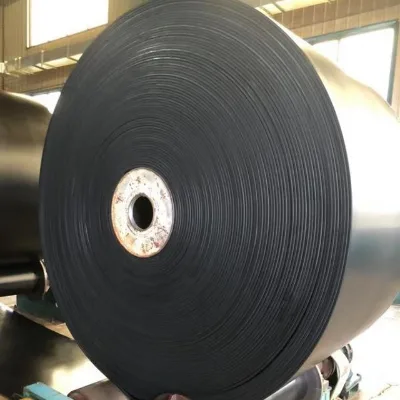
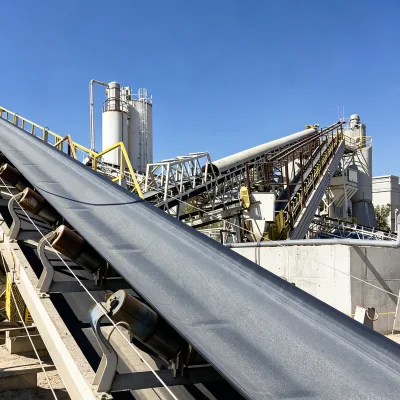
Aggregate Transportation by Conveyor Belt at Concrete Mixing Plant Stock China Rubber Belts
$10.00 - $30.00
MOQ: 100 Minimum
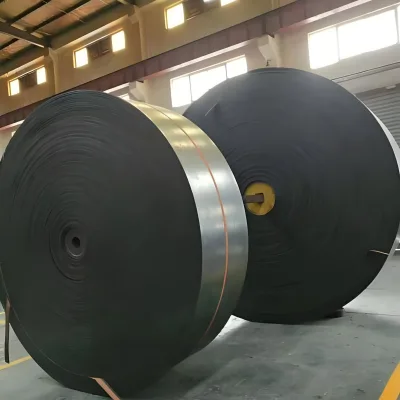

Hebei Jiuzhou Rubber Technology Co., Ltd.
- Manufacturer
- China Hebei
- Lead time23 days
- Avg. response≤ 25h
Main productsConveyor Belt, Steel Cord Conveyor Belt, PVC/Pvg Conveyor Belt, Solid Woven Fire Resistant Conveyor Belt, Nylon Conveyor Belt, Ep Conveyor Belt, Sidewall Conveyor Belt, Rubber Conveyor Belt, Rubber Belt, General Use Conveyor Belt
Main marketsSoutheast Asia/ Mideast,North America

Advanced Logistics Equipment (Shenzhen) Co., Ltd.
- Verified by SGS
- Manufacturer/Factory
- China Guangdong
- Lead time23 days
- Avg. response≤ 2h
Main productsSorting Machine, Conveyor System, Dws (Dimension & Weight Mesuring Code Scanning), Logistics Automation Solutions, Wms (Warehoue Management Solutions), Conveying Machine, Crossbelt Sorter, Balance Wheel Sorter, Z-Shaped Sorter
Main marketsSouth America,Eastern Europe,Mid East,North America,Southeast Asia,Eastern Asia,Oceania,Western Europe,Africa

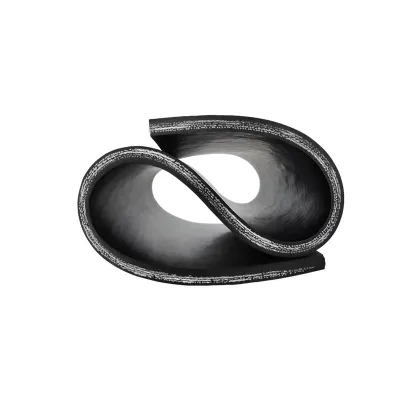
High Durability Wear Resistance High Impact Resistance Belt Conveyor
$6300.00 - $6700.00
MOQ: 1 Pieces








Comprehensive Sourcing Guide
Corrosion Resistance Concrete Conveyor Belt Supplier Concentration and Factory Types
Concrete environments punish ordinary belting, so buyers searching for a Corrosion Resistance Concrete Conveyor Belt will mostly encounter suppliers from China's industrial provinces. The current supplier results point to Shandong and Hebei as active sourcing regions. One Shandong-based company identifies itself as a manufacturer/factory producing conveyor belts, rubber and PVC hose, conveyor components, crusher spare parts, electric motors, gear boxes and hardware tools, which signals a broader industrial-supplies profile rather than a single-product workshop. A Hebei-based supplier combines manufacturer and trading company status and lists rollers, belt conveyors, conveyor belts, transmission drums and idlers as main products, suggesting the ability to quote complete conveying lines alongside the belt itself. A third result is a pure trading company whose catalogue spans tractor parts, tires, walking tractors and farm machines alongside a fire-resistant, wear-resistant conveyor belt, illustrating how belt listings appear inside generalist export catalogues.
Buyers should read these company-type labels carefully. A factory listing usually means production control over rubber compounding and curing, which matters when acid, alkali and moisture resistance must be engineered into the cover stock. A hybrid manufacturer/trader may offer assembly of idlers, drums and belts from mixed sources. A trading company can still be viable for small or mixed orders, but the buyer should ask which factory actually produces the belt and request that entity's details before committing to samples or audits.
How to Verify Corrosion Resistance Concrete Conveyor Belt Suppliers
Start with the attributes the platform actually displays and confirm everything else directly. In the present results, the Shandong manufacturer holds an ISO 9001 system certification and reports an average response time of roughly 5.55 hours with a lead time of about 23 days; it also advertises OEM, ODM and its own brand. The Hebei supplier shows a 2006/42/EC machinery certification, an average response time around 4 hours, and a stated lead time of about 15 days. A trading-company result reports slower response behavior and lead times expressed as roughly ten days for single-unit peak and off-season orders, with longer quantities marked "to be negotiated." These are the numbers to verify in writing, not to assume.
Verification should then move beyond the listing. Ask for a valid, dated copy of the certification shown on the profile and check that the certifying body is recognizable. Request the factory's business license and confirm the registered scope covers rubber belting manufacture. For corrosion resistance specifically, ask how the belt resists alkali attack from fresh concrete and moisture: which cover compound, which fabric or steel-cord carcass, and which laboratory tests document that performance. Ask whether customization is genuinely available in-house or brokered, since both belt-focused results advertise customization. Finally, ask for recent references in cement, mining or concrete production, and where possible commission a third-party inspection of the producing facility before any volume order is placed.
What to Compare Across Corrosion Resistance Concrete Conveyor Belt Suppliers
Build a comparison sheet from the dimensions visible on supplier profiles: location, company type, main products, system certification, average response time, stated lead time, and customization capability. In the current results, response times range from roughly 4 hours at the Hebei supplier to about 5.55 hours for the Shandong manufacturer, with the trading company slower and less specific. Lead times differ too: about 15 days for the Hebei supplier versus roughly 23 days for the Shandong factory, and the trading company quotes around ten days for a single unit but negotiates beyond that. Note that not every supplier displays every attribute; establishment years, escrow arrangements or transaction history may be absent from some listings, so compare only what is shown and verify the rest by message.
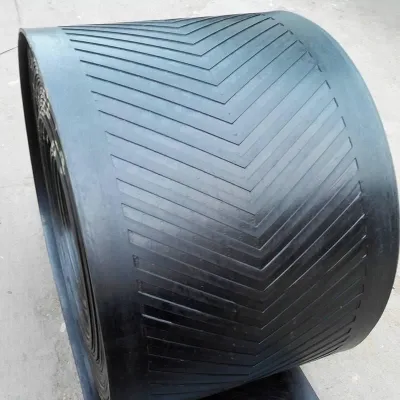
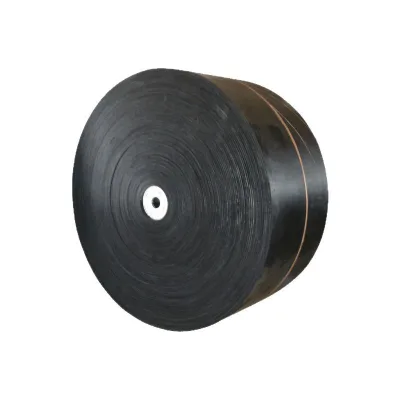
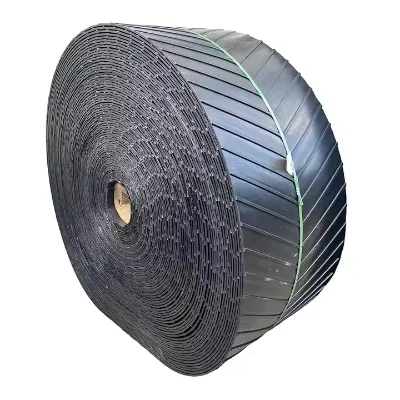
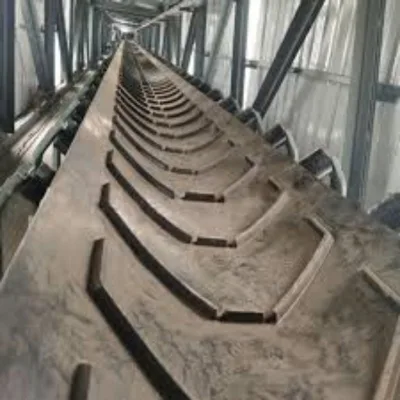
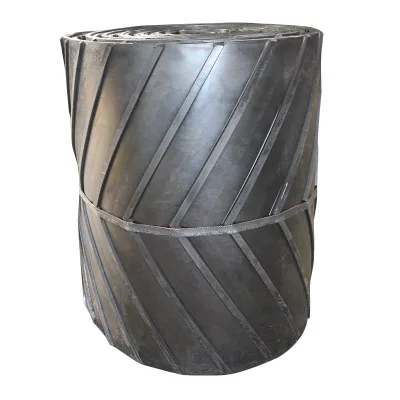
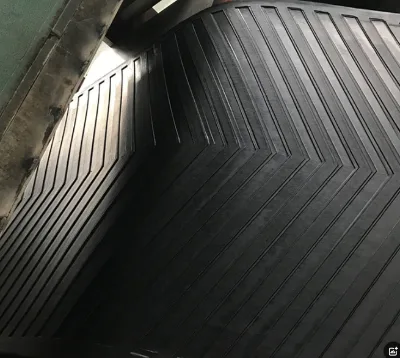
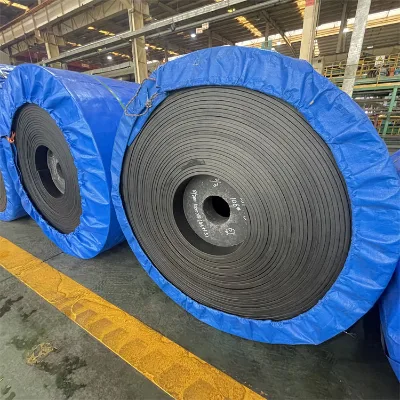
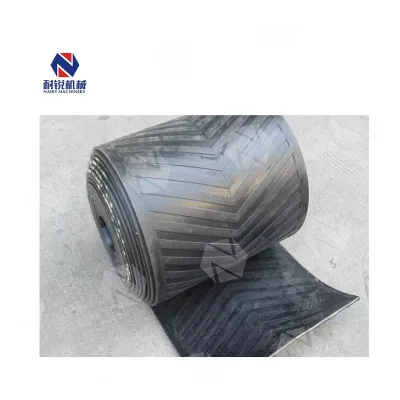
Product-level comparison matters more than profile badges. Within these results, belt listings vary widely: flame-resistant belts in EP400 and fabric-reinforced constructions, oil-resistant EP200 belts, a chevron-pattern belt in EP100 with polyester inside material for anti-slip packaging-material transport, and a steel-cord belt for heavy duty. Some listings state a listed price point while others give none. Compare carcass type, cover compound features such as acid-and-alkali, oil, heat and tear resistance, standard dimensions, packing format, and whether the model can be customized to your width, length and corrosion-resistance specification.
Common Corrosion Resistance Concrete Conveyor Belt Sourcing Risks
The most common risk is specification drift between the listing and the delivered belt. Several results advertise belts with strong tensile claims and a long list of resistance features — wear-resistant, cold-resistant, heat-resistant, tear-resistant, acid-and-alkali-resistant, oil-resistant — without showing the test data behind them. A belt marketed as flame resistant may not be optimized for the alkaline, wet environment of wet concrete, and vice versa. Require the supplier to state which compound and standard each claim is tested against, and put the agreed performance requirements into the purchase contract rather than relying on keyword-laden product titles.
Second, watch for catalog breadth masking shallow capability. The trading-company result sells tractor parts and farm machines alongside a fire-resistant concrete conveyor belt, which may mean the belt is sourced from an unnamed third factory with no direct quality control. The hybrid Hebei manufacturer/trader and the broad-line Shandong factory raise a milder version of the same question: which line, and whose rubber formula? Third, price listings in these results are per-listing figures rather than quotations; treating any displayed price as final invites surprises once width, length, ply and cover grade are quoted properly. Fourth, lead-time figures are averages — the trading company explicitly marks multi-unit orders "to be negotiated" — so peak-season slippage is realistic. Finally, general packing descriptions like "general" or "export standard" leave moisture protection during sea freight undefined, which matters for rubber goods.
Corrosion Resistance Concrete Conveyor Belt Regional Sourcing and Logistics
Two sourcing regions appear in the current results with enough confidence to discuss: Shandong and Hebei, both in China. Shandong's supplier is a dedicated manufacturer whose product range — conveyor belts, hoses, conveyor components, crusher spares, motors and gearboxes — suggests an industrial-equipment cluster where rubber mixing, curing and machining services sit close together. Hebei's supplier combines belt production inputs (rollers, drums, idlers) with belt assembly, and its listing notes CE/ISO authentication on a heat-resistant belt for the cement industry, a useful signal given Hebei's concentration of cement and steel consumers. Proximity to cement and steelworks users generally shortens feedback loops on wear and corrosion performance.
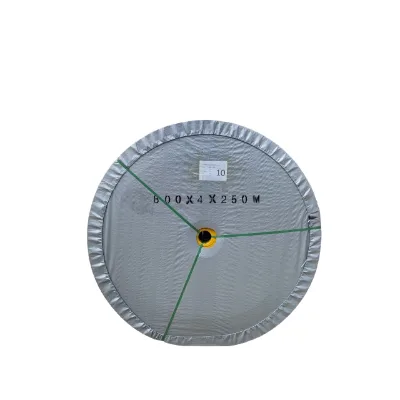
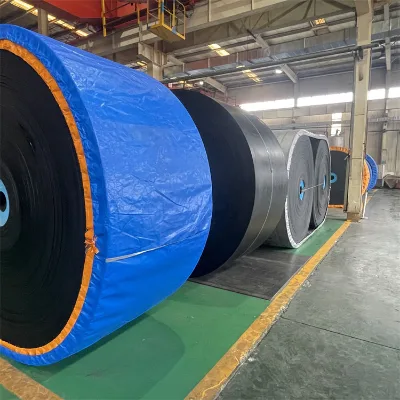
Logistically, plan around stated lead times: roughly 15 days from the Hebei supplier and about 23 days from the Shandong manufacturer, measured to dispatch rather than delivery. Add sea freight, customs clearance and inland haulage to reach your site, and confirm whether the quoted lead time covers only stock items or made-to-order widths and compounds. Packing matters for this product: one chevron belt listing specifies export-standard packing while other belts show only general packing, so specify wrapped, crimped or crated roll packing with moisture barriers. Where a supplier location is not confidently stated, use message inquiries, video factory tours and shipment records to identify the actual producing region before booking freight.
Corrosion Resistance Concrete Conveyor Belt Commercial Terms and Order Planning
Translate the displayed figures into commercial terms early. Minimum order quantities differ sharply in these results: some Shandong belt listings show an MOQ of one unit, while the trading-company listing prices a single item and handles larger quantities by negotiation. Use sample or single-roll orders to evaluate compound quality, splice behavior and dimensional accuracy before committing to line-wide quantities, but confirm whether the sampled construction — fabric-reinforced EP-grade versus steel-cord — will be the same as the production run. Ask for an itemized quotation separating belt cost, customization charges, packing and inland freight to the port, since listed per-unit figures are not full landed costs.
Payment and risk allocation deserve equal attention. Ask whether the platform offers escrow or trade assurance on the transaction, and if not, use a staged payment structure with a small deposit and balance against inspection before shipment. Confirm the warranty position: one Hebei belt listing states a one-year warranty period, which is a concrete anchor to request contractually. For order planning, work backward from stated lead times — about 15 days for the Hebei supplier, about 23 days for the Shandong manufacturer, longer for negotiated trading-company volumes — and add customs and site delivery. For corrosion-resistant compounds, agree inspection criteria: width and length tolerance, cover hardness, splice quality and documented resistance testing, witnessed by a third party where order value justifies it.
FAQs
Are concrete conveyor belts corrosion resistant?
Yes, many options feature acid and alkali resistance alongside oil resistance. These belts are designed to withstand harsh chemical environments common in industrial settings. Buyers should verify specific material compositions to ensure suitability for their particular corrosive conditions and operational requirements.
What is the typical lead time for orders?
Lead times vary by supplier and season. Some manufacturers offer a standard 15-day turnaround, while others may take up to 23 days. During peak seasons, delivery might require negotiation. Buyers should confirm current schedules directly with suppliers to ensure timely project completion.
What certifications do these suppliers hold?
Suppliers often hold ISO 9001 system certifications and CE/ISO product authentication. These credentials indicate adherence to quality management standards and European safety directives. Buyers should request valid certificates to verify compliance with international manufacturing standards and specific industry regulatory requirements.
What is the minimum order quantity?
Minimum order quantities can be as low as one unit for some suppliers. This flexibility supports small-scale testing or specific project needs. However, bulk pricing may apply for larger orders. Buyers should check individual product listings to confirm the exact MOQ applicable to their purchase.
Where are these conveyor belts manufactured?
Manufacturing locations include Shandong and Hebei provinces in China. These regions are known for industrial hardware and rubber product production. Buyers can filter results by these specific locations to align with logistics preferences or regional sourcing strategies for their supply chain operations.
How quickly do suppliers respond to inquiries?
Response times typically range from 4 to 6 hours. Faster response rates indicate active customer service teams ready to assist with technical queries. Buyers should prioritize suppliers with quicker response times to ensure efficient communication throughout the sourcing and negotiation process.