Decorations 6000 Series Aluminum Profile Suppliers and Manufacturers
Find 29 verified factories offering Decorations 6000 Series Aluminum Profile with varying lead times, MOQs, and response speeds. Compare dimensions, delivery windows, and certifications to select the right partner for your project needs today; review the available evidence before requesting comparable quotations from suitable candidates.
Updated
Suppliers List
Jiangsu Jinmeicheng Metal Products Co., Ltd.
- Manufacturer
- Jiangsu, China
- Lead time30 days
- Avg. response≤ 2h
Main productsAluminum profile,Finned Tube,Aluminum Charging Room,Aluminum roller shutter door,Aluminum Flight Case
Main marketsDomestic Market(94.00%), North America(5.00%), Northern Europe(1.00%)
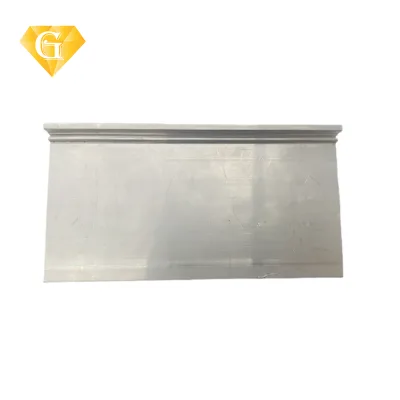
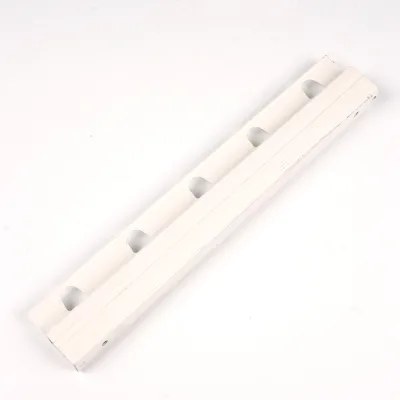
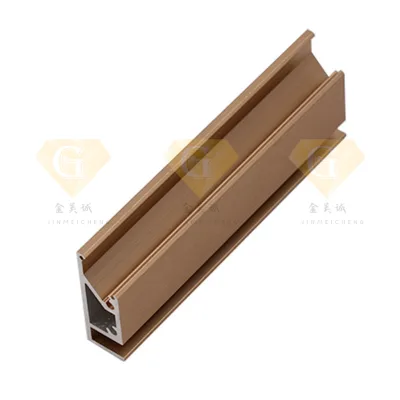
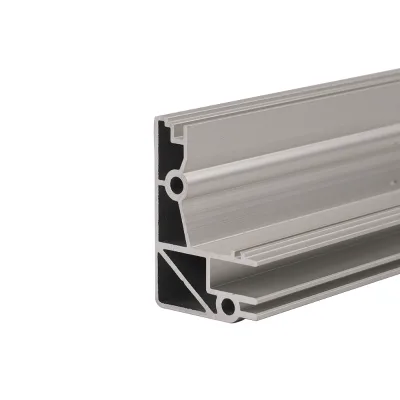
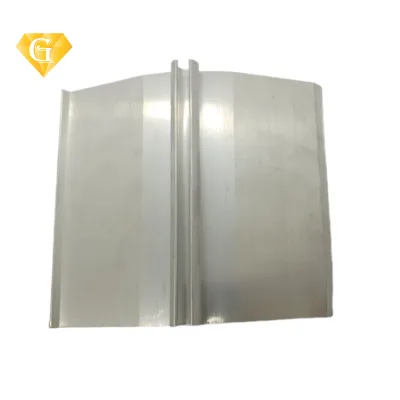
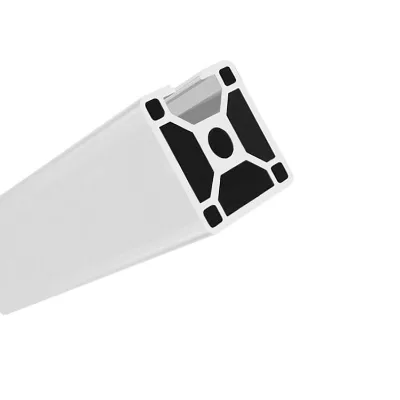
6000 series aluminium profile for aluminium ladders door profiles and window frames
$3.38
MOQ: 500 Minimum

Hunan Lang Le Technology Co., Ltd.
- Manufacturer/Factory
- China Hunan
- Lead time23 days
- Avg. response≤ 18h
Main productsAluminum Extrusion, T Slot, V Slot, SIM Racing, Aluminium Profile, Workbench, Belt Conyeor, Dog Bed, Angle Bracket, Extrusion Profile
Main marketsSouth America,Eastern Europe,Mid East,North America,Southeast Asia,Eastern Asia,Oceania,Western Europe,Africa

6000 Series Grade and Decorations Application Aluminum Profile/Aluminium Extrusion Profile
$2.80 - $3.50
MOQ: 100 Pieces

Aluminum Profile Aluminum Extrusion Profile 4040 40*40 Aluminium Extrusion Press
$2.50 - $3.50
MOQ: 1 Kilogram
- Manufacturer, Trading Company
- Guangdong, China
- Lead time20 days
- Avg. response≤ 6h
Main productsAluminium Profile,Kitchen Profile,handle aluminium profile,wardrobe aluminium profile,cabinet aluminium profile
Main marketsSouth Asia(50.00%), South America(30.00%), Western Europe(4.00%), Eastern Europe(2.00%), Southern Europe(2.00%), Northern Europe(2.00%), Central America(2.00%), Southeast Asia(2.00%), Eastern Asia(2.00%), Mid East(2.00%), Oceania(2.00%)

- Verified by SGS
- Trading Company
- China Guangdong
- Lead time15 days
- Avg. response≤ 14h
Main productsAluminum Extrusion Profiles, Doors and Windows Cabinet, Aluminum Profile Building Materials, Heat Sink, Powder-Coated Aluminum Profiles, Aluminum Heat Sink, Industrial Building Aluminum Profiles, Aluminum Sheet, Aluminum Doors, Aluminium Window
Main marketsSouth America,Southeast Asia/ Mideast,North America

Linyi Shengao Aluminum Industry Co., Ltd.
- Verified by TUVRHEINLAND
- Combined
- China Shandong
- Lead time15 days
- Avg. response≤ 2h
Main productsAluminum Profile, Industrial Aluminum Profile, System Window Profile, Aluminum Extrusion, Aluminum Window Profile
Main marketsSouth America,Africa

Decoration 6000 Series Customized Specification Aluminium Product Aluminum Extrusion Profile
$2300.00 - $2800.00
MOQ: 20 Tons


Hot Selling Length Aluminum Profiles as Customized for Construction and Decoration
$2300.00 - $2800.00
MOQ: 20 Tons

Customized Decoration Building Aluminum Profile with Corrosion-Resistant Anodizing Finish
$3000.00 - $4000.00
MOQ: 10 Tons
Shanghai Aludream Building Material Co., Ltd.
- Trading Company
- Lead time旺季: "1 - 500":7,"501 - 2000":15,"2001 - 5000":30,"> 5000":"To be negotiated", 淡季: "1 - 500":7,"501 - 2000":15,"2001 - 5000":30,"> 5000":"To be negotiated"
- Avg. response≤ 6h
Main productsAluminum Composite Panel, Honeycomb Panel, Wood Plastic Composite Floor Panel, WPC Panel, Acrylic Sheet
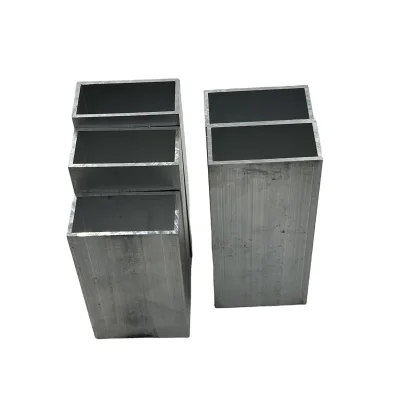
Aluminum Extrusion Sliding Door and Window Frame Profiles 6000 Series Bending Welding Decorations
$4.2362 - $4.6499
MOQ: 500 kilograms
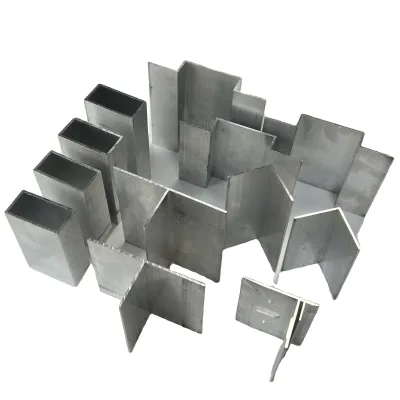
Aluminum Profile Custom Profile Extrusion Profile Aluminum Composite Panels Installation Accessories
$4.10 - $4.50
MOQ: 500 kilograms
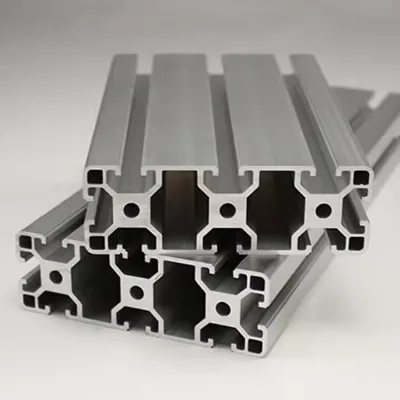
Aluminum Profiles Hard Anodized Aluminum Profiles Large Custom Aluminum Profiles
$4.10 - $4.50
MOQ: 500 kilograms
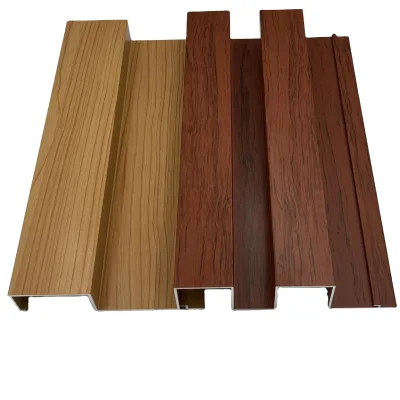
$4.19 - $4.59
MOQ: 1500 kilograms
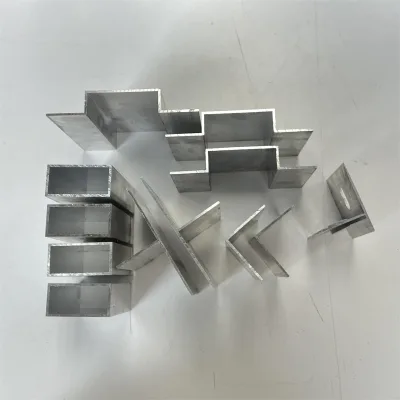
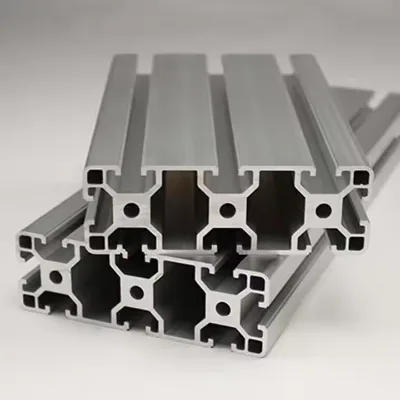
Custom Shapes Profile Aluminum Supplier Aluminium Aluminium Profile for Doors and windows
$4.10 - $4.50
MOQ: 500 kilograms
Hangzhou Great Wave Industrial Technology Ltd
- Verified by Intertek
- Trading Company
- Lead time10 days
- Avg. response≤ 4h
Main productsAluminum Profile, Die Casting, CNC Machining, Metal Stamping, Plastic Injection
Main marketsNorth America(38%), Oceania(10%), Western Europe(10%)

JIANGYIN NUOHENG METAL PRODUCTS CO., LTD
- Trading Company,Manufacturer/Factory
- China Jiangsu
- Lead time23 days
- Avg. response≤ 3h
Main productsAluminium Profile, Solar Frame&Bracket, Assembly Line Profile, Exhibition Profile, Elevator Profile, CNC Machining, Solar Mounting Structure, LED Lighting Profle, Aluminium Radiator, Auto Parts
Main marketsSouth America,Eastern Europe,Mid East,North America,Southeast Asia,Eastern Asia,Oceania,Western Europe

FOSHAN UNITED ALUMINUM CO., LTD.
- Verified by CTI
- Trading Company
- China Guangdong
- Lead time23 days
- Avg. response≤ 3h
Main productsAluminium Profile, Aluminium Sheet, Stainless Steel Tube, Stainless Steel Plate, Stainless Steel Coil, Stainless Steel Slot Tube, Stainless Steel Special Product, Stainless Steel Welded Pipe, Stainless Steel Strip, Specail Stainless Steel Product
Main marketsSouth America,Southeast Asia/ Mideast,Europe,North America

Aluminum Profile for Windows Anodized Profiles Aluminum Whole Series Profiles
$3500.00 - $4000.00
MOQ: 100 Tons

Aluminum Decorative Profiles Anodized Aluminium Alloy Extruded Profile
$3000.00 - $3500.00
MOQ: 500 kg


Foshan Xingtao Aluminium Profile Co., Ltd.
- Verified by TüVRheinland
- Manufacturer, Trading Company
- Lead time20 days
- Avg. response≤ 5h
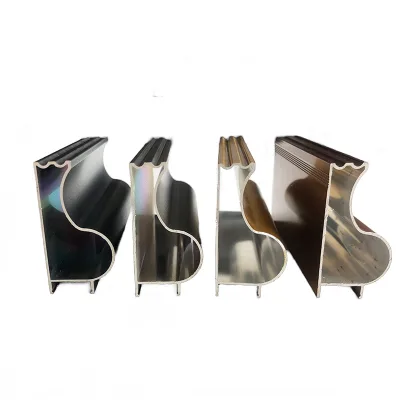
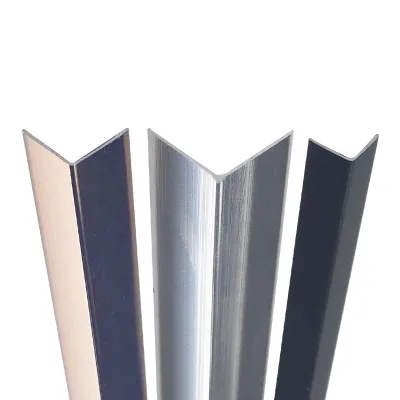
Main productsAluminium Products, Aluminium Profile, Hardware, Shower Room
Main marketsNorth America(30%), South America(10%), Oceania(10%)

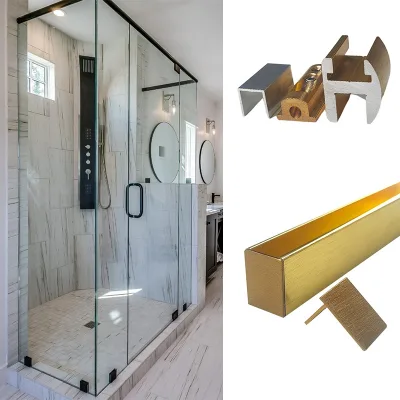
$3.8045 - $4.0098
MOQ: 300 kilograms

Xiamen Taohong Technology Co., Ltd.
- Verified by BV
- Trading Company,Manufacturer/Factory
- China Fujian
- Lead time15 days
- Avg. response≤ 5h
Main productsAluminum Profile, Aluminum Windows/Door, Container House, Solar Mounting Brackets, Solar Mounting Clamps, Solar Carport, Steel Beam, Channel Purlin, Plastic Injection
Main marketsSouth America,Eastern Europe,Mid East,North America,Southeast Asia,Eastern Asia,Oceania,Western Europe,Africa

Aluminium Profiles of Window and Door 6000 Series Anodized/Powder Coated Profile Aluminum
$3100.00 - $3300.00
MOQ: 25 Tons


Customized Decoration Building Material Extrusion Window Aluminum Profile
$3100.00 - $3300.00
MOQ: 25 Tons
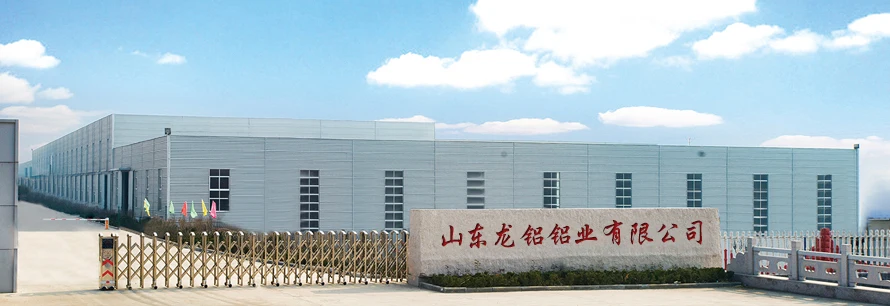
Shandong Loonglu Aluminum Co., Ltd.
- Manufacturer, Trading Company
- Shandong, China
- Lead time10 days
- Avg. response≤ 4h
Main productsAluminum Profiles,Extrusion Profiles,Aluminum Windows and Doors,Partition Wall Profiles,Industry Profiles
Main marketsAfrica(30.00%), South America(20.00%), Eastern Europe(10.00%), Mid East(10.00%), Southeast Asia(10.00%), South Asia(5.00%), Southern Europe(5.00%), Central America(5.00%), Western Europe(5.00%)
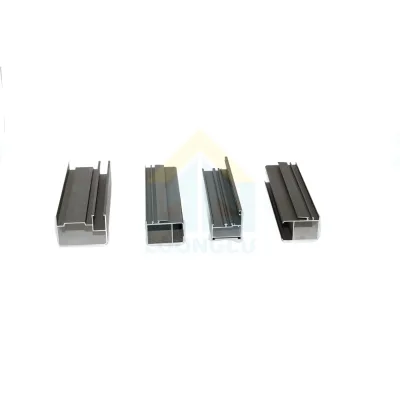
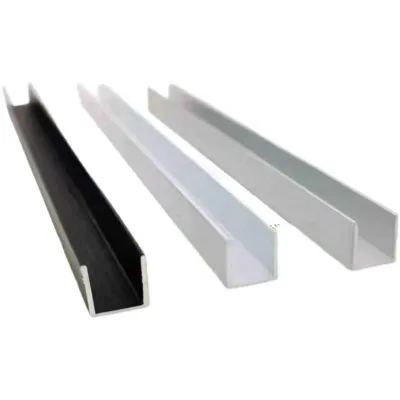
$2.6667 - $3.8974
MOQ: 1 kilograms
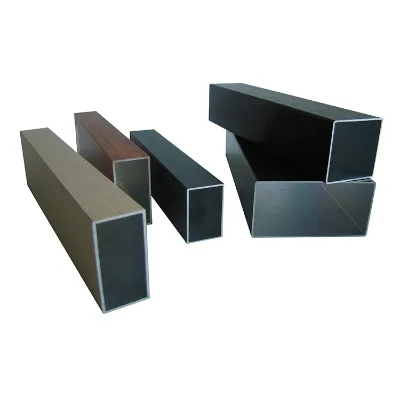
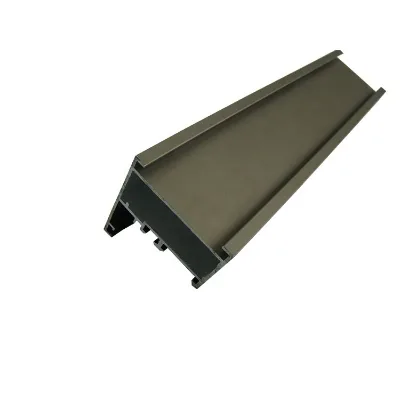

Jiangsu Jinmeicheng Metal Products Co., Ltd
- Verified by BV
- Combined
- China Jiangsu
- Lead time30 days
- Avg. response≤ 2h
Main productsAluminum Profile, Fin Tubes, Aluminum Charging Room, Aluminum Ladder, Aluminum Finned Tube, Aluminum Door, Aluminium Heat Sink, Aluminium Floor, Aluminum Window, Aluminum Angle
Main marketsSoutheast Asia/ Mideast,East Asia(Japan/ South Korea),Domestic,Australia,North America
GRAND IN METAL INDUSTRIAL CO., LIMITED
- Manufacturer, Trading Company
- Hong Kong S.A.R.
- Lead time0 days
- Avg. response≤ 10h
Main productsAluminium profiles,window profiles,door profiles,Aluminum product
Main marketsNorth America(16.67%), South America(16.67%), Eastern Europe(16.67%), Southeast Asia(16.67%), Africa(16.67%), Mid East(16.67%)
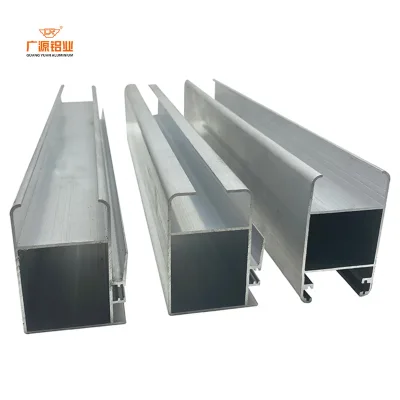
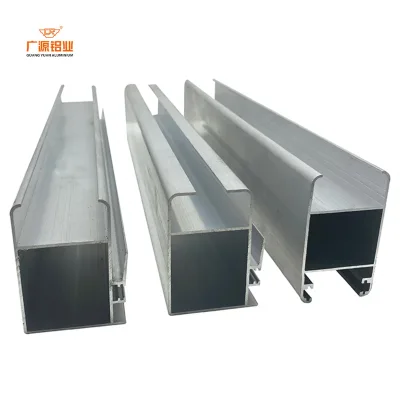
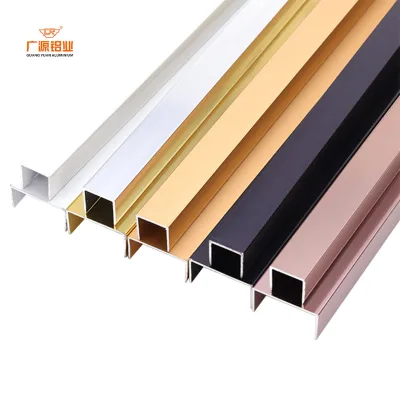
Aluminum extrusion profile aluminum u channel mill finish aluminium U profile
$0.90 - $1.80
MOQ: 500 kilograms
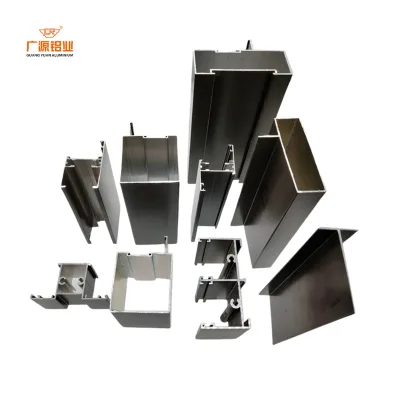
$0.90 - $1.80
MOQ: 500 kilograms
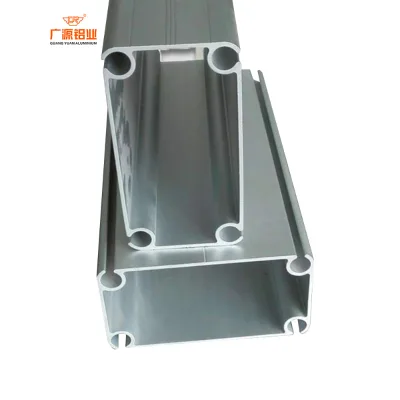
$0.90 - $1.80
MOQ: 500 kilograms

GUANGZHOU HOMI ALUMINIUM CO., LTD
- Verified by TUVRHEINLAND
- Manufacturer/Factory
- China Guangdong
- Lead time0 days
- Avg. response≤ 7h
Main productsAluminum Profile, Aluminum Window, Aluminum Door, Curtain Wall, Aluminum Formwork


Durable Service Customized Construction Aluminum Profiles with Wide Varieties
$2750.00 - $3750.00
MOQ: 10 Tons

Foshan Hefeng Aluminum Co., Ltd
- Verified by SGS
- Trading Company
- China Guangdong
- Lead time30 days
- Avg. response≤ 7h
Main marketsEurope


High Performance Aluminum Decorative Profiles with Light Weight and Stable Performance
$2.50 - $3.00
MOQ: 300 kg

Versatile Aluminum Decorative Profiles with Excellent Formability and Wear Resistance
$2.50 - $3.00
MOQ: 300 kg

- Verified by BV
- Trading Company
- China Guangdong
- Lead time30 days
- Avg. response≤ 4h
Main productsAluminum Pergola, Hardware(Hinge Handle Lock Frame), Aluminum Sunroom, Aluminum Decking, Aluminum Wardrobe System, Outdoor Kitchen
Main marketsEurope
Jiangyin Alutech Metal Manufacture Co., Ltd.
- Manufacturer, Trading Company
- Jiangsu, China
- Lead time30 days
- Avg. response≤ 6h
Main productsAluminum Profiles,solar aluminium bracket,aluminium curtain,aluminium tube,curtain track alumiium profiles
Main marketsSouth America(40.00%), Western Europe(30.00%), Eastern Europe(6.00%), Southern Europe(5.00%), Central America(5.00%), Mid East(5.00%), North America(4.00%), South Asia(1.00%), Oceania(1.00%), Northern Europe(1.00%), Africa(1.00%), Southeast Asia(1.00%)

HENAN CHALCO ALUMINUM INDUSTRIAL CO.,LTD
- Verified by BV
- Trading Company,Manufacturer/Factory
- China Henan
- Lead time23 days
- Avg. response≤ 13h
Main productsAluminum Forgings, Industrial Aluminum Profile, Precision Aluminum Plate/Sheet, Aluminum Coil/Strip, Aluminum Flat Bar/Busbar, Aluminum Foil, Aluminum Wire, Aluminum Sublimation Sheet, Cladding/Brazing Aluminium Sheet Coil/Strip, Color Coated Aluminium Sheet/Strip/Coil
Main marketsSouth America,Eastern Europe,Mid East,North America,Southeast Asia,Eastern Asia,Oceania,Western Europe,Africa
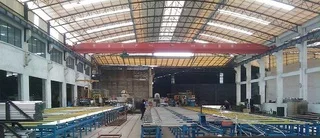
Foshan Haopeng Aluminum Co., Ltd.
- Manufacturer, Trading Company
- Guangdong, China
- Lead time15 days
- Avg. response≤ 2h
Main productsaluminum profile,extrude aluminum profile,aluminum hestsink,accessories of Industrial aluminum profile,Industrial aluminium profile
Main marketsDomestic Market(40.00%), Eastern Europe(10.00%), North America(10.00%), South America(10.00%), Southeast Asia(5.00%), Southern Europe(5.00%), Northern Europe(5.00%), Western Europe(5.00%), Eastern Asia(5.00%), Mid East(5.00%)

Jiangmen COSCO SHIPPING Aluminium Co., Ltd.
- Verified by TUVRHEINLAND
- Combined
- China Guangdong
- Lead time30 days
- Avg. response≤ 2h
Main productsAluminium Extrusion / Profile, Aluminium Extruded Components, Aluminium Parts, Aluminium Heatsink / Radiator, Aluminium Enclosure, Aluminium Faceplate, Aluminium Truck / Tray Body, Aluminium Railing System, Aluminium Event Tents, Aluminium Automatic Partition System
Main marketsSouth America,Africa,Southeast Asia/ Mideast,East Asia(Japan/ South Korea),Domestic,Europe,Australia,North America

V Global Manufacturing Limited
- Verified by SGS
- Combined
- China Fujian
- Lead time30 days
- Avg. response≤ 1h
Main productsExtrusion
Main marketsSoutheast Asia/ Mideast,Domestic

Good Sale High-Strength Extrusion Aluminum Profile for Interior Decoration / Partition
$3.20 - $5.00
MOQ: 200 kg

Good Sale Precision-Machined Extrusion Aluminum Profile for Interior Decoration / Partition
$3.20 - $5.00
MOQ: 200 kg


Foshan Kaiya Aluminum Co., Ltd.
- Verified by SGS Group
- Manufacturer, Trading Company
- Lead time15 days
- Avg. response≤ 3h
Main productsAluminum Alloy Profiles, CNC Aluminum Customized Products, Doors And Windows, Curtain Wall Aluminum, Decorative Furniture Aluminum
Main marketsWestern Europe(52%), Oceania(26%), North America(7%)
Hehui General Equipment Co.,ltd
- Verified by SGS Group
- Trading Company
- Lead time20 days
- Avg. response≤ 3h
Main productsIndustrial Aluminum Profile, Aluminum Windows & Doors , Automotive Aluminum Profile, Aluminum Fabricated Products , Aluminum Solar Mounting
Main marketsNorth America(30%), South America(20%), Western Europe(20%)
Zhangjiagang Channel Int'l Co., Ltd.
- Verified by TüVRheinland
- Trading Company
- Lead time25 days
- Avg. response≤ 3h
Main productsStainless Steel Pipe, Aluminum Pipe, Titanium Pipe
Main marketsEastern Europe(30%), Southeast Asia(10%), Eastern Asia(10%)

SHANDONG YINGWEI ALUMINUM CO., LTD.
- Trading Company,Manufacturer/Factory
- China Shandong
- Lead time15 days
- Avg. response≤ 14h
Main productsAluminium Profiles, Aluminium Extrusion Profile, Aluminium Industry Profile, Solar Aluminum Frame, Aluminium Fence, Aluminum Window Door, Heat Sink
Main marketsSouth America,Mid East,Southeast Asia,Africa

Zhongshan Yilun Lighting Co., Ltd.
- Verified by SGS
- Combined
- China Guangdong
- Lead time15 days
- Avg. response≤ 1h
Main marketsSouth America,East Asia(Japan/ South Korea),Europe,Australia,North America
Guangdong Guangyuan Aluminum Co., Ltd.
- Manufacturer
- Guangdong, China
- Lead time0 days
- Avg. response≤ 13h
Main productsAluminium profiles,window profiles,door profiles,curtain wall profiles,industrial profiles
Main marketsMid East(16.67%), Africa(16.67%), Southeast Asia(16.67%), Eastern Europe(16.67%), South America(16.67%), North America(16.67%)

Shanghai Interwell Industrial Co., Ltd.
- Verified by SGS
- Manufacturer/Factory
- China Shanghai
- Lead time15 days
- Avg. response≤ 3h
Main productsAluminum Industrial Extrusion Profile, Aluminium Window Profile, Aluminum CNC Products, Aluminum Heatsink, Aluminium Machine Frame, Hinge, Handle, Aluminium Bar, Aluminium Heat Sink, Aluminum Tube
Main marketsSouth America,Eastern Europe,Mid East,North America,Southeast Asia,Eastern Asia,Oceania,Western Europe,Africa












Comprehensive Sourcing Guide
Decorations 6000 Series Aluminum Profile Supplier Concentration and Factory Types
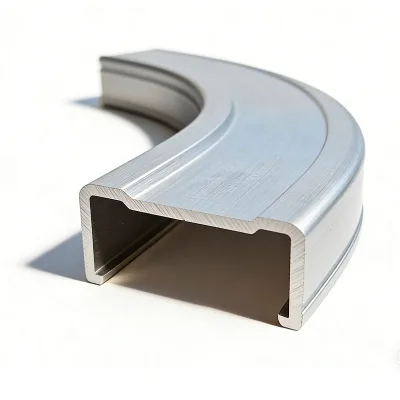
The current supplier landscape for Decorations 6000 Series Aluminum Profile reveals a distinct concentration of manufacturing capabilities within specific industrial regions in China. Evidence indicates that a significant portion of these suppliers are located in Jiangsu, a province known for its robust metal processing infrastructure. These entities are predominantly classified as manufacturers or factories, suggesting they possess the direct operational capacity to handle extrusion, cutting, and surface treatment processes required for custom aluminum profiles. This geographic clustering implies that buyers sourcing from this region may benefit from established supply chains for raw aluminum alloys and specialized machinery. The presence of Jiangsu-based suppliers highlights a hub where industrial aluminum profile production is concentrated, offering buyers access to facilities that specialize in irregular shapes, square profiles, and curved designs suitable for decorative applications.
In addition to the Jiangsu cluster, other manufacturing entities are identified in regions such as Hunan, China. These suppliers also operate as manufacturers or factories, providing a diverse geographic spread of production capabilities. The main products listed for these facilities include aluminum extrusion, T-slot and V-slot profiles, and various industrial components, indicating a broad technical proficiency that extends beyond simple decorative trim. The company type designation as a manufacturer or factory is critical for buyers seeking direct control over production quality and customization. Unlike trading companies, these entities typically manage the entire lifecycle from alloy selection to final finishing, ensuring that the 6000 series aluminum grade is maintained throughout the extrusion process. This structural diversity allows buyers to compare suppliers based on their specific regional advantages and specialized product lines, such as LED extrusion profiles or cleanroom construction materials.
How to Verify Decorations 6000 Series Aluminum Profile Suppliers
Verifying the legitimacy and capability of suppliers requires a close examination of their stated certifications and operational metrics. For instance, some suppliers in the Hunan region display system certifications such as ISO 9000, ISO 9001, and ISO 14064, which serve as tangible evidence of their quality management systems. Buyers should prioritize suppliers who explicitly list these certifications, as they indicate a commitment to standardized production processes and environmental management. Additionally, product-level attributes often reveal certification details, such as ISO 9001 being listed under product attributes for specific aluminum profile models. This dual-layer verification, combining company-level system certifications with product-specific compliance, provides a more robust assessment of a supplier’s reliability. Buyers must ensure that the certifications displayed are current and relevant to the specific aluminum alloy and temper grades they intend to purchase.
Beyond certifications, verifying a supplier’s responsiveness and production capacity is essential for ensuring timely delivery. Response time metrics offer a quantitative measure of a supplier’s operational efficiency, with some suppliers showing response times as low as two hours, while others may take significantly longer, such as 17.31 hours. A faster response time often correlates with better communication channels and quicker resolution of technical queries regarding custom profiles. Furthermore, buyers should verify the supplier’s ability to handle OEM and ODM services, as indicated by their R&D capacity and product attributes. Suppliers that explicitly state customization is available and offer services like bending, decoiling, welding, punching, and cutting demonstrate a higher level of technical flexibility. This verification process helps buyers distinguish between suppliers who merely stock standard items and those capable of producing complex, irregular-shaped aluminum profiles tailored to specific decorative requirements.
What to Compare Across Decorations 6000 Series Aluminum Profile Suppliers
When evaluating multiple suppliers, comparing key operational metrics such as lead time, minimum order quantity, and pricing is crucial for making an informed decision. Lead times vary significantly among suppliers, with some offering delivery windows of 15 to 21 days, while others may require 25 to 45 days or even up to 31 to 45 days for more complex orders. This variation is often influenced by the specific shape and processing requirements of the aluminum profile, such as irregular shapes or curved designs. Buyers should align their project timelines with the supplier’s stated delivery time to avoid production delays. Additionally, minimum order quantities (MOQ) differ, with some suppliers requiring as little as 1 kilogram or 100 units, while others may have higher thresholds, such as 500 units. Understanding these MOQs helps buyers determine the feasibility of small-batch custom orders versus large-scale production runs.
Pricing and product specifications also play a vital role in supplier comparison. Prices for aluminum profiles can range from approximately $2.80 to $3.53 per unit, depending on the alloy grade, temper, and surface treatment. Suppliers offering 6000 series aluminum profiles with T3-T8 temper and various surface treatments like anodizing or power coating may have different price points. Buyers should compare the value proposition by looking at the included processing services, such as CNC processing or custom cutting, which may affect the final cost. Furthermore, comparing the main products and application areas of each supplier can reveal their specialization. Some suppliers focus on LED strips and construction profiles, while others specialize in industrial applications like cleanroom construction or transportation tools. This detailed comparison ensures that buyers select a supplier whose capabilities and pricing align with their specific decorative and functional requirements.
Common Decorations 6000 Series Aluminum Profile Sourcing Risks
One of the primary risks in sourcing aluminum profiles is the potential discrepancy between the specified alloy grade and the actual material delivered. While suppliers may claim to provide 6000 series aluminum, buyers must verify the specific alloy composition, such as 6061 or 6063, and the temper condition, such as T3-T8. Inconsistent temper can affect the mechanical properties of the profile, leading to issues during bending or welding processes. Additionally, the tolerance levels of the profiles, often stated as ±1%, must be strictly adhered to for decorative applications where precision is critical. Buyers should request material test reports to confirm that the aluminum alloy meets the specified standards. Failure to verify these material properties can result in product failures during installation or reduced aesthetic quality due to surface imperfections.
Another significant risk involves the reliability of delivery times and the supplier’s capacity to handle custom orders. Suppliers with longer lead times, such as 25 to 45 days, may struggle to meet urgent project deadlines, especially if they are handling multiple large orders simultaneously. Buyers should assess the supplier’s production capacity and current order backlog to ensure they can deliver on time. Furthermore, the complexity of custom shapes, such as irregular or curved profiles, can introduce additional risks related to tooling and production efficiency. Suppliers without adequate CNC processing capabilities may struggle to produce these complex designs accurately. Buyers should verify the supplier’s equipment and technical expertise to mitigate the risk of defects or delays. Clear communication regarding specifications and realistic timeline expectations is essential to avoid misunderstandings and ensure a smooth sourcing process.
Decorations 6000 Series Aluminum Profile Regional Sourcing and Logistics
Sourcing aluminum profiles from specific regions in China, such as Jiangsu and Hunan, offers distinct logistical advantages and challenges. Jiangsu, being a major industrial hub, likely benefits from well-developed transportation networks and proximity to major ports, which can facilitate efficient export logistics. Suppliers in this region may have established relationships with freight forwarders, potentially reducing shipping costs and transit times. Buyers sourcing from Jiangsu-based manufacturers should consider the impact of regional infrastructure on delivery schedules and overall supply chain resilience. The concentration of suppliers in this area also allows for easier comparison and potential consolidation of orders from multiple factories, streamlining the procurement process. However, buyers should also be aware of potential regional disruptions, such as weather events or local policy changes, that could affect production and shipping.
In contrast, suppliers located in Hunan, China, may present different logistical considerations. While Hunan is also a significant industrial region, its inland location might result in different shipping routes and transit times compared to coastal areas like Jiangsu. Buyers should evaluate the impact of these geographical differences on their overall logistics strategy. The main products offered by Hunan-based suppliers, such as aluminum extrusion and T-slot profiles, may require specific handling or packaging to prevent damage during transit. Additionally, buyers should consider the supplier’s experience with international shipping and their ability to handle export documentation. Understanding the logistical nuances of each region helps buyers optimize their supply chain, ensuring that the aluminum profiles arrive at their destination in optimal condition and within the agreed timeframe.
Decorations 6000 Series Aluminum Profile Commercial Terms and Order Planning
Commercial terms, including payment methods and warranty policies, are critical components of the sourcing process for aluminum profiles. Some suppliers explicitly state payment terms such as T/T (Telegraphic Transfer), which is a common method for international trade. Buyers should clarify the payment structure, including deposit requirements and balance payment conditions, to manage cash flow effectively. Additionally, understanding the supplier’s return policy and warranty coverage for defective products is essential. While specific warranty details may not always be listed, buyers should inquire about the supplier’s approach to quality assurance and defect resolution. Clear commercial terms help mitigate financial risks and ensure that both parties have a mutual understanding of their obligations. Buyers should also consider the impact of currency fluctuations and exchange rates on the final cost of the aluminum profiles.
Order planning involves aligning the supplier’s production capabilities with the buyer’s project requirements. This includes determining the appropriate MOQ, lead time, and customization options. Buyers should plan their orders well in advance, especially for complex profiles that require custom tooling or specific surface treatments. Coordinating with the supplier to finalize design specifications, such as dimensions, temper, and color, is crucial to avoid production errors. Additionally, buyers should consider the scalability of their orders, ensuring that the supplier can handle increases in volume if demand grows. Effective order planning also involves maintaining open communication with the supplier to address any issues that may arise during production. By carefully managing commercial terms and order planning, buyers can ensure a smooth and successful sourcing experience for their Decorations 6000 Series Aluminum Profile needs.
FAQs
What is the price range for 6000 series aluminum profiles?
Prices for these profiles typically range from $2.80 to $3.53 per unit. Specific costs depend on the alloy grade, surface treatment, and custom dimensions required for your project. Buyers should verify exact pricing based on order volume and processing services needed.
What is the minimum order quantity for these profiles?
Minimum order quantities vary by supplier, with some requiring as little as 1 kilogram while others set the threshold at 500 units. Buyers must check individual supplier listings to confirm the specific MOQ applicable to their desired profile shape and customization level.
How long does delivery take for custom aluminum profiles?
Lead times generally range from 15 to 45 days depending on the supplier and order complexity. Some manufacturers offer faster turnaround times of 15 to 21 days, while others may require up to 45 days for intricate irregular shapes or large volumes.
What certifications are available for these aluminum profiles?
Many suppliers provide ISO 9001 and ISO 9000 certifications to ensure quality management standards. These certifications verify that the manufacturing processes meet international requirements for consistency and reliability, which is crucial for industrial applications and construction projects requiring verified material standards.
What processing services are available for these profiles?
Common processing services include bending, decoiling, welding, punching, and cutting. These services allow buyers to customize the profiles for specific applications such as LED strips, window frames, or decorative elements, ensuring the final product meets precise dimensional and functional requirements.
Where are these aluminum profiles manufactured?
These profiles are primarily manufactured in Jiangsu and Hunan provinces in China. These regions are known for their robust aluminum extrusion industries, providing buyers with access to a wide variety of 6000 series profiles with consistent quality and competitive pricing structures.