Class II Anatomy Dissection Table Suppliers and Manufacturers
Explore 27 verified options for Class II Anatomy Dissection Table from China Guangdong. Compare response times, lead times, certifications like CE and ISO, and price ranges. Contact suppliers directly to request quotes for your medical education needs; review the available evidence before requesting comparable quotations from suitable candidates.
Updated
Suppliers List

Guangzhou Med Equipment Limited
- Combined
- China Guangdong
- Lead time15 days
- Avg. response≤ 3h
Main productsMedical Equipment, Lab Equipment, Hospital Bed, Hospital Equipment, Autoclave, Operation Table, X-ray Machine, Endoscope, Refractometer, Dental Chair
Main marketsDomestic


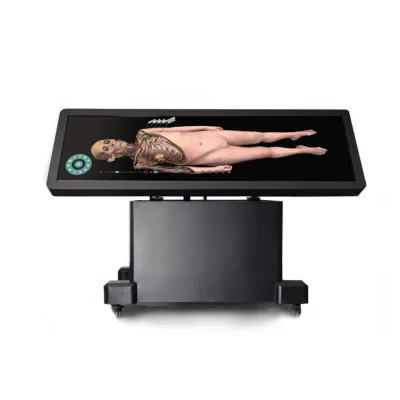
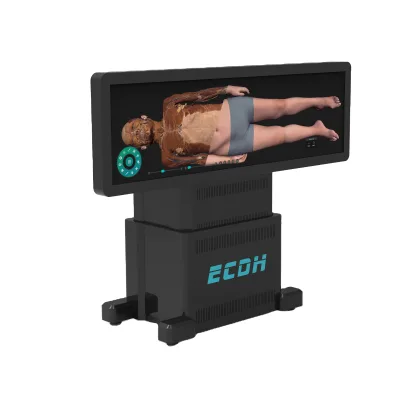
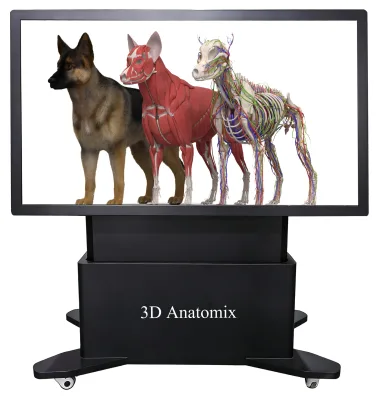
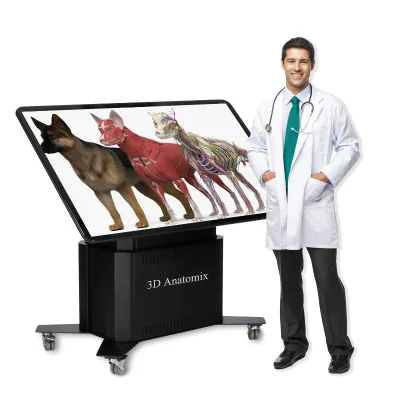
Digital Anatomy Table Digital Virtual Dissection Table for Medical Education
$49999.00 - $55599.00
MOQ: 1 Pieces


Autopsy New 3D Education Virtual Anatomy Dissection Table for University
$9999.00 - $38999.00
MOQ: 1 Pieces

3D Body Virtual Autopsy Table Virtual Anatomy Dissection Table for School
$64884.00 - $389339.00
MOQ: 1 Pieces

$9999.00 - $38999.00
MOQ: 1 Pieces
Liaoning Freezerpalace Biotechnology Co., Ltd.
- Verified by Intertek
- Manufacturer, Trading Company
- Lead time10 days
- Avg. response≤ 4h
Main productsMortuary Refrigerator, Refrigerator, Autopsy Table, Morgue Trolley, Cadaver Tank
Main marketsDomestic Market(45%), Africa(20%), Eastern Europe(6%)

Shanghai Pujia Metal Manufacturing Co., Ltd.
- Combined
- China Jiangsu
- Lead time15 days
- Avg. response≤ 14h
Main productsPet Cage, Dog Treadmill, Pet Operating Table, Vet Exam Table, Pet Bath Tub, Pet Grooming Table, Pet Grooming Hair Dryer, Veterinary Instruments
Main marketsSouth America,Domestic,Europe,North America


Anatomy Application Pet Surgery Veterinary Work Table Vet Surgical Operation Table
$335.00 - $464.00
MOQ: 1 Pieces

Guangzhou MeCan Medical Limited
- Verified by CTI
- Combined
- China Guangdong
- Lead time15 days
- Avg. response≤ 5h
Main productsColor Doppler Ultrasound Scanner, Patient Monitor, Medical Fridge, Medical X-ray Machine, X-ray Film Processor, Colonoscope, Hospital Bed, Medical Freezer, Ventilator, Anaesthesia Machine
Main marketsAfrica,Southeast Asia/ Mideast

$8950.00 - $59999.00
MOQ: 1 Pieces

3D Human Body Virtual Anatomy System Virtual Anatomy Dissection Table for University
$8950.00 - $59999.00
MOQ: 1 Pieces
Henan Forever Medical Co., Ltd.
- Trading Company
- Lead time旺季: "1 - 1":7,"> 1":"To be negotiated", 淡季: "1 - 1":7,"> 1":"To be negotiated"
- Avg. response≤ 2h
Main productsUltrasound Scanner, X-ray Machine, Plasma Sterilizer, Dental Equipment, Clinical Instruments

Guangdong Maikang Medical Co., Ltd.
- Verified by BV
- Combined
- China Guangdong
- Lead time15 days
- Avg. response≤ 4h
Main productsMedical Equipment, Medical X-ray/CT/ MRI Machine, Ultrasound Scanner, Operation Room Equipment, Dental Equipment, Veterinary Equipment, Hospital Furniture, Lab Equipment, Patient Monitor
Main marketsAfrica

Digital Human Body Anatomy System Table Virtual Virtual Anatomy Dissection Table
$18999.00 - $39999.00
MOQ: 1 Pieces

3D Human Body Virtual System Virtual Anatomy Dissection Table for University
$18999.00 - $39999.00
MOQ: 1 Pieces

Virtual Dissection Table a First for Plymouth Medical and Dental Schools Anatomy Table Model Medical
$19999.00 - $39999.00
MOQ: 1 Pieces

Xiaogan Kuohai Medical Technology Co., Ltd
- Verified by BV
- Combined
- China Hubei
- Lead time15 days
- Avg. response≤ 5h
Main productsParaffin Microtome, Rotary Microtome, Cryostat Mircotome, Tissue Processor, Tissue Stainer, Tissue Embedding Center, Dryer Machine, Cassette Printer, Pathological Working Table, Automatic Slice Maker
Main marketsSouth America,Southeast Asia/ Mideast,Europe

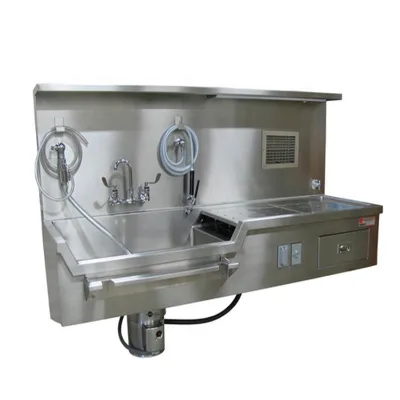
Kuohai Pathology Laboratory Anatomy Dissection Table for Medical Schools Forensic Autopsy Table
$1690.00 - $1790.00
MOQ: 1 unit

Kuohai Adjustable Height Pathology Dissection Table Medical Grade Autopsy Table for Anatomy
$1690.00 - $1790.00
MOQ: 1 unit

Kuohai Professional Stainless Steel Dissection Table for Anatomy Labs Pathology Autopsy Table
$1690.00 - $1790.00
MOQ: 1 unit

Linyi Heaven Funeral Supplies Co., Ltd.
- Trading Company
- Shandong, China
- Lead time7 days
- Avg. response≤ 6h
Main productsFuneral Supplies,human cremation machine,Mortuary Refrigerator,Autopsy Table,Mortuary products
Main marketsSoutheast Asia(30.00%), Northern Europe(20.00%), Eastern Asia(20.00%), Africa(15.00%), Oceania(5.00%), South America(5.00%), Mid East(5.00%)

Guangzhou Yueshen Medical Equipment Co., Ltd.
- Trading Company,Manufacturer/Factory
- China Guangdong
- Lead time15 days
- Avg. response≤ 14h
Main productsMedical X-ray Machine, Veterinary Equipment, Medical Equipment, Hospital Furinture, B Ultrasound Scanner, Portable X-ray Machine, Mobile X Ray Machine, Medical C-Arm X Ray Machine, ECG, Monitor
Main marketsSouth America,Eastern Europe,Mid East,North America,Southeast Asia,Eastern Asia,Oceania,Western Europe,Africa

Hospital Medical Company Animal Anatomy Use Veterinary Dissecting Table
$600.00 - $999.00
MOQ: 1 Pieces


Jiangsu Wansheng Precision Sheet Metal Co., Ltd.
- Verified by TUVRHEINLAND
- Combined
- China Jiangsu
- Lead time30 days
- Avg. response≤ 3h
Main productsSheet Metal Working
Main marketsDomestic

- Verified by BV
- Trading Company
- China Shanghai
- Lead time15 days
- Avg. response≤ 3h
Main productsVeterinary Endoscope, Veterinary Monitor, Equine Endoscope for Horse, Veterinary Ultrasound, Large Animal Operating Table for Equine, Veterinary Laparoscope, Veterinary X-ray Machine, Veterinary Anesthesia Machine, Veterinary Chemistry Analyzer, Veterinary Hematology Analyzer
Main marketsSouth America,Africa,Southeast Asia/ Mideast,Europe,Australia,North America

Veterinary Surgical Table Stainless Steel Animal Dissection Table Animal Dissection Table
$450.00 - $750.00
MOQ: 1 Pieces


Stainless Steel Animal Dissection Table Veterinary Dissecting Table Dt-1600as
$350.00 - $550.00
MOQ: 1 Pieces

Veterinary Surgical Table Stainless Steel Animal Dissection Table Dt-1600as
$350.00 - $550.00
MOQ: 1 Pieces

Ningbo Cbmtec Medical Equipment Co., Ltd.
- Verified by BV
- Manufacturer/Factory
- China Zhejiang
- Lead time45 days
- Avg. response≤ 8h
Main productsPatient Monitor, Ventilator, Patient Lift, Anesthesia Machine, Ultrasound Scanner, Gas Cylinder, Oxygen Concentrator, Pulse Oximeter, Oxygen Regulator
Main marketsSouth America,Eastern Europe,Mid East,North America,Southeast Asia,Eastern Asia,Oceania,Western Europe,Africa

$8999.00 - $69999.00
MOQ: 8 Pieces

New Body Dissection for University 3D Education Medical Anatomy Virtual Autopsy Table
$8999.00 - $69999.00
MOQ: 8 Pieces


Virtual Anatomy Dissection Table for University Fashion New Autopsy Digital Human
$8999.00 - $69999.00
MOQ: 8 Pieces
Guangzhou Maya Medical Equipment Co.,ltd
- Verified by SGS Group
- Manufacturer, Trading Company
- Lead time15 days
- Avg. response≤ 2h
Main productsB Ultrsound, X Ray System, CT, MRI, Endoscope
Main marketsMid East(31%), Africa(23%), South America(18%)
Guangzhou Maya Medical Equipment Co., Ltd.
- Verified by SGS Group
- Manufacturer, Trading Company
- Lead time15 days
- Avg. response≤ 2h
Main productsB Ultrsound, X Ray System, CT, MRI, Endoscope
Main marketsMid East(31%), Africa(23%), South America(18%)
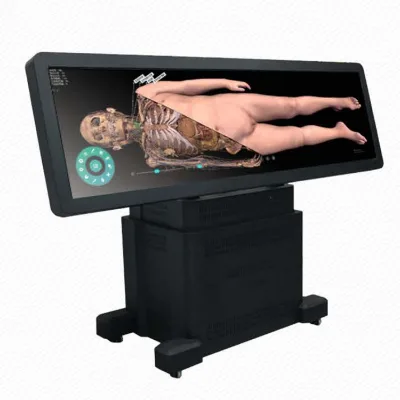
$20534.2665 - $75708.4909
MOQ: 1 Minimum
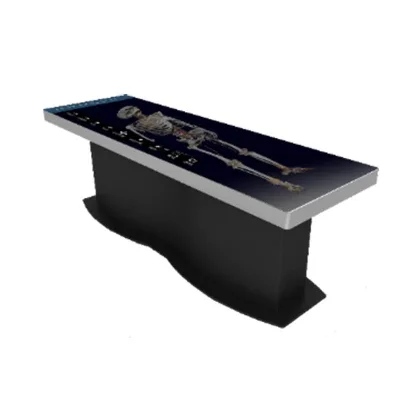
Digital 3D Virtual Autopsy Dissection Table University School Teaching Anatomy System Machine
$19999.00 - $29999.00
MOQ: 1 pieces
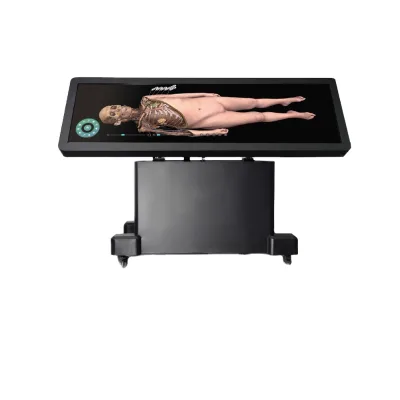
New Digital Anatomy Workbench System Human Body Virtual 3D Displaning Table Latest
$20492.0823 - $51231.7407
MOQ: 1 Minimum
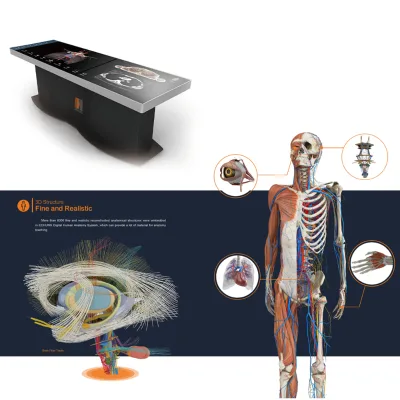
3D Body Virtual Autopsy Table MY-N288 Anatomy Table Digital Human Body Anatomy Table System
$20352.6611 - $33553.039
MOQ: 1 Minimum
Guangzhou Medcare Medical Equipment Co., Ltd.
- Trading Company
- Guangdong, China
- Lead time0 days
- Avg. response≤ 2h
Main productsMedical X Ray Machine, Medical Ultrasound Machine, Medical Endoscope, Hematology Analyzer, Veterinary Equipment.
Main marketsAfrica(50.00%), Southeast Asia(30.00%), South America(20.00%)
Shandong Digi Human Technology Co., Inc
- Verified by Intertek
- Manufacturer, Trading Company
- Lead time30 days
Main productsHD Digihuman Virtual Anatomy Table, Digihuman Anatomy System, 3D Printing Models, Medical Morphology Platform
Main marketsDomestic Market(80%), Africa(6%), South America(4%)
Guangzhou Cleanroom Construction Co., Ltd.
- Manufacturer, Trading Company
- Guangdong, China
- Lead time0 days
- Avg. response≤ 8h
Main productsAir Shower,Clean Room,Fume Hood,FFU,Laminar Flow Hood
Main marketsSoutheast Asia(35.00%), Mid East(20.00%), North America(15.00%), South America(10.00%), Africa(10.00%), Eastern Europe(10.00%)

Guangzhou Huajun Software Technology Co., Ltd.
- Manufacturer
- Guangdong, China
- Lead time30 days
- Avg. response≤ 5h
Main productsvirtual dissection table,virtual anatomy table,anatomy table,Digihuman,Teaching Screen
Main marketsWestern Europe(60.00%), Mid East(20.00%), Africa(10.00%), South America(10.00%)

Shijiazhuang Lab Rital Industry Co., Ltd.
- Verified by SGS
- Trading Company,Manufacturer/Factory
- China Hebei
- Lead time38 days
- Avg. response≤ 2h
Main productsLab Animal Cage, Ivc System, Mouse Breeding Cage, Lab Animal Housing Solution
Main marketsSouth America,Eastern Europe,Mid East,North America,Southeast Asia,Eastern Asia,Oceania,Western Europe,Africa

Shenyang Roundfin Technology Co., Ltd.
- Trading Company
- China Liaoning
- Lead time30 days
- Avg. response≤ 8h
Main productsMortuary Refrigerator, Funeral Products, Mortuary Freezer, Laboratory Blood Refrigerator, Anatomy Autopsy Table, Body Lifter Cart, Tissue Microtome, Cryostat Microtome, Tissue Embedding Center, Microtome Disposable Blade
Main marketsSouth America,Africa,Southeast Asia/ Mideast,East Asia(Japan/ South Korea),Domestic,Europe,Australia,North America

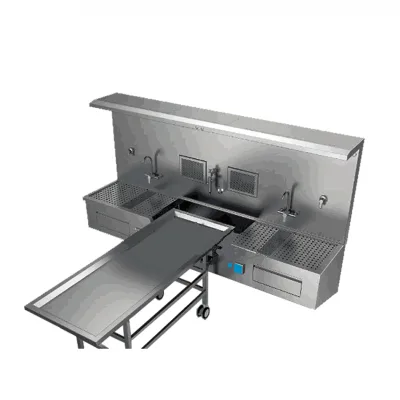
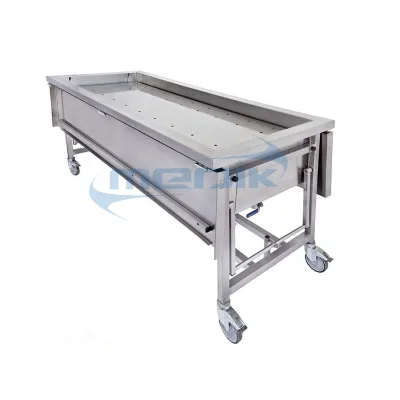
304 Stainless Steel Rotatable Autopsy Table Pathology Dissection Table
$3500.00 - $4500.00
MOQ: 1 Pieces

Hot Sale Working Table Autopsy Table for Dissection Anatomical Table with Low Price
$1100.00 - $1200.00
MOQ: 1 Pieces


Premium Roundfin University Autopsy Dissecting Table for Medical Education
$3500.00 - $4600.00
MOQ: 1 Pieces
Liaoning Freezerpalace Biotechnology Co., Ltd.
- Verified by SGS
- Combined
- China Liaoning
- Lead time15 days
- Avg. response≤ 8h
Main productsMortuary Freezer, Mortuary Refrigerator, Morgue Freezer, Morgue Refrigerator, Laboratory Refrigerator, Ultra Low Temperature Freezer, Autopsy Table, Blood Bank Refrigerator, Medical Refrigerator, Pharmacy Refrigerator
Main marketsSouth America,Africa,Southeast Asia/ Mideast,East Asia(Japan/ South Korea),Domestic,Europe,Australia,North America

Reliable Manufacturer Postmortem Table Anatomy Dissection Table with Cheap Price
$1400.00 - $2285.00
MOQ: 1 Pieces

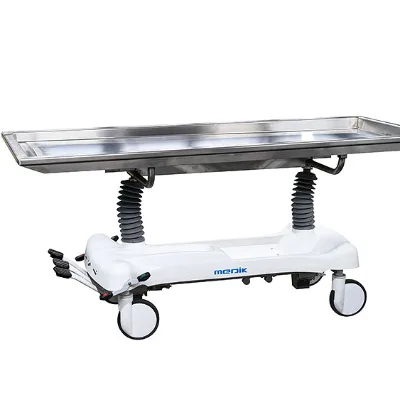
Adjustable Pedestal Dissection Table Dead Body Anatomy with Electric Lifting
$1400.00 - $2285.00
MOQ: 1 Pieces

Jiangsu Rooe Medical Technology Co., Ltd.
- Verified by SGS
- Manufacturer/Factory
- China Jiangsu
- Lead time23 days
- Avg. response≤ 2h
Main productsHospital Bed, Operating Table, Operating Light, Sterilizer, Cssd Equipment, Funeral Product, Stretcher, ICU Device, Hospital Furniture, Rehabilitation Equipment
Main marketsSouth America,Eastern Europe,Mid East,North America,Southeast Asia,Eastern Asia,Oceania,Western Europe,Africa

750-950 Lifting Adjustable Height Flipped Sink Forensic Anatomy Dissection Table
$3100.00 - $3600.00
MOQ: 1 Pieces

Manual or Electric Lifting 304 Stainless Steel Defrost Dissection Anatomy Table with Cover Plate
$1600.00 - $1900.00
MOQ: 1 Pieces

Guangzhou Happycare Medical Equipment Co., Ltd.
- Verified by SGS
- Manufacturer/Factory
- China Guangdong
- Lead time45 days
- Avg. response≤ 5h
Main productsUltrasound Scanner, CT Scanner, Anaesthesia Machine, X Ray Machine, Hospital Equipment, Hematology Analyzer, Dental X Ray Machine, Chemistry Analyzer, Endoscope, Medical Equipment
Main marketsSouth America,Mid East,North America,Southeast Asia,Eastern Asia,Oceania,Africa

Hc-R012 Dissection Table for Veterinary Used Pet Animal Anatomy Dissection Table
$1000.00 - $1600.00
MOQ: 1 Pieces

Xiaogan Kuohai Medical Technology Co., Ltd.
- Manufacturer, Trading Company
- Hubei, China
- Lead time20 days
- Avg. response≤ 1h
Main productsTissue Processor,Tissue Microtome,Microtome,Cryostat microtome,Liquid Based Cytology Processor
Main marketsSoutheast Asia(20.00%), Mid East(20.00%), South America(20.00%), Africa(20.00%), Eastern Europe(10.00%), North America(10.00%)
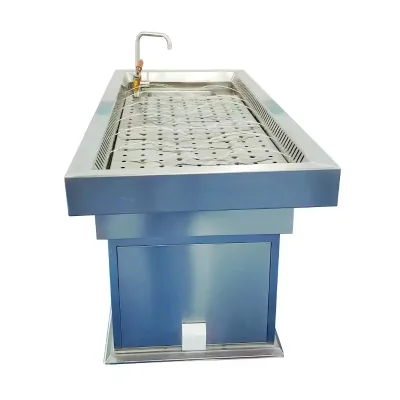
$3174.2517 - $3276.6469
MOQ: 1 pieces
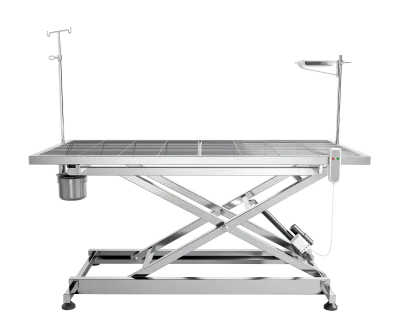
Zhangjiagang Medi Medical Equipment Co., Ltd.
- Manufacturer, Trading Company
- Jiangsu, China
- Lead time20 days
- Avg. response≤ 4h
Main productsHospital Bed,Stretcher,Medical Chair,Surgical Table,Medical Trolley
Main marketsSouth America(30.00%), Southeast Asia(25.00%), North America(15.00%), Africa(15.00%), Eastern Europe(10.00%), Mid East(5.00%)

Guangzhou Umy Medical Equipment Co., Ltd.
- Verified by SGS
- Manufacturer
- China Guangdong
- Lead time15 days
- Avg. response≤ 4h
Main marketsDomestic

Comprehensive Virtual Human Anatomy Table for Medical Institutions Machine
$20000.00 - $30000.00
MOQ: 1 Pieces


Interactive Virtual Anatomy Table for Nursing Education and Medical Training
$20000.00 - $30000.00
MOQ: 1 Pieces


FOSHAN CONCERN MEDICAL EQUIPMENT CO.,LTD.
- Manufacturer/Factory
- China Guangdong
- Lead time15 days
- Avg. response≤ 10h
Main productsOperation Equipment, Lab Equipment, Veterinary Equipment, Ultrasound, X-ray Room Equipment, Dental Equipment, Sterilization Equipment, Mortuary Equipment, Hospital Furniture, Gynecology & Obstetrics Equipment
Main marketsSouth America,Mid East,North America,Southeast Asia,Eastern Asia,Oceania,Africa


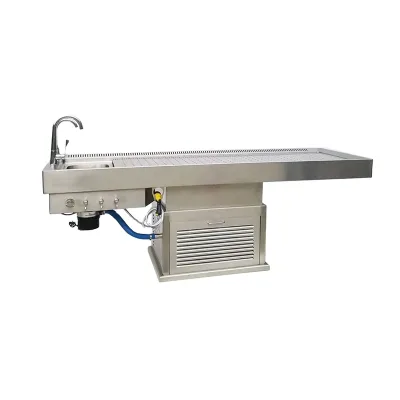
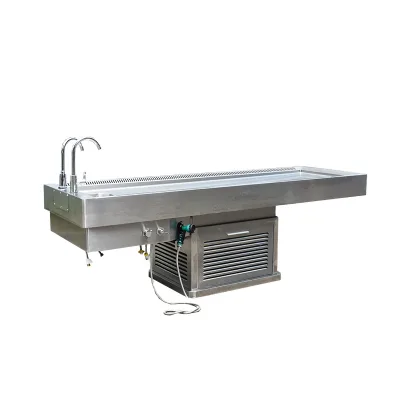

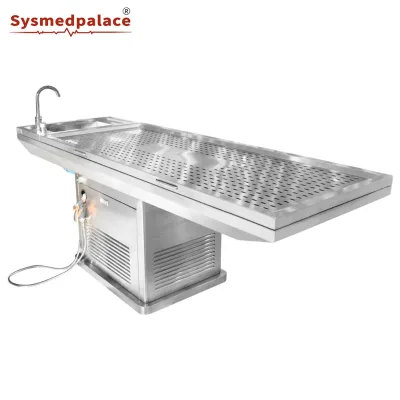
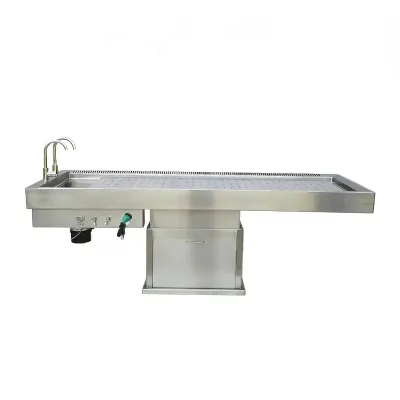
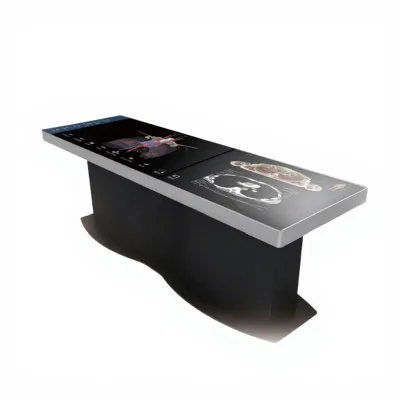

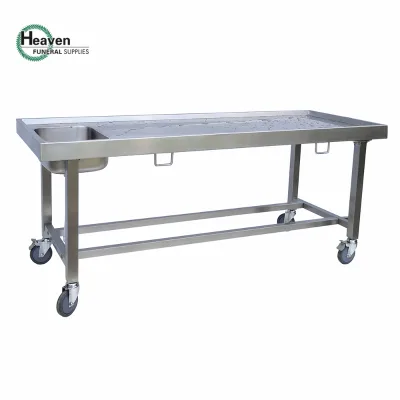
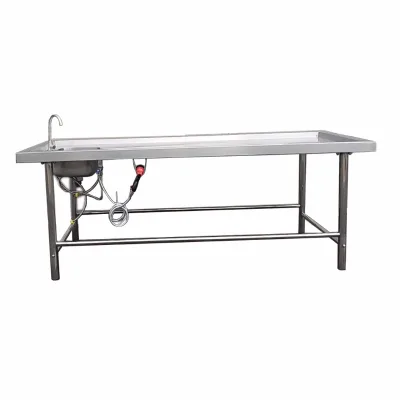


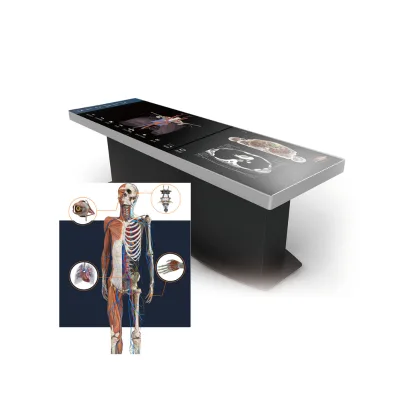
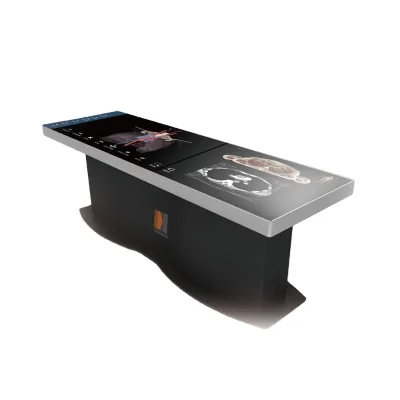




Comprehensive Sourcing Guide
Class II Anatomy Dissection Table Supplier Concentration and Factory Types
The current supplier landscape for Class II anatomy dissection tables reveals a distinct concentration of manufacturing and trading entities within China, specifically in the Guangdong region. This geographic clustering suggests a mature industrial ecosystem capable of supporting complex medical and educational equipment production. Buyers observing these results will notice that the primary location cited is Guangdong, which serves as a central hub for both high-tech digital solutions and heavy-duty stainless steel fabrication. This regional focus is critical for sourcing because it indicates where the supply chain infrastructure, including component sourcing and assembly labor, is most optimized. The presence of suppliers in this specific province often correlates with established logistics networks that facilitate the export of large, heavy items like autopsy tables and virtual dissection systems. Understanding this concentration helps buyers anticipate where the majority of inventory and production capacity resides, allowing for more targeted outreach and potentially faster communication cycles due to shared time zones and industrial familiarity.
Within this regional cluster, the supplier types vary significantly, ranging from pure manufacturers to combined entities that operate as both factories and trading companies. The data indicates that some suppliers are identified as manufacturers, implying direct control over the production line, while others are classified as combined or trading companies, which may source from multiple factories or offer a broader catalog of related medical equipment. This distinction is vital for buyers because it affects pricing structures, customization flexibility, and quality control processes. For instance, a supplier listing main products that include medical equipment, lab equipment, and hospital beds alongside anatomy tables likely has a diversified manufacturing capability or a strong network of partners. Conversely, a supplier focusing on mortuary refrigerators and autopsy tables may have specialized expertise in cold storage and heavy-duty metalwork. Buyers must carefully review the company type to determine if they are dealing with the original producer or an intermediary, as this impacts the ability to request specific customizations or negotiate direct factory prices.
How to Verify Class II Anatomy Dissection Table Suppliers
Verifying the legitimacy and capability of suppliers requires a multi-layered approach that goes beyond simple profile reviews. One of the most critical steps is to check for third-party verification badges, such as Intertek, which indicates that an independent agency has inspected the supplier’s operations. This verification provides a layer of trust regarding the supplier’s business license and operational reality. Additionally, buyers should scrutinize the system certifications listed, such as ISO 9001 and CE marks. The presence of these certifications suggests that the supplier adheres to international quality management standards and meets specific safety and performance requirements for medical devices. It is important to note that while some products display CE certification, others may list ISO or RoHS standards, indicating compliance with environmental and safety regulations. Buyers must ensure that the certifications claimed by the supplier are valid and relevant to the specific type of anatomy table being purchased, whether it is a digital virtual system or a physical stainless steel dissecting table.
Beyond certifications, buyers should actively engage with suppliers to assess their responsiveness and technical knowledge. The response time metric is a useful indicator of operational efficiency; for example, a response time of 2.87 hours suggests a highly responsive team, whereas a 4-hour response time is still acceptable but may indicate a larger or less agile organization. Buyers should ask specific technical questions about the product specifications, such as the resolution of digital screens, the material grade of stainless steel (e.g., 304SS), or the load capacity of the tables. A legitimate supplier will be able to provide detailed answers and documentation, such as test reports or material certificates. Furthermore, buyers should verify the supplier’s ability to provide after-sales support, including online technical support and warranty terms. Some suppliers offer a one-year warranty, while others may provide twelve months of coverage. Confirming these details early in the communication process helps filter out unreliable suppliers and ensures that the buyer is dealing with a professional entity capable of supporting long-term operational needs.
What to Compare Across Class II Anatomy Dissection Table Suppliers
When evaluating multiple suppliers, buyers must compare key operational metrics to determine the best fit for their specific requirements. One of the most significant factors is the lead time, which indicates how long it takes for the supplier to produce and ship the order. In the current results, lead times vary, with some suppliers offering a 10-day lead time and others indicating a 15-day period. This difference can be crucial for buyers with tight project deadlines or urgent institutional needs. Additionally, the minimum order quantity (MOQ) is a critical consideration, especially for smaller educational institutions or clinics. The data shows an MOQ of 1 for certain digital anatomy tables, which allows for flexible purchasing without the burden of bulk inventory. Buyers should compare these logistical constraints alongside the supplier’s main product focus. A supplier whose main products include a wide range of medical equipment may offer better bundle pricing or integrated solutions, whereas a supplier specializing in mortuary equipment might offer superior durability and specialized features for heavy-duty use.
Price and customization options are also central to the comparison process. The price range for anatomy dissection tables varies significantly, from approximately $9,999 to over $389,000, depending on the complexity and features of the product. Digital virtual dissection tables with high-resolution screens and interactive software command higher prices, while basic stainless steel dissecting tables are more affordable. Buyers should compare the price-to-feature ratio, considering elements such as screen resolution, contrast ratios, and material quality. Customization is another key differentiator; some suppliers offer available customization for digital models, allowing for specific software configurations or branding, while others may provide non-customized standard models. Buyers should also look at the product specifications, such as the weight of the table, the display type, and the packing details. A supplier offering standard export packing or carton packaging may have different shipping costs and handling requirements compared to those offering specialized plywood packaging. By systematically comparing these attributes, buyers can identify the supplier that offers the best balance of cost, quality, and service for their specific needs.
Common Class II Anatomy Dissection Table Sourcing Risks
Sourcing anatomy dissection tables involves several inherent risks that buyers must proactively manage to ensure a successful procurement. One major risk is the discrepancy between product specifications and the actual delivered item, particularly for complex digital systems. Virtual anatomy tables often feature high-resolution displays, specific software interfaces, and intricate mechanical components. If the supplier does not provide detailed technical documentation or if the buyer fails to verify these details, there is a risk of receiving a product that does not meet the educational or clinical requirements. For example, the resolution of the screen, the contrast ratio, and the visual angle are critical for accurate anatomical visualization. Buyers must ensure that the supplier provides clear specifications for these technical parameters and confirms that the product matches the advertised capabilities. Additionally, the material quality of physical tables, such as the grade of stainless steel, must be verified to ensure durability and resistance to corrosion in laboratory environments.
Another significant risk is the reliability of after-sales support and warranty claims. Anatomy dissection tables, especially digital ones, require ongoing technical support for software updates, hardware repairs, and troubleshooting. If the supplier does not have a robust after-sales service structure, buyers may face prolonged downtime and disrupted educational or clinical operations. Buyers should carefully review the warranty terms, such as the duration of coverage and the scope of support, including online technical assistance. It is also important to assess the supplier’s reputation and track record in handling service requests. Suppliers that are verified by third-party agencies like Intertek may have more reliable service processes, but buyers should still seek references or case studies to confirm this. Furthermore, the risk of logistical damage during shipping is high due to the size and weight of these products. Buyers must ensure that the supplier uses appropriate packaging, such as standard export packing or plywood crates, to protect the equipment during transit. Understanding and mitigating these risks through thorough due diligence and clear contractual terms is essential for a secure sourcing experience.
Class II Anatomy Dissection Table Regional Sourcing and Logistics
The regional concentration of suppliers in China, particularly in Guangdong, has significant implications for logistics and shipping costs. Buyers sourcing from this region must account for the distance and complexity of transporting large, heavy medical equipment. Anatomy dissection tables, whether digital or stainless steel, often require specialized handling due to their size and weight. For instance, some virtual autopsy tables weigh up to 85kg, while physical dissecting tables can have single package sizes exceeding 250cm in length. This necessitates careful planning for freight forwarding, including the selection of appropriate shipping methods such as sea freight for cost efficiency or air freight for urgent deliveries. Buyers should work with suppliers who have experience in exporting such items and can provide accurate dimensions and weights for shipping quotes. The supplier’s location in Guangdong also means that buyers can benefit from established port infrastructure, which can streamline the export process and reduce transit times.
Logistics planning must also consider the packaging requirements to ensure the safety of the equipment during transit. Suppliers may offer different packaging options, such as carton standard packaging, standard export packing, or plywood crates. The choice of packaging can impact the overall shipping cost and the risk of damage. Buyers should request detailed packaging information from the supplier and ensure that the packaging is suitable for the chosen shipping method. Additionally, buyers must be aware of import regulations and customs requirements in their home country, which may affect the clearance process and associated costs. Working with a supplier who is familiar with international shipping standards can help navigate these complexities. Buyers should also consider the lead time for production and shipping when planning their procurement schedule. A supplier with a 10-day lead time may be able to fulfill urgent orders more quickly than one with a 15-day lead time, but this must be balanced against the shipping duration. By carefully managing these logistical factors, buyers can ensure that their anatomy dissection tables arrive on time and in good condition.
Class II Anatomy Dissection Table Commercial Terms and Order Planning
Effective order planning for Class II anatomy dissection tables requires a clear understanding of commercial terms and payment structures. Buyers should negotiate terms that protect their interests, such as using escrow services or secure payment methods to ensure that funds are only released upon satisfactory delivery and inspection. The MOQ of 1 for many digital products allows for flexible ordering, but buyers should still consider the total cost of ownership, including shipping, taxes, and installation. For larger orders or customized products, buyers may need to discuss payment milestones, such as a deposit upon order placement and the balance upon shipment. It is also important to clarify the Incoterms, such as FOB or CIF, to determine who is responsible for shipping and insurance costs. Suppliers in Guangdong may offer competitive FOB prices, but buyers must factor in the additional costs of inland transportation and customs clearance in their home country.
Warranty and service agreements are critical components of the commercial terms. Buyers should ensure that the warranty covers both parts and labor for a specified period, such as one year or twelve months. The scope of after-sales support, including online technical support and on-site service if available, should be clearly defined in the contract. Buyers should also inquire about the availability of spare parts and the lead time for replacements. For digital anatomy tables, software updates and licensing fees may also be part of the commercial agreement. Buyers should verify whether these services are included in the initial price or if they require additional payments. By carefully reviewing and negotiating these commercial terms, buyers can minimize financial risks and ensure long-term operational support. Clear communication with the supplier regarding these details helps establish a transparent and mutually beneficial business relationship, ensuring that the procurement process is smooth and successful.
FAQs
What is the price range for digital anatomy dissection tables?
Prices for digital anatomy dissection tables typically range from $9,999 to $55,599 depending on specifications. Models like the MCE3009 are priced between $19,999 and $49,999, while specialized virtual autopsy tables may cost up to $55,599. Buyers should verify exact pricing for specific configurations and customization options.
What certifications do these medical education tables hold?
Most digital anatomy and virtual dissection tables carry CE certification. Some models also include ISO and RoHS certifications to ensure compliance with international safety and environmental standards. Buyers should check the specific product attributes for the exact certification list required for their region or institutional procurement policies.
What is the typical lead time for manufacturing these tables?
The typical lead time for manufacturing these medical education tables is between 10 and 15 days. This timeframe allows for production and quality checks before shipment. Buyers should confirm the exact delivery schedule with the supplier, as lead times may vary based on order volume and customization requirements.
Are these tables customizable for specific educational needs?
Yes, customization is available for many digital anatomy and virtual dissection tables. Suppliers offer OEM and ODM services to tailor features like resolution, display size, and software interfaces. Buyers should specify their requirements during the inquiry process to ensure the final product meets their specific educational or laboratory standards.
What is the minimum order quantity for these tables?
The minimum order quantity for digital anatomy dissection tables is typically one unit. This allows educational institutions and laboratories to purchase single units for testing or specific departmental needs. Buyers can order small quantities without facing high bulk purchase barriers, making it accessible for various budget levels.
Where are these medical equipment suppliers located?
Suppliers for these medical education tables are primarily located in China, with specific manufacturing hubs in Guangdong and Liaoning provinces. Guangzhou is a common origin point for digital anatomy models. Buyers should verify the exact place of origin for each product to understand logistics and shipping implications.