Class I Emergency Veterinary Tourniquet Suppliers and Manufacturers
Source Class I Emergency Veterinary Tourniquet from 25 verified suppliers in China. Compare dimensions like MOQ, lead time, and certifications such as CE and ISO. Contact suppliers directly to request samples and confirm pricing; review the available evidence before requesting comparable quotations from suitable candidates.
Updated
Suppliers List

Shenzhen Wap-Health Technology Co., Ltd.
- Verified by SGS
- Combined
- China Guangdong
- Lead time15 days
- Avg. response≤ 9h
Main productsAed Cabinet, Aed Sign Aed Bracket Bags Pads, Aed Keychain Keyring, CPR Mask /Bvm, First Aid Emergency Rescue Products, Healthcare, Scaler Tips Curing Light Autoclave Sterilizer, Dental Handpiece Handpieces, Apex Locator & Endodontic Treatment, Dental Unit Kit Cartridge Amalgamator etc
Main marketsAustralia

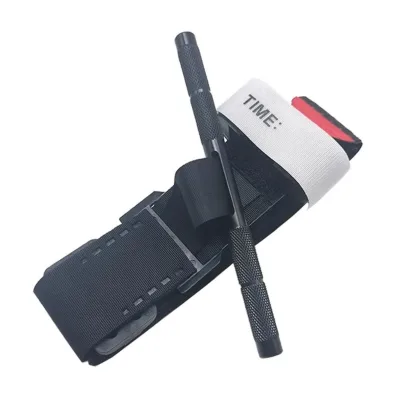
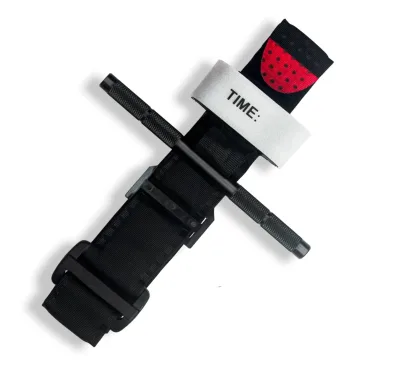
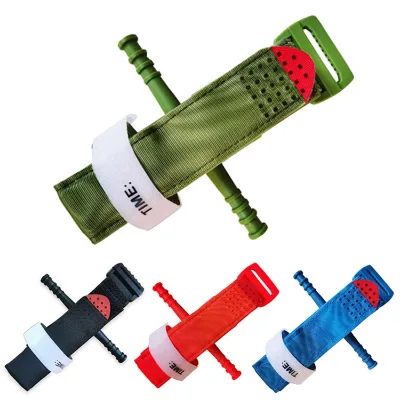
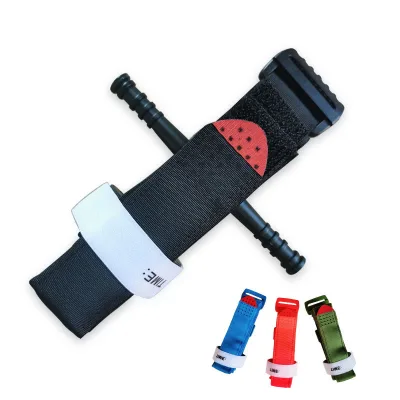
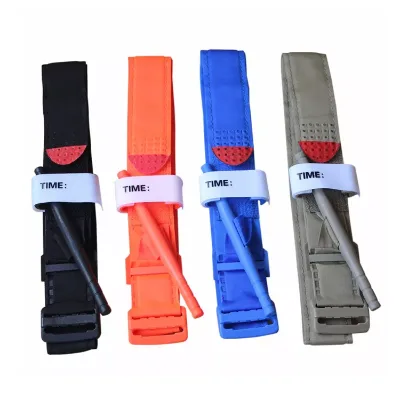
Outdoor Adventure Arterial Emergency Medical Cat Resource Tactical Tourniquet
$2.85 - $3.35
MOQ: 50 Pieces


Huaian Construction New Material CO., LTD.
- Verified by SGS
- Trading Company
- China Jiangsu
- Lead time15 days
- Avg. response≤ 4h
Main productsOrthopedic Cast Tape, Cast Padding, Elastic Bandage, Ice Cold Pack, Self Adhesive Bandage, Kinesiology Tape, Hot Water Bottle, Petrolatum Tape, Pipe Wrapping Tape, Pipe Repair Tape
Main marketsEurope,North America

Outdoor Emergency Medical Tourniquet Combat Application Tactical Cat Tourniquet
$2.88 - $3.88
MOQ: 200 Pieces


Tactical First Aid Tourniquet Emergency Tourniquet Outdoor Medical Cat Tourniquet
$0.02 - $0.05
MOQ: 100000 Pieces


Baoding Sanji Medical Instrument Technology Co., Ltd.
- Verified by TUVRHEINLAND
- Combined
- China Hebei
- Lead time15 days
- Avg. response≤ 2h
Main productsTourniquet
Main marketsSoutheast Asia/ Mideast,East Asia(Japan/ South Korea),Domestic,Europe,North America

Wholesale Veterinary Pet Field Injury First Aid Blood Draw Animal Tourniquet
$0.30 - $0.45
MOQ: 100 Pieces


Factory Wholesale Veterinary Pet Hospital First Aid Blood Draw Animal Tourniquet
$0.30 - $0.45
MOQ: 100 Pieces

Beijing Chemeebio Pharma-Tech Co., Ltd.
- Verified by TUVRHEINLAND
- Trading Company
- China Beijing
- Lead time15 days
- Avg. response≤ 1h
Main productsKinesiology Tape, Guaze Tape, Underwrap, Infusion Set, Blood Bags, Industrial Corrosion Tape, Athlete Tape, Self Adhesive Fusing Silicone Tape, Water Activity Fiberglass Repair Wrap, Medical Bandage
Main marketsSoutheast Asia/ Mideast


Hemostatic Tourniquet Esmarch Combat Tactical Outdoor First Aid Medical Emergency Cat Tourniquet
$1.50 - $2.50
MOQ: 50 Pieces

High Quality First Aid Emergency Hemostatic Combat Cat Tactical Tourniquet with CE
$1.50 - $2.50
MOQ: 50 Pieces
Dongguan Master Medical Devices Co., Ltd.
- Manufacturer, Trading Company
- Guangdong, China
- Lead time0 days
- Avg. response≤ 7h
Main productsTourniquet,Chest Seals,Israel Bandage,First Aid Kit,Hemostatic Gauze
Main marketsWestern Europe(40.00%), North America(30.00%), Africa(10.00%), Eastern Asia(10.00%), Mid East(10.00%)
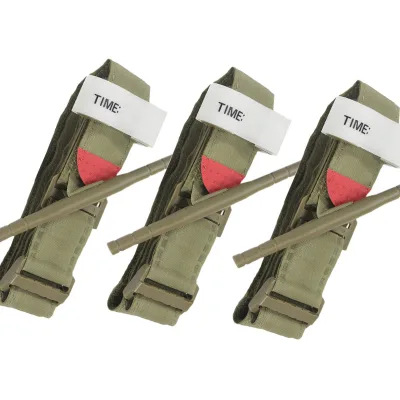
Turnstile Survival Tactical Emergency Cat Tactical Tourniquet for Medical
$1.25 - $1.50
MOQ: 10 pieces
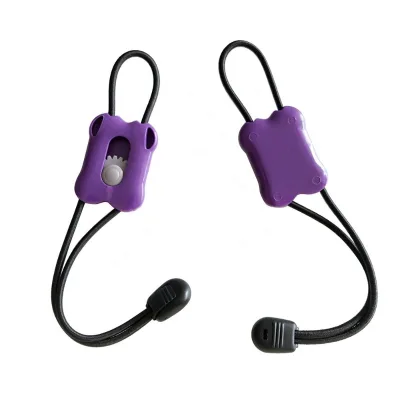
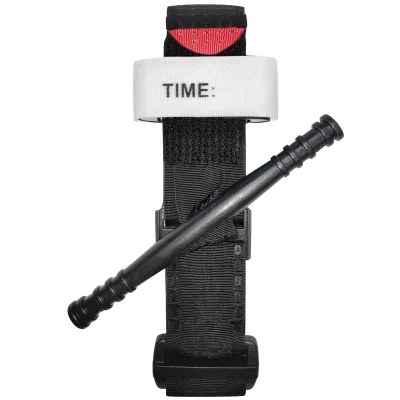
CE Certification Rotary Tourniquet Quick Tourniquets Outdoor Emergency Tourniquet
$1.25 - $1.55
MOQ: 2 pieces
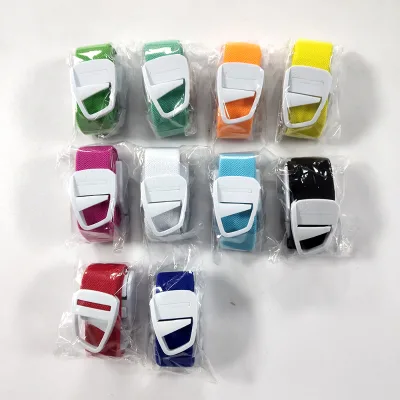
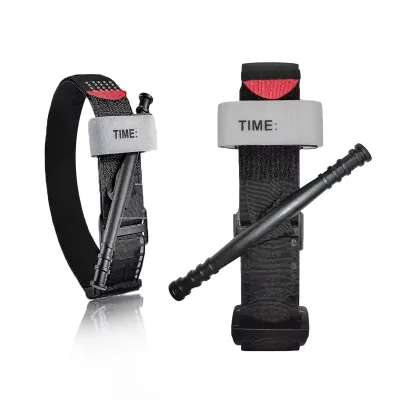
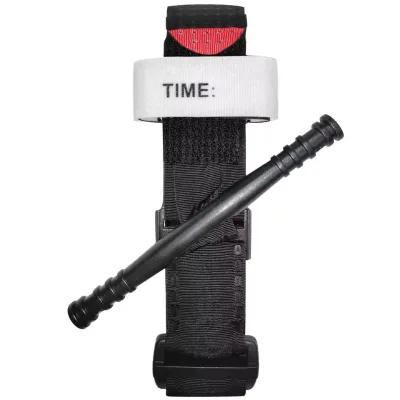
Disposable Wholesale Ce First Aid Emergency Cat Tourniquet Gen 7 Medical Tourniquet
$1.25 - $1.55
MOQ: 2 pieces

Wenzhou Caretek Medical Device Co., Ltd.
- Trading Company
- Zhejiang, China
- Lead time30 days
- Avg. response≤ 11h
Main productsAneroid Sphygmomanometer,Stethoscope,Tourniquet,Digital Thermometer,Digital Sphygmanometer
Main marketsNorth America(30.00%), Eastern Europe(25.00%), Southeast Asia(15.00%), Oceania(10.00%), South America(10.00%), Mid East(5.00%), Africa(5.00%)

Ningbo Multi Channel Co., Ltd.
- Trading Company
- China Zhejiang
- Lead time23 days
- Avg. response≤ 11h
Main productsFirst Aid Kit, Wound Dressing, Bandage, Outdoor Emergency Supplies, Hot/Cold Therapy, Surgery Supplies, Laboratory Supplies, Medical Devices, Anethesia Breathing Supplies, Daily Care
Main marketsSouth America,Southeast Asia/ Mideast,East Asia(Japan/ South Korea),Europe,North America


Medical Survival Emergency Hemostatic Application First Aid Combat Tactical Cat Tourniquet
$1.50 - $2.50
MOQ: 500 Pieces

Hot First Aid Selling Medical Emergency Disposable Cat Tactical Tourniquet
$1.55 - $1.68
MOQ: 500 Pieces
Suzhou Haoxin Medical Technology Co., Ltd.
- Verified by Intertek
- Manufacturer, Trading Company
- Lead time15 days
- Avg. response≤ 2h
Main productsStretcher, Medical Transfer Pad, Medical External Fixation Brace, Medical Infant Bed
Main marketsMid East(30%), Southeast Asia(20%), Eastern Asia(20%)
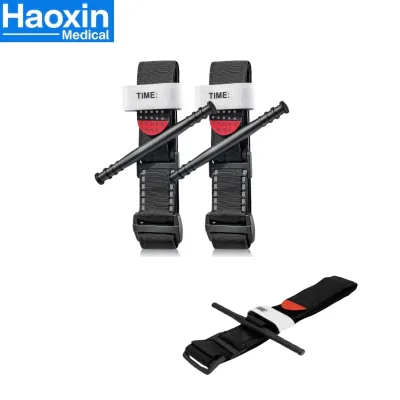
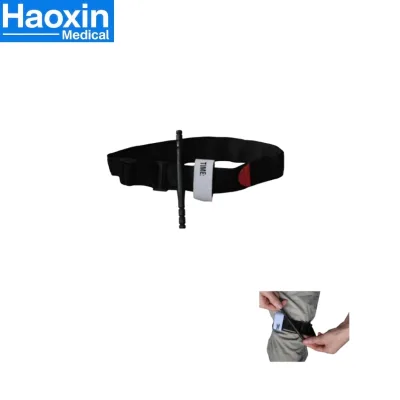
Tourniquet Emergency Outdoor CAT Tourniquet Tactical Tourniquet First Aid Survival Kit Supplies
$1.0263 - $2.072
MOQ: 100 pieces
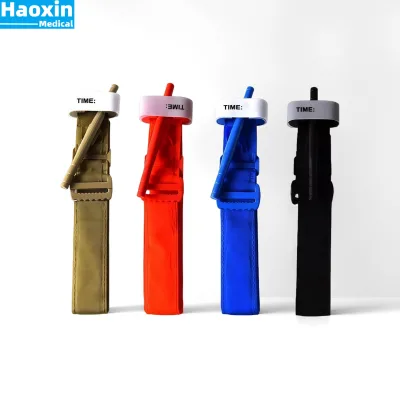
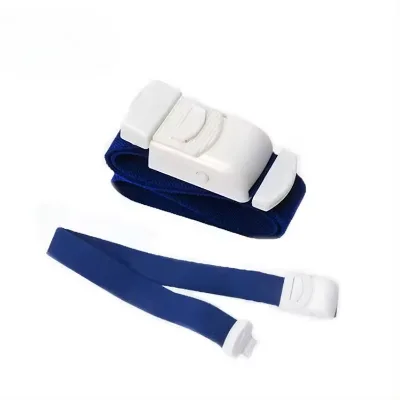
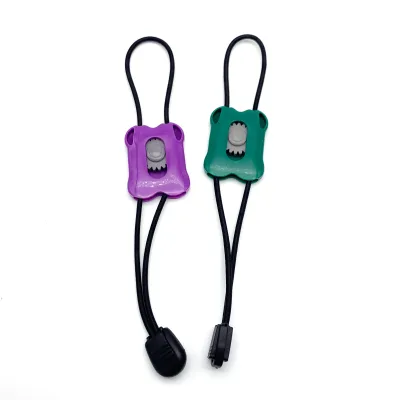
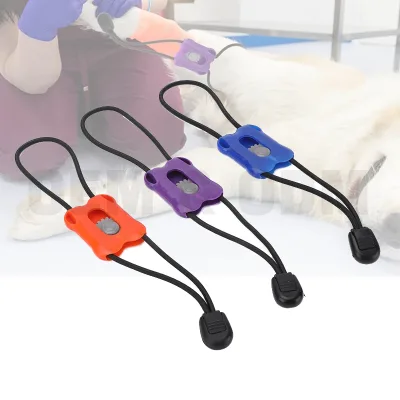
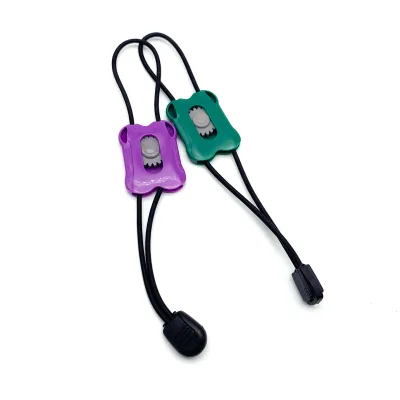
Customized Reusable Emergency Surgical Soft Plastic Buckle Elastic Medical Tourniquet
$0.2094 - $0.8378
MOQ: 100 Minimum
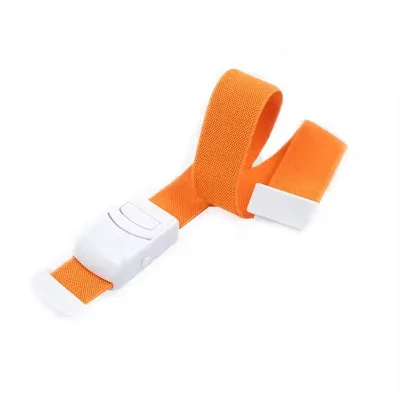
$0.4099 - $0.8198
MOQ: 100 Minimum
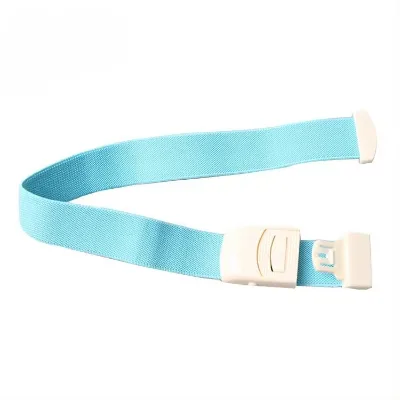
Factory Price First Aid Plastic Manual Medical Tourniquet Emergency Buckle Tourniquets
$0.40 - $0.80
MOQ: 100 Minimum
Nanjing Longcare Medical Equipment Co., Ltd.
- Trading Company
- Jiangsu, China
- Lead time7 days
- Avg. response≤ 2h
Main productsImaging Equipment,ICU equipment,OR Equipment,First-aid Equipment,Sterlizer
Main marketsSoutheast Asia(60.00%), Africa(20.00%), North America(10.00%), Mid East(5.00%), Eastern Europe(5.00%)
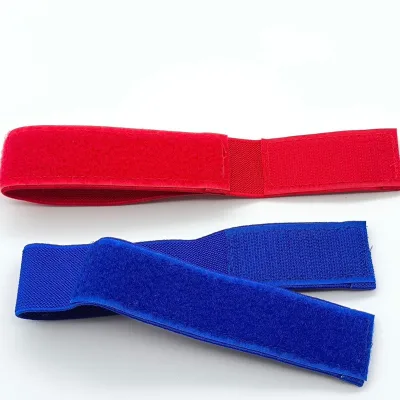
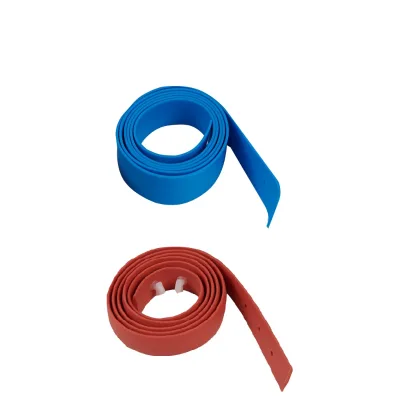
Hemostatic Blood Tourniquet Medical Emergency Tourniquet Waterproof Rubber Tourniquet
$0.926 - $1.5424
MOQ: 2000 Minimum
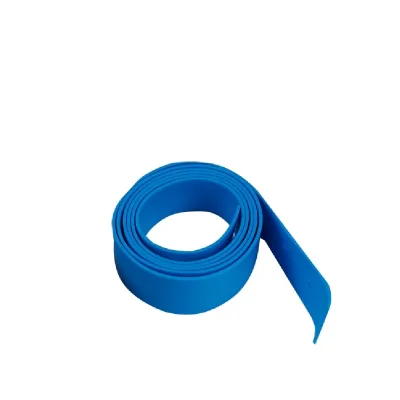
Wholesale Disposable Medical Tourniquet for First Aid Blood Stop TPE Latex Free Tactical Tourniquet
$0.926 - $1.5424
MOQ: 3000 Minimum
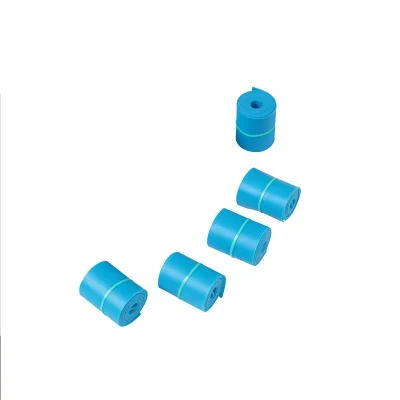
$0.2064 - $0.5146
MOQ: 5000 Minimum
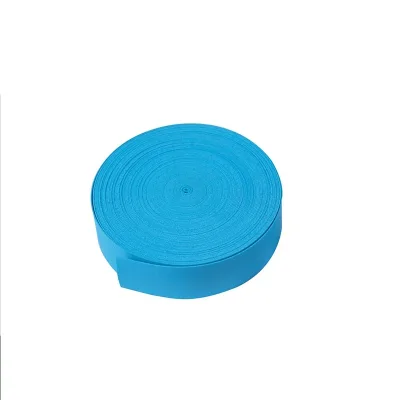
Outdoor Emergency Medical Disposable Tourniquets Disposable Turnstile
$0.2064 - $0.5146
MOQ: 4000 Minimum

Henan Yuenai Trading Co., Ltd.
- Trading Company
- Henan, China
- Lead time5 days
- Avg. response≤ 2h
Main productsMedical consumables,safety butterfly needle,Vacuum blood collection,wheelchair,Medical equipment
Main marketsEastern Asia(30.00%), Southeast Asia(20.00%), Western Europe(20.00%), Africa(20.00%), Mid East(10.00%)

Hengshui Jingkang Medical Device Co., Ltd.
- Manufacturer, Trading Company
- Hebei, China
- Lead time5 days
- Avg. response≤ 6h
Main productsmaternity support,lumbar support,tourmaline magnetic,crutch,arm sling
Main marketsNorth America(40.00%), South America(20.00%), Eastern Europe(15.00%), Domestic Market(5.00%)

Anji Yuandong Medical Products Co., Ltd.
- Verified by SGS
- Combined
- China Zhejiang
- Lead time30 days
- Avg. response≤ 5h
Main productsMedical Disposable, Healthcare Products
Main marketsSouth America,Africa,Southeast Asia/ Mideast,East Asia(Japan/ South Korea),Domestic,Europe,Australia,North America

Yd Cat Cat Reusable Emergency Combattourniquet First Aid Emergency Tactical Combat Tourniquet
$1.00 - $3.00
MOQ: 100 Pieces

Free Sample Portable Cat Tourniquet for Emergency Wound Care Survival Tourniquet
$1.80 - $2.50
MOQ: 1000 Pieces


$1.00 - $3.00
MOQ: 100 Pieces

Yd-Cat Emergency Cat Tourniquet Combat Professional Blood Loss Control Tourniquet
$0.90 - $1.50
MOQ: 500 Pieces

Jiaxing Kangfei Medical Co., Ltd.
- Trading Company
- Zhejiang, China
- Lead time25 days
- Avg. response≤ 9h
Main productsFirst Aid Kit,Emergency Blanket,camping,Outdoor Products,Hunting
Main marketsNorth America(70.00%), South Asia(5.00%), Northern Europe(5.00%), Western Europe(5.00%), Mid East(5.00%), Africa(5.00%), South America(5.00%)

Hangzhou Wehere Medical Technology Co., Ltd.
- Verified by BV
- Trading Company
- China Zhejiang
- Lead time30 days
- Avg. response≤ 3h
Main productsProtective Gown, Face Mask, Thermometer, Dust Mask, Respirator, Pulse Oximeter, Forehead Thermometer, Cadaver Bag, Isolation Gown, Surgical Drape
Main marketsSouth America,Africa,East Asia(Japan/ South Korea),Europe
Zhangjiagang Jiekang Medical Equipment Co., Ltd.
- Verified by TüVRheinland
- Manufacturer, Trading Company
- Lead time20 days
- Avg. response≤ 5h
Main productsStretcher, Spine Board, Splints, Life Vest, First Aid Kit
Main marketsSouth America(30%), North America(20%), Domestic Market(8%)
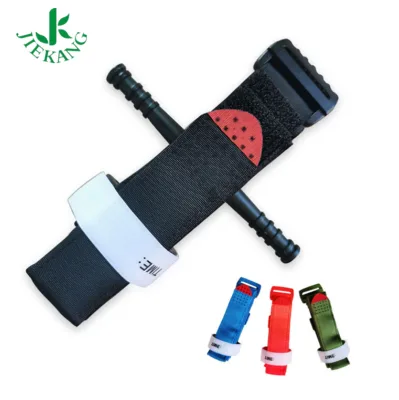
$1.8625 - $3.6218
MOQ: 100 pieces
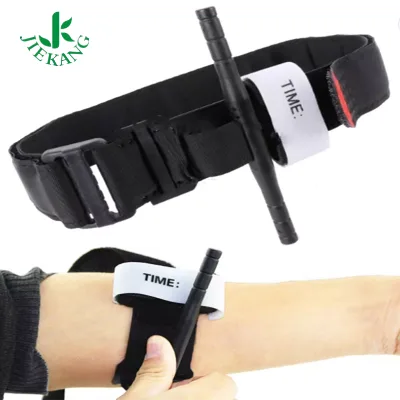
$4.102 - $6.153
MOQ: 100 pieces

WuHan LanYuan Protective Co., Ltd.
- Verified by BV
- Trading Company
- China Hubei
- Lead time23 days
- Avg. response≤ 10h
Main productsElectric Tricycle, Motorized Tricycle Cargo, Shoe Cover, Isolation Gown, Mob Cap, PE Apron, Hospital Uniform, Blood Segment Device, Surgical Gown, Smear Making Safe Blood Dispenser
Main marketsSoutheast Asia/ Mideast,Europe,North America
Anping Guardian Medical Equipment Co., Ltd.
- Manufacturer, Trading Company
- Lead time旺季: "1 - 2000":7,"2001 - 10000":15,"10001 - 100000":25,"> 100000":"To be negotiated", 淡季: "1 - 2000":7,"2001 - 10000":15,"10001 - 100000":25,"> 100000":"To be negotiated"
- Avg. response≤ 3h
Main productsTourniquet, Gauze, Bandage, First Aid Kit, Splint
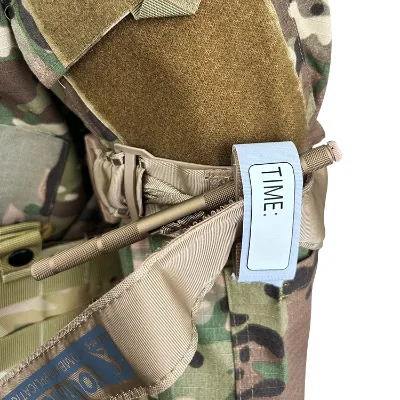
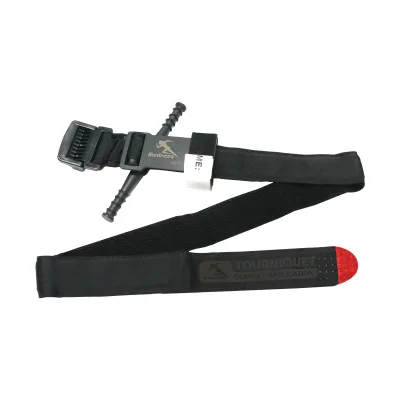
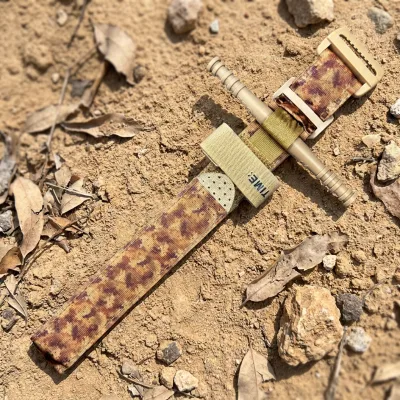
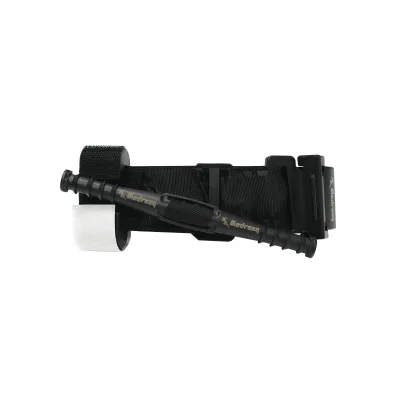
Medresq China Manufacturer SOF Tourniquet Abdominal Aortic and Junctional Tourniquet CAT Tourniquet
$4.3893 - $5.1073
MOQ: 100 pieces
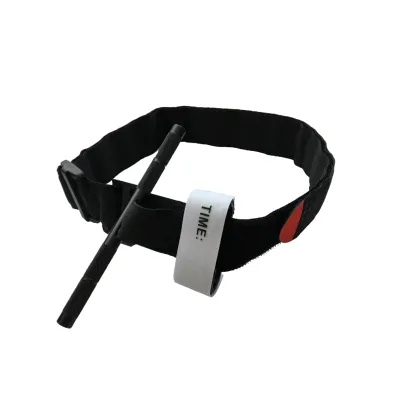
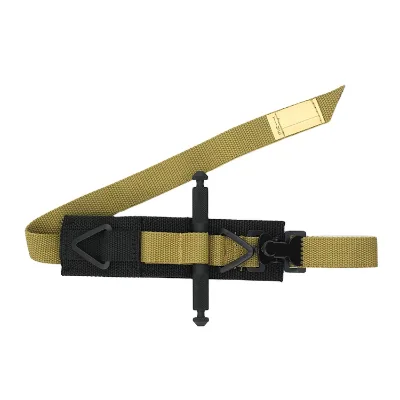
$2.3068 - $4.0123
MOQ: 100 pieces
- Manufacturer, Trading Company
- Lead time旺季: "1 - 100000":15,"> 100000":"To be negotiated", 淡季: "1 - 100000":15,"> 100000":"To be negotiated"
- Avg. response≤ 2h
Main productsMedical Supplies, Laboratory Consumables, Medical Equipment
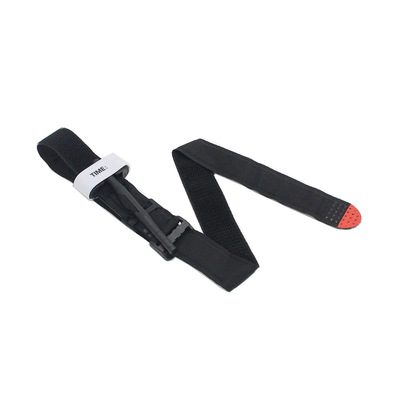
$0.3306 - $2.0675
MOQ: 1 Minimum
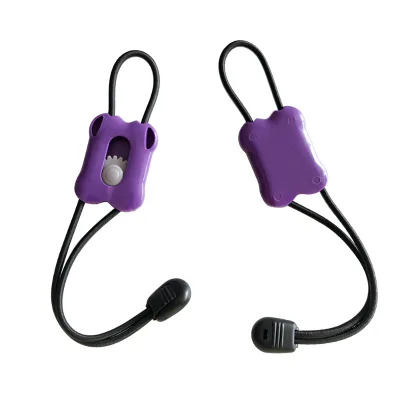
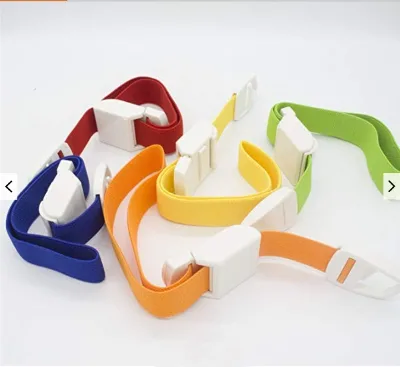
$0.3186 - $0.5131
MOQ: 1 Minimum
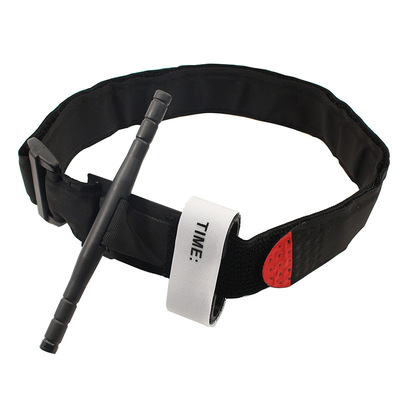
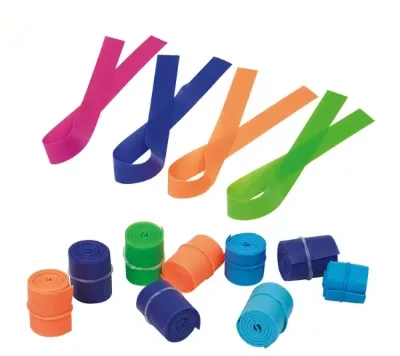
High Quality Ce Disposable Medical Outdoor First Aid Cat Automatic Tsystems Tourniquet
$0.2783 - $0.555
MOQ: 1 Minimum
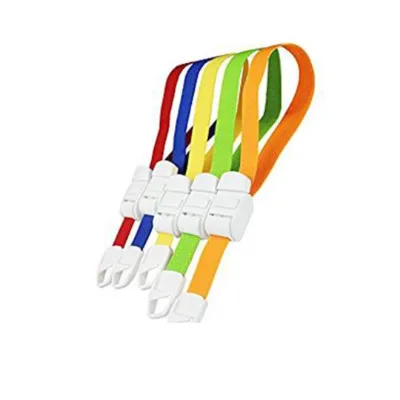
Wholesale Price Good Quality Disposable Medical Orthopedic First Aid Cat Cuff Tourniquet
$0.27 - $0.56
MOQ: 1 Minimum

Guangzhou MeCan Medical Limited
- Verified by CTI
- Combined
- China Guangdong
- Lead time15 days
- Avg. response≤ 5h
Main productsColor Doppler Ultrasound Scanner, Patient Monitor, Medical Fridge, Medical X-ray Machine, X-ray Film Processor, Colonoscope, Hospital Bed, Medical Freezer, Ventilator, Anaesthesia Machine
Main marketsAfrica,Southeast Asia/ Mideast


$1.50 - $2.50
MOQ: 500 Pieces


Zhejiang Kangrui Apparatus Technology Co., Ltd.
- Verified by BV
- Combined
- China Zhejiang
- Lead time30 days
- Avg. response≤ 14h
Main productsSyringe, Needle, Ear Tag, Applicator, Veterinary, Drencher, Drinker, Feeder, Ai Equipments, Feeding Equipments
Main marketsSouth America,Southeast Asia/ Mideast,Domestic,Europe,Australia,North America


Pet Medical Disposable Tourniquet Veterinary for Animal Dog Cat Pets
$0.082 - $0.085
MOQ: 10000 Pieces

Shanghai Even Medical Instruments Co., Ltd.
- Verified by BV
- Manufacturer/Factory
- China Shanghai
- Lead time45 days
- Avg. response≤ 7h
Main productsSurgical Suture, Alcohol Pad, Blood Lancet, Spinal Needle, Medicine Envelope, Urine Container, Surgical Blade, Face Mask 3ply, Isolation Gown, Sterile Swab Stick
Main marketsSouth America,Mid East,North America,Western Europe,Africa

Factory Wholesale Emergency Tactical Medical Tourniquet for Outdoor Combat and Cat Rescue
$1.10 - $1.40
MOQ: 5000 Pieces

Latex-Free Portable First Aid Tourniquet for Emergency Outdoor Combat and Cat Rescue
$1.10 - $1.40
MOQ: 5000 Pieces
Hengshui Runde Medical Instruments Co., Ltd.
- Manufacturer, Trading Company
- Hebei, China
- Lead time10 days
- Avg. response≤ 2h
Main productsBack Brace,Tourniquet,Pregnancy Support Belt,Crutch,Splint
Main marketsEastern Asia(100.00%), North America(50.00%), Western Europe(10.00%), Domestic Market(5.00%), South America(5.00%), Southern Europe(5.00%), Eastern Europe(5.00%), Northern Europe(5.00%), Oceania(4.00%), South Asia(3.00%), Mid East(2.00%), Africa(2.00%), Southeast Asia(2.00%), Central America(2.00%)

Ningbo Jenius Polymer Sci-Tech Co., Ltd.
- Manufacturer, Trading Company
- Zhejiang, China
- Lead time30 days
- Avg. response≤ 4h
Main productsTourniquet,Resistance band,Esmark bandage,Yoga Band,First aid kit
Main marketsNorthern Europe(20.00%), Mid East(10.00%), Domestic Market(10.00%), Central America(10.00%), Eastern Europe(10.00%), North America(10.00%), South America(10.00%), Oceania(5.00%), South Asia(5.00%), Western Europe(5.00%), Eastern Asia(3.00%), Southeast Asia(2.00%)
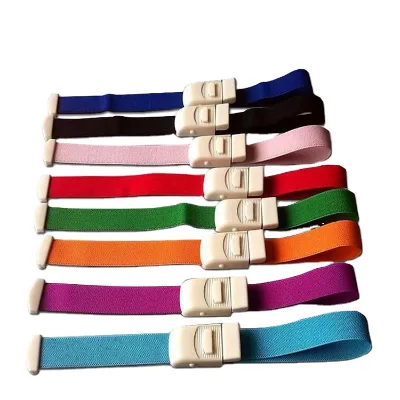
$0.29 - $0.30
MOQ: 3000 pieces
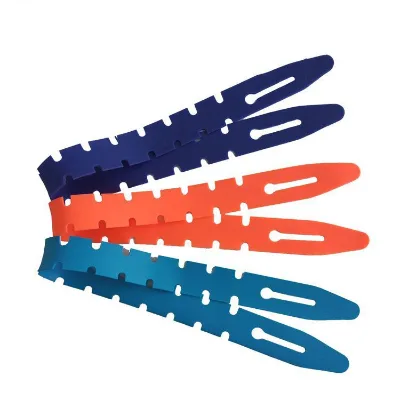
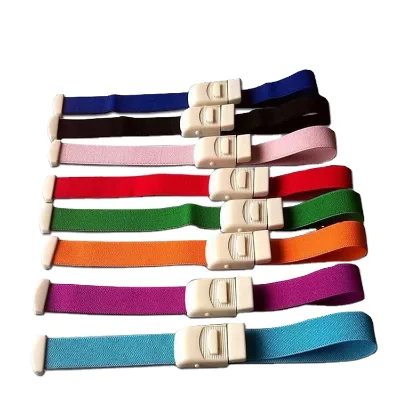
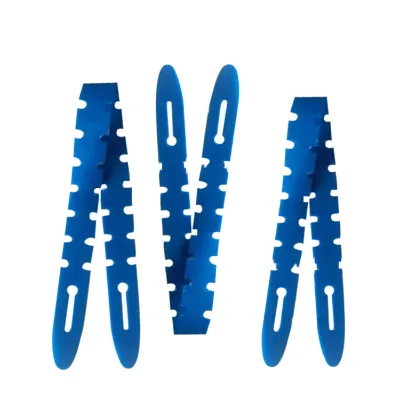
High Quality Latex Free Tourniquet for ICU Wholesale Emergency Clinics Apparatuses Medical Use
$0.04 - $0.13
MOQ: 10000 Minimum
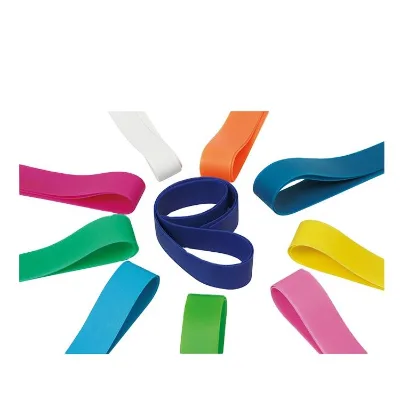

- Verified by TUVRHEINLAND
- Trading Company,Manufacturer/Factory
- China Guangdong
- Lead time45 days
- Avg. response≤ 10h
Main productsElectric Wheelchair, Manual Wheelchair, Sports Wheelchair, Hospital Bed, Crtuches, Walking Aids, Shower Chair, Trailer Mobility Scooter, Commode Wheelchair, Stretcher
Main marketsSouth America,Eastern Europe,Mid East,North America,Oceania,Western Europe,Africa


Medical Tourniquet Outdoors Spinning Emergency Tourniquet One-Handed Tourniquet
$2.40 - $3.60
MOQ: 100 Pieces


Suzhou Highsee Medical Co., Ltd.
- Verified by Intertek
- Trading Company
- Lead time20 days
- Avg. response≤ 2h
Main productsAmbulance Stretcher, Stair Stretcher, Head Immobilizer, Spine Board, First Aid Bag
Main marketsSouth America(32%), North America(16%), Southeast Asia(16%)
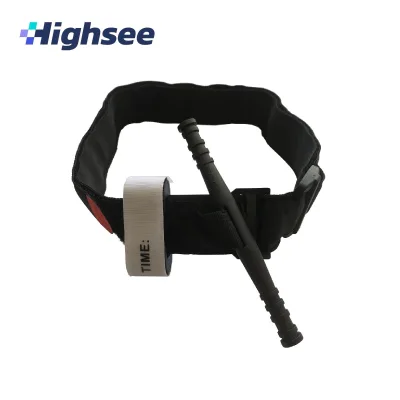
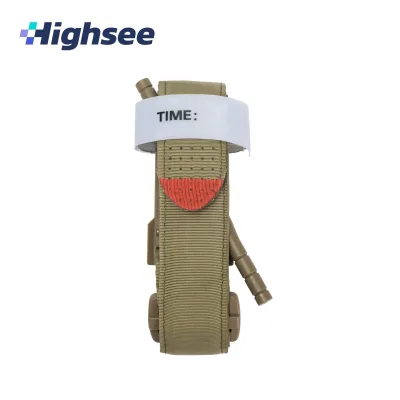
High Quality Rescue Tourniquet CE Approved CAT Plastic Rod Stop Bleeding Tourniquet
$1.0218 - $2.042
MOQ: 50 pieces


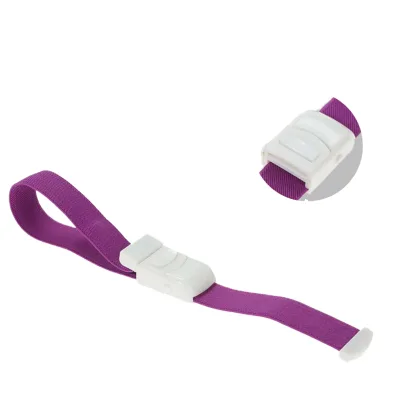
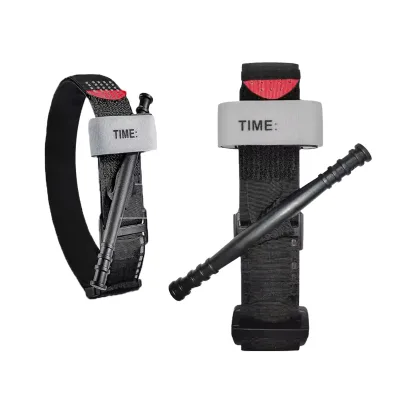
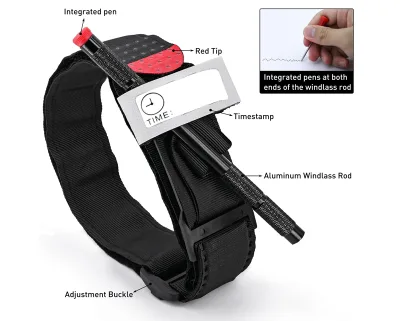
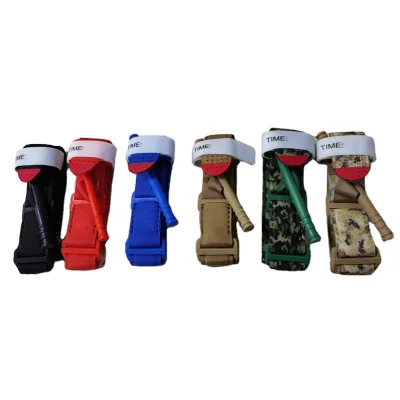
Comprehensive Sourcing Guide
Class I Emergency Veterinary Tourniquet Supplier Concentration and Factory Types
The current supplier landscape for Class I emergency veterinary tourniquets reveals a diverse mix of manufacturing capabilities concentrated primarily in specific Chinese provinces. Factories located in Guangdong often operate as combined entities, offering a broad range of medical devices alongside specialized emergency supplies. These suppliers frequently hold ISO9001:2015 certification and undergo SGS verification, indicating a structured approach to quality management systems. Their product portfolios may include not just tourniquets but also AED cabinets, CPR masks, and dental equipment, suggesting a versatile production environment capable of handling multiple medical categories. This diversification can be advantageous for buyers seeking a single source for various first aid needs, although it requires careful scrutiny to ensure the specific veterinary tourniquet meets Class I regulatory standards. The presence of ODM, OEM, and own brand capabilities in these Guangdong facilities highlights their flexibility in customizing products for different market requirements.
In contrast, suppliers based in Jiangsu and Hebei present different operational profiles that buyers must evaluate. Jiangsu-based trading companies may focus on orthopedic tapes and bandages, potentially sourcing tourniquets from their own manufacturing arms or partners. These entities often display rapid response times, which can streamline initial communication but may require deeper verification of their actual production control. Hebei-based manufacturers, such as those verified by TÜV Rheinland, often specialize directly in tourniquet production, offering specific models like the AT101 or CT101. These suppliers typically emphasize reusable materials like ABS and polyester fiber or nylon and plastic, catering to the durability needs of veterinary field applications. The distinction between trading companies and direct factories is critical, as it impacts pricing structures, lead times, and the ability to customize product features. Buyers should identify whether the supplier is a manufacturer or a trader to understand the true source of their Class I certification and production capacity.
How to Verify Class I Emergency Veterinary Tourniquet Suppliers
Verifying the legitimacy and compliance of Class I Emergency Veterinary Tourniquet suppliers requires a multi-layered approach that goes beyond basic profile checks. Buyers must first confirm the specific instrument classification listed in the product attributes, ensuring it explicitly states Class I. This classification is crucial because it dictates the regulatory pathway and the level of scrutiny required for importation into various markets. Suppliers claiming Class I status should provide documentation that aligns with this classification, such as CE marks or ISO certifications that cover the specific device type. It is essential to cross-reference the system certifications, such as ISO9001:2015, with the product-specific certifications like CE or RoHS. Discrepancies between the company’s general certification and the product’s specific compliance can indicate a lack of rigorous quality control or potential misrepresentation of the product’s regulatory status.
Beyond certifications, buyers should assess the supplier’s verification badges and response metrics to gauge reliability. Suppliers verified by third-party agencies like SGS or TÜV Rheinland offer an additional layer of trust, as these agencies conduct on-site audits and factory inspections. The response time metric, ranging from 1.60 to 8.58 hours in observed data, can serve as an indicator of operational efficiency and customer service readiness. A faster response time often correlates with a more organized sales and technical support team, which is vital for resolving issues related to Class I device compliance. Additionally, buyers should inquire about the supplier’s establishment year and track record, although this data may not always be explicitly displayed. Requesting references or case studies from previous veterinary clients can provide concrete evidence of the supplier’s experience in handling Class I medical devices. This due diligence helps mitigate the risk of partnering with entities that may not fully understand the regulatory nuances of veterinary emergency equipment.
What to Compare Across Class I Emergency Veterinary Tourniquet Suppliers
When evaluating multiple suppliers for Class I emergency veterinary tourniquets, buyers must compare key operational metrics to determine the best fit for their procurement strategy. Lead times are a critical factor, with observed data showing variations that can impact inventory management and emergency readiness. Suppliers with shorter lead times, such as those around 15 days, may be preferable for maintaining steady stock levels, while longer lead times might require larger safety stocks. Minimum Order Quantities (MOQ) also vary significantly, ranging from 50 units for specialized tactical models to 100,000 units for high-volume disposable options. Buyers should align their MOQ requirements with their expected usage rates to avoid excessive inventory costs or stockouts. Comparing these metrics across suppliers helps in identifying those that offer the most favorable balance between cost efficiency and supply chain reliability.
Price and customization options are equally important dimensions for comparison. Unit prices for Class I tourniquets can range from as low as $0.02 to over $3.00, depending on the material, features, and order volume. Buyers should analyze the price-to-MOQ ratio to understand the cost implications of different order sizes. Additionally, the availability of customization services, such as logo printing, custom packaging, or specific material selections, can be a decisive factor for brands looking to differentiate their products. Suppliers offering ODM and OEM capabilities provide greater flexibility in tailoring the tourniquet to specific veterinary needs, such as size adjustments or color coding for different animal types. Comparing these customization options alongside price and lead times allows buyers to select a supplier that not only meets their budgetary constraints but also supports their brand identity and operational requirements. This holistic comparison ensures a well-informed decision that considers both immediate costs and long-term strategic value.
Common Class I Emergency Veterinary Tourniquet Sourcing Risks
Sourcing Class I emergency veterinary tourniquets involves several inherent risks that buyers must proactively manage to ensure product quality and regulatory compliance. One significant risk is the misclassification of the device, where suppliers may label a Class II or higher-risk device as Class I to simplify the certification process. This misrepresentation can lead to severe legal and safety issues upon importation or use. Buyers must rigorously verify the instrument classification in the product attributes and request supporting documentation to confirm the device’s actual risk category. Another risk is the inconsistency in material quality, particularly for reusable tourniquets that rely on durable materials like ABS, polyester, or nylon. Variations in material composition can affect the tourniquet’s effectiveness in emergency situations, potentially leading to device failure. Buyers should request material specifications and test reports to ensure the durability and safety of the components used in production.
Packaging and shelf life are also critical areas where risks can emerge. Some suppliers offer customized packing, which may not meet the stringent storage and transportation requirements for medical devices. Inadequate packaging can lead to product damage or contamination, compromising the tourniquet’s sterility and functionality. Additionally, discrepancies in shelf life claims, ranging from 2 to 3 years, require verification to ensure the product remains effective throughout its intended use period. Buyers should also be cautious of suppliers with high MOQs for low-cost items, as this can tie up capital and increase the risk of obsolescence if the product does not sell as expected. Furthermore, the reliance on third-party verification badges without direct engagement with the verifying agency can create a false sense of security. Buyers should maintain open communication with suppliers to address these risks promptly and ensure that all Class I tourniquets meet the highest standards of quality and safety.
Class I Emergency Veterinary Tourniquet Regional Sourcing and Logistics
Regional sourcing strategies for Class I emergency veterinary tourniquets are heavily influenced by the geographic concentration of suppliers in China. Guangdong, Jiangsu, and Hebei provinces represent key manufacturing hubs, each offering distinct logistical advantages and challenges. Suppliers in Guangdong, often located in industrial clusters, benefit from established supply chains and proximity to major ports, facilitating efficient export logistics. These regions are known for their comprehensive manufacturing ecosystems, which can support complex production runs and rapid scaling. Buyers sourcing from Guangdong should consider the potential for higher logistics costs due to the distance from certain international markets, but the trade-off is often offset by the region’s advanced manufacturing capabilities and diverse product offerings. The presence of combined companies in this region also allows for consolidated shipping, reducing overall logistics expenses for multi-product orders.
In contrast, suppliers in Jiangsu and Hebei may offer different logistical profiles that buyers should evaluate based on their specific needs. Jiangsu’s trading companies often leverage their strategic location near Shanghai and other major trade centers, enabling faster access to global shipping routes. This can result in shorter transit times for certain destinations, enhancing supply chain responsiveness. Hebei-based manufacturers, while potentially further from major ports, may offer competitive pricing and specialized production for tourniquets, which can be advantageous for buyers prioritizing cost efficiency. Buyers should assess the total landed cost, including freight, insurance, and customs duties, when comparing suppliers from different regions. Additionally, understanding the local infrastructure and potential bottlenecks in each province can help in planning more resilient supply chains. By aligning regional sourcing choices with logistical requirements, buyers can optimize their procurement strategy for Class I emergency veterinary tourniquets.
Class I Emergency Veterinary Tourniquet Commercial Terms and Order Planning
Effective commercial terms and order planning are essential for successful procurement of Class I emergency veterinary tourniquets. Buyers should negotiate clear payment terms that align with their cash flow management, such as using escrow services to secure transactions until product delivery and verification are complete. This is particularly important when dealing with new suppliers or large orders, as it mitigates the risk of non-delivery or quality disputes. Additionally, buyers should clarify the warranty terms, which may vary among suppliers, with some offering up to two years of coverage. Understanding the warranty scope and claim process is crucial for managing long-term product performance and customer satisfaction. Buyers should also inquire about sample policies, as many suppliers offer samples for quality assessment before committing to bulk orders. This allows for thorough testing of the Class I tourniquet’s functionality and compliance with veterinary standards.
Order planning should consider the supplier’s production capacity and lead times to ensure timely delivery. Buyers must account for potential delays in production or shipping, especially when dealing with high MOQs or customized orders. Establishing a clear communication channel with the supplier for order tracking and issue resolution is vital for maintaining supply chain stability. Buyers should also plan for inventory replenishment based on the supplier’s lead time and their own consumption rates, avoiding stockouts that could impact emergency response capabilities. Furthermore, considering the total cost of ownership, including maintenance and replacement costs for reusable tourniquets, can inform more accurate budgeting and forecasting. By integrating these commercial terms and planning strategies, buyers can build a robust procurement framework that supports the reliable supply of Class I emergency veterinary tourniquets.
FAQs
What certifications do emergency tourniquets have?
Most listed tourniquets carry CE and ISO certifications, with some also holding RoHS approval. These marks indicate compliance with international safety and quality standards for medical devices. Buyers should verify specific instrument classifications, such as Class I or Class II, to ensure the product meets their regulatory requirements for veterinary or human emergency use.
What is the typical lead time for orders?
Standard lead times for these medical supplies are approximately 15 days. This duration allows for production and quality checks before shipment. Buyers requiring faster turnaround should contact suppliers directly, as response times vary, with some manufacturers offering replies within 1.60 hours to expedite urgent procurement needs for emergency kits.
What is the minimum order quantity for tourniquets?
Minimum order quantities vary significantly by product type. Tactical tourniquets often require a minimum of 50 units, while bulk medical disposables may start at 100,000 pieces. Veterinary-specific models sometimes have lower thresholds around 100 units. Buyers should check individual product listings to confirm the exact MOQ for their specific sourcing needs.
Are tourniquets reusable or disposable?
Manufacturers offer both reusable and disposable options. Reusable models are typically made from durable materials like ABS and polyester fiber, designed for repeated use in field conditions. Disposable versions are often constructed from nylon and TPE, intended for single-use scenarios. Buyers should select the feature type that best fits their operational frequency and hygiene protocols.
What is the price range for these items?
Prices range from approximately $0.02 to $3.88 per unit depending on specifications. Basic disposable medical tapes are at the lower end, while tactical combat tourniquets cost more. Customization options and packaging requirements can also influence the final price. Buyers should request quotes based on their specific quantity and customization needs for accurate budgeting.
Can I customize the logo and packaging?
Yes, most suppliers offer customization services including logo printing and packaging design. Many manufacturers support OEM and ODM services to create branded products. Buyers can often choose from various packing methods, such as OPP bags or custom boxes. This flexibility allows organizations to maintain brand consistency across their emergency medical supply chains.