Laser Welded EVA Dissecting Blade Suppliers and Manufacturers
Compare 21 verified suppliers offering Laser Welded EVA Dissecting Blade with details on response times, lead times, and certifications. Review product attributes like material and warranty before contacting vendors for samples; review the available evidence before requesting comparable quotations from suitable candidates.
Updated
Suppliers List
Dongguan Changsheng Cutting Tool Co., Ltd.
- Verified by SGS Group
- Manufacturer, Trading Company
- Lead time15 days
- Avg. response≤ 3h
Main productsBand Saw Blade, Band Knife Blade, Strip Steel, Saw Blade, Circular Saw Blade, Strip Steel
Main marketsDomestic Market(50%), North America(5%), South America(5%)
- Trading Company
- Taiwan, China
- Lead time30 days
- Avg. response≤ 9h
Main productsDiamond CBN Internal Points,Diamond Mounted Points,Diamond Files,Ceramic Fiber Stones,Diamond Disc
Main marketsNorth America(30.00%), Northern Europe(20.00%), Eastern Europe(10.00%), Mid East(10.00%), Western Europe(10.00%), Southeast Asia(10.00%), Southern Europe(5.00%), South Asia(5.00%)
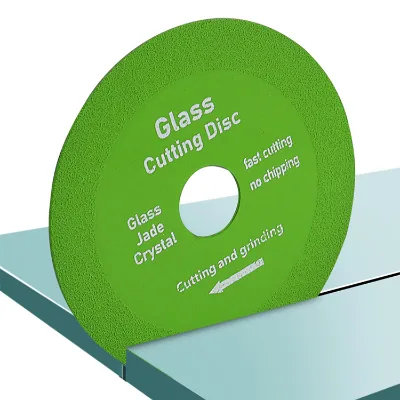
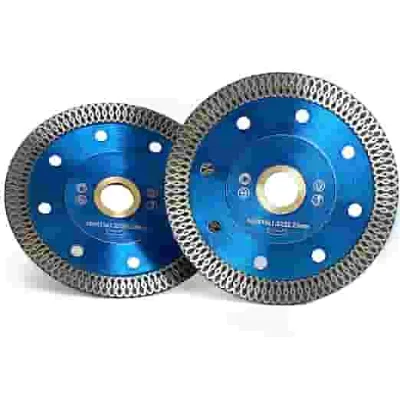
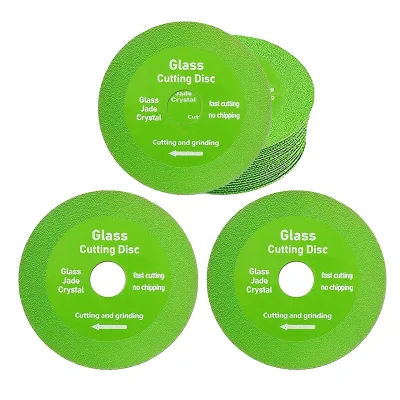
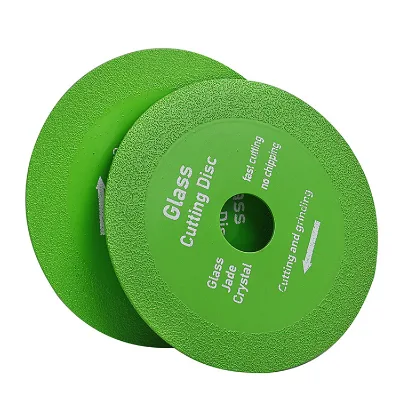
$0.6865 - $0.7795
MOQ: 10 pieces
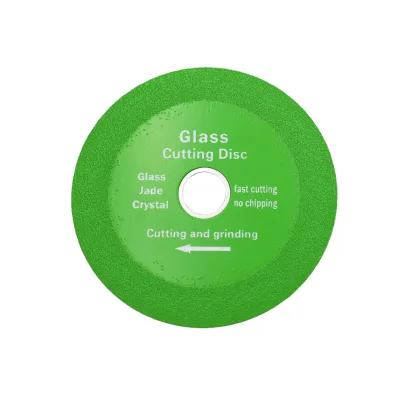
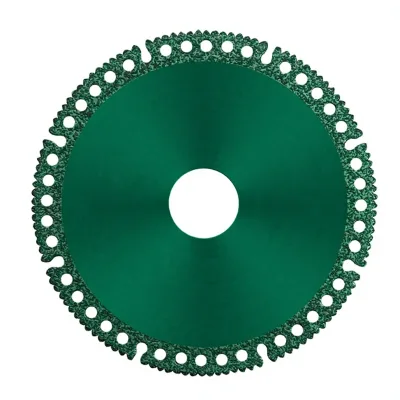
Beijing Liqsteel Products Co., Ltd.
- Verified by SGS Group
- Trading Company
- Lead time12 days
- Avg. response≤ 2h
Main productsSaw blade, Drill Bit, Grinding Wheel, Polishing Pad
Main marketsNorth America(27%), South America(18%), Oceania(11%)
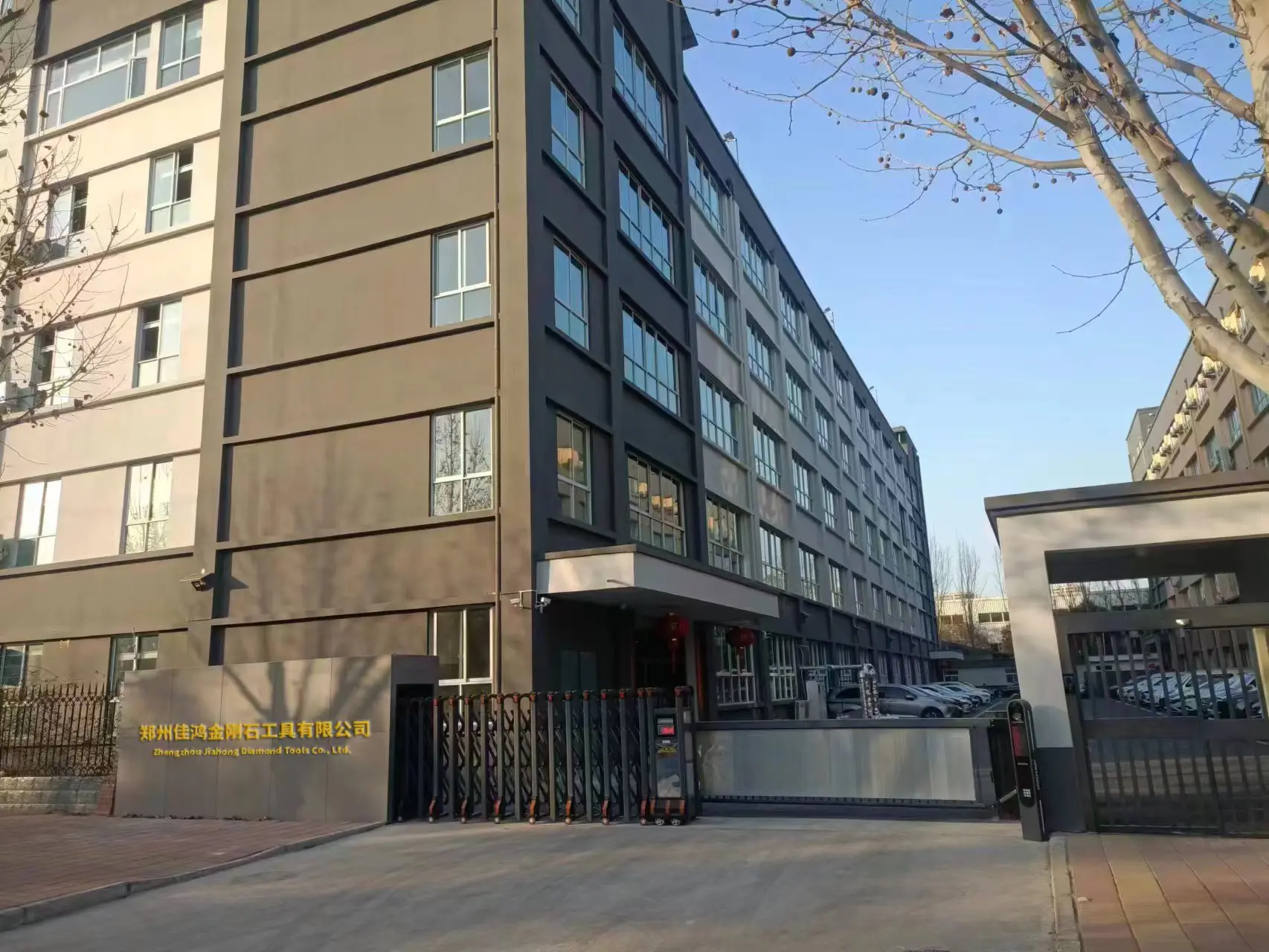
Zhengzhou Jiahong Diamond Tools Co., Ltd.
- Manufacturer
- Henan, China
- Lead time15 days
- Avg. response≤ 2h
Main productsDiamond products,Abrasive tools,Road engraving,Large wall blade,Slotted sheet
Main marketsNorth America(30.00%), South America(20.00%), Mid East(10.00%), Central America(8.00%), South Asia(5.00%), Domestic Market(3.00%), Africa(3.00%), Southern Europe(3.00%), Southeast Asia(3.00%), Northern Europe(3.00%), Eastern Europe(3.00%), Western Europe(3.00%), Eastern Asia(3.00%), Oceania(3.00%)

Hangzhou Xinsheng Precision Machinery Co., Ltd.
- Combined
- China Zhejiang
- Lead time45 days
- Avg. response≤ 1h
Main productsCircular Saw Blade, Saw Blade, Circular Saw, Power Tools, Saw, Cutting Blade, Diamond Tools, Multi-Ripping Saw Blades, Cutting Aluminum Saw Blade, Cutting MDF Saw
Main marketsSouth America,Southeast Asia/ Mideast,Domestic,Europe,North America


Laser Welding Process Select Material 14 Inch Saw Blades for Cutting Metal
$29.80 - $30.90
MOQ: 1 Pieces
Lianyungang ZXJ Machinery Co., Ltd.
- Verified by Intertek
- Manufacturer, Trading Company
- Jiangsu, China
- Lead time20 days
- Avg. response≤ 4h
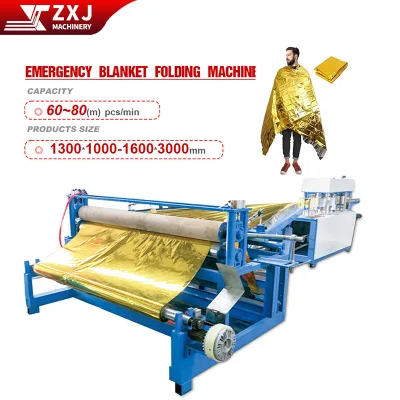
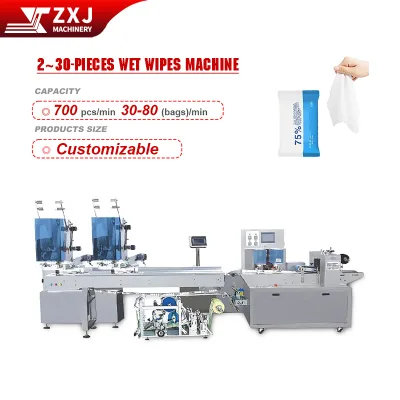
Main productsPop-up Aluminum Foil Folding Machine, Emergency Blanket Folding Machine, Non-woven Fabric Folding Machine, Pop-up Silicone Oil Paper Folding Machine, Plastic Deli Sheets Folding Machine
Main marketsDomestic Market(76%), Eastern Asia(6%), South Asia(5%)
$9000.00
Jinan Hongyue Machinery And Tools Co., Ltd.
- Trading Company
- Shandong, China
- Lead time0 days
- Avg. response≤ 2h
Main productsAbrasive Tool,Diamond Polishing Tools,Pellet Machine,Pellet Line,Agricultural Machine
Main marketsNorth America(30.00%), Mid East(20.00%), Africa(20.00%), Southeast Asia(10.00%), Domestic Market(5.00%), South Asia(5.00%), Southern Europe(5.00%), Northern Europe(5.00%), Central America(5.00%), Western Europe(5.00%), Eastern Asia(5.00%), Eastern Europe(5.00%), Oceania(5.00%), South America(5.00%)

Xingtai Hengchang Tools Co., Ltd
- Verified by BV
- Combined
- China Hebei
- Lead time23 days
- Avg. response≤ 3h
Main productsDiamond Saw Blade, Grinding Cup Wheel, Diamond Core Drill, Diamond Grinding Wheel, Diamond Drill
Main marketsEast Asia(Japan/ South Korea)
- Verified by Intertek
- Manufacturer, Trading Company
- Lead time0 days
- Avg. response≤ 16h
Main productsProfile Twist Drills, Milling Cutters for Bank Cards & SIM Card, Inserts and Holders for Seal Rings, High Precision Torque Wrenches, Carbide Ball-Fluted & Ball-Diamond
Main marketsDomestic Market(33%), Eastern Europe(26%), Eastern Asia(11%)
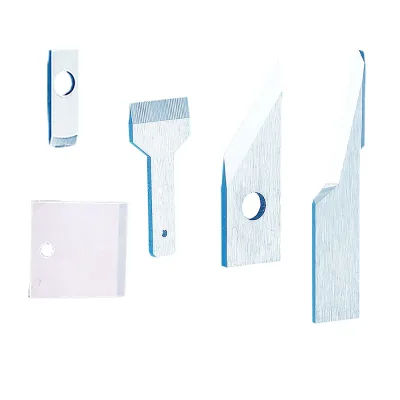
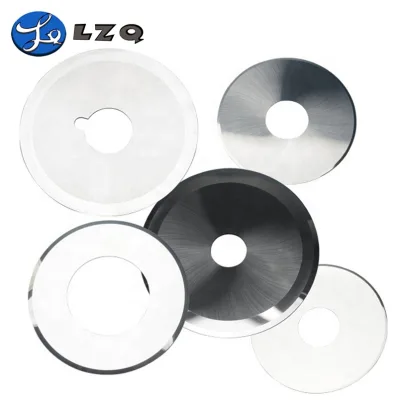
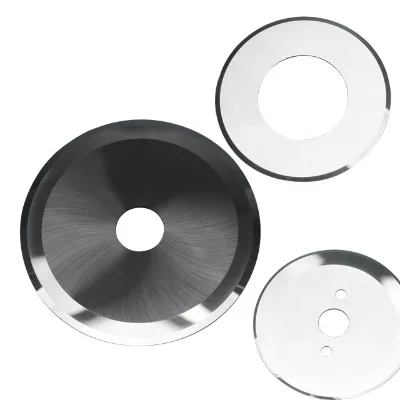
$1.0313 - $9.2728
MOQ: 1 Minimum
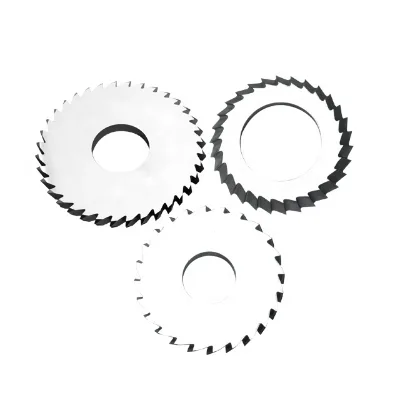
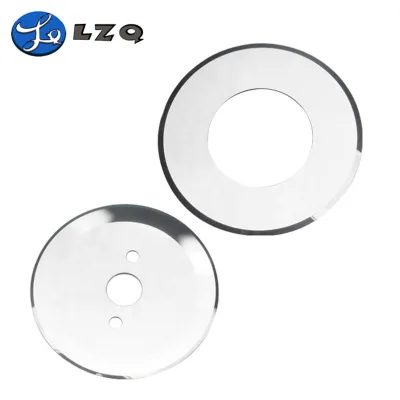
Fibre Laser Cutter Paper Working Circular Blade Corrugated Paper Bottom Knife on Sale
$9.3957
MOQ: 10 Minimum
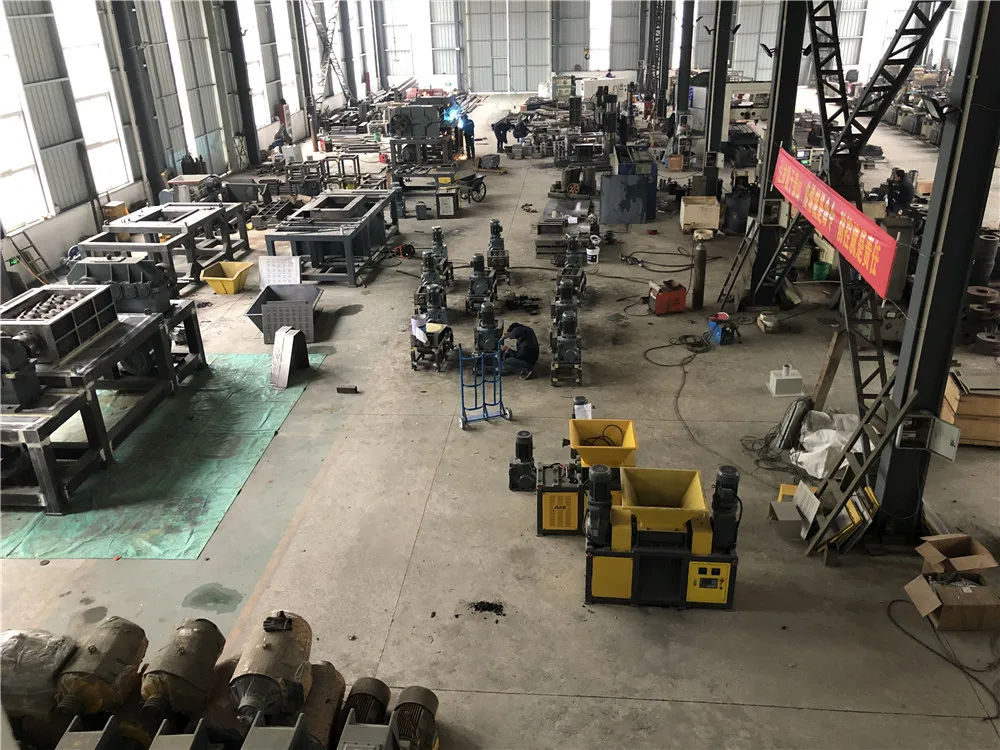
Maanshan Jiahe Machinery Technology Co., Ltd.
- Trading Company
- Anhui, China
- Lead time10 days
- Avg. response≤ 6h
Main productsSingle Shaft Shredder,Double Shaft Shredder,Four Shaft Shredder,Shredder Chamber Box,Industrial Blade
Main marketsWestern Europe(37.00%), Domestic Market(19.00%), North America(9.00%), Africa(9.00%), Southeast Asia(9.00%), Eastern Asia(5.00%), South Asia(2.00%), Southern Europe(2.00%), Central America(2.00%), Eastern Europe(2.00%), South America(1.00%), Oceania(1.00%), Northern Europe(1.00%), Mid East(1.00%)
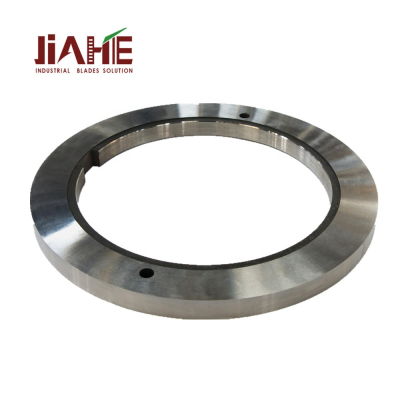
$65.00
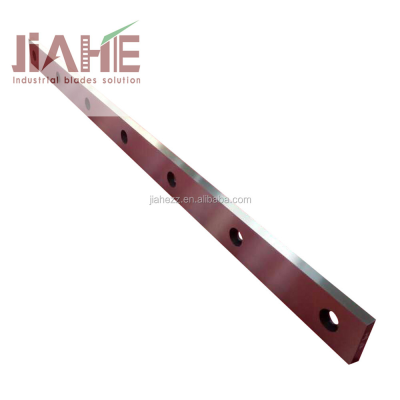
Dongguan Binfeng Knife & Saw Co., Ltd.
- Verified by SGS Group
- Manufacturer, Trading Company
- Lead time10 days
- Avg. response≤ 7h
Main productsBand Saw Blade, Band Knife Blade, Saw Blade, Circular Saw Blade, Steel Strip
Main marketsDomestic Market(35%), South America(10%), Southeast Asia(10%)
Dongguan Changsheng Industrial Co., Ltd.
- Manufacturer, Trading Company
- Guangdong, China
- Lead time15 days
- Avg. response≤ 5h
Main productscustomized special blade,band saw balde,band knife blade,steel strip,bell knife
Main marketsDomestic Market(40.00%), Southern Europe(6.00%), Eastern Europe(6.00%), Africa(6.00%), Central America(5.00%), South Asia(5.00%), Eastern Asia(5.00%), Northern Europe(5.00%), North America(5.00%), South America(5.00%), Southeast Asia(4.00%), Western Europe(3.00%), Mid East(3.00%), Oceania(2.00%)

Nanjing Hangjin Machinery Equipment Co., Ltd.
- Verified by CTI
- Trading Company
- China Jiangsu
- Lead time30 days
- Avg. response≤ 7h
Main productsBlade, Knife, Machine Cutter, Rubber Blade, Machine Knife, Circle Blade, Cutting Tools Knife, Cutting Tools Blade, Processing Knives, Cutting Blade
Main marketsSouth America,Southeast Asia/ Mideast,Europe

Aculon Mechanical Industrial Co., Ltd
- Verified by TUVRHEINLAND
- Manufacturer
- China Jiangsu
- Lead time30 days
- Avg. response≤ 4h
Main productsShredder, Bending Machine, Shredder Blade, Bending Tools, Mechanical Cutting Tools, Slitter Knife, Mechanical Equipment and Accessories, Double Shaft Shredder, Single Shaft Shredder, Mini Shaft Shredder

Hubei Sansheng Knife Saw Co., Ltd.
- Manufacturer
- China Hubei
- Lead time23 days
- Avg. response≤ 4h
Main productsBand Saw Blade, Timber Log Wood Cutting Woodwork Band Saw Blade, Marble Graphite Cutting Diamond Band Saw Blade, Tungsten Carbide Tips Band Saw Blade, Leather EVA Sheet Sponge Cut Band Knife Blade, Paper Foam Fabric Cut Band Knife Blade, Butcher Splitting Meat Bone Cut Band Saw Blade, Coil Steel Strip Strip Steel, Hardened and Tempered Steel Strip Strip Steel, All Kinds of Band Saw Blades for Band Saw
Main marketsSoutheast Asia/ Mideast,Domestic,Europe

Zhejiang Keyone Industry Co.,Ltd
- Verified by BV
- Trading Company,Manufacturer/Factory
- China Zhejiang
- Lead time38 days
- Avg. response≤ 10h
Main productsCutting Wheel, Cutting Disc, Grinding Wheel, Grinding Disc, Flap Wheel, Flap Disc, Abrasive Tool, Abrasive Wheel, Fiber Disc, Cut off Wheel
Main marketsSouth America,Eastern Europe,Mid East,North America,Southeast Asia,Eastern Asia,Oceania,Western Europe,Africa
Maanshan Yongzhou Machinery Technology Co., Ltd.
- Verified by Intertek
- Manufacturer, Trading Company
- Lead time15 days
- Avg. response≤ 2h
Main productsIndustrial Blade, Round Blade, Cutting Blade, Circular Blade, Shredder and Crusher Blade
Main marketsEastern Europe(16%), Domestic Market(16%), North America(15%)
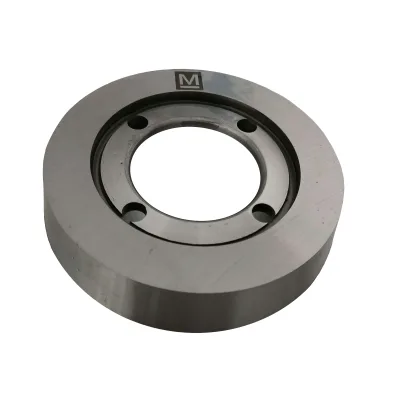
Lower Cutting Blade for Leather Cutting Machine
$4.50 - $5.50
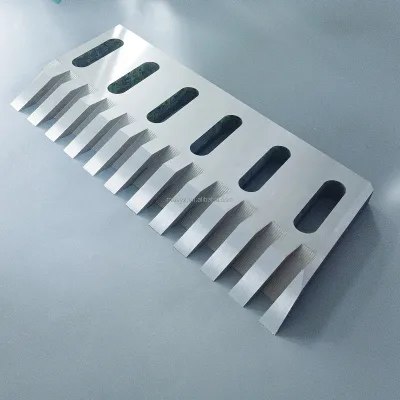
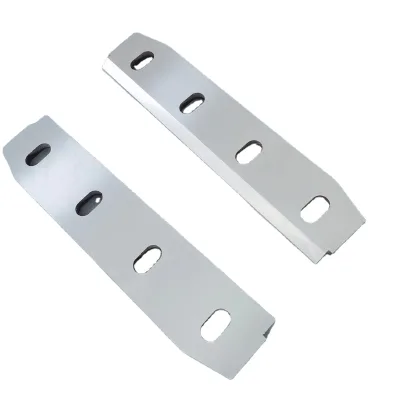
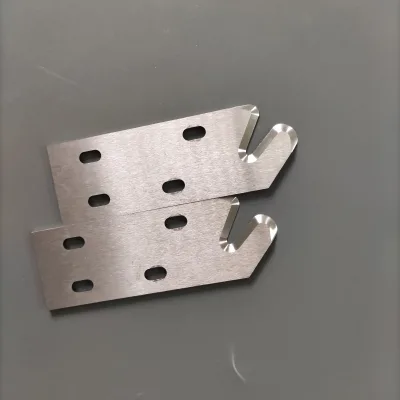
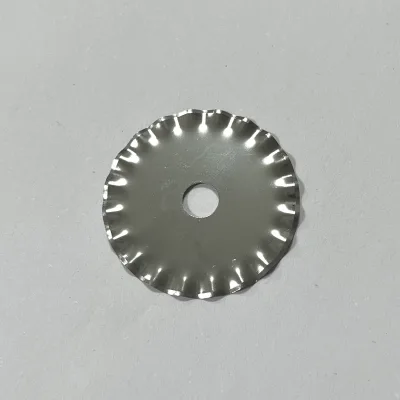
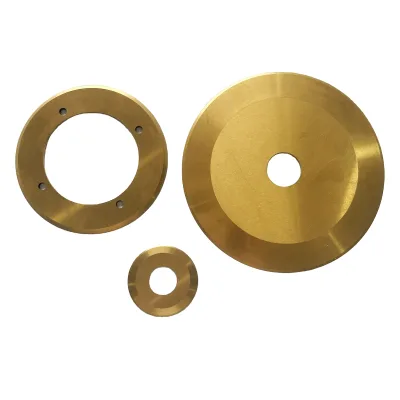
High Quality Titanium-Coated Cloth Cut Industrial Blades Premium Industrial Blades
$8.00 - $12.00
MOQ: 10

Shijiazhuang Rich Technology Co., Ltd.
- Manufacturer, Trading Company
- Hebei, China
- Lead time15 days
- Avg. response≤ 4h
Main productsPCD Saw Blade, TCT Saw Blade, Diamond Tools, CNC Cutter, Spiral Cutter Head
Main marketsDomestic Market(20.00%), North America(15.00%), Oceania(10.00%), South America(8.00%), Southern Europe(8.00%), Northern Europe(8.00%), Eastern Europe(8.00%), Eastern Asia(7.00%), Southeast Asia(6.00%), South Asia(5.00%), Western Europe(3.00%), Africa(2.00%)

Boye Beifang Saw Industry Co., Ltd.
- Verified by BV
- Combined
- China Hebei
- Lead time15 days
- Avg. response≤ 2h
Main productsHSS Band Saw Blade, Tct Band Saw Blade, Bi-Metal Band Saw Blade, Diamond Saw Blade, Circular Saw Blade, Food Band Saw Blade, Automatic Band Saw Machine, High Efficiency Band Saw Machine, Semi-Automatic Metal Band Saw Machine, Band Saw Machine
Main marketsDomestic

- Manufacturer/Factory
- China Shanghai
- Lead time0 days
- Avg. response≤ 15h
Main productsMedium and High-End CNC Precision Cutting Tool, Profile Fixture, Brazing Fixtures, Wear-Resistant Parts, High-Precision Accessories, Super-High Rust-Proof & High Precision Parts, Dental Instrument
Main marketsMid East,North America,Eastern Asia,Oceania,Western Europe

Trojan (Suzhou) Material Technology Co., Ltd.
- Combined
- China Jiangsu
- Lead time30 days
- Avg. response≤ 13h
Main productsBlade Wafer, Cut off Wheel, Metallographic Equipments, Metallographic Consumables, Cutting Machine, Mounting Press, Grinding & Polishing Machine, Hardener Test, Polish Cloth, Diamond Disc
Main marketsSoutheast Asia/ Mideast,Europe,Australia,North America

Metallographic Abrasive Saw Precision Cutting Blade Metallographic Cutting Consumables
$77.00 - $207.00
MOQ: 1 Bags

Metallographic Abrasive Saw Precision Cutting Blade Metallographic Cutting Consumables
$77.00 - $207.00
MOQ: 1 Bags

Metallographic Abrasive Saw Precision Cutting Blade Metallographic Cutting Consumables
$77.00 - $207.00
MOQ: 1 Bags






Comprehensive Sourcing Guide
Laser Welded EVA Dissecting Blade Supplier Concentration and Factory Types
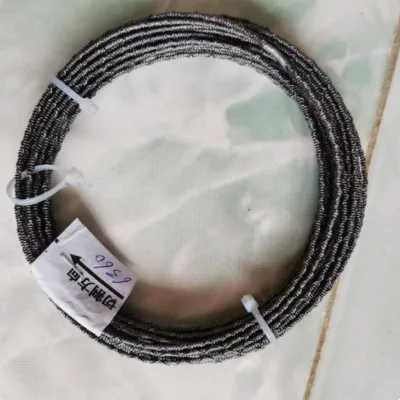
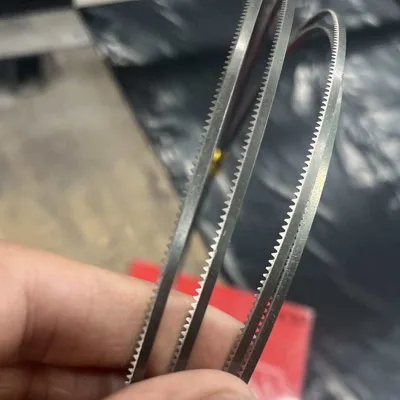
The landscape for sourcing laser welded EVA dissecting blades is defined by a mix of specialized manufacturers and broader trading entities. Current data indicates that suppliers offering these specific tools often list their company type as either a Manufacturer or a Trading Company. This distinction is critical for buyers because it dictates the level of direct control over production quality and the flexibility of order fulfillment. Manufacturers typically possess the in-house machinery required for high-frequency welding and laser processing, ensuring that the blade’s structural integrity meets the rigorous demands of cutting EVA shoe rubber foam. Trading companies, on the other hand, may aggregate products from multiple factories, offering a wider variety of specifications but potentially introducing layers of communication that can delay technical clarifications. Buyers must carefully review the supplier’s profile to determine if they are dealing with the source of production or an intermediary, as this impacts both pricing structures and the ability to request custom modifications.
Geographic concentration plays a significant role in the availability of these specialized blades. Evidence points to suppliers located in Guangdong, China, and Taiwan, China, as key hubs for this type of hardware. Guangdong is particularly noted for its robust manufacturing ecosystem, where many factories specialize in high-carbon steel products and customized tooling. The presence of suppliers in these regions suggests a mature supply chain for materials like high-carbon steel imported from Germany, which is often cited in product attributes for these blades. Buyers should prioritize suppliers from these verified locations when seeking consistent quality and established logistical routes. However, it is important to note that not all suppliers in these regions may offer the same level of customization or material quality. Therefore, verifying the specific factory capabilities and material sourcing claims is essential, rather than assuming that all suppliers from these regions automatically meet high-end industrial standards.
How to Verify Laser Welded EVA Dissecting Blade Suppliers
Verification is the first line of defense against sourcing low-quality or unreliable suppliers for laser welded EVA dissecting blades. Buyers should prioritize suppliers who have undergone third-party verification processes, such as those conducted by SGS Group. This verification status provides a baseline level of confidence regarding the supplier’s business legitimacy and operational capacity. Beyond basic verification, buyers must scrutinize the specific certifications listed in the supplier’s profile. While some suppliers may display general system certifications like ISO 9001, RoHS, or CE, it is crucial to confirm that these certifications are current and relevant to the manufacturing of cutting tools. For instance, ISO 9001:2015 certification indicates a standardized quality management system, which is particularly important for maintaining consistency in blade dimensions and welding quality. Buyers should request copies of these certificates and verify their validity through the issuing bodies to ensure they are not expired or forged.
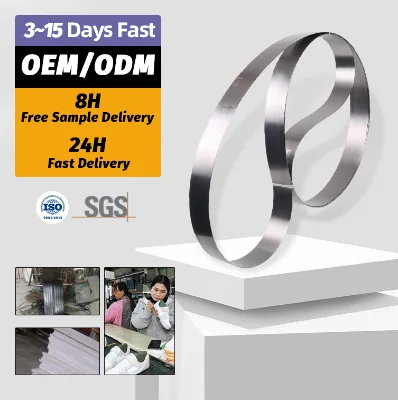
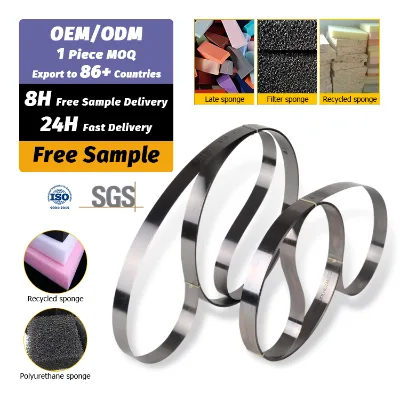
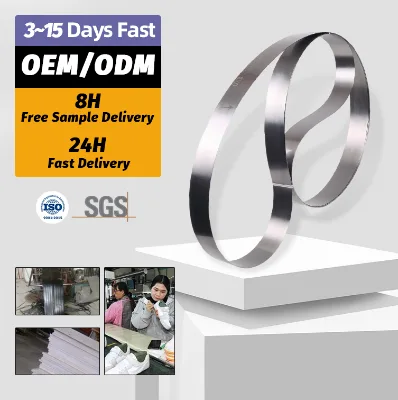
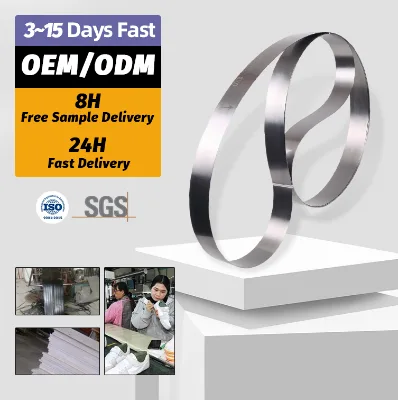
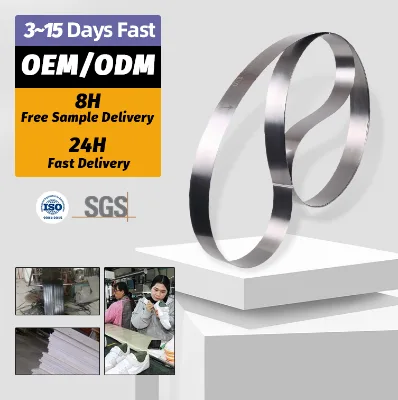
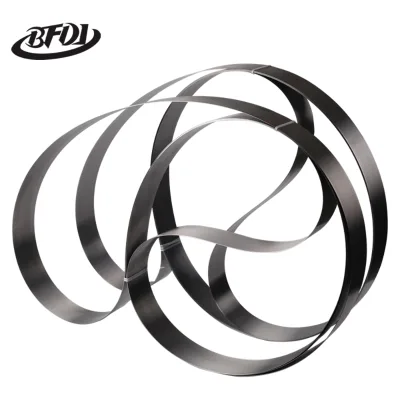
Product-specific evidence is another critical component of supplier verification. Buyers should examine the detailed product attributes provided for laser welded EVA dissecting blades, such as the material composition, process type, and warranty terms. For example, some suppliers specify the use of high-carbon steel imported from Germany, which is a strong indicator of material quality. Additionally, the process type should be explicitly stated as laser welded or high-frequency welded, as this directly affects the blade’s durability and cutting precision. Buyers should also look for clear specifications regarding blade width, length, and cutting thickness, as these parameters must align with their specific machinery requirements. If a supplier’s product listings lack detailed technical specifications or use vague terms like "Customized" without providing ranges, it may indicate a lack of technical expertise. In such cases, buyers should directly inquire about the manufacturing process and material sourcing to assess the supplier’s capability to meet their precise needs.
What to Compare Across Laser Welded EVA Dissecting Blade Suppliers
When evaluating multiple suppliers for laser welded EVA dissecting blades, buyers must compare several key dimensions to identify the best fit for their operational needs. One of the most critical factors is the lead time, which can vary significantly between suppliers. Some suppliers may offer a lead time of 15 days, while others might require up to 30 days or more. This difference can impact production schedules and inventory management, so buyers should align their choice with their urgency requirements. Additionally, the minimum order quantity (MOQ) is a vital consideration, as it affects the initial investment and storage costs. While some suppliers may have an MOQ of 10 pieces, others might require larger volumes. Buyers should assess whether the MOQ aligns with their consumption rate and whether they are willing to pay a premium for smaller, more flexible orders. Comparing these logistical parameters helps in selecting a supplier that offers the right balance of speed and cost-efficiency.
Response time and customization support are also essential comparison points. Suppliers with a response time of 3 days are generally more responsive to inquiries and technical questions than those with longer response times. This responsiveness is crucial for resolving issues quickly and ensuring smooth communication throughout the procurement process. Furthermore, buyers should compare the level of customization support offered, such as OEM, ODM, or OBM services. Some suppliers provide fully customized solutions, including tailored blade sizes, teeth per inch, and finishing options, while others may have limited customization capabilities. Buyers should also compare the warranty terms, as a one-year warranty indicates a supplier’s confidence in their product’s durability. By systematically comparing these attributes, buyers can make an informed decision that balances cost, quality, and service levels, ensuring they select a supplier that can reliably meet their specific requirements for laser welded EVA dissecting blades.
Common Laser Welded EVA Dissecting Blade Sourcing Risks
Sourcing laser welded EVA dissecting blades carries inherent risks that buyers must actively manage to avoid operational disruptions. One significant risk is the variability in material quality, particularly when suppliers claim to use high-carbon steel without providing detailed sourcing information. If the steel is not of sufficient grade or is improperly heat-treated, the blade may wear out quickly or break during use, leading to increased downtime and replacement costs. Another risk is the inconsistency in welding quality, as laser welding requires precise control to ensure the blade’s structural integrity. Poor welding can result in delamination or cracking, especially under the high-stress conditions of cutting dense materials like EVA foam. Buyers should mitigate these risks by requesting sample orders to test the blades’ performance and durability before committing to larger purchases. Additionally, verifying the supplier’s manufacturing capabilities and quality control processes can help ensure that the products meet the required standards.
Another common risk is the mismatch between product specifications and actual delivery. Suppliers may list products with "Customized" attributes, which can lead to ambiguity if the exact dimensions or tolerances are not clearly defined. For example, a blade listed with a customized width might arrive with slight variations that do not fit the buyer’s machinery, causing production delays. To avoid this, buyers should insist on detailed technical drawings and specifications before placing an order. Furthermore, there is a risk of communication breakdowns, especially when dealing with trading companies or suppliers with slower response times. Misunderstandings regarding order details, shipping terms, or payment conditions can lead to disputes or delays. Buyers should maintain clear and documented communication with their suppliers, confirming all order details in writing. By proactively addressing these risks through thorough verification and clear communication, buyers can minimize the potential for costly errors and ensure a smoother sourcing experience.
Laser Welded EVA Dissecting Blade Regional Sourcing and Logistics
Regional sourcing strategies play a pivotal role in optimizing the logistics and cost-efficiency of procuring laser welded EVA dissecting blades. Suppliers located in Guangdong, China, and Taiwan, China, offer distinct advantages in terms of manufacturing proximity and established export channels. Guangdong, in particular, is known for its robust industrial infrastructure, which facilitates efficient production and shipping of heavy or bulky items like saw blades. Buyers sourcing from this region can benefit from shorter transit times to major ports and a wide range of logistics providers offering competitive freight rates. However, it is important to consider the specific shipping requirements for these blades, as they may require specialized packaging to prevent damage during transit. Suppliers often provide customized packaging solutions, which can help protect the blades and reduce the risk of damage. Buyers should work closely with their suppliers to determine the most cost-effective and reliable shipping method, taking into account factors such as volume, weight, and delivery urgency.
Logistics planning also involves understanding the import regulations and duties associated with sourcing from these regions. Buyers should be aware of any tariffs or trade restrictions that may apply to their destination country, as these can significantly impact the total cost of ownership. Additionally, buyers should consider the reliability of the supplier’s shipping partners and their ability to handle customs clearance efficiently. Delays in customs can lead to increased storage costs and production delays, so it is crucial to choose suppliers who have experience in international shipping and can provide all necessary documentation promptly. Buyers should also evaluate the supplier’s ability to offer flexible shipping options, such as air freight for urgent orders or sea freight for larger volumes. By carefully planning the logistics and considering the regional advantages of different sourcing locations, buyers can optimize their supply chain and ensure timely delivery of laser welded EVA dissecting blades.
Laser Welded EVA Dissecting Blade Commercial Terms and Order Planning
Commercial terms and order planning are essential components of a successful sourcing strategy for laser welded EVA dissecting blades. Buyers should carefully review the pricing structures offered by suppliers, as prices can vary based on factors such as order volume, customization requirements, and material quality. For instance, some suppliers may offer competitive prices for standard sizes, while charging a premium for customized dimensions or special finishes. Buyers should request detailed quotes that break down the costs, including material, labor, and shipping, to ensure transparency and avoid hidden fees. Additionally, buyers should negotiate payment terms that align with their cash flow needs, such as partial payments upfront and the balance upon delivery. It is also important to clarify the warranty terms and after-sales support, as a one-year warranty is common but may have specific conditions that buyers need to understand.
Order planning involves forecasting demand and aligning it with the supplier’s lead times and MOQs. Buyers should maintain a buffer stock to account for potential delays or unexpected increases in demand, especially when dealing with suppliers who have longer lead times. Regular communication with the supplier is crucial to keep them informed of upcoming orders and any changes in requirements. Buyers should also consider the total cost of ownership, including maintenance and replacement costs, when evaluating the value of different suppliers. By developing a comprehensive order plan that takes into account pricing, lead times, and logistical considerations, buyers can ensure a steady supply of high-quality laser welded EVA dissecting blades. This proactive approach helps minimize disruptions and supports efficient production operations, ultimately contributing to the overall success of the buyer’s business.
FAQs
What is the typical lead time for laser welded EVA dissecting blades?
The typical lead time for these blades is 15 days based on current supplier data. Some suppliers may offer a 30-day window for larger orders or specific customizations. Buyers should confirm exact delivery schedules with the manufacturer before placing an order to ensure production timelines align with project needs.
What is the minimum order quantity for these custom blades?
The minimum order quantity is generally 10 pieces for standard listings. Some suppliers may require a higher volume depending on the specific customization requested. Buyers should verify the exact MOQ with the supplier to ensure the order meets their production requirements and budget constraints effectively.
Are these blades made from high carbon steel imported from Germany?
Yes, product evidence indicates the blades are made from high carbon steel imported from Germany. This material choice ensures durability and sharpness for EVA shoe rubber foam factory applications. Buyers should request material certificates to verify the origin and quality specifications match their specific manufacturing standards.
What certifications do the manufacturers of these blades hold?
Manufacturers typically hold ISO 9001, RoHS, and CE certifications for their production systems. Specific product listings also reference ISO9001:2015 compliance for quality management. Buyers should verify current certification status directly with the supplier to ensure ongoing compliance with international safety and quality standards.
How quickly do suppliers typically respond to inquiries about these blades?
Suppliers typically respond within 3 hours for standard inquiries. Some trading companies may have a response time of up to 9 hours depending on workload. Buyers should expect prompt communication but should allow extra time for complex customization requests or orders placed during non-business hours.
What is the price range for a single unit of these blades?
The price range varies from approximately 1.85 to 6.50 per unit depending on specifications. Specific listings show prices between 1.85 and 2.05 for standard models, while others range from 4.90 to 6.50 for specialized versions. Buyers should request a detailed quote based on their exact size and quantity requirements.
Where are these laser welded blades typically manufactured?
These blades are typically manufactured in Guangdong, China, or Taiwan, China. The place of origin is a key factor for shipping logistics and potential tariffs. Buyers should confirm the specific factory location to understand shipping times and any regional trade agreements that might apply to their purchase.