Luxury Arabic Metal Food Tray Suppliers and Manufacturers
Explore 27 verified options for Luxury Arabic Metal Food Tray from Guangdong factories and trading companies. Compare response times, lead times, certifications, and MOQs to find the right partner. Contact suppliers directly to request samples and confirm pricing; review the available evidence before requesting comparable quotations from suitable candidates.
Updated
Suppliers List

Lihao Houseware (Guangzhou) Co., Ltd
- Verified by SGS
- Manufacturer/Factory,Other
- China Guangdong
- Lead time23 days
- Avg. response≤ 2h
Main productsHotel Restaurant Supplies, Hotel & Restaurant Essentials, Catering Equipment, Commercial Catering Equipment, Chafing Dishes & Food Warmers, Hotelware, Buffet Serving Ware, Tableware (Dinnerware / Cutlery), Glassware, Food Display Stand
Main marketsSouth America,Eastern Europe,Mid East,North America,Southeast Asia,Eastern Asia,Oceania,Western Europe,Africa

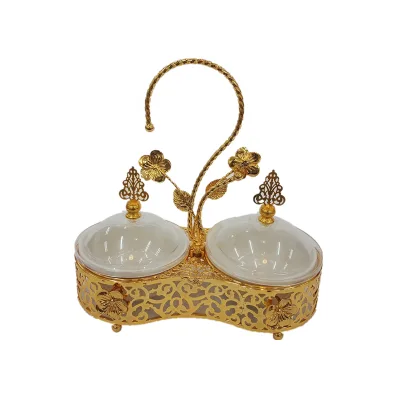
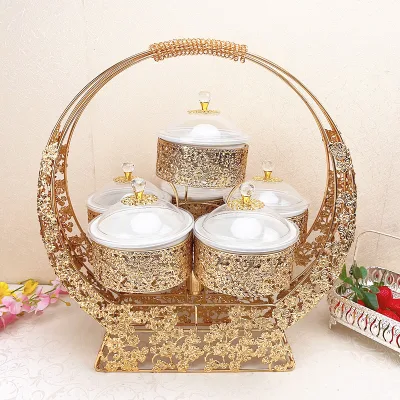
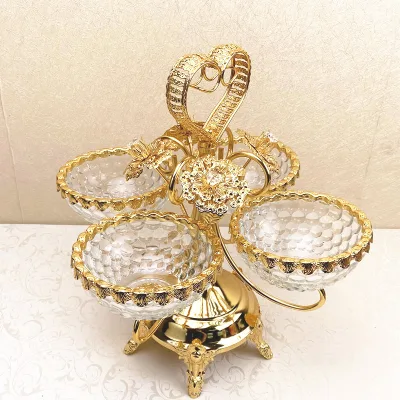
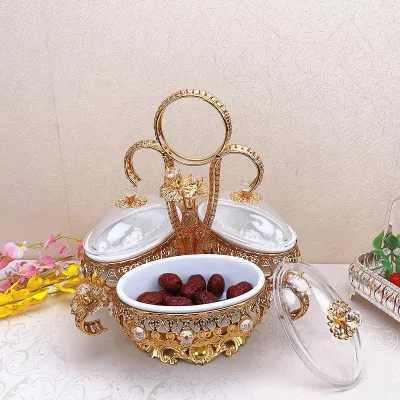
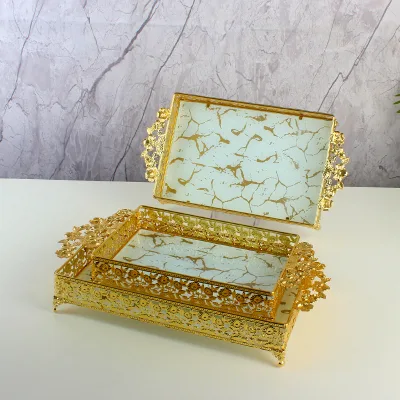
Wholesale Moroccan Arabic Fruit Basket Glass Metal Food Storage Gold Fruit Tray
$1.50 - $2.90
MOQ: 500 Pieces

European Style Glass Iron Fruit Basket Portable Snack Metal Gold Turkish Serving Tray Storage
$1.50 - $1.99
MOQ: 500 Pieces
Chaozhou Chaoan Yunfan Stainless Steel Product Co., Ltd.
- Trading Company
- Guangdong, China
- Lead time30 days
- Avg. response≤ 5h
Main productsStainless Steel Cookware Sets, Stainless Steel Stock Pot, Stainless Steel Lunch Box, Stainless Steel Chafing Dishes, Stainless Steel Tray
Main marketsMid East(36.00%), Eastern Asia(20.00%), Southeast Asia(20.00%), North America(15.00%), Africa(5.00%), South America(4.00%)
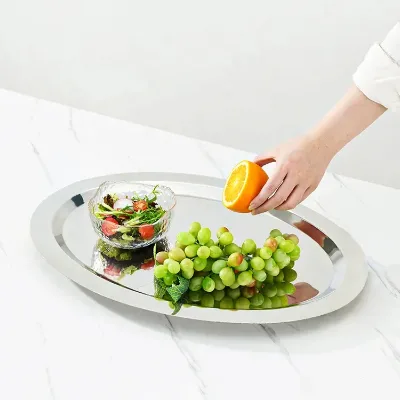
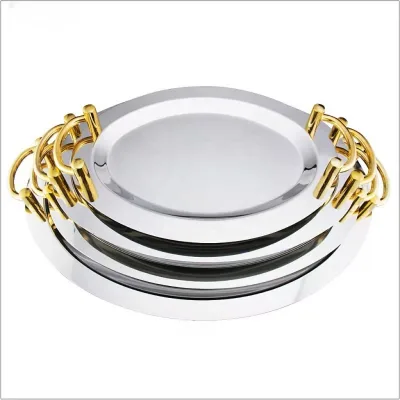
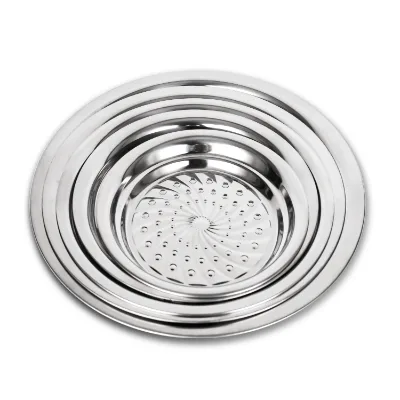
$2.0896 - $3.5197
MOQ: 800 pieces

- Verified by BV
- Trading Company
- China Guangdong
- Lead time15 days
- Avg. response≤ 21h
Main productsChafing Dish, Dessert Food Display Stand, Juice Coffee Milk Dispenser, Catering Buffet Tables, Cutlery, Food Heat Lamp, Food Service Trolley, Ice Bucket, Table Number Stand, Food Bowl Plate Tray
Main marketsAfrica,Southeast Asia/ Mideast,East Asia(Japan/ South Korea),Domestic,Europe,Australia,North America
Yiwu Jiesiming E-Commerce Co., Ltd.
- Trading Company
- Jinhua, China
- Lead time0 days
- Avg. response≤ 3h
Main productsDaily provisions
Main marketsCentral America(30.00%), North America(30.00%), Mid East(20.00%), South Asia(10.00%), Southeast Asia(10.00%)

TAIAN TOPPOUND INTERNATIONAL TRADING CO., LTD.
- Verified by TUVRHEINLAND
- Combined
- China Shandong
- Lead time45 days
- Avg. response≤ 3h
Main productsChair, Side Table, Flower Planter Stand, Home Decoration, Candle Holders and Lantern, Shelves, Mirror, Planter Pot, Christmas Decoration, Natural Baskets and Storage
Main marketsSouth America,Europe,North America
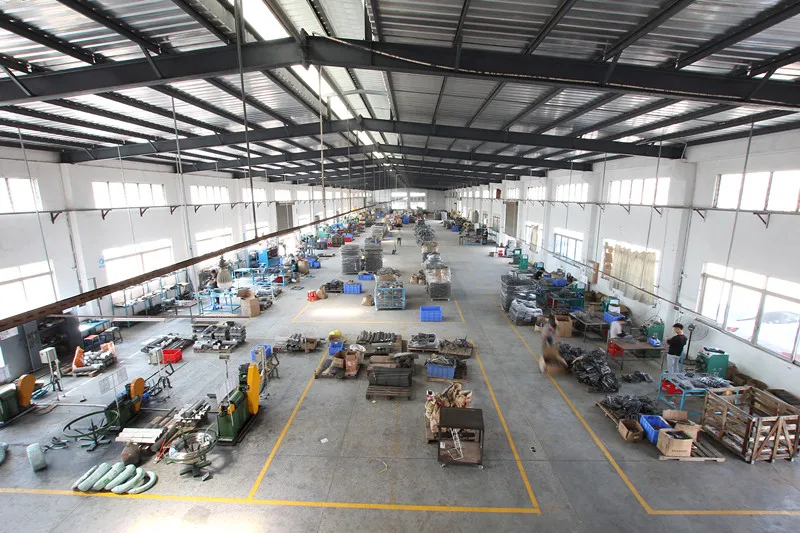
Jiangmen Xinhui District Shubin Metal Products Co., Ltd.
- Manufacturer
- Guangdong, China
- Lead time30 days
- Avg. response≤ 7h
Main productsServing Trays,Dish Plate,Dish Rack,Coffee Pot,Storage Basket
Main marketsMid East(50.00%), North America(15.00%), Western Europe(8.00%), Eastern Europe(7.00%), Southern Europe(5.00%), Northern Europe(5.00%), Africa(5.00%), Oceania(5.00%)
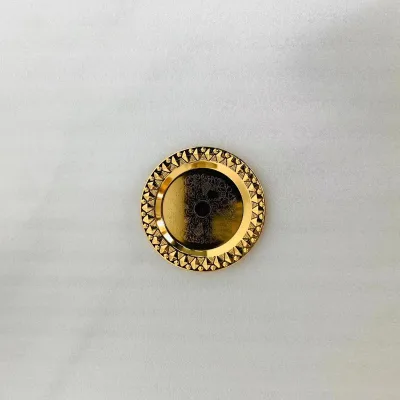
$1.09 - $1.48
MOQ: 240 pieces
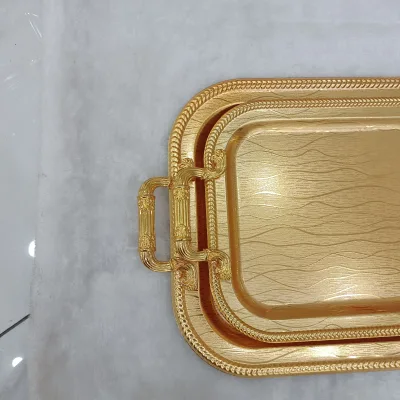
$8.5668 - $9.2983
MOQ: 80 pieces
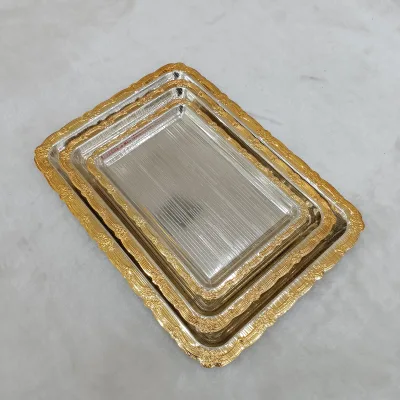
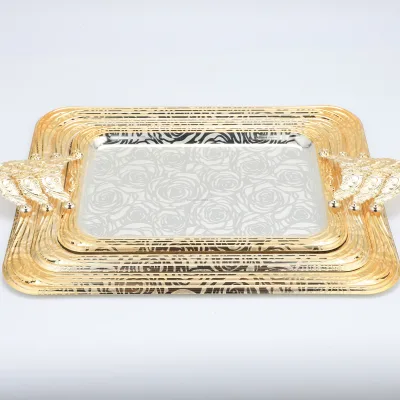
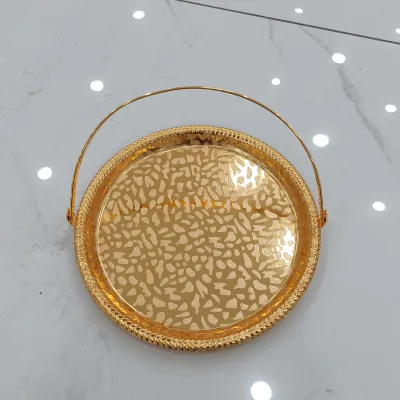
Cheap Price Arabic Iron Round Tray Metal Serving Tray Luxury Round Food Serving Trays
$0.8814 - $1.6384
MOQ: 480 pieces
$1.35 - $1.90
MOQ: 480 pieces
Guangzhou Homemate Gifts Co., Ltd.
- Manufacturer
- Guangdong, China
- Lead time45 days
- Avg. response≤ 6h
Main productsfruit basket & bowl,tray & plate & dish,tea cup zemzem set,quran box & muslim box,incense burner set
Main marketsMid East(90.00%), Domestic Market(4.00%), Africa(2.00%), Eastern Asia(2.00%), South Asia(1.00%), Southeast Asia(0.50%), Oceania(0.50%)
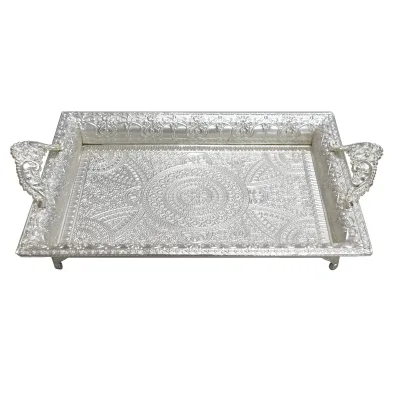
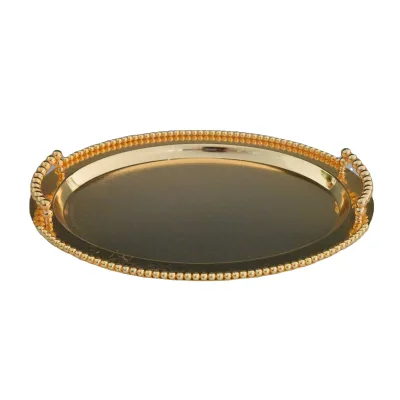
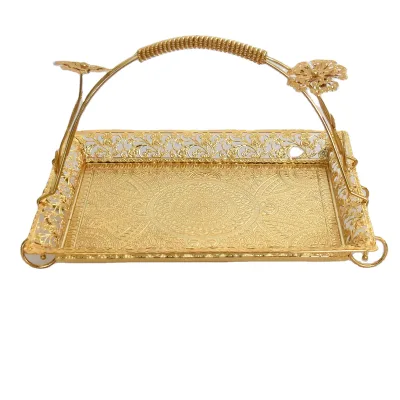
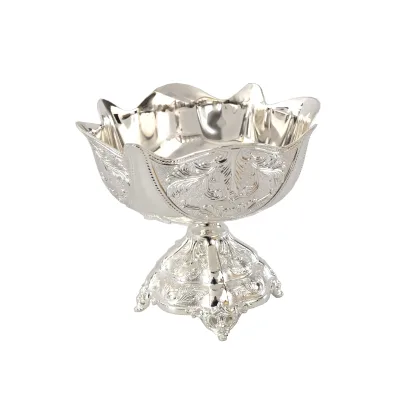
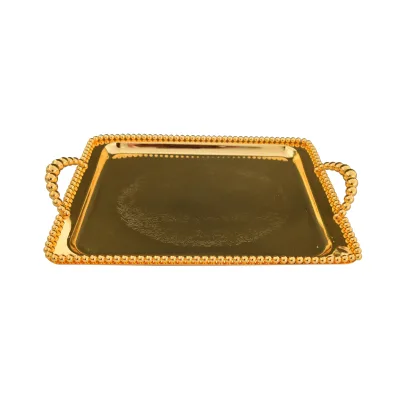
Dubai Gold Plated Fruit Tray Wedding Cake Plate Household Restaurant Serving Tray
$9.50 - $13.90
MOQ: 240

- Combined
- China Guangdong
- Lead time30 days
- Avg. response≤ 5h
Main productsTin Can
Main marketsSouth America,Africa,Southeast Asia/ Mideast,East Asia(Japan/ South Korea),Domestic,Europe,Australia,North America

Fuzhou Liandesheng Trading Co., Ltd
- Verified by TUVRHEINLAND
- Manufacturer/Factory
- China Fujian
- Lead time23 days
- Avg. response≤ 5h
Main productsHome Decor, Garden Decor, Metal Truck Decor, Metal Planter, Wall Drcoration, Artificial Flowers, Metal Bookends, Metal Candlestick Holder, Garden Ornament, Art Sculpture
Main marketsSouth America,Eastern Europe,Mid East,North America,Western Europe

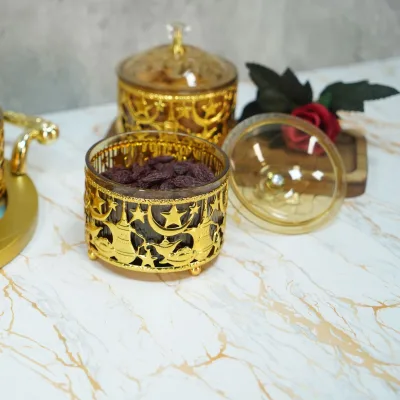
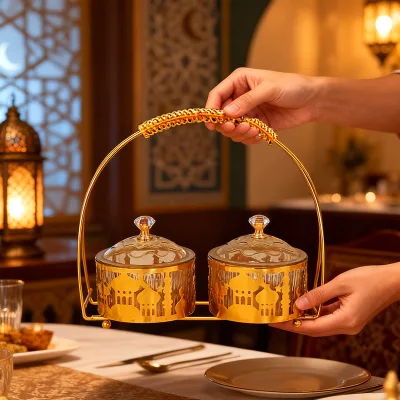
Muslim Pastry Snacks Dessert Holder 3 Pieces Gold Round Ramadan Eid Metal Tray
$6.50 - $9.90
MOQ: 96 Pieces


Chaozhou Chaoan District Caitang Town Liqun Stainless Steel Products Factory
- Verified by Intertek
- Manufacturer, Trading Company
- Lead time30 days
- Avg. response≤ 3h
Main productsStainless Steel Chafing Dish
Main marketsAfrica(50%), North America(15%), Western Europe(15%)

Henan Qingchengzhilian Wedding Props Co., Ltd.
- Verified by BV
- Trading Company
- China Henan
- Lead time15 days
- Avg. response≤ 22h
Main productsWedding Arch
Main marketsDomestic

Luxury Home Decoration, Luxurious Metal Tray, Handmade and Elegant Metal Tray
$9.00 - $10.00
MOQ: 10 Pieces

Hotel Service Tray/Hotel Service Tray Luxury Service Tray Antique Brass Tray
$4.60 - $5.50
MOQ: 10 Pieces
Guangzhou Hadi Catering Ware Co., Ltd.
- Trading Company
- Guangdong, China
- Lead time15 days
- Avg. response≤ 1h
Main productsChafing Dish, Food Display Stand, Food Lamp, Wood Display Stand, Juice Dispenser
Main marketsMid East(60.00%), North America(20.00%), Western Europe(7.00%), Northern Europe(7.00%), Southeast Asia(6.00%)
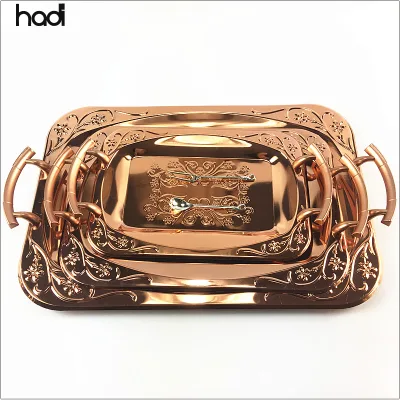
$9.00 - $13.00
MOQ: 10 Minimum
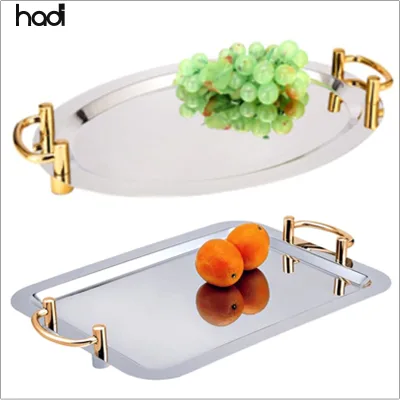
Guangzhou Zhuolin Restaurant Supplies Limited
- Verified by Intertek
- Trading Company
- Lead time15 days
- Avg. response≤ 6h
Main productsChafing Dish
Main marketsMid East(42%), Southeast Asia(16%), Eastern Asia(10%)
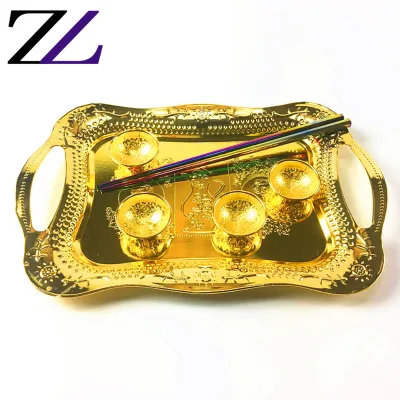
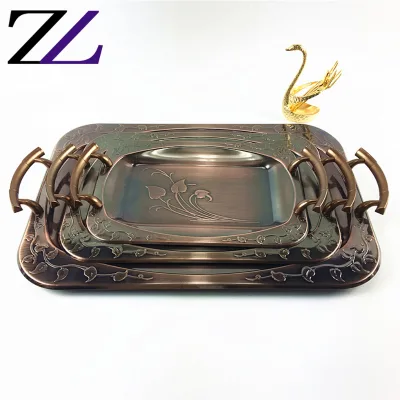
$10.3821 - $12.9768
MOQ: 6 pieces
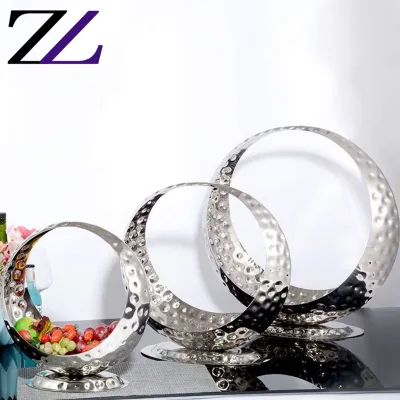
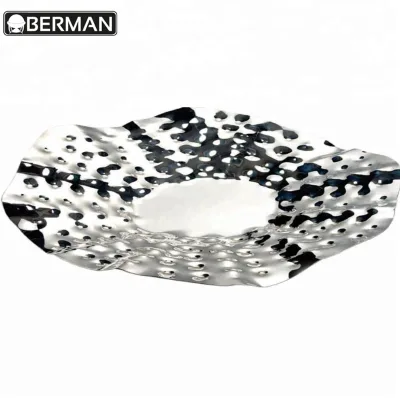
Guangzhou Berman Restaurant Supply Limited
- Manufacturer
- Guangdong, China
- Lead time10 days
- Avg. response≤ 5h
Main productsRestaurant Equipment Supply,Catering Equipment Supply,Buffet Equipment Supply,Hotel Equipment Supply,Wedding Equipment
Main marketsMid East(49.00%), Eastern Asia(29.00%), Southeast Asia(6.00%), South America(5.00%), Western Europe(3.80%), Eastern Europe(2.90%), Northern Europe(1.70%), Southern Europe(1.40%), Africa(1.20%)
- Manufacturer, Trading Company
- ZHEJIANG, China
- Lead time30 days
- Avg. response≤ 9h
Main productsHome & Garden Accessory,Seansonal Gift,Christmas crafts,Eid & Ramada,Metal gift LED lights
Main marketsMid East(50.00%), Eastern Europe(30.00%), South America(30.00%), North America(10.00%)
Hangzhou Lanbl Industrial Co., Ltd.
- Manufacturer, Trading Company
- Zhejiang, China
- Lead time25 days
- Avg. response≤ 7h
Main productsKitchenware Items,Household Items,insulated casseroles,cookware set,vacuum flask
Main marketsMid East(20.00%), North America(20.00%), Western Europe(10.00%), South America(10.00%), Africa(10.00%), Eastern Europe(10.00%), South Asia(8.00%), Eastern Asia(5.00%), Northern Europe(3.00%), Oceania(2.00%), Central America(2.00%)
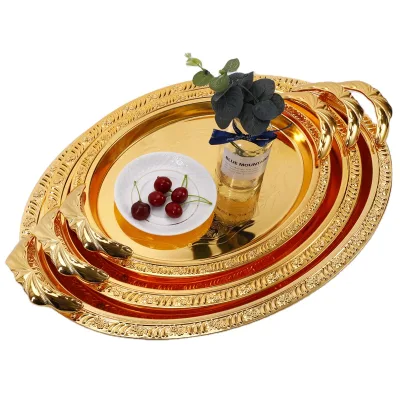
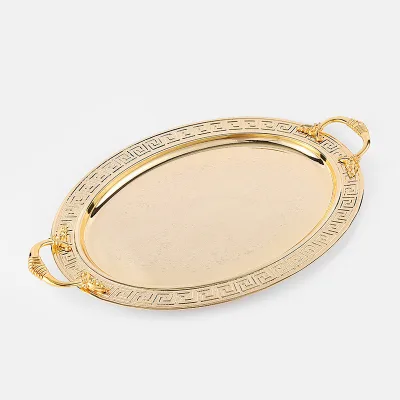
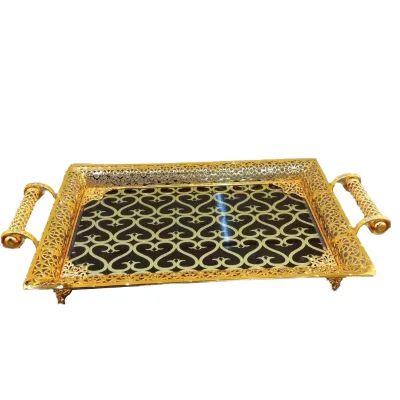
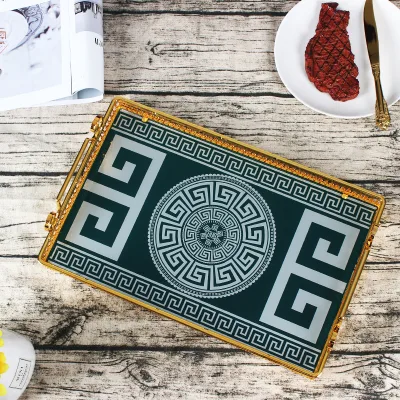
Arabian Restaurant Hotel Cafe Service Tray Stainless Steel Printed Exquisite Tray
$17.00 - $21.00
MOQ: 36
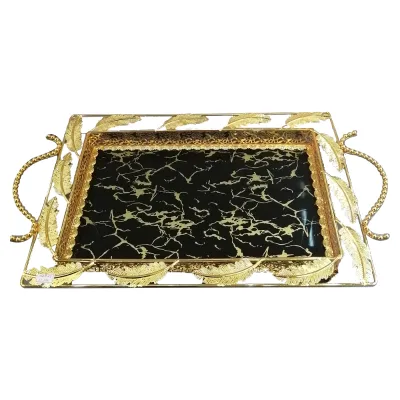
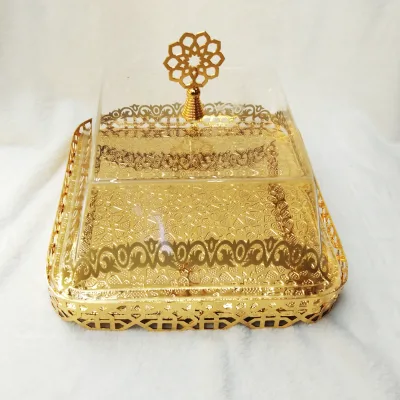
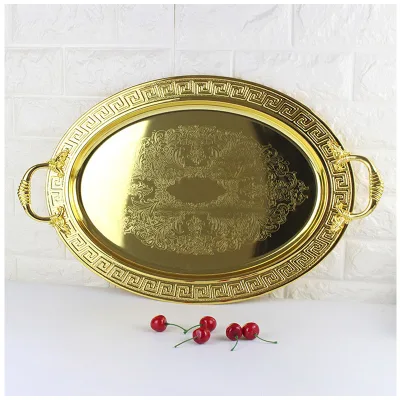
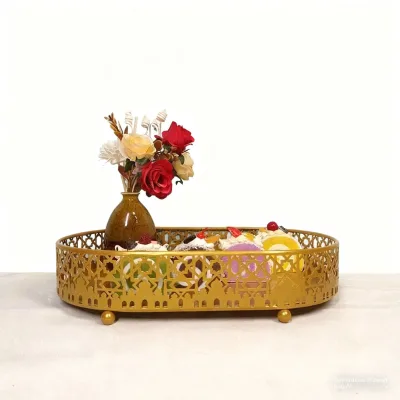
Middle East Restaurant - Hotel - Home Versatile Oval Stainless Steel Metal Tray
$17.00 - $21.00
MOQ: 36

Xiamen Ebei Import & Export Co., Ltd.
- Verified by CTI
- Trading Company,Manufacturer/Factory
- China Fujian
- Lead time45 days
- Avg. response≤ 2h
Main productsEco-Friendly Products, Bamboo Tableware, Bamboo Furniture, Bamboo Kitchenware, Bamboo Office Supply, Bamboo Fibre Products, Biodegradable Products, Bamboo Towel, Solar Energy Products, Bamboo Garden Products
Main marketsSouth America,Eastern Europe,Mid East,North America,Southeast Asia,Eastern Asia,Oceania,Western Europe,Africa
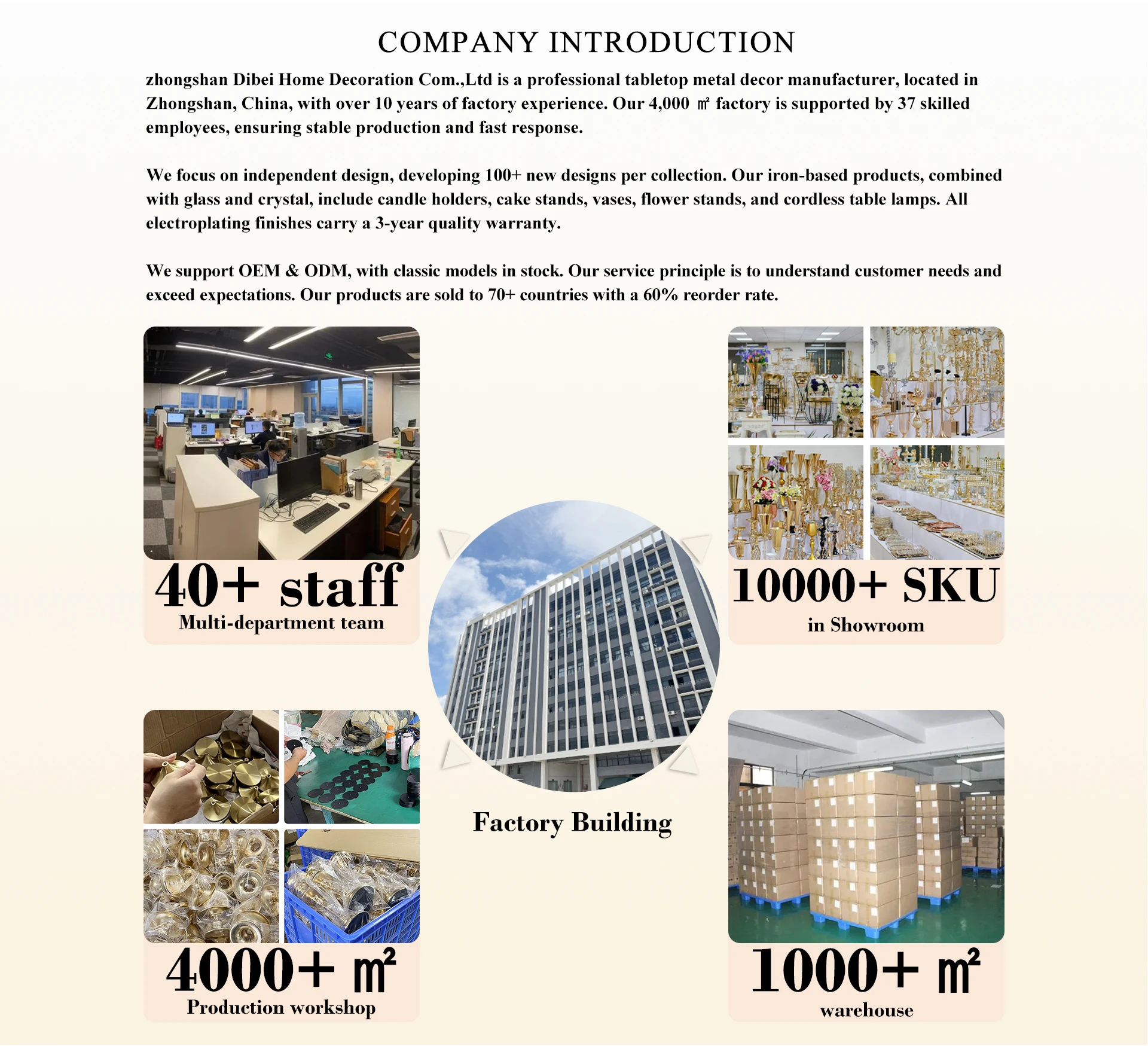
Zhongshan Dibei Home Decoration Co., Ltd.
- Manufacturer
- Guangdong, China
- Lead time20 days
- Avg. response≤ 3h
Main productsTable lamp,Candle holder,Metal Vase,Cake Stand,Candelabra
Main marketsSoutheast Asia(22.00%), Mid East(22.00%), Africa(17.00%), South Asia(16.00%), Domestic Market(12.00%), North America(3.00%), Oceania(1.00%), Southern Europe(1.00%), Northern Europe(1.00%), Central America(1.00%), Western Europe(1.00%), Eastern Asia(1.00%), Eastern Europe(1.00%), South America(1.00%)

- Verified by TUVRHEINLAND
- Trading Company,Manufacturer/Factory
- China Guangdong
- Lead time45 days
- Avg. response≤ 4h
Main productsStainless Steel Cookware, Stainless Steel Untensil, Stainless Steel Kitchenware, Stainless Steel Colander Bowl, Stainless Steel G. N Pan, Stainless Steel Pressure Cooker, Stainless Steel Buckets, Stainless Steel Dishes Rack, Stainless Steel Chafing Dishes, Stainless Steel Fittings
Main marketsSouth America,Eastern Europe,Mid East,North America,Southeast Asia,Eastern Asia,Oceania,Western Europe,Africa

- Verified by SGS
- Combined
- China Fujian
- Lead time30 days
- Avg. response≤ 23h
Main productsGlass Sand Glass Cullet
Main marketsAfrica

Zensun Stainless Steel Products Co. , Ltd.
- Verified by SGS
- Trading Company
- China Guangdong
- Lead time30 days
- Avg. response≤ 10h
Main productsGn Pan, Chafing Dish, Food Tray, Stock Pot, Kettle, Cutlery, Kitchenware, Cookware, Restraurant and Hotel Supplies, Milk Pot
Main marketsDomestic

Fuzhou Ice Orange Aesthetic Home Art Co., Ltd.
- Trading Company
- Fujian, China
- Lead time30 days
- Avg. response≤ 3h
Main productsHome & Garden Accessory, Seansonal Gift, Eid & Ramadan products, Furniture
Main marketsNorth America(55.00%), Mid East(20.00%), South America(10.00%), Western Europe(9.00%), Oceania(2.00%), Eastern Europe(2.00%), Southeast Asia(2.00%)
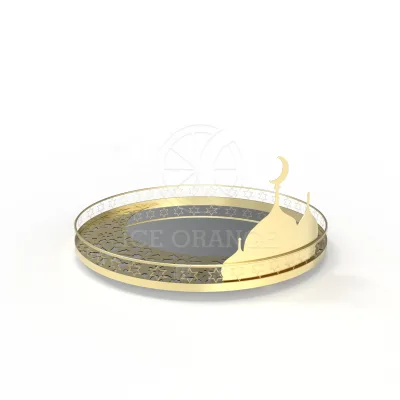
Rectangle Golden Metal Frame Tray Mirrored Luxury Golden Ramadan Tray Mirror Tray
$10.70 - $13.00
MOQ: 300
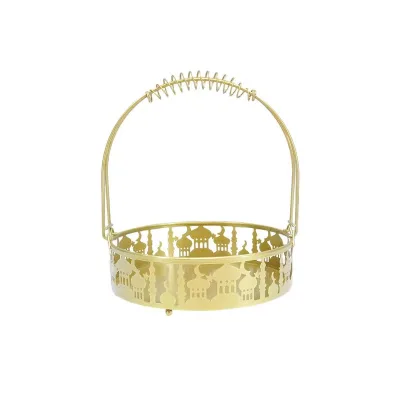
Gold Ramadan Tray with Handle Muslim Style Storage Tray for Home Decor Ramadan EID Decoration
$5.77 - $7.52
MOQ: 100 pieces
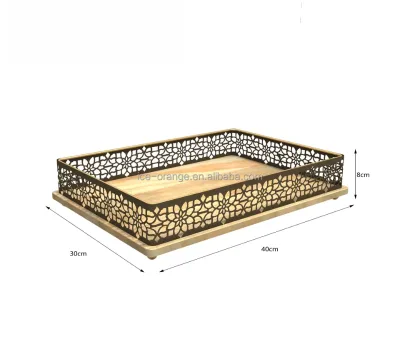
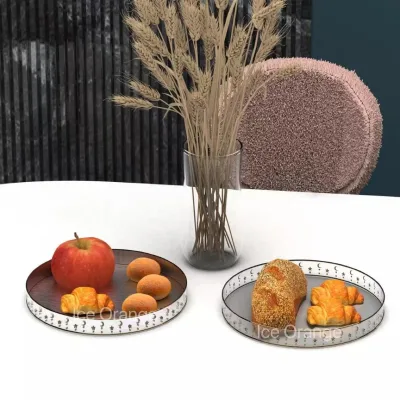
Original Round Metal and Acrylic Moon and Star Ramadan Tray for Eid Decoration Muslim Gift
$5.50 - $9.50
MOQ: 300 pieces
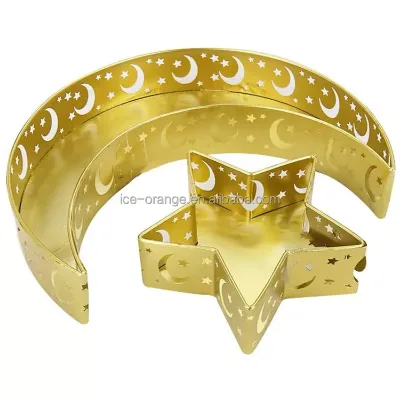
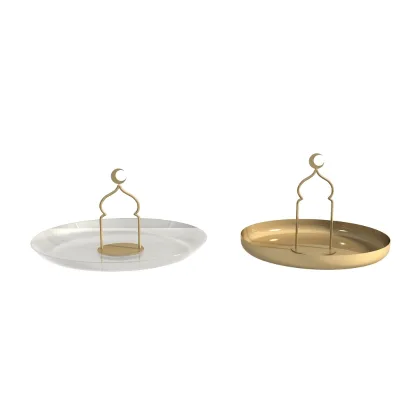
Ramadan Single Layer Black, White Metal Cake Serving Trays with Gold Edge for Eid Party
$10.71 - $14.28
MOQ: 300 pieces

Dongguan DND Display Products Co., Ltd.
- Verified by SGS
- Combined
- China Guangdong
- Lead time23 days
- Avg. response≤ 4h
Main productsAcrylic Household Products, Acrylic Display Products, Acrylic Furniture
Main marketsSoutheast Asia/ Mideast,Domestic,Europe,North America

Eagle Catering Equipment Co., Ltd.
- Manufacturer/Factory
- China Guangdong
- Lead time30 days
- Avg. response≤ 12h
Main productsTrolleys, Gastronorm Containers, Table, Shelves, Sink, Barrier Post, Cookware, Buffetware, Barware, Kitchen Utensils
Main marketsSouth America,Eastern Europe,Mid East,North America,Southeast Asia,Eastern Asia,Oceania,Western Europe,Africa


Serving Tray Rectangular Food Other Hotel Restaurant Supply Stainless Steel
$10.00 - $15.00
MOQ: 300 Pieces
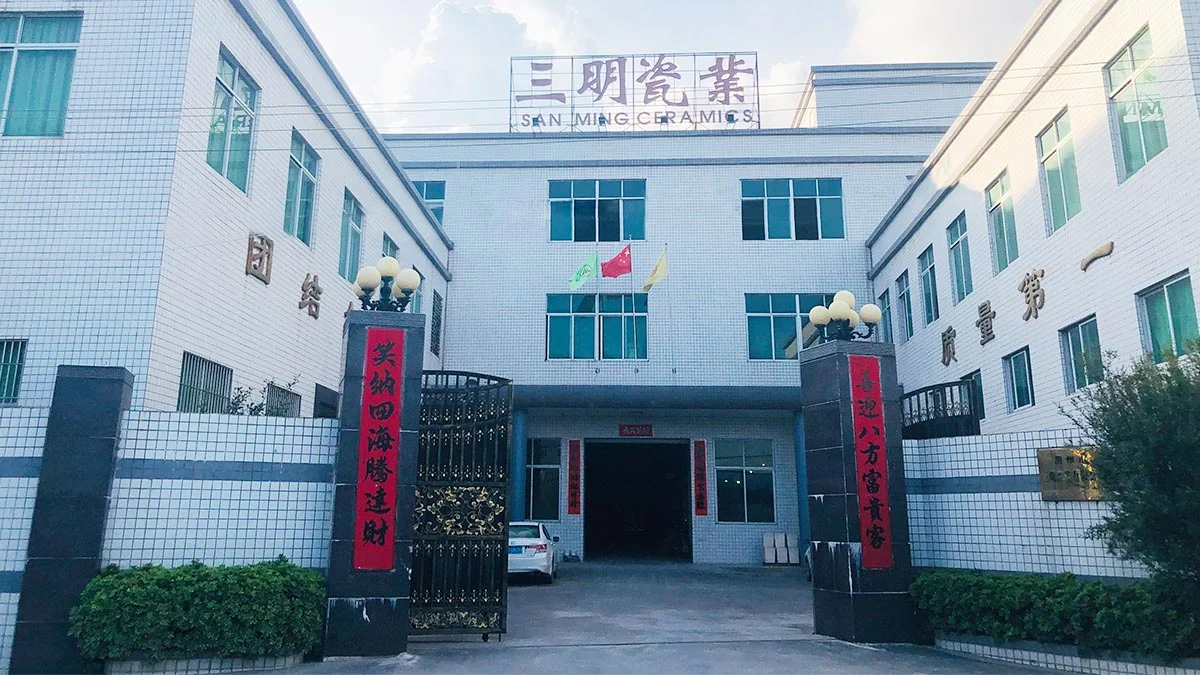
Chaozhou Fengxi District Chenqi Ceramics Business Department
- Manufacturer, Trading Company
- Guangdong, China
- Lead time50 days
- Avg. response≤ 3h
Main productsCeramics Items,Metal Items,Glass Items,Dish&Plate,Home Decor
Main marketsSoutheast Asia(40.00%), Mid East(30.00%), Domestic Market(5.00%), South Asia(5.00%), Northern Europe(5.00%), Western Europe(5.00%), North America(5.00%), Africa(5.00%)

Anhui Huining International Trade Co., Ltd.
- Verified by SGS
- Combined
- China Anhui
- Lead time30 days
- Avg. response≤ 8h
Main productsCoffee Maker, Commercial Water Boilers, Food Container, Plastic Cup, Thermostat, Disposable, Home Appliance, Electric Appliance, Kitchen Appliance, Home Appliance Parts
Main marketsSouth America,Africa,Southeast Asia/ Mideast,Europe,North America

Chaozhou Nicety Technology Co., Ltd
- Verified by CTI
- Trading Company
- China Guangdong
- Lead time30 days
- Avg. response≤ 7h
Main productsLunch Box, Stainless Steel Lunch Box, Pet Product, Pet Bowl, Car Accessory, Bathroom Fitting
Main marketsSouth America,Southeast Asia/ Mideast,East Asia(Japan/ South Korea),Domestic,Europe,Australia,North America


Hot Sale Round Food Tray Stainless Steel Dinnerware Dishes Salad Bowl Fruit Plate
$0.88 - $0.99
MOQ: 50 Pieces

Stainless Steel Fruit Vegetable Food Tray Plate Silver Plated Round Plate Serving Trays
$0.90 - $1.06
MOQ: 50 Pieces




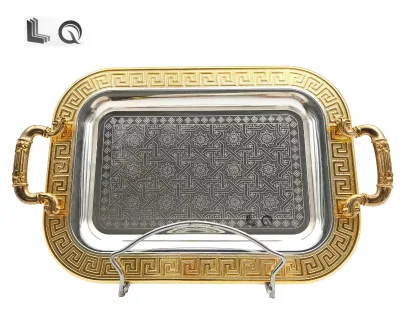
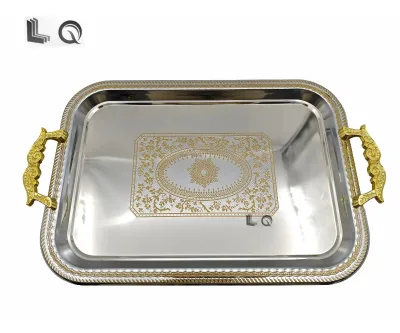
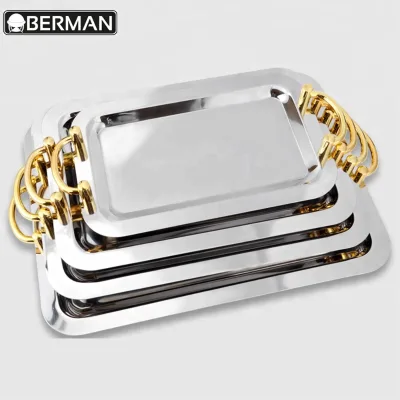
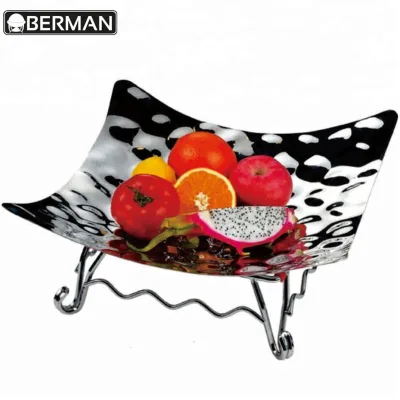







Comprehensive Sourcing Guide
Luxury Arabic Metal Food Tray Supplier Concentration and Factory Types
The current supplier landscape for luxury Arabic metal food trays is heavily concentrated in Guangdong, China, a region known for its robust manufacturing infrastructure and specialized metalworking capabilities. This geographic clustering allows for efficient supply chain management, where raw material sourcing, fabrication, and finishing processes are often located in close proximity to one another. Buyers evaluating suppliers in this region can expect a high density of manufacturers and trading companies that specialize in stainless steel and other metal alloys suitable for high-end hospitality and event catering. The concentration in Guangdong facilitates rapid prototyping and bulk production, making it a primary hub for sourcing items that require precise polishing, mirror finishes, and intricate design elements typical of Arabic-style serving ware.
Within this cluster, suppliers generally fall into two distinct categories: manufacturers or factories, and trading companies. Factory-type entities typically offer direct control over the production process, including OEM and ODM capabilities, which is crucial for buyers seeking custom logos, specific material grades like Stainless Steel 410, or unique shape variations such as oval, round, or rectangular designs. These suppliers often display certifications such as ISO 9001, ISO 14001, and BSCI, indicating adherence to quality and environmental management standards. In contrast, trading companies may offer a broader variety of styles and lower minimum order quantities, acting as intermediaries that aggregate products from multiple workshops. Understanding this distinction helps buyers determine whether they need direct factory engagement for large-scale customization or the flexibility of a trading partner for mixed orders.
How to Verify Luxury Arabic Metal Food Tray Suppliers
Verifying the legitimacy and capability of suppliers requires a multi-layered approach that goes beyond simple profile reviews. Buyers should prioritize suppliers who have undergone third-party verification processes, such as SGS verification, which provides an independent assessment of the company’s business scope and operational status. This verification is a critical first step in establishing trust, as it confirms that the entity exists and operates within the declared industry sector. Additionally, examining the supplier’s system certifications is essential for ensuring consistent quality control. Certifications like ISO 9001 and QC 080000 suggest that the supplier has implemented standardized procedures for production management and hazardous substance control, which are particularly relevant for food-contact items like serving trays.
Beyond certifications, buyers must scrutinize the specific product attributes and compliance documentation provided for the luxury Arabic metal food trays. Key indicators include FDA certification for materials that come into direct contact with food, ensuring safety and regulatory compliance in international markets. Buyers should also verify the quality standards mentioned in product listings, such as inspection based on AQL 2.5/4.0, which defines the acceptable level of defects in a batch. It is advisable to request detailed product specifications, including material composition, process types like blister forming or polishing, and packaging details. Suppliers that provide transparent, detailed data regarding their production processes and quality assurance metrics are generally more reliable partners for long-term sourcing relationships.
What to Compare Across Luxury Arabic Metal Food Tray Suppliers
When evaluating multiple suppliers, buyers should compare key operational metrics to identify the best fit for their specific business needs. Lead time is a critical factor, with observed ranges varying significantly between suppliers, such as 23 days for some manufacturers versus 30 days for others. This difference can impact inventory planning and order fulfillment speed, especially for time-sensitive events like weddings or Ramadan celebrations. Response time is another vital metric, with some suppliers demonstrating rapid communication capabilities, indicated by response times around 1.32 hours, while others may take up to 5 hours. Faster response times often correlate with better customer service and more efficient problem-solving during the customization and order placement phases.
Minimum Order Quantity (MOQ) and pricing structures also vary widely and should be carefully analyzed. Some suppliers offer low MOQs, such as 20 pieces, which are ideal for testing new markets or fulfilling small boutique orders, while others require MOQs of 500 or 800 pieces, suitable for large-scale retail distribution. Price ranges can also differ based on material quality, finish complexity, and order volume, with costs ranging from approximately $1.50 to $13.80 per unit depending on the specific product model and customization requirements. Buyers should also compare main product offerings to ensure the supplier specializes in the desired style, whether it is Moroccan, Turkish, or European-inspired designs, and verify if they offer customization options for logos, colors, and packaging to align with brand identity.
Common Luxury Arabic Metal Food Tray Sourcing Risks
One of the primary risks in sourcing luxury Arabic metal food trays is the potential discrepancy between sample quality and bulk production output. While samples may showcase a perfect mirror finish and precise dimensions, bulk orders might exhibit variations in polishing, edge smoothing, or material thickness. Buyers must mitigate this risk by clearly defining quality standards in their purchase agreements, referencing specific AQL levels and detailed technical drawings. It is also important to verify that the material specified, such as Stainless Steel 410 or other grades, matches the actual product delivered, as inferior materials can affect durability and appearance. Ensuring that the supplier adheres to the agreed-upon process types, such as specific polishing techniques, is essential to maintaining the luxury aesthetic required for high-end hospitality clients.
Another significant risk involves logistical and packaging challenges, particularly for fragile or heavy metal items. Serving trays, especially those with handles or intricate designs, are prone to damage during transit if not packed correctly. Buyers should review the supplier’s packing specifications, such as the use of color boxes, OPP bags, or standard export cartons, to ensure adequate protection. Additionally, the weight and dimensions of the packaged goods, such as a single gross weight of 5.0 kg for certain models, impact shipping costs and handling requirements. Failure to account for these logistical factors can lead to increased freight expenses or damaged goods upon arrival. Buyers should also be cautious of suppliers who do not provide clear information on sample lead times, which can range from 7 to 15 days, as delays in sampling can bottleneck the entire procurement process.
Luxury Arabic Metal Food Tray Regional Sourcing and Logistics
Sourcing from Guangdong, China, offers distinct logistical advantages due to the region’s advanced port infrastructure and established export channels. The proximity to major shipping hubs like Shenzhen and Guangzhou facilitates efficient freight forwarding, reducing transit times for ocean and air shipments. Buyers should consider the impact of regional manufacturing clusters on lead times and cost efficiency, as suppliers located in these areas often benefit from streamlined supply chains for raw materials and components. However, buyers must also account for the specific shipping requirements of metal products, which may require reinforced packaging to prevent dents and scratches during long-haul transport. Understanding the local logistics landscape helps in negotiating favorable shipping terms and selecting the most cost-effective delivery methods.
International buyers should also be aware of the regulatory and customs implications of importing metal food trays from China. Compliance with destination country standards, such as FDA requirements for food-contact surfaces, is crucial to avoid customs delays or product rejections. Buyers should ensure that their suppliers provide necessary documentation, including material safety data sheets and certification copies, to facilitate smooth customs clearance. Additionally, considering the environmental impact and sustainability practices of suppliers, such as those holding ISO 14001 certification, can enhance brand reputation and align with global sustainability trends. By leveraging the logistical strengths of the Guangdong region while adhering to international compliance standards, buyers can establish a reliable and efficient supply chain for luxury Arabic metal food trays.
Luxury Arabic Metal Food Tray Commercial Terms and Order Planning
Effective order planning for luxury Arabic metal food trays requires careful attention to commercial terms, including payment structures, warranty policies, and after-sales support. Buyers should negotiate clear terms regarding sample costs, which may be refundable upon bulk order placement, and establish realistic timelines for production and delivery. Given the variability in lead times, it is advisable to build buffer periods into the procurement schedule to accommodate potential delays. Additionally, buyers should clarify the scope of customization services, such as logo printing or custom packaging, and ensure that these services are included in the quoted price or clearly itemized to avoid unexpected costs. Transparent communication regarding commercial terms helps in building a strong partnership with suppliers and ensures mutual understanding of expectations.
Long-term order planning also involves assessing the supplier’s capacity for scalability and consistency. Buyers should evaluate whether the supplier can handle increased order volumes without compromising quality or lead times, particularly during peak seasons like wedding seasons or holiday periods. Establishing a framework for regular quality audits and performance reviews can help maintain high standards and identify areas for improvement. Furthermore, buyers should consider the flexibility of the supplier in accommodating design changes or new product introductions, which is essential for staying competitive in the dynamic hospitality and event catering markets. By focusing on robust commercial terms and strategic order planning, buyers can secure a reliable supply of luxury Arabic metal food trays that meet their business objectives and customer demands.
FAQs
What is the typical lead time for luxury Arabic metal food trays?
Lead times vary by supplier, with observed ranges from 23 to 30 days for standard orders. Some manufacturers offer sample production within 7 to 15 days. Buyers should confirm specific timelines based on order volume and customization needs before finalizing purchases.
What are the minimum order quantities for these serving trays?
Minimum order quantities differ significantly across listings, ranging from 20 pieces for specific custom designs to 500 units for bulk wholesale items. Some suppliers require 800 pieces for certain stainless steel models. Always verify the MOQ for the exact product model and material required.
Are these trays made from stainless steel and are they eco-friendly?
Many available options are constructed from stainless steel, including grades like 410, and are marketed as eco-friendly. Products often feature polished finishes and come in various shapes like round or oval. Buyers should check specific product attributes to confirm material composition and environmental claims.
What certifications do suppliers of these trays typically hold?
Suppliers often hold system certifications such as ISO 9001, ISO 14001, and BSCI. Product-specific certifications like FDA may also be available for certain food contact items. Verification services like SGS are sometimes used to validate supplier claims and product quality standards.
Where are the manufacturers of these trays located?
Most manufacturers are located in Guangdong, China. This region is a known hub for producing hotelware and catering equipment. Buyers should verify the specific city or district within Guangdong to ensure accurate shipping estimates and logistics planning for their orders.
What is the price range for wholesale luxury Arabic metal trays?
Prices vary by design and material, with observed ranges from $1.50 to $13.80 per unit. Lower prices often apply to larger minimum order quantities, while custom or smaller batch items may cost more. Buyers should request quotes based on their specific quantity and customization requirements.
Can suppliers provide custom logos and packaging for these trays?
Customization is available for many products, including customized logos and packaging options like color boxes. Some suppliers offer OEM and ODM services to meet specific branding needs. Buyers should confirm the feasibility and additional costs for custom designs before placing an order.