Magnetic PTFE Coated Stirring Rod Suppliers and Manufacturers
Find 23 verified sources for Magnetic PTFE Coated Stirring Rod with options for OEM customization and specific certifications. Compare response times, lead times, and MOQs to select the right factory for your lab needs; review the available evidence before requesting comparable quotations from suitable candidates.
Updated
Suppliers List
Yancheng Xieying Machinery Manufacturing Co., Ltd.
- Verified by TüVRheinland
- Manufacturer, Trading Company
- Lead time30 days
- Avg. response≤ 1h
Main productsLaboratory Equipment
Main marketsDomestic Market(20%), North America(15%), Southern Europe(12%)
- Verified by TüVRheinland
- Manufacturer, Trading Company
- Lead time15 days
- Avg. response≤ 5h
Main productsRare Earth Magnet, Hook Magnet, Pot Magnet, Fishing Magnet
Main marketsDomestic Market(69%), Western Europe(9%), North America(7%)

Ningbo Naipu Magnetics Co., Ltd.
- Manufacturer/Factory
- China Zhejiang
- Lead time15 days
- Avg. response≤ 3h
Main productsMagnets, Magnetic Grate, Magnetic Drawer, Magnetic Liquid Traps, Magnetic Filter Bar, Magnetic Plate, NdFeB Magnet, Magnetic Bar, Magnetic Head Pulley, Neodymium Magnets
Main marketsSouth America,North America,Southeast Asia,Oceania,Western Europe

Zhejiang Liquan Biotechnology Co., Ltd.
- Verified by BV
- Manufacturer/Factory
- China Zhejiang
- Lead time23 days
- Avg. response≤ 13h
Main productsSerological Pipette, Pipette, Pipette Tip, Centrifuge Tube, PCR Plate, Petri Dish, Filter Tip, Blood Collection Tube, Medical Device, Test Tube
Main marketsEastern Europe,North America,Western Europe


PTFE Cylindrical Chemistry Magnetic Mixer Stirring Bar Round Magnetic Stirrer Bars
$0.68 - $3.00
MOQ: 1 Pieces

Good Quality PTFE Magnetic Stirrer Bar - PTFE Magnetic Stirring Bar Latest Price
$0.13 - $4.70
MOQ: 1 Pieces

Lab Use 15-50mm Magnetic Stirrer Mixer Bars Laboratory PTFE Stirring Rod Magnet
$0.13 - $4.70
MOQ: 1 Pieces

Data Biotechnology (Hangzhou) Co., Ltd
- Manufacturer, Trading Company
- Zhejiang, China
- Lead time0 days
- Avg. response≤ 2h
Main productsBicycle,Electric bicycle,Bicycle accessories,Customized bicycle,electrocar
Main marketsNorth America(40.00%), Mid East(10.00%), Western Europe(10.00%), Eastern Europe(10.00%), South America(10.00%), Southern Europe(5.00%), Northern Europe(5.00%), Southeast Asia(5.00%), Eastern Asia(5.00%)

Hunan BKMAM International Trade Co., Ltd.
- Trading Company,Manufacturer/Factory
- China Hunan
- Lead time15 days
- Avg. response≤ 6h
Main productsSterile Sampling Bag, Centrifuge Tube, Laboratory Glassware, Petri Dishes, Serologial Pipette, Glass Cuvette, Biohazard Bag, Culture Medium, Laboratory Instruments, Whirl Pack Bag
Main marketsSouth America,Eastern Europe,Mid East,North America,Southeast Asia,Eastern Asia,Oceania,Western Europe,Africa

Chongqing New World Trading Co., Ltd.
- Verified by BV
- Trading Company
- China Chongqing
- Lead time15 days
- Avg. response≤ 10h
Main productsVacuum Blood Collection Tubes, Test Tube, Pipette Tip, Urine Container, Microscope Slide, Filter Tip, Swab, Centrifuge Tube, Cryovial Tube, Blood Lancet
Main marketsSouth America,Africa,Southeast Asia/ Mideast,East Asia(Japan/ South Korea),Europe,Australia,North America
Ningbo Ja-Hely Technology Co., Ltd.
- Trading Company
- Zhejiang, China
- Lead time5 days
- Avg. response≤ 8h
Main productslabware,Laboratory consumable,Lab sampler,Lab Glassware,Plastic injection mold
Main marketsNorth America(25.00%), Southeast Asia(15.00%), Western Europe(12.00%), Domestic Market(10.00%), South Asia(5.00%), Central America(5.00%), Eastern Europe(5.00%), South America(5.00%), Oceania(5.00%), Southern Europe(5.00%), Northern Europe(3.00%), Africa(3.00%), Eastern Asia(2.00%)
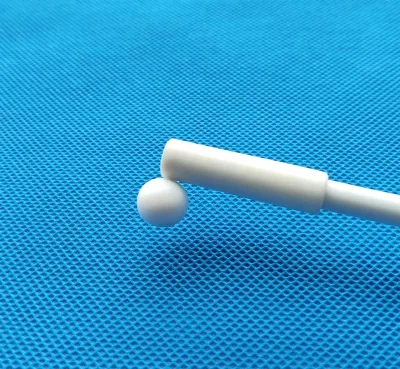
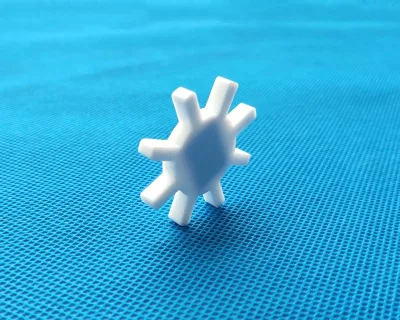
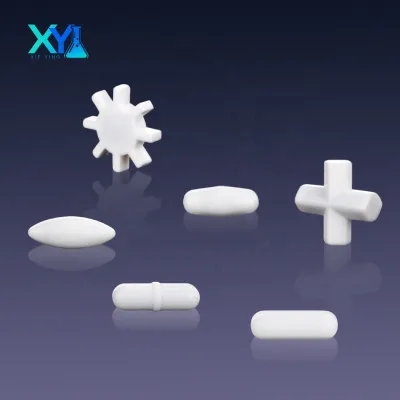
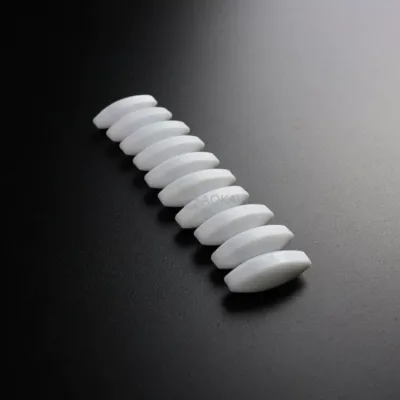
Lab Use 7*40mm PTFE Octagonal Star Magnetic Stirring Bars Wheel Sharped Stir Bar
$2.00 - $3.00
MOQ: 30 Minimum
Shanghai Meizhixi Trading Co., Ltd.
- Trading Company
- Shanghai, China
- Lead time0 days
- Avg. response≤ 2h
Main productsconsumable,reagents,Instrumentation
Main marketsSouth Asia(20.00%), Western Europe(10.00%), Eastern Asia(10.00%), Northern Europe(10.00%), Africa(10.00%), Southeast Asia(10.00%), North America(10.00%), South America(10.00%), Mid East(5.00%), Eastern Europe(3.00%), Southern Europe(2.00%)
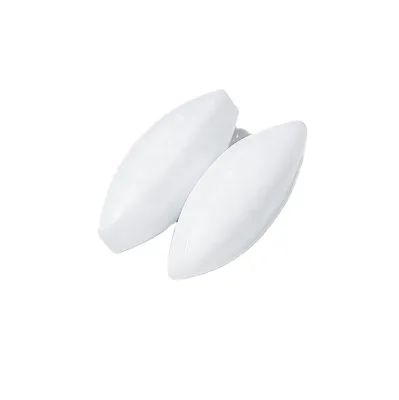
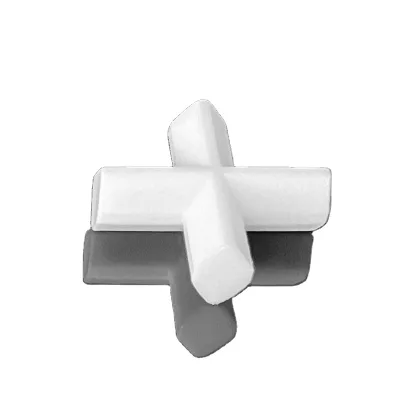
$1.00 - $10.00
MOQ: 1 Minimum
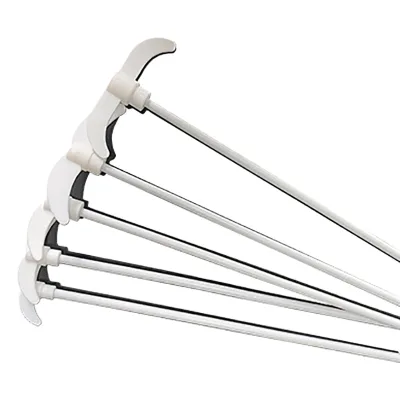
Haining Delv New Material Technology Co., Ltd
- Manufacturer
- Zhejiang, China
- Lead time0 days
- Avg. response≤ 4h
Main productsFilter membrane,Laboratory filter,filter paper,Syringe filter,Filter Holder
Main marketsDomestic Market(20.00%), Eastern Asia(10.00%), North America(10.00%), Oceania(10.00%), Western Europe(10.00%), Eastern Europe(10.00%), South America(10.00%), Northern Europe(5.00%), Southeast Asia(5.00%), Southern Europe(4.00%), Mid East(2.00%), South Asia(2.00%), Central America(2.00%)


$0.24 - $0.30
MOQ: 1000 boxes


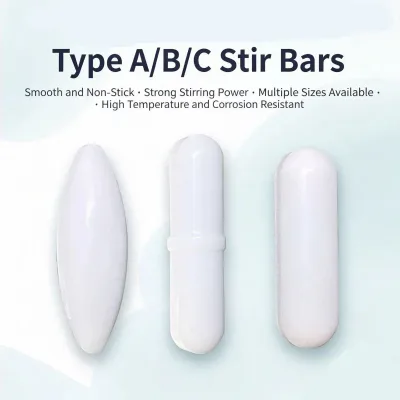
Magnetic Stirrer Polytetrafluoroagitator Type a B C Tetrafluoromagnetic Stirrer Rotor Magneton
$0.2518 - $0.3148
MOQ: 1000 boxes
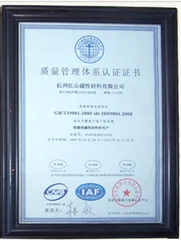
Hangzhou Hs Magnetics Co., Ltd.
- Manufacturer, Trading Company
- Zhejiang, China
- Lead time20 days
- Avg. response≤ 4h
Main productsMagnet
Main marketsWestern Europe(30.00%), North America(30.00%), Southeast Asia(20.00%), Mid East(10.00%), Southern Europe(3.00%), Northern Europe(3.00%), Africa(3.00%), South America(1.00%)
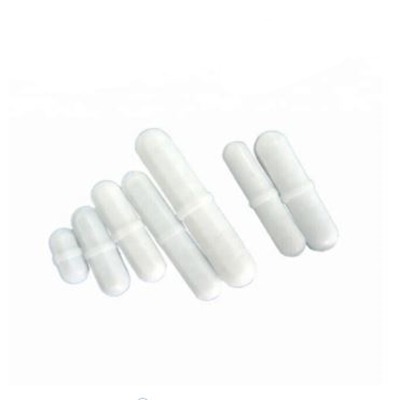
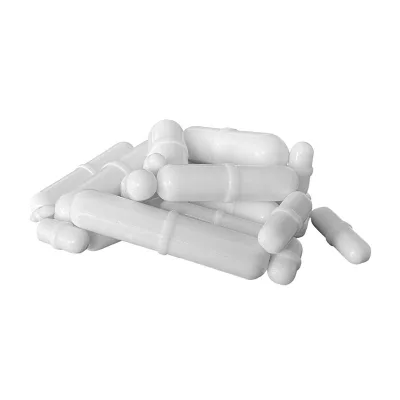
$0.30 - $5.00
MOQ: 100 Minimum
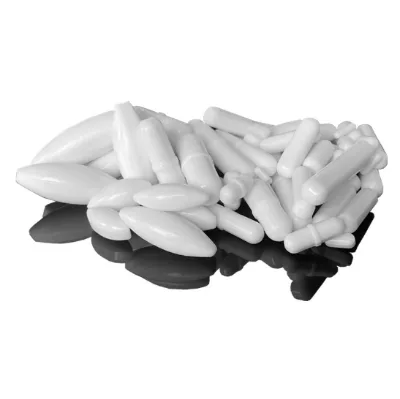
Hunan Bkmam International Trade Co., Ltd.
- Verified by TüVRheinland
- Manufacturer, Trading Company
- Lead time0 days
- Avg. response≤ 4h
Main productsLaboratory Instruments, Laboratory Glass, Laboratory Consumables
Main marketsSoutheast Asia(30%), Mid East(30%), North America(20%)
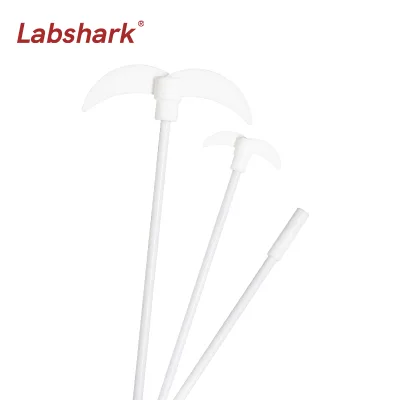
$1.499 - $3.8614
MOQ: 1 Minimum
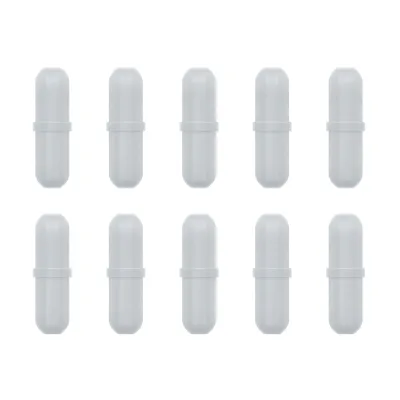
Lab Supplier PTFE Magnetic Stirrer Bar
$0.17 - $0.20
Shanghai Aokavi Industrial Co., Ltd.
- Trading Company
- Shanghai, China
- Lead time20 days
- Avg. response≤ 2h
Main productsPTFE coated fabric,PTFE Fiberglass Mesh Belt,PTFE Conveyor Belt,PTFE BBQ Grill Mat,PTFE Baking Sheets
Main marketsNorth America(30.00%), Oceania(20.00%), South Asia(10.00%), Western Europe(10.00%), Mid East(10.00%), Southern Europe(10.00%), Northern Europe(5.00%), Eastern Europe(5.00%)

Hangzhou Lingke Material Co., Ltd.
- Verified by SGS
- Manufacturer/Factory
- China Zhejiang
- Lead time23 days
- Avg. response≤ 4h
Main productsMagnet, Neodymium Magnet, Pot Magnet, AlNiCo Magnet, Hook Magnet, Magnetic Name Badge, Rubber Coated Magnet, Ferrite Magnet, Magnetic Bar, Rubber Magnet
Main marketsSouth America,Eastern Europe,Mid East,North America,Southeast Asia,Eastern Asia,Oceania,Western Europe,Africa


$0.10 - $5.00
MOQ: 1000 Pieces

$0.10 - $1.80
MOQ: 1000 Pieces

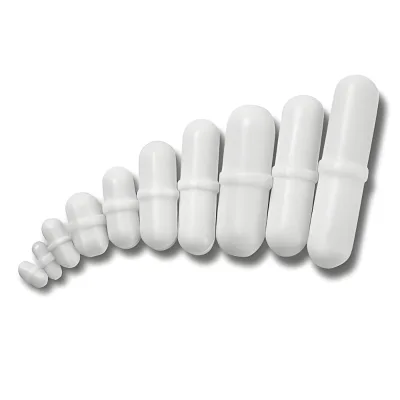
High Temperature Resistant PTFE Coated Magnetic Stirrer Bars Stirring Magnets
$0.10 - $5.00
MOQ: 1000 Pieces

Lab Strong Field White PTFE Coated Magnetic Stir Stirrer Bar Magnets for Sale
$0.10 - $7.50
MOQ: 1000 piece


Faithful lnstrument (Hebei) Co., Ltd.
- Verified by BV
- Combined
- China Hebei
- Lead time15 days
- Avg. response≤ 7h
Main productsIncubator, Magnetic Stirrer, Drying Oven, Heating Mantle, Water Bath, Laminar Flow Cabinet, Stainless Steel Water Still, Disintegrator, Furnace, Vortex Mixer
Main marketsSouth America,Africa,Southeast Asia/ Mideast,Europe,Australia,North America

Jiangxi Shengwei Chemical Technology Co., Ltd.
- Trading Company
- Jiangxi, China
- Lead time0 days
- Avg. response≤ 4h
Main productsAnalytical chemical reagent,Laboratory supplies,Materials Chemistry,Biochemical Reagents,chemical raw materials
Main marketsMid East(30.00%), North America(30.00%), Central America(10.00%), Western Europe(10.00%), South America(10.00%), Eastern Europe(10.00%)
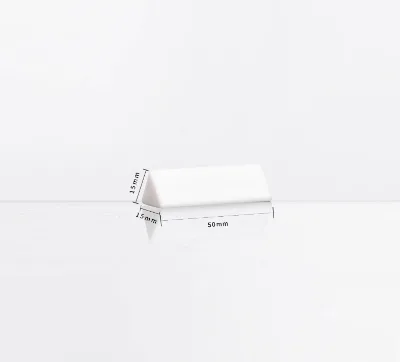
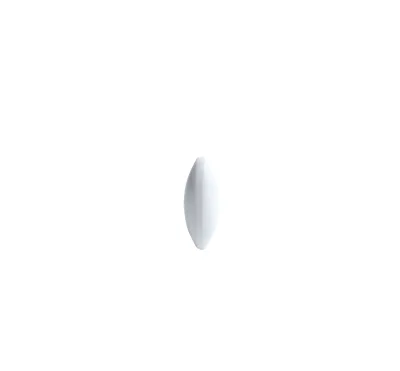
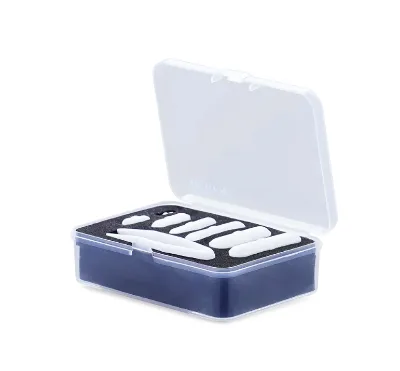
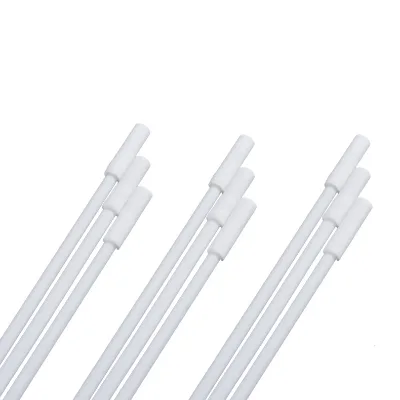
High-temperature resistant PTFE magnetic stirring bar, PTFE olive-shaped cylindrical magnetic bar
$1.90 - $2.50
MOQ: 1 Minimum
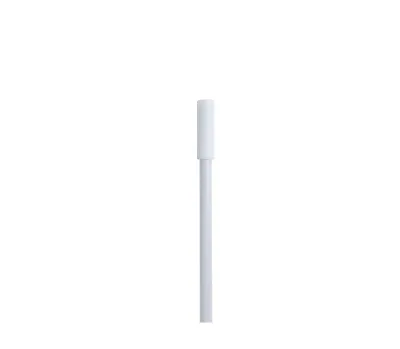
$0.715 - $21.5331
MOQ: 1 Minimum

Jiangsu Fuyuan New Material Co., Ltd.
- Verified by SGS
- Trading Company
- China Jiangsu
- Lead time15 days
- Avg. response≤ 3h
Main productsPTFE, PVDF, FKM, PFA
Main marketsAfrica,Domestic,Europe

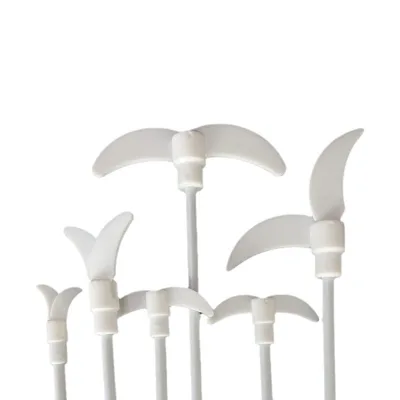
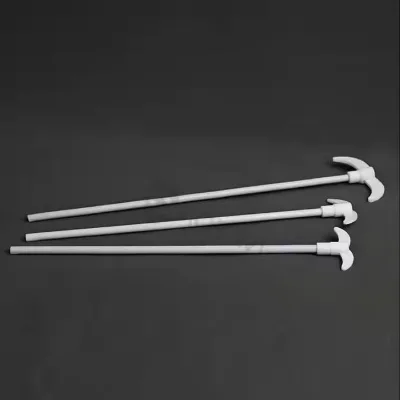
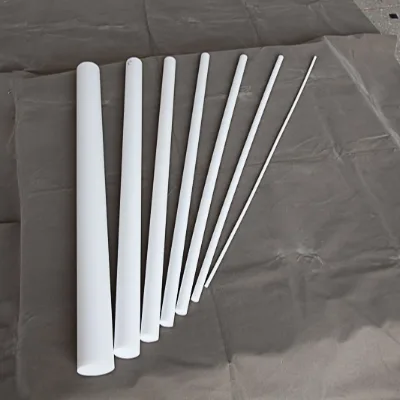
Acid and Alkali Corrosion Resistant PTFE Stirring Paddles PTFE Stirring Rods
$10.00 - $50.00
MOQ: 10 Pieces

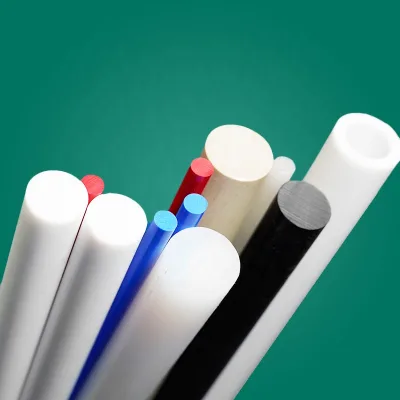
Manufacturer Supplies Polytetrafluoroethylene (PTFE) Stirring Rods Laboratory Use
$10.00 - $50.00
MOQ: 10 Pieces
Zhejiang Conceptfe New Materials Technology Co., Ltd.
- Manufacturer, Trading Company
- Zhejiang, China
- Lead time15 days
- Avg. response≤ 4h
Main productsPTFE Sheet,PTFE Rod,PTFE Tube,PTFE Film,PTFE Machining Parts
Main marketsDomestic Market(45.00%), North America(7.00%), Western Europe(7.00%), Eastern Asia(7.00%), Southeast Asia(7.00%), Eastern Europe(7.00%), South America(7.00%), Mid East(3.00%), Central America(3.00%), Oceania(3.00%), Africa(1.00%), South Asia(1.00%), Southern Europe(1.00%), Northern Europe(1.00%)
Dongguan Shengshi Industrial Development Co., Ltd.
- Verified by TüVRheinland
- Trading Company
- Lead time10 days
- Avg. response≤ 5h
Main productsNdFeB Magnet, Advertising Nail/Standoff Screw, Magnetic Attraction Iron Sheet, Magnetic Stir Bar
Main marketsNorth America(20%), Domestic Market(20%), Oceania(15%)

$0.1027 - $0.1232
MOQ: 300 pieces

Yangzhong HaiTeng Fluorine Plastic Product Factory
- Verified by BV
- Combined
- China Jiangsu
- Lead time15 days
- Avg. response≤ 24h
Main productsPTFE, PTFE Sheet, PTFE Rod, PTFE Tube, Nylon, Silicon Rubber, Teflon, Nylon Rods, Nylon Tube, PU Rod/POM Rod
Main marketsSoutheast Asia/ Mideast,Domestic

Nanjing Binzhenghong Instrument Co., Ltd.
- Verified by BV
- Combined
- China Jiangsu
- Lead time30 days
- Avg. response≤ 4h
Main productsMicrowave Digestion Tank, Acid Purifier, Acid Picker
Main marketsSoutheast Asia/ Mideast
Ningbo Gold Ze Industry Co., Ltd.
- Manufacturer
- Zhejiang, China
- Lead time0 days
- Avg. response≤ 6h
Main productsNeodymium magnet,Ferrite magnet,Disc magnet,Square magnet,Irregular magnet
Main marketsSoutheast Asia(40.00%), North America(30.00%), Western Europe(20.00%), South America(5.00%), Central America(2.00%), Eastern Asia(2.00%), Africa(1.00%)
Shaoxing Beant Import & Export Co., Ltd.
- Trading Company
- Zhejiang, China
- Lead time0 days
- Avg. response≤ 2h
Main productsLab equipments,Lab plastic ware,Lab glassware,Teaching aids,Medical consumables
Main marketsNorth America(13.00%), Eastern Asia(12.00%), Southeast Asia(11.00%), Western Europe(9.00%), Central America(9.00%), South Asia(9.00%), South America(8.00%), Eastern Europe(7.00%), Africa(6.00%), Domestic Market(5.00%), Southern Europe(3.00%), Northern Europe(3.00%), Mid East(3.00%), Oceania(2.00%)
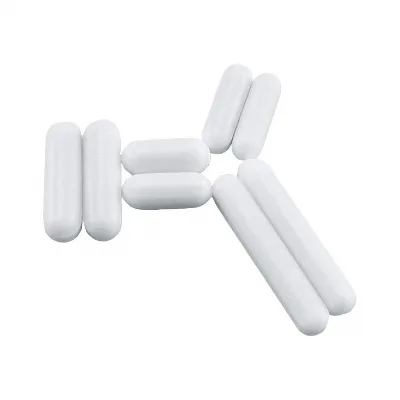
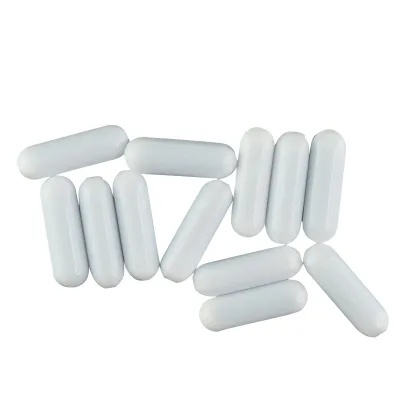
Stir Sticks Cylindrical Bar Magnet Mixer Stirring Rod Plate Magnetic Stirrer White
$0.4632 - $0.6176
MOQ: 100 pieces
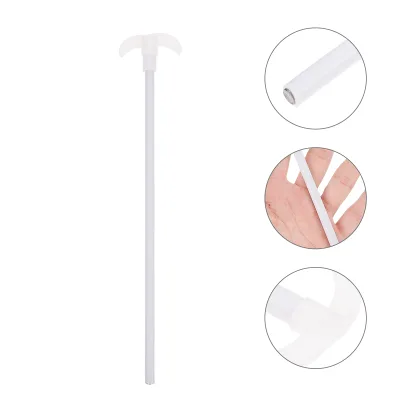
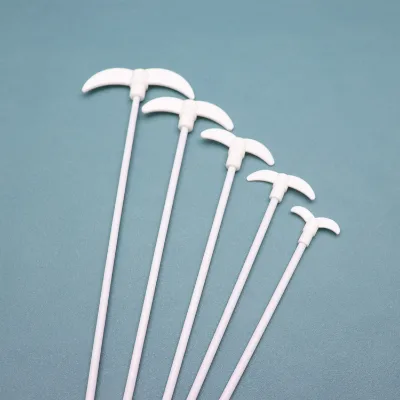
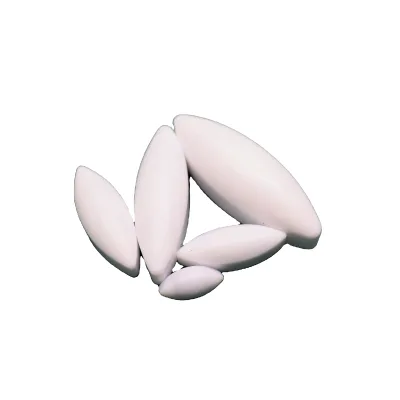












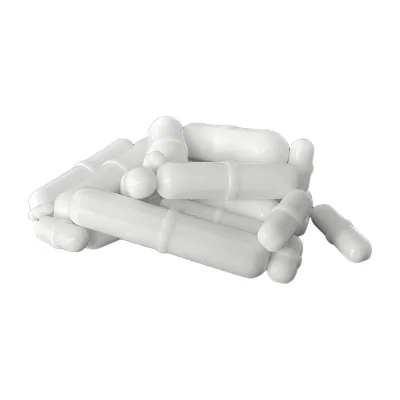
Comprehensive Sourcing Guide
Magnetic PTFE Coated Stirring Rod Supplier Concentration and Factory Types
The current supplier landscape for magnetic PTFE coated stirring rods features a mix of manufacturers and trading companies, offering buyers a diverse range of sourcing options. These entities primarily focus on laboratory equipment, with specific product lines including PTFE stirring rods, magnetic stir bars, and related lab supplies. The presence of both manufacturer and trading company types indicates that buyers can choose between direct factory engagement or intermediary services depending on their volume needs and relationship preferences. This dual structure allows for flexibility in procurement strategies, where some suppliers may offer more customized OEM support while others provide broader catalog access. Understanding this composition helps buyers navigate the market more effectively, ensuring they align their sourcing goals with the appropriate supplier type.
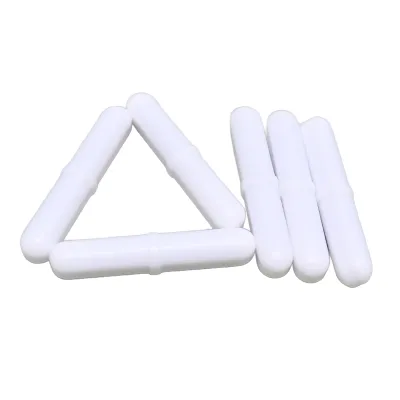
Product evidence reveals that many suppliers specialize in items like laboratory white PTFE coating magnetic stirring rods with paddles and high-temperature resistant PTFE magnetic stir bars. These products are often categorized under testing instruments and equipment, specifically within lab supplies and other lab supplies segments. The variety of product names, such as coffee mixing cup special stirring rods and super strong PTFE-coated cylindrical magnetic stir bars, suggests a broad application range from chemical labs to school and hospital settings. This diversity in product offerings implies that suppliers may have varying capabilities in terms of material composition, such as PTFE plus magnet composites or plastic magnet combinations. Buyers should consider these product distinctions when evaluating potential partners, as they may impact the suitability of the supplier for specific laboratory requirements.
How to Verify Magnetic PTFE Coated Stirring Rod Suppliers
Verification is a critical step in ensuring the reliability and quality of suppliers offering magnetic PTFE coated stirring rods. Buyers should prioritize suppliers who have undergone third-party verification processes, such as those conducted by Tüv Rheinland, which can provide an additional layer of trust and assurance regarding the supplier's operational standards. Additionally, checking for system certifications like ISO 9001, REACH, and RoHS can help confirm that the supplier adheres to recognized quality management and environmental standards. These certifications are particularly important for laboratory equipment, where precision and safety are paramount. Buyers should also look for evidence of customized support, such as OEM capabilities, which can indicate a supplier's flexibility and commitment to meeting specific client needs.
Beyond certifications, buyers should assess the supplier's response time and lead times as indicators of their operational efficiency and customer service quality. A response time of one day suggests a high level of responsiveness, which can be crucial for addressing urgent inquiries or resolving issues quickly. Similarly, lead times of 15 to 30 days provide insight into the supplier's production capacity and scheduling capabilities. Buyers should also verify the supplier's main products to ensure they align with their specific requirements, such as rare earth magnets, hook magnets, or pot magnets, which may be relevant for certain applications. By combining these verification steps, buyers can build a more comprehensive profile of each supplier, reducing the risk of partnering with unreliable or unqualified vendors.
What to Compare Across Magnetic PTFE Coated Stirring Rod Suppliers
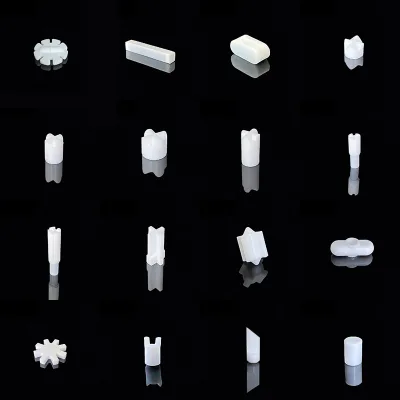
When comparing suppliers, buyers should focus on key dimensions such as minimum order quantities (MOQ), pricing, and customization options. MOQs can vary significantly, with some suppliers offering as low as 2 pieces, while others require orders of 100 pieces or more. This variation allows buyers to select suppliers that match their order volume, whether they are testing small batches or placing large-scale orders. Pricing is another critical factor, with costs ranging from approximately $0.12 to $4.28 per unit, depending on the product specifications and quantity. Buyers should also consider the supplier's ability to provide customized sizes and shapes, such as Type A, B, C, cross-shaped, or gear-shaped stir bars, which may be essential for specific laboratory applications.
In addition to MOQ and pricing, buyers should evaluate the supplier's delivery times and warranty policies. Delivery times can range from 3 to 5 days for some products to 8 to 14 days for others, impacting the buyer's inventory management and project timelines. Warranty policies, or the lack thereof, should also be carefully reviewed, as some suppliers may not offer warranties, which could affect long-term cost considerations. Furthermore, buyers should assess the supplier's main products to ensure they have the necessary expertise and inventory to support their specific needs. By systematically comparing these factors, buyers can make informed decisions that balance cost, quality, and service, ultimately selecting the supplier that best fits their operational requirements.
Common Magnetic PTFE Coated Stirring Rod Sourcing Risks
One of the primary risks in sourcing magnetic PTFE coated stirring rods is the variability in product quality and specifications. Suppliers may offer products with different material compositions, such as PTFE plus magnet or plastic magnet combinations, which can affect performance and durability. Buyers must ensure that the products they receive meet their specific laboratory requirements, particularly in terms of temperature resistance and acid corrosion resistance. Another risk is the inconsistency in lead times and delivery schedules, which can disrupt project timelines and inventory management. Suppliers may have varying production capacities, leading to delays or backorders, especially during peak demand periods.
Additionally, buyers should be cautious of suppliers who do not provide clear warranty policies or after-sales support. The absence of warranties can leave buyers vulnerable to defects or failures, resulting in additional costs and operational disruptions. There is also the risk of miscommunication regarding customization options, such as size, shape, or packaging, which can lead to receiving products that do not meet expectations. Buyers should verify these details before placing orders to avoid misunderstandings. Furthermore, the lack of standardized certifications or verification processes can make it difficult to assess the reliability of suppliers. Buyers should prioritize suppliers with established credentials and transparent operational practices to mitigate these risks and ensure a smoother sourcing experience.
Magnetic PTFE Coated Stirring Rod Regional Sourcing and Logistics
Regional sourcing plays a significant role in the logistics and cost structure of magnetic PTFE coated stirring rods. Many suppliers are located in Jiangsu, China, which is a known hub for laboratory equipment manufacturing. This concentration of suppliers in a specific region can offer buyers advantages in terms of supply chain efficiency and cost competitiveness. However, buyers should also consider the logistical implications of sourcing from this region, including shipping times, customs procedures, and potential tariffs. Understanding these factors can help buyers plan their procurement strategies more effectively, ensuring timely delivery and cost control.
In addition to Jiangsu, some suppliers may be located in other regions, such as Zhejiang, China, which can provide alternative sourcing options. Buyers should evaluate the logistical advantages of each region, considering factors like proximity to ports, transportation infrastructure, and local regulations. The choice of region can also impact the supplier's ability to offer customized solutions, as local expertise and resources may vary. Buyers should also consider the environmental and sustainability aspects of sourcing, as some regions may have stricter regulations or more advanced green manufacturing practices. By carefully assessing regional logistics, buyers can optimize their supply chain, reduce costs, and enhance the overall efficiency of their procurement operations.
Magnetic PTFE Coated Stirring Rod Commercial Terms and Order Planning
Commercial terms and order planning are essential components of successful sourcing for magnetic PTFE coated stirring rods. Buyers should negotiate clear terms regarding payment methods, shipping responsibilities, and return policies to protect their interests. Understanding the supplier's pricing structure, including any volume discounts or additional fees, is crucial for accurate budgeting. Buyers should also plan their orders strategically, considering factors like lead times, MOQs, and inventory turnover rates. This planning can help avoid stockouts or excess inventory, ensuring that the buyer maintains a steady supply of necessary laboratory equipment.
Furthermore, buyers should establish strong communication channels with their suppliers to facilitate smooth order processing and issue resolution. Regular updates on production status and shipping details can help buyers stay informed and proactive in managing their supply chain. Buyers should also consider the supplier's capacity for handling large orders or rush requests, as this can impact their ability to meet urgent needs. By developing a comprehensive order planning strategy and maintaining open communication, buyers can build a reliable and efficient sourcing relationship, ultimately supporting their laboratory operations and research goals.
FAQs
What is the minimum order quantity for PTFE magnetic stirring rods?
The minimum order quantity varies by product type. Some items require only 2 pieces, while others need 10 pieces or 100 units. Buyers should check the specific product listing for the exact MOQ to ensure the order meets the supplier's requirements.
What materials are used in these magnetic stirring rods?
The stirring rods are primarily made from PTFE, often combined with magnets. Some listings specify a composite of plastic and magnet or PTFE coating over a magnetic core. The material choice ensures acid corrosion resistance and suitability for various laboratory applications.
How long does delivery take for these products?
Delivery times range from 3 to 30 days depending on the supplier and product. Some items have a lead time of 30 days, while others offer faster delivery within 3 to 5 days or 8 to 14 days. Confirm the specific timeline with the seller.
Are these products customizable for specific laboratory needs?
Yes, customization is widely available. Suppliers offer OEM support and customized sizes to meet specific requirements. Buyers can request specific dimensions, shapes, or coatings. The products are designed to accommodate custom requests for laboratory testing and chemical mixing applications.
What certifications do these suppliers hold?
Suppliers hold various certifications including ISO 9001, REACH, RoHS, and EU 2015/863. Some are verified by TüVRheinland. These certifications ensure quality and compliance with international standards for laboratory equipment and materials used in chemical and scientific environments.
What is the price range for PTFE magnetic stirring rods?
Prices range from approximately $0.12 to $4.28 per unit. Specific items may cost between $1.29 and $1.68, while others are priced around $2.20. The final price depends on the quantity ordered, customization options, and the specific product specifications selected.
Where are these magnetic stirring rods manufactured?
These products are manufactured in China, specifically in the Jiangsu and Zhejiang provinces. The place of origin is clearly stated in the product details. Buyers should verify the specific manufacturing location to understand logistics and shipping implications for their orders.