Sterilizable Disposable Medical Cotton Swabs Suppliers and Manufacturers
Compare 25 suppliers offering Sterilizable Disposable Medical Cotton Swabs with verified locations in China Zhejiang, response times, lead times, and certifications like CE, ISO, and RoHS. Review product specifications and pricing to select a suitable partner for your medical supply needs.
Updated
Suppliers List

Ningbo Yiyuankang International Trade Co., Ltd.
- Combined
- China Zhejiang
- Lead time30 days
- Avg. response≤ 23h
Main productsMedical Bandage, Tape, Medical First Aid, Alcohol Pad, Face Mask, Adhesive Bandage, Bandage
Main marketsSouth America,Africa,Southeast Asia/ Mideast,East Asia(Japan/ South Korea),Europe,Australia,North America
Zhejiang Kangmin Medical & Healthcare Manufacturing Co., Ltd.
- Verified by SGS Group
- Manufacturer, Trading Company
- Lead time35 days
- Avg. response≤ 5h
Main productsCotton Swab, Cotton Pad, Cotton Ball, Cotton Roll, Toothpick
Main marketsSoutheast Asia(20%), North America(15%), Mid East(15%)
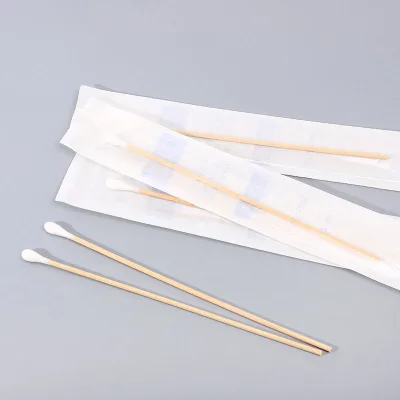
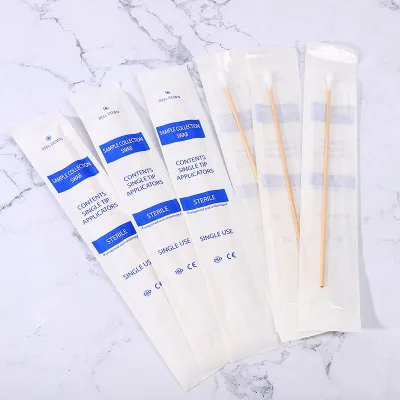
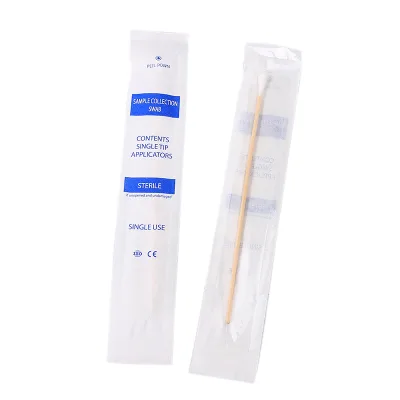
Sterile Medical Cotton Swabs for Safe Use in Medical Procedures and Personal Care Applications
$0.0311 - $0.1035
MOQ: 50 pieces
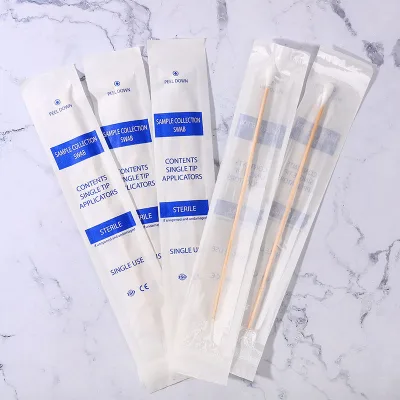
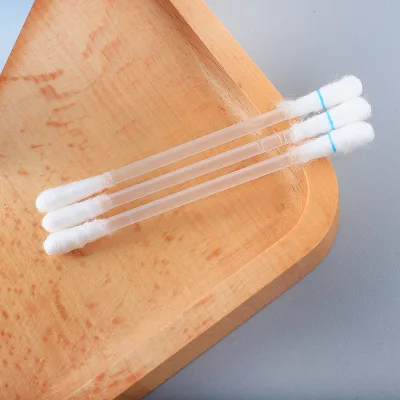
Lint-Free Medical Cotton Swabs for Clean Application Without Residue in Diagnostic Procedures
$0.03 - $0.10
MOQ: 50 pieces
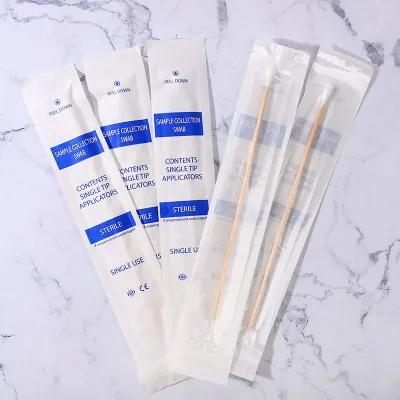
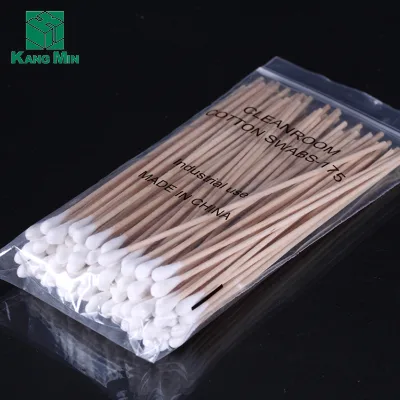
6" Disposable One Hot Sale Medical Wooden Cotton Swab for Industrial Cleaning
$0.30 - $0.40
MOQ: 100000 bags
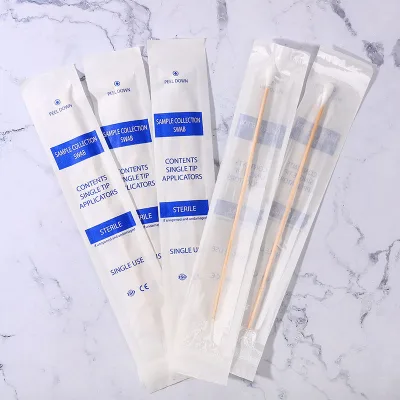
Cost-Effective Medical Cotton Swabs for Everyday Use in Home Healthcare and Personal Hygiene
$0.03 - $0.10
MOQ: 50 pieces

Shanghai Goldenwell Medical Technology Co., Ltd.
- Verified by CTI
- Trading Company
- China Shanghai
- Lead time15 days
- Avg. response≤ 6h
Main productsMedical Devices, Sports Support, Medical Dressings
Main marketsSoutheast Asia/ Mideast,Europe


High Quality Medical Cotton Absorbent Gauze Swabs Sterile Chinese Supplier
$0.10 - $2.00
MOQ: 10000 Bags

Shandong Chengwu Medical Products Factory
- Manufacturer, Trading Company
- Lead time旺季: "1 - 50000":10,"> 50000":"To be negotiated", 淡季: "1 - 50000":10,"> 50000":"To be negotiated"
- Avg. response≤ 4h
Main productsDisposable Venous Blood Collection Needles, Disposable Vacuum Blood Collection Tubes, Disposable Infusion Set With Burette, Disposable Virus Sampling Tubes, Disposable Infusion Set
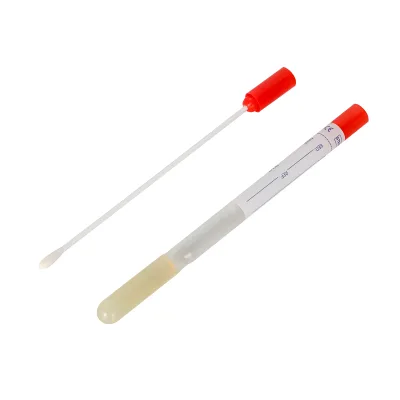
Medical Supplier Disposable Various Types Swabs Female Swabs Sterile Cotton Swabs
$0.03 - $0.04
MOQ: 50000 pieces
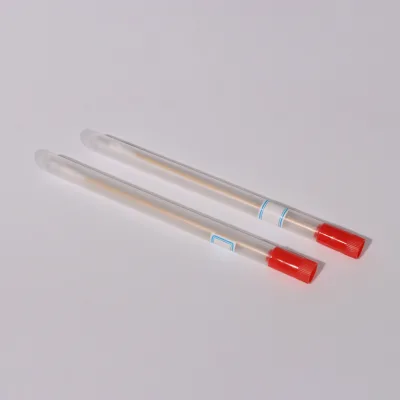
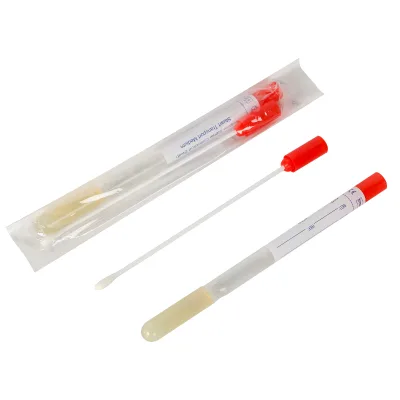
High Quality Disposable Sampling Swab for Male and Female, Mouth, Nose, Pharynx
$0.07
MOQ: 50000 Minimum

Lianyungang Baishun Medical Treatment Articles Co., Ltd.
- Trading Company,Manufacturer/Factory
- China Jiangsu
- Lead time23 days
- Avg. response≤ 13h
Main productsCotton Roll, Gauze Roll, Cotton Pad, Gauze Swab, Dental Cotton, Lab Sponge, Zigzag Cotton, Bandage, Cotton Coil, Jumbo Gauze Roll
Main marketsSouth America,Eastern Europe,Mid East,North America,Southeast Asia,Eastern Asia,Oceania,Western Europe,Africa


100% Cotton Absorbent Medical Disposables Gauze Swabs with FDA Certificate
$0.001 - $0.029
MOQ: 500000 Pieces


Disposable Sterile or Non Sterile Safety Gauze Swab for Single Use for Medical
$0.001 - $0.029
MOQ: 500000 Pieces

AnQing Jiaxin Medical Technology Co., Ltd.
- Verified by BV
- Combined
- China Anhui
- Lead time30 days
- Avg. response≤ 3h
Main productsCotton Pad, Cotton Tissue, Cotton Ball, Cotton Non Woven Fabric, Cotton Tip Applicator
Main marketsSouth America,Africa,Southeast Asia/ Mideast,East Asia(Japan/ South Korea),Europe,Australia,North America

- Manufacturer, Trading Company
- Jiangsu, China
- Lead time30 days
- Avg. response≤ 16h
Main productsMedical Devices,Medical Disposable (All for export)
Main marketsAfrica(33.33%), Mid East(30.00%), Southeast Asia(26.67%), Eastern Europe(5.00%), Southern Europe(3.33%), Western Europe(1.67%)
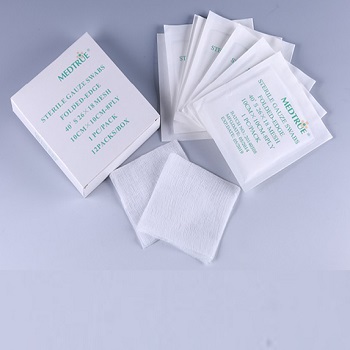
Medical Use Eco-friendly Disposable White Sterile Cotton Gauze Swabs
$0.0138 - $0.0369
MOQ: 375940 Minimum
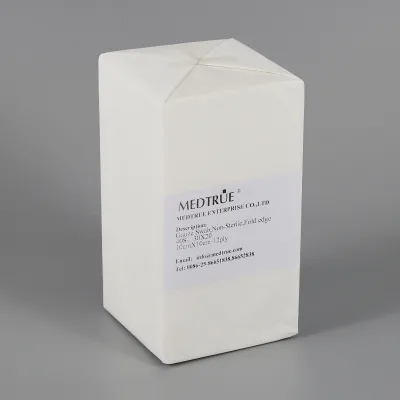
Disposable Non-sterile Types of Gauze Swabs Wound Haemostatic Gauze Swabs
$0.2878 - $1.0268
MOQ: 17 Minimum
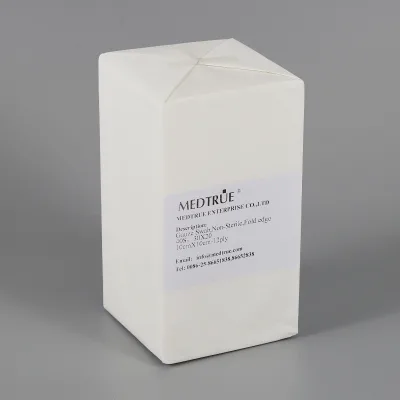
Disposable Non-sterile Types of Gauze Swabs Wound Haemostatic Gauze Swabs
$0.28 - $1.00
MOQ: 17858 Minimum
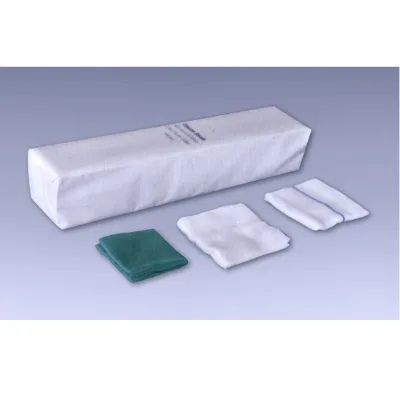
Wholesale Bulk Gauze Swabs 100% Cotton Disposable Non Strerile Gauze Swab
$0.28 - $1.00
MOQ: 17858 Minimum
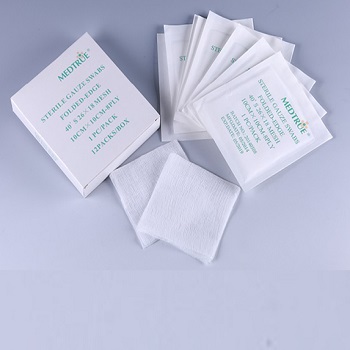
Sample Offered 5*5cm/10*10cm/15*15cm Haemostatic Cotton Gauze Swabs
$0.0138 - $0.0369
MOQ: 375940 Minimum
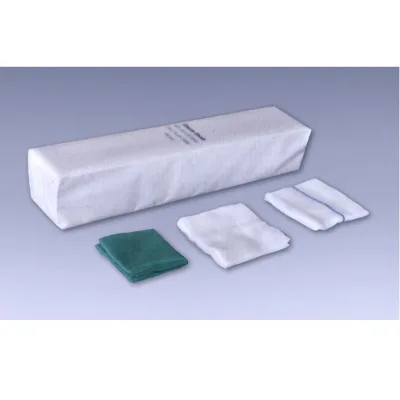
8ply square Surgical Gauze Swabs Hospital Supplies Non Sterile Gauze Swab
$0.2923 - $1.0403
MOQ: 17858 Minimum

Qingdao Aost Medical Manufacture Co., Ltd.
- Verified by TUVRHEINLAND
- Manufacturer/Factory
- China Shandong
- Lead time23 days
- Avg. response≤ 13h
Main productsBlood Lancet, Crepe Bandage, Alcohol Swab, Urine Bag, Gauze Swab, Endotracheal Tube, Oxygen Mask, Spinal Needle, Surgical Face Mask, Syringe
Main marketsSouth America,Eastern Europe,Mid East,North America,Southeast Asia,Eastern Asia,Oceania,Western Europe,Africa


Steriled Medical Disposable Absorbent Cotton Surgical Gauze Bandage Roll Swab
$0.10 - $1.00
MOQ: 10000 Pieces

Hubei Qianjiang Kingphar Medical Material Co., Ltd.
- Combined
- China Hubei
- Lead time30 days
- Avg. response≤ 11h
Main productsGauze Swabs, Laparotomy Sponge, Sterile Gauze Ball, Gauze Roll, Non Woven Swabs, Mask, Bandage, Sterile Cotton Ball, Cotton Dental Wool, Disposable Facial Towel
Main marketsEurope


$0.001 - $0.10
MOQ: 2000 Bags
Lanxi Jieda Cotton Swab Co., Ltd.
- Manufacturer, Trading Company
- Lead time旺季: "1 - 4800":10,"4801 - 24000":30,"> 24000":"To be negotiated", 淡季: "1 - 4800":10,"4801 - 24000":30,"> 24000":"To be negotiated"
- Avg. response≤ 8h
Main productsSanitary Products
Zhejiang Kangmin Medical & Healthcare Manufacturing Co., Ltd.
- Manufacturer, Trading Company
- Lead time旺季: "1 - 1000":35,"> 1000":"To be negotiated", 淡季: "1 - 1000":35,"> 1000":"To be negotiated"
- Avg. response≤ 10h
Main productsCotton Swab/Cotton Pad/Cotton Ball/Cotton Roll/Toothpick, Cotton Products/Oral Care Products/Medical Accessories
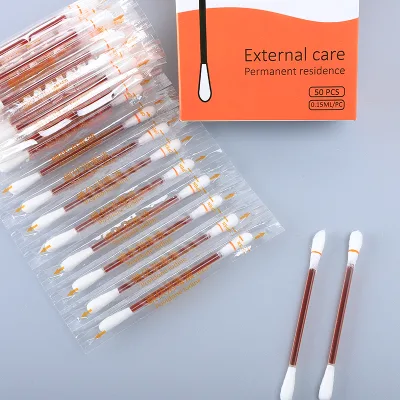
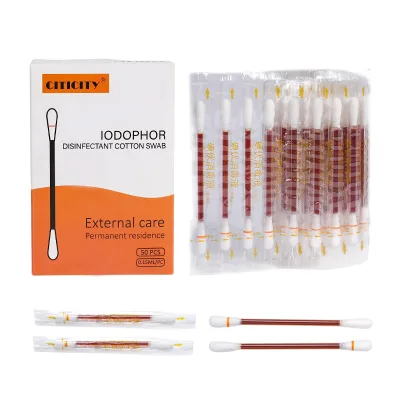
Disposable Portable Disinfectant 50pcs Iodophor Cotton Swabs for Wound Care Sterilization
$0.8964 - $1.0313
MOQ: 1000 boxes
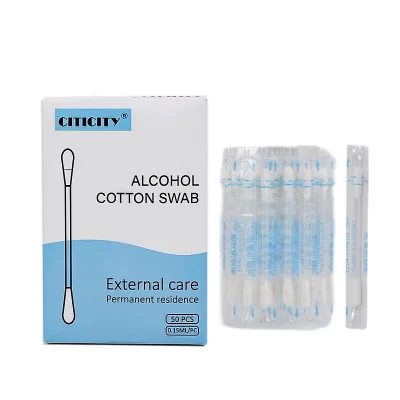

Ningbo Yingmed Medical Instruments Co., Ltd.
- Verified by TUVRHEINLAND
- Trading Company,Manufacturer/Factory
- China Zhejiang
- Lead time23 days
- Avg. response≤ 16h
Main productsSurgical Gloves, Alcohol Pads, Surgical Mask, Syringe, IV Set, Bandage, Urine Bag, Oxygen Mask, Nebulizer Mask, Surgical Suture
Main marketsMid East,Southeast Asia,Western Europe,Africa

Yangzhou Super Union Medical Material Co., Ltd.
- Combined
- China Jiangsu
- Lead time15 days
- Avg. response≤ 10h
Main productsGauze Swab, Sterile Gauze Sponge, Lap Sponge, Non Woven Sponge, Gauze Roll, Sterile Non Woven Swab, Paraffin Gauze, Gauze Bandage, Triangel Bandage, Cotton Wool
Main marketsSouth America,Africa,Others(foreignTradeCapacity.exportBusinessCapacityMarketOther),Southeast Asia/ Mideast,East Asia(Japan/ South Korea),Domestic,Europe,Australia,North America
Anqing Jiaxin Medical Technology Co., Ltd.
- Verified by SGS Group
- Manufacturer, Trading Company
- Lead time10 days
- Avg. response≤ 2h
Main productsAlcohol wipes, Cotton swab, Cotton ball, cotton pad, Medical gauze
Main marketsDomestic Market(45%), Southeast Asia(25%), North America(5%)
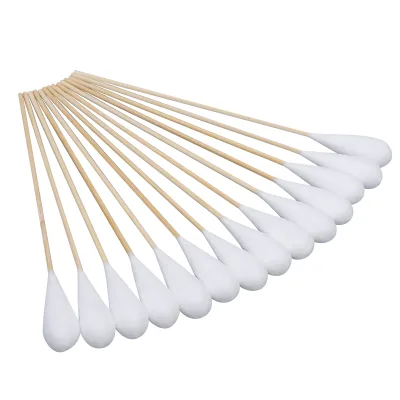
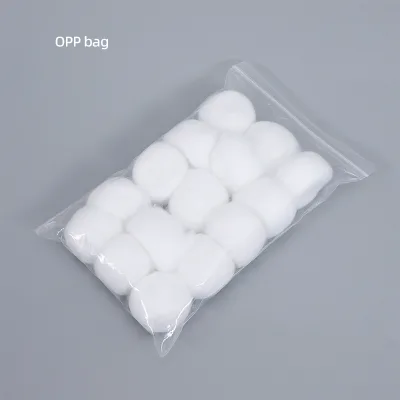
$0.1033 - $0.2069
MOQ: 500 bags
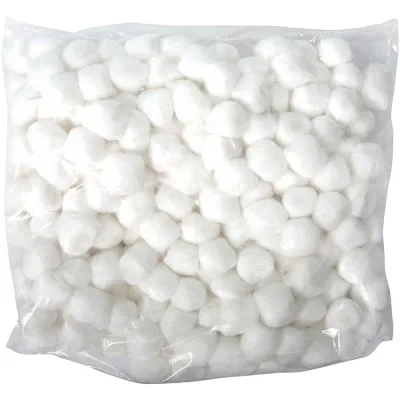
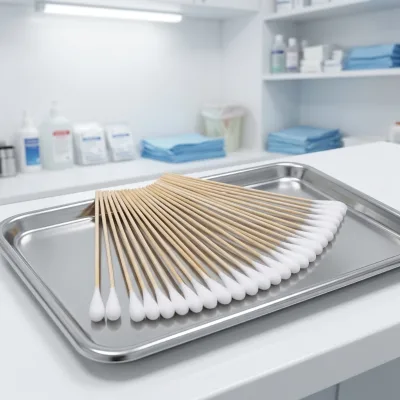
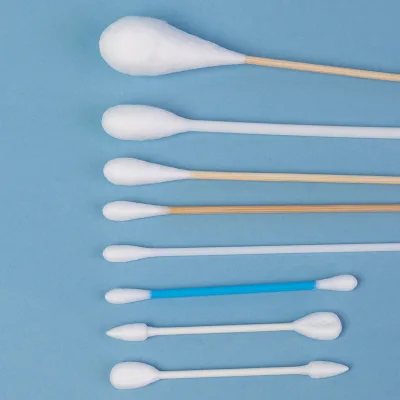
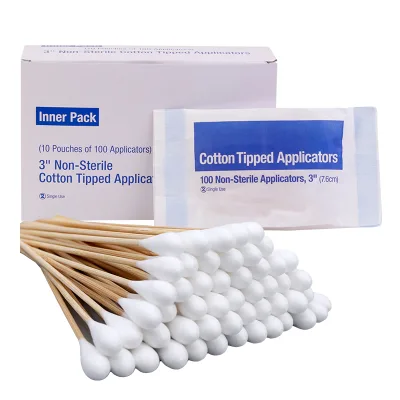
Sterile Cotton Swabs | Disposable Cotton Tipped Applicators with Wooden & Plastic Sticks
$0.2084 - $0.2383
MOQ: 100 bags

Shanghai Honsung Medical Instruments Co., Ltd.
- Verified by TUVRHEINLAND
- Trading Company
- China Shanghai
- Lead time15 days
- Avg. response≤ 7h
Main productsBlood Collection Tube, Isolation Gown, Blood Collection Needle, Infusion Set, Foley Catheter, Cautery Pencil, Alcohol Prep Pad, Surgical Suture, Surgical Tape
Main marketsAfrica,Southeast Asia/ Mideast,Europe,North America
Zhejiang Lidesen Medical Instrument Co., Ltd
- Verified by SGS Group
- Trading Company
- Lead time30 days
- Avg. response≤ 5h
Main productsMedical Bandage Adhesive Tape, Medical Gauze Cotton, Oxygen Mask , Urine Bag Medical Tube, Syringe Infusion Set
Main marketsSoutheast Asia(20%), North America(15%), Mid East(15%)
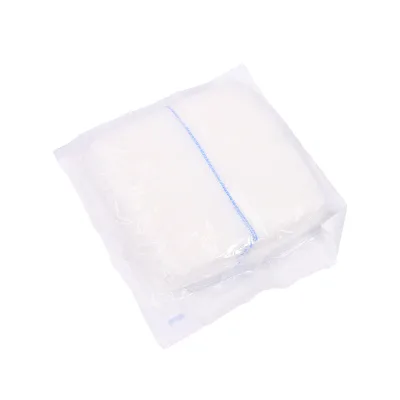
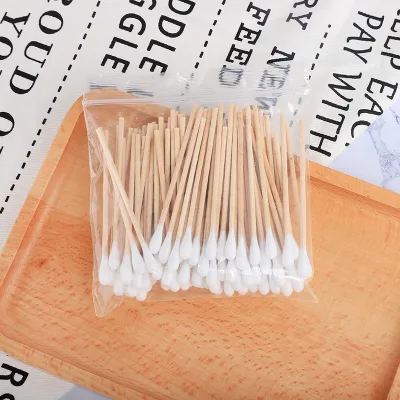
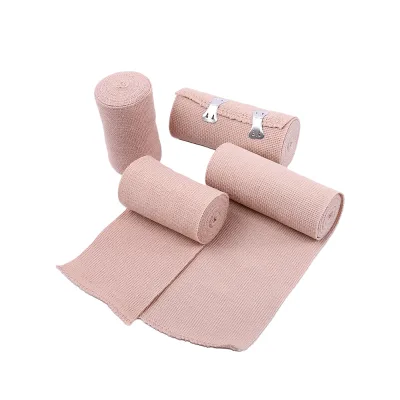
$0.1036 - $0.3118
MOQ: 5000 pieces
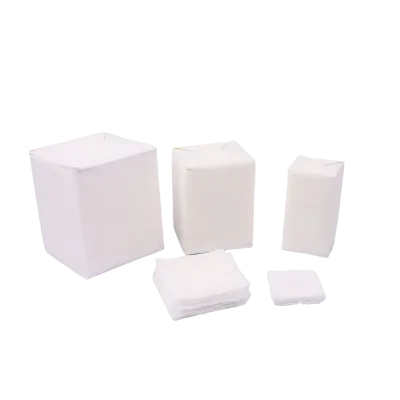
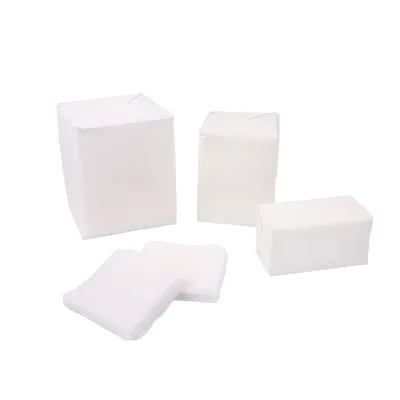
Eco-Friendly Disposable Gauze Swabs for Safe and Hygienic Wound Treatment
$0.0104 - $0.0518
MOQ: 10000 bags
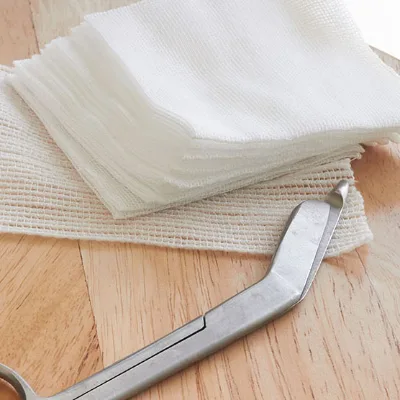
$0.02 - $0.05
MOQ: 10000 packs

Ningbo Greetmed Medical Instruments Co., Ltd.
- Verified by SGS
- Trading Company,Manufacturer/Factory
- China Zhejiang
- Lead time45 days
- Avg. response≤ 10h
Main productsDiagnostics, Nebulizer, Hospital Equipment, Laboratory Instrument, Medical Tubes, Monitor, Medical Products, Non Woven Face Mask, Infusion Set, Syringe
Main marketsSouth America,Eastern Europe,Mid East,North America,Eastern Asia,Oceania,Western Europe,Africa

Qingdao Love Squirrel International Trade Co., Ltd.
- Trading Company
- Shandong, China
- Lead time2 days
- Avg. response≤ 3h
Main productsFalse Eyelashes,Eyelash Extensions,Eyelash Tools,Eyelash Glue,Eyelash Cleaning Mousse
Main marketsNorth America(51.00%), Western Europe(17.00%), South America(7.00%), Oceania(6.00%), Central America(5.00%), Africa(4.00%), South Asia(3.00%), Southeast Asia(3.00%), Eastern Europe(2.00%), Mid East(2.00%)

Foosin Medical Supplies Inc., Ltd.
- Verified by SGS
- Combined
- China Shandong
- Lead time30 days
- Avg. response≤ 7h
Main productsSurgical Suture, Suture Needle, Ophthalmic Sutures, Cardiovascular Sutures, Cosmetic Sutures, O&B Sutures, Nylon Suture, Silk Suture, Absorbable Suture, Nonabsorbable Suture
Main marketsSouth America,Southeast Asia/ Mideast,Europe

Disposable Medical Hospital Hemostatic Non Sterile Cotton Absorbent Gauze Swabs
$0.01 - $0.03
MOQ: 10000 Pieces



- Manufacturer
- Hubei, China
- Lead time25 days
- Avg. response≤ 4h
Main productsWound Care (Gauze Sponge,Gauze Ball,Dental Cotton Roll,ABD Pad,Sterilization Pouches
Main marketsWestern Europe(63.60%), North America(28.00%), Southeast Asia(5.60%), Oceania(2.80%)
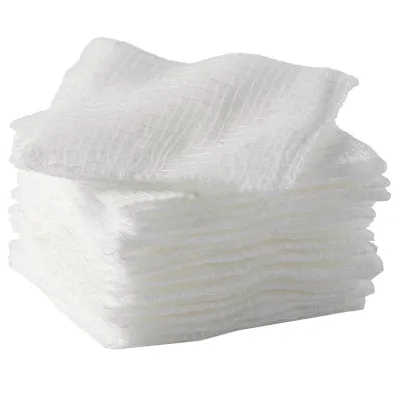
Sterile Medical Premier Cotton Gauze Swabs Gauze Pads Non Woven Swabs
$0.001 - $0.0103
MOQ: 100000 Minimum
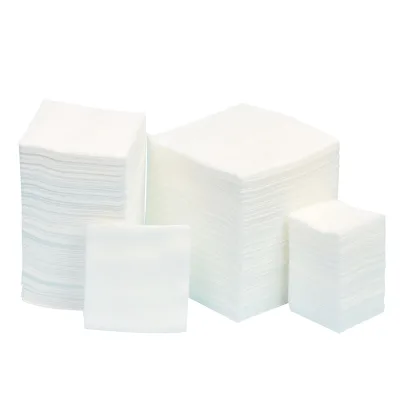

SHANGHAI SNWI MEDICAL CO., LTD.
- Verified by TUVRHEINLAND
- Trading Company,Manufacturer/Factory
- China Shanghai
- Lead time0 days
- Avg. response≤ 6h
Main productsDisposable Syringe, Gauze Roll, Non-Woven Products, Medical Supply, Surgical Sutures

Disposable Medical Supply Sterile 100% Pure Cotton Gauze Swabs for Hospital Use
$0.01 - $0.03
MOQ: 100000 Pieces


Hot Sale 100% Cotton Medical Supply Disposable Absorbent Sterile Gauze Swabs for Hospital Use
$0.01 - $0.03
MOQ: 100000 Pieces

Medical Disposable Absorbent Gauze Swabs with or Without X-ray Detectable
$0.01 - $0.03
MOQ: 100000 Pieces

Disposable Medical Sterile or Non Sterile 100% Pure Cotton Gauze Swabs Sifferent Color
$0.01 - $0.03
MOQ: 100000 Pieces

Hot Sale High Quantity Medical Non Woven Swabs Sterile or Non Sterile for Hospital Use
$0.05 - $1.25
MOQ: 10000 Bags

Anhui Nature Imp. & Exp. Co., Ltd.
- Verified by SGS
- Trading Company
- China Anhui
- Lead time15 days
- Avg. response≤ 2h
Main productsBamboo Products, Wooden Products, Multiple Knife Fork & Spoon, Bamboo Scissors Stick, Bamboo Sushi Curtain, Disposable Creative Bead Bamboo Stick, Bamboo Straw, Bamboo Stick, Wooden Cutlery, Wooden Knife Spoon Fork
Main marketsSoutheast Asia/ Mideast,Europe,North America

$0.008 - $0.01
MOQ: 50000 Pieces


ANJI HONGDE MEDICAL PRODUCTS CO., LTD.
- Combined
- China Zhejiang
- Lead time30 days
- Avg. response≤ 6h
Main productsFlocked Swab, Bandage, Tape, Gauze Roll/Swab/Ponge Swab, Cotton Roll/Cotton Ball/ Dental Cotton, Face Mask, Tongue Depressor, Vasline/Paraffin Gauze
Main marketsDomestic

Chongqing New World Trading Co., Ltd.
- Verified by BV
- Trading Company
- China Chongqing
- Lead time15 days
- Avg. response≤ 10h
Main productsVacuum Blood Collection Tubes, Test Tube, Pipette Tip, Urine Container, Microscope Slide, Filter Tip, Swab, Centrifuge Tube, Cryovial Tube, Blood Lancet
Main marketsSouth America,Africa,Southeast Asia/ Mideast,East Asia(Japan/ South Korea),Europe,Australia,North America


$25.00 - $27.50
MOQ: 1 Boxes
Shanghai Kalti Medical Devices Co., Ltd.
- Trading Company
- Shanghai, China
- Lead time0 days
- Avg. response≤ 5h
Main productsRainbow Canal File; Blue DS Reciprocating File; Gold Safe Rotary File, Dental Resin Model; Dental Napkin
Main marketsNorth America(30.00%), Southeast Asia(30.00%), South America(20.00%), Western Europe(20.00%)


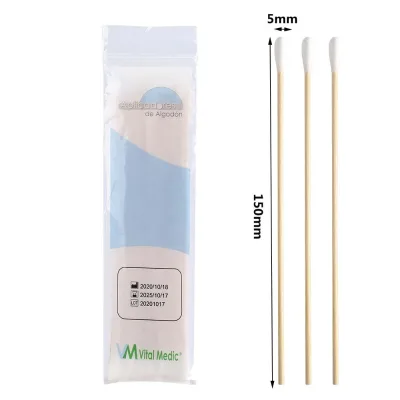
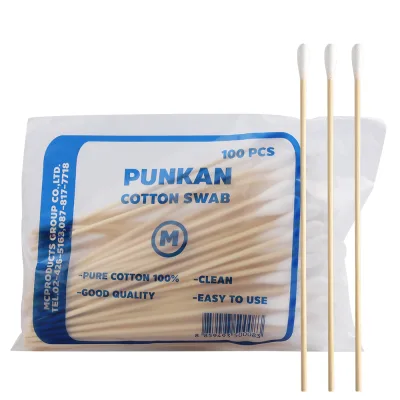




Comprehensive Sourcing Guide
Sterilizable Disposable Medical Cotton Swabs Supplier Concentration and Factory Types
The current supplier landscape for Sterilizable Disposable Medical Cotton Swabs reveals a distinct concentration of manufacturing and trading entities within specific geographic regions. Evidence indicates that a significant portion of these suppliers are located in China, with Zhejiang province emerging as a notable hub for production. This regional clustering suggests a mature supply chain ecosystem where raw material sourcing, manufacturing infrastructure, and logistics networks are optimized for high-volume output. Buyers evaluating potential partners should recognize that this geographic concentration often correlates with specialized expertise in medical consumables, particularly in the production of sterile gauze, swabs, and related surgical supplies. The presence of combined company types, including both manufacturers and trading companies, offers buyers a spectrum of engagement models. Manufacturers typically provide direct access to production lines, enabling greater control over customization and quality assurance processes. In contrast, trading companies may offer broader product assortments and streamlined communication, though they might introduce additional layers in the supply chain. Understanding this dynamic is crucial for aligning procurement strategies with specific business needs, whether prioritizing cost efficiency, customization flexibility, or supply chain transparency.
Supplier types also vary in their operational focus and capacity for customization. Some entities are identified as combined entities, blending manufacturing capabilities with trading functions, which can simplify the sourcing process by providing a single point of contact for diverse product requirements. These suppliers often list main products that include medical bandages, tapes, alcohol pads, and face masks, indicating a broad capability in medical disposables. The ability to offer both OEM and ODM services is a key differentiator, allowing buyers to leverage existing designs or develop proprietary products tailored to specific market demands. Additionally, the presence of suppliers with light customization, sample processing, and graphic processing capabilities highlights the industry's responsiveness to brand-specific requirements. Buyers should assess whether their need for logo printing, specific packaging, or unique product configurations aligns with the supplier's stated capabilities. This alignment ensures that the chosen partner can deliver products that meet both functional specifications and branding objectives, ultimately supporting a successful market entry or expansion strategy.
How to Verify Sterilizable Disposable Medical Cotton Swabs Suppliers
Verifying the credibility and compliance of suppliers is a critical step in mitigating procurement risks. Buyers should prioritize suppliers who have undergone third-party verification processes, such as those conducted by SGS Group, which provides an additional layer of trust regarding business legitimacy and operational standards. While verification status is a strong indicator, it should be complemented by a thorough review of product certifications. Evidence shows that some suppliers hold certifications such as CE, RoHS, and ISO, which are essential for ensuring that products meet international quality and safety standards. Specifically, for medical cotton swabs, the presence of ISO9001 and CE certifications suggests adherence to rigorous quality management systems and regulatory requirements. Buyers must carefully examine these certifications to ensure they are relevant to the specific product type and intended market. It is also important to verify the sterilization methods employed, such as Ethylene Oxide Sterilization, which is a common standard for medical disposables. Confirming that the supplier explicitly states their sterilization process helps ensure product safety and efficacy, particularly for applications requiring sterile conditions.
Beyond certifications, buyers should assess the supplier's responsiveness and transparency in communication. Response time is a key metric that can indicate the supplier's operational efficiency and willingness to engage with potential partners. A faster response time, such as five days compared to longer periods, may suggest a more agile and customer-centric approach. Additionally, buyers should request detailed product specifications and documentation, including material composition, packaging details, and origin information. For instance, confirming that products are made from cotton tips and wooden sticks, with specific dimensions and customization options, ensures that the supplier can meet precise requirements. Buyers should also inquire about the supplier's ability to provide samples for quality evaluation before committing to large orders. This step allows for a practical assessment of product quality, packaging integrity, and overall value. By combining verification of credentials with direct communication and sample evaluation, buyers can build a comprehensive profile of each supplier, reducing the likelihood of encountering issues related to quality, compliance, or service delivery.
What to Compare Across Sterilizable Disposable Medical Cotton Swabs Suppliers
When evaluating multiple suppliers, buyers should systematically compare key operational and commercial metrics to identify the most suitable partner. Lead time is a critical factor, as it directly impacts inventory management and order fulfillment. Evidence indicates that lead times can vary, with some suppliers offering thirty days and others up to thirty-five days. Buyers should align these timelines with their production schedules and market demand forecasts to avoid stockouts or excess inventory. Minimum Order Quantity (MOQ) is another essential comparison point, as it influences cash flow and storage requirements. MOQs can range significantly, from as low as fifty boxes to ten thousand units, depending on the supplier and product type. Understanding these thresholds helps buyers determine the feasibility of initial orders and potential for scaling. Additionally, response time should be considered as an indicator of supplier reliability and customer service quality. Faster response times can facilitate quicker decision-making and problem resolution, which is particularly valuable in dynamic market conditions.
Price and customization capabilities are also vital dimensions for comparison. Unit prices can vary based on product specifications, sterilization methods, and order volume. For example, prices for certain cotton swabs may range from fractions of a cent to several dollars, depending on factors such as packaging, sterilization, and material quality. Buyers should request detailed pricing breakdowns to understand the cost drivers and ensure transparency. Customization options, including logo printing, specific packaging, and product design, should be evaluated based on the supplier's flexibility and associated costs. Some suppliers offer extensive customization, including graphic processing and on-demand customization, which can be crucial for brand differentiation. Additionally, buyers should assess the supplier's capacity for handling complex orders, including mixed product types and varying specifications. By comparing these metrics across suppliers, buyers can create a weighted scoring model that aligns with their strategic priorities, whether focusing on cost, speed, quality, or customization. This structured approach ensures a data-driven selection process that minimizes risk and maximizes value.
Common Sterilizable Disposable Medical Cotton Swabs Sourcing Risks
Sourcing Sterilizable Disposable Medical Cotton Swabs involves several inherent risks that buyers must proactively manage to ensure supply chain stability and product quality. One significant risk is the variability in product specifications and quality across different suppliers. Even within the same category, products may differ in material composition, sterilization efficacy, and packaging integrity. For instance, some suppliers may offer products without Ethylene Oxide Sterilization, which could be unsuitable for certain medical applications. Buyers must clearly define their technical requirements and verify that suppliers can meet these standards. Another risk is the potential for delays in production or shipping, which can disrupt downstream operations. Lead times can be affected by factors such as raw material availability, production capacity, and logistical challenges. Buyers should establish clear communication channels and request regular updates on order status to mitigate the impact of potential delays. Additionally, the risk of non-compliance with regulatory standards in target markets is a critical concern. Buyers must ensure that suppliers hold the necessary certifications and that products meet local regulatory requirements, avoiding potential legal and reputational damages.
Quality control and consistency are also major risks, particularly when dealing with high-volume orders. Inconsistent product quality can lead to customer dissatisfaction and returns, impacting brand reputation. Buyers should implement rigorous quality assurance protocols, including pre-shipment inspections and third-party testing, to verify product conformity. The risk of intellectual property infringement is another consideration, especially when working with suppliers who offer OEM services. Buyers must ensure that their designs and branding are protected through appropriate legal agreements and supplier vetting. Furthermore, the risk of supply chain disruptions due to geopolitical or economic factors cannot be overlooked. Diversifying the supplier base and maintaining safety stock can help mitigate these risks. Buyers should also be cautious of suppliers who offer unusually low prices, as this may indicate compromised quality or hidden costs. By identifying and addressing these risks through thorough due diligence and proactive management, buyers can build a resilient supply chain that supports long-term business success and customer satisfaction.
Sterilizable Disposable Medical Cotton Swabs Regional Sourcing and Logistics
Regional sourcing strategies play a pivotal role in optimizing cost, lead time, and logistical efficiency for Sterilizable Disposable Medical Cotton Swabs. The concentration of suppliers in China, particularly in Zhejiang province, offers significant advantages in terms of manufacturing scale and supply chain maturity. This region benefits from established infrastructure, skilled labor, and proximity to raw material sources, which collectively contribute to competitive pricing and reliable production capabilities. Buyers leveraging this regional advantage can access a wide array of suppliers with diverse capabilities, from basic manufacturing to advanced customization services. However, sourcing from this region also requires careful consideration of logistical factors, including shipping routes, customs procedures, and import regulations. Buyers should work with experienced freight forwarders to navigate these complexities and ensure timely delivery. Additionally, the environmental and regulatory landscape in the sourcing region can impact production practices and product standards. Buyers must stay informed about any changes in local regulations that may affect supply chain operations or product compliance.
Logistics planning should also account for the specific requirements of medical products, such as temperature control and sterilization maintenance during transit. Proper packaging and handling procedures are essential to preserve product integrity and ensure that sterilization remains effective upon arrival. Buyers should collaborate with suppliers to develop robust logistics protocols that address these needs, including the use of appropriate packaging materials and monitoring systems. Furthermore, the choice of shipping method, whether by sea, air, or rail, should be aligned with order urgency and cost constraints. Sea freight may offer cost savings for large, non-urgent orders, while air freight is suitable for time-sensitive shipments. Buyers should also consider the impact of regional trade agreements and tariffs on overall costs. By integrating regional sourcing insights with strategic logistics planning, buyers can optimize their supply chain for efficiency, reliability, and cost-effectiveness. This holistic approach ensures that products are delivered on time, in full, and in perfect condition, supporting seamless operations and customer satisfaction.
Sterilizable Disposable Medical Cotton Swabs Commercial Terms and Order Planning
Effective commercial terms and order planning are essential for successful procurement of Sterilizable Disposable Medical Cotton Swabs. Buyers should negotiate clear payment terms, such as letters of credit or escrow services, to protect against financial risks and ensure transaction security. Understanding the supplier's pricing structure, including any volume discounts or additional fees for customization, is crucial for accurate cost forecasting. Buyers should also clarify the terms for sample orders, including costs and lead times, to facilitate initial product evaluation. Order planning should consider the supplier's production capacity and lead times to align with demand forecasts and inventory strategies. Establishing a consistent ordering rhythm can help stabilize production schedules and reduce the risk of delays. Additionally, buyers should define clear quality acceptance criteria and procedures for handling non-conforming products, including return policies and compensation mechanisms. These terms should be documented in formal contracts to ensure mutual understanding and legal enforceability.
Long-term partnership development is another key aspect of commercial planning. Building strong relationships with suppliers can lead to improved service levels, priority treatment during peak periods, and collaborative innovation. Buyers should engage in regular performance reviews to assess supplier adherence to agreed terms and identify areas for improvement. Open communication channels should be maintained to address any issues promptly and foster a cooperative environment. Furthermore, buyers should consider the supplier's ability to scale operations in response to growing demand, ensuring that the partnership can support business expansion. By focusing on transparent commercial terms, strategic order planning, and relationship management, buyers can create a sustainable procurement framework that drives value and minimizes risks. This approach not only secures a reliable supply of high-quality medical cotton swabs but also positions the buyer for long-term success in the competitive medical consumables market.
FAQs
What is the price range for Sterilizable Disposable Medical Cotton Swabs?
Prices vary significantly based on material and sterilization method. Disposable surgical cotton swabs range from $0.005 to $0.01 per unit. Sterile gauze swabs cost between $0.30 and $0.35. Premium absorbent options may reach $6.00. Buyers should verify specific model numbers and packaging requirements to determine accurate pricing for their volume needs.
What are the minimum order quantities for these medical swabs?
MOQs depend on the specific product type and customization level. Standard disposable surgical swabs require a minimum of 10,000 units. Some sterile gauze options have an MOQ of 5,000 units. Individual package sterile swabs may start at just 50 boxes. Buyers seeking lower volumes should look for suppliers offering sample processing or light customization services.
Are these medical cotton swabs sterilized using ethylene oxide?
Sterilization methods vary by product specification. Many sterile medical gauze swabs utilize ethylene oxide sterilization to ensure safety. However, some disposable cotton swab balls are explicitly marked as without ethylene oxide sterilization. Buyers must check the product attributes for specific sterilization claims to ensure compliance with their medical facility protocols and regulatory requirements.
What certifications do these medical swab suppliers hold?
Suppliers typically hold CE, ISO, and RoHS certifications for medical consumables. Some manufacturers also possess ISO9001 and SGS verification. These credentials ensure adherence to international quality and safety standards. Buyers should verify specific certification documents for each product model to confirm compliance with regional medical device regulations and procurement policies.
Where are these medical cotton swab manufacturers located?
Most suppliers are located in Zhejiang, China, a major hub for medical consumables. Products originate from this region with customized standards available. Buyers can source from combined companies or specialized manufacturers in this area. Location impacts logistics and lead times, so verifying the exact place of origin is essential for supply chain planning.
What is the typical lead time for these orders?
Lead times generally range from 30 to 35 days for production. This duration applies to standard orders of medical swabs and gauze products. Buyers should account for this timeframe when planning inventory. Expedited options may be available for sample processing or light customization requests, but standard bulk orders follow the typical production schedule.