Automatic Glass Cutting Roll Laminator Suppliers and Manufacturers
Find 13 verified suppliers offering Automatic Glass Cutting Roll Laminator units with varying lead times, response speeds, and certifications. Compare dimensions, power specs, and customization options to select the right factory for your production needs; review the available evidence before requesting comparable quotations from suitable candidates.
Updated
Suppliers List

- Verified by TUVRHEINLAND
- Manufacturer/Factory
- China Beijing
- Lead time60 days
- Avg. response≤ 5h
Main productsGlass Processing Machine, Glass Polishing Machine, Laminated Glass Machine, Glass Edging Machine, Glass Beveling Machine, Glass Washing Machine, Glass Drilling Machine, Glass Sandblasting Machine, Glass Laminating Machine, Glass Grinding Machine
Main marketsSouth America,Eastern Europe,Mid East,North America,Southeast Asia,Eastern Asia,Oceania,Western Europe,Africa
Dongguan Matal Intelligent Equipment Co., Ltd.
- Manufacturer, Trading Company
- Guangdong, China
- Lead time25 days
- Avg. response≤ 2h
Main productsScreen printing machine,Gold stamping machine,Pad printing machine,Heat transfer machine,labeler
Main marketsOceania(10.00%), Africa(10.00%), Eastern Europe(10.00%), South America(10.00%), North America(10.00%)
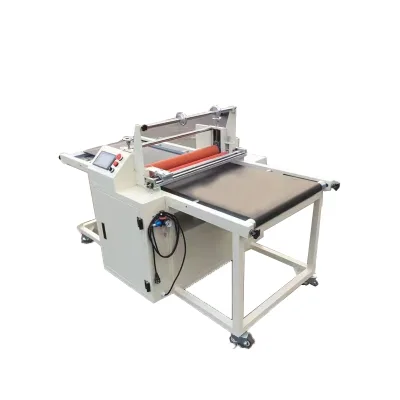
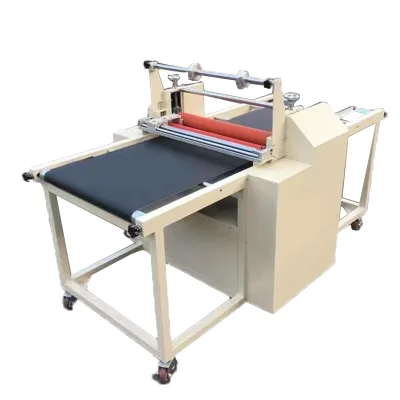
$2671.278 - $2790.459
MOQ: 1 sets

JINAN GLASINO GLASS TECHNOLOGY CO., LTD.
- Verified by BV
- Trading Company,Manufacturer/Factory
- China Shandong
- Lead time0 days
- Avg. response≤ 6h
Main productsGlass Tempering Machine, Insulating Glass Machine, Glass Cutting Machine, Glass Adging Machine
Main marketsSouth America,Eastern Europe,Mid East,North America,Southeast Asia,Eastern Asia,Oceania,Western Europe,Africa


Laminated Glass Processing Machinery Laminating Glass Cutting Machine
$45000.00 - $53000.00
MOQ: 1 Sets

Automatic High Speed Laminated Glass Cutting Machine CNC Laminating Glass Cutter
$33000.00 - $38000.00
MOQ: 1 Pieces


- Verified by SGS Group
- Manufacturer, Trading Company
- Lead time14 days
- Avg. response≤ 4h
Main productsAluminum Door and Window Machine, PVC Door and Window Machine, CNC Center Machine, Glass Machine, Insulating Glass Machine
Main marketsEastern Europe(30%), North America(20%), South America(20%)
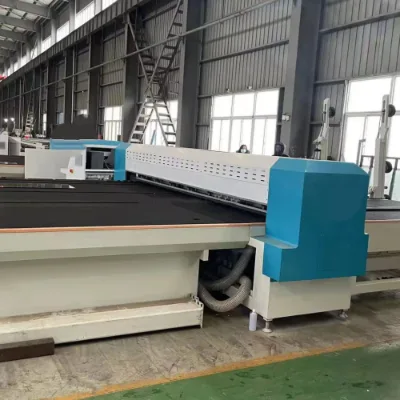
Automatic Laminated Glass Cutting Machine
$23000.00 - $24000.00
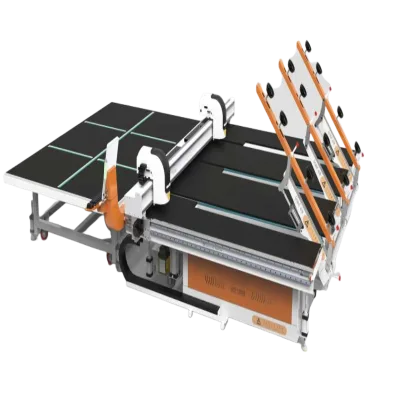
Laminated Glass Cutting Machine for Double Glazing Glass Cutting Table
$23300.00 - $23500.00

Qingdao Berling Tech Co., Ltd.
- Verified by TUVRHEINLAND
- Trading Company
- China Shandong
- Lead time15 days
- Avg. response≤ 2h
Main productsGlass Machinery, Glass Processing Machine, Insulating Glass Machine, Glass Machine, Glass Cutting Machine, Laminated Glass Machine, Washing Machine, Drilling and Milling Machine, CNC Center, Vacuum Lifting Machine
Main marketsSouth America,Others(foreignTradeCapacity.exportBusinessCapacityMarketOther),Europe,Australia

Automatic Glass Cutting Machine PLC System Glass Laminating Machine
$13500.00 - $17000.00
MOQ: 1 Pieces

High Speed Laminated Glass Multi-Function Cutter Customizable Glass Cutting Machine
$19000.00 - $21000.00
MOQ: 1 Pieces

Laminated Glass Cutting Machine with Full-Automatic Glass Cutting Loading Breaking Function
$19000.00 - $23000.00
MOQ: 1 Pieces

High Speed Easy Operating Laminating Glass Cutting Machine with Loading Breaking Function
$22000.00 - $25000.00
MOQ: 1 Pieces

Robust Glass Laminating Machine with Automatic Settings for Precision Processing
$12000.00 - $18800.00
MOQ: 1 Pieces

Qingdao Toyo Industry Co., Ltd.
- Verified by BV
- Trading Company
- China Shandong
- Lead time15 days
- Avg. response≤ 2h
Main productsGlass Cutting Machine, Glass Storage Equipment, Glass Racks, Glass Grinding and Polishing Machine, Glass Vacuum Lifter, Glass Handing Equipment, Glass Laminating Machine, Insulating Glass Production Line, Glass Slings, Glass Machinery Consumables and Tools
Main marketsSouth America,Africa,Southeast Asia/ Mideast,East Asia(Japan/ South Korea),Europe,Australia,North America

Shandong Tenv Intelligent Technology Co., Ltd.
- Verified by TUVRHEINLAND
- Manufacturer/Factory
- China Shandong
- Lead time23 days
- Avg. response≤ 7h
Main productsGlass Cutting Machine, Glass Edging Machine, Insulating Glass Machine, Glass Laminating Machine, Glass Drilling Machine, Glass Sandblasting Machine, PVC Window Machine, Aluminum Window Machine
Main marketsWestern Europe

Laminated Glass Cutting Machine Semi-Automatic Glass Laminating Machine
$12250.00 - $12500.00
MOQ: 1 Pieces

3.8*2.6m Laminated Glass Cutting Machine with Automatic Loading Table/Glass Lamination Machine
$12250.00 - $12500.00
MOQ: 1 Pieces

Shandong Truetec Machinery Co., Ltd.
- Trading Company,Manufacturer/Factory
- China Shandong
- Lead time23 days
- Avg. response≤ 9h
Main productsGlass Machine, PVC Window Making Machine, Aluminum Window Making Machine, Window Machine, Insulating Glass Mcachine, Glass Cutting Mcachine, Glass Polishing and Beveling Machine, Glass Washing Machine, Glass Tempered Machine, Glass Drilling Sand Blasting Machine
Main marketsSouth America,Eastern Europe,Mid East,North America,Southeast Asia,Eastern Asia,Oceania,Western Europe,Africa

Laminated Glass Cutting Machinery Automatic Laminated Glass Cutting Machine
$7230.00 - $14600.00
MOQ: 1 Set

Easy to Operation Semi-Automatic 3826 Laminated Glass Cutting Machine
$15900.00 - $16100.00
MOQ: 1 Pieces
Shandong Eworld Machine Co., Ltd.
- Verified by SGS Group
- Manufacturer, Trading Company
- Lead time10 days
- Avg. response≤ 2h
Main productsAutomatic Insulating Glass Machine, Laminate Glass Machine, Glass Cutting Machine, Glass Edging Machine, PVC Window Machine
Main marketsMid East(18%), South America(15%), Southeast Asia(15%)

Shandong Eworld Machine Co., Ltd.
- Verified by BV
- Combined
- China Shandong
- Lead time30 days
- Avg. response≤ 1h
Main productsGlass Cutting Machine, Glass Edging Machine, Insulating Glass Machine, Glass Lifter, Glass Washing Machine, Glass Laminating Machine, Glass Screen Printing Machine, Glass Sandblasting Machine
Main marketsSouth America,Africa,Southeast Asia/ Mideast,East Asia(Japan/ South Korea),Europe,Australia,North America
- Trading Company
- Lead time旺季: "1 - 1":31,"> 1":"To be negotiated", 淡季: "1 - 1":31,"> 1":"To be negotiated"
- Avg. response≤ 1h
Main productsPaper Machine, Hot Melt Glue Machine, Glass Machine, Auto Repair Machine, Metal Processing Machine
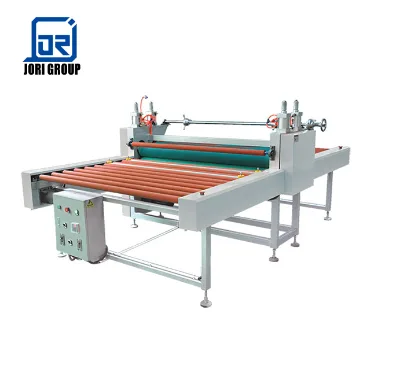
Best Glass Coating Machine Automatic Glass Laminating Machinery
$3400.00 - $3600.00
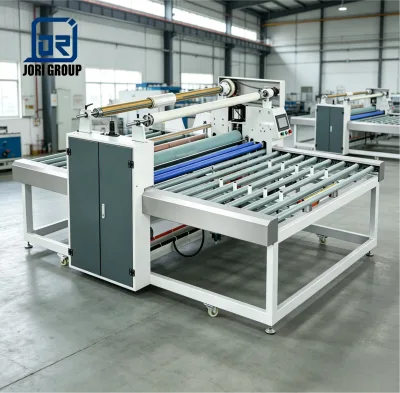
Jining Qingke Machinery Co., Ltd.
- Manufacturer, Trading Company
- Lead time旺季: "1 - 1":7,"> 1":"To be negotiated", 淡季: "1 - 1":7,"> 1":"To be negotiated"
- Avg. response≤ 4h
Main productsExcavator, Forklift, Skid Steer Loader, Tricycle, Road Roller
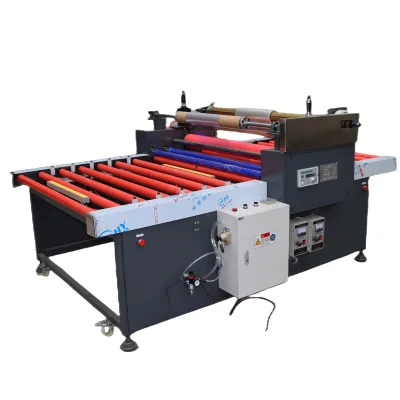
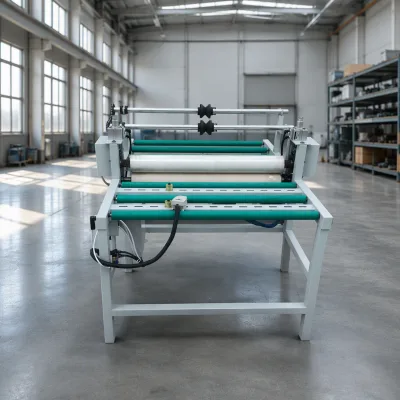
$548.2637 - $753.6058
MOQ: 1 sets

Hangzhou Fuyang Huibo Hansway (BOWAY) Trading Co., Ltd.
- Combined
- China Zhejiang
- Lead time30 days
- Avg. response≤ 14h
Main productsPaper Cutter, Perfect Binder, Roll Laminator, Creasing Perforation, Guillotine, Book Binder, Glue Binding Machine, Card Cutter, Paper Cutting Machine, Foil Printer
Main marketsSouth America,Africa,Southeast Asia/ Mideast,Europe,Australia,North America

350mm Cold Film Automatic Laminator Laminating Lamination Roll Cutting Machine
Negotiable
MOQ: 1 Pieces

Industrial Automatic 540mm Embosser and Hot Thermal Coated Film Roll Laminator
Negotiable
MOQ: 1 Pieces




Comprehensive Sourcing Guide
Automatic Glass Cutting Roll Laminator Supplier Concentration and Factory Types
The current supplier landscape for automatic glass cutting roll laminators reveals a distinct geographic concentration within China, specifically highlighting Beijing, Guangdong, and Shandong as key manufacturing hubs. Suppliers located in Beijing often operate as dedicated manufacturers or factories, focusing on heavy-duty glass processing equipment such as laminating machines, polishing units, and edging systems. These entities typically hold ISO 9001 system certifications and undergo rigorous verification processes, such as those conducted by TÜV Rheinland, to ensure their operational standards meet international requirements. The presence of these verified manufacturers in Beijing suggests a mature industrial ecosystem capable of producing complex machinery with PLC control systems and horizontal structures. Buyers seeking high-capacity industrial solutions should prioritize suppliers from this region who demonstrate a strong track record in producing specialized glass processing lines, as their facility types are aligned with large-scale production needs rather than simple assembly or trading operations.
In contrast, suppliers based in Guangdong and Shandong often present a mixed operational model, functioning as either manufacturers, trading companies, or a combination of both. Guangdong-based suppliers may offer smaller, more specialized units like automatic cutting and laminating machines with lower power consumption, such as 600W models, which are suitable for specific niche applications or smaller workshops. These suppliers frequently provide detailed machinery test reports and video outgoing inspections, adding a layer of transparency to the purchasing process. Meanwhile, Shandong-based entities might focus on broader glass processing lines, including tempering and insulating glass machines, while also offering laminating solutions. The diversity in company types across these regions means buyers must carefully distinguish between pure manufacturers and trading companies to understand the true source of the equipment. This distinction is crucial for evaluating the depth of technical support, customization capabilities, and the authenticity of the manufacturing claims associated with the Automatic Glass Cutting Roll Laminator.
How to Verify Automatic Glass Cutting Roll Laminator Suppliers
Verifying the legitimacy and capability of an Automatic Glass Cutting Roll Laminator supplier requires a multi-layered approach that goes beyond basic profile reviews. Buyers should first prioritize suppliers who display third-party verification badges, such as TÜV Rheinland or Bureau Veritas (BV), as these indicate that an independent agency has audited the company’s business license and operational capabilities. For instance, some Beijing-based manufacturers hold ISO 9001 certification, which serves as a baseline indicator of quality management systems in place. However, certification alone is not sufficient; buyers must also examine the specific product evidence provided, such as machinery test reports and video outgoing inspections. Suppliers in Guangdong, for example, often provide these detailed verification assets for their smaller laminating units, allowing buyers to visually confirm the machine’s condition and functionality before committing to an order. This visual and documentary evidence is critical for assessing whether the supplier can deliver equipment that meets the specified technical parameters.
Furthermore, buyers should scrutinize the supplier’s response time and communication efficiency as a proxy for their operational reliability. A response time metric, such as 2 hours or 4.45 hours, can indicate the level of customer service support available during the pre-sales and post-sales phases. Suppliers with faster response times are generally more likely to provide timely updates on production status and address technical queries promptly. Additionally, checking the main products listed on the supplier’s profile helps confirm their specialization. A supplier listing glass processing machines, laminating ovens, and edging equipment as their main products is more likely to have the requisite expertise for an Automatic Glass Cutting Roll Laminator than a general trading company with a broad, unrelated product range. Buyers should also verify the origin of the products, ensuring that the stated place of origin, such as Beijing or Guangdong, aligns with the supplier’s claimed manufacturing capabilities. This holistic verification process helps mitigate the risk of engaging with unverified entities that may not deliver the promised quality or service levels.
What to Compare Across Automatic Glass Cutting Roll Laminator Suppliers
When evaluating multiple suppliers for an Automatic Glass Cutting Roll Laminator, buyers must compare key operational metrics such as lead time, minimum order quantity (MOQ), and price ranges to determine the best fit for their procurement strategy. Lead times can vary significantly, with some suppliers indicating a standard 60-day production period, while others may offer faster turnaround times of 25 days or even immediate availability for certain models. The MOQ is another critical factor; some suppliers accept orders as low as one unit, which is ideal for small-scale operations or trial purchases, while others may have higher thresholds. Price comparisons should also be conducted carefully, as costs can range from approximately $2,600 for smaller, specialized units to over $19,000 or even $300,000 for large, fully automated industrial lines. Buyers should not rely solely on the lowest price but should consider the value proposition, including the inclusion of features like PLC control systems, horizontal structures, and specific glass size capacities, such as 2500x3700mm or 5800x2500mm.
In addition to price and lead time, buyers should compare the technical specifications and customization options offered by each supplier. The availability of customization is a key differentiator, with many suppliers indicating that custom solutions are available to meet specific production requirements. Buyers should also examine the power consumption, voltage requirements, and maximum glass thickness capabilities, such as 8-40 mm, to ensure compatibility with their existing infrastructure. After-sales service is another vital comparison point; suppliers offering video technical support provide a valuable resource for troubleshooting and maintenance, reducing downtime. The certification of the equipment, such as CE marks, is also essential for compliance in many international markets. By systematically comparing these attributes across different suppliers, buyers can identify the most suitable partner that balances cost, speed, and technical capability. This detailed comparison ensures that the selected Automatic Glass Cutting Roll Laminator aligns with the buyer’s specific operational needs and long-term business goals.
Common Automatic Glass Cutting Roll Laminator Sourcing Risks
Sourcing an Automatic Glass Cutting Roll Laminator from international suppliers, particularly those in China, exposes buyers to several common risks that require careful mitigation. One significant risk is the discrepancy between advertised specifications and the actual delivered product. While suppliers may list impressive features such as PLC control systems and large maximum glass sizes, the actual performance may vary. Buyers must rely on verified evidence, such as machinery test reports and video inspections, to validate these claims. Another risk is the variability in after-sales support. Although many suppliers advertise video technical support, the effectiveness and responsiveness of this support can differ greatly. Buyers should assess the supplier’s reputation and verification status to gauge the reliability of their post-sales services. Additionally, the risk of intellectual property infringement or quality inconsistencies is higher when dealing with trading companies that may not have direct control over the manufacturing process.
Logistical risks are also prevalent, especially when dealing with large, heavy machinery. The packing method, such as standard container load or nude package, can impact the safety of the equipment during transit. Buyers must ensure that the supplier uses appropriate packaging to prevent damage, as improper packing can lead to costly repairs or delays. Furthermore, the lead time uncertainty can disrupt production schedules. While some suppliers quote a 60-day lead time, actual delivery may be delayed due to production bottlenecks or shipping issues. Buyers should include clear penalties for delays in their contracts and maintain regular communication with the supplier to monitor progress. Finally, the risk of currency fluctuation and payment security cannot be ignored. Using secure payment methods and verifying the supplier’s financial stability can help mitigate these financial risks. By anticipating and addressing these common sourcing risks, buyers can protect their investment and ensure a smoother procurement process for their Automatic Glass Cutting Roll Laminator.
Automatic Glass Cutting Roll Laminator Regional Sourcing and Logistics
The regional sourcing of automatic glass cutting roll laminators from China involves distinct logistical considerations based on the supplier’s location. Suppliers in Beijing, often located in industrial zones, may have established export channels for heavy machinery, leveraging the city’s proximity to major ports like Tianjin. This geographic advantage can facilitate smoother logistics for large, containerized shipments. Buyers should verify the packing details, such as standard container load or nude package, to ensure the equipment is secured for long-distance transport. The single package size and gross weight, such as 185x115x115 cm and 230 kg for smaller units, are critical for calculating shipping costs and handling requirements. Suppliers in Guangdong, another major manufacturing hub, benefit from a dense network of logistics providers and ports, which can offer competitive shipping rates and faster transit times to various global destinations.
In contrast, suppliers in Shandong may have different logistical strengths, potentially offering more cost-effective solutions for bulk shipments due to the region’s industrial infrastructure. Buyers must consider the impact of regional logistics on the overall cost and delivery timeline. For instance, suppliers with a lead time of 0 days might indicate ready stock, but the actual shipping time will depend on the destination port and customs clearance processes. Buyers should also be aware of the specific requirements for importing glass processing machinery, including any necessary certifications or documentation. The place of origin, whether Beijing, Guangdong, or Shandong, can influence the availability of local support and spare parts. By understanding the logistical nuances of each region, buyers can make informed decisions about which supplier to engage with, ensuring that the transportation and delivery of the Automatic Glass Cutting Roll Laminator are handled efficiently and cost-effectively.
Automatic Glass Cutting Roll Laminator Commercial Terms and Order Planning
Effective order planning for an Automatic Glass Cutting Roll Laminator requires a thorough understanding of the commercial terms offered by suppliers. Buyers should pay close attention to the price ranges, which can vary from $2,600 for smaller units to over $300,000 for large industrial systems. It is essential to clarify what is included in the quoted price, such as installation, training, and after-sales support. The minimum order quantity (MOQ) is another critical term; some suppliers accept orders of just one unit, while others may have higher thresholds. Buyers should also negotiate payment terms, such as deposits and balance payments, to manage cash flow and risk. The warranty period, often one year for smaller machines, should be clearly defined, along with the scope of coverage for parts and labor.
Additionally, buyers should consider the customization options and their impact on the commercial terms. Customization is often available, but it may incur additional costs and extend the lead time. Buyers must ensure that the customized specifications are clearly documented in the contract to avoid disputes. The certification of the equipment, such as CE or ISO, should also be verified as part of the commercial agreement, as non-compliance can lead to customs issues or operational restrictions. Buyers should also plan for the installation and commissioning of the machine, which may require technical support from the supplier. By carefully reviewing and negotiating these commercial terms, buyers can secure a favorable agreement that aligns with their budget and operational requirements. This proactive approach to order planning helps minimize risks and ensures a successful procurement experience for the Automatic Glass Cutting Roll Laminator.
FAQs
What is the price range for automatic glass laminating machines?
Prices for automatic glass laminating machines typically range from $2,600 to $300,000 depending on specifications. Basic cutting and laminating units start around $2,600, while larger horizontal processing lines can exceed $19,000. Buyers should verify specific model pricing as costs vary significantly based on power requirements and maximum glass size capabilities.
What certifications do these glass processing machines usually have?
Most automatic glass laminating machines carry CE certification for safety compliance. Additionally, many manufacturers hold ISO 9001 system certification to ensure quality management standards. Some suppliers also provide third-party verification from organizations like TÜV Rheinland or BV. Buyers should always request current certification documents to confirm regulatory compliance for their specific region.
What is the typical lead time for manufacturing these machines?
Lead times for automatic glass laminating machines generally range from 25 to 60 days. Some suppliers in Guangdong report faster turnaround times around 25 days, while Beijing-based manufacturers may require up to 60 days for production. Buyers should confirm exact delivery schedules with suppliers, as lead times can vary based on customization requirements and order volume.
What is the minimum order quantity for these machines?
The minimum order quantity for automatic glass laminating machines is typically one unit. Most suppliers accept single-unit purchases for both standard and customized models. This low MOQ allows buyers to test equipment performance before committing to larger orders. Buyers should verify if bulk discounts apply for multiple unit purchases when negotiating with suppliers.
What after-sales support is provided for these machines?
Suppliers commonly offer video technical support for installation and troubleshooting. Many manufacturers provide a one-year warranty on core components and machinery. Some also supply machinery test reports and video outgoing inspections before shipment. Buyers should confirm the availability of spare parts and remote diagnostic capabilities to ensure long-term operational efficiency and minimal downtime.
What glass sizes can these laminating machines process?
Automatic glass laminating machines can process various glass sizes, with maximum dimensions ranging from 2000mm x 4000mm to 5800mm x 2500mm. Specific models support sizes like 2500mm x 3700mm or 3700mm x 2500mm. Buyers should select machines based on their maximum required glass dimensions to ensure compatibility with their production needs and material handling capabilities.