eco-friendly anti-bacterial cotton socks Suppliers and Manufacturers
Find 24 verified suppliers offering eco-friendly anti-bacterial cotton socks with OEM services and needle detection. Compare response times, lead times, and pricing to source the right fit for your needs today; review the available evidence before requesting comparable quotations from suitable candidates.
Updated
Suppliers List
Haining Huming Knitting Factory
- Manufacturer, Trading Company
- Zhejiang, China
- Lead time35 days
- Avg. response≤ 4h
Main productsrunning socks,printing socks,ski socks,merino wool socks,sports socks
Main marketsNorth America(70.00%), Eastern Asia(28.00%), Domestic Market(2.00%)
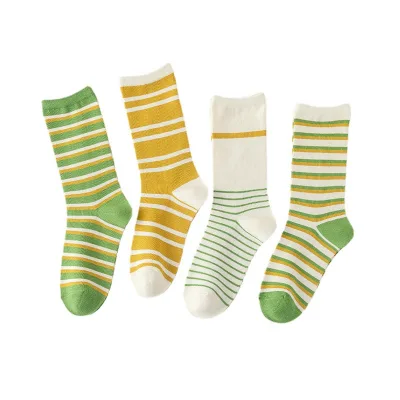
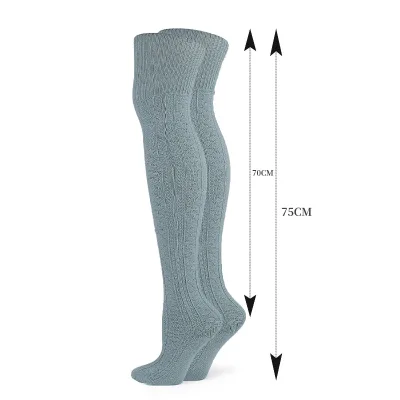
Casual Stockings Autumn and Winter Cotton Socks
$2.10 - $2.80
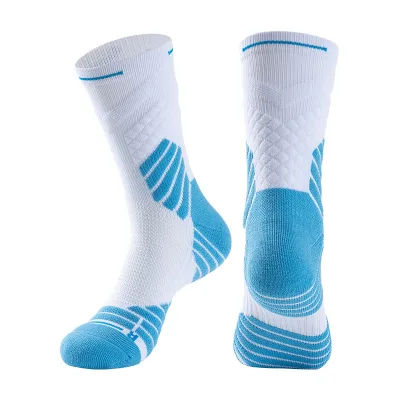
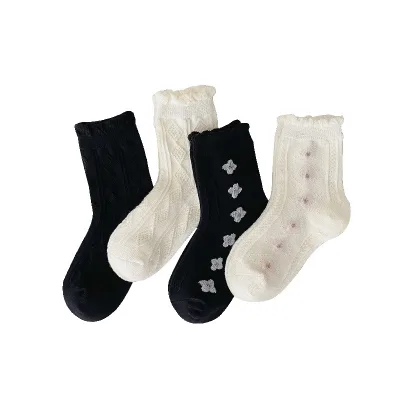
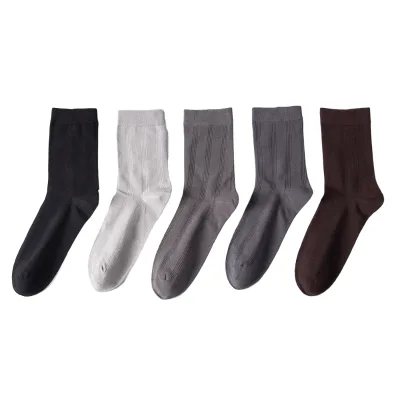
High Quality Crew Men's Socks-Premium Anti-Bacterial Breathable Casual Socks for Gentlemen
$1.481 - $1.6354
MOQ: 10 pieces

- Verified by CTI
- Trading Company
- China Zhejiang
- Lead time30 days
- Avg. response≤ 5h
Main productsSocks, Men Socks, Sports Socks, Cotton Socks, Custom Socks, Women Socks, Merino Wool Socks, Grip Socks, Bamboo Socks, Pilates Socks
Main marketsSoutheast Asia/ Mideast

- Verified by TUVRHEINLAND
- Trading Company,Manufacturer/Factory
- China Chongqing
- Lead time38 days
- Avg. response≤ 5h
Main productsBaseball Cap, Beanie Hat, Trucker Hat, Bucket Hat, Snapback Hat, Scarf, Gloves, Apron, Sock, T Shirt&Polo Shirt
Main marketsSouth America,Eastern Europe,Mid East,North America,Southeast Asia,Eastern Asia,Oceania,Western Europe,Africa


Premium Custom Cotton Ankle Socks for Men - Breathable and Anti-Bacterial
$0.60 - $2.00
MOQ: 200 Pairs


Sichuan Chenhai International Trade Co., Ltd.
- Trading Company
- China Sichuan
- Lead time0 days
- Avg. response≤ 4h
Main productsSocks, Lingerie

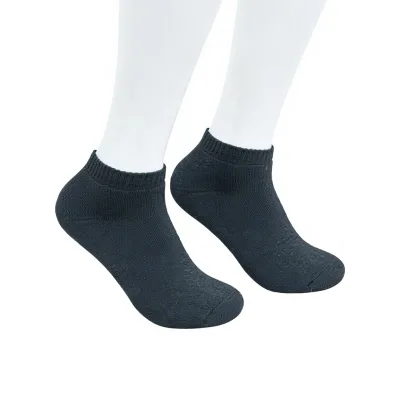
Dark Grey Men's Casual Socks Cotton Thickened Anti-Bacterial Ankle Socks
$0.90 - $2.30
MOQ: 1500 Pairs


High-Quality, Customised, Odour-Resistant and Durable Long-Staple Cotton Socks
$1.50 - $2.80
MOQ: 1500 Pieces


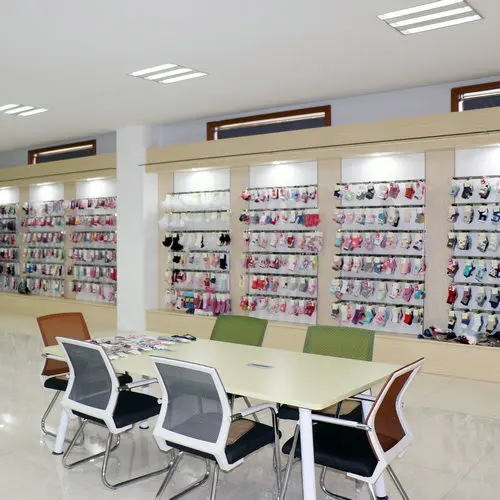
- Manufacturer, Trading Company
- Zhejiang, China
- Lead time15 days
- Avg. response≤ 2h
Main productssocks,women socks,men socks,wholesale socks,custom socks
Main marketsNorth America(38.00%), Western Europe(14.00%), Northern Europe(11.00%), Eastern Europe(8.00%), Eastern Asia(6.00%), South America(5.00%), Southern Europe(4.00%), Southeast Asia(4.00%), Central America(3.00%), South Asia(3.00%), Domestic Market(1.00%), Oceania(1.00%), Africa(1.00%), Mid East(1.00%)

Shanghai Lingtech Technology Co., Ltd.
- Trading Company,Manufacturer/Factory
- China Shanghai
- Lead time15 days
- Avg. response≤ 12h
Main productsESD and Cleanroom Autoclavable Garments, ESD and Cleanroom Autoclavable Shoes, ESD and Cleanroom Fabric, ESD Work Gloves, Safety Shoes, Clean Wiper, Cleanroom Products, ESD Products, Cleanroom Project and Equipment, Autoclavable Garments and Laundry
Main marketsSouth America,Mid East,North America,Southeast Asia,Eastern Asia,Africa
Zhuji Zhongding Knitting Co., Ltd.
- Verified by Intertek
- Manufacturer, Trading Company
- Lead time20 days
- Avg. response≤ 1h
Main productsSports Socks, Men Socks, Football Socks, Yoga/Pilates Socks
Main marketsNorth America(25%), Western Europe(24%), Eastern Asia(12%)
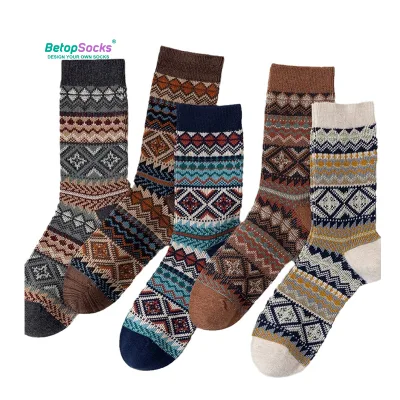
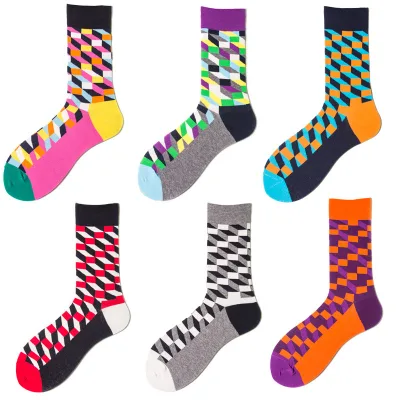
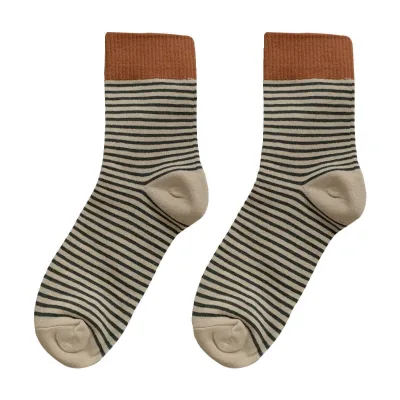
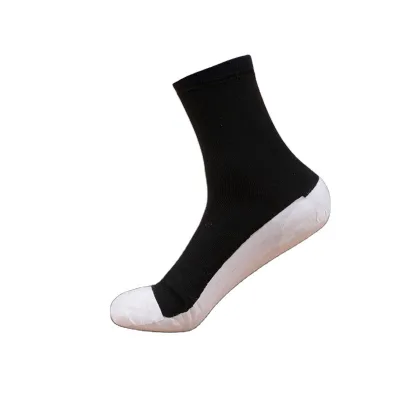
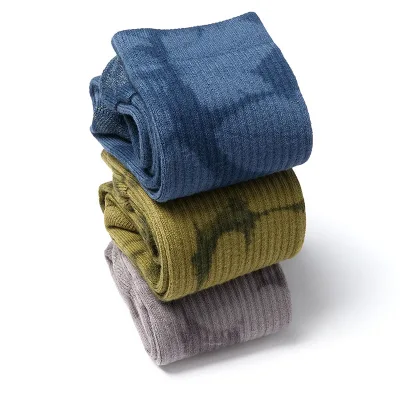
OEM Disposable Anti-Slip Anti-Bacterial 100% Cotton Letter Pattern Sports Men Socks
$0.796 - $0.8994
MOQ: 50 pairs
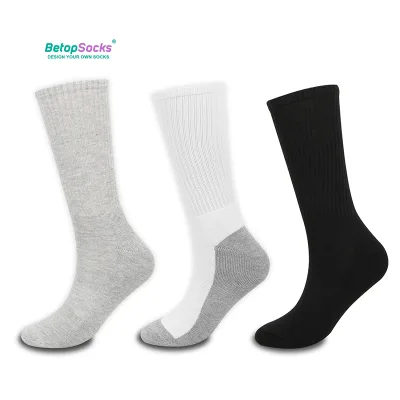
$0.7975 - $0.9009
MOQ: 50 pairs

- Verified by CTI
- Combined
- China Zhejiang
- Lead time30 days
- Avg. response≤ 2h
Main productsCottton Sock, Crew Sock, Kids Sock, Adult Sock, Men Sock, Sports Sock, Pilates Sock, Football Sock, Ankle Sock
Main marketsEurope,Australia,North America


Custom Logo Anti-Bacterial Breathable 100% Cotton Unisex Casual Sports Crew Socks
$0.49 - $1.95
MOQ: 100 Pairs

Customized Cotton Sport Non-Slip Thermal Anti-Bacterial Casual Crew Socks
$0.49 - $1.95
MOQ: 100 Pairs

Custom Logo Unisex Adult Breathable Anti Bacterial Sport Cotton Crew Socks
$0.49 - $1.95
MOQ: 100 Pairs

Custom Logo Unisex Cotton Anti-Bacterial Breathable Sport Crew Socks for Adults
$0.49 - $1.95
MOQ: 100 Pairs

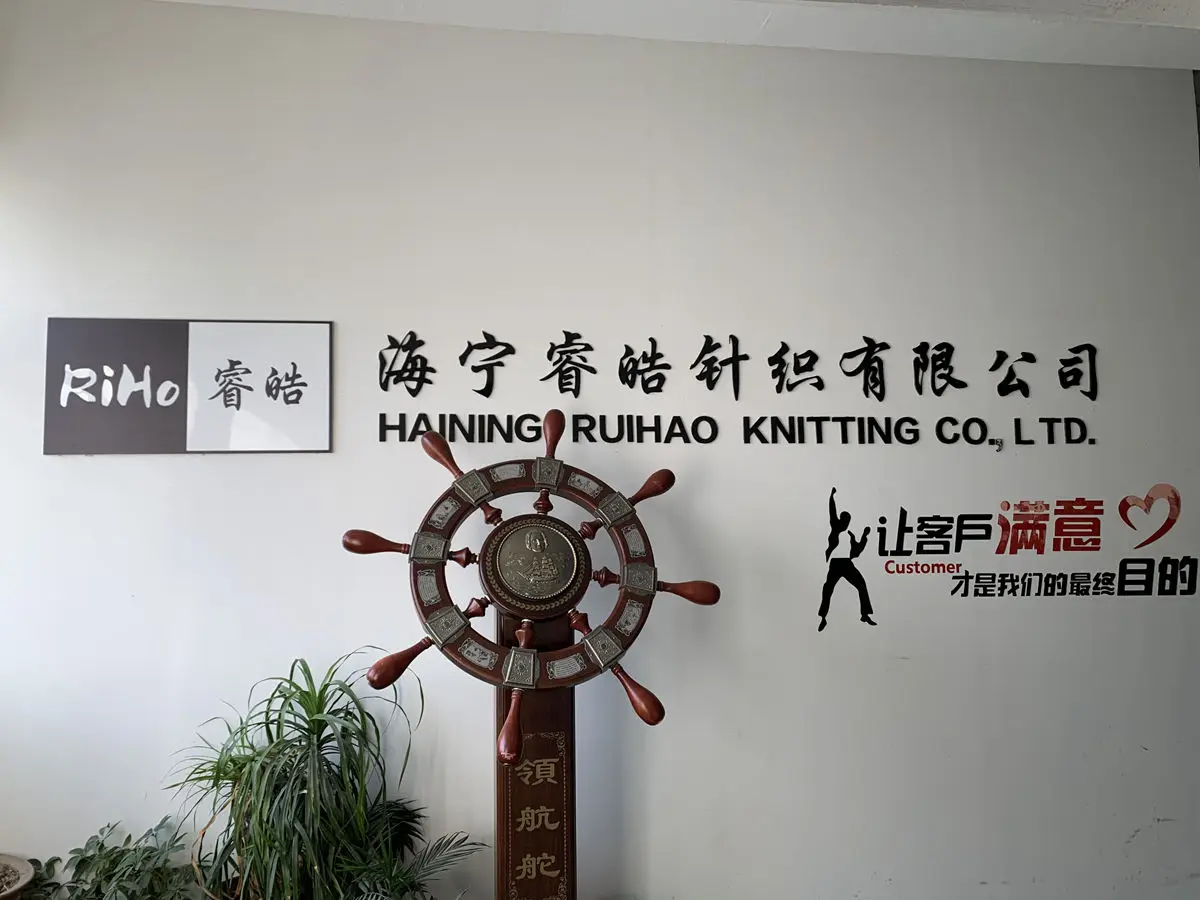
Haining Ruihao Import & Export Co., Ltd.
- Manufacturer, Trading Company
- Zhejiang, China
- Lead time25 days
- Avg. response≤ 4h
Main productsSport Socks,Men's Socks,Women's Socks,Baby Socks,Kid Socks
Main marketsNorth America(45.00%), Northern Europe(29.00%), Domestic Market(18.00%), Western Europe(4.00%), Southeast Asia(4.00%)
Hangzhou Fishjumping Industry Co., Ltd.
- Verified by Intertek
- Manufacturer, Trading Company
- Lead time30 days
- Avg. response≤ 3h
Main productsSports Socks, Compression Socks, Yoga Pants, Tights, Pantyhose
Main marketsNorth America(65%), Eastern Europe(14%), Eastern Asia(6%)
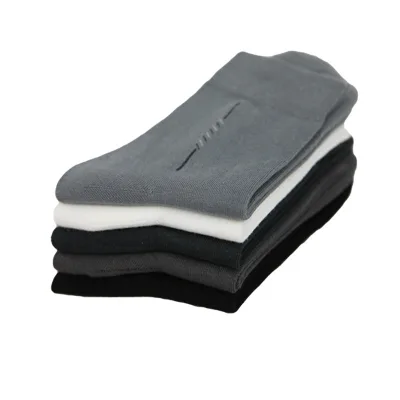
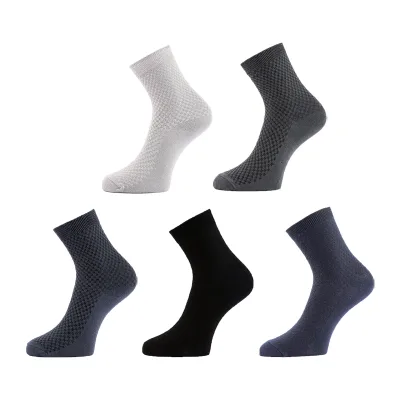
High Quality Anti-bacterial Bamboo Socks for Business Men Anti-sweat Comfortable Socks
$0.47 - $0.55
MOQ: 20 pairs
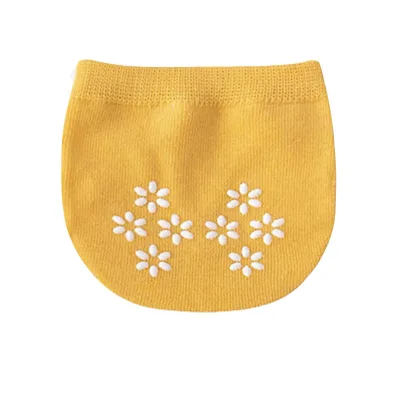
- Verified by Intertek
- Manufacturer, Trading Company
- Lead time15 days
- Avg. response≤ 1h
Main productsSocks
Main marketsDomestic Market(30%), Eastern Europe(20%), Mid East(20%)
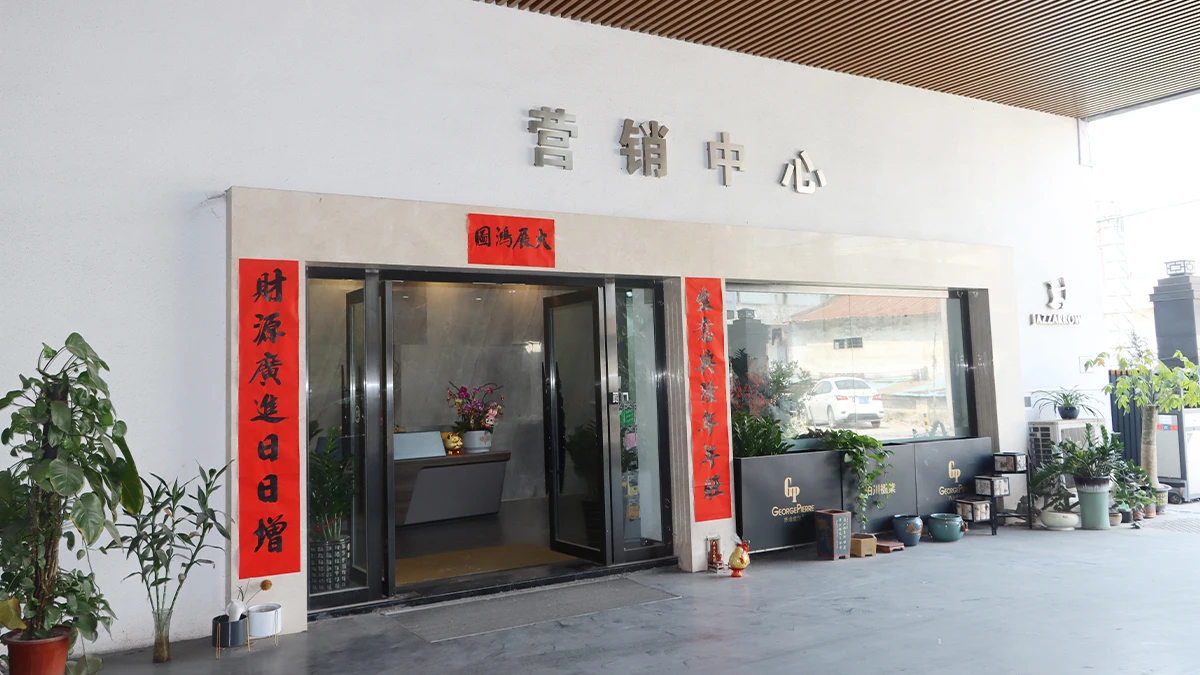
Foshan Nanhai Baichuan Socks Industry Co., Ltd.
- Manufacturer, Trading Company
- Guandong, China
- Lead time0 days
- Avg. response≤ 20h
Main productsSocks
Main marketsMid East(30.00%), North America(30.00%), Southern Europe(10.00%), Western Europe(10.00%), Eastern Europe(10.00%), Eastern Asia(10.00%)
- Verified by Intertek
- Manufacturer, Trading Company
- Lead time7 days
- Avg. response≤ 5h
Main productsSocks
Main marketsNorth America(40%), Eastern Europe(30%), South America(20%)
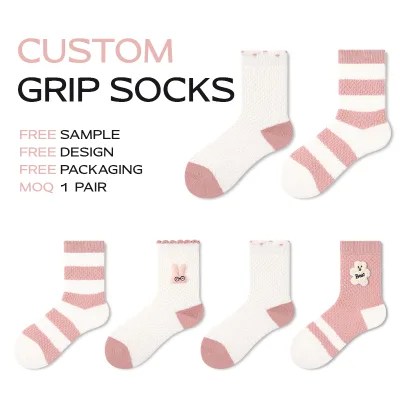
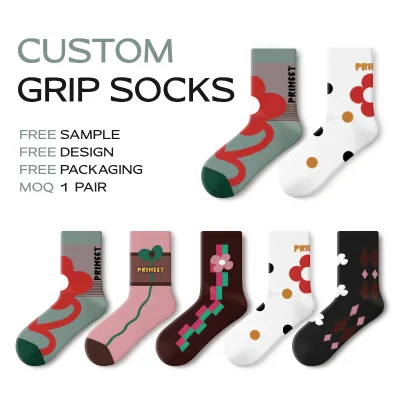
Antibacterial Odor Control Socks Free Design Samples Packaging Work Hiking Daily Wear
$1.00 - $1.30
MOQ: 2 pairs
Yiwu Donghong Knitting Co., Ltd.
- Manufacturer, Trading Company
- Zhejiang, China
- Lead time28 days
- Avg. response≤ 15h
Main productsTrading Company,Manufacturer,Custom socks,Low cut socks,Ankle socks
Main marketsNorth America(32.50%), South America(21.70%), Eastern Europe(12.80%), Southeast Asia(8.50%), Africa(6.40%), Oceania(6.20%), Mid East(4.60%), Eastern Asia(4.20%), Western Europe(3.10%)
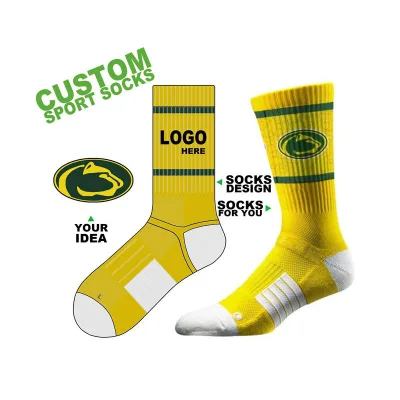
100% Organic Cotton Quick Dry Sporty Anti-Bacterial Breathable Mens Socks Custom Logo
$1.54 - $2.26
MOQ: 50 pairs
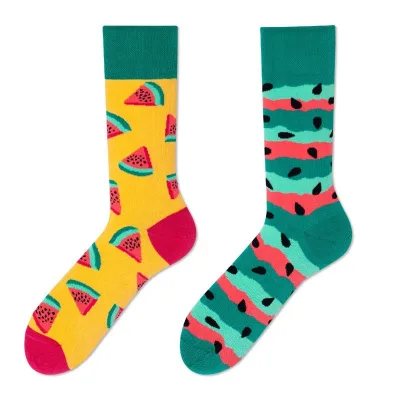
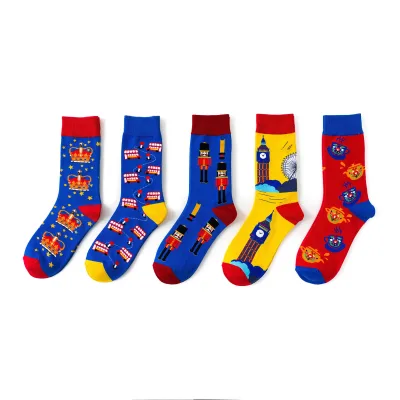
Wholesale Happy Socks Diabetic Custom Logo Colorful Sports Cotton Jacquard Socks
$1.18 - $1.27
MOQ: 12
Foshan Nanhai Fengxiang Knit Factory
- Verified by Intertek
- Manufacturer, Trading Company
- Lead time0 days
- Avg. response≤ 2h
Main productsSocks
Main marketsDomestic Market(65%), North America(15%), Eastern Europe(10%)
- Verified by SGS Group
- Trading Company
- Lead time35 days
- Avg. response≤ 2h
Main productsSocks, Legging
Main marketsNorth America(25%), Western Europe(13%), Eastern Europe(10%)

- Verified by TUVRHEINLAND
- Trading Company
- China Zhejiang
- Lead time15 days
- Avg. response≤ 8h
Main productsBaby Products, Baby Accessory, Kids Toy, Pet Products, Fashion Apparel & Accessories, Personal Care, Christmas Decoration, Home Decoration, Beauty Care, Daily Use
Main marketsSouth America,Europe,North America
- Verified by SGS Group
- Manufacturer, Trading Company
- Lead time7 days
- Avg. response≤ 3h
Main productsSocks
Main marketsNorth America(18%), Central America(13%), Eastern Europe(11%)

Nanjing New Climate Sport Ware Co., Ltd.
- Verified by CTI
- Trading Company
- China Jiangsu
- Lead time15 days
- Avg. response≤ 23h
Main productsCap, Hat, Scarf, Glove, Sock, Bag, Blacket, T-Shirt, Bandana, Beanie
Main marketsSoutheast Asia/ Mideast,East Asia(Japan/ South Korea),Europe,Australia,North America


High Quality Cotton Anti-Microbial Pure Color Unisex Stocking Breathful Custom Logo Socks
$0.70 - $1.20
MOQ: 100 Pieces
Haining Firebird Knitting Technology Co., Ltd.
- Manufacturer, Trading Company
- Lead time旺季: "1 - 100":7,"101 - 500":10,"501 - 2000":20,"> 2000":"To be negotiated", 淡季: "1 - 100":7,"101 - 500":10,"501 - 2000":20,"> 2000":"To be negotiated"
- Avg. response≤ 2h
Main productsSocks, Hats
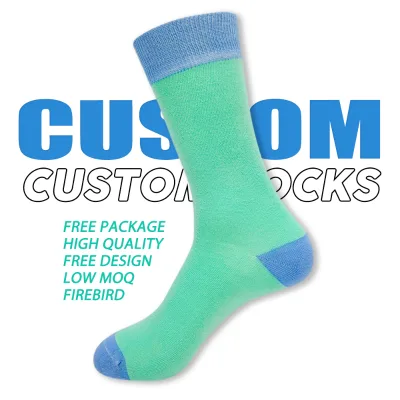
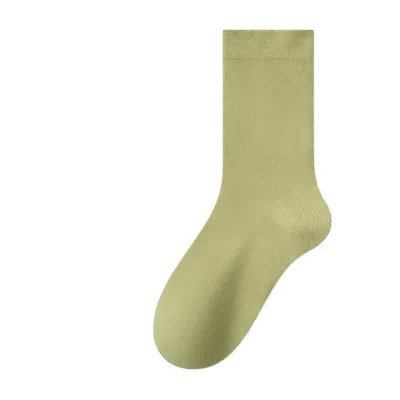
Custom Embrroidered Cotton Socks for Men Smooth and Soft Fresh Green Socks with Custom Logo
$0.41 - $1.79
MOQ: 50 pairs

Sungnan Import & Export Co., Ltd.
- Verified by TUVRHEINLAND
- Combined
- China Zhejiang
- Lead time30 days
- Avg. response≤ 6h
Main productsScarf, Socks, China Scarf, Leggings, Hats, Bags, Gloves
Main marketsNorth America

Hefei Ark Universe International Trade Co., Ltd.
- Verified by SGS
- Trading Company
- China Anhui
- Lead time15 days
- Avg. response≤ 4h
Main productsLED Display, LED Screen, Sports Wear, Soccer Jersey, LED String Light, Flexible LED Display, Outdoor LED Display, Indoor LED Display, Football Jersey, Christmas Decoration
Main marketsNorth America
Anhui Yaoshun Intelligent Technology Group Co. , Ltd.
- Verified by SGS Group
- Manufacturer, Trading Company
- Lead time30 days
- Avg. response≤ 11h
Main productsSocks
Main marketsDomestic Market(80%), Western Europe(15%), Eastern Europe(5%)
- Manufacturer, Trading Company
- Lead time旺季: "1 - 100":15,"> 100":"To be negotiated", 淡季: "1 - 100":15,"> 100":"To be negotiated"
- Avg. response≤ 2h
Main productsSocks


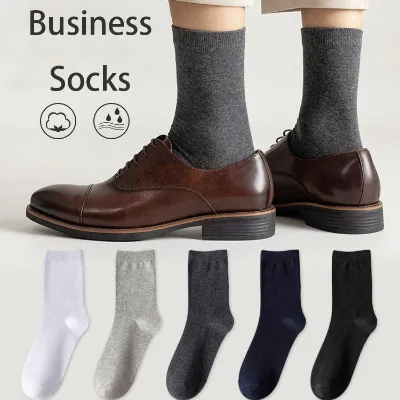
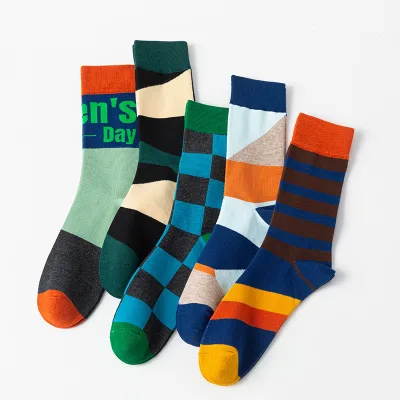
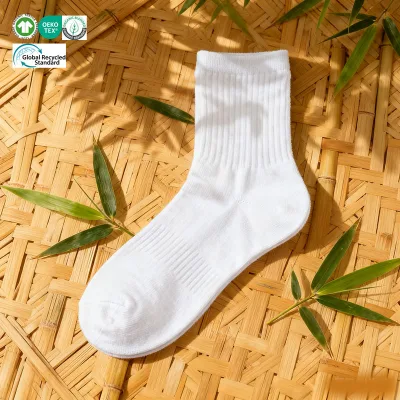


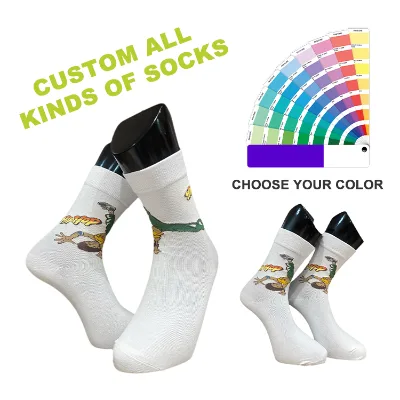
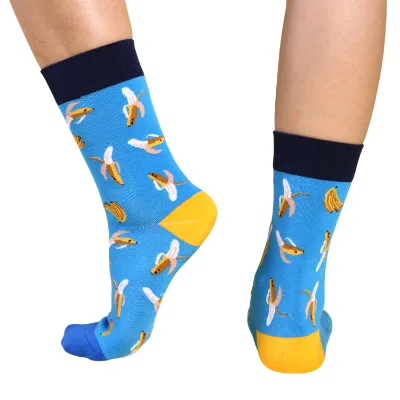
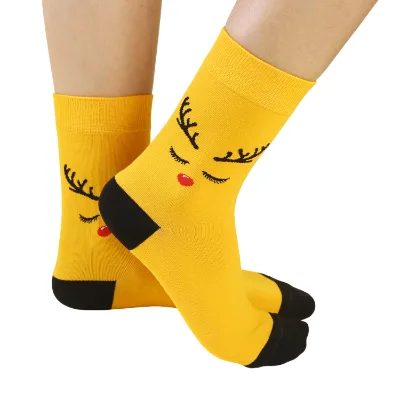




Comprehensive Sourcing Guide
Eco-Friendly Anti-Bacterial Cotton Socks Supplier Concentration and Factory Types
The sourcing landscape for eco-friendly anti-bacterial cotton socks is heavily concentrated in specific manufacturing hubs, with Zhejiang, China emerging as a primary location for these specialized textile products. This regional concentration allows buyers to access a dense network of suppliers who are already equipped with the necessary infrastructure to handle complex material blends and finishing processes. When evaluating potential partners, it is crucial to distinguish between different company types, as the operational focus varies significantly between manufacturers and trading companies. Manufacturers typically offer greater control over the production process, including the ability to customize weaving methods and ensure strict quality control measures such as needle detection. In contrast, trading companies may provide a broader variety of styles and faster access to existing stock, though they might have less direct oversight over the raw material sourcing and final assembly stages. Understanding this distinction helps buyers align their procurement strategy with their specific needs for customization, volume, and quality assurance.
Within this ecosystem, suppliers often specialize in a range of sock types, including running socks, ski socks, merino wool socks, and sports socks, indicating a high level of technical expertise in performance hosiery. The presence of both manufacturers and trading companies in Zhejiang suggests a mature supply chain where raw material processing, knitting, and finishing are well-integrated. Buyers should look for suppliers who explicitly state their supply type, such as OEM service, which indicates a capability to produce custom designs rather than just off-the-shelf items. The main products listed by many suppliers in this region include custom socks, grip socks, and bamboo socks, reflecting a diverse portfolio that can accommodate various market demands. This diversity allows buyers to potentially consolidate orders for different sock types with a single supplier, simplifying logistics and relationship management. However, it is essential to verify that the supplier’s core competency aligns with the specific requirements of eco-friendly and anti-bacterial treatments, as not all general sock manufacturers may have the specialized equipment or certifications required for these features.
How to Verify Eco-Friendly Anti-Bacterial Cotton Socks Suppliers
Verifying the legitimacy and capability of suppliers requires a multi-layered approach that goes beyond simple profile reviews. One critical step is to check for third-party verification badges, such as CTI, which indicate that an independent inspection agency has validated the supplier’s business credentials and operational capabilities. This verification provides a baseline level of trust, ensuring that the company is a legitimate entity and not a fraudulent operation. Additionally, buyers should examine the supplier’s response time, as a quick and professional reply often correlates with efficient internal processes and better customer service. A response time of around four hours or less is generally indicative of a responsive team that can address queries and negotiate terms promptly. It is also important to look for evidence of product-specific attributes, such as needle detection, which is a standard quality control measure in hosiery manufacturing to ensure safety and durability. Suppliers who explicitly mention this feature demonstrate a commitment to quality standards that are critical for consumer goods.
Beyond basic verification, buyers should request detailed product specifications and test reports to confirm the eco-friendly and anti-bacterial claims. While specific certification names may not always be listed in initial search results, the presence of attributes like "Eco-Friendly" and "Anti-Bacterial" in product descriptions is a starting point for further inquiry. Buyers should ask for documentation that proves these claims, such as material composition certificates or lab test results for antibacterial efficacy. It is also advisable to check the supplier’s main products to ensure they have a consistent focus on socks and related hosiery, rather than a scattered portfolio that might indicate a lack of specialization. Suppliers who list main products like cotton socks, sports socks, and custom socks are more likely to have the necessary expertise and equipment to produce high-quality eco-friendly anti-bacterial socks. By combining verification badges, response time analysis, and detailed product attribute checks, buyers can build a more accurate picture of a supplier’s reliability and capability.
What to Compare Across Eco-Friendly Anti-Bacterial Cotton Socks Suppliers
When evaluating multiple suppliers, buyers should compare key operational metrics such as lead times, minimum order quantities (MOQs), and pricing structures to determine the best fit for their business model. Lead times can vary significantly, with some suppliers offering production times of around 30 to 35 days, while others may have shorter sample lead times of 5-7 days. Understanding these timelines is crucial for inventory planning and ensuring timely delivery to end consumers. MOQs are another critical factor, as they can range from as low as 10 pairs to 100 pairs or more, depending on the supplier’s production capacity and customization requirements. Buyers with smaller budgets or those testing new markets may prefer suppliers with lower MOQs, while those with established demand may benefit from the economies of scale offered by higher volume orders. Comparing these metrics across different suppliers allows buyers to identify the most cost-effective and efficient partners for their specific needs.
In addition to operational metrics, buyers should compare the specific features and materials offered by each supplier to ensure alignment with their product positioning. For instance, some suppliers may offer socks made from a blend of spandex, polyester, and cotton, while others may focus on pure cotton or merino wool blends. The weaving method, whether knitted or seamless, also impacts the comfort and durability of the final product. Buyers should also consider the available customization options, such as logo placement on the cuff, body, or bottom, and the variety of printing methods available, including digital print and sublimation transfer. These details can significantly influence the final product’s appeal and functionality. By systematically comparing these attributes, buyers can make informed decisions that balance cost, quality, and customization requirements, ensuring that the selected suppliers can deliver products that meet their brand’s standards and customer expectations.
Common Eco-Friendly Anti-Bacterial Cotton Socks Sourcing Risks
One of the primary risks in sourcing eco-friendly anti-bacterial cotton socks is the potential discrepancy between claimed features and actual product performance. Suppliers may list attributes such as "Anti-Bacterial" or "Eco-Friendly" in their product descriptions, but without proper verification, these claims may not hold up to rigorous testing. Buyers must be cautious of suppliers who do not provide detailed material compositions or test reports, as this could indicate a lack of transparency or quality control. Another risk is the variability in lead times, which can impact inventory management and customer satisfaction. If a supplier consistently misses delivery deadlines, it can disrupt the buyer’s supply chain and damage their reputation with end consumers. Additionally, the complexity of customization, such as specific logo placements or unique printing methods, can introduce errors if the supplier’s production processes are not well-defined or if communication is unclear.
Quality control is another significant area of risk, particularly when dealing with international suppliers. Issues such as inconsistent sizing, poor stitching, or inadequate needle detection can lead to high return rates and customer complaints. Buyers should be aware that not all suppliers may have the same level of quality assurance in place, and those who do not explicitly mention features like needle detection may pose a higher risk of product defects. Furthermore, the reliance on third-party trading companies can introduce additional layers of complexity and potential miscommunication, as the trading company may not have direct control over the manufacturing process. To mitigate these risks, buyers should conduct thorough due diligence, request samples for quality inspection, and establish clear communication channels with suppliers. By proactively addressing these potential issues, buyers can reduce the likelihood of costly errors and ensure a smoother sourcing experience.
Eco-Friendly Anti-Bacterial Cotton Socks Regional Sourcing and Logistics
Sourcing from regions like Zhejiang, China, offers logistical advantages due to the concentration of manufacturing facilities and established export infrastructure. This concentration allows for more efficient shipping arrangements and potentially lower freight costs, as suppliers are often located near major ports and logistics hubs. Buyers should consider the impact of regional logistics on lead times and overall supply chain efficiency. For instance, suppliers in Zhejiang may have faster access to raw materials and components, which can reduce production delays. Additionally, the presence of a dense network of suppliers in this region facilitates easier comparison and selection, as buyers can evaluate multiple options within a short geographical area. However, buyers should also be aware of potential logistical challenges, such as customs clearance delays or fluctuations in shipping rates, which can impact the final cost and delivery timeline.
To optimize logistics, buyers should work closely with their suppliers to determine the most efficient shipping methods and packaging requirements. Suppliers often provide details on single package sizes and gross weights, which can help buyers calculate shipping costs and plan warehouse storage. For example, a single package size of 42.5x21.5x2.5 cm and a gross weight of 0.330 kg are specific details that can be used to estimate freight charges. Buyers should also consider the supplier’s ability to handle custom packaging, as this can impact the product’s presentation and protection during transit. By understanding the logistical implications of sourcing from specific regions, buyers can make more informed decisions about their supply chain strategy. This includes selecting suppliers who have experience with international shipping and can provide reliable tracking and delivery information, ensuring that products reach customers in a timely and undamaged condition.
Eco-Friendly Anti-Bacterial Cotton Socks Commercial Terms and Order Planning
Commercial terms play a crucial role in the overall cost and risk management of sourcing eco-friendly anti-bacterial cotton socks. Buyers should carefully review pricing structures, which can vary based on order volume, customization requirements, and material choices. For instance, prices may range from approximately $1.22 to $2.80 per pair, depending on the specific product attributes and order quantity. Understanding these price ranges helps buyers budget effectively and negotiate favorable terms with suppliers. Additionally, buyers should clarify payment terms, such as the use of escrow services, which can provide an extra layer of security by holding funds until the goods are received and inspected. This is particularly important when dealing with new suppliers or large orders, as it reduces the risk of financial loss due to non-delivery or quality issues.
Order planning is another critical aspect of commercial terms, as it involves determining the optimal order quantity and frequency to balance inventory costs and customer demand. Buyers should consider the supplier’s sample lead times, which can range from 5 to 7 days, and plan their product development timelines accordingly. It is also important to establish clear communication regarding any changes in order specifications or delivery schedules, as these can impact production and shipping. By setting realistic expectations and maintaining open lines of communication, buyers can minimize disruptions and ensure a smooth ordering process. Additionally, buyers should review the supplier’s return and refund policies to understand their options in case of quality issues or discrepancies. By carefully managing commercial terms and order planning, buyers can build a resilient and efficient supply chain that supports their business growth and customer satisfaction.
FAQs
What is the minimum order quantity for custom socks?
The minimum order quantity is typically 100 pairs for custom designs. Some suppliers support lower MOQs starting at 10 pairs for standard items. Buyers should verify specific requirements with the manufacturer before placing bulk orders to ensure production feasibility.
How long does production take for these socks?
Production lead times generally range from 15 to 35 days depending on order volume. Sample orders can be prepared within 5 to 7 days. Buyers should confirm exact delivery dates with the supplier to align with their inventory planning needs.
Are these socks made from pure cotton?
Materials often include cotton blended with spandex and polyester for durability. Some options are pure cotton, while others feature merino wool or bamboo. Buyers should check product attributes to confirm the exact material composition matches their comfort and performance requirements.
What is the price range for wholesale socks?
Prices typically range from $1.22 to $2.80 per pair. Costs vary based on material, customization, and order quantity. Buyers should request detailed quotes to understand pricing tiers and ensure the product fits within their specific budget constraints.
Do suppliers offer OEM services for branding?
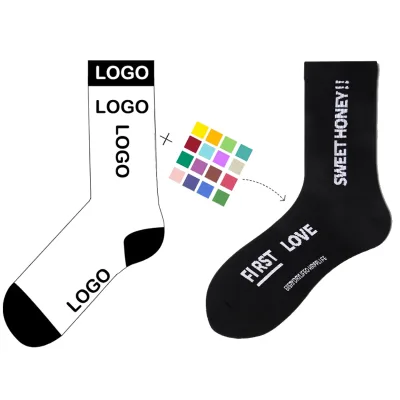
Yes, most suppliers provide OEM services for custom branding. Buyers can customize logos on the cuff, body, or header card. Digital printing and sublimation are available options. Buyers should confirm customization details and sample approval processes with the manufacturer.
Where are these socks manufactured?
These socks are primarily manufactured in Zhejiang, China. This region is known for its strong textile industry and efficient supply chains. Buyers should verify the specific factory location to assess logistics costs and ensure alignment with their sourcing preferences.