High Efficiency Sorghum Peeling Machine Suppliers and Manufacturers
Compare 26 verified suppliers offering high efficiency sorghum peeling machines with details on lead times, certifications, and pricing. Review specifications like voltage and capacity before contacting vendors for quotes; review the available evidence before requesting comparable quotations from suitable candidates.
Updated
Suppliers List
Zhengzhou Longer Machinery Co., Ltd.
- Verified by Intertek
- Manufacturer, Trading Company
- Lead time30 days
Main productsPeanut Butter Production Line, Fruit and Vegetable Processing Machines, Biscuit Production Line, French Fries Production Line, Cocoa Bean Processing Machines
Main marketsNorth America(25%), South America(20%), Africa(13%)
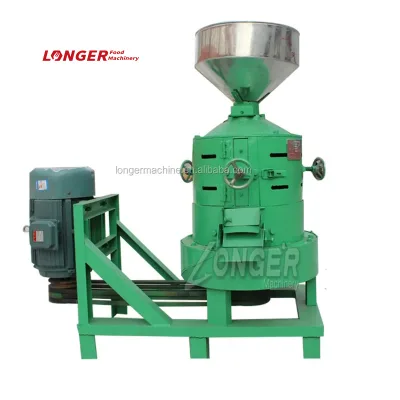
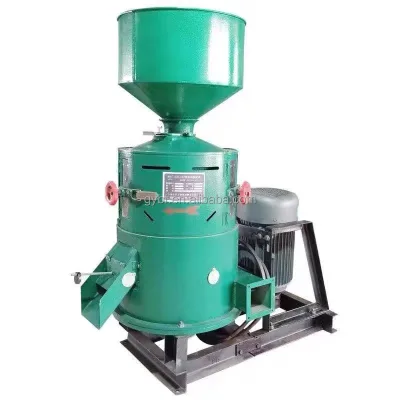
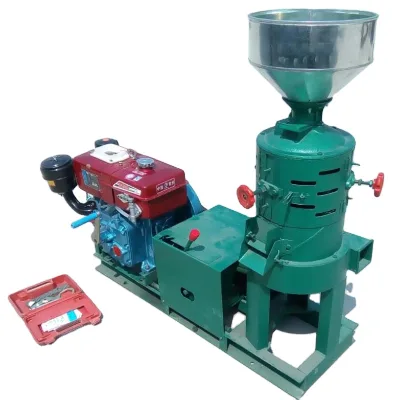
Sorghum Peeling Machine|Sorghum Peeler Machine|Sorghum Skin Peeling Machine
$821.3681 - $1026.7101
MOQ: 1 sets
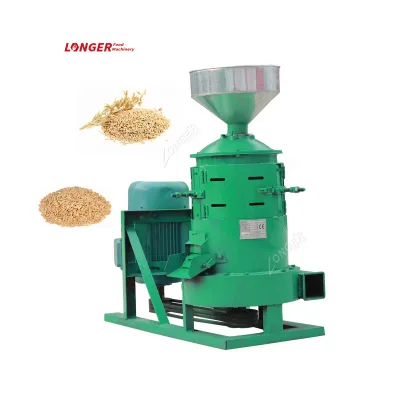
Spelt Peeling Machine/Multifunctional Oat Peeling Machine
$1450.00 - $1500.00

Zhengzhou Runxiang Machinery Equipment Co., Ltd.
- Verified by TUVRHEINLAND
- Trading Company,Manufacturer/Factory
- China Henan
- Lead time15 days
- Avg. response≤ 5h
Main productsFeed Pellet Machine, Nut Processing Machine, Briquette Processing Machine, Grinder Crusher Machine, Dryer Machine, Construction Machine
Main marketsSouth America,Eastern Europe,Mid East,North America,Southeast Asia,Eastern Asia,Oceania,Western Europe,Africa
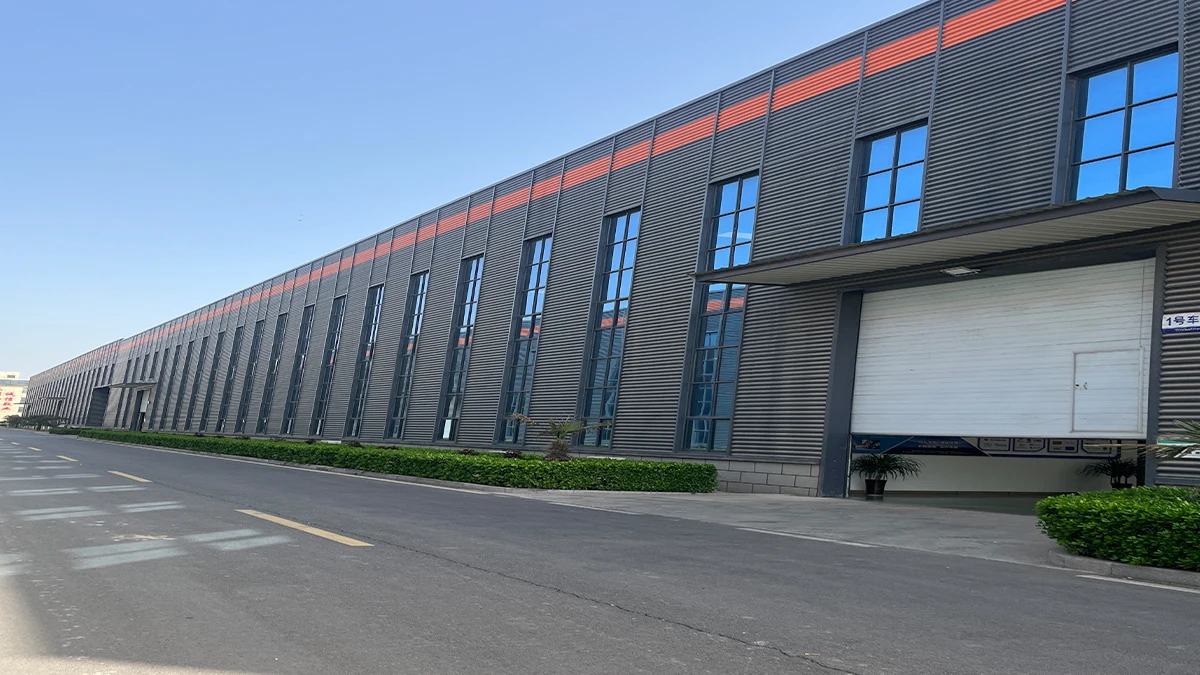
Henan Daheng Machinery CO., LTD.
- Trading Company
- Henan, China
- Lead time3 days
- Avg. response≤ 5h
Main productsFood Machine,Farm Machine,Packaging Machine,Coal and Charcoal Briquette Machine,Plastic Recycling Machine
Main marketsAfrica(30.00%), South America(25.00%), Domestic Market(15.00%), Mid East(8.00%), Eastern Asia(5.00%), Southeast Asia(3.00%), Eastern Europe(2.00%), South Asia(2.00%), Southern Europe(2.00%), Northern Europe(2.00%), Western Europe(2.00%), North America(2.00%), Oceania(2.00%)
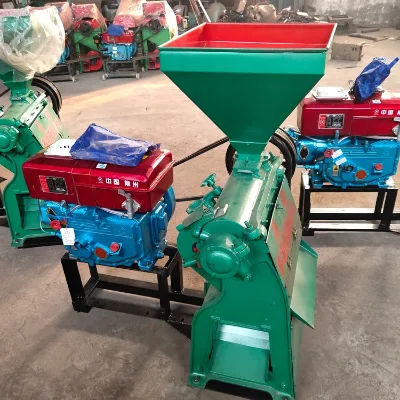
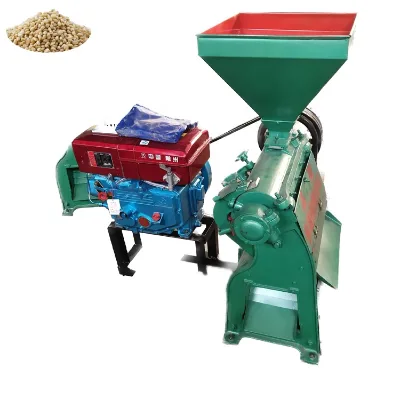
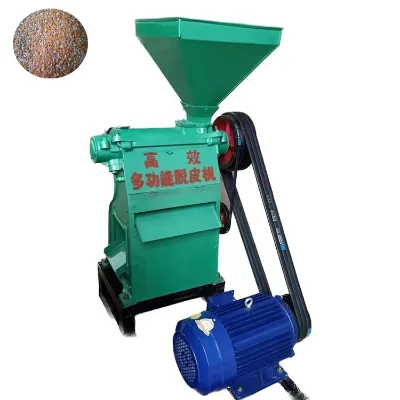
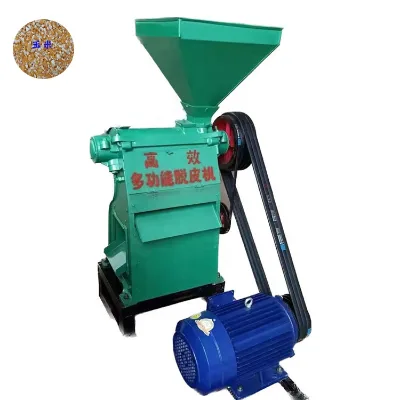
China Manufacturer Maize Peeling and Grinding Machine Wheat Huller Machine Price
$560.00 - $770.00
MOQ: 5

Zhengzhou Faithin Machinery Equipment Co., Ltd
- Verified by SGS
- Manufacturer/Factory
- China Henan
- Lead time15 days
- Avg. response≤ 3h
Main productsChaff Cutter, Pellet Machine, Mixing Machine, Rice Mill Machine, Oil Press Machine, Disc Mill Machine, Hammer Mill Machine, Hammer Crusher, Jaw Crusher
Main marketsSouth America,Eastern Europe,Mid East,North America,Southeast Asia,Eastern Asia,Oceania,Western Europe,Africa

Zhengzhou Junlan Machinery Equipment Co., Ltd.
- Trading Company
- Henan, China
- Lead time7 days
- Avg. response≤ 2h
Main productsfood machine,vegetable machine,farm machine,industrial machinery,Corona silicone tube
Main marketsSouth Asia(30.00%), Africa(30.00%), Eastern Asia(10.00%), Mid East(10.00%), South America(5.00%), Southeast Asia(5.00%), Eastern Europe(5.00%), North America(5.00%)
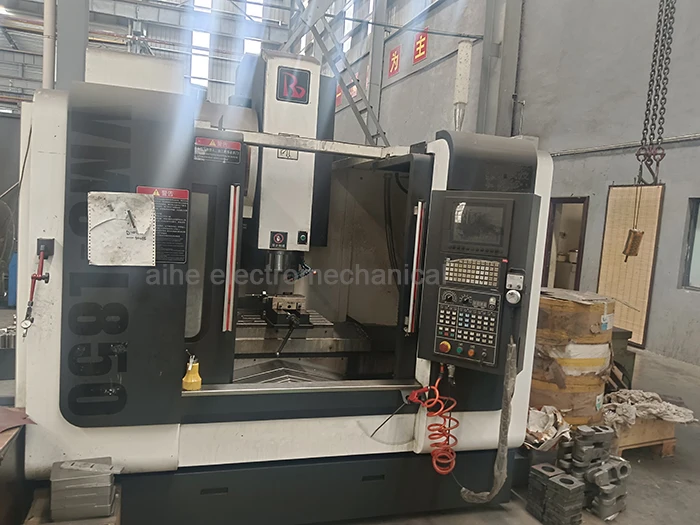
Luohe Aihe Electromechanical Equipment Co., Ltd.
- Trading Company
- Henan, China
- Lead time0 days
- Avg. response≤ 2h
Main productsPasteurization tank,Yogurt production line,Oil frying production line equipment,Baking production equipment,Grain machinery
Main marketsWestern Europe(40.00%), Africa(20.00%), Southeast Asia(11.00%), Mid East(10.00%), North America(8.00%), Northern Europe(5.00%), South America(3.00%), Eastern Europe(2.00%), Central America(1.00%)
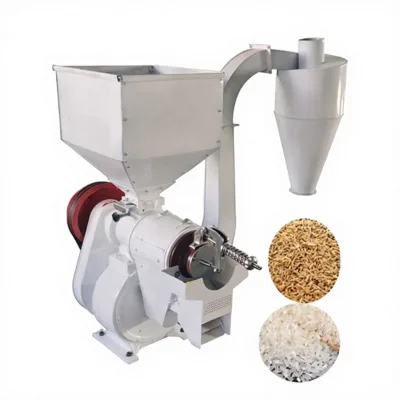
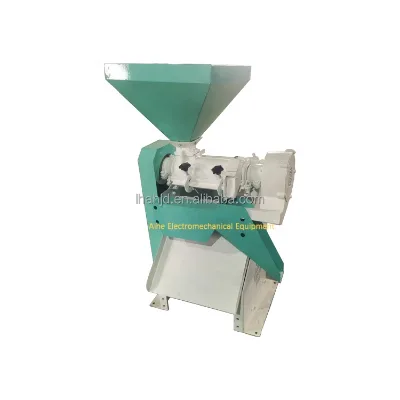
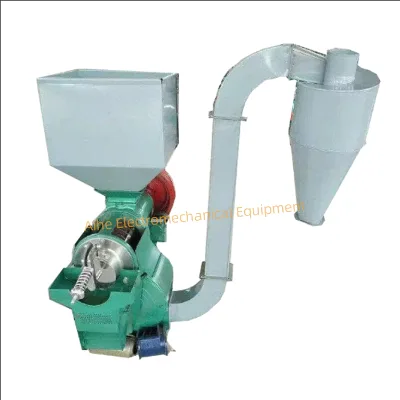
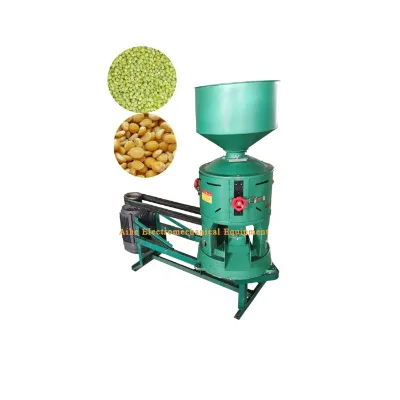
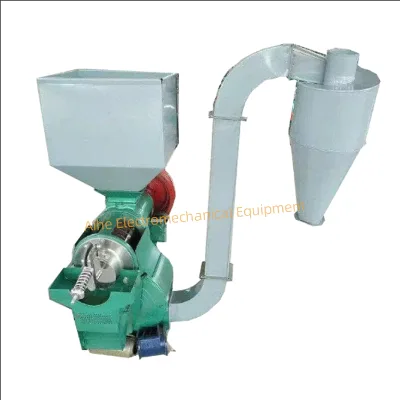
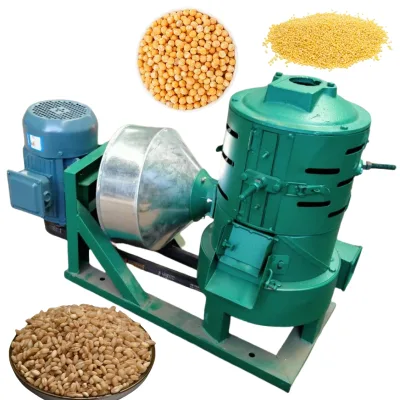
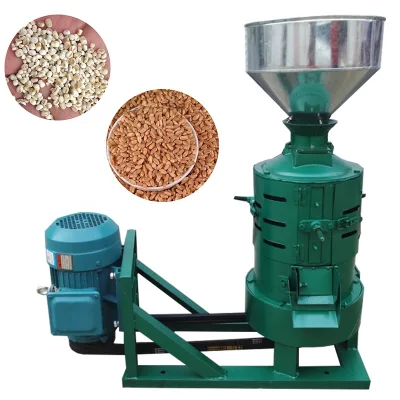
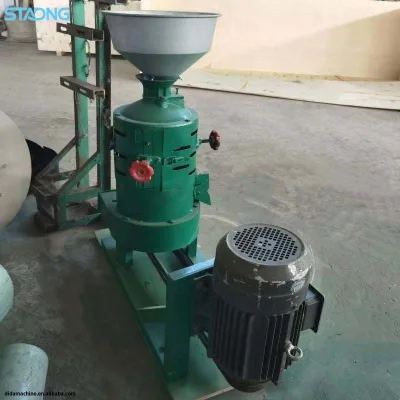
Small Maize Rice Wheat Sorghum Small Millet Peeling Machine
$550.00 - $585.00

- Verified by BV
- Trading Company,Manufacturer/Factory
- China Henan
- Lead time15 days
- Avg. response≤ 4h
Main productsOil Expeller, Oil Press Machine, Oil Refinery, Pellet Machine, Food Processing Machine, Animal Feed Machine, Packing Machine, Filling Machine, Briquette Machine, Brick Machine
Main marketsSouth America,Eastern Europe,Mid East,North America,Southeast Asia,Eastern Asia,Oceania,Western Europe,Africa

Corn peeling equipment multifunctional wheat millet sorghum peeling machine
$970.00 - $998.00
MOQ: 1 Sets

New wheat peeling machine oat sorghum peeling green wheat peeling machine
$970.00 - $998.00
MOQ: 1 Sets


Lushan Win Tone Engineering Technology Co., Ltd.
- Manufacturer, Trading Company
- Henan, China
- Lead time30 days
- Avg. response≤ 8h
Main productsCorn Milling Machine,Beans Peeling Machine,Grain Cleaning Machine,Corn Processing Plant,Grain Cleaning and Peeling Project
Main marketsDomestic Market(40.00%), South America(15.00%), Africa(15.00%), North America(7.00%), Southeast Asia(7.00%), Northern Europe(5.00%), Eastern Europe(3.00%), Western Europe(3.00%), South Asia(3.00%), Oceania(1.00%), Mid East(1.00%)
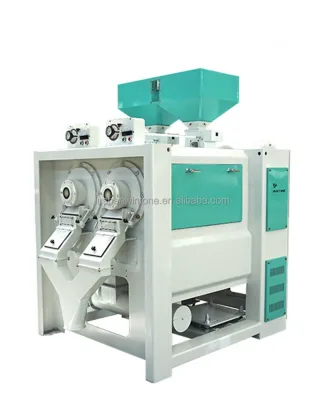
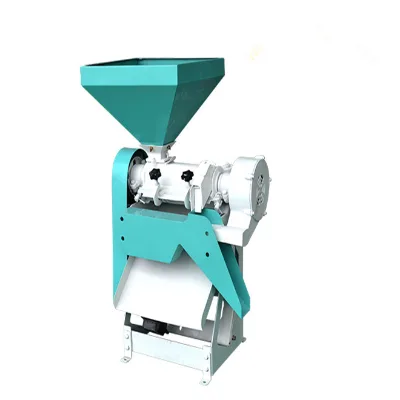
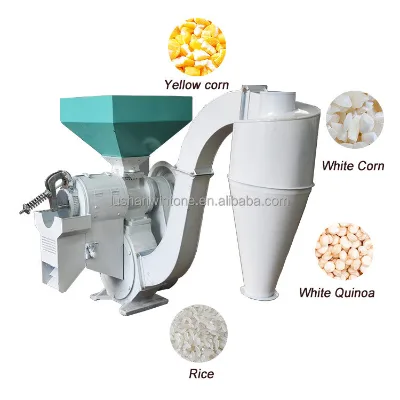
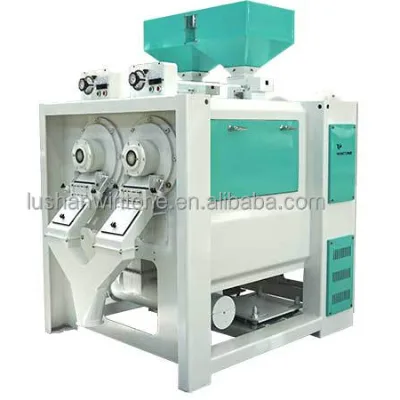
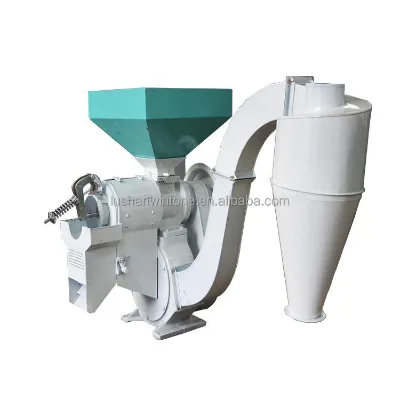
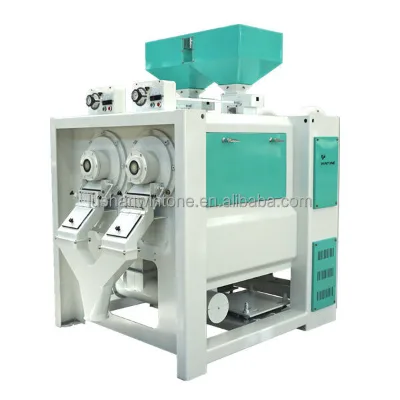
$5500.00 - $7000.00
MOQ: 1 units
Zhengzhou Share Machinery Co., Ltd.
- Trading Company
- Henan, China
- Lead time7 days
- Avg. response≤ 3h
Main productsConstruction Machinery/Industrial Machinery/Printing Machinery
Main marketsSouth America(20.00%), North America(20.00%), Africa(10.00%), Southeast Asia(10.00%), Eastern Europe(10.00%), Oceania(7.00%), South Asia(5.00%), Southern Europe(5.00%), Central America(5.00%), Western Europe(2.00%), Eastern Asia(2.00%), Northern Europe(2.00%), Mid East(2.00%)

Zhengzhou Xiangkun Machinery Co., Ltd.
- Verified by TUVRHEINLAND
- Trading Company
- China Henan
- Lead time0 days
- Avg. response≤ 3h
Main productsFood Puffing Machine, Fruit and Vegetable Washer, Seasoning Machine, Meat Processing Machine, Nut Processing Line, Food Processing Machine, Oil Press, Pitting Machine, Cashew Processing Machine
Qingdao Jing Cheng Machinery Co., Ltd.
- Trading Company
- Shandong, China
- Lead time15 days
- Avg. response≤ 7h
Main productsMaize milling machine,maize grits and flour milling machine,bean peeling machine,wheat flour milling machine,rice milling machine
Main marketsAfrica(22.00%), Eastern Asia(20.00%), South Asia(16.00%), Mid East(15.00%), Domestic Market(10.00%), Eastern Europe(10.00%), South America(5.00%), Northern Europe(2.00%)
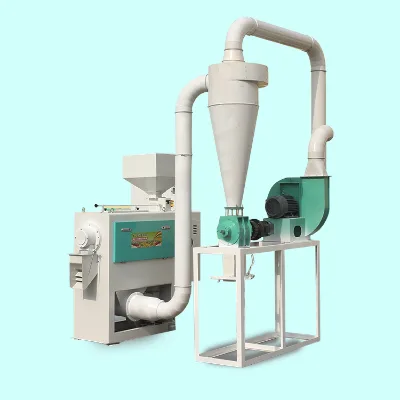
Corn Wheat Peeler Huller Sorghum Lentils Quinoa Hulling Peeling Machine
$5700.00 - $6300.00
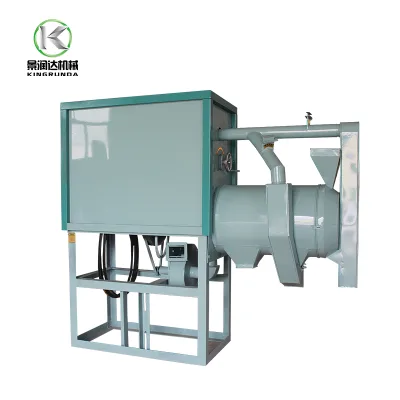
Multifunctional Grain Splitting Machine Bean Peeling Machine Soybean Machine Price
$3086.471 - $5144.1183
MOQ: 1 Minimum

Zhengzhou Xifu Machinery Equipment Co., Ltd.
- Verified by CTI
- Manufacturer/Factory
- China Henan
- Lead time15 days
- Avg. response≤ 6h
Main productsHarvester Machine, Animal Feed Pellet Machine, Grinding Milling Machine, Chopper Machine, Baler Corn Silage Wrapping Machine, Chaff Cutter Machine, Oil Press Machine, Threser Machine, Cursher Machine, Milking Machine
Main marketsMid East,Southeast Asia,Africa

Wheat Skin Remover Peeling Peeler Removing Beans Grain Sorghum Dehuller Hulling Machine
$700.00 - $1000.00
MOQ: 1 Pieces

$650.00 - $1250.00
MOQ: 1 Pieces

Zhengzhou Guoyi Baifen Trading Co., Ltd.
- Trading Company
- Henan, China
- Lead time0 days
- Avg. response≤ 2h
Main productsVertical baler,Rotary dryer,Brick machine,Wood crusher,Briquette machine
Main marketsAfrica(25.00%), Southeast Asia(25.00%), South America(25.00%), North America(25.00%)
Henan Share M&E Equipment Co.,Ltd
- Verified by SGS Group
- Trading Company
- Lead time7 days
- Avg. response≤ 3h
Main productsTextile Machinery, Printing Machinery, Construction Machinery, Wood Machinery
Main marketsNorth America(20%), South America(20%), Eastern Europe(10%)
Dongguan Strong Machinery Engineering Co., Ltd.
- Trading Company
- Guangdong, China
- Lead time0 days
- Avg. response≤ 5h
Main productsPacking Machine
Main marketsEastern Asia(8.00%), Mid East(8.00%), Africa(8.00%), South Asia(8.00%), Southeast Asia(8.00%), South America(8.00%), Central America(8.00%), North America(8.00%), Domestic Market(6.00%), Oceania(6.00%), Eastern Europe(6.00%), Southern Europe(6.00%), Northern Europe(6.00%), Western Europe(6.00%)
Shandong Unio Machinery Equipment Co., Ltd.
- Verified by Intertek
- Trading Company
- Lead time10 days
- Avg. response≤ 2h
Main productsCultivator, Grain Processing Machine, Harvester, Tractor, Feed Processing Machine

Luohe Xingdian Electromechanical Equipment Co., Ltd.
- Verified by BV
- Manufacturer/Factory
- China Henan
- Lead time0 days
- Avg. response≤ 2h
Main productsDrilling Rig, Meat Process Machine, Farm Machine, Packing Machine, Vegetable Process Machine, Textile Machine, Food Machine, Embroidery Machine, Construction Products, Industrial Product
Main marketsSouth America,Eastern Europe,Mid East,North America,Southeast Asia,Eastern Asia,Oceania,Western Europe,Africa

Wheat, Corn, Sorghum Peeling and Polishing Machine, Flour Grinding Equipment, Machine
$540.00 - $590.00
MOQ: 1 Pieces


HANGZHOU SAIZHOU TECHNOLOGY CO., LTD.
- Manufacturer/Factory
- China Zhejiang
- Lead time23 days
- Avg. response≤ 6h
Main productsVegetable and Fruit Processing Equipment, Meat Processing Equipment, Packaging and Filling Equipment, Nut and Grain Equipment, Bakery Equipment
Main marketsSouth America,Eastern Europe,North America,Southeast Asia,Eastern Asia,Oceania,Africa

Sorghum Maize Oat Dehuller Machine Paddy Millet Grain Peeling Grinding Machine
$850.00 - $1200.00
MOQ: 1 Sets

Zhengzhou Kovi Machinery Co., Ltd.
- Verified by SGS Group
- Trading Company
- Lead time6 days
- Avg. response≤ 4h
Main productsFiber Opening Pillow Filling Machine, Quilting Machine, Fabric Rolling Machine, Paper Tube Cutting Machine, Fabric Pleating Machine
Main marketsNorth America(20%), South America(20%), Eastern Europe(15%)
Luohe Tengli Mechanical And Electrical Equipment Co., Ltd.
- Verified by SGS Group
- Manufacturer, Trading Company
- Lead time0 days
- Avg. response≤ 2h
Main productsVegetable Cutter, Packaging Machine, Pasta Machinery, Meat Machinery
Main marketsNorth America(28%), Africa(21%), Northern Europe(17%)

Zhengzhou Jieyuan Machinery Manufacturing Co., Ltd.
- Trading Company
- Henan, China
- Lead time7 days
- Avg. response≤ 2h
Main productsCurtain machine,quilt machine,cotton fiber machine,Aluminum cutting machine,Pipe bending machine
Main marketsSouthern Europe(20.00%), Western Europe(20.00%), South Asia(10.00%), Africa(10.00%), Central America(10.00%), Mid East(5.00%), South America(5.00%), Northern Europe(5.00%), Southeast Asia(5.00%), North America(5.00%), Eastern Asia(5.00%)

Yantai Lansu Measurement & Control Equipment Co., Ltd.
- Verified by CTI
- Trading Company,Manufacturer/Factory,Other
- China Shandong
- Lead time23 days
- Avg. response≤ 15h
Main productsAgricultural Machine, Tractor, Sprayer Machine, Cultivator, Power Tiller, Walking Tractor, Thresher Machine, Diesel Engine
Main marketsSouth America,Eastern Europe,Mid East,North America,Southeast Asia,Eastern Asia,Oceania,Western Europe,Africa

Sorghum Peeler Wheat Sheller Soybean Shelling Corn Maize Thresher Machine
$200.00 - $1500.00
MOQ: 1 Pieces

Millet Corn Soybean Sorghum Sheller Thresher Machine Maize Shelling Peeling Threshing Machine
$200.00 - $1500.00
MOQ: 1 Pieces


Corn Soybean Sorghum Sheller Thresher Machine Maize Shelling Peeling Threshing Machine for Sale
$200.00 - $1500.00
MOQ: 1 Pieces

Zhengzhou Lerford Machinery Equipment Co., Ltd.
- Verified by SGS
- Trading Company
- China Henan
- Lead time15 days
- Avg. response≤ 5h
Main productsPellet Machine, Packing Machine, Vegetable Processing Machine, Fruit Washing Machine, Dryer Machine, Briquette Machine, Toothpick Machine, Snack Machine, Oil Press, Potato Chips Machine
Main marketsSouth America,Africa,Others(foreignTradeCapacity.exportBusinessCapacityMarketOther),Europe,North America

Zhengzhou Jawo Machinery Co., Ltd.
- Verified by TUVRHEINLAND
- Manufacturer/Factory
- China Henan
- Lead time15 days
- Avg. response≤ 7h
Main productsSausage Making Machine, Dumpling Machine, Frozen Meat Cutter, French Fries Production Line, Garlic Separator, Egg Grading Machine, Sand Blasting Machine, Metal Detector, Embroidery Machine, Spray Dryer
Main marketsSouth America,Eastern Europe,Mid East,North America,Southeast Asia,Eastern Asia,Oceania,Western Europe,Africa
Yucheng Restone Machinery And Equipment Co., Ltd.
- Trading Company
- Shandong, China
- Lead time10 days
- Avg. response≤ 2h
Main productsagricultural machinery,forestry machinery,food processing machinery,feed machinery,spare parts and other products
Main marketsAfrica(40.00%), South America(20.00%), Eastern Europe(10.00%), North America(5.00%), Domestic Market(5.00%), South Asia(4.00%), Eastern Asia(3.00%), Northern Europe(3.00%), Southern Europe(2.00%), Mid East(2.00%), Central America(2.00%), Southeast Asia(2.00%), Western Europe(1.00%), Oceania(1.00%)
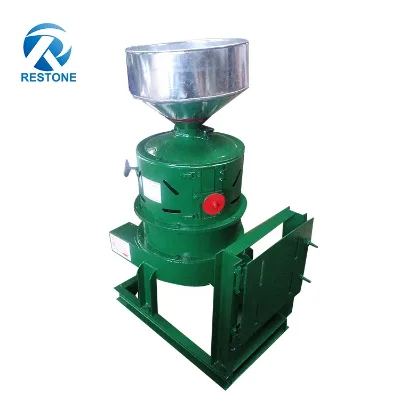
Factory Supply Rice Peeling Machine Wheat Peeling Machine Barley Peeler
$281.6486 - $365.0994
MOQ: 1 sets
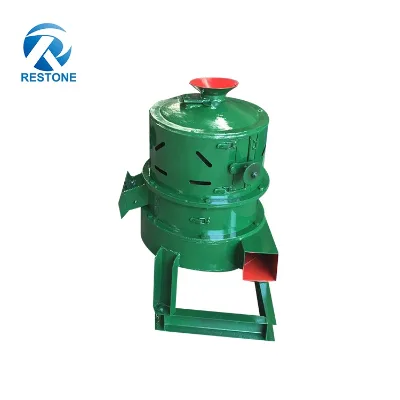
Multi Functions Wheat Peeling Machine,wheat Skin Peeling Machine,grain Peeling Machine for Sale
$500.00 - $600.00
MOQ: 1 sets
ZHE CHENG HONGXIN MACHINRERY FACTORY
- Verified by TüVRheinland
- Manufacturer, Trading Company
- Lead time15 days
- Avg. response≤ 3h
Main productsIntestine Case Cleaning Machine, Sesame Peeling Machine, Cardboard Expanding Shredder Machine, Flax Brake, Grain Thresher Machine
Main marketsNorth America(20%), Southeast Asia(20%), Africa(20%)


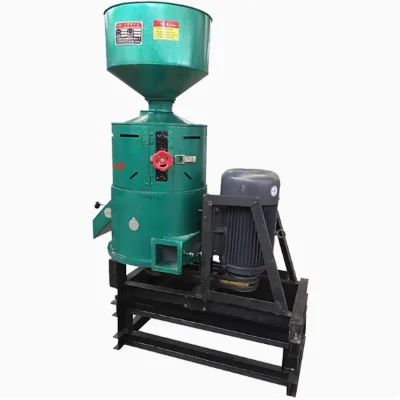
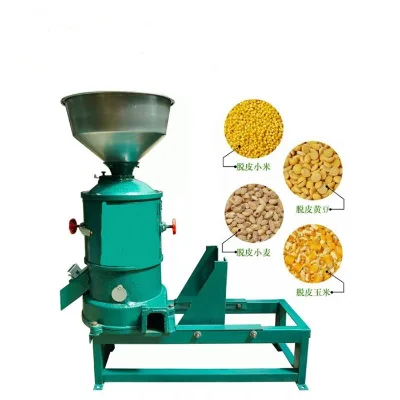
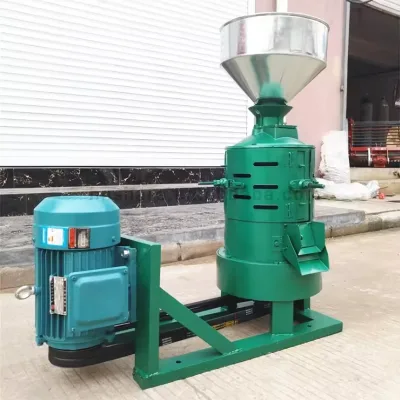
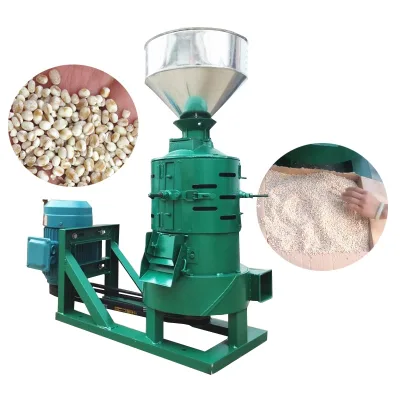
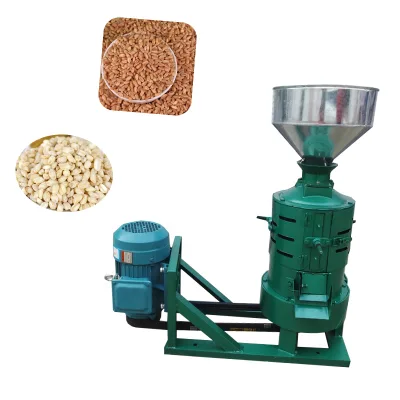


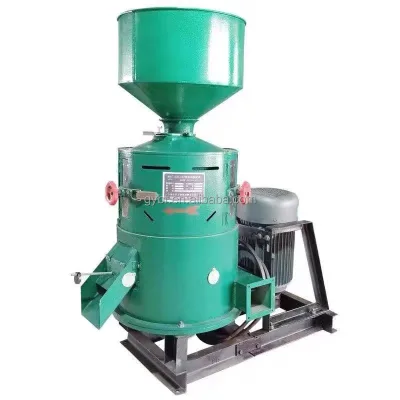
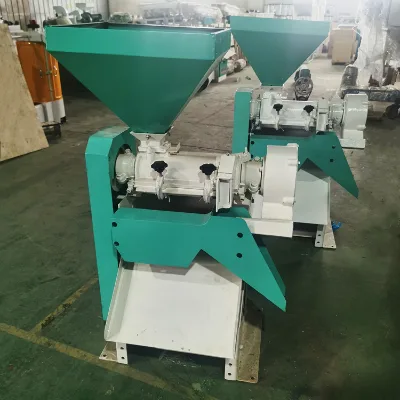
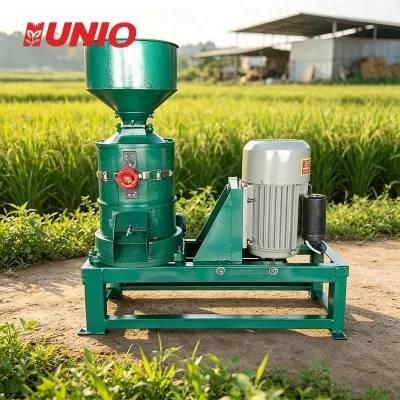
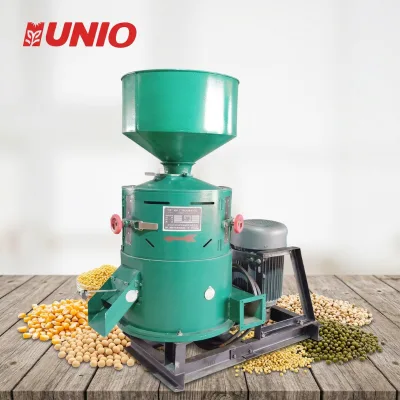
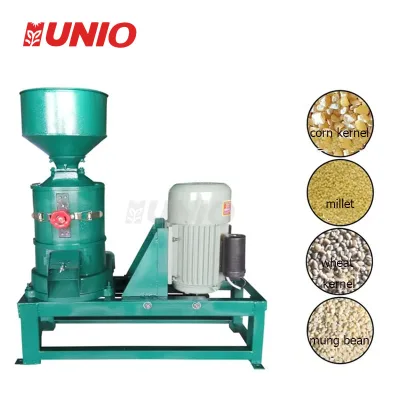
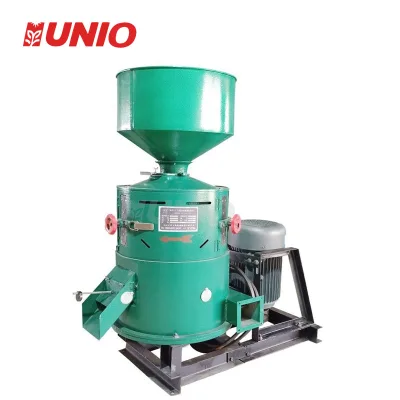
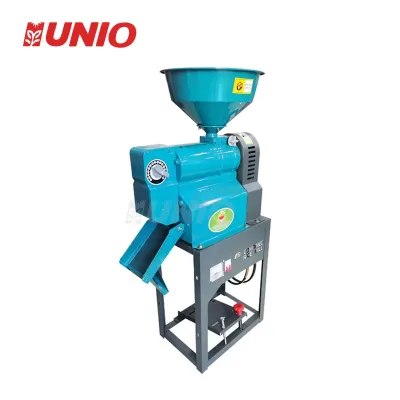
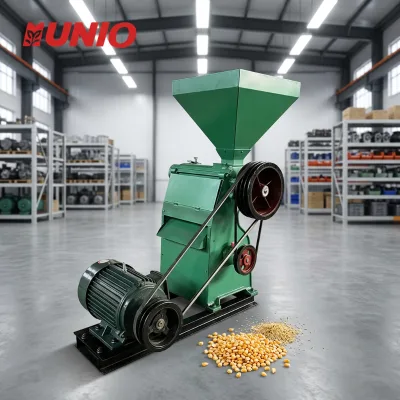
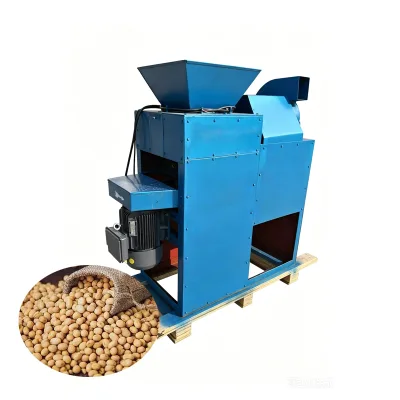
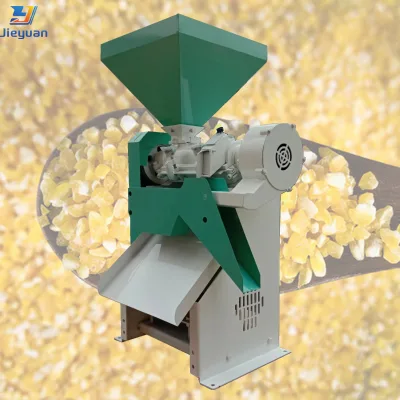


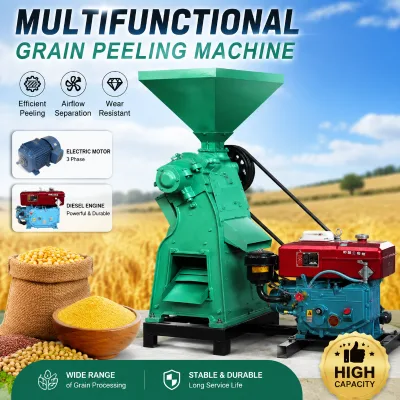
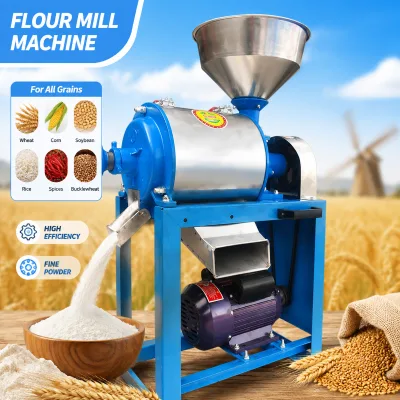
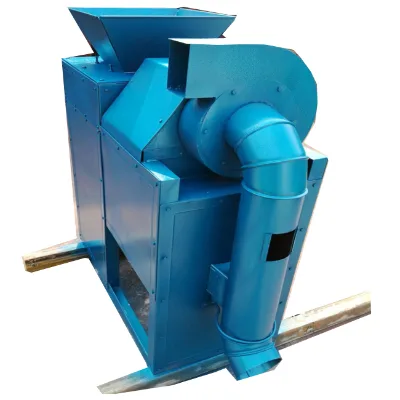
Comprehensive Sourcing Guide
High Efficiency Sorghum Peeling Machine Supplier Concentration and Factory Types
The current supplier landscape for high efficiency sorghum peeling machines reveals a diverse mix of manufacturing capabilities and business models. Buyers will encounter both dedicated manufacturers and trading companies offering these specialized agricultural tools. The presence of manufacturers indicates that some suppliers possess the direct engineering and production facilities necessary to build machinery from scratch, while trading companies may aggregate products from various sources to offer broader catalogs. This distinction is critical for buyers who need to determine whether they are dealing with the original source of the technology or an intermediary. Understanding this composition helps in assessing the depth of technical support and the flexibility of production adjustments.
Many suppliers in this sector also list broader main products such as peanut butter production lines, fruit and vegetable processing machines, and biscuit production lines. This suggests that many factories are not single-product specialists but rather comprehensive food processing equipment providers. For a buyer seeking a sorghum peeling machine, this breadth of experience can be advantageous, as it implies a mature supply chain and established quality control processes across multiple machinery types. However, it also requires careful verification to ensure that the specific sorghum peeling technology is a core competency rather than a peripheral offering. The concentration of these suppliers often points to established industrial hubs where such machinery is commonly produced.
How to Verify High Efficiency Sorghum Peeling Machine Suppliers
Verification is a crucial step in ensuring the reliability of suppliers offering high efficiency sorghum peeling machines. Buyers should prioritize suppliers who have undergone third-party verification processes, such as those conducted by Intertek or TÜV Rheinland. These verifications provide an additional layer of confidence regarding the supplier’s business legitimacy and operational standards. When evaluating a supplier, look for clear indicators of these verification badges on their profiles. This external validation helps mitigate the risk of engaging with fraudulent or non-compliant entities, ensuring that the supplier has met specific criteria for business operations and product quality.
Beyond basic verification, buyers should examine the specific product evidence provided for the sorghum peeling machines. Detailed product attributes, such as weight, voltage, and core components, offer tangible insights into the machine’s specifications. For instance, some listings provide detailed dimensions and weights, which are essential for logistical planning and factory floor integration. Additionally, the availability of machinery test reports and video outgoing inspections is a strong indicator of a supplier’s commitment to transparency and quality assurance. These resources allow buyers to verify the machine’s performance and condition before committing to a purchase, reducing the likelihood of receiving equipment that does not meet operational expectations.
What to Compare Across High Efficiency Sorghum Peeling Machine Suppliers
When comparing suppliers, lead time is a significant factor that can impact production schedules and inventory management. Some suppliers offer a lead time of thirty days, while others may provide faster turnaround times, such as fifteen days. This variation can be decisive for buyers with urgent production needs or tight delivery windows. Alongside lead times, buyers should also consider the supplier’s response time, which indicates their level of customer service and engagement. A quicker response time often correlates with better communication throughout the procurement process, ensuring that any questions or issues are addressed promptly.
Another critical dimension for comparison is the minimum order quantity (MOQ) and pricing structure. Some suppliers may have an MOQ of one unit, making them suitable for small-scale operations or trial orders, while others might require larger commitments. Pricing can also vary significantly, with some machines listed at lower price points and others at higher tiers, reflecting differences in capacity, features, or brand reputation. Buyers should also evaluate the after-sales service provisions, such as whether engineers are available to service machinery overseas. This support is vital for maintaining long-term operational efficiency and addressing any technical issues that may arise post-purchase.
Common High Efficiency Sorghum Peeling Machine Sourcing Risks
One of the primary risks in sourcing high efficiency sorghum peeling machines is the potential mismatch between advertised specifications and actual product performance. Buyers must be cautious of suppliers who provide vague or incomplete product details. For example, if a listing lacks specific information about voltage requirements or power consumption, it could lead to compatibility issues in the buyer’s facility. Additionally, the absence of detailed machinery test reports or video inspections increases the risk of receiving a machine that does not meet the expected efficiency standards. This lack of transparency can result in costly delays and operational disruptions.
Another risk involves the reliability of after-sales support and warranty claims. While some suppliers explicitly state that engineers are available for overseas service, others may not provide clear guidelines on how to access this support. Buyers should verify the warranty terms, including the duration and coverage of core components. A short warranty period or limited coverage can leave buyers vulnerable to unexpected repair costs. Furthermore, the risk of logistical damage is heightened if packaging details are not clearly specified. Ensuring that machines are packed according to export standards, such as wooden packing, is essential to prevent damage during transit, which can be difficult to claim if the supplier’s packaging protocols are unclear.
High Efficiency Sorghum Peeling Machine Regional Sourcing and Logistics
The regional origin of suppliers plays a significant role in determining logistics costs and delivery times. Many suppliers for high efficiency sorghum peeling machines are located in China, specifically in regions like Henan. This concentration in a specific industrial area can offer buyers access to a robust supply chain and competitive pricing. However, it also means that buyers must account for international shipping costs and customs procedures. Understanding the port of dispatch, such as Qingdao Port or Tianjin Port, is crucial for planning the logistics of receiving the machinery. These ports are major hubs for export, which can facilitate smoother shipping processes.
Buyers should also consider the showroom locations of suppliers, as some may have facilities in other countries, such as Vietnam. This can be beneficial for buyers who prefer to inspect the machinery in person before making a purchase. Proximity to a showroom can reduce the risk of ordering based solely on online descriptions. Additionally, the supply ability of suppliers, such as the number of sets they can produce per month, impacts the scalability of orders. Buyers with large-scale operations need to ensure that the supplier has the capacity to meet their volume requirements without compromising on quality or delivery schedules.
High Efficiency Sorghum Peeling Machine Commercial Terms and Order Planning
Commercial terms and order planning are essential for a successful procurement process. Buyers should carefully review the payment terms and escrow options provided by suppliers. Using escrow services can protect buyers by holding funds until the goods are received and verified. This adds a layer of security to the transaction, ensuring that suppliers are incentivized to deliver as promised. Additionally, buyers should clarify the packaging details to ensure that the machinery is protected during transit. Wooden packing as an export standard is a common practice, but buyers should confirm this with their specific supplier to avoid any surprises upon delivery.
Order planning also involves considering the customization options available. Some suppliers offer OEM, ODM, or light customization services, which can be valuable for buyers with specific operational needs. Understanding the extent of these customization capabilities allows buyers to tailor the machinery to their exact requirements. Furthermore, buyers should plan for the installation and commissioning of the equipment, especially if the supplier provides overseas engineering support. Coordinating these services in advance ensures that the machinery can be operational as soon as it arrives, minimizing downtime and maximizing the return on investment.
FAQs
What is the price range for high efficiency sorghum peeling machines?
Prices for high efficiency sorghum peeling machines typically range from approximately $389 to $1,027 per unit. The final cost depends on the specific model selected, such as the WSLX-100 or LG-450, and the required voltage configuration. Buyers should request a formal quote to confirm the exact price for their order volume and shipping destination.
What is the minimum order quantity for these machines?
The minimum order quantity is generally one unit, allowing buyers to test the equipment with a single purchase. This low entry point supports small-scale operations or initial quality verification. Bulk discounts may apply for larger orders, so buyers should inquire about tiered pricing structures when placing their initial request with the supplier.
How long does delivery take for these machines?
Production lead times for these machines are typically around 15 to 30 days after order confirmation. The exact duration depends on the specific model and customization requirements. Buyers should confirm the estimated delivery schedule with the supplier before placing the order to ensure it aligns with their production timeline and operational needs.
What after-sales support is provided for these machines?
Suppliers provide engineers available to service machinery overseas, ensuring technical support is accessible globally. This service helps resolve installation or operational issues efficiently. Buyers should verify the specific terms of this support, including travel costs and response times, to understand the full scope of the after-sales assistance provided for their equipment.
Where are these machines manufactured?
These machines are manufactured in Henan, China, a major hub for agricultural and food processing machinery. The production facilities in this region are equipped to handle various grain processing needs. Buyers can verify the specific factory location and request video outgoing inspections to ensure the quality and origin of the machinery before finalizing their purchase.
What certifications do these machines have?
Many suppliers hold ISO 9001 system certification, indicating adherence to international quality management standards. Additionally, machinery test reports and video outgoing inspections are provided for verification. Buyers should request these documents to confirm compliance with their local safety and operational standards before importing the equipment for their specific processing requirements.