40 Blades Rotary Tiller Suppliers and Manufacturers in China
Compare 30 verified suppliers offering 40 Blades Rotary Tiller units with varying lead times, certifications, and response speeds. Review product specs like model numbers and packing details, then request quotes to confirm pricing and MOQ; review the available evidence before requesting comparable quotations from suitable candidates.
Updated
Suppliers List

Shandong Yuntai Machinery Co., Ltd.
- Verified by BV
- Combined
- China Shandong
- Lead time30 days
- Avg. response≤ 16h
Main productsDisc Plough, Disc Harrow, Disc Blade, Trailer, Cultivator, Agricultural Spare Parts, Plough Disc, Harrow Disc, Tractor Trailer, Ox Plough
Main marketsSouth America,Africa,Southeast Asia/ Mideast,Europe,Australia,North America
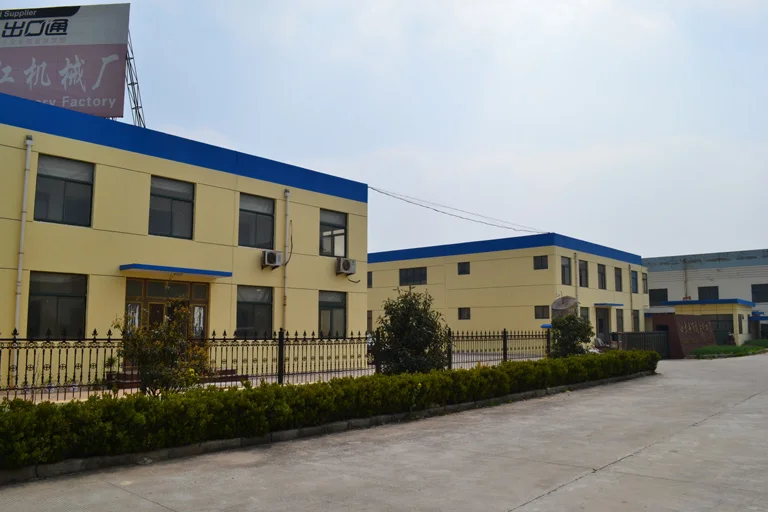
Yancheng Dafeng Longjiang Machinery Factory
- Manufacturer, Trading Company
- Jiangsu, China
- Lead time25 days
- Avg. response≤ 19h
Main productsRotary Tiller, Mini Excavator, Mower, Transport Box, Fertilizer Spreader
Main marketsDomestic Market(60.00%), Western Europe(16.00%), North America(10.00%), Northern Europe(5.00%), Southeast Asia(5.00%), Southern Europe(2.00%), Eastern Europe(2.00%), South Asia(0.00%), Eastern Asia(0.00%), South America(0.00%), Oceania(0.00%), Central America(0.00%), Africa(0.00%), Mid East(0.00%)
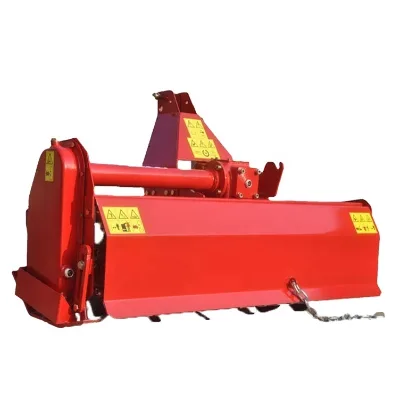
$410.00 - $446.00
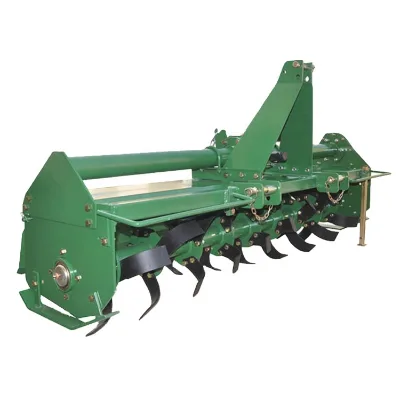

Jiangsu Yueda Intelligent Agricultural Equipment Co., Ltd.
- Verified by CTI
- Combined
- China Jiangsu
- Lead time23 days
- Avg. response≤ 10h
Main productsTractor, Farm Tractor, Jinma Tractor, Small Tractor, Tractor Parts, Jinma Tractor Parts, Agricultural Tractor, Jinma Tractor Spare Parts, 4WD Tractor, Mini Tractor
Main marketsSouth America,Africa,Southeast Asia/ Mideast,Domestic,Europe,Australia,North America

1800mm working width 36 blades or 54 blades Gear drive rotary tiller
$1000.00 - $1230.00
MOQ: 1 Pieces


Shandong Liying Agricultural Technology Development Co., Ltd.
- Verified by BV
- Trading Company
- China Shandong
- Lead time15 days
- Avg. response≤ 4h
Main productsTractor, Disc Plough, Disc Harrow, Power Tiller, Corn Seeder, Vegetable Seeder, Farm Trailer, Fertilizer Spreader, Mower, Potato Harvester
Main marketsSouth America,Africa,Southeast Asia/ Mideast
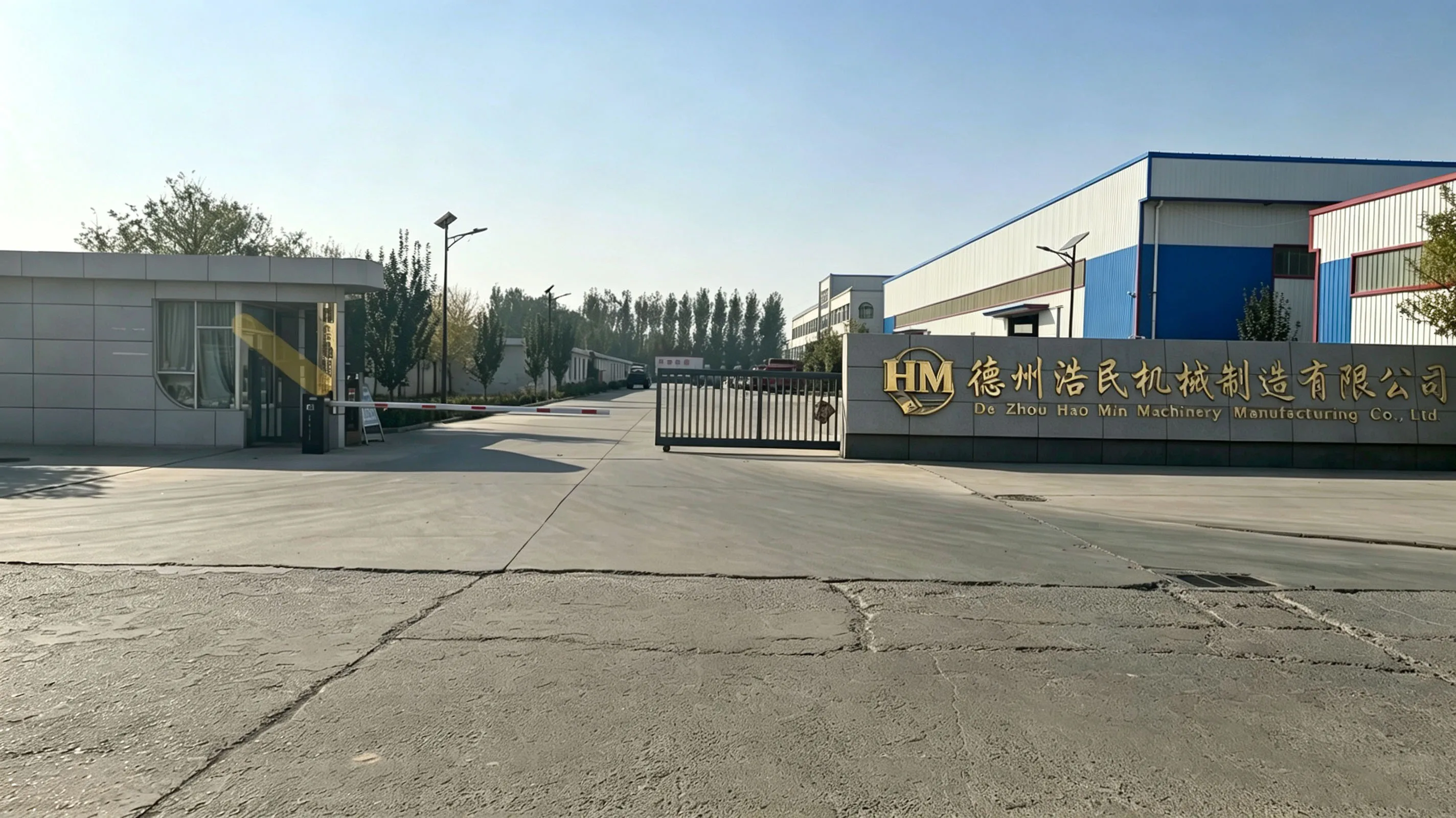
Dezhou Haomin Machinery Equipment Co., Ltd.
- Trading Company
- Shandong Province, China
- Lead time10 days
- Avg. response≤ 1h
Main productsTillage machinery,Harvesting machinery,Fertilizer,Sowing machinery,Spraying machinery
Main marketsDomestic Market(46.00%), Africa(20.00%), Southeast Asia(15.00%), South America(8.00%), Eastern Asia(3.00%), Central America(2.00%), North America(2.00%), South Asia(2.00%), Oceania(1.00%), Mid East(1.00%)
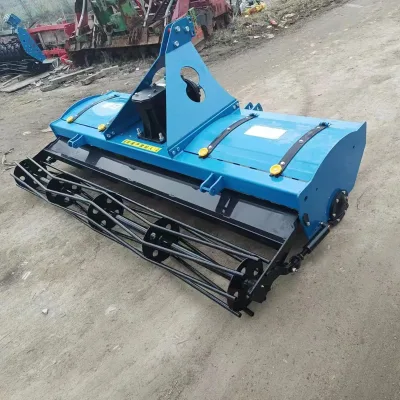
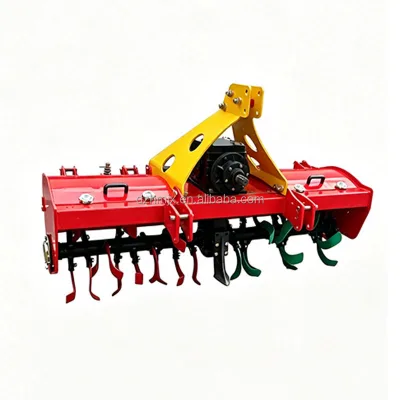
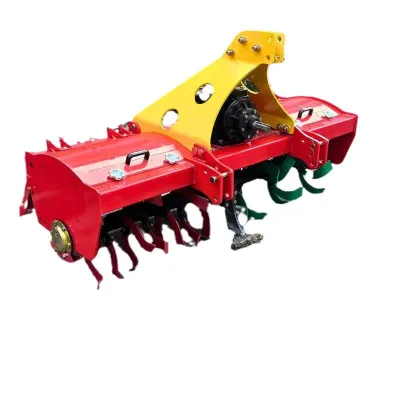
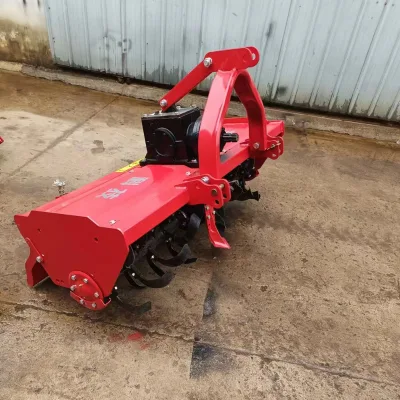
$441.1827 - $550.9664
MOQ: 1 sets
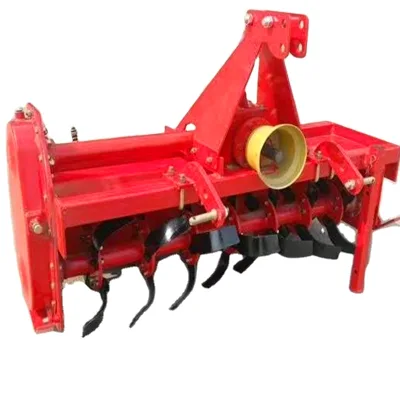
European Side Transfer Rotary Tiller for Sale European rotary tiller; shaft-through rotary tiller
$587.0204 - $733.7755
MOQ: 1 sets

Chongqing Eagle Sino Machinery Co., Ltd.
- Verified by SGS
- Trading Company
- China Chongqing
- Lead time15 days
- Avg. response≤ 4h
Main productsPower Tiller, Cultivator, Generator, Water Pump, Small Engine, Brush Cutter
Main marketsDomestic,Europe

Jeegee Agri. Equip. Manufacturing Co., Ltd.
- Verified by SGS
- Combined
- China Jiangsu
- Lead time45 days
- Avg. response≤ 5h
Main marketsSouth America,Africa,Southeast Asia/ Mideast,East Asia(Japan/ South Korea),Domestic,Europe,Australia,North America
Hegui (changzhou) International Trade Co., Ltd.
- Verified by TüVRheinland
- Manufacturer, Trading Company
- Lead time0 days
- Avg. response≤ 2h
Main productsDiesel Engine & Accessories, Marine Diesel Thrusters & Accessories, Water Pump Units & Accessories, Generator & Accessories, Walking Tractor / Rotarycultivator & Accessories
Main marketsAfrica(30%), Western Europe(15%), North America(10%)
Jiangsu Harriston Machinery Co., Ltd.
- Verified by SGS Group
- Manufacturer, Trading Company
- Lead time20 days
- Avg. response≤ 9h
Main productsRotary Tiller, Disc Plough, Corn Seeder, Crawler Tractor, Crawler harvester
Main marketsDomestic Market(50%), Southeast Asia(40%), South America(8%)
Jeegee Agri. Equip. Manufacturing Co., Ltd.
- Verified by TüVRheinland
- Manufacturer, Trading Company
- Lead time45 days
- Avg. response≤ 3h
Main productsReversible Plough, Disc Harrow, Lawn Mower, Rotary Tiller, Tillage And Sowing Tools
Main marketsNorth America(15%), Southeast Asia(12%), Western Europe(11%)
Shandong Yilu Machinery Co., Ltd
- Manufacturer, Trading Company
- Shandong, China
- Lead time0 days
- Avg. response≤ 3h
Main productsirrigation pump,Spraying Equipment,feed pellet machine,weeding machine,dynamo
Main marketsSoutheast Asia(20.00%), Mid East(15.00%), Northern Europe(10.00%), Central America(10.00%), South Asia(8.00%), Africa(8.00%), South America(6.00%), Domestic Market(5.00%), Eastern Asia(5.00%), Southern Europe(3.00%), Oceania(3.00%), North America(3.00%), Western Europe(3.00%), Eastern Europe(1.00%)

HUNAN CHENZHOU GRAIN & OIL MACHINERY CO., LTD.
- Combined
- China Hunan
- Lead time30 days
- Avg. response≤ 21h
Main productsRice Mill Machine
Main marketsSouth America,Africa,Southeast Asia/ Mideast,Domestic
Henan Haojiu Technology Co., Ltd.
- Manufacturer, Trading Company
- Henan, China
- Lead time60 days
- Avg. response≤ 5h
Main productsrotary tiller,Corn seeder,corn harvester,lawn mower
Main marketsSouth America(20.00%), Africa(20.00%), Mid East(20.00%), North America(10.00%), Eastern Europe(10.00%), Oceania(10.00%), South Asia(10.00%)
Henan Best Machinery Co., Ltd.
- Trading Company
- Henan, China
- Lead time7 days
- Avg. response≤ 7h
Main productsbrush cutter,farm cultivator,mini weeder,walking tractor,farm spraying machine
Main marketsEastern Asia(21.00%), Southeast Asia(19.00%), South America(10.00%), Africa(9.00%), Western Europe(7.00%), South Asia(7.00%), North America(6.00%), Oceania(5.00%), Mid East(5.00%), Eastern Europe(3.00%), Southern Europe(3.00%), Northern Europe(2.00%), Central America(2.00%), Domestic Market(1.00%)

Yancheng Foreign Machinery Parts Co., Ltd.
- Verified by BV
- Combined
- China Jiangsu
- Lead time23 days
- Avg. response≤ 20h
Main productsCombine Harvester, Transplanter, Agricultural Tractors, Implement, Changfa Machines, Loader Machine, Loader Parts, Spare Parts
Main marketsSouth America,Africa,Southeast Asia/ Mideast

Xi'an Yaao Agricultural Machinery Co., Ltd.
- Verified by TUVRHEINLAND
- Combined
- China Shaanxi
- Lead time15 days
- Avg. response≤ 2h
Main productsSeeder, Subsoiler, Cultivator, Rotary Tiller
Main marketsDomestic


Variable Speed Rotary Tiller with Durable R245 Blade for Farming Operations
$1980.00 - $2010.00
MOQ: 1 Pieces


Jianhu Lucky Gold Trading Co., Ltd.
- Verified by SGS
- Trading Company
- China Jiangsu
- Lead time60 days
- Avg. response≤ 2h
Main productsTractor, Plough, Plow, Harrow, Chipper, Capstan, Rope, Mower, Seeder
Main marketsDomestic,Australia
Yancheng Harriston Int'l Co., Ltd.
- Verified by TüVRheinland
- Manufacturer, Trading Company
- Lead time20 days
- Avg. response≤ 11h
Main productsAgricultural Harvester, Agricultural Tractor, Rotary Tiller, Agricultural Attachment, Agricultural Spare Parts
Main marketsSoutheast Asia(30%), Africa(20%), South America(15%)

Jinkung Industrial (Shandong) Corporation
- Verified by TUVRHEINLAND
- Combined
- China Shandong
- Lead time30 days
- Avg. response≤ 3h
Main productsPolyurethane Foam Machine, Mining Machinery, Construction Engineering Equipment, Excavators, Rollers, Agriculture Equipments, Loaders
Main marketsSouth America,East Asia(Japan/ South Korea),Europe,North America
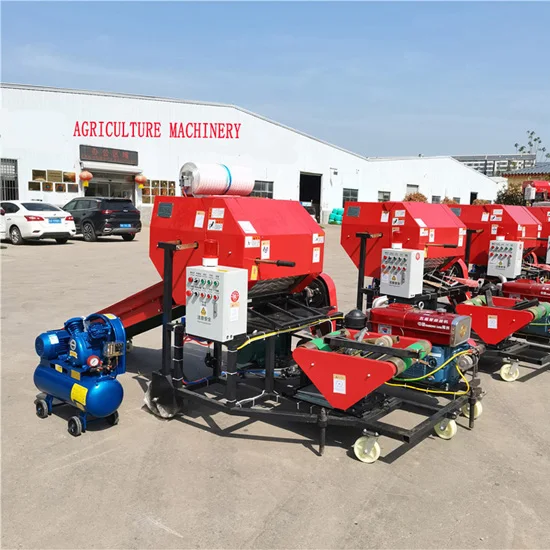
Zhengzhou Agriwell Machinery Co., Ltd.
- Trading Company
- Henan, China
- Lead time0 days
- Avg. response≤ 3h
Main productssilage baler machine,silage harvester and livestock process,rice bean maize peanut thresher and sheller,chaff cutter,rice milling machine
Main marketsSouth America(10.00%), North America(10.00%), Africa(6.00%), Central America(5.00%)

Shandong Jiawo Trade Co., Ltd.
- Trading Company
- Shandong, China
- Lead time5 days
- Avg. response≤ 14h
Main productsTractor,Walking tractor,Cultivator,Rotary Tiller,Grass crusher
Main marketsSouth America(15.00%), Africa(15.00%), Southeast Asia(10.00%), Eastern Asia(10.00%), South Asia(10.00%), Mid East(5.00%)
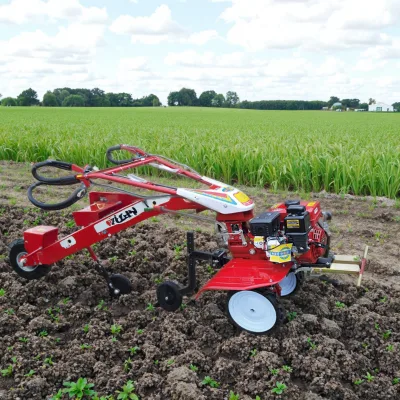
Multi Purpose Micro Tiller with Six Levels of Trenching/rotary Tillage/weeding
$220.00 - $235.00
MOQ: 5 sets
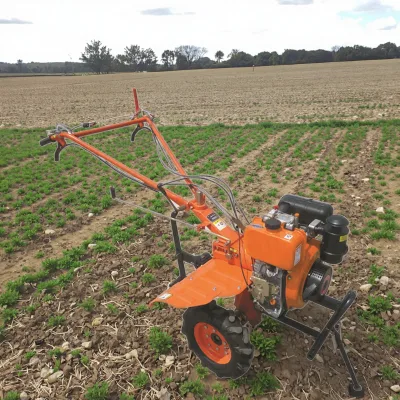
Laizhou New Zinger Agri Equipment Co., Ltd.
- Manufacturer, Trading Company
- Shandong, China
- Lead time0 days
- Avg. response≤ 2h
Main productsWalking tractor,Remote control grass cutter,Brush cutter,Mini power tiller,Spraying machine
Main marketsSouth Asia(37.00%), South America(28.00%), Africa(20.00%), Mid East(15.00%)

Yucheng Yijia Machinery Co., Ltd.
- Verified by BV
- Combined
- China Shandong
- Lead time30 days
- Avg. response≤ 6h
Main productsDisc Harrow, Disc Plough, Disc Blade, Mower
Main marketsSouth America,Africa,Southeast Asia/ Mideast,Europe,North America


High-Quality Excellent Performance Rotary Tiller Agricultural Machinery 55-75HP
$800.00 - $840.00
MOQ: 1 Pieces

Yingshang Shunyue Agricultural Technology Co., Ltd.
- Verified by SGS
- Trading Company
- China Anhui
- Lead time15 days
- Avg. response≤ 1h
Main productsCombine, Harvester, Rice Transplanter, Tractor, Agricultural Machinery, Farm Tractor, 4WD Tractor, Farm Machinery
Main marketsDomestic
- Trading Company
- Hubei, China
- Lead time15 days
- Avg. response≤ 2h
Main productsAgriculture Machine,Food Machine,Harvester,Solar Equipments,Rice Mill
Main marketsAfrica(38.00%), Southeast Asia(30.00%), Domestic Market(8.00%), South Asia(5.00%), South America(3.00%), Central America(3.00%), Eastern Europe(2.00%), North America(2.00%), Western Europe(2.00%), Eastern Asia(2.00%), Mid East(2.00%), Northern Europe(1.00%), Oceania(1.00%), Southern Europe(1.00%)
Henan Xifa Network Technology Co., Ltd.
- Verified by Intertek
- Manufacturer, Trading Company
- Lead time7 days
- Avg. response≤ 1h
Main productsAnimal Cages, Tractors, Feed Processing Machinery, Excavators
Main marketsNorth America(20%), Domestic Market(20%), Africa(15%)
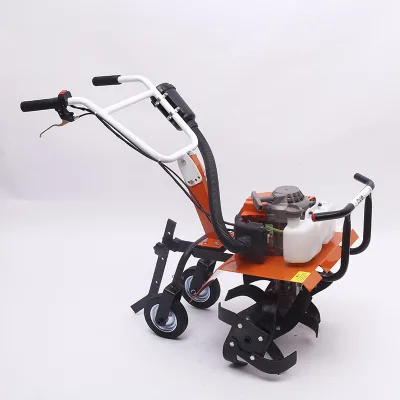
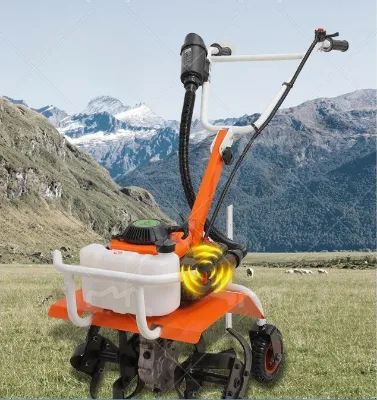
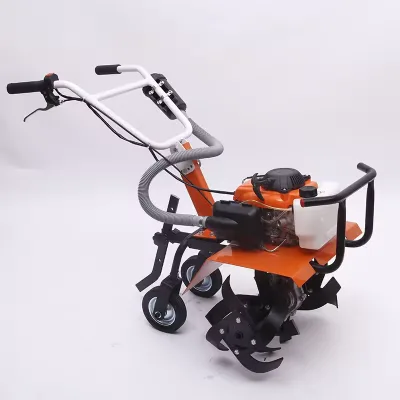
Lightweight Rotary Tiller for Garden & Orchard Use
$93.00 - $170.00
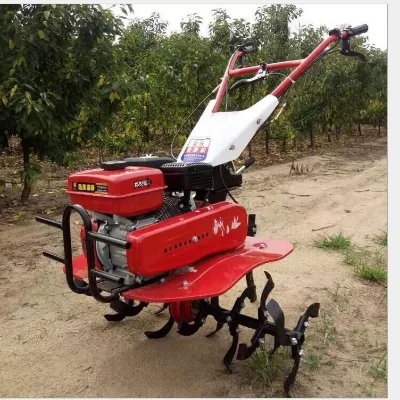
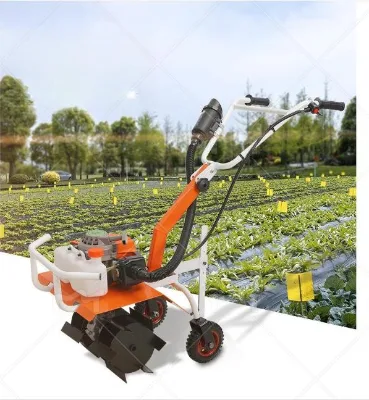
Stainless Steel Blades Micro Tiller Anti-Corrosion & Durable
$260.00 - $440.00
Versatile Soil Tillage Machine Customizable Blades
$93.00 - $170.00
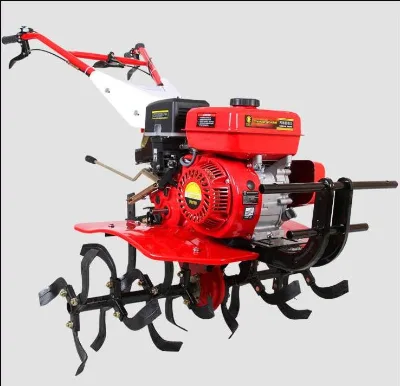
Ergonomic Design Hand Tiller Reduce Operator Fatigue
$260.00 - $440.00

Changzhou Weisen Intelligent Equipment Co., Ltd
- Verified by SGS
- Manufacturer
- China Jiangsu
- Lead time15 days
- Avg. response≤ 2h
Main productsFlail Mower, Backhoe, Lawn Mower, Wfk Lawn Mower, Excavator Arm, Grass Cutter, Rotary Mower
Main marketsDomestic
Jining Shengheng Heavy Industry Machinery Co., Ltd.
- Manufacturer
- Shandong, China
- Lead time3 days
- Avg. response≤ 2h
Main productsDismantling equipment,Mowing and logging,Road maintenance,Drilling machine,Loading and unloading screening
Main marketsSouth America(20.00%), Mid East(15.00%), Western Europe(15.00%), Eastern Europe(15.00%), North America(15.00%), Africa(12.00%), Domestic Market(8.00%)
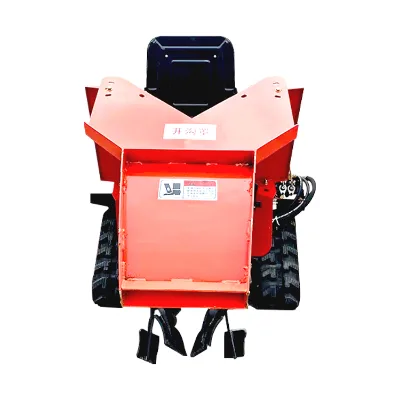
$4200.00 - $4777.00
MOQ: 1 pieces
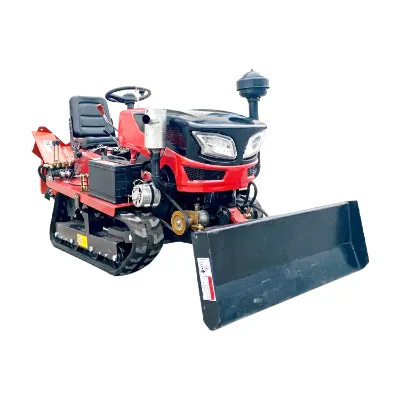
The powerful rotary tiller can easily clear land and deeply cultivate hilly and mountainous areas
$4361.324 - $4534.3266
MOQ: 1 pieces

Shandong King Machinery Co., Ltd.
- Verified by CTI
- Trading Company,Manufacturer/Factory
- China Shandong
- Lead time150 days
- Avg. response≤ 3h
Main productsCombine Harvester, Corn Harvester, 50-260HP Tractor, Rice Harvester, 440HP Tractor
Main marketsMid East,North America,Africa

Powerful Rotary Tiller with Exceptional Performance and Low Maintenance
$750.00 - $2000.00
MOQ: 1 Pieces

High Quality Agricultural Rotary Tiller for Efficient Soil Preparation
$750.00 - $2000.00
MOQ: 1 Pieces
Shenzhen Shuxiao Machinery Equipment Co., Ltd.
- Manufacturer
- Guangdong, China
- Lead time0 days
- Avg. response≤ 2h
Main productsIndustrial machinery,commercial equipment and machinery,Food & Beverage Machinery
Main marketsEastern Europe(30.00%), North America(20.00%), South America(10.00%), Domestic Market(5.00%), Northern Europe(5.00%), Western Europe(5.00%), Eastern Asia(5.00%), Mid East(5.00%), Oceania(5.00%), Africa(5.00%), Southeast Asia(5.00%)












Comprehensive Sourcing Guide
40 Blades Rotary Tiller Supplier Concentration and Factory Types
The current supplier landscape for agricultural machinery reveals a distinct geographic concentration in China, with specific manufacturing hubs identified in Shandong and Jiangsu provinces. These regions serve as primary centers for the production of disc ploughs, harrows, and rotary tillers, leveraging established industrial ecosystems to support heavy machinery fabrication. Suppliers in these areas often operate as combined entities, functioning simultaneously as manufacturers and trading companies, which allows them to offer a broader range of agricultural spare parts and complete equipment units. This dual operational model is particularly relevant for buyers seeking 40 Blades Rotary Tiller solutions, as it may provide access to both direct factory pricing and flexible sourcing options for complementary items like trailers or cultivators. The presence of these specific locations indicates a mature supply chain for soil preparation machinery, where local expertise in steel processing and mechanical assembly contributes to the availability of various tiller models, including those with specific blade counts and power requirements.
Company types in this sector vary, with many suppliers identifying as either manufacturers, trading companies, or combined entities. This distinction is critical for buyers evaluating the 40 Blades Rotary Tiller market, as it influences pricing structures, communication channels, and quality control processes. Manufacturers typically focus on production capacity and technical specifications, while trading companies may offer broader product portfolios and logistical support. The observed data suggests that many suppliers in Shandong and Jiangsu are combined entities, capable of handling both production and export logistics. This structure can simplify the sourcing process for international buyers, as a single point of contact may manage both the manufacturing of the rotary tiller and the coordination of shipping. However, buyers must carefully assess the specific capabilities of each supplier to ensure that the combined model does not compromise the technical integrity or customization options required for their specific agricultural operations. Understanding these factory types helps in aligning supplier selection with project needs, whether prioritizing direct manufacturing control or flexible trading services.
How to Verify 40 Blades Rotary Tiller Suppliers
Verification of suppliers is a critical step in ensuring the reliability and quality of 40 Blades Rotary Tiller procurement. Buyers should prioritize suppliers who have undergone third-party verification processes, such as BV (Bureau Veritas) certification, which provides an additional layer of confidence regarding the supplier's business legitimacy and operational standards. The presence of such verification badges indicates that the supplier has met specific criteria for business registration and operational capacity, reducing the risk of engaging with fraudulent or non-existent entities. Additionally, buyers should look for suppliers who provide machinery test reports and video outgoing-inspections, as these documents offer tangible evidence of the product's performance and quality before shipment. These verification methods are essential for assessing the structural integrity and functional reliability of the rotary tiller, ensuring that the 40 blades configuration meets the specified torque and durability requirements for heavy-duty agricultural use.
Beyond third-party verification, buyers should examine the supplier's certification records and system compliance. Suppliers displaying ISO9001:2015 certification demonstrate a commitment to quality management systems, which is crucial for consistent production standards in machinery manufacturing. Furthermore, certifications such as CE, EU, and ECE are important for buyers targeting markets with strict regulatory requirements, as they indicate compliance with safety and environmental standards. Buyers should also verify the supplier's response time and communication efficiency, as a quick and professional response can indicate a well-organized sales and support team. Checking the supplier's main products and specialization can also provide insights into their expertise; suppliers focusing on agricultural machinery like disc harrows and cultivators are likely to have deeper technical knowledge in rotary tiller design. By combining these verification steps, buyers can build a robust assessment framework that minimizes risk and ensures the selection of a reliable partner for 40 Blades Rotary Tiller sourcing.
What to Compare Across 40 Blades Rotary Tiller Suppliers
When evaluating multiple suppliers for 40 Blades Rotary Tiller solutions, buyers must compare key operational metrics to determine the best fit for their procurement strategy. Lead time is a significant factor, with observed data indicating variations such as 30 days for some suppliers and 25 days for others. These differences can impact project timelines and inventory management, so buyers should align their selection with their delivery requirements. Minimum Order Quantity (MOQ) is another critical comparison point, with some suppliers requiring as few as 3 or 5 units, while others may have higher thresholds. Understanding these MOQs helps buyers assess the feasibility of small-scale trials versus bulk purchases. Additionally, response time should be considered, as faster responses, such as those under 20 hours, can facilitate quicker negotiations and issue resolution, enhancing the overall sourcing experience.
Price and customization options are also essential dimensions for comparison. While some suppliers display specific price ranges, others may not provide clear pricing, requiring direct inquiry. Buyers should compare the cost implications of different models, such as the 1BQX series or TL125, and consider the value provided by features like customization availability. Suppliers offering OEM, ODM, or own brand services provide flexibility for buyers seeking branded solutions or specific technical modifications. The type of drive system, such as side chain drive or gear drive, and the power source compatibility, whether for tractors with specific horsepower ratings, should also be compared to ensure technical suitability. By systematically evaluating these factors, buyers can identify suppliers that offer the best balance of cost, speed, and technical capability for their 40 Blades Rotary Tiller needs, ensuring a strategic and informed procurement decision.
Common 40 Blades Rotary Tiller Sourcing Risks
Sourcing 40 blades rotary tillers from international suppliers involves several potential risks that buyers must proactively manage. One significant risk is the variability in product quality and specifications, as not all suppliers adhere to the same manufacturing standards. Buyers may encounter discrepancies between the advertised blade count, material grade, and actual product delivery. For instance, while some suppliers specify high-quality steel like 65Mn or Q235, others may not provide detailed material certifications, leading to potential durability issues in the field. Additionally, the risk of inadequate after-sales support is prevalent, especially when suppliers do not provide overseas service or clear warranty terms. Buyers must verify the availability of spare parts and technical support to ensure long-term operational reliability, as the absence of such services can lead to prolonged downtime and increased maintenance costs.
Another common risk is the complexity of logistics and compliance, particularly when dealing with suppliers in different regions. Variations in packaging standards, such as iron cases versus wooden crates, can affect shipping costs and product protection during transit. Buyers must also be aware of potential customs and regulatory hurdles, especially if the supplier lacks necessary certifications like CE or ISO for specific markets. The risk of miscommunication regarding technical specifications, such as PTO turning speed or tilling depth, can also lead to product incompatibility with existing farm equipment. Furthermore, the reliance on third-party verification and test reports means that buyers must ensure these documents are authentic and up-to-date. By identifying and mitigating these risks through thorough due diligence and clear contractual terms, buyers can safeguard their investments and ensure a smoother sourcing process for 40 blades rotary tillers.
40 Blades Rotary Tiller Regional Sourcing and Logistics
Regional sourcing plays a pivotal role in the logistics and cost structure of 40 Blades Rotary Tiller procurement. Suppliers located in Shandong and Jiangsu provinces offer distinct logistical advantages, with proximity to major ports like Shanghai and Qingdao facilitating efficient export operations. Buyers should consider the impact of these locations on shipping times and freight costs, as suppliers closer to port cities may offer more streamlined logistics solutions. The choice of supplier location can also influence the availability of local support and the ease of conducting factory audits or inspections. For buyers prioritizing speed and cost-efficiency, selecting suppliers from these established industrial hubs can reduce transit times and simplify supply chain management. Additionally, understanding the regional infrastructure helps in planning for potential disruptions, such as port congestion or seasonal weather impacts, which can affect delivery schedules.
Logistics planning must also account for the specific packaging and handling requirements of heavy machinery like rotary tillers. Suppliers may use different packaging methods, such as standard export packages with iron cases or wooden crates, which can impact the overall shipping volume and cost. Buyers should coordinate with suppliers to optimize packaging for container loading, ensuring that the 40 Blades Rotary Tiller is securely protected while maximizing space utilization. Furthermore, buyers should verify the supplier's experience with international shipping and their ability to handle export documentation, including certificates of origin and inspection reports. By aligning regional sourcing strategies with logistical capabilities, buyers can enhance supply chain resilience and reduce the total cost of ownership. This approach ensures that the 40 Blades Rotary Tiller is delivered efficiently and safely, supporting timely deployment in agricultural operations.
40 Blades Rotary Tiller Commercial Terms and Order Planning
Commercial terms and order planning are essential components of a successful 40 Blades Rotary Tiller procurement strategy. Buyers must carefully negotiate payment terms, delivery schedules, and warranty conditions to protect their interests and ensure project success. Understanding the supplier's lead time, whether it is 25 or 30 days, is crucial for aligning production schedules with agricultural seasons or project deadlines. Buyers should also clarify the MOQ requirements, as some suppliers may offer flexibility for initial orders, allowing for smaller trial purchases before committing to larger volumes. Additionally, buyers should inquire about customization options and associated costs, as tailored specifications may impact the final price and production timeline. Clear communication of these commercial terms helps in avoiding misunderstandings and ensures that both parties have a shared understanding of the order expectations.
Order planning should also include considerations for after-sales service and spare parts availability. Buyers must verify the supplier's warranty period, typically one year for many agricultural machinery products, and understand the scope of coverage for components like gears, bearings, and gearboxes. It is important to confirm whether the supplier provides free spare parts or if these are charged separately, as this can affect long-term maintenance costs. Furthermore, buyers should assess the supplier's capacity to handle bulk orders, with some suppliers offering supply abilities of up to 500 units per month, which is relevant for large-scale procurement projects. By integrating these commercial and logistical details into their order planning, buyers can create a robust procurement strategy that minimizes risk and maximizes value. This comprehensive approach ensures that the 40 Blades Rotary Tiller acquisition is well-managed from initial inquiry through to final delivery and ongoing support.
FAQs
What is the minimum order quantity for rotary tillers?
The minimum order quantity is typically 3 to 5 units depending on the specific model and supplier. Buyers should verify the exact MOQ for their chosen product, as some listings require a minimum of three units while others may start at five units for standard export packages.
How long does production and delivery take?
Lead times generally range from 25 to 30 days after order confirmation. This timeframe allows for manufacturing and quality checks. Buyers should confirm the exact delivery schedule with the supplier, as production capacity and shipping logistics can influence the final arrival date at the destination port.
Are these machines suitable for dry cultivating machinery applications?
Yes, many available models are explicitly designed for dry cultivating machinery applications. These units often feature gear drive or side chain drive systems powered by tractors. They are optimized for soil preparation and movable operation in agricultural fields, ensuring efficient tillage for various farming policies and crop types.
What certifications do these agricultural machines hold?
Suppliers often provide ISO9001:2015 certificates and SGS standards compliance. Some products also carry CE, EU, and ECE certifications for international markets. Buyers should request valid certification documents to ensure the machinery meets specific regional safety and quality standards before finalizing the purchase agreement with the manufacturer.
What is the typical response time for inquiries?
Supplier response times vary, with some averaging around 15.77 hours and others taking up to 19 hours. Prompt communication is essential for negotiating terms. Buyers should expect replies within a day and verify the current response rate to ensure timely support for technical questions and order processing.
Can I customize the rotary tiller specifications?
Customization is available for many models, allowing buyers to adjust features like color, packing, and specific operational requirements. Suppliers offer OEM and ODM services to tailor the machinery to your needs. You should discuss your specific requirements directly with the supplier to confirm the feasibility and any associated costs.