Industrial Power Distribution Box Suppliers and Manufacturers
Compare 26 verified suppliers of industrial power distribution boxes by location, response time, lead time, and certifications. Review product specifications like voltage and protection grade before contacting factories in China for quotes; review the available evidence before requesting comparable quotations from suitable candidates.
Updated
Suppliers List

Shandong Kaichuan Electric Power Equipment Co., LTD
- Verified by SGS
- Combined
- China Shandong
- Lead time15 days
- Avg. response≤ 11h
Main marketsDomestic


Industrial Power Distribution Box Made of Environmentally Friendly Materials
$28.00 - $1480.00
MOQ: 1 tower

Customizable Industrial Power Distribution Box with Component Configuration; Voltage 110V-1140V
$28.00 - $1480.00
MOQ: 1 tower
Zhejiang Kangge Electric Co., Ltd.
- Manufacturer, Trading Company
- Zhejiang, China
- Lead time15 days
- Avg. response≤ 12h
Main productsMeter box,Distribution box,Junction box,Control box,water-proof box
Main marketsDomestic Market(70.00%), Mid East(5.00%), Africa(5.00%), Western Europe(5.00%), South Asia(5.00%), Southeast Asia(3.00%), Eastern Asia(2.00%), South America(1.00%), Eastern Europe(1.00%), Southern Europe(1.00%), Northern Europe(1.00%), Central America(1.00%)
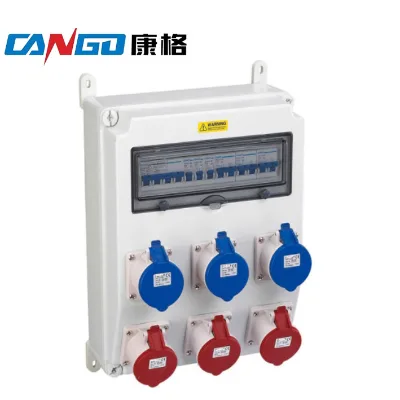
Recommend Waterproof Industrial Multi Plug Sockets Power Distribution Box
$25.9522 - $31.1432
MOQ: 10 pieces
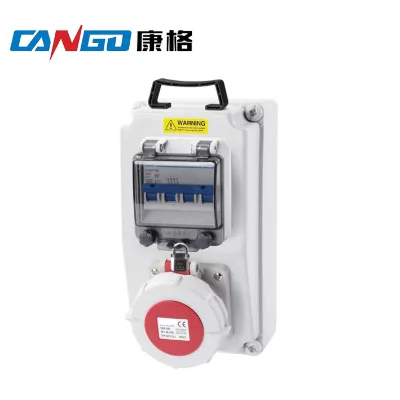
High Quality Portable Industrial Outlet Box Outdoor Mobile Waterproof Power Distribution Box
$28.7088 - $30.7595
MOQ: 10 pieces

Fujian Guozhiyun Information Technology Co., Ltd.
- Verified by SGS
- Combined
- China Fujian
- Lead time23 days
- Avg. response≤ 2h
Main productsControl Cabinet, Electrical Cabinet, Control Panel, Distribution Cabinet, Electrical Panel, Switchgear, Distribution Box, Distribution Board, Electrical Control Panel, Distribution Panel
Main marketsSouth America,Africa,Southeast Asia/ Mideast,Europe,Australia

Power Distribution Box for Industrial Automation Circuit Breaker Distribution Cabinet
$218.00 - $928.00
MOQ: 3 pieces

Electrical Panel Box Control Panel Industrial 3 Phases Distribution Box
$188.00 - $266.00
MOQ: 3 pieces

Industrial Switchboard 2000A Main Power Distribution Cabinet Power Box
$218.00 - $499.00
MOQ: 3 pieces


Electric Power Control Cabinet Industrial Electrical Cabinet 3 Phase Distribution Panel Box
$217.00 - $534.00
MOQ: 3 pieces
JIAHUI WISH (ZHEJIANG) SMART ELECTRIC CO.,LTD.
- Verified by TüVRheinland
- Manufacturer, Trading Company
- Lead time30 days
- Avg. response≤ 5h
Main productsAS/NZS/IEC/CEE Industrial Product, AS/NZS House Use Electrical Items, Power Distribution Board And Box, Wires And Cables, Sheet Metal
Main marketsOceania(60%), Eastern Europe(10%), Southeast Asia(10%)

Foshan Shunningye Electrical Equipment Co., Ltd
- Verified by CTI
- Combined
- China Guangdong
- Lead time30 days
- Avg. response≤ 5h
Main productsDistribution Box, Power Distribution Cabinet, Stainless Steel Electrical Enclosure, Plastic Distribution Box, Circut Breaker Box, PVC Truncking
Main marketsDomestic,Europe

Onemore Star Equipment&Industry Co., Limited
- Trading Company
- China Beijing
- Lead time0 days
- Avg. response≤ 25h
Main productsDistribution Cabinet, Waterproof Distribution Box, Industrial Waterproof Power Distribution, Hydraulic Piston Pump, Pump

Industrial Power Distribution Box with Waterproof Electrical Cabinet Design
$200.00 - $500.00
MOQ: 200 Pieces

Industrial Waterproof Power Distribution Box with Low Voltage Electrical Cabinet
$200.00 - $500.00
MOQ: 200 Pieces

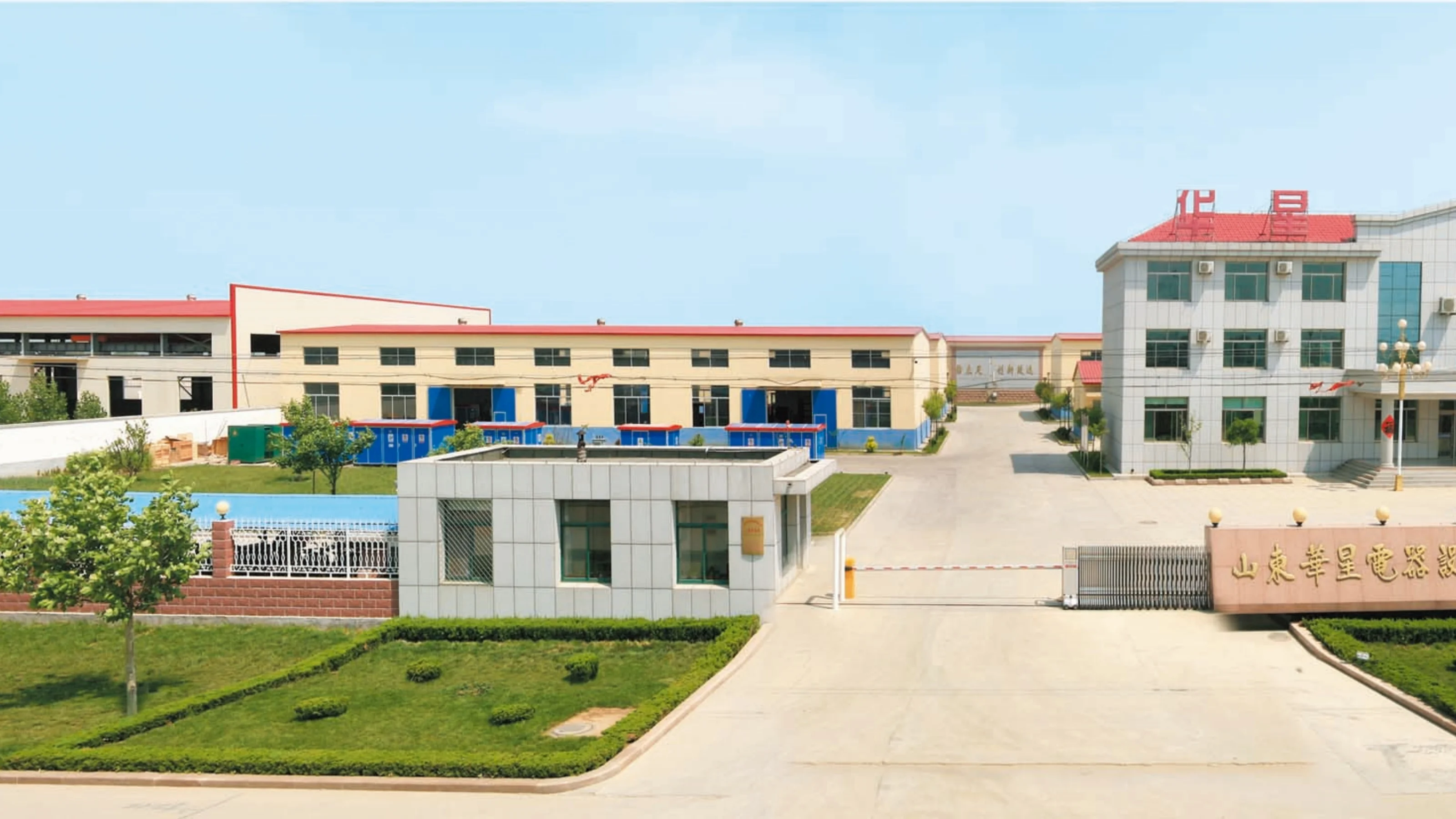
Shandong Huaxing Electrical Equipment Co., Ltd.
- Manufacturer, Trading Company
- Shandong, China
- Lead time30 days
- Avg. response≤ 3h
Main products35KV High-Voltage Switchgear, 10KV High-Voltage Switchgear, Low-Voltage Fixed Distribution Cabinet, Low-Voltage Withdrawable Distribution Cabinet, Low-Voltage Distribution Box
Main marketsDomestic Market(60.00%), South America(10.00%), Africa(10.00%), Southeast Asia(10.00%), South Asia(5.00%), Mid East(5.00%)
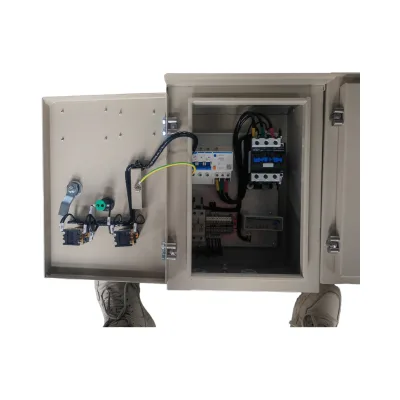
$20.8061 - $312.0738
MOQ: 5 Minimum
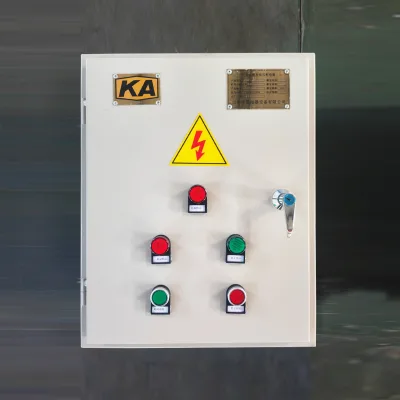
20KW Power Distribution Box with Overload Protection for Small Factories and Warehouses
$30.00 - $300.00
MOQ: 5 Minimum
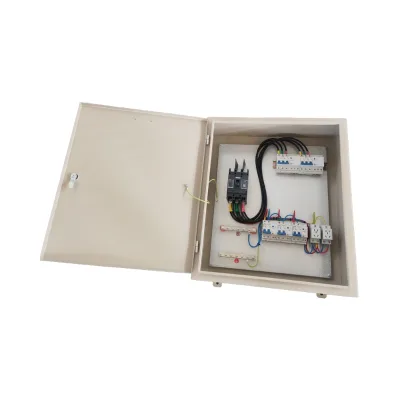
Sealed Outdoor Power Distribution Box for Telecommunication Tower Electrical Components
$20.8061 - $312.0738
MOQ: 5 Minimum
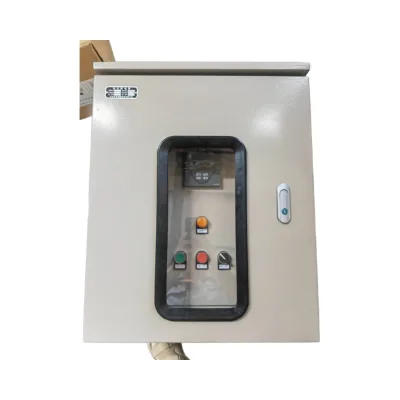
$50.00 - $300.00
MOQ: 5 Minimum
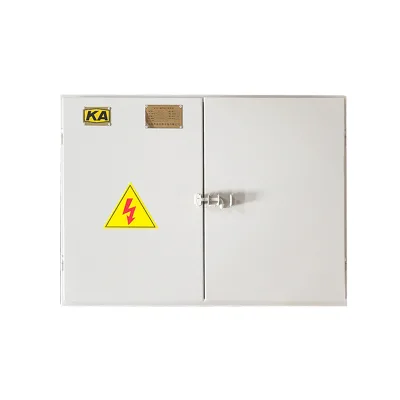

Stardynamic Power Equipment (Fuzhou) Co., Ltd.
- Verified by TUVRHEINLAND
- Combined
- China Fujian
- Lead time30 days
- Avg. response≤ 3h
Main marketsSoutheast Asia/ Mideast


Custom 380V Power Cabinet Industrial Multi Circuit Control Distribution Box for Factory
$99.00 - $199.00
MOQ: 1 Pieces

Custom Wall-Mounted Distribution Board Low Voltage Power Box for Industrial Use
$69.00 - $129.00
MOQ: 1 Pieces

Jiangsu Jiangdao Electrical Equipment Co., Ltd.
- Verified by SGS Group
- Manufacturer, Trading Company
- Lead time0 days
Main productsCable Tray, Busway, Switch Cabinet, Transformer
Main marketsDomestic Market(100%)
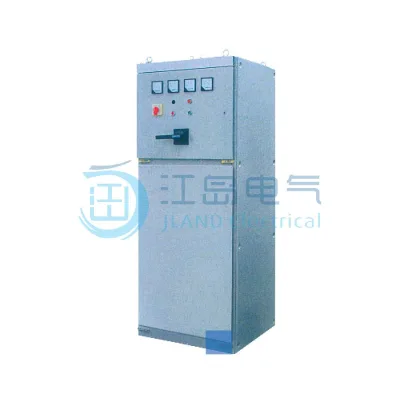
Industrial Environments High Impact Resistant Low Voltage Distribution Box
$103.5224 - $517.6122
MOQ: 1 Minimum
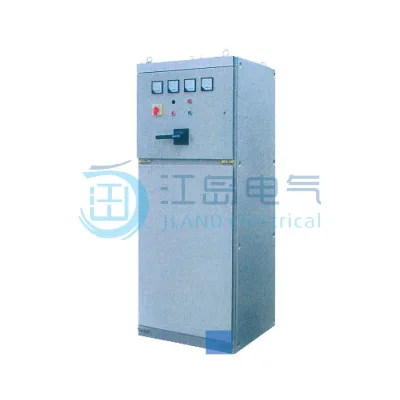
Electrical Switch Box Type Power Distribution Panel Temporary Board Distribution Box
$102.2513 - $511.2564
MOQ: 1 Minimum
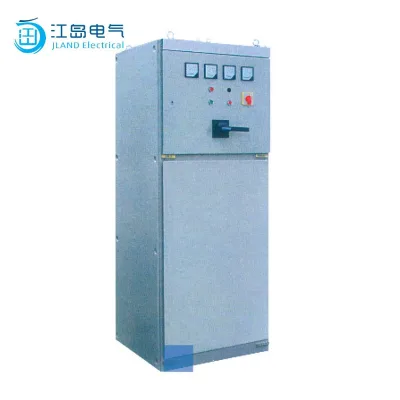
Outdoor XL Series Low Voltage Distribution Box IP54 Waterproof Rating Power Equipment
$100.00 - $500.00
MOQ: 1 Minimum
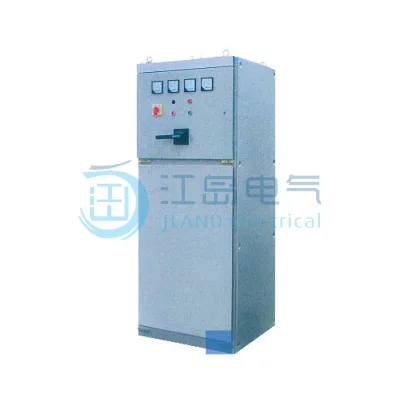
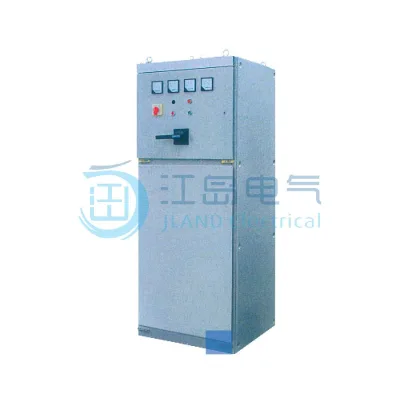
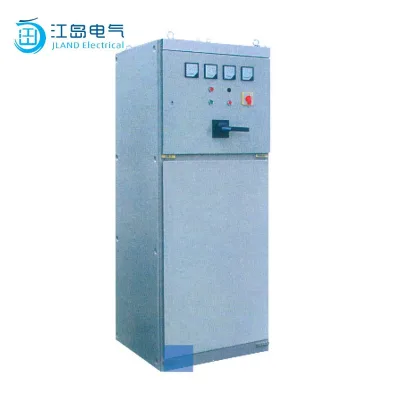
Slim Design Low Voltage Distribution Box for Limited Space Installations
$104.17 - $520.85
MOQ: 1 Minimum
Nanjing Huashu Electric Complete Equipment Co., Ltd.
- Verified by Intertek
- Manufacturer, Trading Company
- Lead time15 days
- Avg. response≤ 2h
Main productsDistribution Cabinet
Main marketsMid East(20%), Southeast Asia(15%), Africa(15%)

Zhejiang Golden Unicorn Electrical Tech Company
- Verified by TUVRHEINLAND
- Combined
- China Zhejiang
- Lead time15 days
- Avg. response≤ 5h
Main productsElectrical Control Cabinet, Electrical Distribution Cabinet
Main marketsDomestic


Electric Box Distribution Box Button Double Power Box Low Voltage High Safety Electricity
$100.00 - $10000.00
MOQ: 1 Pieces

Electric Box Distribution Box Distribution Button Low Voltage Stable Performance Electric Power
$100.00 - $10000.00
MOQ: 1 Pieces

$100.00 - $10000.00
MOQ: 1 Pieces

Yixin (Shanghai) Industrial Automation Equipment Co., Ltd
- Verified by SGS
- Combined
- China Shanghai
- Lead time15 days
- Avg. response≤ 3h
Main productsCantilever Operation Box, Electrical Cabinet
Main marketsDomestic
Fuzhou Wan Sheng Electric Appliance Co., Ltd.
- Verified by SGS Group
- Manufacturer, Trading Company
- Lead time0 days
Main productsHV Switchgear, LV Switchgear, Power Distribution Equipment, Electrical Cabinet, Power Distribution Box
Main marketsDomestic Market(100%)

Shandong Gangwan Electric Technology Co., Ltd
- Verified by SGS
- Combined
- China Shandong
- Lead time15 days
- Avg. response≤ 6h
Main productsDistribution Cabinet, Power Cable
Main marketsDomestic
Hunan Chengyuan Electrical Co., Ltd.
- Manufacturer, Trading Company
- Hunan, China
- Lead time0 days
- Avg. response≤ 1h
Main productsHigh and low voltage switchgear, Power distribution cabinet, Intelligent and XBJ1 compact box substation, Photovoltaic grid-connected cabinet, Fire pump automatic inspection control equipment
Main marketsDomestic Market(87.00%), Mid East(7.00%), Southeast Asia(6.00%)
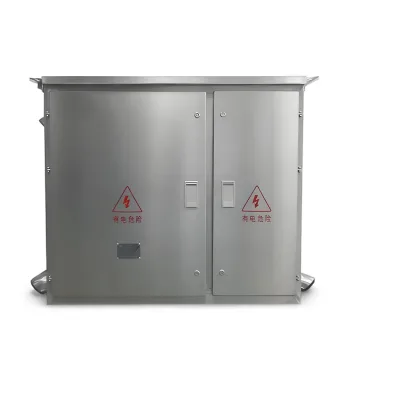
$113.04 - $1554.30
MOQ: 10 Minimum
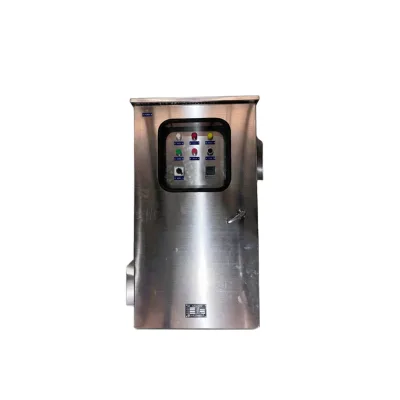
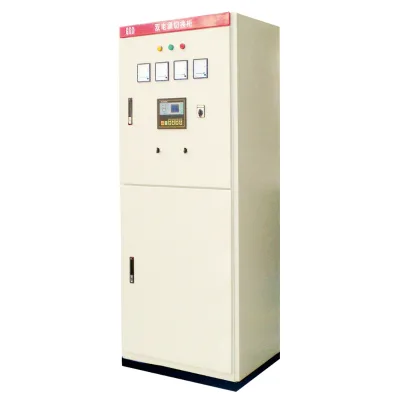
$1800.00 - $10000.00
MOQ: 5 Minimum
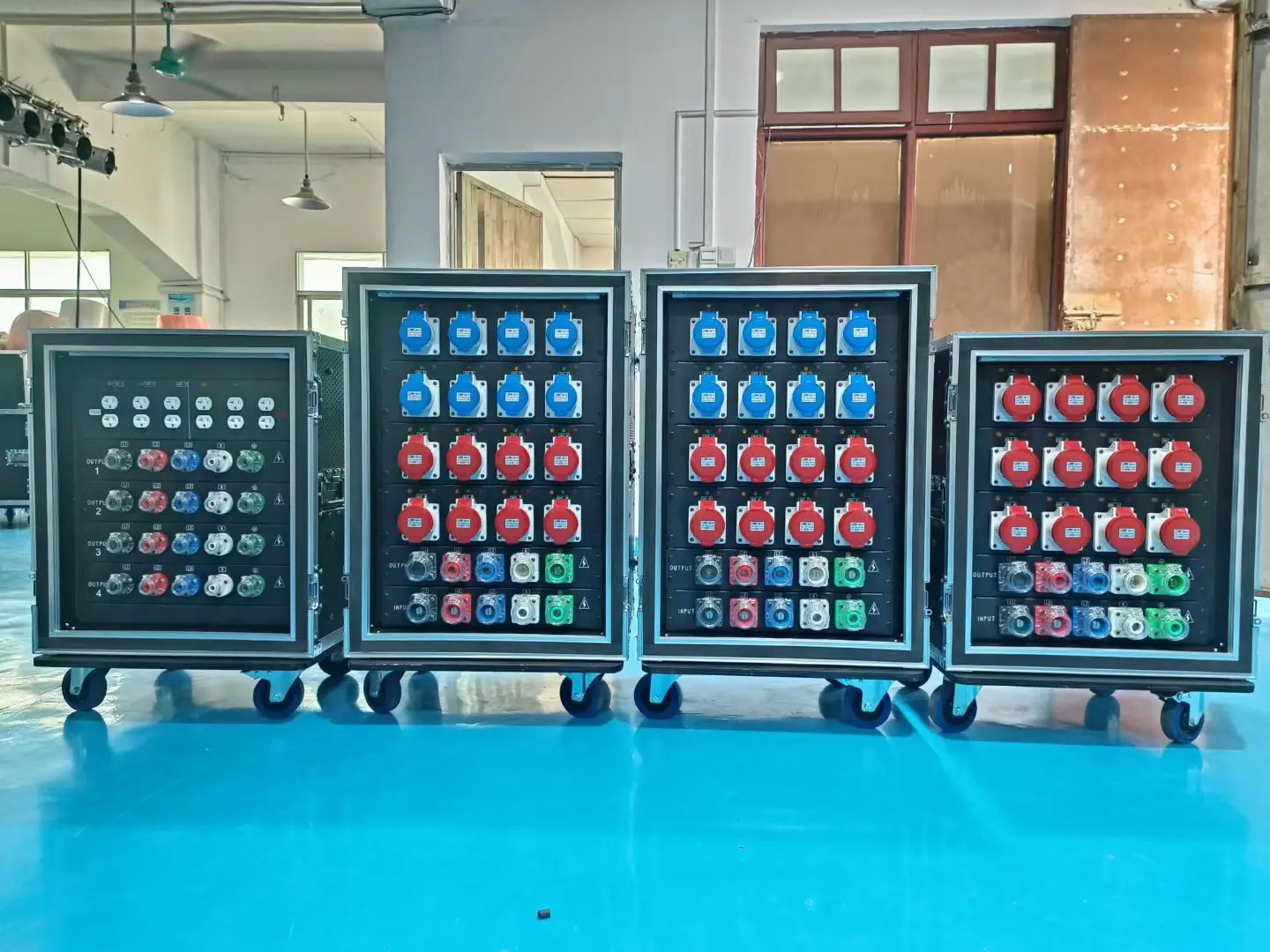
Guangxi Mengchuangzhihui Technology Co., Ltd.
- Manufacturer, Trading Company
- Guangxi, China
- Lead time20 days
- Avg. response≤ 3h
Main productsIndustrial Power Distribution Box,Stage Power Distro,Cable Reel,Power Distribution Equipment,Electrical Box
Main marketsNorth America(30.00%), Western Europe(10.00%), Mid East(10.00%), Africa(10.00%), South America(10.00%), Eastern Europe(10.00%), Northern Europe(10.00%), Southern Europe(10.00%)
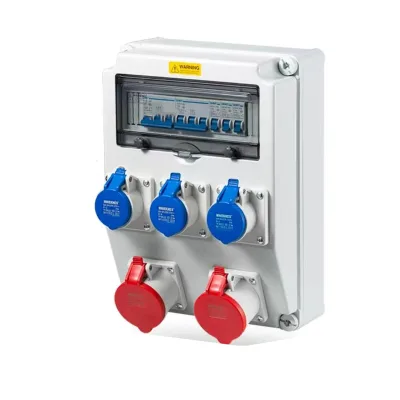
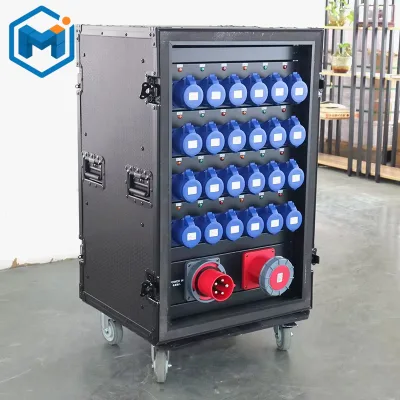
Wholesale Direct Sales Power Distribution Box 3 Phase Power Distributor Box
$19.6159 - $205.4439
MOQ: 1 Minimum
Linyi Yangao Electrical Limited Company
- Verified by Intertek
- Manufacturer, Trading Company
- Lead time15 days
- Avg. response≤ 1h
Main productsDistribution Box, Metal Enclosure, Stainless Steel Enclosure, Electric Cabinet, EV Charger Protection Box
Main marketsDomestic Market(65%), South America(7%), Western Europe(7%)

Zhejiang Guozhen Electric Co., LTD.
- Verified by TUVRHEINLAND
- Manufacturer/Factory
- China Zhejiang
- Lead time0 days
- Avg. response≤ 12h
Main productsDistribution Box, Terminal Strip, Stainless Steel Cable Tie, Power Station, Solar Combiner Box
Main marketsSouth America,Mid East,North America,Southeast Asia,Africa
- Verified by SGS Group
- Manufacturer, Trading Company
- Lead time30 days
- Avg. response≤ 3h
Main productsPV Combiner Box, Circuit Breakers, Surge Protective Device, Distribution Boxes, Switchgear
Main marketsSoutheast Asia(30%), Africa(20%), Mid East(20%)
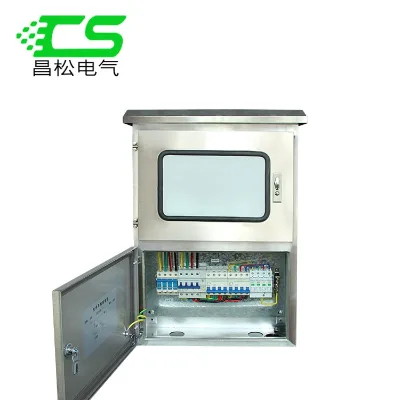
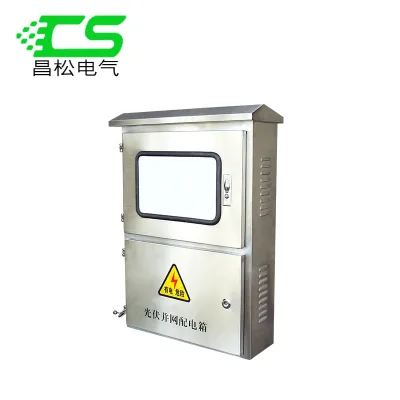
Metal electronic enclosure box electrical equipment supplies distribution box
$205.00 - $230.00
MOQ: 10

Zhejiang B&J Electrical Co., Ltd.
- Verified by BV
- Combined
- China Zhejiang
- Lead time23 days
- Avg. response≤ 4h
Main productsEnclosure Box, Plastic Junction Enclosure, Industrial Cabinet, Electric Box, Junction Box, Terminal Enclosure, Control Cabinet, Wall-Mounting Enclosure, Nice Box, Switch Enclosure
Main marketsAfrica,Southeast Asia/ Mideast,East Asia(Japan/ South Korea),Europe,Australia,North America


Distribution Box with Internal Door
Negotiable


Shenheng Power Equipment Co., Ltd.
- Verified by BV
- Combined
- China Zhejiang
- Lead time23 days
- Avg. response≤ 6h
Main productsSwitchgear, Ring Main Unit, Substation, Vacuum Circuit Breaker, Oil Immersed Transformer, Dry Type Transformer, Current Transformer, Potential Transformer, Load Break Switch, Cable Branch Box
Main marketsSouth America,Africa,Southeast Asia/ Mideast,Europe,North America

Weatherproof Outdoor Power Distribution Box for Reliable Power Supply
$500.00 - $1000.00
MOQ: 1 Pieces

Versatile Outdoor Power Distribution Box with Multiple Circuit Options
$500.00 - $1000.00
MOQ: 1 Pieces

. Heavy-Duty Outdoor Power Distribution Box for Safe Electrical Connections
$500.00 - $1000.00
MOQ: 1 Pieces

Taizhou Xiangai Import and Export Co., Ltd.
- Verified by TUVRHEINLAND
- Trading Company
- China Zhejiang
- Lead time30 days
- Avg. response≤ 1h
Main productsDistribution Box, Junction Box, Electrical Box, Waterproof Box, Enclosures
Main marketsSoutheast Asia/ Mideast,Europe


Switch Box Electrical Power Distribution Box From Electrical Equipment Supplies
Negotiable
MOQ: 1 Boxes

Nanyang Zhongtong Intelligent Technology Group Co., Ltd.
- Verified by SGS
- Manufacturer
- China Henan
- Lead time15 days
- Avg. response≤ 1h
Main productsExplosion Proof Air Conditioning, Explosion Proof Box, Explosion-Proof Distribution Box, Explosion Proof LED Light, Explosion-Proof Control Box, Explosion Proof Light, Explosion Proof House, Explosion Proof Electrical Cabinet, Explosion Proof Pressurized Cabinet, Explosion Proof Cabin
Main marketsSoutheast Asia/ Mideast

Zhejiang Leidun Electric Co., Ltd
- Verified by CTI
- Manufacturer/Factory
- China Zhejiang
- Lead time0 days
- Avg. response≤ 6h
Main productsAutomatic Transfer Switch, Surge Protector, Distribution Box, EV Charger, Circuit Breaker, Electric Meter, Junction Box
Main marketsMid East,North America,Africa
Lye Technology (zhejiang) Co., Ltd.
- Verified by Intertek
- Manufacturer
- Lead time15 days
- Avg. response≤ 1h
Main productsDistribution Box
Main marketsDomestic Market(90%), Africa(3%), North America(2%)
Guangxi Huagan Electric Power Equipment Co., Ltd.
- Manufacturer, Trading Company
- Guangxi, China
- Lead time15 days
- Avg. response≤ 12h
Main productsPower Distribution Cabinet,Power Distribution Box,Power Transformer,Power Substation,Electronic Components
Main marketsAfrica(30.00%), Southeast Asia(30.00%), Eastern Europe(25.00%), Western Europe(5.00%), South America(5.00%), North America(5.00%)








Comprehensive Sourcing Guide
Industrial Power Distribution Box Supplier Concentration and Factory Types
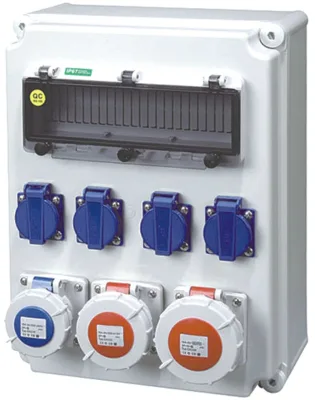
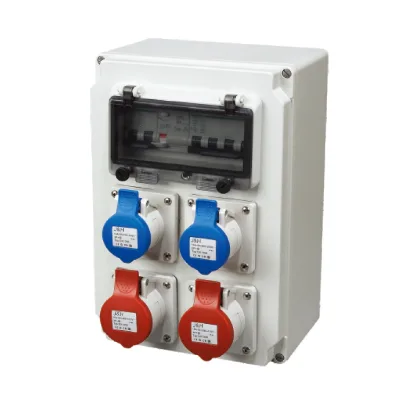
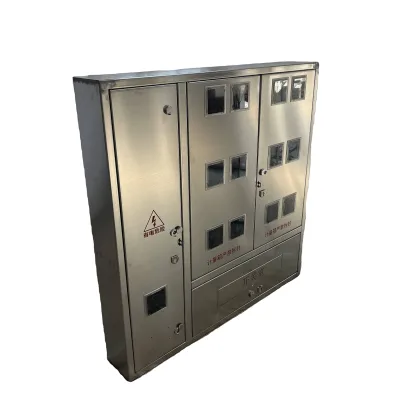
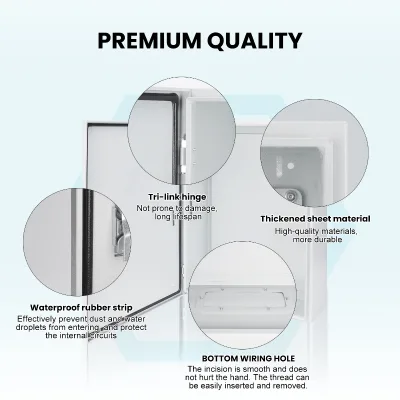
The Industrial Power Distribution Box market features a diverse mix of manufacturing entities, primarily concentrated in specific Chinese provinces known for electrical equipment production. Current data indicates that suppliers are located in regions such as Shandong, Zhejiang, and Fujian, each offering distinct advantages in terms of supply chain proximity and industrial specialization. In Shandong, combined companies and manufacturers provide a broad range of products, including leakage protection industrial power distribution boxes and customizable distribution units. These suppliers often leverage local steel plate resources to produce robust shell materials, ensuring durability for industrial applications. The presence of both combined entities and pure manufacturers in this region suggests a flexible supply chain where buyers can access both standardized and bespoke solutions. Similarly, Zhejiang-based suppliers focus heavily on waterproof and portable variants, such as multi-plug socket power distribution boxes and outdoor mobile units. These manufacturers often emphasize features like IP65 protection grades and ABS or PC/ABS materials, catering to environments where moisture and physical impact are concerns. The concentration of these factories in Zhejiang highlights a regional expertise in plastic molding and waterproofing technologies, which are critical for outdoor industrial use.
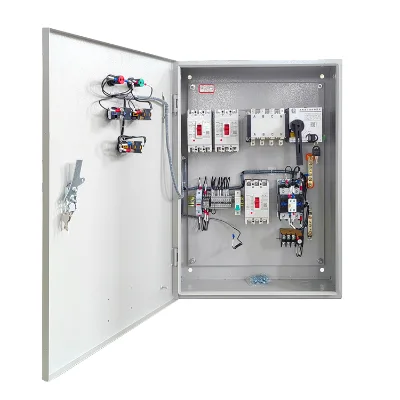
Fujian represents another key hub, particularly for complex control cabinets and electrical panels that integrate distribution functions. Suppliers in this region often specialize in ODM capabilities, allowing for significant customization in form factor and internal component configuration. The main products listed by Fujian-based entities include control cabinets, electrical panels, and distribution boards, indicating a strong focus on integrated electrical solutions rather than simple enclosures. This specialization allows buyers to source complete systems rather than individual components, streamlining the procurement process for large-scale industrial projects. The diversity in factory types—from pure manufacturers to trading companies and combined entities—means that buyers must carefully assess the actual production capabilities of each supplier. While some suppliers may act as intermediaries, others operate direct factories with advanced machinery for sheet metal fabrication and assembly. Understanding this distinction is crucial for evaluating quality control measures and production capacity. Buyers should verify whether the supplier is a direct manufacturer or a trading company, as this impacts lead times, pricing structures, and the ability to handle custom engineering requests. The geographic spread across Shandong, Zhejiang, and Fujian also offers logistical flexibility, allowing buyers to choose suppliers based on shipping routes and regional trade agreements.
How to Verify Industrial Power Distribution Box Suppliers
Verifying the authenticity and capability of Industrial Power Distribution Box suppliers requires a multi-layered approach that goes beyond basic profile checks. One critical step is to examine verification badges and third-party audit results, such as SGS verification, which provide an independent assessment of the supplier’s business legitimacy and operational standards. Buyers should look for suppliers who have undergone rigorous on-site inspections to confirm their manufacturing facilities, quality control processes, and financial stability. Additionally, checking for system certifications is essential, although current data shows that some suppliers may not have displayed system certifications, which could indicate a need for further due diligence. Buyers should request copies of relevant product certifications, such as CCC, VDE, or ISO9001, to ensure that the distribution boxes meet international safety and quality standards. These certifications are particularly important for low voltage products, as they guarantee that the electrical components and wiring meet specific regulatory requirements. It is also advisable to verify the supplier’s response time and communication efficiency, as a quick and professional response often correlates with better customer service and problem-solving capabilities. Suppliers with response times under two hours, for instance, may demonstrate a higher level of operational readiness and customer focus.
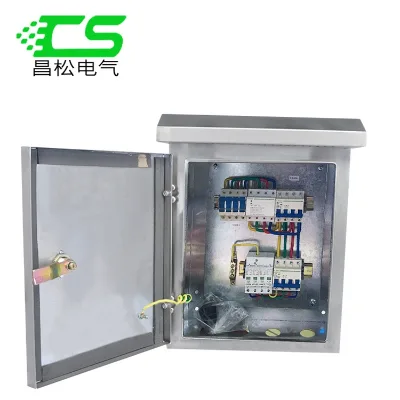
Another vital aspect of verification is assessing the supplier’s product evidence and technical documentation. Buyers should review detailed product specifications, including shell material, protection grade, and rated voltage, to ensure they align with their project requirements. For example, suppliers offering steel plate shells with IP56 protection grades are suitable for harsh industrial environments, while those providing ABS materials with IP65 ratings are ideal for outdoor applications. Buyers should also check for consistency in product attributes across different listings, as discrepancies may indicate a lack of quality control or inaccurate information. Furthermore, verifying the supplier’s main products and production capacity can help determine if they are a specialized manufacturer or a general trading company. Suppliers listing control cabinets, electrical panels, and distribution boxes as main products are likely to have deeper expertise in electrical integration. Buyers should also inquire about the supplier’s ability to provide custom configurations, such as specific voltage ranges or component arrangements, to ensure they can meet unique project needs. Finally, checking for any history of disputes or negative feedback can provide additional insights into the supplier’s reliability and commitment to customer satisfaction. By combining these verification steps, buyers can build a comprehensive profile of each supplier and make informed decisions based on factual evidence rather than assumptions.
What to Compare Across Industrial Power Distribution Box Suppliers
When evaluating multiple suppliers for industrial power distribution boxes, buyers should compare key operational metrics such as lead time, minimum order quantity (MOQ), and response speed to determine the best fit for their procurement strategy. Lead times vary significantly among suppliers, with some offering as little as fifteen days for standard orders, while others may require twenty-three days or more for customized solutions. This difference is often influenced by the complexity of the product and the supplier’s production capacity. Buyers with tight project deadlines should prioritize suppliers with shorter lead times, but they must also ensure that these faster turnaround times do not compromise quality. Similarly, MOQs can range from one unit for sample orders to ten or more units for bulk purchases, depending on the supplier’s business model. Suppliers with lower MOQs are often more flexible and suitable for small-scale projects or testing phases, while those with higher MOQs may offer better economies of scale for large orders. Response time is another critical factor, as it reflects the supplier’s ability to communicate effectively and address inquiries promptly. Suppliers with response times under two hours are likely to provide better support throughout the procurement process, from initial quotation to post-sales service.
In addition to operational metrics, buyers should compare product specifications, pricing structures, and customization options to ensure they are getting the best value for their investment. Product attributes such as shell material, protection grade, and rated voltage should be compared across suppliers to identify the most suitable option for specific applications. For instance, suppliers offering steel plate shells with IP56 protection are ideal for indoor industrial use, while those providing ABS materials with IP65 ratings are better suited for outdoor environments. Pricing should also be analyzed in conjunction with MOQs and lead times to determine the total cost of ownership. Some suppliers may offer lower unit prices but have higher MOQs or longer lead times, which could increase overall project costs. Buyers should also evaluate the supplier’s customization capabilities, including the ability to modify voltage ranges, component configurations, and enclosure sizes. Suppliers that offer ODM and OEM services can provide tailored solutions that meet specific project requirements, but buyers should verify the additional costs and lead times associated with these customizations. Finally, comparing warranty terms and after-sales support can help buyers assess the long-term reliability of the supplier. Suppliers offering comprehensive warranties and responsive technical support are likely to provide greater peace of mind and reduce the risk of operational disruptions.
Common Industrial Power Distribution Box Sourcing Risks
Sourcing industrial power distribution boxes from international suppliers involves several potential risks that buyers must proactively manage to ensure project success. One significant risk is the discrepancy between advertised product specifications and the actual delivered goods, particularly regarding protection grades and material quality. For example, a supplier may claim an IP65 rating, but the actual product may only meet IP54 standards, leading to premature failure in harsh environments. Buyers should mitigate this risk by requesting detailed technical drawings and material certificates before placing orders, and by conducting third-party inspections upon delivery. Another common risk is the variability in lead times, which can disrupt project schedules if not properly managed. Suppliers may promise short lead times but fail to meet them due to production bottlenecks or supply chain disruptions. To address this, buyers should include clear penalty clauses in their contracts for delayed deliveries and maintain regular communication with suppliers to monitor production progress. Additionally, the lack of standardized certifications can pose a compliance risk, especially for projects requiring specific regulatory approvals. Buyers should verify that all products come with valid CCC, VDE, or ISO9001 certifications and ensure that these documents are authentic and up-to-date.
Communication barriers and cultural differences can also lead to misunderstandings regarding product requirements and customization details. Suppliers may interpret specifications differently, resulting in products that do not meet the buyer’s expectations. To minimize this risk, buyers should provide detailed written specifications and use visual aids, such as diagrams and photos, to clarify requirements. It is also advisable to establish a clear communication protocol, including designated points of contact and regular update schedules. Another risk is the potential for quality control issues, particularly when dealing with trading companies that may not have direct oversight of the manufacturing process. Buyers should prioritize suppliers with direct manufacturing capabilities or those who conduct rigorous quality checks before shipment. Finally, financial risks, such as non-payment disputes or currency fluctuations, can impact the overall cost of procurement. Buyers should use secure payment methods, such as escrow services, to protect their funds until the goods are received and verified. By identifying and addressing these common risks, buyers can enhance their sourcing strategy and ensure the successful delivery of high-quality industrial power distribution boxes.
Industrial Power Distribution Box Regional Sourcing and Logistics
The geographic location of suppliers plays a crucial role in determining logistics costs, lead times, and overall supply chain efficiency for industrial power distribution boxes. Suppliers located in Shandong, Zhejiang, and Fujian offer distinct logistical advantages based on their proximity to major ports and industrial hubs. Shandong-based suppliers benefit from access to northern Chinese ports, which can facilitate faster shipping to destinations in Northeast Asia and North America. Zhejiang suppliers, situated in the eastern coastal region, have convenient access to Shanghai and Ningbo ports, making them ideal for exports to Europe and North America. Fujian suppliers, located in the southeast, are well-positioned for shipping to Southeast Asia and other regional markets. Buyers should consider these logistical factors when selecting suppliers, as they can significantly impact delivery times and transportation costs. Additionally, the type of packaging used by suppliers can affect the safety and efficiency of shipping. Suppliers using standard export wooden boxes with pallets, for instance, provide better protection for heavy electrical equipment during transit, reducing the risk of damage.
Logistics planning should also account for the weight and dimensions of the products, as industrial power distribution boxes can be bulky and heavy. Buyers should request detailed packing information, including single package size and weight, to calculate accurate shipping costs and container utilization. Suppliers offering customized packaging solutions can help optimize space and reduce freight expenses. Furthermore, buyers should consider the impact of regional trade agreements and tariffs on their sourcing decisions. Suppliers in certain regions may benefit from preferential tariff rates, which can lower the overall cost of imported goods. Buyers should also evaluate the supplier’s experience with international shipping and their ability to handle customs clearance documentation. Suppliers with a strong track record in exporting can provide valuable assistance in navigating complex regulatory requirements and ensuring smooth delivery. By carefully considering these logistical factors, buyers can optimize their supply chain and ensure the timely and cost-effective delivery of industrial power distribution boxes.
Industrial Power Distribution Box Commercial Terms and Order Planning
Effective order planning and negotiation of commercial terms are essential for securing favorable deals on industrial power distribution boxes. Buyers should focus on negotiating pricing structures that align with their budget and volume requirements, taking into account factors such as MOQs and customization levels. Suppliers with lower MOQs may charge higher unit prices, while those with higher MOQs often offer more competitive rates. Buyers should also inquire about volume discounts and long-term partnership incentives, which can provide significant cost savings over time. Payment terms are another critical aspect of commercial negotiations, with options ranging from full payment upfront to partial payments with balance upon delivery. Buyers should aim for secure payment methods
FAQs
What is the price range for industrial power distribution boxes?
Prices typically range from $21.80 to $1,480.00 depending on specifications. Lower-cost options around $25.95 are available for basic waterproof models. Higher-end units with custom configurations and robust steel construction reach the upper price limit. Buyers should verify exact costs based on voltage and current requirements.
What certifications are available for these distribution boxes?
Products often feature CCC, VDE, and ISO9001 certifications. Some listings mention ISO-approved customizable options. Verification services like SGS are also available for certain suppliers. Buyers should confirm specific certification requirements with the supplier to ensure compliance with local electrical standards and safety regulations before placing orders.
What is the minimum order quantity for these boxes?
Minimum order quantities vary significantly by supplier. Some manufacturers accept orders as low as one unit for samples or small projects. Others require a minimum of three or ten units. Buyers should check the specific MOQ for their chosen model to ensure it aligns with their procurement volume and budget constraints.
How long does production take for these boxes?
Lead times generally range from 15 to 23 days. Some suppliers offer faster turnaround times for standard items. Customized distribution boxes may require additional time for manufacturing and testing. Buyers should confirm the exact lead time with the supplier to plan their project schedules and inventory management effectively.
What materials are used for the distribution box shells?
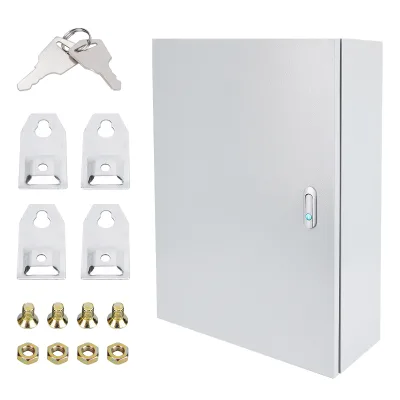
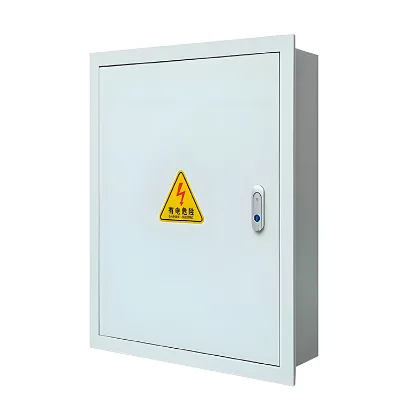
Common shell materials include steel plate and ABS plastic. Steel plates are often used for industrial applications requiring durability. ABS and PC/ABS combinations are used for waterproof models. Buyers should select the material based on their environmental conditions, such as indoor versus outdoor usage, and required protection grades like IP54 or IP65.
Are customization options available for these distribution boxes?
Yes, customization is widely available for voltage, current, and dimensions. Suppliers offer OEM and ODM services for tailored solutions. Buyers can specify shell protection grades, internal component configurations, and color options. It is essential to discuss specific requirements with the supplier to ensure the customized product meets all technical and safety standards.