Industrial Microwave Tunnel Conveyor Oven Suppliers and Manufacturers
Compare 24 verified suppliers offering Industrial Microwave Tunnel Conveyor Oven units with CE certification and TüVRheinland verification. Review lead times, response times, and capacity options before requesting quotes for customized drying solutions; review the available evidence before requesting comparable quotations from suitable candidates.
Updated
Suppliers List
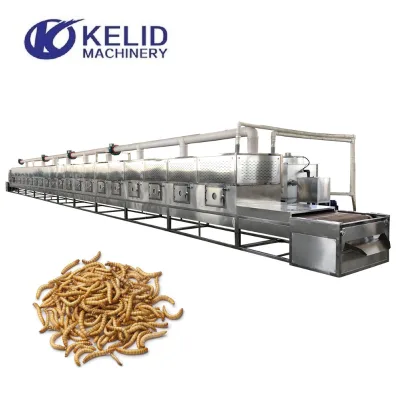
Jinan Kelid Machinery Co., Ltd.
- Verified by TüVRheinland
- Trading Company
- Lead time35 days
- Avg. response≤ 1h
Main productsPet Food Processing Machine, Fish Feed Machine, Cereals / Corn Flakes Making Machine, Microwave Drying Machine, Microwave Sterilization Machine
Main marketsSouth America(30%), Eastern Europe(20%), North America(10%)

Jinan Longdia Machinery Technology Co., Ltd
- Verified by CTI
- Trading Company
- China Shandong
- Lead time15 days
- Avg. response≤ 2h
Main productsDrying Machine, Microwave Dryer, Vacuum Microwave Dryer, Tunnel Microwave Dryer, Freeze Dryer Machine, Fruit Dryer, Industrial Dryers, Vacuum Dryer, Rotary Dryer, Microwave Sterilizer
Main marketsDomestic

Tunnel Type Conveyor Belt Microwave Drying Sterilization Machine Industrial Microwave Oven
$1800.00 - $20000.00
MOQ: 1 Pieces

$1860.00 - $3815.00
MOQ: 1 Pieces

Drying Machine Microwave Tunnel Dryer Machine Industrial Microwave Dryer
$1800.00 - $20000.00
MOQ: 1 Pieces

$1800.00 - $20000.00
MOQ: 1 Pieces

Microwave Tunnel Dryer Industrial Microwave Dryer Microwave Tunnel Dryer Machine
$1800.00 - $20000.00
MOQ: 1 Pieces

Machinery Microwave Dryer Industrial Tunnel Microwave Dryer Microwave Drying Equipment
$1800.00 - $20000.00
MOQ: 1 Pieces

Jinan Kelid Machinery Co., Ltd.
- Verified by SGS
- Manufacturer/Factory
- China Shandong
- Lead time23 days
- Avg. response≤ 2h
Main productsMicrowave Sterilizing Machine, Snack Food Machine, Drying Machine, Pet Food Machine, Fish Feed Machine, Cheetos Machine, Artificial Rice Machine, Soya Protein Machine, Sterilization Equipment, Dryer
Main marketsSouth America,Eastern Europe,Mid East,North America,Southeast Asia,Eastern Asia,Oceania,Western Europe,Africa
JINAN HIMAX MACHINERY CO., LTD.
- Verified by TüVRheinland
- Trading Company
- Shandong, China
- Lead time35 days
- Avg. response≤ 3h
Main productsTwin And Single Screw Extruder, Microwave Dryer, TSP ISP And HMMA Machine, Pet Food And Fish Feed Production Line, Packing Machine
Main marketsSoutheast Asia(20%), Eastern Europe(15%), Mid East(15%)
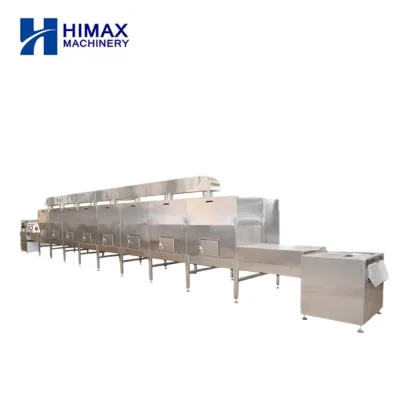
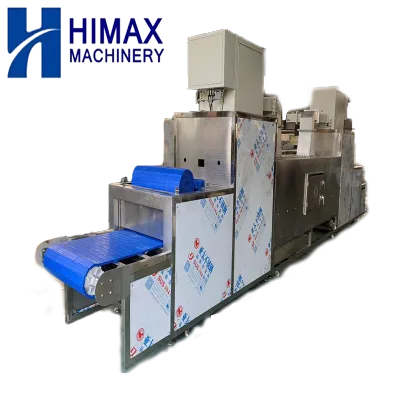
Industrial Continuous Microwave Oven Tunnel Belt Conveyor Microwave Meat Thawing Machine
$6673.6155 - $15400.6511
MOQ: 1 sets
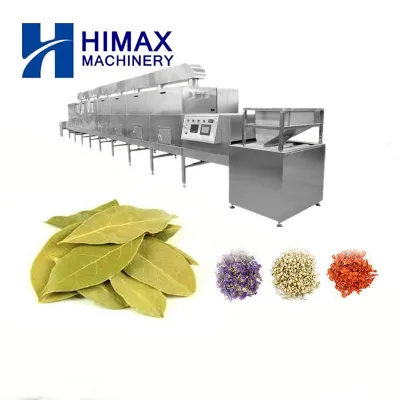
Industrial Tunnel Microwave Dryer Industry and Trade Integration Manufacturer
$20718.8782 - $21962.0109
MOQ: 1 sets
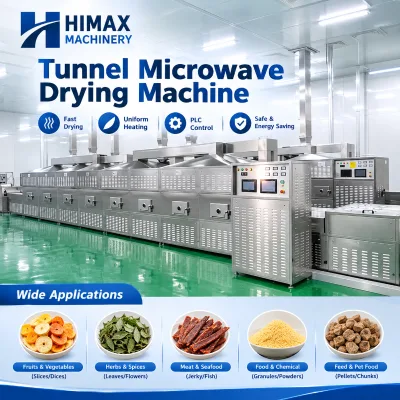
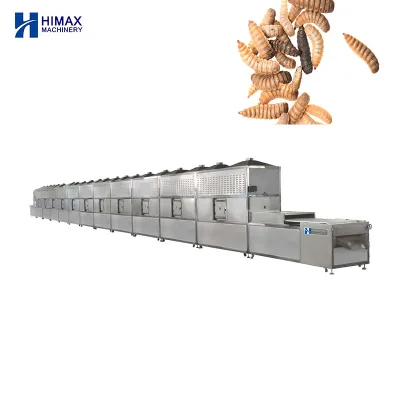
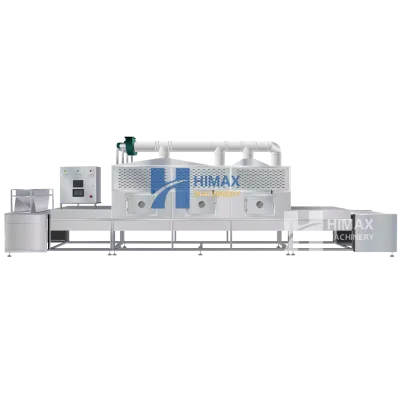
$6500.00 - $25000.00
MOQ: 1 sets

Anyang Gaokang Medical Co., Ltd
- Verified by SGS
- Trading Company,Manufacturer/Factory
- China Henan
- Lead time23 days
- Avg. response≤ 2h
Main productsSolvent Extraction Machine, CO2 Extraction Machine, Subcritical Extraction Machine, Bioreactor, Spray Dryer, Freeze Dryer, Fluid Bed Dryer, Molecular Distillation Equipment, Mixing Equipment, Ultrasonic Extraction and Concentration Machine
Main marketsSouth America,Eastern Europe,Mid East,North America,Southeast Asia,Eastern Asia,Oceania,Western Europe,Africa


Industrial Continuous Tunnel Microwave Dryer Machine Belt Dryer Microwave Drying Machine
$5000.00 - $18000.00
MOQ: 1 set
Jinan Sunward Machinery Co., Ltd.
- Verified by SGS Group
- Manufacturer, Trading Company
- Lead time20 days
- Avg. response≤ 4h
Main productsPet food production line, Puffed food production line, Fried food production line, Nutritional rice production line, Fish feed production line
Main marketsSouth Asia(20%), Domestic Market(17%), Africa(15%)
Henan Gondor Machinery Co., Ltd.
- Verified by SGS Group
- Manufacturer, Trading Company
- Lead time15 days
- Avg. response≤ 2h
Main productsSnack Machines, Meat Processing Machine, Grain Product Making Machines, Fruit & Vegetable Processing Machines, Baking Equipment
Main marketsAfrica(21%), South Asia(16%), Western Europe(15%)

Zhuhai Pindom Technology Co., Ltd
- Verified by TUVRHEINLAND
- Manufacturer/Factory,Individuals/Soho
- China Guangdong
- Lead time38 days
- Avg. response≤ 3h
Main productsIndustrial Microwave Machine, Industrial Ceramic Drying Equipment, Automated Conveyor Line, Industrial Magnetron, Microwave Power Supply, Waveguide, Isolator, Microwave Generator, Modbus, Microwave Reheating Machine
Main marketsEastern Europe,Mid East,North America,Southeast Asia,Oceania,Western Europe,Africa

Shandong Joyang Machinery Co., Ltd.
- Verified by BV
- Trading Company
- China Shandong
- Lead time23 days
- Avg. response≤ 2h
Main productsMicrowave Equipment, Microwave Sterilization Machine, Microwave Drying Machine, Microwave Oven, Snack Making Machine, Pet Food Machine, Fish Feed Machine, Puff Corn Snack Machine, Food Extruder
Main marketsEurope,North America


Automatic Customizable Industrial Tunnel Microwave Food Drying Machine
$10600.00 - $16000.00
MOQ: 1 Sets

Continuous Conveyor Belt Tunnel Microwave Drying Machine Dryer for Mealworms
$17000.00 - $98000.00
MOQ: 1 Sets

SHANDONG ADASEN TRADE CO., ltd.
- Verified by BV
- Trading Company
- China Shandong
- Lead time15 days
- Avg. response≤ 3h
Main productsMicrowave Drying Machine, Drying Machine, Microwave Sterilizer, Heat Pump Dryer, Sterilizing Machine, Vacuum Microwave Machine, Microwave Dryer, Microwave Thawing Machine, Vacuum Freeze Dryer, Hot Air Drying Machine
Main marketsSoutheast Asia/ Mideast


Chemical Drying Equipment Conveyor Tunnel Dryer Industrial Microwave Oven for Powder
$13500.00
MOQ: 1 Pieces

Chemical Drying Equipment Industrial Microwave Dryer Conveyor Tunnel Oven for Flax Fiber
$13500.00
MOQ: 1 Pieces


Industrial Conveyor Belt Type Tunnel Microwave Microwave Dryer Microwave Powder Dryer
$13500.00 - $24900.00
MOQ: 1 Pieces
- Verified by SGS Group
- Manufacturer, Trading Company
- Lead time20 days
- Avg. response≤ 2h
Main productsConcentrator & Extractor, Drying machine, Grinding machine, Mixing Machine, Granulation machine
Kruger Rango Industrial Co., Ltd.
- Verified by SGS Group
- Manufacturer, Trading Company
- Lead time10 days
- Avg. response≤ 1h
Main productsHot air circulation oven/Belt hot air dryer, Bubble cleaning machine, Smoker, Food grinding
Main marketsNorth America(70%), Eastern Asia(9%), Mid East(6%)
Zhengzhou Great Machinery Equipment Co., Ltd.
- Manufacturer, Trading Company
- Lead time旺季: "1 - 2":20,"> 2":"To be negotiated", 淡季: "1 - 2":20,"> 2":"To be negotiated"
- Avg. response≤ 1h
Main productsDrying Equipment, Food Processing Equipment, Agriculture Equipment
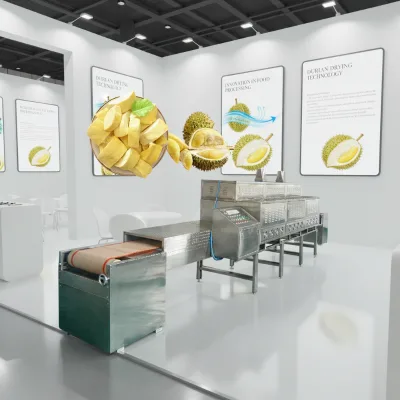
$12320.5208 - $13347.2309
MOQ: 1 sets
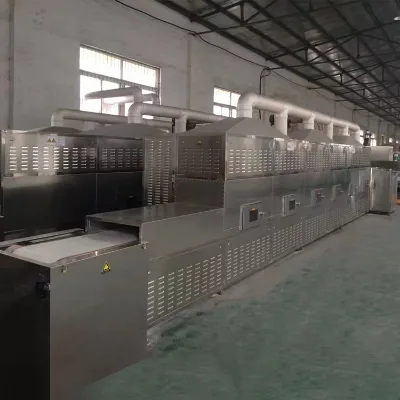
$4600.00 - $5300.00
MOQ: 1 sets
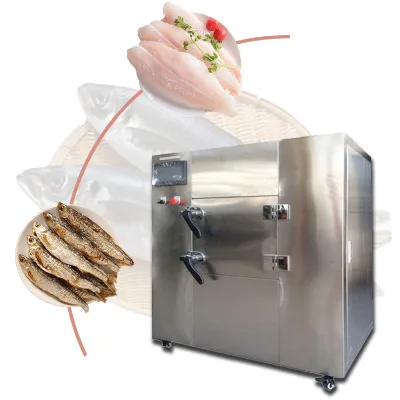
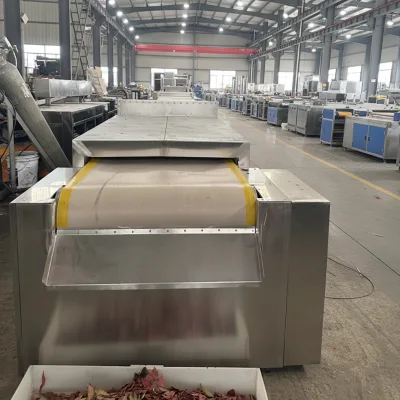
Industrial Microwave Belt Drying Oven for Food Processing Nuts Cereals Snacks Sterilization
$4600.00 - $5300.00
MOQ: 1
Jinan Shengrun Machinery Co., Ltd.
- Verified by Intertek
- Manufacturer, Trading Company
- Lead time20 days
- Avg. response≤ 2h
Main productsSnacks food production line, Pasta macaroni production line, Fish feed processing line, Pet food processing line, Rice straw processing line

Henan Baixin Machinery Equipment Co., Ltd.
- Verified by SGS
- Combined
- China Henan
- Lead time15 days
- Avg. response≤ 2h
Main productsMesh Belt Continuous Dryer, Heat Pump Dryer, Microwave Dryer, French Fries Production Line
Main marketsSouth America,Africa,Southeast Asia/ Mideast,Europe

Hot Sale Tunnel Type Microwave Tunnel Grain Flavor Seasoning Oven Machine Industrial Microwave Dryer
$18000.00 - $20000.00
MOQ: 1 Pieces

Continuous Tunnel Belt Mealworm Microwave Dry Flowers Industrial Microwave Dryer Oven
$18000.00 - $20000.00
MOQ: 1 Pieces

$18000.00 - $20000.00
MOQ: 1 Sets

$18000.00 - $20000.00
MOQ: 1 Pieces

Zhengzhou Hento Machinery Co., Ltd.
- Verified by SGS
- Trading Company,Manufacturer/Factory,Group Corporation
- China Henan
- Lead time15 days
- Avg. response≤ 7h
Main productsMeat Processing Machinery, Egg Processing Machinery, Dairy Processing Machinery, Fruit & Vegetable Processing Machinery, Grain Product Making Machines, Snack Machines, Nuts Processing Machinery, Packing Machines, Drying Machines, Commodity Making Machines
Main marketsSouth America,Eastern Europe,Mid East,North America,Southeast Asia,Eastern Asia,Oceania,Western Europe,Africa

Industrial Microwave Drying Machine / Tunnel Microwave Dryer / Conveyor Tunnel Dryer
$8329.00 - $9989.00
MOQ: 1 set

Long Service Life Sterilizing Machine / Industrial Microwave / Tunnel Microwave Oven
$9444.00 - $11333.00
MOQ: 1 set

Zhengzhou Great Machinery Equipment Co., Ltd.
- Trading Company
- Lead time旺季: "1 - 1":20,"> 1":"To be negotiated", 淡季: "1 - 1":20,"> 1":"To be negotiated"
- Avg. response≤ 1h
Main productsdrying machine,Food Processing Machinery,machinery equipment,Microwave Drying Equipment,packaging machine
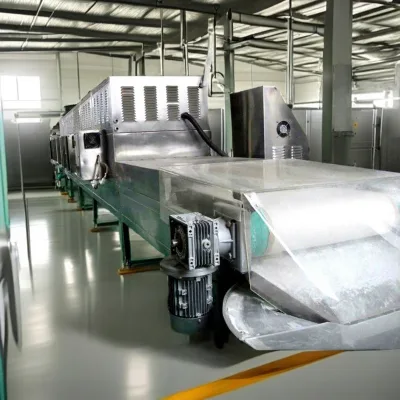
$6168.7148 - $8224.953
MOQ: 1 sets
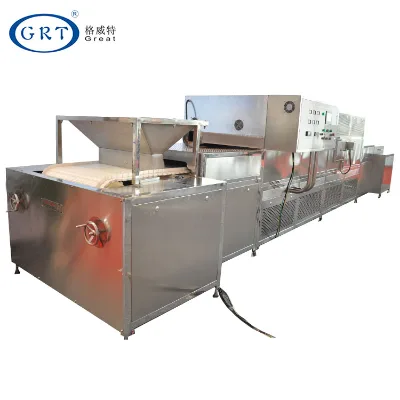
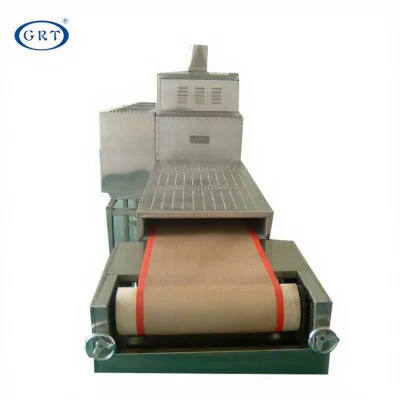
High Quality Microwave Conveyor Belt Dryer Industrial Conveyor Belt Type Microwave Oven
$3701.2289 - $4729.348
MOQ: 1 sets
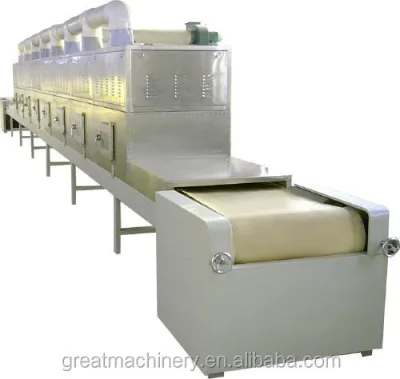
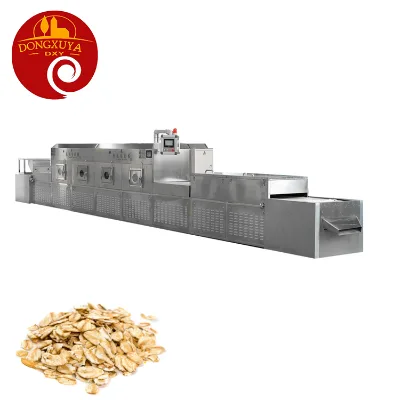
Shandong Dongxuya Machinery Co., Ltd.
- Manufacturer, Trading Company
- Shandong, China
- Lead time35 days
- Avg. response≤ 3h
Main productsIndustrial Microwave Machines; Hot Air Drying Machines; Extrusion Production Line; Freeze Dryer
Main marketsDomestic Market(50.00%), Southeast Asia(15.00%), Eastern Europe(10.00%), South Asia(7.00%), Western Europe(5.00%), North America(3.00%), Mid East(3.00%), South America(2.00%), Eastern Asia(1.00%), Oceania(1.00%), Southern Europe(1.00%), Northern Europe(1.00%), Africa(1.00%)
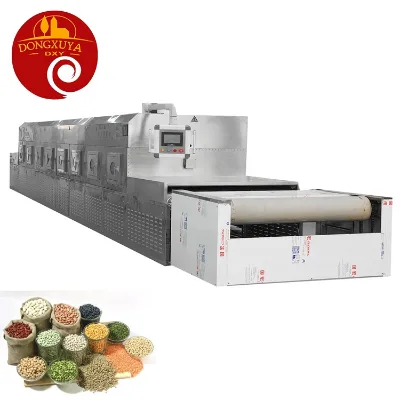
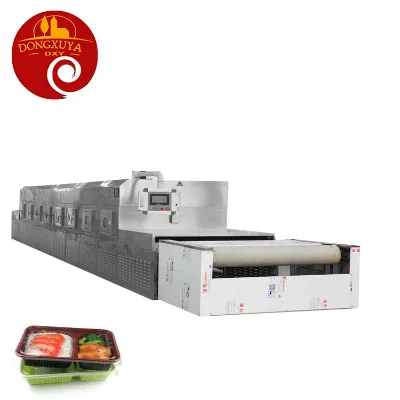
Industrial Tunnel Microwave Fast Food Nutritious Meal Dryer Heating Equipment
$16461.1786 - $18518.8259
MOQ: 1 sets

SHANDONG JOYANG MACHINERY CO., LTD.
- Verified by SGS
- Trading Company
- China Shandong
- Lead time30 days
- Avg. response≤ 1h
Main productsMicrowave Equipment, Microwave Sterilization Machine, Micrwave Drying Machine, Microwave Oven, Snack Making Machine, Pet Food Machine, Fish Feed Machine, Puff Corn Snack Machine, Pasta Machine, Food Extruder
Main marketsSouth America,Africa,Southeast Asia/ Mideast,Europe

Henan Baixin Machinery Equipment Co., Ltd.
- Trading Company,Manufacturer/Factory
- China Henan
- Lead time15 days
- Avg. response≤ 4h
Main productsFrozen French Fries Production Line, Potato Chips Production Line, Fruit and Vegetable Production Processing Line, Banana Chips Production Line, Fruit and Vegetable Drying Production Line, Fruit and Vegetable Wahing Line, Frying Equipment, Drying Equipment, Food Processing Equipment, Puff Extruder Machine
Main marketsSouth America,Eastern Europe,Mid East,North America,Southeast Asia,Eastern Asia,Oceania,Western Europe,Africa


Automatic High Efficient Drying Machine Industrial Tunnel Microwave Drying Machine
$13000.00 - $15000.00
MOQ: 1 Sets

Microwave Tunnel Dryer Factory Direct Supply Dryer Microwave Conveyor Microwave Dryer
$13000.00 - $15000.00
MOQ: 1 Pieces

Microwave Continuous Dryer Tunnel Microwave Dryer Dryer Microwave Conveyor
$13000.00 - $15000.00
MOQ: 1 Sets
Luohe Orange Mechanical Equipment Co., Ltd.
- Verified by SGS Group
- Manufacturer, Trading Company
- Lead time15 days
- Avg. response≤ 2h
Main productsFood processing production line, Baking equipment, Candy Production Line, Dairy Processing Machines, Packaging Machinery
Main marketsNorth America(23%), South Asia(13%), South America(12%)

Shandong Light M & E Co., Ltd.
- Manufacturer/Factory
- China Shandong
- Lead time0 days
- Avg. response≤ 12h
Main productsFood Machinery, Food Extruder, Foodstuff/Snacks Processing Line, Corn Flakes/Breakfast Cereals Production, Chips/Pellets Making Machine, Cheetos/Kurkure/Niknak Machine, Pet Food Making Machine, Texture Soya Protein Food Machine, Modified Starch Machine, Hamburger/Chicken Nugget Machine
Main marketsSouth America,Eastern Europe,Mid East,North America,Southeast Asia,Eastern Asia,Oceania,Western Europe,Africa
Shandong Joyang Machinery Co., Ltd.
- Verified by TüVRheinland
- Trading Company
- Lead time30 days
- Avg. response≤ 1h
Main productsIndustrial Microwave Machine, Extrusion Processing Line
Main marketsSouth America(25%), Southeast Asia(20%), North America(15%)
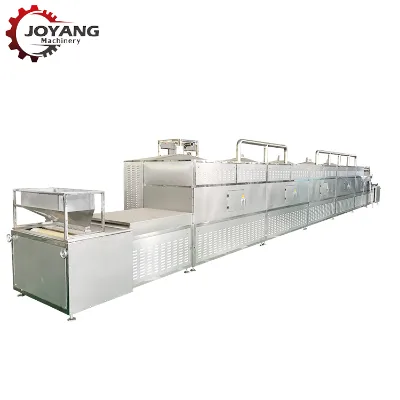
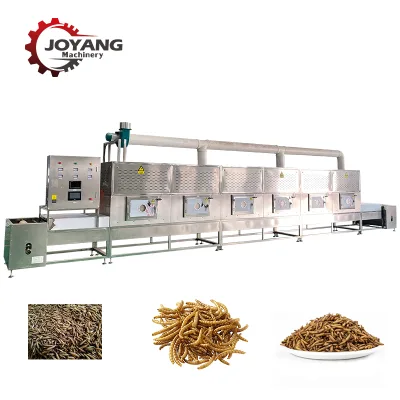
Yellow Mealworm Industrial Microwave Dryer Continuous Belt Microwave Dryer Inects Microwave Dryer
$26096.8405 - $41754.9448
MOQ: 1 Minimum

Shandong Loyal Industrial Co., Ltd.
- Manufacturer/Factory
- China Shandong
- Lead time45 days
- Avg. response≤ 5h
Main productsBaby Food Processing Machine, Puffing Snack Food Production Line, Pet Food Production Line, Corn Flake Production Line, Potato Chips Production Line, Biscuit Production Line, Instant Noodles Production Line, Wave Drying Oven, Fortified Rice Processing Line, Packing Machinery
Main marketsSouth America,Eastern Europe,Mid East,North America,Southeast Asia,Eastern Asia,Oceania,Western Europe,Africa

Tunnel Conveyor Microwave Spices Sterilizer Microwave Spices Sterilizer Machine
$9000.00 - $23000.00
MOQ: 1 Pieces

Chili Powder Microwave Sterilization Machine Tunnel Conveyor Microwave Spices Sterilizer
$9000.00 - $23000.00
MOQ: 1 Pieces

Microwave Chili Powder Sterilizing Machine Continuous Microwave Chili Powder Sterilizer
$9000.00 - $23000.00
MOQ: 1 Pieces




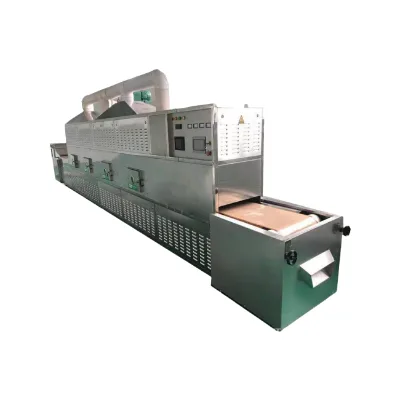
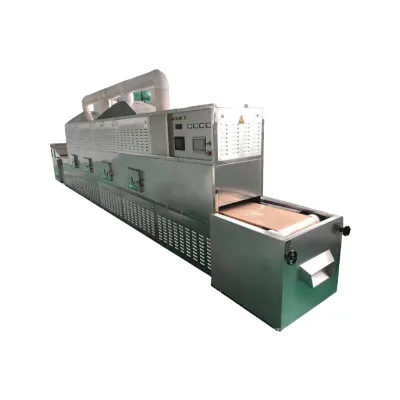
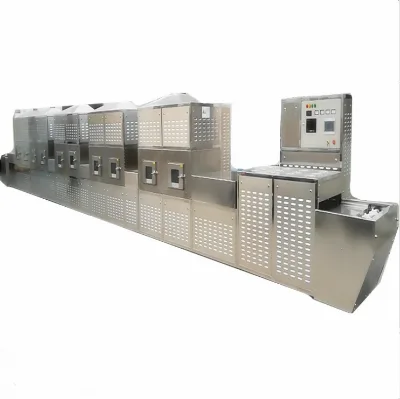
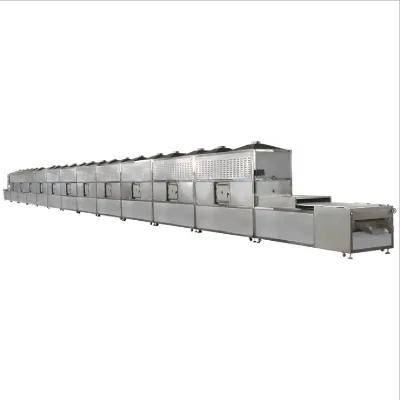




Comprehensive Sourcing Guide
Industrial Microwave Tunnel Conveyor Oven Supplier Concentration and Factory Types
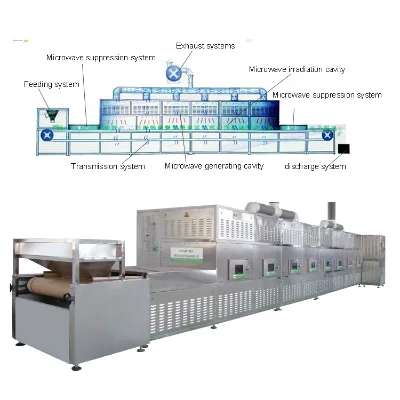
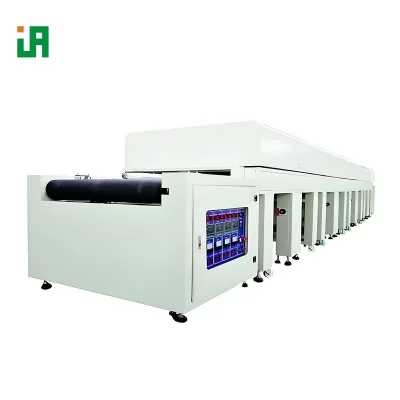
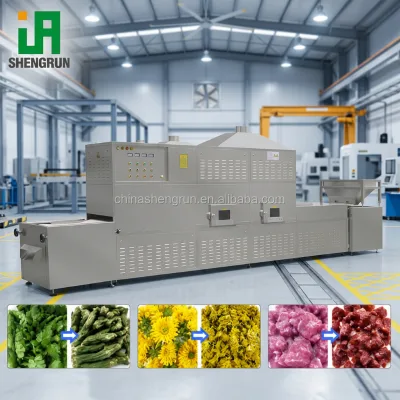
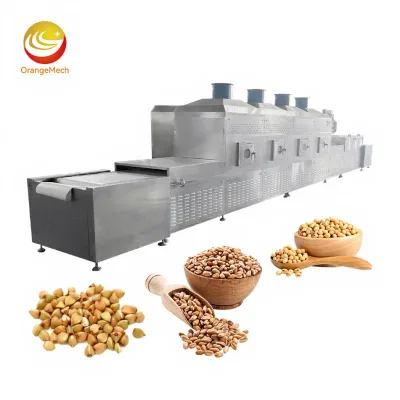
The current supplier landscape for industrial microwave tunnel conveyor ovens reveals a distinct concentration of manufacturing activity within specific regional clusters, particularly in Shandong, China. This geographic clustering is not arbitrary but reflects established industrial ecosystems where specialized components, skilled labor, and supply chain infrastructure converge to support heavy machinery production. Buyers evaluating these suppliers will often find that the majority of verified entities operate as trading companies rather than direct manufacturers, a distinction that significantly impacts procurement strategy and cost structure. These trading entities serve as intermediaries, aggregating products from various factories and providing a unified point of contact for international buyers. This model offers convenience and broader product selection but requires careful due diligence to ensure that the technical specifications and quality control measures are accurately represented. The presence of companies like KLD and Longdia in the search results indicates that brand names are often used to market these machines, yet the underlying manufacturing capabilities may vary. Understanding this dynamic is crucial for buyers who need to determine whether they are dealing with a direct factory or a reseller, as this affects lead times, customization options, and after-sales support. The concentration in Shandong suggests a mature market with competitive pricing, but it also means that buyers must navigate a crowded field to find suppliers who truly meet their specific technical requirements.
In addition to the trading company model, some suppliers in this sector operate with robust research and development capacities, offering customized solutions on demand. This is evident in the availability of graphic processing and sample processing services, which allow buyers to tailor the microwave tunnel conveyor ovens to their unique production lines. The main products listed by these suppliers often include a range of drying and sterilization equipment, such as fish feed machines, cereal processing lines, and vacuum dryers, indicating a broad expertise in thermal processing technologies. This versatility can be advantageous for buyers who need integrated solutions for multiple stages of their manufacturing process. However, it also requires buyers to verify that the specific microwave tunnel conveyor oven they are interested in is a core competency of the supplier, rather than a peripheral offering. The emphasis on customization suggests that these suppliers are responsive to specific operational needs, such as varying voltage requirements, power outputs, and conveyor speeds. Buyers should leverage this flexibility by providing detailed technical specifications early in the inquiry process to ensure that the proposed solution aligns with their production goals. The ability to customize dimensions, power, and voltage is a key differentiator in this market, allowing for precise integration into existing facilities.
How to Verify Industrial Microwave Tunnel Conveyor Oven Suppliers
Verifying the credibility and technical competence of Industrial Microwave Tunnel Conveyor Oven suppliers requires a multi-layered approach that goes beyond simple profile reviews. One of the most critical steps is to confirm the supplier’s verification status through recognized third-party inspection agencies. In the current market, suppliers may display verification badges from entities such as TÜV Rheinland or CTI, which indicate that an independent audit has been conducted to assess business legitimacy and operational capabilities. Buyers should treat these badges as a starting point for due diligence rather than a guarantee of quality, as they primarily confirm the existence and legal standing of the company. It is essential to cross-reference these verification claims with the supplier’s actual product offerings and technical documentation. For instance, the presence of CE certification on product listings is a strong indicator of compliance with European safety and environmental standards, which is often a prerequisite for international trade. Buyers should request copies of these certificates and verify their validity with the issuing bodies to ensure they are current and applicable to the specific models being purchased. This step is particularly important for microwave equipment, which involves high-voltage components and strict safety regulations.
Beyond certifications, buyers should scrutinize the supplier’s response times and lead times as indicators of operational efficiency and reliability. A rapid response time, such as one day or less, suggests a well-staffed sales team that is attentive to buyer inquiries, which is crucial for resolving technical questions and negotiating terms. Similarly, lead times provide insight into the supplier’s production capacity and inventory management. Suppliers with shorter lead times, such as fifteen days, may have standardized models in stock or efficient production lines, while longer lead times of thirty-five days or more might indicate a build-to-order model or potential bottlenecks. Buyers should also examine the availability of machinery test reports and video outgoing inspections, which offer tangible evidence of the product’s quality and functionality before shipment. These resources allow buyers to verify that the microwave tunnel conveyor oven meets the specified power, voltage, and performance criteria. Additionally, checking the supplier’s main products and core components, such as PLC systems and bearings, can help assess their technical depth. A supplier that specializes in drying and sterilization equipment is likely to have more expertise than one that offers a wide range of unrelated machinery.
What to Compare Across Industrial Microwave Tunnel Conveyor Oven Suppliers
When evaluating multiple suppliers for industrial microwave tunnel conveyor ovens, buyers must systematically compare key operational and technical parameters to identify the best fit for their needs. One of the primary dimensions for comparison is the price range, which can vary significantly based on the supplier’s business model and the level of customization required. For example, prices for these machines may range from approximately ten thousand to twelve thousand dollars, depending on the specific configuration and power output. Buyers should not view price in isolation but rather as a component of the total cost of ownership, which includes shipping, installation, and maintenance. Another critical factor is the minimum order quantity (MOQ), which can influence the feasibility of small-scale trials or pilot projects. An MOQ of one unit allows for greater flexibility, enabling buyers to test the equipment before committing to larger orders. This is particularly useful for new buyers who want to assess the supplier’s product quality and service responsiveness without significant financial risk. Comparing MOQs across suppliers can help buyers negotiate better terms or find partners who are willing to accommodate smaller initial orders.
Technical specifications and customization capabilities are equally important when comparing suppliers. Buyers should examine the power output, voltage options, and conveyor speed adjustments to ensure compatibility with their existing infrastructure. For instance, some suppliers offer machines with power outputs ranging from ten thousand to two hundred thousand watts, while others may have fixed specifications. The ability to customize dimensions, voltage, and transmission speed is a significant advantage for buyers with unique production requirements. Additionally, the material construction of the oven, such as the use of SUS304 or SUS316 stainless steel, impacts durability and hygiene, which are critical for food processing applications. Buyers should also compare the warranty terms and after-sales support offerings, as these can vary widely. A one-year warranty is common, but the scope of coverage and the availability of spare parts should be clearly defined. Furthermore, the supply ability, such as fifty sets per month, indicates the supplier’s production capacity and reliability in meeting large orders. By systematically comparing these factors, buyers can make informed decisions that balance cost, quality, and operational efficiency.
Common Industrial Microwave Tunnel Conveyor Oven Sourcing Risks
Sourcing industrial microwave tunnel conveyor ovens from international suppliers involves several inherent risks that buyers must proactively manage to ensure a successful procurement outcome. One of the most significant risks is the potential mismatch between advertised specifications and actual product performance. This can occur when suppliers provide generic data sheets that do not reflect the specific configuration of the machine being shipped. Buyers may find that the power output, voltage stability, or drying efficiency does not meet their production requirements, leading to operational disruptions and financial losses. To mitigate this risk, buyers should insist on detailed technical documentation and, if possible, request video outgoing inspections or machinery test reports that demonstrate the machine’s performance under load. This evidence provides a more accurate picture of the product’s capabilities and helps identify any discrepancies before shipment. Additionally, buyers should verify the core components, such as the PLC system and bearings, to ensure they are of high quality and sourced from reputable manufacturers. This step is crucial for ensuring the long-term reliability and durability of the equipment.
Another common risk is the variability in after-sales support and spare parts availability. Microwave tunnel conveyor ovens are complex machines that require regular maintenance and occasional repairs. If the supplier does not have a robust support network or if spare parts are difficult to obtain, downtime can be extensive and costly. Buyers should inquire about the supplier’s warranty terms, the availability of technical support, and the lead times for spare parts. It is also important to consider the language barrier and time zone differences, which can complicate communication and issue resolution. Buyers should assess the supplier’s responsiveness and willingness to provide comprehensive training and documentation in their preferred language. Furthermore, the risk of logistical delays and customs clearance issues cannot be overlooked. Buyers should work with suppliers who have experience in international shipping and who can provide accurate documentation to facilitate smooth customs processes. By identifying and addressing these risks early in the sourcing process, buyers can minimize disruptions and ensure a smoother procurement experience.
Industrial Microwave Tunnel Conveyor Oven Regional Sourcing and Logistics
The regional sourcing of industrial microwave tunnel conveyor ovens is heavily influenced by the geographic concentration of manufacturing hubs, particularly in Shandong, China. This region has emerged as a key center for food processing machinery and industrial drying equipment, offering buyers access to a dense network of suppliers with specialized expertise. Sourcing from this region can provide advantages in terms of competitive pricing and a wide variety of product options, but it also requires careful attention to logistics and supply chain management. Buyers should consider the proximity of the supplier to major ports, such as Qingdao, which is a common port of dispatch for machinery from this region. Efficient logistics planning is essential to minimize transit times and reduce the risk of damage during shipping. Buyers should work with suppliers who have experience in international shipping and who can provide accurate packaging details, such as the use of plastic film or wooden cases, to protect the equipment during transit. Additionally, buyers should verify the supplier’s ability to handle export documentation and customs clearance to ensure a smooth delivery process.
Logistics costs and lead times are critical factors that can impact the total cost of ownership and project timelines. Buyers should compare the shipping options and transit times offered by different suppliers to find the most cost-effective and reliable solution. For instance, some suppliers may offer faster shipping options at a higher cost, while others may provide more economical but slower alternatives. Buyers should also consider the impact of seasonal fluctuations and global supply chain disruptions on shipping availability and costs. Working with suppliers who have a proven track record of on-time delivery and who can provide real-time tracking information can help mitigate these risks. Furthermore, buyers should ensure that the supplier’s packaging meets international standards to prevent damage during handling and transit. This includes verifying the weight and dimensions of the packaged equipment to ensure compatibility with standard shipping containers and handling equipment. By carefully planning the logistics and working with experienced suppliers, buyers can ensure that their industrial microwave tunnel conveyor ovens are delivered safely and on time.
Industrial Microwave Tunnel Conveyor Oven Commercial Terms and Order Planning
Effective order planning and negotiation of commercial terms are essential for securing the best value when sourcing industrial microwave tunnel conveyor ovens. Buyers should begin by clearly defining their technical requirements and production needs to ensure that the supplier can provide a suitable solution. This includes specifying the desired power output, voltage, conveyor speed, and material construction, as well as any customization requirements. Providing detailed specifications early in the inquiry process helps suppliers provide accurate quotes and lead times, reducing the risk of misunderstandings and delays. Buyers should also negotiate payment terms that protect their interests, such as using escrow services or letter of credit arrangements, to ensure that payment is only released upon satisfactory delivery and inspection of the equipment. This approach minimizes financial risk and provides a layer of security for both parties. Additionally, buyers should clarify the warranty terms and after-sales support obligations in the contract to ensure that they are adequately protected in the event of equipment failure or performance issues.
Lead time management is another critical aspect of order planning that
FAQs
What is the typical lead time for these machines?
Manufacturers generally require 15 to 35 days to produce and deliver industrial microwave tunnel conveyor ovens. This timeframe allows for the customization of dimensions and power specifications to match your specific production line requirements. Always confirm the exact schedule with the supplier before placing an order.
What certifications are standard for these industrial dryers?
Most suppliers provide CE certification for their industrial microwave drying equipment. This ensures the machinery meets European safety and quality standards. You should also verify if the supplier holds additional verification from recognized bodies like TüVRheinland or CTI to ensure reliability and compliance with international regulations.
What power and voltage options are available?
These machines typically operate on 220V or 380V power supplies, with power ratings ranging from 10kW to 200kW. Custom voltage configurations are often available to suit your local electrical infrastructure. Ensure you specify your exact power needs during the inquiry to receive an accurate machine specification.
What is the minimum order quantity for these ovens?
The minimum order quantity is usually one unit, allowing for flexible procurement for small or large-scale operations. This low MOQ enables buyers to test the equipment performance before committing to larger volumes. Confirm the specific terms with the supplier to understand any potential bulk pricing benefits.
What materials are used in the construction?
The main body and conveyor belts are typically constructed from stainless steel grades such as SUS304, SUS304L, SUS316, or SUS316L. These materials ensure durability, corrosion resistance, and hygiene for food and chemical processing applications. Verify the specific grade required for your product to maintain quality standards.
What warranty and inspection services are provided?
Suppliers generally offer a one-year warranty covering core components like the PLC and motor. Many also provide machinery test reports and video outgoing inspections to verify quality before shipment. These services help ensure the equipment meets your specifications and operates correctly upon arrival at your facility.