Mini Handheld Heat Press Machine Suppliers and Manufacturers
Compare 28 verified suppliers offering mini handheld heat press machines with dimensions ranging from 8.5cm to 29cm and weights between 0.7kg and 2.0kg. Review voltage options, warranty terms, and pricing to select the right partner for your production needs.
Updated
Suppliers List
Fujian Auplex Appliance Co., Ltd.
- Manufacturer, Trading Company
- Lead time旺季: "1 - 1":10,"> 1":"To be negotiated", 淡季: "1 - 1":10,"> 1":"To be negotiated"
- Avg. response≤ 7h
Main productsheat press machine,heat press,Pneumatic Heat press,heat transfer machine,heat transfer

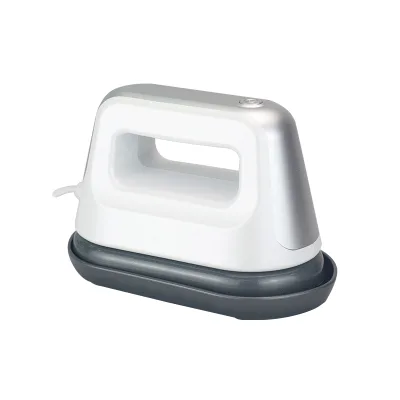
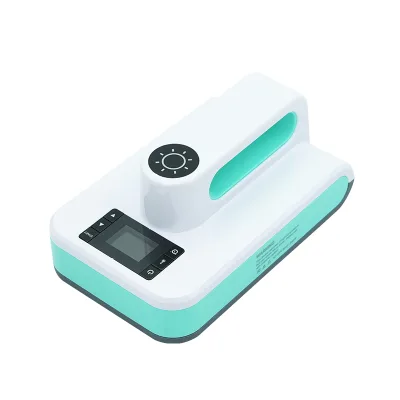
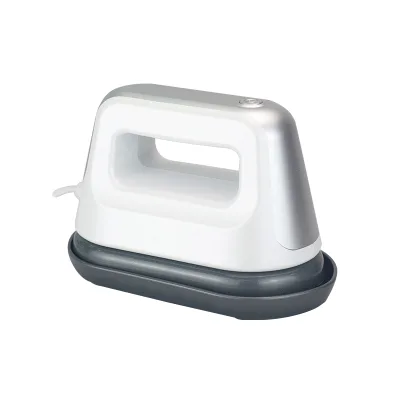
$16.00 - $22.00
MOQ: 1 pieces
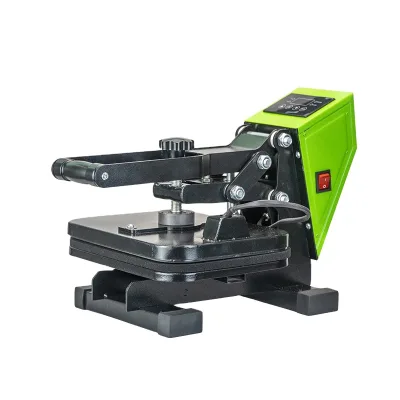
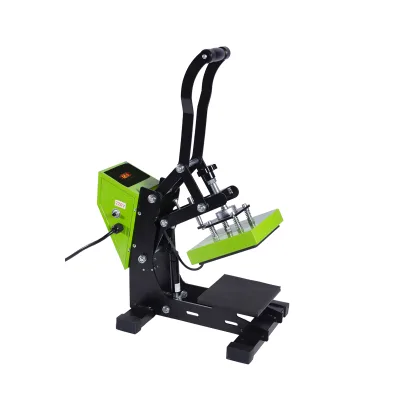
$90.00 - $95.00
MOQ: 1 pieces
Dongguan Zhengfei Mould Co., Ltd.
- Verified by Intertek
- Manufacturer, Trading Company
- Lead time7 days
- Avg. response≤ 2h
Main productsCake Brand Stamps, Logo Stamping, Digital Steel Mould, Copper Mould, Embossing Machine
Main marketsDomestic Market(48%), North America(32%), Western Europe(20%)
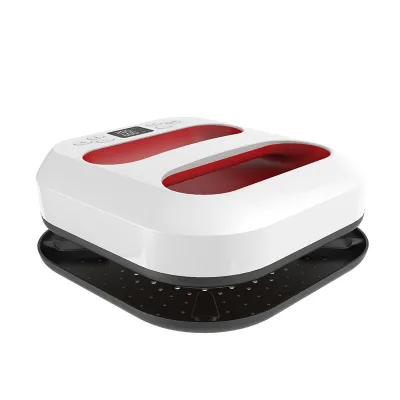
Home Mini Portable Heat Press Machine, Small Handheld Heat Press Machine
$49.00 - $54.00
MOQ: 1 pieces
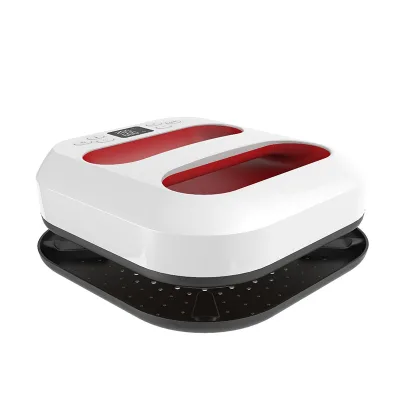
Handheld Iron Type Heat Press Machine, Portable Heat Press Machine, Tablet Heat Press Machine
$50.4129 - $55.5574
MOQ: 1 pieces
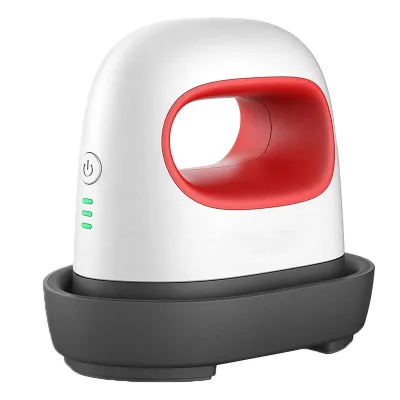
Mini Portable Heat Press Machine Easy Press for Sublimation Blanks T Shirts Mini Heat Press Machine
$19.3116 - $21.3802
MOQ: 1 pieces
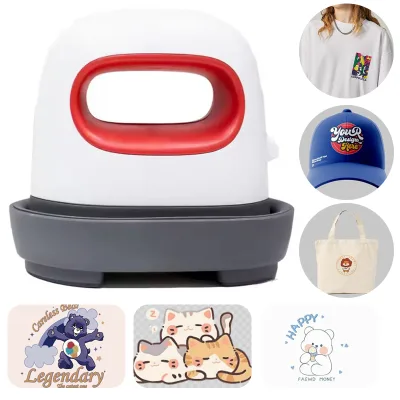
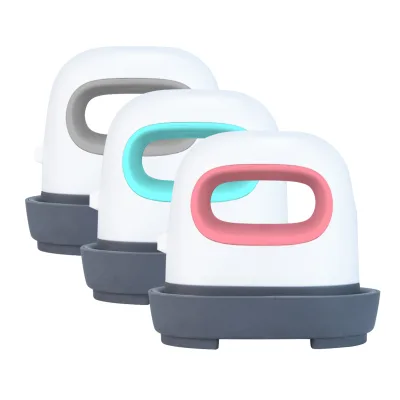
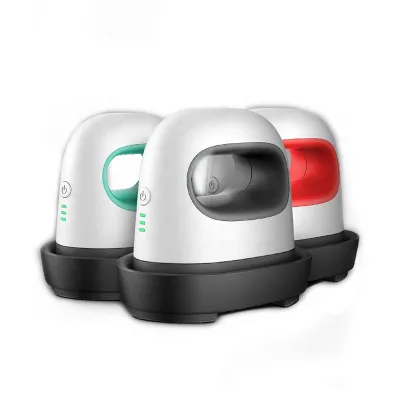
$15.4007 - $16.4275
MOQ: 1 pieces

- Verified by BV
- Trading Company
- China Hebei
- Lead time15 days
- Avg. response≤ 3h
Main productsPolyester Screen Printing Mesh, Screen Printing Squeegee, Aluminum Screen Printing Frames, Bolting Cloth, Screen Printing, Screen Printing Machine, Filter Mesh, Filter Bag, Bag Filter Housing
Main marketsAfrica,Others(foreignTradeCapacity.exportBusinessCapacityMarketOther),Southeast Asia/ Mideast,Europe,Australia,North America


$280.00 - $300.00
MOQ: 1 Pieces
Quanzhou Kari Appliance Co., Ltd.
- Trading Company
- Fujian, China
- Lead time15 days
- Avg. response≤ 3h
Main productssublimation mug,sublimation blank,heat press machine,heat transfer machine,photo frame
Main marketsNorthern Europe(10.00%), Central America(10.00%), Western Europe(10.00%), Eastern Asia(10.00%), South Asia(10.00%), Southeast Asia(10.00%), Eastern Europe(10.00%), Southern Europe(10.00%), North America(10.00%), Africa(5.00%), South America(5.00%)
Dongguan Miracle Digital Technology Co., Ltd.
- Manufacturer, Trading Company
- Guangdong, China
- Lead time1 days
- Avg. response≤ 7h
Main productsDTF PET FILM,DTF Printer,DTF OVEN SHAKER,DTF INK,DTF POWDER
Main marketsSouth America(49.00%), Africa(20.00%), North America(20.00%), Domestic Market(1.00%), South Asia(1.00%), Southern Europe(1.00%), Northern Europe(1.00%), Central America(1.00%), Western Europe(1.00%), Eastern Asia(1.00%), Mid East(1.00%), Oceania(1.00%), Eastern Europe(1.00%), Southeast Asia(1.00%)
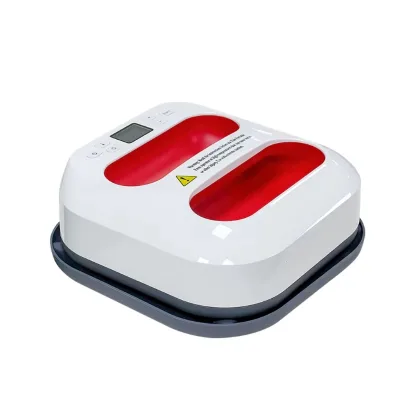
$42.9763 - $51.8939
MOQ: 1 units
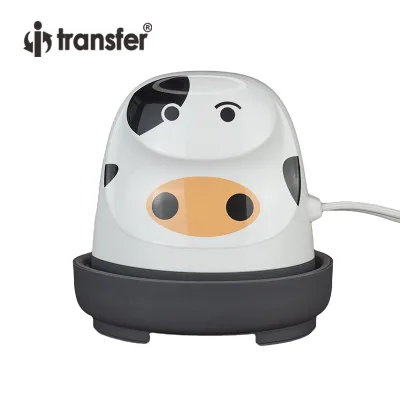
Factory Sale New Design Iron Small Heat Press Machine Fot T-shirt Printing Mini Heat Press Machine
$15.50 - $17.00
MOQ: 1 pieces

Guangzhou Deliyin Digital Technology Co., Ltd.
- Verified by BV
- Manufacturer/Factory
- China Guangdong
- Lead time15 days
- Avg. response≤ 5h
Main productsUV Printer, Dtf Printer, UV Dtf Printer, Wall Printer, Eco Solvent Printer, Solvent Printer, DTG Printer, Heat Press Machine, Sublimation Printer, Inkjet Printer
Main marketsSouth America,Eastern Europe,Mid East,North America,Southeast Asia,Eastern Asia,Oceania,Western Europe,Africa

$99.00 - $119.00
MOQ: 1 Pieces

Hand Held Heat Transfer Machine Heat Press Machine Portable Easypress Mini Machine
$20.00 - $35.00
MOQ: 1 Pieces


Easy to Operate DIY Mini Heat Press Machine Iron Heat Press Machine for T Shirts Heat Press Printing
$20.00 - $35.00
MOQ: 1 Pieces

Lightweight Good Quality Mini Heat Press Machine Iron Heat Press Machine for T Shirts Heat Press
$20.00 - $35.00
MOQ: 1 Pieces

Henan Zonelion Heavy Industry Co., Ltd.
- Verified by TüVRheinland
- Trading Company
- Lead time7 days
- Avg. response≤ 4h
Main productsCutting Machine, Polishing Machine, Grinding Wheel Manufacturing Machine, Pressure Machine, Fixed Machine
Main marketsNorth America(8%), South America(8%), Eastern Europe(8%)

Guangzhou Dashanming Machinery Co., Ltd.
- Combined
- China Guangdong
- Lead time15 days
- Avg. response≤ 12h
Main productsHeat Press Machine, Rhinestone Brushing Machine, Ultrasonic Rhinestone Hotfix Setting Machine, Pneumatic Heat Press Machine, Hydraulic Heat Press Machine, Logo Hot Stamping Machine, Sublimation Roll Heat Press Machine, Manual Heat Press Machine, Laser Cutting Machine
Main marketsSouth America,Southeast Asia/ Mideast,Europe
Guangzhou Bonedry Co., Limited
- Trading Company
- Lead time旺季: "1 - 500":15,"501 - 5000":20,"> 5000":"To be negotiated", 淡季: "1 - 500":15,"501 - 5000":20,"> 5000":"To be negotiated"
- Avg. response≤ 4h
Main productsPrinting Part, Inkjet Printer, Printing Machine

Zhuhai Lancelot Technology Co., Ltd.
- Combined
- China Guangdong
- Lead time30 days
- Avg. response≤ 15h
Main productsInk, Ink Cartridge, Toner Cartridge
Main marketsAfrica,Southeast Asia/ Mideast,North America

Dongguan Zhengfei Mould Co., Ltd
- Verified by SGS
- Combined
- China Guangdong
- Lead time15 days
- Avg. response≤ 16h
Main productshot stamping moulds, embossing moulds, brand moulds and hot stamping machines
Main marketsSouth America,Southeast Asia/ Mideast,East Asia(Japan/ South Korea),Domestic,Europe,Australia,North America
Dongguan Maiji Garment Equipment Co., Ltd.
- Trading Company
- Guangdong, China
- Lead time15 days
- Avg. response≤ 2h
Main productsheat press machine,heat transfer machine,heat sublimation machine,Garment printing equipment,hot stamping printer
Main marketsEastern Asia(10.00%), Domestic Market(10.00%), South Asia(10.00%), Central America(10.00%), Southeast Asia(10.00%), Western Europe(10.00%), North America(10.00%), Mid East(5.00%), Oceania(5.00%), Southern Europe(5.00%), Northern Europe(5.00%), Africa(5.00%), South America(5.00%)

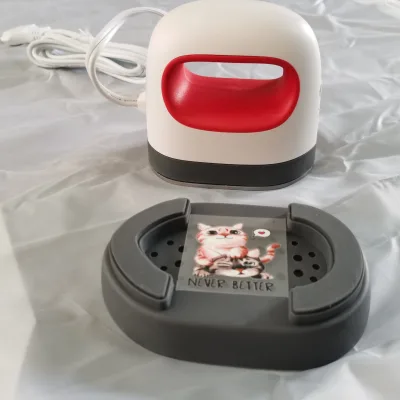
Mini Handheld Heat Press Machine - Home Use for T-Shirts, Hats & Small Crafts
$12.00 - $15.00
MOQ: 1 sets
Shanghai Mecolour Digital Technology Co., Ltd.
- Verified by SGS Group
- Manufacturer, Trading Company
- Lead time15 days
- Avg. response≤ 4h
Main productsCeramic Mug, Mug Press Machine, Glass Mug, Magic Mug, Heat Press Machine
Main marketsSouth America(60%), North America(15%), Southeast Asia(15%)
Guangzhou Xingyan Heat Transfer Equipment Co., Ltd.
- Verified by SGS Group
- Manufacturer, Trading Company
- Lead time7 days
- Avg. response≤ 4h
Main productsHeat Press Machine, Mug Heat Press Machine, Swing Heat Press Machine, Sublimation Printing Machine, Heat Transfer Material
Main marketsSouth America(45%), North America(30%), Southeast Asia(5%)
Colorking Heat Press Machine Co., Ltd.
- Verified by SGS Group
- Manufacturer, Trading Company
- Lead time3 days
- Avg. response≤ 5h
Main productsHeat Press Machine, Sublimation Mug, DTF Printer, Button Making Machine, Heat Transfer Vinyl

Xi'anJmetech Printing Technology Co., Ltd.
- Manufacturer/Factory
- China Shaanxi
- Lead time23 days
- Avg. response≤ 25h
Main productsPrinting Machine, Flexo Machine, Digital Machine, Film Printing Machine, 1270 Print and Sheeting Machine, Non Stop Unwind and Rewind, Laminating Machine for Mirror Carton, Flexo Gravure Combination Machine, Rotary Offest Machine, Hybrid Combination Machine
Main marketsSouth America,Eastern Europe,Mid East,North America,Southeast Asia,Eastern Asia,Oceania,Western Europe,Africa
Luohe Lemo Machinery Equipment Co., Ltd.
- Verified by TüVRheinland
- Trading Company
- Lead time15 days
- Avg. response≤ 4h
Main productsMeat Grinder, Bowl Cutter, Slicer, Beef Patty Machine
Main marketsNorth America(20%), Western Europe(20%), Eastern Europe(8%)
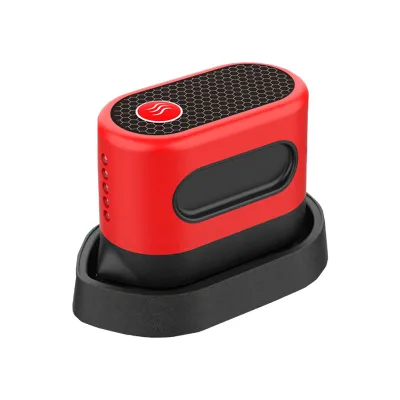

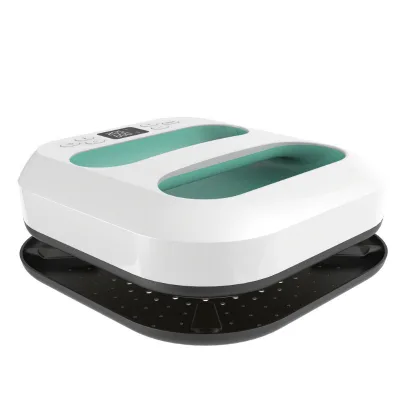
Small Portable Printing Press for Customized T-Shirt Printing Press Small Iron for Household
$86.00 - $98.00
MOQ: 1 pieces
Dongguan Dinglian Machinery Co., Ltd.
- Manufacturer, Trading Company
- Guangdong, China
- Lead time20 days
- Avg. response≤ 3h
Main productsMechanical equipment,Clothing machinery,Packaging machinery,Printing equipment
Main marketsMid East(20.00%), Southeast Asia(20.00%), Southern Europe(10.00%), Western Europe(10.00%), Eastern Asia(10.00%), South America(10.00%), North America(10.00%), Eastern Europe(10.00%)

Henan Tangchao Jinda Trading Company Ltd.
- Trading Company
- Henan, China
- Lead time15 days
- Avg. response≤ 4h
Main productsHeat press machine,food machinery,sewing machine,agricultural machinery,inkjet printer
Main marketsSoutheast Asia(20.00%), North America(20.00%), Southern Europe(10.00%), Northern Europe(10.00%), Western Europe(10.00%), Eastern Asia(10.00%), South America(10.00%), Eastern Europe(10.00%)
Dongguan Strong Machinery Equipment Co., Ltd.
- Trading Company
- Lead time旺季: "1 - 1":30,"> 1":"To be negotiated", 淡季: "1 - 1":30,"> 1":"To be negotiated"
- Avg. response≤ 8h
Main productsElectrical equipment

Dongguan Gaoshang Machinery Co., Ltd.
- Manufacturer
- China Guangdong
- Lead time15 days
- Avg. response≤ 8h
Main productsHeat Press Machine, T Shirt Heat Press Machine, Heat Transfer Press Machine, Sublimation Machine, Roller Heat Press Machine, Calandra
Main marketsSouth America,Southeast Asia/ Mideast,Europe,North America

Zhengzhou Hento Machinery Co., Ltd.
- Verified by SGS
- Trading Company,Manufacturer/Factory,Group Corporation
- China Henan
- Lead time15 days
- Avg. response≤ 7h
Main productsMeat Processing Machinery, Egg Processing Machinery, Dairy Processing Machinery, Fruit & Vegetable Processing Machinery, Grain Product Making Machines, Snack Machines, Nuts Processing Machinery, Packing Machines, Drying Machines, Commodity Making Machines
Main marketsSouth America,Eastern Europe,Mid East,North America,Southeast Asia,Eastern Asia,Oceania,Western Europe,Africa
Hefei Jiaomai International Trade Co., Ltd.
- Trading Company
- Anhui, China
- Lead time15 days
- Avg. response≤ 2h
Main productsInkjet printer,Strapping Machine,sealing machine,vacuum packing machine,uv printer
Main marketsSouthern Europe(10.00%), Eastern Europe(10.00%), Western Europe(10.00%), Northern Europe(10.00%), Africa(8.00%), Mid East(6.00%), South America(5.00%), North America(5.00%), Oceania(5.00%), Eastern Asia(2.00%), Southeast Asia(1.00%)

QINGDAO DAHUA MACHINERY CO., LTD.
- Trading Company
- China Shandong
- Lead time23 days
- Avg. response≤ 10h
Main productsRubber Machinery, Rubber Machine, Rubber Mixing Mill, Rubber Mixer Machinery, Rubber Kneader Mixer, Rubber Internal Mixer, Rubber Vulcanizing Press Machine, Vacuum Rubber Molding Press Machine, Rubber Calender Machine, Rubber Extruder Machine
Main marketsSouth America,Southeast Asia/ Mideast,North America
Guangzhou Bh-Unity Electronic Technology Co., Ltd.
- Manufacturer, Trading Company
- Lead time旺季: "1 - 1":7,"> 1":"To be negotiated", 淡季: "1 - 1":7,"> 1":"To be negotiated"
- Avg. response≤ 2h
Main productsPrinting Machine, Ink, UV Printer, Printhead, Printing Machine Part
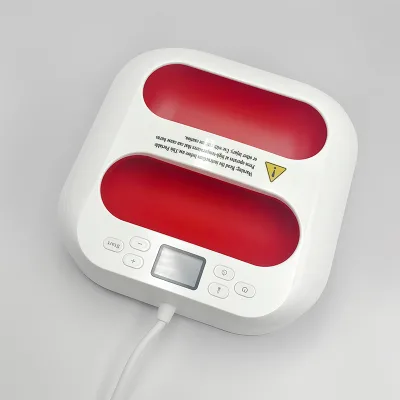
Small Heat Press Machine Handheld Portable Heat Transfer Machine Support Adjustable Temperature
$82.7613 - $98.2789
MOQ: 1 sets
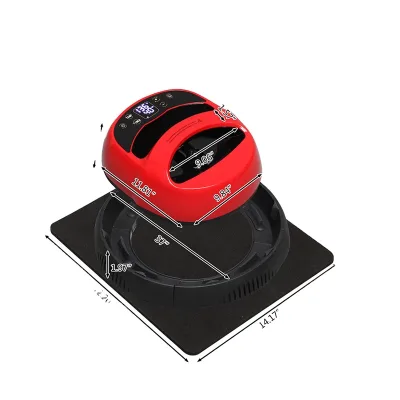
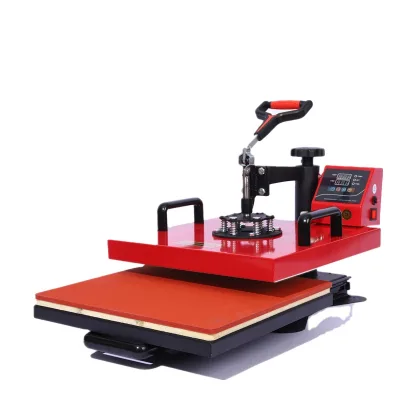

- Manufacturer/Factory
- China Guangdong
- Lead time45 days
- Avg. response≤ 19h
Main productsToilet Paper Machine, Toilet Paper Making Machine, Paper Core Machine, Paper Cup Machine, Paper Bag Machine, Slipper Making Machine, Water Turbine Generator, Paper Making Machine
Main marketsSouth America,Eastern Europe,Mid East,North America,Southeast Asia,Western Europe,Africa
GOOSAM TECHNOLOGY CO., LIMITED
- Trading Company
- Hong Kong S.A.R.
- Lead time5 days
- Avg. response≤ 2h
Main productsPringing Ink,DTF Ink,DTF Film,DTF Powder,Inkjet Printer
Main marketsNorth America(50.00%), South America(20.00%), Eastern Europe(10.00%), South Asia(5.00%), Western Europe(5.00%), Eastern Asia(5.00%), Southeast Asia(5.00%)
Shenzhen Chenxu Sanzhou Trade Co., Ltd.
- Verified by Intertek
- Trading Company
- Lead time15 days
- Avg. response≤ 2h
Main productsHeat Press Machine, Soldering Irons, Laser Engraving Machine, Commercial Equipment
Main marketsNorth America(40%), Africa(30%), Western Europe(30%)





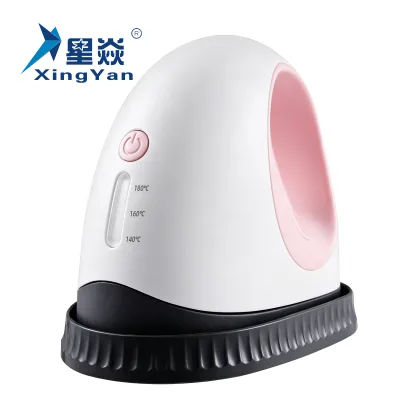
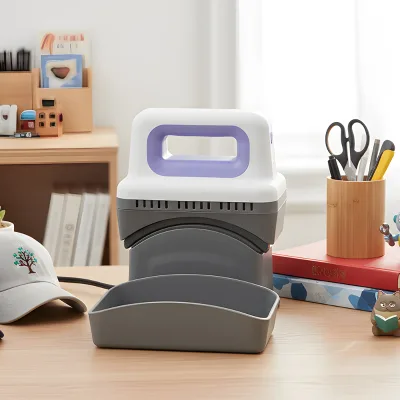
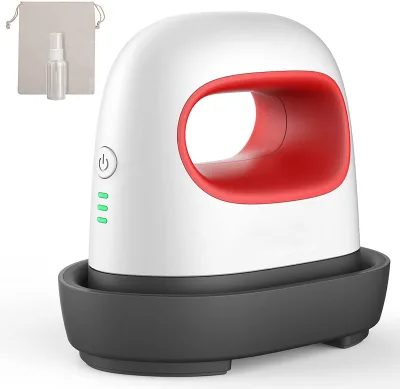

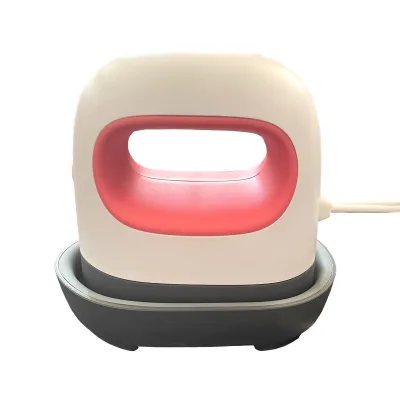



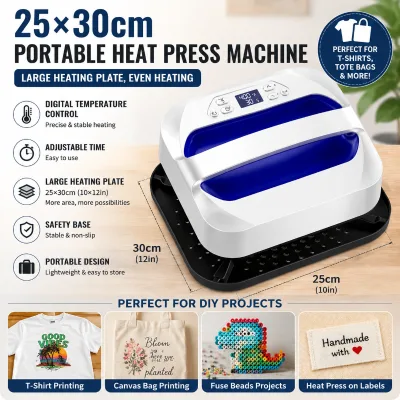
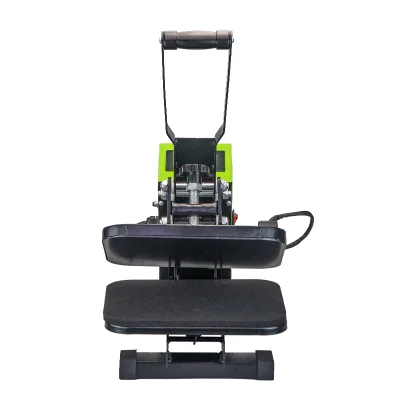
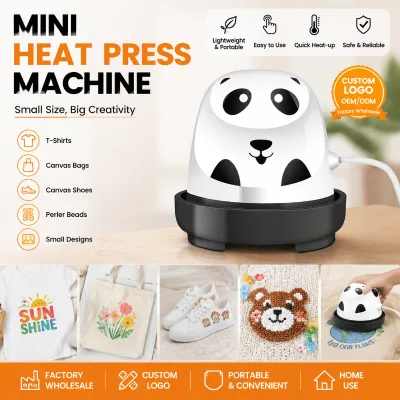
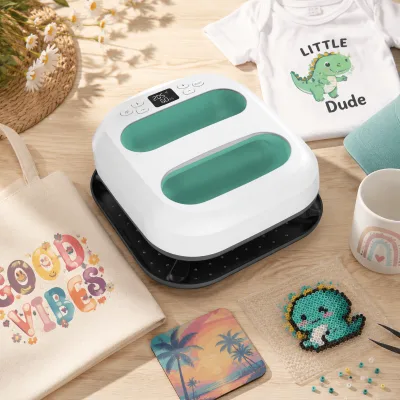
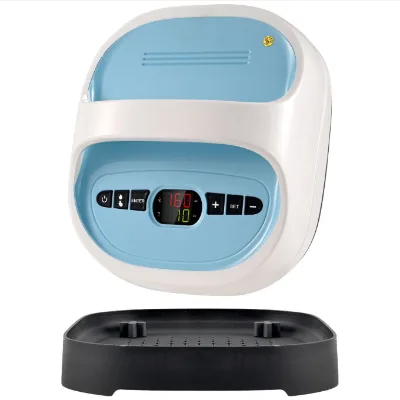

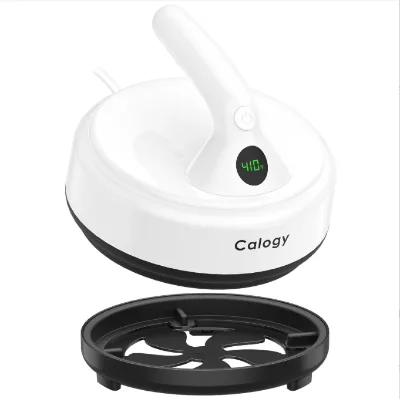
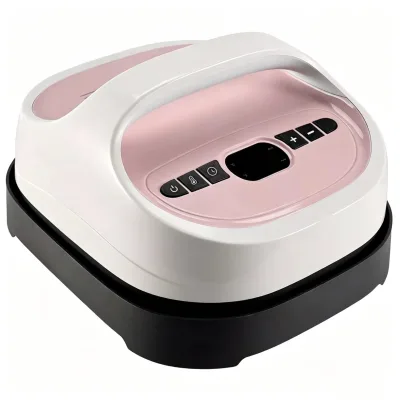
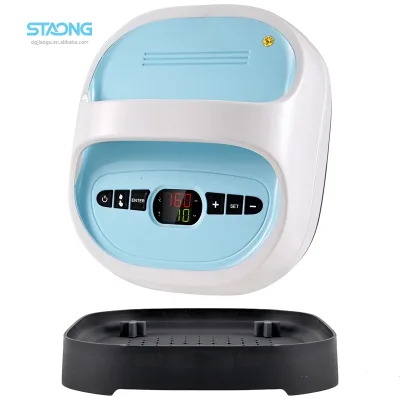


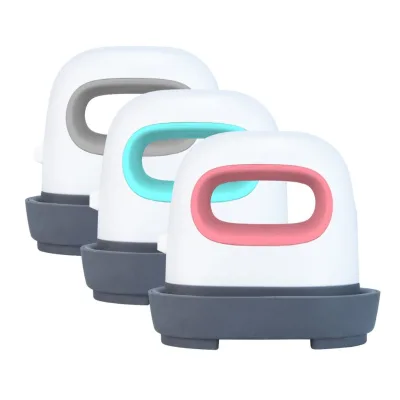
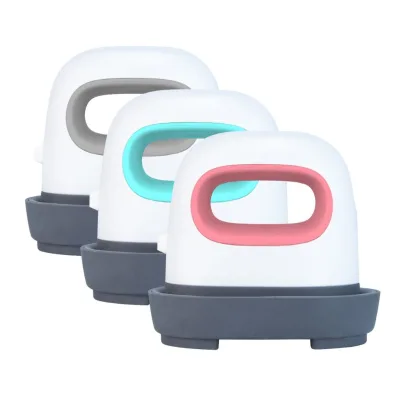
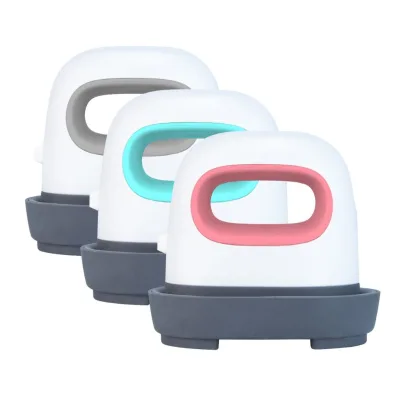


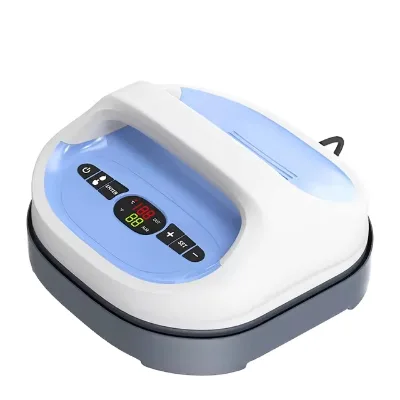


Comprehensive Sourcing Guide
Mini Handheld Heat Press Machine Supplier Concentration and Factory Types
The current supplier landscape for mini handheld heat press machines reveals a distinct mix of manufacturing capabilities and trading structures. Data indicates that the available suppliers operate as either Manufacturers or Trading Companies, a duality that significantly influences procurement strategy and cost structures. Buyers must recognize that this classification is not merely a label but a determinant of supply chain flexibility and direct factory access. When evaluating potential partners, the presence of both entity types suggests a mature market where direct production facilities coexist with specialized sourcing agents. This environment allows buyers to choose between potentially lower unit costs from factories and the logistical ease or broader catalog access often provided by trading entities. Understanding this split is crucial for aligning supplier selection with specific business needs, whether prioritizing direct engineering collaboration or streamlined order management.
Geographic concentration plays a pivotal role in the availability and consistency of these specialized machines. Evidence points to Fujian, China, as a significant origin point for these products, indicating a regional cluster where expertise in small-scale thermal transfer equipment has developed. This concentration implies that many suppliers may share similar supply chains for components such as heating elements, control boards, and handheld housing materials. Buyers should leverage this geographic insight to assess the maturity of the local industrial ecosystem. A concentrated cluster often suggests established logistics routes and specialized labor pools, which can contribute to consistent quality and competitive pricing. However, it also means that buyers should verify if a specific supplier is part of this core manufacturing hub or if they are sourcing from elsewhere, as this impacts lead times and communication efficiency.
How to Verify Mini Handheld Heat Press Machine Suppliers
Verification begins with scrutinizing the technical specifications and certifications listed for the products. Many suppliers highlight CE certification and specific voltage adaptability, such as 110V/220V, which are critical for international compliance and usability. Buyers should treat these claims as starting points for due diligence rather than final assurances. It is essential to request valid certification documents directly from the supplier to confirm their authenticity and relevance to the target market. Additionally, the presence of a one-year warranty across multiple listings suggests a standard industry practice, but buyers must clarify the terms of this warranty. Understanding whether the warranty covers parts, labor, or shipping costs for replacements is vital for calculating long-term operational risks. This verification process ensures that the supplier stands behind their product’s durability and performance claims.
Response time and communication efficiency are also key indicators of supplier reliability. The observed response time metric of seven hours provides a baseline for expected communication speed. Buyers should test this responsiveness by sending detailed inquiries about customizations, such as OEM/ODM capabilities, which are explicitly welcomed by some suppliers. A quick and knowledgeable reply often correlates with a supplier’s ability to handle complex orders and resolve issues promptly. Furthermore, buyers should verify the supplier’s establishment year and company history to gauge their stability in the market. While specific establishment dates may not be immediately visible, asking for this information can reveal the depth of their experience. Suppliers with longer track records are generally more likely to have refined quality control processes and established relationships with reliable component manufacturers, reducing the risk of supply chain disruptions.
What to Compare Across Mini Handheld Heat Press Machine Suppliers
When comparing suppliers, price ranges and minimum order quantities (MOQs) are primary differentiators. The data shows price points ranging from approximately $11.80 to $32.00 per unit, depending on the model’s features and specifications. Some suppliers offer an MOQ of just one piece, which is ideal for small businesses or prototyping, while others may have higher thresholds. Buyers should map these costs against the specific features required, such as heating plate size, power consumption, and additional functions like vibration or digital timers. For instance, models with larger printing areas or dual-voltage capabilities may command higher prices. It is crucial to calculate the total landed cost, including shipping and duties, to make an accurate comparison. This holistic view prevents surprises and ensures that the selected supplier offers the best value for the specific volume and feature requirements of the buyer’s project.
Lead times and production capacity are equally important factors in supplier evaluation. The lead time data indicates a standard duration of ten days for orders of one to one unit, with larger quantities requiring negotiation. This suggests that while small orders can be fulfilled quickly, bulk purchases may involve variable scheduling based on production loads. Buyers should inquire about peak and off-peak season variations, as these can significantly impact delivery schedules. Additionally, comparing the automatic grade of the machines, which are predominantly manual, helps in assessing the labor intensity and potential for customization. Suppliers offering multifunctional heat transfer machines with specific applications, such as mouse pads, plates, or t-shirts, may have specialized tooling that affects their production flexibility. Understanding these operational nuances allows buyers to plan their inventory and sales cycles more effectively, avoiding stockouts or excess inventory.
Common Mini Handheld Heat Press Machine Sourcing Risks
One significant risk involves the variability in product specifications and quality consistency across different suppliers. While many listings describe similar handheld designs, details such as weight, dimensions, and heating plate sizes can vary considerably. For example, some machines weigh as little as 0.7 kg, while others are heavier at 1.8 kg, indicating differences in build quality and material usage. Buyers must carefully review the single gross weight and package dimensions to ensure compatibility with their shipping and handling processes. There is also a risk of misalignment between advertised features and actual performance, particularly regarding voltage adaptability and heating efficiency. Without rigorous testing or third-party verification, buyers may receive units that do not meet their specific operational requirements, leading to customer dissatisfaction and returns. Mitigating this risk requires detailed specification checks and, if possible, sample orders before committing to larger volumes.
Another risk pertains to the reliability of after-sales support and warranty fulfillment. Although a one-year warranty is commonly advertised, the practical implementation of this support can vary widely among suppliers. Buyers need to clarify the process for claiming warranty services, including who bears the cost of return shipping for defective units. In some cases, suppliers may offer partial refunds or replacements without return, while others might require complex documentation. Additionally, the availability of spare parts, such as heating elements or control boards, is crucial for long-term maintenance. If a supplier does not guarantee the availability of these components, the machines may become obsolete quickly. Buyers should also consider the language barrier and time zone differences when evaluating support responsiveness. Ensuring that the supplier has a robust support structure in place is essential for maintaining customer trust and minimizing operational downtime.
Mini Handheld Heat Press Machine Regional Sourcing and Logistics
Sourcing from regions like Fujian, China, offers logistical advantages due to established export infrastructure. The concentration of manufacturers in this area facilitates efficient consolidation of goods and access to major shipping ports. Buyers should leverage this geographic benefit by negotiating freight terms that optimize shipping costs. For small, lightweight items like mini handheld heat presses, air freight may be cost-effective for urgent orders, while sea freight is suitable for larger volumes. Understanding the single package size and gross weight is critical for calculating volumetric weight and determining the most economical shipping method. Suppliers often provide packing details, such as 24x19x13 cm for certain models, which buyers can use to estimate container utilization. This planning helps in reducing per-unit shipping costs and ensuring that the products arrive in good condition without excessive packaging waste.
Customs and import regulations also play a significant role in regional sourcing strategies. Buyers must ensure that the suppliers provide accurate documentation, including commercial invoices, packing lists, and certificates of origin. Compliance with local safety standards, such as CE certification for European markets, is mandatory and must be verified before shipment. Delays can occur if documentation is incomplete or if the products fail to meet import requirements. Buyers should work with suppliers who are experienced in exporting to their target markets and can assist with customs clearance. Additionally, considering the environmental impact of packaging materials is becoming increasingly important. Suppliers offering eco-friendly packaging options can help buyers meet sustainability goals and appeal to environmentally conscious consumers. This holistic approach to logistics ensures a smooth and compliant supply chain.
Mini Handheld Heat Press Machine Commercial Terms and Order Planning
Commercial terms such as payment methods and escrow services are vital for securing transactions. Buyers should prioritize suppliers who offer secure payment options, including escrow, to protect their funds until the goods are received and verified. This protection is particularly important for new supplier relationships or large orders. Understanding the payment terms, such as deposit requirements and balance due upon shipment, helps in managing cash flow. Buyers should also clarify any additional fees, such as banking charges or currency conversion costs, to avoid unexpected expenses. Transparent commercial terms build trust and facilitate smoother negotiations. It is advisable to document all agreed-upon terms in the purchase contract to prevent disputes. This diligence ensures that both parties have a clear understanding of their obligations and rights throughout the transaction process.
Order planning should account for the supplier’s production capacity and lead time variability. Given that lead times can range from ten days for small orders to negotiated periods for larger quantities, buyers should plan their inventory replenishment cycles accordingly. Maintaining a buffer stock can mitigate the risk of delays due to production bottlenecks or logistical issues. Buyers should also consider the seasonal demand for heat press machines, which may peak during certain periods, affecting supplier availability. Establishing a long-term relationship with a reliable supplier can provide better priority in production scheduling and more favorable terms. Regular communication and feedback on product performance can further strengthen this partnership. By integrating these commercial and logistical considerations into their sourcing strategy, buyers can optimize their operations and achieve greater efficiency in acquiring mini handheld heat press machines.
FAQs
What is the price range for mini handheld heat press machines?
Prices typically range from $11.80 to $32.00 per unit depending on specifications. Basic models start around $11.80, while advanced versions with CE certification and higher wattage reach up to $32.00. Buyers should verify exact pricing based on order quantity and specific feature requirements.
What is the minimum order quantity for these machines?
The minimum order quantity is generally one piece for most suppliers. This low MOQ allows buyers to test product quality before committing to larger bulk orders. It is ideal for small businesses or individuals looking to start a custom printing venture without significant initial inventory investment.
What voltage options are available for these heat press machines?
Most models support dual voltage inputs of 110V or 220V to accommodate different regional power standards. Some specific units operate at 110V only. Buyers should confirm the voltage specification with the supplier to ensure compatibility with their local electrical infrastructure before placing an order.
What warranty is provided for mini handheld heat press machines?
Suppliers typically offer a one-year warranty for these handheld heat press machines. This coverage protects against manufacturing defects and ensures basic operational reliability. Buyers should review the specific warranty terms provided by the manufacturer to understand what components are covered and the process for claiming support.
Where are these heat press machines manufactured?
The majority of these mini handheld heat press machines are manufactured in Fujian, China. This region is known for producing various commercial equipment and machinery. Buyers can verify the specific place of origin listed in the product details to understand the supply chain and potential shipping logistics.
What is the typical response time from suppliers?
Suppliers generally respond to inquiries within seven days. This timeframe allows buyers to receive initial quotes and product specifications. For urgent sourcing needs, buyers should contact multiple suppliers simultaneously to ensure timely communication and secure the best available terms for their specific project requirements.
What certifications are available for these heat press machines?
Some models are explicitly listed as CE certified, ensuring compliance with European safety standards. Buyers should request certification documents directly from the supplier to verify compliance with local regulations. Not all models may carry specific certifications, so verification is essential before international shipping or commercial use.