Solvent Inkjet Printer Ink Filter Suppliers and Manufacturers
Compare 29 verified suppliers offering Solvent Inkjet Printer Ink Filter products from Guangdong and Jiangsu. Review response times, lead times, and certifications like RoHS and SGS before requesting quotes; review the available evidence before requesting comparable quotations from suitable candidates.
Updated
Suppliers List
Gakei Youpin (guangzhou) Industry And Trade Co., Ltd.
- Manufacturer, Trading Company, Agent, Distributor/Wholesaler
- Guangdong, China
- Lead time7 days
- Avg. response≤ 4h
Main productsCeramic Anilox Roller,Doctor Blade,End Seals,TESA TAPE,Anilox Roller Cleaner
Main marketsSouth Asia(30.00%), Mid East(10.00%), Northern Europe(10.00%), Southeast Asia(10.00%), Eastern Europe(10.00%), South America(10.00%), North America(5.00%), Oceania(5.00%), Western Europe(5.00%), Eastern Asia(5.00%)
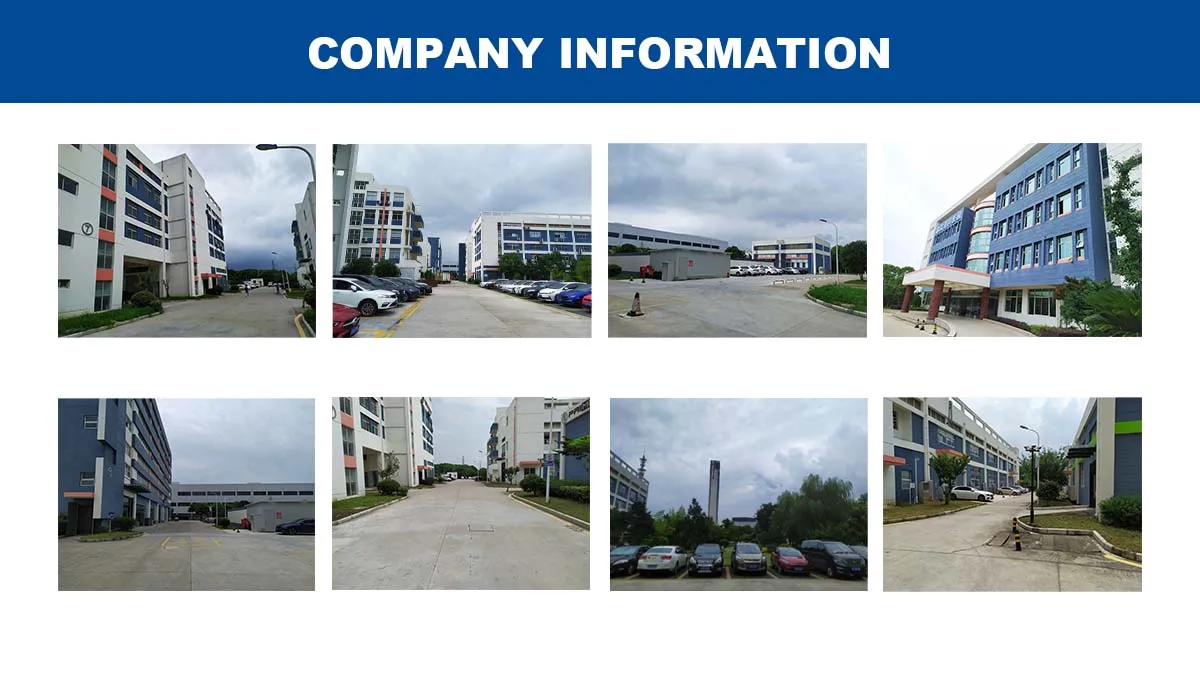
Suzhou Cheef Technology Co., Ltd.
- Manufacturer, Trading Company
- Jiangsu, China
- Lead time7 days
- Avg. response≤ 4h
Main productsVideojet printers,LInx printers,Laser Printers,Consumables,Spare parts
Main marketsCentral America(20.00%), Eastern Asia(20.00%), Africa(20.00%), Southeast Asia(20.00%), Eastern Europe(20.00%)
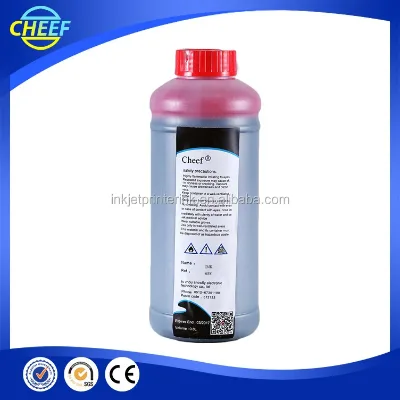
Inkjet printers Consumable solvent printer ink filters for willett -Product
$25.9342 - $41.4953
MOQ: 1 liters
guangzhou bozu digital technology co., ltd.
- Verified by SGS Group
- Trading Company
- Guangdong, China
- Lead time7 days
- Avg. response≤ 2h
Main productsInkjet Printer/Printhead/Inks/Dampers/Ink Pump
Main marketsSoutheast Asia(24%), North America(10%), Eastern Europe(10%)
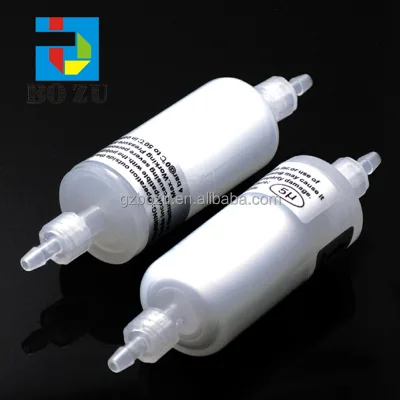
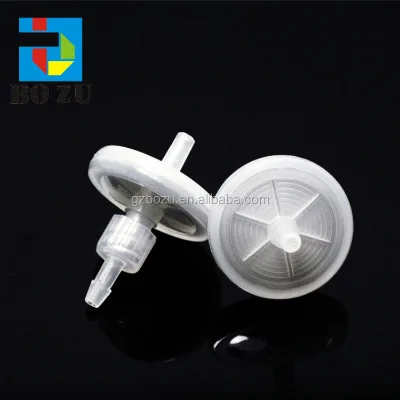
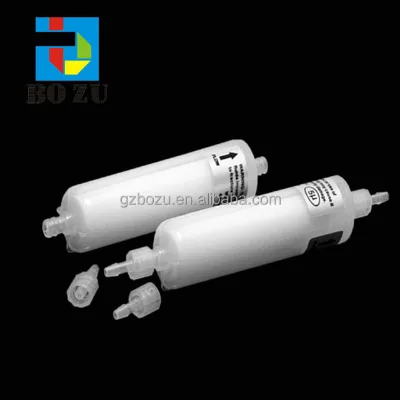
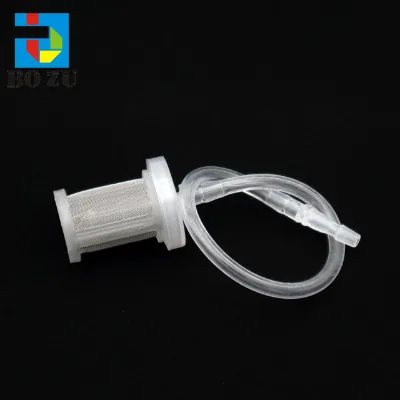
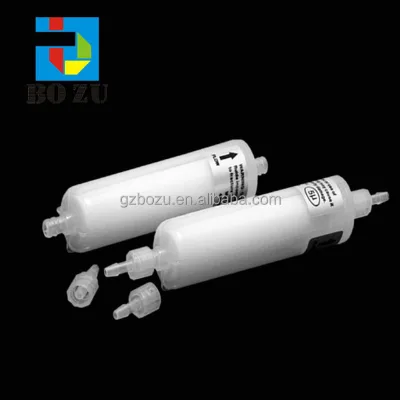
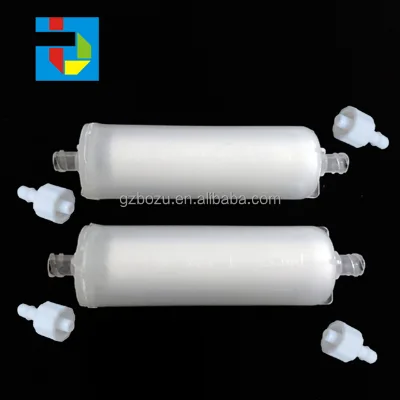
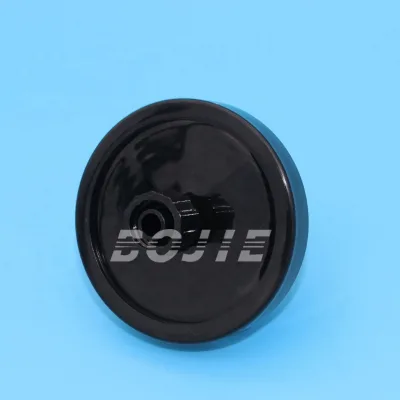
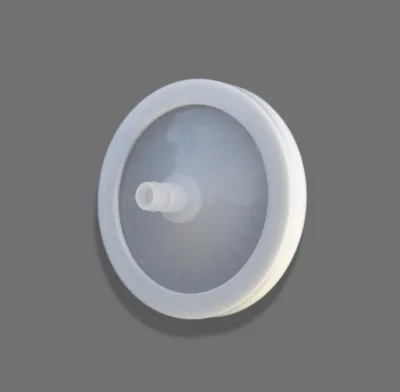
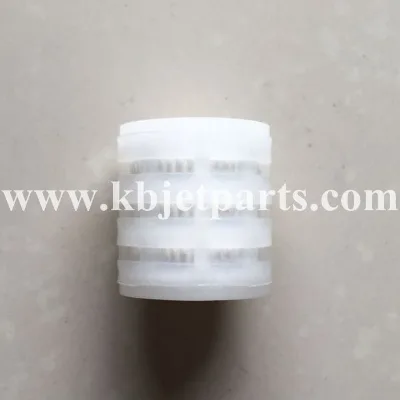
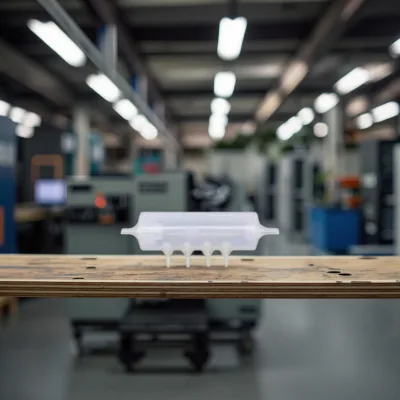
Hot Sales Inkjet Filters Short Cylindrical White Color Inkjet Printer Filter of Solvent Ink Filters
$1.0253 - $1.3341
MOQ: 1 pieces
Guangzhou LETOP International Trade Co., Ltd.
- Verified by SGS
- Combined
- China Guangdong
- Lead time45 days
- Avg. response≤ 2h
Main productsInkjet Printer, Printing Ink, Printing Material, Print Head, Printer Board Kit, Inkjet Printer Spare Parts
Main marketsSouth America

Guangzhou Xin Flying Digital Technology Co., Ltd
- Verified by TUVRHEINLAND
- Manufacturer/Factory
- China Guangdong
- Lead time15 days
- Avg. response≤ 3h
Main productsDtf Printer, UV Dtf Printer, Sublimation Printer, Sublimation Ink/Eco Solvent Ink/UV Ink, Roller Heat Transfer Machine, Dtf Pet Film, Heat Transfer Paper, Mutoh Digital Printer, Dtf Ink, Dtf Hot Melt Powder
Main marketsSouth America,Eastern Europe,Mid East,North America,Southeast Asia,Eastern Asia,Oceania,Western Europe,Africa

High Quality Solvent Ink Filter Inkjet Printing Machine Spare Parts Ink Filter for Ink Printer
$4.00 - $16.00
MOQ: 1 Pieces

Factory Direct Sales White Ink Filter Unblocked Nozzle Easy to Operate Ink Filters for Dtf UV Ink
$4.00 - $16.00
MOQ: 1 Pieces
Maersky Logo Technology (guangzhou) Co., Ltd.
- Verified by Intertek
- Trading Company
- Lead time30 days
- Avg. response≤ 1h
Main productsCIJ Inkjet Printer, CO2 Laser Printer, Handheld Inkjet Printer, TIJ Inkjet Printer, UV Color Inkjet Machine
Main marketsNorth America(45%), South America(20%), Eastern Europe(10%)

Hangzhou Darlly Filtration Equipment Co., Ltd.
- Verified by BV
- Manufacturer/Factory
- China Zhejiang
- Lead time23 days
- Avg. response≤ 7h
Main productsFilter Cartridges, Water Filter, Water Filter Cartridge, Process Filter, Filter Elements, Filter Housing, High Flow Filter Cartridge, Capsule Filter, Sterile Filter Cartridge, Lenticular Filter Cartridge
Main marketsSouth America,Eastern Europe,Mid East,North America,Southeast Asia,Eastern Asia,Oceania,Western Europe,Africa

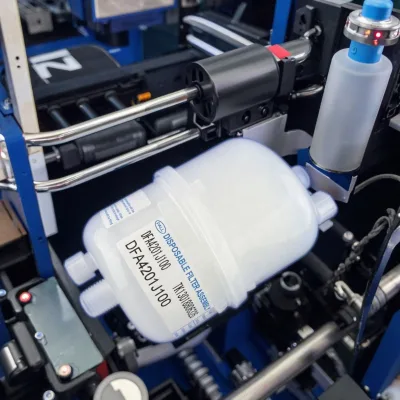
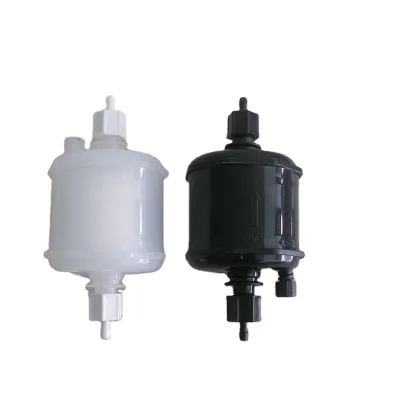
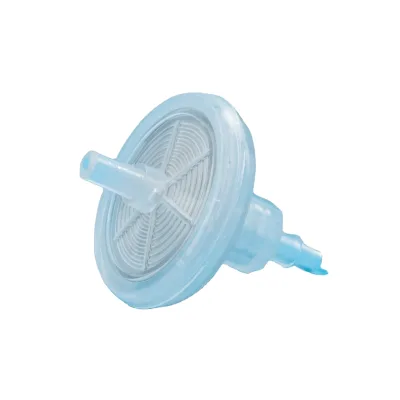
Inkjet/Digital/Solvent Printer Ink Capsule Filters Filtration for Printer Accessories
$6.50 - $30.00
MOQ: 12 Pieces

1/3/5/10 Um PP Ink Printer Filter for Ceramic/Digital/UV Inkjet Printer/Ink
$10.00 - $15.00
MOQ: 108 Pieces
Shenzhen Kyeink Technology Co., Ltd.
- Manufacturer, Trading Company
- Guangdong, China
- Lead time3 days
- Avg. response≤ 2h
Main productsdtf ink,eco solvent ink,sublimation ink,uv ink,Solvent ink
Main marketsNorth America(20.00%), Eastern Asia(15.00%), South America(15.00%), Northern Europe(10.00%), Western Europe(10.00%), South Asia(10.00%), Africa(10.00%), Eastern Europe(5.00%), Southern Europe(5.00%)

Foshan Denoma Electronic Technology Co., Ltd.
- Verified by TUVRHEINLAND
- Trading Company
- China Guangdong
- Lead time15 days
- Avg. response≤ 2h
Main marketsDomestic
Xuchang Dtwin Machinery Co.,Ltd
- Trading Company
- Henan Province, China
- Lead time3 days
- Avg. response≤ 3h
Main productsmachine,printing material,transfer paper,printer accessories,electronic products
Main marketsNorth America(28.00%), Southeast Asia(19.00%), South Asia(16.00%), Africa(6.00%), Oceania(5.00%), Eastern Europe(5.00%), Southern Europe(4.00%), Central America(4.00%), Northern Europe(4.00%), Eastern Asia(3.00%), Western Europe(2.00%), Mid East(2.00%), Domestic Market(1.00%), South America(1.00%)

Source Filter Technology (Hangzhou) Co., Ltd
- Verified by SGS
- Combined
- China Zhejiang
- Lead time15 days
- Avg. response≤ 3h
Main productsFilter Cartridges Capsule Filter
Main marketsDomestic

Kingsfang(Xiamen)Import&Export Co., Ltd.
- Verified by TUVRHEINLAND
- Trading Company
- China Fujian
- Lead time15 days
- Avg. response≤ 2h
Main productsContinuous Inkjet Ink, Replacement of Cij Inks, Cij Printer Parts, Inkjet Ink Solvent, Inkjet Ink Cleaner, Inkjet Printer  Spare Part, Cij Printer  Consumable, Inkjet Printer  Ink
Main marketsSoutheast Asia/ Mideast,Europe,North America
- Trading Company
- Henan, China
- Lead time7 days
- Avg. response≤ 2h
Main productshydraulic filter,fuel filter,water filter,gas filter,dust filter
Main marketsEastern Europe(60.00%), Africa(10.00%), Mid East(10.00%), Oceania(8.00%), North America(6.00%), Eastern Asia(3.00%), South America(3.00%)

GUANGZHOU TONGYI IDENTIFICATIONTECHNOLOGY Co., LTD
- Verified by CTI
- Trading Company
- China Guangdong
- Lead time15 days
- Avg. response≤ 3h
Main productsInkjet Printer, Cij Printer, Tij Printer, Laser Marking Machine, Fiber Laser, CO2 Laser, UV Laser, Conveyor Belt, Feeding Machine, Printing Consumables
Main marketsSouth America,Southeast Asia/ Mideast,East Asia(Japan/ South Korea),Domestic,Europe,Australia,North America
Shenzhen Econuo Technology Co., Ltd.
- Verified by TüVRheinland
- Manufacturer, Trading Company
- Lead time7 days
- Avg. response≤ 2h
Main productsDTF Printer, UV DTF Printer, DTF Film, Printing Ink, Printing Machine Spare Parts
Main marketsEastern Europe(20%), Domestic Market(20%), South America(15%)
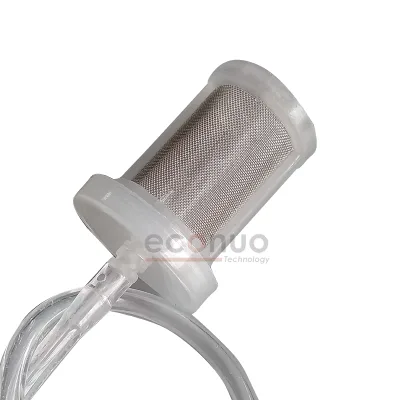
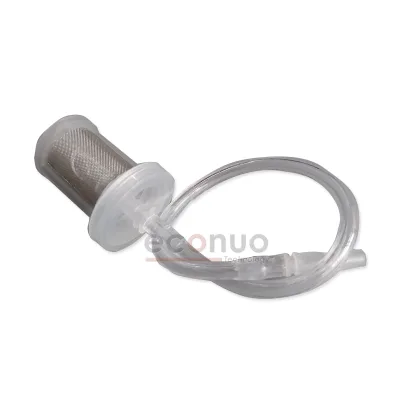
Best Quality Digital Printer Spare Parts AKN Ink Tank Filter For Solvent Inkjet Printer
$1.5575 - $3.1149
MOQ: 1 pieces
Shenzhen Bojie Technology Co., Ltd.
- Manufacturer, Trading Company, Agent
- Guangdong, China
- Lead time2 days
- Avg. response≤ 4h
Main productspcb board,original printhead,solvent ink,ECO Solvent ink,original sk4 ink
Main marketsEastern Asia(20.00%), Mid East(20.00%), Southeast Asia(20.00%), North America(10.00%), Central America(5.00%), South America(5.00%), South Asia(5.00%), Africa(5.00%), Domestic Market(3.00%), Northern Europe(2.00%), Eastern Europe(2.00%), Western Europe(1.00%), Oceania(1.00%), Southern Europe(1.00%)
Foshan City Lemsun Technology Co., Ltd.
- Trading Company
- Guangdong, China
- Lead time3 days
- Avg. response≤ 3h
Main productsInkjet Printer, Inkjet Printer Parts
Main marketsSoutheast Asia(20.00%), South Asia(10.00%), South America(10.00%), Western Europe(10.00%), Southern Europe(10.00%), Northern Europe(10.00%), Africa(10.00%), Eastern Europe(10.00%), Mid East(10.00%)

Guangzhou Kangyu Technology Co., Ltd.
- Manufacturer, Trading Company, Agent
- guangdong, China
- Lead time7 days
- Avg. response≤ 10h
Main productslarge format printer,printer parts,printer board,inks,meterials
Main marketsAfrica(28.00%), South America(25.00%), Southeast Asia(10.00%), North America(10.00%), Mid East(5.00%), Eastern Asia(5.00%), South Asia(5.00%), Southern Europe(2.00%), Eastern Europe(2.00%), Central America(2.00%), Western Europe(2.00%), Oceania(2.00%), Northern Europe(1.00%), Domestic Market(1.00%)
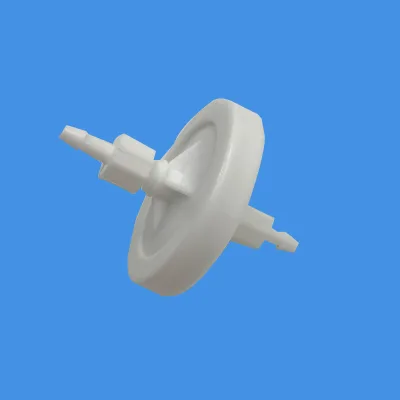
UV Ink Filter Inkjet Printer for Ink Filter 10 Um 20um Machine Accessories Ink Filter
$2.0701 - $4.1387
MOQ: 1 sets

- Verified by BV
- Manufacturer/Factory
- China Guangdong
- Lead time15 days
- Avg. response≤ 3h
Main productsEco Solvent Ink, I3200 Printhead, I1600 Printhead, XP600 Printhead, Dtf Ink, Eco Solvent Printer, Dtf Printer, UV Dtf Printer, UV Printer, Dx5 Printhead
Main marketsSouth America,Eastern Europe,Mid East,North America,Southeast Asia,Eastern Asia,Oceania,Western Europe,Africa


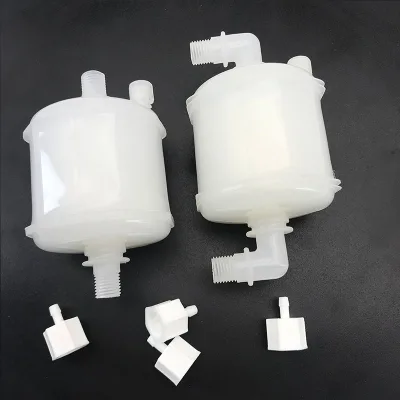
Digital Printer White Big Ink Filter Big Capsule Filter for Solvent Printer
$12.00 - $13.00
MOQ: 1 Pieces
Guangzhou Yishuang Electromechanical Co., Ltd.
- Distributor/Wholesaler
- Guangdong, China
- Lead time3 days
- Avg. response≤ 4h
Main productsindustrial inkjet ink,Compatible Domino spare parts,Compatible inkjet filters,Imaje inkjet spare parts,cij inkjet printer
Main marketsSouth America(20.00%), Mid East(15.00%), Western Europe(15.00%), Eastern Europe(10.00%), North America(10.00%), Southeast Asia(10.00%), Domestic Market(5.00%), Eastern Asia(5.00%), Southern Europe(5.00%), South Asia(3.00%), Northern Europe(1.00%), Central America(1.00%)
Guangzhou Cintuo Technology Co., Ltd.
- Manufacturer, Trading Company
- Guangdong, China
- Lead time30 days
- Avg. response≤ 4h
Main productsPrinthead,Head capping,Damper,Ink bottle,Ink pump
Main marketsNorth America(20.00%), South Asia(10.00%), Southern Europe(10.00%), Northern Europe(10.00%), Western Europe(10.00%), Mid East(10.00%), Africa(10.00%), Eastern Europe(10.00%), South America(10.00%)
Guangzhou Alibabacolor Digital Technology Co., Ltd.
- Manufacturer, Agent, Distributor/Wholesaler
- Guangdong, China
- Lead time5 days
- Avg. response≤ 3h
Main productsDTF PRINTER,UV DTF PRINTER,Eco solvent Printer,UV Flatbed/ roll to roll printer,Consumables
Main marketsSoutheast Asia(26.00%), Mid East(20.00%), South Asia(16.00%), Africa(15.00%), Eastern Asia(10.00%), Domestic Market(5.00%), Eastern Europe(2.00%), North America(2.00%), Oceania(2.00%), South America(1.00%)
GZ Yongsheng Technology Co., Ltd.
- Trading Company
- Guangdong, China
- Lead time3 days
- Avg. response≤ 4h
Main productssmall character printer parts,inkjet spare parts,inkjet printing ink,inkjet printer spare parts,CIJ inkjet printer spare parts
Main marketsDomestic Market(7.14%), South Asia(7.14%), Southern Europe(7.14%), Northern Europe(7.14%), Central America(7.14%), Western Europe(7.14%), Eastern Asia(7.14%), Mid East(7.14%), Oceania(7.14%), Africa(7.14%), Southeast Asia(7.14%), Eastern Europe(7.14%), South America(7.14%), North America(7.14%)

Guangzhou IPS Technology Co., Ltd.
- Verified by TUVRHEINLAND
- Trading Company,Manufacturer/Factory
- China Guangdong
- Lead time15 days
- Avg. response≤ 3h
Main productsInkjet Printer, Laser Marking Machine, Cij Printer, Tij Printer, Conveyor Belt, Consumables and Spare Parts for Inkjet Printer, Handheld Inkjet Printer, Labeling Machine & Lpa
Main marketsSouth America,Eastern Europe,Mid East,North America,Southeast Asia,Eastern Asia,Oceania,Western Europe,Africa


Inkjet Printer Spare Part Final Ink Filter Blue Compatible Sp381102 Excel
$9.00 - $10.10
MOQ: 1 Pieces
Kingsfang (xiamen) Import & Export Co., Ltd.
- Verified by SGS Group
- Trading Company
- Lead time0 days
- Avg. response≤ 2h
Main productsInkjet Consumable, Inkjet Spare Part, CIJ Ink, Pump, Tag
Main marketsSoutheast Asia(20%), Oceania(20%), North America(10%)
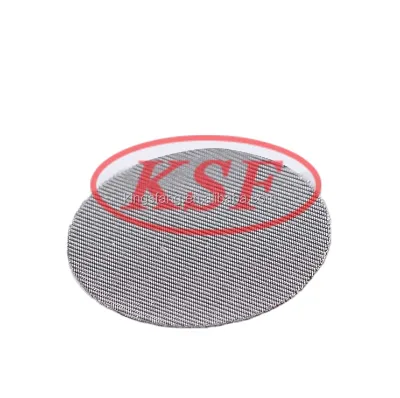
Consumables Black Ink Compatible Filter for KGK Inkjet Coding Machine
$9.2353 - $10.2607
MOQ: 1 pieces
Foshan Denoma Electronic Technology Co., Ltd.
- Verified by TüVRheinland
- Trading Company
- Lead time0 days
- Avg. response≤ 1h
Main productsInkjet Printer Chip & Accessories, Laser Marking Machine, CIJ Inkjet Printer, TIJ Inkjet Printer, Inkjet Printer Ink Cartridge
Guangzhou Sailai Digital Technology Co., Ltd.
- Manufacturer, Trading Company
- Guangdong, China
- Lead time7 days
- Avg. response≤ 2h
Main productsInkjet Printer
Main marketsSoutheast Asia(30.00%), South Asia(20.00%), South America(10.00%), North America(9.00%), Africa(7.00%), Mid East(7.00%), Domestic Market(6.00%), Southern Europe(5.00%), Northern Europe(5.00%), Eastern Europe(1.00%)

Wuhu Filter Woods Purification Equipment Co., Ltd.
- Verified by SGS
- Combined
- China Anhui
- Lead time15 days
- Avg. response≤ 12h
Main marketsDomestic


Superior High Temperature Resistant Filter for Printing Inks Applications
$3.80 - $4.20
MOQ: 500 Pieces
Shenzhen Shenchuangxing Technology Co., Ltd.
- Manufacturer, Trading Company, Agent
- Guangdong, China
- Lead time30 days
- Avg. response≤ 1h
Main productsDTF printer,A3 DTF Printer,3D printer,UV DTF printer,Printer heads
Main marketsSouth America(2.00%), Domestic Market(1.00%), South Asia(1.00%), Southern Europe(1.00%), Northern Europe(1.00%), Central America(1.00%), Western Europe(1.00%), Eastern Asia(1.00%), Mid East(1.00%), Oceania(1.00%), Africa(1.00%), Southeast Asia(1.00%), Eastern Europe(1.00%), North America(1.00%)








Comprehensive Sourcing Guide
Solvent Inkjet Printer Ink Filter Supplier Concentration and Factory Types
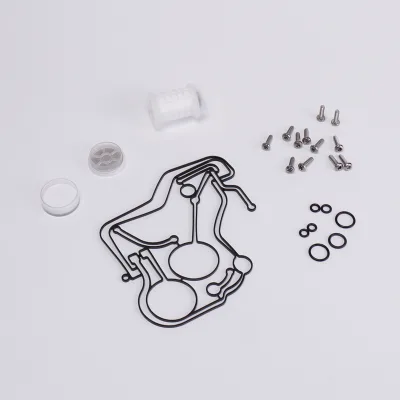
The current supplier landscape for solvent inkjet printer ink filters reveals a distinct geographic concentration in Guangdong, China, where manufacturers and trading companies operate in close proximity. This region serves as a primary hub for producing components such as stainless steel filters and related printing materials, leveraging established industrial ecosystems to support rapid production cycles. Suppliers in this area often list main products that include ceramic anilox rollers, doctor blades, and end seals, indicating a broader capability in printing machinery maintenance and consumables. The presence of both manufacturers and trading companies in Guangdong suggests a competitive market where buyers can access direct factory pricing or leverage the logistical advantages of established distributors. This concentration allows for efficient sourcing of high-volume items, as the local supply chain is optimized for the specific needs of the printing industry. Buyers evaluating options in this cluster should note that the density of suppliers facilitates easier comparison of technical specifications and material quality, particularly for stainless steel constructions that are prevalent in this region.
In addition to the Guangdong cluster, suppliers located in Jiangsu, China, offer a different mix of company types, primarily focusing on manufacturers and trading companies that specialize in consumables and spare parts for various printer brands. These suppliers often highlight their ability to provide compatible inks and filters for specific industrial printers, such as Videojet, Linx, and Willett systems. The product evidence indicates that these Jiangsu-based entities may also deal in coding inks and other digital printing consumables, suggesting a diversified portfolio that extends beyond just filters. This diversity allows buyers to potentially consolidate orders for multiple consumable needs, although it requires careful verification to ensure that the filter quality matches the specific requirements of their solvent inkjet systems. The presence of trading companies in this region implies that some suppliers may act as intermediaries, sourcing from various factories to meet specific client demands. Understanding this distinction is crucial for buyers who prioritize direct manufacturer relationships versus the flexibility offered by trading companies that can aggregate products from multiple sources.
How to Verify Solvent Inkjet Printer Ink Filter Suppliers
Verifying the legitimacy and capability of Solvent Inkjet Printer Ink Filter suppliers requires a multi-layered approach that goes beyond basic profile reviews. Buyers should prioritize suppliers who display third-party verification badges, such as SGS Group verification, which provides an additional layer of trust regarding the company’s operational status and business practices. For suppliers in the printing materials sector, checking for relevant system certifications is essential, as these indicate adherence to international standards for quality management and environmental responsibility. Some suppliers may list RoHS certification, which is particularly relevant for electronic components and materials that come into contact with machinery, ensuring that harmful substances are minimized. Buyers must actively request and review these certificates rather than assuming their validity, as certification status can change or be misapplied. Additionally, examining the supplier’s response time is a practical indicator of their operational efficiency; a response time of two to four hours suggests a responsive sales team capable of addressing technical queries and order specifics promptly. This responsiveness is often correlated with the supplier’s ability to handle custom requests or urgent orders, which is critical in industrial procurement scenarios.
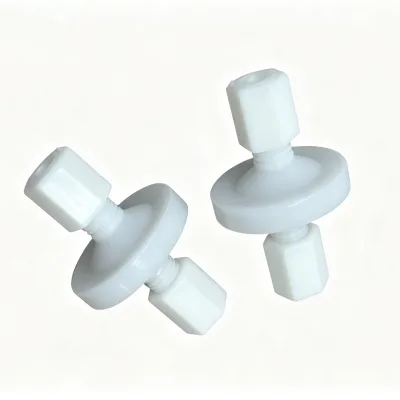
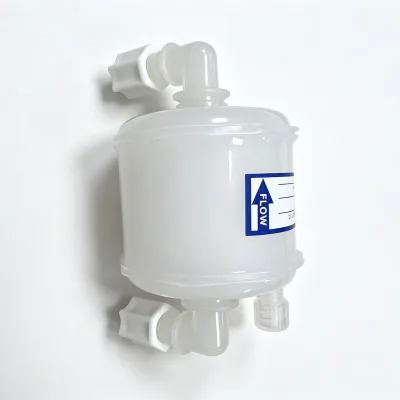
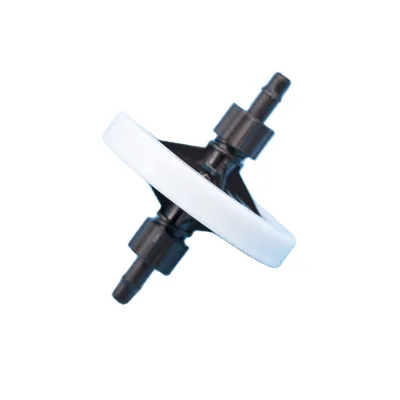
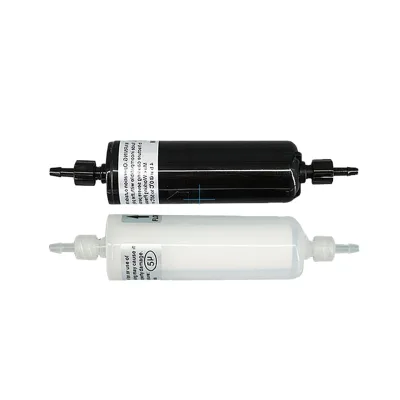
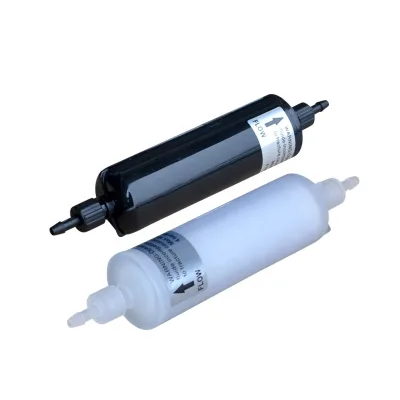
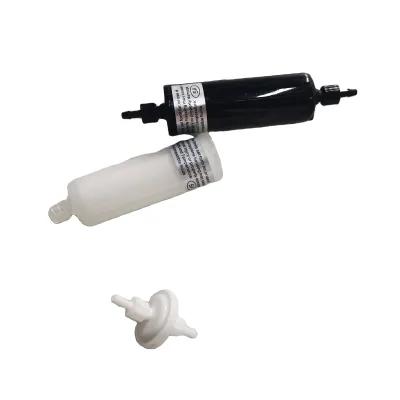
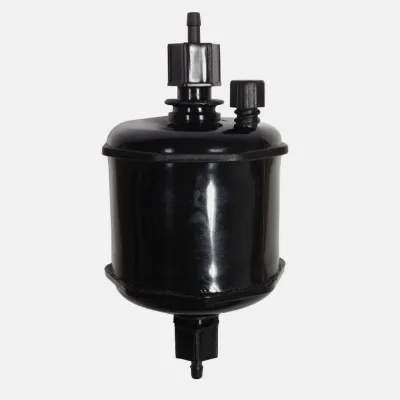
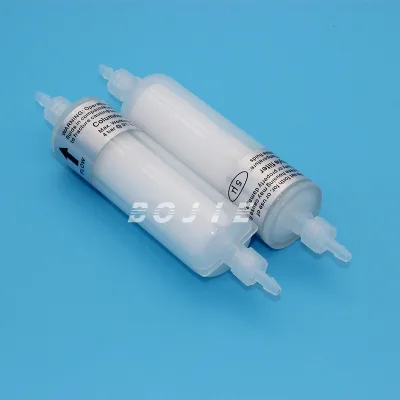
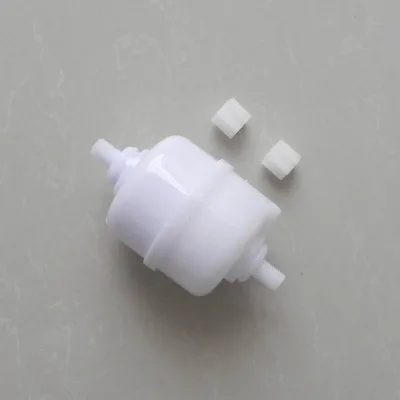
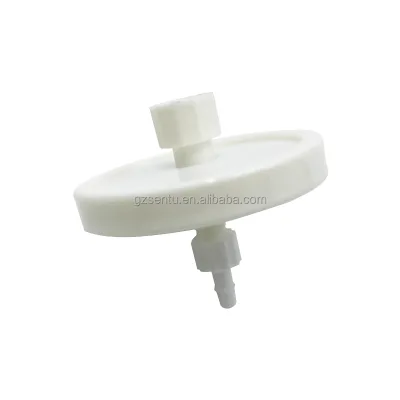
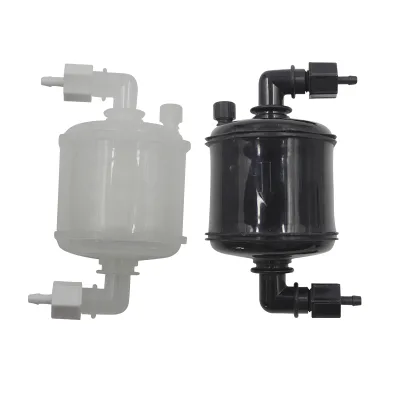
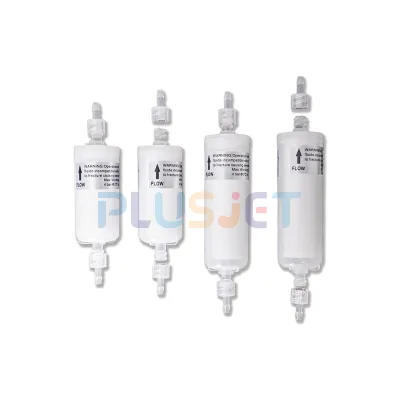
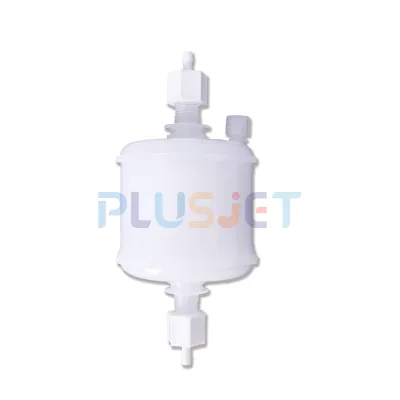
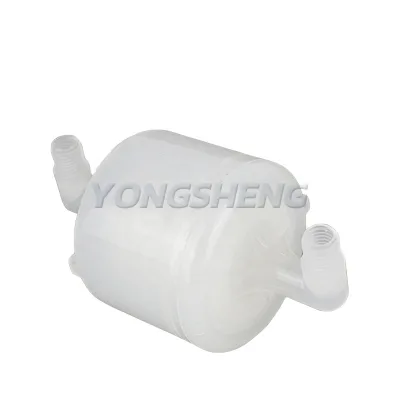
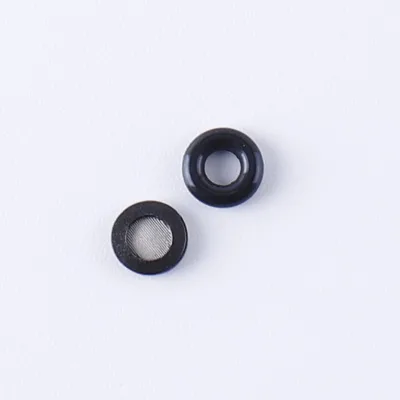
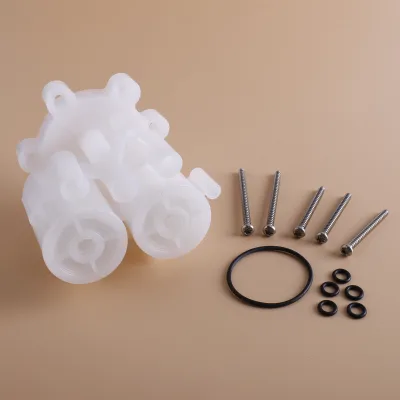
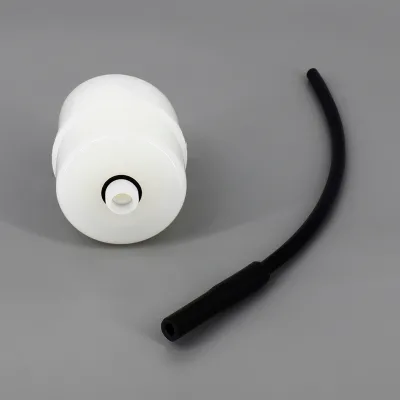
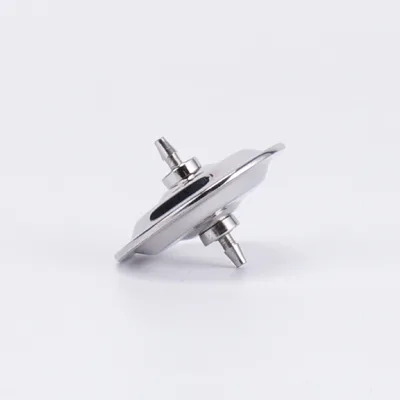
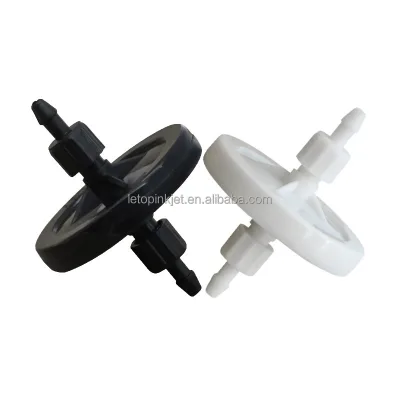
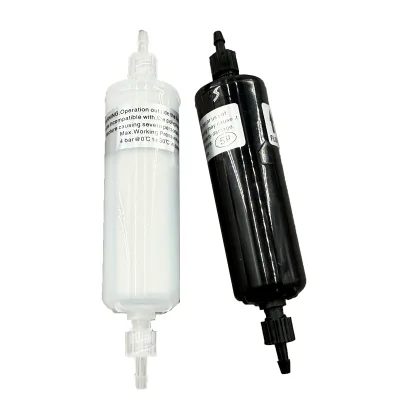
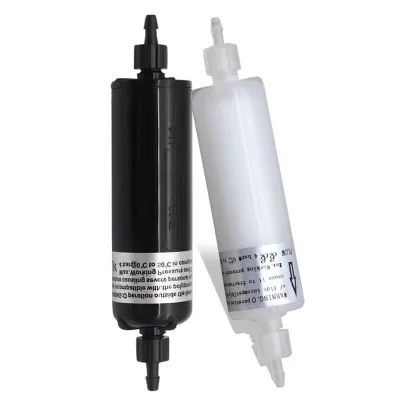
Beyond certifications and response metrics, buyers should scrutinize the detailed product attributes provided in supplier listings to assess technical competence. For instance, verifying that a supplier explicitly states the material composition, such as stainless steel or plastic, and provides specific dimensions like 100mm*100mm, demonstrates a level of product transparency that is crucial for compatibility. Buyers should also look for clear indications of the supplier’s supply ability, such as monthly production capacities for filters or inks, which helps in planning long-term procurement strategies. It is important to verify that the supplier’s main products align with the specific type of filter needed, whether it is a short cylindrical filter or a diptube filter for specific printer models. Cross-referencing the supplier’s claimed expertise with their actual product listings ensures that they are not merely general traders but possess specialized knowledge in solvent inkjet filtration. Buyers should also inquire about the supplier’s experience with specific printer brands, as compatibility issues can arise if the filter is not designed for the exact ink viscosity and flow requirements of the target printer.
What to Compare Across Solvent Inkjet Printer Ink Filter Suppliers
When evaluating multiple suppliers for solvent inkjet printer ink filters, buyers must systematically compare key operational metrics to determine the best fit for their procurement needs. One of the most critical factors is the Minimum Order Quantity (MOQ), which can vary significantly between suppliers. Some suppliers offer an MOQ of just one piece, which is ideal for testing samples or fulfilling small, urgent maintenance needs, while others may require larger bulk orders. Comparing MOQs helps buyers assess the flexibility of each supplier and their willingness to accommodate different order sizes. Additionally, the lead time for delivery is a vital consideration, especially for operations that cannot afford downtime due to missing consumables. Suppliers may advertise lead times ranging from one to three days after payment receipt, or longer periods for larger custom orders. Buyers should compare these lead times against their production schedules to ensure that the supplier can meet their urgency requirements. It is also important to note that lead times may vary based on the specific product type, such as standard filters versus custom-coded inks, so buyers should seek clarification on the exact delivery window for their specific order.
Price and payment terms are another crucial dimension for comparison, as they directly impact the total cost of ownership and cash flow management. Buyers should compare the price ranges offered by different suppliers, noting that prices can fluctuate based on order volume and specific product specifications. For example, solvent ink filters may be priced between forty and fifty units of currency per piece, while compatible inks may have different pricing structures. Buyers should also evaluate the payment terms offered, such as acceptance of Visa, credit cards, Telegraphic Transfer (TT), or Alipay, as these options can affect transaction security and convenience. Suppliers that offer secure payment methods and clear refund policies provide an added layer of protection for buyers. Furthermore, comparing the shipping methods available, such as DHL, FedEx, TNT, EMS, or UPS, can help buyers estimate total landed costs, including shipping fees and potential customs duties. By systematically comparing MOQs, lead times, prices, payment terms, and shipping options, buyers can make informed decisions that balance cost, speed, and reliability.
Common Solvent Inkjet Printer Ink Filter Sourcing Risks
Sourcing solvent inkjet printer ink filters from international suppliers introduces several risks that buyers must proactively manage to ensure supply chain continuity. One significant risk is the potential for product incompatibility, where the filter specifications do not perfectly match the requirements of the buyer’s specific printer model. This can lead to operational inefficiencies, ink leakage, or even damage to the printer’s internal components. Buyers must carefully verify the compatibility of the filter with their printer brand and model, such as Linx or Willett systems, before placing large orders. Another risk is the variability in product quality, as not all suppliers adhere to the same manufacturing standards. Without proper verification, buyers may receive filters made from inferior materials, such as low-grade stainless steel or plastic, which can degrade quickly and require frequent replacement. This not only increases long-term costs but also disrupts production schedules. Buyers should request samples and conduct rigorous testing before committing to bulk purchases to mitigate this risk.
Logistical and communication risks are also prevalent in international sourcing, particularly when dealing with suppliers in different time zones or regions. Delays in shipping or customs clearance can disrupt production lines, especially if the supplier fails to provide accurate tracking information or fails to meet promised lead times. Buyers should be aware that some suppliers may list generic shipping methods without specifying the actual carrier or service level, leading to unexpected delays. Additionally, communication barriers can result in misunderstandings regarding product specifications, payment terms, or delivery instructions. Buyers should establish clear communication channels and confirm all details in writing to avoid disputes. Another risk is the potential for fraudulent suppliers who may not exist or may not be able to fulfill orders. Buyers should verify the supplier’s business license and physical address, and prefer suppliers with established track records and positive customer feedback. By identifying and addressing these risks early in the sourcing process, buyers can protect their operations and ensure a smooth procurement experience.
Solvent Inkjet Printer Ink Filter Regional Sourcing and Logistics
Regional sourcing strategies play a crucial role in optimizing the logistics and cost-efficiency of procuring solvent inkjet printer ink filters. Suppliers located in Guangdong, China, benefit from a well-developed infrastructure that supports rapid manufacturing and efficient export logistics. This region’s proximity to major ports, such as Shenzhen and Guangzhou, facilitates faster shipping times to various global destinations. Buyers sourcing from Guangdong-based suppliers can often leverage consolidated shipping options, which reduce per-unit shipping costs and simplify customs clearance processes. Additionally, the concentration of suppliers in this area allows for easier coordination of multiple orders, enabling buyers to consolidate shipments from different suppliers into a single container. This approach not only reduces shipping costs but also minimizes the administrative burden of managing multiple shipments. Buyers should consider the logistical advantages of Guangdong when evaluating suppliers, as the region’s infrastructure can significantly impact delivery speed and reliability.
In contrast, suppliers in Jiangsu, China, offer access to different logistical routes, particularly through ports like Shanghai and Ningbo. These ports are major international hubs with extensive connections to global trade routes, providing buyers with flexible shipping options. Buyers sourcing from Jiangsu-based suppliers may benefit from the region’s strong manufacturing base for coding inks and related consumables, which can be combined with filter orders to optimize shipping efficiency. However, buyers should be aware that shipping times from Jiangsu may vary depending on the destination and the specific port of dispatch. It is essential to confirm the port of dispatch with the supplier to ensure accurate transit time estimates. Additionally, buyers should consider the impact of seasonal fluctuations on shipping availability and costs, particularly during peak periods such as pre-holiday seasons. By understanding the logistical nuances of each region, buyers can make informed decisions that align with their supply chain requirements and budget constraints.
Solvent Inkjet Printer Ink Filter Commercial Terms and Order Planning
Effective order planning for solvent inkjet printer ink filters requires a thorough understanding of the commercial terms offered by suppliers, including payment structures, warranty policies, and after-sales support. Buyers should carefully review the payment terms to ensure they align with their company’s financial policies and risk tolerance. Suppliers may offer various payment options, such as Telegraphic Transfer (TT), credit cards, or online payment platforms, each with different implications for transaction security and processing times. Buyers should also inquire about the supplier’s warranty policy, as some may offer limited or no warranty on filters, while others may provide guarantees against manufacturing defects. Understanding these terms helps buyers assess the total cost of ownership and potential liabilities associated with the purchase. Additionally, buyers should clarify the supplier’s return and refund policies in case of product defects or non-conformance, ensuring that they have recourse in the event of quality issues.
Beyond immediate transaction terms, buyers should plan for long-term supply relationships by evaluating the supplier’s capacity to scale and adapt to changing needs. Suppliers with high supply abilities, such as those capable of producing thousands of filters or liters of ink per month, are better positioned to support large-scale or growing operations. Buyers should discuss their future volume requirements with suppliers to ensure that the supplier can meet increasing demand without compromising quality or lead times. It is also important to establish clear communication protocols for order modifications, cancellations, or emergency requests, as these scenarios are common in industrial procurement. By negotiating favorable commercial terms and planning for scalability, buyers can build a resilient supply chain that supports their operational goals. Regularly reviewing and updating these terms based on market conditions and supplier performance ensures that the procurement strategy remains effective and aligned with business objectives.
FAQs
What is the minimum order quantity for solvent inkjet filters?
The minimum order quantity is one piece for most solvent inkjet filters listed. Some suppliers offer single item units with no bulk requirement. This allows buyers to test product quality before placing larger orders for their printing operations.
How long does delivery take for these ink filters?
Delivery times vary between one to three days after payment is received. Some general lead times are listed as seven days for broader orders. Buyers should confirm specific shipping schedules with the supplier to ensure timely arrival.
Where are these solvent ink filters manufactured?
Manufacturing locations include Guangdong and Jiangsu provinces in China. Products originate from these regions with specific attributes like stainless steel or plastic materials. Buyers can verify the exact place of origin for each specific filter model.
What payment methods are accepted for these filters?
Accepted payment terms include VISA, credit cards, and telegraphic transfers. Some suppliers also accept Alipay or Western Union for transactions. Buyers should check the specific payment options available for their selected filter product before completing the purchase.
Are these filters compatible with Linx and Willett printers?
Yes, specific filters are designed for Linx and Willett inkjet printer models. Products exist for Linx 7300 and Willett 658 systems. Buyers must verify the model number compatibility to ensure the filter fits their specific printer equipment correctly.
What certifications do these ink filters hold?
Some products carry SGS and MSDS certifications for safety and quality assurance. RoHS system certifications are also available for certain manufacturers. Buyers should request specific certification documents to confirm compliance with their regional safety standards.
What is the price range for solvent ink filters?
Prices range from approximately twenty-five to fifty-two dollars per unit depending on specifications. Specific models like the 5um filter have distinct pricing tiers. Buyers should compare current listings to find the best value for their required filter type.