Automatic Belt Digital Printer Suppliers and Manufacturers
Compare 18 suppliers offering automatic belt digital printers with dimensions ranging from 2800mm to 5160mm in length. Review specifications like weight, voltage, and ink types to select the right equipment for your textile printing needs; review the available evidence before requesting comparable quotations from suitable candidates.
Updated
Suppliers List
Zhenfeng(guangzhou) Technology Co., Ltd.
- Trading Company
- Guangdong, China
- Lead time7 days
- Avg. response≤ 2h
Main productsTextile Printer/Sublimation Printer/T shirt Printer/Eco Solvent Printer/Printing Ink
Main marketsSouth America(20.00%), Africa(20.00%), Domestic Market(20.00%), Southeast Asia(15.00%), North America(10.00%), Mid East(10.00%), Western Europe(3.00%), Northern Europe(2.00%)
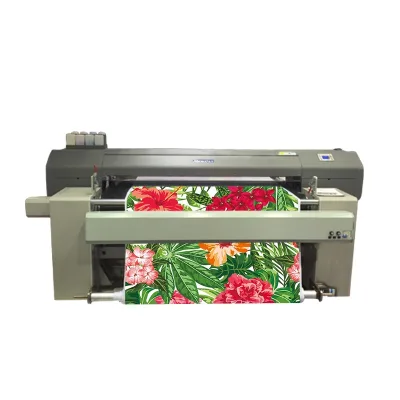
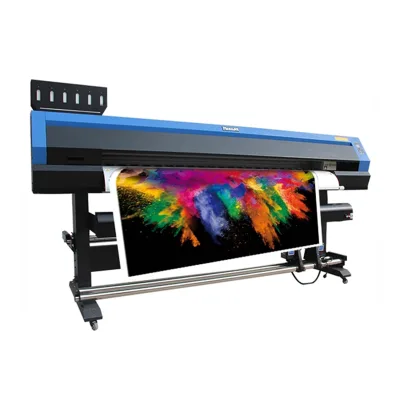
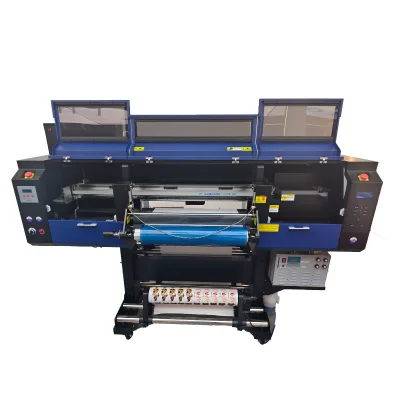
1.8m Belt Type Digital Textile Printer
$27000.00 - $30000.00
Qingdao Hengjinding Precision Machinery Co., Ltd.
- Verified by SGS Group
- Manufacturer, Trading Company
- Lead time0 days
- Avg. response≤ 2h
Main productsOval Automatic Screen Printing Machine, DTG Printer, DTF Printer, Roller Heat Press Machine , UV DTF Printer
Main marketsSoutheast Asia(30%), South Asia(20%), North America(15%)

Zhejiang Aishijie Digital Technology Co., Ltd.
- Verified by SGS
- Combined
- China Zhejiang
- Lead time15 days
- Avg. response≤ 2h
Main productsTextile Printing Machine, UV Printer, Printing Machinery, 3D Printing Machine, PVC Film Printer, Wall Panel Film Printer, Thermal Transfer Film Printer, Digital Printer, Spc Digital Printing Machine
Main marketsDomestic


Reliable Inkjet Printer Fabric Digital Printing Machine Digital Printing Machine
$91350.00
MOQ: 1 Pieces


Precision Fabric Digital Printing Machine Inkjet Printer Digital Printing Machine
$91350.00
MOQ: 1 Pieces

Cangzhou Yunxiang Carton Machinery Co., Ltd.
- Manufacturer/Factory
- China Hebei
- Lead time45 days
- Avg. response≤ 16h
Main productsCaton Packaging Machinery, Flexo Printing Slotting and Die Cutting Machine, Corrugated Paperboard Production Line, Inline Folder Gluer Machine, Case Maker, Carton Packaging Machinery Spare Parts
Main marketsEastern Europe,Mid East,North America,Western Europe,Africa
Cangzhou Xingkaili Carton Machinery Manufacturing Co., Ltd.
- Manufacturer, Trading Company
- Hebei, China
- Lead time90 days
- Avg. response≤ 3h
Main productscarton packaging machine,carton printing machine,carton corrugated production line,carton stitching machine,auto folder gluer machine
Main marketsDomestic Market(49.00%), Mid East(16.00%), Eastern Asia(10.00%), Southeast Asia(9.00%), South Asia(5.00%), Africa(5.00%), North America(2.00%), Northern Europe(2.00%)

WILLITA INK JET TECHNOLOGY(WUHAN) CO.,LTD.
- Verified by SGS
- Combined
- China Hubei
- Lead time15 days
- Avg. response≤ 4h
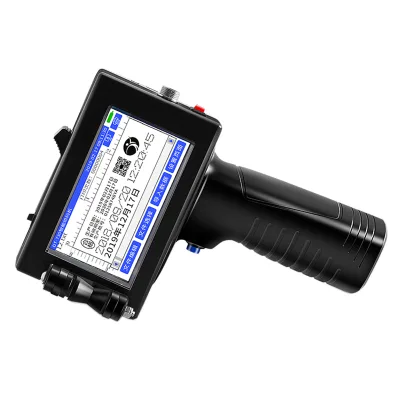
Main productsInkjet Printer, Laser Marking Machine, Tij Inkjet Printer, Industrial Inkjet Printer, Inkjet Printer Inks, Handheld Inkjet Printer, Wall Printer
Main marketsSouth America,Africa,Southeast Asia/ Mideast,East Asia(Japan/ South Korea),Europe,Australia,North America

Taiyuan Machinery Euqipment(Dongguan) Co., Ltd
- Verified by SGS
- Trading Company
- China Guangdong
- Lead time45 days
- Avg. response≤ 2h
Main productsThe Experiment Machine
Main marketsEurope


Direct Injection Thermal Transfer Printing Thermal Transfer Inkjet Printer
$29000.00 - $32000.00
MOQ: 1 Pieces
Henan Vinica Machinery Co., Ltd.
- Trading Company
- Henan, China
- Lead time0 days
- Avg. response≤ 7h
Main productshandheld inkjet printer,digital foil printer,package machine,sealing machine,Laminating machine
Main marketsWestern Europe(18.00%), Eastern Europe(15.00%), Africa(15.00%), Northern Europe(10.00%), North America(10.00%), Mid East(10.00%), South America(10.00%), South Asia(5.00%), Southern Europe(5.00%)

Ningbo Tec Electronic Industry and Trade Co., Ltd.
- Trading Company
- China Zhejiang
- Lead time15 days
- Avg. response≤ 8h
Main productsSolvent Printer, Large Format Printers, Inkjet Printer, Digital Printer, Material for Digital Printing, Inkjet, Exhibition Frames, Solvent Eco Ink, UV Flatbed Printer, DTG Printer
Main marketsSouth America,Africa,Southeast Asia/ Mideast,East Asia(Japan/ South Korea),Europe,Australia,North America

- Verified by BV
- Combined
- China Guangdong
- Lead time15 days
- Avg. response≤ 2h
Main marketsSouth America,Others(foreignTradeCapacity.exportBusinessCapacityMarketOther),Southeast Asia/ Mideast,Domestic


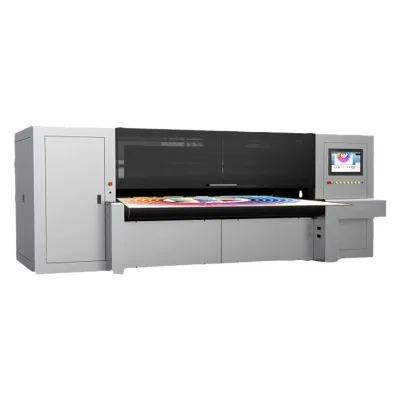
High-Performance Automatic Digital Textile Printer for Multi-Pass Printing
$100000.00 - $350000.00
MOQ: 1 Sets

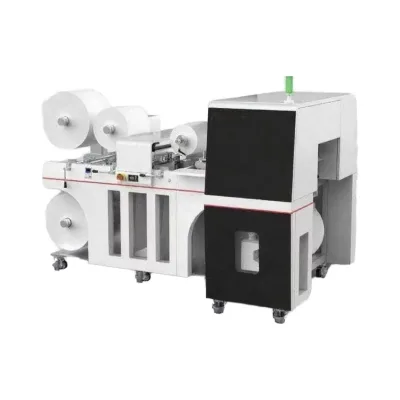
Efficient Digital Textile Label Printer for Industrial Applications
$100000.00 - $300000.00
MOQ: 1 Sets


High-Speed Digital Textile Printer for Superior Paper Applications
$100000.00 - $350000.00
MOQ: 1 Sets
Wuhan Baike Intelligent Technology Co., Ltd.
- Verified by TüVRheinland
- Trading Company
- Lead time20 days
- Avg. response≤ 2h
Main productsFiber Laser Cutting Machine, Laser Cleaning Machine, Laser Welding Machine, Laser Marking Machine, Wall Printing Machine
Main marketsEastern Europe(20%), North America(15%), Western Europe(15%)
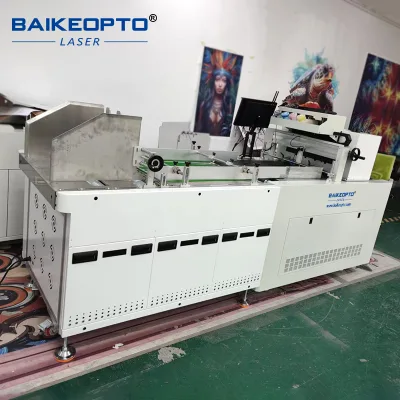
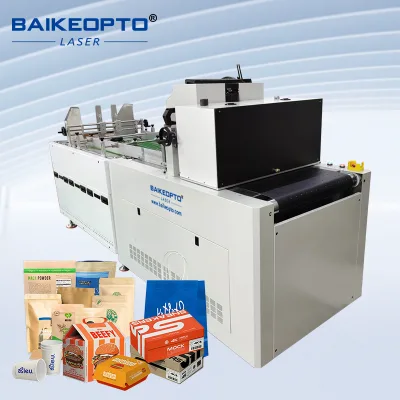
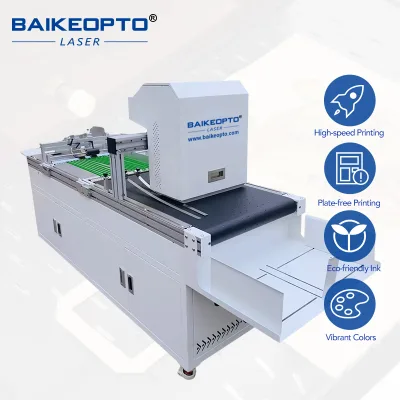
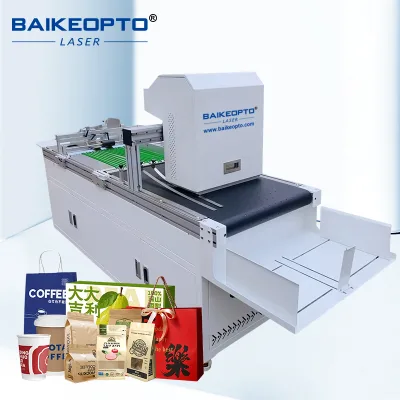
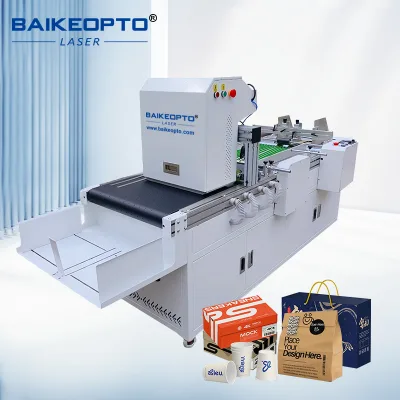
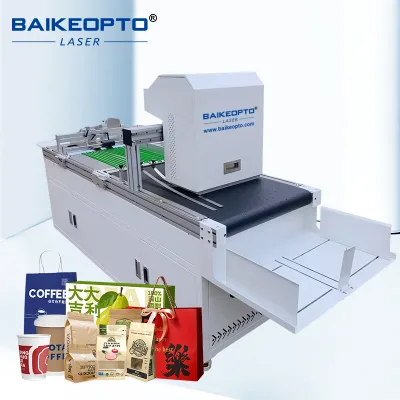
Industrial Carton Printer Digital Box Printer for Small Business Factory
$8800.00 - $9800.00

Zhengzhou Dana Photoelectric Technology Co., Ltd.
- Verified by TUVRHEINLAND
- Combined
- China Henan
- Lead time15 days
- Avg. response≤ 1h
Main productsLaser Engraving Machine, Tij Printer, Laser Marking
Main marketsSoutheast Asia/ Mideast,Domestic

Xinxiang Haitop Machinery Equipment Co., Ltd.
- Trading Company
- Henan, China
- Lead time30 days
- Avg. response≤ 2h
Main productsexpiry date printer,laser marking machine,thermal printer,hot stamping machine,digital printing machine
Main marketsDomestic Market(30.00%), Southern Europe(10.00%), Northern Europe(9.00%), Western Europe(9.00%), Eastern Europe(9.00%), Central America(7.00%), Southeast Asia(5.00%), North America(4.00%), Oceania(4.00%), South Asia(4.00%), Eastern Asia(4.00%), South America(3.00%), Africa(1.00%), Mid East(1.00%)

Shanghai Guanzhong Information Technology Co., Ltd.
- Verified by CTI
- Combined
- China Shanghai
- Lead time30 days
- Avg. response≤ 3h
Main productsInkjet Printer, Inkjet System, Inkjet Machine, UV Inkject System, RFID Inkjet System, Variable Data Inkjet Printer, High Speed Digital Inkjet System, RFID Read-Wirte Inkjet System, High Precision Water-Based Inkjet System, Side Jet Inkjet System
Main marketsDomestic


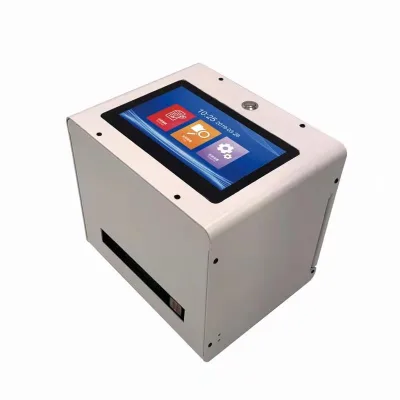
High Resolution High Speed Digital Inkjet Label Printer for Courier Industry
$13000.00 - $28000.00
MOQ: 1 Pieces
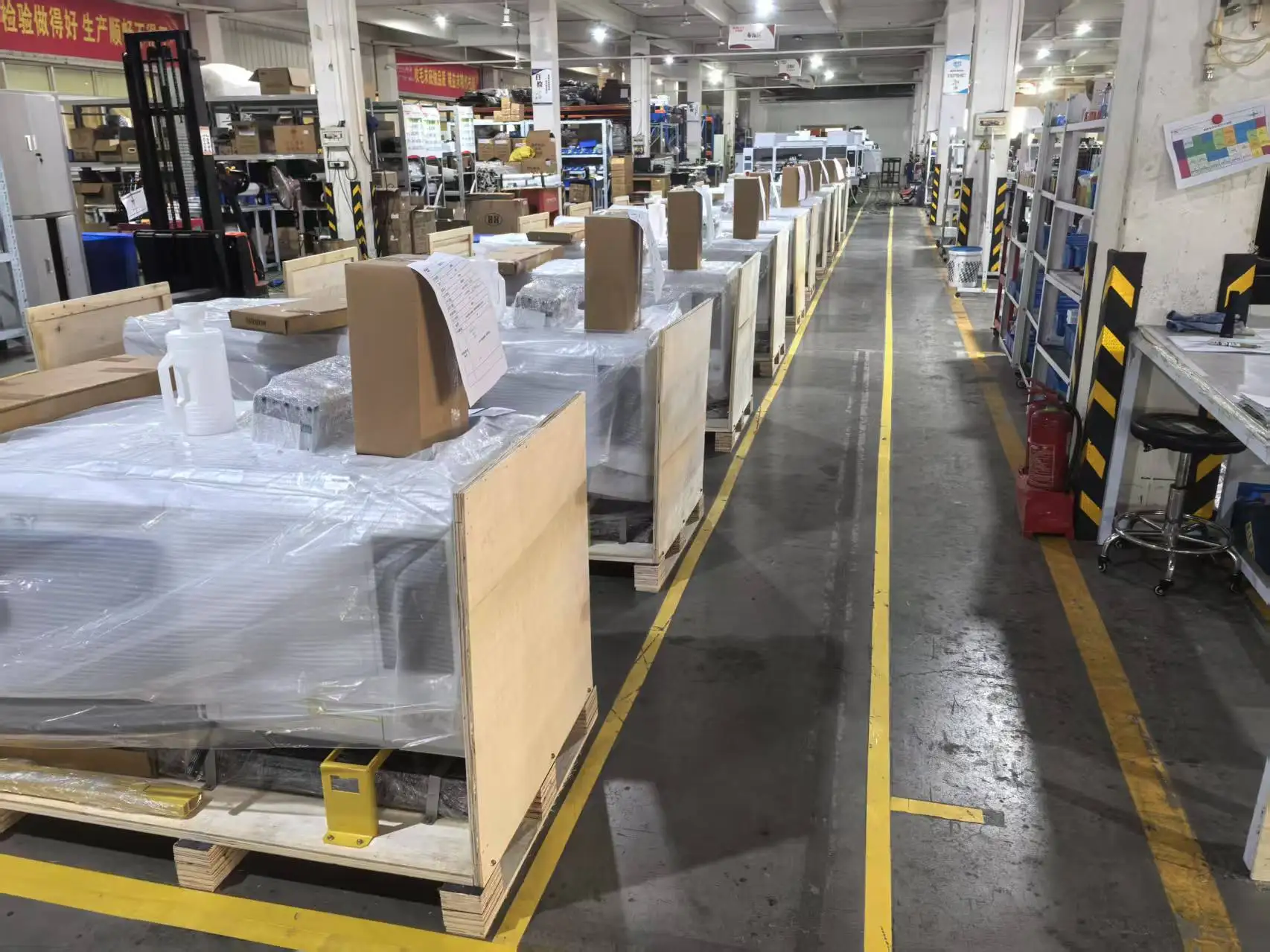
Henan Huaran Machinery Equipment Co., Ltd,
- Manufacturer, Trading Company
- Henan, China
- Lead time0 days
- Avg. response≤ 4h
Main products2030-X5,E2070-3,E8074-3,6003,3003
Main marketsDomestic Market(25.00%), Mid East(18.00%), South Asia(15.00%), Southeast Asia(12.00%), Eastern Asia(12.00%), North America(10.00%), South America(8.00%)
Guangzhou Springyprinter Digital Color Printing Equipment Co., Ltd.
- Manufacturer
- Guangdong, China
- Lead time10 days
- Avg. response≤ 1h
Main productsUV Inkjet Digital Printer,Flatbed UV Printer,Cylinder UV Printer,Single Pass Printer,One Pass Printer
Main marketsDomestic Market(97.00%), Northern Europe(1.00%), Oceania(1.00%), South America(1.00%)
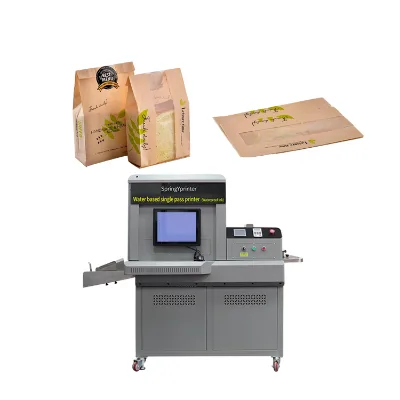
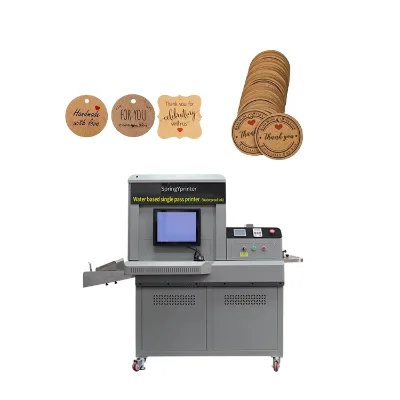
FI1000 Large Format Single Pass Corrugated Digital Press
$15000.00 - $20000.00
Hangzhou Antian Technology Co., Ltd.
- Verified by SGS Group
- Manufacturer, Trading Company
- Lead time15 days
- Avg. response≤ 3h
Main productsUV Inkjet Coding Printer, Laser Inkjet Coding Printer, CIJ Coding Machine, TIJ Thermal Inkjet Coding Printer, Large Character Inkjet Coding Printer
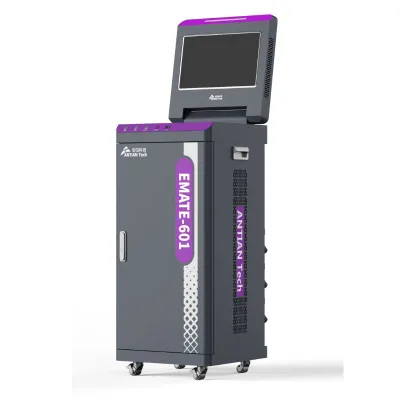
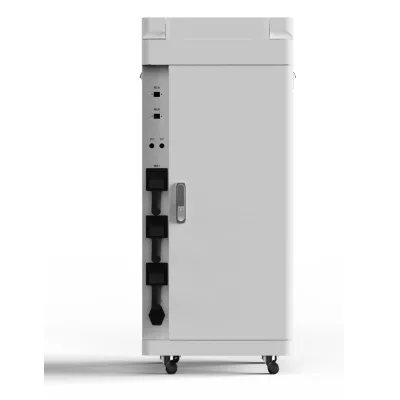
UV Inkjet Printer for High-Precision Artwork, Logos, and Industrial Product Branding
$8325.3006 - $9494.0334
MOQ: 1 sets

Hangzhou Ecoographix Digital Technology Co., Ltd.
- Verified by TUVRHEINLAND
- Trading Company
- China Zhejiang
- Lead time45 days
- Avg. response≤ 7h
Main productsDie Cutter, Perfect Binder, Postpress Effect Enhancement Machine, Laminating Ingmachine, Offset Printer, Varnish Machine, Label Printing Machine
Main marketsSouth America,Eastern Europe,Mid East,North America,Southeast Asia,Eastern Asia,Western Europe,Africa
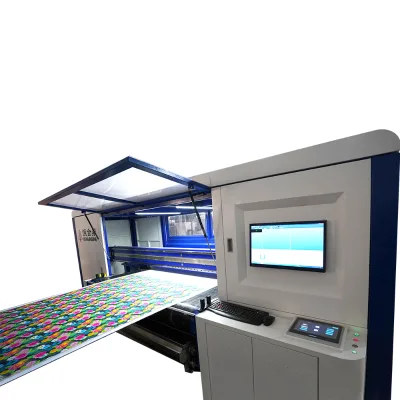
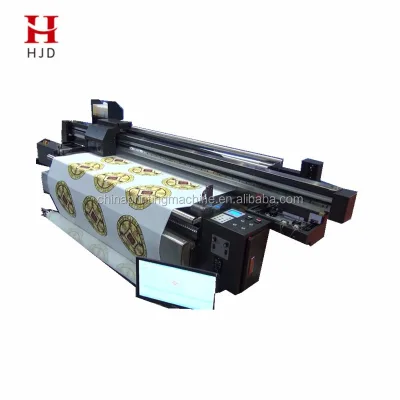


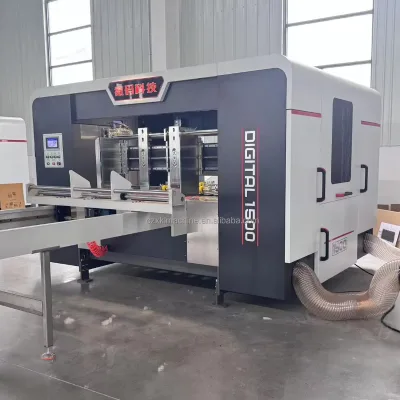






Comprehensive Sourcing Guide
Automatic Belt Digital Printer Supplier Concentration and Factory Types
Current supplier data indicates a concentration of manufacturers and trading companies located in Guangdong, China, alongside specific origins in Zhejiang and Shandong provinces. This geographic distribution suggests that buyers should expect a mix of direct factory operations and intermediary trading entities when sourcing automatic belt digital printers. The presence of trading companies implies a supply chain structure where some vendors aggregate products from various production facilities, while others may operate their own assembly lines. Buyers must distinguish between these two models, as factory types often dictate the level of customization available and the directness of technical support.
When evaluating the supplier type, it is critical to note that some entities list themselves as both manufacturers and trading companies, which can blur the lines of accountability. The observed data shows a mix of company types, requiring buyers to verify the actual production capability rather than relying solely on the listed title. In regions like Guangdong, the density of machinery suppliers is high, but this does not guarantee that every listed vendor possesses the specific engineering capacity for belt-type digital printing systems. Buyers should look for evidence of in-house manufacturing, such as specific model numbers and detailed technical specifications, to confirm the factory type before proceeding with negotiations.
How to Verify Automatic Belt Digital Printer Suppliers
Verification of supplier credibility begins with checking for recognized system certifications and third-party verification badges. The available data highlights certifications such as CE and EN ISO 12100, which serve as indicators of compliance with safety and operational standards. Additionally, some suppliers display verification status from groups like SGS, providing an external layer of trust regarding their business legitimacy. Buyers should prioritize suppliers who can provide these specific documents, as they confirm that the company has undergone rigorous assessment processes. However, the absence of a specific badge does not automatically disqualify a supplier, but it necessitates a deeper inquiry into their operational history and past performance records.
Beyond certifications, buyers must scrutinize the response time and the depth of product evidence provided by the vendor. A response time of two hours, as observed in some records, suggests a high level of operational readiness and customer service commitment. Furthermore, detailed product attributes, such as specific printhead models like Ricoh G6 or EP DX5/DX7, and precise dimensions, are strong indicators of a supplier's technical competence. Buyers should request these specific technical details to ensure the supplier is not merely reselling generic information. If a supplier cannot provide granular data on their machinery, such as voltage requirements or ink types, it is a red flag that warrants further investigation before any financial commitment is made.
What to Compare Across Automatic Belt Digital Printer Suppliers
When comparing potential partners, lead time and supply ability are primary metrics that directly impact project scheduling and inventory planning. The observed data reveals significant variance, with some suppliers listing a lead time of seven days while others indicate zero days, and supply abilities ranging from twenty units per month to two hundred sets per year. These discrepancies highlight the importance of aligning supplier capacity with immediate production needs. Buyers should not assume uniform availability across the market and must explicitly confirm the delivery timeline for their specific order volume to avoid production bottlenecks.
Price and warranty terms also require careful comparison to ensure value and long-term reliability. The price range for these machines varies substantially, with some listings showing minimums around twenty-seven thousand dollars and others near nine thousand dollars, reflecting differences in configuration and component quality. Warranty periods, such as the one-year coverage noted in several records, offer a baseline for after-sales support expectations. Buyers should compare these financial terms alongside the specific ink types supported, such as pigment or sublimation ink, to ensure the machine meets their material requirements. A lower price point may not always equate to better value if it compromises on critical components like the heating system or the RIP software included with the unit.
Common Automatic Belt Digital Printer Sourcing Risks
One significant risk in sourcing automatic belt digital printers involves the discrepancy between the stated place of origin and the actual manufacturing location. While some product attributes list Zhejiang or Shandong as the origin, the supplier location is recorded as Guangdong, which can complicate logistics and warranty claims. This geographic separation may indicate a trading company model where the vendor does not control the final assembly process. Buyers must verify the actual factory location to ensure that technical support and spare parts availability are manageable, as shipping components across different provinces or regions can lead to delays in maintenance and repairs.
Another critical risk is the potential mismatch between the advertised specifications and the actual machine performance. Product attributes such as weight, dimensions, and power consumption can vary significantly between models, and relying on generic descriptions can lead to installation failures. For instance, a machine listed with a specific voltage requirement might not be compatible with the local power grid if the supplier fails to provide accurate details. Additionally, the complexity of the printing system, involving multiple printheads and specialized software, means that any deviation from the stated technical parameters can result in operational inefficiencies. Buyers should insist on detailed technical datasheets and, if possible, video demonstrations to validate the machine's capabilities before finalizing the purchase.
Automatic Belt Digital Printer Regional Sourcing and Logistics
Logistics planning must account for the specific port of dispatch and the packaging requirements associated with heavy industrial machinery. The data indicates that goods may be dispatched from ports like Guangzhou or Qingdao, which influences shipping costs and transit times to the buyer's destination. The packaging details, often described as wooden packing or plywood cartons, are essential for protecting the machine during transit, given the substantial weight of units ranging from nine hundred to twelve hundred kilograms. Buyers should confirm the exact packing dimensions to ensure that their freight forwarder can accommodate the cargo and that the destination facility has the necessary equipment for unloading.
Regional sourcing also impacts the efficiency of after-sales support and the availability of local spare parts. Suppliers located in different provinces may have varying levels of access to local service networks, which can affect the speed of repairs and maintenance. For example, a supplier based in Shandong might have different logistical advantages compared to one in Guangdong, depending on the buyer's location. It is crucial to discuss the shipping terms and the responsibility for customs clearance and insurance with the supplier. Understanding the specific port of dispatch allows buyers to calculate accurate landed costs and plan for the necessary infrastructure at their facility to receive and install the large-format digital printer.
Automatic Belt Digital Printer Commercial Terms and Order Planning
Order planning for automatic belt digital printers requires a clear understanding of the minimum order quantities and the flexibility of the supply chain. While some suppliers list a supply ability of twenty units per month, others may offer higher volumes, but the specific MOQ is not always explicitly stated in the provided data. Buyers should negotiate these terms early to ensure that the supplier can meet their production schedule without requiring excessive inventory buildup. The ability to customize orders, such as selecting specific ink types or software configurations, should also be confirmed, as this affects the final price and the lead time for the order.
Commercial terms regarding payment and escrow are vital for mitigating financial risk during the transaction. Although specific escrow details are not provided in the current data, buyers should insist on using secure payment methods that protect their funds until the goods are verified. The warranty period, typically one year, should be clearly defined in the contract, including the scope of coverage for parts and labor. Additionally, buyers must clarify the return policy and the process for handling defective units. By establishing these commercial terms upfront, buyers can ensure a smoother transaction and protect their investment in high-value industrial equipment.
FAQs
What is the price range for automatic belt digital printers?
Prices typically range from $9,500 to $30,000 depending on specifications. Higher-end models with multiple printheads and advanced heating systems command premium rates. Buyers should verify exact costs based on ink type and configuration requirements before finalizing orders.
How long does delivery usually take for these machines?
Standard lead times are approximately seven days for production and shipping. Some suppliers indicate zero days for immediate stock availability. Buyers must confirm specific timelines with the seller, as manufacturing schedules and logistics can vary significantly between different vendors.
Where are these printers typically manufactured?
Manufacturing origins include Guangdong, Zhejiang, and Shandong provinces in China. Suppliers are often located in Guangdong, while specific product origins may vary by model. Buyers should check the place of origin listed for each specific machine to ensure alignment with their preferences.
What certifications do these printers usually hold?
Common certifications include CE for European compliance and EN ISO 12100 for safety standards. Some suppliers also undergo SGS Group verification. Buyers should request valid certification documents to ensure the equipment meets local regulatory requirements and safety protocols.
What is the typical response time for supplier inquiries?
Suppliers generally respond within two days to initial inquiries. This timeframe allows for preliminary technical discussions and quotation preparation. Buyers should expect prompt communication but verify specific response guarantees during the negotiation phase to ensure timely project progression.
What ink types are compatible with these printers?
Compatible inks include pigment, water-based dye, sublimation, eco-solvent, and UV inks. Specific models may support only certain types, such as sublimation or pigment. Buyers must select the correct ink type based on their fabric and material printing requirements.